INTERNACIONAL
Alberta holds non-binding separation vote as independence fight grips Canada

NEWYou can now listen to Fox News articles!
OTTAWA: Residents of Alberta began voting Monday in a non-binding referendum that will determine whether the western-Canadian province should pursue separation from Canada.
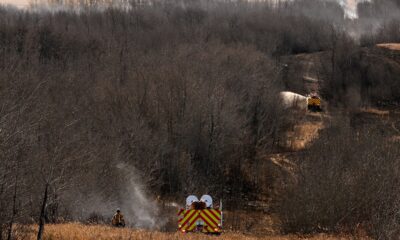
The vote comes at a time when the province is mourning the deaths of four soldiers, while dozens of others were injured from a fast-moving fire that burned through a military base in Alberta.
While the results of a poll involving 1,021 respondents released by Abacus Data on Saturday showed that 74% of decided voters favor Alberta remaining within the Canadian Confederation, the independence issue won’t disappear for the nearly 30% who want Alberta’s government to begin the process to hold a binding provincial referendum on whether Alberta should separate from Canada, according to veteran separatist organizer Cory Morgan, who leads a group called Pathway to Independence.
«It will say that about one in three Albertans have had it,» Morgan told Fox News Digital. «There is a big rift within Alberta and if things don’t change, it will be a growing faction in this province — so this vote is an important one.»
EXCLUSIVE: ‘BROKEN COUNTRY’ FILMMAKER WARNS CANADA’S SLOW DECLINE OFFERS CAUTIONARY TALE FOR AMERICANS
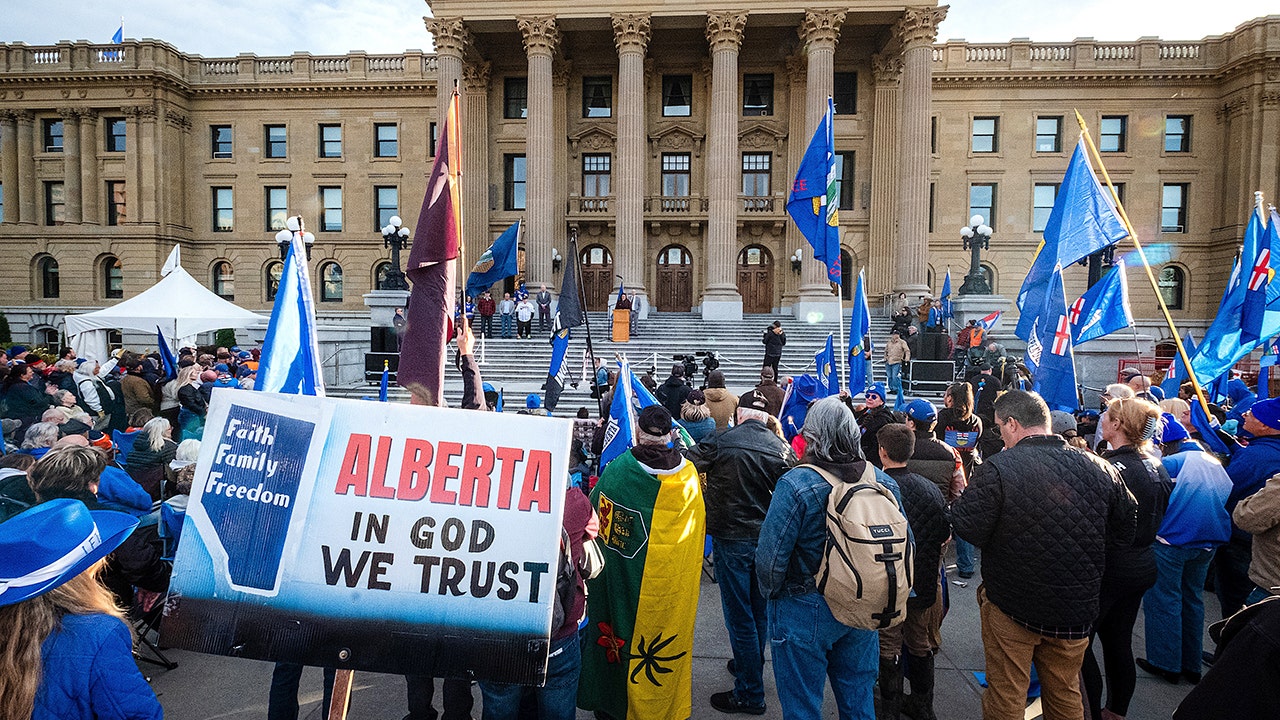
Pro-separatist supporters during an Alberta Independence rally in Edmonton, Alberta, Canada, on Saturday, Oct. 17, 2026. (John Diep/Bloomberg via Getty Images)
About 3 million Albertans are eligible to vote in the referendum.
Another recent Abacus poll found that 61% of the 1,021 eligible voters surveyed expect Albertans will vote again on separation, even if most choose to remain in Canada.
On Friday, the Angus Reid Institute released the results of its poll that found 62% of 1,010 Albertans surveyed believe «there will never be an end to the separatist movement» in the province.
Morgan, who led the short-lived Alberta Independence Party from 2000 to 2001, said that while «a vocal minority» within the separatist movement favor Alberta becoming the 51st state, most pro-independence Albertans «don’t want to become a small fish in an even bigger pond.» He added that «Albertans in general are not too thrilled with President Trump right now and that makes them less inclined to leave the federation.»
At a «Forever Canadian» rally on Friday in Edmonton, where he was raised, Prime Minister Mark Carney told a crowd of over 5,000 people that «this referendum comes at the worst possible time.» He said that «the world is becoming more dangerous and divided [and] some outside our borders are working to break us so they can own us,» making an indirect reference to Trump’s trade war against and annexation talk about Canada.
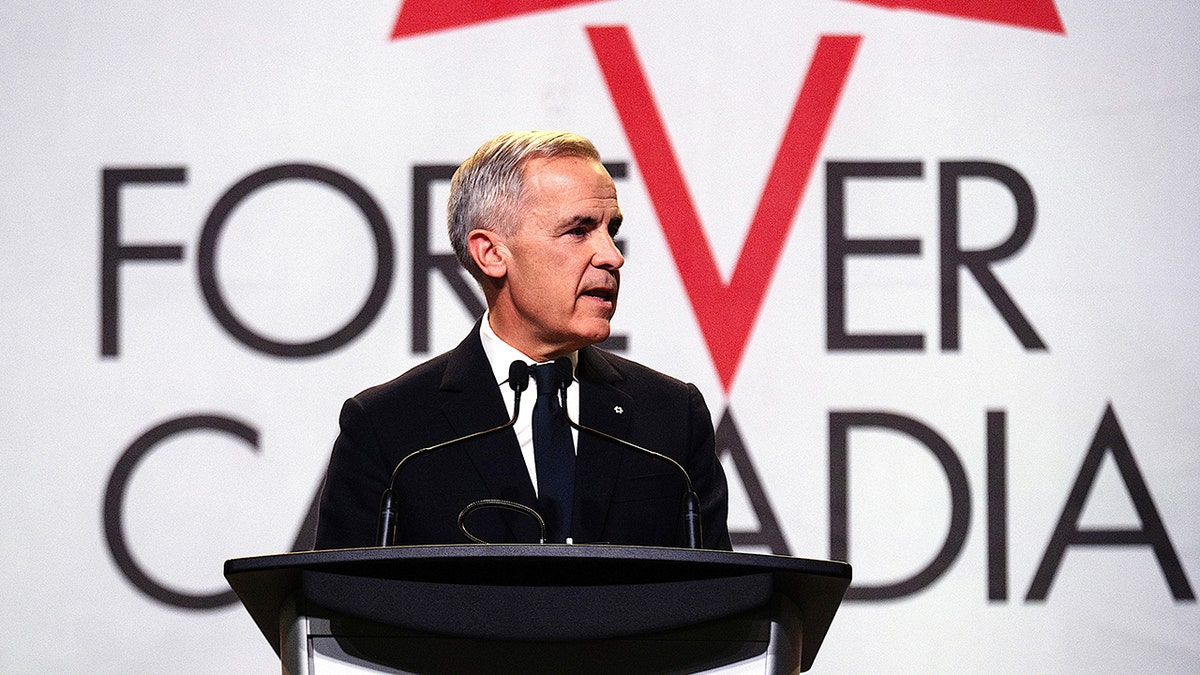
Mark Carney, Canada’s prime minister, during a Forever Canadian rally in Calgary, Alberta, Canada, on Thursday, Oct. 15, 2026. In Monday’s referendum, voters will be asked if they wish to remain in Canada or begin the legal process to hold a binding provincial referendum on whether Alberta should separate. (Allison Seto/Bloomberg via Getty Images)
Alberta-born and raised, 55-year-old Morgan said that his home province is «politically and culturally different» than eastern Canada. «There’s a lot more focus on individual freedoms and property rights,» he noted, acknowledging that those values are traditionally viewed as American.
«Most Albertans are going to feel much more comfortable sitting down for a beer with people from Great Falls, Montana, than they would in Ottawa,» said Morgan. He explained that when Alberta became a Canadian province in 1905, its population grew largely from a migration of Montanans, and when oil was discovered in the 1940s, U.S. companies Chevron and Mobil helped develop what became Alberta’s biggest industry.
Also, earlier this year during an appearance on Real America’s Voice at Davos, Treasury Secretary Scott Bessent described Alberta as «a natural partner for the U.S.» and described Albertans as «very independent people.»
In response, Carney said that he «expect[ed] the U.S. administration to respect Canadian sovereignty.»
Earlier this month, The Globe and Mail reported that Alberta separatist leaders met with Republican strategists in Calgary in January to look at software designed to identify and mobilize supporters. Separatist leaders also reportedly suggested exchanging water and oil for U.S. support when they met with State Department officials in Washington last year.
CANADIAN PM TELLS TRUMP TO ‘STOP TRYING TO BE TOUGH’ IN TRADE FIGHT
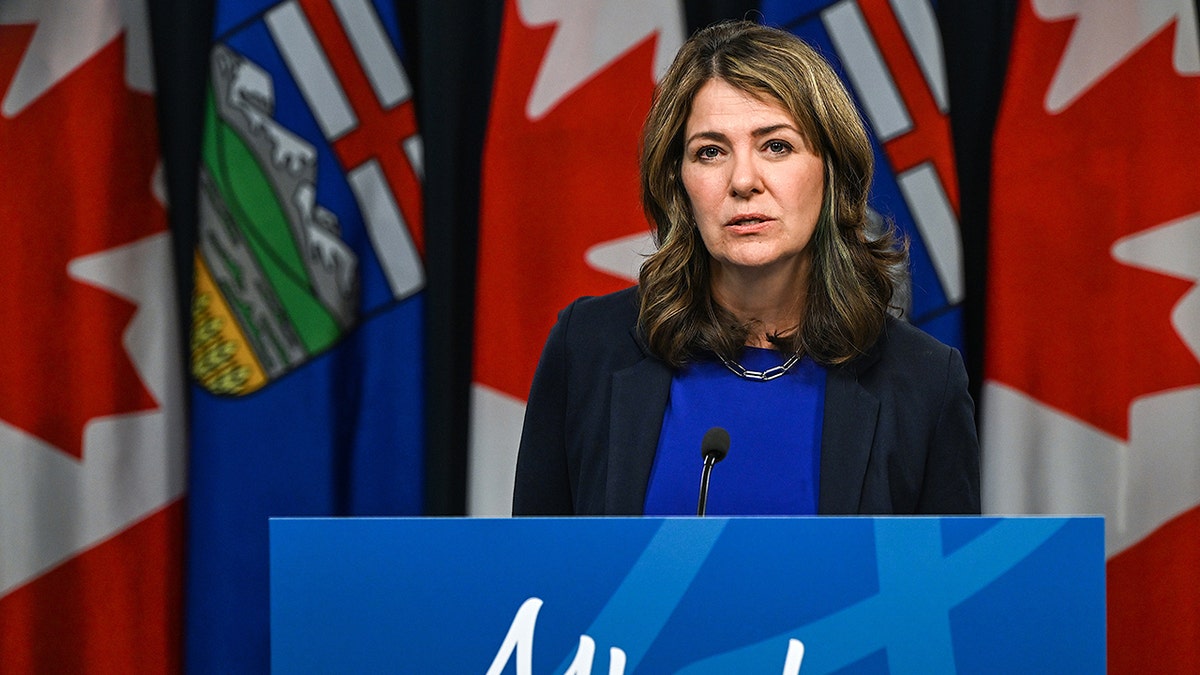
Danielle Smith, premier of Alberta and leader of the United Conservative Party (UCP), speaks during a press conference at the Alberta Legislature on May 6, 2025, in Edmonton, Alberta, Canada. Premier Smith acknowledged that separation sentiment has long existed in Alberta and, while she doesn’t support it, said Albertans have a democratic right to express concerns and debate the province’s place in Canada. (Artur Widak/NurPhoto via Getty Images)
Alberta Premier Danielle Smith told CBC News that if most Albertans support staying in Canada, she would not hold another referendum on the matter as long as she heads the provincial government.
However, on Oct. 18, 2027, residents of the province will vote again in a general election, and Smith could be out of her job by then, warned Morgan, a founding member of the former conservative Wildrose Party, for which Smith served as leader.
That party merged with the then-Progressive Conservative Party of Alberta in 2020 to form the United Conservative Party (UCP) that Smith heads. But Morgan explained that more than half of the UCP’s nearly 55,000 members support Alberta’s independence. The premier has said that she will vote to keep the province in Canada.
Angus Reid, founder and chairman of the Angus Reid Institute, told Fox News Digital that in his firm’s recent polling, 67% of the 293 UCP voters who support a future binding referendum on separation said that they would either «definitely support» or «consider» supporting the creation of a separatist provincial political party – not unlike the Parti Québécois, which won the recent election in Quebec.
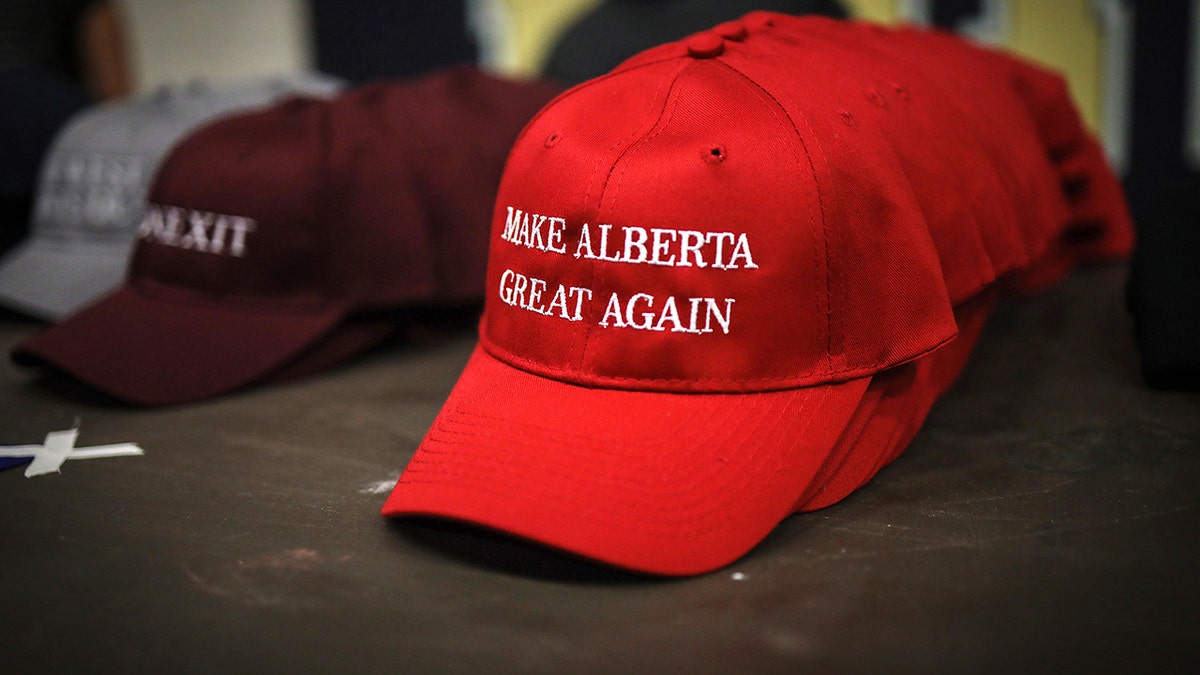
«Make Alberta Great Again» hats sit on display for sale in Calgary, Alberta, Canada, on Saturday, Nov. 16, 2019. (Leah Hennel/Bloomberg via Getty Images)
The emergence of an independence party in Alberta «would probably spell the death of the UCP since it is so badly divided between separatists and non-separatists, and it would likely end the career of Danielle Smith because of the amount of breakage in her party,» said Reid, whose firm’s survey found that 60% of the respondents who support a future binding referendum are «more likely sending a message to Ottawa» about the Canadian government’s often fractious relationship with Alberta.
«Separatist types are looking at how much leverage Quebec has been able to achieve in Canada as a result of its threats of exiting, and saying ‘Hold it, we can play that game too,’» explained Reid.
As of Saturday, more than 1.2 million Albertans had cast a ballot on the referendum, which, in addition to the question on separation, has nine others, five focusing on immigration, such as one asking voters whether their province should take more control «for the purposes of decreasing immigration to more sustainable levels, prioritizing economic migration and giving Albertans first priority on new employment opportunities.»
canada, mark carney, elections







INTERNACIONAL
Saltó desde 7.600 metros sin paracaídas y ahora quiere hacerlo desde el espacio: el nuevo desafío que busca lograr Luke Aikins
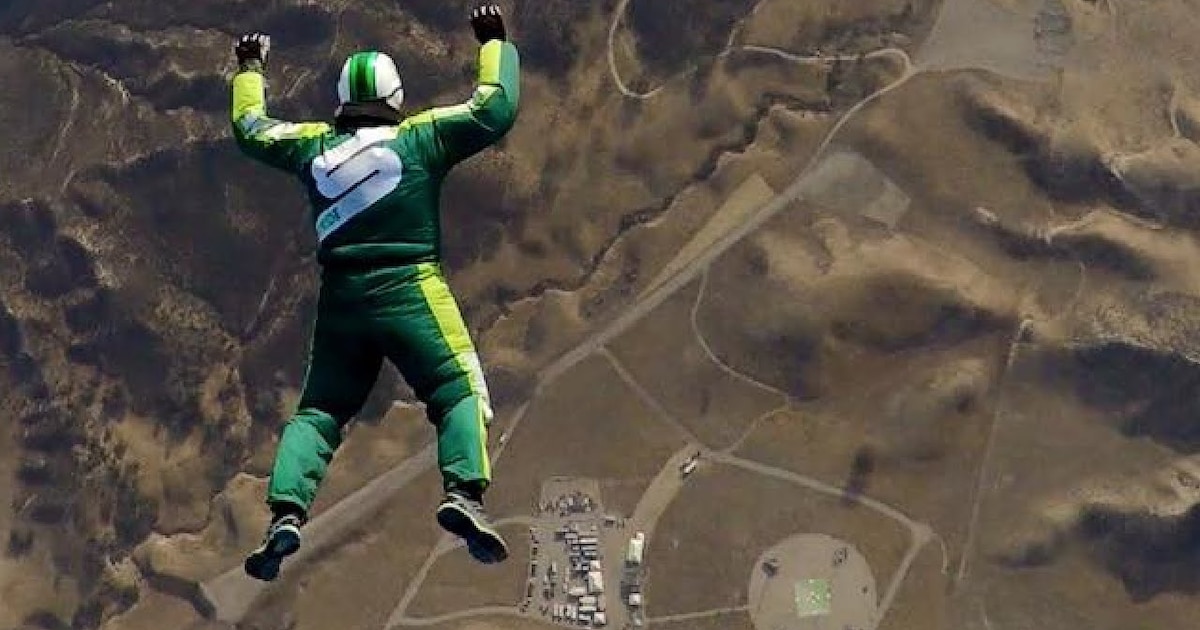
Luke Aikins tiene 52 años, acumula cerca de 22.000 saltos a lo largo de más de tres décadas y ostenta un récord que nadie más intentó igualar: en 2016 se arrojó desde un avión a 7.620 metros de altura sin paracaídas, sin traje aéreo y sin ningún dispositivo de frenado. Cayó ileso sobre una red tendida en el desierto de California. Ahora, una década después, el estadounidense confirmó que persigue un objetivo todavía más extremo: lanzarse desde un cohete a unos 100.000 metros sobre la Tierra, en las inmediaciones de la frontera que separa la atmósfera del espacio exterior.
De acuerdo con un artículo publicado por la revista People, el deportista detalló sus intenciones en una entrevista reciente con The Times. “Ese es el sueño, lo máximo. Lo estoy persiguiendo con mucha fuerza, es mi gran proyecto”, dijo. Aunque todavía no fijó una fecha para la proeza ni precisó los aspectos técnicos, el veterano dejó en claro que trabaja activamente en la planificación de la empresa más ambiciosa de su trayectoria.
En 2016 cayó dos minutos en el vacío y aterrizó en una malla de 30 por 30 metros
El antecedente que convierte al temerario en candidato para semejante desafío ocurrió el 30 de julio de 2016. Aquella tarde, con 42 años cumplidos, se lanzó desde una avioneta Cessna Grand Caravan a 7.620 metros (25.000 pies) sobre Simi Valley, California. Durante dos minutos de descenso libre, alcanzó una velocidad terminal de 193 kilómetros por hora y se guio únicamente por las corrientes de aire para dirigir su cuerpo hacia el objetivo.
El blanco era una estructura de polietileno de alta densidad, de 30 por 30 metros, sostenida a unos 60 metros del suelo por cuatro grúas. Un segundo antes del impacto, giró sobre su espalda para absorber la fuerza del contacto con la curvatura de su cuerpo. La maniobra resultó un éxito. La proeza, bautizada “Heaven Sent”, fue transmitida en vivo por la cadena Fox ante 1,44 millones de espectadores.
Previo al lanzamiento, el Sindicato de Actores de Pantalla le exigió que portara equipo de emergencia por motivos de seguridad. La restricción fue levantada apenas una hora antes de que subiera a la aeronave. El especialista se desprendió del arnés frente a las cámaras. Según la revista, completó unas 350 prácticas preparatorias y tocó la malla con éxito 81 veces durante los ensayos.
Deportista de tercera generación, entrenó a los Navy SEALs y trabajó en Hollywood
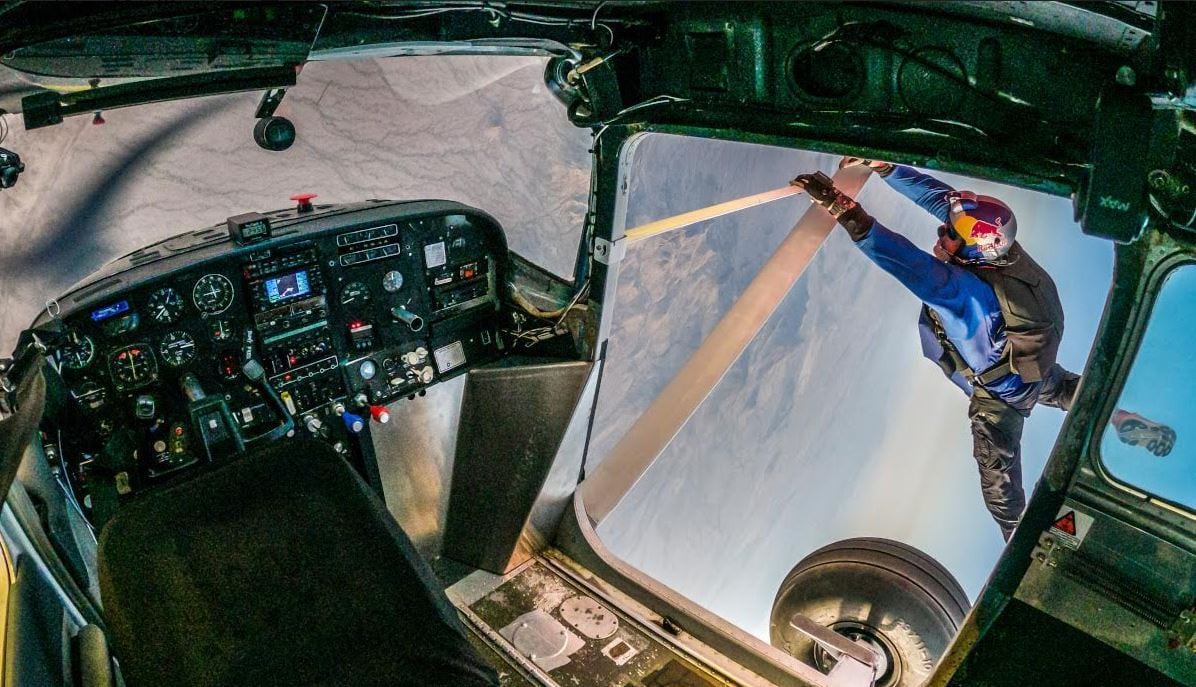
Nacido el 21 de noviembre de 1973 en Corpus Christi, Texas, Aikins lleva la adrenalina en la sangre. Su abuelo cofundó una escuela de vuelo tras servir en la Segunda Guerra Mundial y su familia es propietaria de Skydive Kapowsin, un centro de entrenamiento ubicado en Shelton, Washington. Realizó su primer descenso en tándem a los 12 años y comenzó a tirarse en solitario durante la adolescencia.
Con el tiempo se convirtió en asesor de seguridad de la Asociación de Paracaidismo de Estados Unidos (USPA) y formó a miembros de los Navy SEALs en técnicas de caída libre. También participó como doble de riesgo en producciones como Iron Man 3 y Godzilla. En 2012, colaboró con Felix Baumgartner en su célebre zambullida estratosférica desde un globo de helio a 36.576 metros, y en 2020 asistió al ilusionista David Blaine en su acrobacia Ascension.
El plan lo ubicaría a 100.000 metros, cerca de la línea de Kármán
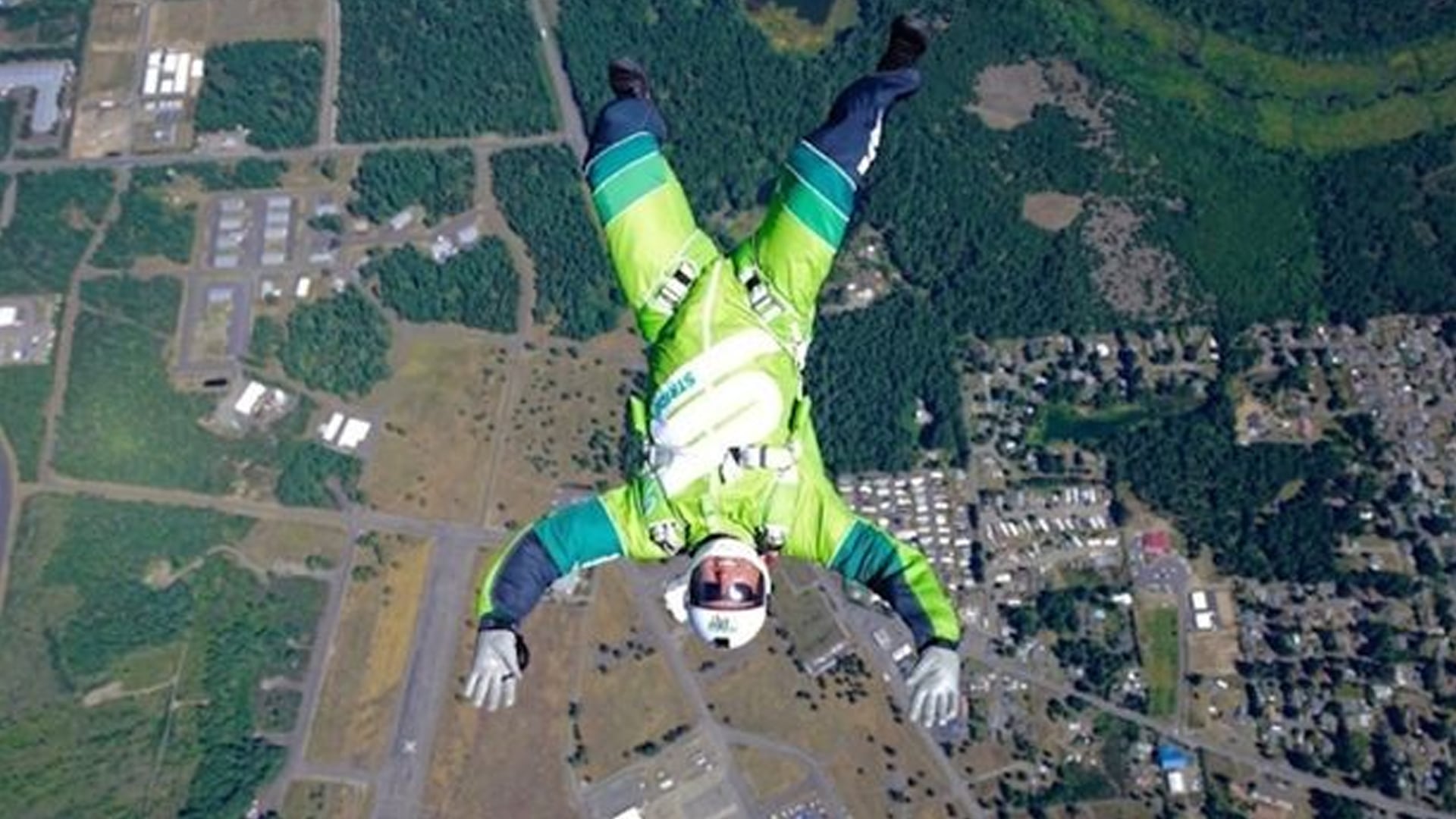
La iniciativa que el norteamericano describió a The Times lo situaría a aproximadamente 330.000 pies (100.584 metros) sobre la superficie terrestre, una cota que supera en más de 12 veces la de su marca de 2016. Esa cifra coincide con las proximidades de la línea de Kármán, fijada a unos 100 kilómetros del suelo y considerada el límite convencional entre la atmósfera y el cosmos.
Para concretar la idea, espera asociarse con una compañía aeroespacial privada que desarrolle tecnología de cohetes comerciales, aunque no identificó a ningún socio ni reveló cómo ejecutaría la operación. Tampoco existe, hasta el momento, un cronograma público ni una aprobación formal.
Ante quienes consideran la propuesta irrealizable, Aikins ofreció una respuesta breve: “Lo imposible es solo una opinión”.
paracaidismo,caída libre,salto BASE
INTERNACIONAL
Trump takes border crackdown to deep-red state as shock Senate battle threatens GOP stronghold

EXCLUSIVE: WICHITA, KANSAS — President Donald Trump is expected to tout his immigration agenda in ruby-red Kansas on Monday, weeks after federal immigration agents made dozens of arrests in the southwestern portion of the state.
Trump is headed to the Sunflower State for a rally just outside of Wichita as a tighter-than-expected Senate race that could determine the balance of power in the upper chamber unfolds.
Digital has learned that Trump will lean into the policy positions that helped propel him and Republicans to power two years ago.
TRUMP DHS HITS 16 STRAIGHT MONTHS WITH 0 RELEASES AT THE BORDER
«President Trump stopped the invasion of our country and delivered Americans the most secure border in American history,» White House spokeswoman Lauren Bis told Digital. «Under the President’s leadership, 3 million illegals have left the United States and zero illegals have been released at the border in seventeen months.»
«Meanwhile, radical Democrats want to go back to their extreme open border policies, abolish ICE, and grant amnesty to the illegal aliens they released into our communities,» she continued.
The Trump-led Department of Homeland Security (DHS) and Immigration and Customs Enforcement (ICE) have touted a string of arrests and deportations of illegal immigrants in the state over the last several months.
GEORGIA ICE SWEEP NABS OVER 700 CRIMINAL ILLEGAL ALIENS, INCLUDING SEX OFFENDERS, CHILD ABUSERS
According to the White House, among some of the «worst of the worst» who were arrested in the state by federal immigration officers include Omar Israel Hernandez of Mexico, convicted of first-degree murder, Jose Luis Rauda-Diaz of El Salvador, convicted of aggravated robbery and two counts of possession of a weapon, Oscar Sanchez-Corona of Mexico, who had previously been deported for drug offenses, damaging property, and driving under the influence, Greg Chukwuka Orji of Nigeria, convicted of dangerous drugs and possession with intent to distribute fentanyl, and Alberto Estrada of Mexico, convicted of aggravated indecent liberties with a child and rape.
Trump’s rally comes as the race between Sen. Roger Marshall, R-Kan., and megachurch pastor Adam Hamilton has cranked up in a state the president has won by double-digits in the last three presidential cycles and has given Republicans cause for concern in a state where voters haven’t elected a Democratic senator in nearly a century.
The Cook Political Report, a nonpartisan race ranker, downgraded the contest to a toss-up earlier this month and money from GOP and Democratic groups is flowing into the state.
KANSAS DEMOCRAT BEGS KAMALA HARRIS NOT TO CAMPAIGN WITH HIM, ‘PLEASE DO NOT COME TO MY STATE’
Marshall, who is vying for a second term, has run close to Trump, rarely breaking from him on key issues throughout this cycle. Hamilton, however, has run away from the Democratic establishment in Washington, D.C., and warned that if elected, he wouldn’t support Senate Minority Leader Chuck Schumer, D-N.Y., for another term leading the caucus.
Trump’s appearance in the state also follows ICE’s three-day sweep in Southwest Kansas last month, dubbed «Operation Safe Community — Kansas,» where agents made over 100 arrests.
Marshall pushed back on the operation, demanding that «when ICE operates in Kansas, it needs to coordinate with our local law enforcement.»
«Our sheriffs and police know these communities better than anyone, and working together keeps officers and residents safe,» Marshall said on X.
Meanwhile, Republicans have targeted Hamilton for his immigration stance, accusing him through ads run by outside groups, like the Senate Leadership Fund, of supporting mass amnesty.
Hamilton, however, pushed back on the Biden administration’s immigration policies and told the Johnson County Post that the previous administration’s open border policies «caused a different kind of chaos.»
«Record crossings overwhelmed communities, and the immigration courts fell years behind,» Hamilton said. «I’m not for open borders, and dangerous criminals don’t belong here.»
politics, donald trump, immigration, kansas, migrant crime
INTERNACIONAL
“Una consulta oportuna y rápida puede cambiar la historia de la enfermedad”, oncóloga guatemalteca recomienda ampliamente la prevención
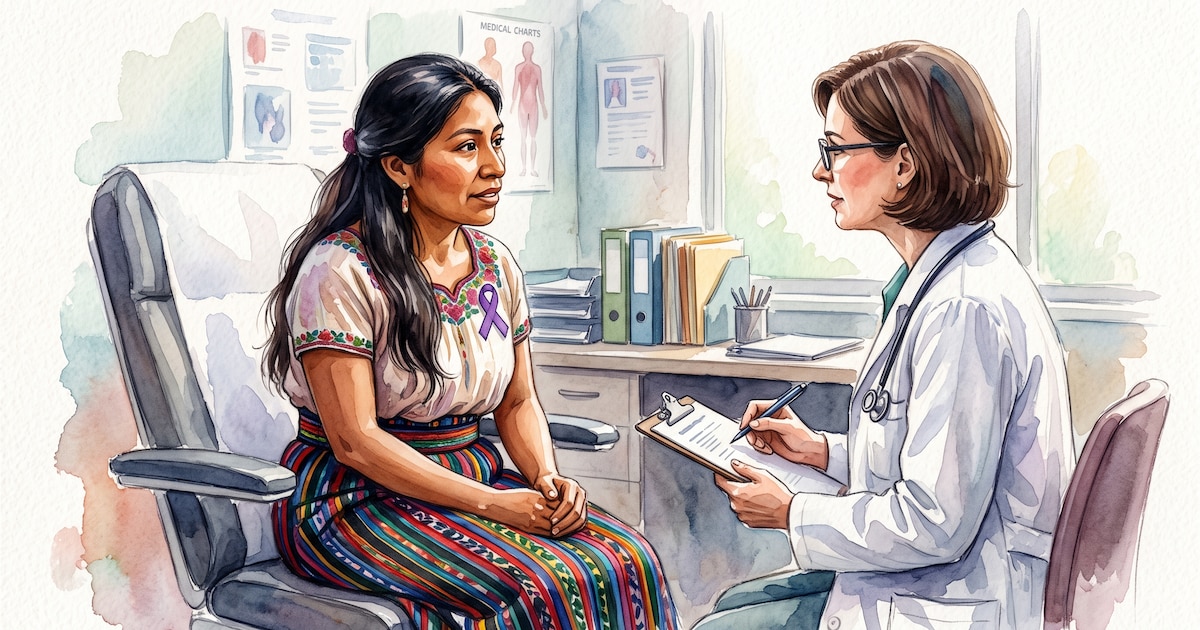
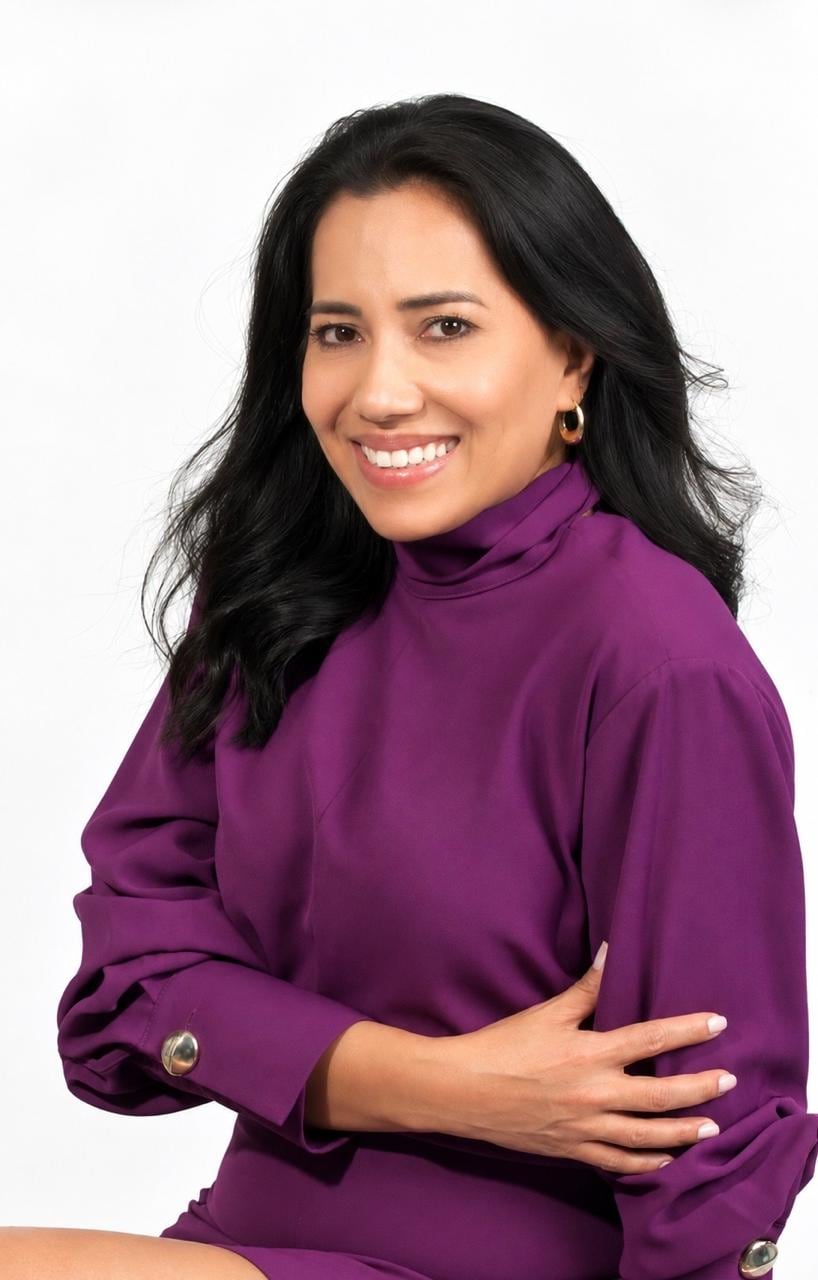
La médico oncóloga Agatha Reyes recomendó conocer los factores de riesgo, realizar controles preventivos y consultar ante cambios en las mamas. También pidió no postergar la atención por miedo o inseguridad: “Una consulta oportuna y rápida puede cambiar la historia de la enfermedad”.
Factores de riesgo y medidas de prevención
Reyes señaló que la prevención comienza por conocer los factores de riesgo modificables y los que no pueden cambiarse.
Entre las medidas que las pacientes sí pueden adoptar, recomendó una alimentación adecuada, actividad física, evitar el alcohol y el tabaco, y no prolongar el uso de terapias hormonales.
La oncóloga explicó que los antecedentes genéticos no se pueden modificar. También incluyó en este grupo haber tenido la primera menstruación a los nueve o diez años y una menopausia tardía.
“Lo primero que diría es tratar de manejar o conocer los factores de riesgo de estas enfermedades”, sostuvo Reyes.
Controles, autoexamen y señales de alerta
—¿Cuándo deben iniciarse los controles preventivos?
—A partir de los cuarenta años debemos empezar a llevar un control preventivo de la enfermedad, con mamografía y ultrasonido.
—¿Por qué se recomiendan ambos estudios?
—Van de la mano porque hay lesiones que se llaman microcalcificaciones, que reflejan una enfermedad premaligna y se pueden identificar en una mamografía, pero no en un ultrasonido. En un ultrasonido podemos definir lesiones que en la mamografía no, entonces al final son complementarias.
—¿Qué ocurre si existen antecedentes familiares?
—Si tengo una familiar con antecedente de cáncer de mama. Mamá, hermana o abuela, tengo que identificar las edades en que ellas presentaron la enfermedad y, dependiendo de eso, empezar controles de manera más temprana.
—¿Cuándo conviene hacer la palpación mamaria?
—Después de siete días del ciclo menstrual. Es muy importante conocer nuestras mamas, ver en el espejo si no hay cambios en la piel, si no hay hundimientos y palparnos conforme a la orientación de las agujas del reloj.
—¿Cuáles son las señales de alerta?
—Engrosamiento en la piel, eritema, hundimiento en la mama, secreción del pezón y palpar una lesión. Todos esos son signos de alerta.
—¿El dolor es una señal suficiente?
—Muchas veces se puede ver una lesión sin necesidad de dolor. Ya cuando hay dolor, puede venir asociado a otras causas, a veces también causas infecciosas.
Recomendaciones tras el diagnóstico y durante el tratamiento
—¿Qué debe hacer una paciente cuando recibe un diagnóstico?
—Lo primero que les digo es que busquen un especialista en el área. Es muy importante que se sientan con confianza y tranquilas con el especialista que las vaya a tratar.
—¿Por qué es necesario seguir la orientación del especialista?
—Muchas veces están con el especialista, pero oyen a la amiga, a la prima y otras historias. Al final, cada historia y cada paciente es diferente.
—¿Qué recomendaciones da durante el tratamiento?
—Todo lo que coman debe ser cocido, hecho en casa y sin cáscara, porque las defensas bajan y puede haber infecciones.
—¿Qué lugar tiene la alimentación?
—En general, recomiendo una alimentación balanceada. Si tienen un tratamiento oncológico, es fundamental tener una nutricionista de la mano.
Cirugía, tratamientos y acompañamiento emocional
—¿Cuándo puede indicarse una cirugía?
—Lo ideal es identificar muy temprano una lesión muy pequeña y empezar con una cirugía. Esto también va a depender del subtipo y de qué tipo de enfermedad es: hormonal, luminal o triple negativo.
—¿La cirugía es necesaria en todos los casos?
—La cirugía es fundamental en el tratamiento. No se puede obviar.
—¿La quimioterapia y la radioterapia siempre son necesarias?
—La radioterapia depende del tipo de cirugía y de la etapa clínica en la que estamos. La quimioterapia también podría no ser necesaria, dependiendo de la etapa en que se diagnosticó.
—¿Qué apoyo se recomienda para una paciente que duda de continuar el tratamiento?
—Trabajo mucho al lado de especialistas de la salud mental, psicólogos y psiquiatras, con los cuales podemos dar apoyo emocional a los pacientes para que entiendan la importancia de los tratamientos.
—¿Qué necesita saber la paciente sobre su atención?
—Lo más importante es hablar el mismo idioma con el paciente para que tenga claro qué estamos haciendo y hacia dónde vamos.
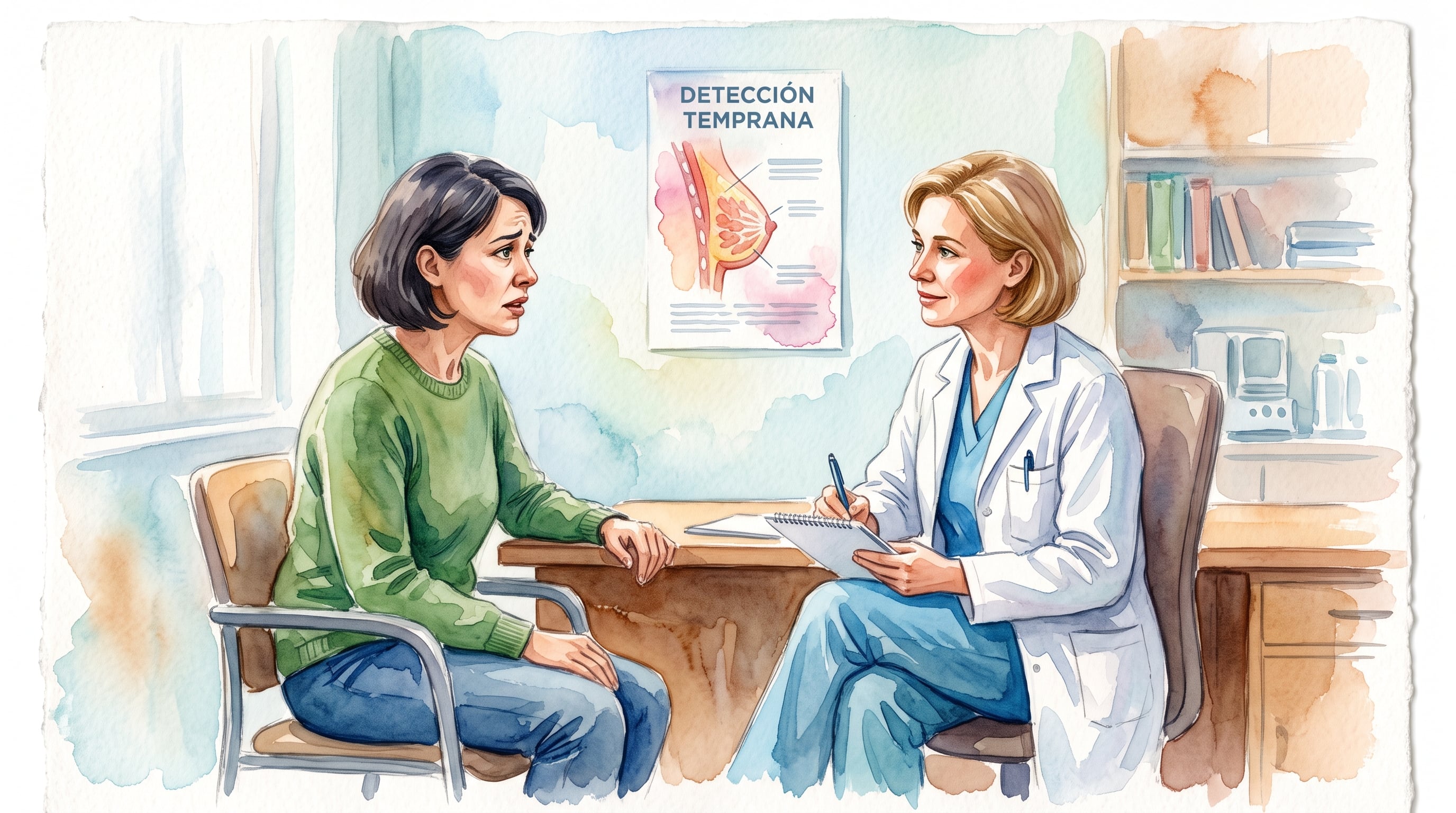
Seguimiento médico y diagnóstico oportuno en Guatemala
Después del tratamiento, Reyes indicó que las pacientes deben mantener una vigilancia estricta durante diez años.
Durante los primeros dos años, recomendó controles cada tres meses. A partir del tercer año, las consultas pueden realizarse cada cuatro meses.
Luego del cuarto año, el seguimiento puede ser cada seis meses. Después de cinco años, puede pasar a ser anual.
La oncóloga aclaró que no existe un momento específico en el que pueda reaparecer la enfermedad. El riesgo cambia según el tipo de cáncer de mama, su agresividad y los riesgos de recurrencia.
Reyes explicó que existen cánceres de mama hormonales, HER2 y triple negativos. “Son diferentes enfermedades con un mismo nombre, que se llama cáncer de mama, pero se tratan diferente”.
En el Hospital Roosevelt, el cáncer de mama ocupa el primer lugar de incidencia entre los tipos de cáncer, según la especialista. También afirmó que los diagnósticos aparecen a edades cada vez más tempranas.
“La mayoría de los casos son localmente avanzados”, señaló. Añadió que disminuyeron los casos que se presentan inicialmente con enfermedad metastásica en otras partes del cuerpo y que empiezan a observarse diagnósticos más tempranos.
Para Reyes, una consulta rápida ante un cambio en las mamas puede modificar el curso de la enfermedad. “Estas enfermedades diagnosticadas a tiempo se curan”.
cáncer de mama,oncología,consulta médica,Guatemala,mujeres indígenas

¡De terror! La macabra venganza de la mamá de Tini Stoessel en el peor momento de la guerra familiar

Gimnasia de Jujuy venció a Nueva Chicago como visitante por la fecha 34 de la Primera Nacional

Se cerrará la fecha 13 del Torneo Clausura con tres partidos: todo lo que hay que saber

Alerta por la crecida de los ríos: el Niño incrementó el caudal esperado para octubre y abrieron las compuertas de Itaipú

Oil Combustibles: la Corte planea revisar antes de fin de año la condena de Echegaray y las absoluciones de López y De Sousa

Vidal habló del futuro político del PRO: “Soy de las que quieren construir una segunda fuerza y dejar al kirchnerismo tercero”

La lesión de Lautaro Martínez que encendió las alarmas de la selección argentina: el comunicado del Inter

Noche negra y oleada de críticas contra Jofre Torrents

El futuro será inteligente, pero inconsciente

La ANMAT prohibió un dispositivo de depilación definitiva por irregularidades sanitarias

 CHIMENTOS3 días ago
Juan Minujín contó como llegó a trabajar con Angelina Jolie y Salma Hayek: «Al principio dije que no»
- INTERNACIONAL3 días ago
Trump’s new press secretary out of the job just days after rocky debut
- POLITICA3 días ago
Los intendentes del PJ que afrontarán un recambio inédito si es que la ley de reelecciones no se revierte