INTERNACIONAL
Siete de cada 10 costarricenses realizan actividad física, según encuesta

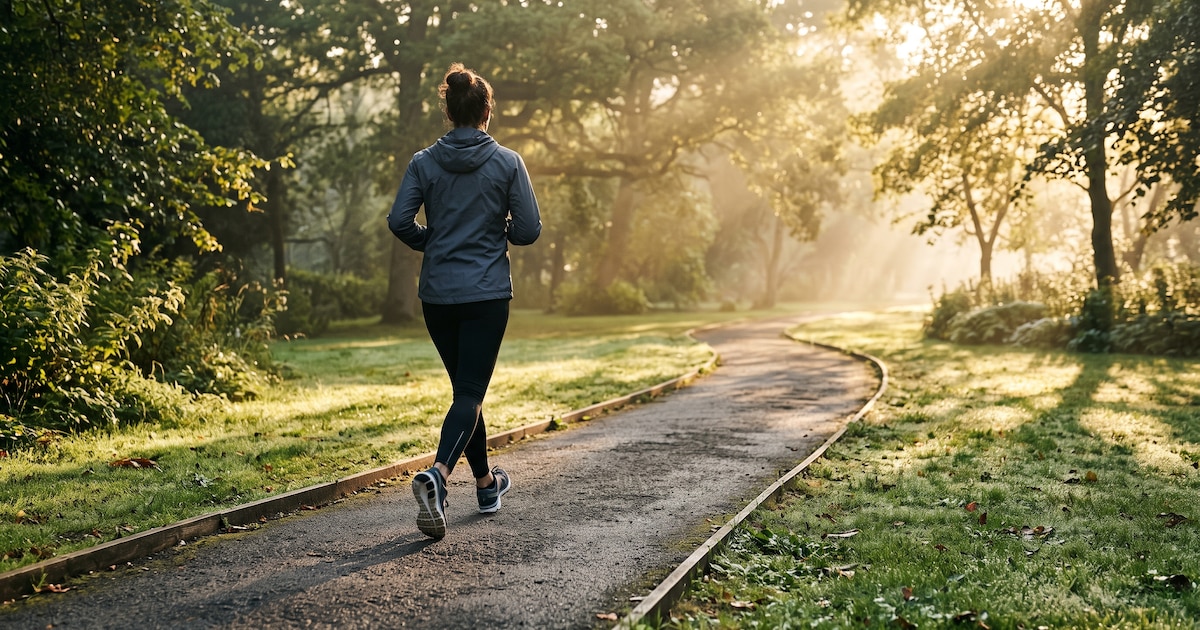
La práctica de ejercicio o de algún deporte alcanza al 69% de la población costarricense, según la encuesta Nacional de Deportes, Recreación y Actividad Física, 2026. Aunque el resultado representa a casi siete de cada 10 personas, muestra una reducción frente al 73.5% registrado cuatro años antes.
La encuesta fue elaborada por el Instituto de Estudios Sociales en Población de la Universidad Nacional (Idespo-UNA), en coordinación con el Instituto del Deporte y la Recreación (Icoder). La investigación se aplicó del 6 al 24 de abril de 2026.
La muestra incluyó a 1,220 personas y contó con un nivel de confianza del 95%. El margen de error fue de 2.8%.
De acuerdo al estudio, las actividades aeróbicas concentran la mayor parte de las preferencias. Caminar, trotar, correr o practicar senderismo reúne el 37.3% de las respuestas, seguido por el entrenamiento en gimnasios o centros deportivos, con el 18.7%, los deportes colectivos, con el 14.8%, y las disciplinas individuales, con el 10.8%.
Entre quienes hacen ejercicio, el 73% indicó que lo practica tres o más veces por semana. Otro 21.3% señaló que realiza actividad física entre una y dos veces semanales.
La salud es la principal razón para mantenerse activo, según el 64.9% de las personas consultadas. El gusto personal obtuvo el 9.8% de las respuestas, la recreación o el pasatiempo alcanzó el 8.6%, mientras que el trabajo representó el 4.9% y el control del estrés, el 3.7%.
La falta de tiempo fue la barrera más mencionada para no hacer ejercicio
El 31% de la población no practica deportes ni realiza actividad física. Entre ese grupo, el 48.2% identificó la falta de tiempo como el principal impedimento, seguido por los problemas de salud, mencionados por el 16.5%, y las limitaciones de movilidad o condiciones de discapacidad, con el 11.6%.
El informe plantea que la falta de tiempo podría estar vinculada con las jornadas laborales, las responsabilidades familiares y de cuido, los desplazamientos y otros factores que limitan la disponibilidad para participar en actividades recreativas o deportivas.
Los espacios gratuitos son los lugares más utilizados para hacer ejercicio. El 41.5% de la población mencionó plazas, canchas, polideportivos, pistas de atletismo o parques próximos a su comunidad, mientras que el 33.1% indicó que asiste a un gimnasio o centro deportivo.
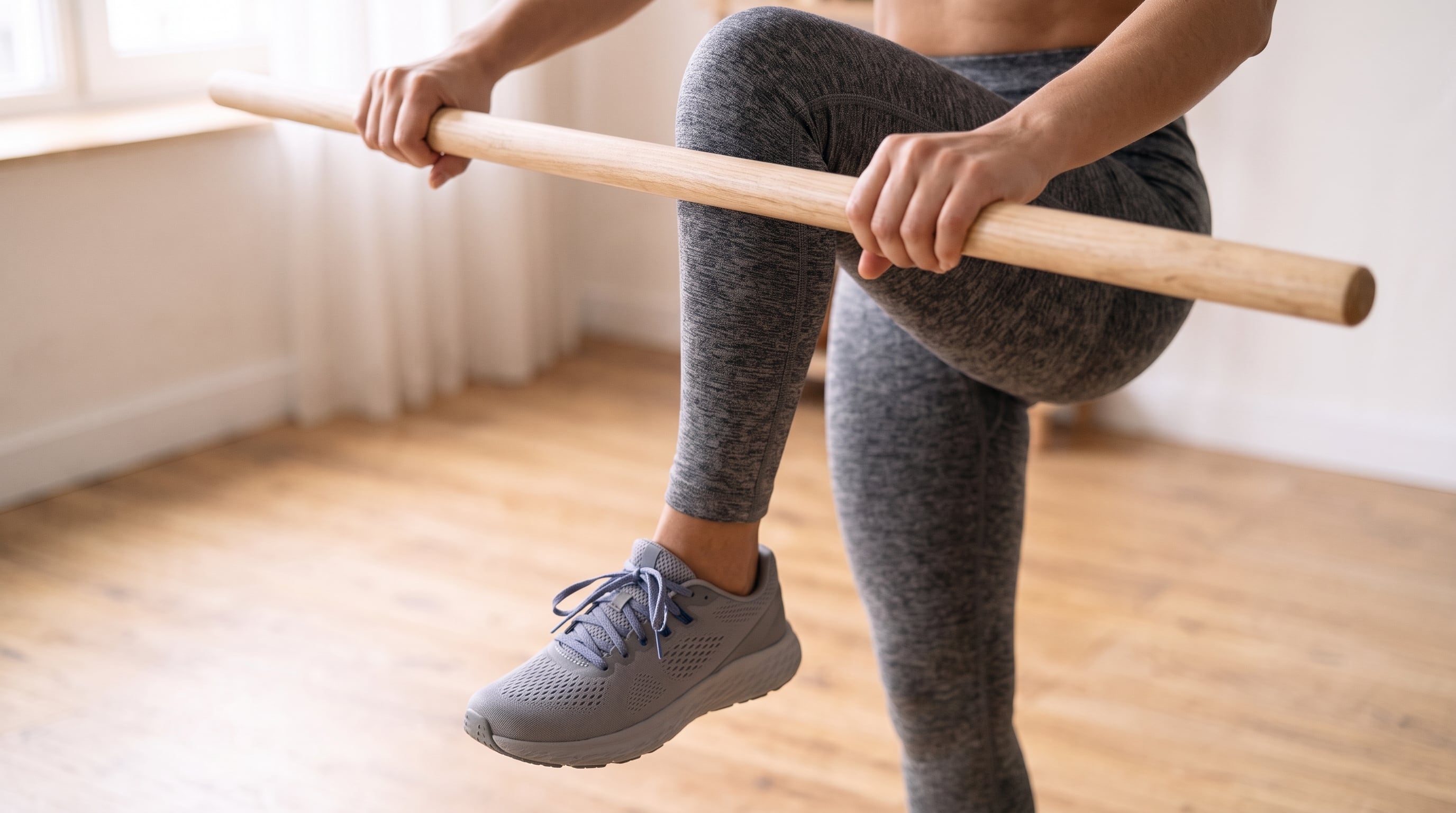
Las vías públicas fueron escogidas por el 24.2% de las personas consultadas. A su vez, el 18.2% afirmó que hace ejercicio en su vivienda y por cuenta propia.
La organización de los entrenamientos también presenta distintas modalidades. Cuatro de cada 10 personas no siguen una rutina establecida, el 27.2% realiza los ejercicios de manera independiente, el 24.6% cuenta con un entrenador y el 7.4% utiliza rutinas encontradas en internet.
Aunque el 81.7% señaló que existen lugares abiertos al público para practicar deporte, el 36.7% reportó limitaciones económicas para participar en algo o mucho. El estudio sugirió fortalecer los espacios, programas y actividades de bajo costo o gratuitas, además de medidas que reduzcan las desigualdades de acceso.
Casi la mitad de la población no destinó dinero a la actividad física
El uso de parques, canchas y otros sitios de acceso libre se refleja en el presupuesto de los hogares. El 45% de los consultados aseguró que no realizó ningún gasto relacionado con la práctica deportiva o recreativa.
Entre quienes sí destinaron recursos, el 16.2% indicó desembolsos de entre 25 mil colones (USD 55) y menos de 50 mil colones (USD 110). Otro 15.3% reportó gastos de entre 10 mil colones (USD 22) y menos de 25 mil colones (USD 55).
La compra de implementos o equipo fue el gasto más mencionado entre quienes incorporan el deporte dentro de su presupuesto, con el 21%. El pago de membresías a gimnasios o centros privados reunió el 15.2%, mientras que el 8.2% señaló desembolsos por atención física, sesiones de recuperación o servicios de salud.
Las redes sociales son el principal medio para enterarse de actividades recreativas y deportivas en cada cantón. El 73.2% de las personas dijo que obtiene esa información por esas plataformas, el 35.3% la recibe por WhatsApp y el 20.8% se informa por televisión, periódicos o radio.

El estudio comparó estos resultados con los de 2022, cuando el 59.2% de la población mencionó las redes sociales y el 28.4%, WhatsApp. A partir de esos datos, el informe señaló la importancia de fortalecer la divulgación mediante redes y servicios de mensajería.
Las preferencias deportivas varían por edad, género y escolaridad
La encuesta identificó diferencias en los hábitos según las características de la población. Los hombres mostraron una preferencia por disciplinas competitivas, de contacto y al aire libre, con los deportes colectivos destacados en el 89% de ese grupo.
Las mujeres priorizaron actividades vinculadas con el ritmo y el bienestar. El baile y la zumba registraron una presencia del 93% entre sus preferencias.
En San José predominan las actividades de ritmo y socialización. En Heredia, los gimnasios y otros centros deportivos encabezan las opciones, mientras que en Alajuela, Cartago y las zonas periféricas se observó una mayor inclinación por actividades realizadas desde el hogar y en entornos privados.
El segmento de entre 18 y 34 años se inclinó por los deportes colectivos, con el 55%, y asiste con mayor frecuencia al gimnasio. La población de 60 años o más mostró una preferencia por propuestas recreativas y vinculadas con la salud corporal.
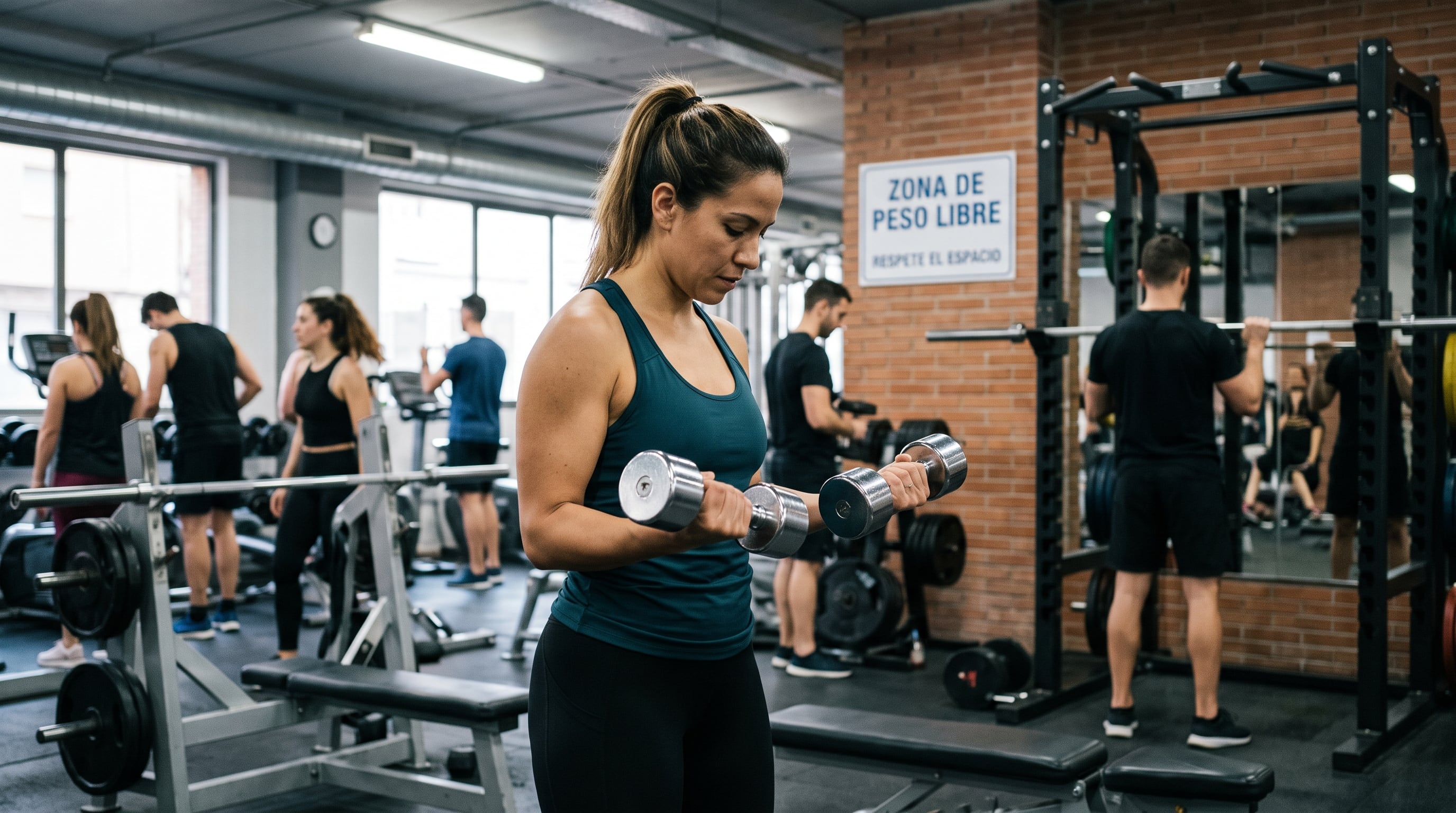
Las personas con formación universitaria o de posgrado presentan una mayor propensión a asistir a lugares privados que requieren inversión económica, como gimnasios o rutinas de yoga y pilates. Los perfiles de menor escolaridad optan más por espacios comunitarios: los deportes de contacto alcanzaron el 48% entre quienes tienen secundaria completa y el baile y la zumba reunieron el 43% entre la población con primaria y secundaria.
El uso de pantallas aparece entre los obstáculos para niños y adolescentes
El 75.1% de los hogares con niños y adolescentes indicó que esa población realiza actividad física. El 52.2% respondió que los menores hacen ejercicio varias veces por semana, el 29.2% señaló una práctica semanal y el 13.4% afirmó que la realizan todos los días.
La escuela o el colegio fue el principal lugar para hacer actividad física, de acuerdo con el 42.1% de la muestra. Los parques, las plazas y las canchas públicas fueron mencionados por el 26%.

A diferencia de lo observado en la población general, el uso excesivo de pantallas fue señalado por el 21.5% como la principal razón que limita el ejercicio entre niños y adolescentes. La falta de tiempo de padres, madres o cuidadores recibió el 21.4% de las respuestas.
La encuesta fue elaborada por el Instituto de Estudios Sociales en Población de la Universidad Nacional (Idespo-UNA), en coordinación con el Instituto del Deporte y la Recreación (Icoder). La investigación se aplicó del 6 al 24 de abril de 2026.
La muestra incluyó a 1,220 personas y contó con un nivel de confianza del 95%. El margen de error fue de 2.8%.
caminata,parque urbano,ejercicio físico,amanecer,sendero











INTERNACIONAL
Protestas en Francia: Macron llamó a la calma y volvió a acusar de golpistas a grupos de extrema izquierda
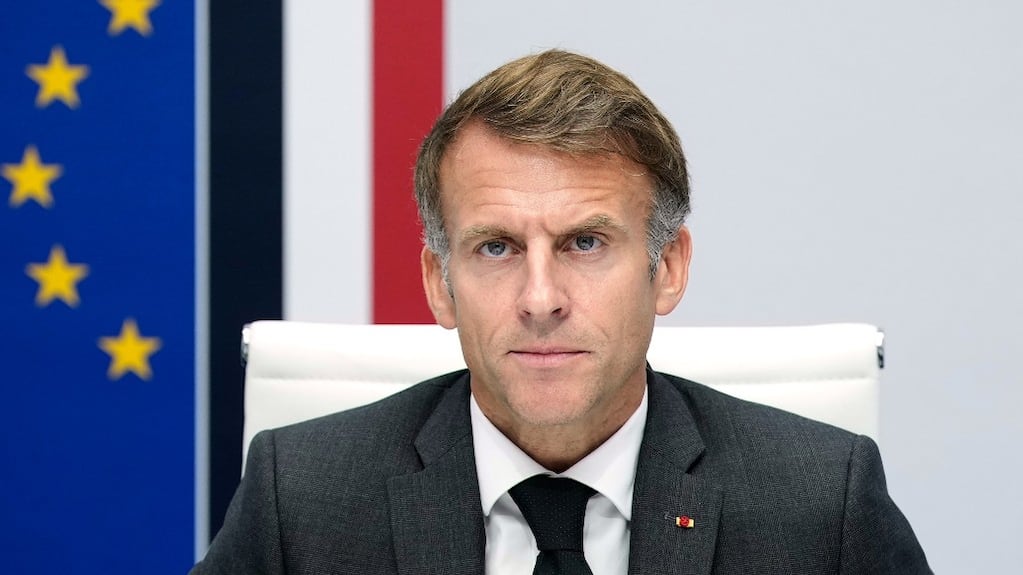
El presidente Emmanuel Macron hizo este jueves un llamado a la calma a dos días de las nuevas protestas convocadas para este sábado en Francia y acusó a grupos de extrema izquierda de haber querido “hacer caer la República” durante los recientes disturbios
“Queremos un regreso a la calma”, afirmó.
Poco después, la policía de París decretó una extensión del toque de queda en algunas zonas de la capital francesa todas las noches desde las 23:00 hasta las 06:00 del lunes próximo.
La Prefectura de Policía también anunció la prohibición de “cualquier reunión no declarada” durante la tarde y la noche del jueves al viernes, especialmente en los alrededores del Elíseo, la Asamblea Nacional, el Senado, la avenida de los Campos Elíseos y las estaciones de tren. Esta medida se aplica tanto a adultos como a menores.
Macron anunció que el sábado solo se permitirán las manifestaciones organizadas por sindicatos y se ofrecerán circuitos alternativos para proteger los “centros urbanos” y los “comercios y edificios”.
“La recomendación general es que no haya manifestaciones en los próximos días”, afirmó el jefe del Estado después de un consejo de seguridad. Las peticiones formuladas por “gente que no tiene ninguna legitimidad para ello” serán rechazadas, advirtió.
Francia vive un estado de enorme agitación social con protestas que que culminaron con una ola de violencia el sábado pasado que dejó 3000 tiendas saquedas, vehículos incendiados y choques entre manifestantes y policías.
“Hemos tenido a la vez actos políticos e incluso sediciosos llevados a cabo por grupos organizados de ultraizquierda cuyo objetivo es hacer caer la República”, afirmó Macron al término de una reunión en el Elíseo con los servicios de inteligencia, acusados de no haber previsto la magnitud de la movilización del sábado.
Reunión multipartidaria
En este contexto tenso, el primer ministro, Sébastien Lecornu, recibió este jueves por la tarde a los partidos en presencia de los ministros del Interior, Laurent Nuñez, y Justicia, Gérald Darmanin, y de los responsables de los servicios de inteligencia y de las fuerzas del orden.
La mayoría de los partidos envió a sus líderes, pero el ultraderechista Agrupación Nacional (RN) de Marine Le Pen estuvo representado por un responsable de menor rango.
Lecornu tenía previsto reunirse con alcaldes y, el lunes, con grupos de estudiantes, sindicatos y la patronal. Macron aseguró que la opción de declarar el estado de emergencia no está sobre la mesa.
El ministro de Justicia, Gérald Darmanin, indicó este jueves que 217 de las 2700 personas detenidas durante y desde el pasado fin de semana fueron encarceladas, y que otras 1000 aún están siendo procesadas.
Protestas prohibidas
Después de los actos violentos, las autoridades ordenaron tres noches de toque de queda en zonas de varias ciudades como París y Lyon, la tercera más grande del país.
En París, cientos de personas participaron este jueves en una manifestación estudiantil cuya prohibición por parte de la policía fue anulada in extremis por un juez.
Macron
INTERNACIONAL
DOJ moves to boot two federal judges from immigration cases over remarks to media: ‘Extraordinarily imprudent’
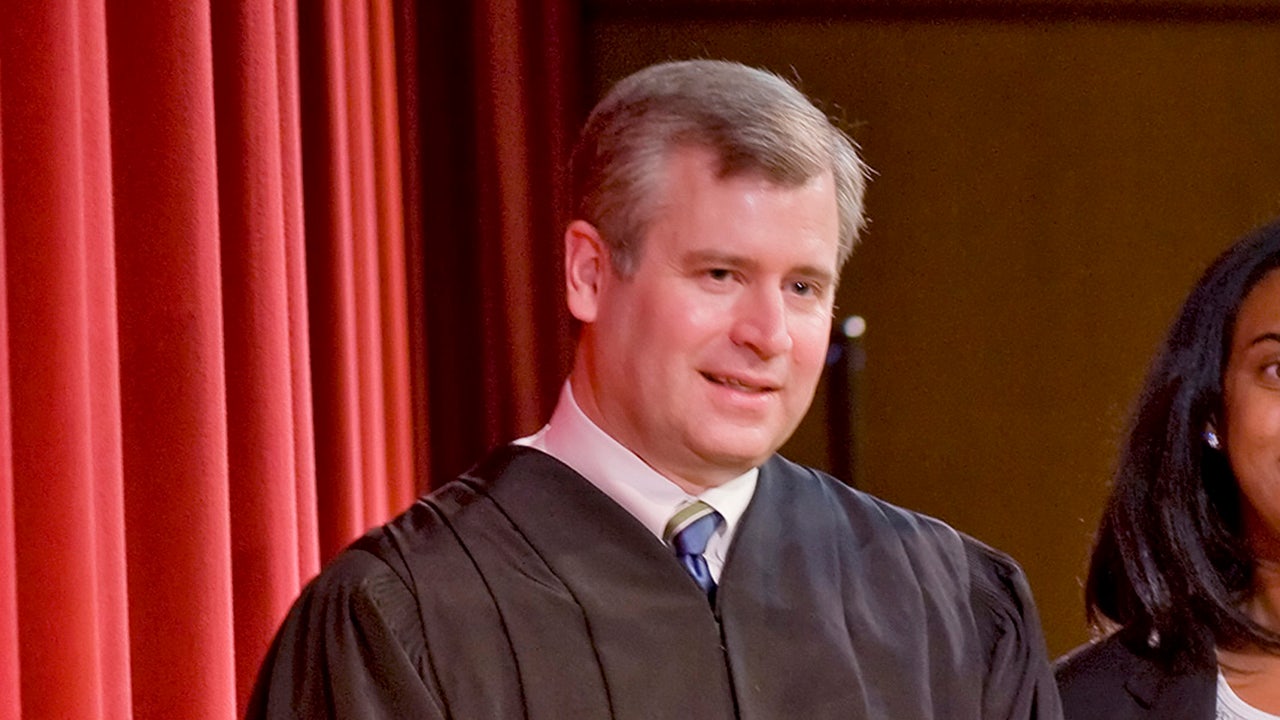
Two Minnesota federal judges who took the unusual step of publicly criticizing the Trump administration’s immigration crackdown to the New York Times are now fighting the administration’s efforts to disqualify them from cases involving immigration enforcement.
One of those judges, Patrick Schiltz, is overseeing the Justice Department’s effort to strip U. S. citizenship from Salah Osman Ahmed, a Somali-born man who pleaded guilty in 2009 to providing material support to terrorists after joining al- Shabaab. The other, John Tunheim, is presiding over the prosecution of a South African national accused of falsely claiming U. S. citizenship and illegally voting in the 2024 election. The Justice Department filed separate motions asking Schiltz and Tunheim to recuse themselves, arguing that their participation in the New York Times report criticizing President Donald Trump’s Operation Metro Surge has raised questions about whether they can fairly preside over the cases.
«Impartiality is imperative to ensuring public trust in our Nation’s judiciary,» the Justice Department said in a statement posted to X this week. «Judge Schiltz’s and Judge Tunheim’s on-the-record participation in a recent highly partisan New York Times Article, along with Judge Schiltz’s subsequent public comments, unquestionably calls into doubt whether they can be impartial in these cases.»
OBAMA-APPOINTED JUDGE AT CENTER OF TRUMP’S ANTI-WEAPONIZATION FUND CASE HIT WITH MISCONDUCT CLAIM
The Justice Department’s formal recusal demand follows reporting by Digital last month detailing unusual behind-the-scenes coordination among Minnesota’s federal bench as judges confronted a massive influx of immigration cases stemming from the administration’s enforcement operation. The report came after Schiltz and Tunheim were among seven Minnesota federal judges who spoke with the Times in September about Operation Metro Surge. Schiltz sat for a roughly 90- minute interview during which he described the administration’s handling of the operation as having created a «grave threat to the rule of law,» while Tunheim suggested to the Times that agents carrying out the administration’s immigration crackdown were not primarily apprehending dangerous criminals.
DOJ had already raised the prospect that judges who publicly discussed the administration’s immigration cases might need to step aside when the Times report was released in September. Last month, DOJ filed a judicial misconduct complaint against Schiltz, Tunheim and other Minnesota judges who participated in the Times report, accusing them of violating judicial ethics rules and asking the Eighth Circuit to investigate. Attorney General Todd Blanche said their conduct had «undermined public confidence in an impartial judiciary in Minnesota.»
«It is remarkable that sitting federal judges are giving on-the-record interviews attacking this Administration’s policies rather than ruling from the bench,» a Justice Department spokesperson told Digital in September. «Judges who have made public comments on pending or related matters should consider whether recusal is warranted going forward.»
‘WORST OF THE WORST’ JUDGES ARE SABOTAGING TRUMP’S IMMIGRATION AGENDA, TOP DHS OFFICIAL SAYS
The Times report in question revealed that Schiltz, Tunheim and the other Minnesota judges handling the flood of Operation Metro Surge cases regularly met, communicated through running email threads and used an informal spreadsheet created by court clerks to identify judges to consult about recurring legal questions. Chief Judge Eric Tostrud previously told Digital that the judges nevertheless independently decided every case assigned to them.
«The bottom line is that each of us made an independent decision with respect to the merits of each and every petition we were assigned,» Tostrud said at the time.
The Justice Department, however, has accused Schiltz and the other judges of «publicly» taking sides in the ongoing battle over Trump’s deportation agenda.
«A judge who has publicly taken sides on the political issue of immigration enforcement cannot then preside over a case concerning one of the Justice Department’s key immigration initiatives: pursuing the largest denaturalization effort in Department history to restore trust and integrity in U.S. citizenship,» Associate Attorney General Stanley Woodward wrote.
Schiltz declined to comment on the Justice Department’s new effort to disqualify him when reached by Digital this week. But when Digital asked him about the possibility of recusal in September, Schiltz argued there was no basis for him to step aside — and pointed to the fact that DOJ had not asked him to do so.
TRUMP ADMINISTRATION’S IMMIGRATION PUSH FUELS ICE’S BIGGEST ARREST MONTH IN AGENCY HISTORY
«I have seen suggestions from the Administration that I might have to recuse in immigration cases, but no one has yet identified any basis for my recusal, which is presumably why the Justice Department has not asked me to recuse,» Schiltz said at the time.
«Neither in the New York Times article nor anywhere else have I commented on the merits of a particular case,» he continued. «Instead, I have spoken in defense of the rule of law, a component of which is compliance with court orders. That is not a cause for recusal.»
Tunheim did not respond to Digital’s request for comment.
Charles «Cully» Stimson, a senior legal fellow at the Heritage Foundation who previously served as a federal prosecutor and military judge, told Digital that judges ordinarily avoid publicly commenting on matters that could intersect with cases before them.
«These judges did something extraordinarily imprudent, and that is to talk to any newspaper, much less the New York Times,» Stimson said. «That was a big no-no.»
STATE’S LARGEST MOSQUE LEADER’S DEPORTATION FIGHT TAKES DRAMATIC TURN AS TRUMP ADMIN SCORES MAJOR WIN
Asked what he would do if the New York Times interviews were the only facts at issue, Stimson said he would step aside.
«If we were to just go off of the New York Times interview … I would recuse myself,» Stimson said, noting the recusal would only be from the particular case at issue as opposed to all future cases adjudicating the same principles.
Stimson cautioned, however, that recusal motions put judges in the unusual position of effectively judging their own impartiality and said it would be inappropriate to predict how either motion should ultimately be resolved without the complete record.
SIGN UP TO GET THE POLITICS NEWSLETTER
If either judge denies DOJ’s request, Stimson said the government could seek review from the Eighth Circuit, where a three-judge panel would determine whether the government has met the legal standard for recusal.
DOJ declined to comment further Thursday beyond its public statement. A DOJ spokesperson also did not answer Digital’s question about whether the department would appeal if Schiltz or Tunheim denies the recusal motions.
federal judges, federal courts, justice department, judiciary, politics, deportation
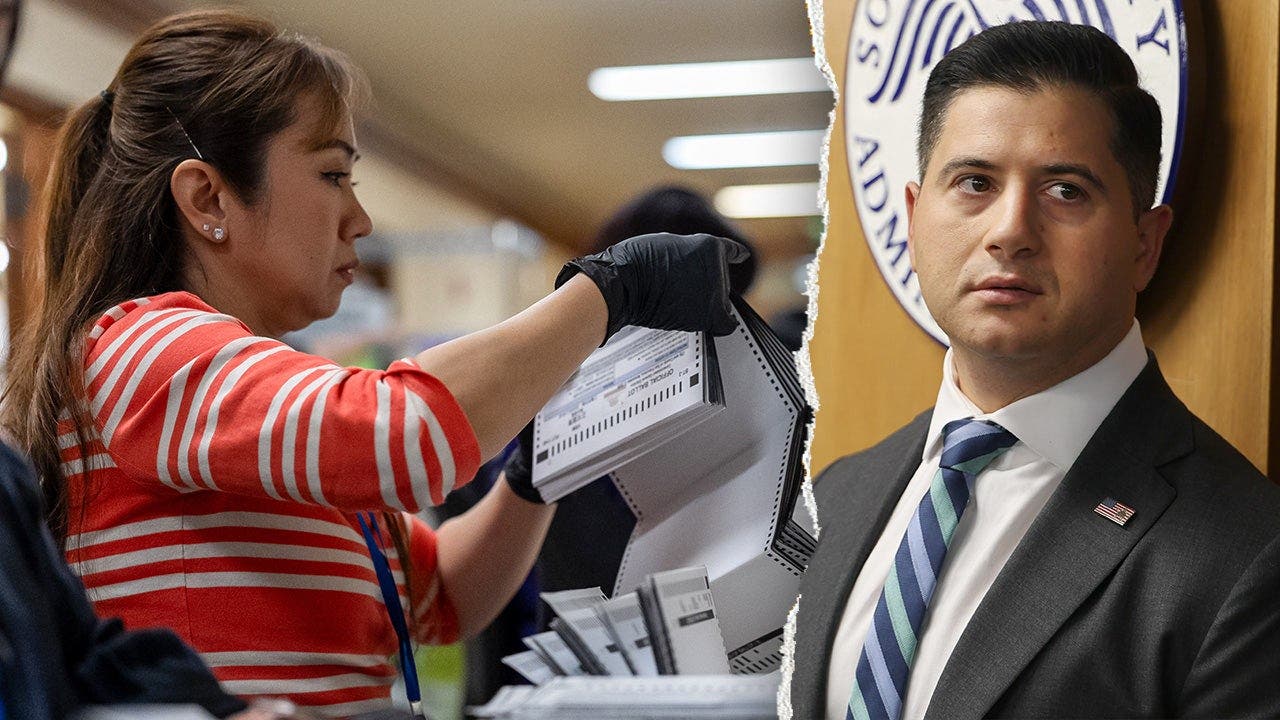
A top federal prosecutor in California said federal investigators have determined that all 20,000 people they flagged on the state’s voter rolls as «likely noncitizens» are not U.S. citizens.
Bill Essayli, the first assistant U.S. attorney for California’s Central District, told Digital that federal investigators have evidence that these 20,000 individuals received mail ballots this month. His office sued California last week seeking a court order to prevent any ballots they return from being counted.
«We’re not asking California to take any drastic steps other than to sequester the ballots from the suspected noncitizens,» Essayli said in an interview on Wednesday. «We believe it’s at a minimum of 20,000. That’s the floor.»
The potential ceiling, he said, is much larger. Essayli referenced a letter Homeland Security Secretary Markwayne Mullin sent to California in July that flagged nearly 200,000 voters as possible noncitizens.
DOJ OFFICIAL DEFENDS TRUMP’S NONCITIZEN VOTER PROBE ON ’60 MINUTES,’ ACCUSES SHOW OF EDITING OUT HER ANSWERS
Since then, federal investigators have been sifting through those records to identify people they believe they can verify as noncitizens.
He said 20,000 is only the current tally and expects thousands more names to be added in the coming days.
Earlier this week, Essayli got into a social media spat with Gov. Gavin Newsom over the state’s safeguards against noncitizen voting.
Essayli argued that California is allowing people without citizenship onto the voter rolls through its supposedly lax verification processes, while Newsom said the state follows all relevant federal law governing the integrity of elections.
In court filings, California election officials have pushed back against the Justice Department’s demands, arguing that county election offices lack both the authority and access to federal records needed to verify voters’ citizenship status.
They have also said that sequestering ballots from people on the DOJ list is impossible in cases where the ballots have already been processed. Once a ballot’s signature is verified, it is removed from its identifying envelope and processed alongside other ballots, meaning it can no longer be traced back to an individual voter.
STATE DEPARTMENT CONSIDERS SHARING PASSPORT RECORDS FOR VOTER CITIZENSHIP CHECKS
«That is true. That’s why we’re getting an emergency court order requiring them to put those ballots aside,» Essayli said. «Ballots have already gone out, people are filling them out and they’re being returned in process as we speak. So, the crime is occurring in real time.»
The DOJ escalated its push for immediate court intervention Wednesday, asking the judge to rule on its emergency request by noon Thursday. In Los Angeles County alone, officials have already processed 331,000 ballots, according to court records.
Essayli’s office filed suit on Oct. 15, roughly two weeks after California sent out mail ballots, including to the possible noncitizens on the DOJ list, according to the federal government.
When asked why the Justice Department didn’t act sooner, Essayli explained that investigators did not know exactly which voters would receive ballots until they were sent.
ELECTION CRIME ARRESTS KEEP PILING UP AS DEMS INSIST IT ‘JUST DOESN’T HAPPEN’
He said California should cooperate with the federal government to expedite the process of verifying voters’ citizenship.
That would involve providing additional identifying information, including driver’s license numbers and Social Security numbers when available, that federal investigators could cross-check against government databases.
California and dozens of other states treat this information as confidential and have refused to turn it over to the federal government, prompting the DOJ to take several of them to court.
In a separate lawsuit from Sept. 2025, the DOJ tried to compel California to provide its complete, unredacted voter-registration database, including names, Social Security numbers, home addresses and voting histories.
In January, a district court sided with California and dismissed the case, calling the government’s request «unprecedented and illegal.» The DOJ appealed the ruling and litigation is ongoing.
MAP IT: DOJ ILLEGAL VOTING CRACKDOWN SWEEPS 17 STATES AS RAZOR-THIN ELECTIONS FACE SCRUTINY
«If California will make available or submit its records, we can quickly put them through our established systems to determine who’s a citizen and who’s not,» Essayli told Digital. «They’re forcing us to do it the hard way, which we’re willing to do because this is very important.»
He said every person on the current 20,000-name list was individually reviewed by a federal employee at U.S. Citizenship and Immigration Services and Homeland Security Investigations.
California officials, however, have questioned the reliability of the DOJ list.
Monica Flores, an assistant registrar-recorder in Los Angeles County, said in a court declaration that her office conducted a preliminary review of a sample of 200 records from the list that were associated with LA County addresses.
Of those, 112 corresponded to canceled or inactive voter registrations, meaning no ballot was mailed to those individuals for the November election, Flores said.
TRUMP ADMIN WANTS TO REQUIRE TAX FILERS TO DISCLOSE CITIZENSHIP STATUS TO IRS
«I don’t believe that, actually,» Essayli said. «The information we have is that they likely received ballots. So we are asking for the names of people they claim whose registration has been canceled.»
Essayli added LA County did not say when these registrations were canceled. He raised the possibility at least some were canceled after federal officials provided the state with their list.
«If they’re canceling now based on the records we provided, that’s great news,» Essayli said. «But that’s all to be determined.»
In the 200-person sample reviewed by LA County, Flores said that among records where birthplace was «meaningfully reported,» 38.9% indicated the person was born in the United States, which she called «strong evidence of citizenship.»
Essayli similarly disputed this conclusion, arguing that the birthplace information — much like the citizenship information itself — was provided by the registered voters themselves.
«They’re not independently checking any of this information,» Essayli said. «They’re going off the information that was provided to them by the person who registered to vote.»
The California Secretary of State’s office and the LA County Registrar-Recorder’s office did not immediately respond to Digital’s requests for comment.
Essayli said that his office is determined to follow through with its investigation because «one noncitizen voting is too many.»
«One illegal vote cancels out the vote of an American citizen. There are a lot of local elections that are decided on very few votes,» he said. «Noncitizens cannot vote in federal elections, and we intend to enforce that law.»
california, politics, voting, voter fraud concerns, elections disputes, justice department, immigration

Lali Espósito reveló cómo nació la idea de invitar a Tini Stoessel a su último show en River Plate: “Me la jugué”

Murió Leonardo Cohen Arazi, uno de los condenados en la causa por abuso en Independiente: cumplía prisión domiciliaria

Milei dijo que la evolución de la inflación y la economía no es tan positiva como esperaba

Kicillof, Massa y Máximo Kirchner volverán a reunirse esta noche, en medio de una interna recargada

La FIFA confirmó la sede de la primera edición del Mundial de Clubes femenino

Alerta amarilla en el AMBA: hasta qué hora llueve hoy, jueves 22 de octubre, según el SMN

El Gobierno pone en marcha un nuevo plan de retiros voluntarios y busca que haya 20.000 empleados menos en el Estado

Alerta roja en Sudamérica por el Súper Niño: cambio climático, inundaciones extremas y el hallazgo de microplásticos y metales en el granizo

El Gobierno reconoció que “está bajo análisis” la postura argentina en el Comité de Descolonización de la ONU

Causa Moyano: Candela Arizaga volvió al país, pero no se presentará ante la Justicia

 CHIMENTOS3 días ago
La joven cantante que provocó la separación de Julieta Prandi y Ortega contó detalles muy íntimos: “Es una persona amorosa y muy…”
- ECONOMIA3 días ago
Contratar pensando en el futuro: qué cambia en la selección y el liderazgo con la IA en el mercado silver
- DEPORTE2 días ago
Mariano Navone venció a Juan Manuel Cerúndolo en el duelo argentino y avanzó en el ATP de Bruselas