INTERNACIONAL
Lula da Silva se impuso en Brasil: las causas de una remontada histórica que sorprendió al mundo

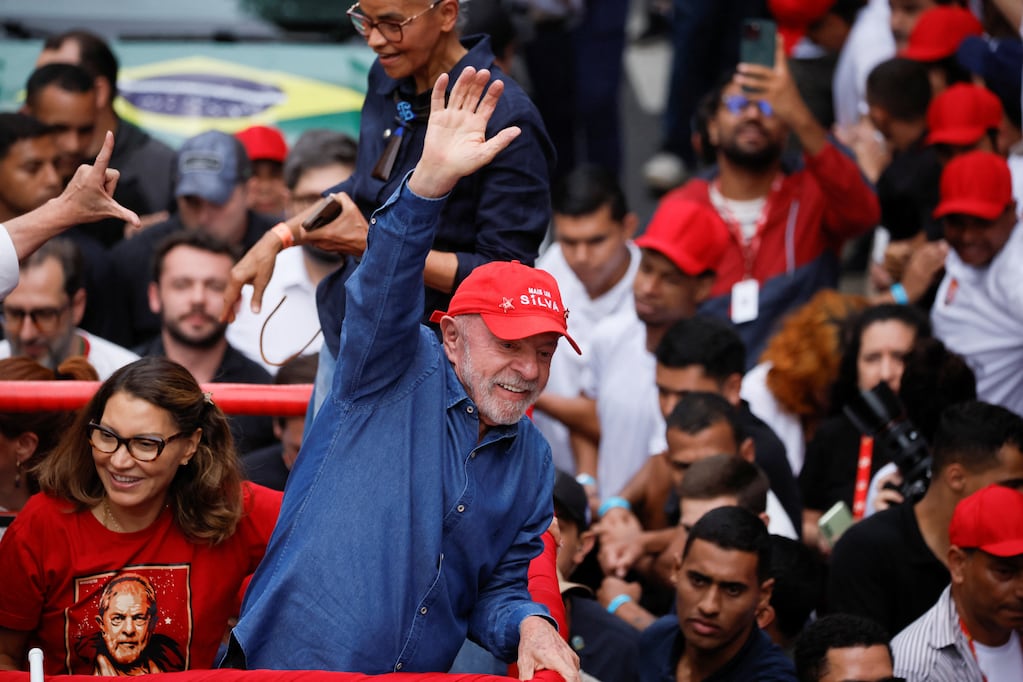
La izquierda regional respira. Luiz Inácio Lula da Silva consiguió lo que hasta hace un mes se vislumbraba imposible y ganó el balotaje de este domingo frente a su rival de derecha dura, Flávio Bolsonaro.
Lula asumirá el 5 de enero próximo, con 81 años que cumplirá el martes, un nuevo período de cuatro años de gobierno. Su reelección sorprendió a todos.
Fue una elección cambiante que dejó perplejo al “bolsonarismo”. Lula tomó la delantera, Bolsonaro lo dio vuelta y al promediar el conteo de la mitad de los votos, el actual presidente volvió a liderar el escrutinio hasta el final.
El tres veces presidente de Brasil tendrá su cuarto mandato no consecutivo. La izquierda regional logró mantener su último gran bastión ideológico ante lo que parecía un avance irrefrenable de la derecha más radical en Sudamérica.
Escrutados más del 96% de los votos, Lula obtenía el 51,74% de los votos frente al 48,26% de su rival del Partido Liberal.
¿Por que ganó Lula?
Pero, ¿cómo fue que Lula logró dar vuelta el resultado de la primera vuelta, en un hecho que jamás se había producido desde el regreso de la democracia en Brasil?
El analista Marco Teixeira, de la Fundación Getúlio Vargas, habló con TN sobre los motivos de esta “virada” en apenas tres semanas tras el triunfo de Bolsonaro por dos puntos sobre Lula (47% a 45%) en el primer turno del 4 de octubre.
“Hay tres factores. Primero, el Partido de los Trabajadores (PT) calibró la campaña y priorizó el mundo digital como una forma de movilizar las calles. El mérito fue del diputado Janones (André Luis Gaspar Janones)”, dijo.
Janones es un influencer conocido como el rey de las redes sociales. En las últimas tres semanas convirtió una campaña analógica en otra digital de enorme penetración electoral.
A los 42 años, este legislador de Minas Gerais logró crear lo que denominó “el ejército de Lula” con 10 millones de fieles seguidores digitales que sacaron al viejo líder progresista del letargo y de una campaña anquilosada y antigua. La campaña cambió y la izquierda logró posicionarse y competir como no lo había hecho en la primera vuelta.
Silva








NEWYou can now listen to Fox News articles!
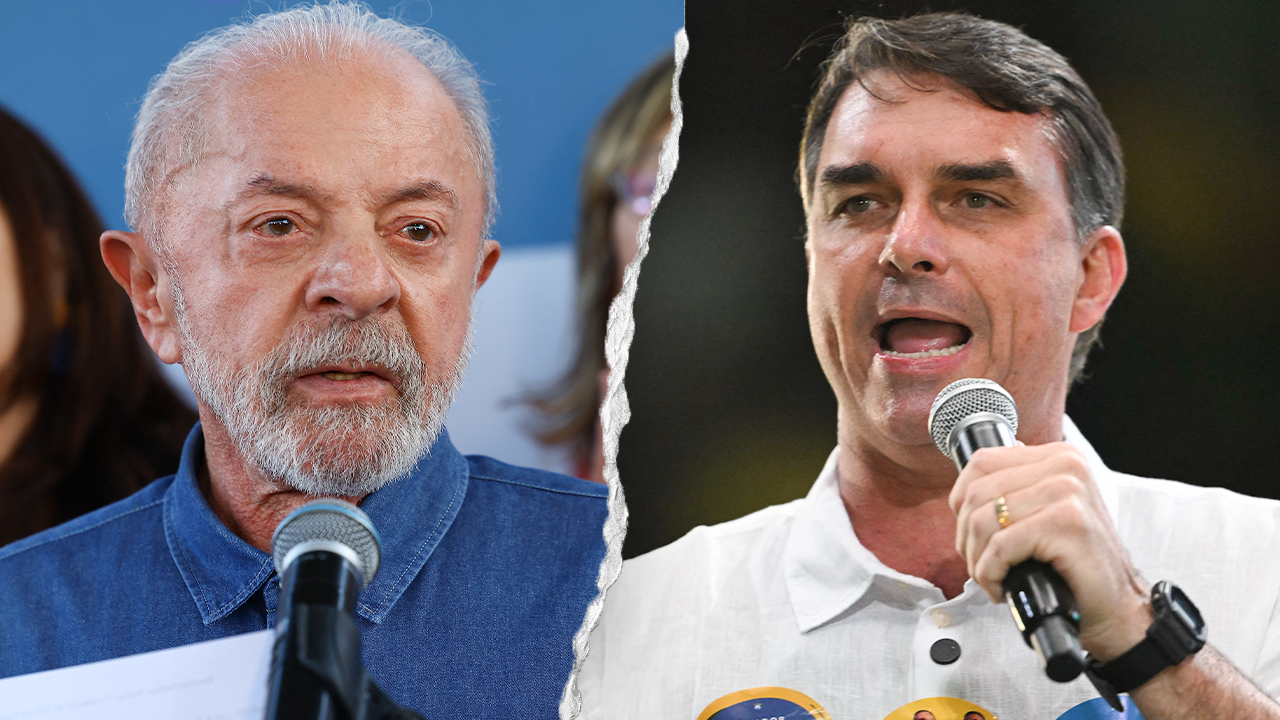
Incumbent leftist President Luiz Inácio Lula da Silva narrowly defeated conservative Sen. Flavio Bolsonaro in Sunday’s presidential runoff, according to The Associated Press. The deeply polarized nation returned to the polls for a second round runoff on Sunday.
Lula’s victory followed chaos at polling places after a Supreme Court justice ordered a last-minute, two-hour voting extension, a move that could face a legal challenge from Bolsonaro.
While the Flavio Bolsonaro campaign had also requested an extension in certain areas impacted by heavy rains, the unusual decision by the court to extend voting hours nationwide by two hours will certainly draw scrutiny.
BRAZIL BECOMES NEXT TEST FOR LATIN AMERICA’S SURGING CONSERVATIVE MOVEMENT
Brazil’s President Luiz Inacio Lula da Silva, the Workers’ Party (PT) candidate for re-election, holds a Brazilian flag as he votes during the presidential runoff election, in Sao Bernardo do Campo, Brazil, Oct.25, 2026. (Amanda Perobelli/Reuters)
Lula petitioned for the extension, claiming that buses were not circulating to take voters to the polls as expected.
«I’ve never complained about anything in any election before. Whether I won or lost, I’d just accept it and get ready for the next one. But this time, something abominable is happening,» Lula argued.
The Bolsonaro camp is likely to claim that the extension favored Lula.
Bolsonaro narrowly won the first round on Oct. 4, with 47% of the vote, to Lula’s 45%, but fell short of the 50% majority required to win the election outright.
The victory marks an unprecedented fourth presidential term for Lula, and a remarkable comeback victory. The result is even more surprising given that Bolsonaro had led, albeit by tight margins, in recent polling, and Brazil had recently elected a conservative congress aligned with the Bolsonaro agenda.
Earlier in the day, Lula voted in Sao Bernardo do Campo, Sao Paulo, while Bolsonaro voted in the north of Rio de Janeiro, the state he represents in the Senate.
The first vote tallies came in from Brazilians living overseas, where Lula won a decisive victory in Germany, and Bolsonaro won an overwhelming victory in Japan.
BRAZIL’S RAPID ELECTION COUNT PUTS SPOTLIGHT ON VOTING SECURITY AHEAD OF US MIDTERMS
While Bolsonaro performed well in his southern electoral strongholds, winning by comfortable margins in Rio de Janeiro, São Paulo, Paraná, and Rio Grande do Sul, he won those states by smaller margins than in the first round.
His turnout in the south was not enough to overcome Lula’s famed Northeastern firewall; a reflection of the Workers Party dominance in the country’s populous «Nordeste» region.
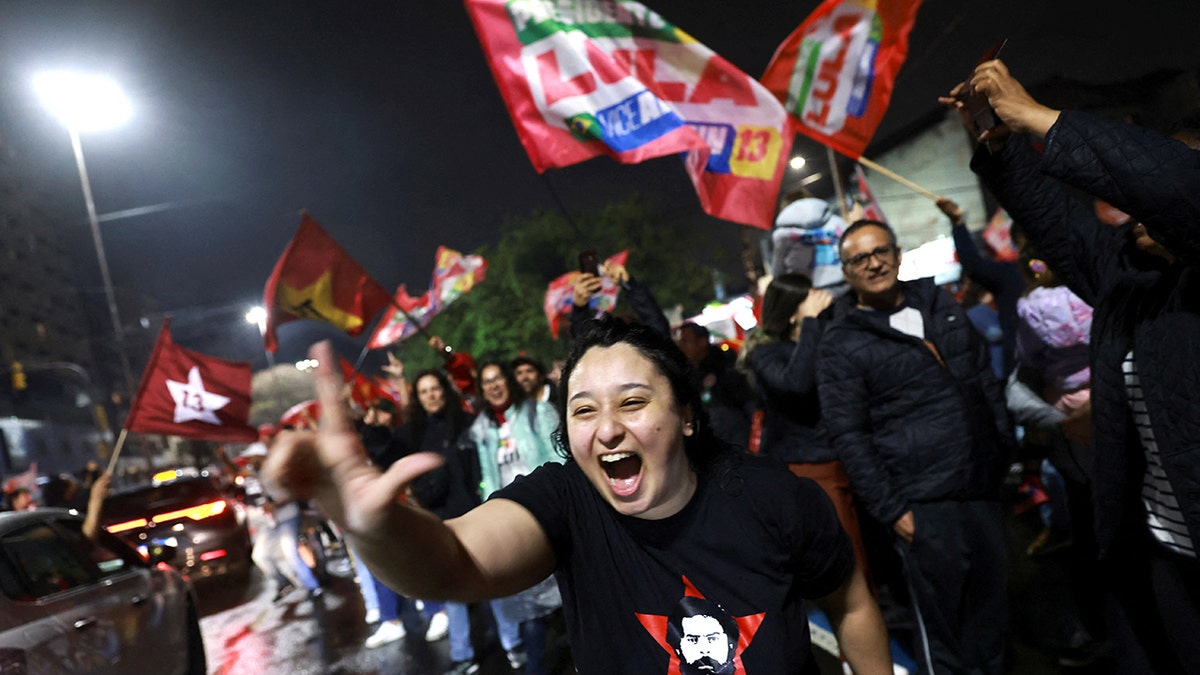
Supporters of Brazilian President Luiz Inacio Lula da Silva, the Workers’ Party (PT) candidate for presidential re-election, react to the early result during the presidential runoff election, in Porto Alegre, Brazil Oct. 25, 2026. (Diego Vara/Reuters)
Bolsonaro also turned in a disappointing performance in Minas Gerais, which geographically and politically straddles the Brazilian north/south divide. Often referred to as the nation’s quintessential bellwether state, it is fair to say that as goes Minas Gerais, so goes the nation.
While Bolsonaro won Minas Gerais by 5% in the first round, in the second round it was essentially tied.
Bolsonaro had received endorsements from other first round candidates: best-selling author Augusto Cury, former Minas Gerais Governor Romeu Zema, and former Goiás Governor Ronaldo Caiado.
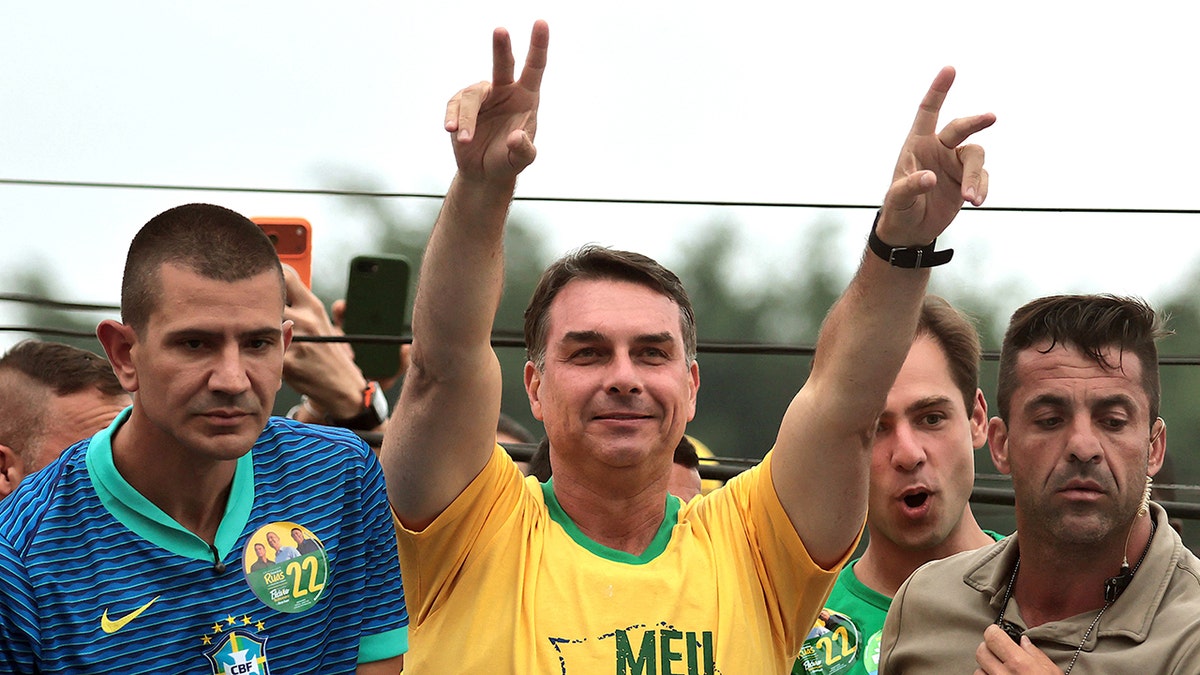
Brazil’s right-wing senator and presidential candidate Flavio Bolsonaro of the Liberal Party (PL) gestures next to federal deputy and candidate for governor of Rio de Janeiro, Douglas Ruas (L) during a campaign rally on the eve of the general election, in Campo Grande neighborhood, in the western zone of Rio de Janeiro, Brazil on October 3, 2026. Brazilians go to the polls on Oct.r 4, 2026 (Douglas SHINEIDR / AFP via Getty Images)
LATIN AMERICA’S CONSERVATIVE SHIFT FACES ITS BIGGEST TEST YET IN BRAZIL ELECTION
However, they were not enough to overcome the much-respected electoral machinery of the Workers Party. Lula has now appeared on the presidential ballot 7 times, winning 4 of those elections.
Heading into the first round, Flavio Bolsonaro was effectively able to make the case to working-class and middle-class voters that the Lula’s economic approach was driving up their cost of living.
He painted the Lula administration as bloated, tax-heavy, and given to racking up debt and tied this to inflation and kitchen table economics.
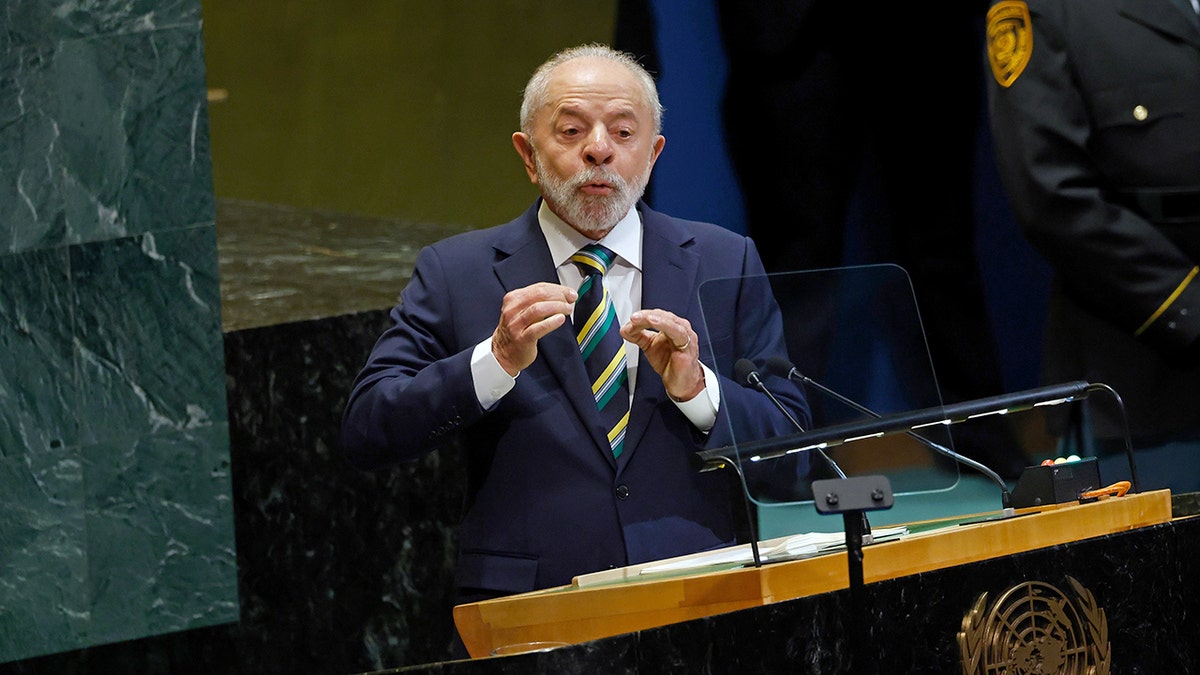
President of Brazil Luiz Inacio Lula da Silva speaks during the 80th session of the United Nations General Assembly (UNGA) at the United Nations headquarters on September 23, 2025 in New York City. World leaders convened for the 80th Session of UNGA, with this year’s theme for the annual global meeting being «Better together: 80 years and more for peace, development and human rights.» (Photo by Taylor Hill/Getty Images)
Additionally, his message of hardline law and order appealed to a Brazilian public where voters routinely suggest that violence is the most pressing issue.
Nonetheless, these economic and security concerns were not enough to overcome a generation of loyalty to the Workers Party and its social programs, particularly in the North and Northeast of the country, where Lula won by wide margins.
While Lula will be riding high heading into a historic fourth term in office, he will face a Congress with a center-right and right-wing majority that has been described as one of the most conservative in history.
While Flavio Bolsonaro lost the 2026 election by a narrow margin, the Bolsonaro movement is certainly not going away, and arguably remains an influential force in modern Brazilian politics.
The Lula victory also brings to an end a long string of victories for Trump-backed right-wing candidates across the region. While Trump had not officially endorsed Flavio Bolsonaro, he made no secret of his preference, and enjoyed a close relationship with the Bolsonaro family.
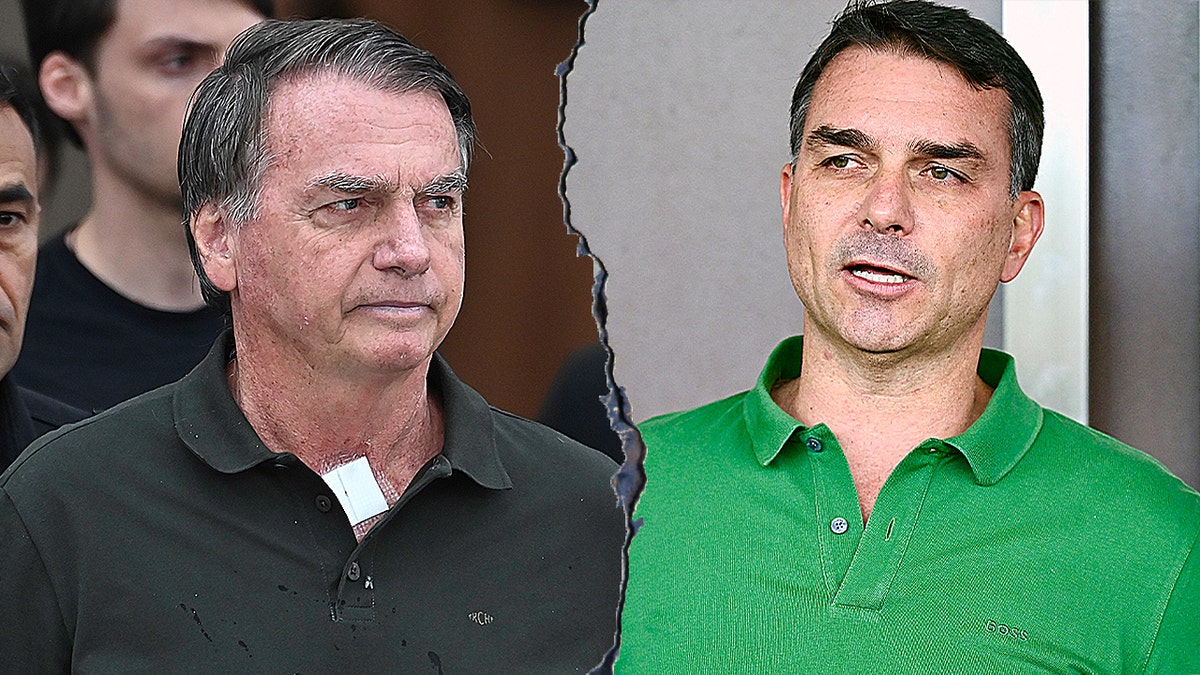
Former Brazilian President Jair Bolsonaro’s son announces biopic while brother Senator Flávio Bolsonaro enters 2026 presidential race from prison endorsement. (Ton Molina/Getty Images/ Evaristo Sa / AFP via Getty Images)
Looking forward to 2030, all eyes will turn to Bolsonaro clan ally Tarcisio de Freitas, who stepped aside this election cycle, in order to clear the way for Flavio Bolsonaro’s run. Will the Brazilian right back another Bolsonaro in four years time, or will the popular São Paulo governor also mount a bid?
In addition to the presidential election, voters in five states, as well as the federal district of Brasília, were also selecting governors in runoff elections. Bolsonaro-aligned candidates appeared poised to win most of those races.
The Associated Press contributed to this report.
world elections, brazil, south america, latin america, donald trump, jair bolsonaro
INTERNACIONAL
Ninth Circuit questions Trump DOJ’s emergency request to set aside 20,000 California mail ballots
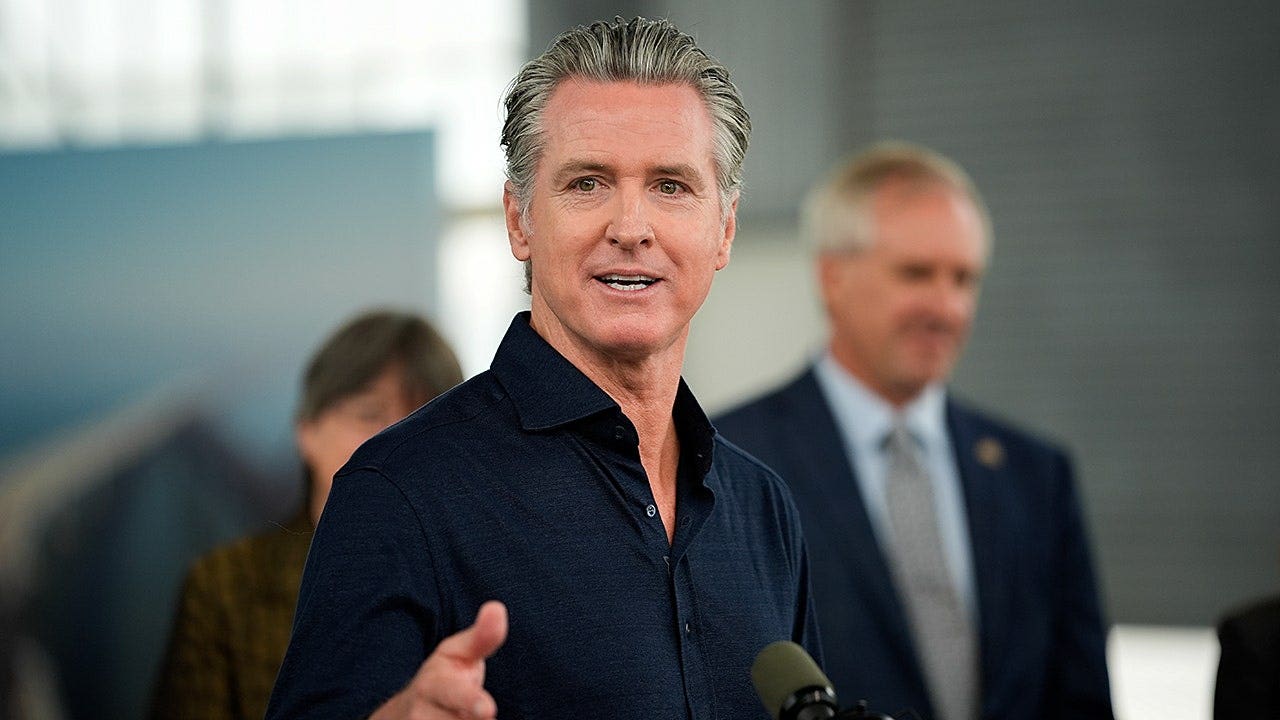
A federal appeals court on Sunday scrutinized the Trump administration’s emergency effort to force California to set aside thousands of mail-in ballots tied to people the Justice Department suspects are noncitizens ahead of the midterm elections.
The three-judge panel of the U.S. Court of Appeals for the Ninth Circuit raised questions about both the government’s legal arguments and whether the court has jurisdiction to intervene during a hearing in which attorneys representing the Trump administration and California argued for nearly two hours, Fox News’ Matt Finn reported.
The federal government asked the panel to rule immediately, arguing that hundreds of thousands of California ballots could be tabulated each day while the dispute remains unresolved.
The hearing comes after the Trump administration filed an emergency request involving roughly 20,000 mail-in ballots sent to people it suspects are noncitizens.
CALIFORNIA MUST RESPOND TO DOJ’S EMERGENCY REQUEST OVER BALLOTS MAILED TO ALLEGED NONCITIZENS, COURT RULES
The DOJ wants California election officials to set aside ballots associated with individuals on its list while their eligibility is reviewed, rather than allowing the ballots to be processed alongside other votes.
Circuit Judge Mark Bennett, a Trump appointee, questioned whether the administration’s requested injunction could be reconciled with the Constitution’s Elections Clause, which gives state legislatures authority over the times, places and manner of congressional elections, subject to congressional regulation.
«It seems to me that you want us to issue an injunction that is entirely inconsistent with the law that the California legislature has adopted pursuant to the Elections Clause,» he told Justice Department attorney Matthew Donnelly.
BLANCHE WON’T RULE OUT DOJ BLOCKING ELECTION CERTIFICATION IN ‘DOOMSDAY’ SCENARIO
«How can we do that?»
The panel also questioned whether the Ninth Circuit has jurisdiction to intervene at this stage.
Judge Gabriel Sanchez, a Biden appointee, questioned why the Ninth Circuit should weigh in when the district court has yet to rule on the DOJ’s request and a hearing before U.S. District Judge David Carter remains scheduled for Tuesday.
Judge Patrick Bumatay, another Trump appointee, focused more heavily on the government’s concerns about potential noncitizen voting and questioned California’s handling of challenges involving suspected ineligible voters.
The Justice Department sought emergency relief from the appeals court after Carter did not rule by a deadline previously requested by the department.
California, meanwhile, has argued that the Ninth Circuit should not intervene before the lower court has ruled.
The Justice Department initially filed the suit Oct. 15, roughly two weeks after California began mailing ballots.
TRUMP SCORES SUPREME COURT WIN IN ELECTION INTEGRITY FIGHT AS STATES GAIN NEW VOTER ROLL TOOL
Before oral arguments, the Trump administration accused California of having a history of «mishandling voter rolls.»
California has disputed the federal government’s underlying data while emphasizing that it has robust safeguards against noncitizen voting. Los Angeles County officials have said a preliminary review of a portion of the federal government’s list identified apparent discrepancies, including people who were born in the United States or were not registered to vote. In a filing this weekend, California argued that the federal government’s theory would «turn the Constitution on its head.»
«When it comes to rules of elections administration, the federal government has no power to interfere with the States unless Congress passes a law governing the time, place, or manner of elections,» the state contended.
More than 3 million people have already cast ballots statewide, including more than 500,000 in Los Angeles County, according to figures cited during the litigation.
The Justice Department has emphasized the urgency of its request, arguing that each day without a ruling risks allowing additional ballots to be processed before the citizenship dispute can be resolved.
Bennett said the three-judge panel would try to issue a ruling as quickly as possible.
Reuters contributed to this report.
politics, elections disputes, voting, justice department, california, appeals, law
INTERNACIONAL
“Giro inédito”: las primeras reacciones de los medios de Brasil tras la reelección de Lula da Silva
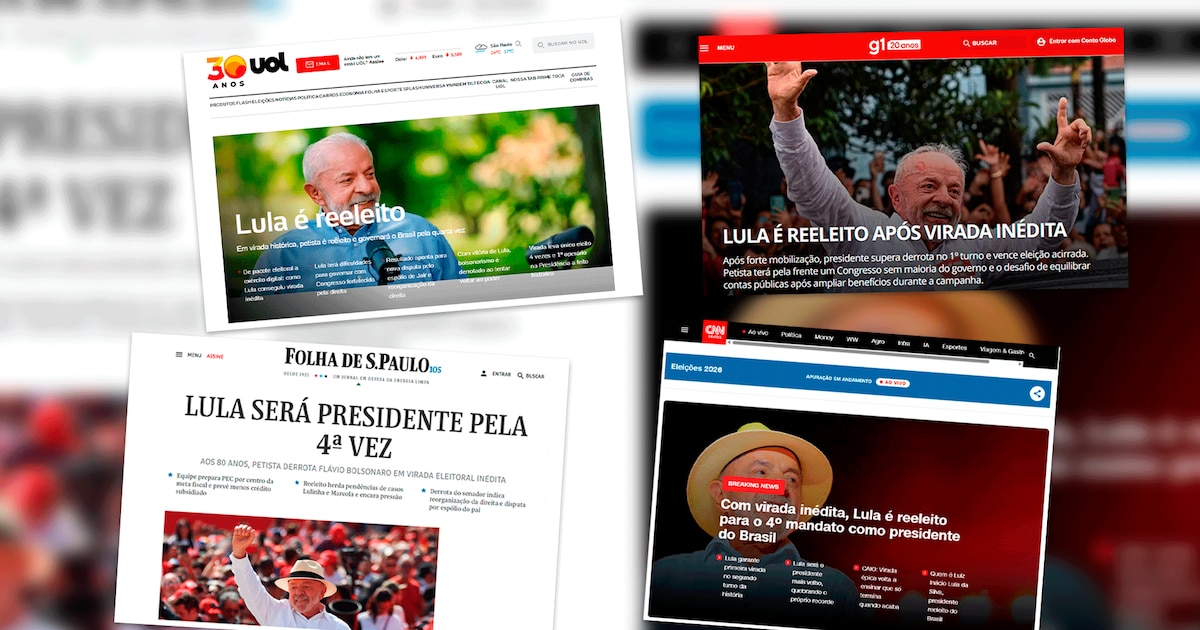
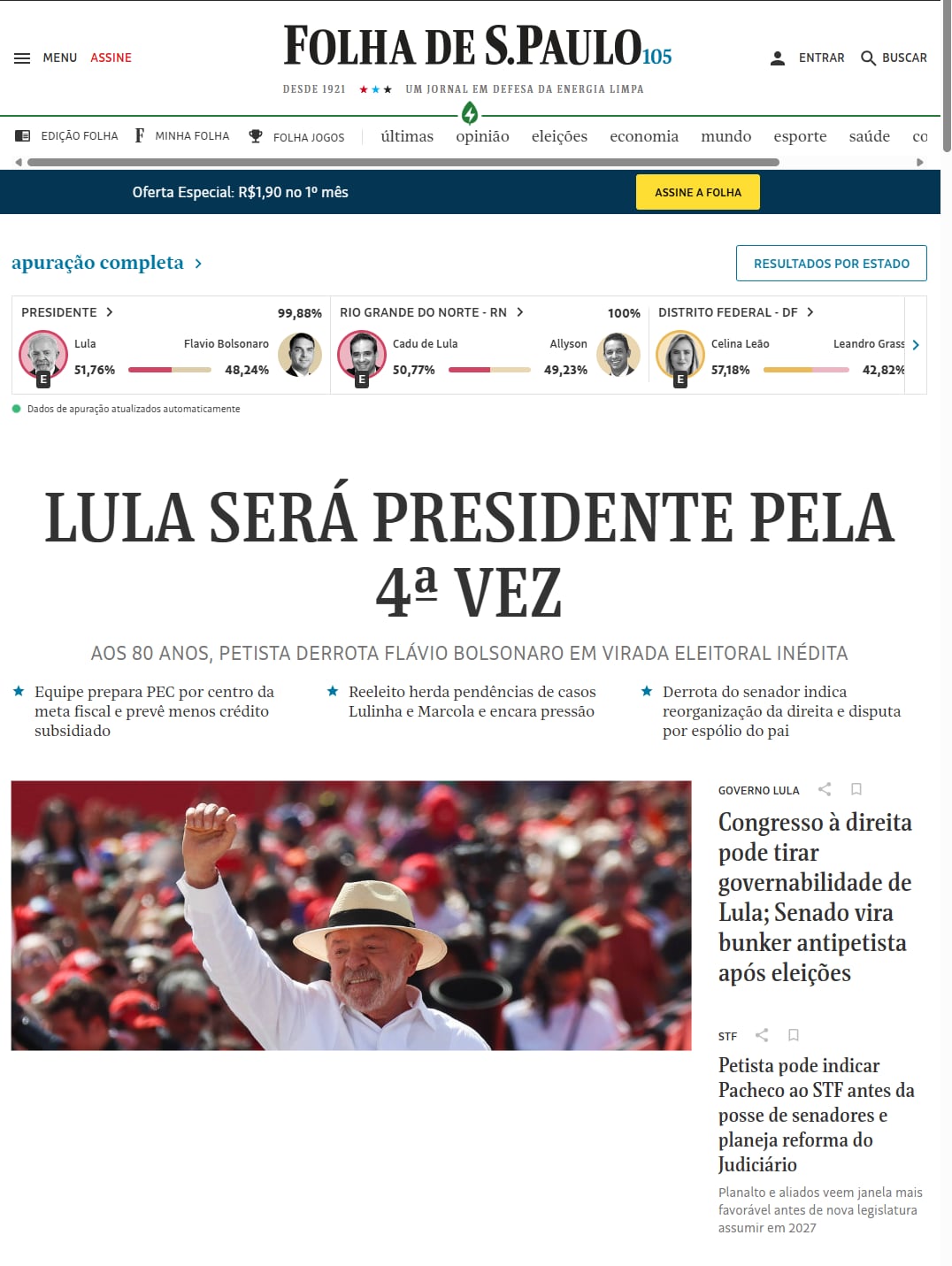
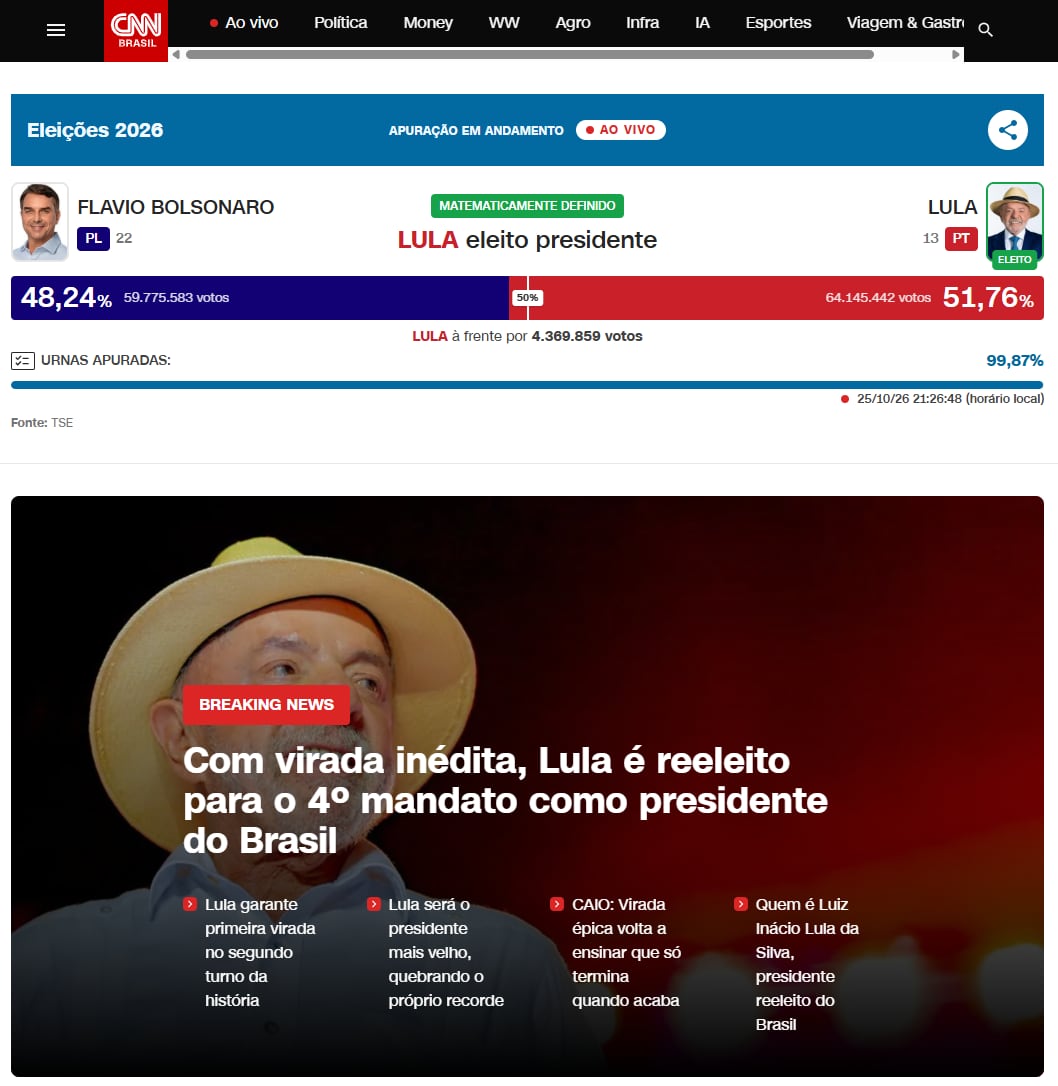
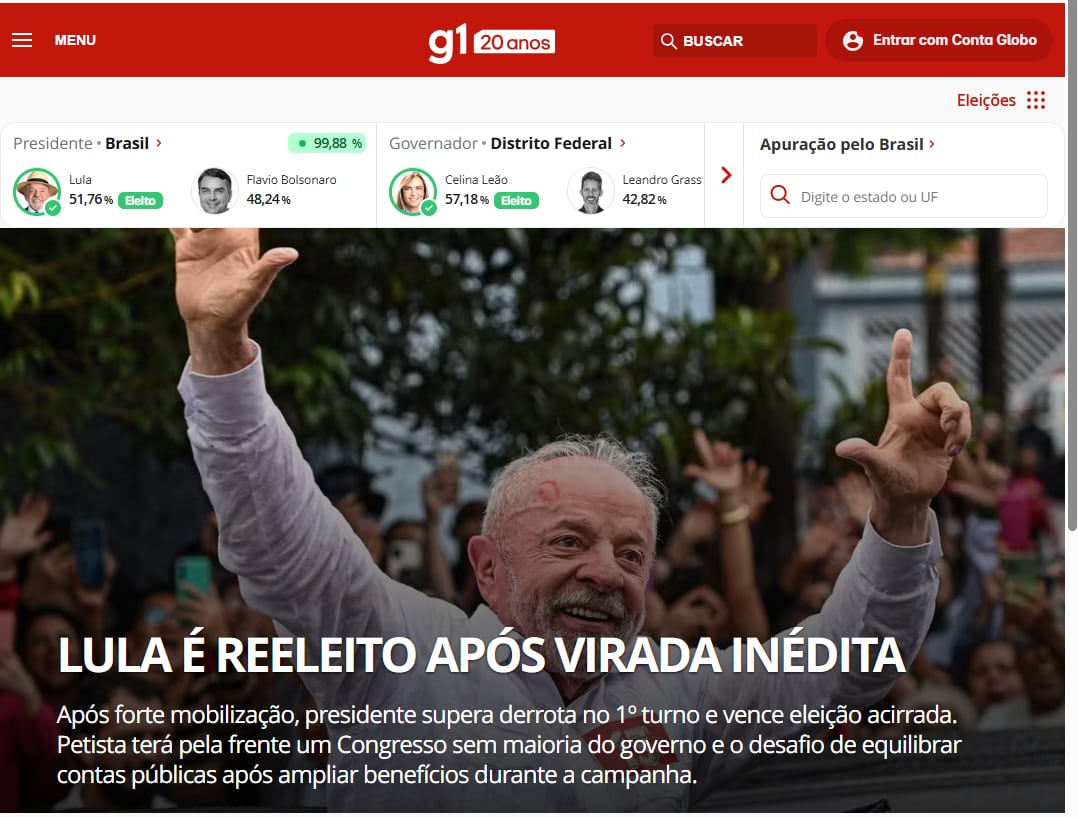
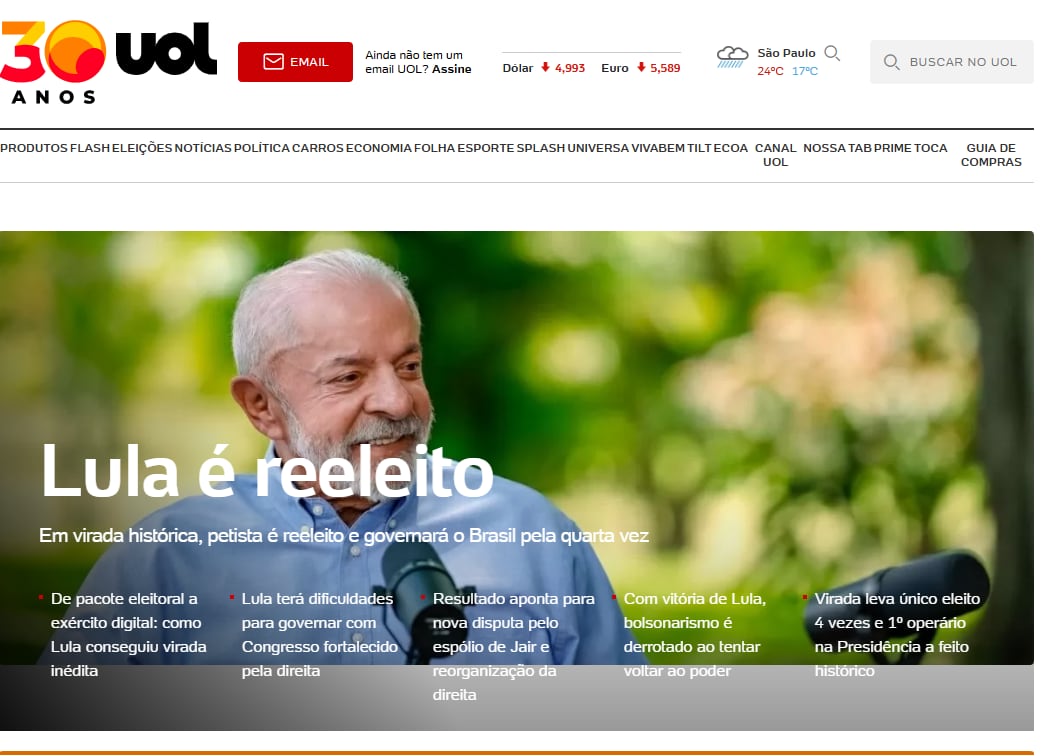
Con el 51,76% de los votos, Lula da Silva se impuso este domingo a Flávio Bolsonaro, que obtuvo el 48,24%, en el balotaje presidencial de Brasil y logró así un cuarto mandato no consecutivo. Los principales medios brasileños resaltaron la remontada electoral del presidente, que había terminado segundo en la primera vuelta, en sus títulos sobre el resultado.
“Lula será presidente por cuarta vez” fue el título de Folha de S.Paulo, cuya bajada subrayó que el mandatario de 80 años venció a Flávio Bolsonaro mediante un giro electoral inédito. El diario publicó además artículos acerca de los retos económicos y políticos que enfrentará el próximo Gobierno, así como de los efectos de la derrota sobre la derecha brasileña.
Con el encabezado “Con un giro inédito, Lula es reelegido para su cuarto mandato como presidente de Brasil”, CNN Brasil puso el acento en la remontada del líder del Partido de los Trabajadores (PT) y en la continuidad de este al frente del país.
“Lula es reelegido tras un giro inédito” tituló G1. Según indicó en la bajada, el presidente dio vuelta la derrota de la primera ronda tras una fuerte movilización y se impuso en una elección ajustada. También alertó por las dificultades de gobernar sin mayoría oficialista en el Congreso y de equilibrar las cuentas públicas luego de ampliar los beneficios durante la campaña.
UOL, a su vez, eligió “Lula es reelegido” como título y señaló en la bajada que el dirigente del PT gobernará Brasil por cuarta ocasión, tras una victoria histórica.
Lula había alcanzado el 45,1% de los votos en la primera vuelta, mientras que Flávio Bolsonaro obtuvo el 47%. Desde 1989, cuando regresaron las elecciones presidenciales directas, ningún candidato que terminara segundo en la primera ronda había logrado imponerse en el balotaje.
Luego del resultado inicial, Lula activó a sus bases y promovió medidas sociales para reducir la diferencia con su rival. Los derechos sociales, la inversión pública, la seguridad basada en inteligencia y el control de la deforestación amazónica fueron los ejes de su agenda de campaña.
Frente a la posibilidad de que la familia Bolsonaro volviera al poder, el presidente definió la elección como “una defensa de la democracia”. Este domingo, al votar en el estado de San Pablo, sostuvo que su adversario pretendía “gobernar con la bandera estadounidense” y adelantó que los brasileños optarían por un país en el que los colores nacionales “sean respetados”.
Bajo la consigna “Nunca más Bolsonaro”, la izquierda convocó a sus simpatizantes con cuestionamientos a la gestión de la pandemia de covid, que causó 700.000 muertes, y a los recortes en programas públicos durante la presidencia del expresidente. Flávio Bolsonaro había ofrecido, en cambio, cambios ante un contexto atravesado por el alza del costo de vida y la inseguridad.
Lula respondió a las propuestas de su adversario con la defensa de la protección social y una advertencia: “El cambio no es privar a la gente de sus derechos”.
A diez días del balotaje, el Congreso dio luz verde a la reducción de la semana laboral: pasó de seis a cinco días y de 44 a 40 horas semanales, sin reducción salarial. En la etapa final de la campaña, Flávio Bolsonaro apoyó la norma, mientras que dirigentes empresariales advirtieron que los costos laborales afectarían a las pequeñas empresas, la inflación y el empleo informal.

Durante la semana anterior a los comicios, el Gobierno elevó 15% el monto de Bolsa Família. La iniciativa alcanza a casi 50 millones de personas y requiere 5.800 millones de reales —equivalentes a USD 1.168 millones— para lo que resta del año.
Créditos públicos con bajas tasas de interés, incentivos fiscales destinados a pequeñas empresas y un plan de refinanciación para borrar los registros de morosidad de millones de brasileños de bajos ingresos también recibieron el respaldo de la administración. Para los próximos tres años, el paquete de préstamos y renegociaciones implicará un costo calculado en 3.000 millones de reales, o USD 604 millones.
Como parte de las medidas sobre los precios, el Gobierno suspendió durante 30 días, con opción de prórroga, los impuestos federales sobre la importación y la venta de gasolina, además de subsidiar el diésel destinado a importadores. Ambas resoluciones tendrían un costo de 5.200 millones de reales, equivalentes a USD 1.047 millones.
Además, Lula remitió al Congreso un proyecto que busca implementar transporte público gratuito los fines de semana. De acuerdo con las estimaciones mencionadas durante la campaña, el programa demandaría entre 5.000 millones y 16.000 millones de reales, según el modelo de aplicación.
South America / Central America,Elections / Voting

Solo en Off | El “eterno” Gildo Insfrán gritó un gol que tardó 40 años en llegar

Conservative wave hits roadblock in Brazil as Lula holds off Bolsonaro challenge

Por qué la economía argentina llegará a las elecciones con un crecimiento más débil que lo previsto

Jorge Capitanich adelantó que el PJ de Chaco dirimirá sus candidaturas en una interna abierta

Ninth Circuit questions Trump DOJ’s emergency request to set aside 20,000 California mail ballots

Lula fue reelegido presidente: ¿el fútbol brasileño arriesga su poderío económico?

Javier Milei y sus medidas, en vivo: el mandatario dijo que piensa un proyecto a “100 años” para la Argentina

Escándalo con Sancor Salud: Cuotas millonarias por un servicio nefasto que abandona a los pacientes en urgencias

Cuánto debería crecer la economía argentina en septiembre para no caer en recesión técnica

Estudiantes de La Plata busca su sexta final de Copa Libertadores: la tabla histórica del torneo y la disputa Argentina-Brasil que podría dirimir

 POLITICA3 días ago
Javier Milei y sus medidas, en vivo: el mandatario dijo que piensa un proyecto a “100 años” para la Argentina
- SOCIEDAD2 días ago
Escándalo con Sancor Salud: Cuotas millonarias por un servicio nefasto que abandona a los pacientes en urgencias
- CHIMENTOS3 días ago
Fue mamá por primera vez a los 30 años, se separó a los 3 meses y el papá de su hija es el hermano mellizo de su ex novio: «Es lo peor que te puede pasar»