INTERNACIONAL
Minnesota official’s voter guide message on Somali TV triggers viral backlash: ‘Not an accident’

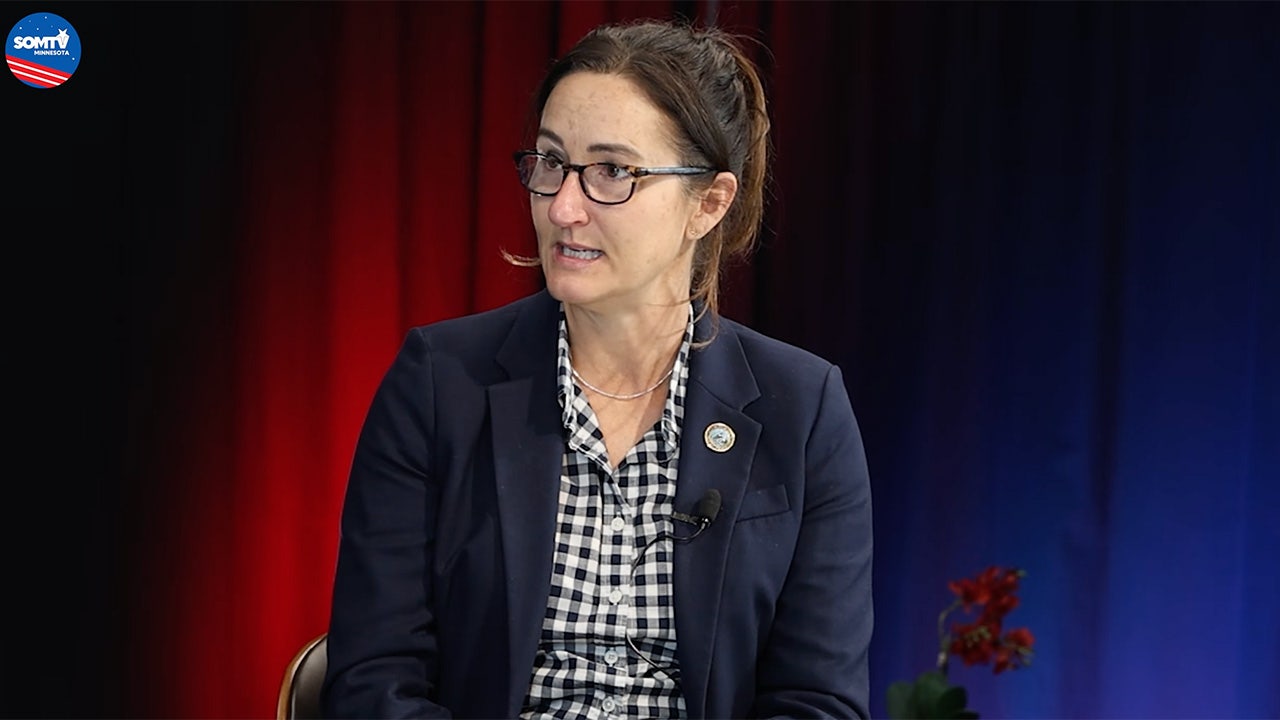
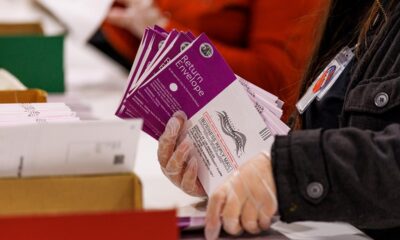
The election system in Minnesota is facing scrutiny on social media after a clip of a state official speaking to Somali voters reignited concerns about election integrity in the state.
«If you’re already registered to vote, you don’t need to bring anything with you,» said Minnesota voter outreach director Melanie Hazelip on Somali TV.
«You just show up to your early voting location, which is usually the county office or City Hall. Minneapolis and the bigger jurisdictions have a lot of extra places where you can go, like a lot of libraries or community centers. As long as you’re registered to vote, you don’t need to bring anything with you. If you’re not registered to vote…you still have options. If you have a Minnesota ID that is updated, that’s all you need to bring with you. If you don’t have that, there is a list of documents on our website that you can find. You still have options to get registered same day.»
While Hazelip’s comments were in accordance with the laws on the books, they caused outrage on social media after being posted by conservative influencer End Wokeness, as the post racked up almost a million views with users making the case that the system is too lax.
TRUMP SCORES SUPREME COURT WIN IN ELECTION INTEGRITY FIGHT AS STATES GAIN NEW VOTER ROLL TOOL
«A Minnesota election official just went on Somali TV and walked viewers through how to same-day register and vote using a Minnesota state ID,» retired Navy intelligence officer Phillip C. Parrish posted on X. «Minnesota hands out those IDs to non-citizens with no citizenship marking. Vouching lets one registered voter clear up to eight others on an oath. Citizenship is required by law. Real-time proof is not. The same state that lost hundreds of millions to documented fraud in childcare, nutrition, and Medicaid programs is now advertising the lowest-friction path to the ballot on community TV. Affirm you’re a citizen. Cast the vote. Get investigated later—if at all. This is how the system is built. It is not an accident.»
Federalist Society co-founder David McIntosh wrote on X, «Democrats are on a mission to tell every non-citizen how they can get away with voting in our elections.
ELECTION CRIME ARRESTS KEEP PILING UP AS DEMS INSIST IT ‘JUST DOESN’T HAPPEN’
«How is this not election interference?» He added.
«Nothing to see here, I’m sure,» Red Ax Strategies president Matthew Brodsky posted on X.
«This is why passing the SAVE America Act is crucial,» conservative commentator Riley Gaines posted on X.
In a statement to Digital, the Minnesota Secretary of State’s office said it «provides information and resources on Minnesota election laws to hundreds of nonpartisan community groups every year as a part of our regular voter engagement efforts.»
«Recently, our voter outreach director spoke with a local news outlet and provided accurate information about Minnesota election laws and how eligible voters cast their ballots. Unfortunately, her accurate remarks have been misinterpreted and misrepresented by political actors online,» the statement said. «With only a few days left before the election, we remain focused on making sure every eligible Minnesotan knows how and where to cast their ballot.»
Bill Glahn, a policy fellow at the Center of the American Experiment, told Digital that «given the timing, so close to the election, and the audience, Somali TV, she really should have emphasized the need to be an American citizen in order to vote.»
«It’s true most Somali immigrants are naturalized citizens, but not all,» Glahn said. «In fact, we just had a noncitizen sentenced to 30 years in federal prison for the Feeding Our Future fraud.»
The scrutiny comes as the Walz administration confronts hundreds of millions of dollars lost to social services fraud tied to the state’s Somali immigrant community. Critics pointed to a further wrinkle in Minnesota state law – signed by Gov. Tim Walz in 2023 – that provided for «Driver’s Licenses For All» regardless of immigration status. The policy also stipulates that the licenses carry no markings indicating citizenship, even though such IDs are commonly used to register to vote.
Under Minnesota law, a registered voter can «vouch» for up to eight other voters’ residency who want to sign up for same-day voter registration without an ID. The registered voter must go with the person or people to the polling place and sign an oath verifying their address, according to an official fact sheet from the Office of the Minnesota Secretary of State.
Glahn told Digital earlier this year that while the state touts the safeguards it has put in place to ensure only citizens vote, «it’s like murder’s illegal, but it happens all the time.»
«It’s a penalty of perjury,» he said. «You signed an oath, but if you signed as Mickey Mouse, they’re not going to find you.»
In September, a federal indictment was handed down charging an illegal immigrant from India for knowingly making the false claim to be a U.S. citizen to vote in the 2024 general election in Minnesota.
Digital’s Charles Creitz contributed to this report
politics, voting, voter fraud concerns, minnesota, elections state and local, somali immigrant community






They always ask if I felt something. «Across your foot? Your shin?» My shin?
«Yeah. Your ankle. Did you feel it?» Not really. But before I respond, they ask again.
What was it like?» they inquired. «Or did you just fall?» Then they speculated I might be clumsy.
Hmmph. Clumsy. I truly don’t think so.
REPORTER’S NOTEBOOK: CONGRESS BRACES FOR POST-ELECTION GAME OF MUSICAL CHAIRS AS LEADERSHIP BATTLES LOOM
Oh. I fall like everyone else. I work out daily. I’ve taken a couple of tumbles on predawn runs in Alexandria, Virginia. You never know when one of those sidewalk snakes will slither up from the asphalt and nip you on the ankle. I used to snow ski. I studied martial arts for years and hold a second degree black belt.
Clumsy? Nah.
«But, what do you think it was?» they follow up. Well, I have my theories.
I was a little tired that day. I noted the lip on the small staircase near the Memorial Door of the U.S. Capitol where I may have caught the edge of my brown loafers.
I remember my shoes. Rubber soles. Slight scuff on the toes. Perfectly matched with my crisp tan summer suit. Not quite an «Obama» tan suit. But appropriate for summer. And I thought at least reasonably dapper for traipsing around the U.S. Capitol and covering Congress on a sweltering July day.
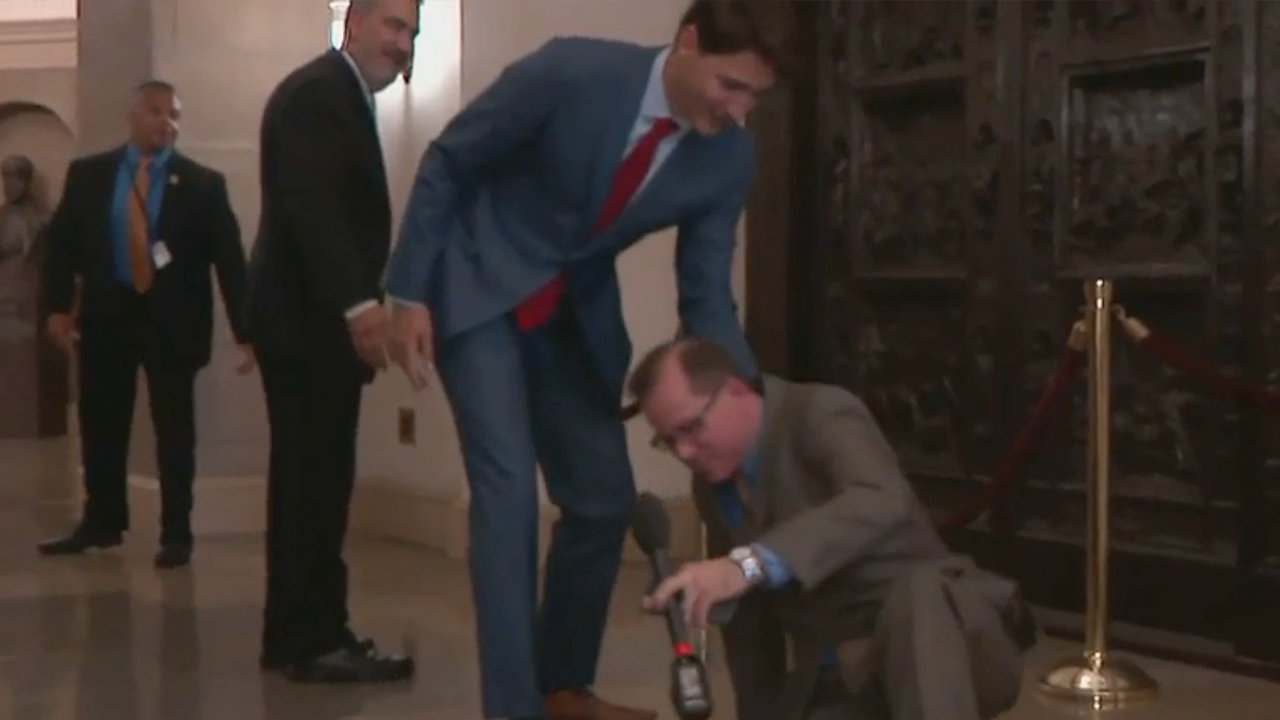
Was it the shoes? My fatigue? Or how about my haste to «get the story.» I spotted then-Canadian Prime Minister Justin Trudeau and his small coterie of aides and a security detail descending a spiral staircase after a meeting with then-House Speaker Nancy Pelosi. D-Calif.
I would try to ask Trudeau a question.
No. This really doesn’t have anything to do with Trudeau. Or the fact that I recalled that there was a picture of him, aged about 14 or 15, at Olympic Stadium in Montreal, rooting for the Expos. He’s there with his father — the most storied of all Canadian prime ministers — the late Pierre Trudeau.
Of course, the Expos no longer play in Montreal. They don’t play at all. They moved to Washington in 2005 and are now the Nationals. And this was before the tariff wars. Montreal has been bereft of Major League Baseball ever since.
What would Youppi! Say?
Look him up, kids.
No, there wasn’t something across my shin or ankle. I didn’t feel anything. I was there, on those steps, in the U.S. Capitol, because I’m a baseball fan. And I found out that Justin Trudeau watched those old Montreal Expos teams in the 1980s. Stocked with Andre Dawson, Warren Cromartie and Steve Rogers. And even though Trudeau was there to discuss affairs of state with Pelosi and others, I was there to ask him about the national pastime.
Ironic, I know, to pose such an interrogative to a Canadian.
However, the reason was that there was a report that the Tampa Bay Rays might consider splitting their season each year between Florida and Montreal. Big league baseball would return to Quebec. It would be international news if Trudeau commented. It would appear on Fox. FS1. ESPN. TSN in Canada. And Montreal — famously robbed of perhaps winning the World Series in 1994 with the best team in the game that year because of the player’s strike — might have a shot again at baseball glory.
But journalism is like baseball. A game of failure. You sometimes swing and miss. You’re doing great if you’re successful three out of ten times.
THE HITCHHIKER’S GUIDE TO WHY REMOVING ILHAN OMAR FROM CONGRESS COULD BE HARDER THAN TRUMP EXPECTS
And sometimes, in journalism, the question is never asked.
That was this day. On those steps. Questions about the Rays and Montreal were muted. All because of whatever got me.
Absolutely got me.
I stepped toward Trudeau, mumbled something about Tampa Bay and bought it.
I fell on those steps. Directly in front of the Canadian Prime Minister. On the hard Capitol marble.
I quickly realized I was about to fall. With a microphone in one hand, I couldn’t catch myself. I was confident I’d break a wrist or a hand if I tried to catch myself.
So, I just went with it and fell.
And because I studied martial arts for all of those years from Master Kim and Master Yang back at the Tae Kwon Do dojang, I knew how to fall without hurting myself.
I rolled onto my right shoulder toward Trudeau.
My feeling flew up absurdly high in the air.
«Oh Chad! Oh Chad! Oh Chad!» hollered my photographer, Robert Fetzer. «Chad!»
Trudeau stopped briefly. But I leaped to my feet after the roll, hoping he might say something about baseball.
I struck out. And Trudeau departed.
«But what tripped you?» they ask. «Were you all right?»
Physically, I was fine. Mentally, kind of garbled. I’ve worked daily at the U.S. Capitol for decades. I had a sneaking suspicion of what got me. Or better yet, who?
In the latter years of the 19th Century, Rep. William Taulbee, D-Ky., did not get along with reporter Charles Kincaid. Taulbee thought Kincaid wasn’t an honest broker, writing screeds about his personal affairs.
Taulbee was tall, towering over the diminutive Kincaid. Taulbee was known to sometimes physically pummel Kincaid.
Taulbee was out of federal office. But Kincaid knew Taulbee would be at the Capitol. Kincaid packed a pistol with him. And on Feb. 28, 1890, the reporter shot the Bluegrass Congressman square in the eye.
Taulbee leaked blood all the way down the House’s «Y» staircase, the plasma blending with marble. Through a miracle of chemistry, the splotches are still visible today.
The Kentucky Democrat succumbed to his injuries 11 days later.
It probably goes without saying that Taulbee does not like the congressional press corps. And, so, his phantasm is known to lurk around the Capitol.
Sometimes low bridging reporters on ornate staircases.
«What tripped you?» they ask.
And before I can answer, my inquisitors jump to a conclusion, albeit an interrogative one.
«Was it a ghost?» they giddily exclaim, like they had just figured out Final Jeopardy.
As I say, I have my theories. I’ll let you come to your own conclusions.
But I don’t want to trip you up.
political, politics, justin trudeau
INTERNACIONAL
¿Quién es el expresidente salvadoreño que defraudó al Estado con más de USD 300 millones y ha recuperado su libertad?

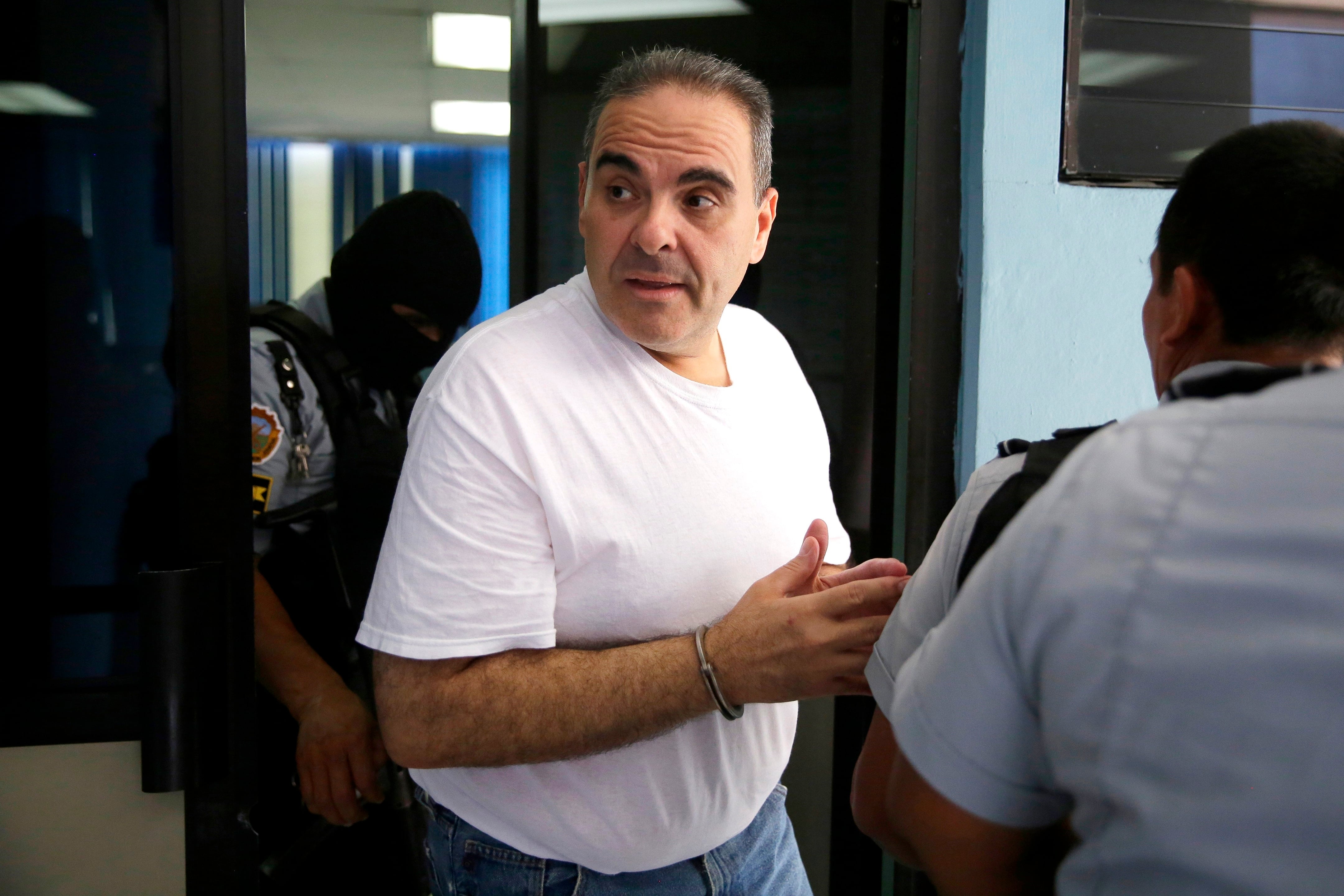
El expresidente de El Salvador Elías Antonio Saca González, conocido como Tony Saca, recuperó la libertad tras cumplir una condena de diez años de prisión por peculado y lavado de dinero. El exmandatario, que gobernó entre 2004 y 2009, fue el primero en el país en haber sido condenado por delitos de corrupción cometidos desde la Presidencia.
La Fiscalía General de la República (FGR) confirmó el 28 de octubre que Saca había completado la pena impuesta en 2018 por el caso que fue denominado como Destape a la Corrupción, una investigación que reveló como el exmandatario había desviado y lavado unos $301 millones de fondos públicos.
La orden de libertad estaba vigente desde el 27 de octubre, según informó la Fiscalía.
Saca, de 61 años, nació el 9 de marzo de 1965 en Usulután, en el oriente salvadoreño, en una familia de ascendencia palestina. Antes de ingresar a la política fue locutor deportivo, narrador de fútbol y empresario de medios. Su popularidad creció desde la radio y la televisión, donde trabajó en transmisiones deportivas y ocupó cargos de dirección.
Su actividad empresarial comenzó en la radiodifusión. En 1987 fundó Radio América junto a Alfonso Rivas y, años después, creó Radio Astral, origen del grupo radial Samix.
Esa expansión le abrió paso en las principales gremiales empresariales: presidió la Asociación Salvadoreña de Radiodifusores (ASDER) y luego la Asociación Nacional de la Empresa Privada (ANEP).
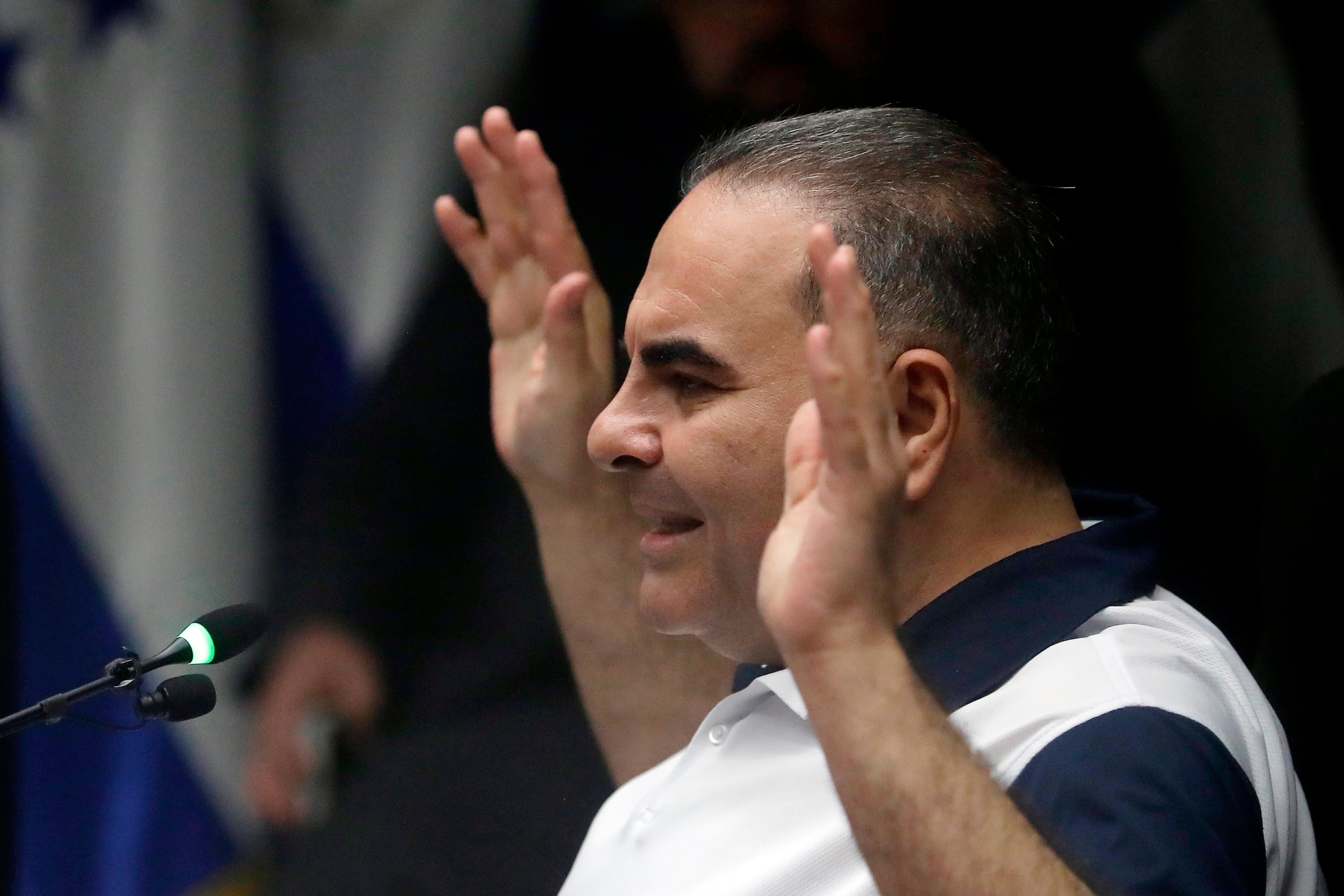
La combinación de reconocimiento público, presencia empresarial y vínculos con la derecha lo convirtió en candidato de la Alianza Republicana Nacionalista (ARENA) para las elecciones de 2004. Ganó los comicios frente a Schafik Hándal, del Frente Farabundo Martí para la Liberación Nacional (FMLN), y asumió el 1 de junio de ese año.
Durante su gobierno mantuvo la orientación económica de las administraciones anteriores de ARENA, con respaldo a la dolarización, apertura comercial y políticas de subsidios focalizados.
En seguridad, profundizó la estrategia de mano dura contra las pandillas con el Plan Supermano Dura, que amplió la participación militar en tareas de patrullaje.
Su administración también mantuvo una relación estrecha con Estados Unidos. El Salvador sostuvo tropas en Irak durante su período presidencial, mientras la política exterior se distanciaba de los gobiernos de Cuba y Venezuela.
La trama que desvió fondos de Casa Presidencial
Saca fue detenido el 30 de octubre de 2016 junto con exfuncionarios de su administración en la Hacienda de los Miranda, donde se celebraba la boda de uno de sus hijos. La investigación fiscal sostuvo que una estructura encabezada desde Casa Presidencial trasladó dinero de cuentas estatales hacia cuentas privadas, empresas y colaboradores cercanos.
En septiembre de 2018, el Tribunal Segundo de Sentencia de San Salvador lo condenó a cinco años de prisión por peculado y otros cinco por lavado de dinero y activos. El expresidente admitió los hechos en un procedimiento abreviado, lo que evitó un juicio ordinario y redujo la pena que podía enfrentar.
La causa involucró, entre otros, a su exsecretario privado, Élmer Charlaix; el exsecretario de Comunicaciones Julio Rank; el exsecretario de la Juventud César Funes; el exgerente financiero de Casa Presidencial Francisco Rodríguez Arteaga, y el extesorero institucional Jorge Herrera.
Parte de los recursos, según la investigación, fue destinada a empresas vinculadas con Saca, gastos personales, inmuebles y financiamiento político. El caso también expuso pagos irregulares a funcionarios y dirigentes partidarios desde la partida secreta de la Presidencia, según documentos divulgados por El Faro.
La libertad no extingue sus deudas con el Estado
Aunque Saca completó su condena penal, sus responsabilidades económicas siguen vigentes. En el caso Destape a la Corrupción, todavía no ha devuelto en su totalidad los $ 260.7 millones fijados como responsabilidad civil por el daño al Estado.
También fue condenado por enriquecimiento ilícito junto con su esposa, Ana Ligia Mixco de Saca. La resolución estableció que el exmandatario debía reintegrar cerca de $3.8 millones. Hasta abril de 2026, había abonado apenas $5,845.75, de acuerdo con datos recogidos por La Prensa Gráfica.
A esas obligaciones se suman los $6 millones que debe devolver por una condena civil relacionada con fondos donados por Taiwán. La sentencia, firme desde 2022, también alcanzó a Juan Tennant Wright y Gerardo Antonio Balzaretti.
La FGR informó que los inmuebles, vehículos, empresas y otros bienes sometidos a medidas judiciales continuarán bajo custodia estatal. La salida de prisión, por lo tanto, cerró su pena de privación de libertad, pero no los procesos patrimoniales derivados de las condenas.
INTERNACIONAL
La Comisión Interamericana de Derechos Humanos presentó ante la Corte IDH el caso de 14 comunidades Maya Q’eqchi’ contra Guatemala
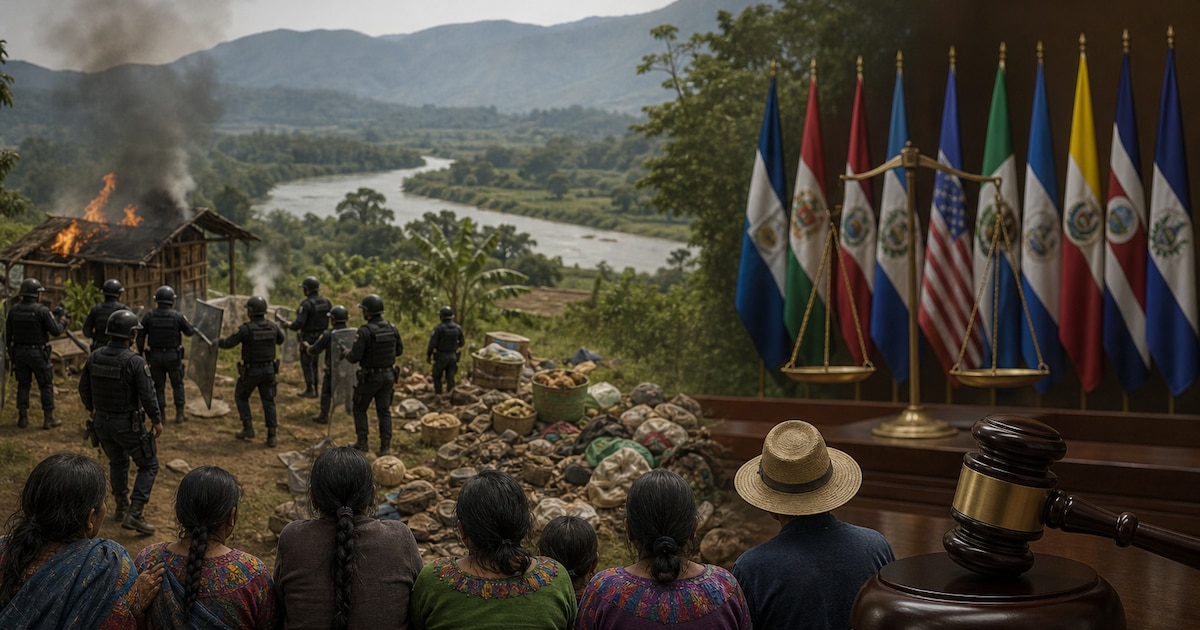
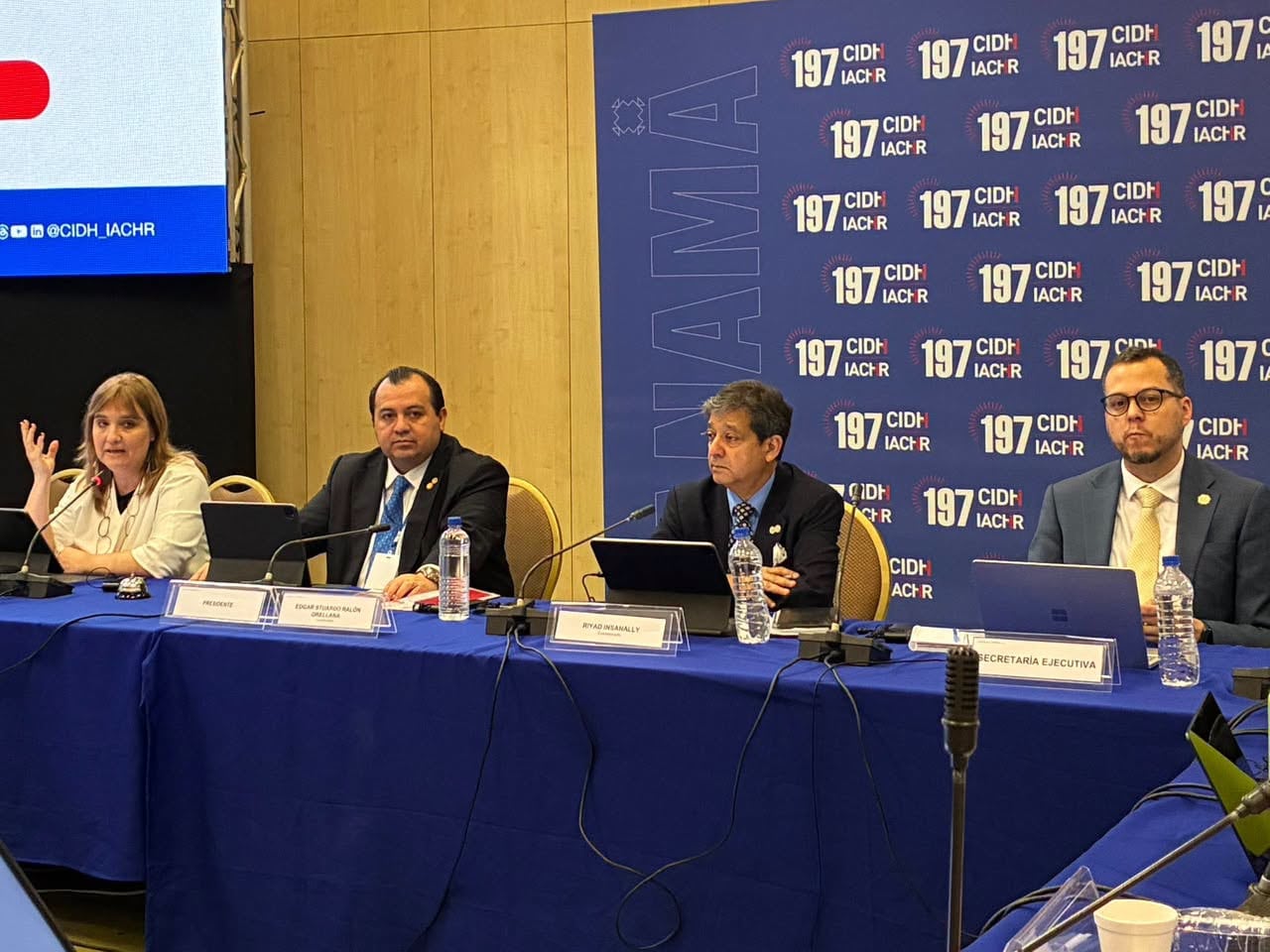
La Comisión Interamericana de Derechos Humanos (CIDH) sometió el 17 de septiembre de 2026 ante la Corte Interamericana de Derechos Humanos el caso de 14 comunidades indígenas Maya Q’eqchi’ contra Guatemala por desalojos forzados, muertes, detenciones arbitrarias y despojo de territorios ancestrales en el Valle del Polochic, hechos que se remontan a 2011 y podrían derivar en una condena internacional al Estado.
La petición fue presentada ante el organismo el 31 de marzo de 2011 y quedó registrada como el caso N.º 13.159. Más de 13 años después de los primeros operativos, Guatemala había transferido tierras a 355 familias Maya Q’eqchi’, sin abarcar a todas las personas afectadas ni acreditar medidas de indemnización.
El reclamo se originó luego de que el Estado otorgara la titularidad de varias fincas del Valle del Polochic a la empresa Chabil Utzaj S.A. para cultivar caña de azúcar. Según la CIDH, la decisión se tomó sin una consulta previa, libre e informada a las comunidades, que perdieron sus plantaciones tradicionales de maíz, arroz y frijol.
Muertes, heridos y destrucción de viviendas en los desalojos
Los desalojos de 2011 involucraron a autoridades estatales y agentes privados, en operativos que no respetaron los estándares internacionales sobre el uso de la fuerza. Murieron Beb Ac y Óscar Reyes, mientras que Miguel Chub Cucul, Marcelino Ical Chub y Arnoldo Caal Rax resultaron heridos.
También hubo detenciones arbitrarias, incendios de viviendas y destrucción de cosechas. Las familias fueron desplazadas de las fincas que reclamaban como parte de su territorio ancestral.
Las comunidades promovieron dos acciones constitucionales de amparo el 18 de marzo de 2011 para detener las demoliciones. La primera fue rechazada, mientras que la segunda obtuvo una orden provisional del Juzgado Segundo de Primera Instancia Penal de Alta Verapaz para suspender la destrucción de siembras y casas.
El juzgado no supervisó el cumplimiento de esa medida y la acción terminó igualmente rechazada. La falta de protección judicial forma parte de las violaciones denunciadas ante el tribunal interamericano.
La violencia continuó el 25 de mayo de 2013, cuando la comunidad El Rodeo sufrió un nuevo desalojo extrajudicial atribuido a la empresa. Ese mismo día, empleados intentaron desplazar a unas 95 familias que ocupaban la finca Río Polochic, en el municipio de Panzós.
Cinco campesinos recibieron disparos, entre ellos dos menores de edad, y fueron trasladados al Hospital Nacional de La Tinta. Los hechos profundizaron la situación de desplazamiento de las familias Q’eqchi’ del norte de Guatemala.
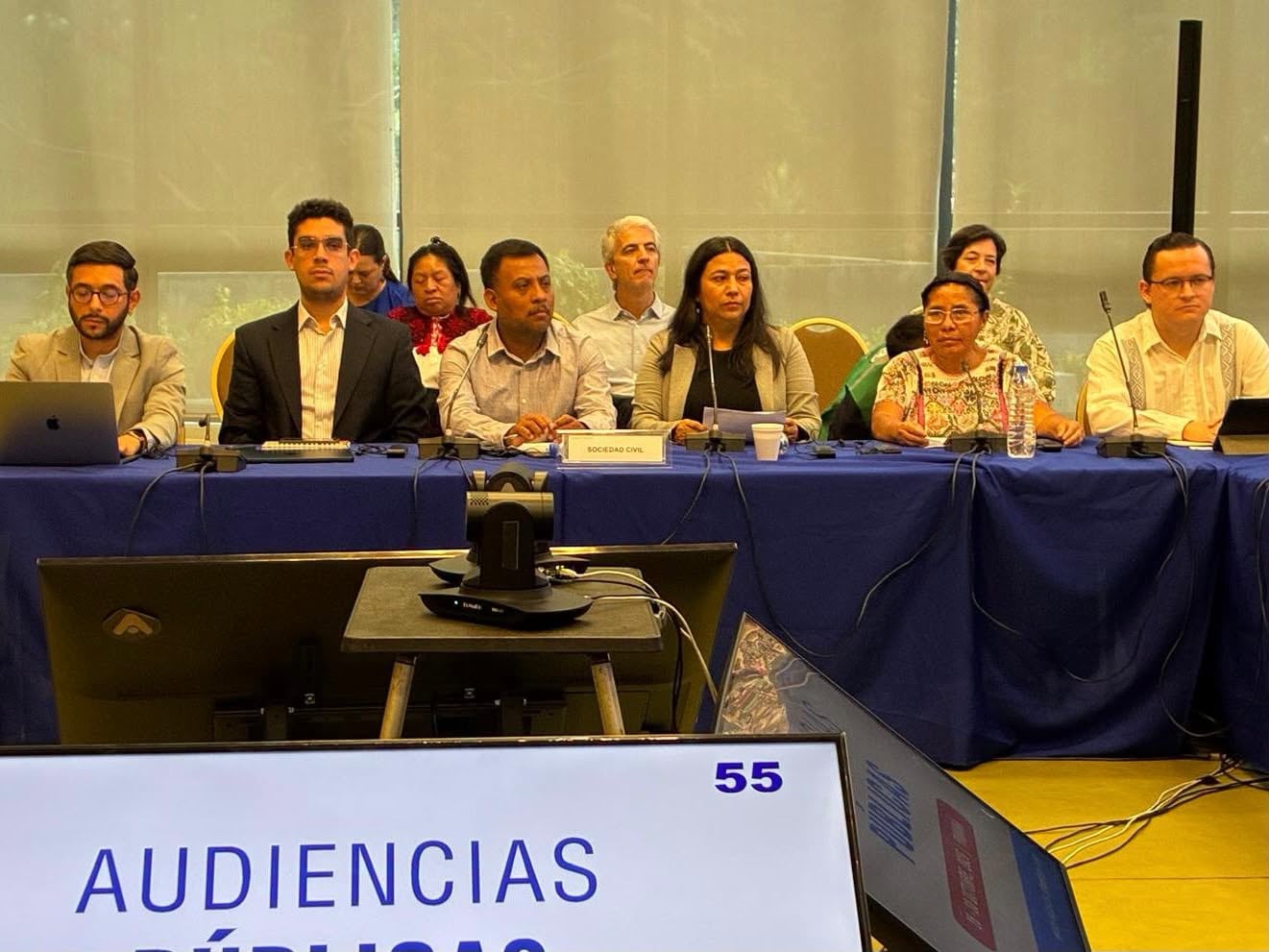
La falta de títulos sobre los territorios ancestrales
El Informe de Admisibilidad y Fondo N.º 111/24 concluyó que no existe controversia sobre la ocupación histórica de las 14 comunidades en esa región. Sin embargo, el Estado nunca delimitó, demarcó ni tituló los territorios a favor de sus habitantes.
Para la Comisión, la posesión ancestral es suficiente para acreditar la propiedad colectiva, de acuerdo con la jurisprudencia interamericana. El organismo sostuvo además que Guatemala no realizó estudios de impacto ambiental y social antes de autorizar el monocultivo de caña de azúcar.
Las autoridades tampoco garantizaron mecanismos adecuados de participación comunitaria. A esa omisión se sumó la inexistencia de un censo confiable sobre la población desplazada: la parte peticionaria afirmó que al menos 387 familias quedaron fuera de los registros oficiales tras los desalojos.
La CIDH señaló además que persistieron acciones de persecución y campañas de desacreditación contra integrantes del Comité de Unidad Campesina, organización vinculada con la defensa de las comunidades. La falta de reconocimiento territorial dejó a las familias sin garantías para habitar y trabajar sus tierras.
El informe de fondo sostuvo: “La falta de reconocimiento y garantía de su derecho a la propiedad comunal ha provocado que las comunidades no puedan usar ni gozar de sus tierras en forma pacífica”. Esa situación, añadió, mantiene incertidumbre sobre la existencia y preservación de las 14 comunidades.
Las reparaciones solicitadas a la Corte Interamericana
La Comisión pidió a la Corte Interamericana que declare la responsabilidad internacional de Guatemala por la violación de nueve derechos contemplados en la Convención Americana sobre Derechos Humanos: vida, integridad personal, garantías judiciales, acceso a la información, protección de la niñez, propiedad comunal, derechos políticos, protección judicial y derechos económicos, sociales y culturales.
La solicitud menciona los artículos 4, 5, 8.1, 13, 19, 21, 22, 23, 25.1 y 26 de la Convención, en relación con los artículos 1.1 y 2 del tratado. También cuestiona la falta de investigación de los actos de violencia contra la población Maya Q’eqchi’.
Entre las reparaciones requeridas figuran la delimitación, demarcación y titulación colectiva de los territorios mediante un título registrable de pleno dominio. El planteo incluye garantías para un retorno seguro de las comunidades y una investigación que identifique y sancione a los responsables de las muertes y lesiones.
La Comisión solicitó medidas para impedir que proyectos legislativos, administrativos o empresariales que afecten a estas comunidades avancen sin cumplir los estándares de consulta y consentimiento previo. También requirió un marco legal que armonice el derecho de consulta con el Convenio 169 de la Organización Internacional del Trabajo.
La Corte Interamericana deberá determinar si Guatemala incurrió en responsabilidad internacional por los desalojos, la falta de titulación colectiva y la ausencia de investigaciones sobre la violencia contra las comunidades del Valle del Polochic.
Comisión Interamericana de Derechos Humanos,Panamá,audiencia,conferencia

A ghost story in the nation’s Capitol

Pese a que la ONU descartó una resolución inmediata, en el PJ esperan que trate las cautelares sobre la candidatura de Cristina y sus condiciones de detención

Un fiscal de Misiones pidió desestimar la denuncia contra el Gobierno por el ingreso de Flávio Bolsonaro a la Argentina

Daniel González, a días de renunciar a su cargo en el Gobierno: “El RIGI no puede solucionar todos los problemas de los argentinos”

Boca Juniors vs River Plate: La predicción del astrólogo del Xeneize para el Superclásico ante el Millonario

La importante obra en el Autódromo de Buenos Aires para avanzar con el sueño de la F1: la fecha clave para concretar las negociaciones

Medios brasileños afirman que Flávio Bolsonaro escapó del país y está en vuelo a Estados Unidos

El acusado de amenazar a Waldo Wolff reconoció el delito, pidió disculpas en un video y visitará dos museos

Jugó un Mundial con la Selección, el Dibu le regaló sus guantes y apunta a enfrentar a Messi

El video revelador sobre el toque que dejó afuera a Franco Colapinto del GP de los Estados Unidos de Fórmula 1

 INTERNACIONAL2 días ago
Medios brasileños afirman que Flávio Bolsonaro escapó del país y está en vuelo a Estados Unidos
- POLITICA3 días ago
De Bullrich a Lula da Silva: a Milei se le abrieron dos frentes de conflicto con resolución incierta
- SOCIEDAD2 días ago
Avanza la búsqueda de los hermanos desaparecidos que fueron arrastrados por la corriente de un río en Santa Cruz