INTERNACIONAL
Bokassa se proclamó emperador y tuvo 17 esposas: asesinó a una de ellas y se la comió

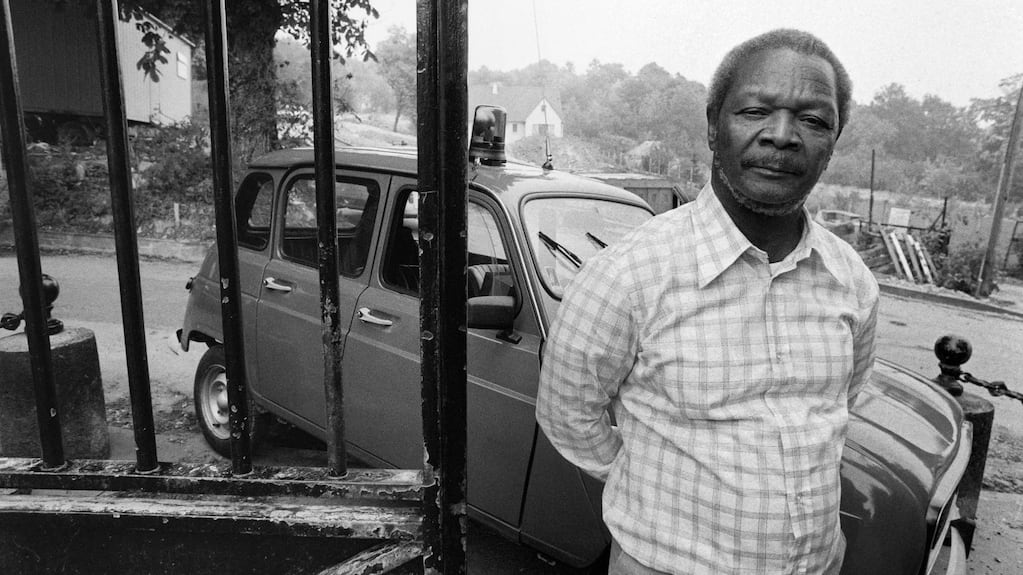
Dicen que en la mansión de Bokassa, el tirano de la República Centroafricana durante los años 70, se comía como en ningún otro lugar. La afirmación parece estrictamente cierta. Porque en algunos otros lugares se podía tomar el champagne exclusivo que se hacía traer de París, o utilizar la vajilla de lujo, o ser atendido por decenas de sirvientes o disfrutar platos realizados por los mejores chefs del mundo. Lo distintivo en los banquetes de Bokassa era el menú: en los platos, cocinados y sazonados de manera conveniente, estaban sus opositores políticos. Bokassa les daba de cenar a sus invitados (embajadores, políticos africanos y hasta presidentes) carne humana. Se comía a sus enemigos.
Hubo muchos dictadores africanos en los años de la Guerra Fría. Todos han sido megalómanos, excéntricos, arbitrarios, corruptos, crueles, asesinos.
Bokassa fue todas esas cosas y le agregó una característica exclusiva: era caníbal.
Jean Bedel Bokassa había nacido en 1921 en lo que después sería la República Centroafricana que estaba bajo la dominación colonial de Francia. Durante la Segunda Guerra Mundial y durante la Guerra de Indochina combatió para el ejército francés y fue condecorado en diversas oportunidades por su coraje.
Tras la independencia de su país, quien quedó al mando de la República Centroafricana fue su primo David Dacko. Bokassa fue ascendido a coronel y nombrado al frente del ejército. Un par de años después derrocó a su primo Dacko. Mientras todos brindaban para recibir 1966, en pleno festejo de Año Nuevo, Bokassa tomó el poder, en una maniobra veloz e incruenta, y quedó al frente del país. Lo gobernaría trece años, hasta 1979. Muy rápidamente disolvió el poder legislativo y recortó todo tipo de libertades políticas y civiles.
Francia vio con buenos ojos el cambio de mano. Eran los tiempos de la Guerra Fría y Dacko estaba volcándose hacia China y la Unión Soviética. Bokassa, soldado prestigioso del ejército francés hasta hacía muy poco, era una garantía para ellos. Era conocido el amor de Bokassa por todo lo que fuera francés. En pocos días rompió relaciones con China y echó a decenas de consejeros chinos que trabajaban en su país.
El país tenía dos recursos naturales que provocaban mucho interés en las potencias y también en los países limítrofes, y que le daban muchísimo rédito económico y político: el uranio y los diamantes. Bokassa supo hacer uso de ellos.
¡Quién puede negar que Bokassa ha sido un hombre que logró ascender! Primero fue presidente. A los pocos meses no le alcanzó con el status presidencial y reunió en sí mismo todos estos cargos: presidente, primer ministro, comandante en jefe del ejército, líder del único partido político legal. Fue por más. Con el paso del tiempo se convirtió en Mariscal, después en Presidente vitalicio y por último se proclamó Emperador. Cada cambio de estatus, por supuesto, fue exclusivamente decidido por él, aunque luego de cada ascenso autoinfligido agregara la fórmula “por voluntad del pueblo centroafricano”.
También recibió muchas condecoraciones y honores de parte de su país. Lo extraño es que era él mismo quién las otorgaba. En el colmo del ridículo, varias de esas distinciones llevaban su propio nombre. Una de las fórmulas: “El imperio Centroafricano otorga su máximo galardón la Orden Imperial Bokassa I a Bokassa I”.
Bokassa era un hombre de familia. Tanto que llegó a tener 17 esposas. De una de ellas no se divorció; se la comió: la hizo asesinar y luego sirvió sus restos en un gran banquete sin que los invitados supieran ni el motivo de tan fastuosa fiesta, ni los ingredientes de su plato.
Nadie sabe con exactitud cuántos hijos tuvo. Algunos dicen 58; otros están convencidos de que fueron muchos más.
Hay que ser justos. Bokassa no se comía (y hacía comer a sus invitados) a todos los disidentes, ministros que no cumplían sus órdenes, maridos de las mujeres que deseaba, exesposas o simplemente personas que lo incomodaban o le caían mal. Con sus cuerpos, la mayoría de las veces alimentaba a los cocodrilos y leones que tenía en el zoológico privado de su estrafalaria e inmensa mansión de Villa Kolongo.
Cuando en 1976 convirtió a la República Centroafricana en un imperio, organizó una fastuosa fiesta de coronación. Gastó alrededor de 180 millones de dólares de la actualidad. Hizo construir un trono gigante e imponente —de tres metros de alto, más de dos de ancho y dos toneladas de peso—, de oro macizo y con forma de águila. Una corona con cientos de diamantes y una capa de terciopelo y armiño de 6 metros de largo. Los invitados especiales se movilizaron en 60 Mercedes Benz recién comprados e importados de Alemania. El champagne, 60.000 botellas, llegó en avión desde Francia. También, varios chefs internacionales. Lo que más le costó conseguir fueron diez caballos blancos con el pelaje perfecto que llegaron de Europa. Intentó que quien oficiara la coronación fuera el Papa Paulo VI; ni siquiera recibió respuesta a la solicitud. Los principales mandatarios invitados (el Sha de Irán, todos los reyes europeos, presidentes de decenas de países) declinaron la invitación. Nadie quería una foto con Bokassa. La única celebridad fue el líder libio Muammar Gaddafi que a esa altura era su gran (y único) socio comercial. La ceremonia fue larga y extremadamente lujosa. Replicó paso a paso (sólo le faltó que el Papa aceptara dirigirla) la coronación de Napoleón. Hacía años que estaba obsesionado con la figura del francés, con seguir sus pasos. Era su sueño y lo cumplió. Ya no era Bokassa. Ahora era el emperador Bokassa I.
Con o sin corona, Bokassa se manejaba por decreto y en base a la fuerza y a la exposición de esa fuerza para disciplinar a la población. Sus medidas eran salvajes y arbitrarias. Había ejecuciones públicas y en varios de los apaleamientos a los detenidos participaba el mismo jefe del estado para dar el ejemplo y, por supuesto, para saciar su sadismo.
Convirtió en norma obligatoria que se le cortara una oreja a quien era encontrado robando. Otro decreto: estaba prohibido tocar tambores durante buena parte del día.
Cuando sus excesos se difundieron por Occidente y ya no había alineamiento que los justificara, Francia intentó quitarle apoyo. La respuesta de Bokassa fue inmediata. Se cobijó en Libia. Gaddafi estaba interesadísimo en el uranio para desarrollar armas nucleares. Fue él quien financió el Imperio Centroafricano en sus últimos años. Bokassa como un gesto de buena voluntad hacia Gaddafi se convirtió al islamismo. Años después, regresaría al cristianismo. Pero, como todo en Bokassa, tenía que tender a la megalomanía. No se conformó con regresar a su religión original. Dijo que él era el décimo tercer apóstol.
La caída de Bokassa se inició con un asunto menor, como suele suceder; un capricho más, un negociado nuevo que, esta vez, provocó la reacción de la gente. Antes del inicio del ciclo escolar de 1979, el gobierno decretó la obligación de que todos los estudiantes del país utilizaran un mismo uniforme escolar. Era muy formal y bastante caro. Lo confeccionaba la empresa de la esposa de Bokassa en ese momento. Por primera vez en años hubo protestas callejeras. Los estudiantes se organizaron y expresaron su descontento, ellos encabezaban las manifestaciones. Bokassa actuó como siempre. Ordenó reprimir con brutalidad. Apalearon, detuvieron y asesinaron a muchos adolescentes. Un centenar de estos chicos murieron en prisión. Hubo testigos que, tiempo después, declararon que Bokassa los visitó en la prisión y los castigaba con su bastón de caoba con mango de marfil. Se dice que en el sótano del palacio real había una especie de morgue que rebalsó de cadáveres. Y que algunos fueron cocinados y servidos en un banquete con invitados extranjeros.
En los medios europeos salieron algunas fotos de esa morgue imperial. Y ese fue el principio del fin.

Francia se cansó de su dictador y el 20 de septiembre de 1979 envió a 700 de sus hombres a derrocarlo. Aprovecharon una de las frecuentes visitas de Bokassa a Libia para ingresar al país. Tomaron Bangui, la ciudad capital del imperio, casi sin oposición. La operación fue sencilla y para nada cruenta: el ejército centroafricano estaba muy poco armado porque Bokassa temía que si los generales tenían armas a disposición, lo derrocaran (hubo varios intentos sofocados a lo largo de los años: los responsables fueron asesinados); y además ya nadie tenía la convicción necesaria para defender al tirano, nadie se jugaba la vida por él. Más que derrocar al emperador cruento, el verdadero problema que enfrentó Francia fue conseguir un sucesor: Bokassa había eliminado a casi todos los opositores y todos los que habían osado mostrar la menor disidencia. El único que quedaba en pie era Dacko, aquel primo que había sido derrocado por Bokassa en 1966. Él quedó, nuevamente, a cargo del país.
Gaddafi no le dio asilo a Bokassa ya que sin poder no le servía para nada, ya no era la llave de accesos al uranio. Tampoco lo hizo Francia. Bokassa recibió con alivio la hospitalidad de último momento de Costa de Marfil. Allí vivió durante unos años hasta que se trasladó a Francia y se alojó en un castillo majestuoso, donde se sacaba fotos orgulloso. Ese material gráfico luego lo hacía circular por las redacciones de diarios y revistas europeas porque quería que todo el mundo viera lo bien que vivía.
En Francia a esa altura ya gobernaba Mitterrand y no su examigo Valerie Giscard d’Estaing. Con este último había ido de caza varias veces y comió muchas veces en el palacio imperial de Bokassa. Pero fue también el que ordenó la invasión y el derrocamiento. Bokassa se vengó un par de años después de su caída. En 1981 cuando se acercaban las elecciones francesas, contó en diversos medios que en esas visitas de Giscard a la República Centroafricana durante los años setenta, Bokassa le regaló al francés varios costosísimos diamantes. Esa noticia hirió de muerte las chances electorales de Giscard que fue derrotado por Mitterrand.
En 1986, de manera sorpresiva, Bokassa regresó a su país. Fue detenido apenas bajó del avión y juzgado por múltiples cargos. La acusación de canibalismo fue desestimada porque la fiscalía no presentó pruebas contundentes. Fue encontrado culpable de múltiples homicidios y por malversación de fondos. El tribunal lo condenó a muerte. La pena luego fue cambiada a reclusión perpetua y meses después recibió una nueva reducción, que la fijó en 20 años de cárcel.
Cuando regresó la democracia a la República Centroafricana y al término del primer mandato constitucional, André Kolingba, antes de dejar de ser presidente en 1993, dictó una amnistía para Bokassa. Al salir de la cárcel fue aclamado por cientos de personas.
De a poco, su imagen interna se fue rehabilitando y, de nuevo, muchos lo consideraron un héroe nacional.
Bokassa murió de un infarto el 3 de noviembre de 1996, treinta años atrás.
Fue despedido con un funeral de estado.
África, dictador









INTERNACIONAL
Denuncian más de una semana sin acceso al sol en la prisión de máxima seguridad de Guanajay

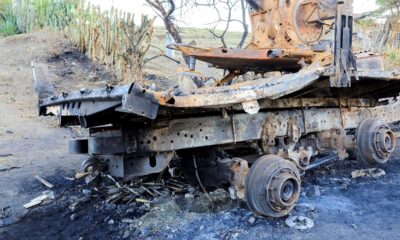
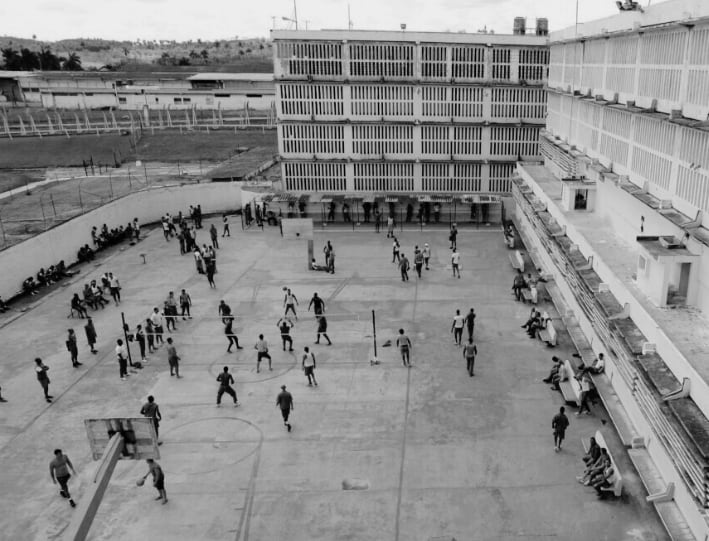
La falta de acceso al sol se extendió por más de una semana entre los internos de la prisión de máxima seguridad de Guanajay, en Artemisa, según una denuncia del preso político del 11 de julio de 2021Denis Hernández Ramírez.
De acuerdo con Cubalex, los reclusos de ese establecimiento no pudieron salir a los destacamentos destinados a tomar el sol. Hernández Ramírez afirmó que la decisión impedía el acceso al patio de las personas encarceladas.
La restricción habría sido ordenada por un oficial identificado como el teniente coronel Edgar, según la información difundida por la organización.
La falta de salida a espacios exteriores priva a los reclusos de una actividad vinculada con la salud física y mental. El acceso al aire libre y la posibilidad de realizar ejercicio forman parte de los estándares internacionales citados por Cubalex sobre las condiciones de detención.
Las denuncias incluyeron prisiones de Villa Clara, La Habana y Mayabeque
Las limitaciones para acceder a los espacios exteriores también fueron denunciadas durante 2026 en otros centros penitenciarios cubanos.
Entre los establecimientos mencionados figura El Pre, ubicado en Santa Clara. La relación también incluye la prisión 1580, el campamento de trabajo forzado El 18 y la prisión de Mujeres de Occidente, en La Habana.
Cubalex incorporó a esa lista al campamento Ho Chi Minh, situado en Bainoa, Mayabeque.
Entre las personas afectadas por la falta de acceso al exterior aparecen los presos políticos Marcos de la Luz Caballero Granados, Alexander Fábregas y Jorge Martín Perdomo.
La denuncia también comprende a Denis Hernández Ramírez y a otros reclusos comunes. Los reportes se refieren a restricciones para salir a los patios o a áreas destinadas a la exposición al sol.
Las Reglas Mandela contemplan una hora diaria de ejercicio exterior
Las Reglas Mínimas de las Naciones Unidas para el Tratamiento de los Reclusos, conocidas como Reglas Mandela, establecen pautas sobre las condiciones en las que deben permanecer las personas privadas de libertad.
La regla 23.1 indica que los reclusos que no trabajen al aire libre deben contar, cuando el clima lo permita, con al menos una hora diaria de ejercicio físico adecuado fuera de las celdas.
La norma se refiere a quienes desarrollan sus actividades en espacios cerrados. El ejercicio exterior aparece contemplado como parte de las condiciones de reclusión.
La regla 42 dispone que las condiciones generales de detención deben garantizar iluminación, ventilación, acceso al aire libre y actividad física para todas las personas privadas de libertad.
La regla 43 prohíbe las sanciones que constituyan tortura o tratos crueles, inhumanos o degradantes. Esa disposición también prohíbe los castigos colectivos.
Un organismo de la ONU consideró básico el ejercicio al aire libre
El Subcomité de las Naciones Unidas para la Prevención de la Tortura abordó el acceso al ejercicio exterior en un informe publicado en 2023.
El organismo señaló que la posibilidad de ejercitarse al aire libre durante una hora diaria constituye un derecho básico. También recomendó que esa garantía alcance a todos los reclusos, sin excepciones.
Según el informe citado, esa posibilidad no debe quedar sujeta a la consideración de un beneficio que el personal penitenciario pueda retirar.
Los Principios y Buenas Prácticas sobre la Protección de las Personas Privadas de Libertad en las Américas incluyen disposiciones sobre la exposición diaria a la luz natural y la ventilación adecuada.
Ese documento fue elaborado por la Comisión Interamericana de Derechos Humanos. Su principio I exige un trato humano y el respeto por la dignidad y la integridad física, mental y moral de las personas detenidas.

Cubalex vinculó la medida con normas contra los tratos degradantes
El artículo 16 de la Convención contra la Tortura establece la obligación de prevenir actos que constituyan tratos o penas crueles, inhumanos o degradantes.
La disposición se refiere a hechos cometidos por funcionarios públicos o con su consentimiento. Cubalex advirtió que la retirada deliberada del acceso al patio puede vulnerar esos estándares cuando se emplea como represalia, mecanismo de presión o castigo colectivo.
La organización sostuvo que las autoridades penitenciarias cubanas deben garantizar condiciones compatibles con la dignidad humana.
Cubalex planteó además que la exposición a la luz natural y las necesidades básicas relacionadas con la salud no deben utilizarse como herramientas de sanción.
El pronunciamiento incluyó un reclamo por la liberación de las personas encarceladas arbitrariamente por ejercer las libertades de expresión, reunión y manifestación pacífica.
INTERNACIONAL
Paper ballots in NY county unable to be accepted by voting machines, will still be counted

Voting machines in Westchester County, New York, the state’s seventh most populous county, are not accepting paper ballots at polling locations throughout the county, the Westchester County Board of Elections said in a statement Tuesday morning.
«The Westchester County Board of Elections (BOE) is aware of an issue involving the paper ballots that is preventing some voting machines from accepting ballots at polling locations throughout the County,» the statement read.
The board relayed that it is communicating with state and county officials and with poll workers to address the issue while repeatedly affirming to voters that all paper ballots will be counted.
WATCHDOG, GOP LAWMAKER WARN NY VOTER REGISTRATION SYSTEMS LACKS KEY SAFEGUARDS
«Voters should continue to complete their paper ballots as instructed by poll workers. Ballots that cannot be processed by voting machines will be placed in designated orange emergency ballot bags, which will remain secure and monitored. These ballots will subsequently be counted,» the BOE said.
In a statement, Westchester County Executive Ken Jenkins said, «My office is fully aware of the ongoing problems with ballots and voting scanners across Westchester County, and I want to be absolutely clear: this situation is unacceptable.
«Voters should remain in line and exercise their right to vote. Every eligible voter will have the opportunity to cast their ballot, and every vote must be counted. I have directed County officials, including representatives from our Law Department, to monitor the voting process and ensure that voters can cast their ballots without interference and that every vote is properly and accurately counted.
«Once these issues are resolved, I will convene a bipartisan team to conduct a thorough review of the decisions and failures that led to this debacle, determine where accountability lies and ensure that this never happens again.
«Westchester County voters deserve a fair, secure and seamless election process. Today, we have fallen short of that standard. The voters deserve better, and I intend to make sure they get it,» Jenkins said.
Rep. Mike Lawler, R-N.Y., first alerted voters to an apparent ballot scanner problem in the county in a Tuesday morning post on X.
OUTGOING HOUSE DEMOCRAT BACKS INCUMBENT REPUBLICAN LAWMAKER FOR RE-ELECTION
«There is a problem with every ballot scanner in Westchester County. We do not yet know the exact cause of the issue, whether it is the ballot or the machine. The Board of Elections is working with their vendors to resolve it,» Lawler wrote.
«However, every ballot will be counted. Stay on line and vote. Do not leave the polling place without voting,» Lawler’s post concluded.
Lawler also revealed while speaking to CNN reporters outside a polling location in Pearl River, New York, that the issue appeared to be that the paper ballots were too thick to be read by the machines.
«There was an issue with the thickness of the ballot and the formatting of the machines. And so none of the machines were accepting the ballot across the entire county,» Lawler told CNN.
«As is often the case, when there’s an emergency, they take the ballot, and they put it in an emergency voting bag. Every ballot will be counted. And everybody should be rest assured that their vote will count. They should wait on line. I know the lines may be impacted a little bit. With some delays, but do not leave the line. Make sure you vote. Your vote will be counted. The machines are being fixed,» he said.
The board echoed Lawler’s insistence that all votes would be counted.
«We strongly encourage all voters to remain in line, exercise patience and, most importantly, cast their ballots,» the board added.
The board also apologized to voters and to poll workers for the inconvenience.
«Let us be absolutely clear: Every eligible vote will be counted. No voter should be discouraged from participating in this election because of this issue. Your voice matters. Your vote matters. Please stay in line and vote,» the board’s statement said.
Voter Patrick Reagan, who has been voting in Westchester County for the last 40 years, spoke to outside a polling place in Yonkers.
«I hope all the votes are going to be corrected properly and accounted for. And, you know, it’s a big year for everybody just voting. You know, we need to keep the country safe and good. And I hope, it’s going to turn out the way I wanted to,» Reagan said.
Voter Linda Giaimo, a woman who took her friend to vote, said she would be calling the Board of Elections about what was happening on Election Day.
«It’s all through Westchester County, that all these machines are down. So now we’ve got to put our vote in a bag and believe that that bag is going to be delivered. I got a problem with this,» Giaimo said.
INSIDE HOUSE GOP’S UNPRECEDENTED PUSH TO MONITOR MIDTERM ELECTIONS AND PREPARE FOR LEGAL FIGHTS
New York’s Democratic Attorney General Letitia James also weighed in.
«My office is monitoring this issue with scanners in Westchester and is in touch with the state and local Boards of Elections as they work on a solution. Westchester voters can still safely fill out and turn in their ballots at their polling locations. Your votes will count,» she wrote in a Tuesday morning post on X.
James also reminded state residents that New York has a dedicated Election Protection Hotline — (866) 390-2992 — to assist New Yorkers experiencing issues at the polls.
«Today is your opportunity to make your voice heard, and every eligible New Yorker deserves to cast their ballot without fear or intimidation,» James said in a statement. «My office is here to help New Yorkers navigate any problems they encounter at the polls and ensure their voices are heard. If you experience an issue while voting today, call our Election Protection Hotline. We are ready to help,» she continued.
New York’s polls opened at 6 a.m. and will close at 9 p.m.
Digital contacted Rep. Mike Lawler for further comment.
politics, voting, elections state and local, new york, elections, midterm elections
INTERNACIONAL
‘Big difference’: Dem’s last-minute endorsement gives GOP new hope in crucial Senate battle
OAKLAND COUNTY, MICHIGAN — Michigan’s Republican ticket had a clear message for voters preparing to vote in the midterm elections: Their path to victory relies on winning over voters who typically don’t align themselves with the GOP.
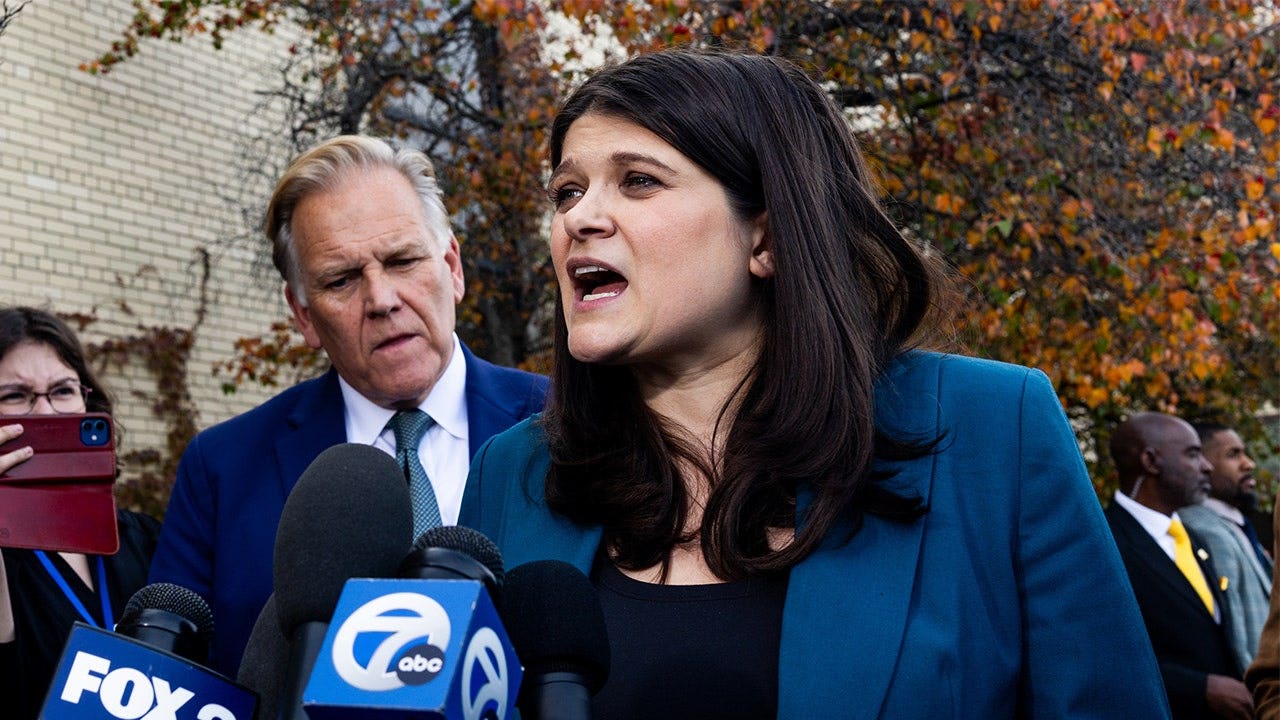
That prospect appeared to be buoyed by Democratic Rep. Haley Stevens’ 11th-hour endorsement of Republican Senate candidate Mike Rogers over her primary rival, Abdul El-Sayed. Early Monday afternoon, Republican operatives in Michigan blasted out a press release advertising an event just hours later intended to tout Stevens’ endorsement and its purported impact on Black and Jewish voters.
In front of a throng of press at the Michigan GOP’s headquarters, six community leaders representing African Americans and Jews criticized what they saw as El-Sayed’s excesses and lauded Stevens’ endorsement of Rogers. Broadly, they argued that El-Sayed had insufficiently distanced himself from some of his radical associations, that Stevens’ endorsement had real significance for the race and that they were seeing an unprecedented groundswell of support for Republicans among their peers.
MIKE ROGERS DISHES ON HOW SHOCK HALEY STEVENS ENDORSEMENT UNFOLDED HOURS BEFORE ELECTION DAY
In addition to the community leaders, close to two dozen others — many of whom were Black or Jewish — attended the event as well. While some political observers have cast doubt on the impact of Stevens’ endorsement and the degree to which African Americans and Jews are defecting from the Democratic Party, members of those communities told Digital the shift is happening.
«I believe it’s going to make a big difference that she came out,» Michelle Nard, an African American former Democrat running for state Senate, told Digital. «She had a big following. She’s a great congresswoman, a great state representative for the United States.»
BLACK VOTERS RIP DEMS OVER TAKING THEM FOR GRANTED IN EL-SAYED’S BACKYARD: ‘HUSH US UP’
Nard recounted how she had recently spoken to a Black woman who highlighted that her community makes a big deal of going to the polls on Election Day, a point she used to stress that Haley’s endorsement, though late in the cycle, could still influence last-second voters.
«You have strong Haley Stevens supporters in our community that will support her to the end, and then you have some that feel betrayed,» Marcus Bowman, a metro Detroit school board trustee, told Digital.
Bowman, who says he knows Stevens personally, said: «True supporters of Haley Stevens, they know her as a person and they know what she represents. I think they will follow her and respect her for her decision based off some of the radical things we’ve heard about Abdul El-Sayed.»
While those who spoke were handpicked for a Republican news conference, there is some data to back up Black voter defection. Between August and September, El-Sayed’s support among African Americans held steady at around 75%, well below the party’s typical benchmark.
POLL: MICHIGAN VOTERS SPLIT BETWEEN EL-SAYED AND ROGERS
The Arab American community in the Detroit metropolitan area has historically been at odds with African Americans in the areas across a number of issues, a theme that has come up occasionally during El-Sayed’s campaign.
While comparable polls have not found similar trends among Jewish voters, who are a much smaller part of Michigan’s electorate, a number of high-profile members of the communities, including top donors, have flocked to the Rogers camp.
«Haley, what she did was give a lot of Jews permission, hardcore left-wing Democrats, permission to now say, you know what, if Haley can endorse him, I can vote for him,» Aaron Tobin, a conservative Jewish community leader, told Digital in reference to Mike Rogers. «Now I think she’s broken that wall down, and now they can see that a hardcore Democrat — and she was very successful and very popular in Michigan — if she said Mike Rogers is good enough for her, I think a lot of Jews are going to say, ‘I’m going to vote for him because Abdul just says the worst things.’»
Ezra, another Jewish voter, told Digital that he believes Jews have increasingly been abandoned by the Democratic Party and, even if Stevens’ endorsement doesn’t move the needle, he’s grateful that she took a stand.
«The [March 12] terrorist attack in [a] West Bloomfield [synagogue], I believe was the starting point of the Detroit Jewish community being afraid and that fear was not alleviated over the next [six months]. That fear has not been alleviated by Abdul El-Sayed in any sort of way, which is why I think you’re seeing this,» he said. «We’re waiting for something and it’s not coming. And so that’s why I think you’re seeing so many in the Jewish community moving for Mike Rogers because they’re like, you know what, that guy’s going to keep my family safe. The other guy’s not.»
MAMDANI, HASAN PIKER AMONG RADICAL LEFT-WING VOICES ERUPTING OVER HALEY STEVENS’ ENDORSEMENT SWITCH
«I think in some ways, it’s, it’s more brave because it’s at the last minute. In some ways, you know what, who knows, even if it, if it’s 100 votes or 1000 votes, then it makes a difference,» he added.
These alleged breakthroughs with traditionally Democratic constituencies took center stage at Rogers’ closing rally on Monday night. At one point, the campaign invited six Black and Jewish voters, most of them former Democrats, to take the stage where they explained why they believed El-Sayed to be too extreme for their support. Rogers himself praised the group during his final campaign speech, invoked the need for unity and thanked Stevens at length for her endorsement.
Conservatives at the rally were clearly grateful to Stevens for her endorsement, with nearly every mention of her name being met with cheers or chants of her name. Republicans are even optimistic that Stevens’ endorsement could trickle down to their down-ballot races.
MICHIGAN DEM CLAIMS STEVENS SHOT DOWN ROGERS ENDORSEMENT RUMOR HOURS BEFORE TURNING ON EL-SAYED
«I was on the ground last week in Michigan and Ohio, and the momentum in Michigan is real. It was real before Haley Stevens endorsed Mike Rogers, even more real now,» Adam Piper, executive director of the Republican Attorneys General Association, told Digital.
Piper said he «absolutely» believes Stevens’ endorsement will move the needle for Michigan Republican attorney general nominee Doug Lloyd.
«You know, around the Detroit area, Grosse Pointe, Detroit, elsewhere, I saw homemade yard signs in the yards of Black churches that said African Americans and Jews stand together. And that was powerful.»
Lloyd said he is optimistic that Stevens’ endorsement of Rogers could give him a boost.
«Well, I saw something today in the news that basically said 50% of the available voters have voted through absentee and early voting. We still have one day left. And as we’ve said, you know, the race isn’t done until 8 o’clock tomorrow night when the polls close,» he said. «So, if this made a difference for someone who had been sitting on the sideline and they decided they were going to get out and vote because of it, I’m excited for that.»
Democrats have argued Stevens’ endorsement could strengthen, rather than weaken, El-Sayed’s support. Michigan Democratic Party Chair Curtis Hertel said he expected the episode to galvanize Democrats, while El-Sayed’s campaign reported raising $2.4 million Sunday, its largest fundraising day of the campaign.
While cutting into the Democratic Party’s margins by successfully pulling away Black and Jewish voters could prove valuable to the GOP, a reversion among Arab voters — who swung toward Republicans in 2024 but strongly favor El-Sayed — could erase such gains. Fox News’ final power ranking rated Michigan’s Senate race as a toss-up, meaning that, as voters head to the polls, neither party holds a clear edge.
politics, abdul el sayed, michigan, midterm elections, senate elections

Con una sorpresa: Los convocados de la Selección Argentina para los amistosos ante Uruguay y Costa Rica

Alivio sin euforia: Caputo buscó acercarse a la industria, pero la preocupación por la actividad dominó los pasillos

El movimiento de Haas que anticipa quién sería el reemplazante de Esteban Ocon para las próximas carreras de la Fórmula 1

Milei impulsa el ascenso del juez Rafecas y se podría abrir una nueva vacante en Comodoro Py

El desconsolado llanto de Lucas Bertero al relatar el calvario que vive tras ser estafado por 20 millones de pesos: “Tengo que empezar de cero”

El Gobierno no invitará a los ex presidentes a los actos por la visita del Papa aunque Macri irá al Monumento de los Españoles

Qué pasó con el Refugio de Eli y por qué hizo enfurecer a Santi Maratea: «Fue un desastre, él nunca más le contestó y le prohibió…»

El “efecto Lula” sigue pegando en Argentina: los bonos sintieron el impacto, pero el tipo de cambio aguantó

Milei visita Neuquén para inaugurar una iglesia evangélica: tensiones internas y señales de cara a las elecciones 2027

Durante la visita a la Argentina, León XIV expondrá su mirada sobre la pobreza, el desarrollo y la educación, que cuestiona los planes de ajuste

 CHIMENTOS1 día ago
Qué pasó con el Refugio de Eli y por qué hizo enfurecer a Santi Maratea: «Fue un desastre, él nunca más le contestó y le prohibió…»
- ECONOMIA3 días ago
El “efecto Lula” sigue pegando en Argentina: los bonos sintieron el impacto, pero el tipo de cambio aguantó
- POLITICA2 días ago
Agustín Caulo: “El Gobierno sigue trabajando para que no se politice la visita de León XIV a la Argentina”