INTERNACIONAL
Multiple flights in Europe diverted because of bomb threats

Wave of bomb threats disrupts, diverts flights across Europe
Fox News foreign correspondent Jeff Paul reports on a series of bomb threats forcing multiple commercial flights to divert or make emergency landings across Europe. Paul details incidents involving Aer Lingus, Finnair and Wizz Air flights alongside previous security warnings that government authorities classified as hoaxes.
NEWYou can now listen to Fox News articles!
Multiple planes across Europe were diverted and forced to make emergency landings Thursday because of bomb threats that have turned out to be unfounded.
At least 11 planes, originating from cities including Copenhagen, Dublin, Helsinki, Madrid, Milan and Warsaw, have been affected. The source of the threats was not immediately clear.
These incidents came after several flights in Europe received similar warnings on Tuesday that the U.K. government described as «malicious hoax threats.»
«Upon receiving a threat regarding the placement of an improvised explosive device on board 4 aircraft heading to Prague, we are preparing with colleagues from Prague Airport for their landing. We assess the relevance of the threats as low,» Czech Police wrote on X, before adding that inspections of the planes yielded «negative results.»
The threats come at a time when European officials have been blaming Russia and Iran for «hybrid attacks» and acts of sabotage, which both Moscow and Tehran deny, Reuters reported.
RUSSIA’S SHADOW WAR IS PUTTING EUROPE ON EDGE AS GERMANY CONFRONTS A GROWING THREAT
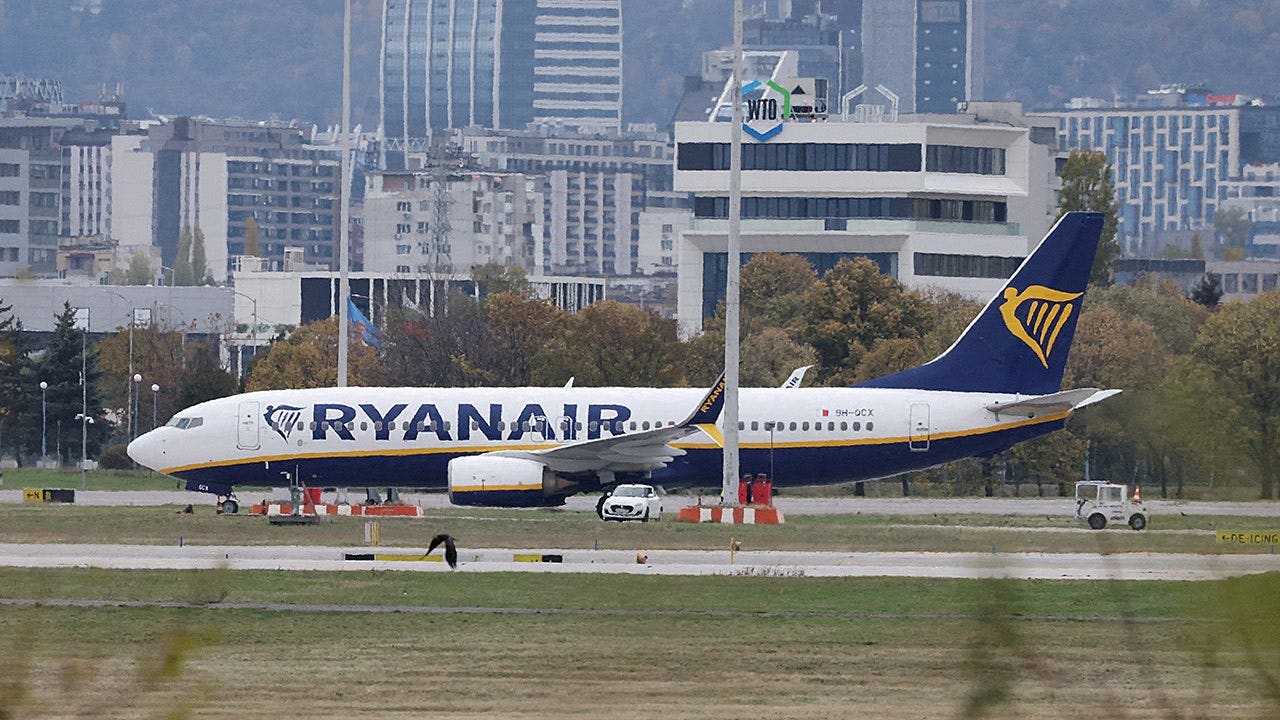
A Ryanair plane sits at Sofia Airport after flights from Copenhagen and Madrid landed there, according to the Bulgarian interior minister, as bomb threats forced unplanned landings across Europe on Nov. 5, 2026. (Reuters)
Earlier, a flight from Dublin to Rome was diverted to a military air base in western France because of a bomb threat, according to French Prime Minister Sebastien Lecornu’s office. That flight landed safely at the base in Evreux in Normandy, with all 151 passengers and six crew members disembarking, the office said.
A LOT Polish Airlines flight from Warsaw to Brussels landed at its destination, where inspections found no hazardous or suspicious items, the airline said.
A Wizz Air flight from Milan to Bucharest landed safely in Bucharest following a bomb threat, according to airport spokesperson Teo Postelnicu.
FRENCH SUPERMARKETS FACE MILLIONS IN LOSSES AFTER CYBERATTACK HITS REFRIGERATORS NATIONWIDE

A police officer and a sniffer dog inspect a Ryanair airplane and its baggage after Ryanair’s operations center reported a bomb threat received during a flight from Manchester to Murcia, according to Guardia Civil, in Murcia, Spain, on Nov. 3, 2026. (Reuters)
Finnair said that Flight 1761 from Helsinki to Rome was targeted by a bomb threat, but nothing was found after it landed in the Italian capital.
Three Ryanair flights bound for Sofia, Bulgaria, had to make emergency landings because of bomb threats on board.

A Finnair aircraft sits on the tarmac at Fiumicino Airport in Fiumicino, near Rome, Italy, on Nov. 5, 2026, after a Finnair flight from Helsinki was escorted to its scheduled landing by Italian Air Force jets following bomb threats that forced airliners to make unplanned landings across Europe. (Reuters)
Two of the flights — one from Copenhagen, Denmark, and the other from Madrid — landed safely at Sofia’s Vasil Levski Airport, airport officials told reporters. The third Sofia-bound flight, from London’s Stansted Airport to Sofia, had been diverted and landed safely at the airport in Plovdiv, Bulgaria’s second-largest city, Plovdiv Airport CEO Krassimir Peshev said.
The Associated Press contributed to this report.
airlines, europe, france, italy, world









INTERNACIONAL
El despliegue salvadoreño en Haití requiere definir objetivos, costos y financiamiento, según experto
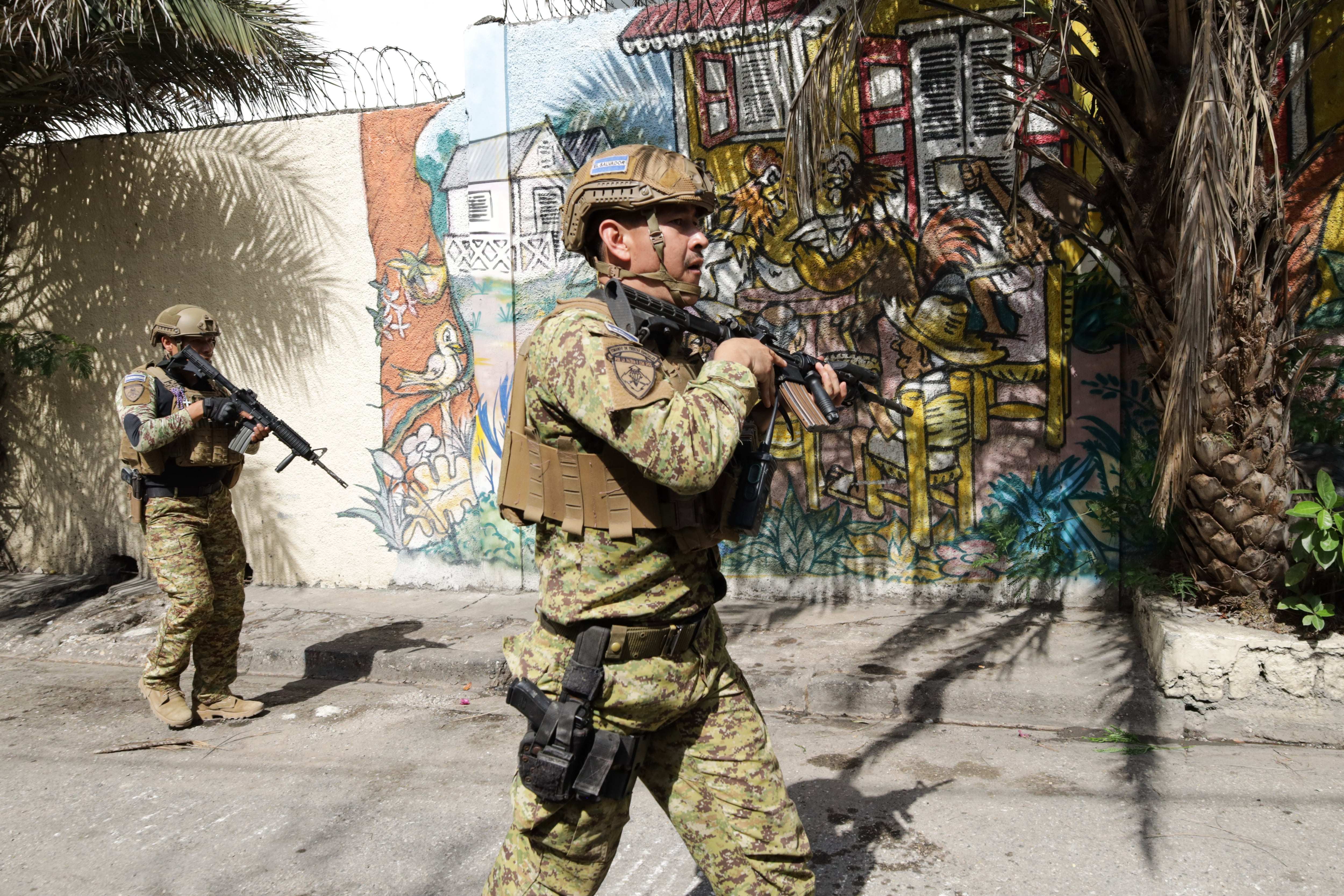
El general José Edgar Campos, militar en retiro, planteó que debe aclararse si la misión salvadoreña en Haití tiene como objetivo rescatar a cuatro aerotécnicos desaparecidos o si también contempla operaciones contra las bandas delincuenciales.
Durante una entrevista en Diálogo, Campos dijo que la misión fue presentada como una operación de búsqueda y rescate. Sin embargo, afirmó que se requiere “mucha información” sobre el paradero de los cuatro salvadoreños, desaparecidos el 18 de octubre.
“Se requiere en verdad mucha información relacionada a dónde están estos cuatro desaparecidos”, afirmó.
El militar en retiro también expresó solidaridad con las familias de los tres militares fallecidos en un accidente con explosivos y deseó una pronta recuperación al integrante de la Fuerza Armada que resultó herido.
Según Campos, entre el 21 y el 30 de octubre ya se habían desplegado más de 2,000 efectivos salvadoreños en Haití. Sostuvo que esos elementos no forman parte de la Fuerza de Supresión de Pandillas y dijo que las Naciones Unidas habían dejado clara esa diferencia.
El rescate y el combate a bandas demandan métodos distintos
Campos indicó que una operación de rescate requiere establecer dónde se encuentran las personas buscadas. En cambio, una operación contra las bandas, dijo, demanda más recursos y más tiempo.
“Si la misión es rescatar, pues concentrémonos en rescatar”, expresó.
El militar en retiro sostuvo que lo primero que debe realizarse antes de enviar un contingente es una operación de inteligencia. Según explicó, esa tarea debe recopilar información y ubicar a las personas antes de proceder con una acción de rescate.
“Eso es lo primero que se tendría que haber hecho: una operación de inteligencia”, señaló.
El general afirmó que los aerotécnicos desaparecieron en un área que estaría controlada por un grupo delincuencial. Sin embargo, observó que el contingente salvadoreño opera en otro sector.
Para ejemplificar su planteamiento, comparó la situación con un hecho ocurrido en Soyapango mientras una fuerza se encontrara en Nuevo Cuscatlán o Antiguo Cuscatlán.
Los plazos, recursos y logística de la misión en Haití
Campos sostuvo que el envío de tropas salvadoreñas al exterior requiere autorización de la Asamblea Legislativa.
Añadió que, si se trata de una situación bilateral, debería existir un acuerdo entre el Gobierno de Haití y el Gobierno de El Salvador.
Según explicó, ese acuerdo debe establecer la misión de las tropas, si se aprovechará para el rescate o para combatir bandas delincuenciales, y por cuánto tiempo permanecerán en Haití.
El militar en retiro dijo que el análisis de una misión debe definir el objetivo, el tiempo, la fuerza que se enviará, las unidades, el equipo y la duración estimada de la operación.
“No puede ser indefinida”, afirmó al referirse al tiempo de la misión.
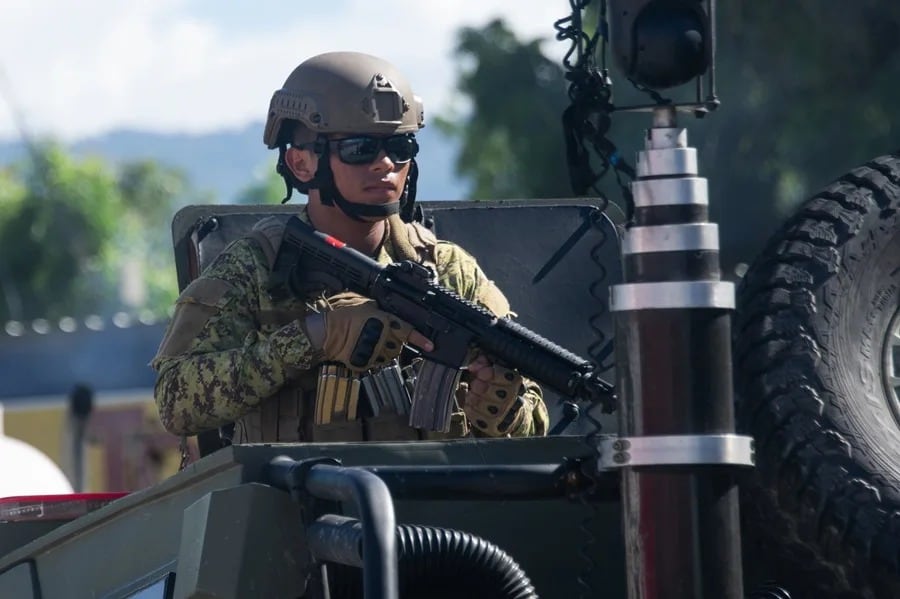
Campos señaló que una operación sin un plazo definido obliga a calcular cuánto cuesta cada día de despliegue. También planteó determinar de dónde saldrán los recursos para financiarla.
El general mencionó la necesidad de revisar los recursos disponibles en el presupuesto de Defensa para el cierre de 2026. Dijo que debe establecerse si esos fondos alcanzan o cuánto tendría que asignarse.
Campos consideró que la Fuerza Armada salvadoreña tiene organización, capacidad y equipo para cumplir misiones en cualquier lugar.
No obstante, sostuvo que una operación prolongada requiere capacidad logística, relevos y coordinación con los otros contingentes que intervienen en Haití.
El militar en retiro afirmó que la participación salvadoreña ha motivado a la Fuerza de Supresión de Pandillas, a la Policía Nacional de Haití y a las Fuerzas de Defensa haitianas.
“Los ha motivado, hay resultados”, expresó.
Campos agregó que, aun con esos resultados, la capacidad es insuficiente para controlar o resolver la situación de las bandas. También señaló que esas estructuras tienen capacidades distintas a las pandillas que operaron en El Salvador.
Los costos del despliegue y los vehículos blindados
Campos sostuvo que Estados Unidos participa en la situación de Haití. Mencionó la resolución 2793, el financiamiento de la Fuerza de Supresión de Pandillas, la autorización para la operación de Vectus Global y el apoyo a la llegada del contingente salvadoreño.

El general afirmó que El Salvador no puede sostener durante mucho tiempo una fuerza de ese tamaño fuera de su territorio.
“Nosotros no podemos sostener una fuerza de estas durante mucho tiempo”, dijo.
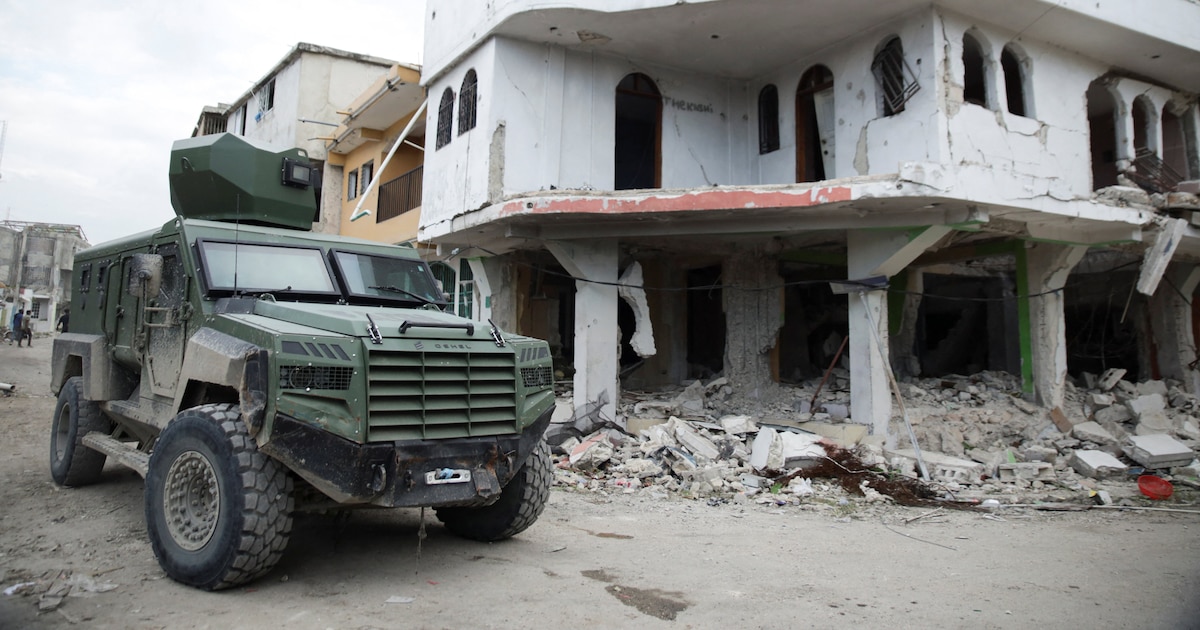
Campos se refirió a la llegada de 20 vehículos blindados Mamba Negra, de producción mexicana. Consideró que esos equipos pueden aumentar la capacidad operativa del contingente.
El militar en retiro estimó que cada vehículo podría costar alrededor de USD 500,000. Añadió que ese cálculo debe considerar el traslado a Haití y el programa de mantenimiento.
La ONU y Estados Unidos precisan el alcance de sus apoyos
La Organización de las Naciones Unidas (ONU) informó que la mayor parte del contingente militar salvadoreño desplegado en Haití no forma parte de la Fuerza de Supresión de Pandillas respaldada por el organismo.
Según esa postura, esas tropas no están incluidas en el mandato ni en los mecanismos de supervisión de la Oficina de Apoyo de las Naciones Unidas.

Por su parte, el secretario de Estado de Estados Unidos, Marco Rubio, señaló que su país brinda apoyo logístico a la fuerza multinacional respaldada por la ONU para enfrentar a las pandillas en Haití.
Rubio indicó que Estados Unidos no ha desplegado tropas propias en Haití. También afirmó que no brinda apoyo directo a la operación salvadoreña.
El funcionario estadounidense diferenció esa fuerza multinacional de otra operación militar bilateral que, según dijo, El Salvador desarrolla con el Gobierno haitiano.
Crime,International Relations,Law Enforcement,Crime,Diplomacy / Foreign Policy,South America / Central America
INTERNACIONAL
Unsealed warrant documents for Ilhan Omar’s DC home raid reveal decades-long scope of investigation

Heavily redacted versions of documents used to justify a search warrant and raid on the Washington, D.C. home of Rep. Ilhan Omar, D-Minn., were released to the public Monday evening.
Despite the level of redaction, the documents provide more insight into the scope of the investigation into the Somali-born congresswoman.
In an ex parte brief in support of an affidavit for a search warrant, federal prosecutors say they’re searching for all «records and information that constitute fruits, contraband, evidence, and instrumentalities of violations of [redacted], those violations involving Ilhan Nur Said Elmi a/k/a Ilhan Abdullahi Omar, and occurring between 1980 to the present (the ‘Target Offenses).»
While accounts vary, even from the congresswoman herself, Omar was born in 1981 or 1982. She does not have a birth certificate. She came to the United States in 1995 with her father. Digital confirmed just after the Oct. 12 raid of her home, that investigators were looking into alleged immigration fraud, potentially related to how Omar and her father filled out her immigration paperwork.
In another document, arguing that the court mischaracterized the government’s arguments in ex parte proceedings, prosecutors make it clear that the investigation into Omar spans decades.
«The United States believes that ILHAN has committed [REDACTED] crimes over decades— beginning long before she was ever in Congress,» the document says.
Digital reached out to a spokesperson for Omar.
In a rare move, Obama-appointed federal Judge James Boasberg ordered the documents’ release last week, telling the Department of Justice (DOJ) to submit proposed redactions before the materials were made public on Monday. Judge Boasberg, in order dated October 9, 2026, agreed initially to seal the documents due to «such reasonable grounds to believe the disclosure will result in flight from prosecution, destruction of or tampering with evidence, intimidation of potential witnesses, and serious jeopardy to the investigation.»
Search warrants typically remain sealed until there is an arrest in a criminal case.
Fifteen media outlets, led by The New York Times, along with watchdog group Judicial Watch, sued President Donald Trump’s DOJ for the release of the documents used to conduct the raid of a sitting congresswoman’s residence. The outlets claimed that viewing the documents was in the public interest, while the government attempted to block the release by arguing that it was a violation of investigative protocol.
OBAMA-APPOINTED JUDGE PAVES WAY TO UNSEAL ILHAN OMAR SEARCH WARRANT IN BLOW TO TRUMP’S DOJ
Omar’s Washington, D.C., home was raided on Oct. 12, 2026 — an unprecedented action to take against a sitting lawmaker, especially when there is less than a month until the Election Day where they are seeking reelection. The raid did not impact Omar in winning a fifth term in the House of Representatives.
Homeland Security Investigations (HSI), the chief investigative body of the Department of Homeland Security (DHS), conducted the raid last month. Omar’s personal phone, computer and passport were seized as evidence in the search. Authorities are also in possession of her DNA.
Additionally, the lawmaker’s sister, Sahra Noor, voluntarily submitted to questions from investigators during the week of the raid. Investigators are probing whether Omar or her late father — or both — lied on her citizenship paperwork, sources told Digital.
In a motion seeking to prevent the federal search warrant for the raid from being unsealed, the U.S. Attorney’s Office for the District of Columbia referred to Omar as «Ilhan Nur Said Elmi, a/k/a Ilhan Abdullahi Omar.» Sources later told Digital that Ilhan Omar is not the congresswoman’s «real name.»
REP ILHAN OMAR’S IMMIGRATION HISTORY FACES NEW SCRUTINY AS FEDERAL INVESTIGATORS SUBPOENA RELATIVES
That news caused speculation that Omar married her brother, Ahmed Nur Said Elmi, to resurface. The pair married in 2009, and divorced in 2017.
Omar has not been charged with a crime and has repeatedly denied wrongdoing. She has characterized the investigation as politically motivated, saying President Donald Trump is targeting her.
«For a decade, Donald Trump has relentlessly targeted Congresswoman Ilhan Omar with inflammatory rhetoric, repeatedly putting a target on her back,» her office said in a statement after the raid. «Now, those attacks have escalated to a pointless federal raid. The Congresswoman has done nothing wrong. No president should be able to use the power of the federal government to intimidate his political enemies.»
The Somali-born congresswoman came to the United States as a child in 1995, after decades of civil unrest in her home country. Her father, Nur Omar Mohamed, served as a colonel in the Somali National Army under the brutal Siad Barre regime.
Barre’s regime systematically killed between 50,000 and 200,000 members of the Isaaq clan in what is known as the Isaaq genocide. He was deposed in 1991.
ilhan omar, justice department, crime world, immigration
INTERNACIONAL
NATO warns Putin could strike before European army responds, points to US as military model
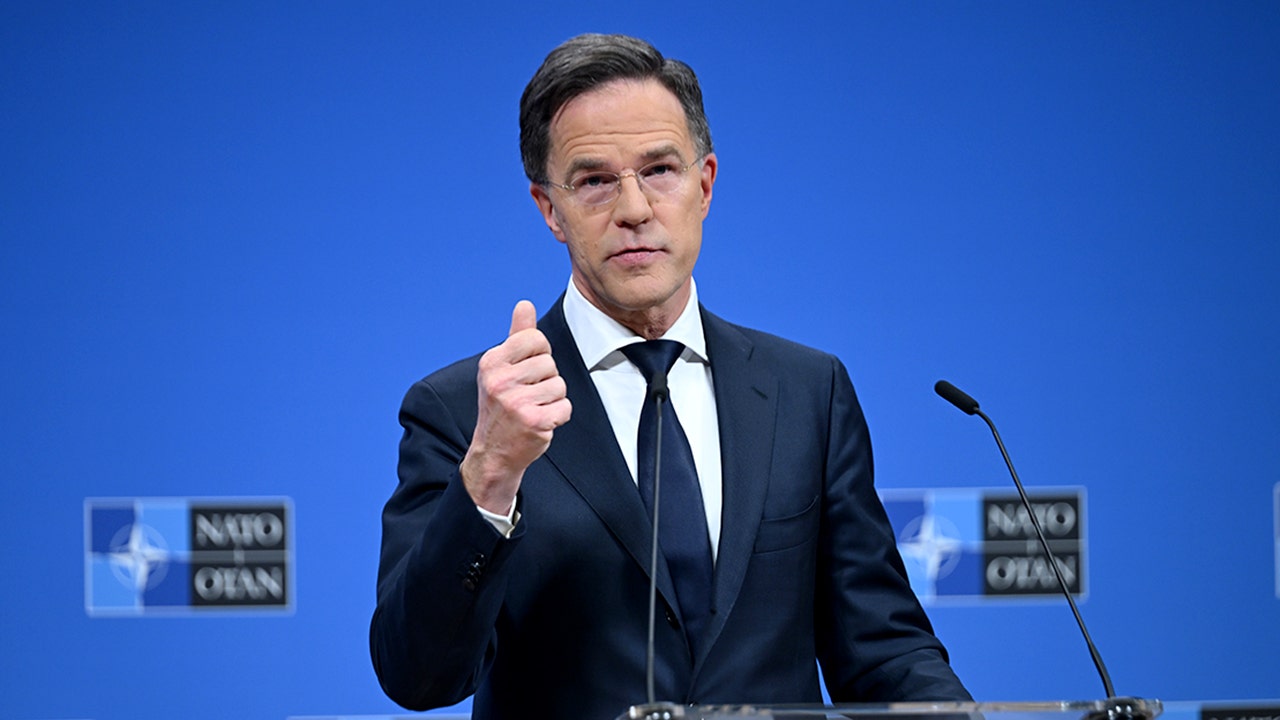
Mark Rutte warns Russia after missiles, suspected drone breach Polish airspace
Polish airspace violations by suspected Russian missiles trigger a stern warning from NATO Secretary General Mark Rutte, as Jon Scott reports. Rutte declares that the alliance will defend every inch of Polish territory. This escalation coincides with a devastating Russian missile strike on a residential apartment building in Kyiv, where rescuers search the ruins.
NEWYou can now listen to Fox News articles!
NATO Secretary-General Mark Rutte warned Monday that creating a separate European army could undermine the alliance’s ability to respond quickly to a Russian attack, as Moscow continues to ramp up its military capabilities during the ongoing war in Ukraine.
Speaking at the 72nd annual session of the NATO Parliamentary Assembly in Berlin, Rutte cautioned that competing military command structures could hold up decisions in a crisis, warning that Russia’s «war machine» is running at full throttle and could also pose a threat to Europe long after the war ends.
«What I would counsel against is having all the nations with their own militaries working together in NATO and then on top of that having a big European structure, because then if Putin attacks, we will first need two or three weeks to agree who will do what, and then he will probably end up in Rotterdam before we have decided. So that has been my argument,» Rutte said, according to Ukrainska Pravda.
NATO JETS SHOOT DOWN DRONE IN LITHUANIAN AIRSPACE AS RUSSIA GROWS ‘INCREASINGLY RECKLESS,’ RUTTE SAYS
NATO Secretary General Mark Rutte speaks to the media during a joint news conference with the members of the Bosnian Presidency in Sarajevo, Bosnia, Monday, March 10, 2025. (Armin Durgut)
Rutte pointed to the United States as a model for an integrated military, arguing that European countries would also need to move beyond separate national forces to establish a unified army.
«My point has always been that if you have a European military, you cannot also have national militaries. The United States has one military.»
«There is not a specific army or navy for the state of New York or for the state of California. It is an integrated United States military. If Europe is able to pull that off, fine,» Rutte said.
Rutte said it was Russia’s expanding military production and cooperation with China, Iran and North Korea that pose a long-term threat to NATO, regardless of how the war in Ukraine ends.
«We face great dangers coming from Russia and the fact that Russia works so closely together with Iran, China, and North Korea, we know that Russia’s war machine at the moment is running at full speed,» Rutte also said at the assembly in Berlin.
FOREIGN LEADER ON PUTIN’S DOORSTEP SOUNDS ALARM OVER IRAN FUELING MOSCOW’S WAR MACHINE

Plumes of smoke rise from fires at an oil refinery following what authorities said was a Ukrainian drone strike during the Russia-Ukraine conflict in Moscow, Russia, on Sept. 20, 2026. (REUTERS/Stringer)
«Its war economy keeps growing, and it won’t stand still when the war against Ukraine hopefully will end one day. That whole machine is there and will continue.»
Rutte also rejected the idea that only countries bordering Russia or Ukraine face a direct military threat, warning that Moscow’s long-range missiles put capitals across Europe within striking distance.
«Let me say once again to everyone here who is not on the eastern flank: I have news for you. You are on the eastern flank too. These latest Russian missiles need only five minutes longer to reach Lisbon, Rome or The Hague, my hometown, than to reach Tallinn, Warsaw or Helsinki,» Rutte said.
«So we are all on the eastern flank here. Let’s put an end to this discussion about whether or not you are on the eastern flank. We are all on the eastern flank.»
The NATO chief’s remarks came amid plans to deploy an early-warning aircraft to Poland after Polish prosecutors said three Russian Kh-101 cruise missiles landed on Polish territory Friday during strikes against Ukraine.
NATO WARNS RUSSIA: ‘WE WILL BREAK’ FORCES, DESTROY ‘ANYTHING AND EVERYTHING’ IF YOU ATTACK

Deputy Defense Minister Paweł Zalewski during an inteview with Fox News Digital in Warsaw, Poland. (Efrat Lachter/Fox News Digital)
Polish Deputy Defense Minister Pawel Zalewski said that NATO would deploy an Airborne Warning and Control System, or AWACS, aircraft to strengthen surveillance along the alliance’s eastern flank, according to Reuters.
«This is a very good system that gives us even deeper… operational awareness which allows us to respond better to this kind of threat,» Zalewski told reporters following a NATO meeting in Brussels.
The aircraft can monitor large areas of airspace and provide allied forces with a shared picture of potential aerial threats, improving NATO’s ability to detect and respond to missile and aircraft activity.
Ukrainian President Volodymyr Zelenskyy also warned Monday night that intelligence indicated Moscow was preparing a new wave of strikes against Ukraine.
Beyond Russia’s ongoing military threats, Rutte said that Europe’s interconnected infrastructure, including energy networks and communications systems, is vulnerable.
RUSSIA’S SHADOW WAR IS PUTTING EUROPE ON EDGE AS GERMANY CONFRONTS A GROWING THREAT
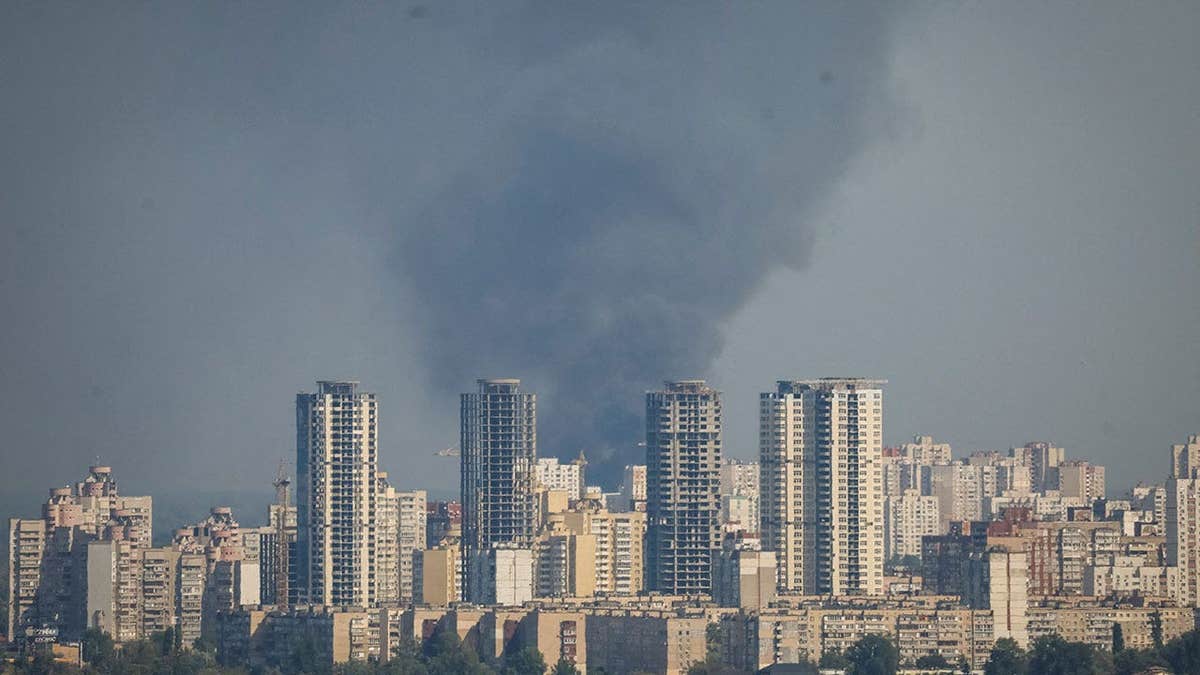
Smoke rises in the city during a Russian drone strike, amid Russia’s attack on Ukraine, in Kyiv, Ukraine August 31, 2026. (Gleb Garanich/Reuters)
«We are all targeted, that we are all affected when it comes to our pipelines, our cables, our energy grids, and our economies.»
«They are all interconnected, and that means that we are all in this for the long term. And therefore, we must step up to the plate to ensure that we stay ahead of danger.»
Rutte said defending NATO countries demands civilian preparedness, pointing to northern European nations that have begun teaching residents about their responsibilities in the event of war.
«This really takes the whole of society,» he said.
«And that’s in the end, I think, still Norway and Sweden, and Denmark and Finland, and maybe one or two others who are really ahead of the pack here, and having made clear to their citizens what they need to do in case war breaks out, at least not to get in the way of the military, but to be helpful and also how they make sure that the police and the ambulance services and fire, the fire fighting departments work together, supporting the military wherever possible.»
Rutte’s warnings come amid uncertainty over Ukraine’s long-term security arrangements and whether Western allies will offer guarantees resembling NATO’s Article 5 collective defense commitment as part of a future peace agreement.
U.S. special envoy Jared Kushner said Sunday that President Donald Trump was willing to consider Article 5-style security guarantees for Ukraine as part of a broader postwar security arrangement for Europe.
world, nato, russia, ukraine, germany, europe, national security, foreign affairs

El Niño: Santa Fe y Paraná están en situación de evacuación y Rosario se acerca al nivel de alerta

División Palermo ganó el Emmy Internacional 2026 a Mejor Comedia por su segunda temporada

La provocación de Gabriel Mercado a Tarzia: ¿qué le quiso expresar?

La decana de Ciencias Sociales que defendió el homenaje a Santucho es militante kirchnerista e hija de un montonero desaparecido

El despliegue salvadoreño en Haití requiere definir objetivos, costos y financiamiento, según experto

Los festejos especiales de dos figuras de Boca tras ganar la Sudamericana: del show privado a la foto inédita con Leandro Paredes

Javier Milei destacó el desembarco de Tesla en el país y aseguró: “Esto también es devolverle la libertad a los argentinos”

Financial Times duda de la economía argentina: riesgo país, financiamiento e imagen Milei

Agustín “Rada” Aristarán se despide de Chanta: “Con esta obra dejé de ser un impostor”

NYC college put on notice after Jewish campus group shunned by student government: ‘rude awakening’

 ECONOMIA1 día ago
Financial Times duda de la economía argentina: riesgo país, financiamiento e imagen Milei
- CHIMENTOS2 días ago
Agustín “Rada” Aristarán se despide de Chanta: “Con esta obra dejé de ser un impostor”
- INTERNACIONAL2 días ago
NYC college put on notice after Jewish campus group shunned by student government: ‘rude awakening’