INTERNACIONAL
Russia warns of ‘preventive nuclear attack’ as Medvedev claims Ukraine, NATO crossed line


NEWYou can now listen to Fox News articles!
Russia warned Monday that it could carry out a «preventive nuclear attack» under certain circumstances, with former President Dmitry Medvedev claiming Ukraine and NATO allies have already crossed certain thresholds that could push Moscow to consider using nuclear weapons.
«The massive use of non-nuclear means that cause catastrophes makes a preventive nuclear attack by the Russian Federation possible,» Medvedev, deputy chairman of Russia’s Security Council, wrote in an article published Monday in the Moscow Journal of International Law and excerpted by the state news agency TASS.
Medvedev also warned that «secret or hidden supplies of nuclear weapons from the West to Kyiv will provoke a legitimate preventive nuclear attack by Russia.»
MOSCOW THREATENS NUCLEAR RESPONSE OVER TINY FORTRESS WEDGED BETWEEN US ALLIES AS CLASH FEARS GROW
Dmitry Medvedev takes part in a wreath-laying ceremony marking Defender of the Fatherland Day at the Tomb of the Unknown Soldier by the Kremlin Wall in Moscow, Russia, Feb. 23, 2024. (Yekaterina Shtukina/Sputnik/Pool via Reuters.)
«Kyiv and its allies must remember that the Russian Federation not only has the right, but in various situations has the obligation to use nuclear weapons,» he wrote.
Medvedev’s warning came amid continuing tensions between Moscow and the West over the nearly five-year war in Ukraine and NATO’s military support for Kyiv.
He argued that Ukraine and its Western allies have already created circumstances under which Russia could consider a nuclear strike, though he said Russian President Vladimir Putin carefully weighs the consequences before making such a decision.
«Formally, in a number of cases, the parties collectively opposing us (Ukraine, NATO countries, and several Western countries outside the alliance) have already created situations in which Russia considers the possibility of launching a nuclear strike,» Medvedev wrote in the article, titled «State Sovereignty and Nuclear Weapons: International Legal Aspects of Ensuring National Security».
TRUMP HOLDS THE NUCLEAR CARDS TO PLAY AGAINST CHINA AND RUSSIA ON ARMS CONTROL
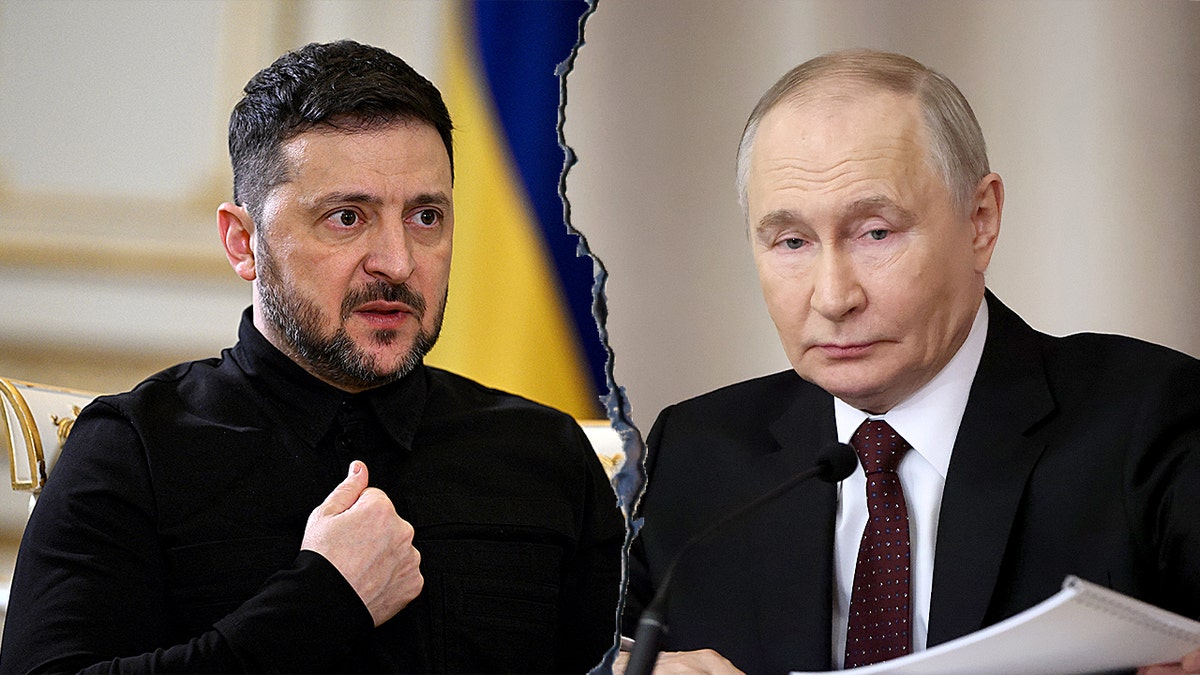
Ukrainian President Volodymyr Zelenskyy and Russian President Vladimir Putin (Genya Savilov/AFP via Getty Images; Contributor/Getty Images)
Despite those warnings, Medvedev wrote that Putin «is always guided by a comprehensive analysis of all factors and the proportionality between the actual damage inflicted and the retaliatory measures.»
Medvedev also said Russia has not used nuclear weapons during the war with Ukraine because it has not considered them necessary, though he warned that calculation could change.
«Obviously, so far the course of events in the Ukrainian crisis has not created a state of direct necessity to use nuclear weapons,» he wrote.
«The decision on Russia’s use of nuclear weapons during the special military operation was not taken due to the lack of a direct necessity to do so,» he added, using the Kremlin’s preferred term for the war in Ukraine.
Medvedev argued that while Russia’s nuclear doctrine does not explicitly authorize preventive nuclear strikes, certain scenarios — including catastrophic attacks using conventional weapons or the transfer of nuclear arms to Ukraine — could justify preemptive action.
He said any final decision rests solely with Putin.
TRUMP’S HISTORIC SUMMIT WITH XI, PUTIN MARKS DIPLOMATIC MILESTONE, BUT BREAKTHROUGHS REMAIN ELUSIVE

Russian President Vladimir Putin, Chinese President Xi Jinping and President Donald Trump meet during the Asia-Pacific Economic Cooperation Leaders’ Summit in Shenzhen, China, on Nov. 19, 2026. (Reuters)
«In making such decisions, the Russian president is always guided by a complete analysis of all factors and the proportionality between the actual damage caused and the retaliatory measures,» Medvedev wrote.
«The Kyiv regime and its sponsors must not harbor dangerous illusions,» he warned.
«If the scenarios mentioned above were to occur, the head of state not only has the right, but also the obligation to use nuclear weapons. All those who are currently fanning the flames must fully realize this».
Medvedev’s remarks came within days of President Donald Trump meeting with Putin and Chinese President Xi Jinping on Nov. 19 in Shenzhen, China, where the leaders of the three nuclear powers agreed to pursue talks aimed at reducing nuclear risks and preventing proliferation.
While the summit produced no major breakthrough on arms reductions, the leaders reaffirmed in a declaration that a nuclear war cannot be won and must never be fought.
TRUMP WILL FACE REPORTERS AFTER HISTORIC XI-PUTIN TALKS AS WAR QUESTIONS LINGER
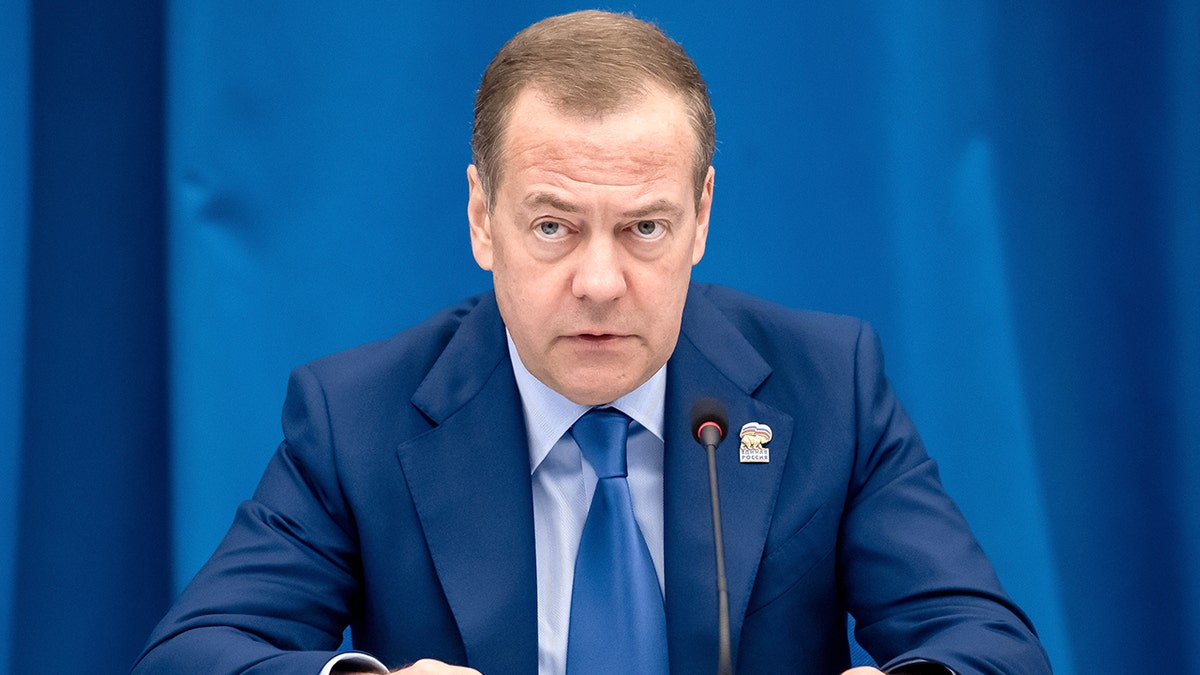
Dmitry Medvedev, Russian Security Council deputy chairman, speaks at a meeting of the United Russia party programme commission in Moscow, Oct. 1, 2025. (Ekaterina Shtukina, Sputnik Pool Photo via AP)
To support his argument, Medvedev cited a 1996 International Court of Justice advisory opinion, contending that international law does not categorically prohibit the use of nuclear weapons when a state’s survival is at stake.
The court concluded that the threat or use of nuclear weapons would generally violate international humanitarian law, but it did not definitively resolve whether such use would be lawful in extreme circumstances of self-defense.
Medvedev, who served as Russia’s president from 2008 to 2012 and later as prime minister under Putin, has become one of Moscow’s most outspoken voices on nuclear escalation since Russia invaded Ukraine.
Medvedev accused NATO members of undermining nonproliferation efforts, criticizing Germany’s participation in nuclear deterrence arrangements and arguing that NATO’s nuclear-sharing policies do not represent a universally accepted interpretation of the Nuclear Non-Proliferation Treaty (NPT)
On Monday, he also accused the U.S. of applying double standards toward Iran and said Washington used nonproliferation fears to justify military action against Tehran while following its own objectives.
world, russia, ukraine, nato, vladimir putin, national security, foreign policy, international law







INTERNACIONAL
Former Navy SEAL says New Jersey’s Islamophobia bill puts protected speech in the crosshairs
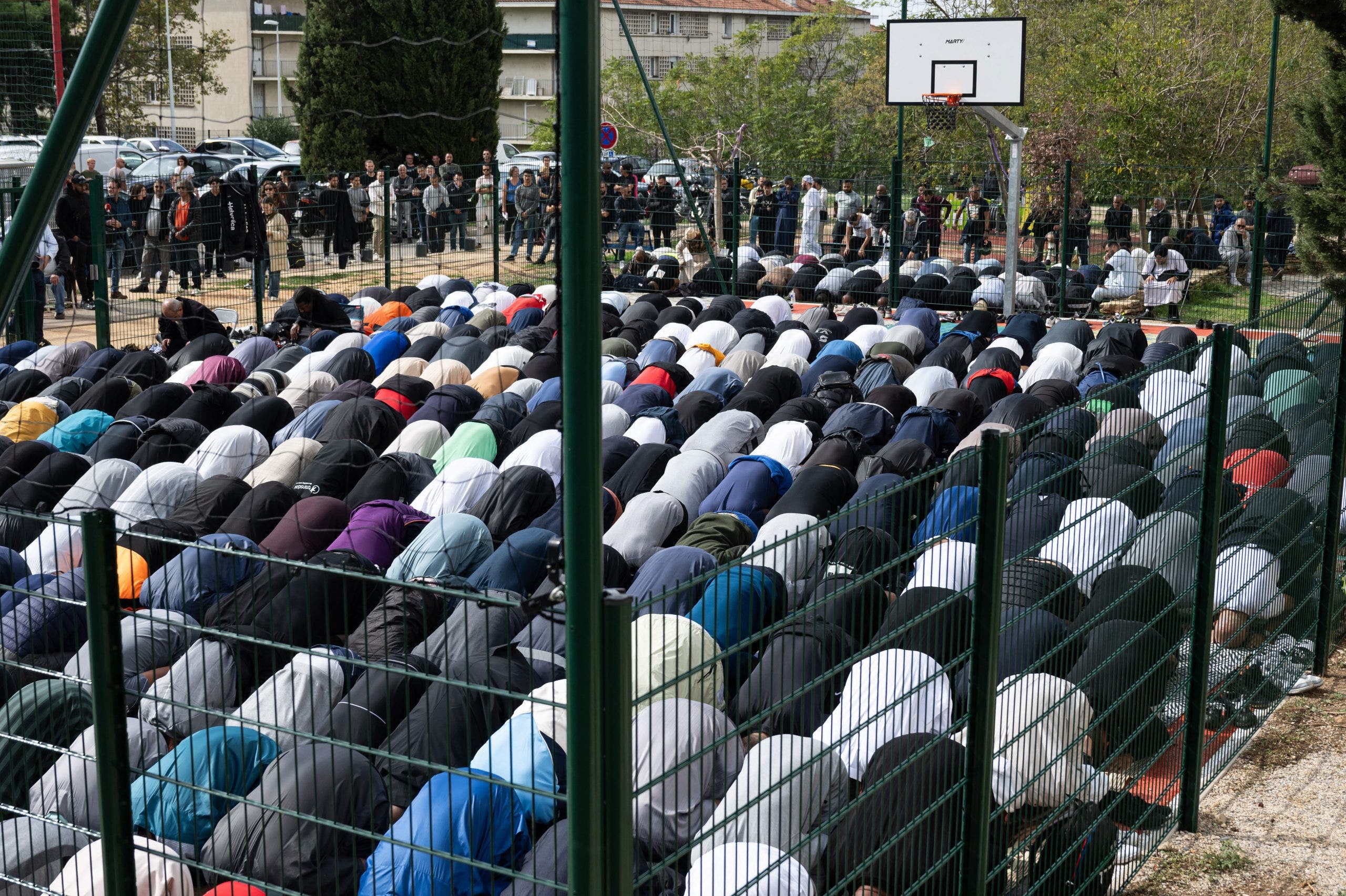
A New Jersey proposal aimed at combating anti-Muslim discrimination could make Americans think twice before criticizing religious and political ideas, a lawyer and former Navy SEAL warned.
Bill Brown, a partner at Parlatore Law Group, told Digital that Assembly Bill 1146 contains language broad enough to discourage public debate, even though the legislation expressly preserves First Amendment rights.
«The mere threat of state scrutiny is a direct assault on public debate,» Brown said.
TRUMP DOJ EXPANDS RELIGIOUS LIBERTY PROTECTIONS AFTER MAJOR SUPREME COURT RULINGS
The proposal would establish a state definition of Islamophobia and require public officials and law enforcement officers to consider it when determining whether alleged discriminatory acts were motivated by anti-Muslim bias.
Brown argued that requiring officials to use a definition that includes harsh criticism and other speech could make people afraid to speak openly.
CHRISTIAN GROUPS AND PASTORS SAY NEW CALIFORNIA LGBT HATE SPEECH LAW IS DISGUISED AS INDOCTRINATION
«The First Amendment guarantees that no religion or theology is immune to criticism,» he said.
Democratic Assemblyman Joe Danielsen sponsors the bill, which is co-sponsored by fellow Democrats Assemblywomen Verlina Reynolds-Jackson and Mitchelle Drulis and Assemblyman Roy Freiman. The legislation describes a uniform definition as a tool to help officials identify and investigate anti-Muslim crime, harassment and discrimination.»
Digital made multiple attempts to contact Danielsen and all three co-sponsors for comment but did not receive a response.
Its definition includes «hatred or severe disparagement towards Muslim persons or their culture,» as well as «rhetorical, violent, or physical anti-Muslim manifestations.»
Other examples include pulling hijabs from Muslim women, discriminatory treatment and blaming Muslims collectively for wrongdoing committed by an individual or group.
CONNECTICUT BARS NATIVITY DISPLAY IN STATE CAPITOL BECAUSE IT’S ‘RELIGIOUS,’ LAWSUIT THREAT SAYS
The bill would create no standalone criminal offense for criticizing Islam. It directs officials to consider the definition when reviewing an alleged violation of an existing policy, law or regulation prohibiting discriminatory acts.
It also explicitly says nothing in the legislation should diminish or infringe on rights protected by the First Amendment or New Jersey’s Constitution.
AMERICA’S FIRST MUSLIM SENATOR EXPOSES A POLITICAL BLIND SPOT
Asked about that safeguard, Brown maintained that the prospect of scrutiny itself could discourage people from speaking, regardless of whether a case ultimately succeeds.
He also singled out a provision in the bill’s legislative findings that lists «anti-Islamism» among terms that may describe the same characteristics as Islamophobia. Brown argued that the wording risks blurring the distinction between prejudice against Muslim people and criticism of a political movement.
JONATHAN TURLEY: FRANCE’S FREE SPEECH CRACKDOWN SHOWS WHAT HAPPENS WHEN POLITICIANS DEFINE TRUTH
«Islamism is a distinct geopolitical movement,» he said. «It’s not just a religious faith.»
Brown described the proposal as a «backdoor blasphemy law,» arguing that government should protect people’s rights while allowing their religious beliefs to face public scrutiny.
PASTOR UNLEASHES ON DEARBORN AS RELIGIOUS TENSIONS ERUPT AT CITY COUNCIL MEETING: ‘ENOUGH IS ENOUGH’
The legislation excludes criticism of Muslim-majority countries comparable to criticism directed at other countries. Brown argued that criticism of religious and political ideology also needs protection.
Brown said his concerns are informed in part by his military service. He recalled responding to two suicide bombings in Iraq and said he remains committed to speaking out against jihadist ideology.
He also recalled studying Arabic at Rutgers after leaving the military, where Muslim American classmates helped him when he struggled with the language.
For Brown, the broader concern is whether Americans will feel free to challenge ideas they oppose.
«True diversity is diversity of thought,» he said.
us, first amendment, islam, new jersey, legislation, controversies
INTERNACIONAL
“Perdiendo también se gana”: la inspiradora historia de perseverancia de Mia Dio rumbo a Miss Universo 2026
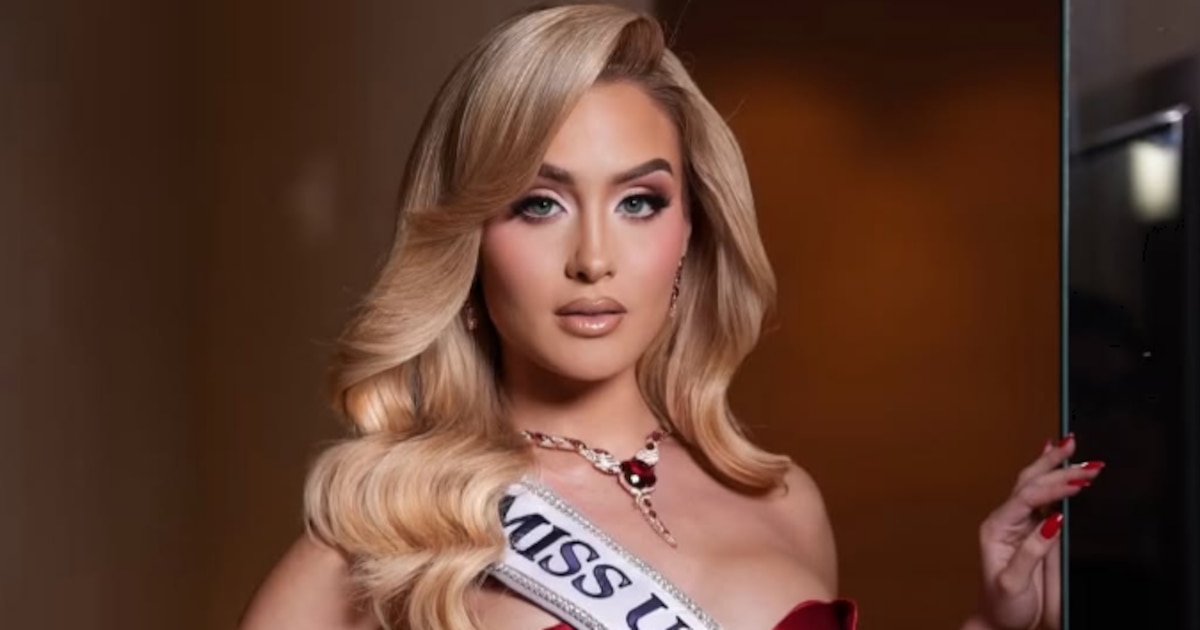
En el competitivo universo de los certámenes de belleza, las segundas oportunidades suelen estar reservadas únicamente para quienes logran convertir el tropiezo en combustible.
Ese es precisamente el caso de Mia Donadio, conocida en el mundo digital como Mía Dio, la actual Miss Universe Cuba 2026, quien se prepara para representar a la isla el próximo 24 de noviembre en Puerto Rico tras protagonizar una de las historias de resiliencia más comentadas de la temporada.
Recientemente, en una íntima conversación en el pódcast Cara a cara con Rodner, conducido por el presentador venezolano Rodner Figueroa, la modelo, influencer y graduada en Relaciones Internacionales y Ciencias Políticas abrió su corazón sobre el camino de aprendizaje, sanación personal y disciplina que la llevó de quedarse a un paso de la corona en 2025 a alzarse con el título nacional este año.
En 2025, Mia pisó por primera vez el escenario de Miss Universe Cuba con el respaldo de una comunidad digital que supera los seis millones de seguidores en TikTok e Instagram.
Sin embargo, aquella noche la corona terminó en manos de Lina Luaces, hija de la presentadora Lili Estefan. Lejos de guardar resentimiento o ver aquel resultado como un fracaso definitivo, Mía asegura que experimentó una profunda paz.

Según confesó en la entrevista, durante su primer intento estuvo tan obsesionada con encajar en el molde tradicional de una reina de belleza que dejó de lado su autenticidad.
A esto se sumó la barrera del idioma: nacida en Miami, de padre argentino —el reconocido exproductor de Univisión, “Chacho” Donadio— y madre cubana, Mía reconoció que el año pasado le costó expresarse con total fluidez en español durante la ronda de preguntas.
Inspirada por la disciplina de la propia Lina, quien le aconsejó enfocarse al 100% en el idioma, Mía decidió regresar en 2026 con una estrategia radical: sumergirse por completo en la cultura hispana, consumir contenido exclusivamente en español y rodearse de un entorno que la obligara a pensar y comunicarse en la lengua de sus raíces.
El cambio fue tan notorio que incluso el director de la organización, Prince Julio César, le confesó tras su coronación que había visto a una mujer completamente transformada y sanada.
Una batalla silenciosa contra el SOP y la pérdida gestacional
Más allá del brillo de las pasarelas, la reina cubana reveló que padece Síndrome de Ovario Poliquístico (SOP), una condición hormonal que le ha provocado fluctuaciones drásticas de peso llegando a aumentar entre 15 y 50 libras en distintos episodios y que en 2023 derivó en una dolorosa pérdida gestacional a las nueve semanas de embarazo.
Aquel episodio no solo le dejó una herida emocional, sino también un trauma físico tras sufrir una infección severa que requirió una intervención médica de emergencia sin anestesia debido a su alergia a la anestesia general.
Durante meses, Mia lidió con la inseguridad y el rechazo hacia su propio cuerpo, hasta que comprendió que su vulnerabilidad podía ser su mayor escudo. Hoy, desde su plataforma como Miss Cuba, utiliza su testimonio para visibilizar una condición que afecta a millones de mujeres en silencio, demostrando que la feminidad y la fortaleza no dependen de estándares irreales.
Orgullo de la diáspora y temple a prueba de contratiempos en Puerto Rico
En medio de la exigente agenda previa a la gala final, la cubana sufrió una fuerte intoxicación alimentaria que puso a prueba su resistencia física. Lejos de darse por vencida o bajar el ritmo, la representante cubana recibió atención médica, se recuperó y retomó de inmediato sus actividades oficiales con la sonrisa intacta, reafirmando por qué figura entre las grandes favoritas de los missólogos para entrar al cuadro de finalistas.
Con cerca de 20 maletas cargadas de ilusión, un traje típico diseñado a partir de su propia visión y el rosario que le regaló su abuela como amuleto inseparable, Mia Dio demuestra que, como ella misma afirma, a veces perdiendo también se gana. Su revancha ya está en marcha y el escenario de Puerto Rico será testigo de una mujer que decidió creer en sí misma cuando más difícil parecía el camino.
INTERNACIONAL
States rally behind Catholic church in first-of-its-kind Supreme Court fight over prayer shrine
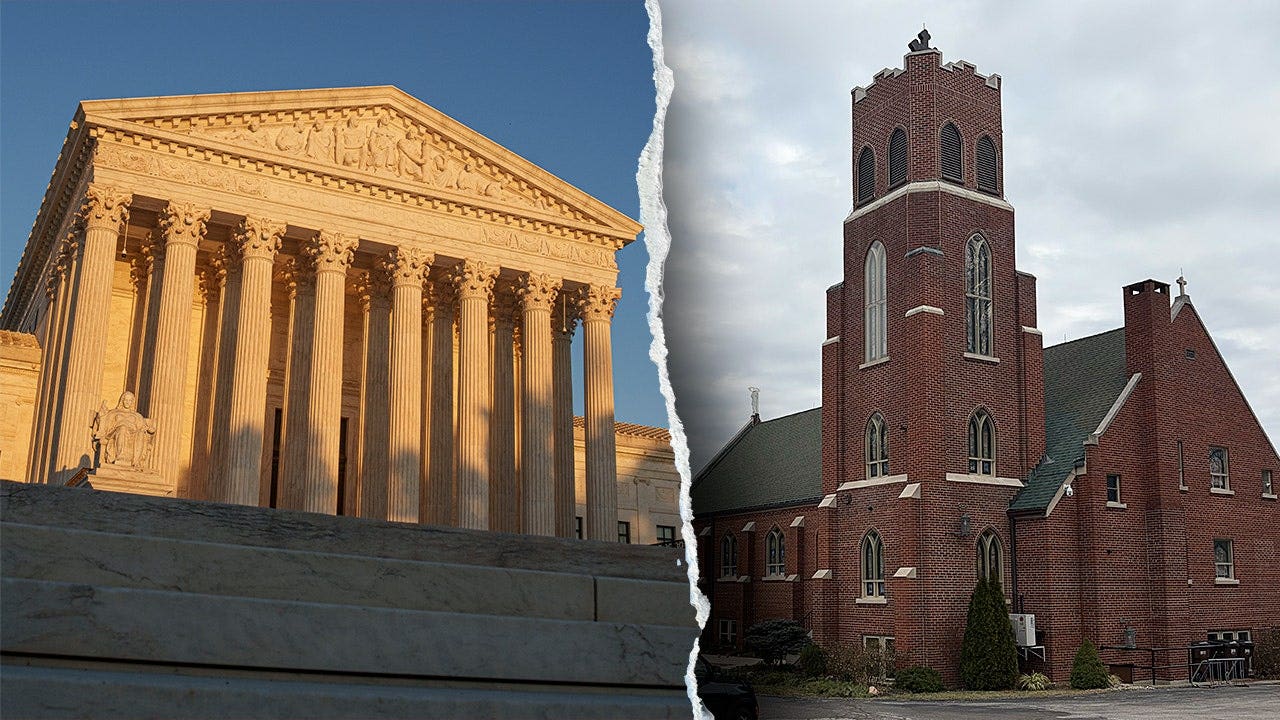
FIRST ON FOX: A Catholic religious community’s plans to build a small shrine to the Virgin Mary on its own property have triggered a years-long legal battle with two neighbors, drawing a coalition of state attorneys general into a potential landmark religious liberty showdown before the U.S. Supreme Court.
Kentucky Attorney General Russell Coleman is leading an 18-state coalition urging the justices to reverse a ruling that blocked the roughly 600-square-foot prayer grotto in Park Hills, Kentucky, despite the project initially receiving approval from local zoning officials.
The dispute pits the Missionaries of St. John the Baptist against neighboring property owners Joel and Elizabeth Frederic, who challenged the city’s approval of the outdoor shrine and ultimately prevailed in Kentucky’s appellate courts.
YOU SHOULDN’T NEED A PERMIT TO PRAY IN YOUR OWN HOME — THE SUPREME COURT SHOULD AGREE
«I’m proud to stand with other Attorney General colleagues from across the country in defense of these Kentuckians’ religious liberty,» Coleman said in a statement provided to Digital. «This fundamental American freedom cannot be brushed away simply by a heckler’s veto, and I’m confident the justices will agree.»
The coalition’s intervention comes as the Supreme Court prepares to consider whether blocking a religious structure on an organization’s property constitutes a «substantial burden» on religious exercise under the Religious Land Use and Institutionalized Persons Act (RLUIPA).
The case marks the first time the Supreme Court is considering the federal law’s land-use protections, according to Coleman’s office, raising the stakes for churches and religious organizations nationwide.
The controversy began in 2021 when the Missionaries sought permission to construct a 16-by-39-foot grotto honoring the Virgin Mary’s apparition to Saint Bernadette in Lourdes, France.
SUPREME COURT SHOWDOWN LOOMS OVER ST MICHAEL STATUE BLOCKED FROM PUBLIC SAFETY BUILDING
The proposed structure would include a shrine, plaza, walking path and retaining wall, offering a quiet place for prayer and meditation.
The church building has stood on the property for nearly a century, predating Park Hills’ zoning ordinance adopted in 1974, according to previous Digital reporting.
The Park Hills Board of Adjustment approved the project in April 2021. But the Frederics challenged the approval in court, arguing that the proposed construction violated local zoning requirements.
A trial court initially upheld the city’s decision before the Kentucky Court of Appeals reversed, finding that the zoning board exceeded its authority in granting the necessary permits.
SUPREME COURT TO HEAR CATHOLIC PARISH’S CHALLENGE AFTER COLORADO BARRED SCHOOLS FROM UNIVERSAL PRE-K PROGRAM
The Kentucky Supreme Court affirmed the rejection of the Missionaries’ federal religious land-use claim in December 2025.
Coleman previously defended the religious organization’s position before Kentucky’s highest court and led a 20-state effort in April urging the U.S. Supreme Court to take up the dispute.
The justices agreed in October to hear the case, with oral arguments scheduled for Jan. 20, 2027.
Ryan Gardner, senior counsel at First Liberty Institute, which represents the Missionaries, previously told Digital that the stakes extend far beyond the proposed Catholic shrine.
«This is a massive case for religious liberty because it has the potential to impact every single zoning law in this country,» Gardner said in an October Digital exclusive.
Gardner compared the grotto’s footprint to a swimming pool, underscoring the modest size of a project that has since reached the nation’s highest court.
«RLUIPA is at the intersection of two very critical rights in this country: the rights of religious liberty and property rights,» Gardner said.
Congress enacted RLUIPA in 2000 to protect religious institutions from certain burdens imposed through zoning and land-use regulations.
The Missionaries argue that preventing them from constructing a religious structure on their property substantially burdens their religious exercise.
The Frederics, however, have disputed that interpretation, arguing in their Supreme Court opposition brief that the religious organization failed to demonstrate why alternative locations for the grotto were unavailable.
They also challenged claims that lower courts are fundamentally divided over the legal standard for determining substantial burdens under RLUIPA.
The Supreme Court agreed to consider the substantial-burden question, rather than every issue raised in the underlying zoning dispute.
Kentucky Solicitor General Matt Kuhn, Principal Deputy Solicitor General Jack Heyburn and Deputy Solicitor General Jacob Abrahamson prepared the multistate brief, according to Coleman’s office.
What began as a proposal for a quiet place to pray has become a national battle over religious liberty, property rights and how far neighbors can go in challenging religious construction on private property.
first amendment religion us, supreme court, religion us, faith, kentucky, law

Qué le pasa al organismo cuando dormimos con luz, según los especialistas en sueño

Former Navy SEAL says New Jersey’s Islamophobia bill puts protected speech in the crosshairs

Russia warns of ‘preventive nuclear attack’ as Medvedev claims Ukraine, NATO crossed line

Quién fue Mario Santucho, el jefe de una de las guerrillas más sangrientas que fue abatido por la dictadura en 1976

Así luce el Centenario antes de la final de la Libertadores entre Estudiantes y Palmeiras

La inesperada sentencia de Mourinho cuando le preguntaron si Real Madrid buscará reincorporar a Nico Paz

Javier Milei destacó el desembarco de Tesla en el país y aseguró: “Esto también es devolverle la libertad a los argentinos”

Agustín “Rada” Aristarán se despide de Chanta: “Con esta obra dejé de ser un impostor”

Financial Times duda de la economía argentina: riesgo país, financiamiento e imagen Milei

NYC college put on notice after Jewish campus group shunned by student government: ‘rude awakening’

 POLITICA3 días ago
Javier Milei destacó el desembarco de Tesla en el país y aseguró: “Esto también es devolverle la libertad a los argentinos”
- CHIMENTOS1 día ago
Agustín “Rada” Aristarán se despide de Chanta: “Con esta obra dejé de ser un impostor”
- ECONOMIA21 horas ago
Financial Times duda de la economía argentina: riesgo país, financiamiento e imagen Milei