INTERNACIONAL
States rally behind Catholic church in first-of-its-kind Supreme Court fight over prayer shrine


FIRST ON FOX: A Catholic religious community’s plans to build a small shrine to the Virgin Mary on its own property have triggered a years-long legal battle with two neighbors, drawing a coalition of state attorneys general into a potential landmark religious liberty showdown before the U.S. Supreme Court.
Kentucky Attorney General Russell Coleman is leading an 18-state coalition urging the justices to reverse a ruling that blocked the roughly 600-square-foot prayer grotto in Park Hills, Kentucky, despite the project initially receiving approval from local zoning officials.
The dispute pits the Missionaries of St. John the Baptist against neighboring property owners Joel and Elizabeth Frederic, who challenged the city’s approval of the outdoor shrine and ultimately prevailed in Kentucky’s appellate courts.
YOU SHOULDN’T NEED A PERMIT TO PRAY IN YOUR OWN HOME — THE SUPREME COURT SHOULD AGREE
«I’m proud to stand with other Attorney General colleagues from across the country in defense of these Kentuckians’ religious liberty,» Coleman said in a statement provided to Digital. «This fundamental American freedom cannot be brushed away simply by a heckler’s veto, and I’m confident the justices will agree.»
The coalition’s intervention comes as the Supreme Court prepares to consider whether blocking a religious structure on an organization’s property constitutes a «substantial burden» on religious exercise under the Religious Land Use and Institutionalized Persons Act (RLUIPA).
The case marks the first time the Supreme Court is considering the federal law’s land-use protections, according to Coleman’s office, raising the stakes for churches and religious organizations nationwide.
The controversy began in 2021 when the Missionaries sought permission to construct a 16-by-39-foot grotto honoring the Virgin Mary’s apparition to Saint Bernadette in Lourdes, France.
SUPREME COURT SHOWDOWN LOOMS OVER ST MICHAEL STATUE BLOCKED FROM PUBLIC SAFETY BUILDING
The proposed structure would include a shrine, plaza, walking path and retaining wall, offering a quiet place for prayer and meditation.
The church building has stood on the property for nearly a century, predating Park Hills’ zoning ordinance adopted in 1974, according to previous Digital reporting.
The Park Hills Board of Adjustment approved the project in April 2021. But the Frederics challenged the approval in court, arguing that the proposed construction violated local zoning requirements.
A trial court initially upheld the city’s decision before the Kentucky Court of Appeals reversed, finding that the zoning board exceeded its authority in granting the necessary permits.
SUPREME COURT TO HEAR CATHOLIC PARISH’S CHALLENGE AFTER COLORADO BARRED SCHOOLS FROM UNIVERSAL PRE-K PROGRAM
The Kentucky Supreme Court affirmed the rejection of the Missionaries’ federal religious land-use claim in December 2025.
Coleman previously defended the religious organization’s position before Kentucky’s highest court and led a 20-state effort in April urging the U.S. Supreme Court to take up the dispute.
The justices agreed in October to hear the case, with oral arguments scheduled for Jan. 20, 2027.
Ryan Gardner, senior counsel at First Liberty Institute, which represents the Missionaries, previously told Digital that the stakes extend far beyond the proposed Catholic shrine.
«This is a massive case for religious liberty because it has the potential to impact every single zoning law in this country,» Gardner said in an October Digital exclusive.
Gardner compared the grotto’s footprint to a swimming pool, underscoring the modest size of a project that has since reached the nation’s highest court.
«RLUIPA is at the intersection of two very critical rights in this country: the rights of religious liberty and property rights,» Gardner said.
Congress enacted RLUIPA in 2000 to protect religious institutions from certain burdens imposed through zoning and land-use regulations.
The Missionaries argue that preventing them from constructing a religious structure on their property substantially burdens their religious exercise.
The Frederics, however, have disputed that interpretation, arguing in their Supreme Court opposition brief that the religious organization failed to demonstrate why alternative locations for the grotto were unavailable.
They also challenged claims that lower courts are fundamentally divided over the legal standard for determining substantial burdens under RLUIPA.
The Supreme Court agreed to consider the substantial-burden question, rather than every issue raised in the underlying zoning dispute.
Kentucky Solicitor General Matt Kuhn, Principal Deputy Solicitor General Jack Heyburn and Deputy Solicitor General Jacob Abrahamson prepared the multistate brief, according to Coleman’s office.
What began as a proposal for a quiet place to pray has become a national battle over religious liberty, property rights and how far neighbors can go in challenging religious construction on private property.
first amendment religion us, supreme court, religion us, faith, kentucky, law










INTERNACIONAL
Russia could launch nuclear-capable satellite within weeks, Western intelligence warns: report
US confirms weapons deployed in space as Russia, China issue new warnings
Chief national security correspondent Jennifer Griffin joins ‘The Faulkner Focus’ to discuss the growing threat of orbital warfare after the U.S. confirmed it has deployed weapons in orbit. She examines the security implications as concerns over China and Russia’s space capabilities continue to mount.
NEWYou can now listen to Fox News articles!
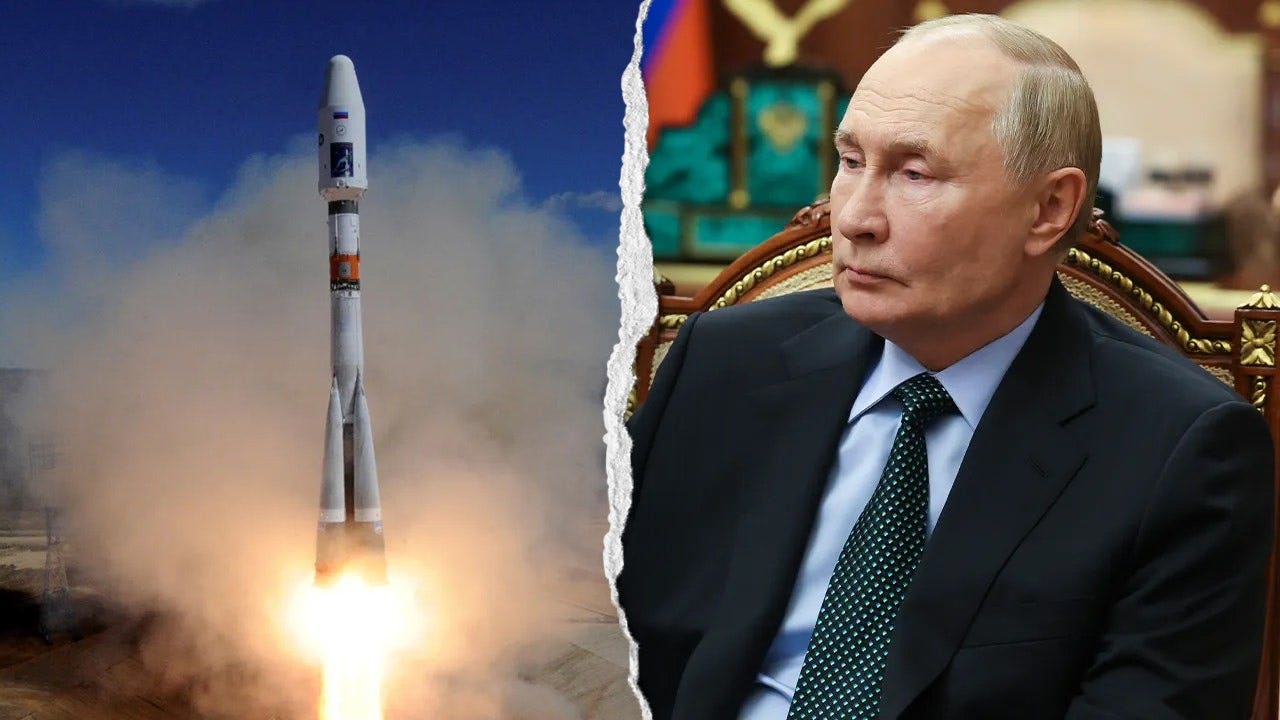
Russia could launch a nuclear-armed satellite into orbit within less than 60 days according to new Western intelligence assessments reported Monday, raising fears that Moscow is preparing to deploy a weapon capable of crippling thousands of satellites used by the United States and its allies.
The intelligence reports emerged just four days after President Donald Trump met with Russian President Vladimir Putin and Chinese President Xi Jinping at a high-profile summit in Shenzhen, China, where nuclear arms control was a central topic.
The three leaders issued a joint declaration affirming that nuclear war should never be fought, but stopped short of announcing binding arms-control commitments.
NEXT GENERATION OPIR GEO: BUILDING AMERICA’S GATEWAY TO THE FUTURE OF SPACE-BASED MISSILE WARNING AND TRACKING
Advanced satellite launch (Amazon)
On Monday, NATO Secretary General Mark Rutte and German Chancellor Friedrich Merz publicly addressed the reports, while the Kremlin dismissed the allegations.
According to a joint investigation published Nov. 23 by German broadcasters WDR and NDR and the newspaper Süddeutsche Zeitung, Western intelligence agencies believe Russia has assembled a satellite known as «Sputnik-S,» which has reportedly been stored in the Moscow region for several years.
Intelligence warnings shared among several NATO countries in early November indicated that the satellite, reportedly designed to carry a nuclear warhead, could be launched within 60 days. Germany’s military Space Command reportedly assessed that a December launch was possible.
The German investigation also reported that military officials had briefed senior government figures, including German Defense Minister Boris Pistorius, about the threat.
The reports prompted an immediate response from European leaders.
Speaking alongside Rutte in Berlin on Monday, Merz described the allegations as «shocking,» while noting that concerns about Russia’s nuclear space ambitions were not entirely new.
PUTIN LAUNCHES UKRAINE BARRAGE HOURS AFTER TRUMP MEETING AMID ALLEGED RUSSIAN MISSILE BREACH OF NATO AIRSPACE
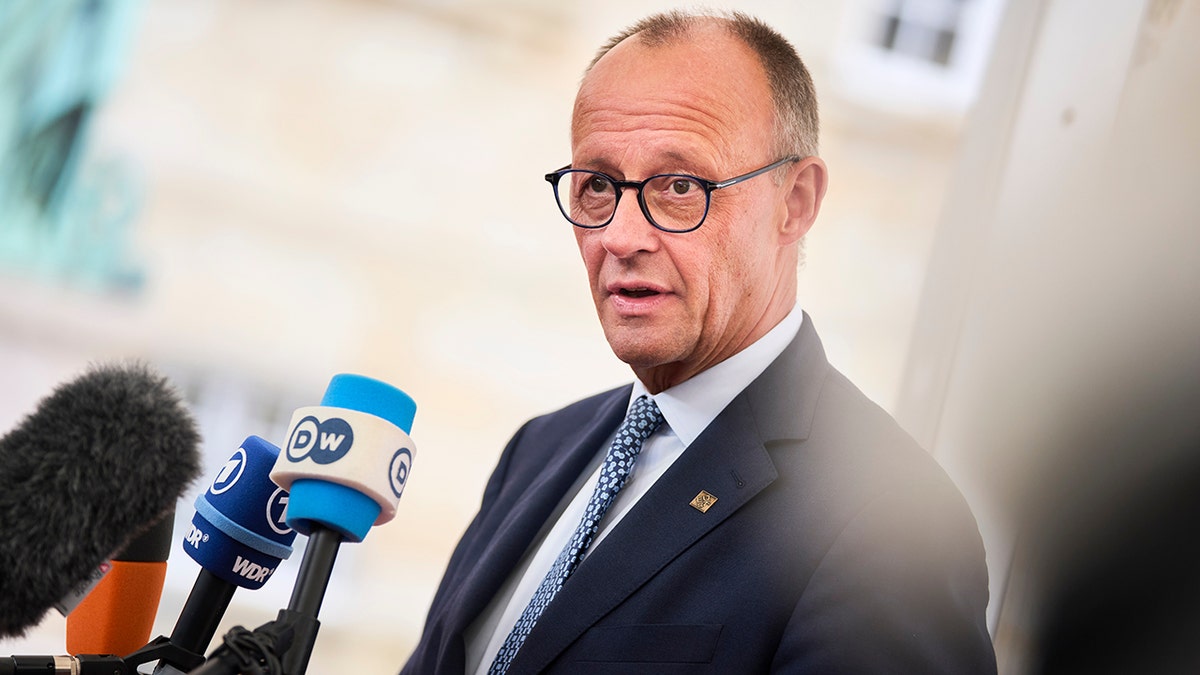
German Chancellor Friedrich Merz sparked backlash while remarking about the country’s migration policies. (Thomas Traasdahl/Ritzau Scanpix via AP)
Rutte, meanwhile, stressed that NATO was continually assessing its defensive capabilities.
«I can assure you, we will always make sure that we defend every inch of NATO territory,» Rutte said, according to Reuters.
He added that the alliance’s defense planning included threats in space and said NATO had response options that were not always visible to the public.
The Kremlin rejected the allegations. Russian presidential spokesperson Dmitry Peskov questioned the credibility of the intelligence reports, saying they contained numerous unsubstantiated claims that were «hardly worth taking seriously,» according to The Moscow Times.
«We haven’t seen the report. But there are so many ‘alleged’ and ‘possible’ claims in it, attributed to who knows whom, that it’s certainly hardly worth taking them seriously,» Kremlin spokesman Dmitry Peskov told reporters during a daily briefing.
Russia’s Embassy in Berlin separately dismissed the reporting as part of a propaganda campaign and maintained that Moscow’s space activities were peaceful and consistent with international obligations.
The latest warnings follow an earlier assessment by the U.S. Defense Intelligence Agency , which publicly identified Russia’s development of a nuclear-capable satellite in October. «Russia is developing a satellite designed to carry a nuclear weapon,» the DIA stated in its 2026 Challenges to Security in Space assessment.
NATO WARNS RUSSIA: ‘WE WILL BREAK’ FORCES, DESTROY ‘ANYTHING AND EVERYTHING’ IF YOU ATTACK
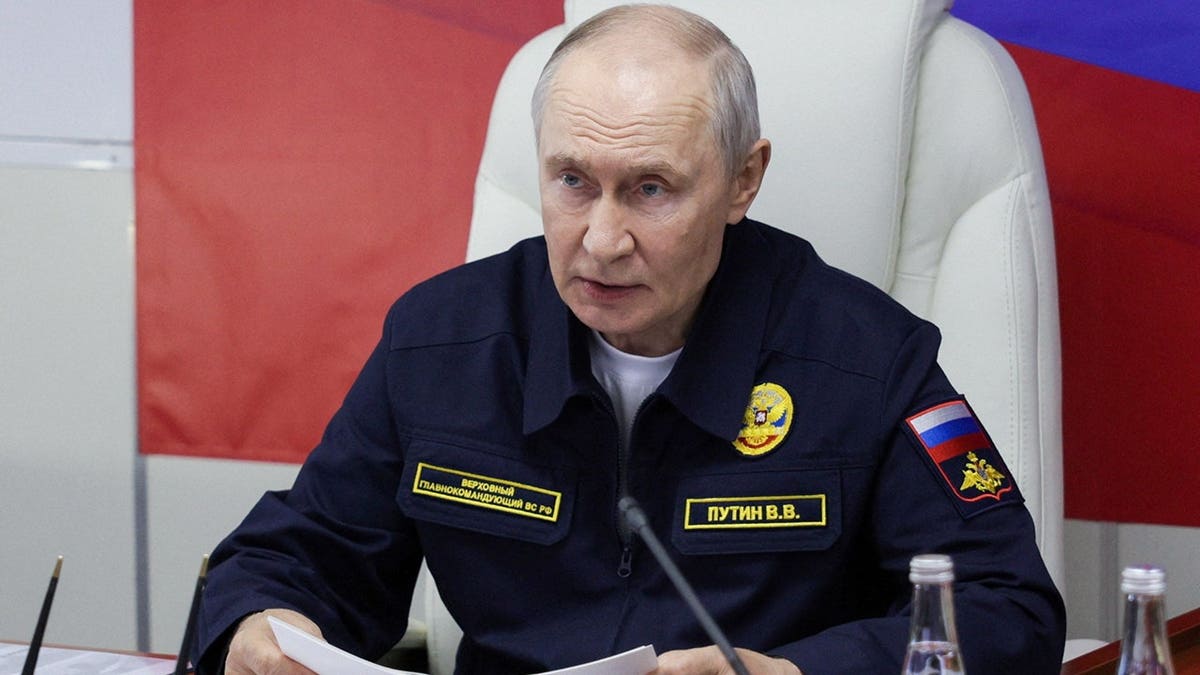
FILE – Russian President Vladimir Putin chairs a meeting aboard the missile cruiser Varyag in Russia’s far eastern Sakhalin region on Wednesday, Aug. 12, 2026. Putin previously said Russia is not waging a sabotage campaign against Europe. (Reuters)
As Fox News Digital reported on October 29, the agency warned that such a weapon could cause the rapid loss or degradation of thousands of satellites operated by governments and private companies.
Unlike a conventional anti-satellite weapon targeting an individual spacecraft, a nuclear detonation in orbit could potentially disable large numbers of satellites through radiation and electromagnetic effects.
The consequences could extend far beyond the military. Satellites support GPS navigation, international communications, financial transactions, weather forecasting and critical infrastructure.
The threat also has implications for Ukraine, whose military relies heavily on satellite communications, including SpaceX’s Starlink network, during its war with Russia.
The concern was initially addressed on February 2024 when the Biden administration publicly acknowledged that Russia was developing a troubling anti-satellite capability, although officials said at the time that no such weapon had been deployed.
Placing a nuclear weapon in orbit would violate the 1967 Outer Space Treaty, which prohibits stationing nuclear weapons or other weapons of mass destruction in space.
The latest German reporting suggests the threat could be approaching a more immediate stage, but critical questions remain unanswered, including whether the satellite already carries a nuclear warhead and whether Western intelligence has independently verified the reported launch preparations.
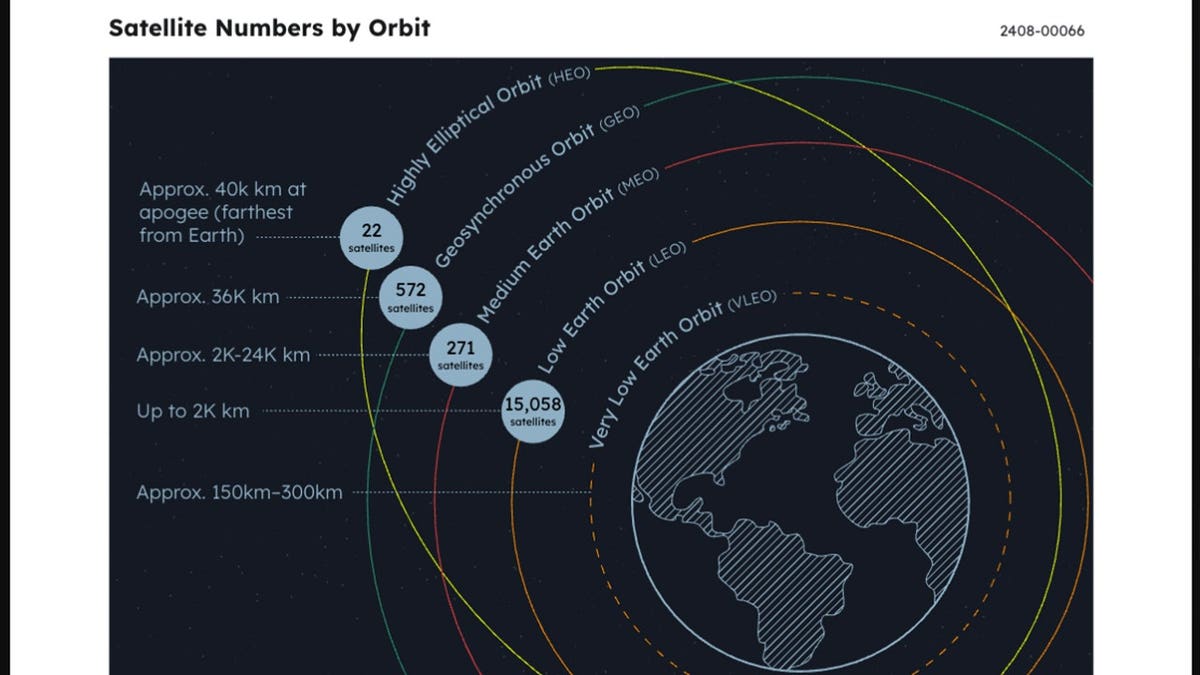
A Defense Intelligence Agency graphic shows the number of satellites operating at different orbital altitudes around Earth, including more than 15,000 in low-Earth orbit. (Defense Intelligence Agency)
Fox News Digital has reached out to the White House, Pentagon, U.S. Space Command and German Embassy for comment.
russia, air and space, nuclear proliferation, national security, nato
INTERNACIONAL
¿Qué países de Centroamérica y el Caribe se encuentran entre los trajes más votados de Miss Universo?

Nicaragua, Honduras, República Dominicana y Costa Rica figuran entre los 15 trajes nacionales más votados, según una publicación de Miss Universo. Las representantes de la región llevaron al desfile propuestas inspiradas en la paz, una leyenda hondureña, los símbolos patrios dominicanos y la biodiversidad costarricense.
La lista puso en escena cuatro identidades visuales distintas durante el certamen celebrado en Puerto Rico. Los diseños combinaron estructuras ornamentales, referencias históricas, elementos de la naturaleza y detalles vinculados con tradiciones de cada país.
La publicación de Miss Universo incluyó entre sus trajes nacionales más votados a las propuestas de Jasmine Blandford, Luisa Pineda, Melissa Núñez y Mariale Acosta. Cada atuendo representó una idea cultural particular: la paz en Nicaragua, la lluvia de peces de Yoro en Honduras, las tres raíces de República Dominicana y la riqueza natural de Costa Rica.
Nicaragua presentó El vuelo de la Paz
La representante de Nicaragua, Jasmine Blandford, desfiló con un traje típico titulado El vuelo de la Paz. La propuesta identificó la paz como el concepto central de su vestuario.
La imagen del vuelo funcionó como la representación visual elegida para acompañar el mensaje. El nombre del diseño reunió ambos conceptos durante la presentación de Blandford en la pasarela de trajes nacionales.
La propuesta nicaragüense fue una de las creaciones de Centroamérica y el Caribe que apareció entre los atuendos con mayor votación en la publicación del certamen. El material compartido no incluyó detalles sobre los componentes físicos de la pieza.
Honduras llevó la lluvia de peces de Yoro a la pasarela
La representante hondureña Luisa Pineda presentó una versión escénica de la lluvia de peces de Yoro, una de las historias populares más conocidas de Honduras. El diseño fue creado por el hondureño Franklin López.
El atuendo incorporó peces móviles, joyería, pedrería, canastas y detalles que evocaban las gotas de lluvia. Los zapatos de la concursante tenían aletas, mientras que sus brazos llevaban pequeñas cuentas colgantes para representar el agua durante una tormenta.
La propuesta retomó los relatos de habitantes del departamento de Yoro. Según esas narraciones, tras lluvias intensas entre mayo y junio aparecen cientos de peces pequeños sobre calles y terrenos de esa zona.
El departamento no tiene costa en el océano Pacífico ni en el Atlántico. Las versiones locales describen cielos oscurecidos, relámpagos, truenos, vientos fuertes y varias horas de precipitaciones antes de la aparición de los peces.
Las familias recogen los animales para utilizarlos como alimento, según la tradición. Las canastas que formaron parte del diseño aludieron a ese momento de recolección.
La leyenda también se vincula con el sacerdote español Manuel de Jesús Subirana. La tradición sostiene que el religioso rezó por alimentos para los habitantes de la región durante un período de escasez en el siglo XIX.
La creación de Pineda trasladó ese relato hondureño a un escenario internacional de belleza. Los tonos celestes, blancos y dorados, junto con el tocado estructurado y las plumas laterales, acompañaron los motivos alusivos a los peces.
República Dominicana reunió símbolos patrios y referencias culturales
La dominicana Melissa Núñez llevó un traje llamado Tres raíces, una nación, dedicado a la identidad de República Dominicana. La pieza reunió símbolos patrios, tradiciones y referencias culturales en una misma composición.
El diseño incorporó los colores de la bandera y una estructura central con el escudo nacional. También incluyó un faldón multicolor con motivos vinculados con el país, cadenas alrededor de la cintura, flores de cayena y estampados de tradiciones locales.
El vestuario sumó un turbante que cubría el cabello de la concursante. En la parte posterior apareció una Biblia abierta, integrada con las referencias patrióticas, religiosas y culturales de la creación.
El título aludió a la diversidad que forma parte de la construcción histórica y cultural dominicana. La propuesta mantuvo los emblemas nacionales como eje del atuendo.
Un tocado alto y un cetro decorado con el escudo complementaron la presentación de Núñez. La concursante mostró un vestido multicolor que utilizó los tonos de la bandera como parte de su identidad visual.
Costa Rica apostó por ranas, orquídeas y tonos dorados
La representante de Costa Rica, Mariale Acosta, presentó Goddess of the Golden Tropics, también denominado Diosa de los Trópicos Dorados. El traje se inspiró en la biodiversidad del país y puso el foco en especies animales y vegetales.
El mexicano Valencia Gonzaga elaboró el diseño junto con un equipo de artesanos. La propuesta incorporó referencias a la rana dorada, la rana de ojos rojos y la orquídea, flor nacional costarricense.
Los tonos verdes y dorados dominaron el vestuario. La pieza también incluyó bordados, cristales, una corona de gran tamaño y una estructura de flor rosada en la espalda.
Una figura de rana se convirtió en uno de los elementos centrales de la propuesta. La estructura partió de una base de alambre y fue elaborada manualmente.
El diseñador explicó que los bordados, las esculturas y las aplicaciones de cristales formaron parte del trabajo artesanal. El verde representó la vegetación y la vida natural de Costa Rica.
La orquídea rosa se integró como una referencia a una especie endémica. Las ranas, a su vez, funcionaron como emblemas de la fauna local y de una visión de poder femenino asociada con la diosa que dio nombre al traje.
INTERNACIONAL
La guerra en Ucrania se extiende más allá de las fronteras: Moscú amenazó a Estonia y Kiev atacó barcos rusos en Libia
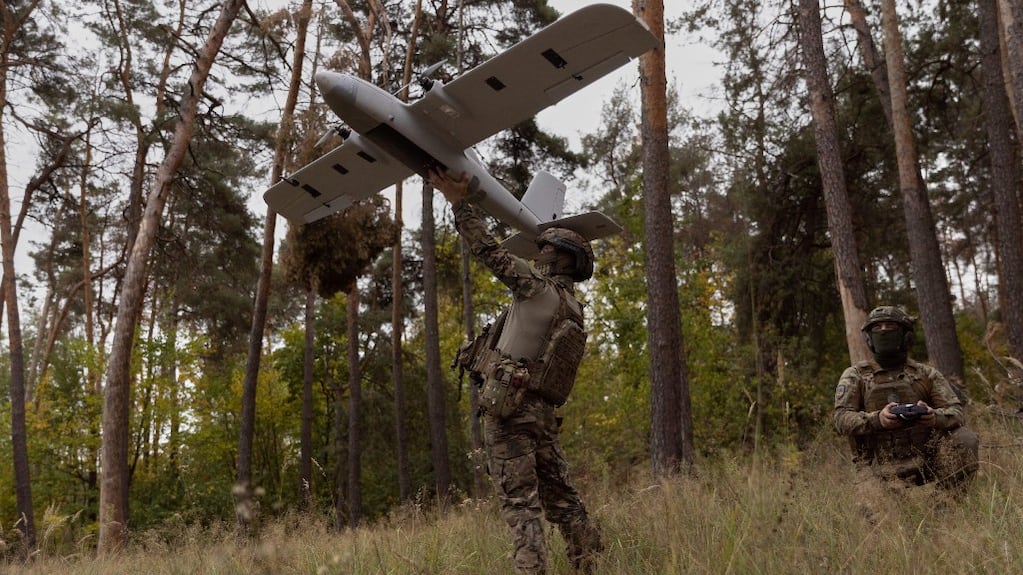
La guerra de Ucrania se está expandiendo en forma peligrosa más allá de las fronteras, en medio de nuevas amenazas y ataques en territorios tan alejados del área de conflicto como Libia.
“Estamos alarmados por los ataques que se extienden cada vez más allá de las aguas territoriales de Ucrania y la Federación de Rusia”, advirtió la secretaria general adjunta de Asuntos Políticos y de Consolidación de la Paz de la ONU, Rosemary DiCarlo, durante una sesión del Consejo de Seguridad sobre Ucrania.
En ese escenario, Polonia denunció que tres misiles rusos de crucero Kh-101 violaron el viernes su espacio aéreo y cayeron en el sudeste del país durante un ataque ruso masivo contra Ucrania. Además, la semana pasada, Moldavia alertó sobre una incursión con drones.
A su vez, Ucrania reivindicó este lunes ataques contra dos barcos rusos efectuados el domingo frente a la costa de Libia, en el norte de África.
En tanto, Rusia amenazó con lanzar una “guerra abierta” contra Estonia, uno de los tres países Bálticos junto a Letonia y Lituania, frente a acciones que Moscú consideró “peligrosas” y “provocadoras” tras el cierre de la frontera terrestre con su país.
Qué dijo la ONU sobre la guerra en Ucrania
En la ONU, DiCarlo denunció además que Muscú intensificó los ataques contra las instalaciones eléctricas, los sistemas de agua y calefacción y las infraestructuras ferroviarias y agrícolas de Ucrania.
“Si los ataques continúan a este ritmo o se intensifican, es probable que las necesidades humanitarias superen la capacidad y los recursos disponibles”, alertó.
Según dijo, los ataques contra la infraestructura energética son “aún más extensos y sistemáticos” que en el mismo periodo del año pasado.
Por eso, la secretaria adjunta advirtió de un invierno crítico para miles de ucranianos, que se pueden verse expuestos a cortes prolongados de electricidad, agua y calefacción. La funcionaria sostuvo que estos ataques van en contra del derecho internacional humanitario y “deben cesar”.
Rusia amenazó a Estonia
Mientras tanto, Rusia advirtió este lunes a Estonia que sus acciones “peligrosas” y “provocadoras” amenazan con desatar una guerra abierta entre ambos países. Por ello, citó al encargado de negocios del país báltico, Marek Juhtogi, después de la decisión de Tallin de cerrar la frontera terrestre con Rusia.
“El diplomático estonio fue informado nuevamente de que tales acciones provocadoras y extremadamente peligrosas están a punto de desencadenar una guerra abierta con Rusia”, señaló el Ministerio de Exteriores ruso en un comunicado.
Según Moscú, el cierre de la frontera con Rusia “supondrá principalmente otro golpe para la economía estonia y tendrá consecuencias negativas tanto para Tallin como para sus aliados de la UE y la OTAN”.
Rusia

Quintela, Uñac y Capitanich se reunieron en Chaco, donde el PJ tendrá internas ante la quita de las PASO

Aún no hay sede confirmada para el duelo entre Instituto vs. River Plate ¿Dónde se jugará?

States rally behind Catholic church in first-of-its-kind Supreme Court fight over prayer shrine

Russia could launch nuclear-capable satellite within weeks, Western intelligence warns: report

Kicillof impondrá una nueva regulación a las empresas y generó rechazo: de qué se trata – Nexofin

Yacobitti cuestionó el homenaje a Santucho en la Facultad de Ciencias Sociales de la UBA

Javier Milei destacó el desembarco de Tesla en el país y aseguró: “Esto también es devolverle la libertad a los argentinos”

El burbujeante ping pong de Colapinto con un actor argentino: de la puja entre Senna y Riquelme a la comida que le falta a la Fórmula 1

Agustín “Rada” Aristarán se despide de Chanta: “Con esta obra dejé de ser un impostor”

Financial Times duda de la economía argentina: riesgo país, financiamiento e imagen Milei

 POLITICA3 días ago
Javier Milei destacó el desembarco de Tesla en el país y aseguró: “Esto también es devolverle la libertad a los argentinos”
- CHIMENTOS1 día ago
Agustín “Rada” Aristarán se despide de Chanta: “Con esta obra dejé de ser un impostor”
- ECONOMIA20 horas ago
Financial Times duda de la economía argentina: riesgo país, financiamiento e imagen Milei