INTERNACIONAL
El documental sobre el modelo de seguridad salvadoreño llegará a los cines el 12 de noviembre

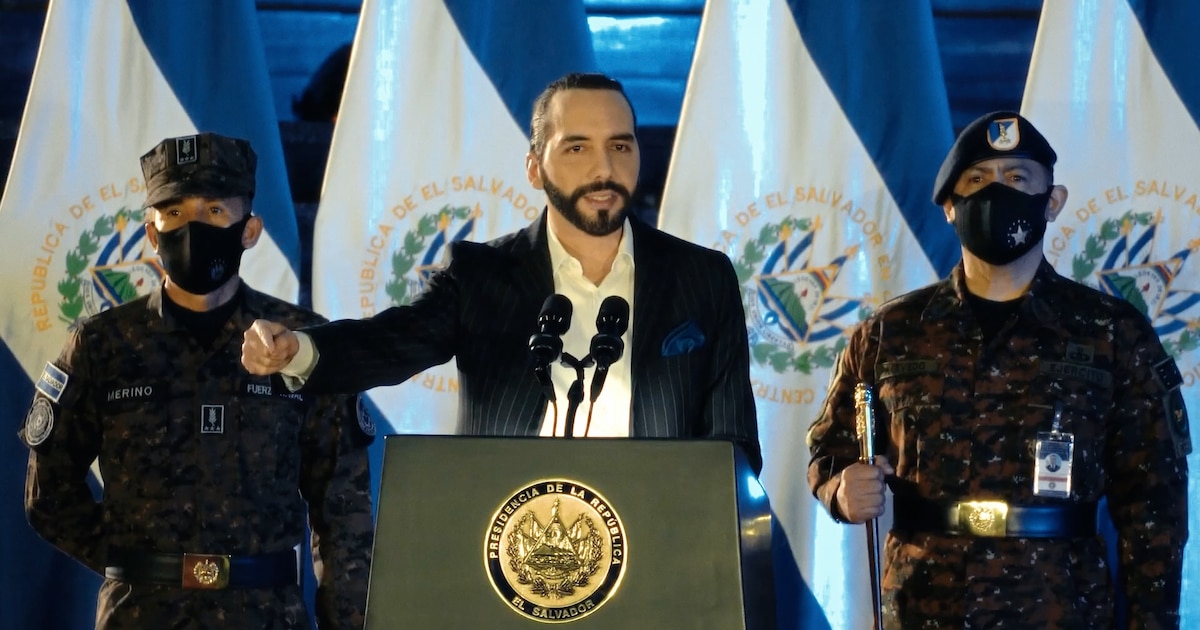
Las empresas Brasil Paralelo, Traim Films y Yelmo Distribución confirmaron que el documental El Salvador: Cuando el miedo cambió de bando llegará a las salas de cine este 12 de noviembre. La producción ya había tenido una exhibición gratuita en línea el 20 de mayo de este año y un paso previo por los cines salvadoreños el 8 de octubre.
En El Salvador, el estreno regional se concentrará en seis complejos: Cinépolis Galerías Escalón, Cinépolis Metrocentro Santa Ana, Cinépolis Multiplaza Panamericana, Cinemark La Gran Vía, Cinemark Metrocentro San Salvador y Cinemark San Miguel.
Leobardo Cisneros, CEO de Yelmo Distribución, informó que ambas cadenas ofrecerán horarios variados y la posibilidad de reservar salas para grupos especiales.

De qué trata el documental
La cinta, dirigida por Lucas Ferrugem y Henrique Zingano, documenta la transformación de El Salvador: de tener las tasas de homicidio más altas del mundo a convertirse en uno de los países con menor criminalidad del continente.
Un equipo de investigación recorrió comunidades antes controladas por pandillas, zonas en reintegración urbana y el Centro de Confinamiento del Terrorismo (CECOT).
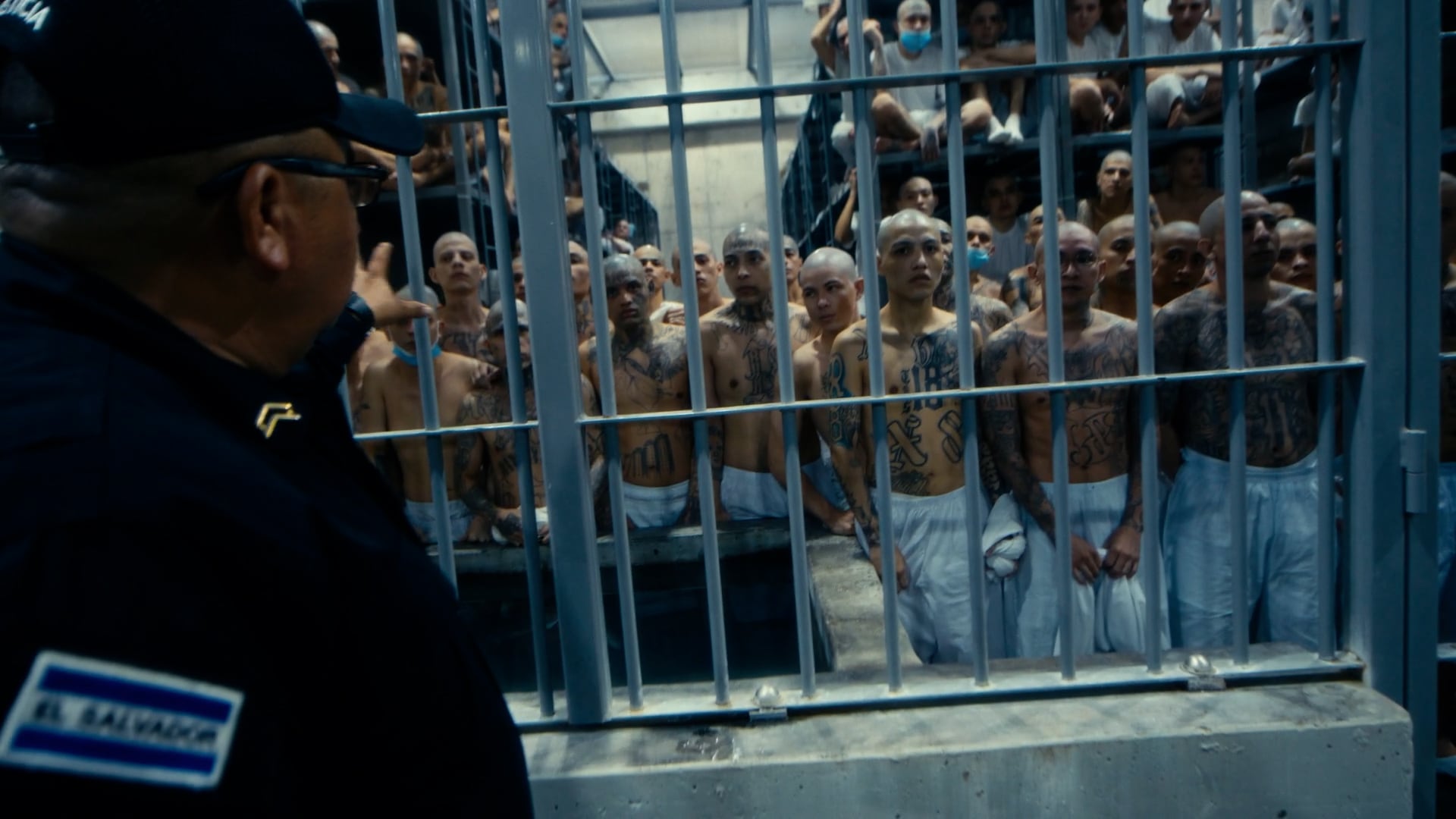
El largometraje reúne testimonios de habitantes locales, funcionarios de gobierno, analistas políticos, sociólogos y críticos independientes que debaten el alcance del llamado “Modelo Bukele” y su posible aplicación en otros países de la región.
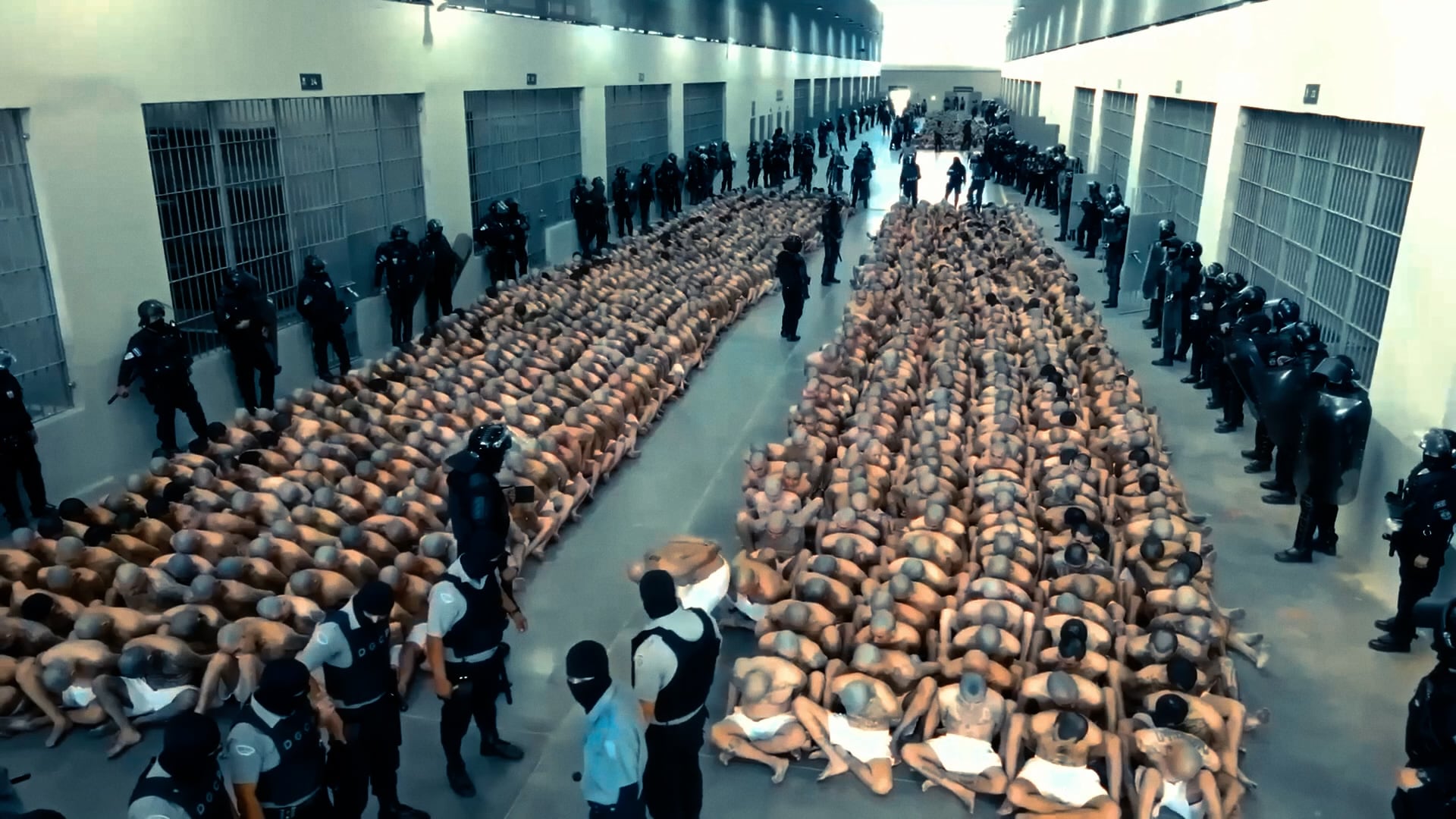
El país pasó de más de 100 homicidios por cada 100.000 habitantes en los años previos a 2019 a una tasa de 1,3 por cada 100.000 habitantes al cierre de 2025, según cifras oficiales citadas en reportes recientes. El cambio se atribuye al Plan Control Territorial, vigente desde 2019, y al Régimen de Excepción, aprobado el 27 de marzo de 2022.
El debate que atraviesa al documental
La premisa del filme busca ir más allá de la crónica y abrir una reflexión sobre la tensión entre la eficacia contra el crimen organizado y sus implicaciones para la democracia. Ese debate no quedó cerrado con el estreno: continúa en la agenda pública salvadoreña.
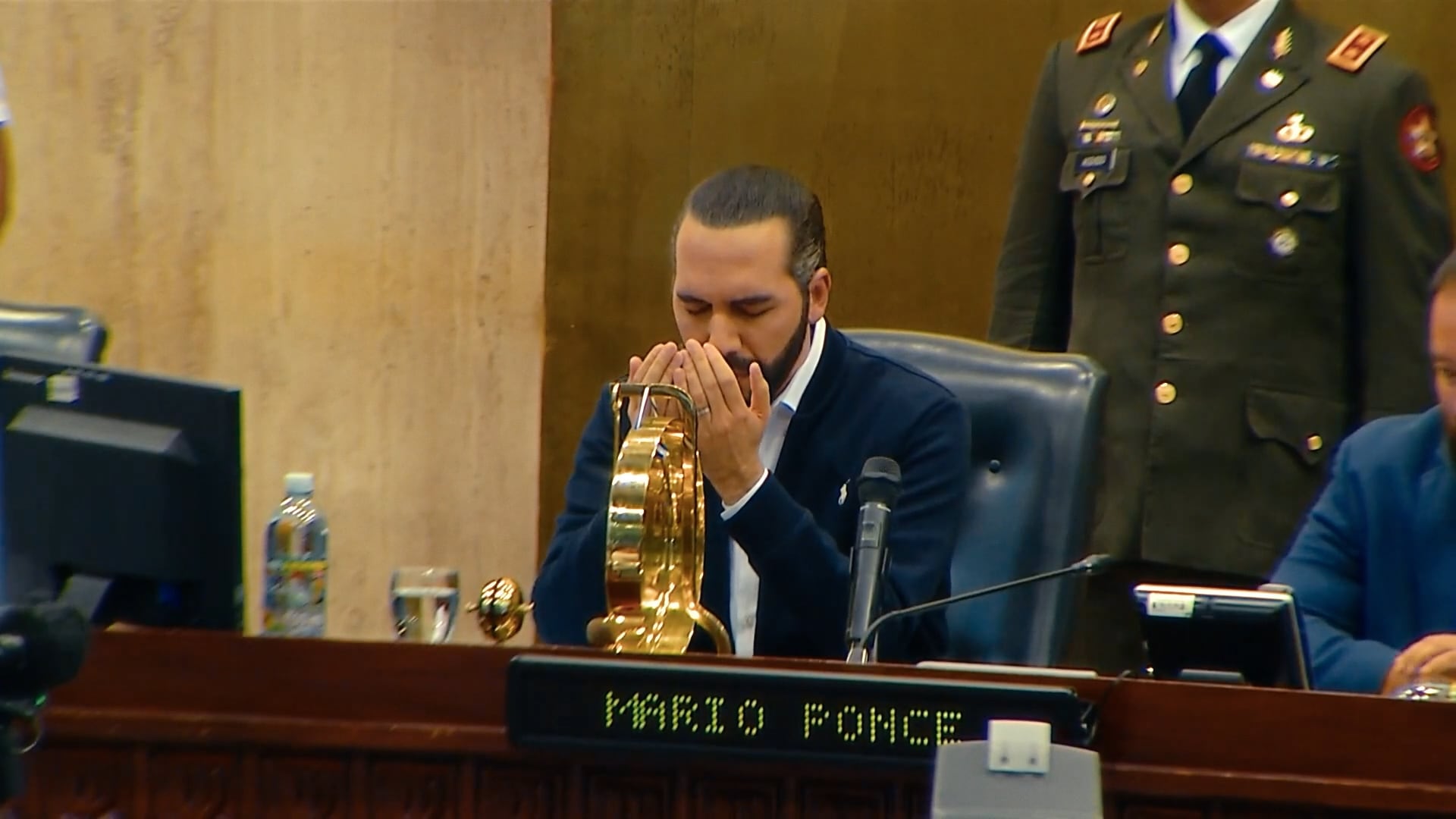
El vicepresidente Félix Ulloa descartó fijar una fecha de fin para el régimen de excepción, prorrogado en 56 ocasiones, y afirmó que la medida cuenta con 97% de respaldo ciudadano, según dijo a Europa Press, agencia española, en una entrevista en Madrid.
“Un gobierno que gobierna para el pueblo, hace lo que el pueblo le pide”, sostuvo el funcionario. Ulloa defendió ante el medio que ninguna libertad pública se vio afectada: “Ni la libertad de expresión, la libertad de asociación, la libertad de movilización están afectadas”.

Las cifras de criminalidad no son el único dato en disputa. Según Infobae Centroamérica, octubre de 2026 cerró con una reducción del 98% en los homicidios vinculados a estructuras criminales frente al mismo mes de 2018: cuatro casos registrados por la Policía Nacional Civil (PNC) contra 240 en aquel año.

Quiénes están detrás de la producción
Brasil Paralelo es una empresa brasileña de entretenimiento y educación enfocada en producción audiovisual independiente, con documentales, series y contenido formativo sobre historia, política, economía y filosofía. La compañía se presenta sin afiliación a partidos políticos.
Traim Films, productora y distribuidora chilena, se suma al proyecto tras el éxito obtenido con el largometraje Amada. La firma consolida así alianzas regionales para cine centrado en valores humanos y reflexión social.
La distribución en América Latina quedó a cargo de Yelmo Distribución, compañía mexicana con más de 35 años de trayectoria en producción, comercialización y distribución audiovisual, con sede en Ciudad de México y presencia operativa en 18 países de la región.

El contexto del estreno regional
El paso del documental por los cines salvadoreños en octubre no fue su primera exhibición pública: Brasil Paralelo lo había estrenado de forma gratuita el 20 de mayo, en una transmisión en vivo, antes de sumarlo a su catálogo digital.
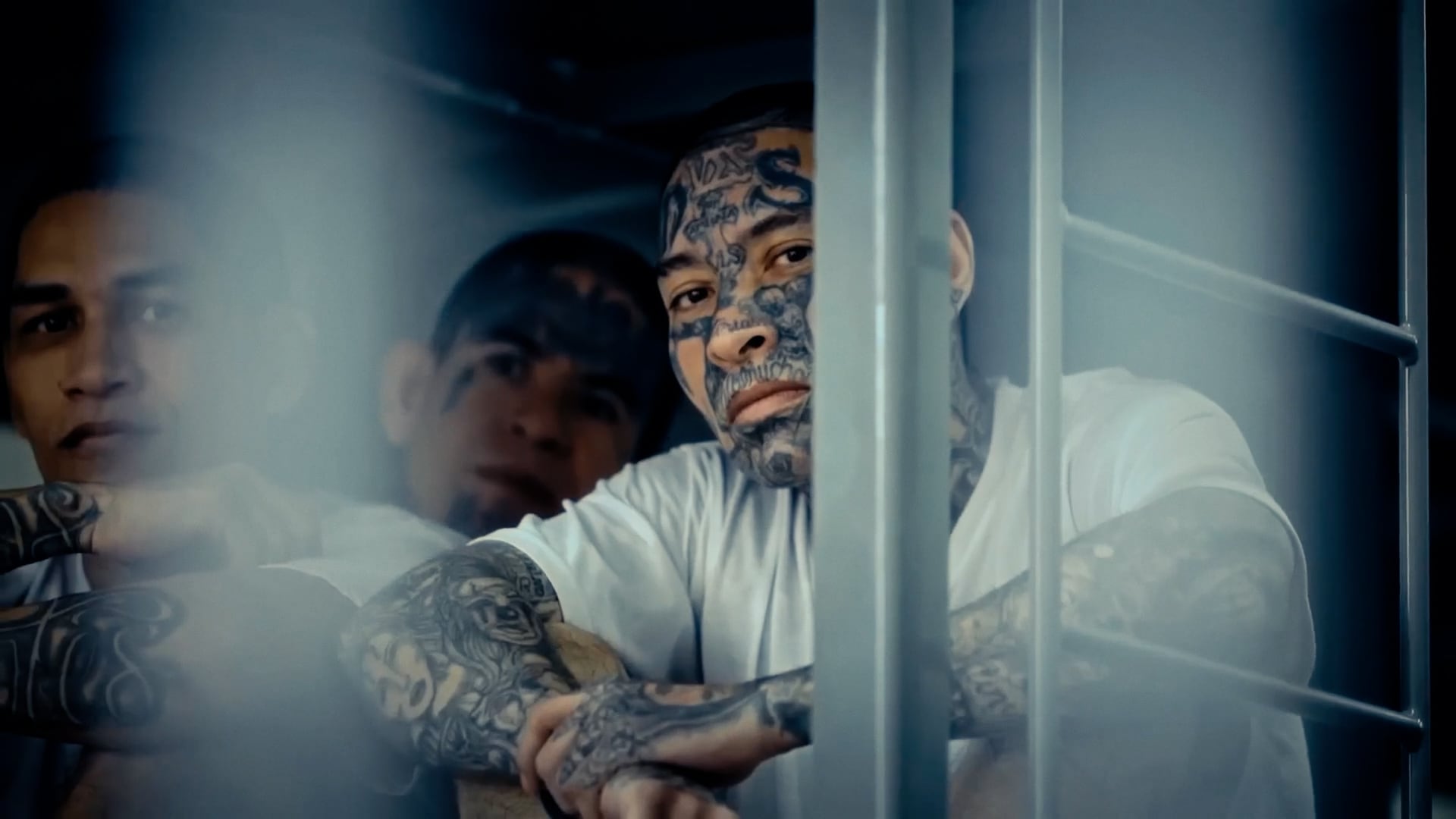
El filme llega a las pantallas en momentos en que el modelo de seguridad salvadoreño sigue generando interés fuera de sus fronteras. En las últimas semanas, mandatarios de otros países de la región visitaron el CECOT para conocer de primera mano la estrategia carcelaria, en medio de un debate regional sobre su posible réplica en contextos con dinámicas de violencia distintas a las de El Salvador.
Nayib Bukele,El Salvador,Presidencia de la República,Fuerzas Armadas,discurso oficial









INTERNACIONAL
¿Cuáles son los países de Centroamérica menos seguros para viajar en 2027, según ranking global?
Nicaragua y Guatemala concentran las alertas de viaje más severas de Centroamérica para 2027, mientras Costa Rica y Panamá se consolidan como el polo más estable de la región, según el Global Risk Map 2027, informe anual de Global Guardian, firma estadounidense de seguridad corporativa que opera en más de 140 países.
El documento, difundido el 30 de septiembre, clasifica a las naciones del mundo en cinco niveles de riesgo: bajo, moderado, medio, alto y extremo.
El Salvador no figura con datos propios en ese mapa, una ausencia que contrasta con el perfil de seguridad que el Gobierno salvadoreño exhibe en otros ámbitos.
Qué mide el nuevo mapa de riesgo global
El Global Risk Map no se limita a contar delitos. Cruza 11 variables: criminalidad, conflicto armado, terrorismo, estabilidad política, protestas, salud, infraestructura, desastres naturales, exposición ambiental, detención arbitraria y protección de datos.
La edición 2027 incorporó cinco categorías específicas que una calificación nacional genérica puede ocultar: ciudades de mayor riesgo global, países con mayor exposición de datos, naciones donde conviene llevar un teléfono descartable, y los territorios con mayor riesgo de detención arbitraria y de amenazas sanitarias.
El informe advierte además que las capitales suelen tener mejor infraestructura y control gubernamental que el resto del territorio, mientras las zonas rurales cercanas enfrentan niveles de criminalidad mucho más altos.
Centroamérica no exhibe un país único como “el más peligroso”: Nicaragua lidera el riesgo de detención arbitraria y Guatemala concentra la alerta por criminalidad urbana, mientras Costa Rica y Panamá sostienen el perfil más estable, sin figurar entre las categorías de mayor alarma del informe.

Guatemala y Nicaragua concentran las alertas más altas
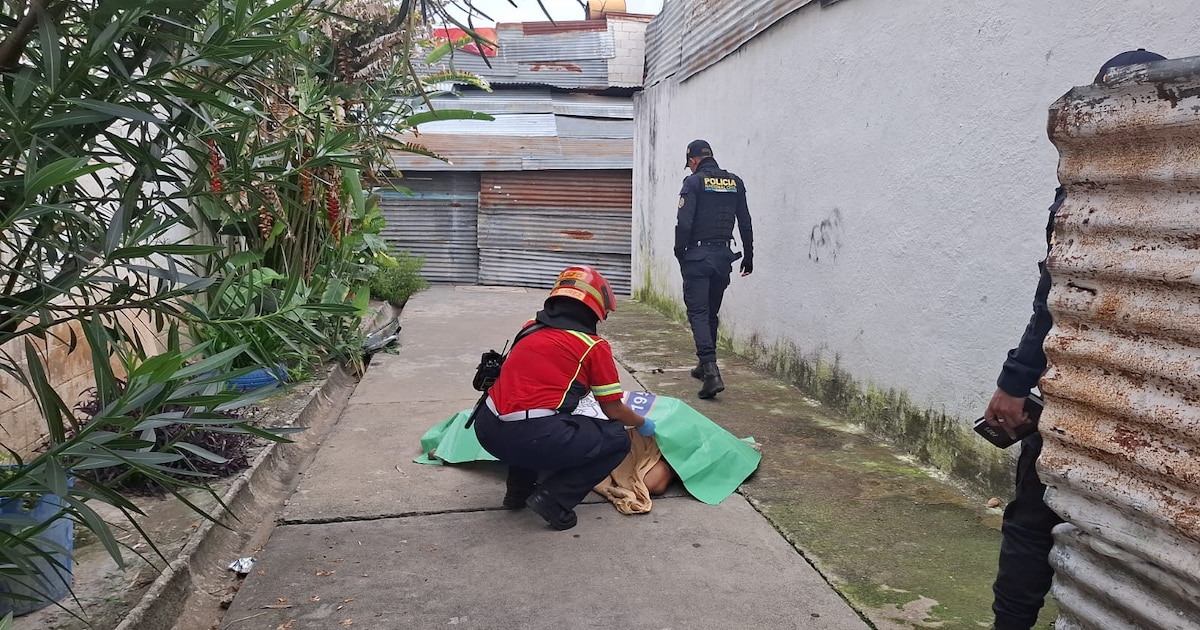
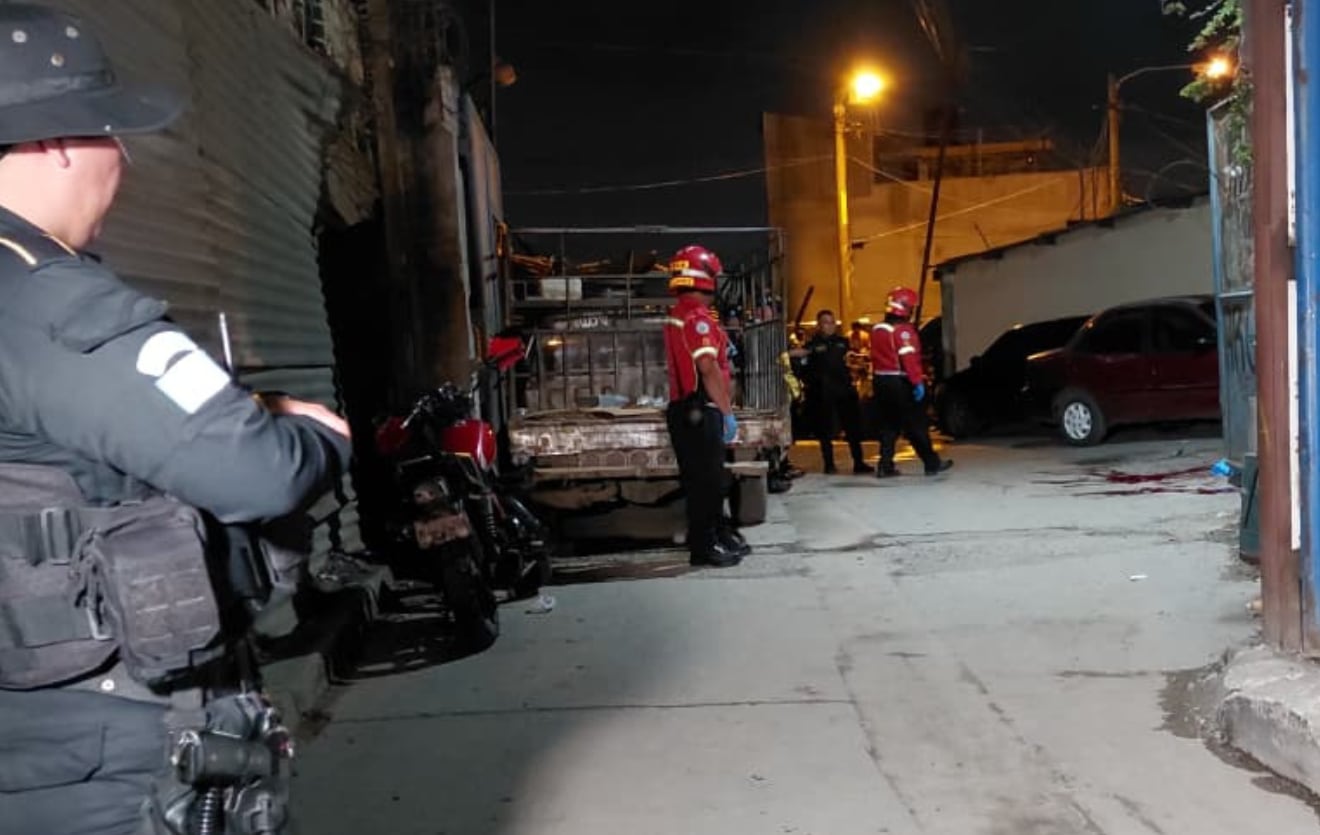
Ciudad de Guatemala aparece entre las ciudades de mayor riesgo del mundo en el listado de Global Guardian. El dato coincide con la alerta de nivel 3 (“reconsiderar el viaje”) que mantiene el Departamento de Estado de Estados Unidos para todo el país desde marzo, que por primera vez incorpora el terrorismo como factor de riesgo junto al crimen.
Esa alerta señala prohibición total en los departamentos de San Marcos y Huehuetenango, la zona 18 de la capital guatemalteca y la ciudad de Villa Nueva. El Gobierno británico añade que se han registrado atracos armados en la mayoría de las rutas turísticas que conectan la capital con Antigua, Tikal y el lago de Atitlán.
Guatemala registró 17.2 homicidios por cada 100,000 habitantes en 2025, cifra inferior a la de Honduras (26.2), aunque ambos países comparten la alerta de nivel 3.
El tribunal electoral guatemalteco activó un panel para prevenir conflictos antes de los comicios de 2027: más de 100 de sus 340 municipios figuran con algún nivel de riesgo de confrontación.
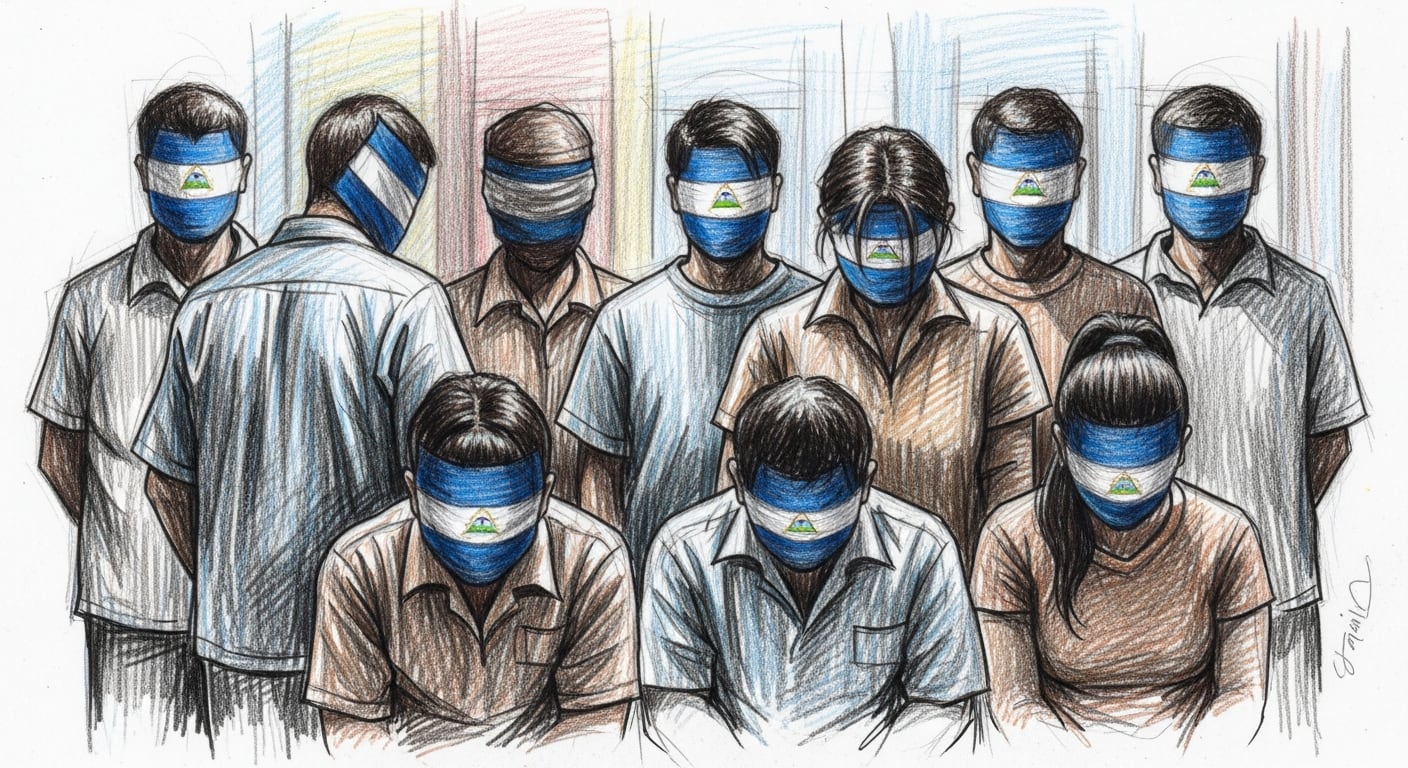
Nicaragua, por su parte, lidera entre los países con mayor riesgo de detención arbitraria del planeta, categoría que Global Guardian define como el patrón de naciones que detienen a ciudadanos de países adversarios sin causa legítima para generar presión diplomática.
El Departamento de Estado mantiene su propia alerta de nivel 3 para el país desde mayo y advierte que los detenidos de forma injusta pueden permanecer presos durante años, sin acceso consistente a representación consular.
El Centro Global para la Responsabilidad de Proteger, organismo de monitoreo con sede en Nueva York, documentó en marzo una campaña sistemática del Gobierno nicaragüense contra voces críticas, con denuncias de asesinatos, torturas y desapariciones forzadas.
Costa Rica y Panamá, el polo más estable
Frente a esos dos focos de alerta, Costa Rica y Panamá no aparecen mencionados en ninguna de las categorías de mayor riesgo del informe 2027. Según Global Guardian, presentan el menor riesgo combinado de la región gracias a su estabilidad institucional, infraestructura turística consolidada y bajo nivel de riesgo político.
Eso no los exime de riesgos puntuales. Costa Rica enfrenta presión creciente del narcotráfico, con aumento de homicidios en determinadas provincias, mientras Panamá concentra sus focos de alerta en barrios específicos de la capital y en la región del Darién, frontera con Colombia, que ninguna autoridad recomienda como ruta turística por la ausencia de asistencia estatal efectiva en esa zona selvática.

El Salvador, el país sin datos en el informe
El Global Risk Map 2027 no incluye una calificación propia para El Salvador, por lo que el país queda fuera de la comparación directa. El vacío llama la atención porque el Gobierno salvadoreño exhibe la caída de homicidios más pronunciada del hemisferio en los últimos años.
El país pasó de más de 100 homicidios por cada 100.000 habitantes antes de 2019 a una tasa de 1.3 al cierre de 2025, según cifras oficiales citadas por Infobae.
El cambio se atribuye al Plan Control Territorial, vigente desde 2019, y al régimen de excepción, aprobado en marzo de 2022 y prorrogado en 56 ocasiones.
El vicepresidente Félix Ulloa presentó esa política como el eje central de la campaña oficialista rumbo a las elecciones de 2027 y afirmó ante Infobae que el país pasó de ser “la capital mundial del homicidio” en 2015 a convertirse en el más seguro del hemisferio occidental.

Honduras y Belice completan el panorama regional
El Departamento de Estado mantiene para Honduras una alerta de nivel 3 vigente desde agosto, que combina riesgo de criminalidad y terrorismo.
El organismo eleva esa recomendación a nivel 4, “no viajar”, para el departamento de Gracias a Dios, región remota con infraestructura débil y presencia escasa de policía y ejército.
Belice figura en nivel 2, “ejercer mayor precaución”, aunque el sur de Ciudad de Belice tiene recomendación de nivel 3 por la concentración histórica de delitos violentos vinculados a pandillas.
El propio Departamento de Estado emitió una alerta de seguridad el 4 de noviembre tras la declaración de estado de emergencia en zonas específicas del país.
Un año marcado por emergencias simultáneas
Global Guardian atribuye el repunte de riesgo en Medio Oriente y América a un 2026 marcado por disrupciones simultáneas: dos emergencias sanitarias globales por hantavirus y ebolavirus, el cierre del estrecho de Ormuz con su consecuente choque petrolero, y la aparición de modelos de inteligencia artificial con capacidades de pirateo informático sin precedentes.
En ese escenario, solo Jamaica, Corea del Sur y Hungría mejoraron su calificación respecto al año anterior, según el documento.
El contraste refuerza la lectura sobre Centroamérica: mientras la región no lidera las categorías de mayor alarma mundial, el reparto interno entre sus países marca de forma directa las recomendaciones para viajeros y empresas que operan en la zona.
Guatemala,Bernardo Arévalo,Gobierno de Guatemala,Ataque armado,Noche violenta,Homicidios,Ciudad de Guatemala
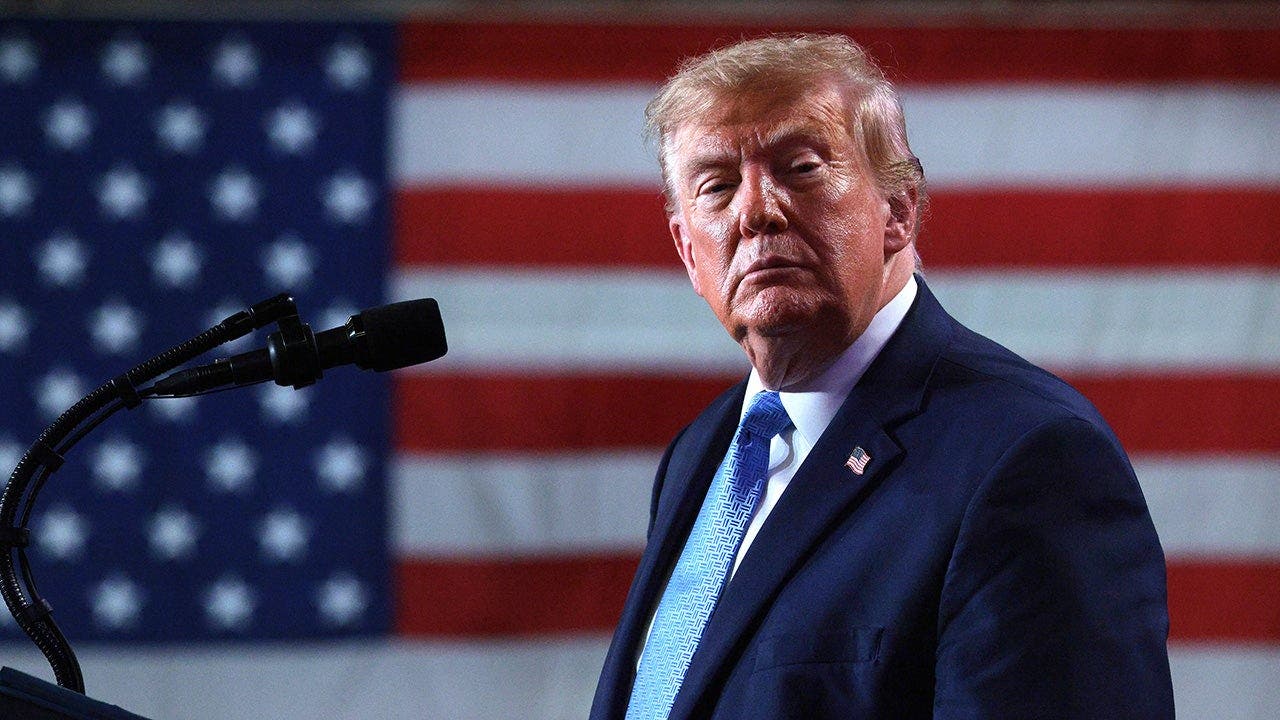
President Donald Trump says he may not put his thumb on the scale when it comes to picking the Republican Party’s 2028 presidential nominee.
«Probably, not necessarily,» Trump said in a post-midterm election interview on CBS’ «60 Minutes» when asked whether he will endorse in the primary to pick the next Republican nominee. «So I may or may not get involved… Maybe I’m better off not getting involved.»
Trump for months has touted the GOP’s «great bench» when asked about the likely Republican field of contenders aiming to succeed him in the White House.
The president reiterated that opinion after the GOP’s drubbing in last week’s midterm elections, as the party lost control of both the House and the Senate.
VANCE, CRUZ, DESANTIS DIAGNOSE GOP’S MIDTERM DISASTER AS 2028 BATTLE BEGINS
«I think we have an unbelievable bench of talent,» Trump told Fox News’ Bret Baier and Martha MacCallum in an Election Night interview on Fox News.. «We have a great group of talented people that I think would do a very good job.»
Early jockeying by the potential contenders began the morning after Election Day, with midterm post-mortems by Vice President JD Vance, Sen. Ted Cruz of Texas, and Florida Gov. Ron DeSantis grabbing plenty of headlines.
SIGN UP TO GET THE POLITICS NEWSLETTER
«There’s going to be a robust field of candidates that test the waters in Iowa, New Hampshire, and South Carolina and that’s exactly as it should be,» Nicole Schlinger, a veteran Iowa-based Republican strategist, told Digital. «We’re going to get an opportunity to see which approach to our message of where we as the Republican Party goes next is going to resonate the most with the grassroots voters who are going to show up and kick tires.»
Here’s a look at the list of potential GOP presidential contenders in the burgeoning race to become the party’s next standard-bearer and impact which direction the party will head in a post-Trump era.
The vice president has long been viewed as the likely frontrunner for the 2028 GOP nomination and Trump’s heir apparent.
But the conventional wisdom from pundits is that the shellacking the GOP took in the midterms has transformed what may have been a Vance coronation into a more competitive and crowded nomination battle.
Vance kicked off the post-midterms debate last Wednesday morning with a roughly 600-word postmortem on X, blaming the war with Iran for the ballot box setbacks, in what some pundits viewed as an early pitch to eventually claim the MAGA and America First mantle.
Even with last week’s setbacks, Vance leads many of the early 2028 GOP presidential primary polls, has built a formidable fundraising network thanks in part to his role as the Republican National Committee’s finance chair, and has a team of advisers and aides that would form the beginnings of a presidential campaign.
Rubio, who ran unsuccessfully for the 2016 GOP presidential nomination, is doing his best to stay far away from the 2028 spotlight.
The former senator from Florida has long been floated by Trump and by pundits as a possible White House contender, and his support in early 2028 polls has soared. But Rubio has downplayed such speculation, and dismissed reports he was considering stepping down as secretary of state to lay the groundwork for a presidential run.
Rubio, who has said a handful of times over the past year that he’d back Vance if the vice president decides to launch a White House campaign, was asked about 2028 Monday while taking questions from reporters during a stop in France.
«I don’t know why you’re wasting your time,» Rubio said. «I’m not going to talk about 2028 any longer. I’m just not going to talk about 2028 anymore.»
The conservative firebrand senator from Texas, who was runner-up to Trump in the bruising 2016 presidential primaries, has made no secret that he may run for the White House again in 2028.
In his post-Election Day assessment, Cruz described the midterms as a «blue tsunami» and warned that his party had lost touch with voters, particularly in the Lone Star State.
«2026 was not simply a blue wave; it was a blue tsunami. It was an a– kicking,» Cruz wrote. «It was not simply a bad 2006 midterm election. It was a Watergate-level repudiation.»
In a possible preview of the Republican primaries, Cruz has put plenty of daylight between himself and Vance over support for Israel, with Cruz spotlighting his support for the Israeli government.
Boosting Cruz if he decides to run would be his top-ranked podcast, Verdict with Ted Cruz, which has allowed the senator to build a massive grassroots network.
The term-limited conservative Florida governor, who finishes up in Tallahassee at the start of the new year, ran for the White House in 2024. He was an early frontrunner before being decisively defeated by Trump.
DeSantis held a news conference the morning after Election Day where he called the midterm election results «close to an extinction-level event for Republicans across the country.»
«Let’s just be clear, that is going to hurt — not just for the next two years… That is something that can reverberate for the next decade or more,» he said. «We knew it could be worse. I don’t think most of us thought it would be this bad.»
But DeSantis, who sat for a slew of media interviews in the wake the midterms, repeatedly highlighted that «the one state that was able to hold the line and withstand that is right here in the free state of Florida.»
While in 2028 buzz about DeSantis surged since last week’s election, the governor took to social media on Friday to blast a report that he was planning a 2028 run, emphasizing, «I have not reached out to anybody about running for anything. Just another pathetic attempt to garner clicks.»
Pence, who ran unsuccessfully for the 2024 Republican presidential nomination, has said he has «no plans» to run for White House again in 2028.
But Pence has seen Advancing American Freedom, his policy and advocacy organization, dramatically expand over the past year.
And the Trump’s first vice president told Digital earlier this year that his fight to keep the Republican Party from drifting too far from its conservative roots and principles, amid a rise of populism in the GOP and big government creep during his Trump’s second administration, is «the calling of my life right now.»
Last week Pence argued, «The American people have rejected our party’s shift toward economic populism, and our majorities in Congress and state legislatures and governorships across the country paid the price.»
But he emphasized, «The conservative comeback starts today.»
The conservative term-limited governor, who finishes out his tenure in Atlanta in two months, is also seen as a potential White House contender.
In the wake of the midterm shellacking, Kemp spelled out a GOP vision centered on the «conservative principles of our party.»
«It’s time we get back to those principles in the months and years to come,» the governor wrote.
Youngkin, who instantly soared to political stardom after 2021 gubernatorial victory energized Republicans a year after Trump lost the White House and the Senate in the 2020 election, has consistently downplayed talk of a 2028 presidential campaign.
Instead, Youngkin has focused on his signature issue – education – by pushing to promote school choice programs through he recently formed national policy group Empowering America’s Parents.
Former New Jersey Gov. Chris Christie
Christie, who unsuccessfully ran for the 2016 and 2024 GOP nominations, is seriously mulling a third run for the White House.
«The midterms were a repudiation of the GOP and Donald Trump. It is time Republicans do the autopsy, learn the lessons, and move forward,» Christie, a vocal Republican critic of the president, argued in the days after last week’s election. «The Trump era is over. He has led us to the greatest losses this country has seen for a party since Richard Nixon.»
Christie has said he’ll decide on a presidential run in the next few months, telling Digital recently that «I think there’s a lot of flexibility on the timing.»
Bacon, a former Air Force brigadier general who has at times split with Trump on foreign policy and national security issues, decided against running for re-election this year and exits Congress in two months.
Bacon has said he is open to a potential run for president in 2028 or serving in a supporting role on another Republican candidate’s ticket.
Sanders, the daughter of former Arkansas Gov. Mike Huckabee, earned national attention as Trump’s White House press secretary for much of his first term
Sanders, who made history four years ago as the first woman elected Arkansas governor and last week won re-election by double digits, is increasingly seen as a potential presidential contender.
Cotton, who took a hard look at a 2024 GOP presidential run before deciding against launching a campaign, was just re-elected.
The senator, an Army veteran who served in combat in the Iraq and Afghanistan wars before becoming a rising star in Republican Party and who was on Trump’s running mate short list two years ago, is also viewed as a potential White House hopeful.
Scott, a self-made multimillionaire and former two-term governor who’s the wealthiest member of the Senate, also mulled a 2024 bid before running for re-election.
Midterm election campaign trail stops in Iowa and New Hampshire – the two states that lead off the Republican presidential nominating calendar – sparked speculation that Scott was considering a 2028 campaign.
Kennedy, who’s up for re-election in 2028, has said he would consider a White House run instead of seeking another term in the Senate if he felt he could no longer be effective in the Senate or if he felt dissatisfied with the Republican presidential primary field.
Pompeo, a former four-term congressman from Kansas who served as CIA director and later as the top U.S. diplomat in Trump’s first administration, also took a hard look at a 2024 run before passing.
Asked last year about a 2028 bid, Pompeo told Digital, «We’ll see what the good Lord brings in a couple of years.»
He’s currently viewed by pundits as a possible contender.
The vocal Republican critic of the president who relentlessly pressed for the release of the Epstein files before losing his bid for renomination earlier this year to Trump-backed challenger Ed Gallrein has said he’s «not ruling anything in or out» when it comes to a presidential bid.
Last week Axios first reported that a group of Libertarian Party operatives and anti-Trump MAGA defectors was urging Massie to run for the White House as a third-party or Libertarian presidential candidate.
donald trump, jd vance, marco rubio, mike pence, ted cruz, ron desantis, republicans elections
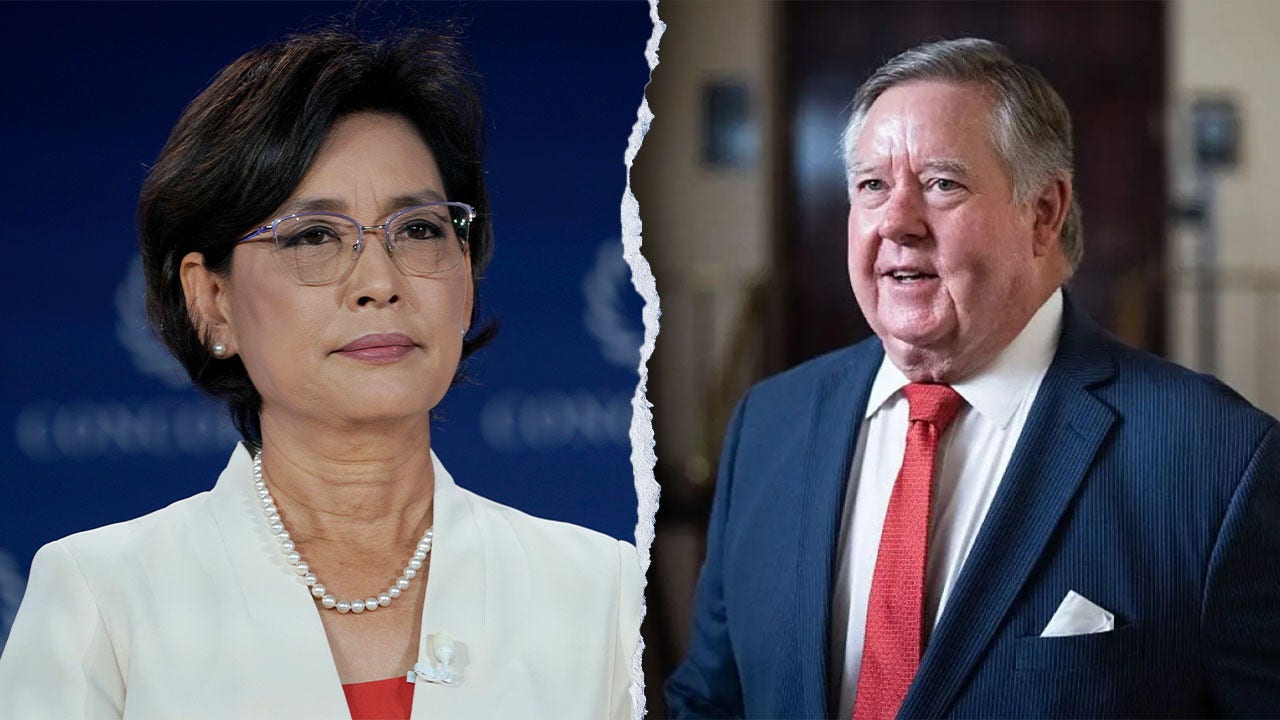
Gov. Gavin Newsom-signed California redistricting has scored at least a 2-for-1 consolidation of House Republicans.
Rep. Ken Calvert, R-Calif., is projected to defeat fellow Rep. Young Kim, R-Calif., in the 40th Congressional District race called Monday night, ostensibly forcing two incumbents to battle for one seat in the gerrymandered district.
«I want to congratulate Congressman Ken Calvert on his victory,» Kim wrote in a statement posted to X, sharply criticizing the map that effectively drew one of them out. «I wish him the very best as he continues representing our communities. It is unfortunate that Gavin Newsom’s political redistricting scheme forced two Republican members of Congress into this race.»
AMERICA SAW THE BLUE WAVE COMING — BUT DRASTICALLY UNDERESTIMATED THE EXTENT OF THE DEM TSUNAMI
All told, Democrats’ redistricting and the so-called blue wave have more than cut the Republican California delegation in half, from nine seats (eight Republicans and one independent that caucuses with them) to just three or four (one race remains too close to call a week after the election).
Calvert, the longest-serving Republican in California’s House delegation, had declared victory days earlier while ballots were still being counted.
The district covers suburban communities in eastern Orange County and stretches into the Inland Empire in western Riverside County — southeast of Los Angeles.
California voters approved the Democratic-backed redistricting plan that combined portions of the two lawmakers’ previous districts into a single seat, setting up the rare intraparty contest in one of the state’s remaining Republican strongholds. Kim had represented the area since 2018. Calvert’s prior district, which included much of Riverside County and Palm Springs, was carved up and redistributed.
ALL THE REPUBLICAN HOUSE MEMBERS OUSTED FROM CONGRESS
Calvert is just one of three House Republicans in the state to survive thus far.
Rep. Tom McClintock, R-Calif., and Rep. Vince Fong, R-Calif., won re-election in the 5th and 20th Congressional Districts. Those are heavily Republican stretches of the Central Valley and Sierra Nevada foothills — rural agricultural and mountain country well inland, roughly between San Francisco and Los Angeles but far from both coastal metros in the western parts of the state.
Rep. Jay Obernolte, R-Calif., is clinging to a narrow lead of just 3,384 votes over Democratic challenger Tessa Lynn Hodge in California’s 23rd Congressional District, a High Desert seat in San Bernardino County that was rated Solid R by the Power Rankings before the midterms.
With ballots still being counted, Obernolte holds a just 1.6-point edge — about 50.8% to 49.2% — after winning the district by more than 20 points in 2024.
BLUE WAVE NEARLY SWALLOWED SOME OF AMERICA’S REDDEST STATES AS ELECTION DATA EXPOSES GOP’S CLOSE CALLS
Four other Republicans from California are leaving Congress in January 2027.
Rep. James Gallagher, R-Calif., lost to Democrat Mike McGuire by nearly 13 points, while Rep. David Valadao, R-Calif., lost to Democrat Randy Villegas by nearly 37 points.
Rep. Darrell Issa, R-Calif., did not seek re-election and his former seat flipped to blue under the new map, with Democrat Marni von Wilpert defeating Republican Jim Desmond by nearly 20 points.
Rep. Kevin Kiley, I-Calif., who left the Republican Party to try to keep his seat as an independent, lost by more than 17 points to Democrat Richard Pan.
CALIFORNIA VOTERS DECIDE WHO WILL SUCCEED NEWSOM IN CONSEQUENTIAL GOVERNOR’S RACE
Calvert against Kim was the lone GOP vs. GOP battle left by the new map.
«As an immigrant who came to the United States in pursuit of the American Dream, serving this nation in Congress has been one of the greatest honors of my life,» Kim wrote in her statement posted to X late Monday night. «It has been a privilege to give back to the community that has given me so much, and I am incredibly grateful to my family, our volunteers, supporters, and everyone who placed their trust in me throughout this campaign.»
Kim said she was proud of the record built «delivering results for our communities, working to secure our country at home and abroad, strengthen our economy, and make life safer and more affordable for California families.»
During the campaign, both candidates supported President Donald Trump’s agenda early on and later sought to project themselves as pragmatic conservatives.
DEM WINS TRUMP-TARGETED TEXAS DISTRICT IN REBUKE OF REPUBLICAN REDISTRICTING SHAKEUP
The race turned negative, with Kim citing ethics complaints and an FBI investigation into some of Calvert’s real-estate dealings. Calvert denied the allegations and was never charged.
Calvert highlighted a campaign donation Kim received from a Chinese American businessman who has faced scrutiny over alleged foreign influence. Kim returned the contribution and said she was unaware of the claims.
«With the passage of Prop 50, Californians were sold a bill of goods, allowing Gavin Newsom and his radical allies in Sacramento an unprecedented power grab to redraw the Congressional map and silence those who disagree with his extreme policies,» Calvert wrote on X a year ago.
«Gerrymandering districts because you don’t like the results of an election is politics at its absolute worst.
«Governor Newsom pouring millions into this ballot initiative while crime goes unchecked, housing costs skyrocket, and taxes as well as gas prices remain among the highest in the nation shows he’s more interested in protecting his party’s stranglehold on the state than delivering on the issues families face. Despite the passage of Prop 50, I am determined to keep fighting for the families I represent in Congress.»
Calvert’s victory leaves him as the senior Republican voice in California heading into 2027.
midterm elections, california, house of representatives, congress, politics, gavin newsom

Jorge Macri habló de la polémica por la “carpa VIP” en la misa del Papa: “Las medialunas y los budines estuvieron de más”

¡Lo que faltaba! Yanina Latorre se ofendió por las críticas a su participación en el VIP para ver al Papa León: «Me chupa un huevo, los anti gobierno iban a empezar a joder»

León XIV llegó a la Catedral de Córdoba tras un recorrido con el papamóvil por el centro

Las 10 frases más fuertes del papa León XIV en la UCA

¿Cuáles son los países de Centroamérica menos seguros para viajar en 2027, según ranking global?

Wenger se plantea presentarse a las elecciones de la FIFA contra Infantino

Así fue el saludo entre Javier Milei y el papa León XIV en Aeroparque tras la llegada a la Argentina

La queja de Yanina Latorre tras asistir al VIP de la misa del papa León XIV: “Estuve al rayo del sol haciendo nada y…”

Canales para ver el Tigre vs. Sarmiento por el Torneo Clausura

Franco Colapinto le hizo probar mate a Lewis Hamilton en un evento durante el GP de Brasil: la reacción del piloto de Ferrari

 POLITICA2 días ago
Así fue el saludo entre Javier Milei y el papa León XIV en Aeroparque tras la llegada a la Argentina
- CHIMENTOS16 horas ago
La queja de Yanina Latorre tras asistir al VIP de la misa del papa León XIV: “Estuve al rayo del sol haciendo nada y…”
- DEPORTE3 días ago
Franco Colapinto le hizo probar mate a Lewis Hamilton en un evento durante el GP de Brasil: la reacción del piloto de Ferrari