INTERNACIONAL
Senate GOP rebellion fizzles as Thune keeps power despite historic midterm massacre

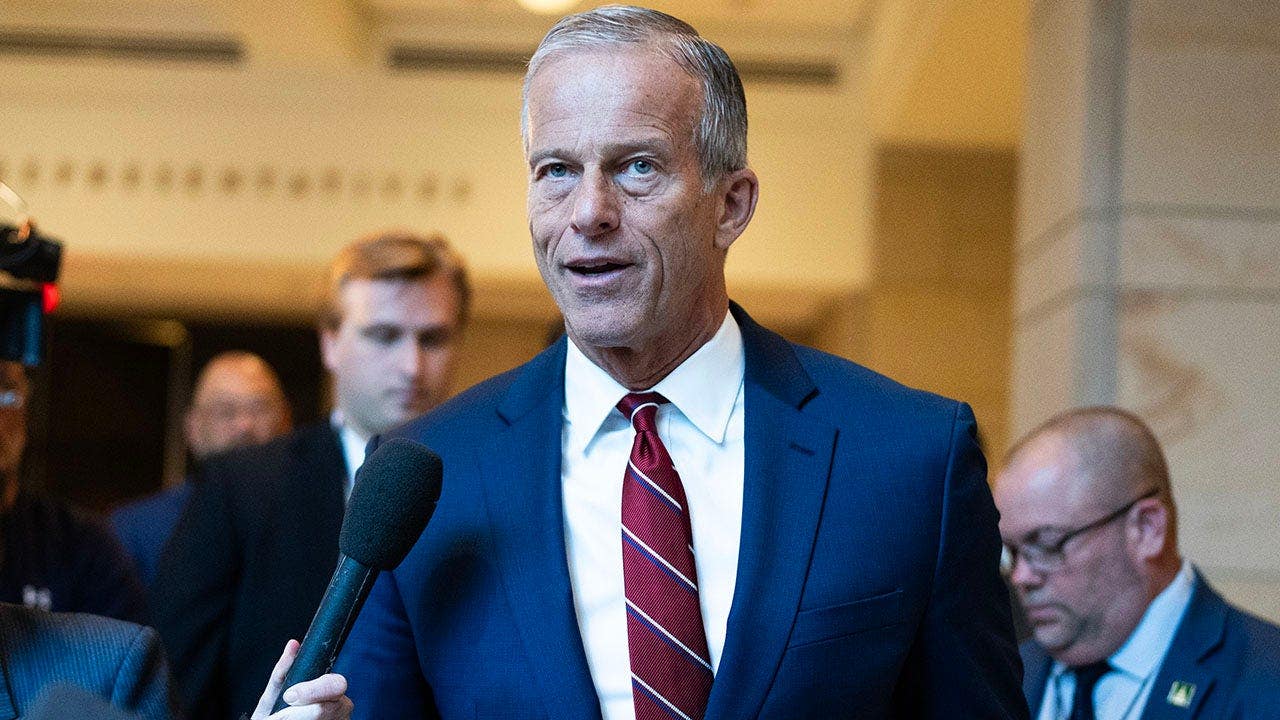
There was neither an exodus nor a mass housecleaning in the Senate GOP leadership, despite frustration and rumblings of discontent among some lawmakers reeling from last week’s devastating midterm losses.
Senate Majority Leader John Thune, R-S.D., secured another term as the top Republican behind the closed doors of the Old Senate Chamber, where lawmakers charted their course for their few remaining weeks in power and beyond.
Thune, along with the bulk of his leadership team, which now includes Sen. Bernie Moreno, R-Ohio, were swiftly elected after a group of Republicans failed to delay the leadership elections.
It wasn’t without a fight, though, with conversations behind closed doors dragging on for over seven hours.
GOP SENATOR WITHHOLDS SUPPORT FOR THUNE AS LEADERSHIP SHOWDOWN LOOMS
Sen. Ron Johnson, R-Wis., led the charge to delay, and didn’t stick around after his attempts to do so failed on a 31 to 15 vote in the Old Senate Chamber to proceed with the scheduled election.
Johnson and others wanted to have a deep conversation about what had happened during the midterm elections, and a roadmap on what Republican leadership candidates could accomplish with the little time they had left in power.
SENATE GOP REBELS MOVE TO DELAY LEADERSHIP VOTE, DEMAND RECKONING AFTER MIDTERM DISASTER
But there was no opposition to any of the lawmakers running for leadership.
«This has never been anything against John Thune,» Johnson said. «I think he has been very unfairly attacked, you know, by our base, and I don’t agree with that. What I didn’t agree with was holding the election right away, giving nobody an opportunity to really challenge any leadership position.»
On Monday, Thune was adamant that he’d still run but was unsure of the outcome.
«That’s the hope,» Thune said when asked if he had the Senate GOP’s support. «You never know right until they vote.»
Before the vote, Johnson and a handful of others believed there should be a shakeup in leadership, but didn’t offer an alternative to Thune.
«After the stunning defeat, you just can’t continue on business as usual,» Johnson said. «I mean, that kind of defeat demands change.»
When asked if he’d be interested in running, Johnson said, «That’s part of the problem. Would you want it?»
«I think there’s a number of people with talent,» Johnson said. «Again, I’m not — at a minimum, we need to see out of our leadership team what’s the strategy moving forward, and you can’t come off of a defeat like that and just ram through elections and oh yeah, ‘let’s just elect that leadership team by acclamation.’»
Sen. Rick Scott, R-Fla., had previously run for leader twice and most recently against Thune. But the lawmaker, who joined Johnson’s crusade for change, declined to throw his hat into the arena again.
«I think we have to acknowledge the voters are not happy,» Scott said. «We have to start listening to voters.»
CONGRESS RETURNS TO BRUTAL LAME-DUCK STRETCH WITH SHUTDOWN DEADLINE, LEADERSHIP RACES: ‘CLOSET IS FULL OF S—’
Scott wanted ironclad promises on the GOP’s to-do list, including ramming through judicial nominees, government funding «without a massive omnibus,» a stock trade ban, permitting reform, passing the National Defense Authorization Act, taking another crack at the SAVE America Act and balancing the budget — possibly through budget reconciliation.
Johnson and Scott were joined by Sens. Ted Budd, R-N.C., Mike Lee, R-Utah, John Kennedy, R-La., Jim Banks, R-Ind., and Dave McCormick, R-Pa., in a push to delay the elections that was not met, and the would-be coup faded as the secret ballots were cast.
Still, there were others outside that cohort who weren’t happy with last week and believed that there should be deeper soul-searching on what Republicans did over the last two years that led to a historic night for Senate Democrats.
Sen. Josh Hawley, R-Mo., contended that much of what the GOP listed as accomplishments over their time in power is what worked against them.
«And, you know, you have the kind of record that this Congress has had, I think we better have a pretty tough family conversation about what it is we’re doing,» Hawley said.
«When you cut Medicaid, but you fund data centers, when you cut rural hospital funding, but you fund Planned Parenthood, when you let the cost of healthcare for working people go through the roof, but you can’t do anything for them on other issues of affordability, from fertilizer to gas,» he continued. «Yeah you know what? The public doesn’t like that very much.»
politics, john thune, ron johnson, leadership, republicans elections








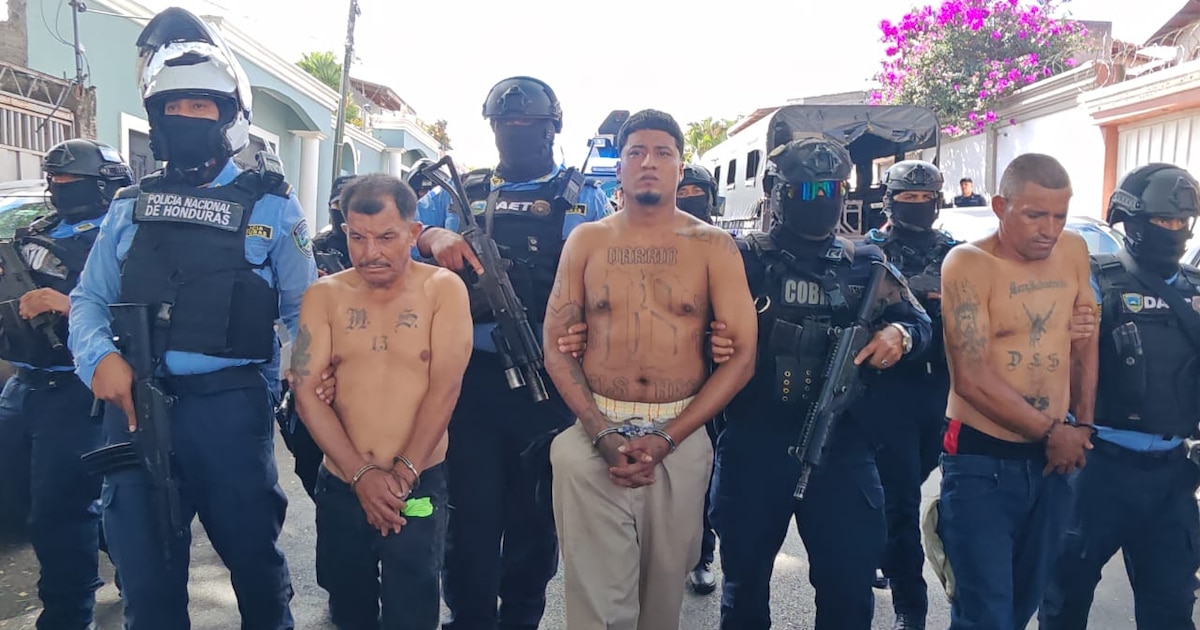
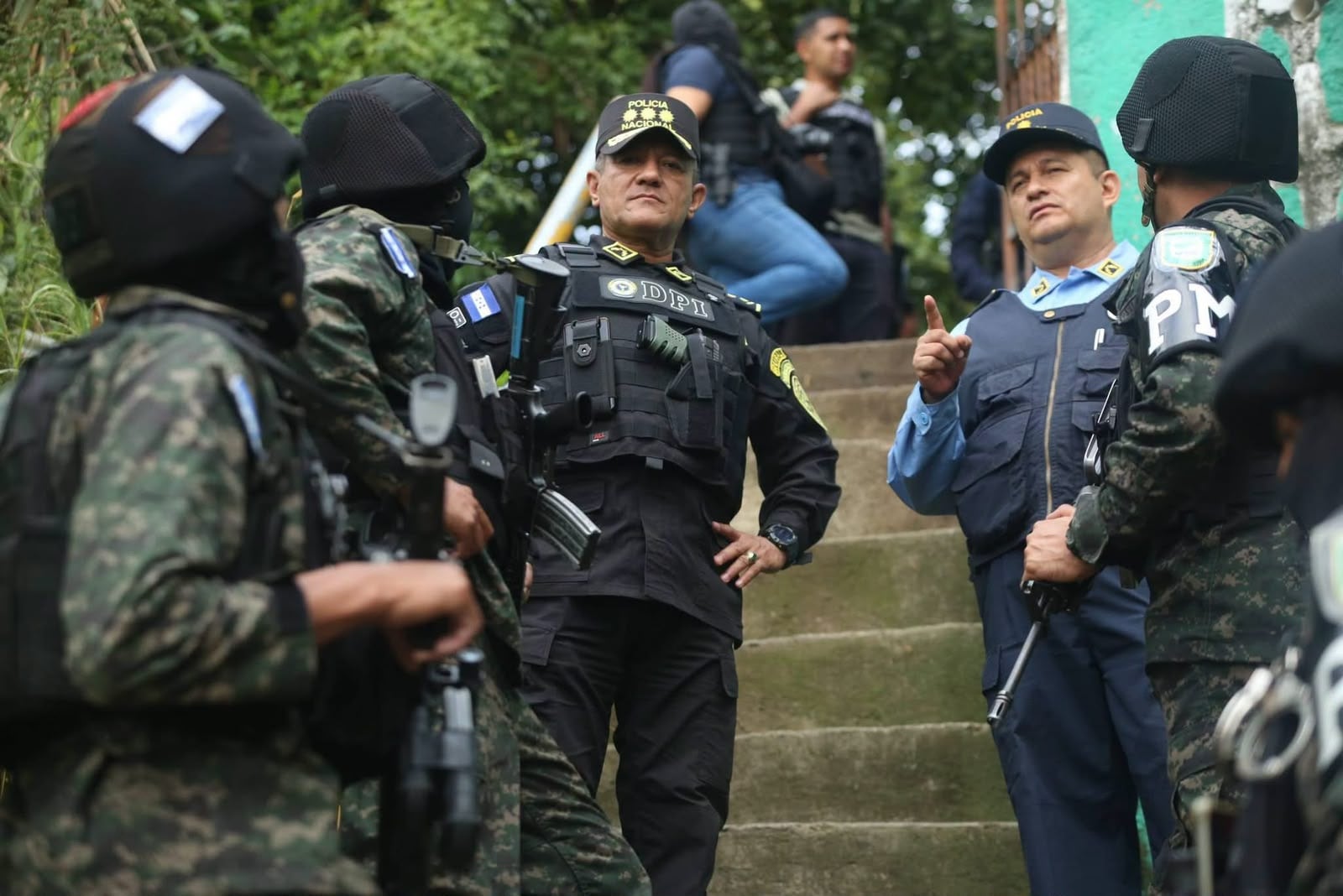
La Operación Escudo Honduras registra 145 personas detenidas por el presunto delito de asociación terrorista y una reducción de 21 homicidios durante su primer mes de ejecución, informó el ministro de Seguridad, Gerson Velásquez, al presentar los resultados de las acciones policiales dirigidas contra las principales estructuras criminales que operan en el territorio nacional.
El funcionario aseguró que la estrategia ha cumplido hasta el momento con los objetivos operacionales establecidos y destacó que los resultados representan avances en los esfuerzos gubernamentales para combatir a las organizaciones delictivas vinculadas con hechos violentos y diferentes actividades ilícitas.
De acuerdo con Velásquez, entre las 145 personas detenidas figuran presuntos integrantes de la Mara Salvatrucha (MS-13), Pandilla 18 y el denominado Cártel del Diablo, organizaciones a las que las autoridades atribuyen responsabilidad en distintos hechos criminales registrados durante los últimos años.
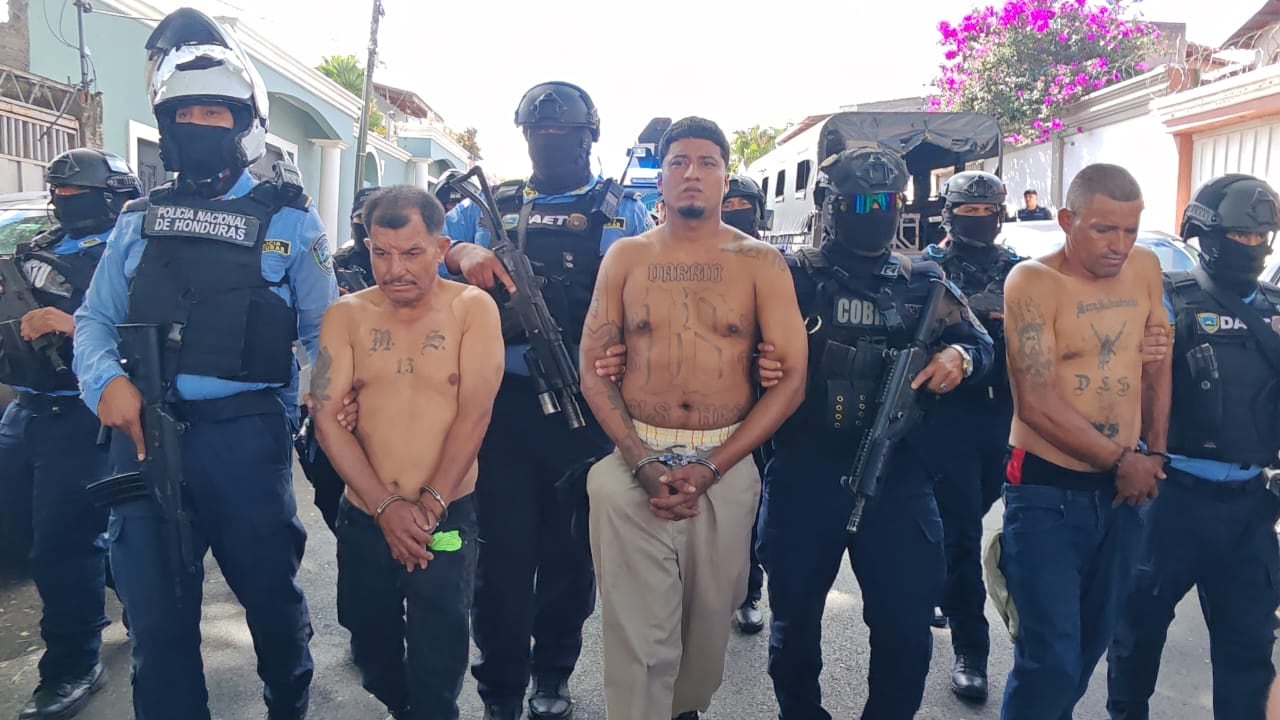
«Hasta este momento, 145 detenidos por asociación terrorista, entre ellos, pandilleros de la MS-13, 18 y el Cártel del Diablo. Estos actores criminales han sido responsables de múltiples delitos que por años han actuado casi impunemente en el país», manifestó el titular de Seguridad.
El ministro sostuvo que estas estructuras han mantenido participación en diferentes expresiones de violencia que afectan a la población hondureña, entre ellas masacres, descuartizamientos y asesinatos de mujeres, además de otras actividades relacionadas con el crimen organizado.
Señaló que la intervención contra estos grupos no solamente busca detener a personas señaladas de participar directamente en homicidios, sino también debilitar las redes delictivas que generan recursos mediante actividades ilegales y que contribuyen a mantener los niveles de criminalidad en distintas zonas del país.
Velásquez explicó que las organizaciones criminales identificadas durante las operaciones también estarían involucradas en diferentes economías ilícitas, entre ellas la extorsión, la comercialización de drogas y la distribución ilegal de armas.
Según el funcionario, estas actividades constituyen fuentes de financiamiento para las estructuras delictivas y permiten mantener sus operaciones, por lo que consideró necesario dirigir los esfuerzos policiales contra los grupos que concentran una mayor incidencia en la generación de violencia.
«Adicionalmente, ellos se dedican a diferentes delitos y economías criminales, como la extorsión, la venta de drogas, inclusive la distribución de armas, entre ellos, que es un delito muy común», expresó.
El titular de Seguridad sostuvo que la estrategia pretende generar un impacto directo sobre las organizaciones que, según las investigaciones de las autoridades, tienen mayor participación en la comisión de delitos violentos.
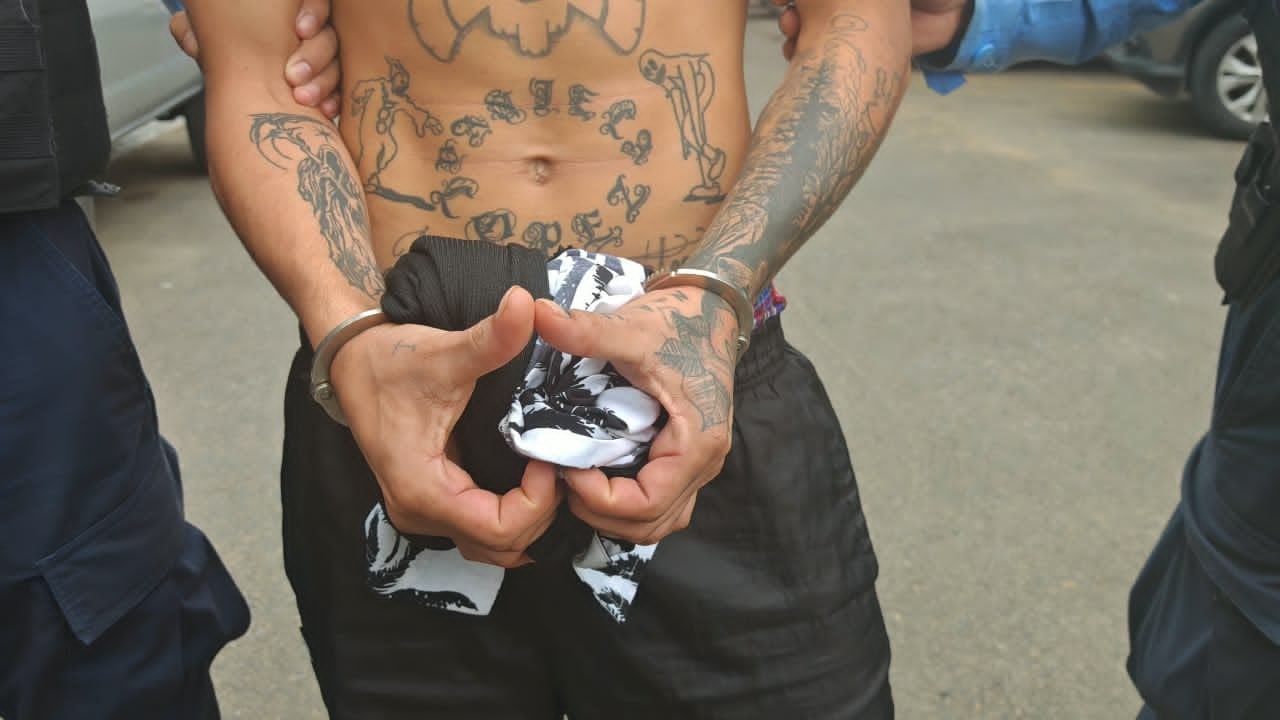
En su valoración, la captura de integrantes de estas estructuras y la afectación de sus actividades ilícitas podrían traducirse en mejores indicadores de seguridad conforme avance la implementación de las acciones operativas.
«Entonces, al impactar directamente en las estructuras que más crimen producen, probablemente vamos a tener mejores resultados en el mediano y largo plazo», agregó.
La estrategia, por tanto, busca que los resultados de las capturas no se limiten al número de personas detenidas, sino que también tengan repercusiones sobre la capacidad de operación de las organizaciones criminales y las actividades delictivas que desarrollan.
Otro de los resultados destacados por el ministro corresponde al comportamiento de los homicidios durante el último mes. Velásquez informó que, en ese periodo, se contabilizó una disminución de al menos 21 muertes violentas, un indicador que calificó como positivo dentro de las acciones ejecutadas mediante la Operación Escudo Honduras.
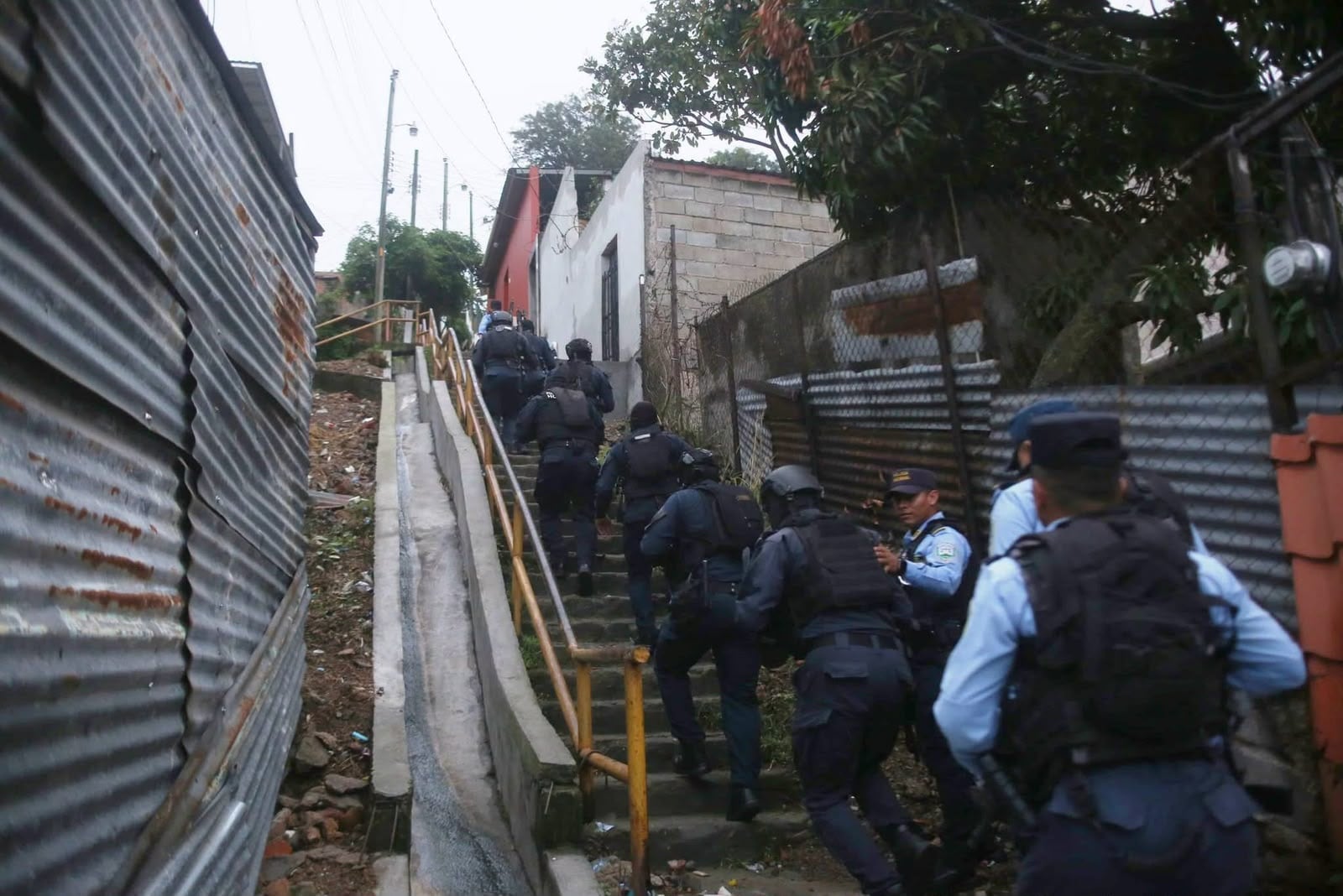
El funcionario consideró relevante esta reducción, especialmente porque, según indicó, no se había conseguido mantener una disminución sostenida de este delito en los periodos anteriores.
La reducción de homicidios constituye uno de los principales parámetros para evaluar el comportamiento de la violencia en Honduras, debido al impacto que este delito tiene sobre las comunidades y la percepción de seguridad de la ciudadanía.
Velásquez reiteró que los resultados alcanzados durante el primer mes representan un avance para la estrategia y que las operaciones continuarán como parte de los esfuerzos para contener la criminalidad.
corresponsal:Desde Tegucigalpa, Honduras
INTERNACIONAL
Mojtaba Khamenei aide’s chilling ’40 years’ warning surfaces amid US push for Iran deal
Vance reaches out to Iranian hard-liner to revive peace talks
Fox News senior strategic analyst Ret. Gen. Jack Keane discusses reports that Vice President JD Vance contacted an Iranian hard-liner at President Donald Trump’s direction. Keane argues that Iran is not serious about reaching a deal and would not comply with one.
NEWYou can now listen to Fox News articles!
Iran’s top security official, who reportedly received a letter from Vice President JD Vance about resuming peace talks, warned in a resurfaced interview that wartime negotiations with Tehran could drag on for decades, and during which both sides should «be prepared to fight.»
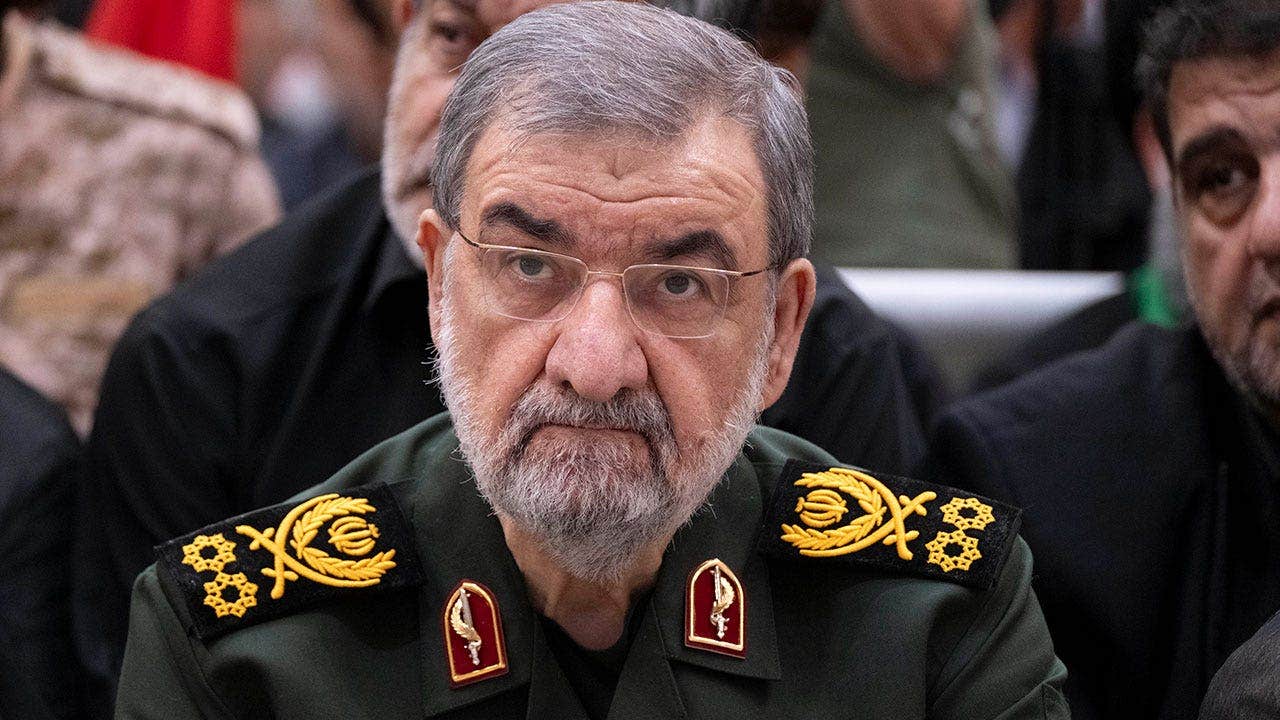
Mohsen Rezaei, a former commander of Iran’s Islamic Revolutionary Guard Corps (IRGC), now serves as secretary of the Supreme National Security Council and acts as a key aide to Supreme Leader Mojtaba Khamenei. He also helped shape Tehran’s military strategy during the 1980-88 Iran-Iraq War.
That eight-year conflict ended after Iran’s then-supreme leader, Ayatollah Ruhollah Khomeini, accepted a U.N.-brokered cease-fire that he famously likened to drinking from a «poisoned chalice.»
JD VANCE RETURNS TO WASHINGTON AFTER 16 HOURS OF IRAN PEACE TALKS COLLAPSE IN PAKISTAN
Senior Iranian general Mohsen Rezaei issues direct threat against President Donald Trump as U.S. repositions aircraft carrier amid rising tensions with Tehran, according to reports. (Ayoub Ghaderi/YJC/WANA (West Asia News Agency) via REUTERS)
«Ceasefire means an unfinished war,» Rezaei had said of the war in a 2006 interview with the Iranian publication Baztab. An English translation of the interview is preserved by George Washington University’s National Security Archive.
Asked whether both sides would remain in their positions and begin talks, Rezaei replied: «Yes. Negotiations can take 30 to 40 years and during that time Iran and Iraq should be prepared to fight.»
Two decades after suggesting negotiations could drag on for years, Washington has reportedly been seeking talks with Rezaei, a key power player in Iran’s current military leadership.
Vance sent him a letter proposing renewed peace talks between the United States and Iran in October, the Wall Street Journal reported.
Iran said it had received a letter from Vance but had not responded, according to Iranian state media. The semi-official Tasnim News Agency said Iran was awaiting U.S. compliance with its conditions, warning that «any position that contradicts this framework is unacceptable.»
TRUMP SAYS IRAN DEAL ‘LARGELY NEGOTIATED’ AS 84-DAY WAR NEARS POSSIBLE END
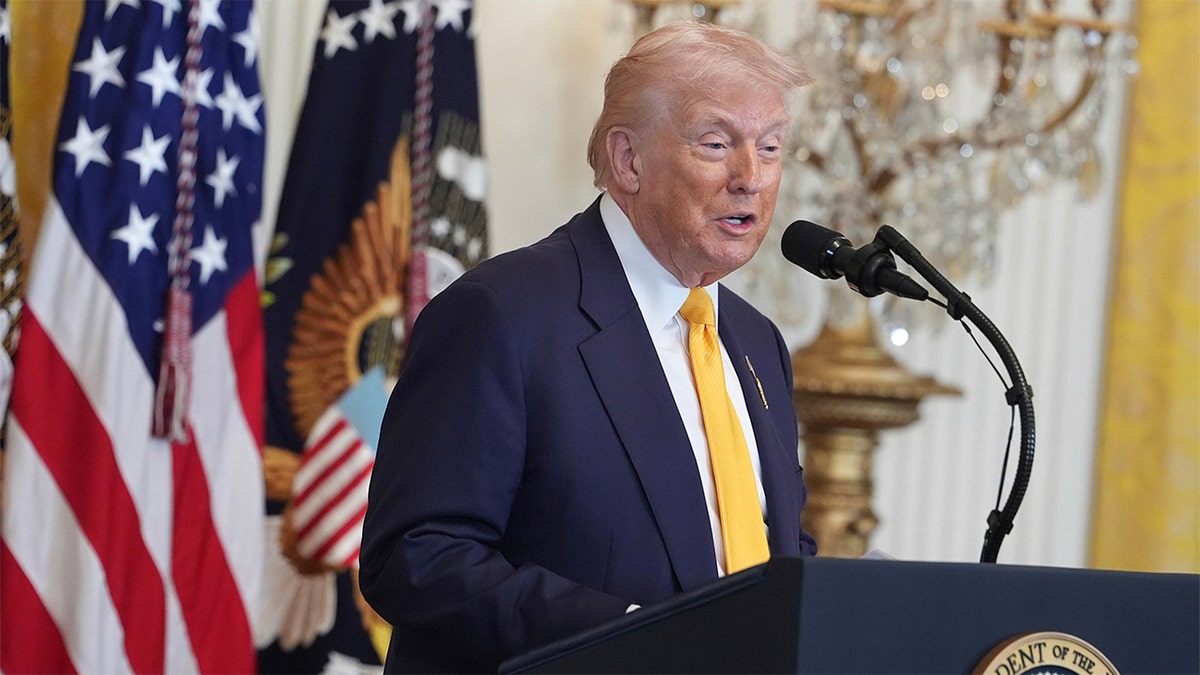
In June, President Donald Trump had posted a warning on Truth Social that Iran had taken too long to come to terms and would «pay the price,» while on Monday, he also said that Iran wanted a deal but warned that another U.S. strike could be about five times as large as the previous.
«We could knock it out fast, or we could knock it out over a short, not a long period of time,» Trump said during a C-SPAN interview on «Washington Journal Primetime.»
«I can tell you that Iran would like to make a deal, and we’ll find out whether that’ll happen,» Trump said of the current timeframe.
Rezaei however, has continued to maintain a defiant stance toward Washington, writing on X on Nov. 9: «The war on Iran has already wrecked the US government,» he wrote before adding that «Washington flails like a desperate gambler.»
«FOLD YOUR HAND. STOP manufacturing FAKE NEWS about imaginary talks.
«Stop denying the West Asian NEW ORDER. Time to SURRENDER to the seven conditions Iran has repeatedly set out,» he said.
Following the Nov. 3 U.S. midterm elections, Rezaei also claimed Iran had defeated Washington militarily and politically.
He warned of a «devastating response» to another attack and declared it was time for Washington to «SURRENDER.»
RUBIO DEFENDS TRUMP’S IRAN WAR AS NOT ‘NECESSARILY POPULAR, BUT NECESSARY’
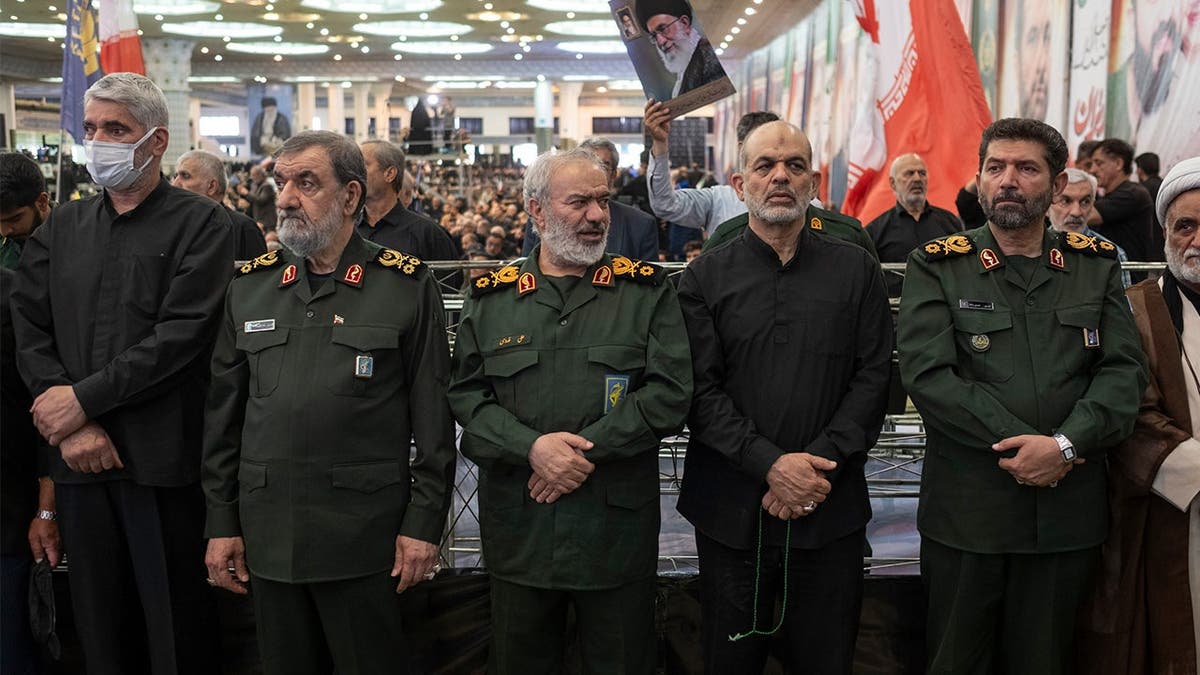
Islamic Revolutionary Guard Corps (IRGC) generals and commanders, Mohsen Rezaee (2nd L), Ali Fadavi (3rd L), Ahmad Vahidi (2nd R), and Hassan Hassanzadeh (R) attend a memorial ceremony for IRGC commanders, nuclear scientists, and civilians killed in the Iran-Israel war at the Imam Khomeini Grand Mosque in downtown Tehran, Iran, on July 2, 2025. (Morteza Nikoubazl/NurPhoto via Getty Images)
Rezaei also rejected reports of ongoing U.S.-Iran negotiations or any planned meeting in Qatar, accusing Washington of spreading false claims to ease economic pressure and lower oil prices. He reiterated that Tehran would not reopen the Strait of Hormuz until its seven conditions were met.
Rezaei has spent more than four decades in Iran’s defense establishment. He commanded the IRGC from 1981 to 1997, overseeing operations during the Iran-Iraq War.
In the 2006 Baztab interview, Rezaei also detailed how Iranian leaders distinguished their public rhetoric from military strategy.
Although Khomeini and other Iranian officials called for «fighting till Saddam is toppled» and «until the nuisance is eradicated,» Rezaei said Tehran’s actual strategy was «fighting up to a victory.»
At the time, Iran’s battlefield gains, he suggested, were meant to strengthen Tehran’s negotiating position rather than achieve total conquest.
IRAN VOWS ‘ASTONISHING’ STRIKES AND LIFTS MISSILE-RANGE LIMIT AS US TARGETS LAND ROUTES
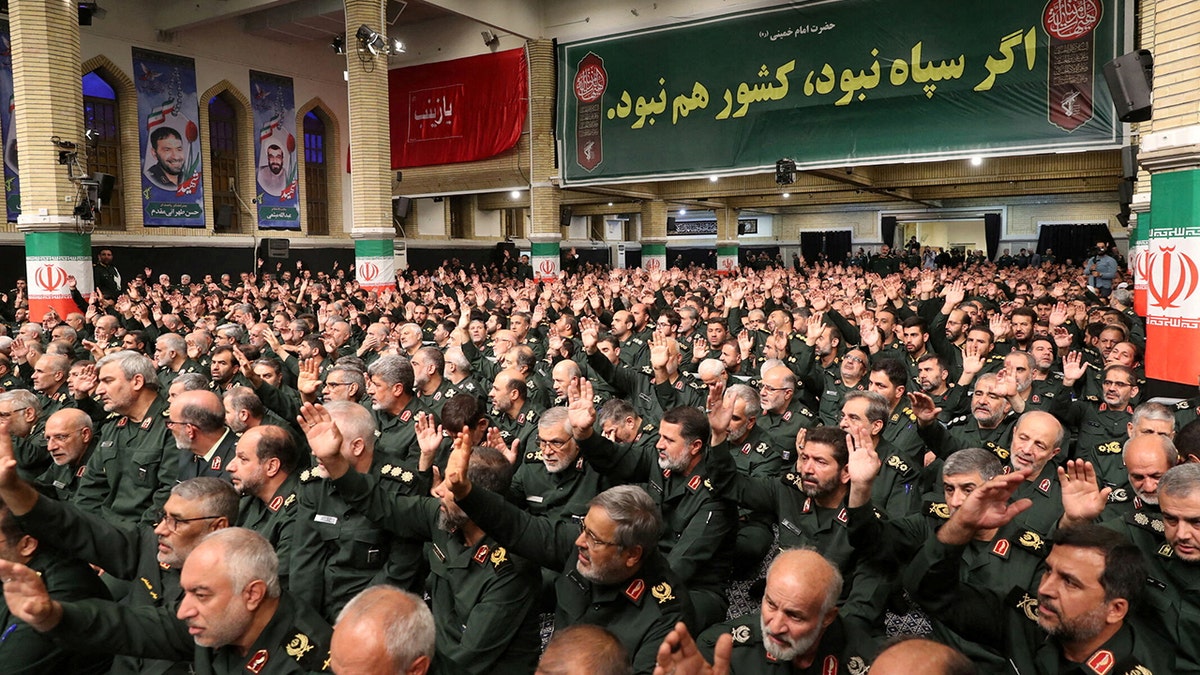
Commanders and members of the Islamic Revolutionary Guard Corps meet with Iran’s Supreme Leader Ayatollah Ali Khamenei in Tehran, Iran, on Aug. 17, 2023. (Office of the Iranian Supreme Leader/WANA (West Asia News Agency)/Reuters)
«The world did not pay attention to the slogans,» Rezaei said in the interview, adding that foreign governments and intelligence agencies focused on Iranian leaders’ actions and diplomatic positions.
Rezaei also said Iran had struggled to turn battlefield gains into diplomatic victories because it lacked international alliances and influence at the United Nations.
Rezaei has since faced U.S. sanctions and international scrutiny. The Trump administration first sanctioned him Jan. 10, 2020, under an executive order targeting senior Iranian officials appointed by the supreme leader.
Rezaei had also been accused of involvement in the July 1994 bombing of the Argentine Israelite Mutual Association Jewish community center in Buenos Aires, which killed 85 people.
Interpol approved an Argentine request for a Red Notice against Rezaei in 2007 in connection with the bombing.
world, iran, foreign policy, national security, foreign affairs
INTERNACIONAL
La crisis que frenó el fútbol centroamericano y dejó a tres selecciones históricas sin clasificar a un Mundial hace más de una década
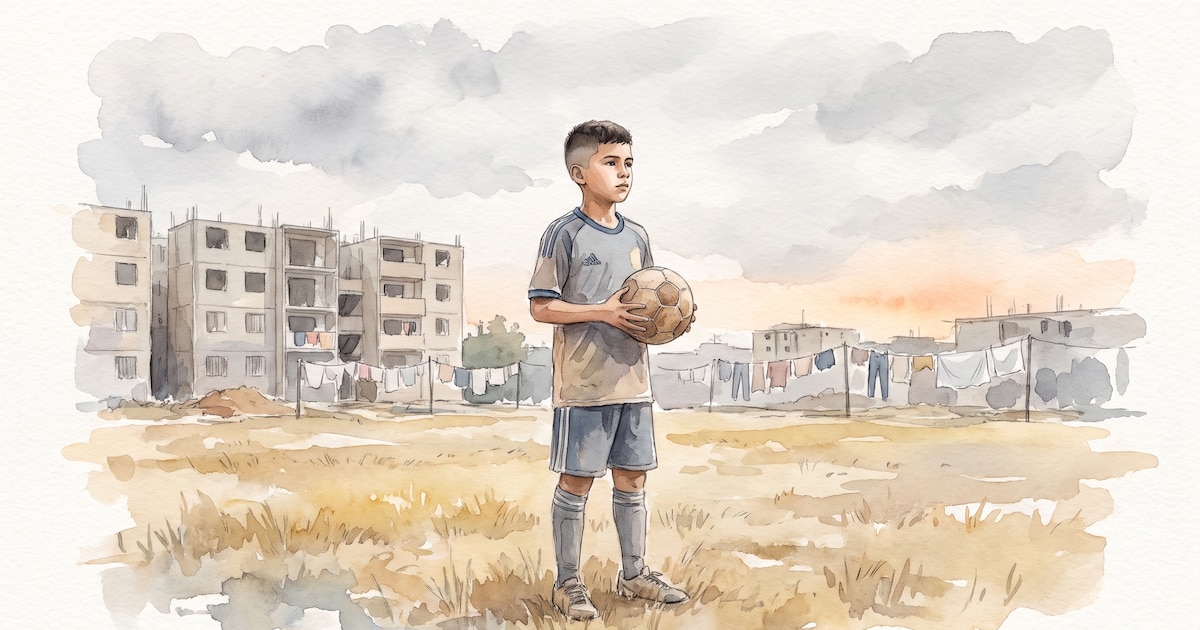
Doce años tiene Bryan Oliva y entrena en una cancha de pasto amarillento de un barrio popular de San Salvador. Sueña con jugar al fútbol profesional, pero sabe que las oportunidades escasean en una región donde el balón, según describe Portada, “quedó atrapado en el tiempo”.
“Se gana un montón de dinero como futbolista, pero no siento que sea posible para mí”, reconoció Bryan en Zacamil, barrio de edificios multifamiliares de la capital salvadoreña, en declaraciones recogidas por el medio.
El joven cree que, para los chicos de sectores humildes como el suyo, es “bien difícil” que los cazatalentos los descubran. Las pocas oportunidades suelen concentrarse en zonas más privilegiadas.
Pobreza y falta de inversión frenan el talento regional
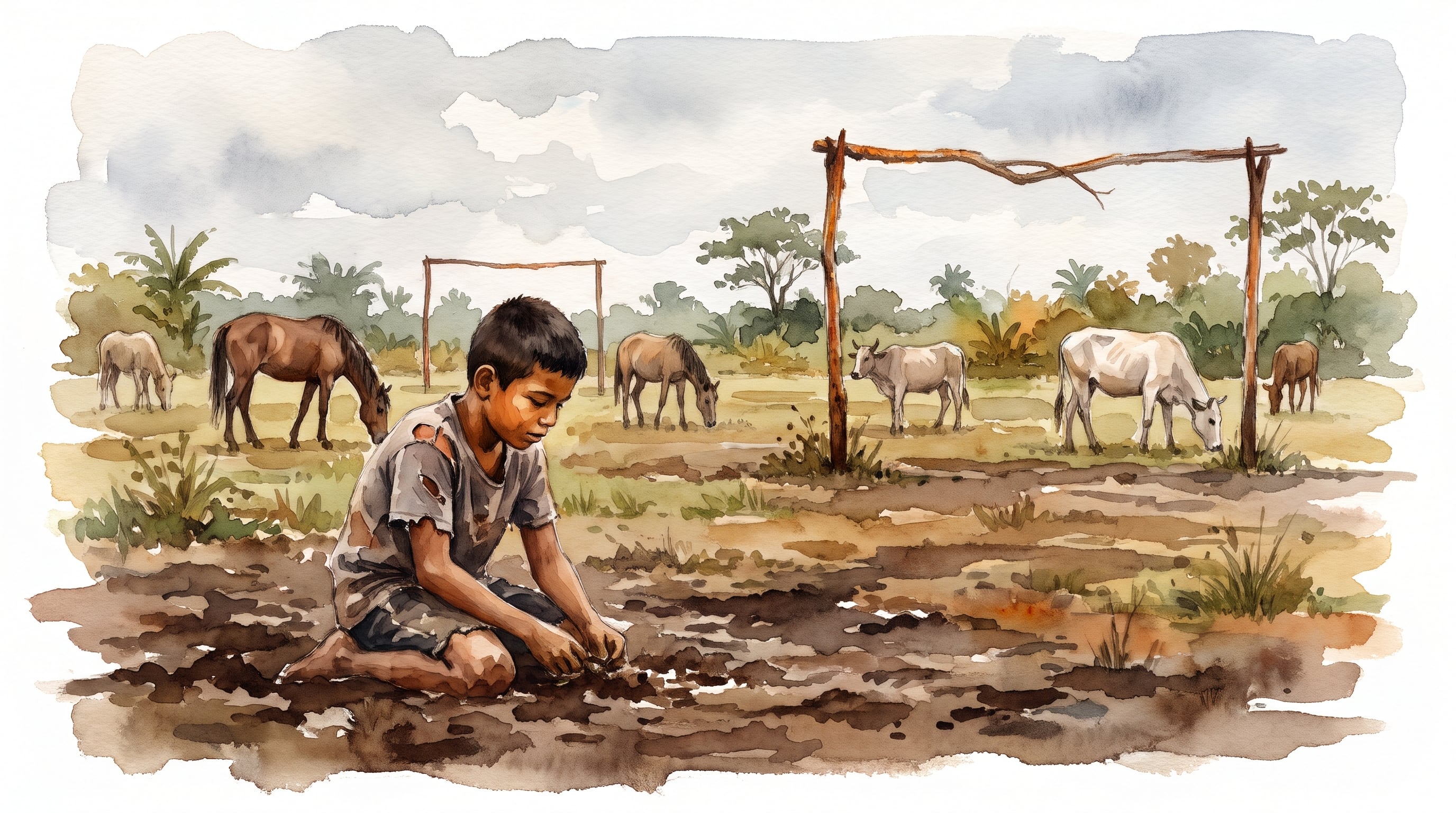
A casi mil kilómetros de distancia, en La Abisinia, una remota aldea del departamento hondureño de Colón, Darixon Rivas, de 11 años, comparte la misma ilusión. Antes de entrenar cada tarde en un campo de lodo, debe trabajar en el rancho familiar.
“El fútbol hondureño está dañado, mire cómo está este campito, aquí venían a jugar también nuestros padres”, afirmó Darixon, según consignó Portada.
La pobreza permea casi todo en Centroamérica: aproximadamente la mitad de su población vive en esa condición, de acuerdo con el medio. Pero los problemas del fútbol regional van más allá de la variable económica, porque la inversión en infraestructura y formación de talento es escasa, salvo excepciones puntuales.
La región descuidó la formación de divisiones inferiores y los grandes empresarios dejaron de invertir en el deporte, mientras selecciones como Haití, Surinam y Curazao incorporaron jugadores forjados en ligas europeas, lo que elevó su competitividad frente a selecciones históricas como Honduras, Costa Rica y El Salvador.
El presidente de la Federación Salvadoreña, Yamil Bukele, admitió recientemente que a su país “nos falta mucho” e impulsa un plan para reforzar las categorías inferiores, según Portada.
Solo Panamá y Guatemala avanzaron a cuartos de final
Las consecuencias de ese rezago quedaron a la vista en la última clasificación a cuartos de final de la Liga de Naciones de la Concacaf: solo Panamá y Guatemala lograron avanzar entre las selecciones centroamericanas, de acuerdo con el medio.
Según el calendario oficial difundido por la Concacaf, los cruces de esa instancia arrancaron el jueves con el duelo entre Curazao y Panamá en el estadio Ergilio Hato de Willemstad, mientras que Guatemala visitará el viernes el estadio El Trébol frente a Canadá.
Los partidos de vuelta se disputarán entre el 15 y el 17 de noviembre, y los ganadores asegurarán su clasificación directa a la Copa Oro de la Concacaf 2027, de acuerdo con una nota publicada por EFE y recogida por Infobae.
El antecedente más reciente confirma esa tendencia regional: Panamá fue la única selección centroamericana presente en el Mundial de Norteamérica, donde la Concacaf estuvo representada además por las selecciones caribeñas de Curazao y Haití, según Portada.
El caso salvadoreño ilustra el estancamiento. Su última participación en una Copa del Mundo ocurrió hace 44 años, durante el auge del delantero Jorge “Mágico” González, considerado el mejor futbolista centroamericano del siglo XX.
Desde entonces, por el banquillo de la selección, hoy a cargo del colombiano Hernán Darío Gómez, pasaron más de 40 entrenadores, precisó el medio.
Honduras, dirigida por el español José Francisco Molina, tampoco disputa un Mundial desde Brasil 2014. En esa misma edición se detuvo el reloj para Costa Rica, que no volvió a presentar un equipo comparable al que llegó a cuartos de final en aquella cita. Guatemala, Nicaragua y Belice nunca clasificaron a un Mundial, según Portada.

Exfutbolistas y técnicos señalan una “involución” regional
“Ha habido una involución”, declaró a la agencia AFP el argentino Diego Vázquez, exseleccionador de Honduras entre 2022 y 2023. “Hay que ordenar las ligas menores y que los gobiernos también inviertan”, agregó ante la misma agencia.
El exinternacional panameño Víctor René Mendieta sostuvo que El Salvador, Honduras y Costa Rica “descuidaron” la formación de nuevos talentos, según su testimonio recogido por Portada.

El periodista salvadoreño Bruno Porzio amplió ese diagnóstico ante la AFP: costarricenses y hondureños en particular “creen que la culpa la tienen los entrenadores, cuando en realidad es que su mina se ha ido acabando y no tienen la capacidad de competir con las fuerzas emergentes del Caribe”.
Porzio añadió, según la misma nota, que “en El Salvador los empresarios grandes dejaron de interesarse en el fútbol” y que a los dirigentes no les interesa “dejar un legado”.
En Honduras, el diagnóstico apunta a la dirigencia. El técnico hondureño Reynaldo Tilguath subrayó ante la agencia que los directivos “se quieren quedar de por vida”. Panamá, en cambio, está “trabajando mejor” en la formación, mientras “los demás nos estamos quedando”, sostuvo.
Salarios bajos e infraestructura escasa en las ligas locales
Centroamérica, con casi 50 millones de habitantes, cuenta con unos 4.400 futbolistas profesionales distribuidos principalmente en 68 equipos, según cifras de la FIFA de 2024 citadas por Portada.
Las competiciones locales carecen de figuras y de técnicos de renombre, y apenas un puñado de jugadores supera los USD 5.000 de salario mensual. La mayoría de los clubes no tiene filiales en ligas menores ni centros de formación, y muchos disputan sus partidos en pequeños estadios de grama artificial, de acuerdo con el medio.

La región tampoco cuenta con futbolistas en las grandes ligas europeas que eleven el nivel de sus seleccionados, a diferencia de Haití, Surinam o Curazao, países con jugadores formados en el continente europeo, según precisó Portada.
Mientras tanto, en lo alto de la montaña de La Abisinia, Darixon y sus amigos comparten la cancha con caballos y vacas e intentan vencer porterías hechas de palos oxidados. Uno lleva puesta una camiseta de Lionel Messi; otro, una indumentaria con la imagen de Cristiano Ronaldo.
Bryan Oliva,Zacamil,El Salvador,fútbol infantil,acuarela

Cómo encontraron muerto a Marcos Camino, de Los Palmeras: quién lo halló en su estudio de grabación y la sensible causa

Estudiantes de La Plata vs Independiente Rivadavia: formaciones, hora y dónde ver por tv

El riesgo país pasó los 900 puntos y las acciones argentinas se hundieron ante un incierto contexto externo

El Gobierno espera una definición de EE.UU. sobre la visita del vicepresidente Vance tras las versiones de suspensión de la gira

Quiénes pueden acceder a los préstamos UVA con tasa 0% en el rubro artístico

El mapa de la Sudamericana 2027: seis seguros y 25 a la espera, entre ellos River y otros argentinos

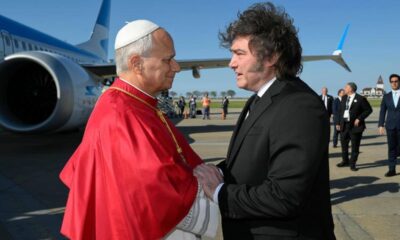
Así fue el saludo entre Javier Milei y el papa León XIV en Aeroparque tras la llegada a la Argentina

La queja de Yanina Latorre tras asistir al VIP de la misa del papa León XIV: “Estuve al rayo del sol haciendo nada y…”

Canales para ver el Tigre vs. Sarmiento por el Torneo Clausura

Franco Colapinto le hizo probar mate a Lewis Hamilton en un evento durante el GP de Brasil: la reacción del piloto de Ferrari

 POLITICA2 días ago
Así fue el saludo entre Javier Milei y el papa León XIV en Aeroparque tras la llegada a la Argentina
- CHIMENTOS22 horas ago
La queja de Yanina Latorre tras asistir al VIP de la misa del papa León XIV: “Estuve al rayo del sol haciendo nada y…”
- POLITICA1 día ago
El Papa se emocionó en el Cottolengo Don Orione y aseguró: “El progreso de una nación se mide por la acogida a las personas con discapacidad”