INTERNACIONAL
Por qué el cambio climático y El Niño provocaron la muerte de casi 2.000 aves marinas en las costas de California

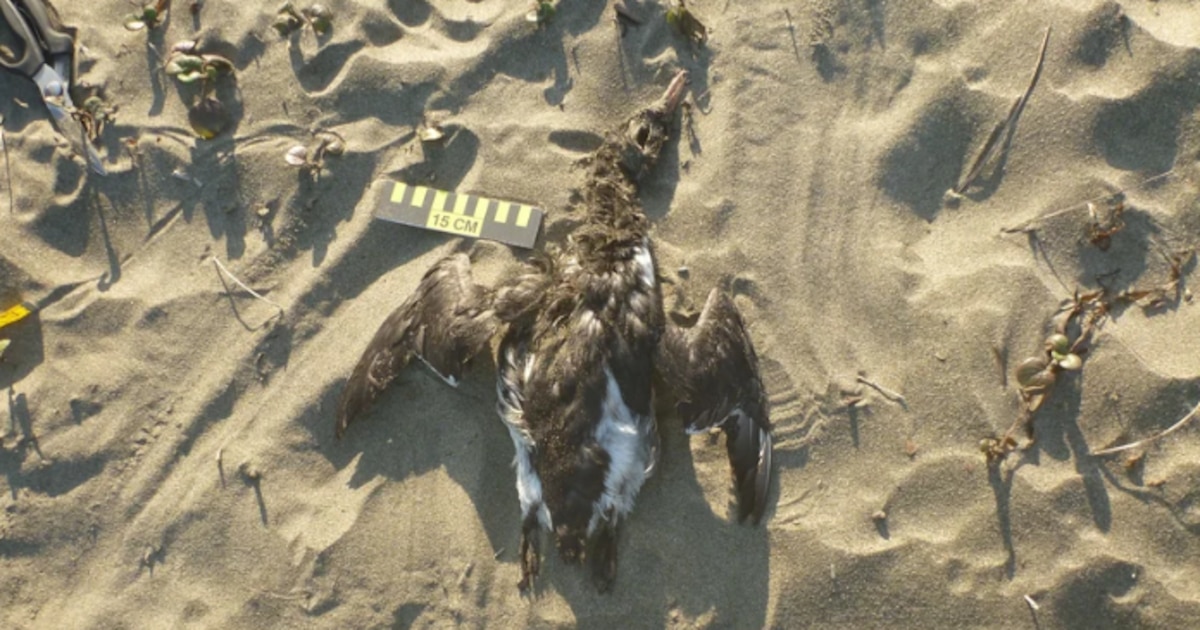
En las playas de la costa central de California, entre San Francisco y Los Ángeles, los cuerpos de aves marinas se acumulan sobre la arena desde hace meses. No es un fenómeno aislado ni pasajero: los científicos lo describen como una crisis sin precedentes recientes, producto de un océano que se calienta más rápido de lo que la fauna puede tolerar.
La especie más afectada es el araó común (common murre), un ave del tamaño de un cuervo con plumaje en blanco y negro que pasa casi toda su vida en alta mar. En condiciones normales, puede vivir más de 20 años. Hoy, los ejemplares llegan a la orilla muertos o moribundos por inanición.
El mecanismo es directo: el aumento de la temperatura del agua desplazó a los peces hacia capas más frías y profundas, fuera del alcance de las aves. Sin alimento accesible, las colonias costeras comenzaron a morir.
En la bahía de Monterey, las temperaturas del océano registraron 7,2 ℃ (13 ℉) por encima del promedio histórico. Los guardaparques de al menos una playa de la región contabilizaron, desde septiembre, más de 1.900 araós muertos y otras 750 aves que necesitaron atención médica. En el mismo período del año anterior, ese total no había superado los 120.

El colapso en los centros de rescate
El centro de rescate Pacific Wildlife Care (PWC), con sede en Morro Bay, registró 924 araós desde septiembre, frente a los apenas 24 del mismo período del año anterior.
La clínica opera hace 40 años y nunca había procesado tantos pacientes en un solo ciclo. “Ha sido algo como nunca habíamos visto antes”, señaló Kelley Boland, coordinadora de desarrollo de PWC, en declaraciones recogidas por The New York Times.
Los trabajadores de rescate pueden rehabilitar a algunos ejemplares durante semanas: los mantienen en calor y les suministran pescado y vitaminas hasta que recuperan fuerzas.
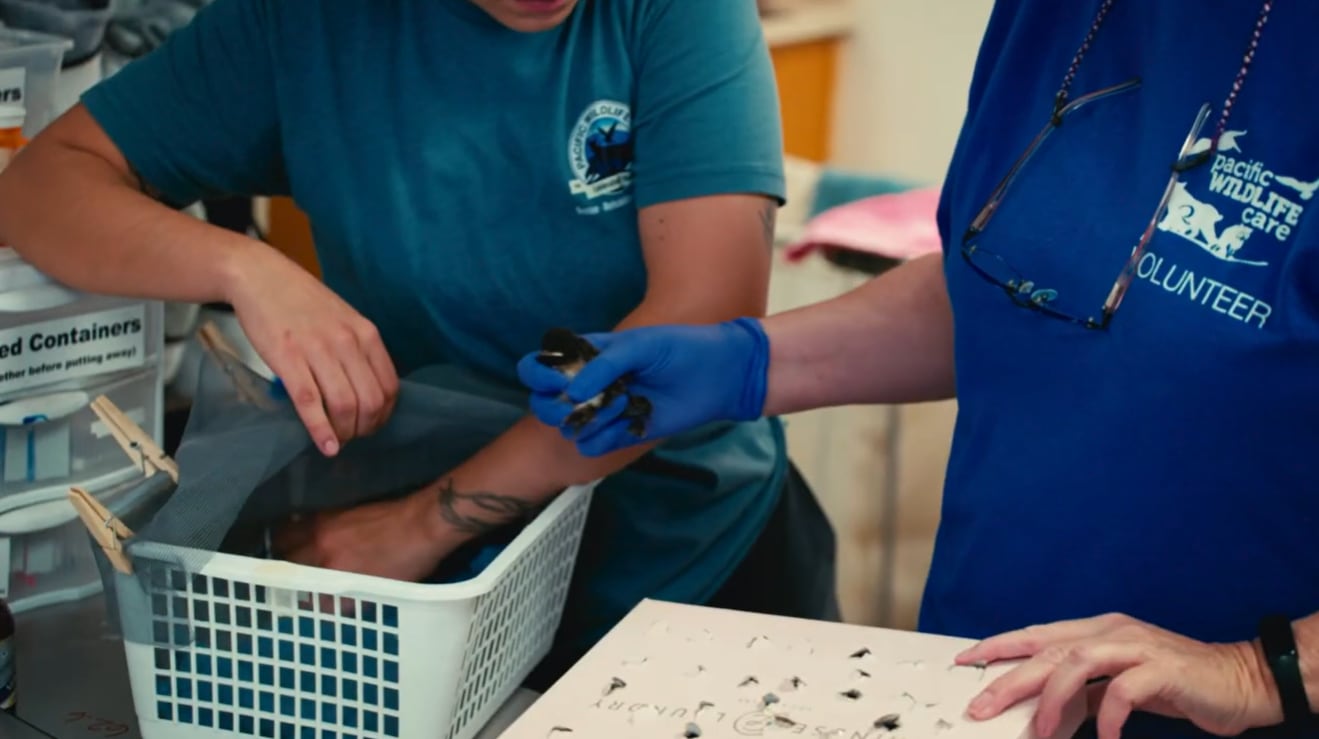
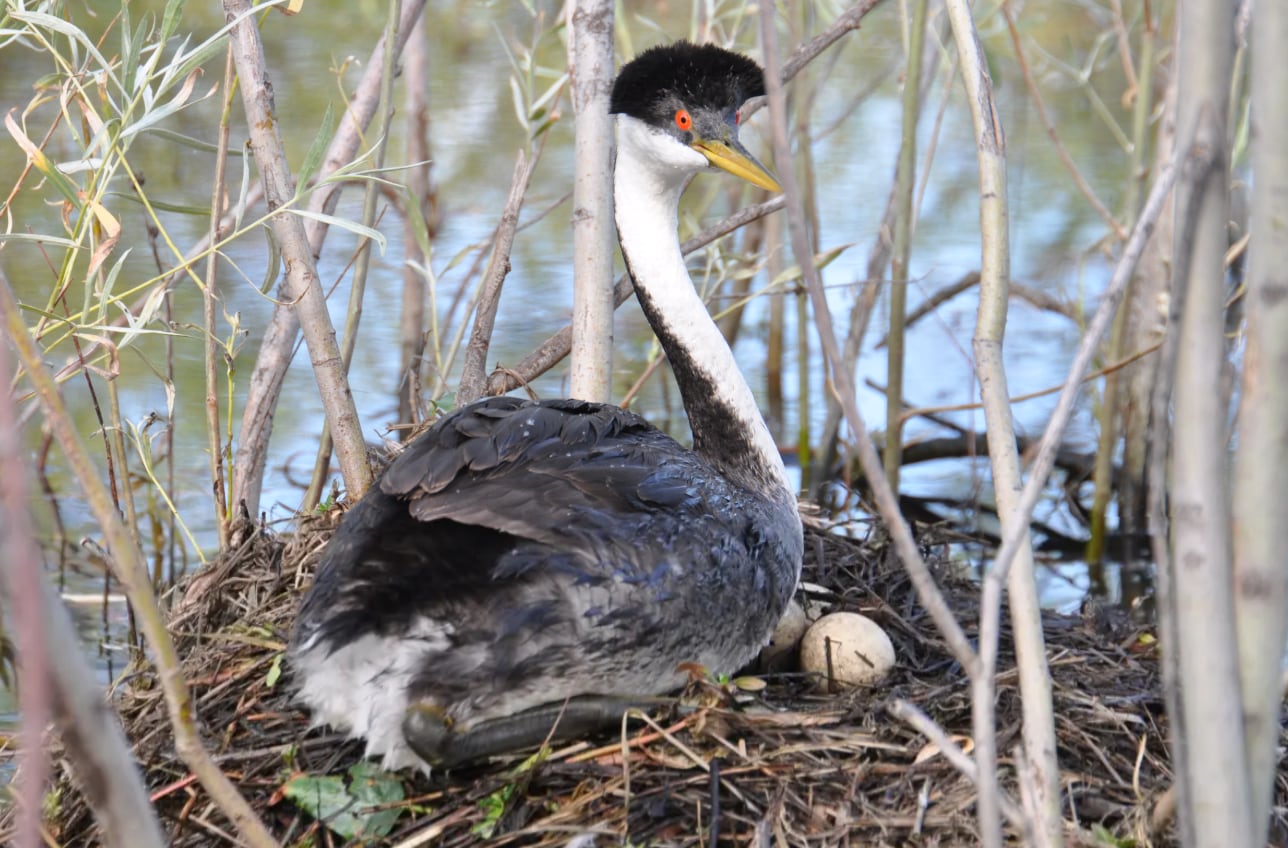
Shannon Riggs, veterinaria del centro, advirtió que la crisis ya se extiende a otras especies: en las últimas semanas, el hospital comenzó a recibir cantidades inusuales de somormujos occidentales (western grebes).
JD Bergeron, director ejecutivo de International Bird Rescue (IBR), una clínica de fauna silvestre del Área de la Bahía que trató a cientos de aves en 2026, usó una imagen directa para describir la situación. “Usamos la frase ‘el canario en la mina de carbón’. Estamos viendo indicios, a través de las aves marinas, de que algo está realmente mal”, afirmó en declaraciones al diario estadounidense.
Una crisis que empezó antes del otoño
La crisis no comenzó en otoño. Durante la primavera, una ola de calor marino ya había causado la muerte de pelícanos pardos, cormoranes de Brandt y araós en la región.
Lo que ocurre desde septiembre es, según los científicos, una segunda oleada de mortalidad masiva para esta especie en el mismo año.

La biología reproductiva de los araós agrava el impacto. Las hembras ponen un único huevo de color azul brillante por año, en acantilados e islas rocosas de la costa oeste. La mayor colonia de cría se encuentra en las islas Farallón, frente a San Francisco.
Esa concentración geográfica explica, en parte, por qué la costa central acumula la mayor cantidad de cuerpos: las temperaturas subieron más ahí que en el norte.
La última vez que una ola de calor marino coincidió con El Niño —hace aproximadamente una década— se produjeron mortandades masivas de salmones, leones marinos y aves a lo largo de toda la costa oeste.
En Alaska, perecieron alrededor de cuatro millones de araós en ese episodio, la mayor mortandad registrada de una sola especie en la historia moderna, según datos científicos citados por The New York Times.

Qué dicen los expertos
Tammy Russell, ecóloga marina del Instituto Scripps de Oceanografía, señaló que es probable que más especies resulten afectadas en mayor número durante los próximos meses, a medida que El Niño continúe calentando el océano.
Los investigadores reconocen que aún no tienen respuestas definitivas sobre todos los factores que impulsan las muertes por inanición.
“No tenemos todas las respuestas, y la ciencia tampoco las tiene ahora mismo, porque todavía estamos dentro del evento”, admitió Russell en declaraciones a The New York Times.

Joanna Iwanicha, científica ambiental de la Reserva Estatal de Dunas de Oceano, en el condado de San Luis Obispo, describió la confusión que las aves generan entre el público: “Seguimos recibiendo llamadas sobre pingüinos en la playa”, comentó al medio.
La acumulación de cuerpos sobre la arena perturbó a los residentes de localidades como Cayucos, un pueblo costero de 2.500 habitantes ubicado a unos 320 kilómetros (200 millas) al norte de Los Ángeles.
Riggs expresó la carga que implica trabajar en este contexto. Las aves que mueren lejos de la costa y nunca llegan a la orilla son las que más la preocupan: no hay forma de contarlas ni de rescatarlas. “Pesa. Es estresante saber que no podemos hacer nada al respecto. Esto nos supera”, cerró la veterinaria.
arao común,California,aves marinas,mortandad,calentamiento oceánico












INTERNACIONAL
Top House Dem sparks backlash with plan for deported Dreamers that goes beyond bringing them back
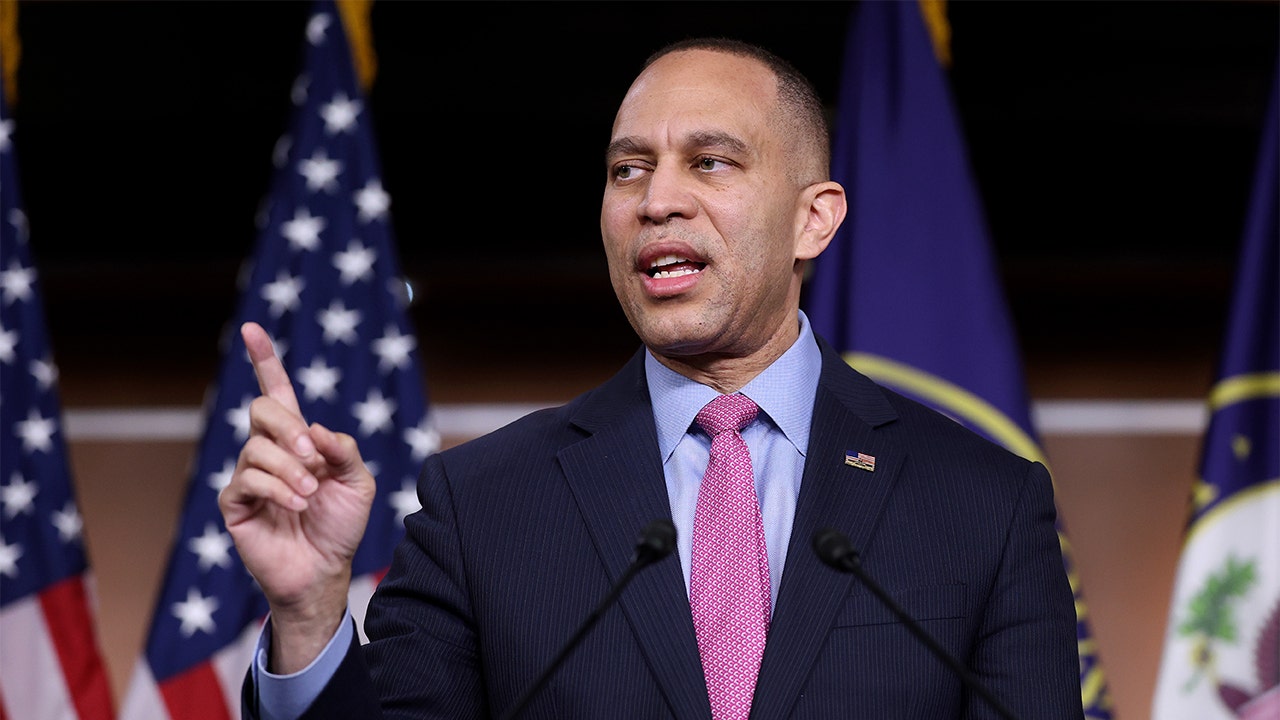
House Minority Leader Hakeem Jeffries, D-N.Y., said Tuesday he supports bringing deported DACA recipients back to the U.S. and providing what he called «remedial assistance,» prompting critics to accuse him of wanting to pay deported immigrants.
Jeffries replied «certainly» when asked during a «PBS NewsHour» interview whether he would support bringing deported DACA recipients back to the U.S. He also said those he believes were treated unfairly by the Trump administration should receive «remedial assistance.»
«Anyone, whether they are a citizen, whether they were here lawfully, whether they’re DACA recipients, who’ve been treated unfairly and unjustly by the administration, we need to provide remedial assistance to them and undo the damage that’s been done to the country, to law-abiding immigrant families and to the American people over this last 20 months or so,» Jeffries told PBS News.
JEFFRIES VOWS DEMOCRATS WON’T ‘GIVE A DIME’ TO TRUMP’S DEPORTATION EFFORTS
DACA offers eligible immigrants brought to the country illegally as children temporary protection from deportation and the ability to apply for work authorization, but does not grant legal immigration status, according to U.S. Citizenship and Immigration Services.
Jeffries did not specify whether the «remedial assistance» he proposed would include financial compensation. His office did not immediately respond to request for comment on Wednesday.
Podcaster Benny Johnson similarly criticized Jeffries in a social media post on Wednesday, alleging that Democrats «always put foreigners before Americans.»
«Hakeem Jeffries says he wants to re-import DACA recipients that have already been deported and pay them,» Johnson said. «This is the future under Democrat control. They will always put foreigners before Americans.»
«DISGUSTING: Incoming House Democratic Leader Hakeem Jeffries (D-NY) supports bringing back DEPORTED DACA recipients and providing them with money and assistance to ‘undo the damage that’s been done to the country,’» conservative account Red Wave Press added on X.
«Hakeem Jeffries wants to bring back deported DACA recipients and pay them. Under far-left control, American citizens will always come second and be expected to pay for it. Every. Single. Time,» another X user posted.
«EVERY TIME Dems want any form of amnesty, it’s to make them voters, and use those voters to open the floodgate, then get citizenship to millions more,» Eric Daugherty, chief content officer of Florida’s Voice, claimed Wednesday in an X post responding to Jeffries’ remarks.
Jeffries also claimed during the interview that the U.S. currently has a «broken immigration system» that «needs to be fixed.»
BORDER DEM POISED TO WIELD ICE PURSE STRINGS REJECTS SOCIALIST ‘DEFUND’ PUSH
«Well, certainly, on the immigration front, we have a broken immigration system. It needs to be fixed,» Jeffries said. «It should be fixed in a comprehensive way.»
«Immigration enforcement should be fair, just and humane,» the New York Democrat added. «We’re not going to provide a dime to the administration’s violent mass deportation machine. Let’s work together, perhaps beginning with moving the Dream and Promise Act this Congress as a foundation for the type of work that can be done in the next Congress.»
DHS CHIEF FIRES BACK AT JAYAPAL OVER CLAIM MAJORITY OF IMMIGRATION ARRESTS POSE ‘NO THREAT’
Jeffries’ comments come after Department of Homeland Security (DHS) Secretary Markwayne Mullin on Monday raised the possibility of Congress creating a pathway to permanent legal status for DACA recipients.
HOUSE REPUBLICANS MOVE TO MAKE TRUMP’S BORDER POLICIES PERMANENT
«If we want to have an immigration reform to where we can look at DACA and figure out a way that these individuals can become maybe legal permanent citizens or something like this, that’ll be up to Congress,» Mullin said.
DHS did not immediately respond to request for comment.
TRUMP REAFFIRMS ICE ARREST POLICY AFTER CONFUSING GUIDANCE SPARKS ALARM AMONG AGENTS
DHS emphasized in a March 3, 2026, X post that DACA «does not confer any form of legal status» in the U.S.
«To be clear: DACA does not confer any form of legal status in this country,» DHS said in the social media post. «Any illegal alien who is a DACA recipient may be subject to arrest and deportation for a number of reasons, including if they’ve committed a crime.»
«Between January 20, 2025, and September 28, 2025, ICE arrested 264 DACA recipients nationwide — and MORE than 92% were illegal aliens charged or CONVICTED of a crime in the U.S.,» the post continues.
The White House on Monday left open the possibility of working with Democrats on an immigration deal for illegal immigrants who have lived in the U.S. for more than a decade without committing other crimes, though Trump and Mullin both ruled out amnesty.
illegal immigrants, deportation, immigrant rights, politics, immigration, daca
INTERNACIONAL
"O como o tomo pastilla": la jubilada cubana con 35 años de trabajo que debe elegir entre comer y medicarse

“O como o tomo pastilla”: el testimonio de una mujer cubana de edad avanzada resume la disyuntiva que enfrenta cada mes con su jubilación. El relato, difundido en redes sociales, expone cómo una pensión de 3.256 pesos cubanos (USD $4) debe alcanzar para alimentos, tratamientos médicos y productos básicos en un contexto de escasez y pérdida del poder adquisitivo.
“¿Cuántos años trabajó?”, le pregunta una voz fuera de cámara. “Treinta y cinco”, responde ella. Luego explica que percibe 3.256 pesos, una suma que, según cuenta, incluye el 70% de la prestación de su esposo fallecido.
Su relato contado a Sembrando Semillas Latam se suma a otras denuncias públicas de jubilados cubanos que describen dificultades para cubrir al mismo tiempo alimentación, vivienda y medicamentos.
La jubilación, atrapada entre la farmacia y la mesa
La principal preocupación de la mujer son los medicamentos. Afirma que necesita varios tratamientos y que las farmacias estatales ya no los tienen disponibles con regularidad. “Hay que comprarlos por la calle”, señala, en alusión al mercado informal, donde los precios pueden superar ampliamente los ingresos mensuales de un pensionado.
“No se puede con el salario que yo gano. No puedo comprar”, dice. La frase condensa el conflicto entre la necesidad de sostener un tratamiento médico y la obligación diaria de conseguir comida.
La crisis de medicamentos en Cuba no afecta solo a quienes padecen enfermedades crónicas. La Organización de las Naciones Unidas informó en junio que más de 100.000 cirugías habían sido postergadas en el país por faltantes de medicamentos e insumos médicos, dentro de un deterioro más amplio de los servicios esenciales.
La emergencia energética también tiene efectos sobre la atención sanitaria, el transporte, el acceso al agua y la distribución de alimentos. En julio, la ONU indicó que los cortes eléctricos reiterados habían agravado las necesidades humanitarias y afectado la actividad económica en toda la isla.
Un yogur para toda la semana y el deseo de comer carne
La mujer explica que compra un yogur de 400 pesos y lo administra durante una semana. “Bueno, se come, uno come lo que tiene”, afirma antes de describir cómo intenta estirar cada preparación.
Su deseo alimentario es concreto: “¿Qué me gustaría tomar? A mí, comer un bistecito”, dice entre risas. La reacción no disimula el contraste entre esa aspiración y la rutina que describe después: unos pocos pedazos de pollo, una porción mínima de carne y más viandas, elegidas según el precio del día.
“Si tengo unos pedacitos de pollo, echar un pedacito mínimo y echar más viandita, la que salga más barata”, relata. Su menú queda sujeto a una estrategia de racionamiento doméstico: reducir las porciones de proteína, aumentar los alimentos de menor costo y extender lo disponible hasta el próximo ingreso.

Presión mayor sobre una isla que envejece
Cuba es el país con la población más envejecida de América Latina, según los datos citados por Horizonte Cubano. La proporción de personas mayores aumenta mientras los ingresos previsionales pierden capacidad de compra y muchas familias dependen de remesas, del trabajo informal o de redes de ayuda para completar sus gastos mensuales.
En ese escenario, los jubilados que viven solos o padecen enfermedades crónicas enfrentan mayores obstáculos. Los gastos no se reducen a la comida: deben incluir medicamentos, transporte, electricidad, agua, higiene y, en numerosos casos, reparaciones de viviendas deterioradas.
La ONU advirtió en abril que su plan de acción para Cuba buscaba asistir a dos millones de personas, cerca de una quinta parte de la población. El programa puso especial atención en casi 300.000 adultos mayores que viven solos, además de personas con discapacidad y mujeres embarazadas.
La organización señaló que la falta de combustible y los apagones dificultaban el funcionamiento de hospitales, sistemas de bombeo de agua, transporte y producción de alimentos. Para una persona jubilada, esa cadena de problemas se traduce en una dificultad adicional para cobrar, desplazarse, cocinar, conservar comida o acceder a una consulta médica.
La escena se conoce mientras la asistencia humanitaria internacional mantiene operaciones en la isla. En mayo, Naciones Unidas informó que la ayuda alimentaria había llegado a unas 900.000 personas y que se habían instalado sistemas de respaldo para sostener el suministro de agua y servicios de salud en zonas afectadas.
Cuba,jubilados,pensiones,escasez de medicamentos,costo de vida

The aftershocks of last week’s midterm elections are still being felt by Senate Republicans, but another political reality is beginning to set in: The GOP may not regain control of the chamber for years to come.
This year’s Senate map was, initially, favorable to Republicans in their quest to maintain and possibly grow their 53-seat majority in the Senate. But the next election cycle’s map in 2028 is tough, perhaps even insurmountable, for Republicans to conquer.
The Senate GOP’s newly minted campaign chief, Sen. Bernie Moreno, R-Ohio, acknowledged that the map to reclaim the majority in 2028 is «very tough.»
Democrats only have three incumbents up for re-election in battleground states, while Republicans have to defend seats in a slew of once-safe, deep-red states, including both Carolinas, Kansas and Iowa, among several others.
His home state, which just turned a shade of purple with Sen.-elect Sherrod Brown’s victory over Sen. Jon Husted, R-Ohio, is in play again, too.
Moreno, when asked to sketch a 30,000-foot view of what the future fight for power would look like, told Digital that Republicans had «dealt with tough situations before.»
«Look, it is an absolutely brutal map, but, politics, things change pretty quickly,» Moreno said. «So we’ll see how it is, but we’re gonna be extraordinarily disciplined, we’re gonna be extremely honest with our data. We [will] make certain that we hold our incumbents and our candidates accountable, and we’re gonna make an appeal to donors as to how we should win.»
SENATE GOP REBELS MOVE TO DELAY LEADERSHIP VOTE, DEMAND RECKONING AFTER MIDTERM DISASTER
Others were less optimistic.
Sen. Steve Daines, R-Mont., who chaired the National Republican Senatorial Committee during the 2024 campaign, when Republicans flipped the Senate, compared the situation to getting down early in a baseball game: Republicans would have to «chip away» at Democrats’ lead, but it would take time.
«Now the Democrats can’t help themselves, but they’ll overreach in the next couple of years,» Daines told Digital. «They’ll be out of step with where America is, and they’ll provide an opportunity for us to win some Senate seats. But I think this will take a few cycles before we’ll probably get back to the majority if I have to honestly interject and look at it.»
Senate Majority Leader John Thune, R-S.D., who had just secured his position as the incoming minority leader after weathering a marathon venting session from Senate Republicans who are disgruntled and frustrated after the midterms, agreed that Democrats could overreach and create a «different shooting match» for Republicans.
SENATE GOP REBELLION FIZZLES AS THUNE KEEPS POWER DESPITE HISTORIC MIDTERM MASSACRE
But history has a way of repeating itself.
Thune shared the anecdote of how when he first arrived in the Senate in 2005, Republicans had clinched a 55-seat majority — «the high watermark for Republicans in the Senate, historically,» he told Digital.
«We were very bullish about getting to 60 for the first time and having a filibuster-proof majority for the first time ever for Republicans in the Senate in 2006,» Thune said. «And by 2006, we were back in the minority.»
«The map matters for sure, but the mood of the country also really matters,» he continued. «And there are a number of races this next cycle that have historically elected Republicans. Now there’s Democrats sitting in those seats now, but every cycle is a little bit different, and as we saw this time around, the mood was moving against us.»
The blowout losses across the map for Republicans do open up an opportunity for the next two years: running for their states and themselves, not for Trump, given that his time in office is winding down.
Sen. Thom Tillis, R-N.C., whose home state flipped after his decision to retire last year, and who has become a vocal critic of the administration, argued that 2028 was likely out of reach for Republicans and said the environment wouldn’t be ripe again until «at least 2030.»
When asked if during the meeting that led to the eventual re-election of Thune as leader there was any reflection on the impact that Trump and his administration’s unpopularity with voters had, Tillis said, «I think there’s probably a growing awareness of what I warned folks about in April of last year.»
«And it wasn’t really having that feedback loop,» Tillis told Digital. «And I think we’ll probably see a much healthier, more productive, more beneficial to the president feedback loop, where these people realize their performance is going to be what’s going to be the driving force behind their re-elect.»
«That’s for the ones here,» he continued. «And absent that, you know, I don’t see any pickups. So I think everybody has to be realistic.»
politics, midterm elections, senate, john thune, republicans

Expectativa por la conferencia de prensa que brindará Lionel Scaloni antes de los amistosos de la selección argentina

Quirno habló del posteo de Milei en medio de las tensiones con Bullrich y dijo que no es momento de “ambiciones personales”

Milei designó a Ramiro Anzit Guerrero al frente de Asuntos Penitenciarios: los desafíos que tendrá en su nueva gestión

ARCA reglamentó la reducción de multas para pymes de la ley de Inocencia Fiscal II: cómo se aplicará y a quiénes beneficia

El PSV aprieta por De Bruyne

Top House Dem sparks backlash with plan for deported Dreamers that goes beyond bringing them back

La queja de Yanina Latorre tras asistir al VIP de la misa del papa León XIV: “Estuve al rayo del sol haciendo nada y…”

Así fue el saludo entre Javier Milei y el papa León XIV en Aeroparque tras la llegada a la Argentina

Elecciones desdobladas y lejos de las nacionales: la estrategia de los gobernadores patagónicos en 2027

Cuándo volverá a correr Franco Colapinto en la Fórmula 1 tras su participación en el GP de Brasil

 CHIMENTOS3 días ago
La queja de Yanina Latorre tras asistir al VIP de la misa del papa León XIV: “Estuve al rayo del sol haciendo nada y…”
- SOCIEDAD2 días ago
PILIPOM: UNA NUEVA HERRAMIENTA EDUCATIVA PARA QUE LOS MÁS CHICOS APRENDAN JUGANDO
- SOCIEDAD1 día ago
Papa León XIV en la Argentina, EN VIVO: la misa en Luján y la despedida en Ezeiza hoy, minuto a minuto