INTERNACIONAL
El sacrificio de vacas reproductoras amenaza la producción nicaragüense de carne y leche en los próximos dos años

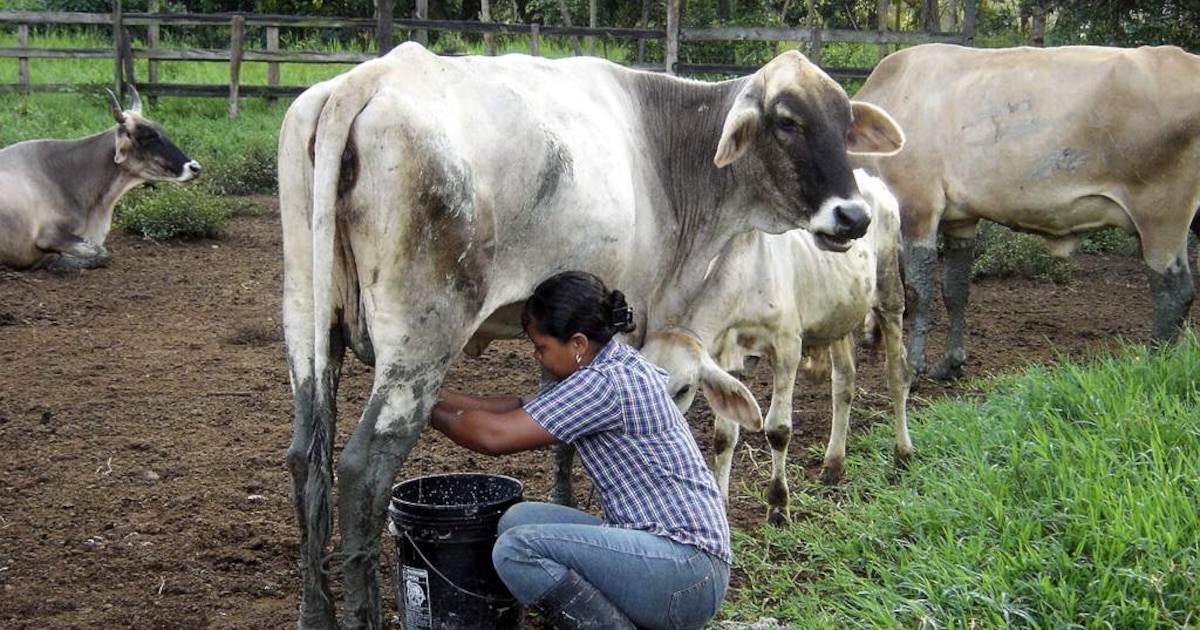
El sacrificio acelerado de vacas reproductoras en Nicaragua enciende una alerta que va más allá de la sequía actual: compromete la producción de carne y leche de los próximos dos años.
Así lo documentó Agrolatam, portal especializado en agronegocios de América Latina, que cruzó cifras del Banco Central de Nicaragua con el testimonio de dirigentes del sector ganadero.
Entre enero y julio de 2026, los frigoríficos orientados a la exportación faenaron 470,100 bovinos, 58,800 más que en igual período de 2025. Los mataderos artesanales que abastecen el mercado interno, en cambio, apenas sumaron 1,200 animales adicionales: 63,300 en total, según el Banco Central de Nicaragua.
La falta de agua y pasturas obliga a adelantar la faena
El fenómeno de El Niño redujo la disponibilidad de agua y pasturas en buena parte del territorio nicaragüense. Ante ese escenario, numerosos establecimientos optaron por adelantar el envío de animales a faena antes de perderlos por desnutrición o sed.
El problema no es solo la cantidad de cabezas sacrificadas. Es, sobre todo, su composición: una parte corresponde a hembras reproductoras, cuya pérdida reduce directamente los nacimientos futuros.
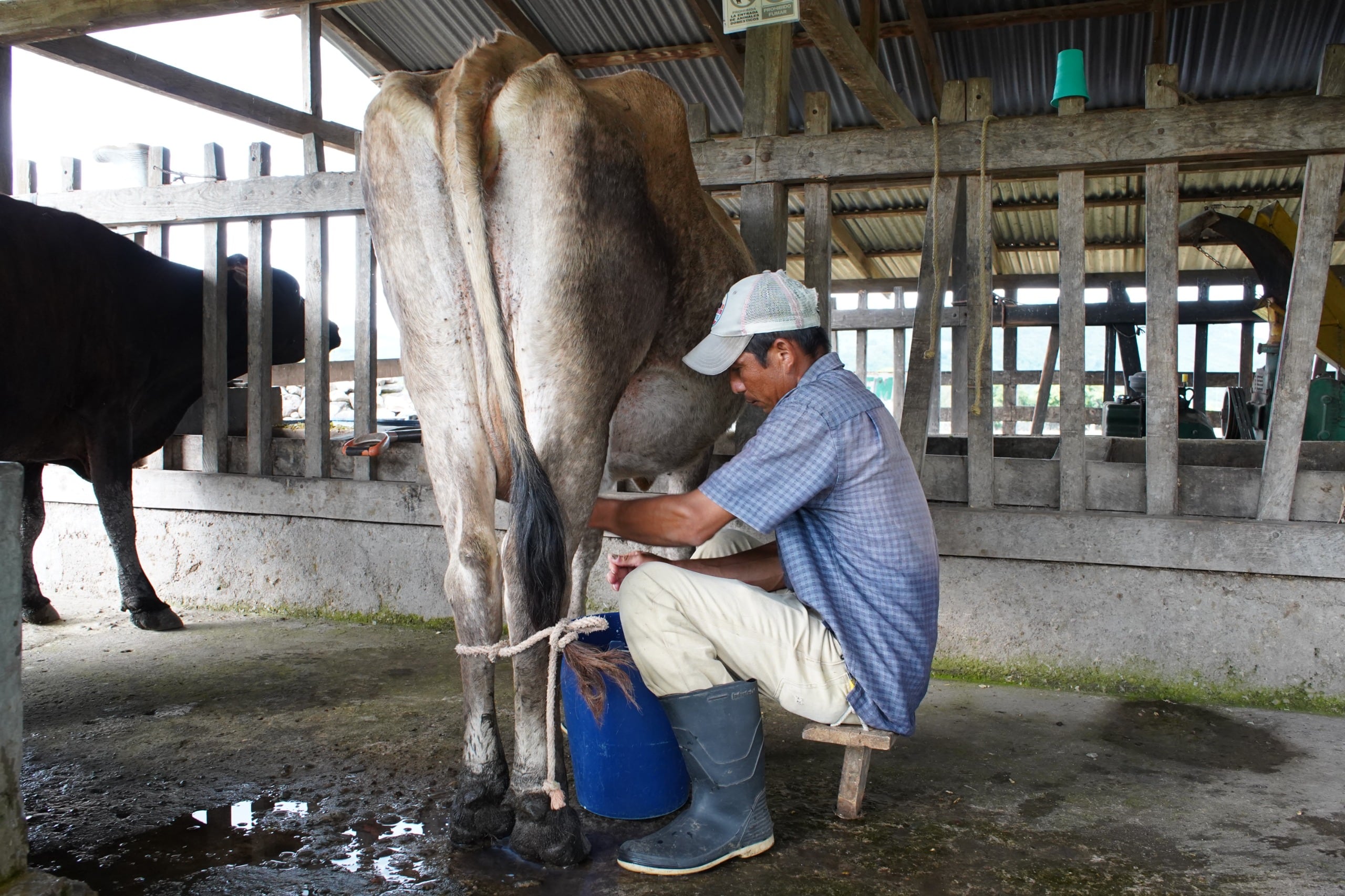
Cuando una vaca reproductora se faena antes de parir, ese ternero nunca nace y esa producción de leche no ocurre. Por eso los especialistas distinguen entre el volumen exportado hoy, que crece, y la capacidad del rodeo para sostener esa producción en los próximos dos años, que se debilita.
El dirigente ganadero Marcos Umanzor lo planteó en una entrevista televisiva reciente recogida por nicaraguainvestiga.com. “La cantidad de ganado que salió o que se faenó en los dos últimos meses, por ejemplo, por el temor de la sequía, son volúmenes muy grandes que en uno o dos años nos van a impactar también en producción de carne y de leche”, afirmó.
Umanzor fue más específico sobre las consecuencias ante el mismo medio: “Se sacrificaron un montón de hembras, esas hembras no van a parir, vamos a tener escasez de terneros y de terneras, esas hembras no van a producir leche, vamos a tener escasez de leche muy probablemente”.
Las exportaciones crecen mientras el rodeo se reduce
La paradoja del sector es que, mientras se enciende la alarma por el futuro, el presente exhibe números favorables. Según el relevamiento de Agrolatam, las exportaciones de carne bovina generaron USD 177.44 millones adicionales entre enero y septiembre de 2026 respecto de igual período de 2025.
Buena parte de ese salto se explica por el precio: la tonelada promedio pasó de USD 6,400 a USD 7,200, un incremento del 12.5%. Las exportaciones de queso, en tanto, se mantuvieron estables, con ingresos levemente superiores a USD 160 millones en los primeros nueve meses del año.
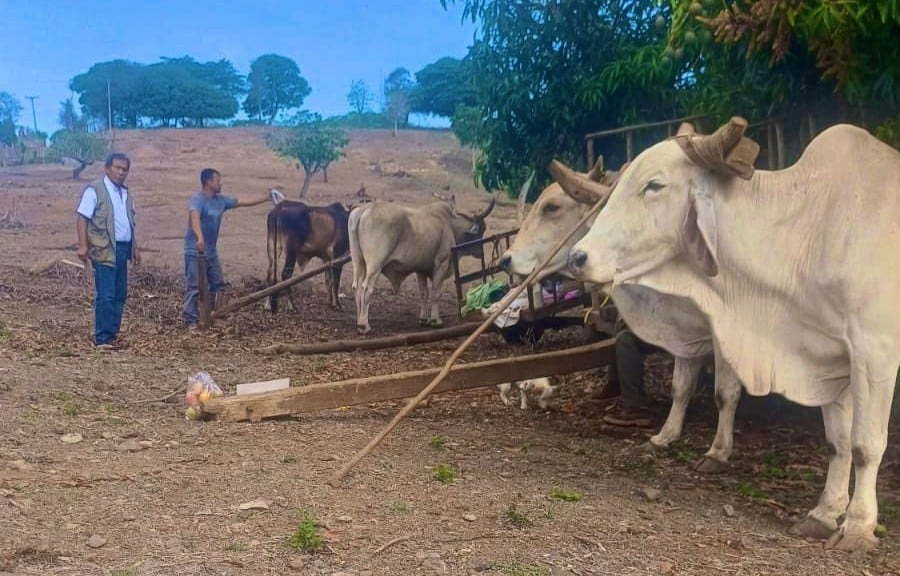
Un reporte posterior de Radio La Primerísima, fechado el 17 de noviembre, confirmó la tendencia con otra métrica: la producción de carne y lácteos nicaragüense registró un incremento interanual del 8.5% hacia el cierre de octubre, con cerca de 138 millones de kilogramos de carne bovina exportados —unos 6.500 contenedores— hacia Centroamérica, República Dominicana, Estados Unidos, China y Panamá, además de 55 millones de kilogramos de queso y quesillo.
La radio recogió también el llamado de especialistas del sector a reforzar cuatro ejes para enfrentar la sequía: genética, manejo, nutrición y sanidad, con medidas como la construcción de silos, la siembra de pasturas resistentes y la cosecha de agua.
La sequía ya alcanza zonas fuera del corredor tradicional
Agrolatam identificó otro dato relevante: la sequía golpea territorios que históricamente no integraban el corredor seco oficial. Chontales, Boaco, Nueva Segovia y Estelí, en la región norcentral, reportan dificultades pese a que ese corredor, delimitado por el Programa Mundial de Alimentos hasta 2024, comprendía 44 municipios.
Radio La Primerísima amplió ese punto al mencionar que la variabilidad climática ya afecta zonas fuera del corredor seco como Chontales, Boaco y Las Segovias, coincidiendo con el diagnóstico de los productores consultados por Agrolatam.
El contexto regional confirma la magnitud del fenómeno. Infobae informó, en un análisis publicado el 6 de noviembre, que la Fundación Sin Límites para el Desarrollo Humano proyecta que el producto interno bruto nicaragüense crecerá 3,6% en 2026, frente al 4,9% del año anterior, en parte por la sequía asociada a El Niño.
El economista Juan Sebastián Chamorro, citado por ese medio, advirtió que “los efectos de El Niño se sentirán con mayor fuerza en el PIB de 2027”.
Pérdidas agrícolas y asistencia a 300,000 niños
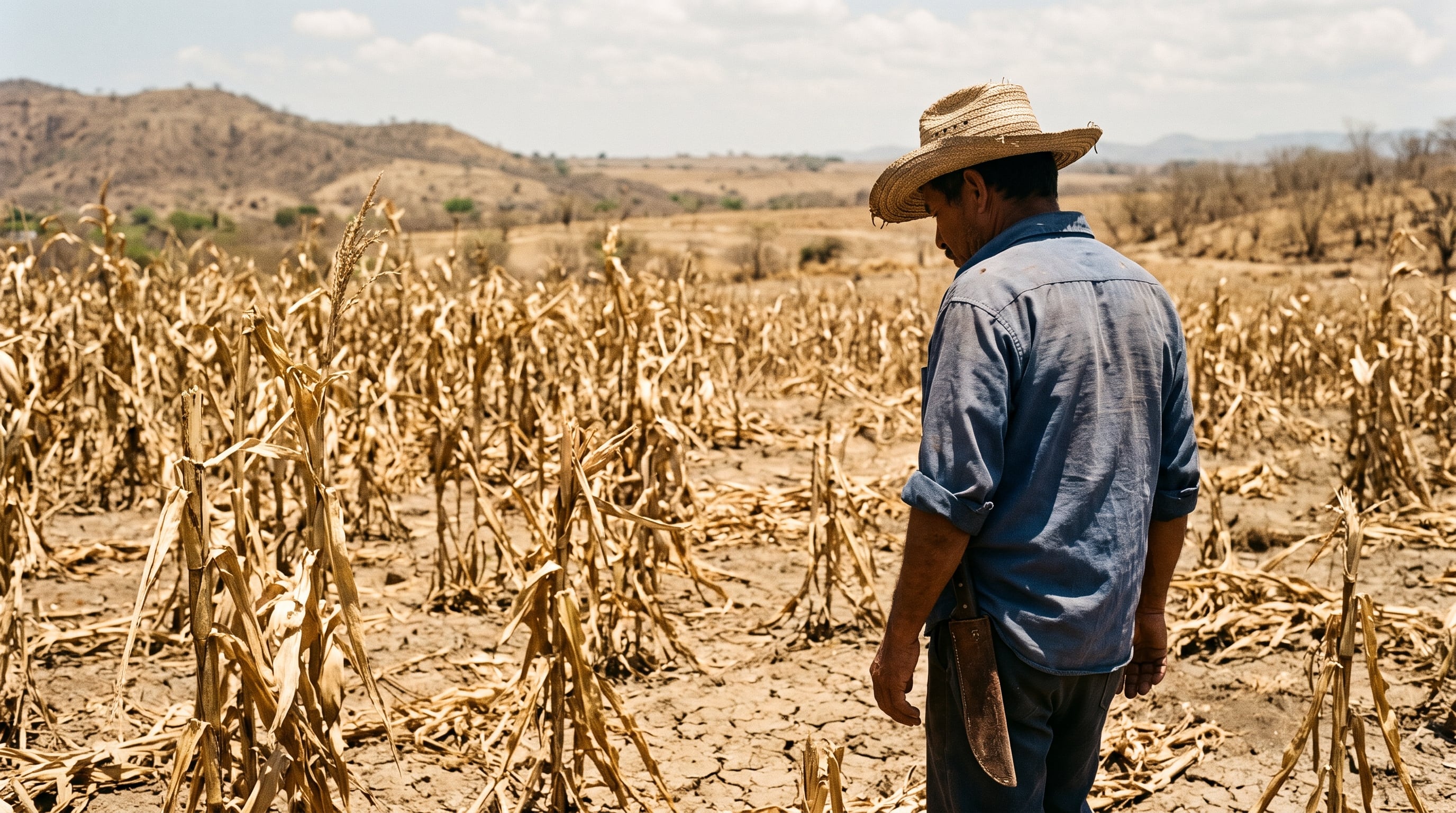
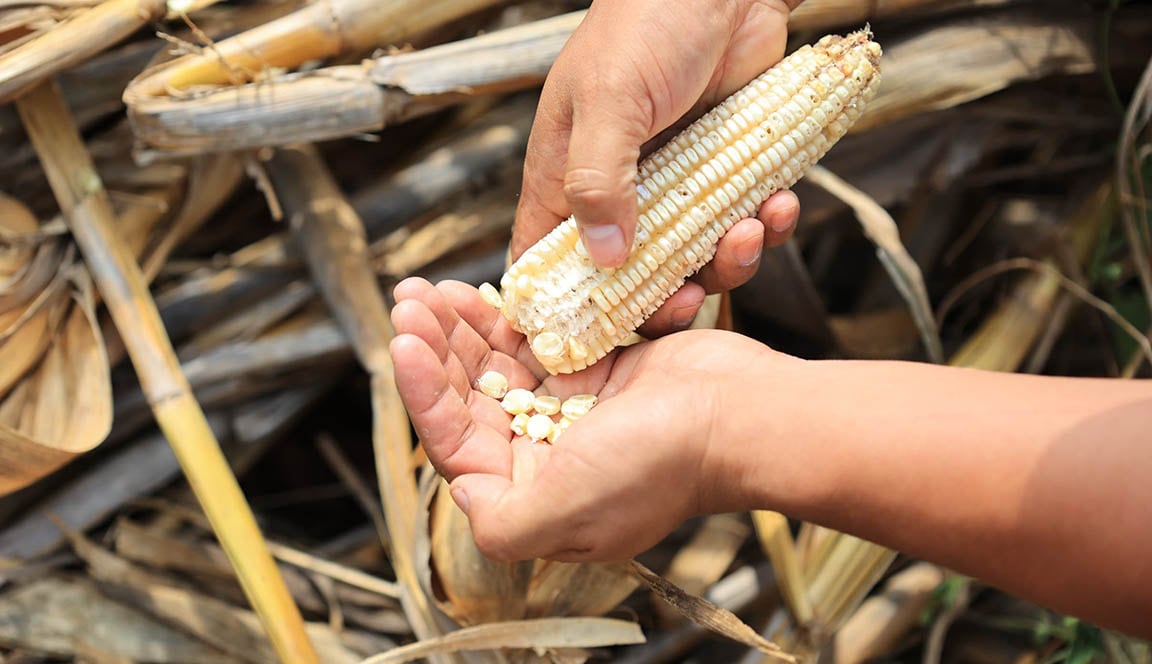
El impacto no se limita a la ganadería. Según el relevamiento de Agrolatam, pequeños productores del corredor seco informan desde junio pérdidas en las cosechas de granos básicos del ciclo de primera, lo que reduce ingresos y disponibilidad de alimentos en las comunidades rurales.
La industria azucarera proyecta pérdidas cercanas a USD 65 millones para la zafra 2026/27 por los daños de la falta de lluvias en las plantaciones de caña. A esto se suma el encarecimiento de insumos: los fertilizantes aumentaron más del 50% desde comienzos de 2026, de acuerdo con información del Programa Mundial de Alimentos citada por Agrolatam.
Frente a ese deterioro, el organismo duplicó las comidas entregadas mediante el programa nacional de alimentación escolar, con el objetivo de alcanzar a 300,000 niños de las zonas más afectadas.
Un reporte de Naciones Unidas del 11 de noviembre amplió el panorama regional: la Organización Meteorológica Mundial advirtió que el fenómeno de El Niño podría ser uno de los más intensos registrados, y el Programa Mundial de Alimentos estima que la inseguridad alimentaria en Centroamérica podría aumentar hasta un 80%. El mismo informe precisó que las medidas de respuesta del organismo ya alcanzan a más de 470,000 personas en la región.
La recuperación del sector ganadero nicaragüense, según coinciden Agrolatam y los dirigentes consultados por los medios locales, dependerá de las próximas lluvias y de la capacidad de los productores para reconstituir el hato reproductor.
Hasta entonces, la brecha entre el buen momento exportador y el futuro del rodeo seguirá siendo la principal preocupación del sector.
El Salvador,sequía,maíz,agricultores










U.S. adversaries have spent years developing ways to disrupt the country’s critical infrastructure in a conflict, and the wave of technology disruptions affecting everything from banks to the National Security Agency has offered a reminder of how detrimental those failures could be even without a cyberattack.
The string of outages has fueled speculation about whether the incidents are connected, though Trump administration officials have ruled out a coordinated cyberattack.
National security experts caution that while the outages do not establish malicious activity, they underscore the stakes of protecting systems that underpin everything from financial transactions to military operations.
TIMELINE: AMERICA HITS A TECH WALL AS OUTAGES CRIPPLE EMAIL, GROUND FLIGHTS AND DISRUPT MAJOR BANKS
«We know that our adversaries use that domain to attack our critical infrastructure,» Tommy Waller, a national security expert with the Center for Security Policy, told Digital.
«Modern warfare, our people and our critical infrastructures are a prime target for all of our adversaries.»
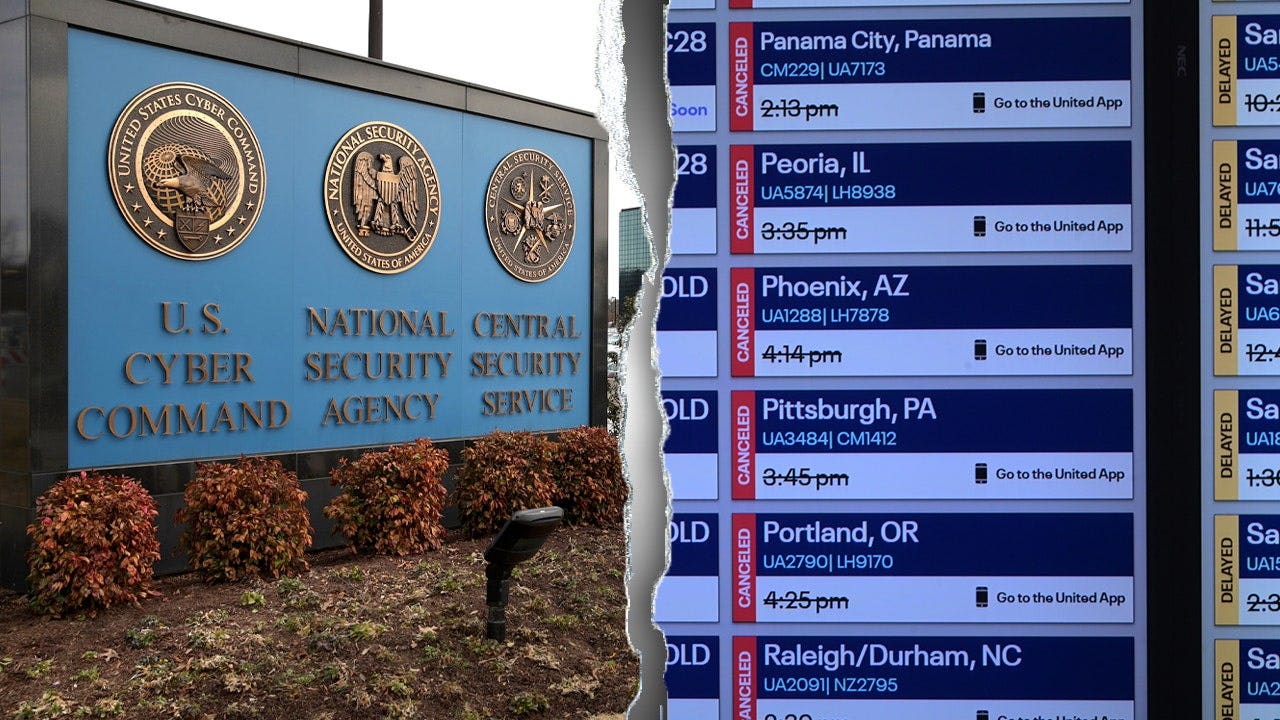
In a span of six days, technical disruptions affected Microsoft 365, commercial air travel, payroll and human resources software, banking transactions and the National Security Administration’s highly classified internal communications network.
Some led to massive impacts on everyday life, including only the second-ever nationwide ground stop on all commercial flights since the September 11, 2001, terrorist attacks.
«This is not a cyberattack, and this is not a coordinated effort by a nation-state,» Director of National Intelligence Jay Clayton said Tuesday on Fox Business’ «The Claman Countdown.»
Department of Homeland Security Secretary Markwayne Mullin similarly insisted the disruptions had «nothing to do with cyberattacks,» suggesting that technical failures could become more common as new technology is introduced.
«I believe we’re going to see more of this as new technology rolls out,» Mullin said Tuesday. A day earlier, he sought to reassure Americans during an appearance on Fox News’ «Hannity,» saying, «Well, breathe. The homeland is secure. Our banking system is secure.»
PRESIDENT TRUMP DOWNPLAYS PANIC OVER TECH OUTAGES: ‘NOBODY’S GOING TO PLAY GAMES WITH US’
But the disruption at the NSA, one of the nation’s most sophisticated intelligence agencies, has drawn particular scrutiny.
The agency’s highly classified internal communications network, known as NSA Net, went down Tuesday, disrupting employees’ ability to communicate classified information internally. Employee attendance at the agency’s Fort Meade, Maryland, campus was «staggered» throughout the week to ease systems’ use, and the network did not resume operations until Friday.
«This latest thing at the NSA is more problematic because their systems are generally not tied to anybody else, particularly their classified ones,» national security and cybersecurity expert Steve Bucci told Digital.
«And, so, that being coincidentally, you know, in this sequence makes it a little harder to just write off.»
A U.S. official attributed the disruption to routine maintenance, saying the NSA experienced temporary interruptions to some internal systems but that its critical operations and national security capabilities remained fully functional.
Waller said the NSA outage could have been «self-induced» by efforts to patch vulnerabilities but questioned whether the broader string of disruptions was coincidental.
«The widespread and persistent nature of it and the types of infrastructures that are being targeted — appear to be targeted — that, to me, says that it’s more than just a coincidence,» he said.
Daniel Hoffman, a former CIA station chief and contributor, warned the institutions experiencing outages are already prime targets for foreign adversaries and cybercriminals.
«Every single one of these entities is a target, and so are you and I,» Hoffman told Digital. «Every single day, 24 hours a day, China, Russia, North Korea, Iran, criminals, hackers are trying to target the banks. They’re trying to target Microsoft, obviously.»
Digital has reached out to the White House for comment.
The threat has already reached American infrastructure. In July, hackers targeted more than 30 municipal water systems in Minnesota, part of a broader wave of cyber intrusions across multiple states that forced some utilities to switch to manual operations and disrupted water service. Federal investigators examined possible Iranian involvement, though the attacks were not definitively attributed.
The Pentagon is also preparing for the possibility of widespread infrastructure failures during a major conflict. Under its FORTRESS initiative, military bases across the continental United States are being directed to prepare to sustain essential operations for at least 90 days without outside support, according to documents previously reviewed by Digital.
«We don’t want to rely on standard civilian municipal infrastructure to run our national defense. We just simply can’t. It’s an intolerable risk,» Pentagon chief spokesperson Sean Parnell previously told Digital.
Waller pointed to longstanding Chinese military writings that contemplate attacks on civilian communications and infrastructure during a conflict, arguing that the United States must consider the broader threat even when individual outages appear unrelated.
«Again, I am not saying that China did this. But if China wanted to, this is in their doctrine, right?» Waller said.
GROCERY STORE CYBERATTACKS ARE ‘PSYCHOLOGICAL WARFARE’ THAT COULD STRIKE US, FORMER FBI AGENT WARNS
In 2024, U.S. intelligence and law enforcement agencies warned that Chinese state-sponsored hackers known as Volt Typhoon had infiltrated American communications, energy, transportation and water systems, positioning themselves to potentially disrupt critical services during a conflict with the United States.
New research published last month found that the group had continued targeting government, defense and critical infrastructure networks through a separate hacking operation, even after U.S. authorities moved to dismantle parts of its infrastructure.
Bucci, however, noted that an adversary seeking to compromise American infrastructure might have little incentive to cause widespread, visible failures that could expose its activities.
«They might want to go in and do things to implant stuff for later use,» Bucci said when asked whether foreign adversaries could be testing vulnerabilities in critical U.S. infrastructure.
«But you usually don’t do a weight test where you make stuff fail or get glitchy because that can then warn the target,» he added.
The disruptions have also prompted calls for greater transparency from federal officials and private companies responsible for critical systems.
«For our economy to function, people need to have some confidence in banks, among other things,» Hoffman said. «So, kind of need to tell us what’s going on.»
Waller also urged greater transparency about infrastructure vulnerabilities and the steps being taken to address them.
«Number one, just tell the truth and be transparent,» Waller said.
national security, homeland security, cybercrime, politics, technology, tech, geopolitics
INTERNACIONAL
La exvicepresidenta Roxana Baldetti vuelve a su domicilio tras recibir atención en el Hospital San Juan de Dios
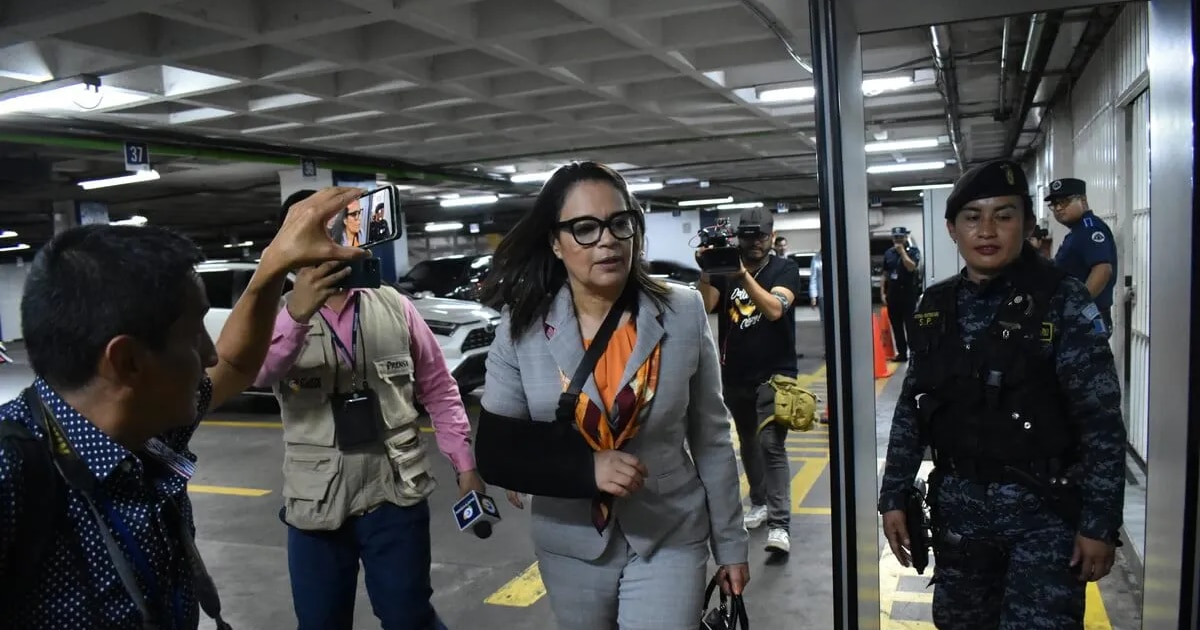
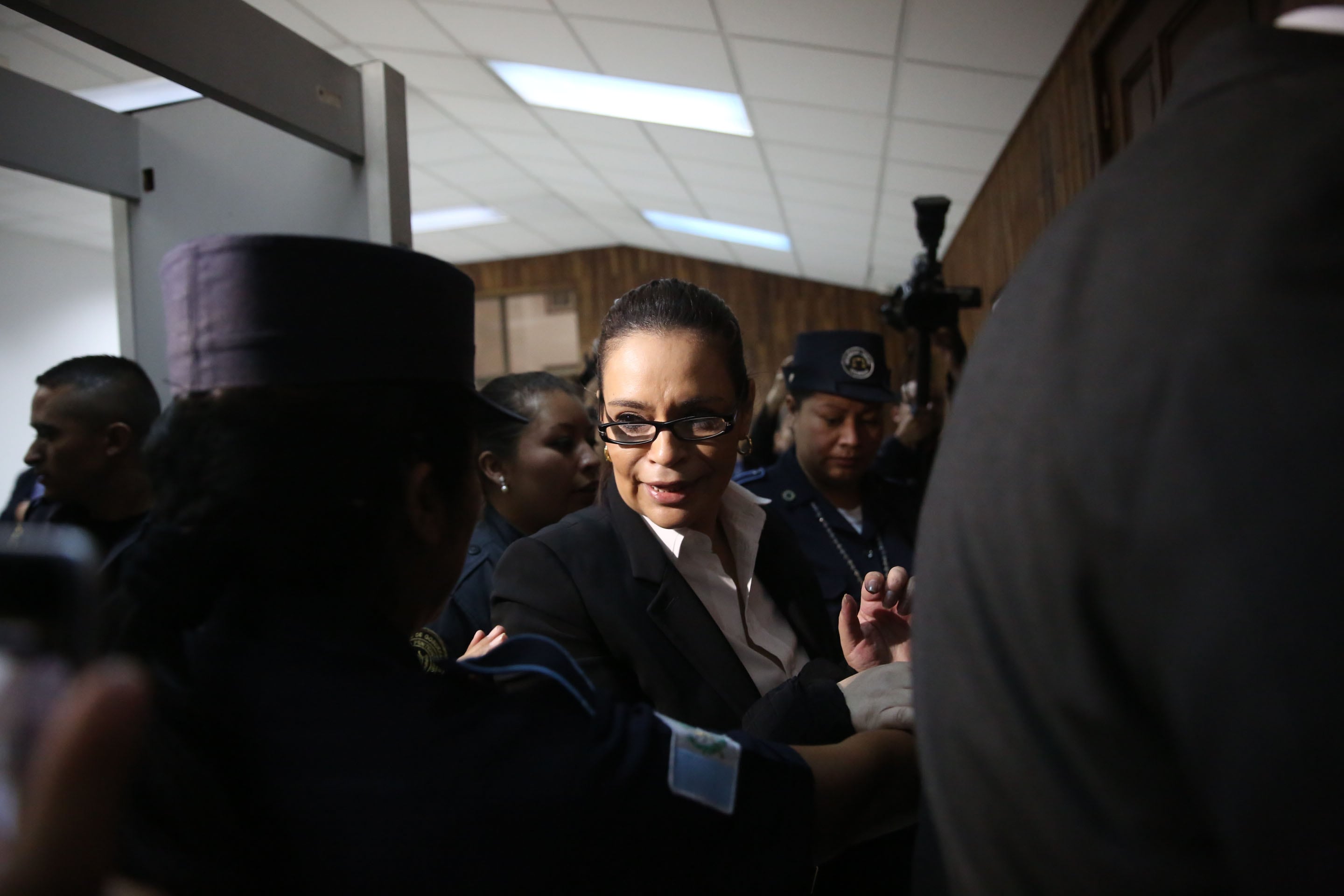
La exvicepresidenta guatemalteca Roxana Baldetti egresó el jueves por la noche del Hospital General San Juan de Dios tras recibir atención médica y volvió a su domicilio bajo custodia del Sistema Penitenciario, por orden de la jueza Abelina Cruz Toscano. Su salida ocurrió horas después de que se revirtiera una disposición para trasladarla a la cárcel preventiva para mujeres Santa Teresa.
El Departamento de Comunicación Social del Hospital General San Juan de Dios confirmó que la exfuncionaria recibió la atención correspondiente durante su permanencia en el centro asistencial. El Sistema Penitenciario retomó su custodia al concluir la atención y coordinó el retorno a la vivienda.
La jueza Cruz Toscano, integrante del Juzgado de Mayor Riesgo B, resolvió que Baldetti volviera a su residencia después de la evaluación médica. La magistrada cubre temporalmente al juez titular, Eduardo Orozco, quien permanece de vacaciones hasta el 26 de noviembre, según fuentes judiciales.
El traslado al hospital en lugar del ingreso a Santa Teresa
La jornada se había iniciado con la expectativa de ejecutar la orden de Orozco para que Baldetti ingresara a Santa Teresa, ubicada en la zona 18. La jueza sustituta dejó sin efecto esa disposición y ordenó su traslado al Hospital General San Juan de Dios.
La exvicepresidenta llegó cerca del mediodía en una unidad de los Bomberos Voluntarios, bajo vigilancia del Sistema Penitenciario. Las autoridades hospitalarias indicaron que el ingreso se realizó conforme a los protocolos para personas privadas de libertad.
El hospital evitó divulgar detalles sobre el estado clínico de Baldetti por razones de confidencialidad. También señaló que corresponde al Sistema Penitenciario informar sobre la condición médica de las personas bajo su custodia, de acuerdo con los procedimientos establecidos.
La orden de retorno a prisión se originó dos semanas antes, cuando el Juzgado de Mayor Riesgo B revocó el permiso que le permitía cumplir un tratamiento médico fuera del centro de detención. La resolución de Orozco, emitida el 4 de noviembre, consideró vencido el plazo de 60 días que se le había concedido para su recuperación fuera de prisión.
Durante aquella audiencia, el Ministerio Público sostuvo que Baldetti no había asistido a las citas médicas que tenía programadas en el Hospital General San Juan de Dios. La Fiscalía añadió que existían reportes sobre una mejoría de su salud y pidió que compareciera presencialmente a las audiencias, en vez de participar por videoconferencia.
La falta de ambulancia y la situación procesal pendiente
El traslado a Santa Teresa no se concretó el 4 de noviembre porque el Sistema Penitenciario no contaba con una ambulancia para movilizar a Baldetti desde su vivienda hasta la prisión. La residencia se encuentra en el kilómetro 10,5 de la carretera a El Salvador.
Los Bomberos Voluntarios recibieron dos solicitudes vinculadas con el caso. Una correspondía al traslado de la exvicepresidenta al hospital, inicialmente previsto para el 24 de noviembre, y la otra requería apoyo para llevarla al centro de detención, aunque no establecía fecha ni hora.
El abogado Melkin Escobar, defensor de Baldetti, había solicitado postergar el ingreso a prisión. Argumentó que su clienta padecía una afección grave que le impedía movilizarse, aunque no brindó detalles sobre el diagnóstico.
Baldetti afirmó durante la audiencia que llevaba 11 años en prisión preventiva y que sufría una enfermedad sin cura, con un deterioro físico progresivo. También cuestionó las condiciones de los vehículos del Sistema Penitenciario para realizar su traslado.
La exfuncionaria enfrenta varios procesos por presuntos actos de corrupción cometidos durante el gobierno de Otto Pérez Molina, entre 2012 y 2015. Tiene medidas sustitutivas en los casos La Línea, Agua Mágica y Plazas RIC.
Sin embargo, Baldetti continúa en prisión preventiva por los expedientes Cooptación del Estado y extradición, causas en las que no puede solicitar una medida sustitutiva. Tras su egreso hospitalario, no se había definido una nueva fecha para su traslado a Santa Teresa ni una resolución sobre su permanencia en el domicilio mientras se determina su situación procesal.
Guatemala,Miguel Ángel Gálvez,Roxana Baldetti,Corrupción
INTERNACIONAL
Senate foreign relations chairman warns of ‘horrific trend’ as Christians killed in Ethiopia
NEWYou can now listen to Fox News articles!
The Republican chairman of the Senate Foreign Relations Committee has warned of an ongoing ‘horrific trend’ of Christians being killed in Africa.
Earlier this month, at least 34 people, the majority said to be Ethiopian Orthodox Christians, were killed in a village in the Arsi Zone, about 250 miles southeast of Ethiopia’s capital, Addis Ababa.
«The attacks on Christians in Ethiopia are a horrific trend,» Sen. Jim Risch, R-Idaho, told Fox News Digital in a statement, adding, «The instability and violence in Ethiopia has grave consequences for Ethiopian civilians, the region and American interests.»
NIGERIAN PASTOR HIGHLIGHTED BY TRUMP SAYS HE’S NEXT AFTER MILITIA KILLS HIS RELATIVES
Chairman of the Senate Foreign Relations Committee Sen. Jim Risch, R-Idaho, speaks during a Senate Foreign Relations Committee hearing in Washington, D.C. (Al Drago-Pool/Getty Images)
Open Doors UK & Ireland told Fox News Digital there has been a string of killings in the area, with some 60 Orthodox Christians killed just two weeks before this attack in November. Open Doors is an international organization supporting persecuted Christians.
A State Department spokesperson told Fox News Digital they are aware of «reports of killing in Arsi Zone,» adding: «Reports of civilian killings in Ethiopia demand action. We call for independent investigations and accountability.»
The Addis Standard online news outlet reported gunmen approached St. Mary’s Church in Endeto, Robe District, and at the main entrance shouted «Surrender» before opening fire. Worshipers here are from the Ethiopian Orthodox Tewahedo Church. Local security guards, who are said to have fired back to protect community members, are believed to be among the dead.
One resident told the Addis Standard, «If you asked me right now, I have no hope of staying here because I would choose to flee for long-term survival.»
The identity of the attackers has not yet been confirmed. An attack last month has been attributed locally to the Oromo Liberation Army, designated in Ethiopia as a terrorist organization.
The State Department, quoting the Ethiopian government’s 2007 census, the most recent available, stated the country’s population is 63% Christian. One local source reports though that three of those who died in this latest attack were Muslim.
SUPER BOWL CHAMP BEN WATSON SPEAKS OUT ON CHRISTIAN NIGERIAN PERSECUTION, DOUBLE-STANDARDS AND TRUMP’S IMPACT

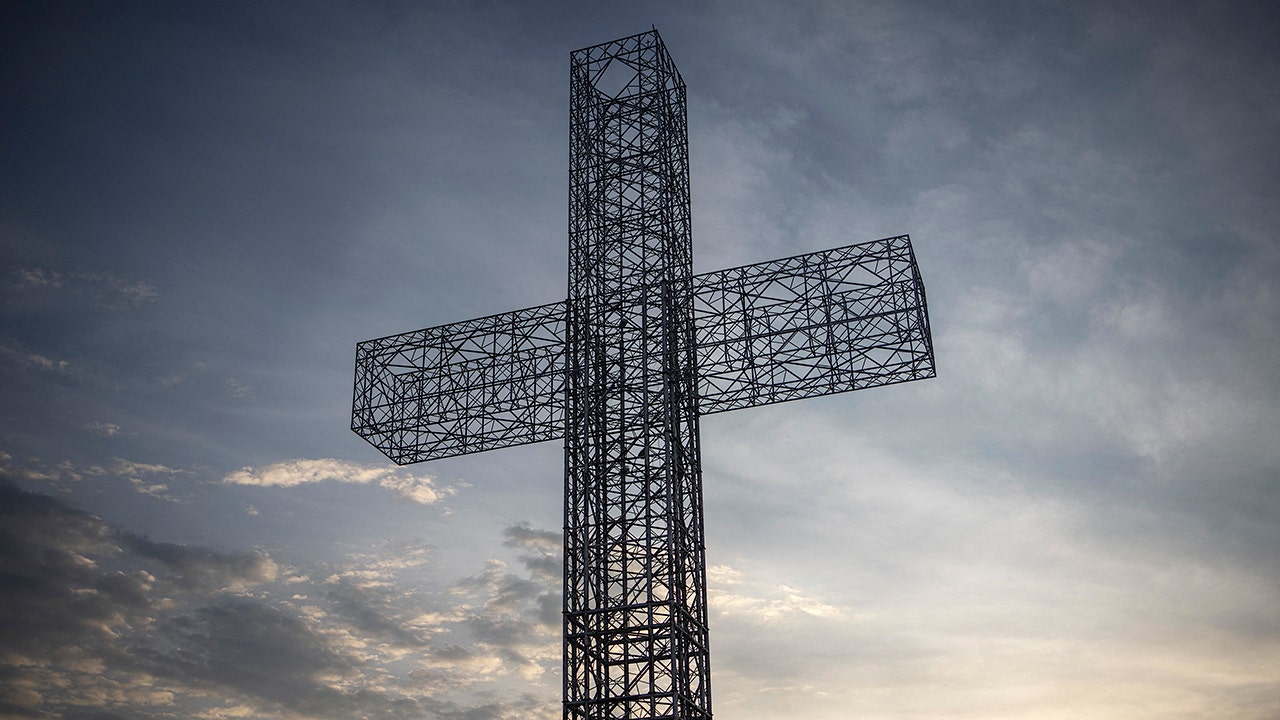
A general view of a 52-meter-high giant steel cross overlooking the city of Mekele, Tigray region, on Oct. 10, 2024. (MIichele Spatari /AFP via Getty Images)
Ethiopia is ranked 36 on Open Doors’ World Watch List of countries where Christians are most persecuted. The organization stated «Open Doors condemns the violence against Orthodox Christians and calls on the Government of Ethiopia to take proactive measures to protect vulnerable civilians from attacks by armed groups operating in the area. Reports from the field point to horrific brutality against Orthodox Christians in parts of the Arsi zone of Oromia.»
The statement continued, «We urge the federal government to protect vulnerable communities, including Orthodox Christians, particularly in areas where armed groups are active. We also call on the government to hold perpetrators accountable and help all those affected rebuild their lives.»
ANOTHER CHRISTIAN COMMUNITY AT RISK IN AFRICA AS EXTREMISTS AND WAR TAKE THEIR TOLL

File photo shows a priest on his way to the St. Mary Church of Zion in Aksum on January 25, 2011, in Aksum, Ethiopia. (Matjaz Krivic/Getty Images)
Open Doors states the recent attacks in the area started in 2025, when 25 people were killed.
The attacks have ramped up this year:
In February, attackers stormed a church and a market in East Arsi, killing more than 20 Orthodox Christians and one Muslim guard.
In March, 21 people were reportedly killed in East Arsi Zone.
In May, the 101-year-old Teleta Holy Gabriel Church was destroyed and 50 killed in multiple attacks.
In October, 14 people were killed in Gora Singo and in the Arsi Zone, 46 were killed in multiple attacks. This led to the U.S. Ambassador to Ethiopia Ervin J. Masinga posting, «Such horrific attacks against any group must stop.»
In November, at least 34 were killed in Endeto.
Senate Foreign Affairs Chairman Risch added, «It is imperative that Ethiopia find a way to manage its domestic affairs in a way that addresses longstanding grievances and promotes sustained peace.»
With fighting continuing in several parts of the country, especially in the border area around Eritrea, the State Department spokesperson told Fox News Digital, «Fighting in several regions of Ethiopia is a concern. We urge all parties to protect civilians and resolve disputes through dialogue.»
Fox News Digital reached out to the Ethiopian government, but received no response.
africa, persecutions, christianity religion, state department, senate

Corrientes: murió una niña de 11 años tras ser embestida por un camión cuando circulaba en bicicleta

La Fórmula 1 anunció un acuerdo histórico para el cambio de motores en 2030: “Reconectar con el ADN”

El Senado convocó al plenario de comisiones para debatir la ley de ludopatía el próximo miércoles

El dolor del hijo de Marcos Camino al hablar de su padre: “A mi papá le hacía mal leer tanto odio”

Rafecas reasumió el caso AFA y se lo quedaría varios meses, pese a que su ascenso avanza en el Senado

El sacrificio de vacas reproductoras amenaza la producción nicaragüense de carne y leche en los próximos dos años

Javier Milei y sus medidas, en vivo: “Hoy discutimos si crecemos un punto más o menos”, dijo el Presidente

Milei dijo que el riesgo país sube por el miedo a "Orcolandia" y afirmó: "Los argentinos no van a votar hacia el pasado"

Caída de sistemas, fallas y sospechas: qué hay detrás de la suspensión del tráfico aéreo y los problemas en los bancos de EE.UU.

De la Patagonia a San Pablo: empieza a tomar forma el proyecto de exportar gas de Vaca Muerta a Brasil

 POLITICA2 días ago
Javier Milei y sus medidas, en vivo: “Hoy discutimos si crecemos un punto más o menos”, dijo el Presidente
- POLITICA3 días ago
El Gobierno rechazó las actividades de la princesa Ana, hermana del rey Carlos III, en las Islas Malvinas
- SOCIEDAD3 días ago
Muchos creían que Activision solo tenía ojos para Call of Duty. XBOX ha revelado por qué Crash, Spyro y Tony Hawk lograron regresar