INTERNACIONAL
El Salvador defiende su ventaja ante San Martín con la Copa Oro 2027 en juego y el futuro del “Bolillo” en el horizonte


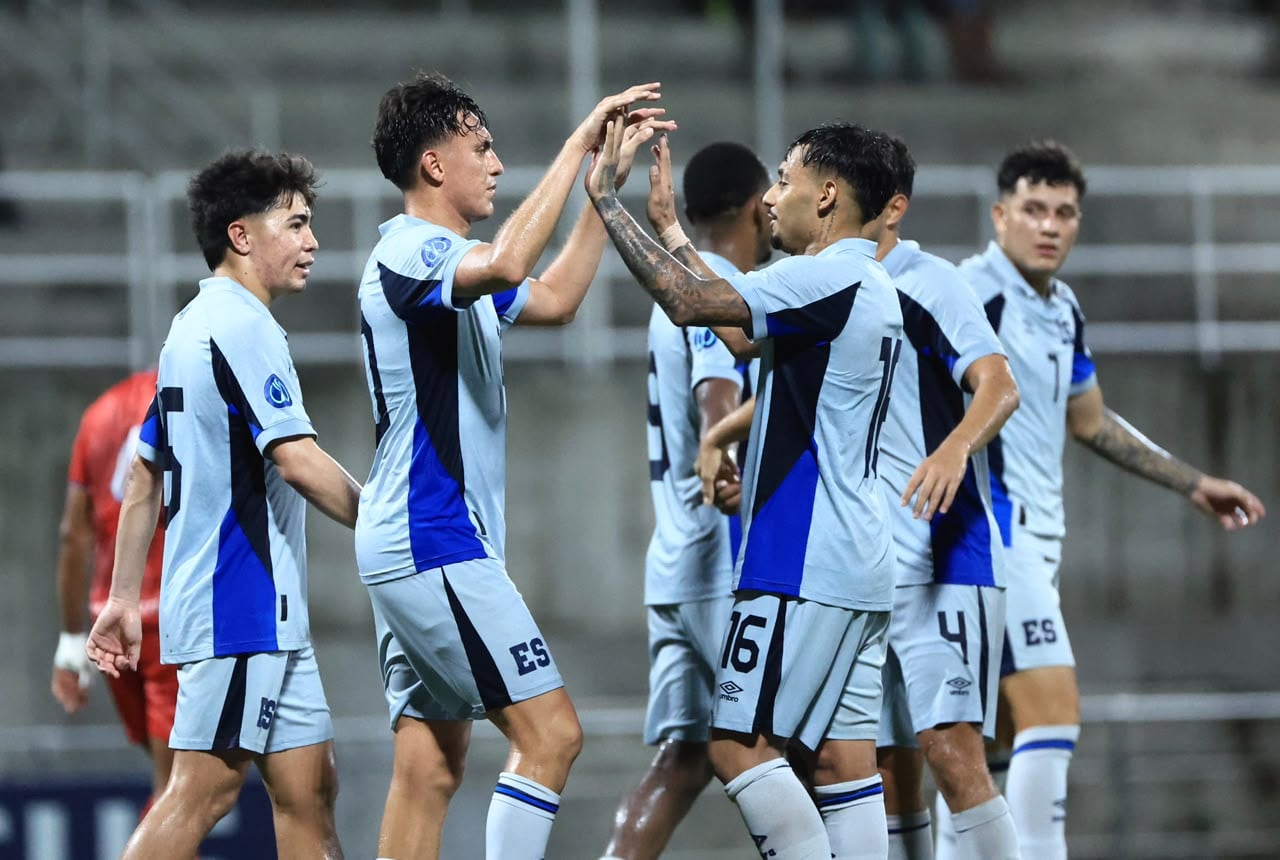
La selección de El Salvador recibirá este martes 17 de noviembre a San Martín en el partido de vuelta del repechaje de la Liga de Naciones de la Concacaf, con una ventaja de 2-0 obtenida en el primer encuentro de la serie. La Azul y Blanco está a un paso de avanzar a las preliminares de la Copa Oro 2027, instancia que entregará siete plazas para el torneo regional.
El equipo salvadoreño, dirigido por el técnico colombiano Hernán “Bolillo” Gómez, se impuso el viernes en San Cristóbal y Nieves con los goles de Brayan Gil y Mauricio Cerritos. El resultado le permitió tomar distancia en la eliminatoria, aunque el desarrollo del partido dejó dudas en el juego colectivo.
Durante buena parte del encuentro de ida, San Martín tuvo mayor control del balón y consiguió acercarse con más frecuencia al arco defendido por Mario González. El conjunto caribeño presionó la salida salvadoreña, ocupó terreno en campo contrario y obligó a la defensa de la Azul y Blanco a concentrarse en tareas de contención.
El Salvador tuvo dificultades para sostener la posesión y construir ataques. La selección centroamericana pasó varios minutos sin superar con regularidad la mitad de la cancha, mientras su rival mostró mayor iniciativa para manejar el trámite. San Martín controló el juego durante buena parte del primer tiempo, aunque no logró transformar ese dominio en goles.
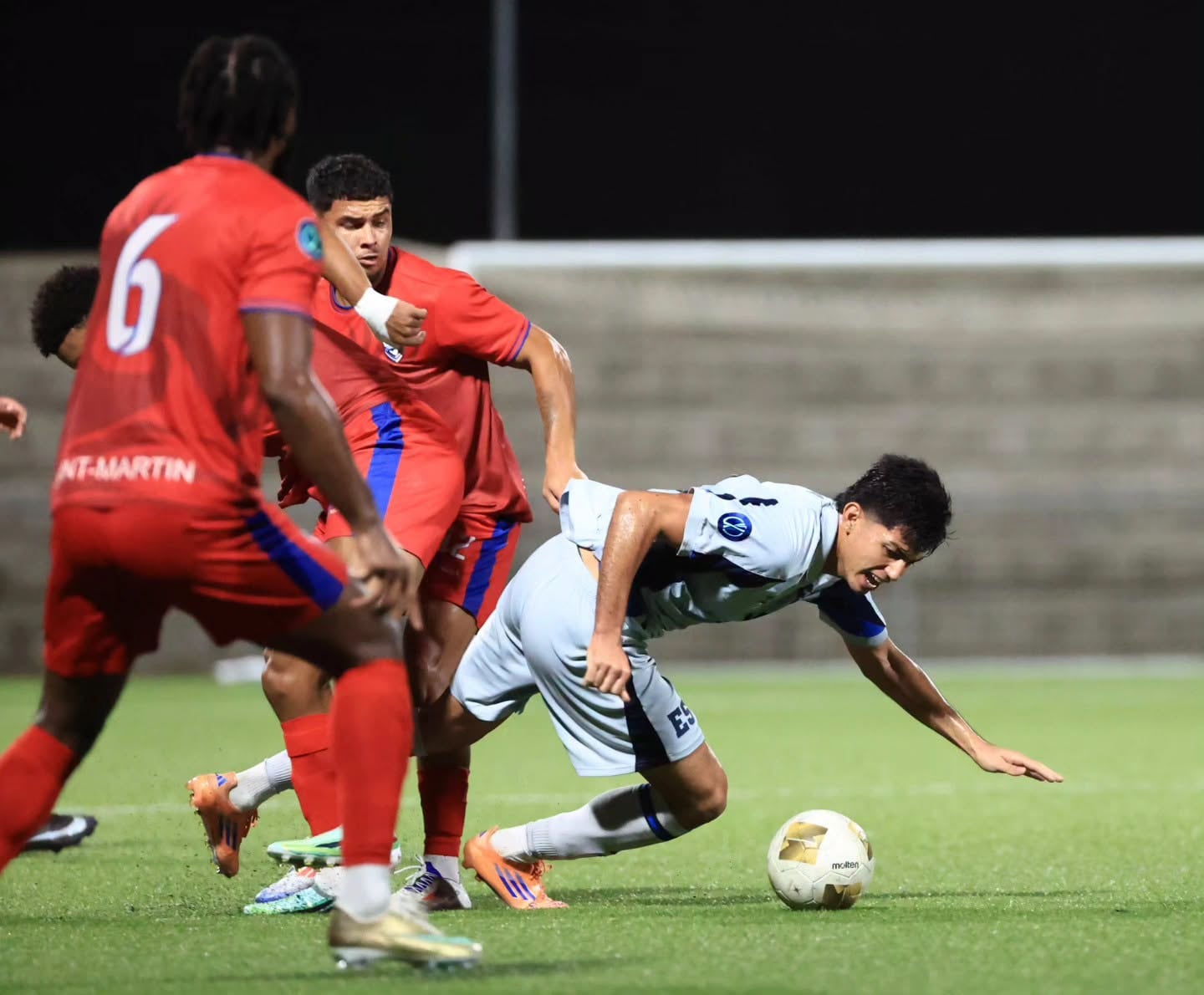
La apertura del marcador a los 34 minutos
La apertura del marcador llegó a los 34 minutos. Christian Martínez recuperó un balón cerca de la zona central y encontró a Brayan Gil, quien definió con un remate que superó al arquero Sébastien Raphose. El delantero puso el 1-0 y le dio a El Salvador una ventaja que no se correspondía por completo con el desarrollo del partido.
San Martín mantuvo su postura ofensiva después del gol y continuó buscando espacios en el área salvadoreña. La situación se complicó para los caribeños al inicio del segundo tiempo, cuando Mattéo Makhabe recibió la tarjeta roja a los 47 minutos. Pese a quedarse con 10 jugadores, el equipo dirigido por Jean-Claude Darcheville no renunció a la presión y siguió intentando generar acciones de peligro.
La selección salvadoreña resistió los avances de su rival y sostuvo la diferencia mínima durante gran parte de la segunda etapa. San Martín tuvo aproximaciones, pero no consiguió vencer a González. La falta de contundencia impidió que el conjunto caribeño acortara la distancia antes del tramo final.
El segundo tanto llegó a los 83 minutos. Jairo Henríquez cedió el balón para Mauricio Cerritos, quien aprovechó la jugada cerca del arco y convirtió el 2-0 definitivo. El atacante de L.A. Firpo amplió la ventaja y dejó a El Salvador con margen para afrontar el encuentro de vuelta en su territorio.
Los salvadoreños regresaron este lunes a su país y afinarán los últimos detalles para el compromiso del martes en el Estadio Nacional Jorge “Mágico” González, en San Salvador. El resultado de la ida entrega tranquilidad en el marcador, pero el rendimiento mostrado en San Cristóbal y Nieves aumentó las críticas sobre el equipo.
La Azul y Blanco fue cuestionada por presentar un juego sin ideas para superar la presión de San Martín.
El proceso de Hernán Gómez, en cuestión
La situación también está relacionada con el proceso del “Bolillo” Gómez. El técnico colombiano llegó a este repechaje después de una campaña negativa en la Liga A de la Liga de Naciones de la Concacaf. El Salvador terminó en el último lugar del Grupo B y descendió a la Liga B, resultado que puso en duda la continuidad del entrenador.
En su momento, Gómez comunicó que dejaría el cargo, pero después revirtió esa decisión y optó por permanecer al frente del combinado salvadoreño. El desenlace de esta serie puede influir en el futuro inmediato del proyecto, aunque la clasificación dependerá primero de que El Salvador mantenga la ventaja obtenida en el partido de ida.
El ganador del repechaje avanzará a las preliminares de la Copa Oro 2027, previstas para marzo de ese año. En esa instancia participarán 14 selecciones que competirán por siete lugares en el torneo. Para alcanzar esa fase, El Salvador necesita conservar la diferencia de dos goles, mientras San Martín deberá ganar por al menos dos tantos para igualar la serie y buscar la clasificación.

Ficha técnica del partido
Competición: Repechaje de la Liga de Naciones de la Concacaf para las preliminares de la Copa Oro 2027
Partido: El Salvador vs. San Martín
Fecha y hora: martes 17 de noviembre de 2026, 7:00 PM
Estadio: Jorge “Mágico” González, San Salvador
Entrenador de El Salvador: Hernán Gómez
Entrenador de San Martín: Jean-Claude Darcheville
Posibles alineaciones

El Salvador: Mario González; Jorge Cruz, Julio Sibrian, Diego Flores, Jefferson Valladares; Mauricio Cerritos, José Portillo; Joshua Pérez, Harold Osorio, Jorge Méndez; Brayan Gil.
San Martín: Sébastien Raphose; Stephan Varsovie, Fabien Fonrose, Belony Dumas, Maximiliano Ezequiel Denis; Jordan Alexandre, David Chevalier, Mattéo Makhabe; Stanley Segarel, Clarence Loriot, Rahim Denis.
El Salvador,San Martín,Copa Oro 2027








INTERNACIONAL
Pope Leo XIV hit in the face by flying rosary during farewell Mass in Peru, video shows
NEWYou can now listen to Fox News articles!
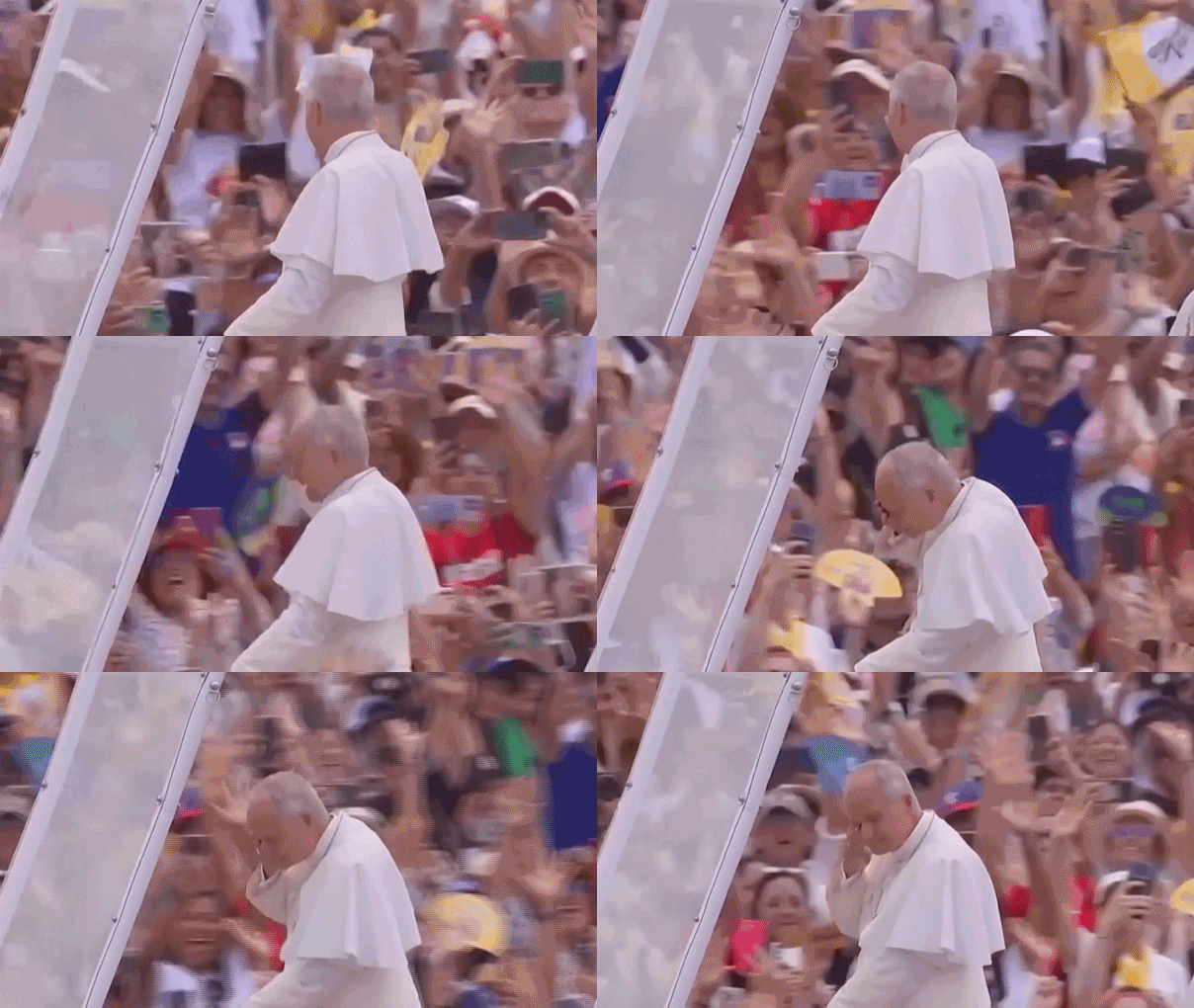
Pope Leo XIV appeared to be struck near the eye by a rosary Monday as he reached out to catch prayer beads tossed toward his popemobile ahead of a massive farewell Mass in Lima, Peru.
Video shows the 71-year-old pontiff wincing, clutching his face and rubbing his eye after the beads appeared to hit him as his vehicle slowed near the altar at Las Palmas Air Base.
Leo showed no obvious signs of injury and continued with the Mass, marking the end of his six-day visit to Peru and a grueling 12-day tour of South America, Reuters reported.
An estimated 1.5 million people attended the farewell Mass, where the pope thanked Peruvians for their hospitality and reaffirmed his deep connection to the country, which he considers his second homeland.
POPE LEO DRAWS STAGGERING 800,000 FAITHFUL TO HEART OF PARIS FOR MASSIVE OUTDOOR MASS
Leo showed no obvious signs of injury and continued with the Mass, marking the end of his six-day visit to Peru and a 12-day tour of South America. (REUTERS/Pilar Olivares)
«I wish to confirm you in faith and charity and assure you that I will always carry you with me. Yes, the Peruvian people are my people, too,» he told the crowd.
The incident came as the pontiff traveled through crowds of faithful Catholics in his popemobile, a specially designed vehicle equipped with security features to protect the leader of the Roman Catholic Church.
Leo has previously been seen catching dolls, flags and other gifts tossed by worshipers as he travels in his popemobile.
During an appearance in St. Peter’s Square, he even accepted pizza offered by fellow Chicagoans, according to Reuters.
At another event in Rome, the pope accidentally struck a Vatican cameraman riding behind him while reaching for a flying gift, prompting him to apologize to the operator.
HOW A CHICAGO BANK TELLER ONCE HUNG UP ON POPE LEO, WHO REPORTEDLY CALLED FROM THE VATICAN TO ADJUST NUMBER

Pope Leo XIV appeared to be struck near the eye by a rosary Monday as he reached out to catch prayer beads tossed toward his popemobile ahead of a farewell Mass in Lima, Peru. (REUTERS/Pilar Olivares)
Born Robert Prevost in Chicago in 1955, Leo became the first American pope in May 2025, when 133 cardinals gathered in the Sistine Chapel and elected him to lead the world’s 1.4 billion Catholics.
Stepping onto the balcony of St. Peter’s Basilica before thousands of cheering faithful, he had greeted the crowd with the words, «Peace be with you.»
He also paid tribute to Peru at the time, since he spent decades serving as a missionary and bishop there before becoming pontiff.
POPE LEO XIV SEEN FOR FIRST TIME SINCE LUNG CANCER SURGERY AMID MAJOR RECOVERY MILESTONE

His tour began in Uruguay and went through Argentina before ending in Peru. (AP Photo/Andrew Medichini)
Switching to speaking in Spanish at the event on Monday, Leo told the crowd, «I would particularly like to say hello to my compatriots from Peru. It was a great pleasure for me to work in Peru.»
Pope Leo’s South American tour began in Uruguay and carried on through Argentina before ending in Peru.
The trip included 12 flights, two helicopter rides and nine Masses, as well as 36 speeches.
The trip came weeks after Leo underwent surgery to remove a lobe of his right lung.
pope leo xiv, south america, religion
INTERNACIONAL
Clarence Thomas calls foul on California ruling he says could turn citizens into government mouthpieces
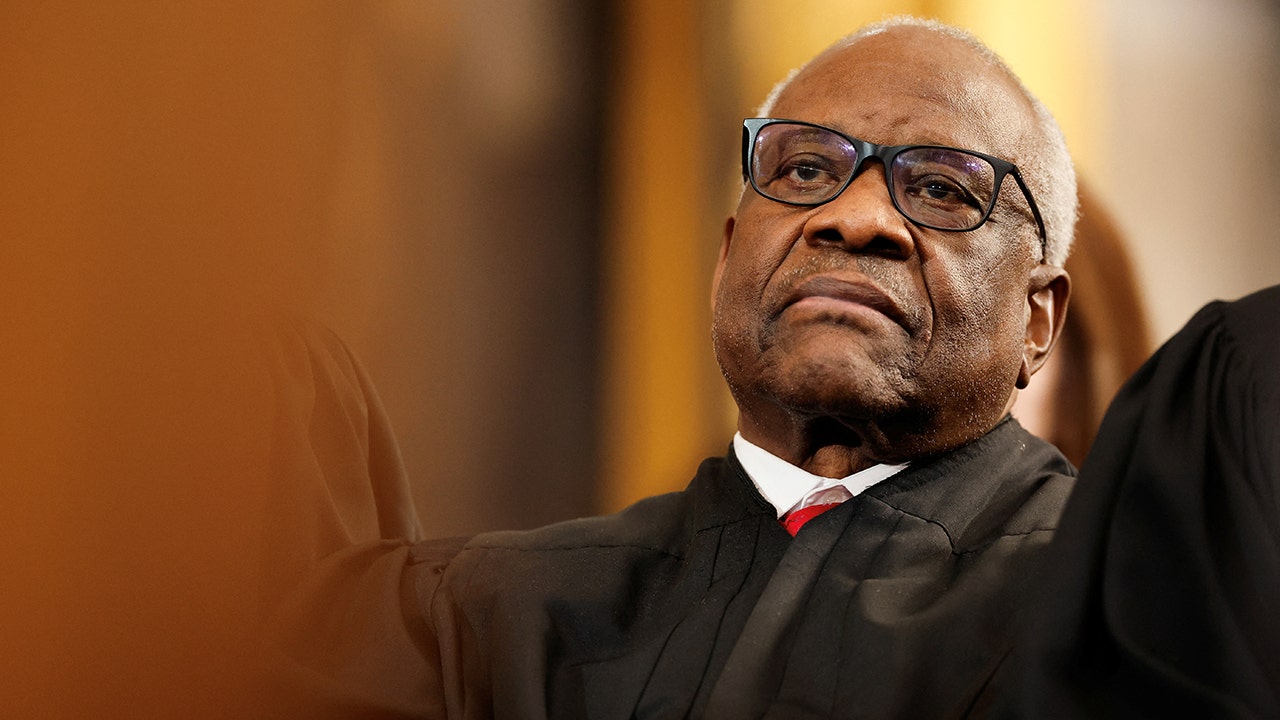
Justice Clarence Thomas warned Monday that the Supreme Court is leaving the door open for states to compel speech from private citizens by not taking up a challenge to a California law.
On Monday, the Supreme Court declined a petition to hear a case from a California physician who argued that the state government was forcing her to make statements she disagreed with while teaching a mandatory course for doctors. Thomas was joined by Justice Samuel Alito in dissenting from the decision, arguing that allowing the law to stand could have implications reaching far beyond the medical field.
The case stems from California’s requirement that all its licensed physicians complete 50 hours of state-approved continuing education courses every two years. California requires continuing medical education courses to include instruction on implicit bias, either through examples of how it affects physicians’ treatment decisions and health outcomes or strategies for addressing how those biases may contribute to healthcare disparities.
«When, as here, the government does not issue its own messages but instead requires private speakers to communicate the government’s viewpoint, the First Amendment applies,» Thomas wrote. «A State cannot regulate its way out of First Amendment scrutiny. We should not permit the government-speech doctrine to be wielded as ‘a cover for censorship’ or a cloak for compelled speech.»
JUSTICE ALITO WARNS AMERICA MUST PRESERVE 3 CORE PRINCIPLES REGARDLESS OF COUNTRY’S ‘ATMOSPHERE’
Dr. Azadeh Khatibi, who teaches a continuing education course in California, sued the state alongside the right-of-center nonprofit Do No Harm, arguing, as Thomas did, that it compels private instructors to convey a government-favored message in violation of the First Amendment.
«She does not want to include discussion of implicit bias in her courses. It is not relevant to her topics, and it would eat away at the limited time she could use to discuss topics that are relevant,» her legal team wrote. «Dr. Khatibi also disagrees that implicit bias is the primary factor driving disparities in healthcare.»
California countered that while instructors must include discussion of implicit bias in their courses, they are not required to personally endorse the theory and may openly disagree with it.
COLORADO PRO-LIFE SIDEWALK COUNSELOR BATTLES STATE ‘BUBBLE LAW’ SHE SAYS CURTAILS FIRST AMENDMENT
«Under the second option, instructors who do not believe that implicit bias exists are free to say so,» California wrote in the brief defending its law. «Petitioners are also free to inform CME attendees that any discussion of implicit bias is included solely to comply with state requirements.»
California further argued that states must be given broad authority to determine what doctors must do to retain their licenses.
The Ninth Circuit ruled last year that continuing medical education courses constitute government speech because of California’s extensive regulation of the medical profession, meaning the state’s requirements are not subject to First Amendment free-speech scrutiny.
Thomas, however, disputed California’s characterization of whether it was compelling instructors to take certain positions.
«California’s implicit-bias-training requirement leaves petitioners no choice but to discuss the topic in a way that affirms the State’s view that implicit bias causes ‘disparities in health outcomes,’» he wrote.
YOU SHOULDN’T NEED A PERMIT TO PRAY IN YOUR OWN HOME — THE SUPREME COURT SHOULD AGREE
The justice went on to argue that allowing California’s law to go unchallenged could have implications for Americans working in many fields beyond medicine.
«What of other professions whose members California licenses and regulates? At the next statewide legal conference at which lectures are offered for continuing legal education, could California require a keynote speaker to oppose racial preferences in law firm hiring?» Thomas wrote. «Applying the Ninth Circuit’s logic, enough government regulation of the field would convert the private speaker’s message in each of these hypotheticals into government speech unprotected by the First Amendment. That result does not follow from this Court’s precedents, and it certainly does not follow from the Constitution.»
Justice Neil Gorsuch also dissented from the court’s decision not to hear the case, though he did not sign on to Alito and Thomas’ argument. His rationale for wanting to grant certiorari is not publicly known.
The Supreme Court’s decision leaves the Ninth Circuit’s ruling intact but does not settle whether California’s requirement violates the First Amendment.
politics, first amendment, law, california, individual rights
INTERNACIONAL
Ukraine hits Putin’s prized bridge in record drone blitz as Kremlin tells lawmakers to prepare for ‘victory’
President Trump to hold historic trilateral summit with Xi and Putin
The upcoming trilateral summit in China between President Trump, Xi Jinping and Vladimir Putin faces critical global challenges. Alexandria Hoff reports on key agenda items, while retired Navy Captain Brent Sadler analyzes strategic threats from Iran. Discussions are expected to address nuclear talks, international trade and the potential inclusion of tech leaders.
NEWYou can now listen to Fox News articles!
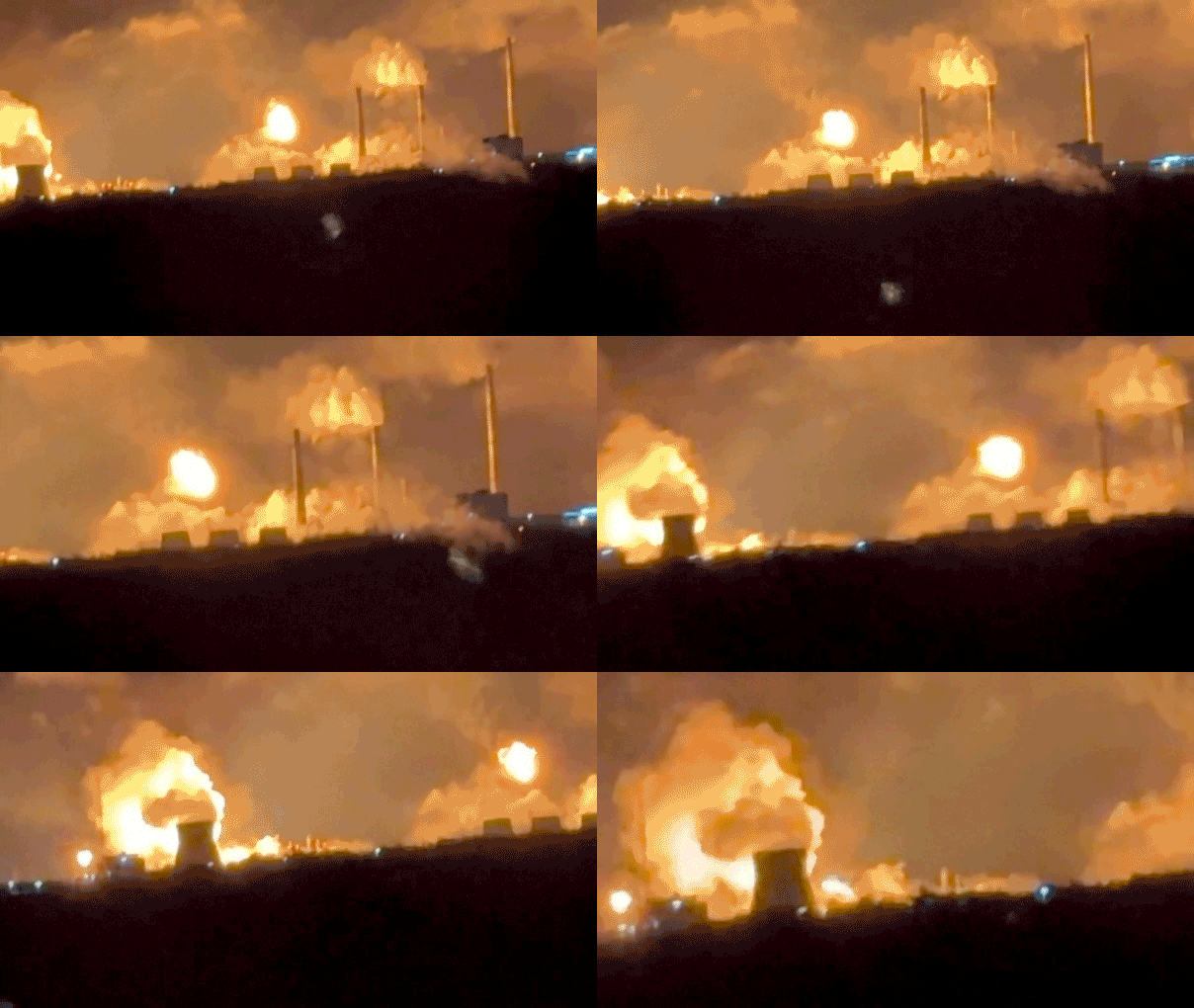
Ukraine launched what Russia described as the largest overnight drone attack of the war Monday, striking President Vladimir Putin’s prized Crimea bridge and setting industrial facilities ablaze, as separate reports revealed a covert French military mission in Ukraine and preparations in Moscow for a possible return of Russian troops.
The developments came days before President Donald Trump is expected to meet Putin and Chinese President Xi Jinping in China, amid renewed U.S.-brokered efforts to end the nearly five-year conflict.
«The sheer scale and effectiveness of these drone attacks are remarkable,» retired Air Force Lt. Gen. Richard Newton told Fox News Digital. «Ukraine has developed the capability to produce large numbers of drones and strike targets once considered a safe haven deep inside Russia.»
UKRAINE TARGETS RUSSIA WITH OVER 1,000 DRONES, KILLING 2 AS MOSCOW HOLDS LAST DAY OF ELECTIONS
Flames engulf industrial structures as a massive fire lights up the night sky in Nizhnekamsk, Russia, Nov. 15, 2026. (Reuters)
Russia’s Defense Ministry claimed its forces intercepted 1,336 Ukrainian drones across 16 regions, exceeding the previous overnight record of 1,254 on Oct. 29, Reuters reported Nov. 16. The numbers could not be independently verified.
Moscow Mayor Sergei Sobyanin said about 600 drones had been launched toward the capital region since Sunday evening, with 191 intercepted.
Russian-installed Crimean governor Sergei Aksyonov confirmed that the Kerch Strait bridge, linking occupied Crimea to mainland Russia, had been struck. The Kremlin characterized the damage as minor. Road traffic was temporarily suspended for repairs, while trains continued running, according to Russian transportation officials.
The bridge is both a strategically important supply route and a symbol of Russia’s annexation of Crimea in 2014.
The strikes also hit Russia’s energy sector. Rostov regional governor Yuri Slyusar reported fires at four industrial sites in Azov, where three people were injured. Officials in neighboring Krasnodar said a separate fire broke out at an industrial facility in Ilsky. Falling drone debris reportedly injured six people in the Krasnodar region.
ZELENSKYY ACCUSES PUTIN OF DEFYING TRUMP’S CEASEFIRE PUSH, SENDS POINTED MESSAGE TO WHITE HOUSE

Rescuers from the State Emergency Service of Ukraine work at a packaging facility damaged by a Russian attack in Odesa region, Ukraine, on November 16, 2026. The strike destroyed a two-storey administrative and warehouse building, damaged the roof of a production facility and shattered windows. Two people were injured in the attack. (Nina Liashonok/Ukrinform via Reuters)
Ukrainian President Volodymyr Zelenskyy claimed Sunday that strikes had disabled more than half of Russia’s refining capacity, a figure Fox News Digital could not verify. Two industry sources separately estimated that recent attacks reduced refining capacity by approximately 30%, Reuters reported.
«Putin has a serious problem on his hands,» Newton said. «Russia is enormous in terms of size; there’s simply no way to 100% defend every refinery, airfield, and military installation.»
Newton said Ukraine’s campaign was designed to strengthen its negotiating position while disrupting Russia’s military and logistics networks.
«I don’t believe Ukraine has reached a culminating point yet, by any stretch, to change Putin’s mind, but sustained military and economic pressure just may eventually at some point force him to reconsider his position,» he said.
Secret French military mission
In a separate development, Radio France Internationale reported Nov. 16 that French troops had been operating inside Ukraine since at least summer 2026 as part of a confidential mission codenamed «Volia.»
The mission reportedly consists of small teams making short visits to train Ukrainian personnel and maintain equipment. RFI said French lawmakers had not been informed and alleged that an established French training operation in Poland, known as «Gerfaut,» provided a gateway for deployments into Ukraine.
An anonymous source familiar with the mission confirmed French personnel’s presence to AFP, while stressing that they were not combat troops.
«The rotation of French trainers supporting Ukraine in France, Poland, or occasionally in Ukraine is a reality,» the source told AFP. «But this is not a military operation. There is absolutely no intention of engaging in coercive actions.»
France’s military general staff did not immediately comment to AFP. The number of troops involved remains unknown.
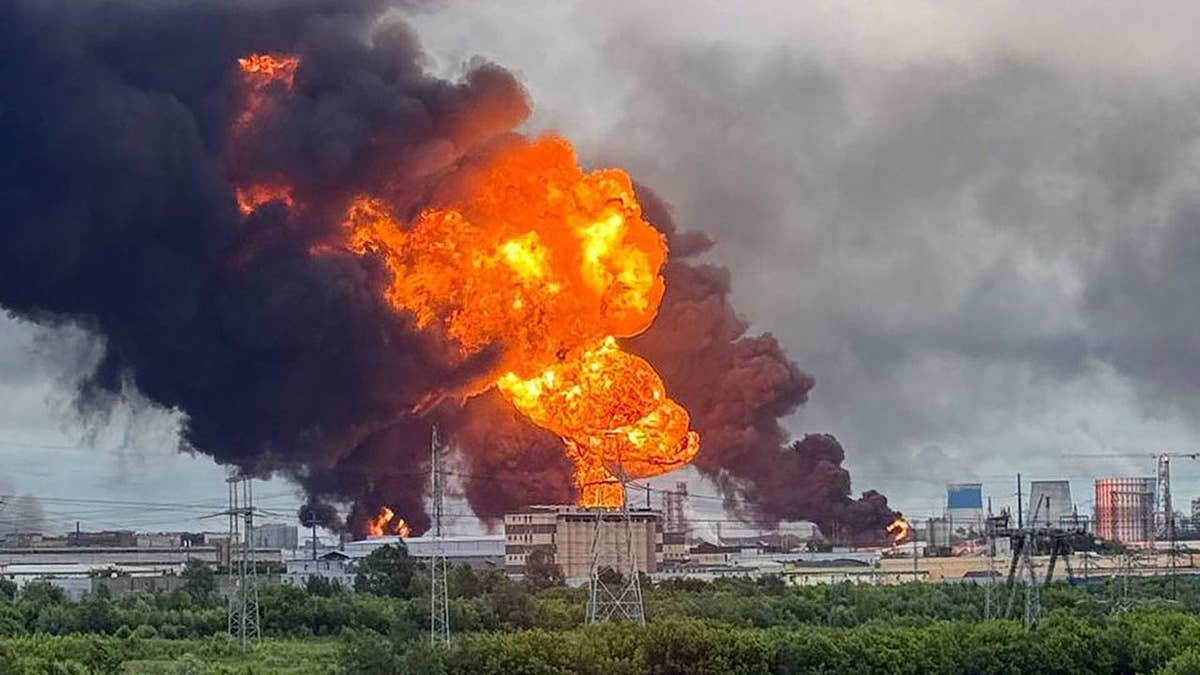
Smoke and flames rise over Moscow on June 18, 2026, following a Ukrainian drone attack that hit the Kapotnya oil refinery and other targets in the Russian capital. (East2West)
Kremlin reportedly prepares for ‘victory’
Meanwhile, Russian newspaper Vedomosti reported Nov. 16 that Kremlin officials had instructed lawmakers from Putin’s United Russia party to prepare for «victory» and the return of personnel from the battlefield.
The message was reportedly delivered during a closed-door seminar attended by senior presidential administration official Sergei Kiriyenko. A source described lawmakers being told to anticipate the possibility of soldiers returning home simultaneously.
The report provided no timetable and did not establish that Putin had ordered a withdrawal or decided to end the war.
The reports emerged after U.S.-brokered talks in Abu Dhabi last week resulted in a major prisoner-exchange agreement but no breakthrough over territory.
Trump, Putin and Xi were due to meet Thursday, Nov. 19, in Shenzhen, China, with Kremlin aide Yuri Ushakov describing the trilateral summit as a potentially significant event.
Newton expressed skepticism about an immediate diplomatic breakthrough. «I don’t anticipate a major breakthrough on any issue, including Russia’s war against Ukraine,» he said.

Left to right: Russian President Vladimir Putin, U.S. President Donald Trump and Chinese President Xi Jinping (Reuters)
«If President Trump has any discussions with Xi and Putin regarding Ukraine I would advise him to look those two leaders in the eye and underscore the U.S. is not backing down in our support to the Ukrainian people as they valiantly defend their homeland,» he concluded.
Reuters contributed to this story.
ukraine, russia, vladimir putin, france, military, world

El presidente Javier Milei anunció que Lego abrirá su primera tienda en la Argentina

Alemania apabulló 5-0 a Países Bajos por la UEFA Nations League: todos los clasificados a los cuartos de final

El Salvador defiende su ventaja ante San Martín con la Copa Oro 2027 en juego y el futuro del “Bolillo” en el horizonte

Javier Milei anunció la llegada de Lego a la Argentina

Melody Luz rompió en llanto por Alex Caniggia y lanzó una durísima acusación: «Es misógino y violento»

Ley de Soberanía Nacional: el proyecto llega este miércoles a Diputados con diferencias entre el oficialismo y sus aliados

U2 vuelve con 12 nuevas canciones y una pregunta incómoda sobre si el rock todavía puede decir algo nuevo

La inflación de octubre: el dato que sorprendió a casi todos y la distancia que persiste con los parámetros internacionales

Reforma laboral: el Gobierno asegura que el incentivo a la formalización creó 82.000 empleos en blanco en cuatro meses

Kicillof retoma su agenda rumbo a 2027 tras la visita del Papa: recorridas, Presupuesto y reelecciones indefinidas

 ECONOMIA1 día ago
La inflación de octubre: el dato que sorprendió a casi todos y la distancia que persiste con los parámetros internacionales
- INTERNACIONAL2 días ago
U2 vuelve con 12 nuevas canciones y una pregunta incómoda sobre si el rock todavía puede decir algo nuevo
- INTERNACIONAL3 días ago
Democrats seize on midterm wins to push massive minimum wage hikes, but economists see trouble ahead