INTERNACIONAL
Millions could lose paid benefits due to Congress ignoring decades of Social Security warnings: experts

A panel filled with top economists, including a Nobel Peace Prize winner, warned Congress decades ago that their reforms to Social Security could spell disaster.
Now, experts tell Digital that group from a bygone era was right, as the safety-net program hurtles toward a crisis that could affect millions.
«Social Security benefits were put on autopilot back in 1977,» Andrew Biggs, a senior fellow of the American Enterprise Institute, told Digital. «Since then, Congress has done as little as it possibly could.»
Senate Budget Committee Chair Ron Johnson, R-Wis., unveiled a report on the decades-old program that blasted it as a «Ponzi scheme,» and warned that Social Security’s slide into insolvency began in the 1970s, when, despite warnings, lawmakers opted to tie benefit growth to wages rather than inflation.
AMERICANS MISLED ON SOCIAL SECURITY FOR DECADES AS CLOCK COUNTS DOWN ON BENEFITS, EXPLOSIVE REPORT REVEALS
Johnson wrote in his report that at the time, an expert panel was formed that warned lawmakers that if they were to tie benefits to inflation, «Social Security would likely be sustainable today.»
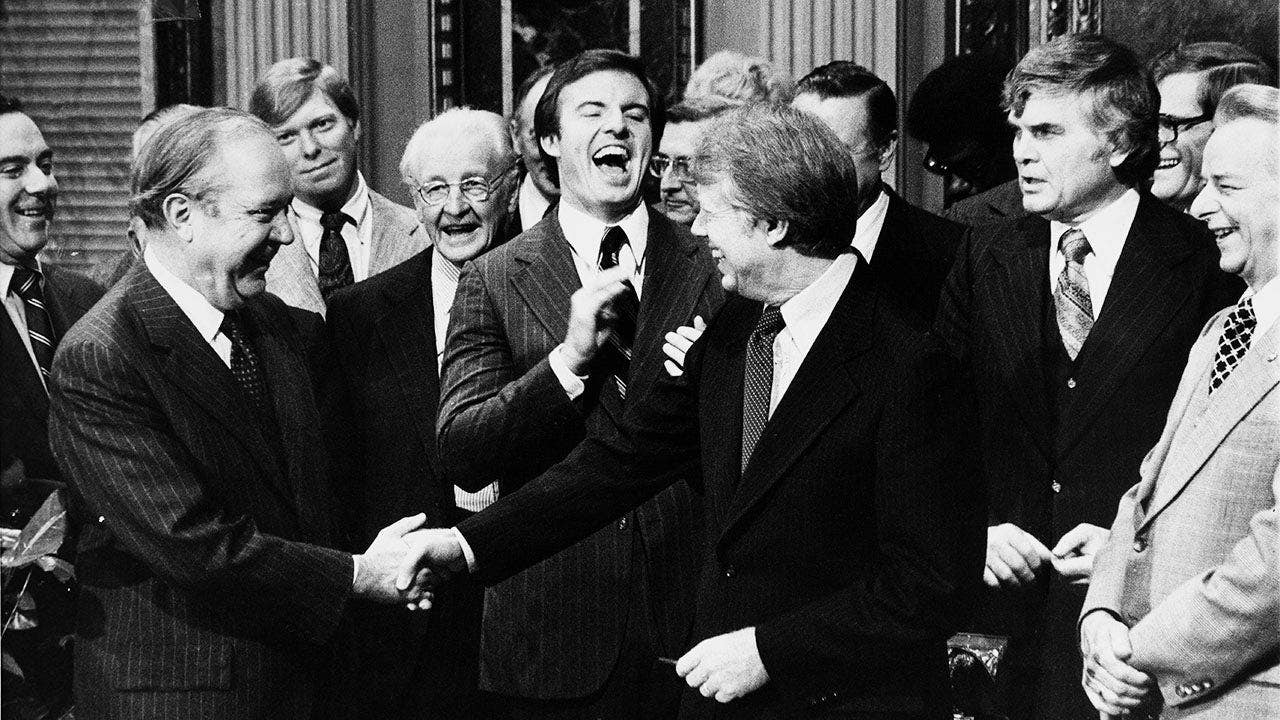
Still, lawmakers at the time ran with their own amendments to the program, which were signed into law by former President Jimmy Carter in December 1977.
«What they said in 1977 was if you index benefit growth to wages, you’re effectively building a solvency crisis into the program,» Biggs said. «You are over-promising, you’re going to build in benefits that the current system can’t afford to pay, and you’re committing future taxpayers to pay rates of taxes that the taxpayers in 1977 weren’t willing to pay.»
In the decades since, Congress has done little to change the program.
SENATE REPUBLICANS BREAK THROUGH WASHINGTON GRIDLOCK WITH MASSIVE AMERICAN ENERGY, DATA CENTER OVERHAUL
Romina Boccia, the Cato Institute’s director of budget and entitlement policy, told Digital that’s largely because lawmakers have not had the political will to do it.
She agreed with Johnson that Social Security was effectively a «Ponzi scheme,» and said «there’s this misconception that a lot of Americans think that Social Security is a retirement savings program.»
«But for that, you would actually need to have savings occur in the system, and there would need to be assets that would be invested in earning returns,» Boccia said. «That’s not the case. We’re talking about a pay-as-you-go program.»
One of the side effects of Congress’ lack of action to rein in the program is that the wage growth formula relies on workers in the economy contributing with their paychecks.
Boccia noted that as the decades have gone on, «We’ve seen a severe decline in the number of workers compared to the number of retirees collecting benefits as a result of a decline in fertility.»
DEMOCRATS COULD ENTER CONGRESSIONAL MAJORITY IN A GOVERNMENT SHUTDOWN
Congress’ last real successful effort to reform Social Security came in the early 1980s, Biggs noted, when lawmakers were forced to step in to deal with the «funding crisis» hitting the program.
«They raised taxes. They increased the retirement age. So they did this with months to spare to fix Social Security,» Biggs said. «It’s not something they wanted to do, but they were forced to do.»
«Now in 2032, we’re going to face the same situation, where Congress will be forced to take action sometime before the trust fund runs out in 2032, not because they want to, but because they’re forced to do it,» he continued.
If Social Security’s trust fund runs dry by 2032, Americans’ benefits would be slashed and the onus of paying for the shortfall would add trillions more to the nation’s debt.
But Johnson, in his report, declared that the Social Security problem could not be fixed between now and then because of Congress’ inaction for the last several decades, and he suggested that the solution would be to repeal a possible benefits reduction as the program’s trust fund heads toward insolvency in just under seven years.
Biggs, who was part of former President George W. Bush’s effort to reform Social Security over two decades ago, said that had Congress taken action «25 years ago, you could fix Social Security in barely noticeable ways.»
«There is no easy fix to Social Security today, and that stems entirely from the fact that every year, when Congress has had the opportunity to fix Social Security, they chose to duck the issue for political reasons and kick the can down the road,» Biggs said.
Boccia disagreed with Johnson’s solution and contended that the real answer was one that lawmakers of yesterday and today would be hesitant to approach — raising taxes.
«The real way to think about this is that there’s almost no way to imagine Congress would let those benefit cuts take effect,» Boccia said. «It will be so politically toxic. So most likely they’re going to try to find a different solution.»
«The last time the trust fund was running out of money in 1982, Congress put together a commission and then voted on a bill that increased taxes and reduced benefits, including raising the social security retirement age,» she continued. «The problem is that the funding gap now is much larger, more than two times bigger than it was in the ‘80s.»
politics, social security, congress, growing the debt, reform








INTERNACIONAL
“La competencia no es suficiente, hay que educar los corazones”: Nobel de la Paz ante universitarios en Perú
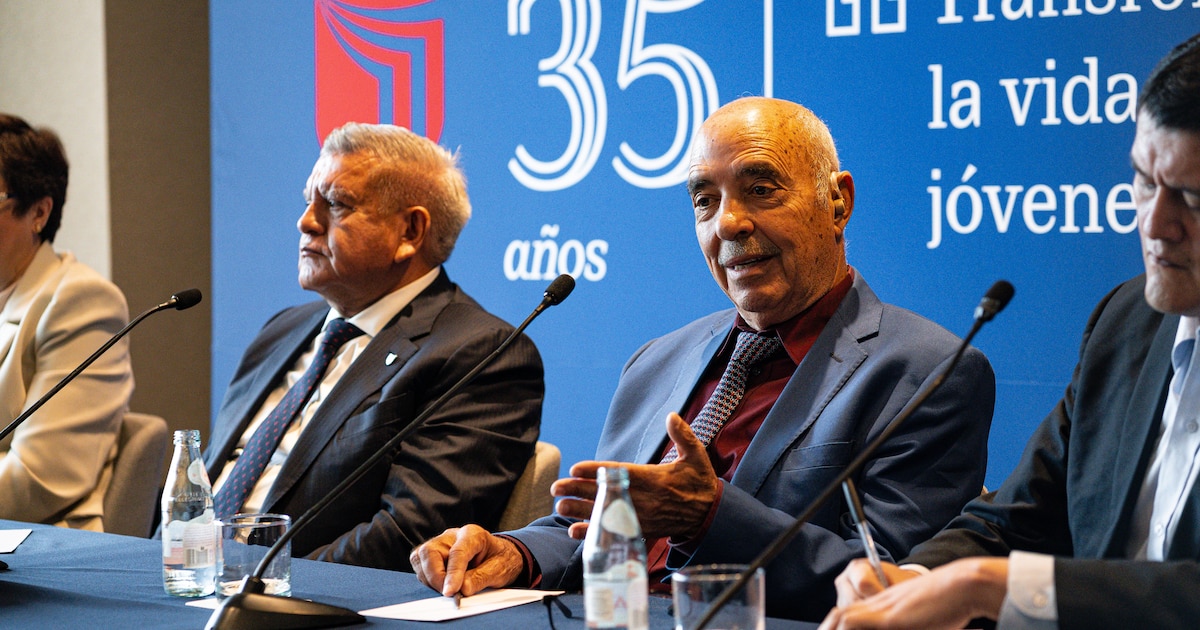
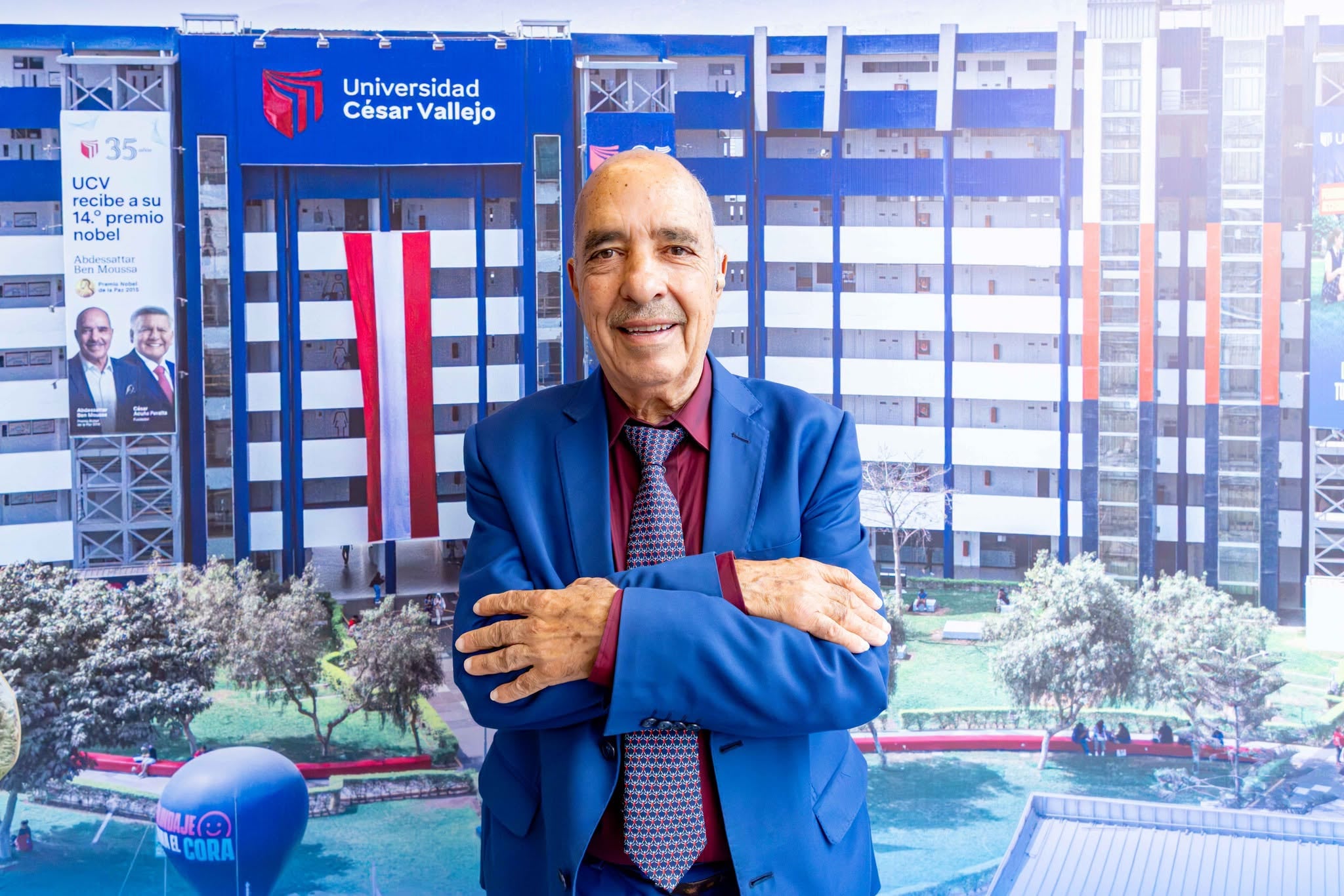
Abdessattar Ben Moussa, integrante del Cuarteto para el Diálogo Nacional de Túnez, reconocido con el Premio Nobel de la Paz 2015, destacó la necesidad de complementar la formación profesional con valores humanos y defendió el diálogo como herramienta para afrontar conflictos durante una serie de actividades realizadas en Lima por los 35 años de la Universidad César Vallejo (UCV).
“La competencia no es suficiente, la inteligencia no es suficiente. Hay que educar los corazones”, afirmó Ben Moussa durante una conferencia magistral realizada en el campus UCV Los Olivos, donde se reunió con estudiantes destacados provenientes de los distintos campus de la universidad en el país.
Ben Moussa sostuvo que los conocimientos y las capacidades profesionales deben estar acompañados por una formación basada en valores, justicia y respeto por la dignidad humana, y exhortó a los estudiantes a promover el diálogo y los derechos humanos en los espacios donde posteriormente asuman responsabilidades.
La conferencia en Los Olivos se realizó después de un conversatorio en Lima en el que el invitado compartió la experiencia del Diálogo Nacional de Túnez y reflexionó sobre democracia, participación de la sociedad civil y educación. Ese primer encuentro reunió a representantes de los ámbitos académico, empresarial e institucional.

Diálogo, democracia y sociedad civil
Durante el conversatorio, conducido por Aníbal Quiroga, decano de la Facultad de Derecho y Ciencias Políticas de la UCV, Ben Moussa recordó el proceso de diálogo nacional que contribuyó a superar la crisis política y social que atravesó Túnez en 2013.
A partir de esa experiencia, sostuvo que las organizaciones de la sociedad civil deben actuar con independencia del Gobierno y de los partidos políticos y establecer espacios de entendimiento entre sectores con posiciones diferentes, priorizando el bienestar colectivo sobre los intereses particulares.
“Los miembros de la sociedad civil pueden construir juntos un marco de diálogo para resolver los conflictos. Lo esencial es no ser egoístas, que cada uno trabaje no por sus propios intereses, sino por los intereses de la nación”, expresó.
Ben Moussa también presentó el diálogo como una alternativa frente a la violencia y vinculó la defensa de la democracia con la participación y el entendimiento entre ciudadanos, incluso ante diferencias culturales, religiosas o sociales.
“Somos seres humanos y debemos vivir juntos”, enfatizó.
Universidad, valores y nuevas generaciones
La responsabilidad de las universidades fue otro de los ejes de sus intervenciones. Ben Moussa sostuvo que la educación superior no debería limitarse a la preparación profesional, sino contribuir también a formar ciudadanos capaces de convivir y resolver sus diferencias sin recurrir a la violencia.
“Cada universidad, aparte de trabajar por la excelencia, debe obrar por la educación. […] Hay que enseñar a los estudiantes cómo comportarse con las personas, cómo salvar la nación, cómo salvar los valores humanos. […] La universidad debe estar al tanto de todos estos valores y enseñarlos”, afirmó.
Consultado específicamente sobre el papel de la educación universitaria en la formación de jóvenes capaces de contribuir a sociedades democráticas y pacíficas, Ben Moussa destacó además la defensa de la información, la prensa y sus valores. Señaló que las universidades participan en esa tarea al formar a personas que posteriormente trabajarán en los medios de comunicación y defenderán esos principios.
“Lo más importante es mantener lo que es nuestra lucha por la información y por la prensa, y por sus valores”, sostuvo.
El invitado planteó también que las universidades deberían mantener el vínculo con sus egresados mediante encuentros, seminarios y espacios de intercambio que conecten a las nuevas generaciones con profesionales que ya participan en distintos ámbitos de la sociedad.

Tecnología al servicio de las personas
Durante su encuentro posterior con los estudiantes en Los Olivos, Ben Moussa abordó asimismo los desafíos relacionados con el desarrollo tecnológico y la inteligencia artificial. Reconoció sus aportes al progreso científico y económico, pero sostuvo que estas herramientas deben permanecer al servicio de las personas.
En esa línea, alentó a los universitarios a desarrollar sus capacidades sin dejar de lado los principios éticos que deben orientar su ejercicio profesional.
La reflexión formó parte de una mirada más amplia sobre desafíos como los conflictos internacionales, la violencia y el cambio climático, frente a los cuales Ben Moussa planteó la necesidad de fortalecer la conciencia humana y la cooperación.
“Hoy más que nunca necesitamos diálogo los peruanos”
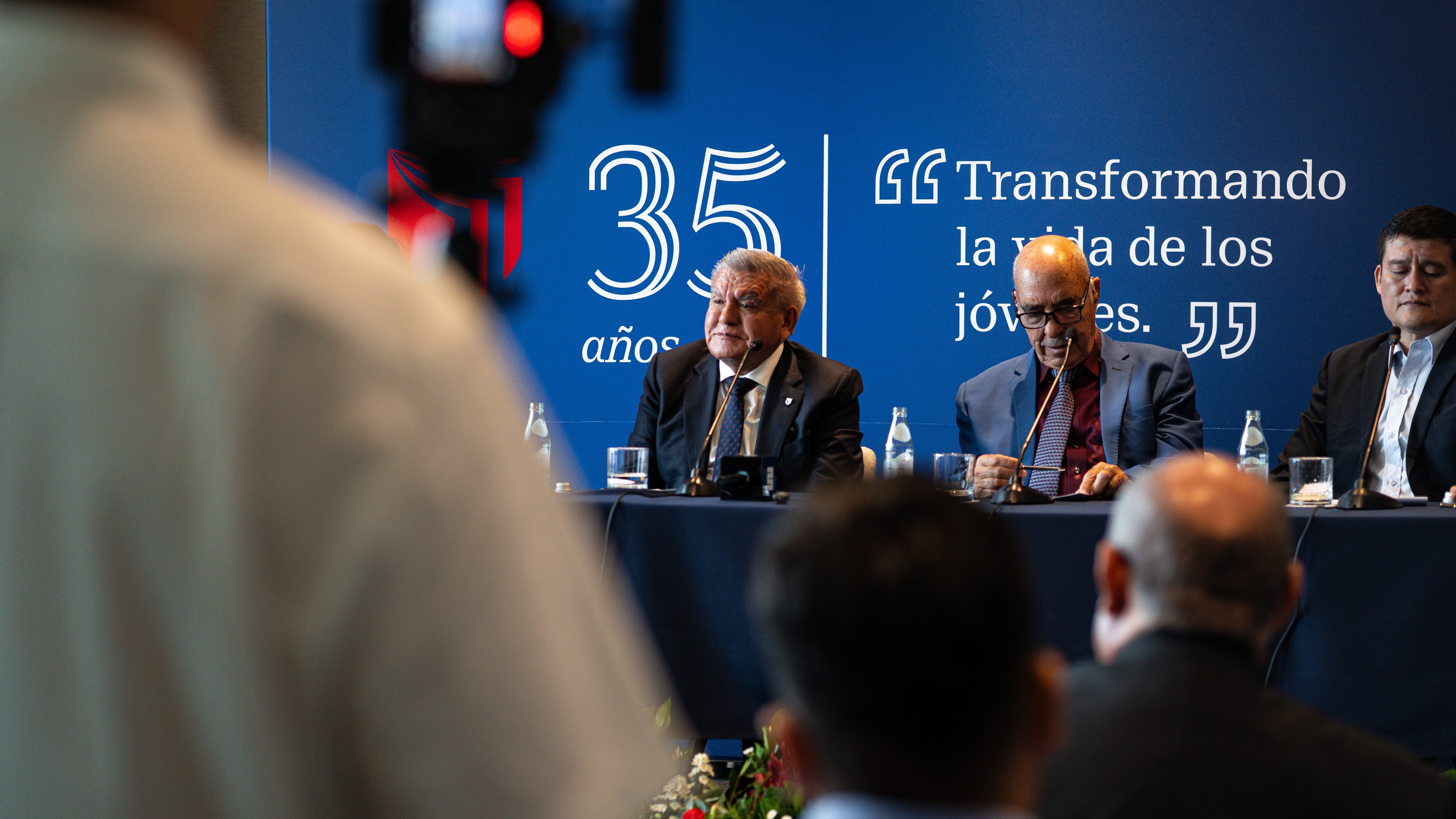
El fundador de la UCV, César Acuña Peralta, destacó por su parte el diálogo y la concertación como las principales enseñanzas que, a su juicio, podía dejar la visita de Ben Moussa a los estudiantes.
“Un gran aprendizaje van a lograr los jóvenes. El aprendizaje es que solamente con el diálogo y la concertación se solucionan los problemas”, manifestó.
Acuña vinculó la experiencia expuesta por Ben Moussa con la búsqueda de la paz, la defensa de los derechos humanos y la importancia del Estado de derecho, la estabilidad, la gobernabilidad y la institucionalidad.
“Creo que los jóvenes van a aprender mucho de eso porque creo que hoy más que nunca necesitamos diálogo los peruanos”, afirmó.

Putin ‘very frustrated’ after Ukrainian strikes damage key Kerch Bridge
Fox News contributor Rebeccah Heinrichs says she doubts President Donald Trump’s summit with Xi Jinping and Vladimir Putin will end the war in Ukraine after Ukrainian strikes hit the Kerch Bridge. She also warns that Trump may be losing patience with Iran as U.S. forces enforce an oil blockade.
NEWYou can now listen to Fox News articles!
Ukraine’s repeated attacks on the Kerch Bridge, one of Russian President Vladimir Putin’s most prized infrastructure projects, have dealt a potentially significant blow to Moscow’s military supply routes into occupied Crimea, raising questions about Russia’s ability to sustain operations as both sides prepare for a difficult winter.
A European intelligence assessment dated Nov. 18 and obtained by Fox News Digital describes Ukraine’s latest assault as likely its most successful attack on the heavily defended crossing, following a coordinated campaign targeting Russian air defenses, radar and electronic warfare systems.
Ret. Gen. Philip Breedlove, former NATO Supreme Allied Commander Europe, told Fox News Digital the consequences could extend far beyond the destruction of a symbolic Russian landmark. «The Russians are extremely limited in how they get supplies to Crimea and cutting the Kerch bridge will severely, severely damage their ability to resupply Crimea,» Breedlove said.
UKRAINE HITS PUTIN’S PRIZED BRIDGE IN RECORD DRONE BLITZ AS KREMLIN TELLS LAWMAKERS TO PREPARE FOR ‘VICTORY’
Ukraine said Monday’s strikes destroyed one of the Kerch Strait bridge’s two steel arches and the road span that was underneath it. (Security Service of Ukraine)
What happened to the bridge?
On Nov. 17, Ukrainian missiles and drones struck the 12-mile bridge linking Russia’s Krasnodar region to Crimea, collapsing a major section of the roadway into the Kerch Strait and damaging the adjacent railway.
The crossing, inaugurated by Putin in 2018, has served as both a critical transportation link and a symbol of Russia’s annexation of Crimea in 2014.
According to the European intelligence assessment, the attack followed a multiweek Ukrainian operation against Russian defensive systems, intended to weaken the bridge’s protection before the main strike.
Ukraine subsequently struck the railway again on Nov.19, temporarily halting train traffic and bringing the number of attacks to three in four days.
The damage has disrupted one of Russia’s most direct supply connections to Crimea, which Moscow uses to support military operations in southern Ukraine.
PUTIN LAUNCHES UKRAINE BARRAGE HOURS AFTER TRUMP MEETING AMID ALLEGED RUSSIAN MISSILE BREACH OF NATO AIRSPACE

A view shows the Kerch Bridge linking Russia to Crimea, which was targeted in an explosion by Ukraine on Tuesday, June 3. (Reuters/Alexey Pavlishak)
Why it matters militarily
Russia has developed an alternative land corridor through occupied southern Ukraine, but the European intelligence assessment warns that shifting additional military supplies onto those roads could create significant vulnerabilities.
The assessment identifies slower transportation routes, exposure to Ukrainian drone attacks and pressure on other logistical infrastructure as potential consequences.
Breedlove said Ukraine’s campaign should be viewed as an attempt to weaken Russia’s hold on the peninsula, rather than simply destroy a bridge. He argued that Russia’s options are further constrained by Ukraine’s success in challenging Russian naval power in the northern Black Sea.
He pointed out that Ukraine has used maritime and aerial drones to push back Russia’s Black Sea Fleet despite lacking large conventional warships.
The European assessment also warns that repairing the bridge could take months. Although limited road traffic might resume within weeks, replacing the collapsed section could take considerably longer, particularly if Ukrainian attacks continue.
Damage above the Kerch–Yenikale Canal could also disrupt shipping between the Black Sea and the Sea of Azov.
UKRAINE’S ATTACKS ON RUSSIA ARE PUSHING PUTIN CLOSER TO NEGOTIATING TABLE, TRUMP NATO AMBASSADOR SAYS
Who is gaining momentum?
Despite Ukraine’s success in striking the bridge, a European intelligence source familiar with Russian strategic assessments offered a pessimistic view of the broader conflict.
«It has more symbolic meaning, but also logistics is paralyzed right now,» the source told Fox News Digital, describing the immediate impact of the attacks.
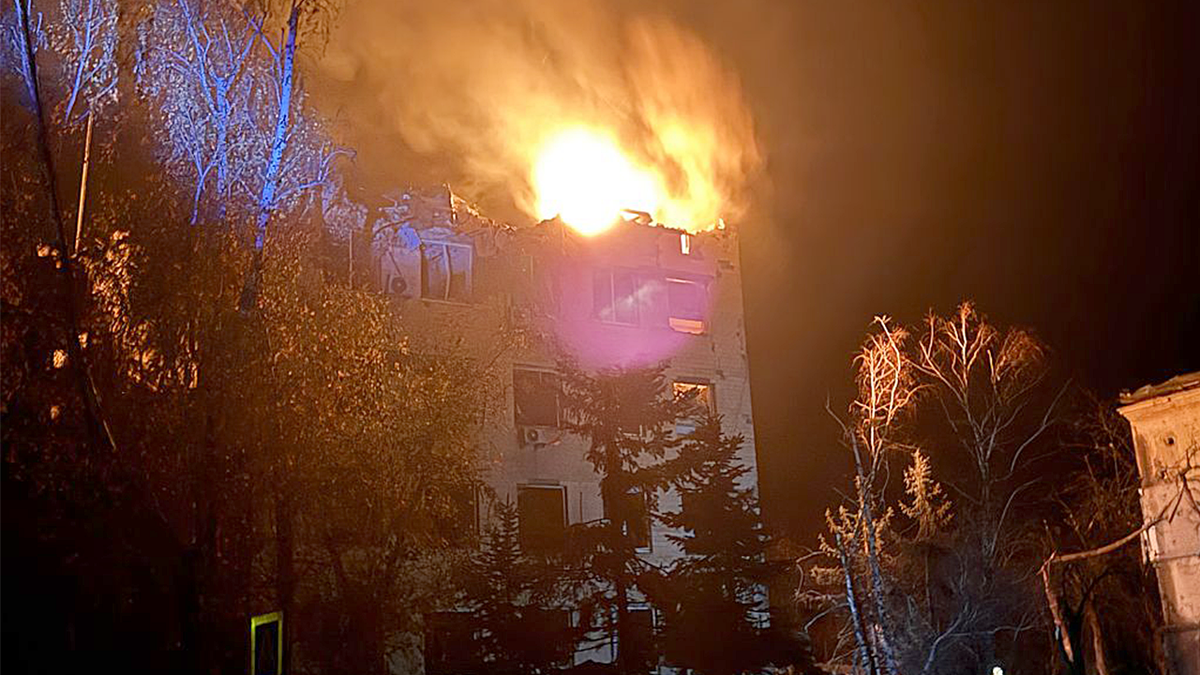
Teenagers are looking at the city view during a partial power outages following Russian attacks in Kyiv on October 31, 2026, amid the Russian invasion of Ukraine. (Tetiana DZHAFAROVA / AFP via Getty Images)
However, the source warned that Moscow is preparing to intensify its winter offensive while using negotiations with Washington to increase political pressure on Kyiv.
«The general trend is not good for Ukraine,» the source said.
According to the source, Russia believes it can sustain military pressure long enough to force Ukraine into territorial concessions, particularly in the east.
«They are very convinced that by spring Ukrainians will give up,» the source said, describing Moscow’s expectations.
Breedlove strongly disputed the assessment that Russia was gaining the upper hand militarily.
«Militarily, the tide is turning against Russia,» Breedlove told Fox News Digital, arguing that Russian forces have suffered staggering casualties while making limited battlefield gains.
He said Russian losses in recent months had been extraordinarily high and argued that Moscow’s military was failing to achieve significant territorial advances.
Breedlove did, however, acknowledge a distinction between military momentum and the political pressure facing Ukraine.
He suggested that changes in Washington’s approach to negotiations could strengthen Putin’s position even if Russian forces were struggling on the battlefield.
The competing assessments highlight a central question facing Ukraine: whether its military successes can translate into greater diplomatic leverage before Russia’s winter offensive intensifies.
UKRAINE STRIKES ‘ONE OF THE LARGEST OIL REFINERIES’ IN SOUTHERN RUSSIA AHEAD OF PUTIN-TRUMP MEETING IN CHINA

Russian President Vladimir Putin (C), accompanied with Deputy Prime Minister Dmitry Kozak (L) and head of the Federal Road Agency Roman Starovoyt, points at the map while inspecting the site of the under-construction bridge across the Kerch strait, which will link Russia and the Crimean peninsula, onboard a helicopter, on March 18, 2016. (MIKHAIL KLIMENTYEV/Sputnik/AFP via Getty Images)
What happens next?
Putin has threatened retaliation over the bridge attacks, and on Friday Russia launched a massive missile and drone assault against Ukrainian cities, killing at least eight people, according to Ukrainian authorities.
The strikes came hours after Putin appeared alongside President Donald Trump and Chinese President Xi Jinping at a summit in China, as Washington continued efforts to advance peace negotiations.
The European intelligence assessment warns that further Ukrainian attacks on the Kerch Bridge during repairs are highly likely, potentially prolonging disruptions to Russian supplies.

Smoke rises in the city during a Russian missile strike, amid Russia’s attack on Ukraine, in Kyiv, Ukraine Nov. 20, 2026. (Gleb Garanich/Reuters)
For Moscow, restoring the crossing is now both a logistical challenge and a political priority. For Kyiv, keeping it vulnerable offers a way to increase the cost of Russia’s occupation while demonstrating that even Putin’s most heavily defended infrastructure remains within reach.
vladimir putin, wars, conflicts defense, europe, ukraine, russia
INTERNACIONAL
El presidente Bernardo Arévalo inaugura una escuela de lenguas mayas en Cantel para más de 2.500 personas potencialmente beneficiadas
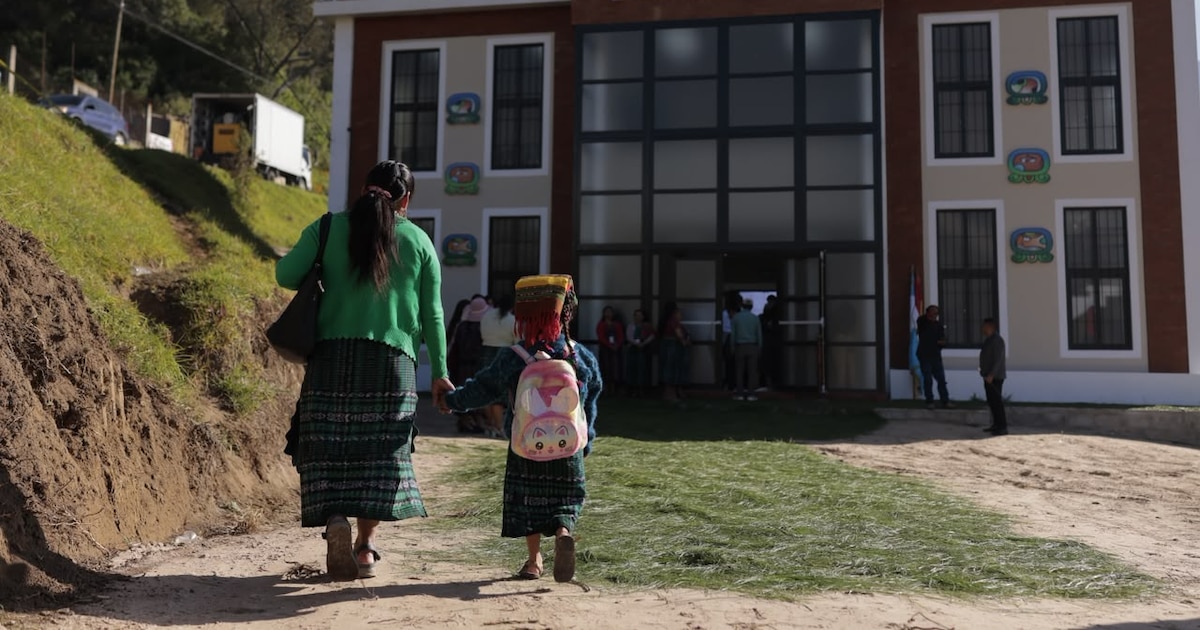
El presidente de Guatemala, Bernardo Arévalo inauguró el viernes la Escuela de Lenguas Mayas de la aldea Pasac Primero, en el municipio de Cantel, Quetzaltenango, un edificio destinado a la enseñanza del idioma maya k’iché y a la preservación cultural de una región que reúne a más de 2.500 beneficiarios potenciales.
La construcción fue financiada durante el ejercicio fiscal 2025-2026 con recursos del Consejo Departamental de Desarrollo. El edificio incorpora un salón de actos que autoridades locales identificaron como el primero de esas características en Quetzaltenango y que también funcionará como espacio de reunión comunitaria bajo administración municipal.
El proyecto recibió un aporte de 2.934.879 quetzales del IVA-Paz, mecanismo mediante el cual el Gobierno canaliza fondos a través del Ministerio de Finanzas Públicas con base en la recaudación anual de impuestos. La inversión total alcanzó 3.158.000 quetzales, de acuerdo con el alcalde de Cantel, Alan Eduardo Cabrera.
Durante un recorrido por las instalaciones junto al secretario de Coordinación Ejecutiva de la Presidencia, Víctor Hugo Godoy, y autoridades municipales y departamentales, Arévalo vinculó los recursos con la protección de las comunidades indígenas. En declaraciones transmitidas por Guatemala TV, sostuvo: “Se destinaron los fondos para la promoción de la cultura indígena, para preservar y fortalecer la cultura y la identidad de los pueblos”.

Una escuela para enseñar el k’iché y revertir el silencio
La escuela integra las iniciativas priorizadas por el Consejo de Desarrollo Urbano y Rural y el Ministerio de Educación para fortalecer los idiomas maternos. También existen proyectos de educación con pertinencia cultural en Totonicapán, Sololá y Huehuetenango.
Guatemala reconoce oficialmente 22 idiomas mayas, además del español, el xinca y el garífuna. Estas lenguas poseen estructuras gramaticales, expresiones y formas propias de transmitir conocimientos, valores, costumbres y visiones del mundo.
Arévalo recordó que las escuelas públicas fueron durante décadas lugares donde se reprimía el uso de idiomas indígenas. “Durante generaciones en Guatemala, las escuelas públicas eran el lugar donde muchos niños y niñas aprendían a callar su idioma, a ocultar su idioma”, afirmó.
El mandatario describió el nuevo establecimiento como una respuesta a ese antecedente. “Estamos inaugurando una escuela que se aleja de ese pasado y funciona precisamente en el sentido contrario: una escuela para aprender, para enseñar y para hablar con orgullo de nuestro idioma maya y de nuestras raíces mayas”, expresó.
Cabrera señaló que en las décadas de 1980 y 1990 muchas personas recibían presiones para abandonar su idioma materno. El alcalde afirmó que el nuevo espacio permitirá que Cantel sea reconocido como “cuna de la cultura maya quiché”.
El concejal primero de Cantel, Manuel Morales, sostuvo que la inauguración busca preservar el vínculo de las nuevas generaciones con la memoria comunitaria. “Nuestro idioma maya es el vínculo de la sabiduría de nuestros abuelos, de nuestra cosmovisión y de nuestra historia viva”, dijo durante el acto.
Once obras y becas para los idiomas indígenas
La construcción en Cantel forma parte de 11 intervenciones ejecutadas en los últimos tres años en distintos departamentos para preservar las culturas indígenas: ocho edificios nuevos y tres obras de ampliación o mejoramiento. El conjunto superó los 18 millones de quetzales de inversión.
Arévalo indicó que su gobierno coordina con la Academia de Lenguas Mayas, el Ministerio de Cultura y la Municipalidad de Cantel la incorporación de facilitadores comunitarios dedicados a la enseñanza de idiomas en la nueva escuela. El salón de actos fue proyectado además para actividades de las comunidades vecinas.
El presidente planteó que la cultura debe mantenerse conectada con las raíces del pueblo k’iché sin permanecer inmóvil. “La cultura no es una realidad estática congelada en el tiempo. La cultura crece, se desarrolla, progresa”, señaló.
Desde 2025, el Gobierno impulsa un programa de más de 400 becas para que docentes fortalezcan la enseñanza de los idiomas k’iché, q’eqchi’, kaqchikel, poqomchi’ y mam, además de las lenguas garífuna y xinca. Durante este año también entregó más de un millón de textos escolares en idiomas mayas.
Escuela de Lenguas Mayas,Bernardo Arévalo,Guatemala,inauguración

Los jóvenes sin instrumentos financieros pasaron de casi la mitad a sólo 4% en cuatro años: billeteras, ahorro y apuestas online

Ley Malvinas: Bullrich pretende hacerle más cambios al texto y tensiona su vínculo con Santiago Caputo

Franco Colapinto largará 9° en el Gran Premio de Las Vegas de Fórmula 1: hora, TV y todo lo que hay que saber

Millions could lose paid benefits due to Congress ignoring decades of Social Security warnings: experts

“La competencia no es suficiente, hay que educar los corazones”: Nobel de la Paz ante universitarios en Perú

Ukraine deals major blow to Putin’s Crimea lifeline, European intel assessment claims

Javier Milei y sus medidas, en vivo: “Hoy discutimos si crecemos un punto más o menos”, dijo el Presidente

¿Dónde ver EN VIVO y ONLINE el Boca Juniors vs Banfield por la Copa Argentina?

El 92% de los jóvenes argentinos busca trabajo, pero menos de la mitad tiene empleo: cuáles son las principales barreras

Javier Milei destacó el desembarco de Tesla en el país y aseguró: “Esto también es devolverle la libertad a los argentinos”

 POLITICA2 días ago
Javier Milei y sus medidas, en vivo: “Hoy discutimos si crecemos un punto más o menos”, dijo el Presidente
- POLITICA12 horas ago
Javier Milei destacó el desembarco de Tesla en el país y aseguró: “Esto también es devolverle la libertad a los argentinos”
- INTERNACIONAL2 días ago
El brote de ébola está fuera de control en la República Democrática del Congo y crece el temor a una epidemia continental