INTERNACIONAL
ICE agent faces six years in prison in case that could open ‘floodgates’ for prosecutions, lawyers warn


An Immigration and Customs Enforcement (ICE) agent faces up to six years in prison on an assault charge following a Minnesota highway encounter in which no one was injured.
Gregory Morgan’s attorneys warn the case could have far-reaching consequences, potentially emboldening state and local prosecutors nationwide to bring criminal charges against federal officers carrying out President Donald Trump’s immigration crackdown.
At stake in Morgan’s legal fight is the extent to which federal protections shield officers from state and local criminal prosecution for actions taken in their official capacity.
«We are the tip of the spear,» Rachel Paulose, a former U.S. attorney and managing attorney at the Upper Midwest Law Center, which is helping Morgan fight to keep his case in federal court, told Digital. «And so what happens here is going to impact what woke, politically motivated district attorneys around the country are doing to persecute law enforcement agents who are simply doing their job and carrying out the orders of an administration with which they disagree.»
Morgan was charged on April 16 with two counts of second-degree assault with a dangerous weapon stemming from a Feb. 5 highway encounter during Operation Metro Surge.
15 ANTIFA RADICALS INDICTED, 12 ARRESTED IN SWEEPING FEDERAL PROBE INTO MINNEAPOLIS ANTI-ICE OPERATIONS
Morgan’s attorneys contend he was returning to base under direct orders after withdrawing from a hostile neighborhood where a protester had threatened to kill him.
Unfamiliar with Minnesota roads, Morgan mistakenly drove along the highway shoulder, according to Paulose. The driver of a Cadillac then allegedly swerved into his path twice, braking sharply the second time and bringing Morgan within inches of a collision, according to defense court filings.
Fearing for his safety and that of his fellow ICE agent, Morgan yelled, «Police, back off,» and displayed his firearm in what his attorneys described as a «low-ready» position.
Prosecutors, however, alleged Morgan deliberately drove along the shoulder to bypass rush-hour traffic and pointed his firearm at the Cadillac’s occupants after the driver attempted to slow him down.
«The defendant attempts to transform his moment of road rage—committed on a state highway against Minnesotan victims—into a federal enforcement action,» prosecutors wrote in a June filing.
In a Nov. 19 filing, Morgan’s attorneys accused Hennepin County prosecutors of relying on an outdated legal standard in their push to return the case to state court, arguing that the conduct underlying the charges need to just be related to his federal duties, not be explicitly required by them.
DOJ ESCALATES BLUE-STATE ICE STANDOFF AFTER STATES REFUSE KEY FEDERAL REQUEST
Morgan’s defense rests in part on a federal law with roots dating back to the War of 1812, which allows federal officers facing state criminal charges to move their cases into federal court if the alleged conduct is sufficiently connected to their official duties and they have a plausible federal defense.
Paulose said the law was intended «to insulate federal officers from vindictive prosecutions by local and state officials who simply disagree with federal policy.»
Prosecutors maintained Morgan was no longer actively enforcing immigration law during the encounter, but his attorneys argue his authority to protect himself and his fellow agent did not end when he left an enforcement site.
Morgan’s attorneys argued prosecutors are relying on a more restrictive legal standard that Congress abandoned in 2011 when it expanded the scope of the law.
«Nothing in the State’s briefs explains why the federal authority to protect federal officers disappears when the officer is on a highway rather than at a target address,» Morgan’s attorneys wrote.
Both occupants of the Cadillac invoked their Fifth Amendment rights and did not testify during an evidentiary hearing, according to Morgan’s latest filing. Morgan, meanwhile, testified and was subjected to cross-examination.
The defense also challenged prosecutors’ assertion that the Cadillac driver was unaware Morgan was an ICE agent, citing the driver’s statement to investigators that he «got the ICE vibe from him at first.»
The driver also reportedly acknowledged making the «not so bright decision to try to stop» Morgan’s vehicle.
While prosecutors maintained any threat had subsided before Morgan displayed his gun, his attorneys argued Morgan had no way of knowing whether the driver would strike again.
Ryan Pacyga, Morgan’s defense attorney, also faulted ICE for deploying agents in ordinary rental vehicles without emergency lights or sirens, arguing Morgan had limited means of identifying himself as a law enforcement officer.
«He didn’t want this guy hurt. He didn’t want to get hurt. He had his partner in the car with him,» Pacyga told Digital.
Morgan’s attorneys have seized on Hennepin County Attorney Mary Moriarty’s own rhetoric, pointing to her characterization of Operation Metro Surge as an «occupation,» to bolster their argument that his case belongs in federal court
«A prosecutor’s hostility is the most direct form that prejudice can take, because the prosecutor decides whom to charge,» Morgan’s attorneys wrote.
Paulose also took aim at prosecutors’ decision to issue a nationwide arrest warrant for Morgan despite his willingness to surrender peacefully.
«I think it underscores that the purpose of this prosecution is not about justice, it’s about political grandstanding,» Paulose said.
Pacyga characterized the nationwide warrant as a «stunt,» questioning why prosecutors waited 10 weeks to charge Morgan despite subsequently arguing he posed a danger warranting $100,000 bail.
«If that’s the argument, you wouldn’t sit on it for two months before you charge it, right?» Pacyga said.
Keeping the case in federal court would not strip Moriarty of her authority to prosecute Morgan but would put his fate in the hands of a federal judge, who could dismiss the charges on constitutional immunity grounds.
Should U.S. District Judge Nancy Brasel keep the prosecution in federal court, Morgan’s attorneys intend to seek dismissal under the Constitution’s Supremacy Clause, which can shield federal officers from state criminal liability for actions authorized by federal law and reasonably necessary to carry out their duties.
Paulose also pointed to the independence of federal judges, who receive lifetime appointments, while Pacyga argued that drawing jurors from a larger swath of Minnesota would help insulate Morgan from local hostility toward ICE.
Pacyga said a federal trial would draw prospective jurors from rural and suburban communities across the southern two-thirds of Minnesota, where he believes attitudes toward immigration enforcement are more balanced.
«I’m a lifelong resident of the Twin Cities, and I will tell you that the majority of people in Hennepin County are anti-ICE,» Pacyga said.
But if the case is handed off to state court, Morgan’s attorneys are prepared to take the fight to the Eighth Circuit.
Pacyga said the legal battle is already attracting attention beyond Minnesota.
DOJ SENDS GRAND JURY SUBPOENAS TO PHILADELPHIA DA KRASNER AFTER JUDGE’S REFERRAL, SOURCES SAY
«There are a lot of different cases around the nation that are watching this case,» Pacyga said. «This literally is at the tip of the spear.»
For Paulose, the case raises the question about whether law enforcement officers should bear the consequences of political opposition to the administration they serve.
«Unpopular initiatives can be defeated at the ballot box, unpopular politicians can be voted out by the people, but law enforcement officers who are simply doing their job should not and cannot be targeted, persecuted, and prosecuted under our Constitution,» Paulose said.
Even before standing trial, Morgan is feeling the financial repercussions of his prosecution.
The agent, a father who shares custody of his daughter, has already lost tens of thousands of dollars in income after being reassigned to duties that prevent him from working overtime, according to Pacyga.
A felony conviction could cost Morgan his law enforcement career, while consecutive three-year sentences could put him behind bars for six years, Pacyga said.
«He is caught in the middle of a huge political battle that he has nothing to do with. And it’s really disheartening,» Pacyga said.
crime, police and law enforcement, federal courts, law, homeland security, enforcement, politics











People look at a residential building damaged in a Russian airstrike in Zaporizhzhia, Ukraine, Sunday, Nov. 29, 2026. (AP Photo/Kateryna Klochko)
NEWYou can now listen to Fox News articles!
Russia claimed Sunday it shot down more than 1,000 Ukrainian drones for a second straight night as both sides traded deadly aerial strikes that killed at least four people despite ongoing U.S.-mediated peace talks.
Russia’s air defenses intercepted 1,017 Ukrainian drones overnight across 19 Russian regions and Russian-occupied Crimea, according to its Defense Ministry, which did not disclose how many drones were launched or reached their targets. The barrage followed a previous night in which Moscow claimed to have downed 1,246 Ukrainian drones, one of the highest totals reported since Russia launched its full-scale invasion nearly five years ago.
In Russia’s Belgorod border region, local officials reported one person killed and six wounded in Ukrainian drone attacks. Separately, Reuters reported that Ukrainian military intelligence announced on Telegram that its forces struck the KuibyshevAzot chemical plant in Togliatti, in Russia’s Samara region, alleging the facility manufactured raw materials for explosives and ammunition.
PUTIN LAUNCHES UKRAINE BARRAGE HOURS AFTER TRUMP MEETING AMID ALLEGED RUSSIAN MISSILE BREACH OF NATO AIRSPACE

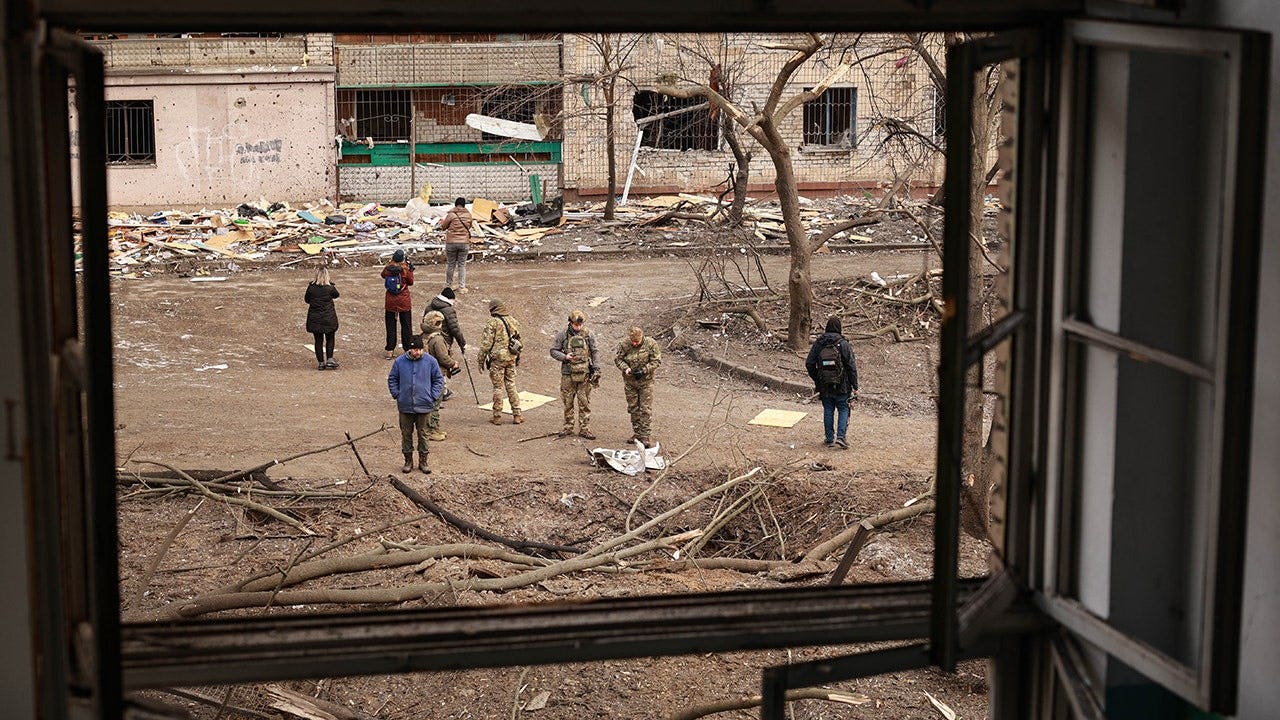
Ukrainian servicemen collect bomb fragments in front of a residential building damaged in a Russian airstrike in Zaporizhzhia, Ukraine, Sunday, Nov. 29, 2026. (AP Photo/Kateryna Klochko)
In Ukraine, authorities said Russian strikes killed at least three people and wounded more than 20 as Moscow pressed an intensifying campaign against residential areas and energy infrastructure. Ukraine’s air force said Russia launched 140 drones overnight, with 101 shot down or suppressed, according to preliminary figures.
In the southern city of Zaporizhzhia, guided aerial bombs struck the city center amid residential buildings, killing a woman and wounding five people, Ukrainian President Volodymyr Zelenskyy posted on X. First responders from Ukraine’s State Emergency Service pulled the woman’s 14-year-old daughter alive from the rubble. Zelenskyy noted there were no military facilities nearby.
In the Odesa region, a drone strike ignited fires on the fourth and fifth floors of a 14-story apartment building, killing a woman and wounding three others, local authorities said. Separate strikes in the region damaged a farm and sparked a large fire at warehouses storing toys and household appliances, injuring two more people, Ukraine’s State Emergency Service reported.

A local school is damaged after a Russian airstrike on Zaporizhzhia, Ukraine, Sunday, Nov. 29, 2026. (AP Photo/Kateryna Klochko)
In central Ukraine’s Poltava region, a Russian drone struck the courtyard of an apartment building in Kremenchuk late Saturday, killing one person and injuring six, regional Gov. Vitalii Dyakivnych said.
ZELENSKYY COMPARES PUTIN TO HITLER AS TRUMP PAUSHES TO END UKRAINE WAR: ‘HE’S AN AGGRESSOR AND A KILLER’
Further north in Kharkiv, a Russian drone hit an industrial area, wounding nine people, Mayor Ihor Terekhov said. Meanwhile, Reuters reported via Russian news agency Interfax that Russia’s Defense Ministry claimed its troops struck facilities at the Philip Morris tobacco factory in Kharkiv, alleging the site was being used to produce ammunition for the Ukrainian army.

Windows in a school gym are shattered by the blast wave from a Russian airstrike in Zaporizhzhia, Ukraine, Sunday, Nov. 29, 2026. (AP Photo/Kateryna Klochko)
Zelenskyy said on X Sunday that Moscow launched more than 1,960 attack drones, over 1,600 guided aerial bombs and eight missiles against Ukraine over the past week alone. He accused Russia of trying to exploit approaching winter weather by hitting energy substations in the Vinnytsia, Kirovohrad, Rivne, Kharkiv and Odesa regions to cut off heating, light and running water.
Following a coordination call with Ukrainian diplomatic and defense officials Sunday, Zelenskyy thanked Norway for fulfilling air defense agreements and urged his foreign and defense ministers to press other partners to deliver promised support packages immediately.
«Additional financial and defense packages, first and foremost to strengthen air defense, mean lives saved,» Zelenskyy wrote.
The Associated Press contributed to this report.
ukraine, russia, wars, drones, world
INTERNACIONAL
Returning House Republican shares minority survival playbook, questions ‘Petro friends’ on gas drop
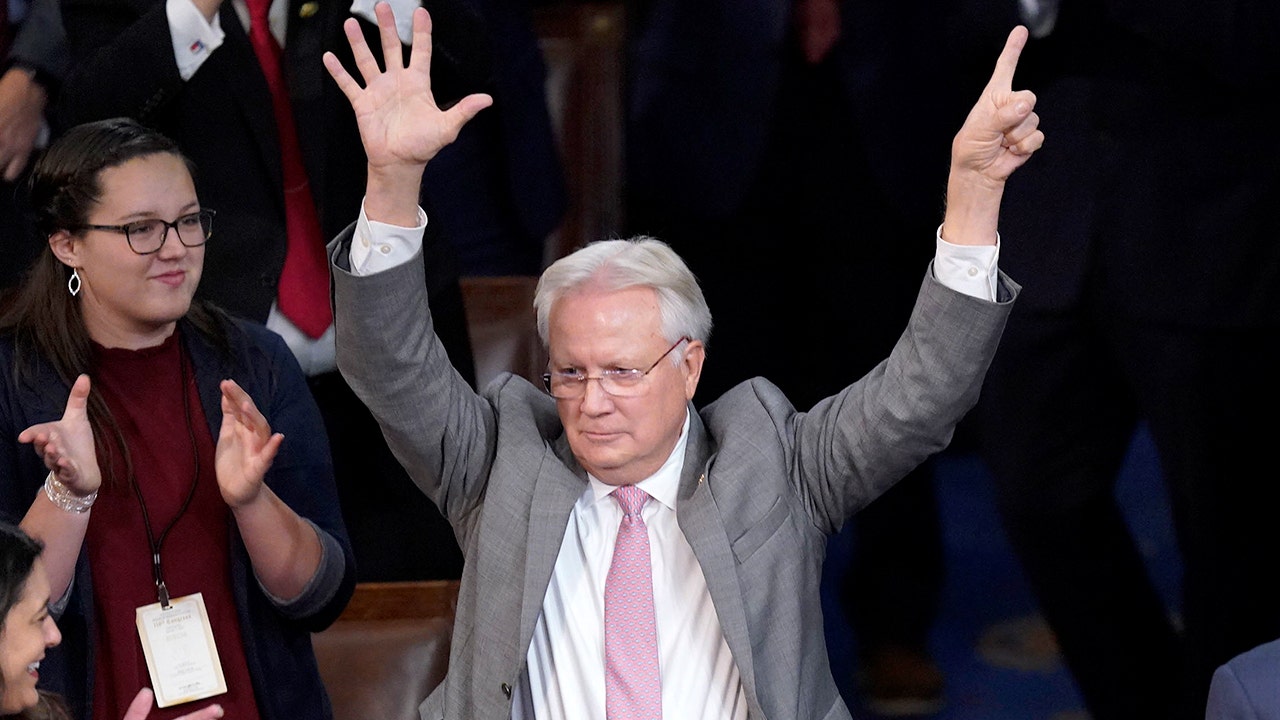
EXCLUSIVE: A Republican congressman-elect who survived the Pelosi-era House minority explained how the Republican conference can claw back the majority, while questioning why gas prices plunged only after his party’s midterm defeat.
Rep.-elect Jerry Carl, R-Ala., who is returning to Congress after serving from 2020 to 2024, told Digital that his previous experience serving in the House minority has prepared him to navigate a Democratic-controlled Congress when he returns to Washington in January.
«I served in 2020 and also in 2022, and those were the committees I was on. 2020 was a pretty tough cycle for us. It was COVID, it was Jan. 6. It was Nancy Pelosi in control,» Carl told Digital.
«So I’ve got a little bit of experience working in these hostile environments,» he continued. «So, I’d like to go back and try to win those small fights that we have on the floor and in our committee. We can still get some stuff accomplished, especially if we stick together.»
JIM JORDAN BECOMES NEW HOUSE GOP LEADER AFTER CLOSED-DOOR VOTE, DEFEATING STEVE SCALISE
Carl, who lost his re-election bid in the 2024 Republican primary, expressed optimism about the incoming GOP conference but warned that internal divisions could undermine efforts to regain the majority.
«Unity is something we certainly got to work toward. We can fight like family behind closed doors, but when we come out on that floor, we have to be one,» Carl said.
«I certainly hope that’s something that Jim Jordan and leadership will be able to pull us all together and we can work together.»
The former member of the House Appropriations and Natural Resources committees argued that Republicans should prioritize balancing the federal budget, reducing government spending and addressing affordability.
«Everyone talks about affordability. Well, heck, this country can’t afford it either,» Carl told Digital. «So let’s get back to what we were sent there to do. Let’s put a balanced budget together. Let’s actually go after and see if we can get some of these prices down without getting our nose involved in the free market system itself.»
POLL: SQUEEZED BY COSTS, FRUSTRATED VOTERS TURN TO THE DEMOCRATS
«Now’s the time. Let’s start working together on getting the deficit paid down and start working on some of our spending habits,» he added.
Carl’s remarks come as the national debt surpassed $40.7 trillion.
The Alabama Republican also questioned the timing of declining gasoline prices following the midterm elections, suggesting that earlier reductions could have helped Republicans retain congressional seats.
«We’ve seen fuel prices coming down rapidly. Isn’t that amazing? Right after the election, it starts coming down,» Carl said. «I think we need to look toward our Petro friends and start asking some questions.»
Carl questioned whether energy companies could have lowered prices sooner, arguing that high fuel costs contributed to Republican losses.
«Why didn’t they do it the week or the month or six months before the election? I think they cost us a lot of seats, and we need to be firm with our questions as to why,» he said.
CONSERVATIVES STUNNED BY ‘CATASTROPHIC’ MIDTERM BLUE TSUNAMI, BLAME TRUMP’S IRAN WAR, HIGH GAS PRICES
His remarks come as the Trump administration continues military operations against Iran, a conflict that has contributed to concerns about global energy markets and fuel prices.
Carl did not provide evidence that fuel companies deliberately kept prices elevated before the election or coordinated pricing decisions for political purposes.
However, the American Automobile Association (AAA) attributed the nationwide decline in gasoline prices to seasonal trends, developments in the Middle East and changes in refinery operations, rather than any coordinated effort to keep prices elevated ahead of the midterm elections.
The congressman-elect argued that Republicans must use their time in the minority to demonstrate fiscal responsibility, maintain party unity and advance policies aimed at lowering costs for American families.
politics, republicans elections, house of representatives, meet the new congress
INTERNACIONAL
Un reportero localiza en Sudán del Sur a cubanos deportados, retenidos sin comida ni agua potable
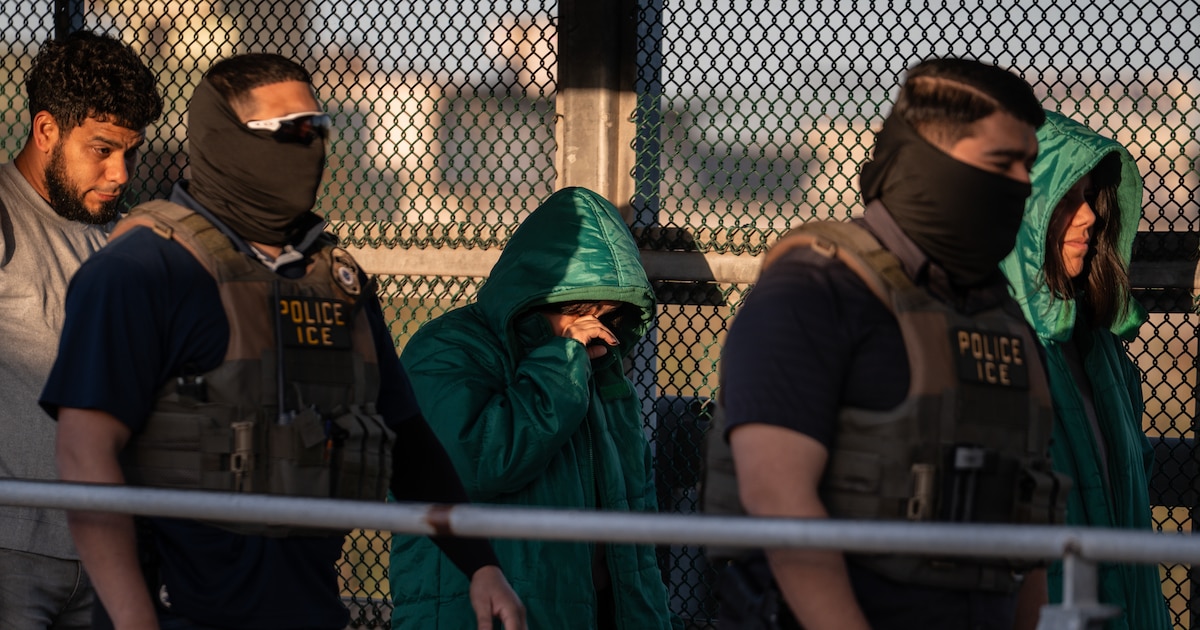
Un reportero de The New York Times localizó a un grupo de migrantes, entre ellos cubanos deportados por Estados Unidos, retenidos sin comida en una vivienda de Yuba, capital de Sudán del Sur.
El hallazgo, publicado el 21 de noviembre, expone la cara más extrema de una política que ya había desplazado a 2.75 millones de personas desde la isla desde 2020, según estimaciones demográficas independientes de finales de 2025.
Uno de los hallados por el periodista Nicholas Kristof es Enrique Arias Hierro, cubano de 48 años que vivía en Estados Unidos desde los dos años. “A veces no hay comida durante dos o tres días”, dijo Arias Hierro al Times, bajo la vigilancia de guardias sursudaneses y un diplomático durante la entrevista. El hombre relató además que, en un período, pasaron dos meses y medio sin agua potable.
Más de 500 deportados a países africanos sin vínculo previo
El Gobierno estadounidense deportó a más de 500 inmigrantes hacia países africanos con los que no tenían ninguna conexión desde que asumió el cargo el año pasado, de acuerdo con la investigación del diario.
La mayoría de los detenidos desaparece después del traslado y pierde todo contacto regular con sus familias.
La Corte Suprema de Estados Unidos había autorizado el año pasado las deportaciones hacia Sudán del Sur, pese a los votos disidentes de los magistrados liberales.
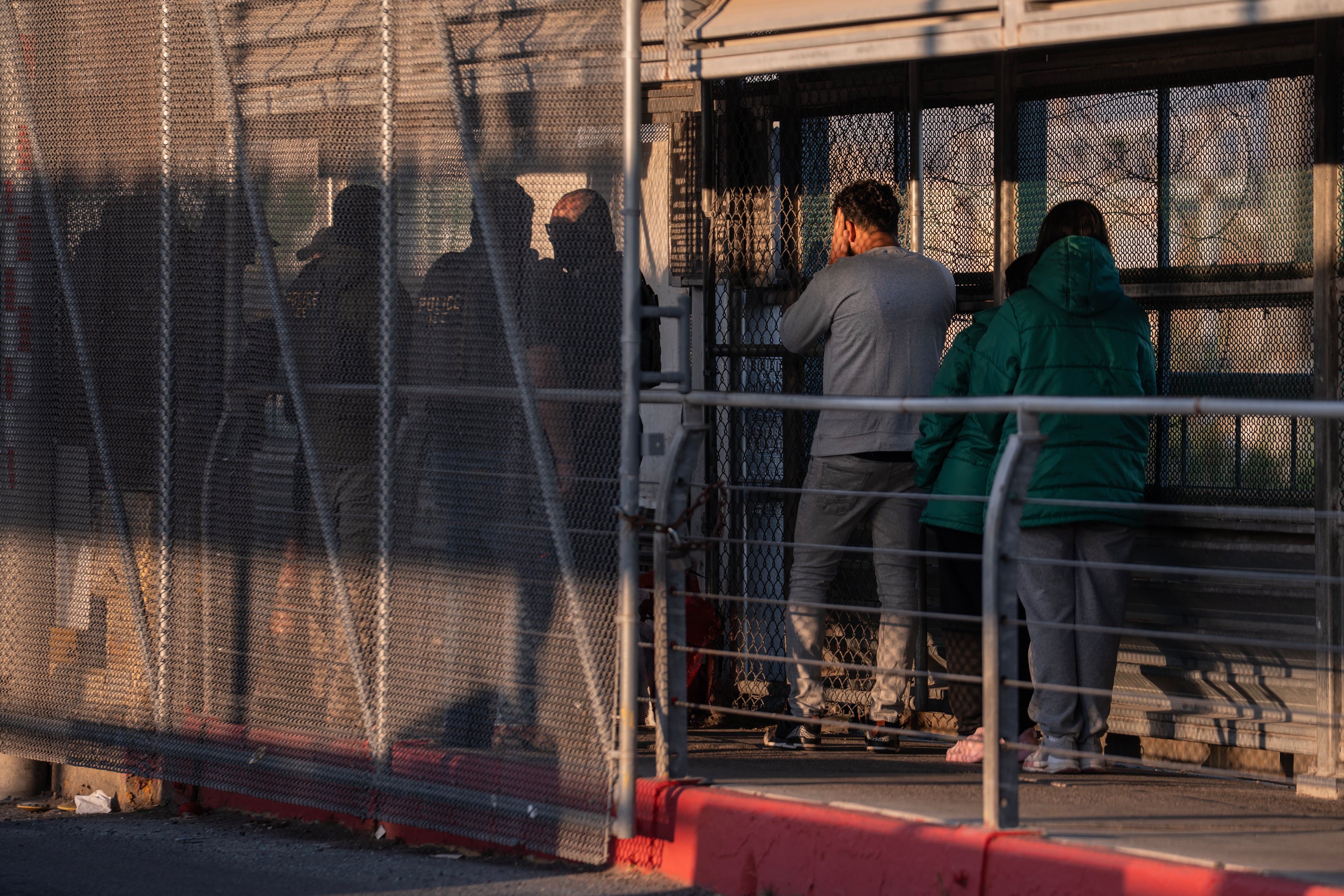
El tribunal programó para diciembre audiencias por vía rápida para determinar si esos traslados violan la Constitución y las garantías internacionales contra la tortura, según el mismo reporte.
Decenas de cubanos quedaron varados sin documentación tanto en Sudán del Sur como en la República Centroafricana tras ser deportados a terceros países africanos sin vínculo previo con esos territorios.
El patrón se repitió durante agosto de 2026, cuando ciudadanos cubanos continuaron entre los enviados a países receptores del África subsahariana, junto con nacionales de Afganistán e Irán, sin que existiera una justificación logística clara para esos traslados de alto costo.
Más de 600,000 cubanos en situación de incertidumbre jurídica en Estados Unidos
La excepcional recepción que los cubanos tuvieron durante décadas en Estados Unidos se fue debilitando desde 2017 y llegó a un punto de quiebre en enero de 2025.
Ese mes, la administración estadounidense revocó el programa de libertad condicional humanitaria para cubanos, haitianos, nicaragüenses y venezolanos (CHNV).
La medida se sumó después a una prohibición de viaje y a nuevas restricciones de visado introducidas a comienzos de 2026. El resultado es que más de 600,000 cubanos permanecen hoy en situación de incertidumbre jurídica: 110,900 inscritos en el CHNV y otros 500,000 sin estatus permanente, entre ellos titulares del formulario I-220A.
Entre febrero de 2025 y abril de 2026, más de 2,000 cubanos fueron devueltos directamente a la isla, mientras que entre 4,353 y 6,000 fueron enviados a México en el mismo período. Un número mucho menor terminó transferido a terceros países africanos.
Una investigación periodística coordinada por Forbidden Stories, retomada por OnCubaNews, contabilizó al menos 25,447 personas deportadas a terceros países hasta el 31 de agosto de 2026, bajo acuerdos con 35 países.
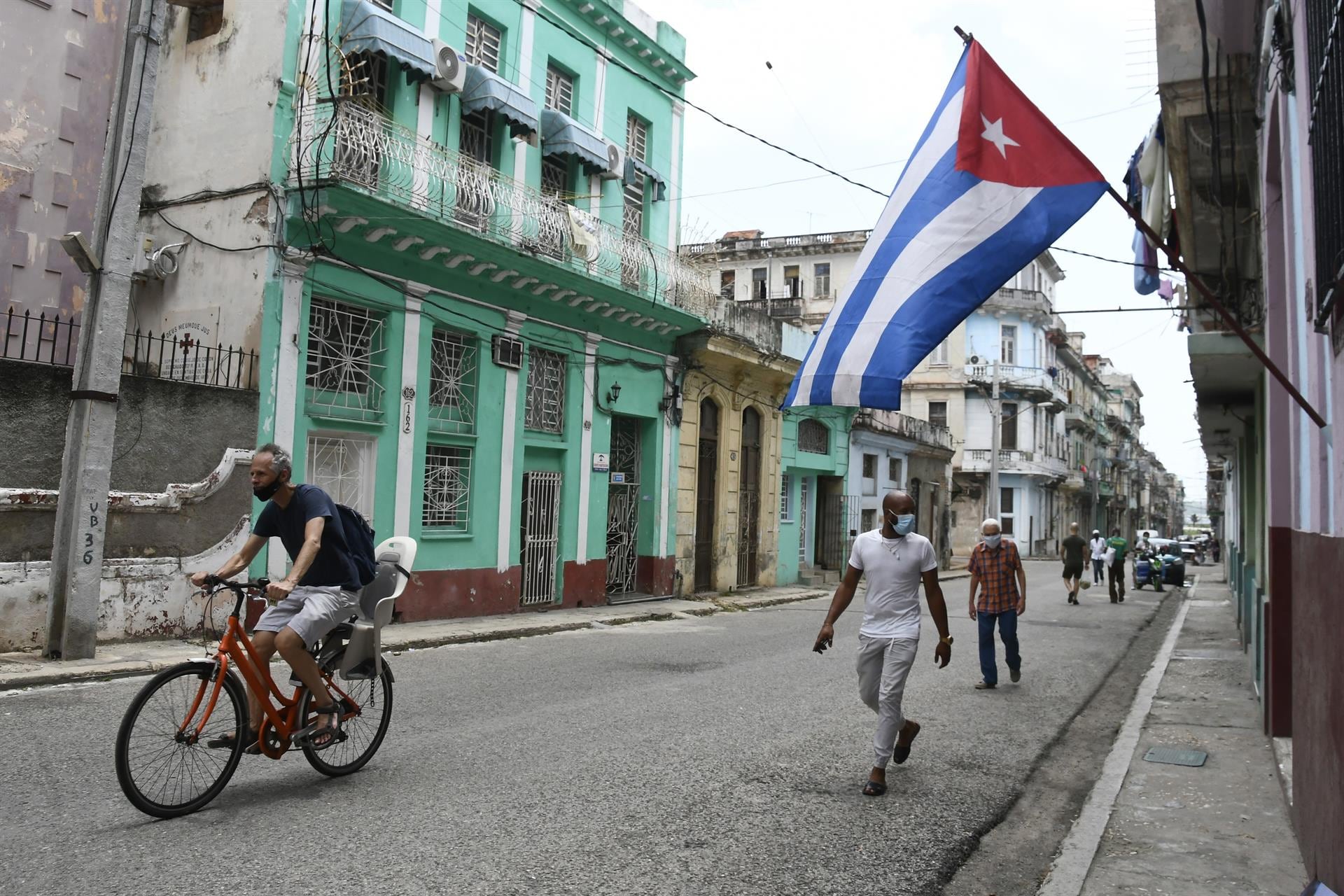
De esa cifra, unas 20.000 fueron enviadas a México y el resto se repartió entre otras 27 naciones de América Latina, África y el Pacífico, entre ellas Ruanda, Costa Rica, Esuatini, Guyana y el propio Sudán del Sur.
La investigación detalló que los acuerdos movilizaron USD 410 millones: USD 81 millones fueron a parar directamente a los gobiernos receptores, USD 178 millones a la Organización Internacional para las Migraciones (OIM) y USD 123 millones al Alto Comisionado de Naciones Unidas para los Refugiados.
América Latina, destino y no solo ruta de paso
El endurecimiento de la política estadounidense no frenó la salida de cubanos de la isla: durante 2025 se calcula que 137,600 solicitaron protección internacional en distintos países, el segundo grupo más numeroso de América y el octavo a escala global. Ese volumen reconfiguró por completo las rutas de salida.
Un número creciente de migrantes opta ahora por instalarse en Costa Rica, Brasil y Uruguay, atraído por marcos de protección más sólidos y comunidades cubanas ya establecidas. Los cubanos encabezaron en 2026 las solicitudes de refugio en Costa Rica, con 3,055 peticiones, según publicó Diario de Cuba.
El cambio de ruta también se refleja en Sudamérica. OnCubaNews, con datos de un informe de la OIM sobre el primer semestre de 2026, señaló que alrededor de 3,000 cubanos entran cada mes a Brasil a través de Guyana, y que el país recibió 16,982 solicitudes de asilo cubanas entre enero y mayo. Uruguay sumó en el mismo período 5,946 llegadas de ciudadanos de la isla.
La ruta hacia el norte, sin embargo, no desapareció. El cruce de cubanos hacia Honduras bajó de 64,000 en 2024 a 19,000 en 2025, una cifra que todavía supera ampliamente las llegadas registradas ese año en Brasil (6,400) y Uruguay (1,250).
En paralelo, los cruces irregulares por el Darién panameño cayeron 98% durante el primer semestre de 2026, de acuerdo con cifras citadas por Diario Las Américas.
La OIM resumió el fenómeno con una frase que sintetiza el cambio de época: “Estas tendencias demuestran que América Latina ya no es solo un corredor para los migrantes cubanos, sino que se está convirtiendo cada vez más en su hogar definitivo”.
La Corte Suprema revisará en diciembre la legalidad de las deportaciones
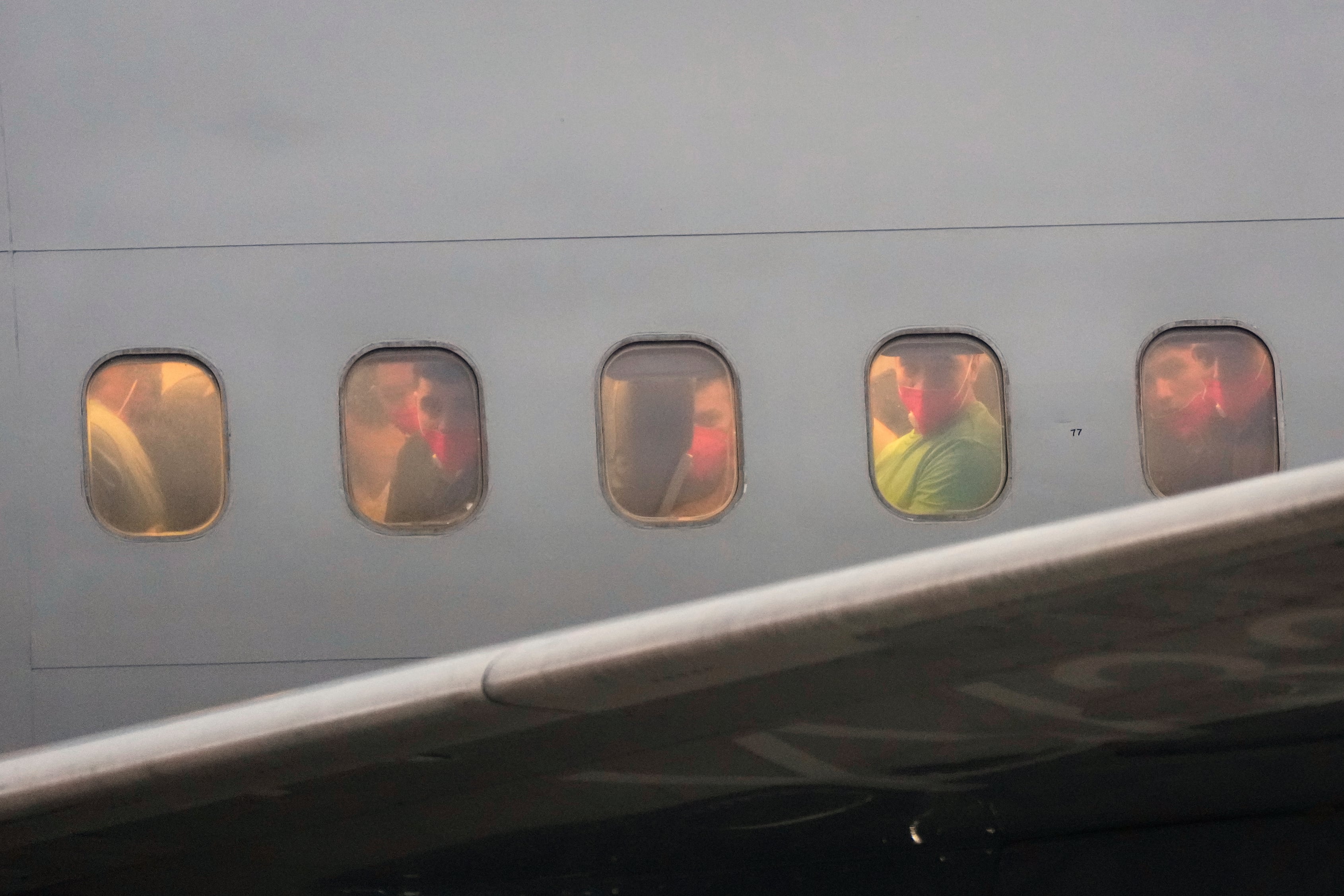
El 21 de octubre, un vuelo trasladó a 69 cubanos hasta Bangui, capital de la República Centroafricana. Entre ellos estaba Yasmany Moreno, quien llegó a Estados Unidos en balsa en 2016 y fue deportado el 30 de julio de 2026 sin que se le informara su destino durante el viaje.
Moreno y otros tres compatriotas fueron retenidos cuatro días por la policía local en condiciones que el propio migrante calificó de inhumanas.
“La pasamos súper terrible”, relató a CiberCuba tras su liberación el viernes 20 de noviembre. El medio precisó que la OIM no respondió de inmediato y que otra organización presionó al organismo para que pagara su rescate.
El panorama judicial se complicó para el resto del grupo. La Corte de Apelaciones del Octavo Circuito suspendió esta semana una orden que obligaba al Gobierno a repatriar desde Bangui a un migrante nicaragüense, un fallo que había abierto una puerta legal para los cubanos trasladados al mismo país, según informó CiberCuba.
El futuro de estas expulsiones a terceros países quedará a expensas de la audiencia que la Corte Suprema celebrará el 9 de diciembre para revisar la legalidad de la política. Para los deportados que continúan en África, sin papeles, sin idioma común con la población local y sin redes de apoyo, la espera transcurre en países que atraviesan sus propias crisis humanitarias y de seguridad.
deportation,deportation;migration;inmmigration,inmmigration,migration

La “bomba” de Benedetto que hizo estallar el escándalo en Barcelona de Ecuador: la fuerte respuesta del entrenador

Charly García: reeditarán el primer disco de La Máquina de Hacer Pájaros, una joya del rock nacional

Las apuestas que regula la ley de ludopatía: un negocio de US$1300 millones al año que se reparten siete grandes empresas

La apuesta de Milei para blindar su alianza con Trump, la jugada de Massa con Duhalde y el cortocircuito entre Caputo y Menem

¿Dónde ver EN VIVO y ONLINE el Camioneros vs. Talleres RE?

Russia and Ukraine trade massive drone barrages, killing 4 as US peace talks continue

Efecto reforma electoral: la suspensión de las PASO divide la estrategia de los “outsiders”

“Lo real es que estamos estancados”: el análisis de un economista tras la caída de la actividad

Quiénes son los jueces de Brasil y Chile que fallaron contra Argentina en el Tribunal del Mar

Cerraron más de 50.000 kioscos en los últimos tres años y el sector perdió casi la mitad de sus locales

 POLITICA2 días ago
Efecto reforma electoral: la suspensión de las PASO divide la estrategia de los “outsiders”
- POLITICA7 horas ago
Quiénes son los jueces de Brasil y Chile que fallaron contra Argentina en el Tribunal del Mar
- ECONOMIA3 días ago
Cerraron más de 50.000 kioscos en los últimos tres años y el sector perdió casi la mitad de sus locales