INTERNACIONAL
Pritzker and an unlikely group of allies fueled one of the biggest political flips of 2026: disclosures

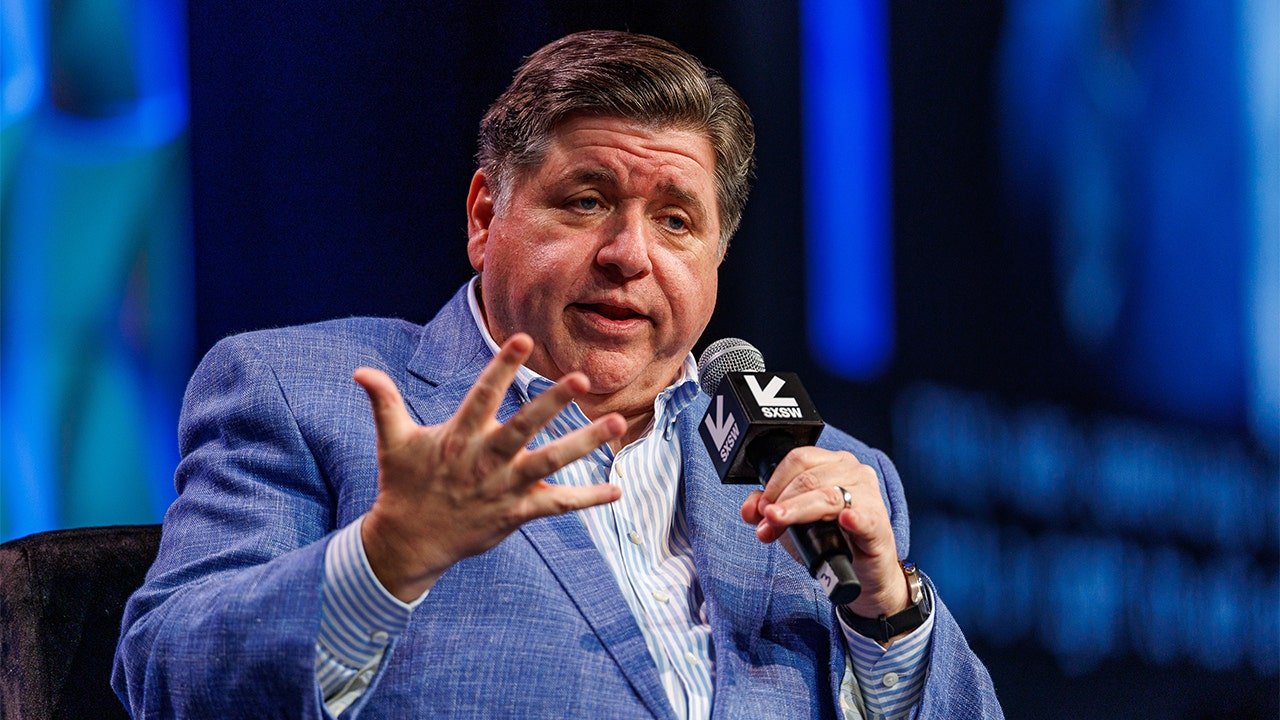
Out-of-state liberal billionaires, organized labor and a political group bankrolled by a conservative megadonor poured money into the Democratic campaigns behind Texas’ historic blue wave, raising questions about what kind of influence their money will buy once their beneficiaries take power.
Democratic Gov. JB Pritzker, conservative megadonor Miriam Adelson, the International Brotherhood of Electrical Workers and finance executives rarely find themselves on the same side of any given issue. Yet, campaign finance disclosures reviewed by Digital show that the quartet, alongside a host of other strange bedfellows, united in opening their checkbooks to help Democrats score historic victories across Texas, including taking the governor’s mansion and control of the state House.
Drawing its wealth from the Hyatt Hotels Corporation, the Illinois-based Pritzker family was among the largest spenders in Texas’ recent gubernatorial election. Gov. Pritzker, the most prolific of them, donated $1.2 million to Democratic Gov.-elect Gina Hinojosa’s campaign. A handful of his relatives donated a few thousand more here and there.
DEMOCRAT GINA HINOJOSA STUNS ABBOTT, MAKES HISTORY AS FIRST LATINA TEXAS GOVERNOR
Many have speculated that Pritzker, worth an estimated $4.2 billion, may throw his hat into the ring for the 2028 Democratic presidential nomination — rumors he had done little to quash. If the Illinois governor does decide to make a run for the White House, Hinojosa could be a valuable ally in his bid, given the massive number of delegates that will be up for grabs in Texas’ Democratic primary, and her potential to become a major player within the party.
Pritzker wasn’t the only out-of-state liberal billionaire to throw cash behind Hinojosa. Mike Bloomberg, often a major donor to Democratic presidential campaigns, gave Hinojosa’s campaign $750,000. Jessica Livingston, co-founder of the tech incubator Y Combinator, gave her $150,000. Multiple members of the Walton family, the clan responsible for the founding of Walmart, also made contributions to the Democratic ticket.
WARREN GETS DEFENSIVE WHEN PRESSED ON DEMOCRATS ACCEPTING BILLIONAIRE DONATIONS
As Texas Republicans emphasized public safety on the campaign trail, Hinojosa presented herself as a friend to law enforcement while quietly cashing checks from some of the liberal donors behind controversial progressive prosecutors in places like San Francisco and Los Angeles.
Quinn Delaney and Liz Simons collectively spent close to $2 million backing Los Angeles District Attorney George Gascon and San Francisco District Attorney Chesa Boudin, a pair of progressive prosecutors linked to the Soros family who suffered electoral defeats amid persistently high crime in their jurisdictions. The duo has spent millions more backing ballot measures and other initiatives characterized by critics as reducing the penalties for breaking the law.
SOROS NETWORK REBUILDS PROGRESSIVE PROSECUTOR PUSH AFTER STRING OF ELECTION LOSSES
Delaney and Simons contributed roughly $50,000 to Hinojosa’s campaign. Texas Majority PAC, a Democratic group heavily funded by George Soros and Soros-linked entities, gave Hinojosa an additional $25,000 in in-kind support.
On the other side of the aisle, the widow of conservative mega-donor Sheldon Adelson also pumped significant amounts of cash into the Texas Democratic ticket. Adelson’s wealth is largely derived from casinos, and she’s been spending big to expand gambling operations across the country.
‘WE DIDN’T EXPECT THIS’: TEXAS DEMOCRATS STUNNED AS BLUE WAVE TOPPLES GOP STRONGHOLD
While Adelson has made contributions to both parties in this quest, in Texas she favored the Democrats. Texas Sands PAC, which is overwhelmingly funded by Adelson, donated $125,000 to Nathan Johnson, the Democratic attorney general-elect. His Republican opponent, Mayes Middleton, was a staunch opponent of allowing more gambling establishments to open in Texas, whereas Johnson has signaled an openness to expanding the state’s vice economy, proposing a public vote to remove Texas’ constitutional barrier to regulated casino gaming and sports wagering.
Democratic state Rep. Senfronia Thompson, who says she has enough votes to become the next speaker of the Texas House, received roughly $10,000 from the Adelson-funded Texas Sands PAC.
Unions, most notably teachers’ unions, were responsible for a significant portion of the money behind Hinojosa, who herself is a critic of charter schools and pledged to end the state’s voucher program — both longtime priorities of her financial supporters.
DEMOCRATIC HYPOCRISY ON BIG MONEY IN POLITICS CALLED OUT BY ‘RUTHLESS PODCAST’ HOSTS AHEAD OF MIDTERMS
The presumptive governor’s tight relationship with labor was not enough to prevent capital from supporting her as well, however.
Edward R. Allen III, co-founder and senior partner of Eagle Global Advisors, a Houston-based investment management firm dealing in energy-infrastructure investment strategies, donated $200,000, making him one of her largest single donors. Several other individuals in similar positions also cut large checks in support of the Democratic ticket. Whether those donors will seek to influence Hinojosa’s administration remains to be seen.
Representatives for Hinojosa, Johnson, Thompson, Pritzker and Adelson did not respond to requests for comment when reached by Digital.
politics, jb pritzker, michael bloomberg, george soros, texas, midterm elections








INTERNACIONAL
Panamá busca asegurar sus agroexportaciones hacia Europa ante las nuevas exigencias ambientales
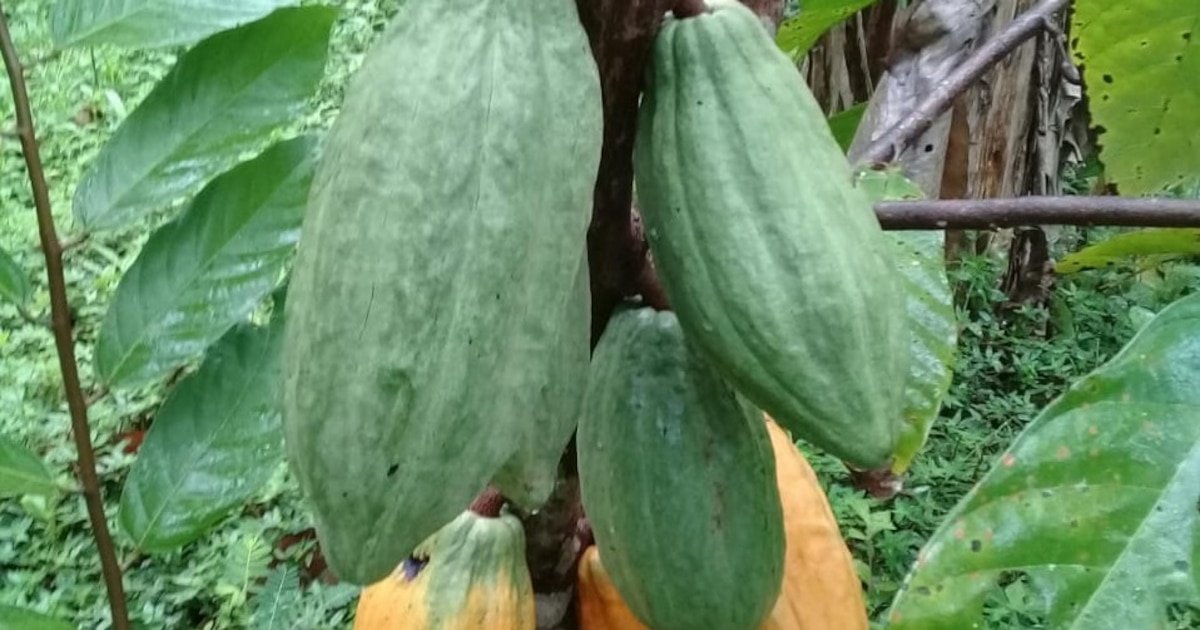
Panamá estableció nuevos mecanismos para proteger sus exportaciones agropecuarias hacia Europa y ampliar la comercialización de servicios en los mercados internacionales, mediante iniciativas que buscan cumplir las regulaciones ambientales y aprovechar los acuerdos comerciales vigentes.
Una de las medidas anunciadas es la creación de la Comisión Nacional Interinstitucional EUDR, establecida mediante el Decreto Ejecutivo N.° 18 del 18 de noviembre de 2026, para atender las exigencias ambientales europeas.
La instancia está integrada por los ministerios de Desarrollo Agropecuario, Ambiente y Comercio e Industrias, que deberán coordinar acciones de asistencia técnica y proporcionar a productores y exportadores herramientas de cumplimiento normativo.
El reglamento europeo, identificado como EUDR por sus siglas en inglés, establece restricciones a la comercialización de materias primas y productos derivados asociados con la deforestación, incorporando requisitos de trazabilidad y legalidad.
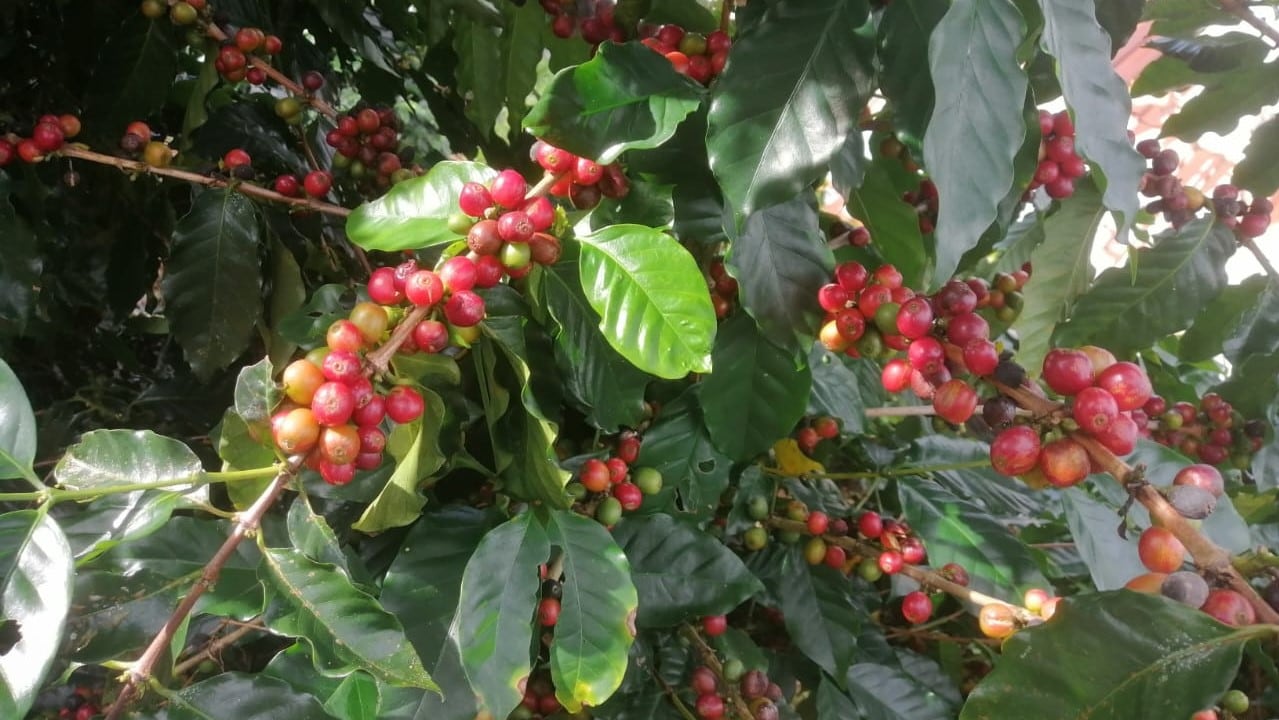
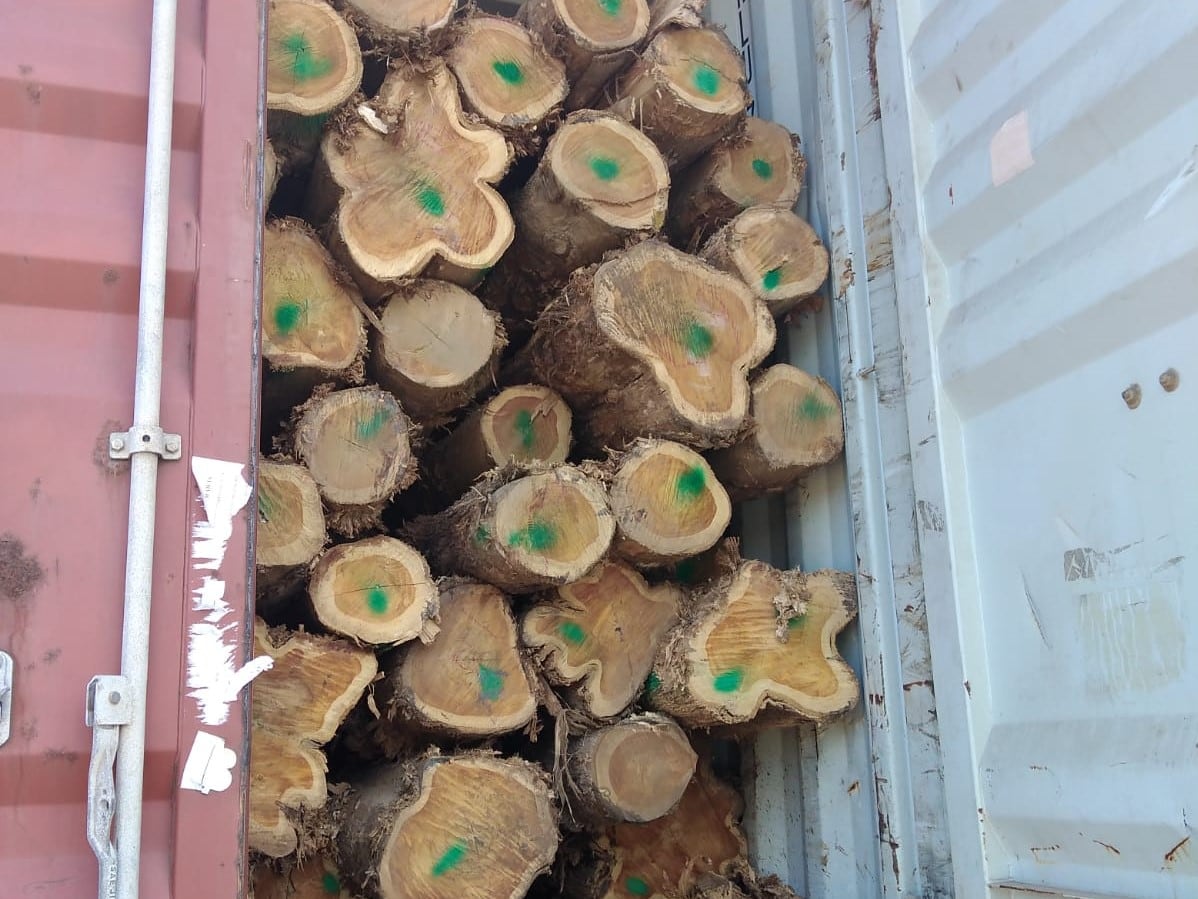
La disposición abarca siete materias primas: ganado bovino, cacao, café, palma aceitera, caucho, soja y madera, además de determinados derivados, cuya comercialización estará condicionada al cumplimiento de criterios ambientales y legales.
Entre las principales exigencias figura demostrar que los productos no proceden de terrenos deforestados después del 31 de diciembre de 2020, además de acreditar que fueron obtenidos conforme a la legislación vigente del país productor.
Esto implica que los productores deberán contar con información sobre la ubicación geográfica de sus parcelas, mientras los operadores comerciales tendrán que disponer de documentación suficiente para acreditar el cumplimiento de los requisitos europeos.
Para facilitar este proceso, Panamá desarrolló la Plataforma EUDR, una herramienta tecnológica destinada a gestionar la información necesaria para demostrar la procedencia de los productos y facilitar su trazabilidad dentro de la cadena comercial.
Otro mecanismo es la Matriz de Legalidad, que permite identificar las disposiciones nacionales aplicables a las actividades productivas y orientar la preparación de documentos que acrediten el cumplimiento de las obligaciones legales y ambientales.
El decreto también contempla la elaboración de un plan de trabajo interinstitucional, la conformación de subcomisiones especializadas y la incorporación de otras entidades públicas relacionadas con información territorial, innovación tecnológica y comercio exterior.
Estas acciones estarán acompañadas por jornadas de capacitación dirigidas a productores, exportadores y operadores europeos, particularmente en las cadenas productivas de café, cacao, palma aceitera y madera, para facilitar la adaptación a las exigencias comerciales.
Paralelamente, el Ministerio de Comercio e Industrias trabajó junto con la Organización Mundial del Comercio (OMC) en una hoja de ruta técnica destinada a ampliar las oportunidades de exportación de las empresas panameñas de servicios.
La iniciativa se desarrolló mediante el Taller Nacional sobre Comercio de Servicios, en el marco del programa Comercio de Servicios para el Desarrollo, orientado a identificar oportunidades de internacionalización y aprovechar los tratados comerciales vigentes.
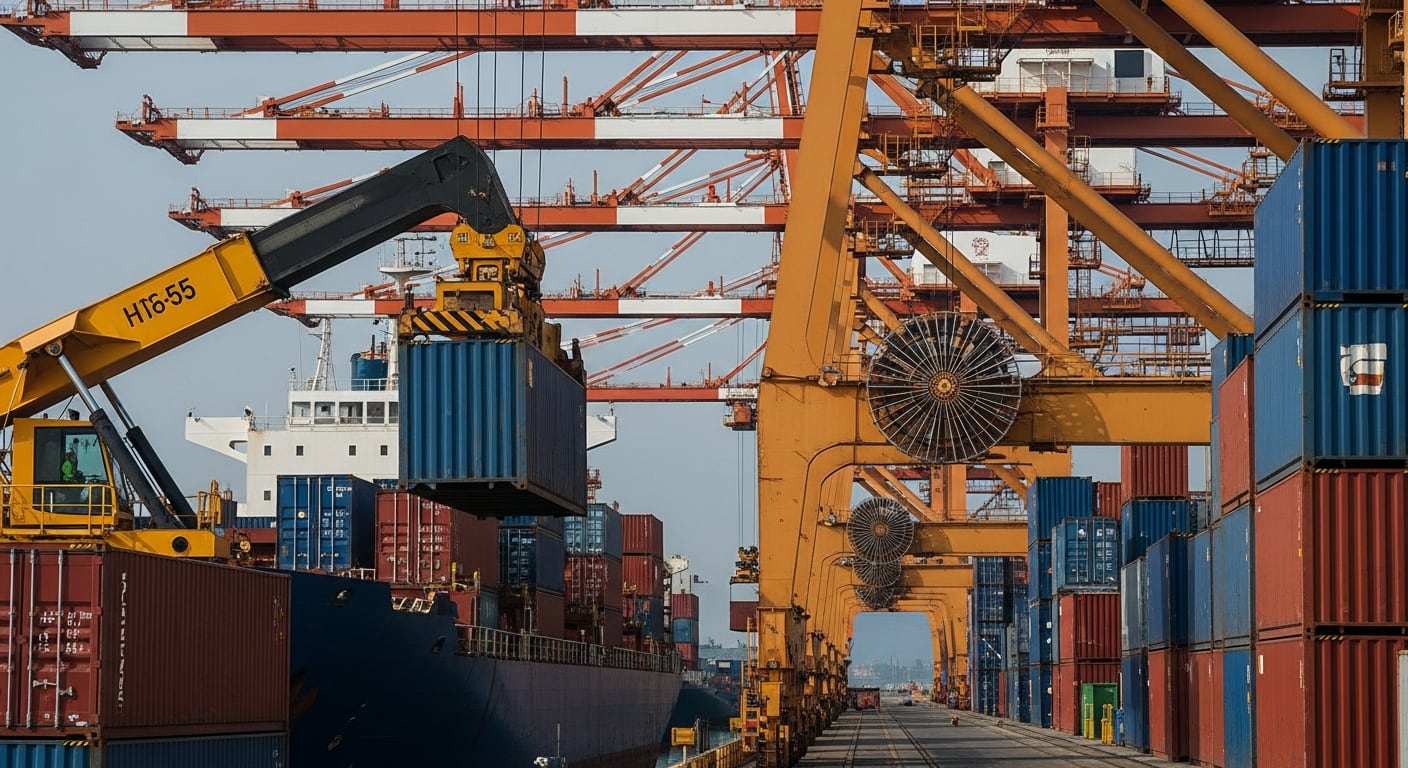
En este proceso participan las direcciones de Inversión y Exportaciones del MICI, la Oficina de Negociaciones Comerciales Internacionales, ProPanamá y la Cancillería, mediante una coordinación institucional que busca conectar a las empresas locales con potenciales compradores extranjeros.
Los equipos técnicos evaluaron las tendencias del comercio internacional de servicios y los obstáculos que enfrentan las compañías panameñas para ingresar a nuevos mercados, considerando las oportunidades disponibles mediante los acuerdos comerciales suscritos por el país.
A diferencia de las exportaciones tradicionales de mercancías, la comercialización internacional de servicios permite generar ingresos mediante actividades como la logística, la consultoría empresarial, el desarrollo tecnológico y otras soluciones que incorporan conocimiento y valor agregado.
Ambas iniciativas buscan atender desafíos diferentes del comercio exterior panameño: preservar el acceso de los productos agropecuarios a mercados con mayores exigencias ambientales y diversificar las fuentes de ingresos mediante la internacionalización de empresas de servicios.
El alcance de estas medidas dependerá de su implementación, particularmente de la capacidad institucional para acompañar a los pequeños productores, reducir las barreras de cumplimiento normativo y convertir las oportunidades identificadas en nuevos negocios internacionales.
grúa portuaria,contenedor,comercio,puerto,Panamá,logística
INTERNACIONAL
“El régimen es muy débil y se sostiene en el poder por la fuerza”: Jonathan Duarte sobre Nicaragua
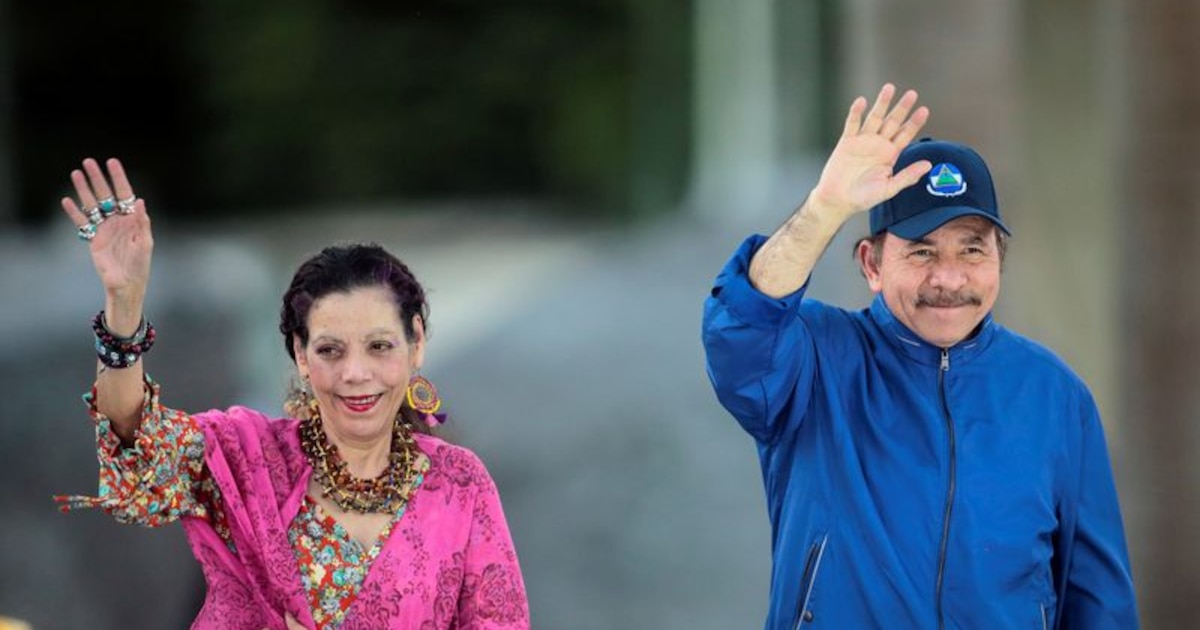
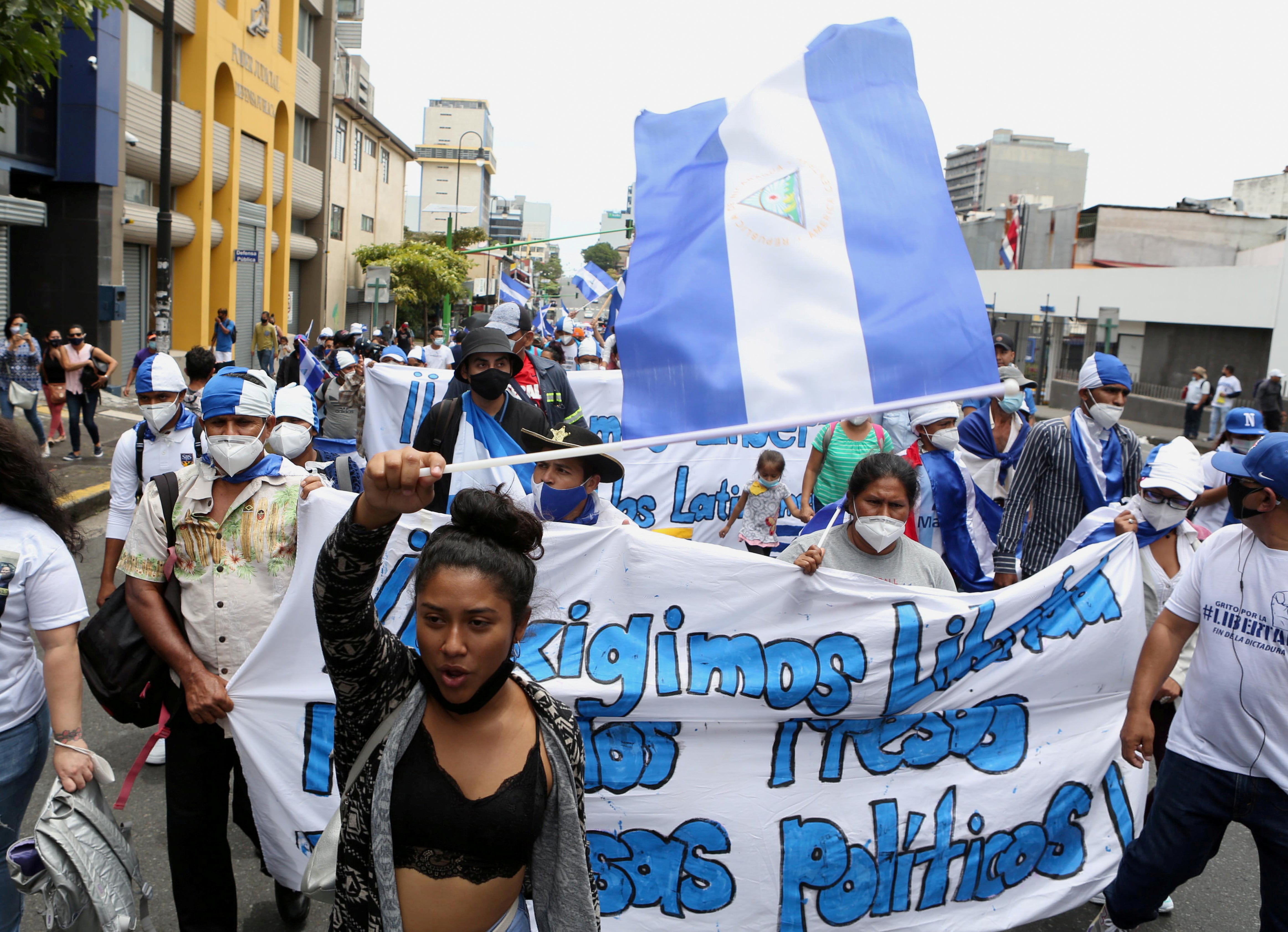
El régimen nicaragüense enfrenta una etapa de mayor concentración de poder, persecución política y deterioro institucional, sostuvo Jonathan Duarte, director ejecutivo de la Fundación para la Libertad de Nicaragua, durante una entrevista en el podcast Freie Wahl.
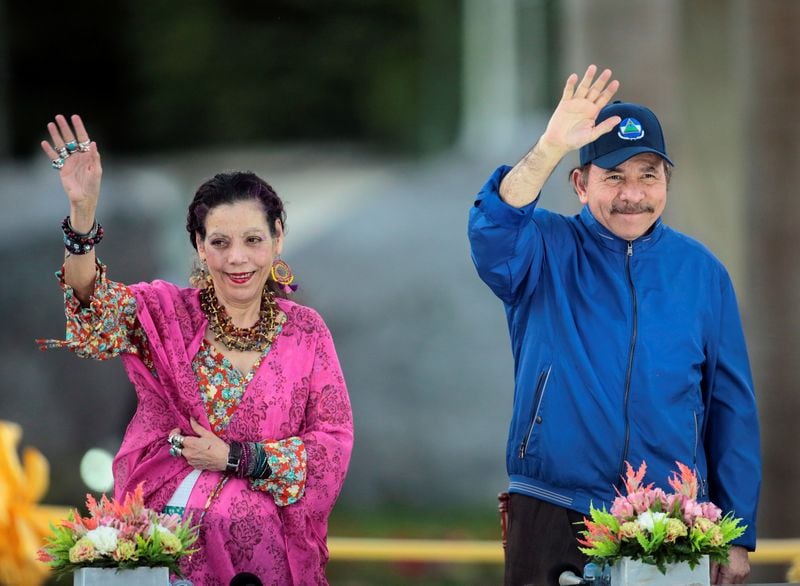
Duarte se refirió a la evolución del poder de Daniel Ortega y Rosario Murillo, a quienes atribuyó la consolidación de un esquema familiar. Aunque describió un escenario de fragilidad: “El régimen es muy débil ahora mismo, aunque se mantiene en el poder por la fuerza. Ellos son detestados dentro del país”.
Según su lectura, el control político descansa en los aparatos de seguridad, la Policía Nacional y grupos afines al oficialismo, mientras la estructura interna del sandinismo atraviesa tensiones por las purgas contra antiguos dirigentes.
De Estados Unidos a Nicaragua
Nacido en Miami, después de que su madre huyera de Nicaragua embarazada durante la década de 1980, Duarte creció en Estados Unidos, estudió gestión de recursos humanos y trabajó en el sector privado antes de involucrarse de lleno al activismo por su país.
Para él todo cambió en abril de 2018, cuando comenzaron las protestas contra el régimen. Duarte siguió los acontecimientos desde Estados Unidos y decidió viajar a Managua pese al clima de violencia y al despliegue policial y paramilitar que, según describió, encontró a su llegada.
Uno de los episodios que marcó su vida fue el asesinato del periodista Ángel Gaona en Bluefields. Duarte recordó que vio la transmisión en vivo en la que Gaona recibió un disparo y luego visitó el lugar donde ocurrió el crimen.
“Esto no puede quedarse así. Esto no puede ser así. No sé qué voy a hacer para ayudar, pero tengo que hacer algo”, pensó.
Después participó en protestas y talleres de liderazgo con jóvenes en la Costa Caribe. Más tarde, tras nuevos hechos de violencia durante una movilización por el Día de la Madre, viajó a Washington para informar a legisladores estadounidenses sobre la crisis política y de derechos humanos en Nicaragua.
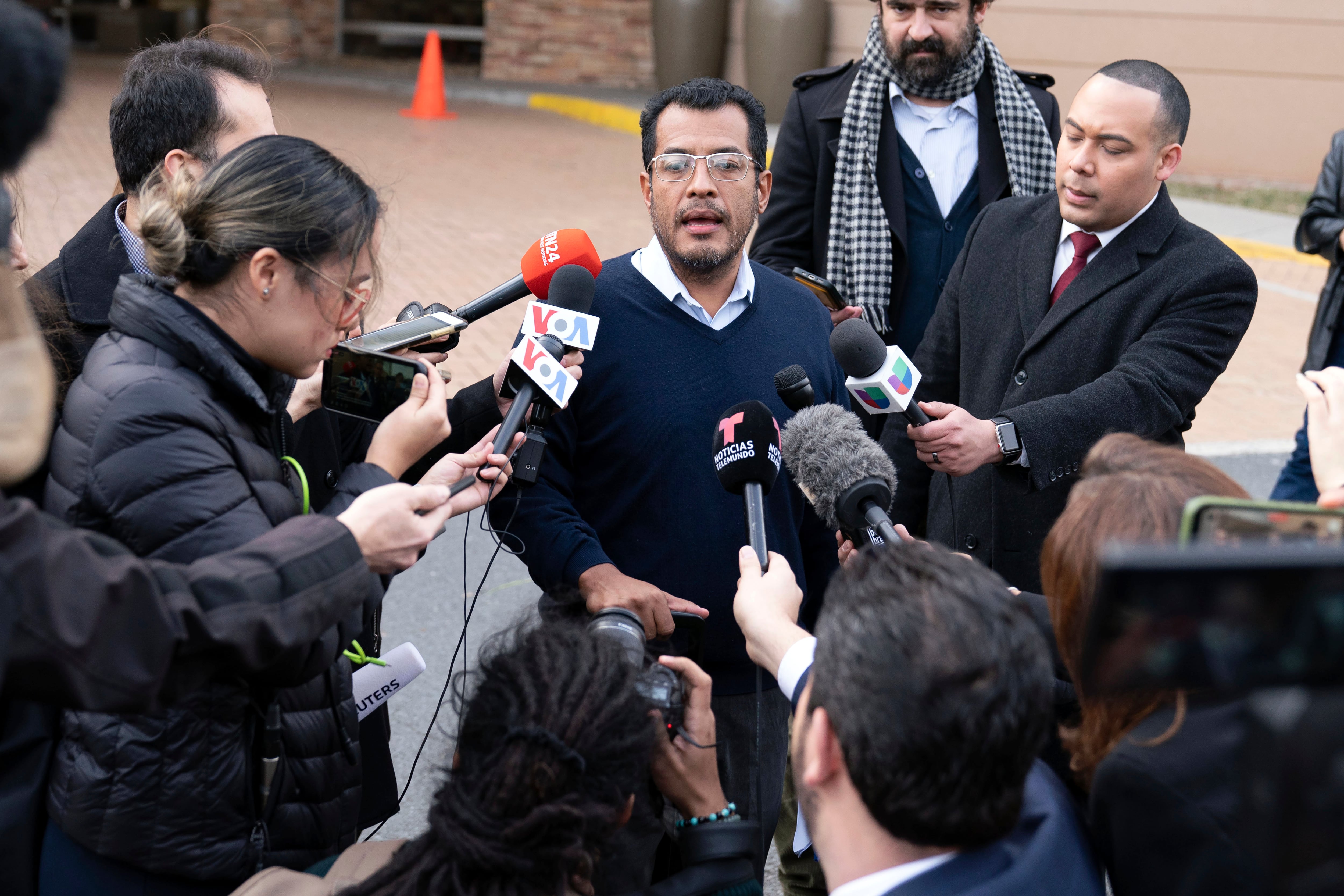
La campaña de Félix Maradiaga se desarrolló bajo vigilancia y clandestinidad
En la entrevista, Duarte recordó su vínculo con el opositor Félix Maradiaga. Ambos regresaron juntos a Managua en 2018, en un contexto de acusaciones oficiales contra Maradiaga y amenazas de arresto.
En 2021 aceptó dirigir la campaña presidencial de Maradiaga, pese a que no tenía experiencia previa. El proceso, dijo, se realizó con estructuras descentralizadas, reuniones reducidas y métodos informales para evitar la vigilancia del oficialismo.
“Hacíamos fiestas de cumpleaños infantiles, y yo alquilaba un castillo inflable y llevaba un payaso”, contó. Mientras los niños jugaban, explicó, los adultos se reunían en otros espacios y se comunicaban con Maradiaga por teléfono, Zoom o WhatsApp.
También recordó reuniones en conventos y encuentros comunitarios bajo la apariencia de actividades sociales. El objetivo era organizar una red territorial sin exponer a los participantes a represalias.
El plan quedó truncado en junio de 2021, cuando la dictadura arrestó a siete aspirantes presidenciales y a numerosos dirigentes opositores. Duarte aseguró que recibió una advertencia de la Embajada de Estados Unidos sobre una acusación en su contra por supuesto financiamiento al terrorismo y abandonó el país.
“No puedo creer que sea la segunda generación de mi familia que es puesta en un avión y expulsada de este país por las mismas personas”, señaló.
La liberación de 222 presos políticos redefinió las prioridades de la oposición
Duarte destacó que tras el encarcelamiento de Maradiaga, una parte central del trabajo opositor pasó a ser la liberación de los presos políticos. En febrero de 2023, 222 personas detenidas por razones políticas fueron enviadas a Estados Unidos.
El activista recordó la llamada que recibió de Berta Valle, esposa de Maradiaga, la madrugada en que conoció la salida de los detenidos. “Están en un avión. Todos los 222 están en un avión”, relató que le comunicaron.
Para Duarte, la excarcelación no resolvió la situación de los opositores ni de sus familias. La a represión continuó y el régimen utilizó las detenciones para limitar la capacidad organizativa de sus adversarios dentro de Nicaragua.
La presión económica y la libertad religiosa
La Fundación para la Libertad de Nicaragua trabaja para reconstruir redes comunitarias y formar liderazgos dentro del país. Para Duarte, la población vive con temor y existe una ruptura del tejido social debido a la persecución contra organizaciones civiles, opositores y referentes religiosos.
El activista denunció restricciones contra la Iglesia católica, congregaciones evangélicas y la Iglesia morava en la Costa Caribe. “Uno de nuestros principales enfoques es impulsar la libertad religiosa dentro del país”, afirmó.
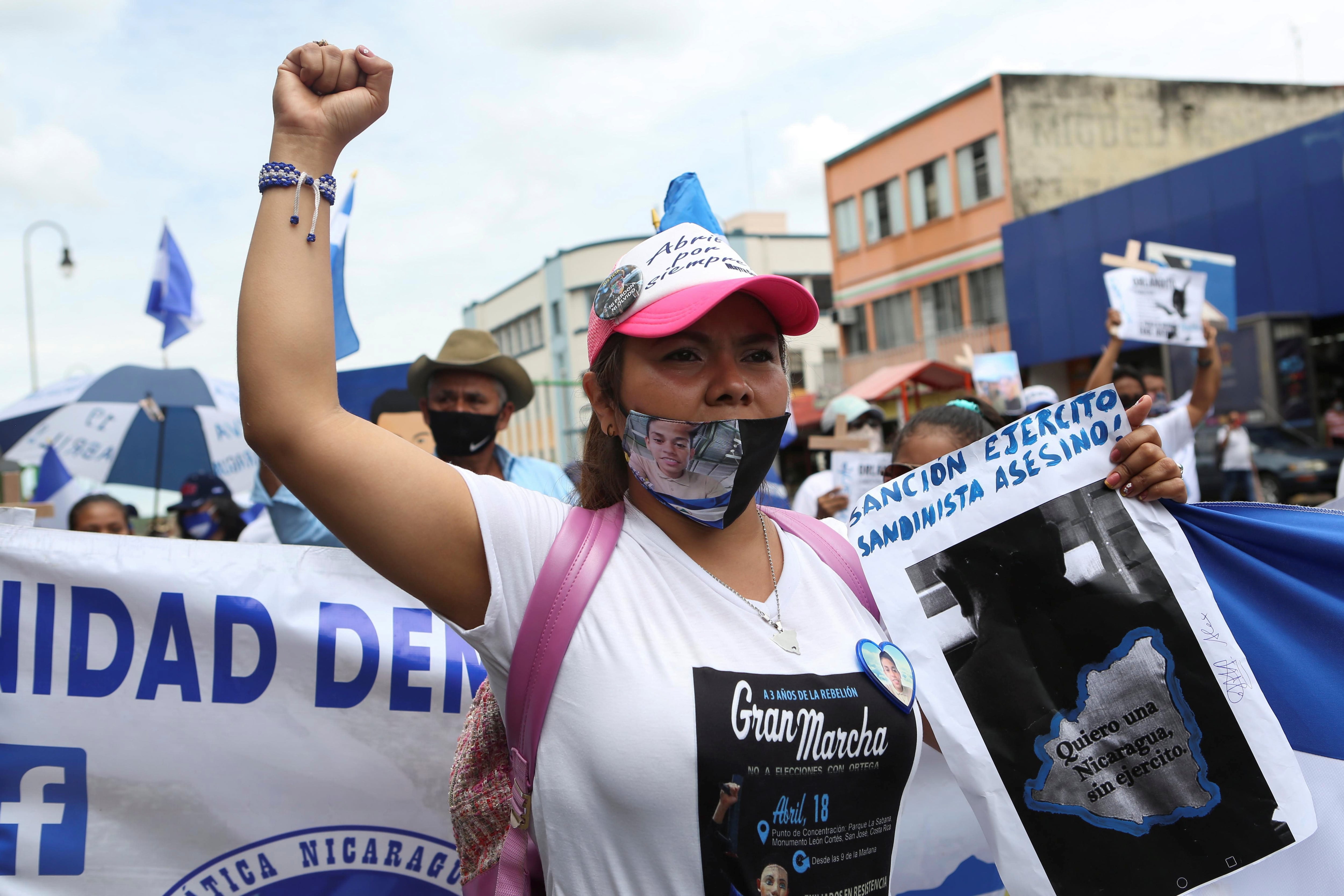
Sobre el escenario político, consideró que la eventual salida de Ortega podría abrir una crisis de sucesión. Duarte sostuvo que Murillo no tendría el respaldo suficiente de sectores históricos del sandinismo ni de las Fuerzas Armadas para consolidarse.
Su principal propuesta consiste en elevar el costo económico y político para Managua. “Cerca del 80% de lo que produce Nicaragua se exporta a Estados Unidos”, afirmó al defender una suspensión del país del DR-CAFTA.
“Mi esperanza es que, dentro de cinco años, estemos en el país reconstruyéndolo. Que, dentro de tres años, como mínimo, tengamos una nueva elección y un nuevo Gobierno”, expresó Duarte, quien pidió a los países latinoamericanos que aumenten la presión sobre el régimen nicaragüense.
INTERNACIONAL
Veteran who fought to preserve America’s history warns of growing fight over how it’s remembered

Marine veteran Scott Stump spent 16 years fighting to preserve a chapter of American history on the National Mall. Now, with his Desert Storm memorial finally complete, he’s warning about threats to the nation’s historical monuments and the stories they tell.
«I think it would be offensive for somebody to try to rewrite the history to serve some sort of self-serving narrative,» Stump, president and CEO of the National Desert Storm War Memorial Association, told Digital. «It’s not necessary.»
Stump spearheaded the effort to establish the National Desert Storm War Memorial, which opened Oct. 24 and honors Americans who served in Operations Desert Shield and Desert Storm and the U.S.-led coalition that liberated Kuwait from Iraqi occupation in 1991.
Stump’s concerns come at a time when the preservation of American history has become a flashpoint in Washington, with President Donald Trump’s administration clashing with the Smithsonian Institution this year over how the nation’s past is presented in its museums.
TRUMP V. SMITHSONIAN: A TIMELINE OF HOW THE WHITE HOUSE FIGHT OVER ‘WOKE’ HISTORY UNFOLDED
Stump said he hopes the memorial will do more than honor the Americans who served in Desert Shield and Desert Storm, inspiring future generations to learn about a chapter of history they may know little about.
«Our job, and I believe that we’ve achieved it through a wonderful design … is to make an emotional connection with the visitor and inspire them to then want to learn,» Stump said.
He pointed to the Korean War Veterans Memorial as an example of how monuments can spark curiosity among younger Americans.
«They get inspired. They don’t know anything about the Korean War, but they look it up because of their visit to the memorial, and that’s what we are attempting to do.»
«Americans that are willing to die for people, for a country that at that point, none of us had really ever heard of, we didn’t know where it was,» said Stump.
INSIDE THE BEHEMOTH SMITHSONIAN MUSEUM NETWORK DRAWING FIRE FROM THE TRUMP ADMINISTRATION
Meanwhile, recent acts of vandalism have raised concerns about protecting the nation’s monuments. In August, vandals spray-painted the World War II Memorial in Washington, D.C., and poured soap into its fountain, while a June incident left the number «8647» etched into the grass between the Washington Monument and the World War II Memorial.
Stump said the prospect of vandalism has become a growing concern, one he said was virtually nonexistent when he first began his mission to honor the Americans who served in Desert Shield and Desert Storm.
«We have a lot of fears, and I’ll just say that the fears that we have were non-existent up until probably seven, eight years ago,» Stump told Digital.
«I grew up in a time, and a lot of us did, where no matter how crazy a person was, they had respect for churches and … commemorative works or statues, things that are part of our country’s history,» he said.
Stump suggested that vandals may see monuments as symbols of the United States rather than considering the individual sacrifices or historical events they commemorate.
LINCOLN MEMORIAL REFLECTING POOL DRAINED AGAIN AS TRUMP ADMINISTRATION RESUMES REPAIRS
«They look at this as some type of a symbol of our country and there’s a deep hatred for our country, and they take it out on something that … everybody should take pride in,» he said.
For Stump, preserving the history of Desert Storm is a mission that transcends politics.
«This is apolitical. Just like our organization, we’ve always been apolitical,» Stump told Digital. «It’s a message for everybody.»
He pointed to the coalition of more than 30 countries spanning five continents, bringing together people of different races, religions and backgrounds in a shared mission.
«I think that the story stands on its own. I don’t think it needs any embellishment,» Stump said. «Meddling with history, it’s a bad idea. It’s an absolute bad idea.»
ILLEGAL IMMIGRANT ACCUSED OF BEHEADING IWO JIMA MONUMENT GRANTED BOND
Trump has pushed for changes to how American history is presented, signing a March 2025 executive order accusing the Smithsonian Institution of promoting a «divisive, race-centered ideology» and directing a review of changes to federal monuments and memorials. A second order in July 2026 accused Smithsonian leadership of failing to tell America’s story with «honesty and gratitude» and directed federal officials to pursue changes at the institution.
Stump began pushing for the memorial in 2010 after noticing that Desert Shield and Desert Storm veterans were often left out of military commemorations. The North Carolina Marine veteran recruited volunteers and worked with lawmakers including then-Rep. Phil Roe, R-Tenn., and Sen. John Boozman, R-Ark., to secure congressional approval for the memorial, which was authorized under Obama in 2014 and approved for a location near the National Mall under Trump in 2017.
Stump insisted the memorial be built entirely with private donations, not taxpayer money, a commitment he maintained throughout the yearslong effort to give Desert Shield and Desert Storm veterans a permanent place of recognition on the National Mall.
patriotism, heritage, washington dc, smithsonian, historic sites

Mohamed y Almeyda a semis en México: Crespo afuera

Con las PASO al borde de la suspensión, en el kicillofismo piden armar "un gran frente" antes de definir el método para elegir candidatos

Panamá busca asegurar sus agroexportaciones hacia Europa ante las nuevas exigencias ambientales

32 años después, Disney sigue teniendo una secuela que merece más reconocimiento. El Retorno de Jafar inició una tendencia muy controvertida

Silvina Escudero en PH: “¡Mike Tyson me quiso levantar!”

Pritzker and an unlikely group of allies fueled one of the biggest political flips of 2026: disclosures

Efecto reforma electoral: la suspensión de las PASO divide la estrategia de los “outsiders”

“Lo real es que estamos estancados”: el análisis de un economista tras la caída de la actividad

El juez retó a Chiqui Tapia y le subió el monto que debe pagar para salir del país

Cerraron más de 50.000 kioscos en los últimos tres años y el sector perdió casi la mitad de sus locales

 POLITICA2 días ago
Efecto reforma electoral: la suspensión de las PASO divide la estrategia de los “outsiders”
- ECONOMIA2 días ago
Cerraron más de 50.000 kioscos en los últimos tres años y el sector perdió casi la mitad de sus locales
- POLITICA3 días ago
Presupuesto 2027: el oficialismo encamina el quórum en Diputados, pero persisten las diferencias por los fondos para discapacidad