INTERNACIONAL
Ataque en Polonia: la Justicia abrió una investigación por terrorismo tras el tiroteo en el centro de Cracovia

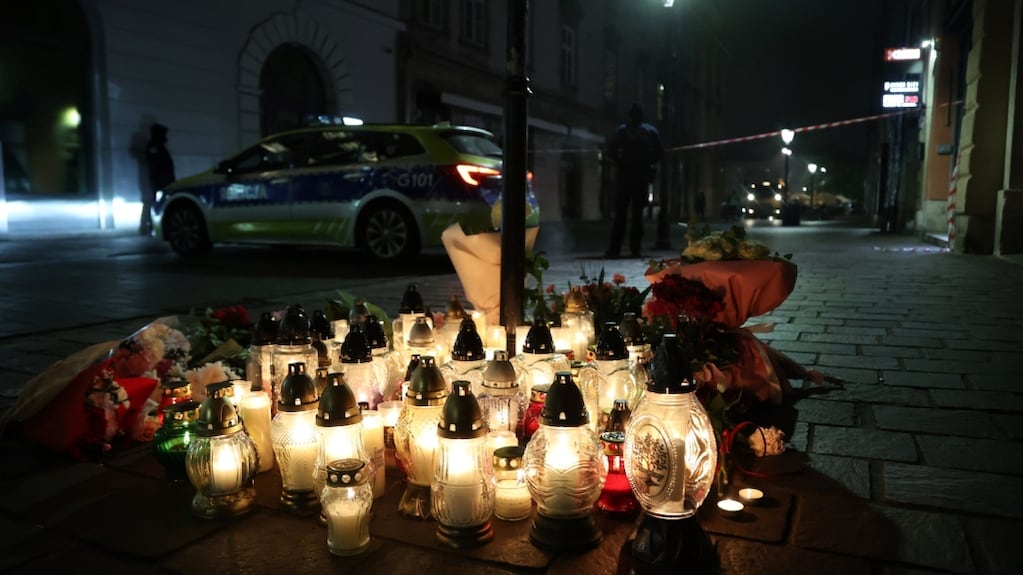
Polonia investiga como un acto terrorista el tiroteo del sábado en la plaza del Mercado de Cracovia perpetrado por un joven polaco presuntamente fanatizado con la ideología de extrema derecha, que disparó desde un auto y asesinó a seis personas. Se sospecha que probablemente también mató a sus padres y su hermana en la casa familiar, según la Fiscalía.
La investigación, a cargo de un fiscal de la sección de Cracovia de la Fiscalía Nacional, abarcará el asesinato de cuatro mujeres y dos hombres, incluidos un británico de 32 años y una austríaca de 51, según Krzysztof Jan Kleczar, el gobernador de Pequeña Polonia, cuya capital es Cracovia, así como el intento de asesinato de “muchas” otras personas.
“Los hechos constituyen un delito de carácter terrorista”, indicó la Fiscalía en un comunicado.
Cómo fue el ataque
En el ataque, que se produjo el sábado, resultaron heridas 15 personas, entre ellas dos suboficiales de la Policía que persiguieron al tirador cuando huía del lugar, lo abatieron y detuvieron.
El sospechoso se encuentra en estado crítico en un hospital de Cracovia, mientras que los dos agentes, considerados “héroes” por haber impedido que hubiera más víctimas mortales, despertaron ambos este domingo del coma inducido tras ser operados de heridas de bala. Uno de ellos está grave.
Según el gobernador, el resto de los 14 heridos se encuentra estable.
La mayoría de las víctimas mortales y heridas son de nacionalidad polaca, pero también hay ciudadanos de Alemania, Rusia y Portugal afectados, además del Reino Unido y Austria, según dijo este domingo la portavoz del Ministerio del Interior, Karolina Galecka.
Las autopsias de los fallecidos, tanto las víctimas del ataque como los familiares del detenido hallados sin vida con heridas de arma de fuego en su domicilio de Ostrowiec Swietokrzyski, a unos 110 kilómetros de Cracovia, comenzarán el lunes, indicó a la agencia de noticias PAP el fiscal Eryk Stasielak, de la Fiscalía Nacional de Cracovia.
EFE)
Polonia


INTERNACIONAL
Iran vows ‘astonishing’ strikes and lifts missile-range limit as US targets land routes
Iran reportedly resumes ballistic missile production
Iran proxy attacks target a key Saudi Arabian oil pipeline as host Kayleigh McEnany reports on the expanding conflict. Former Navy SEAL Jack Carr joins the program to discuss ballistic missile production and Chinese satellite intelligence linked to a strike killing three American troops. Carr warns that Houthis threaten global shipping chokepoints near the Red Sea.
NEWYou can now listen to Fox News articles!
Iran lifted its self-imposed ballistic missile-range limit and threatened to unleash new, homegrown weapons that would «astonish the entire world,» within hours of the U.S. military launching a new task force aimed at choking off Tehran’s weapons shipments and illicit trade Nov. 7.
Islamic Revolutionary Guard Corps (IRGC) spokesperson Brig. Gen. Hossein Mohebbi confirmed that Iran was now abandoning its previous 2,000-kilometer, or roughly 1,240-mile, ballistic missile-range restriction, according to The Associated Press.
«That restriction has been lifted for us,» Mohebbi clarified in the wake of the task force announcement.
RUSSIA SECRETLY BOLSTERED IRAN’S MISSILE ARSENAL BEFORE WAR WITH US, RECORDS UNCOVER
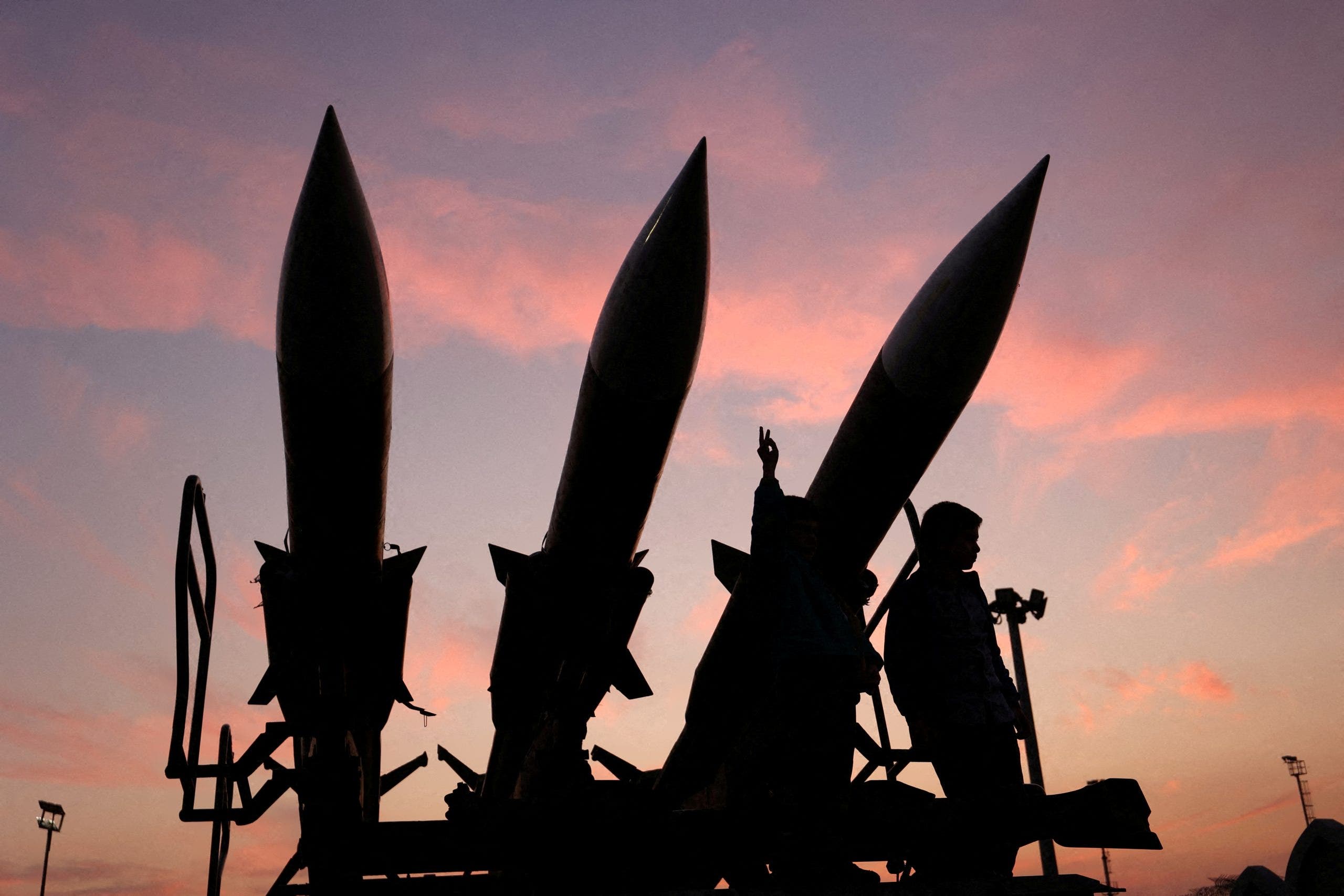
FILE PHOTO: Iranian missiles are displayed at the Islamic Revolutionary Guard Corps (IRGC) Aerospace Force Museum in Tehran, Iran, November 15, 2024. Majid Asgaripour/WANA (West Asia press Agency) via REUTERS
U.S. Central Command established «Task Force Iron Gate», an initiative targeting the movement of advanced Iranian weapons systems, dual-use materials and illicit revenue across Iran’s land borders and the Caspian Sea.
«Strengthening CENTCOM’s collaboration with US Interagency partners will further constrain Iran’s ability to finance terrorism, rebuild weapons factories, and replenish their military,» Adm. Brad Cooper, commander of U.S. Central Command, said in a statement shared on X.
According to Behnam Taleblu, senior fellow at the Foundation for Defense of Democracies (FDD), the U.S. may now carry out «targeted strikes» against facilitators while putting «political pressure on bordering states, as well as market and sanctions pressure against institutions underwriting Iran’s illicit trade.»
«It speaks volumes, of course, that this effort is being stood up within CENTCOM headquarters,» Taleblu told Fox News Digital.
Meanwhile, Iran’s IRGC quickly dismissed the new initiative as «wordplay,» claiming Tehran had already made preparations and coordinated with neighboring countries to withstand additional pressure, Fars News Agency reported.
Mohebbi also warned that Iran was developing new weapons capable of delivering devastating blows in another confrontation with the U.S. and Israel.
IRAN INSTALLS NEW WAR CHIEFS AS TEHRAN SIGNALS ‘PROLONGED CONFRONTATION,’ EXPERT WARNS
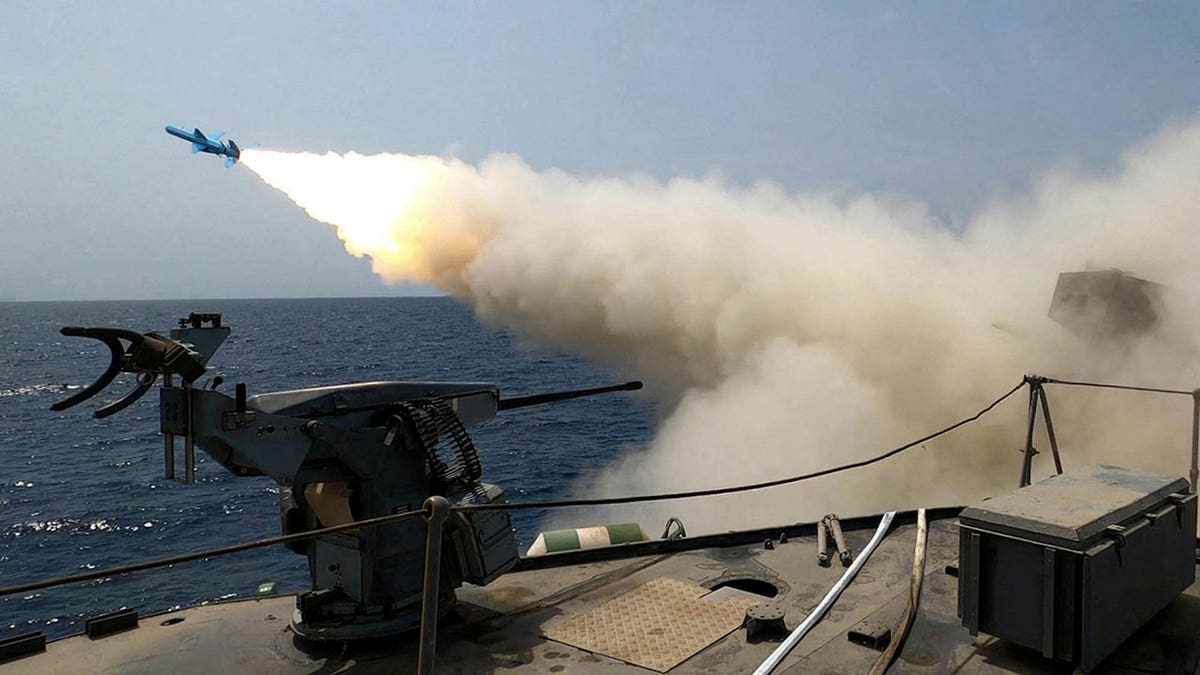
An Iranian missile is launched during a military exercise in an undisclosed location in Iran, August 20, 2025. (Iranian Army/WANA (West Asia News Agency)/Handout via REUTERS)
«There are surprises that will be unveiled and deployed on the battlefield if a third wave of confrontation with the enemy erupts. These surprises will astonish the entire world,» Mohebbi said during a news conference in Tehran on Saturday, according to Iran’s state-run Islamic Republic News Agency (IRNA).
«If they once again miscalculate, or if the Zionists, in pursuit of their own interests, lead the criminal United States into another miscalculation, they should know that Iran’s next blows will be even harder and will leave them crippled for years to come,» he added.
Iran’s previous 2,000-kilometer limit already placed the entire Arabian Peninsula, the Levant, most of Egypt and parts of Greece and the Balkans within range.
In March, Iran unsuccessfully attempted to strike the joint U.S.-British military base on Diego Garcia in the Indian Ocean, roughly 2,500 miles from the Islamic Republic.
Mohebbi also claimed Iran was preparing to unveil new underground missile facilities, as Tehran seeks to shield its weapons production from future attacks.
The installations, described by Iranian officials as «missile cities,» are designed to allow the IRGC to continue manufacturing weapons during wartime, according to IRNA.
TRUMP’S MOAB THREAT COULD PUT IRAN’S DEEPEST BUNKERS IN AMERICA’S CROSSHAIRS
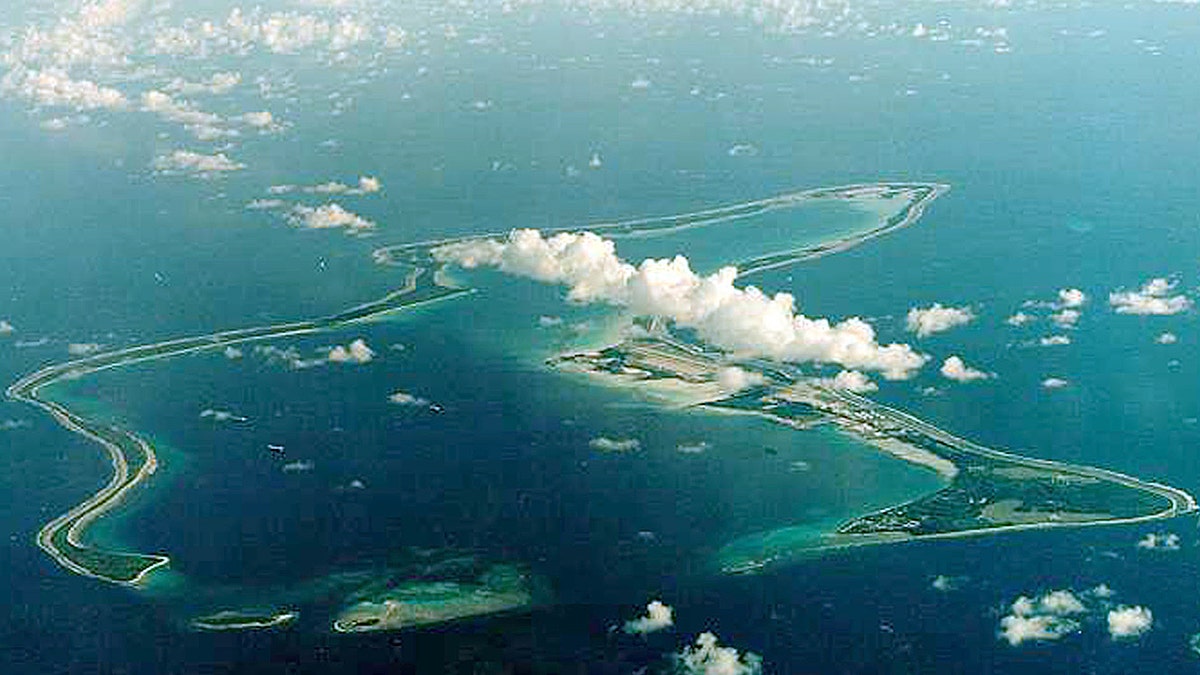
Diego Garcia, the largest island in the Chagos archipelago and site of a major United States military base in the middle of the Indian Ocean leased from the U.K. in 1966. (reuters)
The IRGC spokesman claimed Iran’s Aerospace Force continued producing missiles and drones during recent fighting, using domestic expertise without importing foreign weapons or relying on «reverse engineering of weapons captured from the enemy.»
Mohebbi also described Iran’s growing self-sufficiency in weapons production as a «very big achievement.»
Taleblu meanwhile emphasized the significance of the Caspian Sea basin, saying the world’s largest lake has «turned into a two-way sanctions-busting hub for both Iran and Russia.»
«Iranian officials always claim self-sufficiency in their military industries,» he said.
«But with domestic missile production significantly constrained due to the 40-Day War, the regime will be reliant on imports to build back, and especially at scale and at a faster rate.
«This is why efforts to constrain both land and sea trade in and out of Iran are a one-two punch for the regime.»
The warnings come as Washington intensified pressure on Iran’s regional trade routes, including its land crossings with Iraq, where Baghdad has reportedly resisted U.S. demands for full and broader border restrictions.
According to the Institute for the Study of War (ISW), Iraq has closed only one border crossing with Iran so far, despite reported American pressure to shut down most crossings between the two countries.
FRESH ACTIVITY EMERGES AT IRAN’S DEEPLY BURIED NUCLEAR SITE AS TRUMP WARNS IRAN NOT TO ‘GET CUTE’
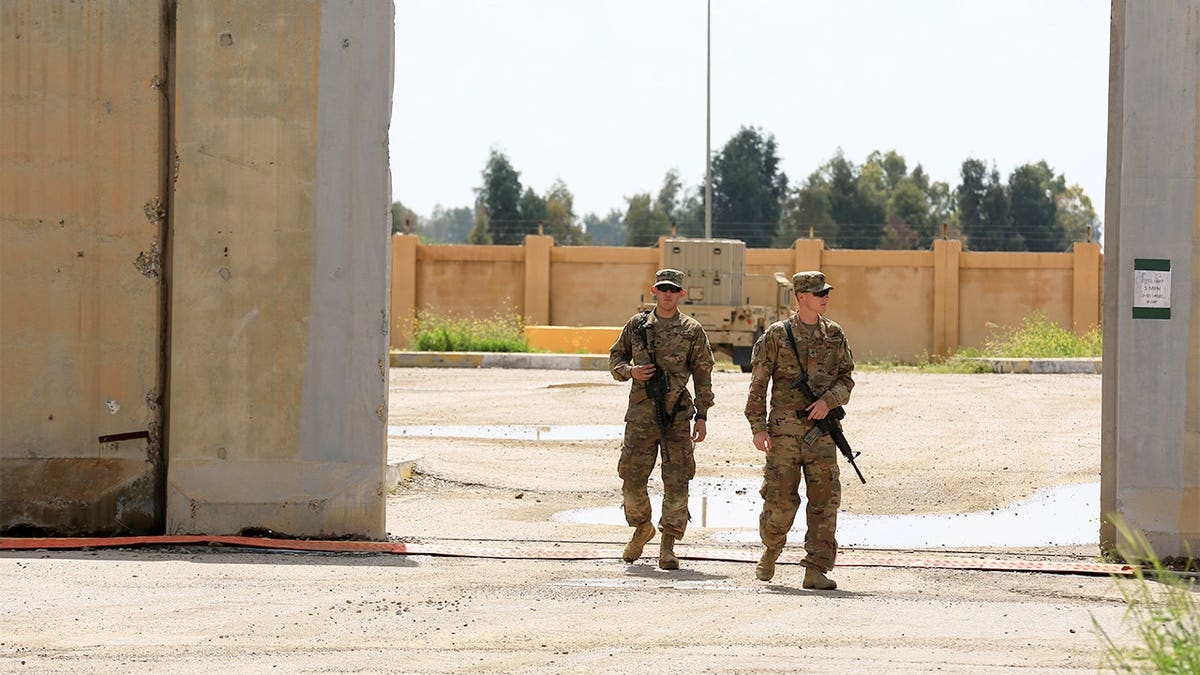
Soldiers from the US-led coalition forces are seen during the handover of the K1 Air Base to the Iraqi Army from the US-led coalition in Kirkuk, Iraq on March 29, 2020. (Associated Press)
On Sunday, the U.S. Treasury pressed Iraq to close all border crossings with Iran except for two as part of Washington’s policy of increasing economic pressure on Tehran, Iraqi Foreign Minister Fuad Hussein said, according to Reuters.
The Iraqi government had closed the al-Shayeb crossing in southeastern Iraq on Oct. 21, to review security and install equipment to prevent smuggling of prohibited materials.
Iraqi political sources told Agence France-Presse that Washington had pressured Baghdad to close most Iran-Iraq border crossings to restrict trade and financial exchanges that could help Tehran withstand U.S. sanctions, ISW reported.
ISW also said that Iranian Ambassador to Iraq Mohammad Kazem al-Sadegh was pressuring tribal leaders in Iraq’s Maysan province to push Iraqi officials and leaders of the Shiite Coordination Framework to reopen al-Shayeb.
Al-Sadegh is reportedly a member of the IRGC’s Quds Force, which oversees the organization’s foreign operations.
The institute assessed that Baghdad’s limited response likely reflects efforts to balance its relationship with Washington against the influence of Iranian-backed political factions.
world, iran, war with iran, national security, middle east, foreign affairs, geopolitics, military
INTERNACIONAL
Trump’s proposed Russia deal raises NATO alarm as ex-commander warns Putin seeks influence over Europe
NEWYou can now listen to Fox News articles!
President Donald Trump’s push for a deal with Russia to end the war in Ukraine and potentially reshape European security has raised alarm among NATO allies, with a former top alliance commander warning Fox News Digital that President Vladimir Putin has long sought to divide the world into competing spheres of influence.
The warning came as President Volodymyr Zelenskyy also appeared to reject what he called a potential «Yalta 2.0,» and NATO allies debated direct outreach to Putin ahead of delegations preparing for talks in Abu Dhabi on Nov. 10-11.
Retired Gen. Philip Breedlove, the former Supreme Allied Commander Europe, warned that Putin’s ambitions extend far beyond Ukraine and reflect a broader vision for how global powers should divide influence.
«Putin has a plan for the world, and he has pushed that plan on leaders several times,» Breedlove warned before adding: «He talks about it and he writes about it.»
ZELENSKYY TO SEEK OFFRAMP FOR YEARS-LONG RUSSIA WAR IN UN SPEECH AFTER TRUMP REVEALS PEACE DEAL IS CLOSE
Finnish President Alexander Stubb, Polish Prime Minister Donald Tusk, French President Emmanuel Macron, German Chancellor Friedrich Merz, Ukraine’s President Volodymyr Zelenskyy, Steve Witkoff, Jared Kushner, Italian Prime Minister Giorgia Meloni, front row from left, and Jonas Gahr Støre, NATO Secretary General Mark Rutte, Danish Prime Minister Mette Frederiksen, Ursula von der Leyen, Dutch Prime Minister Dick Schoof, and Swedish Prime Minister Ulf Kristersson, back row from left, stand together in the chancellery in Berlin, Germany, on Dec. 15, 2025. (Markus Schreiber, Pool/AP)
Trump had suggested Thursday that an agreement with Moscow could extend beyond ending Russia’s nearly five-year war in Ukraine.
«It’s going to be a big agreement, and it’s going to involve more than Ukraine… I could even say it might involve all of Europe,» Trump told reporters after meeting Russian presidential envoy Kirill Dmitriev at the White House.
«It’s going to be a big, beautiful agreement, and everyone’s going to be thrilled,» Trump added.
Breedlove said Putin has repeatedly promoted a vision of dividing global power among Russia, China and the United States.
«The plan is three spheres of influence whereby China controls the Far East, Russia controls Europe, and America controls the Western Hemisphere. I do not expect there’s going to be a lot of cooperation from the countries of Europe,» he said.
«The Western world is waiting to see what this big plan is, and they are very concerned because it is about them,» Breedlove added.
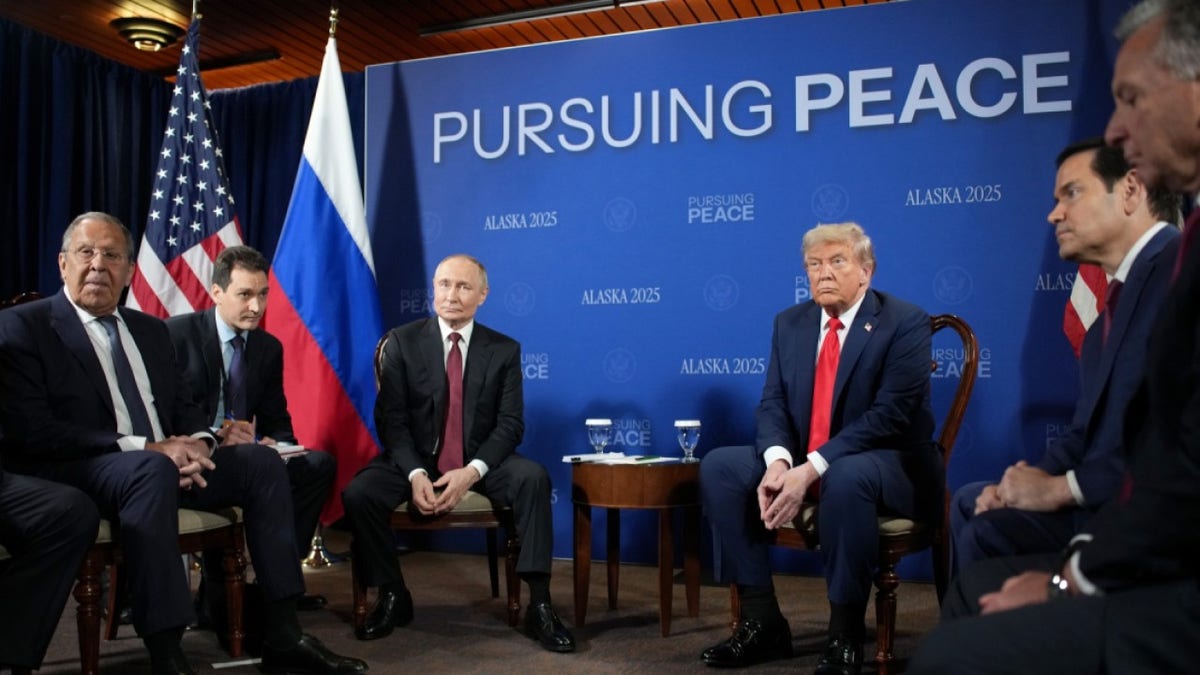
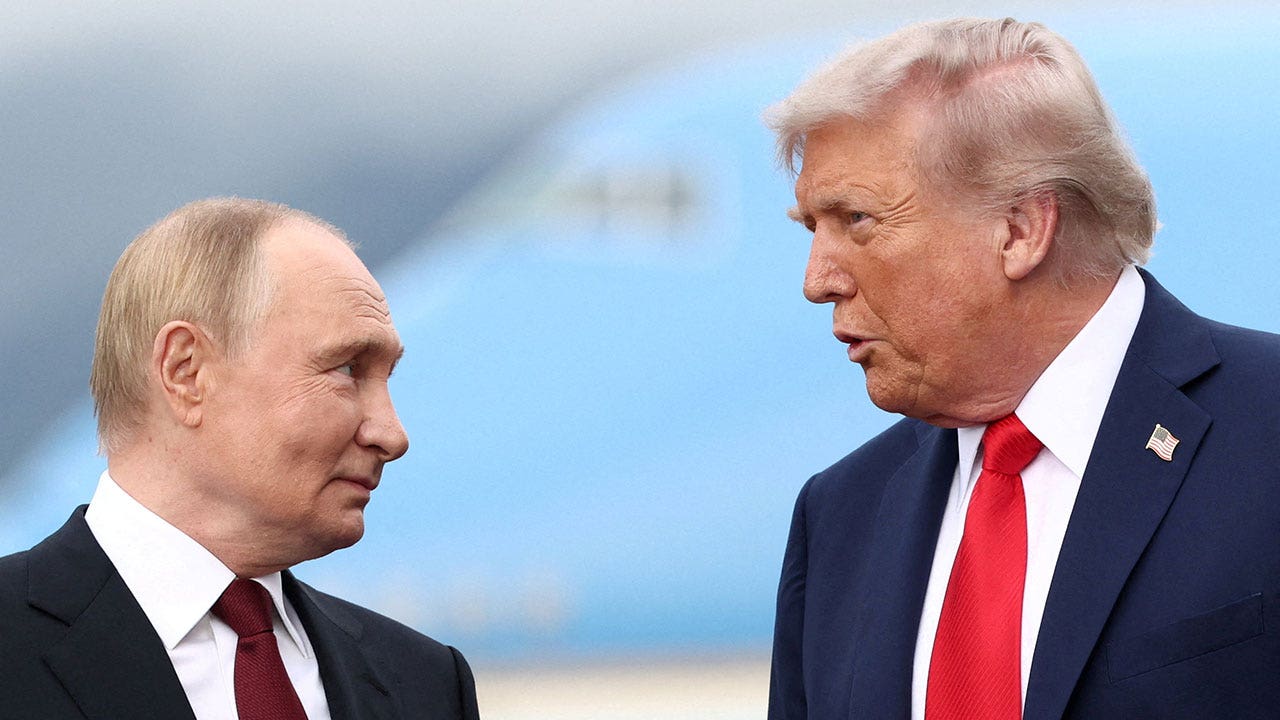
President Donald Trump (R) and Russian President Vladimir Putin (L) hold a meeting at Joint Base Elmendorf-Richardson on August 15, 2025 in Anchorage, Alaska. (Andrew Harnik/Getty Images)
Zelenskyy also warned Friday against repeating the 1945 Yalta Conference, where Allied leaders negotiated Europe’s postwar order before the Soviet Union consolidated control over Eastern Europe.
«We don’t want to have Yalta 2.0,» the Ukrainian leader told CNN. «We don’t want to be divided by Russia,» he said before adding: «For me, it’s not simple and it can be dangerous.»
On Sunday, Secretary of State Marco Rubio told reporters that discussions on how Europe would look after the Ukraine war were already underway.
«It’s one of the key topics that’s been raised repeatedly in every conversation, anytime negotiations have been discussed,» he said ahead of traveling to Paris for the G7 meeting.
RUBIO SOUNDS CAMPAIGN-READY AS HE RAILS AGAINST OPEN BORDERS, GLOBALISM IN SPEECH FROM ANCIENT GREEK RUINS

Secretary of State Marco Rubio talks to reporters at NATO Headquarters in Brussels, Belgium, on Friday, April 4. (Jacquelyn Martin/Pool/AP)
«So I think that’s what the president is alluding to, is that there’s been some advances made and what that architecture could look like post-conflict. We obviously have to get past the conflict to get to that point,» he added, clarifying Trump’s comments.
Breedlove, however, questioned whether European governments and Ukraine would even accept a broader agreement negotiated without their involvement.
«I do expect that when we get a peek under the hood of what Mr. Putin and Mr. Trump have devised that there may be European partners and allies to include Ukraine that may or may not be enthralled with the proposed solution.»
«We have always said nothing about Ukraine without Ukraine,» the expert said.
«Neither have we heard anything about the EU or NATO being in this conversation. And yet the EU, NATO and Ukraine are central and the heart of the matter that apparently is going to be discussed.»
Tensions also appeared to mount further after Finnish President Alexander Stubb and Norwegian Prime Minister Jonas Gahr Støre held a rare 90-minute telephone conversation with Putin on Oct. 27, according to reports.
TRUMP NEGOTIATORS WITKOFF, KUSHNER MEET WITH PUTIN IN MOSCOW AS US PUSHES FOR END TO RUSSIA-UKRAINE WAR
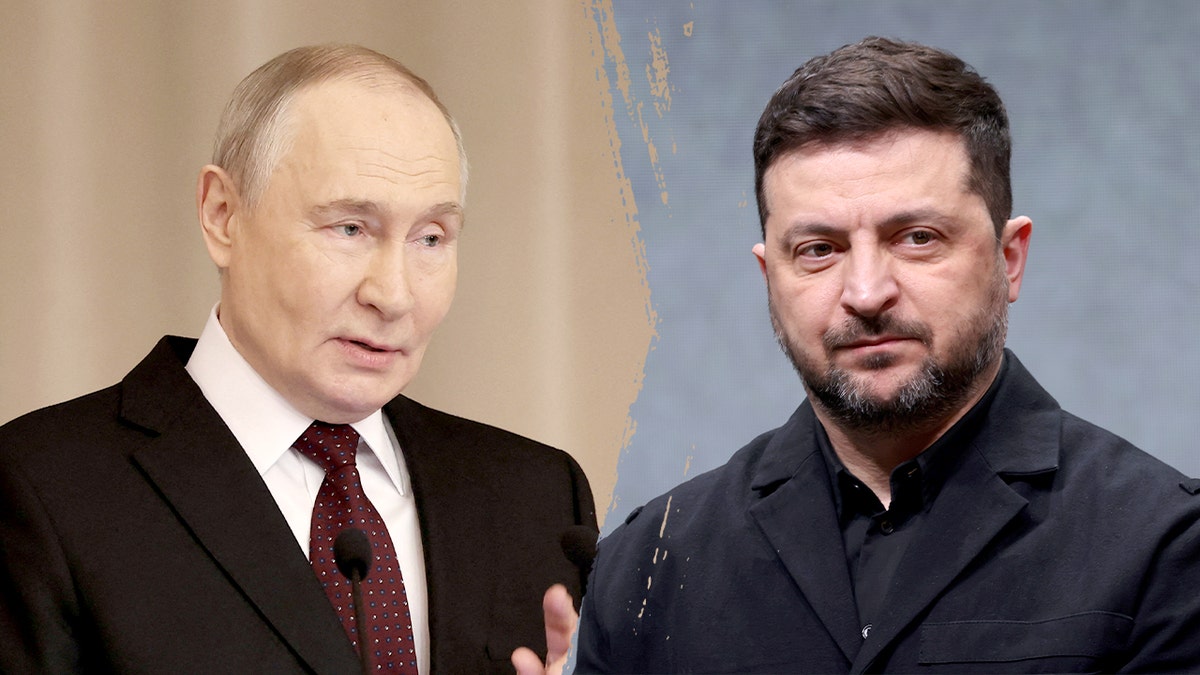
A composite image shows Russian President Vladimir Putin (L) and Ukrainian President Volodymyr Zelenskyy (R) as peace talks continue. (Valery Sharifulin/Pool/AFP via Getty Images; Sean Gallup/Getty Images)
Danish Prime Minister Mette Frederiksen criticized the separate European diplomatic initiatives.
«I think Europe should stick together rather than going solo,» she said as Breedlove went on to defend the outreach.
«The two calls that recently took place between Northern leaders in the NATO alliance and Russia, I don’t think that they’re out of place at all,» he said. «I think they’re entirely appropriate.»
«The great powers of Europe are getting very concerned that someone is dealing with their security without including them in the conversation,» he added.
Meanwhile, French Foreign Minister Jean-Noël Barrot confirmed Sunday that France would participate in the Abu Dhabi negotiations.
«The Europeans will be well represented; France will be in Abu Dhabi to take part in these discussions,» Barrot said, according to Reuters.
FORMER UK PRIME MINISTER TONY BLAIR WARNS EUROPE ‘WE DON’T WIN’ IN WAR WITHOUT US SUPPORT
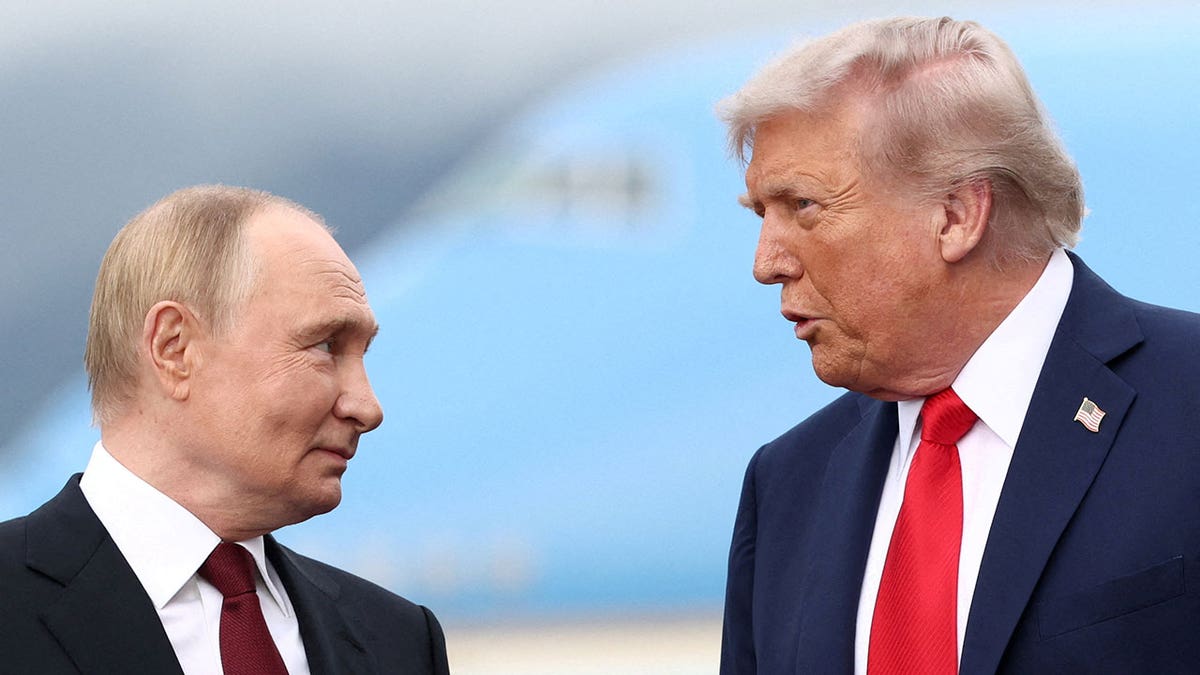
President Donald Trump speaks with Russian President Vladimir Putin, as they meet to negotiate for an end to the war in Ukraine, at Joint Base Elmendorf-Richardson in Anchorage, Alaska, U.S., August 15, 2025. (Kevin Lamarque/Reuters)
Breedlove warned that any agreement requiring European nations to sacrifice their security to satisfy Moscow would still face fierce resistance.
«If the maximalist demands of Russia remain intact and in order to find peace, all the rest of Europe has to give up its security, sacrifice its security, make itself more susceptible to Russian attack, then this is not going to go well,» he said.
«Putin has never been a partner for peace in Ukraine. Putin is not now a partner for peace in Ukraine.»
«The EU nations, the NATO nations, and Ukraine are not going to sign up to a plan that suggests that Russia will be able to once again amass its armies, march across borders and intervene in its neighbors’ internal business.»
«We need to understand that we are in a war. Mr. Putin is at war with the West,» he warned.
world, donald trump, vladimir putin, nato, ukraine, russia, europe, foreign policy
INTERNACIONAL
En Panamá buscan garantizar la protección social y el acceso a servicios de salud para pacientes con enfermedades raras

Panamá registra apenas 500 personas con diagnóstico confirmado de alguna enfermedad rara, pero las proyecciones basadas en prevalencias internacionales elevan esa cifra a 240.000 habitantes.
La brecha entre el dato oficial y la estimación revela un sistema de información incompleto.
El país no cuenta todavía con un registro nacional consolidado para este grupo de patologías.
A diferencia del dengue, la malaria, el mpox (antes llamada viruela símica) o el hantavirus, que se vigilan y reportan de forma sistemática, las enfermedades raras carecen de una cuantificación detallada en las estadísticas oficiales.
El Ministerio de Salud (MINSA) ya cuenta con un Programa de Atención a las personas con enfermedades raras, poco frecuentes y huérfanas.

Sin embargo, la ausencia de un sistema de notificación obligatorio limita el conocimiento real de la magnitud del problema.
La Asamblea Nacional dio tercer debate al Proyecto No. 257, que modifica y adiciona artículos a la Ley 28 de 2014.
Esa norma garantiza protección social y acceso a servicios de salud para pacientes con enfermedades raras, pero varias de sus disposiciones nunca se implementaron.
Ahora, el Proyecto 257 actualiza el marco jurídico de 2014 para tratar de mejorar la prevención, el diagnóstico, el tratamiento y la investigación de las enfermedades raras.
También regula el funcionamiento de la Comisión Intersectorial y establece mecanismos para incorporar nuevas patologías al listado oficial.

Entre los puntos pendientes de validez jurídica figuran disposiciones sobre medicamentos, diagnóstico, tamizaje y la creación de un registro oficial de pacientes.
La propuesta reconoce que estas condiciones constituyen un problema de especial interés en salud por su baja prevalencia, la complejidad de sus manifestaciones y el elevado costo de su atención.
Uno de los ejes centrales de la reforma obliga a todos los establecimientos de salud, públicos y privados, a reportar anualmente al MINSA la información sobre los casos de enfermedades raras.
El reporte deberá incluir datos de incidencia, prevalencia, mortalidad, diagnóstico y tratamiento, desagregados por área geográfica según lo defina la reglamentación.
Esa información serviría como base para la planificación y evaluación de políticas públicas, además de orientar la asignación de recursos para la atención integral.

El texto subraya la aparición de numerosos medicamentos novedosos que mejoran y extienden la calidad de vida de los pacientes, lo que exige un marco jurídico acorde a esa realidad.
Panamá cuenta con 22 enfermedades raras identificadas hasta ahora, un número que la propia iniciativa busca ampliar mediante nuevos mecanismos de incorporación al listado oficial. La actualización legal llega con una mora de once años respecto a la sanción original de la Ley 28.
En el mundo existen alrededor de 7.000 enfermedades raras identificadas, y se estima que unos 300 millones de personas, cerca del 5% de la población global, viven con alguna de estas patologías.
Menos del 10% de ellas cuenta con un tratamiento aprobado, una limitación que expone las brechas en investigación, diagnóstico oportuno y acceso terapéutico en todo el planeta.
Las prevalencias internacionales que sitúan estas enfermedades entre el 6% y el 8% de la población general son, precisamente, la base de las proyecciones que Panamá utiliza para estimar sus 240.000 casos potenciales.

La diferencia con los 500 diagnósticos confirmados expone las dificultades estructurales del país para el diagnóstico, la notificación y el seguimiento de estas condiciones.
Aunque cada enfermedad rara afecta individualmente a un número reducido de personas, el conjunto representa un desafío significativo para los sistemas de salud.
El Proyecto 257 insiste en que estas condiciones requieren respuestas diferenciadas, oportunas y especializadas.
El texto también prevé un componente de seguimiento administrativo, asistencial y clínico orientado a garantizar la continuidad de la atención.
La meta declarada es mejorar la calidad de vida de las personas afectadas mediante una atención integral que hoy no está plenamente garantizada en la práctica, pese al marco legal existente desde 2014.
estetoscopio,cuaderno,escritorio,libros de medicina

El papa León XIV recibió la Llave de la Ciudad de Buenos Aires y fue declarado Visitante Ilustre

Nigeria hace historia en un Mundial que refuerza a Marruecos de cara a 2030

Los empresarios compartieron la visión del papa León XIV: "No hay empresa próspera en una sociedad que fracasa"

Milei pierde margen en el Congreso: los gobernadores aliados toman distancia y endurecen sus exigencias

Iran vows ‘astonishing’ strikes and lifts missile-range limit as US targets land routes

Confirmados el tamaño de descarga y los precios de Pikmin 4 – Nintendo Switch 2 Edition + Academia Dandori en Nintendo Switch 2 – Nintenderos

El embajador de EEUU ratificó el apoyo de Trump a la Argentina tras la derrota republicana: “Nuestro compromiso es firme”

Santiago Peña renunció a la Presidencia de Paraguay por el escándalo del Ueno Bank

Intendentes reclaman al Gobierno una mejor distribución de los subsidios al transporte y amenazan con ir a la Corte Suprema

Una estrella mundial sorprendió al revelar su fanatismo extremo por Boca: el increíble pedido que le hizo su hijo al cumplir 18 años

 POLITICA3 días ago
El Ministerio de Economía pasó a disponibilidad a más de diez empleados de planta permanente
- POLITICA6 horas ago
Así fue el saludo entre Javier Milei y el papa León XIV en Aeroparque tras la llegada a la Argentina
- INTERNACIONAL3 días ago
Artemis IV: los detalles de cómo será la misión de la NASA que busca llevar astronautas a la superficie lunar en 2028