INTERNACIONAL
Battleground Dem touts bipartisan record, but can’t name single issue she’d work with Trump on

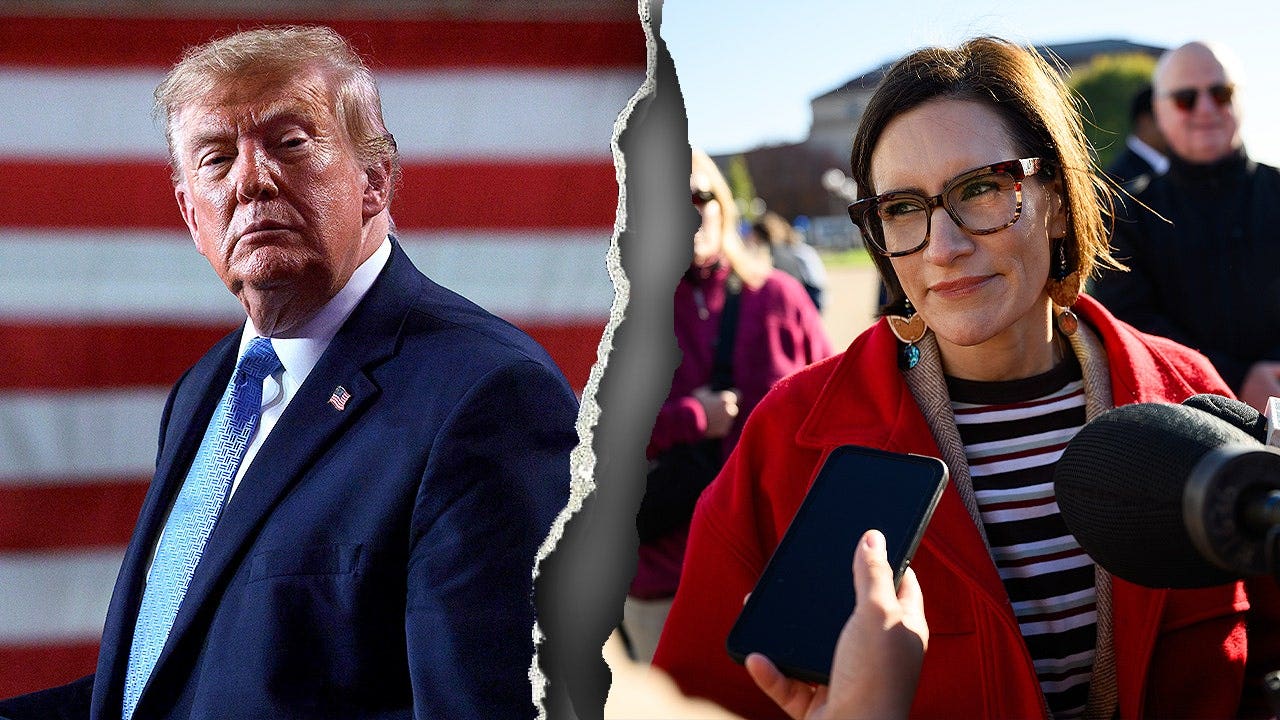
A Democratic Senate candidate in Minnesota touted her bipartisan record Sunday but could not name a single issue she would work with President Donald Trump on, instead accusing his administration of «continued grift.»
The exchange came as Lt. Gov. Peggy Flanagan, Minnesota’s Democratic Senate nominee, campaigns against Republican Michele Tafoya in a race Republicans see as a rare opportunity to flip a traditionally blue state. Flanagan’s answer underscored the sharply partisan nature of the Minnesota race, where she has cast Tafoya as a rubber stamp for Trump and pledged to oppose the administration at nearly every turn.
«I just want to be really clear that I’ve got a long track record of working with folks on the other side of the aisle,» Flanagan told Fox News’ Bill Melugin when asked if there were any policies she could see herself working with Trump on. Flanagan pointed to her work at the Children’s Defense Fund–Minnesota and her time in the Minnesota Legislature, where she served alongside a Republican majority and helped pass bipartisan legislation, as evidence of her ability to work across the aisle.
«I think that, you know, that proves that I have the ability to work with folks,» she continued.
PEGGY FLANAGAN DEMANDS EXPANDING THE SUPREME COURT AND ABOLIHING ICE
Flanagan’s bipartisan pitch comes against the backdrop of a campaign built around opposing Trump’s agenda. She has called for dismantling ICE, passing Medicare for All, and reversing the administration’s Medicaid and SNAP cuts, while accusing Trump of using the presidency to enrich himself.
«Right now, I’m deeply concerned about the Trump administration, the continued grift, making money hand over fist directly from the Oval Office,» she continued in her response to Melugin on whether she would work with Trump on anything.
The Democratic Senate candidate went on to tell Melugin that what she has been «hearing» on the campaign trail is that voters want someone who will be a «check» on Trump, not his ally.
«They’re interested in whether people are going to be a check on this guy, and roll back some of the devastating cuts and impacts on Minnesota,» Flanagan concluded in her answer about working with Trump. «That’s the place I’m going to start.»
Flanagan is facing Republican Michele Tafoya, a former NFL sideline reporter who has turned the race into a referendum on the massive fraud scandal that unfolded under the Walz administration. Tafoya has argued that Flanagan, who served as Walz’s No. 2 as lieutenant governor, should share responsibility for the scandal, while also tying her opponent to progressive positions, including Medicare for All and dismantling ICE.
MN SENATE CANDIDATE RIPPED FOR BLAMING WALZ FOR FRAUD DESPITE BEING HIS #2: ‘KNOWS SHE’S COOKED’
The race has become unexpectedly competitive after Tafoya narrowed the gap in Minnesota, prompting to shift its rating from «Likely Democrat» to «Lean Democrat.»
«The more that Minnesotans learn about me and my opponent and see what my opponent has failed to do over the last eight years alongside [Democratic Gov.] Tim Walz, they’re understanding Minnesota needs change. We need fresh ideas, we need an independent thinker and they’re jumping on board,» Tafoya said in a Digital interview.
Flanagan has repeatedly tied Tafoya to Trump, whose approval ratings are well underwater in Minnesota.
«Michele Tafoya is all in for Donald Trump — and he’s all in for her,» Flanagan said last month in a social media post.
But Tafoya appears to be putting some daylight between herself and Trump, as she highlights her support for abortion rights.
SIGN UP TO GET THE POLITICS NEWSLETTER
«I’m a pro-choice Republican not afraid to stand up to my party,» Tafoya says in a new campaign commercial. «When Trump is right, I will work with him. When he is wrong, I will stand up for Minnesota.»
While the ad drew opposition from some Republicans, including Mercedes Schlapp, a senior fellow at the Conservative Political Action Conference, Trump subsequently signaled support for Tafoya at an Ohio rally he headlined.
«You have to vote for Michele Tafoya, who’s a very respected person,» the president said.
Digital’s Paul Steinhauser contributed to this report.
elections, senate elections, minnesota, politics, midterm elections, donald trump








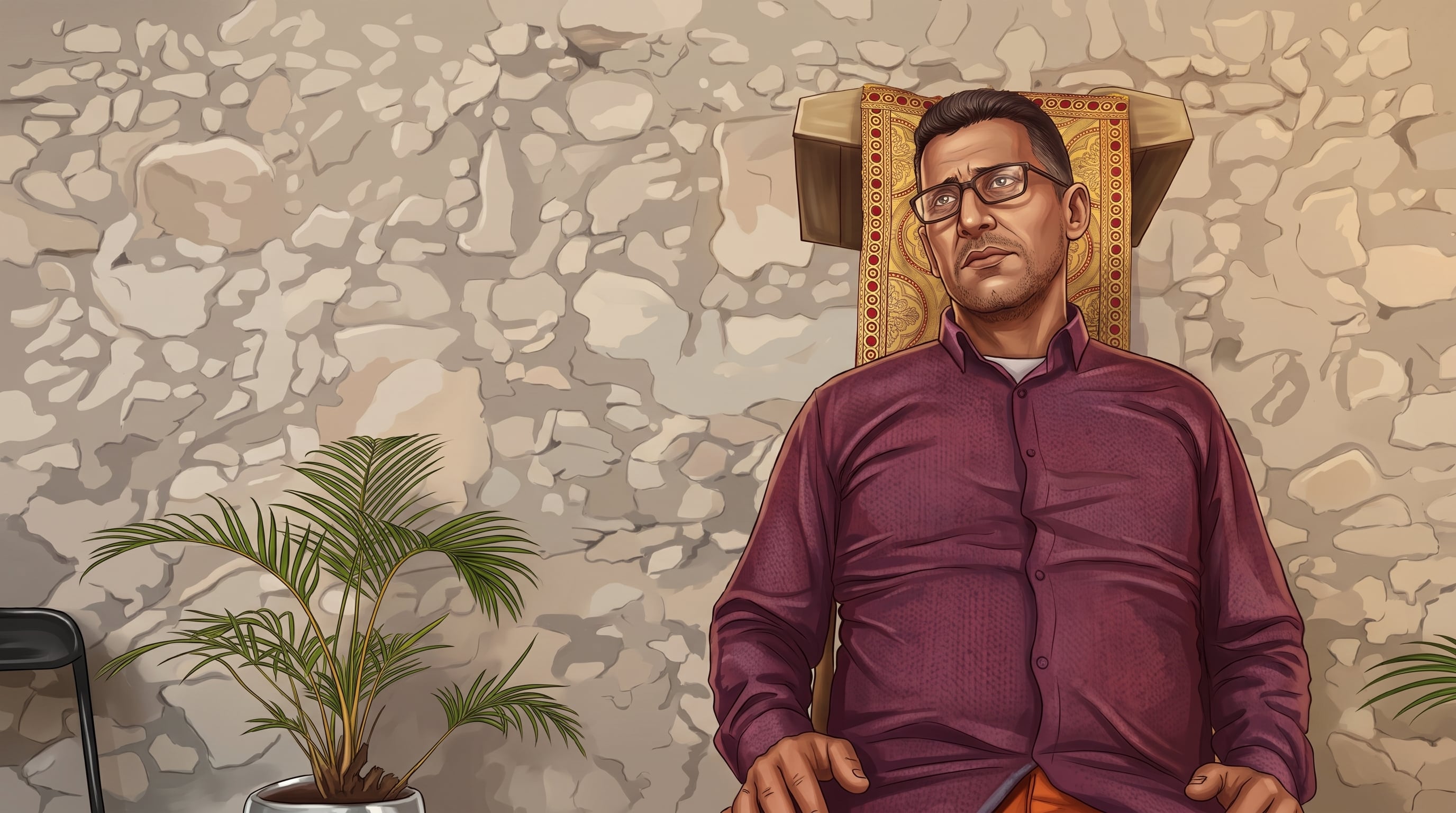
El Centro de Denuncias Defensa Cuba Decide (Defensa CD) documentó 137 violaciones a la libertad religiosa en septiembre y denunció que el pastor Alián López Rodríguez ha sufrido citaciones, detenciones, vigilancia y restricciones para asistir a presos en Cabaiguán, Sancti Spíritus.
Según los datos difundidos por la organización, el régimen cubano persiguió, hostigó o detuvo de forma arbitraria a 90 personas por motivos religiosos, entre ellas 35 mujeres y 55 hombres. El reporte ubicó 50 de esos casos en La Habana, 24 en Villa Clara y 16 en Pinar del Río.
El testimonio de Alián, líder de la Iglesia Apostólica y Profética Tabernáculo de la Promesa, describe una sucesión de presiones contra él, su familia y miembros de la congregación que dirige desde 2014 en el municipio de Cabaiguán.
Alián sostuvo que agentes de la Seguridad del Estado lo convocaron mediante llamadas telefónicas bajo el argumento de una entrevista vinculada con asuntos migratorios. Dijo que se negó a asistir sin una citación escrita y que, más tarde, seis motocicletas con agentes fueron a su vivienda para trasladarlo a Sancti Spíritus.
“Me amenazaron de que me iban a meter un delito por desobediencia”, afirmó el pastor en el testimonio recogido por Defensa CD. Según su relato, los agentes le dijeron que las citaciones verbales tenían validez y le advirtieron que podrían iniciar un proceso penal en su contra.
La iglesia realizó una actividad pública y el pastor fue detenido
El religioso relató que su iglesia organizó un ayuno de 40 días y que, al finalizarlo, los feligreses realizaron una marcha y una oración pública en el paseo de Cabaiguán. Durante la actividad llevaron banderas cubanas y blancas, y expresaron peticiones por un cambio en el país, el fin de la corrupción, la violencia y la intimidación.
Alián aseguró que agentes vestidos de civil y funcionarios locales interrumpieron el acto y lo trasladaron a una unidad policial. Según su versión, integrantes de la congregación siguieron el vehículo y exigieron información sobre su paradero.
El pastor afirmó que uno de sus hijos, de 16 años, fue maltratado durante el operativo. “Lo tomaron por los pelos y por las orejas”, denunció al describir el episodio.
Tras su liberación, dijo que volvió a ser detenido y llevado a una dependencia de la Seguridad del Estado en Sancti Spíritus. Allí, según su testimonio, le exigieron que publicara una retractación en Facebook sobre la actividad religiosa. López Rodríguez sostuvo que rechazó esa petición.
“Nos dijeron que si nosotros no íbamos a irnos del país, que nos fuéramos tranquilos, que no querían hacernos daño ni meternos presos”, relató. El pastor respondió que no había cometido delito alguno y que su actividad se limitaba al ejercicio de su fe y a la defensa de personas encarceladas.
Restricciones para asistir a presos y a sus familias
El líder religioso aseguró que la presión en su contra se intensificó por su labor de acompañamiento a reclusos y familiares de presos, incluidos dos presos políticos a los que su iglesia ayuda con recursos propios.
Alián visitó a familiares de Jonathan David Muir Burgos, al activista Guillermo del Sol Pérez durante una huelga de hambre y a otras personas detenidas tras las protestas del 11 de julio de 2021. También afirmó que ofreció apoyo emocional, oración y ayuda material a internos y a sus familias.
El pastor dijo que las autoridades le prohibieron acercarse a la prisión provincial Ñico Morejón y que lo amenazaron con encarcelarlo si volvía a permanecer en los alrededores del centro penitenciario. Además, afirmó que, desde la prohibición, solo puede mantener contacto con algunos presos a través de llamadas, cartas o familiares.
Alián aseguró que él y su familia permanecen bajo vigilancia y que agentes de la Seguridad del Estado impulsaron una campaña para desacreditarlo ante vecinos y otros líderes religiosos. Según dijo, personas vinculadas a la Seguridad del Estado lo acusaron de recibir financiamiento de Estados Unidos y de utilizar la iglesia como cobertura.
El pastor también sostuvo que recibió información sobre un supuesto plan para fabricar una causa penal en su contra. “Cualquier cosa que nos pueda pasar como pastores, a mí, a mi familia o a mi hijo, tendrán que asumir la responsabilidad”, afirmó.
El pastor aseguró que continuará al frente de su congregación y mantuvo su denuncia contra el régimen. “Queremos una Cuba libre y una Cuba de paz”, expresó.
Defensa CD advirtió además sobre un presunto patrón en el que agentes del régimen se presentarían como miembros de otros grupos de fe para provocar tensiones entre distintas comunidades religiosas.
Religion,South America / Central America,Religion / Belief
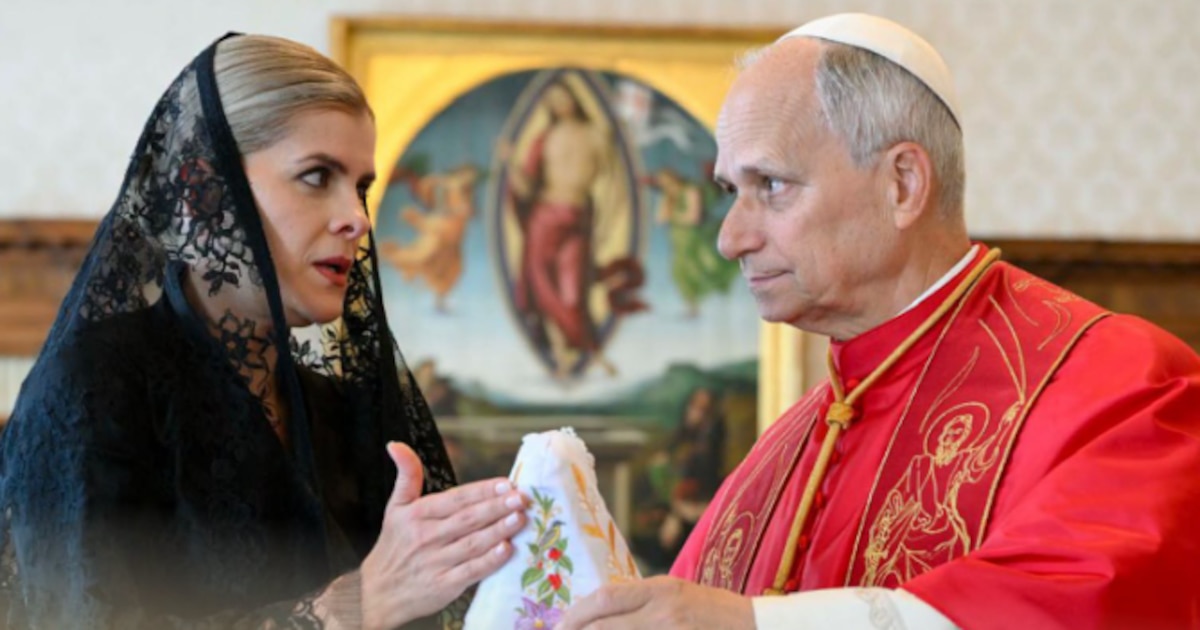
La presidente de Costa Rica, Laura Fernández Delgado, entregó al papa León XIV un vestido elaborado por costureras del país y una selección de cafés de distintas regiones durante la audiencia que mantuvo con el pontífice en el Vaticano.
La mandataria también lo invitó a visitar la Basílica de Nuestra Señora de los Ángeles, conocida en el país como la Negrita.
En la cadena nacional difundida este domingo, Fernández describió el encuentro como una instancia de cercanía con el jefe de la Iglesia católica. Según relató, la conversación abordó la posibilidad de un acuerdo entre la Santa Sede y Costa Rica, además de iniciativas vinculadas con la familia, los valores y la prosperidad.
“Tengo mi corazón rebosando de amor y de gratitud tras tener una audiencia con Su Santidad, el papa León XIV”, afirmó la presidente al inicio de su mensaje.
La mandataria indicó que uno de los obsequios tenía un significado particular por el trabajo colectivo detrás de su confección. “Esto que está aquí es muy especial.
El vestido que tiene puesto lo hicieron costureras de Costa Rica”, sostuvo Fernández al presentar la prenda.

El café de Tarrazú y otras zonas del país
La delegación costarricense también llevó al Vaticano café procedente de varias regiones productoras. Fernández destacó, entre otros, un café de Tarrazú, una de las zonas asociadas a la actividad cafetalera del país.
“Este café es de diferentes partes de Costa Rica. Este es de Tarrazú”, dijo la presidente, antes de señalar que la selección incluía granos de otros puntos del territorio nacional.
Los testimonios incluidos en la transmisión reflejaron la expectativa de personas relacionadas con la producción de café ante la llegada de los presentes al Vaticano. Una de las voces sostuvo que la oportunidad constituía “un gran honor” y “un gran privilegio”, mientras que otra remarcó que el hecho de que el producto quedara en manos del pontífice representaba “un orgullo” para los productores y sus familias.
“Para nosotros esa es una gran bendición”, expresó uno de los participantes de la cadena, que vinculó la entrega con el trabajo desarrollado por los caficultores costarricenses.
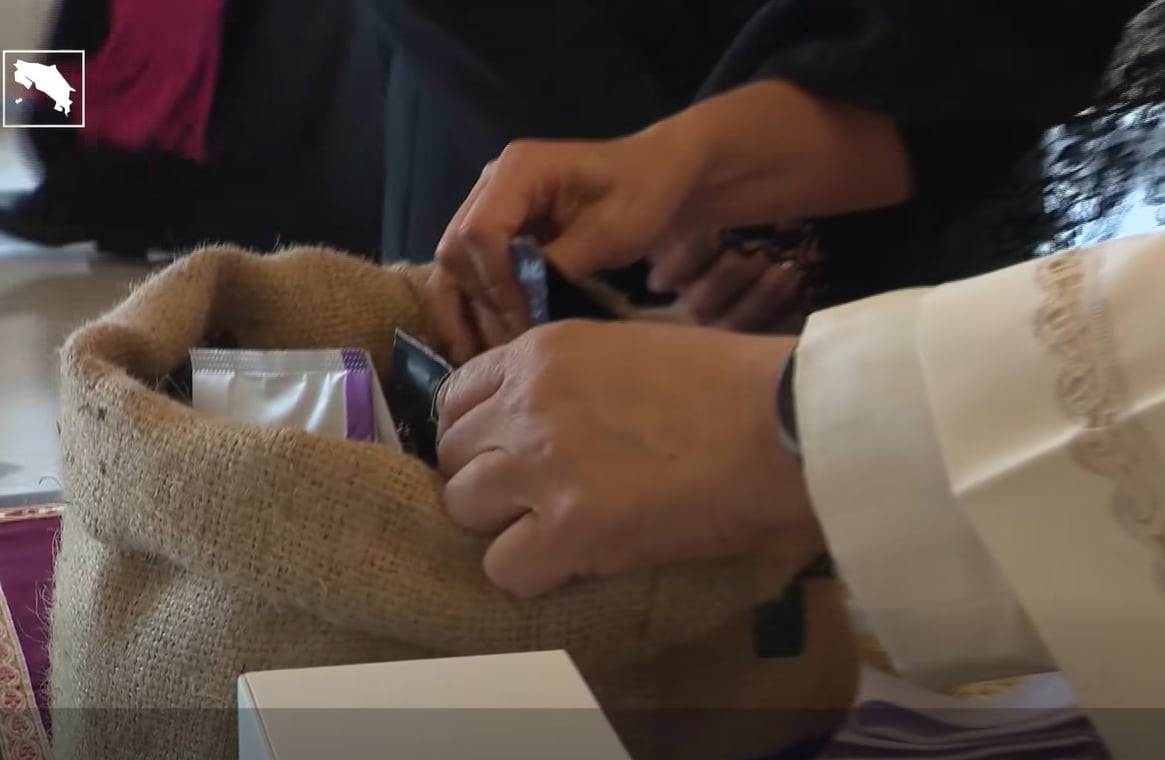
La emisión presentó los regalos como una muestra de la producción local y del trabajo de las costureras que participaron en la confección de la pieza entregada al Papa. Fernández no precisó cuántas personas intervinieron en la elaboración del vestido ni la cantidad y las variedades de café que formaron parte del obsequio.
La invitación al pontífice para visitar la Negrita de los Ángeles
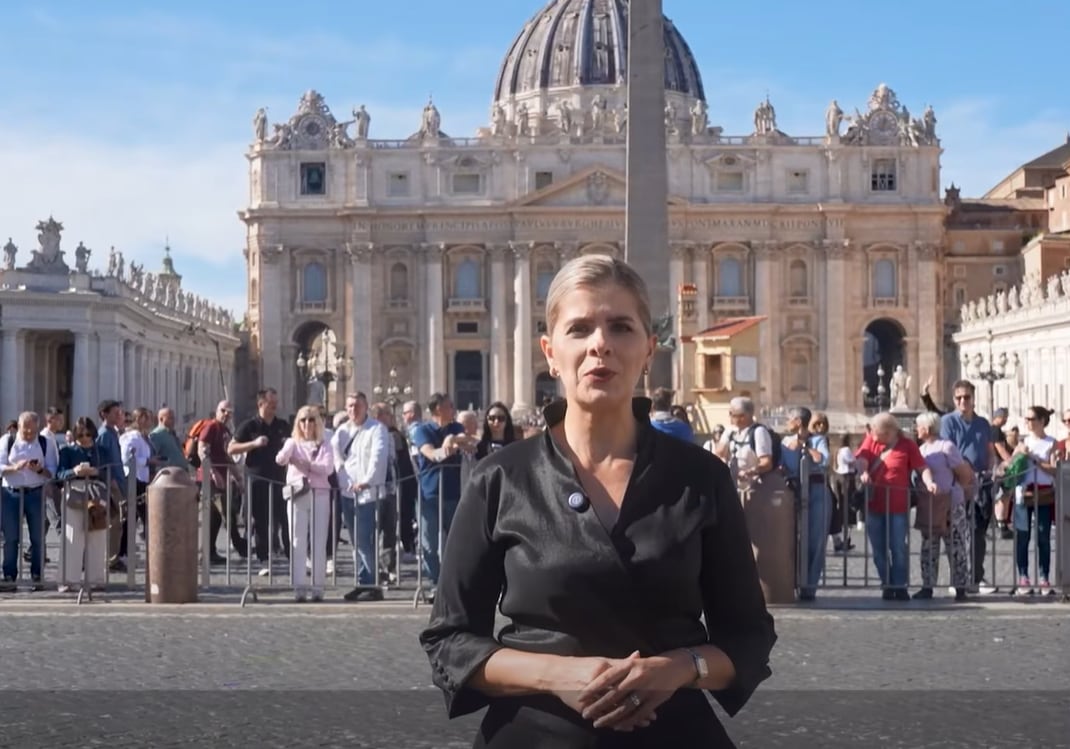
Durante la audiencia, Fernández extendió una invitación formal a León XIV para que viajara a Costa Rica y visitara Nuestra Señora de los Ángeles, patrona del país y figura central de la devoción católica costarricense.
“Por supuesto que lo invité a visitar a nuestra Negrita de los Ángeles y a bendecirnos con su presencia en nuestro país”, afirmó la mandataria.
La presidente también se refirió al mosaico de Nuestra Señora de los Ángeles que se encuentra en el Vaticano. “Nuestra Señora de los Ángeles tiene su propio mosaico. Qué alegría y está bellísimo”, expresó en la transmisión.
Fernández aseguró que el pontífice envió bendiciones a la población costarricense. La cadena nacional mostró imágenes del encuentro y de la entrega de los obsequios, junto con intervenciones de productores que asociaron la audiencia con una oportunidad para exhibir el trabajo de distintas regiones de Costa Rica.
El posible acuerdo con la Santa Sede
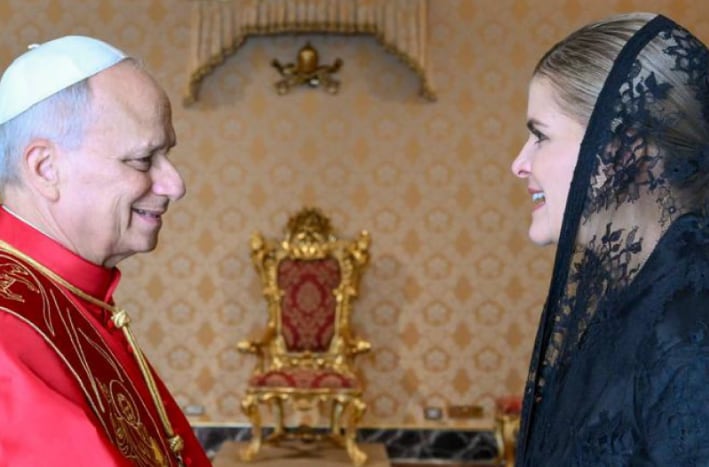
Más allá de los presentes, la presidente informó que la reunión incluyó conversaciones sobre un eventual acuerdo institucional entre Costa Rica y la Santa Sede. No detalló el contenido, el alcance ni un cronograma para esa negociación.
La mandataria señaló que ambos dialogaron sobre la continuidad de acciones orientadas a fomentar los valores, la familia y la prosperidad en Costa Rica y en otros países.
La Casa Presidencial tampoco informó en la transmisión si la invitación al papa León XIV fue aceptada ni si existe una fecha tentativa para una visita apostólica al país.
INTERNACIONAL
Pentagon’s top spies tasked with ‘no-fail’ mission as Hegseth puts foreign midterm meddling in crosshairs
Ever since the 2016 presidential election that first got President Donald Trump elected and the ensuing Russiagate scandal, there has been increased scrutiny on foreign meddling in U.S. elections and threats to the American voting system.
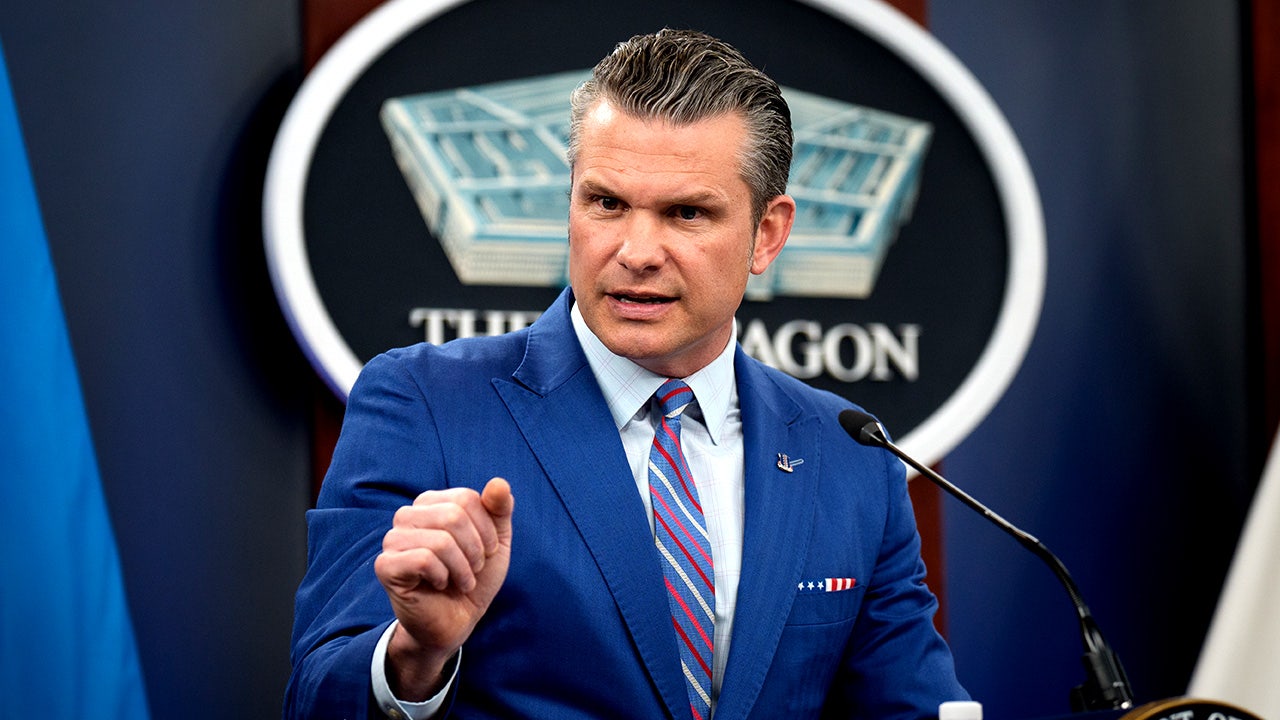
Now, 10 years later, Secretary of War Pete Hegseth is directing his entire intelligence and spy forces to ensure foreign adversaries do not interfere in Tuesday’s midterms.
The Pentagon chief has ordered America’s military intelligence and cyber agencies to mobilize against foreign threats to the 2026 elections by directing his department’s sprawling intelligence apparatus to make election security a priority in what he calls a «no-fail mission.»
The September directive reaches beyond U.S. Cyber Command and the National Security Agency, instructing the entire Defense Intelligence Enterprise — including agencies responsible for military and geospatial intelligence — to «mobilize every authorized asset, capability, and partnership» against foreign election threats.
HOW TO WATCH CRITICAL 2026 MIDTERM ELECTION RACES IN TX, OH, MI, WI, GA, IA, NV, ME AND FL
The order puts some of the military’s most sophisticated intelligence capabilities behind a mission that has grown considerably since Russia’s interference in the 2016 presidential election. But with Americans preparing to vote, the extent to which Hegseth’s directive has changed the Pentagon’s existing election-security operations remains unclear.
The Department of War declined to provide Digital with additional details about how the order is being implemented. Cyber Command separately declined an interview request about its election-security efforts.
In practice, the directive can mean military intelligence agencies are tasked with identifying foreign hackers or influence operations overseas, warning civilian agencies about threats headed toward U.S. targets and, when authorized, Cyber Command taking action against the foreign actors or infrastructure behind them.
The military’s role largely stops at the U.S. border: state and local officials run elections, while agencies such as the FBI and Department of Homeland Security handle the domestic side.
The Pentagon’s election security mission is not new. Cyber Command and NSA have spent years tracking and disrupting foreign threats around American elections, including operations targeting Russian actors during previous election cycles.
The effort began taking its current shape ahead of the 2018 midterms, when the agencies formed a «Russia Small Group» focused on foreign interference. It later evolved into a joint Election Security Group, combining NSA’s intelligence-gathering capabilities with Cyber Command’s ability to conduct operations against foreign cyber threats.
By 2022, then-Cyber Command and NSA chief Gen. Paul Nakasone was describing election security as an «enduring, no-fail mission» — language echoed by Hegseth four years later.
«Rest assured, we were doing operations well before the midterms began, and we were doing operations likely on the day of the midterms,» Nakasone said after the 2022 election, describing the military’s role as «understanding your foreign adversaries and operating outside the United States.»
The agencies again established an Election Security Group for the 2024 presidential election, but whether that structure was recreated for this year’s midterms has been less clear.
Gen. Joshua Rudd, the current head of Cyber Command and NSA, told lawmakers in April that foreign interference was «reasonable to expect based on what we’ve seen in the past» and said his command was «postured and ready to support as required or tasked.» He said at the time that he was unsure whether the Election Security Group had been reconvened.
CHINA-LINKED HACKERS INFILTRATED US GOVERNMENT NETWORKS BEFORE FBI TAKEDOWN
Five months later, Hegseth issued his department-wide directive, addressed not only to Cyber Command and NSA but also to the directors of the Defense Intelligence Agency and National Geospatial-Intelligence Agency.
The order instructs military intelligence agencies to collect and analyze intelligence on foreign election threats while directing Cyber Command to use its existing authorities and capabilities to counter potential foreign cyber activity in coordination with the Department of Homeland Security.
It does not publicly grant new authorities or establish a new election-security organization, instead reinforcing a mission the military has increasingly treated as an enduring responsibility.
U.S. intelligence officials, meanwhile, say they have seen no evidence that a foreign adversary has attempted to interfere with voting machines, physical election infrastructure or the counting of votes ahead of Tuesday’s midterms.
Rep. Jim Himes, D-Conn., the ranking member of the House Intelligence Committee, said last week that intelligence officials continue to see nothing contradicting that assessment, but urged Americans to remain «on high alert» for foreign disinformation, particularly as artificial intelligence makes such campaigns easier to spread.
But officials continue to track foreign influence efforts from Russia, China and Iran, with Russia remaining the most active foreign influence threat, CNN reported Sunday.
U.S. elections are attractive targets for foreign adversaries because the stakes extend far beyond who wins office: influencing American voters or undermining confidence in the process can shape U.S. policy, weaken public support for policies they oppose and deepen divisions without ever touching a voting machine.
Lawmakers briefed on classified intelligence last month said Russia was using disinformation to target candidates and undermine confidence in the election, while China’s influence efforts were more narrowly focused on candidates viewed as hostile to Beijing.
The Pentagon’s role focuses on threats originating overseas, while state and local officials administer elections and civilian federal agencies lead domestic election-security efforts.
Hegseth’s directive makes that overseas mission a priority across the broader military intelligence enterprise, though the Pentagon has not disclosed whether it has resulted in additional personnel, resources or organizational changes ahead of Election Day.
pentagon defense, politics, midterm elections, defense, national security, pete hegseth

Alerta por los accidentes en moto: circular sin casco ni seguro y con exceso de pasajeros son las principales infracciones

Manchester United vs. Roma, por la Champions League: hora, cómo ver y probables formaciones

El gobierno de Kicillof dio detalles del paso de León XIV por el conurbano: siete cuadras en el papamóvil y la visita al Cottolengo Don Orione

Con el objetivo de construir una alternativa a Milei, Cristina Kirchner y Sergio Massa recibieron al estratega electoral de Lula

Cuba registró 137 violaciones a la libertad religiosa en septiembre, según informe

Los detalles del informe del árbitro Nicolás Ramírez sobre las rojas a Martínez Quarta y Montiel en el Superclásico

Qué pasó con el Refugio de Eli y por qué hizo enfurecer a Santi Maratea: «Fue un desastre, él nunca más le contestó y le prohibió…»

El “efecto Lula” sigue pegando en Argentina: los bonos sintieron el impacto, pero el tipo de cambio aguantó

Darío Barassi reveló el nombre que había elegido en caso de tener un hijo varón: «Tiene personalidad»

El secretario de Culto dijo que Milei recibirá al Papa en el aeropuerto y habló de una cadena nacional

 CHIMENTOS16 horas ago
Qué pasó con el Refugio de Eli y por qué hizo enfurecer a Santi Maratea: «Fue un desastre, él nunca más le contestó y le prohibió…»
- ECONOMIA2 días ago
El “efecto Lula” sigue pegando en Argentina: los bonos sintieron el impacto, pero el tipo de cambio aguantó
- POLITICA3 días ago
Milei visita Neuquén para inaugurar una iglesia evangélica: tensiones internas y señales de cara a las elecciones 2027