
INTERNACIONAL
Pentagon’s top spies tasked with ‘no-fail’ mission as Hegseth puts foreign midterm meddling in crosshairs

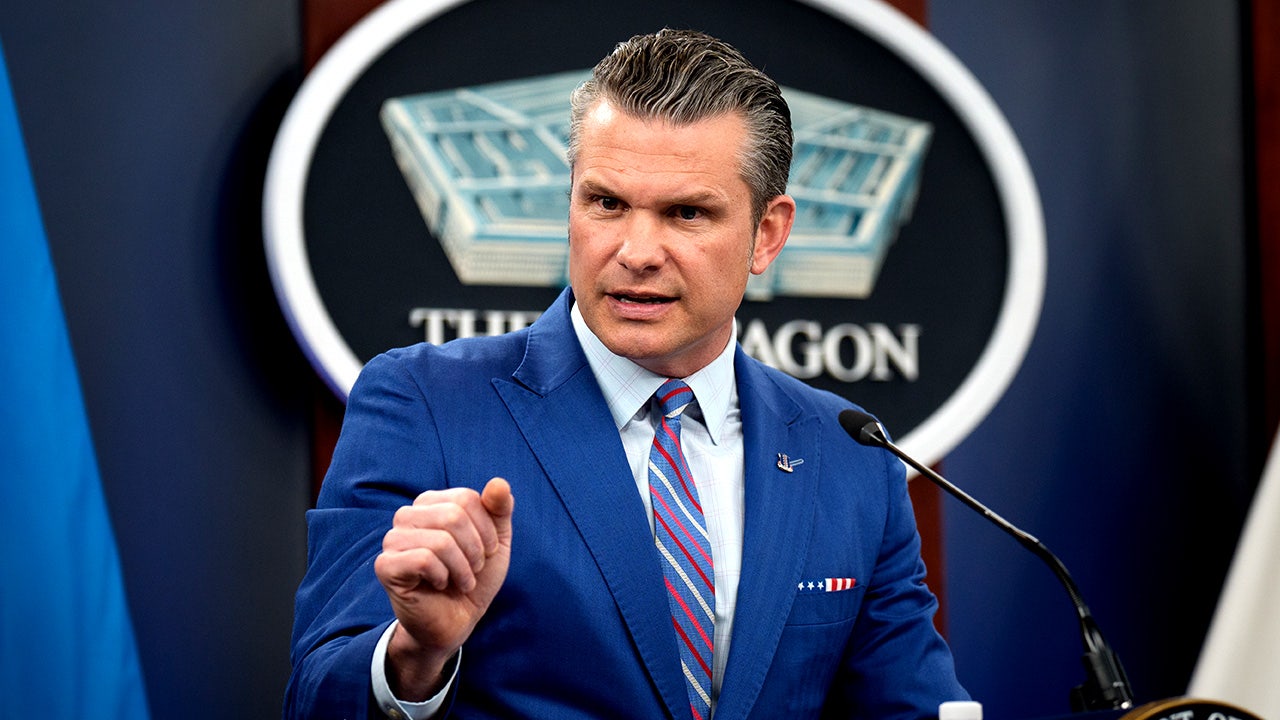
Ever since the 2016 presidential election that first got President Donald Trump elected and the ensuing Russiagate scandal, there has been increased scrutiny on foreign meddling in U.S. elections and threats to the American voting system.
Now, 10 years later, Secretary of War Pete Hegseth is directing his entire intelligence and spy forces to ensure foreign adversaries do not interfere in Tuesday’s midterms.
The Pentagon chief has ordered America’s military intelligence and cyber agencies to mobilize against foreign threats to the 2026 elections by directing his department’s sprawling intelligence apparatus to make election security a priority in what he calls a «no-fail mission.»
The September directive reaches beyond U.S. Cyber Command and the National Security Agency, instructing the entire Defense Intelligence Enterprise — including agencies responsible for military and geospatial intelligence — to «mobilize every authorized asset, capability, and partnership» against foreign election threats.
HOW TO WATCH CRITICAL 2026 MIDTERM ELECTION RACES IN TX, OH, MI, WI, GA, IA, NV, ME AND FL
The order puts some of the military’s most sophisticated intelligence capabilities behind a mission that has grown considerably since Russia’s interference in the 2016 presidential election. But with Americans preparing to vote, the extent to which Hegseth’s directive has changed the Pentagon’s existing election-security operations remains unclear.
The Department of War declined to provide Digital with additional details about how the order is being implemented. Cyber Command separately declined an interview request about its election-security efforts.
In practice, the directive can mean military intelligence agencies are tasked with identifying foreign hackers or influence operations overseas, warning civilian agencies about threats headed toward U.S. targets and, when authorized, Cyber Command taking action against the foreign actors or infrastructure behind them.
The military’s role largely stops at the U.S. border: state and local officials run elections, while agencies such as the FBI and Department of Homeland Security handle the domestic side.
The Pentagon’s election security mission is not new. Cyber Command and NSA have spent years tracking and disrupting foreign threats around American elections, including operations targeting Russian actors during previous election cycles.
The effort began taking its current shape ahead of the 2018 midterms, when the agencies formed a «Russia Small Group» focused on foreign interference. It later evolved into a joint Election Security Group, combining NSA’s intelligence-gathering capabilities with Cyber Command’s ability to conduct operations against foreign cyber threats.
By 2022, then-Cyber Command and NSA chief Gen. Paul Nakasone was describing election security as an «enduring, no-fail mission» — language echoed by Hegseth four years later.
«Rest assured, we were doing operations well before the midterms began, and we were doing operations likely on the day of the midterms,» Nakasone said after the 2022 election, describing the military’s role as «understanding your foreign adversaries and operating outside the United States.»
The agencies again established an Election Security Group for the 2024 presidential election, but whether that structure was recreated for this year’s midterms has been less clear.
Gen. Joshua Rudd, the current head of Cyber Command and NSA, told lawmakers in April that foreign interference was «reasonable to expect based on what we’ve seen in the past» and said his command was «postured and ready to support as required or tasked.» He said at the time that he was unsure whether the Election Security Group had been reconvened.
CHINA-LINKED HACKERS INFILTRATED US GOVERNMENT NETWORKS BEFORE FBI TAKEDOWN
Five months later, Hegseth issued his department-wide directive, addressed not only to Cyber Command and NSA but also to the directors of the Defense Intelligence Agency and National Geospatial-Intelligence Agency.
The order instructs military intelligence agencies to collect and analyze intelligence on foreign election threats while directing Cyber Command to use its existing authorities and capabilities to counter potential foreign cyber activity in coordination with the Department of Homeland Security.
It does not publicly grant new authorities or establish a new election-security organization, instead reinforcing a mission the military has increasingly treated as an enduring responsibility.
U.S. intelligence officials, meanwhile, say they have seen no evidence that a foreign adversary has attempted to interfere with voting machines, physical election infrastructure or the counting of votes ahead of Tuesday’s midterms.
Rep. Jim Himes, D-Conn., the ranking member of the House Intelligence Committee, said last week that intelligence officials continue to see nothing contradicting that assessment, but urged Americans to remain «on high alert» for foreign disinformation, particularly as artificial intelligence makes such campaigns easier to spread.
But officials continue to track foreign influence efforts from Russia, China and Iran, with Russia remaining the most active foreign influence threat, CNN reported Sunday.
U.S. elections are attractive targets for foreign adversaries because the stakes extend far beyond who wins office: influencing American voters or undermining confidence in the process can shape U.S. policy, weaken public support for policies they oppose and deepen divisions without ever touching a voting machine.
Lawmakers briefed on classified intelligence last month said Russia was using disinformation to target candidates and undermine confidence in the election, while China’s influence efforts were more narrowly focused on candidates viewed as hostile to Beijing.
The Pentagon’s role focuses on threats originating overseas, while state and local officials administer elections and civilian federal agencies lead domestic election-security efforts.
Hegseth’s directive makes that overseas mission a priority across the broader military intelligence enterprise, though the Pentagon has not disclosed whether it has resulted in additional personnel, resources or organizational changes ahead of Election Day.
pentagon defense, politics, midterm elections, defense, national security, pete hegseth










INTERNACIONAL
Russian warship sinks off Libya as suspected Ukrainian strikes take war beyond Black Sea
Ukraine launches record drone attack on Russia, hits Crimea Bridge
Russia faces a record Ukraine drone attack as more than 1,400 drones strike overnight, damaging the prized Crimean Bridge. Host Harris Faulkner covers the escalating war before analyzing the arrival of the USS Theodore Roosevelt in the Middle East. Retired Blackhawk helicopter pilot Lt. Col. Darin Gaub joins ‘The Focus’ to discuss these rising global conflicts and U.S. military positioning.
NEWYou can now listen to Fox News articles!
A Russian warship capsized and sank Sunday after suspected Ukrainian sea drones struck a naval base in eastern Libya, triggering an explosion and fire, according to Libyan officials.
Hours later, a second drone attack also hit a commercial ship off the coast of Benghazi, Reuters reported.
The first ship, the Russian navy corvette Merkury, was docked at Benghazi Naval Base when two explosive-laden sea drones struck the vessel, according to Libyan military officials who spoke to The Associated Press.
UKRAINE POUNDS BLACK SEA FLEET’S ‘LAST MAJOR STRONGHOLD’ WHILE PUTIN FLEXES NAVAL POWER IN PACIFIC
Fire burns after an explosion aboard a Russian ship docked at Benghazi port in Libya. (Reuters)
At least four other drones were intercepted and destroyed, the officials said.
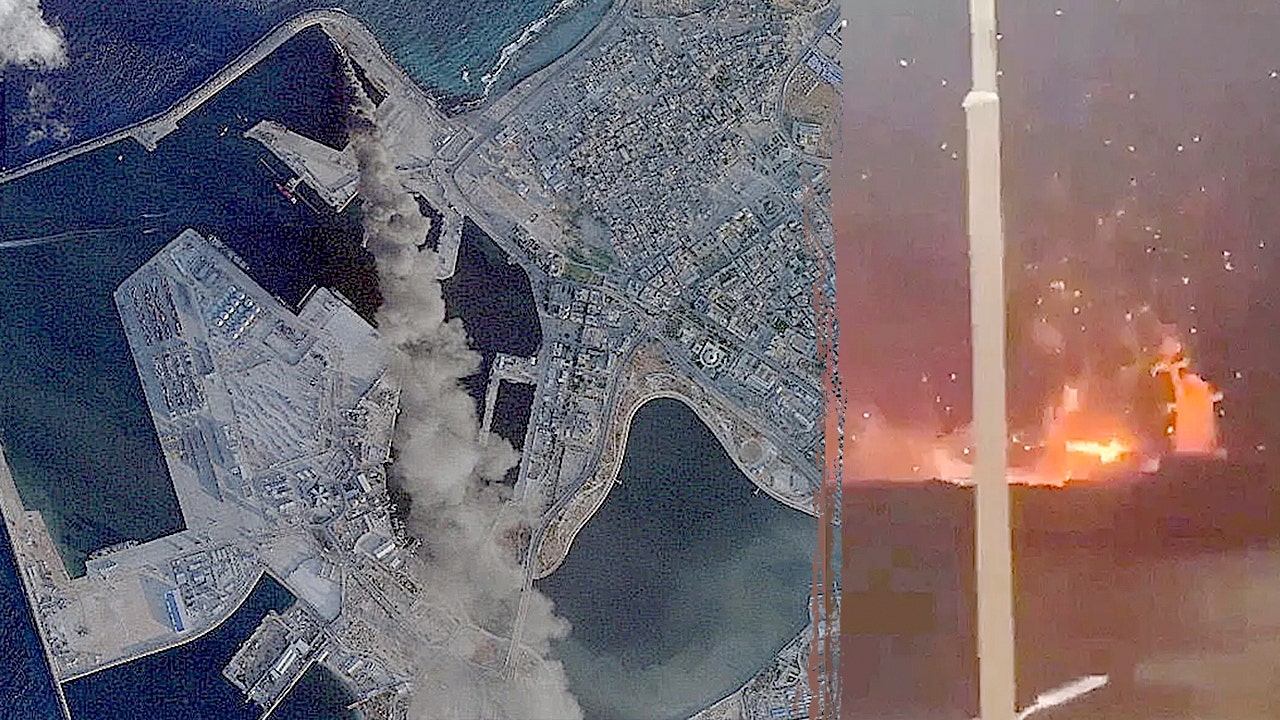
Satellite images showed most of the warship capsized and submerged, with only its bow remaining above water. Smoke could be seen rising from the ship’s superstructure, and debris was scattered along the pier.
Ten people, including Russian and Libyan nationals, suffered minor injuries in the attack and were receiving treatment in Benghazi, medical sources told Reuters.
The warship had stopped at the port to refuel and resupply while returning to Russia under a maritime cooperation agreement with Libya’s eastern-based government, officials said in a statement.
Libyan military officials said an initial investigation indicated that Ukrainian sea drones had been launched from a base in western Libya, according to The AP.
UKRAINE STRIKES DEEP INTO RUSSIA’S ARCTIC GAS HEARTLAND AS TRUMP PUSHES PUTIN TOWARD PEACE

The port of Benghazi after an explosion aboard a Russian ship docked at the Benghazi naval base. (Vantor/Handout via REUTERS)
Hours after the warship was struck, a Maltese-flagged commercial ship was also hit by a sea drone off Benghazi, two Libyan military sources told Reuters.
Libyan naval forces rescued the commercial ship’s crew, while health officials reported that some crew members sustained minor injuries and were in stable condition.
Libyan naval and air forces also intercepted more than 20 drone boats off Benghazi on Sunday evening, the military sources told Reuters.
The attacks prompted Libya’s eastern-based government to seek an international investigation.
Prime Minister Osama Hamad said his government had submitted a formal request to the United Nations General Assembly and Security Council to investigate the attacks, including suspicions that the drones were launched from western Libya.
RUSSIA DEPLOYS NORTH KOREAN MISSILE UNIT TO UKRAINE; MOSCOW-PYONGYANG AXIS DEEPENS: REPORT

A Russian corvette before and after the explosion in Benghazi, with Libya’s eastern-based government saying the explosion was caused by a suspected drone attack. (VANTOR/ Reuters)
Hamad also called for an investigation into the possible presence of Ukrainian military experts in Libya and requested an explanation from Kyiv about their activities.
The eastern government insisted that Libya was not a party to the war between Russia and Ukraine and condemned attempts to use its territory to settle foreign conflicts.
«The Libyan government will not allow Libyan ports, territory or territorial waters to be turned into an arena for settling scores or exporting international conflicts,» the government said.
Benghazi is controlled by forces loyal to Gen. Khalifa Haftar, whose self-styled Libyan National Army dominates eastern and southern Libya and maintains close ties with Russia.
Libya has been divided since the 2011 NATO-backed uprising that toppled longtime dictator Moammar Gadhafi.
UKRAINE UNLEASHES MORE THAN 400 DRONES NEAR MOSCOW IN ONE OF WAR’S BIGGEST ATTACKS
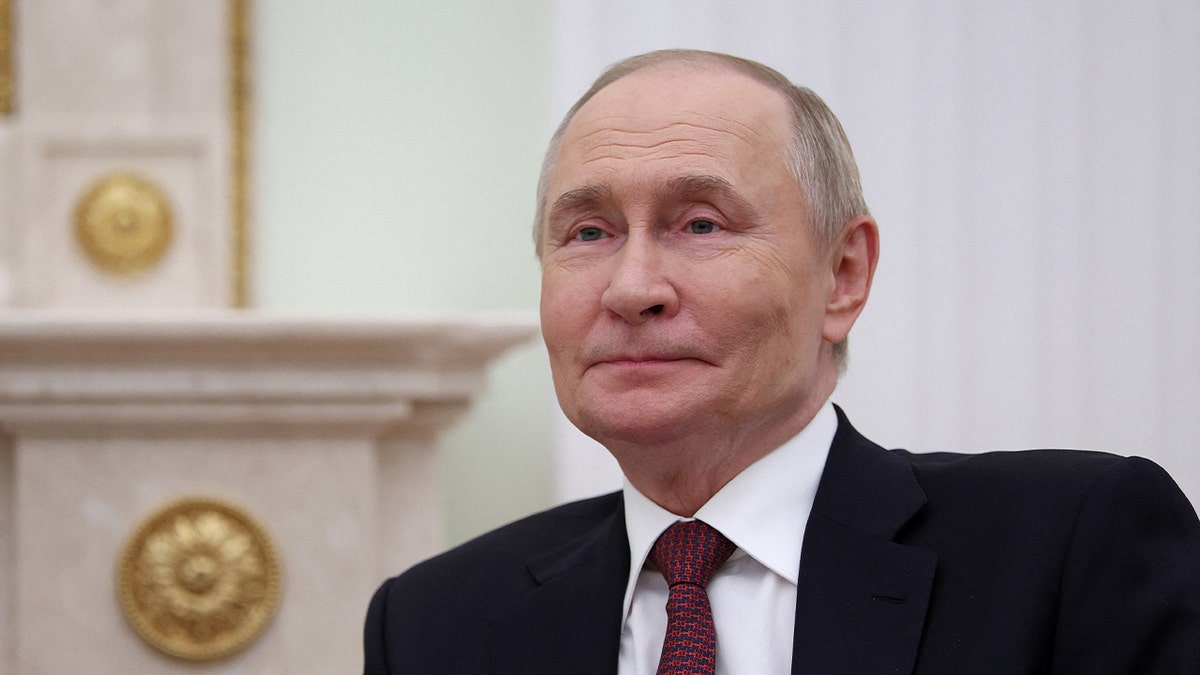
Putin is testing the boundaries of NATO with aircraft incursions, allied states say. (Ramil Sitdikov/Pool/Reuters)
A U. N. recognized government operates from Tripoli, while a rival administration controls much of the east.
The suspected attacks also come as Ukraine has expanded its campaign against Russian naval assets beyond the Black Sea. In December 2025, Ukraine said it struck a Russian-linked oil tanker with aerial drones in the Mediterranean Sea.
In March 2026, Russia accused Ukraine of attacking a Russian liquefied natural gas tanker with naval drones launched from the Libyan coast.
Libyan officials previously told the AP that Ukrainian drone specialists had been operating from military facilities in western Libya, including an air base in Misrata and sites in Tripoli and Zawiya.
Since Russia launched its full-scale invasion of Ukraine in 2022, Ukrainian forces have used explosive-laden sea drones and missiles to strike Russian warships and naval installations, primarily in the Black Sea.
world, navy, military, geopolitics, foreign affairs, russia, ukraine, foreign
INTERNACIONAL
Guatemala lanza nuevo proyecto de conservación forestal en la región Trifinio con financiamiento internacional

El Ministerio de Ambiente y Recursos Naturales de Guatemala encabezó el lanzamiento de un proyecto para conservar bosques y restaurar ecosistemas en la Reserva de Biosfera Trifinio Fraternidad, compartida con El Salvador y Honduras, durante los próximos cinco años. La iniciativa busca vincular la protección ambiental con el bienestar de las comunidades locales e indígenas que dependen de los recursos del territorio.
El programa regional prevé mejorar la gestión de más de 5 millones de hectáreas de áreas protegidas, restaurar 61 mil hectáreas prioritarias para conectar bosques primarios y beneficiar de forma directa a 176.500 personas. De ese total, 79.500 son mujeres.
La propuesta se denomina “Biomas forestales críticos de Guatemala: Garantizar beneficios para el bienestar de las comunidades locales y los ecosistemas de la Selva Maya y el Trifinio”. Integra el Programa de Biomas Forestales Críticos de Mesoamérica, financiado por el Fondo para el Medio Ambiente Mundial, conocido como GEF, e implementado por la Unión Internacional para la Conservación de la Naturaleza.

Dos territorios guatemaltecos dentro de una estrategia regional
Guatemala desarrollará el programa en la Selva Maya, ubicada en Petén, y en el territorio de Trifinio Guatemala. The Nature Conservancy estará a cargo de la ejecución en la Selva Maya, mientras que Wildlife Conservation Society asumirá el componente en Trifinio.
El área de intervención en Trifinio incluye el Parque Nacional Montecristo y zonas de influencia de los municipios de Esquipulas y Concepción Las Minas. Ambos se encuentran dentro de la Reserva de Biosfera Trifinio Fraternidad, la primera reserva transfronteriza de Centroamérica.
El taller de arranque reunió a representantes del Consejo Nacional de Áreas Protegidas, la Municipalidad de Esquipulas, organizaciones locales y delegados del Ministerio de Ambiente y Recursos Naturales, que funciona como punto focal nacional. Un Comité Directivo presidido por esa cartera coordinará la ejecución en el país.
La reserva concentra fuentes hídricas, bosques nublados y hábitats de especies como el quetzal y la guacamaya. El proyecto contempla la protección y restauración de esos ecosistemas, además del fortalecimiento de la gobernanza local y de la gestión de áreas protegidas.
El Consejo Nacional de Áreas Protegidas recibirá capacitaciones técnicas para su personal y sus guardarrecursos. La formación integra las medidas previstas para elevar la efectividad de manejo y ampliar las capacidades institucionales en el territorio.

USD 65 millones para la conservación mesoamericana
El programa regional cuenta con una donación de más de USD 65 millones del GEF y con USD 270 millones de cofinanciamiento. Participan los ministerios de Ambiente de Belice, El Salvador, Guatemala, Honduras y Panamá, junto con la Comisión Centroamericana de Ambiente y Desarrollo, el Consejo Agropecuario Centroamericano y la Comisión Trinacional del Plan Trifinio.
La estrategia está compuesta por seis proyectos nacionales y una iniciativa regional de gestión de conocimiento. También apunta a mejorar el manejo paisajístico de 1,3 millones de hectáreas y a movilizar instrumentos financieros para actividades compatibles con la conservación forestal.
Las comunidades y los pueblos indígenas tendrán participación en la implementación, incluido el pueblo Chortí. El plan prevé consolidar mecanismos locales de conservación y la posible expansión de corredores bioculturales hacia otros municipios de la región.
La conservación de los bosques estará acompañada por acciones destinadas a promover inversiones y medios de vida vinculados con el uso sostenible de los recursos. Los delegados del Plan Trifinio plantearon la necesidad de que la protección de los ecosistemas se articule con el desarrollo social y económico de las poblaciones locales.
El lanzamiento sucede después de un proyecto de conectividad ecológica impulsado por la Organización de las Naciones Unidas para la Educación, la Ciencia y la Cultura entre 2025 y 2026 en la misma reserva. Esa iniciativa contó con financiamiento del Fondo de Biodiversidad de Kunming y de la Agencia Española de Parques Nacionales.
Los talleres realizados en Esquipulas, Ocotepeque y Metapán incluyeron la participación del pueblo Chortí. El trabajo permitió elaborar un mapa de uso del suelo de alta resolución y modelos de conectividad que identificaron corredores prioritarios en una reserva integrada por 32 municipios de los tres países y habitada por más de 500 mil personas.
conferencia,oratoria,Reserva de Biosfera Trifinio Fraternidad,Bosques de Mesoamérica,gestión ambiental
NEWYou can now listen to Fox News articles!
President Donald Trump said Sunday that Iran has launched more missiles and drones over the past week than at any point in more than a year, adding that U. S. forces shot them down without any damage and as tensions escalate following the U.S. midterm elections.
In a post on Truth Social, Trump also tied the surge in Iranian attacks to the Nov. 3 midterm elections, when Democrats won control of both chambers of Congress amid voter frustration over the war with Iran and rising fuel costs.
«As everyone remembers, I predicted two things concerning the November 3rd Midterm Elections,» Trump wrote on Truth Social.
TRUMP RESPONDS AFTER VANCE BLAMES IRAN WAR FOR MIDTERM LOSSES, VP SAYS HIS JOB IS TO SUPPORT PRESIDENT
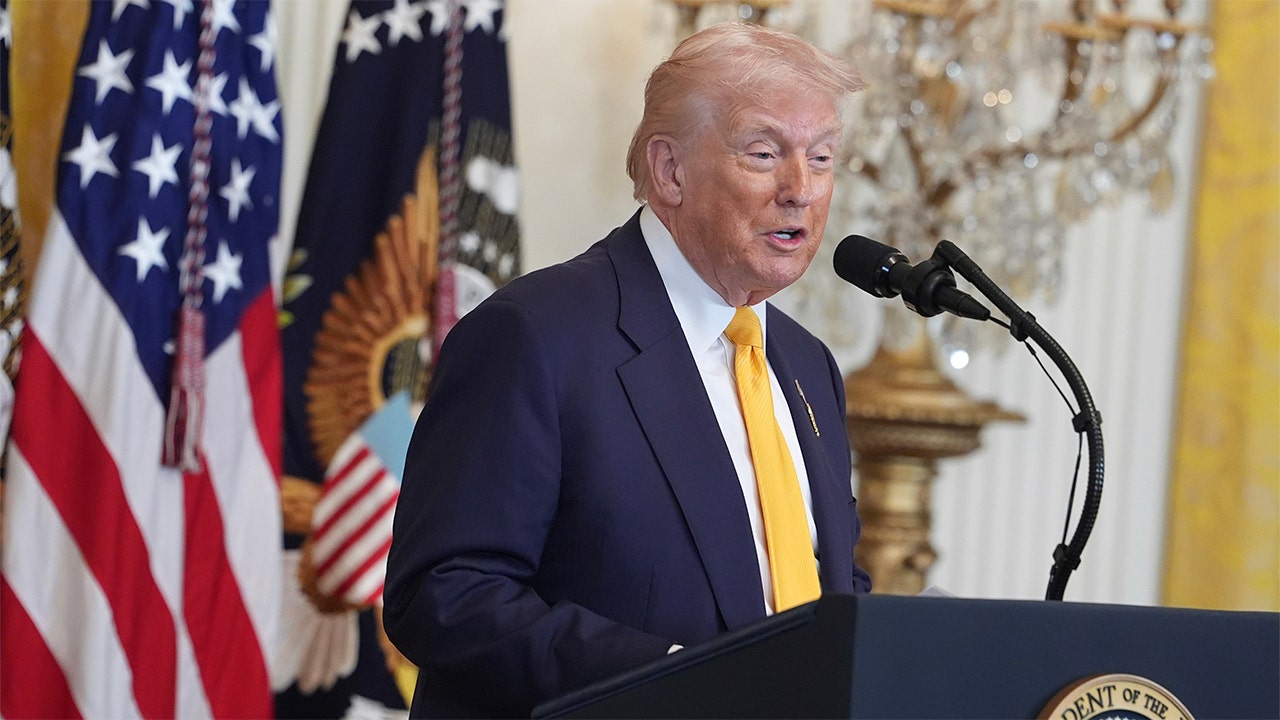
President Donald Trump said Iran has launched more missiles and drones over the past week than at any point in more than a year, claiming U.S. forces intercepted them all without damage. (Michael M. Santiago/Getty Images)
«One, that if the Democrats win, the Stock Markets would go down, substantially, which they have, and two, that the Islamic Republic of Iran, which has killed 81,000 protestors as of today, will grow more aggressive in their attacks, which has also occurred. «
Trump also said that Iran launched «more drones and missiles over the past week than at any time for over a year,» though he said U.S. defenses neutralized the threat.
«Don’t worry, they’ve all been knocked down, and done no damage,» Trump said.
«Iranian leaders consider the Democrats weak, ineffective, and Country destroying, but I won’t let that happen!» he added.
The remarks also came days after the Senate rejected a war powers resolution in a 48-51 vote on Nov. 19, leaving Trump’s military authority intact.
TRUMP WARNS OF NEW STRIKES AGAINST IRAN AFTER NEW YEAR, CALLS NEGOTIATORS ‘PROFESSIONAL TAP DANCERS’
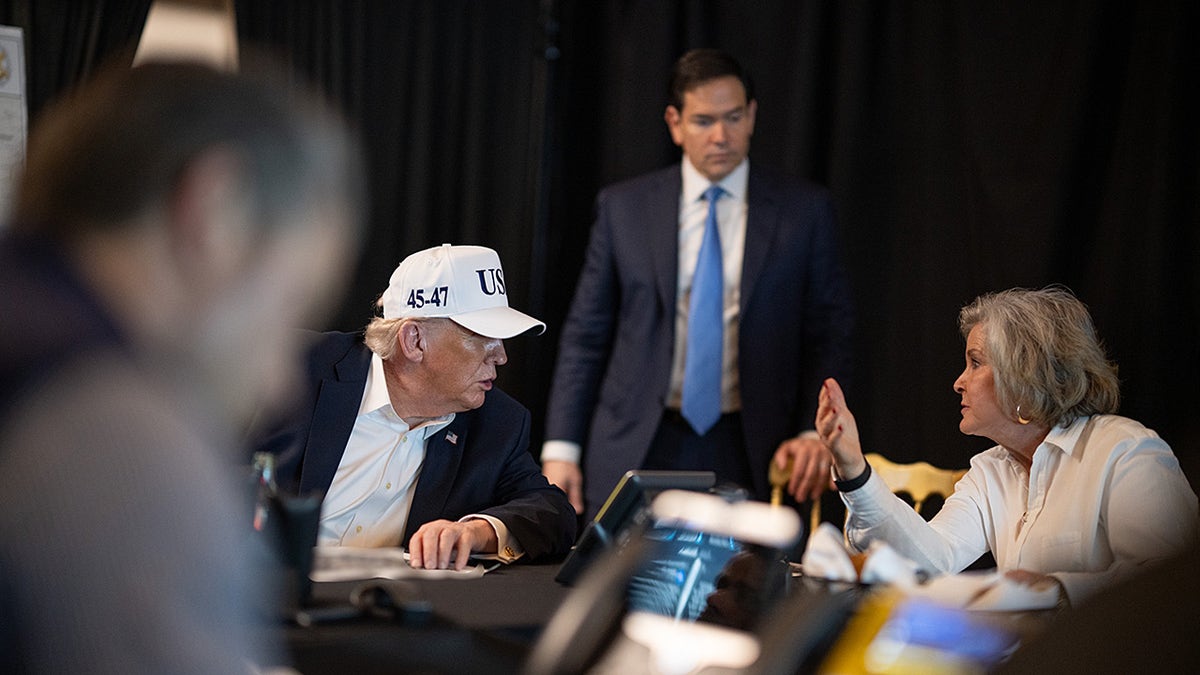
President Donald Trump monitors U.S. military operations in Iran following an Israeli strike in Tehran on Saturday, Feb. 28, 2026. (@WhiteHouse/X)
Speaking to Fox News earlier Sunday, Trump said he is inclined to resume strikes on Iran after the new year if diplomatic talks fail to produce a deal, warning that Iranian vessels testing the U.S. naval blockade would end up «at the bottom of the sea like the rest of the navy.»
In his social media post Sunday, Trump accused both Democrats and Iran of trying to keep fuel prices high ahead of the midterm elections and separately questioned the integrity of the vote without providing evidence.
«Both the Dems and Iran fought like hell to keep the Oil price up as long as possible and, since the Election, the Oil price has dropped by a record level,» Trump wrote, adding that it was too bad voters «didn’t understand this before they pulled the trigger.»
«The whole Election was very ‘strange,’» he said. «In the end, America will win! «
world, donald trump, iran, war with iran, politics, geopolitics, news events, middle east foreign policy

Olimpia campeón con Vitamina Sánchez

Hellraiser: Revival supera a Resident Evil Requiem y se convierte en el Juego del Año de los Horror Game Awards 2026 – Nintenderos

Russian warship sinks off Libya as suspected Ukrainian strikes take war beyond Black Sea

Tras escrachar a un empleado, Robertito Funes Ugarte se defendió de las críticas e hizo un furioso descargo: «¡Maleducado y xenófobo!»

El peronismo sinceró su armado a dos bandas: el plan de fondo que ve Kicillof y la centralidad de Massa

“Tuve días difíciles”: el desahogo de Thiago Almada tras sus dos goles en el triunfo de River Plate y cómo lo ayudó Scaloni a resurgir

Javier Milei y sus medidas, en vivo: “Hoy discutimos si crecemos un punto más o menos”, dijo el Presidente

Javier Milei destacó el desembarco de Tesla en el país y aseguró: “Esto también es devolverle la libertad a los argentinos”

El brote de ébola está fuera de control en la República Democrática del Congo y crece el temor a una epidemia continental

El burbujeante ping pong de Colapinto con un actor argentino: de la puja entre Senna y Riquelme a la comida que le falta a la Fórmula 1

 POLITICA2 días ago
Javier Milei destacó el desembarco de Tesla en el país y aseguró: “Esto también es devolverle la libertad a los argentinos”
- CHIMENTOS15 horas ago
Agustín “Rada” Aristarán se despide de Chanta: “Con esta obra dejé de ser un impostor”
- INTERNACIONAL15 horas ago
NYC college put on notice after Jewish campus group shunned by student government: ‘rude awakening’


