INTERNACIONAL
‘Big Balls’ of DOGE fame gives exclusive look at new Trump mission to overhaul government


Edward Coristine, the former DOGE engineer better known as «Big Balls,» is now helping build the Trump administration’s new digital front door to the federal government — an effort aimed at giving Americans one place to navigate information and, eventually, complete services now spread across thousands of government websites.
«I think that the fact that there’s 29,000 government websites is pretty insane,» Coristine told Digital in a sit-down interview. «And it is the citizens’ objective to have to go figure out which government website they’re supposed to use for each specific thing.»
Coristine — better known around Washington by his attention-grabbing «Big Balls» nickname — sat down with Digital at the White House to talk about his new role helping build America.gov, what he learned during his time at DOGE, the administration’s plans to make more government services fully digital, his experience being attacked in Washington, and how the nickname that helped make him famous actually came from his dad.
TRUMP UNVEILS AMERICA.GOV AS AI-POWERED HUB FOR PASSPORTS, MEDICARE ENROLLMENT AND MORE
Coristine is now working with the National Design Studio on the administration’s revamped America.gov, which launched Sept. 29 as an AI-powered single point of entry for information drawn from thousands of government websites. President Donald Trump singled out Coristine during the launch, identifying him as the project’s lead engineer and thanking him for his work.
Coristine said his time at DOGE gave him a firsthand look at the frustration Americans face when trying to navigate federal services and helped shape what he is working on now.
«I think we got a lot of feedback that the American government is hard to interact with because you have to navigate the maze of bureaucratic services,» Coristine said.
The software engineer had already worked in Musk’s orbit before joining DOGE, spending several months at Neuralink, Musk’s brain-computer interface company, before later joining the government efficiency effort at 19.
«What I think is really special about America.gov is it presents a single point of entry to find all the information that you need,» he added, including finding government services tailored to the user and asking questions with answers sourced from the federal government.
TRUMP TO USHER IN ‘GOLDEN AGE’ OF AMERICAN TECH WITH DC BASH SHOWCASING POWERFUL NEW TOOL
Coristine pointed to Medicare as one example, saying Americans currently may have to move between Medicare.gov and the Social Security website to enroll in benefits.
«Companies, generally speaking, only have one website and everything is easy to find,» he said. «We should have the same vision for the government.»
The ambitions for America.gov also go beyond simply helping users find the right information. Coristine said the administration plans to make first-time passport applications fully digital, expanding beyond the online renewal system already available to eligible Americans.
«Specifically with passports, what we’re going to do is we’re gonna make new passports online for the first time ever,» Coristine said, describing the existing process as «very manual.»
TRUMP’S NEW HIGH-TECH GOVERNMENT HUB HOLDS SOME BIZARRE SURPRISES: ‘ENJOY FINDING THEM’
«You have to go in person, you have to get to the post office, you get your photo taken like a CVS or Walgreens,» he said.
Under the planned system, Coristine said users would be able to take their passport photo at home, preview how it would appear on the document and complete the process «without leaving the America.gov website.»
Coristine also offered a glimpse into how Trump has talked about the broader project, comparing the president’s approach to digital government with his background in hospitality.
«I think the president has been a great host for his entire career. He’s been in the hospitality business, right?» Coristine said. «So any great host knows they have to make things easy, they have to make it all feel clean.»
ELON MUSK LANDS NEW TRUMP ADMINISTRATION ROLE SHAPING FUTURE OF AMERICAN WARFARE
«President Trump is very focused on removing the potholes from the digital government that make it hard to get things done,» he added.
The role marks the latest chapter in a whirlwind stint in Washington that began at DOGE and quickly thrust the 20-year-old — and his now-famous «Big Balls» nickname — into the national spotlight.
Coristine told Digital the «Big Balls» moniker had a far less dramatic origin than its eventual notoriety might suggest.
«I got the nickname Big Balls from my dad,» he said, explaining that he eventually made it his LinkedIn URL AND THIS IS WHAT DROVE IT INTO THE NATIONAL SPOTLIGHT, RIGHT?
«It was actually, like, fairly underground, but I was discovered,» Coristine said. «It’s been very funny ever since.»
EXCLUSIVE: INSIDE THE SECRETIVE MINE DOGE HELPED DRAG OUT OF A DECADES-OLD BUREAUCRATIC BLACK HOLE
Coristine’s profile rose further in August 2025 after he was attacked while walking a female friend back to her car in Washington’s Logan Circle neighborhood, an incident that left him with a broken nose and concussion and drew national attention.
Coristine has said he rushed his friend into the car before the group turned on him, slamming him against the vehicle and throwing punches.
«I really thank President Trump for making D.C. safe again,» Coristine said. «Like all my friends, they’re now able to walk outside.»
«Everyone is very calmed by the National Guard because it feels like the city is so much safer,» he continued. «And the crime numbers totally represent that. The crime has been falling like a knife in D.C.»
Trump established the Make D.C. Safe and Beautiful Task Force in March 2025 before launching an intensified federal crime crackdown in August, with the operation delivering more than 16,000 arrests, 3,200 narcotics arrests and nearly 2,000 illegal firearms seized in its first year.
«So I’m unbelievably grateful to the president for making the city safe and beautiful,» Coristine said.
doge, donald trump, artificial intelligence, politics







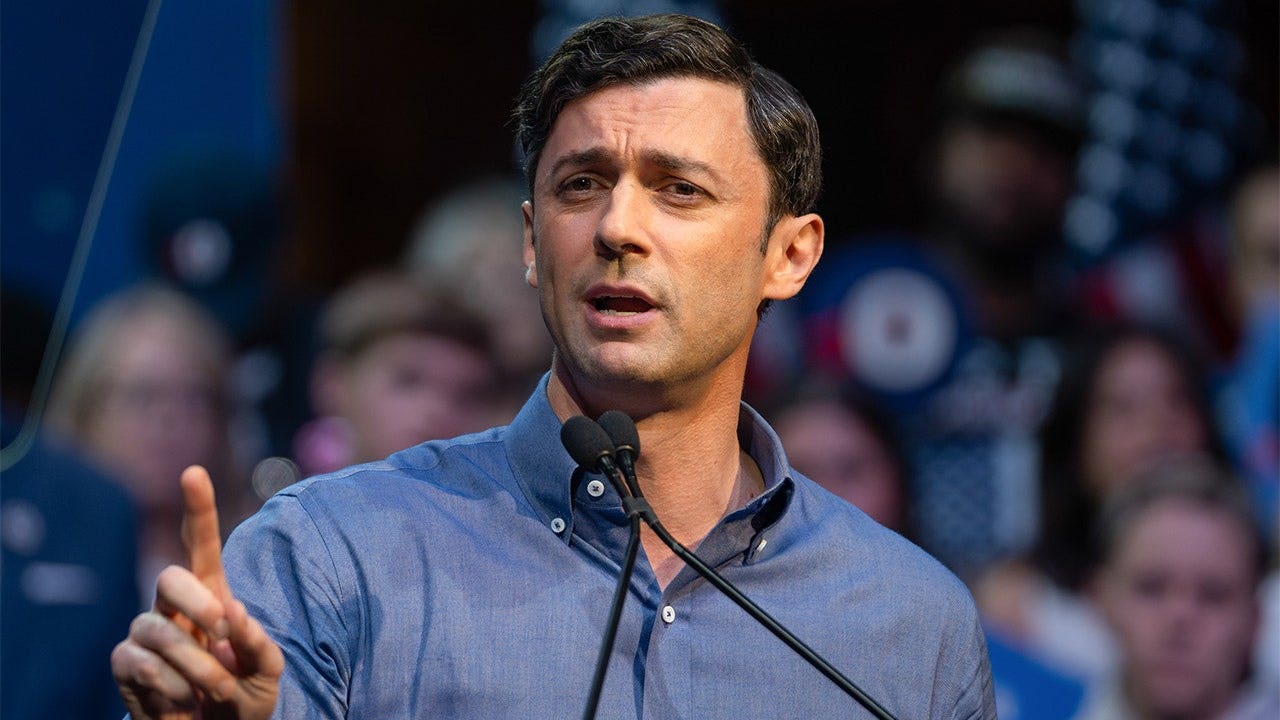
The Decision Desk projects that Democratic Sen. Jon Ossoff of Georgia has defeated Republican challenger Rep. Mike Collins.
Ossoff, once considered by the GOP to be the most vulnerable Democratic senator seeking re-election in the 2026 midterms, will now keep his job representing the southeastern battleground state in the U.S. Senate. He took an early lead in the race when polls closed Tuesday night, which only expanded as the hours wore on.
His victory means Georgia, a one-time red bastion that swung to the center in recent years, will continue to have two Democrats representing the state in the Senate. He’s the second Democratic senator to hold his seat on Tuesday night after Sen. Mark Warner, D-Va., was also projected to win re-election.
DEMOCRACY ’26: STAY UP TO DATE WITH THE ELECTION HUB
«A workhorse for the people of Georgia, Senator Ossoff has spent the last six years in the U.S. Senate providing outstanding constituent services, standing up for children, and fighting to make life better,» the Senate Democrats’ campaign arm said in a statement after Ossoff’s victory.
«Georgians sent him back to the Senate because they know he will always show up for them, and now he’ll continue putting Georgia families first.»
Ossoff and fellow Democratic Sen. Raphael Warnock were both elected in runoff elections at the end of the 2020 cycle, ending a decade and a half of Georgia’s all-Republican representation in the Senate. Weeks earlier, former President Joe Biden became the first Democrat to carry the state in nearly three decades.
But Georgia shifted back to the right in 2024, with President Donald Trump reclaiming the state and winning the White House.
At the start of the 2026 cycle, Georgia was atop the GOP’s target list of seats to flip, and Republicans aimed to hold their 53-47 Senate majority.
While Ossoff built a massive campaign war chest as he cruised unopposed to renomination, Collins was part of a combustible three-way GOP primary Senate battle with Rep. Buddy Carter and former college football coach Derek Dooley, who was supported by popular term-limited conservative Georgia Gov. Brian Kemp.
Collins and Dooley advanced to a June runoff, which Collins won due in part to an eleventh-hour Trump endorsement.
SIGN UP TO GET THE POLITICS NEWSLETTER
In the general election showdown, Collins made illegal immigration a centerpiece of his campaign, spotlighting the Laken Riley Act, which he authored. The law requires the detention of certain illegal immigrants who are arrested for, charged with, convicted of or admit to committing specified offenses. Ossoff voted for the measure but has criticized the Trump administration’s immigration enforcement tactics.
Collins also accused Ossoff of supporting policies that drove up inflation and taxes, while the senator targeted Collins over his backing of Trump’s tariffs and the war in Iran, which triggered a surge in gas and diesel prices and an overall rise in the cost of living.
During their debates, Ossoff also put Collins on defense over a House ethics investigation into whether the congressman abused taxpayer funds by hiring the girlfriend of his former chief of staff for work she allegedly did not perform. Collins has insisted the issue is simply a «complaint» with no merit.
Collins also faced heat over social media posts by his son-in-law — a social media influencer on the far right — that shared Nazi imagery and antisemitic conspiracy theories.
Ossoff, meanwhile, faced questions about receiving campaign funds from Reid Hoffman, a venture capitalist whose name appeared in the Epstein files.
While GOP-aligned outside groups initially spent big bucks to back Collins and make up for his massive fundraising deficit in his battle against Ossoff, the Republican spigot was cut back substantially in the final weeks leading up to Election Day. The move was a sign that many Republicans were giving up on their hopes of flipping the Senate seat in Georgia.
Ossoff, whom pundits view as a potential 2028 Democratic presidential contender, has repeatedly said he has «zero interest» in running for the White House next cycle. And in a debate with Collins last month, he pledged to serve out his full six-year Senate term if re-elected.
The senator, a Georgia native, served as a national security staffer and legislative assistant for Rep. Hank Johnson before working as managing director of an investigative documentary production company. He first grabbed national attention in 2017, when he narrowly lost a special congressional election for a House seat that had long been a GOP stronghold.
Collins, who is also a Georgia native, is the son of the late Rep. Mac Collins. A businessman and the co-founder along with his wife of a trucking company, he was first elected to Congress in 2022.
politics, georgia, senate, raphael warnock, donald trump, midterm elections, democratic party
INTERNACIONAL
Por delitos que van desde el narcotráfico hasta tentativa de homicidio aprehenden a 26 supuestos victimarios en Panamá

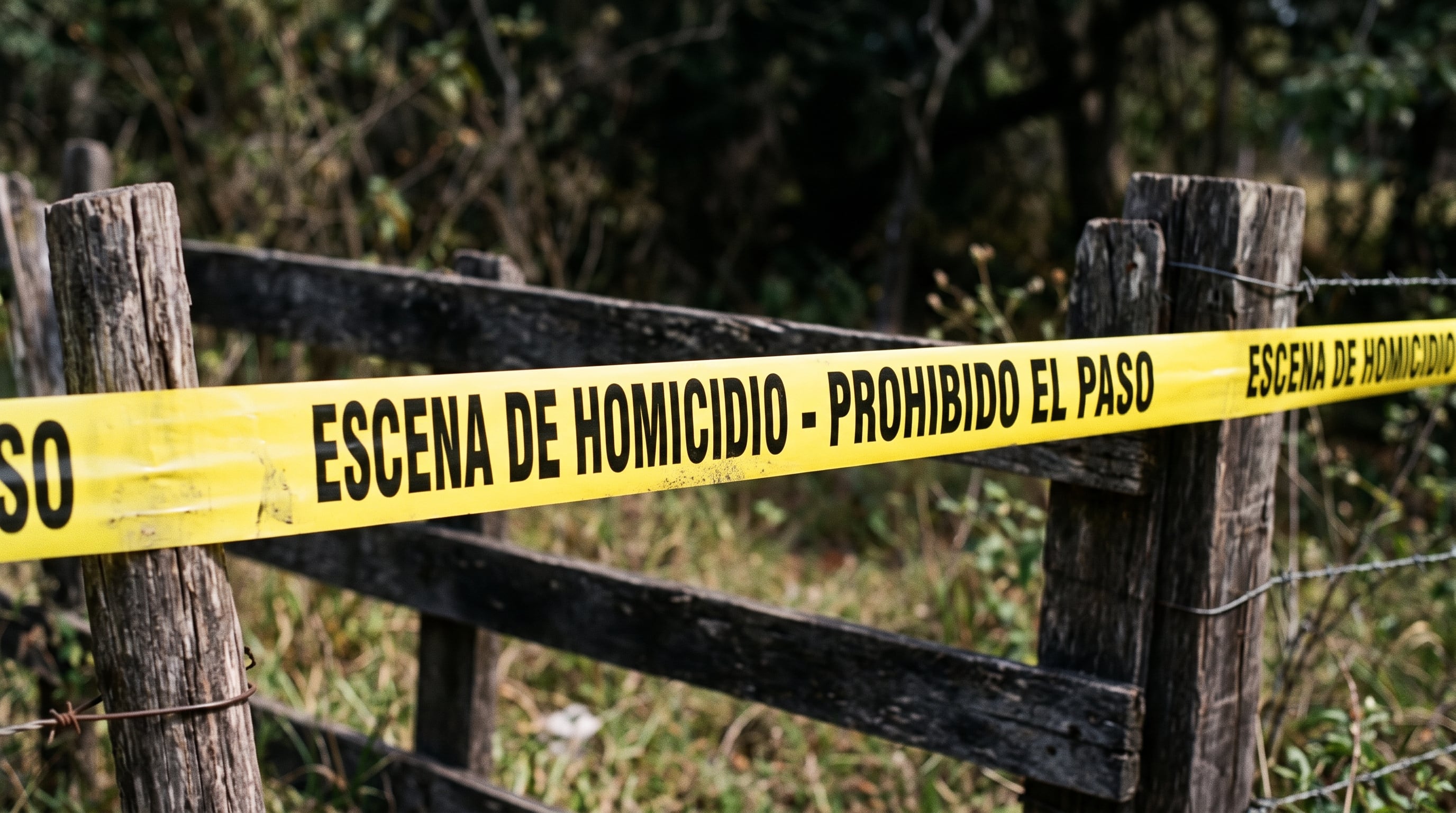
La Policía Nacional de Panamá aprehendió a 26 personas en una operación conjunta desplegada en las provincias de Colón y Darién, vinculadas supuestamente a delitos que van desde el narcotráfico hasta la tentativa de homicidio.
El operativo, denominado Operación Centurión, estuvo a cargo de la Dirección de Investigación Judicial (DIJ) en coordinación con el Servicio Nacional de Fronteras (SENAFRONT) y el Ministerio Público.
Entre los delitos investigados figuran casos relacionados con drogas, delitos contra la libertad e integridad sexual, estafa y tentativa de homicidio.
Como resultado del operativo, las autoridades decomisaron un arma de fuego con municiones y recuperaron tres reses que mantenían denuncia por hurto.
En otra acción, unidades de la Zona Policial de la provincia occidental de Chiriquí rescataron a un ciudadano que presuntamente permanecía privado de su libertad dentro de un automóvil.

El hallazgo se produjo en el sector de calle Segunda, distrito de David, durante un operativo preventivo.
La alerta llegó a través de la línea 104 y del Centro de Vigilancia Municipal, que reportaron la circulación de un vehículo con una persona retenida en su interior.
Los uniformados ubicaron e interceptaron el automóvil, pusieron a salvo al ciudadano y aprehendieron a cuatro personas que viajaban a bordo.
Durante las diligencias de verificación, realizadas con el apoyo de la Seccional de Investigación Judicial (SDIJ), la Seccional de Inteligencia Policial (SDIP) y el Ministerio Público, se localizó un sobre transparente con un polvo blanco de presunto carácter ilícito, además de un teléfono celular.
Ambos elementos quedaron a disposición de las autoridades correspondientes.
Los cuatro aprehendidos fueron conducidos a los trámites legales respectivos y posteriormente trasladados a un centro hospitalario para recibir evaluación médica.
En paralelo, la información oficial manifiesta que un despliegue operativo en distintos puntos de la ciudad permitió la aprehensión de dos ciudadanos vinculados a la posesión ilegal de armas de fuego y la recuperación de un vehículo con denuncia de hurto.
En el sector de Loma Morgan, corregimiento de Río Abajo, los uniformados aprehendieron a un ciudadano al que, tras la revisión correspondiente, le hallaron una pistola, un proveedor y dos municiones.
Una segunda acción se registró en el sector de Santa Bárbara, corregimiento de Pedregal, donde las unidades capturaron a otro sospechoso. A este hombre se le decomisó también una pistola, con su respectivo proveedor y municiones adicionales.
En el sector de Villa Lobos, también dentro de Pedregal, la Policía localizó y recuperó una motocicleta que mantenía una denuncia vigente por el delito contra el patrimonio económico, en la modalidad de hurto.

Mientras, la jornada del Día de los Difuntos dejó dos homicidios registrados en distintos sectores de Panamá Norte.
Las víctimas fueron atacadas a tiros en hechos que las autoridades dijeron que investigan de forma independiente.
El primer caso se reportó en Villa María, corregimiento de Ernesto Córdoba Campos, donde un hombre conocido como “Chong”, de aproximadamente 25 años, fue baleado cuando llegaba a su residencia.
Según testigos, la víctima habría sido confundida con su hermano debido al parecido físico entre ambos.
El segundo hecho tuvo lugar en el sector de Chilibrillo, corregimiento de Chilibre, en las afueras de la ciudad capital, donde fue asesinado a tiros un hombre identificado como Manuelito y conocido también con el alias de “Zorro Mango”.
De acuerdo con la información preliminar ofrecida por las autoridades, el ataque se produjo en el taller donde laboraba la víctima. Posterior a la tragedia al lugar se presentaron las autoridades competentes para realizar las diligencias de levantamiento del cadáver.
Ambos homicidios son objeto de investigación por parte de las autoridades, que deberán esclarecer las circunstancias en las que ocurrieron estos hechos violentos.
detención,esposas,patrulla policial,custodia policial
INTERNACIONAL
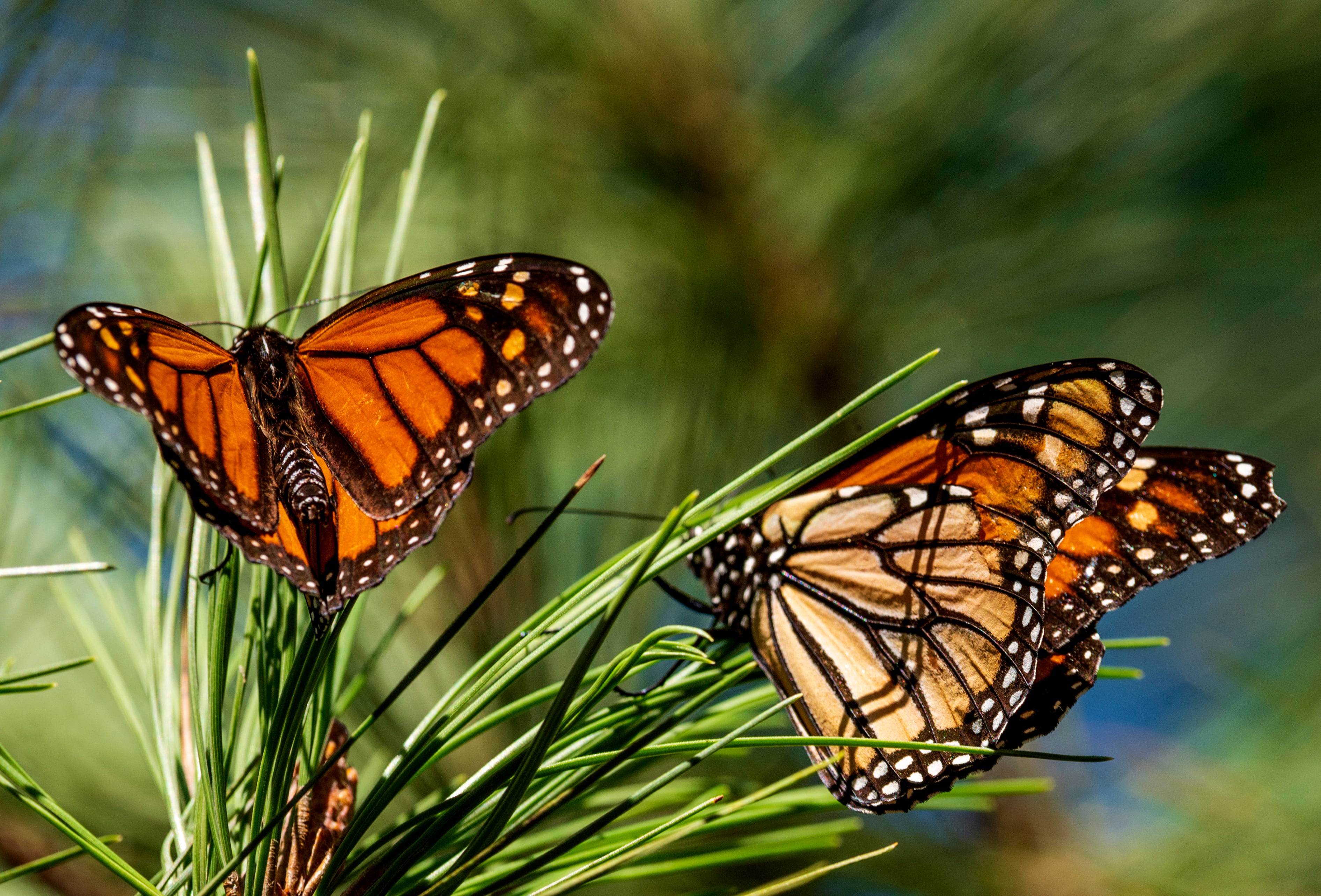
Transmisores de radio sobre más de 1.700 individuos: así es el proyecto que busca salvar a las mariposas monarca
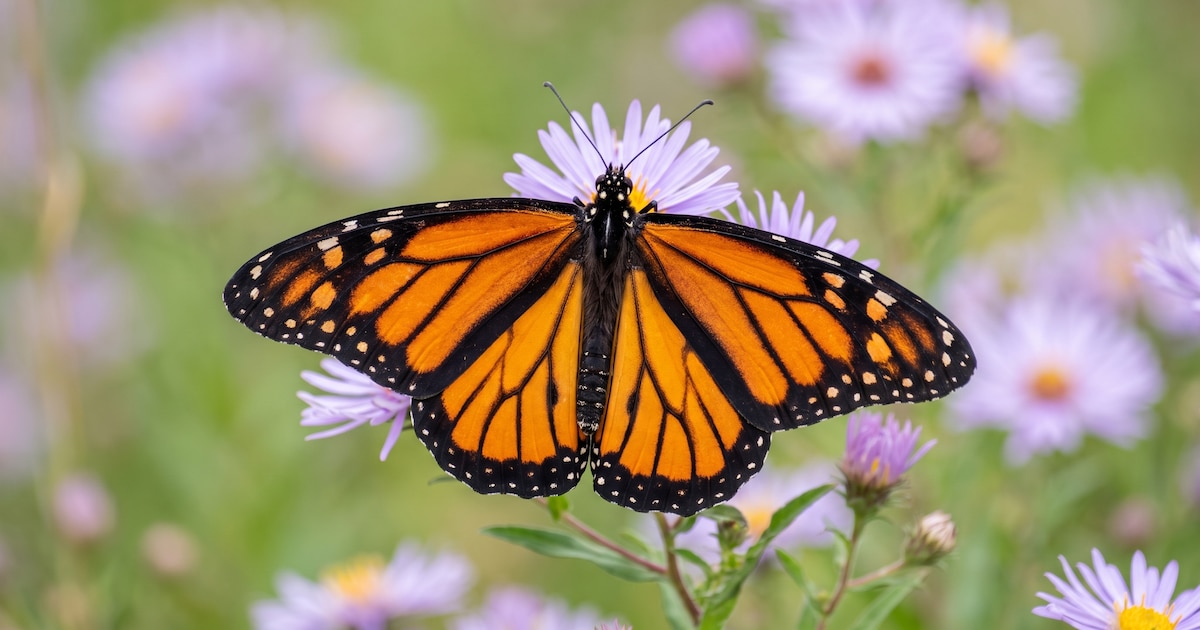
Científicos colocan transmisores de rastreo en mariposas monarca para descifrar las rutas de su migración continental, de hasta 4.800 kilómetros, y encontrar los sitios de descanso clave antes de que desaparezcan.
Según informó AFP, la Federación Nacional de Vida Silvestre (NWF) y un equipo trinacional de investigadores colocaron en 2026 pequeños dispositivos de radio en casi 1.750 mariposas monarca para obtener, por primera vez con precisión, un mapa de sus rutas migratorias a lo largo de Norteamérica. La iniciativa ya arrojó descubrimientos inéditos y encendió esperanzas para una especie cuya población oriental se redujo más del 80% desde mediados de los años noventa.
La científica principal del proyecto, Rebeca Quiñonez-Piñón, lleva años preguntándose dónde se detienen las monarcas durante sus travesías. Ahora, junto a otros investigadores, dirige un estudio que combina seguimiento en tiempo real con ciencia ciudadana para identificar esas paradas en Texas, un estado por el que pasa una porción significativa de las mariposas que viajan al este de las Montañas Rocosas cada otoño.
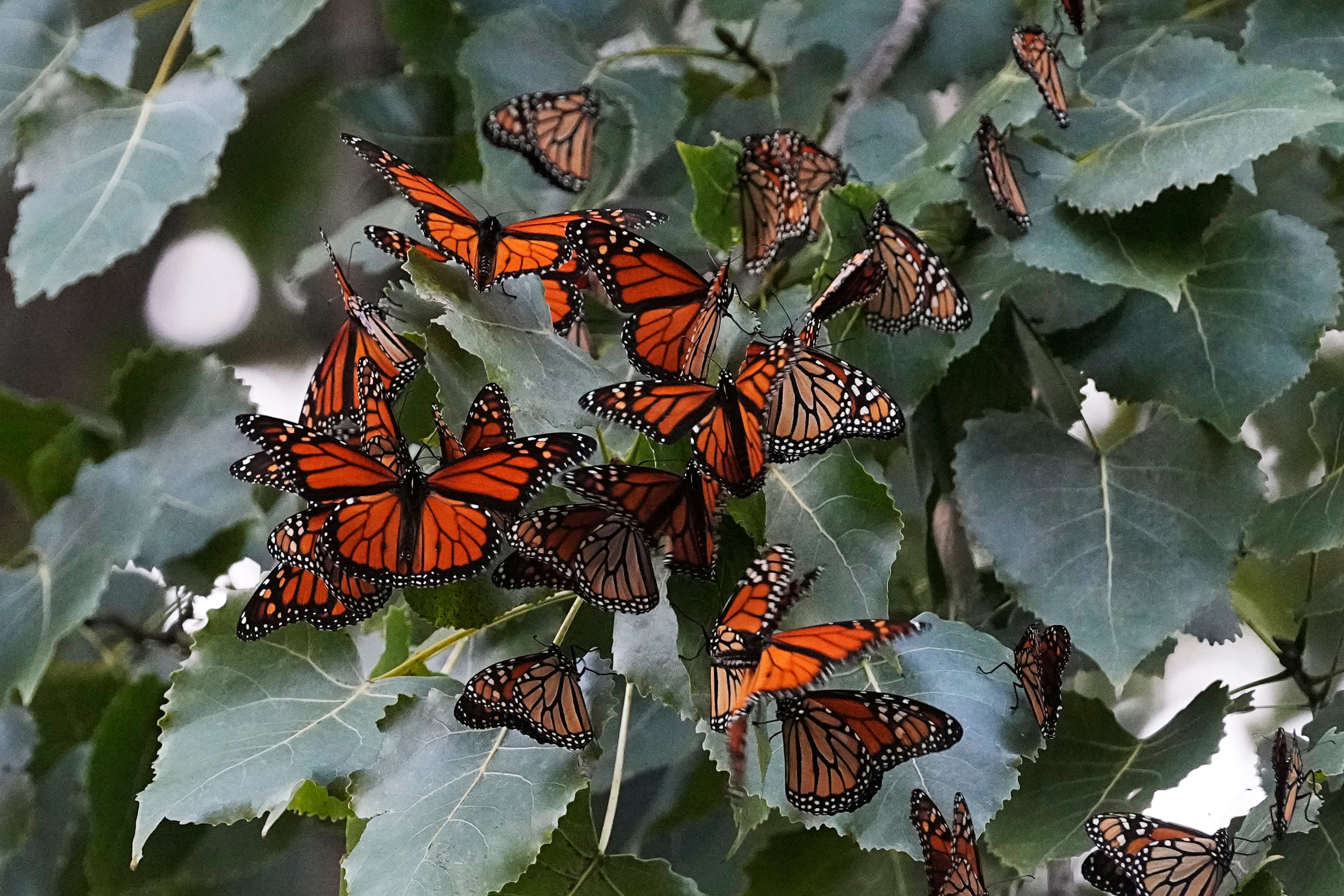
Las monarcas recorren un corredor conocido como el “embudo de Texas” y sus rutas varían año a año
Las mariposas que migran al este de las Montañas Rocosas atraviesan un estrecho corredor texano —el llamado “embudo de Texas”— en busca de agua, néctar y refugios nocturnos. Su trayectoria exacta cambia según las condiciones ambientales de cada temporada, un detalle que durante décadas eludió a los científicos por falta de tecnología adecuada.
Los transmisores utilizados, desarrollados por Cellular Tracking Technologies, cuestan USD 200 por unidad y pesan aproximadamente lo mismo que una gota de agua. Solo las mariposas que superan los 400 miligramos —el peso de una pastilla estándar— son aptas para recibirlos, con el fin de no sobrecargarlas. David La Puma, vicepresidente de la empresa y coordinador del Proyecto Monarch Collaboration, explicó que otros investigadores también buscan ejemplares con alas más largas para marcarlos.
El proceso de colocación requiere precisión: las mariposas se capturan con redes, se mantienen a temperaturas frescas para calmarlas y se fijan sobre una tabla especial. Con un hisopo de algodón se aplica adhesivo en el abdomen del insecto y en la etiqueta, que luego se presiona con suavidad antes de liberar al animal.
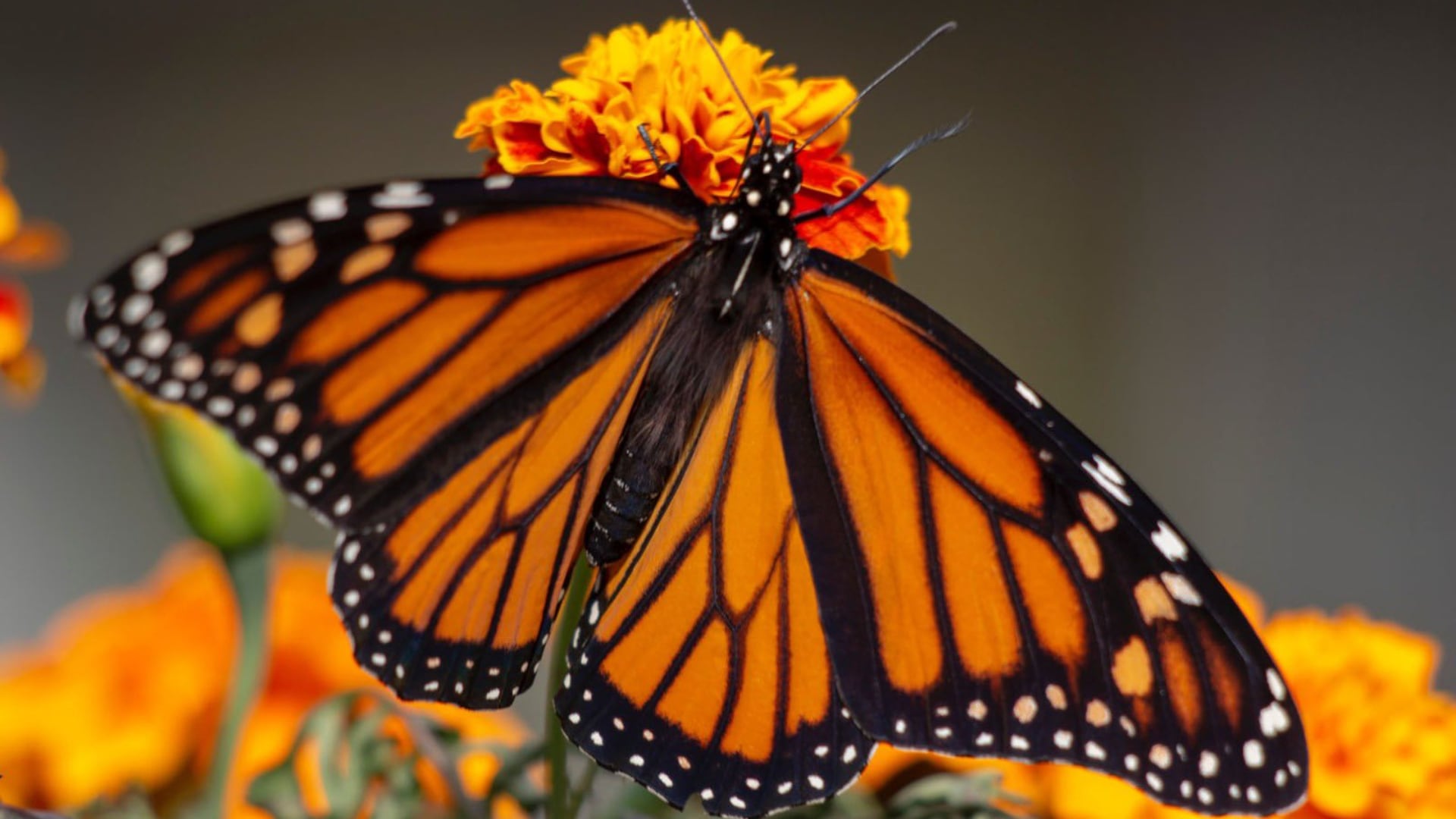
Desde que comenzó el seguimiento, los científicos hallaron conexiones migratorias que antes solo habían podido hipotetizar
El rastreo ya produjo resultados que sorprendieron al equipo. Los investigadores encontraron la primera prueba documentada de una mariposa monarca proveniente de Utah —al oeste de las Montañas Rocosas— que se unió a las monarcas orientales en el centro de México. Otros ejemplares migraron por la costa este hasta Florida, cruzaron el Golfo de México y continúan su recorrido por territorio mexicano: una conexión que los científicos no habían observado antes en tal escala.
“Existen todas estas historias únicas sobre sus trayectorias, conexiones entre las poblaciones, que desconocíamos o que habíamos hipotetizado, pero no pudimos probar”, dijo Emma Pelton, bióloga conservacionista sénior de la Sociedad Xerces para la Conservación de Invertebrados. Desde que comenzó la migración en 2026, unas 175 mariposas marcadas fueron detectadas en México.
Louie Yang, ecólogo de insectos de la Universidad de California en Davis, calificó la tecnología de “bastante notable”, aunque advirtió sus limitaciones: el sistema no indica la ubicación exacta del insecto, sino el punto donde el receptor lo detectó. Además, una detección no garantiza que la mariposa siga con vida. Yang señaló que serán necesarios más estudios para determinar cómo —y si— las etiquetas afectan el comportamiento de los animales.
Los pesticidas, el cambio climático y la pérdida de hábitat siguen diezmando a la especie
Las monarcas suelen vivir entre dos y seis semanas, pero las que migran a México pueden alcanzar los nueve meses de vida. Ese ciclo largo —que incluye el vuelo hacia el sur, el invierno en los bosques de abetos oyamel del centro de México y el regreso al norte para reproducirse— las convirtió en símbolo de los derechos de los migrantes internacionales.
Sin embargo, su población lleva décadas en retroceso. La población occidental se redujo alrededor del 95% desde mediados de los años noventa. Los pesticidas representan una amenaza directa para la asclepia, la planta donde las monarcas depositan sus huevos y única fuente de alimento para sus orugas.
Tierra Curry, científica sénior y codirectora de especies en peligro de extinción del Centro para la Diversidad Biológica, señaló que el cambio climático altera los patrones de migración: las altas temperaturas en las zonas del norte retrasan las señales de partida, y si luego las temperaturas caen bruscamente, muchas mariposas no llegan a México. Las sequías prolongadas reducen las fuentes de néctar y agua, mientras que en California los bosques donde invernan las monarcas occidentales ceden espacio a proyectos urbanísticos.
Nuevas medidas buscan frenar la caída de la población en carreteras, jardines y corredores naturales
Ante ese panorama, los conservacionistas impulsan alternativas concretas. En Texas, redes instaladas sobre algunas carreteras incentivan a las mariposas a volar más alto, especialmente de noche, cuando descienden para posarse. La plantación masiva de algodoncillo y flores polinizadoras en jardines, bordes de carreteras y corredores de transporte también suma adeptos. Según Curry, varios estudios muestran que estas prácticas están fortaleciendo las poblaciones locales.
“Los polinizadores son fundamentales para proteger y garantizar que nuestros ecosistemas se mantengan saludables, y también para tener las fuentes de alimento que necesitamos como seres humanos”, destacó Quiñonez-Piñón. El público puede seguir el desplazamiento de cada mariposa marcada a través de la aplicación gratuita Project Monarch Science.
mariposa monarca,flor silvestre,fotografía macro

La verdad sobre el futuro de Colapinto en la Fórmula 1 más allá de 2027: por qué es un piloto atractivo para las grandes escuderías

Democrats hold firm in Georgia as Republicans fail to flip prized Senate seat

A 17 días de Boca, Eduardo Domínguez guarda 10 titulares y tiene cinco lesionados

Por delitos que van desde el narcotráfico hasta tentativa de homicidio aprehenden a 26 supuestos victimarios en Panamá

En Chile levantan la guardia ante el viaje de un buque mercante a las Malvinas, pese a que el gobierno argentino defiende la “libre navegación”

En medio de la fuerte interna del peronismo, se reunieron Axel Kicillof y Máximo Kirchner: acercamiento rumbo al 2027 electoral

Qué pasó con el Refugio de Eli y por qué hizo enfurecer a Santi Maratea: «Fue un desastre, él nunca más le contestó y le prohibió…»

El “efecto Lula” sigue pegando en Argentina: los bonos sintieron el impacto, pero el tipo de cambio aguantó

Durante la visita a la Argentina, León XIV expondrá su mirada sobre la pobreza, el desarrollo y la educación, que cuestiona los planes de ajuste

Milei visita Neuquén para inaugurar una iglesia evangélica: tensiones internas y señales de cara a las elecciones 2027

 CHIMENTOS2 días ago
Qué pasó con el Refugio de Eli y por qué hizo enfurecer a Santi Maratea: «Fue un desastre, él nunca más le contestó y le prohibió…»
- POLITICA3 días ago
Agustín Caulo: “El Gobierno sigue trabajando para que no se politice la visita de León XIV a la Argentina”
- CHIMENTOS3 días ago
Benjamín Amadeo revivió el peor momento que pasó después de separarse de Lali Espósito: «Me sentí expuesto»