INTERNACIONAL
Coast Guard firefight puts US, Mexico at odds despite coordinated border operations

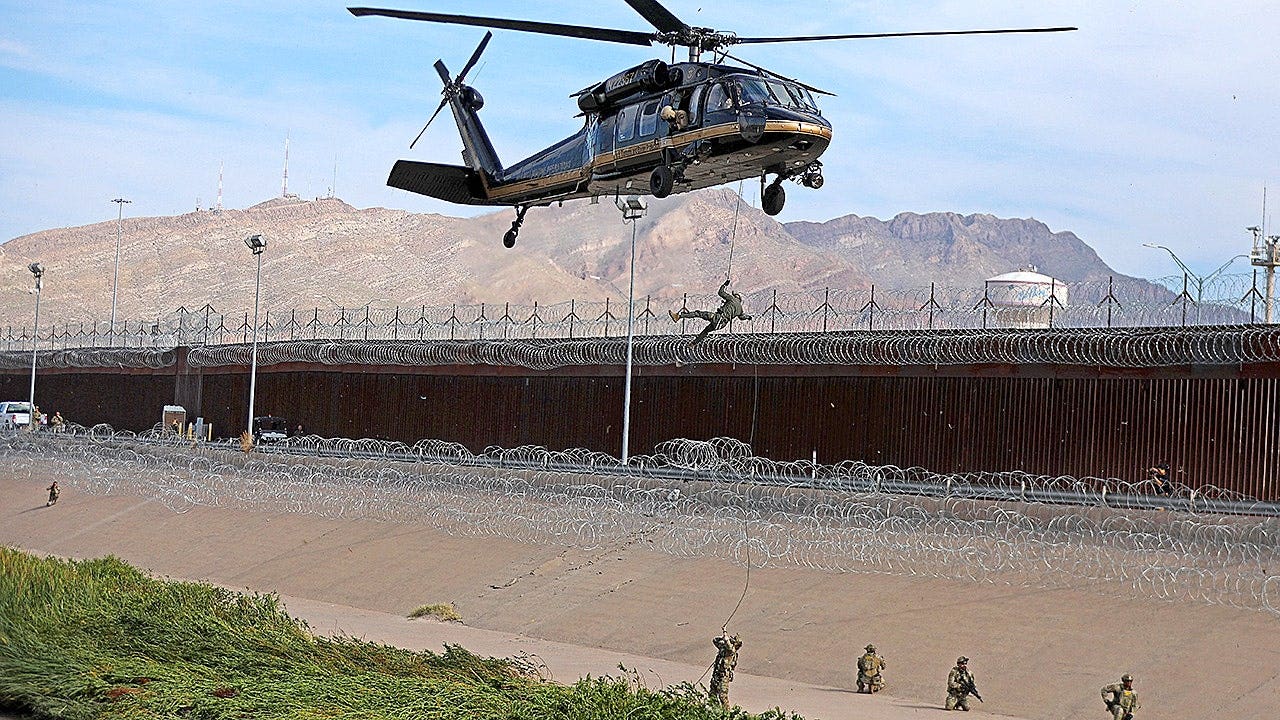
A firefight involving U.S. Coast Guard personnel along the Mexican border has sparked a dispute between Washington and Mexico City over where the gunfire originated, even as the two countries continue coordinating border security operations.
The Coast Guard told Digital that personnel conducting joint interdiction operations near Garceno, Texas, came under fire from the Mexican side of the border Sept. 26 and returned fire. No injuries or damage to Coast Guard vessels or equipment were reported, and the incident remains under investigation.
After U.S. Ambassador to Mexico Ronald Johnson publicly announced that Coast Guard personnel had come under fire, Mexican President Claudia Sheinbaum demanded evidence that the shots originated from her country’s territory.
«We asked for all the evidence because we have no evidence,» Sheinbaum told reporters in Mexico City, saying Mexican security forces had not detected shots originating from their territory.
MEXICO VOWS US WILL PAY AFTER ICE FATALLY SHOOTS ILLEGAL MIGRANT WHO ALLEGEDLY ATTEMPTED TO RAM AGENT WITH CAR
The State Department, however, told Digital that information about the shooting had been shared with Mexican authorities.
«U.S. Coast Guard personnel were fired upon from Mexican territory on September 26, and we have shared the available information with the Government of Mexico through official channels,» a State Department spokesman said.
The department did not specify what was shared or when, and U.S. officials have not publicly identified the shooters or detailed how they determined the gunfire’s origin.
TRUMP DHS HITS 16 STRAIGHT MONTHS WITH 0 RELEASES AT THE BORDER
The incident occurred amid Operation River Wall, a Coast Guard initiative launched in October 2025 to deter illegal migration, drug smuggling and other threats along approximately 300 miles of the Rio Grande.
«Over the past year, the Coast Guard has expanded operations in the region, deploying more than 1,000 personnel and more than 30 assets,» a Coast Guard spokesperson told Digital, referring to «Operation Sable».
Separately, Mexico’s Navy Ministry, led by Secretary Raymundo Morales-Angeles, said 159 «Naval elements», 11 vehicles and two drones were deployed to the Tamaulipas sector.
U.S. Northern Command (NORTHCOM) separately told Digital that American troops are being repositioned to the Rio Grande Valley in anticipation of a seasonal increase in attempted illegal border crossings.
Asked whether Mexico had received evidence from U.S. authorities or launched its own investigation, a representative for Mexican Ambassador to the U.S. Roberto Lazzeri Montaño referred Digital on Monday to Sheinbaum’s more recent remarks addressing the incident.
Sheinbaum said Mexico’s military ministry «maintains» communication with NORTHCOM and the Coast Guard and that a «mirror operation» coordinated with the U.S. remains active.
«We want to have a good relationship with the United States within the framework of our sovereignty, our territorial integrity, mutual trust, and coordination without subordination,» she said.
Her response did not explicitly confirm whether Mexico had received the information Washington says it shared.
Digital also contacted Sheinbaum’s office for comment.
LATIN AMERICA’S CONSERVATIVE SHIFT FACES ITS BIGGEST TEST YET IN BRAZIL ELECTION
Santiago Vidal Calvo, a Venezuelan-born immigration analyst at the Manhattan Institute, told Digital that Sheinbaum’s approach to border security is shaped by pressure from Washington and a broader Latin American shift toward right-wing governments.
«She has that regional pressure [and] she has the international pressure from the United States» to cooperate on security matters, Calvo said.
He suggested Sheinbaum’s demand for evidence of the Coast Guard shooting could reflect pressure within her own political coalition to justify working with the Trump administration.
«She has a high bar to meet if she wants to ally with the Trump administration internally within her own party and her own government,» Calvo said.
«We’ve got to understand this through the lens of what is going on in Latin America. I do think that Sheinbaum’s position is substantially different today than it was when Trump got elected,» Calvo said.
His assessment reflects Sheinbaum’s ties to the left-wing Morena Party and the political legacy of her predecessor, former President Andrés Manuel López Obrador, commonly known as AMLO.
Calvo characterized Sheinbaum as the «last bastion of Latin American socialism,» arguing that she could face additional regional pressure if Flávio Bolsonaro defeats President Luiz Inácio Lula da Silva in Brazil’s upcoming presidential runoff.
Calvo suggested that the rightward shift among South American governments could increase pressure on Sheinbaum to cooperate with Washington on security matters.
He said she may face questions about whether «you’re the only president of Latin America who’s not cooperating with the United States in terms of security?»
«Both of those things do lead to a more serious border campaign for both countries,» Calvo said.
«I have no doubt that the change in South America from left-leaning governments to right-leaning governments has to do with the Trump administration’s policy in Latin America,» he added.
US CHARGES MEXICAN GOVERNOR, TOP OFFICIALS IN CARTEL CONSPIRACY AS MEXICO FIRES BACK OVER PROOF
Border security policy analyst Simon Hankinson told Digital that gunfire near the Rio Grande is not unprecedented, citing accounts he heard during previous visits to the border.
Hankinson said cartel involvement was possible but expressed doubt that Mexican military personnel would deliberately fire across the border unless they were acting against orders.
SIGN UP TO GET THE POLITICS NEWSLETTER
«I think these two politicians can cooperate, they can agree on some things, even if they don’t agree on socialism versus capitalism and some other ideological issues,» he added.
The Coast Guard said the circumstances surrounding the incident remain under investigation.
coast guard, mexico, politics, national security, homeland security, border security, foreign affairs, military, donald trump








INTERNACIONAL
Hegseth’s future draws ominous predictions from insiders after GOP losses, but Trump isn’t budging yet
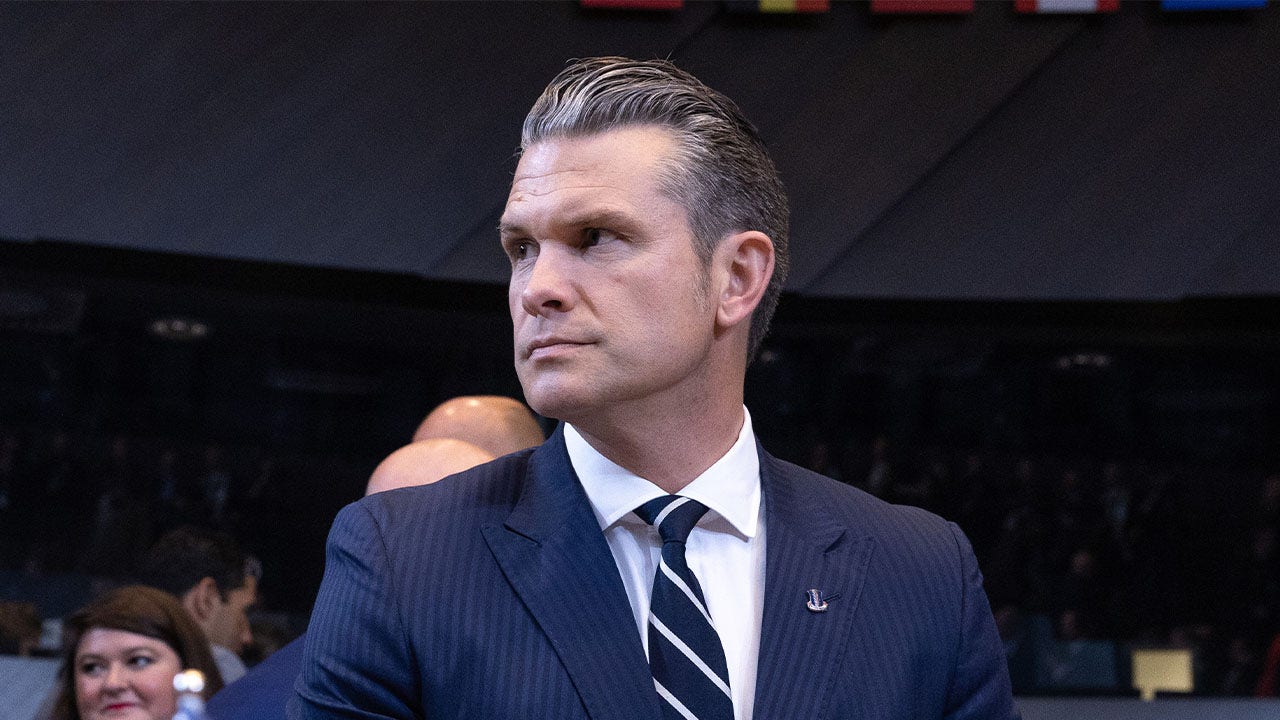
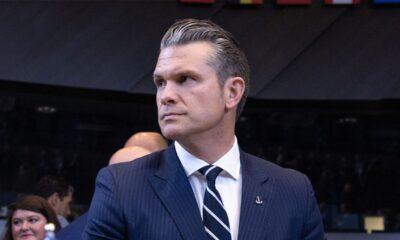
President Donald Trump stood by War Secretary Pete Hegseth Wednesday, saying he was doing «a very good job» even as current and former administration figures continued to question how long the Pentagon chief could remain in his post after Republicans’ bruising midterm losses.
«I think he’s doing a very good job,» Trump said Wednesday when asked by the media whether he was considering replacing Hegseth.
The public support came a day after Democrats secured majorities in both chambers of Congress in Tuesday’s midterm elections, setting the stage for a shift in power on Capitol Hill in January.
The Iran war and its economic fallout loomed large in the election, with Hegseth among the administration’s most vocal advocates for the campaign. His future remains the subject of speculation among current and former administration figures despite Trump’s public backing.
TRUMP PLEDGES TO VETO ‘INSANE’ DEM BILLS, PINPOINTS ISSUE PARTIALLY TO BLAME FOR REPUBLICAN LOSSES
A White House official told Digital Tuesday that the election results «would have looked very different without the Iran War.» The official predicted Trump would ultimately hold Hegseth, a former host, accountable, saying, «That will play out in the lame duck.»
«Hegseth is on the chopping block,» a former White House staffer told Digital later Tuesday of Hegseth’s future.
An administration official said there were «signs» Hegseth could be ousted but added that «Trump can turn on a dime.» The official said the possibility had been discussed for some time, though «only Trump knows what he’s gonna do.»
«It was clear Bessent became the go-to after Pete couldn’t deliver an Iran victory,» the source said, referring to Treasury Secretary Scott Bessent, who led the sanctions campaign against Iran known as Operation Economic Outcast.
Beyond the Iran war, Hegseth also championed a plan to livestream the firing-squad execution of Nidal Hasan, the former Army major who killed 13 people and wounded 32 others at Fort Hood in 2009. The proposal drew bipartisan backlash before Trump ultimately scrapped the livestream, while leaving Hasan’s execution in place.
A foreign policy source with ties to Hegseth expressed doubt to Digital that the secretary will remain in the job through the end of the year. The source said Republican Kentucky Rep. Thomas Massie’s impeachment push could force Republicans eyeing 2028 re-election bids to «saddle themselves with a pro-Hegseth vote.»
GOP SEN THOM TILLIS URGES TRUMP TO REPLACE PETE HEGSETH, BLASTS PENTAGON LEADERSHIP
Hegseth has faced criticism over his prominent role in the Iran war, which has continued to generate political and economic fallout long after the White House’s initial three- to four-week timeline. He was among the administration’s most vocal defenders of the campaign, declaring in March that the U.S. was carrying out «our retribution» against Iran.
Although sustained U.S. strikes have ended, tensions with Tehran remain unresolved with lingering concerns about Iran’s nuclear and missile capabilities and the possibility of renewed military action.
Renewed U.S. military strikes against Iran remain under serious consideration by the White House, sources told Digital.
That possibility could weigh against an immediate change at the Pentagon. Installing new leadership as the administration considers renewed military operations would create uncertainty at a critical moment, while Hegseth has already demonstrated a willingness to move quickly in carrying out Trump’s military directives.
Chief Pentagon spokesperson Sean Parnell told Digital Hegseth remains «100% committed to leading the Department until the end of President Trump’s term in office.»
«Secretary Hegseth will not back down or be deterred by politicians seeking to score partisan points or launch phony investigations where no wrongdoing exists,» Parnell said.
«The Department of War has followed the law, and our secretary will continue to stand and fight every single day to support and defend the Constitution, lead our troops and protect America. We will continue to drive President Trump’s agenda at the Department of War despite threats of sham witch hunts from Democrats.»
Democrats have signaled that Hegseth will be a focus of the incoming Congress. Before the election, House Minority Leader Hakeem Jeffries said Democrats would «run Pete Hegseth out of town» if they won the House. Democrats have also discussed investigations into the Iran war and Pentagon leadership, with impeachment among the options.
Scrutiny from Democrats could keep Hegseth and the war he has championed at the center of the administration’s political troubles.
Massie, R-Ky., has separately vowed to force a vote on his impeachment resolution during the lame-duck session if Hegseth remains in office.
DEM FLIPS KEY SENATE SEAT IN BATTLEGROUND NORTH CAROLINA AS COOPER DEFEATS TRUMP ALLY
As war secretary, Hegseth pushed sweeping changes to military culture, including banning transgender service members; eliminating diversity, equity and inclusion programs; and imposing uniform combat fitness standards for men and women. He also sought to overhaul the Pentagon bureaucracy by consolidating Army commands, cutting senior military leadership and expanding the use of artificial intelligence and advanced weapons technology.
His tenure has also been marked by controversy, including the sharing of sensitive details about planned strikes against Houthi militants in Signal chats that inadvertently included a journalist. Internal infighting, leak investigations and the dismissal of several top aides have fueled scrutiny, though Trump has repeatedly defended his leadership.
The political pressure on Hegseth echoes a past moment when midterm losses and an unpopular war put a defense secretary’s future in question.
On Nov. 8, 2006, President George W. Bush announced Defense Secretary Donald Rumsfeld’s resignation, one day after Republicans suffered major midterm election losses amid growing criticism of the Iraq War.
donald trump, pete hegseth, war with iran, politics
INTERNACIONAL
Cámara periscópica de 50 MP y tecnología NXTPAPER en pantalla AMOLED: así es el nuevo smartphone que llega a Perú

TCL anunció la llegada al Perú de su nueva Serie P80, integrada por los modelos P80 Ultra y P80 Pro. El primero, presentado oficialmente en IFA 2026, es el modelo principal de la nueva familia.
Cámara periscópica de 50 MP y zoom de hasta 100x
El P80 Ultra incorpora un sistema de triple cámara compuesto por una principal de 50 MP, una ultra gran angular de 8 MP y un teleobjetivo periscópico de 50 MP para capturar objetos y escenas a distancia.
El teleobjetivo ofrece zoom óptico 3x, zoom sin pérdidas 6x y un alcance de hasta 100x, de acuerdo con las especificaciones proporcionadas por TCL, además de estabilización electrónica y óptica de imagen (EIS y OIS).
La inteligencia artificial también interviene en el apartado fotográfico. AI Super Night Mode está orientado a escenas con poca iluminación, mientras que AI Motion Capture busca mejorar la captura de sujetos en movimiento. El dispositivo incluye además filtros MuseFilm con diferentes estilos predeterminados para las fotografías.

NXTPAPER llega a un panel AMOLED
Otra de las novedades del P80 Ultra es la incorporación de NXTPAPER a una pantalla AMOLED, una combinación que TCL utiliza por primera vez en uno de sus smartphones, según la información proporcionada por la compañía.
El panel tiene 6,83 pulgadas, resolución 1.5K y hasta 3200 nits de brillo máximo local. También incorpora Nano Crystal Shield Glass, un acabado nanograbado antirreflejo, baja luz azul a nivel de hardware y atenuación sin parpadeo. A estas funciones se suma un sistema que adapta automáticamente el brillo y la temperatura de color durante el uso.
Según pruebas internas de TCL, la denominada luz azul dañina se sitúa por debajo del 3 % y la tasa de polarización circular alcanza hasta el 95 %. El panel cuenta además con certificaciones de SGS relacionadas con bajo resplandor y confort visual similar a la luz natural, así como con la certificación Full Care Display de TÜV Rheinland.
El teléfono incorpora un botón físico NXTPAPER Key, que permite alternar entre distintas opciones de visualización. Entre ellas figuran el Modo Papel, disponible en cuatro estilos, y el Modo Tinta Máxima, una configuración de lectura en blanco y negro que permite priorizar determinadas aplicaciones.
Rendimiento, autonomía e inteligencia artificial
El P80 Ultra utiliza un procesador MediaTek Dimensity 7400 Elite de 4 nanómetros, acompañado de 8 GB de RAM física, hasta 16 GB de expansión de RAM y configuraciones de almacenamiento interno de hasta 512 GB.
El dispositivo incorpora una batería de 5800 mAh con carga rápida de 45 W y clasificación IP68 de protección frente al polvo y el agua. TCL señala además que el equipo fue sometido a pruebas bajo condiciones controladas de laboratorio conforme a las normas MIL-STD-810H y advierte que el rendimiento real puede variar según las condiciones de uso.

Entre las funciones de inteligencia artificial figuran un Intérprete Inteligente con IA, que ofrece subtítulos en tiempo real, traducción presencial e interpretación simultánea, y Voice Memo, herramienta que permite transcribir y resumir grabaciones. El dispositivo incorpora además funciones destinadas a la escritura y comprensión de textos.
El equipo integra Google Gemini para realizar consultas mediante conversaciones naturales y una función de búsqueda mediante círculo, resaltado o garabato sobre elementos que aparecen en pantalla.
P80 Pro completa la serie
La Serie P80 se completa con el TCL P80 Pro, que mantiene la pantalla AMOLED con tecnología NXTPAPER, el botón NXTPAPER Key y el procesador MediaTek Dimensity 7400 Elite. Cuenta con 8 GB de RAM física, hasta 16 GB de expansión, 256 GB de almacenamiento, batería de 5800 mAh y carga rápida de 45 W.
En fotografía, este modelo incorpora una cámara principal de 50 MP con estabilización EIS y OIS, una ultra gran angular de 8 MP y una cámara frontal de 32 MP.
El P80 Pro estará disponible en Sunlit Gold y Midnight Blue, mientras que el P80 Ultra se ofrece en Burgundy, Sunlit Gold y Midnight Blue.
TCL informó que el P80 Ultra y el P80 Pro ya están disponibles en los principales puntos de venta a nivel nacional.
INTERNACIONAL
El Niño ya cambia la vida bajo el océano: detectan especies tropicales inesperadas en el Pacífico
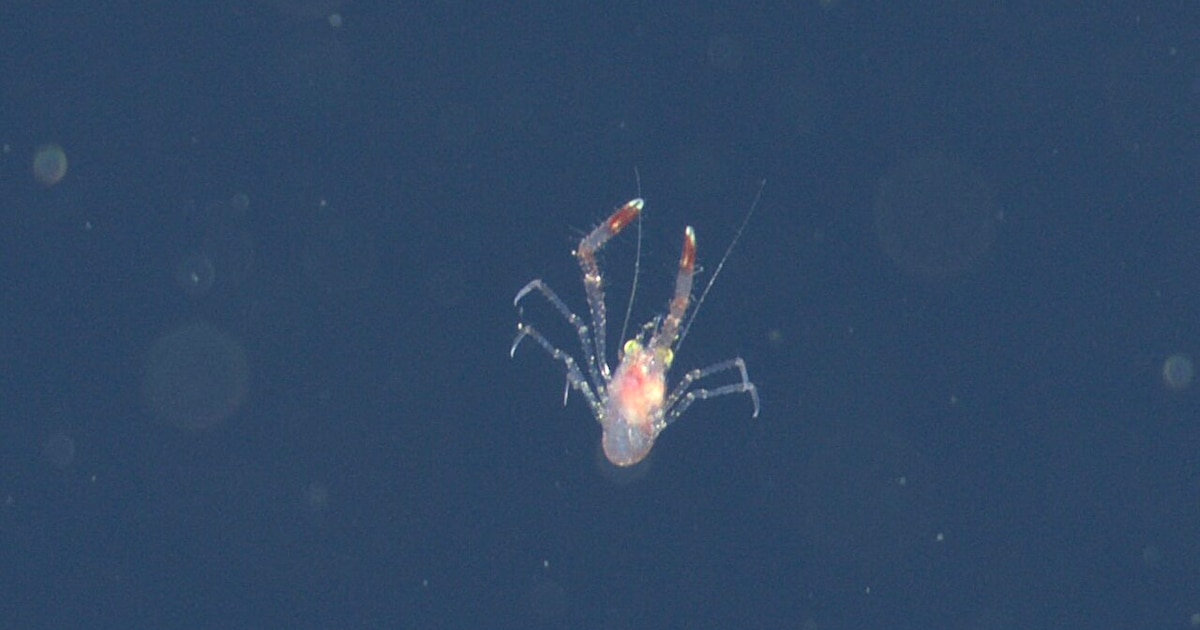
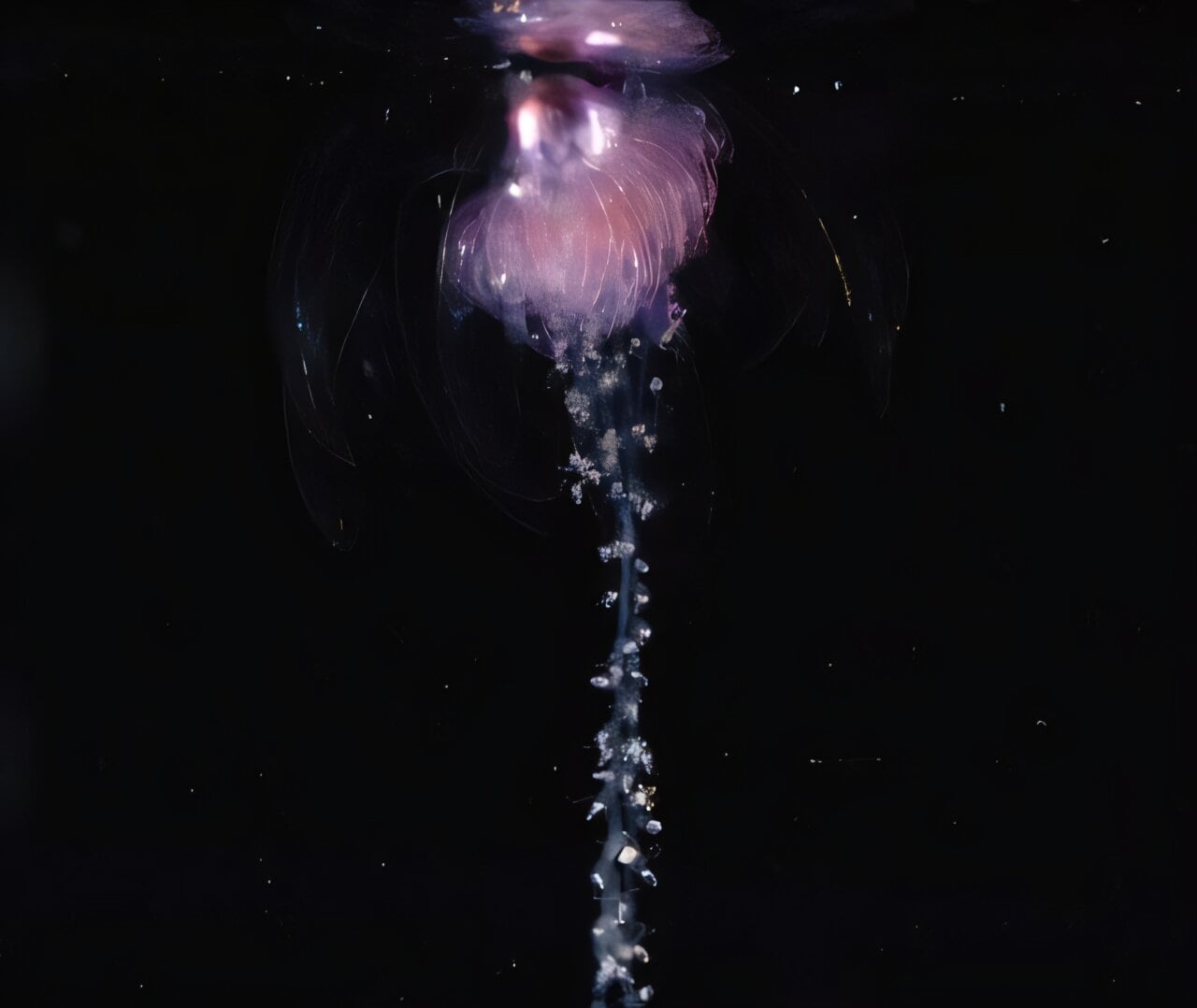
Medusas peine, sifonóforos, peces y cangrejos propios de aguas más cálidas comenzaron a aparecer frente a la costa central de California. Científicos del Instituto de Investigación del Acuario de la Bahía de Monterey (MBARI) vincularon esos avistamientos con el avance de un El Niño de gran intensidad, que ya modifica las condiciones del océano en el Pacífico.
El respaldo de esa transformación llegó desde una boya oceanográfica instalada frente a Monterey Bay: un instrumento situado a 60 metros de profundidad registró 18,18 ℃ (64,72 ℉), la cifra más alta en casi cuatro décadas de mediciones en ese punto.
El hallazgo combina una señal física —el aumento inusual de la temperatura— con otra biológica: la llegada de fauna que suele habitar latitudes tropicales o más australes. Para los investigadores, ambas observaciones muestran que el fenómeno ya está alterando el ecosistema marino de California.

El episodio adquiere relevancia más allá de las costas de California porque El Niño es un patrón del Pacífico con efectos sobre la atmósfera, el nivel del mar, las lluvias y los recursos marinos en distintos puntos del planeta. En Sudamérica, y particularmente en la Argentina, su evolución suele ser seguida por la incidencia que puede tener sobre los regímenes de precipitaciones, la producción agropecuaria y la planificación ante eventos climáticos extremos.
El agua profunda superó el máximo que había dejado El Niño de 1997
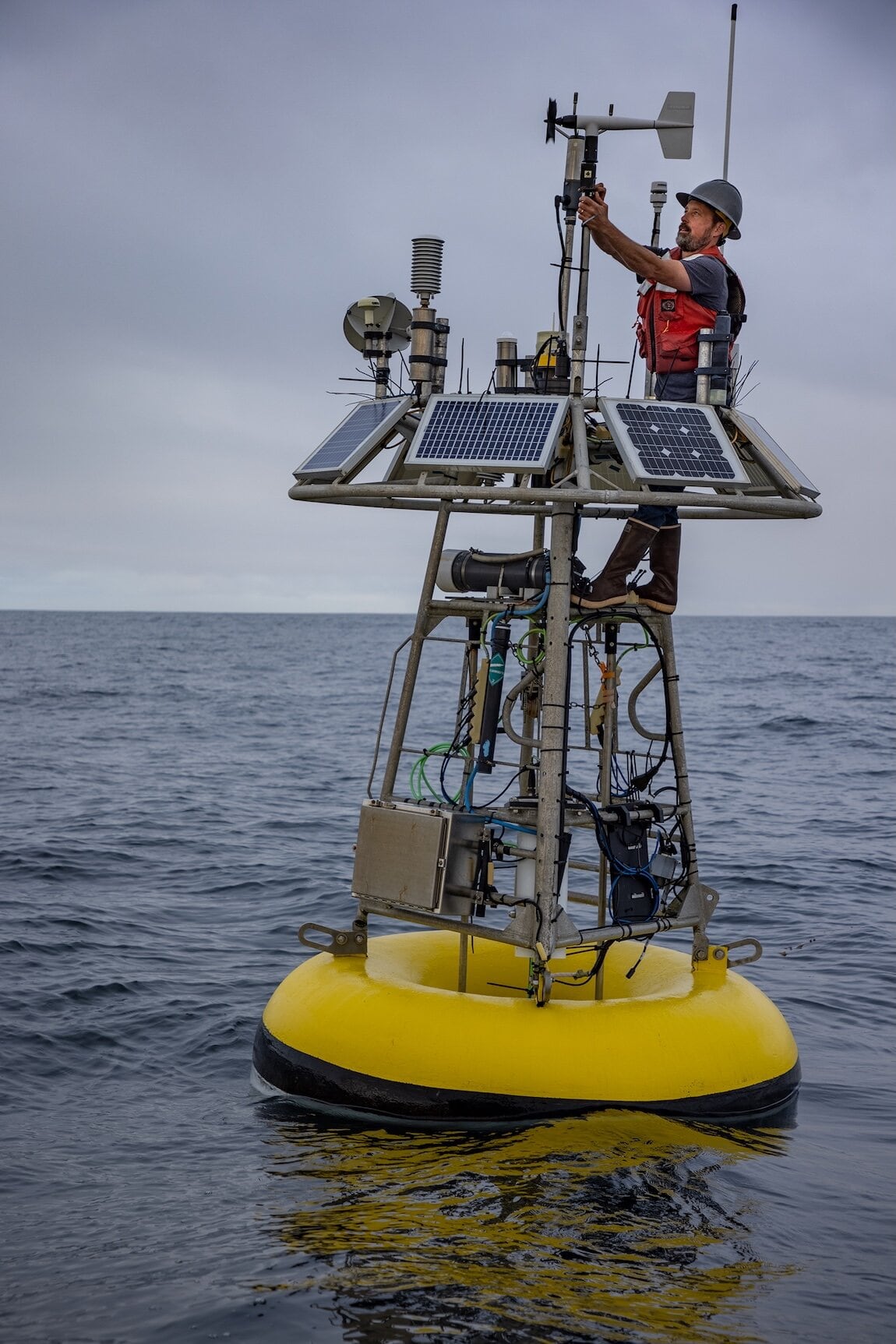
La serie de observaciones de MBARI comenzó en 1989. Desde entonces, una boya llamada M1 registra en forma casi continua datos del océano y la atmósfera en el centro de la Bahía de Monterey, sobre la entrada del cañón submarino del mismo nombre. El punto de anclaje se encuentra a unos 1.100 metros de profundidad, mientras que los instrumentos distribuidos a lo largo del cable miden temperatura, salinidad, oxígeno, clorofila, corrientes y otras variables.
El nuevo registro, obtenido a 60 metros bajo la superficie, superó la marca anterior del 19 de noviembre de 1997, durante otro evento fuerte de El Niño. De acuerdo con el científico senior Francisco Chávez, los valores se ubicaron más de 7 ℃ por encima del promedio de largo plazo y el calentamiento estuvo acompañado por un incremento de 16 centímetros en el nivel del mar local.
Chávez sostuvo que los instrumentos de la boya M1 confirman para Monterey Bay una previsión que ya anticipaba un evento excepcional en el Pacífico ecuatorial. “Los datos oceanográficos y las observaciones biológicas muestran con claridad que un El Niño fuerte llegó a la costa central de California”, señaló el especialista.
El aumento de temperatura en profundidad tiene una explicación física. Durante El Niño, se debilitan los vientos alisios que habitualmente empujan las aguas superficiales cálidas del Pacífico hacia Asia. Parte de esa masa de agua retorna hacia América y modifica la estructura vertical del mar. La termoclina —la franja que separa las capas más cálidas de las frías— se hunde, con consecuencias directas sobre la disponibilidad de nutrientes.
La menor llegada de nutrientes puede reducir el alimento en la cadena marina
En condiciones normales, el ascenso de aguas profundas y frías aporta nutrientes a la superficie, donde alimentan al fitoplancton. Esa base microscópica sostiene buena parte de la red alimentaria marina. Cuando la termoclina se profundiza, el aporte pierde fuerza y baja la productividad en superficie.
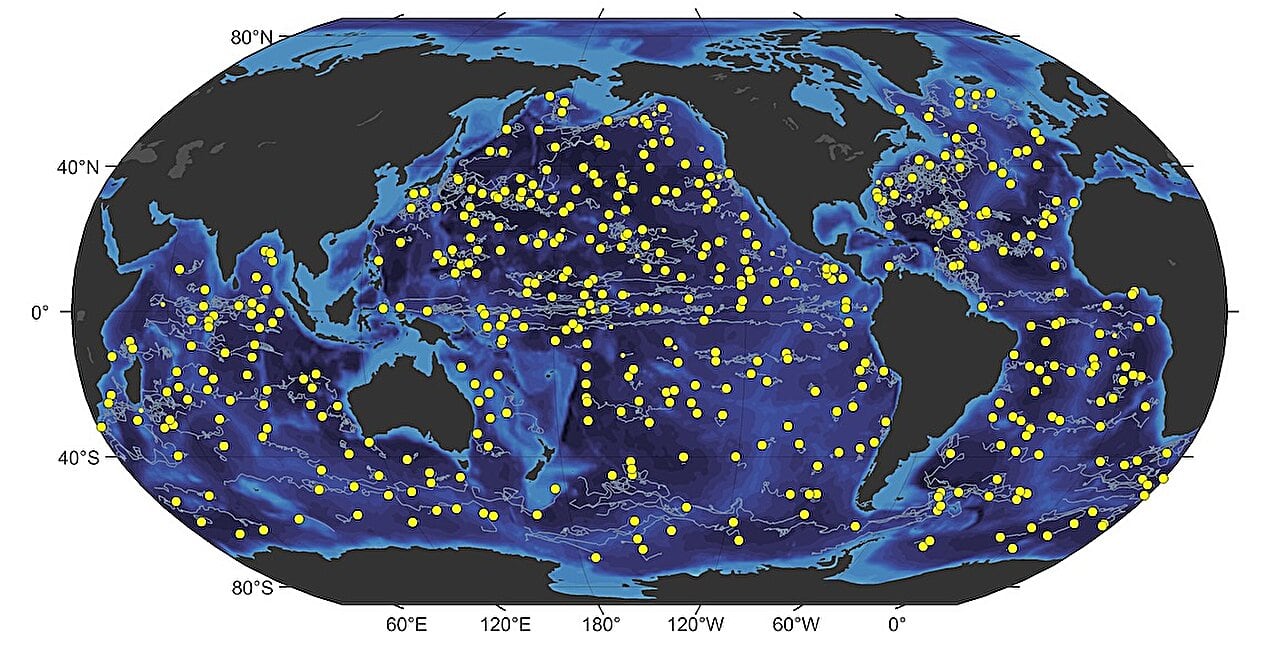
Los investigadores siguieron ese proceso con una red internacional de flotadores robotizados del programa Global Ocean Biogeochemistry Array (GO-BGC). Los dispositivos toman mediciones en tiempo real sobre la salud del océano y permitieron advertir, hacia fines de septiembre, una combinación que suele anticipar el fortalecimiento de El Niño: agua más cálida, menos dióxido de carbono disuelto y una reducción de nitratos.
A esos cambios químicos se sumó una caída pronunciada de la clorofila, utilizada como indicador de biomasa de fitoplancton. Ken Johnson, uno de los responsables de GO-BGC, explicó que los flotadores permiten comparar el estado de los ecosistemas antes, durante y después del fenómeno, una secuencia clave para comprender transformaciones de mayor alcance en el océano.
El efecto puede prolongarse varios meses. En Monterey, el calentamiento máximo suele coincidir con el invierno, cuando la productividad del mar ya es menor. Sin embargo, las consecuencias biológicas más marcadas pueden sentirse en primavera, cuando la escasez de nutrientes impacta sobre organismos que dependen de las floraciones de plancton.
Las especies tropicales ya comenzaron a aparecer frente a California
Los indicios biológicos fueron visibles antes de que el fenómeno alcance su punto máximo. En una expedición cerca del monte submarino Davidson, un equipo de MBARI observó una medusa peine alada del género Ocyropsis y un sifonóforo rosado, Athorybia rosacea. Son especies más frecuentes en aguas tropicales, como las de Hawái o México, y poco habituales frente a la costa central californiana.
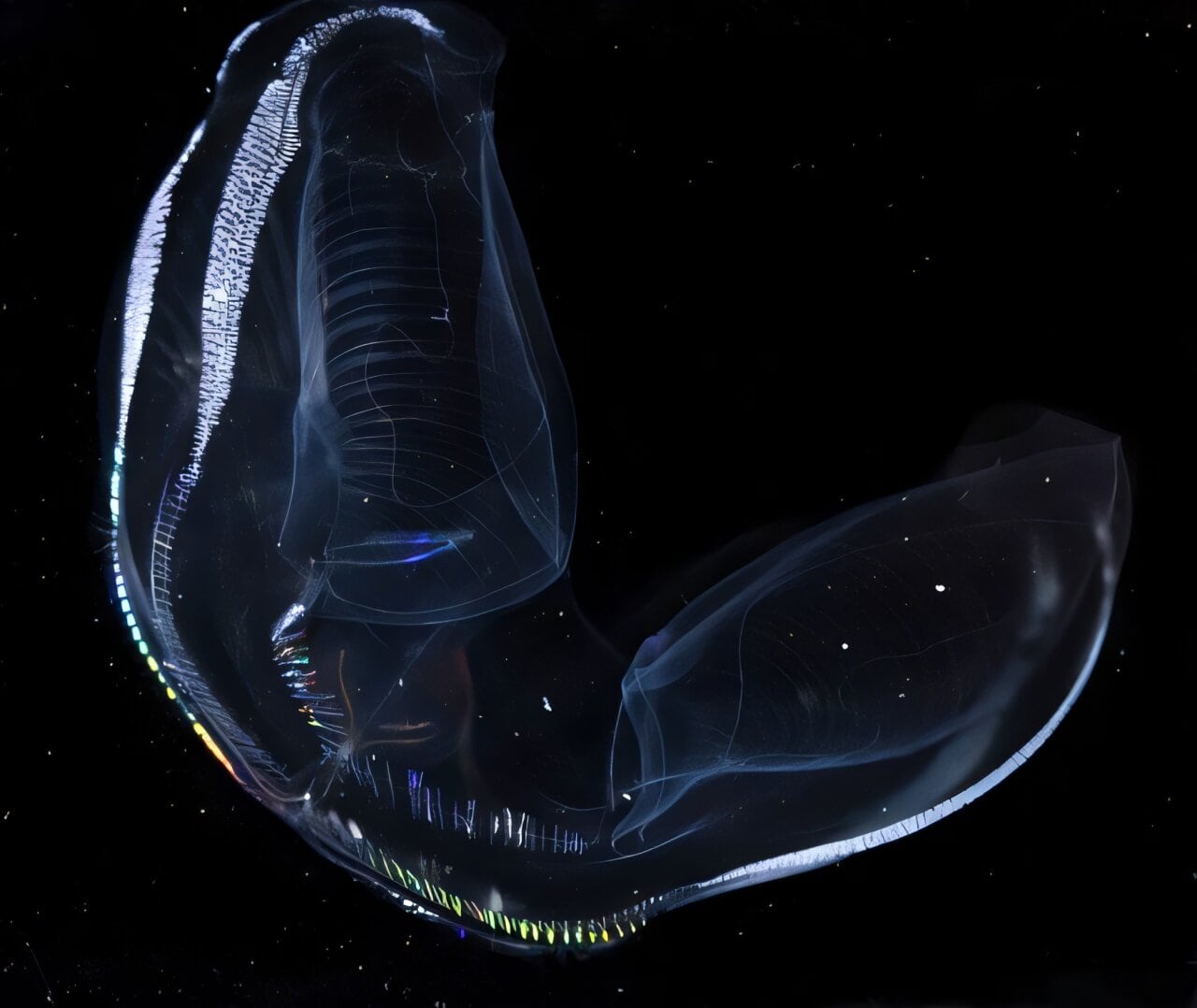
Durante tareas de mantenimiento de la boya M1, los buzos también encontraron cardúmenes de peces media luna, una especie asociada con mayor frecuencia al sur de California. A mayor profundidad, el vehículo operado a distancia Doc Ricketts detectó juveniles de cangrejo rojo pelágico, Grimothea planipes, una presencia que el equipo no había registrado tan al norte.
También hubo una observación breve de varios calamares de Humboldt. El desplazamiento de esa especie resulta relevante porque, en episodios anteriores, su expansión modificó la composición de la fauna pelágica y afectó poblaciones de merluza del Pacífico, de interés comercial. La llegada de aguas cálidas puede comprimir las áreas de alimentación de ballenas cerca de la costa y alterar la disponibilidad de presas para aves marinas.
Los cambios alcanzan incluso el fondo oceánico, según antecedentes de monitoreos realizados a unos 4.000 metros de profundidad frente a California. El alimento que llega a esas zonas —partículas orgánicas que descienden desde la superficie— depende de la productividad de las capas superiores. Por eso, una alteración iniciada en el fitoplancton puede trasladarse con el tiempo a comunidades de aguas profundas.
El Niño tiene efectos que exceden la biología marina. Las anomalías de temperatura y nivel del mar pueden aumentar los riesgos de inundaciones costeras, mientras que los cambios en distribución y abundancia de especies inciden sobre las pesquerías y las economías vinculadas al mar.
MBARI y otros sistemas de observación de California comenzaron a centralizar datos de boyas, planeadores submarinos e instrumentos costeros en un tablero específico sobre El Niño. La iniciativa reúne a investigadores de la costa norte y central californiana con el objetivo de aportar información actualizada a autoridades, planificadores costeros y comunidades pesqueras.
El Niño

Oficial: Se acaba el culebrón con Harry Kane

Intendentes reclaman al Gobierno una mejor distribución de los subsidios al transporte y amenazan con ir a la Corte Suprema

Hegseth’s future draws ominous predictions from insiders after GOP losses, but Trump isn’t budging yet

Día de las Personas Cuidadoras: alertan que la demanda en Argentina crecerá a un ritmo difícil de sostener para las familias

Mario Pergolini recordó su encuentro con Keith Richards: “Fue una desilusión”

Cámara periscópica de 50 MP y tecnología NXTPAPER en pantalla AMOLED: así es el nuevo smartphone que llega a Perú

Qué pasó con el Refugio de Eli y por qué hizo enfurecer a Santi Maratea: «Fue un desastre, él nunca más le contestó y le prohibió…»

La oposición cuestionó la suspensión de embargos a las pymes y criticó el plan económico: “Llegaron tarde”

Agustín Caulo: “El Gobierno sigue trabajando para que no se politice la visita de León XIV a la Argentina”

Milei parte nuevamente a España y en el gobierno dicen que no bajará el tono de sus críticas a Pedro Sánchez

 POLITICA24 horas ago
La oposición cuestionó la suspensión de embargos a las pymes y criticó el plan económico: “Llegaron tarde”
- POLITICA1 día ago
Milei parte nuevamente a España y en el gobierno dicen que no bajará el tono de sus críticas a Pedro Sánchez
- POLITICA1 día ago
Sindicatos del transporte y de la industria se diferencian de la estrategia de la CGT y deciden acciones propias