INTERNACIONAL
CodePink leader adds muscle to well-funded fight to ban restaurant delicacy

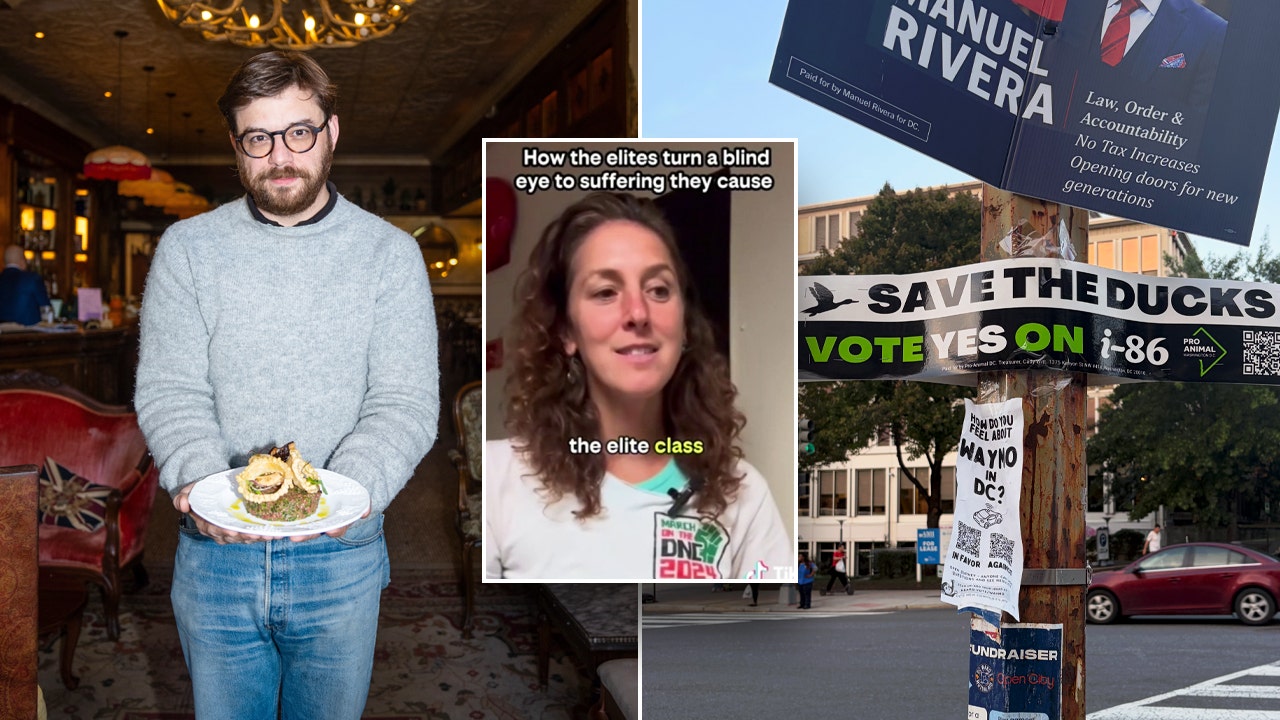
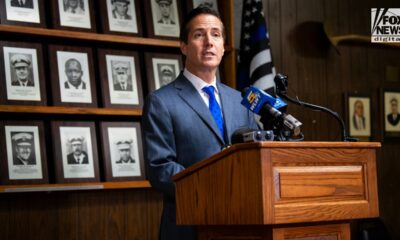
WASHINGTON, D.C. — CodePink D.C. Coordinator Olivia DiNucci last month posted a TikTok video of herself in a home supporting an issue far afield from her usual battles supporting the Communist Party of Cuba and the Islamic Republic of Iran.
This time, she was backing a local ballot measure, «Initiative 86,» introduced in early February in the D.C. City Council to ban foie gras, a fine-dining delicacy made from duck liver, and other products made from birds. D.C. residents will vote on the measure on election day with early voting already started.
The campaign presents itself as a grassroots effort to advance animal welfare, but public financial filings reveal a far more heavily funded operation. A national animal-rights network has supplied hundreds of thousands of dollars in financial support, underwriting paid petition circulators, political consultants, staff salaries and advertising in a campaign that could reshape Washington’s restaurant industry. Far from a shoestring local initiative, the effort has reported nearly half a million dollars in contributions and expenditures, much of it backed by an organization that openly describes local ballot measures as stepping stones toward a broader «pro-animal future.»
WHO’S FUNDING AMERICA’S PROTEST UNREST? NATION’S NEW ‘RIOT INC.’ FOLLOWS THE MONEY TO FIND OUT
A Digital investigation of campaign-finance records, nonprofit filings and the groups’ own organizing documents traces the people, money and long-term strategy behind Initiative 86 and raises questions about how a fight over one luxury menu item became part of a much larger political campaign over what Americans eat.
Pro-Animal Future, a 501(c)(4) nonprofit based in Portland, Ore., launched the campaign, nicknamed I-86, in D.C. and says its local ballot efforts are part of a broader push to change public attitudes toward common animal agricultural practices. Its IRS filing also lists its name as Pro-Animal DC.
In seven financial reports filed with the D.C. Office of Campaign Finance, Pro-Animal DC provides a window into a local political campaign’s operational, financial and logistical infrastructure.
According to its latest filings, Pro-Animal DC collected a whopping $474,190.62 between Sept. 23, 2025, and Oct. 26, 2026, for the local campaign, with Pro-Animal Future as its major backer, providing it $386,435.77.
Its largest expense is stipends totaling $126,780.36, or about one-quarter of the campaign’s expenses, to a paid professional protest organizer: Cady Witt, whose LinkedIn profile lists her as «community impact coordinator» at «DC Voters for Animals.» Witt is also listed as the treasurer of Pro-Animal DC in its campaign reports.
Pro-Animal DC reported another $89,224.00, or about 20% of its expenses, for 293 payments to 64 people described as «consultant – circulator» from September 2025 through October 26, 2026. They got an average payment of $1,394.13 per person.
‘TROJAN HORSES’ IN AMERICA: CONGRESS PROBES INFLUENCE NETWORKS TIED TO CHINA, IRAN AND CUBA
Also a professional organizer, CodePink’s DiNucci is typically a fixture at anti-Israel demonstrations and foreign affairs hearings. CodePink co-founder Jodie Evans is married to an American-born, China-based tech tycoon, Neville Roy Singham, whose funding of activist groups has drawn scrutiny from congressional lawmakers and is the subject of a federal investigation. Pro Animal Future said CodePink doesn’t have a role in its campaign beyond DiNucci’s appearance in her TikTok video.
Pro-Animal Future alleges that birds are «force fed» to gain the weight needed to produce foie gras, and it says its campaigns seek to end «force-feeding» birds and shift public views on animal agriculture. According to its latest available IRS 990 tax filing, Pax Fauna, a 501(c)(3) nonprofit based in Denver, says it’s related to Pro-Animal Future, which it described as doing «lobbying» work.
In 2024, Pax Fauna outlined a 10-year roadmap to build local ballot campaigns and eventually pursue statewide «factory-farming» bans and establish «animal freedom.»
The roadmap called such measures a way to «provoke a sort of identity crisis for the voting public» and «storm the nation». The group sought to launch as many as 10 local chapters during the 2025-2026 election cycle.
An anonymous purchaser bought the web domain ProAnimalDC.org in April 2025, according to online records. Today, Pro-Animal Future lists its current campaigns as running in D.C. and Denver and says it worked with Portland’s City Council to ban foie gras sales this past June.
Pax Fauna’s founders said they have spent years organizing with Direct Action Everywhere, an animal-rights 501(c)(3) nonprofit based in Berkeley, Ca.
Last year, according to its filings, Pro-Animal Future spent $7,703.70 for Airbnb accommodations. This year, on July 31, it spent $22,418.69 for Airbnb accommodations. Pro-Animal DC has stated that the lodging was for about 60 out-of-town «volunteers» who came to Washington, D.C., in July for a signature-gathering effort called «Goosapalooza.» On its website, it promoted the «free housing.»
The measure’s language has raised questions about how far the ban could reach. Its definition of a «fattened bird liver product» covers food or byproducts made from birds’ livers when the birds were fattened «through any method or practice,» and specifically lists pâtés, spreads and processed meat products as products to be banned. The initiative separately defines «force-feeding» as causing a bird to eat more than it would voluntarily consume.
MAMDANI ACCUSED OF BETRAYING NYC WORKERS AS UNION BOSS BLASTS ‘ANTI-LABOR’ HORSE CARRIAGE BAN
Former D.C. Attorney General Karl Racine told City Cast DC, a local media outlet, that the text «includes le poulet,» which means chicken in French.
Jon Mandel, an attorney and former D.C. Council legislative staffer, told the same outlet, that the sales provision could reach poultry-liver products made without force-feeding.
Pro-Animal Future spokeswoman Natalie Fulton told City Cast DC the campaign isn’t trying to ban chicken and «is about foie gras.» She added that the D.C. Council could clarify the language if voters approve the measure.
However, restaurants in the district who serve the delicacy aren’t buying what activists are selling. Bart Hutchins, chef and co-owner of Butterworth’s, a Capitol Hill restaurant popular with Trump administration members, raised a similar concern in an interview with Digital. «Realistically that could ban at least 20 products that I can think of right off the top of my head that aren’t foie gras,» he said. Hutchins said his restaurant would consider legal challenges if the measure passes.
Hutchins sees the initiative as part of a broader effort to restrict what Americans can eat. «If they ban foie gras here, they’ll eventually ban meat here, and they’ll bring that to the rest of the country,» he said.
Pro-Animal Future’s 10-year roadmap calls for statewide factory-farming bans but doesn’t define «factory farming.» Hutchins said he worries the term could be interpreted broadly.
This week, the dispute followed Hutchins to the 17th Street NW «High Heel Race,» a Halloween drag event in the District. Witt, D.C. campaign director for Pro-Animal Future, appeared dressed as Hutchins, wearing a chef’s hat, glasses, a drawn-on mustache and a white corseted outfit.
Nearby, a person in a duck costume crouched with a feeding tube in its mouth. Washingtonian food editor Jessica Sidman shared photos on X, describing Witt simply as «Pro-Animal campaign coordinator.» By late Thursday, the photos had 42,200 views, amplifying the campaign even further. Hutchins didn’t appear phased by the mimicking, he took to X and said, «Bart derangement syndrome enters the lexicon.»
The measure has also drawn opposition from celebrity chef José Andrés, whose D.C. restaurant serves foie gras. He questioned the ban’s broader implications on X, asking, «If duck goes, all goes next?»
The D.C. chief financial officer, Glen Lee, estimates implementing the measure would cost $314,000 from fiscal 2026 through 2029, including $274,000 for an additional inspector and $40,000 for public education. The fiscal impact statement says the District’s Department of Energy and Environment doesn’t inspect restaurant kitchens or other back-of-house operations and isn’t likely to do so. It says the inspector would investigate complaints, inspect establishments and coordinate with other agencies, but doesn’t detail how regulators would verify a product’s origin during routine inspections.
Hutchins said he would continue serving foie gras until the city resolves how to enforce the measure. He disputes the animal-welfare case for a ban, saying he doesn’t believe the feeding process that farms use to create foie gras hurts ducks. Pro-Animal DC’s findings say the practice causes pain and illness. Hutchins also said losing D.C. as a major market could threaten the country’s two commercial foie gras producers, Hudson Valley Foie Gras and La Belle Farm in New York state’s Catskills region.
The measure would regulate sales in D.C. The D.C. chief financial officer’s fiscal impact statement says, «The Office of Revenue Analysis is not aware of any bird farms or bird feeding operations in the District.»
The Catskill Foie Gras Collective, a producer group, says its member farms raise ducks cage-free and use small, flexible plastic tubes to deliver feed to a pouch in their throats. It argues the process causes no pain, citing ducks’ anatomy, and says feeding is skipped if a bird hasn’t finished digesting its previous meal. The collective also says Catskills foie gras farms employ about 400 people.
GET BREAKING NEWS ALERTS
Digital reached out to Pro-Animal DC, which disputed critics’ claim that Initiative 86’s wording could extend to poultry-liver products beyond foie gras. The campaign said the measure is intended only to prohibit force-feeding and foie gras sales. It said «fattened» refers to the extreme enlargement of birds’ livers associated with foie gras production, not ordinary poultry farming. The campaign pointed to the measure’s findings, which describe covered products as luxury foods made from diseased, enlarged livers, and said the broad definition of «bird» is meant to prevent producers from switching species.
SEND US A TIP
Pro-Animal DC said D.C. agencies and courts look to a law’s stated purpose when its wording allows more than one interpretation, and said it would welcome Council clarification if voters approve the measure. Asked what language could clarify the measure, spokeswoman Natalie Fulton didn’t elaborate.
The dispute leaves D.C. voters weighing a ballot measure presented as a foie gras ban while others raise broader questions about its wording, enforcement and the campaign’s long-term goals. For Hutchins, the stakes extend beyond one item on a restaurant menu; for Pro-Animal Future, Initiative 86 is one step in a larger effort to change farming practices at a national scale.
Digital’s Asra Nomani and Ava Palschakov contributed to this report.
midterm elections, politics, campaigning, controversies state and local, food, lobbying, us, washington dc, fox news investigates, investigations












El terremoto de magnitud 6,7 que sacudió la ciudad peruana de Junín la noche del 20 de noviembre no nació cerca de la superficie ni tuvo el mismo origen que los movimientos que dañaron viviendas en Chupaca meses antes. Los nuevos sismos en Perú responden a dos fuentes distintas de actividad geológica: la deformación de la placa de Nazca en profundidad y la reactivación de una falla activa en la cordillera.
El movimiento más fuerte se registró a las 19:09, con epicentro a 30 kilómetros al noroeste de la ciudad de Junín y a 129 kilómetros de profundidad, según el reporte del Instituto Geofísico del Perú (IGP). Esa ubicación explica que el temblor se percibiera en Lima y otras regiones del país, pese a que el epicentro se localizó en la zona central peruana.
Horas más tarde, a las 00:12 del 21 de noviembre, el Centro Sismológico Nacional detectó otro sismo de magnitud 5,0 en el mismo sector, con una profundidad de 127 kilómetros e intensidad III en la ciudad de Junín. Ambos eventos ocurrieron bajo tierra, en un rango compatible con la actividad de la placa de Nazca cuando ya se encuentra debajo del continente.

La placa de Nazca se hunde bajo Perú y puede generar sismos profundos
Bajo la costa peruana, la placa de Nazca avanza hacia el este y se introduce por debajo de la placa Sudamericana. Este mecanismo recibe el nombre de subducción. En términos simples, una parte del fondo oceánico se desliza bajo el continente y queda ubicada a decenas o cientos de kilómetros de profundidad.
Ese desplazamiento no ocurre de manera uniforme. A medida que la placa oceánica se hunde, sus rocas se deforman y pueden liberar energía. Ese proceso genera sismos de profundidad intermedia, como el de magnitud 6,7 registrado el 20 de noviembre en Junín.
La información difundida por el IGP indica que el foco se localizó a 129 kilómetros bajo la superficie. Por esa razón, el episodio no se vinculó con una fractura superficial cercana a la ciudad de Junín, aunque el movimiento se haya sentido en una zona amplia del territorio peruano.
La diferencia resulta central para entender los eventos recientes. Un terremoto profundo puede percibirse a cientos de kilómetros por la propagación de las ondas sísmicas, mientras que un sismo superficial suele concentrar sus efectos más destructivos en las localidades próximas al epicentro.
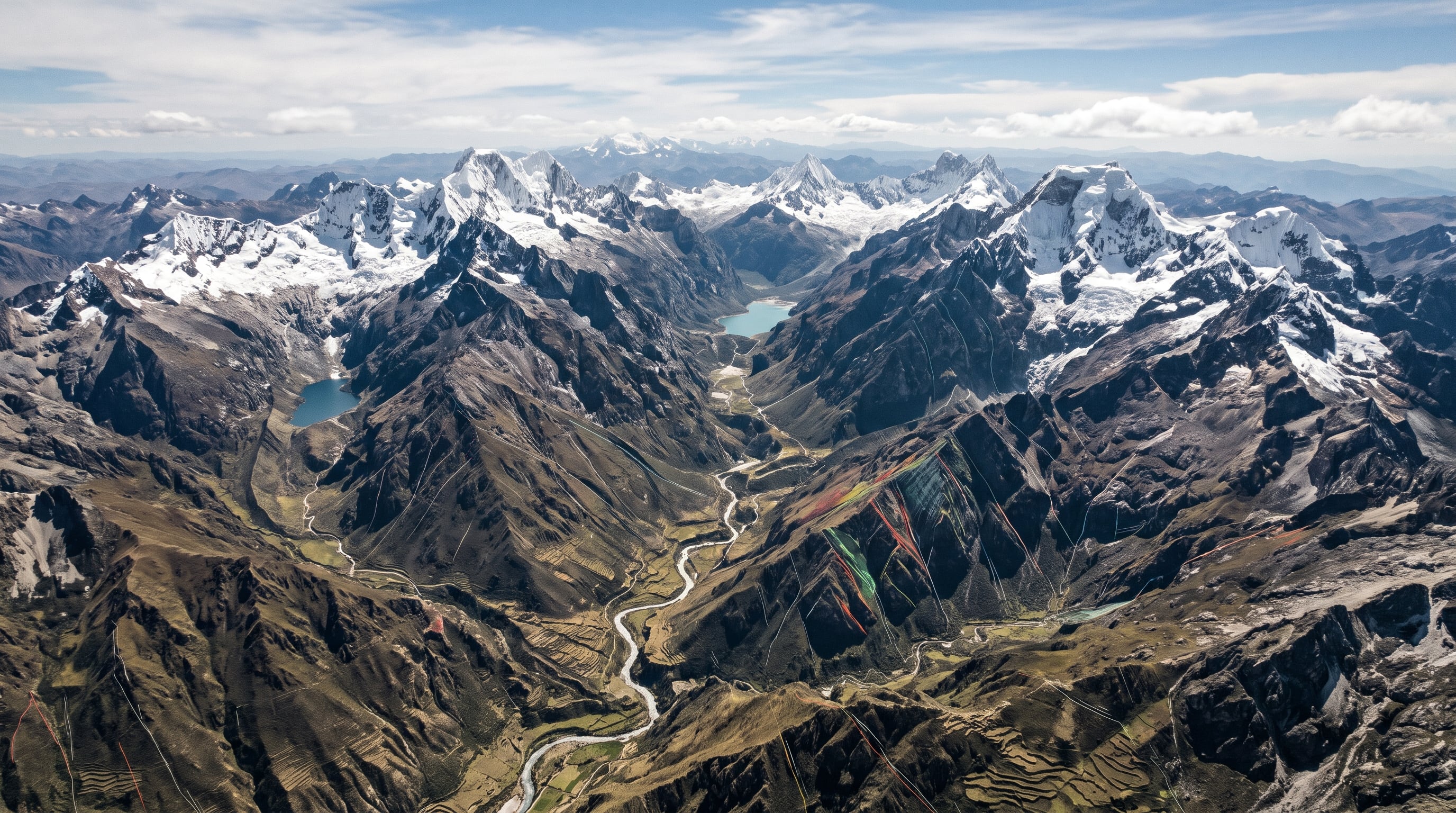
El presidente ejecutivo del IGP, Hernando Tavera, explicó que el sismo de noviembre “no estaba relacionado con las fallas geológicas de Junín”.
La falla Altos del Mantaro explica los daños del sismo de Chupaca
La situación fue diferente el 18 de julio, cuando un sismo de magnitud 5,4 afectó la provincia de Chupaca, en el Valle del Mantaro. Ese evento tuvo una profundidad de apenas 9,5 kilómetros y estuvo asociado a la reactivación de la falla Altos del Mantaro, una estructura geológica ubicada en el extremo sudoeste del valle.
Una falla geológica es una fractura en las rocas de la corteza terrestre. Cuando los bloques situados a cada lado se desplazan de manera brusca, liberan energía y producen un sismo. Es decir, no todos los terremotos peruanos se originan por el contacto directo entre la placa de Nazca y la placa Sudamericana: también pueden surgir de fracturas activas dentro del continente.
El informe técnico del IGP sobre el caso de Chupaca fue preciso: “Este sismo tuvo su origen en la reactivación de la falla Altos del Mantaro, ubicada en el extremo sur-oeste del Valle del Mantaro”. El documento, elaborado por Hernando Tavera, Vilma Nina y Cristian Mamani, puede consultarse en el repositorio institucional del IGP.

La cercanía del foco respecto de las zonas urbanas agravó los efectos. “Debido a la poca profundidad a la cual ocurrió el sismo, 9,5 kilómetros, y a la cercanía a las áreas urbanas de Chongos Bajo y Chupaca, en superficie se produjeron niveles de sacudimiento del suelo” capaces de ocasionar el colapso parcial o total de estructuras de adobe, señaló el reporte.
El IGP calculó niveles de sacudimiento de hasta 75 cm/s² en algunos puntos. El material de las viviendas también influyó: muchas construcciones afectadas tenían paredes de adobe, techos de madera y calamina, condiciones que incrementan el riesgo frente a movimientos intensos y cercanos.
El estudio advirtió además daños puntuales en viviendas de ladrillo y concreto. Según el organismo, esas afectaciones en paredes y columnas podían indicar problemas estructurales previos o deficiencias en la construcción.
Profundidad, suelo y tipo de vivienda cambian el impacto de un terremoto
Los sismos de julio, agosto y noviembre ocurrieron en el mismo departamento, pero no formaron una única secuencia con una causa común. El movimiento de magnitud 5,0 del 6 de agosto fue una réplica del evento de Chupaca y se produjo a unos 9 kilómetros de profundidad. En cambio, los temblores del 20 y 21 de noviembre tuvieron focos ubicados a más de 120 kilómetros bajo tierra.
La comparación muestra por qué la magnitud no alcanza para medir el daño potencial. Un terremoto de menor magnitud, pero superficial y cercano a una zona poblada, puede causar más destrucción local que otro de mayor magnitud cuyo origen se encuentre a gran profundidad.
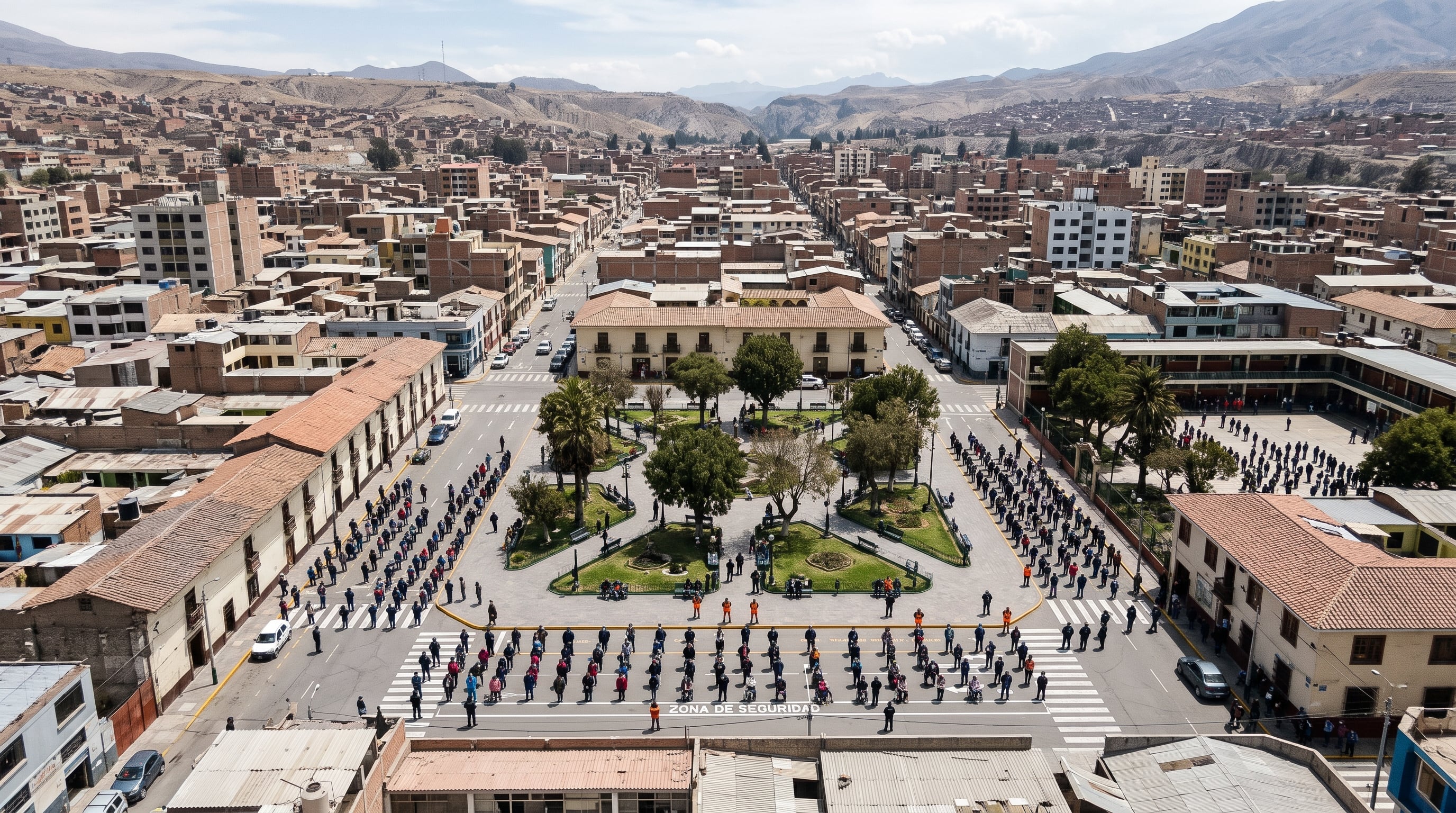
El IGP identificó tres elementos detrás de los daños en Chupaca: “la cercanía del sismo a las áreas urbanas en distancia y profundidad, los altos niveles de sacudimiento del suelo y el material utilizado en la construcción de las viviendas”. Esa evaluación permite explicar por qué el evento de julio tuvo un impacto concentrado en determinadas localidades del Valle del Mantaro.
Los científicos identifican el riesgo, pero no pueden anticipar el próximo sismo
La presencia de la placa de Nazca bajo el territorio peruano forma parte de un proceso geológico que lleva millones de años. Su desplazamiento contribuyó a la formación de la cordillera de los Andes y mantiene a Perú dentro de una de las zonas sísmicas más activas del planeta.
La placa avanza frente al litoral peruano a una velocidad estimada de entre 7 y 8 centímetros por año. Aunque ese movimiento sea pequeño, puede acumular tensión en sectores trabados del contacto tectónico. Cuando la resistencia de las rocas cede, la energía se libera mediante terremotos.
Un análisis publicado en el Journal of Geophysical Research: Solid Earth señaló una reducción cercana al 20% en la velocidad de convergencia durante los últimos 780.000 años. Esa variación no elimina el peligro sísmico, porque persisten zonas donde se concentra tensión tectónica.
Los especialistas pueden estudiar las fallas activas, medir el comportamiento de las placas e identificar áreas expuestas. Pero no pueden establecer con precisión la fecha, el lugar y la magnitud del próximo gran terremoto. Frente a esa limitación, la prevención depende de la calidad de las construcciones, los planes de emergencia y la preparación de la población ante sismos de distinto origen.
sismógrafo,sismología,ondas sísmicas,terremoto,epicentro
INTERNACIONAL
Miss Universo 2026: ¿Quiénes son las seis centroamericanas que compiten por la corona en Puerto Rico?

La recta final hacia la corona de Miss Universo 2026 en San Juan, Puerto Rico, tiene un acento inconfundible. Durante casi dos semanas de intensa concentración, las seis representantes de Centroamérica han dejado claro que no llegaron a la Isla del Encanto de paseo: llegaron a dar batalla.
Entre desfiles frente al mar, galas benéficas y encuentros con fanáticos, el bloque centroamericano se ha robado los reflectores de la prensa internacional y ha puesto a temblar las predicciones de los missólogos más exigentes.
Con perfiles que combinan la medicina de alta especialidad, el derecho, el modelaje internacional y el activismo social, estas seis mujeres están reescribiendo el papel de la región en el certamen de belleza más importante del planeta.
Si hay alguien que ha encendido las alarmas de favoritismo en San Juan es Jasmine Blandford. Con 27 años y una trayectoria internacional que incluye firmas como Wilhelmina Models, la representante de la Costa Caribe Sur ha dado cátedra de dominio escénico.
Su estampa no pasó desapercibida para figuras de peso como el zar de la belleza Osmel Sousa y el presentador Carlos Adyan, quienes aplaudieron su pasarela desde el desfile de bienvenida. Jasmine, quien hace historia como la segunda mujer afrodescendiente en portar la banda nicaragüense, encabeza varios listados de expertos.

Pisándole los talones en las apuestas aparece Luisa Paola Pineda, de Honduras. A sus 26 años, esta sampedrana licenciada en Administración de Empresas Turísticas y estudiante de Ingeniería en Operaciones y Logística ha conquistado a la prensa con su disciplina impecable.
Con más de ocho años de experiencia en el sector de exportaciones y un liderazgo activo en proyectos de reciclaje, Luisa ha sabido proyectar un carisma bilingüe que la mantiene firme dentro del Top 5 de diversos analistas.

Juventud de impacto y frescura en la pasarela
Desde Panamá llega la benjamina del grupo, pero con una presencia imposible de ignorar. Gabriela González, de apenas 20 años y oriunda de Chiriquí, impone respeto con sus 1,83 metros de estatura.
Aunque Miss Universo Panamá 2026 marcó su debut absoluto en los concursos de belleza, donde venció a otras 27 aspirantes, su seguridad ante las cámaras parece la de una veterana. La estudiante de Medicina de la Universidad de Panamá ha convertido cada salida diaria en una pasarela de alta costura, asegurándose un lugar recurrente en el Top 10 previo a la preliminar.

Por su parte, Costa Rica apostó por el magnetismo frente a los micrófonos con Mariale Acosta. A sus 25 años, la herediana sabe exactamente cómo conectar con las audiencias gracias a su faceta como presentadora de televisión y creadora de contenido.
Estudiante de Derecho y orgullosa embajadora de sus raíces afrocostarricenses, Mariale se lució en el desfile Runway to the Universe vistiendo diseños locales de Kevin Rojas y demostró su arrastre con el público durante la convivencia en Vivo Beach Club.

Vocación social y perfiles históricos
Guatemala presenta este año una carta sin precedentes en su historia dentro del certamen. María Adelina Castillo, de 30 años y representante de Sacatepéquez, es la primera médica en llevar la banda chapina a Miss Universo.
Graduada cum laude, pediatra y actual estudiante de la subespecialidad en Cuidados Intensivos Pediátricos, Adelina combina el rigor hospitalario con una estatura de 1.82 metros y el dominio del español, inglés y griego, su idioma materno. En San Juan, su serenidad y porte durante el desfile en traje de baño han cautivado tanto a los seguidores como a los medios especializados.

Cerrando este sexteto de lujo está Sofía Córdova, de El Salvador. Con 27 años y representando con orgullo a la diáspora salvadoreña, Sofía llegó a Puerto Rico con el respaldo de haber sido semifinalista en Miss Cosmo 2024.
Estudiante de Ciencias Jurídicas con formación en Diseño de Modas, su trabajo fuera de las cámaras se centra en llevar paneles solares a comunidades sin acceso a energía eléctrica. En la isla, su sofisticación desde la Cena Oficial de Bienvenida y su cercanía con el resto de las delegadas latinas en las actividades de Carolina la perfilan como una competidora de cuidado.

Más allá de la competencia individual por la corona, uno de los fenómenos que más ha llamado la atención en San Juan es la química genuina entre las seis delegadas. Lejos de las rivalidades de pasillo, Costa Rica, El Salvador, Guatemala, Honduras, Nicaragua y Panamá han proyectado una hermandad estratégica que multiplica su visibilidad ante las cámaras de la organización y los medios internacionales.
Ya sea compartiendo ensayos, celebrando los aciertos de sus vecinas en los desfiles o interactuando con la comunidad centroamericana residente en Puerto Rico, estas seis mujeres han convertido su unión regional en su mejor carta de presentación.
Con estilos distintos pero un mismo objetivo, Centroamérica llega a la gala final con uno de los grupos más sólidos y competitivos de los últimos años, listo para demostrar que, en esta edición de Miss Universo 2026, la corona también puede hablar con acento istmeño.
corresponsal:Desde San Salvador, El Salvador
INTERNACIONAL
Mamdani’s plan to dismantle NYPD’s riot unit ripped as ‘smoke and mirrors’ by former force leaders
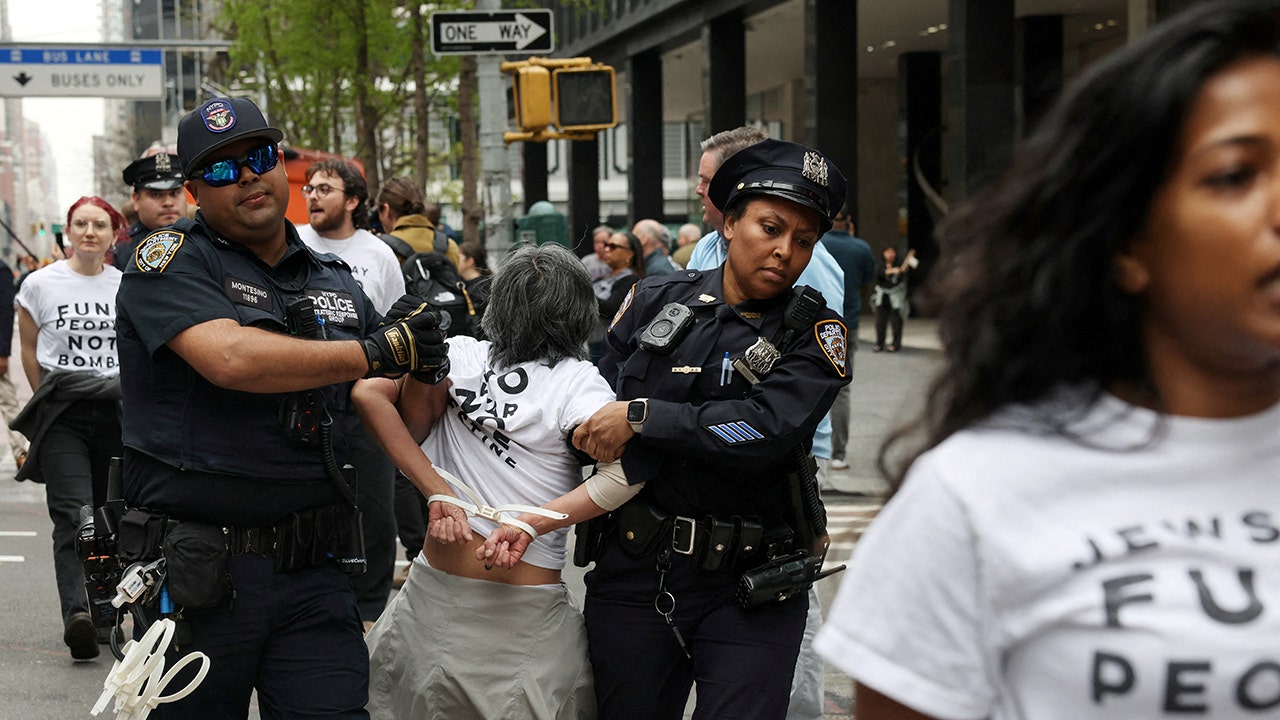
New York City Mayor Zohran Mamdani’s plan to gut the city’s tactical police unit is not what is seems, two former high-ranking NYPD officials tell Digital.
They argue the stunt is a political sleight of hand in which specialized officers responsible for handling violent protests will be rebranded under a different name despite the socialist mayor’s promise to disband it completely.
«The problem is … day-to-day New Yorkers don’t understand all this gas lighting,» former NYPD Chief John Chell told Digital. «And they feel the angst of it.
«But at the end of all that, this is nothing more than smoke and mirrors.»
EXCLUSIVE: RETIRED POLICE SERGEANT ISSUES WARNING OVER MAMDANI’S NYPD SHAKE-UP AHEAD OF THANKSGIVING PARADE
The move to dissolve the Strategic Response Group (SRG) and replace it with a «first-of-its-kind» civilian dialogue team fulfills one of Mamdani’s campaign promises as noted in the first sentence of his news release on the move.
But Chell and retired NYPD Inspector Paul Mauro are questioning whether it’s all a facade to please the mayor’s left-wing base and is a restructuring rather than a disbandment. They say the unit will likely be rebuilt under a new name to continue dealing with mass protests, major crimes and counterterrorism.
«The con here is that the SRG is simply being rebranded into an unknown name right now,» Chell said.
«First of all, Mamdani did add … that there will be uniformed police standing by to take more forceful enforcement if necessary,» Mauro said. «So, what really changed? Well, he changed the name of that unit, and he inserted this civilian unit between those uniformed cops and the protesters.»
The newly proposed civilian-led Community Dialogue and De-escalation Division (CDDD) is meant to work as a buffer between protesters and the on-duty police who will remain present at large demonstrations.
«Socialism and public safety do not go hand in hand,» Chell insisted.
Mamdani’s office did not respond to request for comment on the criticism of his plan.
NY COP CALLS FOR POLICE PROTECTIONS AFTER PROTESTER HE ARRESTED SHOWED UP TO HIS HOUSE, HARASSED HIS FAMILY
Both former NYPD officials warned that relying on civilians to mediate rowdy crowds could delay police intervention if a peaceful protest turns into a violent riot. This, he said, could leave officers responding to an escalating situation rather than preventing it in the first place.
«Once a cop, wherever they’re assigned, becomes reactive versus proactive, public safety suffers,» Chell said. «And [when cops] become reactive, they tend to hold back, and that can get them hurt. And it can get civilians hurt.»
«That is one of the risks inherent in this thing,» Mauro added. «That you deploy the civilians, they’re trying to talk … and by the time the civilians turn around and say, ‘Police, we need help,’ it may be too late.»
SRG receives information from the NYPD’s Intelligence and Counterterrorism Bureau to be kept aware of known or potentially dangerous demonstrations that will require specialized training to de-escalate.
The SRG unit is trained to handle crowds that have turned violent, beginning with verbal de-escalation. The physical training teaches officers how to get a noncomplying individual into police vans. A common tactic used by the SRG is bicycle crowd management, whereby officers can line up their bikes to build a barricade in crowds, using those formations for crowd control.
«The purpose of the SRG was to make sure that you had highly trained officers who could diffuse, spin down, but then control if need be, protests that were getting out of hand,» Mauro said. «That’s why they were only deployed in about 6% of the instances.»
MAMDANI CLASHES WITH DEMOCRATIC SOCIALISTS’ PUSH TO ABOLISH POLICE AND PRISONS
During a budget hearing earlier this year, it was noted the SRG did not often deal with peaceful protests and was mostly only deployed for protests that turned violent. In 2025, NYPD reportedly facilitated 4,255 protests and the SRG was available for roughly 6% of them.
Critics of the SRG, including the ACLU’s New York affiliate, say the unit is inherently violent due to its counterterrorism specialization that they claim «suppress protesters» and disregards «focus on First Amendment protections.»
The training manual, reviewed by Digital, distinguishes between «peaceful/compliant» crowds and those deemed «violent/non-compliant.» It also identifies three categories of protesters: «everyday citizen,» «professional» and «anarchist.»
The first identifier under the «everyday citizen» protester immediately acknowledges they are honoring their First Amendment right to organize.
FLORIDA EYES POACHING NYPD OFFICERS AFTER MAMDANI DISMANTLES ELITE UNIT
Despite the dismantling of the SRG, Mamdani’s plan would still likely require police officers be present at larger demonstrations. The new civilian-led group, however, would be there to attempt to de-escalate the protesters if it should show signs of turning violent.
Mamdani has not yet said when the civilian-led team will be established or take the streets. He also announced the creation of the First Amendment Support Team (FAST), a 30-officer NYPD unit that will help de-escalate crowds while the CDDD is being developed.
Chell, who has announced he will be running for mayor of New York City in 2029 when Mamdani would likely be seeking a second term, said he doubts the new team will take form until at least 2028, if ever.
«What’s scary about all this, the mentality of how the mayor and his staff and his socialist friends want to run this city,» Chell said.
«If they get everything they want, we’re gonna be a Third World city, and I don’t know if we can ever get it back.»
zohran mamdani, politics, blue city crime, police and law enforcement, cops, socialism, new york city

Qué son las acefalías gremiales de facto y por qué se convirtieron en el gran conflicto que divide hoy al Gobierno y la CGT

Este RPG de fantasía lo han creado 2 personas, está conquistando a los fans de Dark Souls y ha arrasado en ventas

Flamengo conquista su décimo Brasileirao

Las incongruencias que muestra el Gobierno y una estrategia electoral que no termina de tomar forma

Con Lionel Messi de titular, Inter Miami inicia los playoffs de la MLS contra el Columbus Crew

Mariana Fabbiani reveló cómo sigue la salud de Mariano Chihade tras ser operado: «Con fuerza y fe»

Javier Milei y sus medidas, en vivo: “Hoy discutimos si crecemos un punto más o menos”, dijo el Presidente

Javier Milei destacó el desembarco de Tesla en el país y aseguró: “Esto también es devolverle la libertad a los argentinos”

El Gobierno rechazó las actividades de la princesa Ana, hermana del rey Carlos III, en las Islas Malvinas

El brote de ébola está fuera de control en la República Democrática del Congo y crece el temor a una epidemia continental

 POLITICA3 días ago
Javier Milei y sus medidas, en vivo: “Hoy discutimos si crecemos un punto más o menos”, dijo el Presidente
- POLITICA1 día ago
Javier Milei destacó el desembarco de Tesla en el país y aseguró: “Esto también es devolverle la libertad a los argentinos”
- INTERNACIONAL2 días ago
El brote de ébola está fuera de control en la República Democrática del Congo y crece el temor a una epidemia continental