INTERNACIONAL
Miss Universo 2026: ¿Quiénes son las seis centroamericanas que compiten por la corona en Puerto Rico?

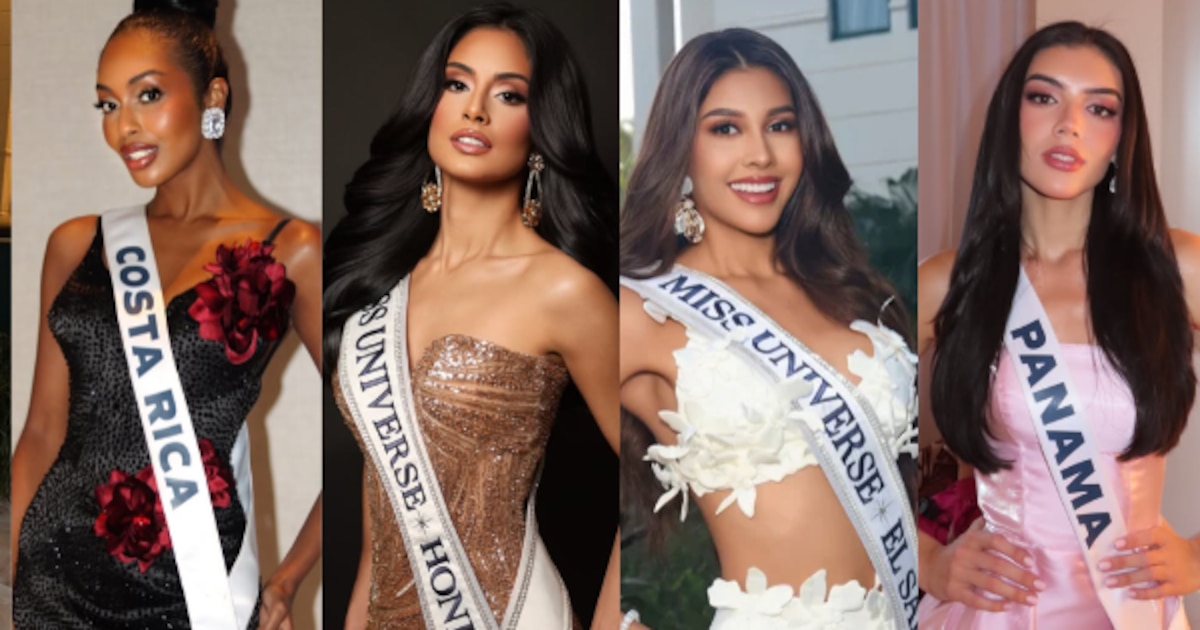
La recta final hacia la corona de Miss Universo 2026 en San Juan, Puerto Rico, tiene un acento inconfundible. Durante casi dos semanas de intensa concentración, las seis representantes de Centroamérica han dejado claro que no llegaron a la Isla del Encanto de paseo: llegaron a dar batalla.
Entre desfiles frente al mar, galas benéficas y encuentros con fanáticos, el bloque centroamericano se ha robado los reflectores de la prensa internacional y ha puesto a temblar las predicciones de los missólogos más exigentes.
Con perfiles que combinan la medicina de alta especialidad, el derecho, el modelaje internacional y el activismo social, estas seis mujeres están reescribiendo el papel de la región en el certamen de belleza más importante del planeta.
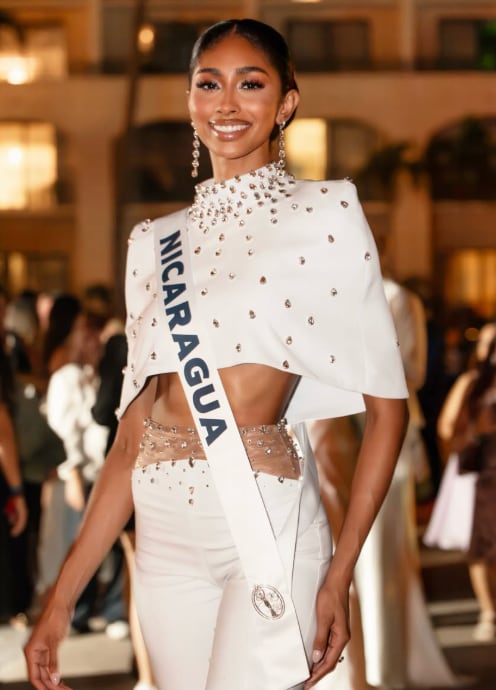
Si hay alguien que ha encendido las alarmas de favoritismo en San Juan es Jasmine Blandford. Con 27 años y una trayectoria internacional que incluye firmas como Wilhelmina Models, la representante de la Costa Caribe Sur ha dado cátedra de dominio escénico.
Su estampa no pasó desapercibida para figuras de peso como el zar de la belleza Osmel Sousa y el presentador Carlos Adyan, quienes aplaudieron su pasarela desde el desfile de bienvenida. Jasmine, quien hace historia como la segunda mujer afrodescendiente en portar la banda nicaragüense, encabeza varios listados de expertos.
Pisándole los talones en las apuestas aparece Luisa Paola Pineda, de Honduras. A sus 26 años, esta sampedrana licenciada en Administración de Empresas Turísticas y estudiante de Ingeniería en Operaciones y Logística ha conquistado a la prensa con su disciplina impecable.
Con más de ocho años de experiencia en el sector de exportaciones y un liderazgo activo en proyectos de reciclaje, Luisa ha sabido proyectar un carisma bilingüe que la mantiene firme dentro del Top 5 de diversos analistas.

Juventud de impacto y frescura en la pasarela
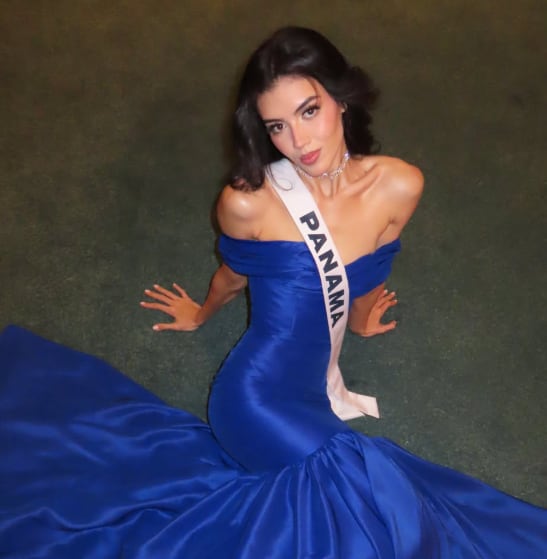
Desde Panamá llega la benjamina del grupo, pero con una presencia imposible de ignorar. Gabriela González, de apenas 20 años y oriunda de Chiriquí, impone respeto con sus 1,83 metros de estatura.
Aunque Miss Universo Panamá 2026 marcó su debut absoluto en los concursos de belleza, donde venció a otras 27 aspirantes, su seguridad ante las cámaras parece la de una veterana. La estudiante de Medicina de la Universidad de Panamá ha convertido cada salida diaria en una pasarela de alta costura, asegurándose un lugar recurrente en el Top 10 previo a la preliminar.
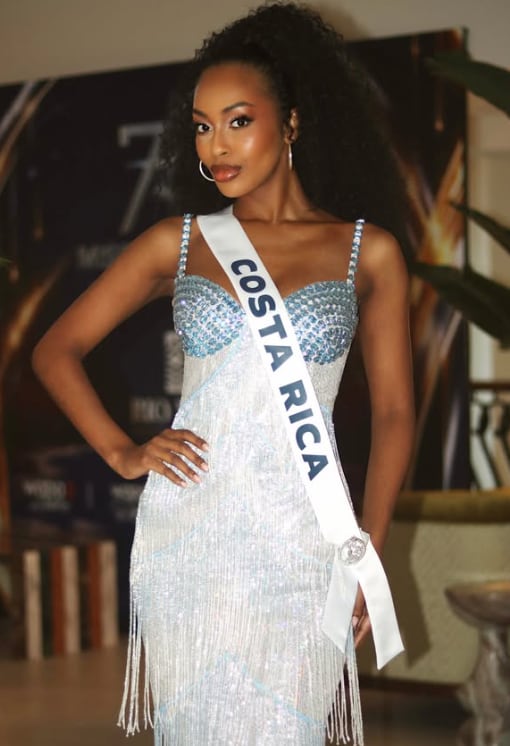
Por su parte, Costa Rica apostó por el magnetismo frente a los micrófonos con Mariale Acosta. A sus 25 años, la herediana sabe exactamente cómo conectar con las audiencias gracias a su faceta como presentadora de televisión y creadora de contenido.
Estudiante de Derecho y orgullosa embajadora de sus raíces afrocostarricenses, Mariale se lució en el desfile Runway to the Universe vistiendo diseños locales de Kevin Rojas y demostró su arrastre con el público durante la convivencia en Vivo Beach Club.
Vocación social y perfiles históricos
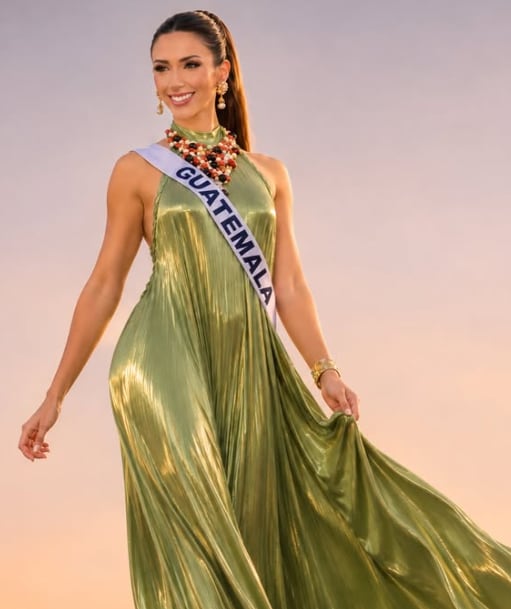
Guatemala presenta este año una carta sin precedentes en su historia dentro del certamen. María Adelina Castillo, de 30 años y representante de Sacatepéquez, es la primera médica en llevar la banda chapina a Miss Universo.
Graduada cum laude, pediatra y actual estudiante de la subespecialidad en Cuidados Intensivos Pediátricos, Adelina combina el rigor hospitalario con una estatura de 1.82 metros y el dominio del español, inglés y griego, su idioma materno. En San Juan, su serenidad y porte durante el desfile en traje de baño han cautivado tanto a los seguidores como a los medios especializados.
Cerrando este sexteto de lujo está Sofía Córdova, de El Salvador. Con 27 años y representando con orgullo a la diáspora salvadoreña, Sofía llegó a Puerto Rico con el respaldo de haber sido semifinalista en Miss Cosmo 2024.
Estudiante de Ciencias Jurídicas con formación en Diseño de Modas, su trabajo fuera de las cámaras se centra en llevar paneles solares a comunidades sin acceso a energía eléctrica. En la isla, su sofisticación desde la Cena Oficial de Bienvenida y su cercanía con el resto de las delegadas latinas en las actividades de Carolina la perfilan como una competidora de cuidado.

Más allá de la competencia individual por la corona, uno de los fenómenos que más ha llamado la atención en San Juan es la química genuina entre las seis delegadas. Lejos de las rivalidades de pasillo, Costa Rica, El Salvador, Guatemala, Honduras, Nicaragua y Panamá han proyectado una hermandad estratégica que multiplica su visibilidad ante las cámaras de la organización y los medios internacionales.
Ya sea compartiendo ensayos, celebrando los aciertos de sus vecinas en los desfiles o interactuando con la comunidad centroamericana residente en Puerto Rico, estas seis mujeres han convertido su unión regional en su mejor carta de presentación.
Con estilos distintos pero un mismo objetivo, Centroamérica llega a la gala final con uno de los grupos más sólidos y competitivos de los últimos años, listo para demostrar que, en esta edición de Miss Universo 2026, la corona también puede hablar con acento istmeño.
corresponsal:Desde San Salvador, El Salvador









INTERNACIONAL
Mamdani’s plan to dismantle NYPD’s riot unit ripped as ‘smoke and mirrors’ by former force leaders
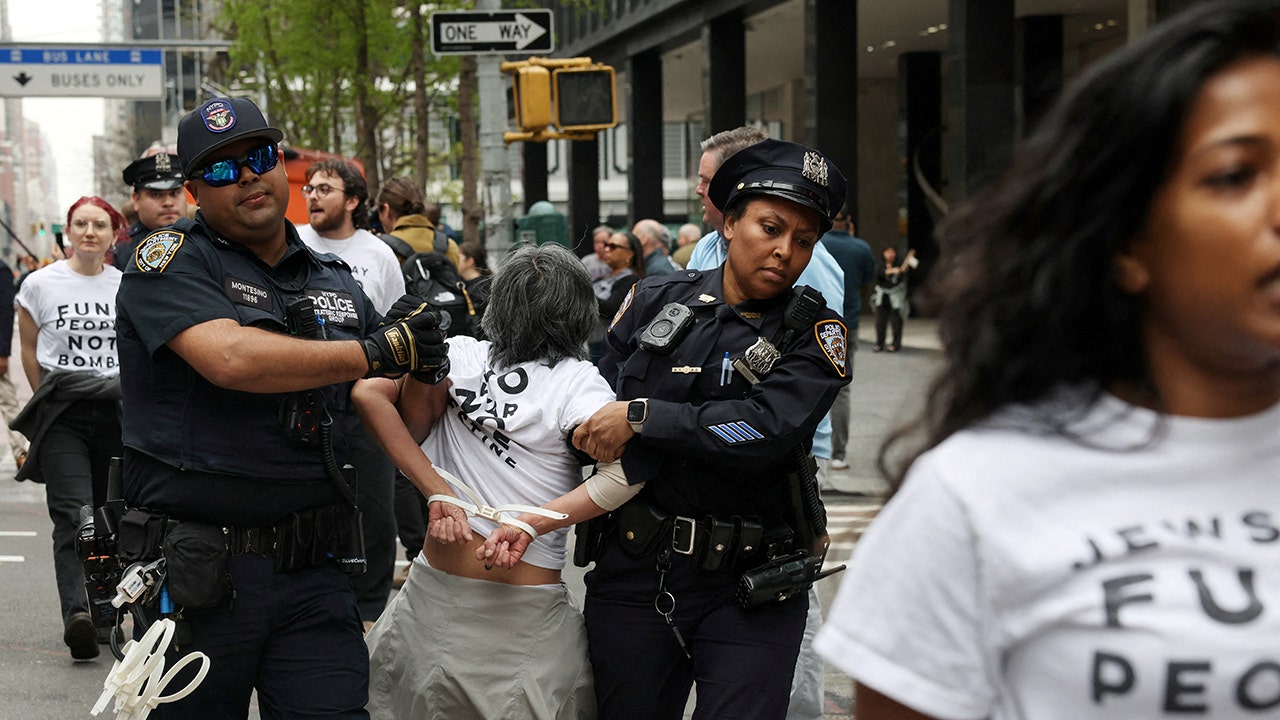
New York City Mayor Zohran Mamdani’s plan to gut the city’s tactical police unit is not what is seems, two former high-ranking NYPD officials tell Digital.
They argue the stunt is a political sleight of hand in which specialized officers responsible for handling violent protests will be rebranded under a different name despite the socialist mayor’s promise to disband it completely.
«The problem is … day-to-day New Yorkers don’t understand all this gas lighting,» former NYPD Chief John Chell told Digital. «And they feel the angst of it.
«But at the end of all that, this is nothing more than smoke and mirrors.»
EXCLUSIVE: RETIRED POLICE SERGEANT ISSUES WARNING OVER MAMDANI’S NYPD SHAKE-UP AHEAD OF THANKSGIVING PARADE
The move to dissolve the Strategic Response Group (SRG) and replace it with a «first-of-its-kind» civilian dialogue team fulfills one of Mamdani’s campaign promises as noted in the first sentence of his news release on the move.
But Chell and retired NYPD Inspector Paul Mauro are questioning whether it’s all a facade to please the mayor’s left-wing base and is a restructuring rather than a disbandment. They say the unit will likely be rebuilt under a new name to continue dealing with mass protests, major crimes and counterterrorism.
«The con here is that the SRG is simply being rebranded into an unknown name right now,» Chell said.
«First of all, Mamdani did add … that there will be uniformed police standing by to take more forceful enforcement if necessary,» Mauro said. «So, what really changed? Well, he changed the name of that unit, and he inserted this civilian unit between those uniformed cops and the protesters.»
The newly proposed civilian-led Community Dialogue and De-escalation Division (CDDD) is meant to work as a buffer between protesters and the on-duty police who will remain present at large demonstrations.
«Socialism and public safety do not go hand in hand,» Chell insisted.
Mamdani’s office did not respond to request for comment on the criticism of his plan.
NY COP CALLS FOR POLICE PROTECTIONS AFTER PROTESTER HE ARRESTED SHOWED UP TO HIS HOUSE, HARASSED HIS FAMILY
Both former NYPD officials warned that relying on civilians to mediate rowdy crowds could delay police intervention if a peaceful protest turns into a violent riot. This, he said, could leave officers responding to an escalating situation rather than preventing it in the first place.
«Once a cop, wherever they’re assigned, becomes reactive versus proactive, public safety suffers,» Chell said. «And [when cops] become reactive, they tend to hold back, and that can get them hurt. And it can get civilians hurt.»
«That is one of the risks inherent in this thing,» Mauro added. «That you deploy the civilians, they’re trying to talk … and by the time the civilians turn around and say, ‘Police, we need help,’ it may be too late.»
SRG receives information from the NYPD’s Intelligence and Counterterrorism Bureau to be kept aware of known or potentially dangerous demonstrations that will require specialized training to de-escalate.
The SRG unit is trained to handle crowds that have turned violent, beginning with verbal de-escalation. The physical training teaches officers how to get a noncomplying individual into police vans. A common tactic used by the SRG is bicycle crowd management, whereby officers can line up their bikes to build a barricade in crowds, using those formations for crowd control.
«The purpose of the SRG was to make sure that you had highly trained officers who could diffuse, spin down, but then control if need be, protests that were getting out of hand,» Mauro said. «That’s why they were only deployed in about 6% of the instances.»
MAMDANI CLASHES WITH DEMOCRATIC SOCIALISTS’ PUSH TO ABOLISH POLICE AND PRISONS
During a budget hearing earlier this year, it was noted the SRG did not often deal with peaceful protests and was mostly only deployed for protests that turned violent. In 2025, NYPD reportedly facilitated 4,255 protests and the SRG was available for roughly 6% of them.
Critics of the SRG, including the ACLU’s New York affiliate, say the unit is inherently violent due to its counterterrorism specialization that they claim «suppress protesters» and disregards «focus on First Amendment protections.»
The training manual, reviewed by Digital, distinguishes between «peaceful/compliant» crowds and those deemed «violent/non-compliant.» It also identifies three categories of protesters: «everyday citizen,» «professional» and «anarchist.»
The first identifier under the «everyday citizen» protester immediately acknowledges they are honoring their First Amendment right to organize.
FLORIDA EYES POACHING NYPD OFFICERS AFTER MAMDANI DISMANTLES ELITE UNIT
Despite the dismantling of the SRG, Mamdani’s plan would still likely require police officers be present at larger demonstrations. The new civilian-led group, however, would be there to attempt to de-escalate the protesters if it should show signs of turning violent.
Mamdani has not yet said when the civilian-led team will be established or take the streets. He also announced the creation of the First Amendment Support Team (FAST), a 30-officer NYPD unit that will help de-escalate crowds while the CDDD is being developed.
Chell, who has announced he will be running for mayor of New York City in 2029 when Mamdani would likely be seeking a second term, said he doubts the new team will take form until at least 2028, if ever.
«What’s scary about all this, the mentality of how the mayor and his staff and his socialist friends want to run this city,» Chell said.
«If they get everything they want, we’re gonna be a Third World city, and I don’t know if we can ever get it back.»
zohran mamdani, politics, blue city crime, police and law enforcement, cops, socialism, new york city
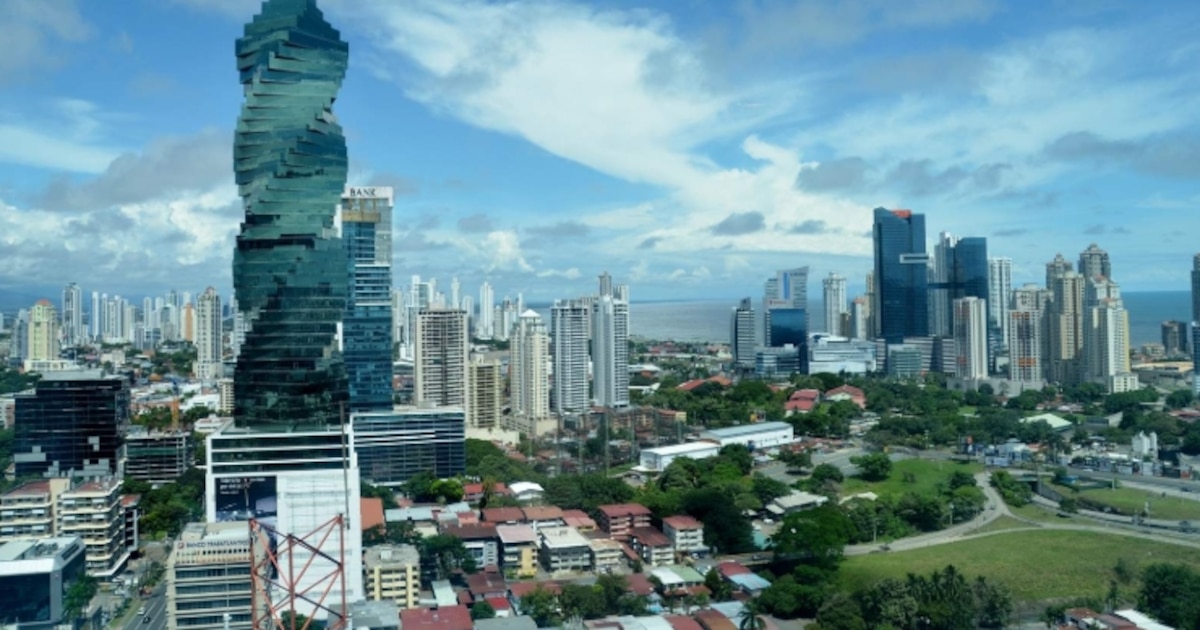
Panamá busca fortalecer su posición como centro logístico, comercial y financiero internacional mediante nuevas alianzas con Emiratos Árabes Unidos e Islas Vírgenes Británicas.
Durante su participación en la Cumbre Mundial de Gobiernos para América Latina y el Caribe, celebrada en República Dominicana, el presidente José Raúl Mulino abordó oportunidades de inversión, cooperación tecnológica y expansión de servicios financieros.
Uno de los encuentros principales fue con Sheikh Shakhboot bin Nahyan, ministro de Estado de Emiratos Árabes Unidos, con quien analizó posibles inversiones en los puertos panameños y la negociación de un tratado de libre comercio.
Ambas delegaciones manifestaron interés en establecer un consejo empresarial bilateral, destinado a facilitar contactos entre inversionistas y empresas.
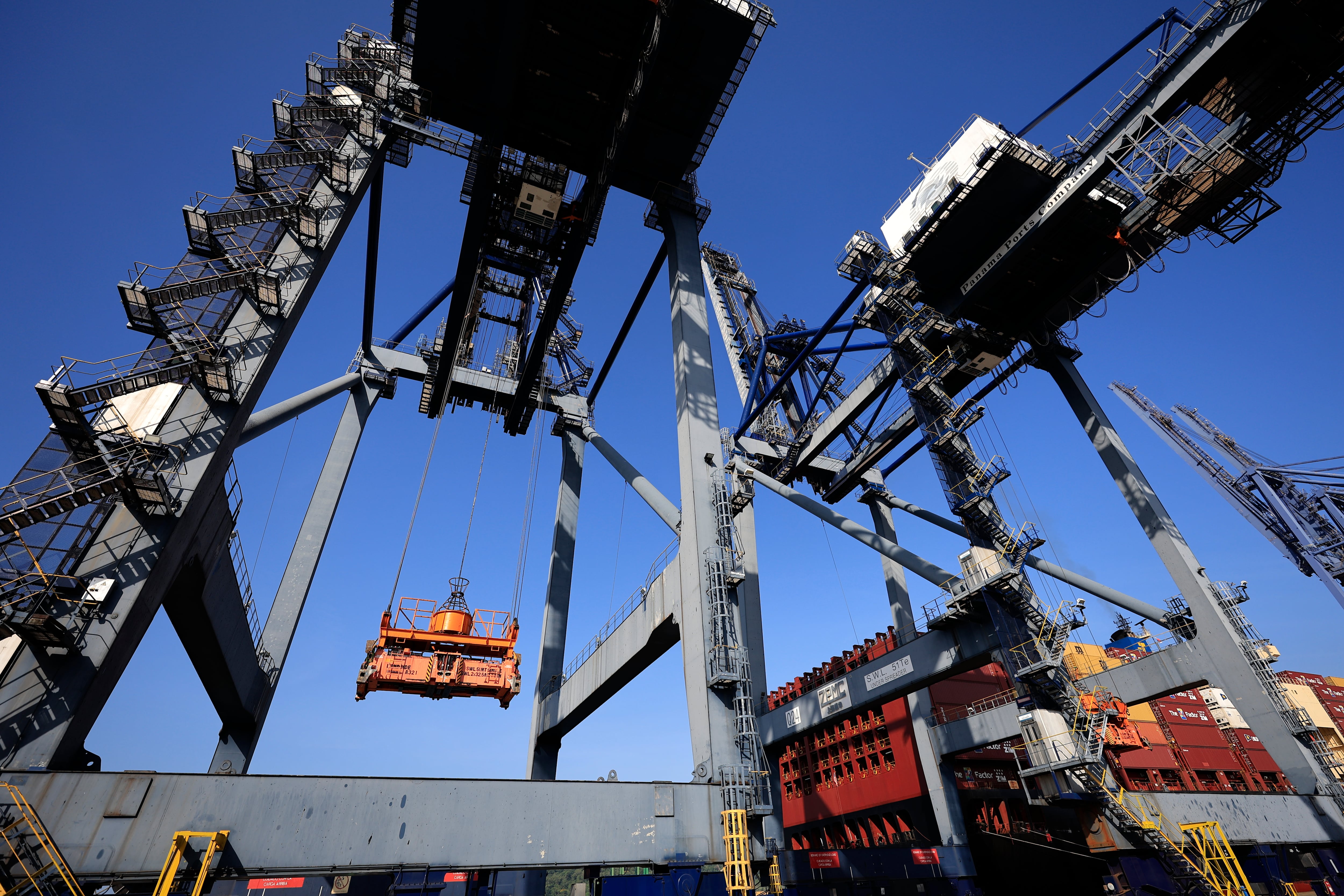
La iniciativa contempla aprovechar las similitudes entre ambas economías, especialmente en transporte marítimo, logística y servicios internacionales.
Emiratos Árabes Unidos funciona como un centro de conexión entre Asia, Europa y África, mientras que Panamá ofrece acceso estratégico a los mercados americanos mediante su Canal y plataforma portuaria.
Durante la reunión también se abordó la posible reapertura de la embajada emiratí en Panamá, cerrada en 2021. El ministro de Comercio e Industrias, Julio Moltó, quedó encargado de atender este asunto, mientras ambas partes exploraron mecanismos de cooperación en tecnología e innovación y un memorando de entendimiento entre sus cámaras empresariales.
Otro punto de la agenda fue el interés emiratí en adherirse al Tratado de Neutralidad del Canal de Panamá, instrumento que establece el régimen permanente de neutralidad de la vía interoceánica.
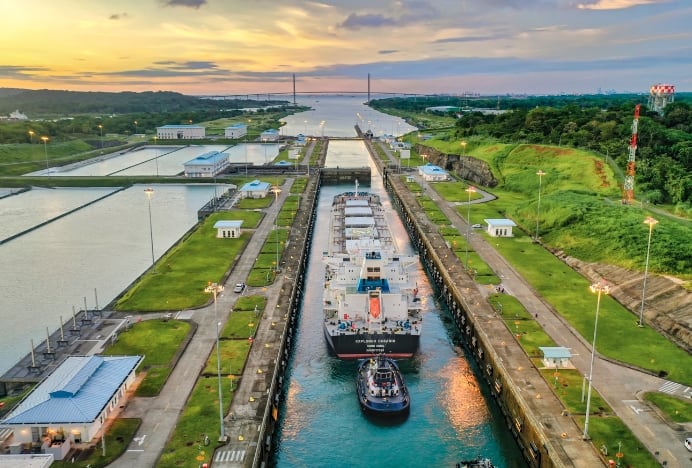
El ministro del Canal, José Ramón Icaza, presentó proyectos de infraestructura que desarrolla el país, considerados relevantes para futuras oportunidades de inversión.
Paralelamente, Mulino sostuvo un encuentro con Natalio D. Wheatley, premier de Islas Vírgenes Británicas, durante el cual se oficializó la próxima apertura en Panamá de una oficina de representación para América Latina de su Comisión de Servicios Financieros.
La instalación ampliará la presencia internacional del organismo supervisor, que mantiene una oficina en Hong Kong desde 2014.
La decisión representa una oportunidad para fortalecer la actividad financiera y corporativa panameña, considerando la presencia internacional de Islas Vírgenes Británicas en servicios societarios y financieros.
Ambos territorios también mantienen actividades complementarias en el sector marítimo, con Panamá especializado en carga y conectividad interoceánica.
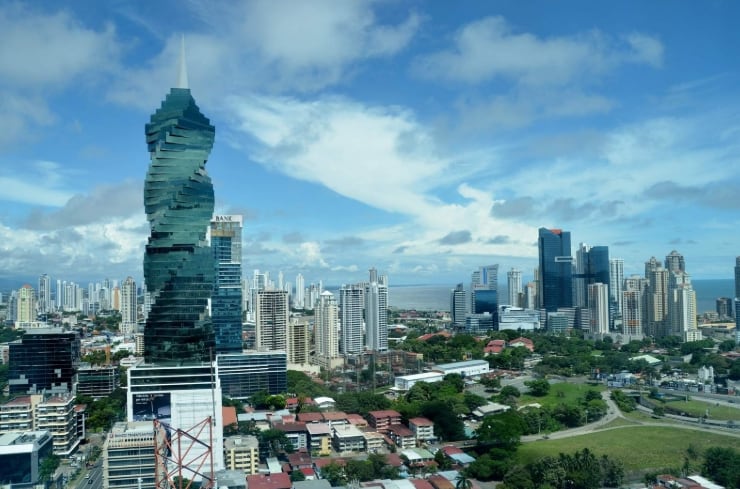
Islas Vírgenes Británicas dispone de un registro marítimo de aproximadamente 4.000 embarcaciones, particularmente vinculado con yates y estructuras de propiedad.
Panamá, por su parte, cuenta con una plataforma logística y marítima de alcance mundial, lo que abre posibilidades de cooperación entre sus respectivas industrias de servicios.
Durante la cumbre, el mandatario participó además en un panel presidencial junto a Luis Abinader, presidente de República Dominicana, donde presentó las prioridades económicas de su administración.
Entre ellas destacó el desarrollo del turismo, la inteligencia artificial y la infraestructura, como sectores fundamentales para atraer inversiones y diversificar la economía.
Mulino aseguró que Panamá atraviesa un proceso de transformación de su plataforma energética y logística, mencionando la adquisición del 100% de las acciones de Petroterminal de Panamá.

Según explicó, esta operación permitirá impulsar nuevos proyectos energéticos, aprovechando la infraestructura existente y la ubicación estratégica del país.
En materia tecnológica, el mandatario destacó la Estrategia Nacional de Inteligencia Artificial, desarrollada con Georgia Tech, y la Estrategia Nacional de Microelectrónica y Semiconductores, elaborada con Arizona State University. Ambas iniciativas buscan incorporar al país en actividades de mayor valor agregado, incluyendo diseño, ensamblaje y distribución de componentes tecnológicos.
La agenda gubernamental también contempla proyectos como la Línea 3 del Metro y el cuarto puente sobre el Canal, además de la expansión de la Zona Libre de Colón. Estas inversiones forman parte de los planes para mejorar la conectividad nacional, fortalecer la competitividad y ampliar la capacidad logística.
El encuentro regional reunió a representantes gubernamentales y empresariales de diferentes países, con una agenda que incluyó 15 actividades de alto nivel y participación de delegados de 30 naciones y 120 empresas e instituciones.
Mulino concluyó su participación con una estrategia orientada a ampliar alianzas internacionales, aunque los acuerdos comerciales e inversiones planteados todavía requieren negociaciones y decisiones posteriores.
corresponsal:Desde Panamá
INTERNACIONAL
Trump says Sen Cornyn is doing a ‘tremendous disservice’ by blocking Texas judicial pick
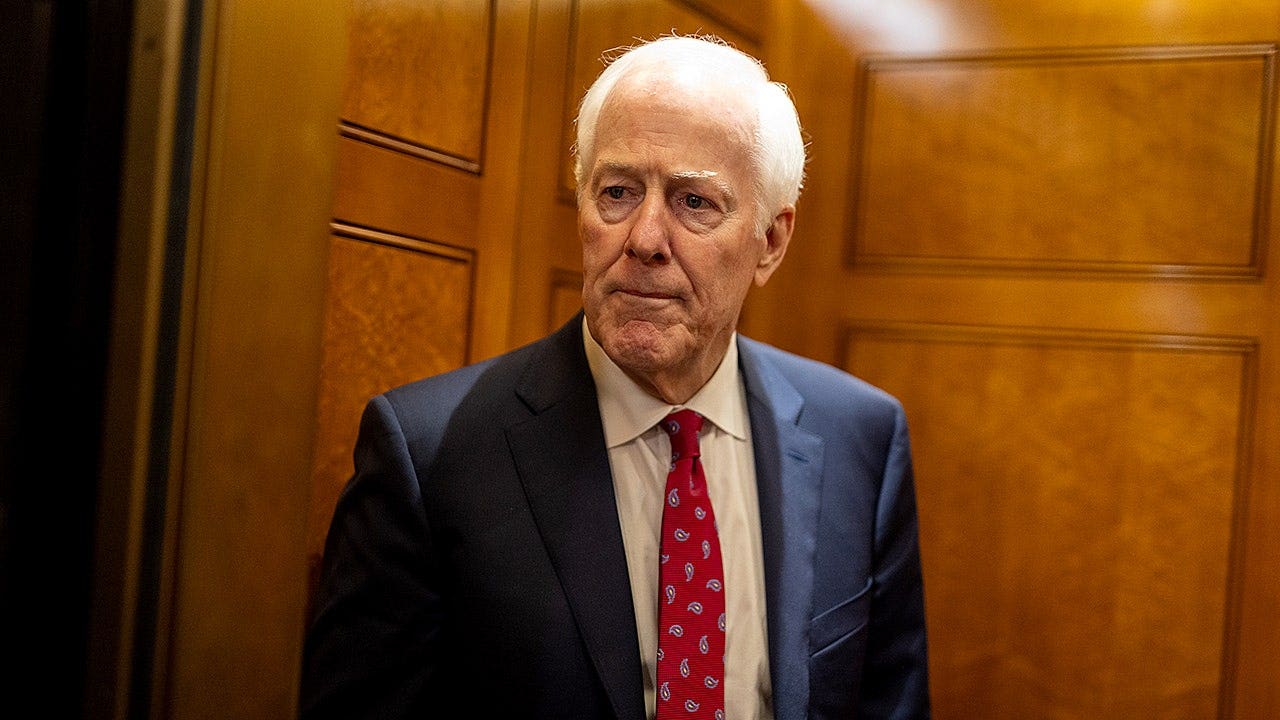
President Donald Trump told Fox News’ «Saturday in America» that outgoing Texas Sen. John Cornyn is doing a «tremendous disservice» by blocking his pick to fill a judicial seat in Dallas.
The president said, «We’re going to have a radical left lunatic get in there and we don’t want that.»
Trump’s comments come after Cornyn told The Associated Press he has no intention of returning the «blue slip» for T. Elliot Gaiser, a Department of Justice senior lawyer who was nominated by the president to the U.S. District Court for the Northern District of Texas.
The blue slip tradition allows for home state senators to weigh in on judicial nominees, giving them a say on who does and doesn’t move forward. Returning a blue slip is the equivalent of giving a thumbs up to the nominees moving forward, while keeping the slip effectively blocks the process.
«Everybody tells me he’s outstanding and he’s being held up by John Cornyn because John Cornyn’s feelings were hurt,» said Trump, who endorsed Cornyn’s challenger Ken Paxton in the Texas Republican Senate primary.
TRUMP TAKES AIM AT SENATE ‘BLUE SLIP’ TRADITION AS GOP RESISTS CHANGE
«And by the way, John Cornyn would have lost. It was just a point in time. John Cornyn would have lost by a lot. You know, one of those things. But he was beaten in the primary. And he’s – he feels badly about it,» the president continued.
«He’s a nice guy, John Cornyn, but he’s doing a tremendous disservice because Gaiser is fantastic,» Trump added.
Cornyn wrote on X later Saturday, «If President Trump wanted to fill a judicial vacancy in Dallas, why did he wait until after the midterms to nominate someone?
«The seat has been vacant since 2025. Then, without any consultation, he nominates a non-Texan with little connection to the Lone Star State, with no trial court experience, and who has not been appropriately vetted for a lifetime job. The Senate has a constitutional responsibility to provide ‘advise and consent,’ which is impossible without consultation,» Cornyn added.
«Still, I would like to work with the President to fill the seat while we still have a Senate majority. I have forwarded an outstanding candidate who was highly rated by Senator Cruz’s and my bipartisan Federal Judicial Evaluation Committee, and who has now been interviewed by White House Counsel. All that is needed is an FBI background check with they stand ready to do on a timely basis,» Cornyn also said. «Back to you, Mr. President. Time is of the essence.»
CORNYN MEETS WITH SEN-ELECT TALARICO, DESCRIBES HIM AS ‘BASICALLY … A GOOD PERSON’
Sen. Ted Cruz, R-Texas, called Cornyn’s move «really frustrating,» describing to Fox News’ «Saturday in America» a tense encounter he had with Cornyn this week in Washington.
«I came to him on the Senate floor, and I asked him to please let this judge go. And I tried to make the case on the merits that he’d make a fantastic judge. And I asked him, ‘Will you just meet with him?’ Because Cornyn refused even to meet with him,» Cruz said.
«He wouldn’t talk to him. He just said, ‘no, no, no.’ And I was asking him, I said, ‘Look, you’re going to give this seat to the Democrats. Why would you want to do that?’ And unfortunately, he got very angry. He began screaming. He began cursing at me,» Cruz added.
Cruz said, following the Republican losses in the midterm elections, «all the Republicans agreed, let’s do everything humanly possible to confirm every judge we can before the end of the year, because we know the Democrats are going to come in January, and I expect they’re going to block all judicial confirmations.»
TRUMP’S SUPREME COURT MAJORITY FACES LOOMING THREAT AFTER DEM SENATE TAKEOVER: ‘STUCK’
«We had two vacancies in Texas, one in Austin that we’re moving forward with. And we’ll have that judge confirmed by the end of the year. We had a second vacancy in Dallas, and the problem was that we did not have time to have a brand new nominee go through the paperwork, the FBI background check,» Cruz told Fox News. «That takes weeks and weeks and weeks, and we simply didn’t have time between now and the end of the year to get that done. And so the White House proposed a different idea, which is to go with a senior lawyer at the Department of Justice, a man named Eliot Gaiser, an incredibly qualified judicial nominee.
«This is someone who was a law clerk at the U.S. Supreme Court for Justice Sam Alito. He was a state solicitor general arguing cases before the United States Supreme Court,» Cruz said. «And he’s right now the head of the Office of Legal Counsel, which is the senior constitutional advisor to the president and the senior constitutional advisor to the attorney general.»
Cruz also told he interviewed Gaiser and called him «incredibly principled, smart, capable, ready.»
Cruz added, Gaiser «was a fantastic nomination. I was enthusiastic. Unfortunately, my colleague John Cornyn decided to block the nomination and any one senator can block a district court nomination from your state.
«And so Cornyn did what’s called — he refused to return the blue slip, which basically means he vetoed it — and the result of that is the seat is going to remain vacant. The people of Dallas are not going to have a judge in that seat. And he basically gave the seat to the Democrats,» Cruz said.
Digital’s Alex Miller contributed to this report.
donald trump, texas, judiciary, senate, ted cruz, politics

Así es el megaproyecto para exportar gas que será la mayor inversión de la historia argentina

Peronismo: Massa y Cristina Kirchner consolidan su alianza interna y vuelcan la presión sobre Axel Kicillof

Miss Universo 2026: ¿Quiénes son las seis centroamericanas que compiten por la corona en Puerto Rico?

Mamdani’s plan to dismantle NYPD’s riot unit ripped as ‘smoke and mirrors’ by former force leaders

Polémica en Formosa: la sobrina del gobernador Gildo Insfrán fue designada en el máximo tribunal de Justicia

Guardiola, en Brasil tras los rumores que le sitúan en EE.UU. y Arabia Saudí

Javier Milei y sus medidas, en vivo: “Hoy discutimos si crecemos un punto más o menos”, dijo el Presidente

Javier Milei destacó el desembarco de Tesla en el país y aseguró: “Esto también es devolverle la libertad a los argentinos”

El Gobierno rechazó las actividades de la princesa Ana, hermana del rey Carlos III, en las Islas Malvinas

El brote de ébola está fuera de control en la República Democrática del Congo y crece el temor a una epidemia continental

 POLITICA3 días ago
Javier Milei y sus medidas, en vivo: “Hoy discutimos si crecemos un punto más o menos”, dijo el Presidente
- POLITICA22 horas ago
Javier Milei destacó el desembarco de Tesla en el país y aseguró: “Esto también es devolverle la libertad a los argentinos”
- INTERNACIONAL2 días ago
El brote de ébola está fuera de control en la República Democrática del Congo y crece el temor a una epidemia continental