INTERNACIONAL
Democrats’ midterm sweep opens path to bypassing Electoral College by 2028

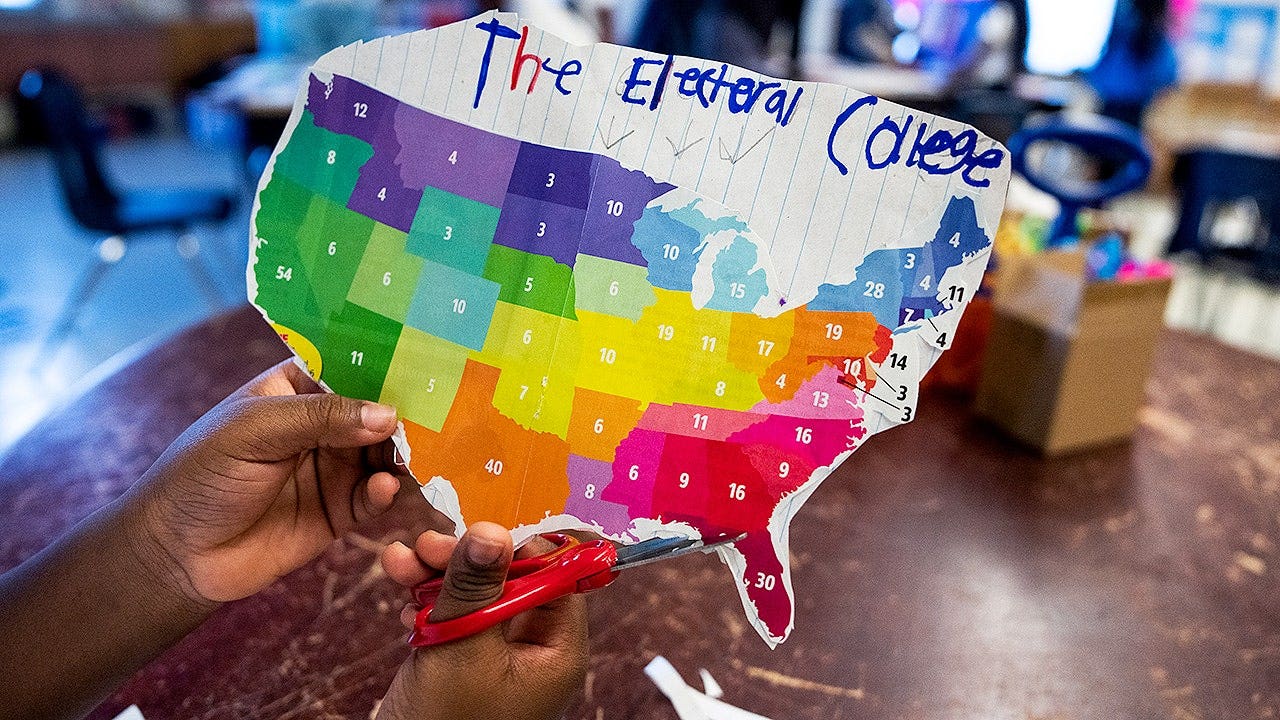
Democrats’ midterm gains have opened a new front in the fight over how America chooses its president — one that could reshape the 2028 race for the White House.
Democrats now control the governor’s office and both chambers of the state legislature in Michigan, Pennsylvania, Wisconsin and Nevada. The National Popular Vote Interstate Compact, already enacted by 18 states and Washington, D.C., has 222 electoral votes pledged to it — 48 short of the 270 needed to take effect. If the four states join, their combined 50 electoral votes would push the compact to 272 and activate it. Arizona could push the total to 283 if Democrats ultimately gain control of both chambers there.
National Popular Vote (NPV), the nonprofit organization that authored the compact and is campaigning to enact it state by state, says it has identified multiple legislative sponsors in each of the five states whose combined electoral votes could push the compact over the 270-vote threshold. It expects bills to be pre-filed before, or introduced early, in the 2027 legislative sessions.
«I am confident we have multiple paths to secure the 48 electoral votes required to deliver what 63-percent of Americans want,» Patrick Rosenstiel, a senior consultant for NPV, told Digital.
VANCE, CRUZ AND DESANTIS DIAGNOSE GOP’S MIDTERM DISASTER AS BATTLE OVER PARTY’S FUTURE BEGINS
Under the current electoral system, every state except Maine and Nebraska awards its electoral votes to the candidate who wins the statewide vote. If the compact takes effect, participating states would instead award their electors to the candidate who wins the most votes nationwide, leaving the Electoral College formally in place but making the national tally decisive.
Supporters argue the compact would give every vote equal weight by counting ballots toward a single national total. The Electoral College, by contrast, was structured to give both populous and smaller states a meaningful role in choosing the president.
«They can’t use a compact to, in essence, change the Electoral College,» Hans von Spakovsky, an election law expert with the conservative group Advancing American Freedom, told Digital when asked about the potential activation of the compact before the 2028 election.
«This is unprecedented,» von Spakovsky, a former commissioner on the Federal Election Commission (FEC), continued. «In the past, the only kind of compacts that have been agreed on between states have been things like water sharing — when rivers run between states, they enter into compacts to agree on that. But a compact that changes a fundamental structural given in the Constitution, I think the Supreme Court would say you can’t do that.»
HILLARY CLINTON STILL FUMING OVER ELECTORAL COLLEGE, CALLS IT AN ‘ABOMINATION’ IN NEW NETFLIX SERIES
Rosenstiel rejected the argument that the compact would improperly alter the Constitution, saying NPV believes Article II, Section 1 gives states the authority to determine how their presidential electors are appointed.
«Any clean read of Article II, Section 1 makes it clear that states have the exclusive power to award electors,» Rosenstiel said. «The only credible legal question is whether this compact requires congressional consent.»
Von Spakovsky argued that because the NPV compact is an agreement between states, Congress would have to approve it under the Constitution’s Compact Clause in Article I. He noted Congress could approve the compact with simple majorities in the House and Senate and that the Constitution does not explicitly require the president’s signature — meaning a presidential veto might not stop it.
However, von Spakovsky added that states choosing not to participate in the National Popular Vote Interstate Compact would have a strong basis for litigation.
«Given that the NPV is entirely a creation of Democrats and only supported by Democrats, the new Congress will no doubt easily pass this compact,» he told Digital. «However, I believe the non-participating states would have a good basis for litigation, which would end up in the Supreme Court, arguing that the compact is unconstitutional because it changes a fundamental structural part of the Constitution without going through the constitutional amendment process. The argument would be that states cannot make agreements among themselves that damage the federal system provided by the Constitution.»
National Popular Vote’s campaign has identified sponsors in all five potential additions following the midterms that could help push the compact over its 270-vote threshold and plans to begin pushing bills before or early in the 2027 legislative sessions, according to Rosenstiel.
Rosenstiel said the compact would apply to the 2028 election only if states representing at least 270 electoral votes join before July 20 of that year. That gives state lawmakers, Congress — if approval is required — and the courts less than two years to resolve the political and constitutional questions.
SIGN UP TO GET THE POLITICS NEWSLETTER
Until then, the Electoral College remains unchanged.
«I’m increasingly confident we can achieve that goal and we will have a national popular vote for president in 2028. I would certainly prepare for it,» he said.
the electoral college, elections, politics, elections state and local, states rights, congress, reform












INTERNACIONAL
From ‘Red Sprouts’ to school board races, DSA’s years-long effort to reach children gains momentum
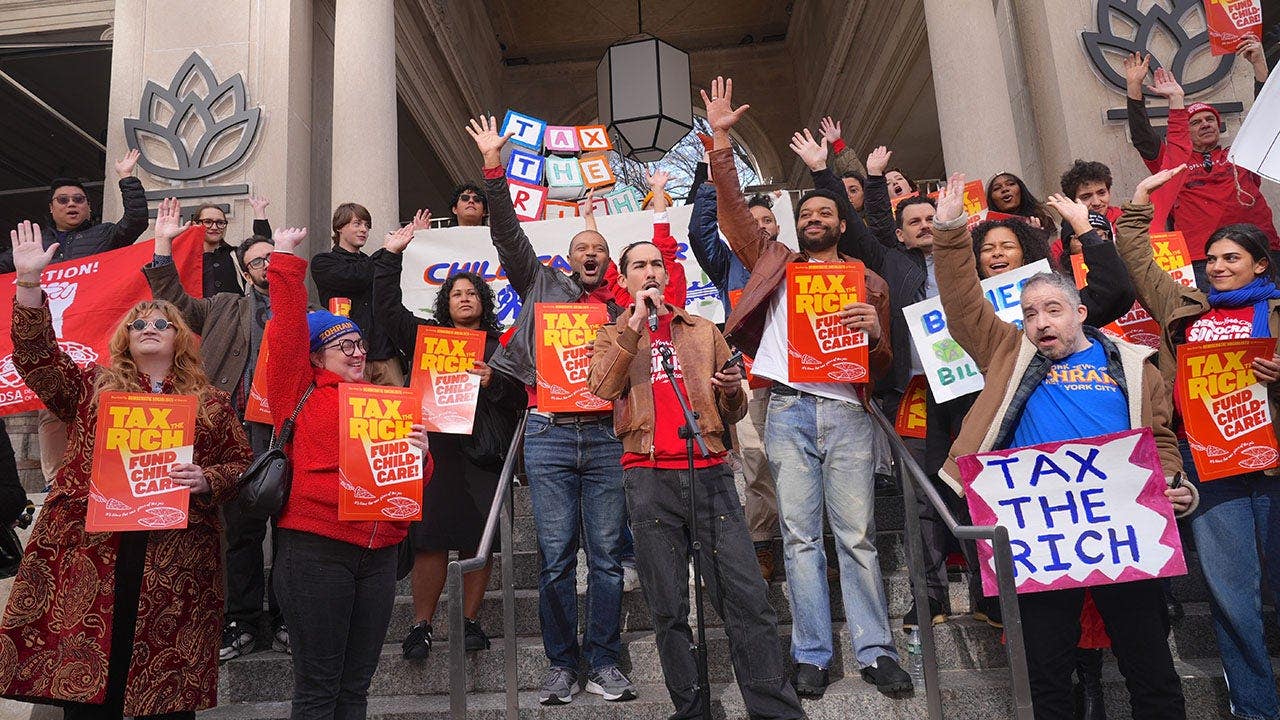
The Democratic Socialists of America (DSA) is taking its message into classrooms, child-care programs and school boards, urging organizers to approach child care «from a socialist perspective» through initiatives such as Socialist Sprouts, and its been an initiative for years, a parental-rights watchdog warns.
In New York City, the DSA’s «Red Sprouts» program held a training session in October 2026 to equip organizers to provide «resistance-driven childcare» at demonstrations, meetings and community events.
The training encouraged participants to incorporate political themes into childcare through «radical storytelling», «cooperative games» and age-appropriate discussions.
«There’s been a real influx in enthusiasm and their ability and desire to recruit and grow their movement,» American Parents Coalition leader Alleigh Marré told Digital. «What’s particularly concerning and insidious, is their direct efforts to apply that to not just adults, but to youth.»
Marré said the American Parents Coalition is working to equip parents with resources to identify and question political activism in schools, including through its «Lookout» initiative.
PARENTS SHOULDN’T NEED THE HELP OF CONGRESS TO SEE THEIR CHILDREN’S SCHOOL CURRICULUM
The New York City DSA chapter also established Comrades With Kids, a family-focused organizing group that seeks to be a «political and social home base for working-class families.» The group posted photos of DSA-themed coloring pages for children provided at a Zohran for Parents event in September 2025.
The New York initiatives are part of a larger effort by the DSA to incorporate childcare and political education into its organizing activities.
For years, the DSA’s National Political Education Committee has offered training on approaching childcare for activists «from a socialist perspective», including activities for children at organizing events. In 2025, the committee outlined plans to develop a «Socialist Sprouts» curriculum geared for children, parents and caregivers involved in the movement.
The organization’s efforts to introduce socialist ideas to children date back at least a decade.
In 2016, New York City DSA members launched a Socialist Sunday School for children ages 2 to 6. The program used political songs such as «Union Maid» and «Solidarity Forever,» alongside children’s books, including «The Lorax,» to introduce discussions about corporate greed, environmentalism and organizing against unfairness.
In Ohio, the Cleveland DSA chapter created a children’s coloring book to «help kids learn what we work on at DSA.» Its illustrations include a version of «The Three Little Pigs» tied to the chapter’s housing agenda.
POLITICAL ACTIVISM, ANTISEMITISM ALLEGATIONS PUT PUBLIC SCHOOLS UNDER THE MICROSCOPE
The DSA’s online store has also sold children’s clothing promoting a «Green New Deal for Public Schools.»
The DSA describes much of its childcare programming as a way to make political organizing more accessible to working-class families. Marré, however, argued that introducing socialist ideas to young children raises concerns about political indoctrination.
«The DSA really understands and values that if you can indoctrinate and teach these kids really young, their perceived value of, of socialism, that that’s going to stick with kids for a lifetime,» Marre said. «It’s much easier to teach a child an idea or ideal in their infancy, and when they’re very young and they’re forming their worldview, and we have seen many efforts to try and capitalize on that.»
«There’s this really concerted effort to instill an ideology in really, really young children, rather than teaching kids how to think and introducing a breadth of ideologies of religious interests, etc.,» Marré said. «It’s really focused on socialist and communist aligned ideas.»
Beyond its childcare programs, the DSA has also pursued a strategy to expand its influence over public education through local school board elections.
At its 2023 national convention, the DSA adopted an amendment prioritizing the recruitment and support of socialist school board candidates. Rose DuBois, one of the amendment’s authors, argued that school board elections could help the organization reach «new kinds of voters, such as parents,» while building the infrastructure needed to win higher-profile races.
MAMDANI-BACKED SOCIALIST WINS NYC HOUSE SEAT AS DSA EXPANDS ITS REACH IN CONGRESS
The Los Angeles chapter of the DSA established its own Public Education Committee, with priorities that include expanding the organization’s influence on school boards, recruiting school board candidates, working with teachers unions and promoting policies such as the Green New Deal.
Those longstanding efforts come as the DSA gains political ground following the 2026 midterm elections, with DSA-backed candidates winning congressional, state legislative and local school board races.
DSA-backed positions prevailed on 23 ballot measures, including a measure in Washington where voters rejected a proposal to restore expanded parental rights in public schools.
The election results highlight the growing political reach of an organization whose members advocate shifting economic power away from private corporations and expanding government-funded programs, including universal healthcare and childcare.
The 2025 victory of New York City Mayor Zohran Mamdani, a card-carrying member of the DSA, heightened awareness of the movement’s growing influence, particularly among young people. Following the 2026 midterms, three card-carrying DSA members — Rep. Alexandria Ocasio-Cortez, D-N.Y., and Reps.-elect Claire Valdez and Darializa Avila Chevalier, both New York Democrats — are set to represent parts of New York City in Congress.
Marré said the American Parents Coalition is working to equip parents with resources to identify and question political activism in schools, including through its «Lookout» initiative.
She warned that the impact could become more visible as newly elected DSA-backed officials take office.
«We’re gonna see a lot more of the firsthand resources and the effects of this brand new class of DSA members being folded into their communities,» Marré said.
rise of socialism, parents, culture opinion, zohran mamdani, alexandria ocasio cortez, democratic party, social policy, woke, politics
INTERNACIONAL
El Museo de Arte Colonial en la ciudad de Antigua Guatemala recupera tres obras tras diez meses de resguardo en el Palacio Nacional
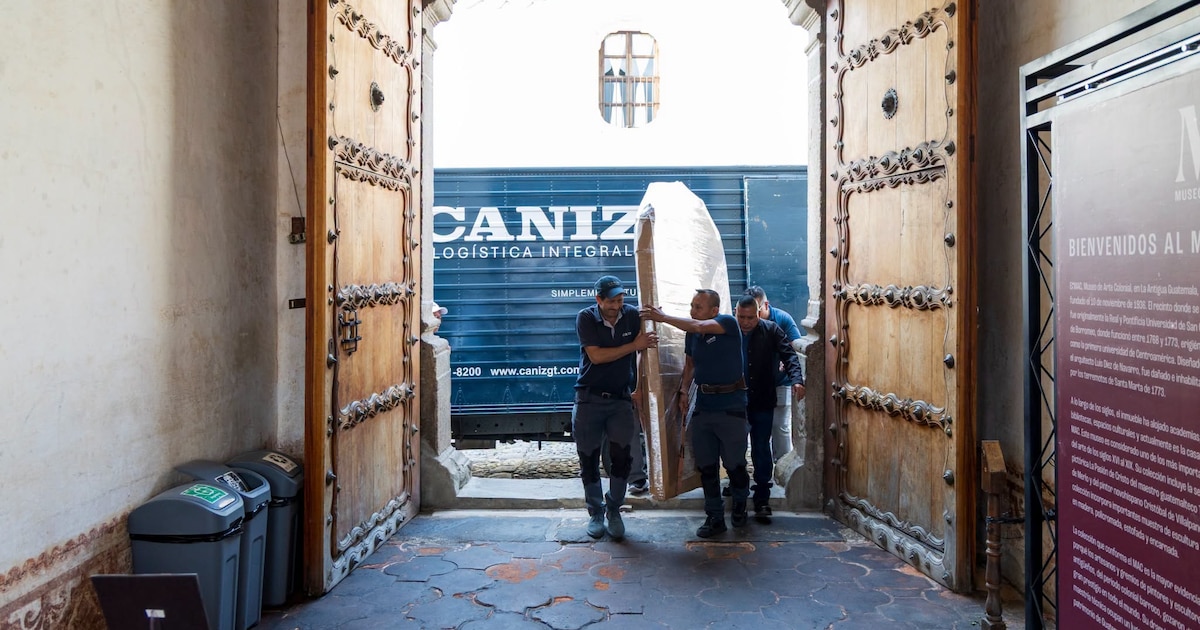
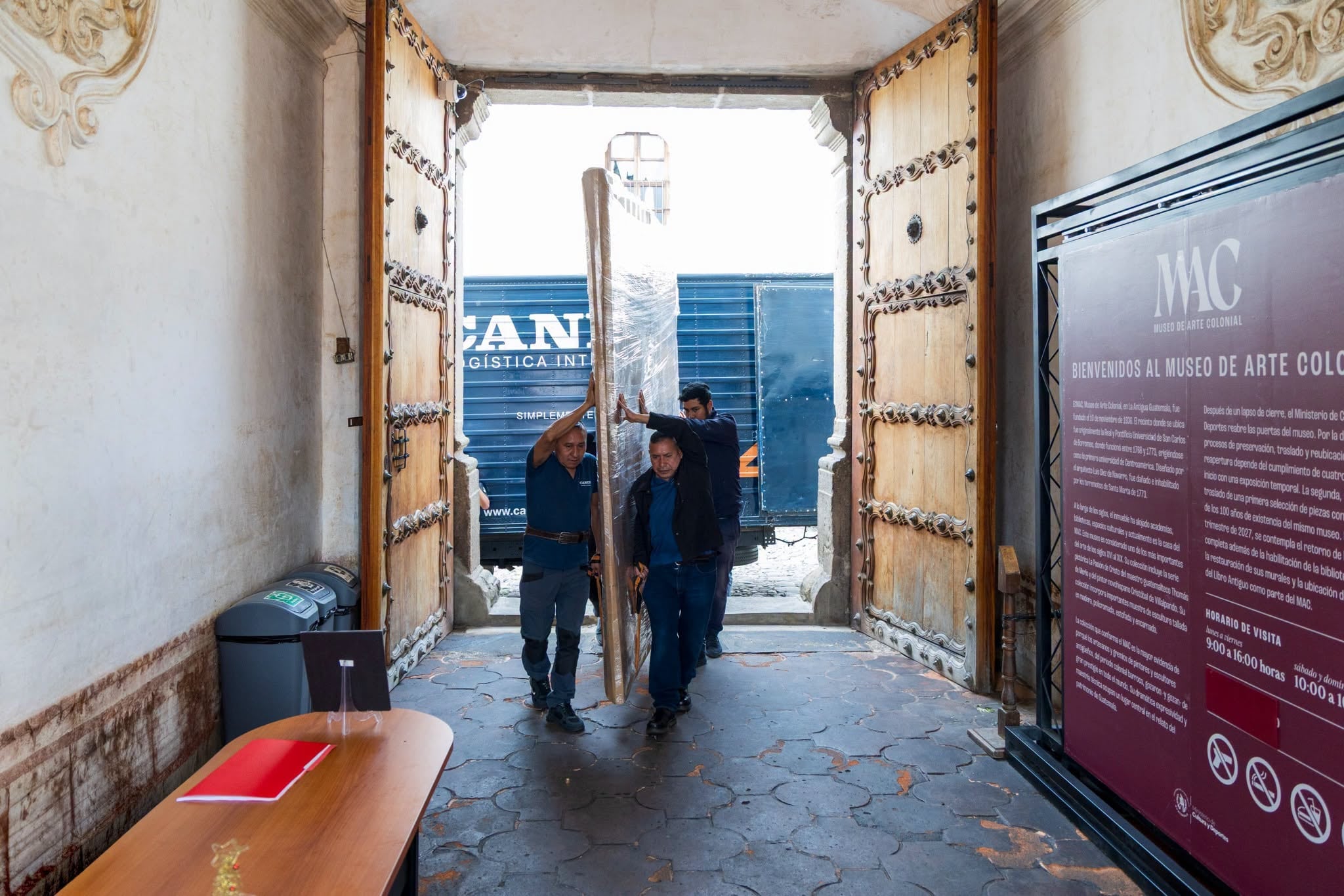
El Museo de Arte Colonial de Antigua Guatemala recuperó tres obras el jueves 5 de noviembre, cuando el Ministerio de Cultura y Deportes inició el retorno progresivo de la colección que había permanecido protegida durante 10 meses en el Palacio Nacional de la Cultura tras su retiro del recinto.
Las primeras piezas trasladadas fueron los lienzos San Francisco se despoja de sus vestiduras y El bautizo de San Francisco, atribuidos al artista novohispano Cristóbal de Villalpando, además del Relieve de las monjas Clarisas.
Las autoridades prevén movilizar durante las próximas semanas las siete obras que todavía completan la colección retirada.
El operativo se realizó bajo protocolos especializados de conservación preventiva y seguridad. El Ministerio de Cultura y Deportes informó que las obras fueron sometidas a una evaluación exhaustiva antes de su traslado, con el objetivo de reducir los riesgos para piezas históricas de gran antigüedad.
La devolución comenzó pocos días después de la reapertura del museo, que volvió a recibir visitantes el 30 de octubre luego de permanecer cerrado desde enero de 2026. El inmueble había quedado bajo restricciones judiciales a raíz de una investigación sobre el estado de conservación de los bienes patrimoniales que alojaba.
Tres piezas en el primer retorno de la colección
El regreso de las pinturas atribuidas a Villalpando y del relieve marca la primera restitución de objetos al edificio colonial tras el período de resguardo. La colección había sido trasladada al Palacio Nacional de la Cultura después de que las diligencias judiciales derivaran en el cierre del museo.
Entre los trabajos previos a la reapertura hubo tareas de limpieza, mantenimiento y acondicionamiento de las instalaciones. La cartera cultural recuperó la administración del inmueble el 11 de agosto y comenzó entonces las acciones para habilitar nuevamente el espacio.
El museo reabrió con la exposición temporal 125 años de fe y devoción: Tras los pasos de Jesús, dedicada a la historia de la Hermandad de Jesús Nazareno de la Caída. La muestra reúne túnicas, mantos, resplandores, uniformes, estandartes y otros objetos vinculados al cortejo procesional del Quinto Domingo de Cuaresma.
La exhibición temporal permanecerá abierta hasta el 22 de noviembre. El Museo de Arte Colonial atiende de 9:00 a 16:00 de lunes a viernes y desde las 10:00 durante los fines de semana.

El allanamiento que derivó en el cierre
El cierre se originó el 29 de diciembre de 2025, cuando la Fiscalía de Delitos contra el Patrimonio Cultural de la Nación realizó un allanamiento en el inmueble de Antigua Guatemala. El Ministerio Público señaló que las diligencias habían sido autorizadas por un juzgado de Sacatepéquez dentro de una investigación sobre las condiciones de conservación de los bienes históricos.
Entre las piezas observadas por su deterioro había objetos arqueológicos, pinturas y lienzos con más de tres siglos de antigüedad. El 13 de enero de 2026, el Ministerio de Cultura y Deportes comunicó que el museo había sido clausurado por orden judicial y que varias obras permanecían bajo custodia de la Dirección General del Patrimonio Cultural y Natural.
Seis piezas de gran formato, entre ellas pinturas de Tomás de Merlo, permanecieron dentro del edificio debido a las dificultades y los riesgos que implicaba movilizarlas. La entonces ministra de Cultura, Liwy Grazioso, cuestionó el procedimiento y advirtió que la antigüedad, las dimensiones y el estado de conservación de las obras exigían precauciones especiales.
La cartera cultural presentó además una acción de amparo al denunciar posibles irregularidades durante las diligencias. La controversia judicial se sumó a una disputa institucional sobre el control y el uso del inmueble.

La administración del edificio, en disputa hasta agosto
El Ministerio de Cultura y Deportes sostuvo que mantenía un usufructo vigente sobre el edificio hasta 2032 y que el espacio debía destinarse a actividades culturales. La Municipalidad de Antigua Guatemala planteó, en cambio, que ese uso estaba condicionado al funcionamiento del museo y que la falta de operaciones habilitaba la recuperación del inmueble.
Representantes de ambas instituciones se reunieron en febrero de 2026 para abordar el futuro del recinto, su administración, mantenimiento y restauración. El desacuerdo continuó hasta agosto, cuando el Ministerio anunció que había recuperado el control del museo y recibido nuevamente las llaves.
A partir de entonces, la institución afirmó que el retorno de la colección debía organizarse bajo condiciones que garantizaran la seguridad de las piezas. La llegada de las tres primeras obras abre esa etapa, mientras las restantes permanecen bajo resguardo a la espera de su traslado al Museo de Arte Colonial.
Museo de Arte Colonial,La Antigua Guatemala,Jean Sport Aviation Center,transporte de arte
INTERNACIONAL
Inside a rancher family’s clash with gov’t that could have ripple effect right to SCOTUS: ‘Existential threat’

The owners of a multigenerational cattle ranch say they are facing an «existential threat» after the Washington State Department of Ecology fined them hundreds of thousands of dollars over their stockwater ponds, and they are warning the case could have substantial implications nationwide.
The department fined Wade and Teresa King, owners of King Ranch in Grant and Douglas counties, $267,540 in 2023 for allegedly damaging regulated wetlands by digging ponds to provide water for their ranching operations. The Kings argue the areas, which they were ordered to restore, are longstanding stockwater ponds for their livestock, not regulated wetlands.
The Kings, who have been trying to get their case in front of a jury, told Digital that, not only is their financial stability at stake, so are the rights of other ranchers.
«Losing this fight would be an existential threat,» Wade said. «I don’t know how we would recover from that, to be honest with you.»
HOW A LOBSTERMAN’S PRIVACY FIGHT REACHED SCOTUS — AND COULD RIPPLE FAR BEYOND THE WATER: ‘AIN’T OVER YET’
When the Kings were first hit with the fines and restoration orders, they immediately set out to challenge them. However, the department’s required process directed them to bring their case before the Pollution Control Hearings Board (PCHB), an administrative panel that does not provide jury trials.
In March, the Kings filed a separate lawsuit in Grant County Superior Court, arguing the case should not be decided by the PCHB and that doing so would violate their right to a jury trial. Months later, a judge dismissed the lawsuit, ruling the Kings first had to complete the administrative process.
The Kings appealed the decision, and a Washington Court of Appeals commissioner paused the PCHB proceedings in September while the court considers whether they are entitled to a jury trial.
«It’s all under the executive branch, and they very rarely go with the property owner,» Wade said, adding that Washington Gov. Bob Ferguson, who was attorney general when the fight began, now has appointment authority over the board alongside the state Senate.
«They almost always side with the agencies and it’s just not a fair trial for appellants like us.»
The PCHB declined to comment due to the pending case.
Oliver Dunford, a senior attorney at Pacific Legal Foundation representing the Kings, told Digital they are prepared to petition the U.S. Supreme Court if they are unsuccessful in Washington.
HOW A SIX PACK OF BEER AND THE MAGNA CARTA COULD FINALLY FIX A PROBLEM PLAGUING AMERICANS FOR DECADES
«We have to ask them one question: to rule that the Seventh Amendment does apply against the states, and then to argue that the Kings should have had a jury trial under the Seventh Amendment,» Dunford said.
He said if the case reaches the Supreme Court, a ruling could have ripple effects across other states.
«If we prevail, it would have an enormous effect, certainly across the state of Washington, but hopefully across the country, and prevent these agencies from just issuing these fines and then essentially putting the burden on you to prove your innocence and take the case all the way to the Supreme Court just to get a chance at a jury trial,» he said.
The Kings’ attorneys estimate the cost of complying with the department’s orders could exceed $3.7 million. But beyond the financial toll, Teresa said the orders would be «unachievable» because the areas were never wetlands in the first place.
BLUE STATE’S WATER FAILURES COULD THREATEN FOOD SUPPLIES ACROSS US, LAWMAKER WARNS
«How do we as ranchers turn these into wetlands and comply with everything that Ecology wants us to?» she said. «It’ll be unachievable and it would just spin us in the ground financially.»
«How are we supposed to make wetlands from non-wetlands?» Wade added.
Wade said the department has failed to give them any details on how to fix the alleged damage. He said the wetlands designation gives the department greater authority over the areas than it would if they were considered stockwater ponds.
«That’s the big reason why they want to call them wetlands when they’re not wetlands,» Wade said.
Wade and Teresa described how the fight could also hurt their children and their children’s children. The Kings have ranched in Grant and Douglas counties since the 1950s, where Teresa said multiple generations now live and work.
TRUMP ADMIN SCRAPS ‘WEAPONIZED’ WILDLIFE RULE THAT BECAME ‘BURDEN’ ON AMERICAN FAMILIES AND BUSINESSES: BURGUM
«It’s fourth generation, then we have fifth and sixth living and working on this ranch and we want to continue with this,» she said. «We just want to be left alone.»
The department said its investigation found no evidence the areas were previously stockwater ponds and accused the Kings of «damaging 23 naturally occurring wetlands» in Grant County.
«Ecology inspectors made site visits to these damaged areas where possible, but also used satellite imagery, aerial images dating from as far back as 1949, and other records to determine that the Kings had damaged 6.37 acres of naturally occurring wetlands by excavating, recontouring, and putting fill in them,» the department said.
The department added it «repeatedly sought to resolve concerns about the damage» but the Kings «refused to cooperate with these efforts.» They said they ordered the Kings to restore 11 more areas in Douglas County last year, bringing the total to 34, and most were on state land.
Wade said they have always protected and cared for the land that the department is now accusing them of damaging.
«We want clean water,» Wade said. «Why would we pollute or cause damage to the land or the water that we rely on in our livelihood? We’re generational. Why would we do something to harm ourselves that way and harm the environment?»
The Kings said the fight is far from over, with Teresa arguing the case could jeopardize exemptions other ranchers rely on to provide water for livestock.
«It’s not just us,» Teresa said. «We are defending every rancher in the state of Washington’s exempt livestock water rights.»
politics, washington, environment regulation, supreme court, constitution

El salto en las importaciones del RIGI que reabre la discusión sobre el lugar de las pyme argentinas

El Gobierno aseguró que está “todo listo para recibir el Papa León XIV”

Nintendo tiene estas tareas de mantenimiento previstas para los próximos días en Nintendo Switch y Nintendo Switch 2 (8/11/26) – Nintenderos

Dibu Martínez no pudo reaparecer en Chelsea antes de la Selección: «Era demasiado arriesgado» :: Olé

Preocupación absoluta por Carmen Barbieri: fue internada por un delicado cuadro de salud y hay incertidumbre

“Beautiful morning”, el mensaje de Cristina Kirchner sobre la derrota de Donald Trump

El embajador de EEUU ratificó el apoyo de Trump a la Argentina tras la derrota republicana: “Nuestro compromiso es firme”

Santiago Peña renunció a la Presidencia de Paraguay por el escándalo del Ueno Bank

Intendentes reclaman al Gobierno una mejor distribución de los subsidios al transporte y amenazan con ir a la Corte Suprema

Una estrella mundial sorprendió al revelar su fanatismo extremo por Boca: el increíble pedido que le hizo su hijo al cumplir 18 años

 INTERNACIONAL3 días ago
Santiago Peña renunció a la Presidencia de Paraguay por el escándalo del Ueno Bank
- POLITICA3 días ago
Andrés Malamud advirtió que atarse a un solo socio condena a América Latina: “Cuanto más vínculos tenés, más oportunidades surgen”
- ECONOMIA3 días ago
Bono para trabajadores metalúrgicos: cómo quedó el salario básico en noviembre