INTERNACIONAL
Democrats reluctantly hand Trump major victory on key program targeting Tim Walz

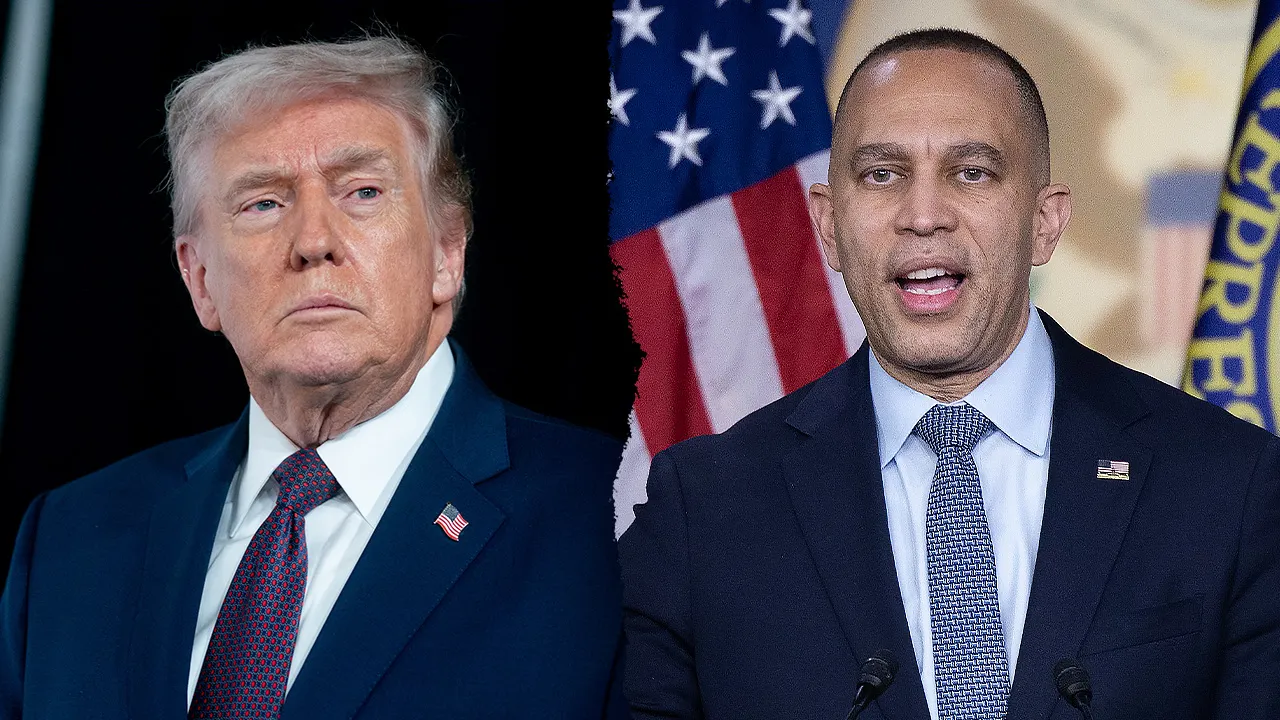
President Donald Trump’s crackdown on government fraud is getting unexpected backup from a majority of House Democrats, including Minority Leader Hakeem Jeffries, D-N.Y.
More than 140 House Democrats voted with all Republicans to make the National Fraud Enforcement Division permanent on Wednesday. The bill passed in an overwhelming 352 to 72 vote, with all of its opponents being Democrats as well.
Trump’s White House first announced the creation of a new division within the Department of Justice (DOJ) to combat fraud in January 2026, primarily targeting «fraud affecting the federal government, federally funded programs, and private citizens,» according to a release by the administration.
It was notably used as a cudgel against Trump’s political enemies earlier this year, when Vice President JD Vance referred Minnesota Gov. Tim Walz and state Attorney General Keith Ellison to the fraud division for a potential criminal investigation.
WHITE HOUSE PUSHES ‘WATERSHED’ FRAUD-FIGHTING REFORM IN CONGRESS AS VANCE CONVENES TASK FORCE
Republicans accused Walz and Ellison of helping facilitate what’s become a ballooning fraud scandal affecting Minnesota’s social welfare programs. Both have acknowledged that taxpayer dollars were taken advantage of but accused GOP actors of casting the situation as worse than it actually is as a political attack.
VANCE REFERS TIM WALZ, MINNESOTA ATTORNEY GENERAL TO DOJ FOR CRIMINAL INVESTIGATION OVER STATE’S ALLEGED FRAUD
The Trump administration’s announcement of the fraud division also touted its actions in Minnesota, which it said was experiencing a «fraud epidemic.»
Rep. Jamie Raskin, D-Md., a top House progressive, said he would give «tepid support» to the legislation, while pointing out a fraud division has already existed within the DOJ for decades.
REPUBLICANS DECLARE WAR ON ‘ORGANIZED THEFT’ WITH GOVERNMENT FRAUD CRACKDOWN
«This is hardly some kind of great breakthrough in law enforcement or criminal justice, but it is perhaps the least offensive piece of legislative flotsam and jetsam that has washed ashore in the last 48 hours of Republican chaos and retreat here in the House of Representatives,» Raskin said on the House floor.
Rep. Jeff Van Drew, R-N.J., responded, «This conversation is about a piece of legislation. It’s about a piece of legislation that we want to be enacted into law. It’s not a partisan initiative. It’s a permanent, nonpartisan commitment that we do something better because the people who are listening here … the people who are watching, they’re getting tired of it.»
«They’re getting tired of all the money that has been wasted. And to try to pretend that just a few years ago, a couple of years ago, everything was perfect, everything was taken care of and that there was no corruption, we know better,» Van Drew said.
Raskin spent a significant amount of time accusing Trump and his administration allies of corruption at the expense of prosecuting actual fraud cases, something Republicans pushed back against.
«What has come out of Minnesota over the last year, what has been exposed, is absolutely criminal in nature,» said Rep. Harriet Hageman, R-Wyo. «I think what is coming, what is being exposed in blue cities and blue states run by Democrats, demonstrates that it’s probably higher by an order of magnitude.»
Raskin then targeted Van Drew directly in his comments: «My dear friend from New Jersey wants to make it sound like I’m doing something partisan. I’m joining his bill.»
«It would be very easy for me to say I reject everything you do because you’re on the side of this pro-fraud president, but I’m not doing that. Your bill says, let’s call this the ‘National Fraud Enforcement Unit. I say, fine, that makes sense to me,» Raskin said. «Why don’t you cross the aisle and say it’s wrong for them to be pardoning white-collar fraudster after white-collar fraudster, or at least pardoning them from having to pay the fines and the restitution back? It’s an honest question. Do you really think that $1.7 billion should go from what was going to be the pockets of the victims back into the bank account of the perpetrators?»
Van Drew responded, «The gentleman has his numbers. He has his vision, he has his partisan ideas, and that’s up to him. But I’m trying to point out today … we’re trying to make something that is right now just an executive order and make it law to help the people.»
tim walz, politics, justice department, minnesota fraud exposed, jd vance, house of representatives politics










INTERNACIONAL
Biden’s ‘weaponized’ Mar-a-Lago raid slammed by White House as declassified docs reveal FBI’s legal doubts
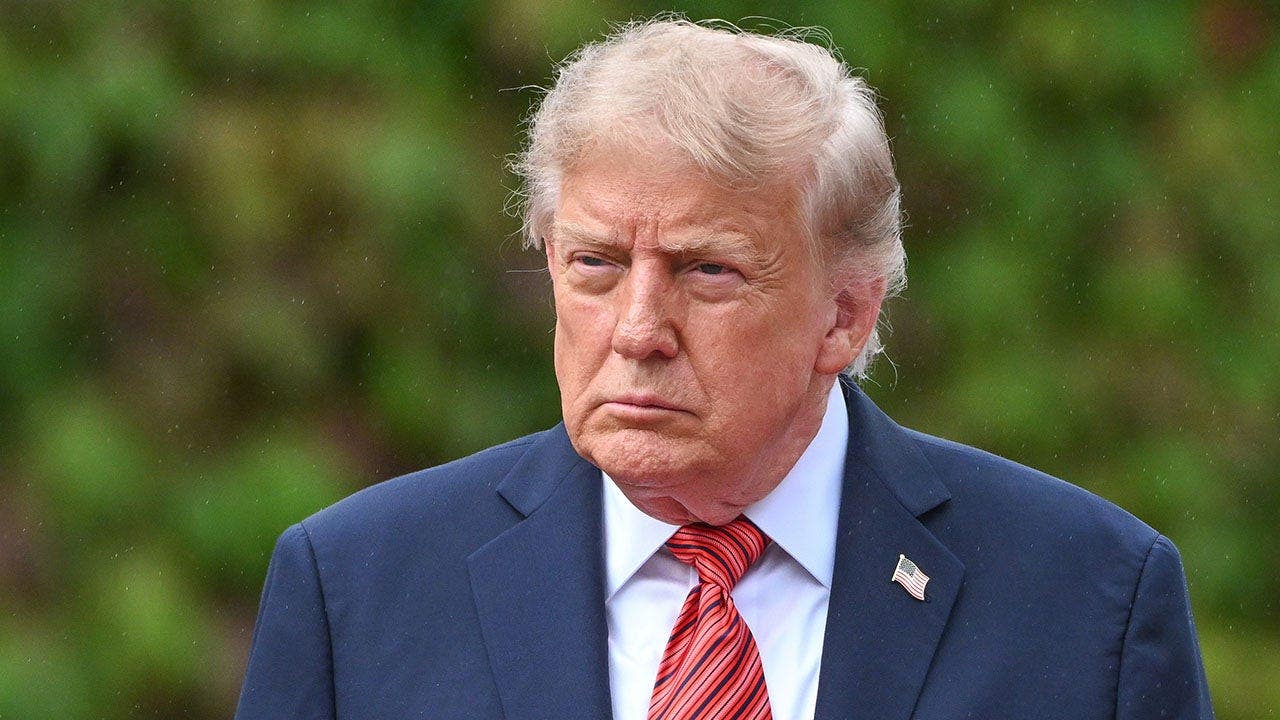
The White House ripped Joe Biden after documents declassified by President Donald Trump on Monday revealed internal strife between the former president’s Department of Justice (DOJ) and the FBI’s Washington Field Office (WFO) before carrying out a raid on Mar-a-Lago in 2022.
In the months leading up to the raid, internal emails between FBI agents in the field office expressed frustration that the DOJ, led by then-Attorney General Merrick Garland, was unresponsive to their requests and unwilling to consider alternative options to raiding Trump’s estate in Palm Beach, Florida a year-and-a-half after he left office after his first term.
Digital exclusively reported on the internal emails, which show the FBI didn’t believe it had probable cause to execute the warrant, in December.
«Spying on political opponents is weaponization of law enforcement, plain and simple,» the White House said Tuesday. «This is further proof the Biden administration weaponized the DOJ to target political opponents. Those responsible must be held accountable.»
TODD BLANCHE REVEALS DOJ UNEARTHED CACHE OF JACK SMITH DOCUMENTS INSIDE FORGOTTEN ROOM
An email dated May 24, 2022, with the subject line «PE (Plasma Echo) Next steps – timeline preference – UNCLASSIFIED,» the special agent in charge of the counterintelligence division of the WFO sent an internal email detailing a proposed timeline for the investigation, ending with the execution of a search warrant. That target date was June 6 of that year. The raid would eventually take place on Aug. 8, 2022.
Another agent replied asking the first to loop the DOJ in on the timeline. What followed was skepticism that the raid was even necessary.
«[REDACTED] and I also agreed if there was a way to obtain the records via the [REDACTED], without the execution of the SW (search warrant), it would be preferable,» the special agent in charge said.
Another batch of internal emails from June 1-2, 2022, shows the FBI seeking a potential off-ramp from the investigation that was heading towards the execution of the raid.
«Even as we continue down the path towards a search warrant, WFO believes that a reasonable conversation with the former President’s attorney, [REDACTED], ought not to be discounted,» the email said. «At a minimum, even if the former President’s attorney is correct and that the documents were all declassified (or believed to be declassified), it can be reasonably argued that the documents remain sensitive and should be properly secured until the matter of classification is sorted out. This conversation could easily be accomplished at the same time that WFO presses forward with the investigation and continues building out the search warrant.»
JACK SMITH’S TRUMP PROBE SWEPT UP NEWS, OTHER MEDIA COMMUNICATIONS AS INVESTIGATION WENT BEYOND LAWMAKERS
The emails noted that Trump’s defense attorneys would likely argue that the president has the absolute authority to declassify documents and expressed frustration that the DOJ, despite being asked, had not provided the FBI with a list of the charges they might file.
An internal email from July 13, 2022, less than a month before the raid, the assistant special agent in charge of the WFO said flatly that the FBI didn’t believe there was probable cause for the raid.
«WFO does not believe (and has articulated to DOJ CES), that we have established probable cause for the search warrant at Mar a Lago. DOJ has opined that they do, requesting the a wide scope including residence, office, storage space,» that email says.
The agent annoyedly continued by implying that the DOJ wasn’t interested in recovering the allegedly mishandled classified documents, intimating that there may have been an ulterior motive.
«Finally, if the goal is to identify and recover classified records quickly, so as to protect the information, the 5 weeks spent fixated on probable cause for a search warrant have been counterproductive,» the email said.
The agent offered other solutions to the raid, including re-interviewing Trump’s attorney and attempting to find other material witnesses.
BIDEN-ERA FBI TRACKED TRUMP FAMILY TRAVEL AND WILES’ CALLS WITH LAWYERS IN SECRET PROBE: DOCS
«A reasonable step would be to recontact the attorney and inquire about any further documents. WFO has made numerous suggestions to DOJ over the course of this investigation that the most expedient way to ensure recovery of all classified documents would be to go through [REDACTED]. DOJ has persistently disagreed.
Other documents declassified by the White House Monday showed that the FBI tapped now-White House chief of staff Susie Wiles’ phone and tracked the movements of Melania and Barron Trump.
The raid on Trump’s Florida estate was viewed as politically driven by many, as Trump was at the time mulling what became a successful bid for the presidency in 2024.
DOJ-appointed special counsel Jack Smith investigated the alleged retention of classified materials. Trump pleaded not guilty to all 37 felony charges from Smith’s probe, including willful retention of national defense information, conspiracy to obstruct justice and false statements.
A superseding indictment charged Trump with three more alleged crimes: another count of willful retention of national defense information and two additional obstruction counts.
Trump pleaded not guilty, and Smith dropped after Trump won the 2024 presidential election.
politics, white house, fbi, justice department, attorney general

El expediente que involucra al Manchester City volvió a poner bajo la lupa la quita de puntos en la Premier League, una sanción poco frecuente, aunque capaz de alterar por completo una temporada. Una comisión independiente consideró responsable al club de 114 de los 115 cargos por presuntas infracciones financieras que presentó la liga inglesa. Sin embargo, la pena todavía no fue definida: se resolverá en una audiencia aparte y la institución ya anticipó que apelará la decisión.
El dictamen comprende hechos ocurridos entre las temporadas 2009/10 y 2017/18. Según la máxima categoría del fútbol inglés, la comisión concluyó que el City utilizó contratos simulados con socios comerciales, presentó información contable inexacta y superó los límites de gasto. También determinó que el elenco de Mánchester incumplió su obligación de colaborar con la investigación. El reglamento contempla desde multas hasta descuentos de unidades y otras sanciones deportivas, aunque por ahora no existe una pena concreta.
La falta de una resolución sobre una eventual quita de puntos mantiene abierto el principal interrogante del caso. Si el conjunto dirigido por Pep Guardiola recibiera esa sanción, pasaría a integrar un grupo reducido: desde la creación de la competencia, en 1992, solo cuatro equipos sufrieron este tipo de sanción.
Los antecedentes de equipos que sufrieron quita de puntos
Los casos abarcan situaciones muy distintas, desde la suspensión de un partido hasta la administración concursal y el incumplimiento de las reglas de rentabilidad y sostenibilidad. La propia Premier League confirmó que el proceso disciplinario continúa en marcha y que una posible sanción contra los Citizens se resolverá en otra audiencia privada.
Middlesbrough (1997): 3 puntos

El primer antecedente ocurrió en enero de 1997. Middlesbrough recibió una penalización de tres puntos después de no disputar un encuentro de diciembre de 1996 ante Blackburn Rovers, un rival directo en la lucha por evitar el descenso. El equipo era dirigido por Bryan Robson, quien sostuvo que tenía 23 futbolistas afectados por lesiones o enfermedades y que no podía completar la convocatoria.
El club afirmó que había recibido garantías de que el partido sería reprogramado, aunque no presentó la documentación exigida para respaldar esa versión. La sanción incluyó una multa de USD 65.000 y se mantuvo tras la apelación judicial. Su impacto fue directo: Middlesbrough terminó 19.º y descendió.
Portsmouth (2010): 9 puntos
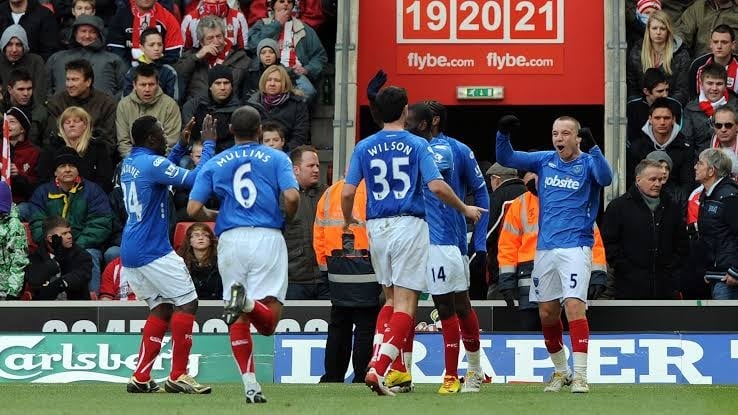
La siguiente quita llegó 13 años después y estuvo ligada a una crisis financiera. En marzo de 2010, Portsmouth entró en administración concursal, una situación que activó una deducción automática de nueve puntos. El club ya arrastraba dificultades tras años de altos gastos en transferencias, falta de inversión y problemas para cumplir con sus obligaciones económicas.
Entre diciembre de 2009 y febrero de 2010, Portsmouth dejó de pagar salarios. También recibió una orden de liquidación por impuestos impagos. La llegada del propietario Ali Al-Faraj no revirtió el deterioro de las cuentas y la sanción dejó al equipo último en la tabla. El club no logró cambiar el rumbo y terminó descendiendo al final de la temporada.
Everton (2023): 6 puntos

La regulación financiera pasó a ocupar el centro de la escena en 2023, cuando Everton recibió inicialmente la mayor deducción aplicada hasta entonces en la Premier League: diez puntos. Burnley y Leeds United habían pedido una investigación por las pérdidas de su rival en mayo de 2022. La liga abrió el procedimiento en marzo de 2023 y anunció la sanción en noviembre de ese año.
La comisión determinó que Everton había incumplido las normas financieras de la competición. El club apeló la decisión y logró que el descuento se redujera a seis puntos. El episodio se dio en una temporada marcada por la lucha por la permanencia y confirmó que las infracciones contables pueden afectar la disputa deportiva mucho tiempo después de que se registren los gastos cuestionados.
Nottingham Forest (2024): 4 puntos

Durante la misma campaña 2023/24, Nottingham Forest se convirtió en el segundo club sancionado por el régimen de rentabilidad y sostenibilidad. La institución superó en USD 45.500 millones el límite de USD 80 millones permitido durante su período de evaluación, de acuerdo con el recuento de Sports Illustrated. La consecuencia fue una deducción de cuatro puntos.
La sanción volvió a poner el foco sobre las reglas de control económico en Inglaterra. A diferencia de Middlesbrough y Portsmouth, cuyos casos derivaron de un partido sin disputar y de la administración concursal, los expedientes de Everton y Forest se resolvieron a partir de balances, límites de pérdidas y procedimientos regulatorios de la liga.
optaUUID:3yfh8a9q5jl1ytxc9s20y5zpw,optaMatchId:2645202,sportradarID:sr:sport_event:72221168,Europe,Soccer,Sport
INTERNACIONAL
Almodóvar y Sofía Coppola frente a frente: coordinadores de intimidad, adaptaciones literarias y el actor que ignoró sus órdenes

Los directores Pedro Almodóvar y Sofia Coppola protagonizaron un distendido coloquio en el Festival de Cine de Nueva York (NYFF), donde repasaron su visión de la dirección cinematográfica, debatieron sobre las adaptaciones literarias y la entrada de coordinadores de intimidad en los rodajes, y compartieron anécdotas de su trayectoria ante un auditorio entregado.
El cineasta manchego fue contundente respecto a la escritura cinematográfica y sentenció que “nunca es buena idea” colaborar directamente con el autor de una novela al adaptarla a la gran pantalla.
Coppola coincidió al recordar cómo afrontó la adaptación de Las vírgenes suicidas con el escritor Jeffrey Eugenides: “Me reuní con él para pedírselo y le envié mi guion. Al principio no le convenció del todo y me hizo comentarios; comprendí que era su criatura”.

“Pero con el tiempo lo entendió y quedó muy contento con el resultado. Al adaptar, uno debe cambiar cosas para llevarlo al lenguaje cinematográfico”, recordó la directora.
Almodóvar, que se puso unas gafas de sol para que los focos no le dieran migraña y durante el coloquio saltó del inglés al español, argumentó que el cine y la literatura son “disciplinas distintas” y que el realizador requiere total libertad de reinterpretación para no sentirse atado o con la impresión de estar “traicionando” al creador original.
En materia literaria, Almodóvar desveló que está inmerso en la lectura de Cosamala, de la escritora española Alana S. Portero, ambientada en la Guerra Civil española, y de Peces, de Eva Baltasar.
Respecto a esta última, centrada en una relación lésbica intensa, confesó que le atrae llevarla a la pantalla, aunque admitió dudas sobre si hoy encontraría actrices “con la valentía que demostraron Léa Seydoux y Adèle Exarchopoulos en La vida de Adèle para rodar ese tipo de secuencias.

Abdellatif Kechiche, el director francés de La vida de Adèle, ganó el máximo galardón en Cannes en 2013, pero luego fue investigado por agresión sexual.
Poco después de ese rodaje, ambas actrices denunciaron el carácter tiránico del director y que exigiera cientos de tomas para una misma escena.
Del trío al cuarteto en el rodaje
La conversación derivó hacia la incorporación de coordinadores de intimidad y entrenadores de interpretación (coaches) en los rodajes modernos.
Almodóvar apuntó con humor que el vínculo entre el director y los actores ya es un “trío”, pero que sumar mediadores lo transforma en un “cuarteto” que puede obstaculizar la visión creativa si surgen discrepancias de criterio.
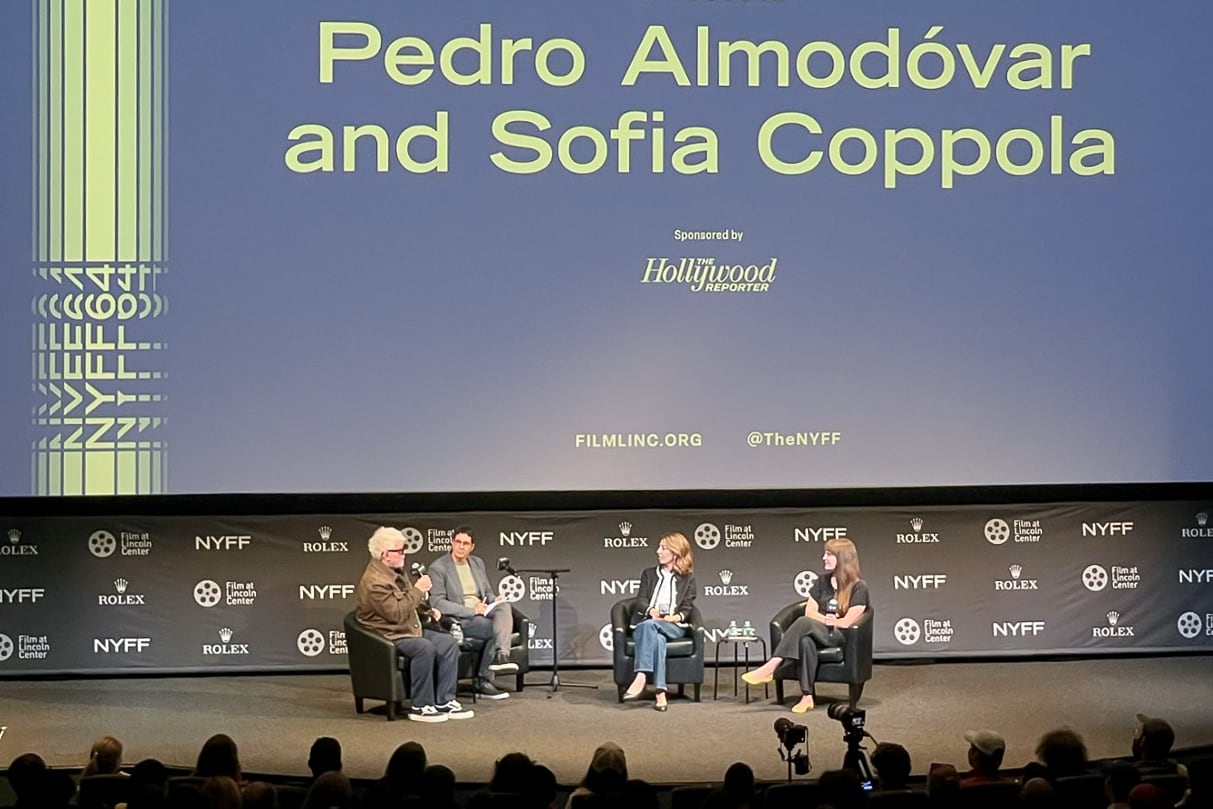
El director relató la fricción que vivió en el pasado con un muy buen actor -cuyo nombre no reveló- que seguía a rajatabla las pautas externas de su ‘coach’ en lugar de las suyas, lo que le obligó a zanjar la situación imponiendo su autoridad como director. “Luego te digo quién era”, le comentó el director español a Coppola en el escenario.
Por su parte, Coppola relató su propia experiencia tras incorporar por primera vez a una coordinadora de intimidad durante la filmación de Priscilla: “Al principio me resultó extraño, pero luego agradeces el apoyo”, apuntó la cineasta neoyorquina.
Madurez y autoridad tras las cámaras
Coppola rememoró el desafío y la angustia de haber liderado una superproducción de 40 millones de dólares como Marie Antoinette siendo muy joven y buscando imponer una mirada femenina en los salones de Versalles.

Con ironía, señaló que ahora, cumplidos los 50, “es maravilloso simplemente decirle a la gente lo que tiene que hacer y que te escuchen, en vez de tener que negociar cada paso”.
Ambos realizadores, que se conocen desde 1999 cuando coincidieron en la temporada de premios con Todo sobre mi madre y Las vírgenes suicidas, y volvieron a encontrarse en 2006 al presentar Volver y Maria Antonieta, hicieron gala de su complicidad durante la más de una hora que duró la charla.
Entre anécdotas, recordaron la fiesta en Los Ángeles en la que ambos intentaron sin éxito entablar conversación con la glamurosa actriz británica Joan Collins.
Amarga Navidad y la mirada de Versalles
Almodóvar arrancó los aplausos unánimes de la sala al recordarse que mañana presentará el festival su largometraje número 24, Amarga Navidad
Coppola, por su parte, presenta en el festival Making Marie Antoinette un filme rodado originalmente por su difunta madre, Eleanor Coppola, y terminado por Sofia que revisita la creación de la película de 2006.
Fuente: EFE
Pedro Almodóvar,Sofia Coppola,Cultura,Cine

Camioneros: cuánto cobran en octubre y cuánto cobrarán hasta febrero

Biden’s ‘weaponized’ Mar-a-Lago raid slammed by White House as declassified docs reveal FBI’s legal doubts

Lane Johnson, el Eagle más leal, anuncia su retiro y pone su salud mental por delante del fútbol americano: “Es tiempo de decir adiós”

Los antecedentes de equipos que sufrieron quita de puntos en la Premier League

Expertos en energía son contundentes: “El termo eléctrico, la plancha o el aire acondicionado aumentan bastante tu consumo”

Javier Milei vuelve a viajar a Estados Unidos para apoyar a Donald Trump y reunirse con empresarios

DHS exposes dilemma behind SCOTUS deportation fight: ‘We have two choices’

El Reino Unido anunció que las nuevas licencias de hidrocarburos en las Islas Malvinas requerirán su autorización final

El pedido de Abel Pintos que sorprendió a Guido Kaczka: “Necesito renovarlos”

Elecciones en Brasil: el Gobierno prevé que Lula gane la primera vuelta y que Bolsonaro tenga ventaja en un balotaje

 POLITICA2 días ago
¡Precios de Manhattan con sueldos de Argentina! Cómo los créditos hipotecarios inflaron las propiedades y congelaron el sueño de la casa propia
- INTERNACIONAL3 días ago
La Casa Blanca monitorea un posible brote de peste en Rusia tras la muerte de una trabajadora de un laboratorio
- POLITICA3 días ago
La Argentina se sumó a un acuerdo liderado por EE.UU. para impulsar el uso de la inteligencia artificial en la ciencia