INTERNACIONAL
Dems brush off Elon Musk’s anti-MAGA pivot, warn DOGE probe still coming

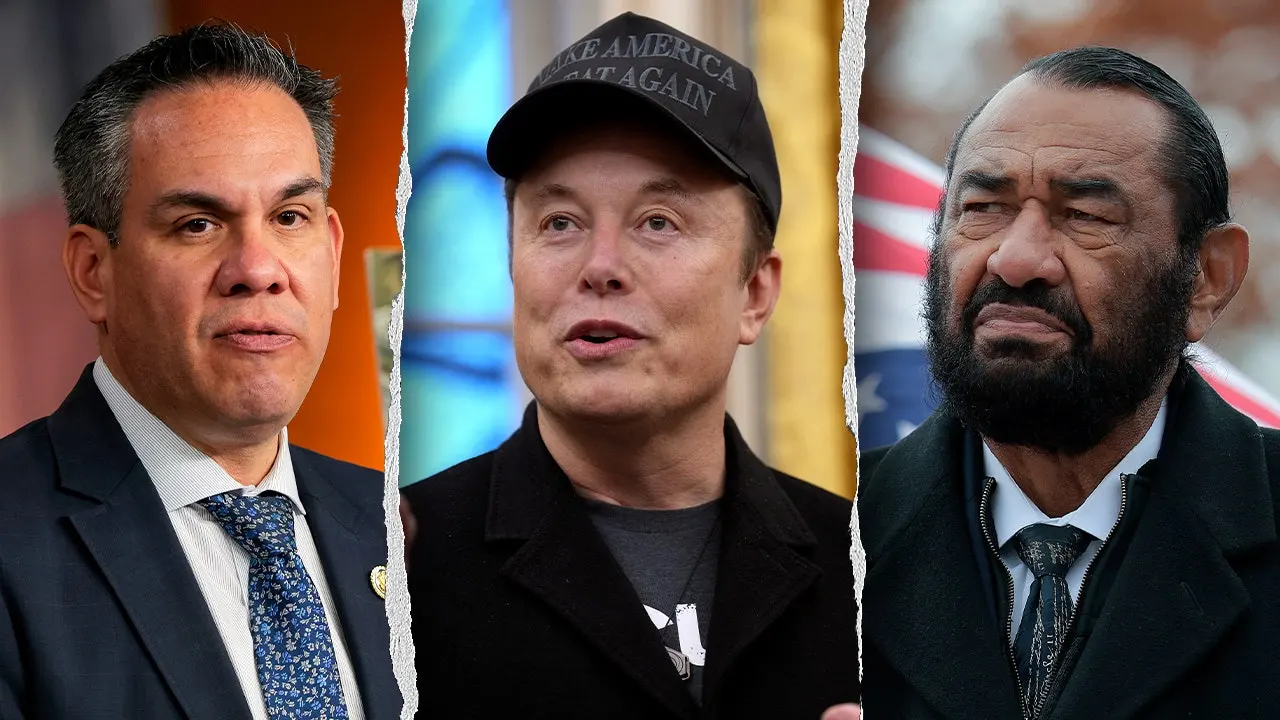
Democratic lawmakers are labeling Elon Musk an «opportunist» after the billionaire denied being «MAGA» last week and shared his regret for putting roughly $450 million toward the GOP in the midterm elections.
«I think that Mr. Musk is an opportunist,» Rep. Al Green, D-Texas, told Digital. «I think he’s a chameleon. I think he will be whatever benefits him and his business.»
«It sounds like buyer’s remorse to me,» Rep. Christian Menefee, D-Texas, said. «Maybe he should spend his time focusing on his businesses instead of trying to buy politicians.»
I SAW THE REAL DOGE FROM THE INSIDE. WHY THE MEDIA GOT DOGE AND ELON ALL WRONG
The political flip-flop callout comes after Musk made comments distancing himself from President Donald Trump and Republicans on Wednesday during The New York Times’ DealBook Summit. Musk has put millions of dollars toward Trump, has previously campaigned with him and worked for the administration.
«Whatever,» Rep. Troy Carter, D-La., said when asked about Musk’s comments. «That’s my response. Whatever.»
Musk has also been facing wrath from Democratic lawmakers as a potential target of oversight investigations for his time as the head of the Department of Government Efficiency (DOGE).
«You’re the architect of DOGE,» Carter continued. «You wreck people’s lives. You tear people’s opportunities and their careers apart in a reckless effort to so-called save money when nobody’s pocket’s been padded with his. If he really wants to do the right thing, demonstrate it, not in word, but in deed.»
«I’m certain that he will be the subject of investigations,» Rep. Sanford Bishop Jr., D-Ga., said. «We’ll deal with it when we deal with it.»
An investigation into Musk and DOGE seems to be at the top of the list for many Democrats as the party pushes for investigations to look into alleged corruption under the Trump administration after the party took back majorities in both chambers of Congress in the midterm elections.
«I’ve not seen anything that he’s done to reach out to Democrats or help or anything else in that regard,» Rep. Gregory Meeks, D-N.Y., said when asked if Democrats would reach out to Musk to work together.
He continued, «What he’s done is destroy the State Department [and] destroy diplomacy.»
THE TOP TRUMP OFFICIALS DEMOCRATS ADMIT ARE ON THEIR HIT LIST FOR INVESTIGATIONS IN THE NEW CONGRESS
Rep. Shomari Figures, D-Ala., urged Democrats to not make oversight investigations the center of their party’s agenda over the next two years with a majority in both the House and the Senate. He said the upcoming years should be focused on «leveraging this majority» to bring results to Americans.
«I think there will obviously be some degree of oversight into what happened with DOGE, and I think rightfully so,» Figures said. «But I don’t believe that sort of oversight can become the North Star of what the party is all about over the next two years.»
House Minority Leader Hakeem Jeffries, D-N.Y., who was just elected by his party to serve as speaker of the House, also recently left the door open to potential investigations into Musk when asked by Digital about the conversations surrounding oversight. He deferred leaving investigation decisions up to Rep. Jamie Raskin, D-Md., and Rep. Robert Garcia, D-Calif. — the party’s expected leaders of oversight work.
The Republicans whom Digital spoke with were not totally convinced that Musk’s recent comments meant he was backing out of supporting Republicans.
«I think Musk is about fiscal responsibility,» Rep. Glenn Grothman, R-Wis., said. «And the Republican Party, while it lets you down some of the time, is still the party of fiscal responsibility.»
JEFFRIES BRUSHES OFF OPPOSITION FROM FAR-LEFT DEMS WHO VOTED NO: ‘WE’RE GOING TO WORK TOGETHER’
Rep. Kat Cammack, R-Fla., acknowledged that Republicans in Congress «fell short,» excusing the American people for being upset with her party.
«It’s totally in his hands, whether he supports [Republicans] or not,» Rep. Kat Cammack, R-Fla., said. «But I don’t think that there’s any question that this Congress fell short, specifically the Senate, and people have a right to be angry. Hell, I’m angry.»
Congressional oversight into Musk could come as soon as January, when Democrats officially take control of Congress and leadership of the House Oversight Committee.
Digital’s request for comment from Musk was not immediately returned.
elon musk, democratic party, doge, politics, democrats, republicans elections, midterm elections, donald trump






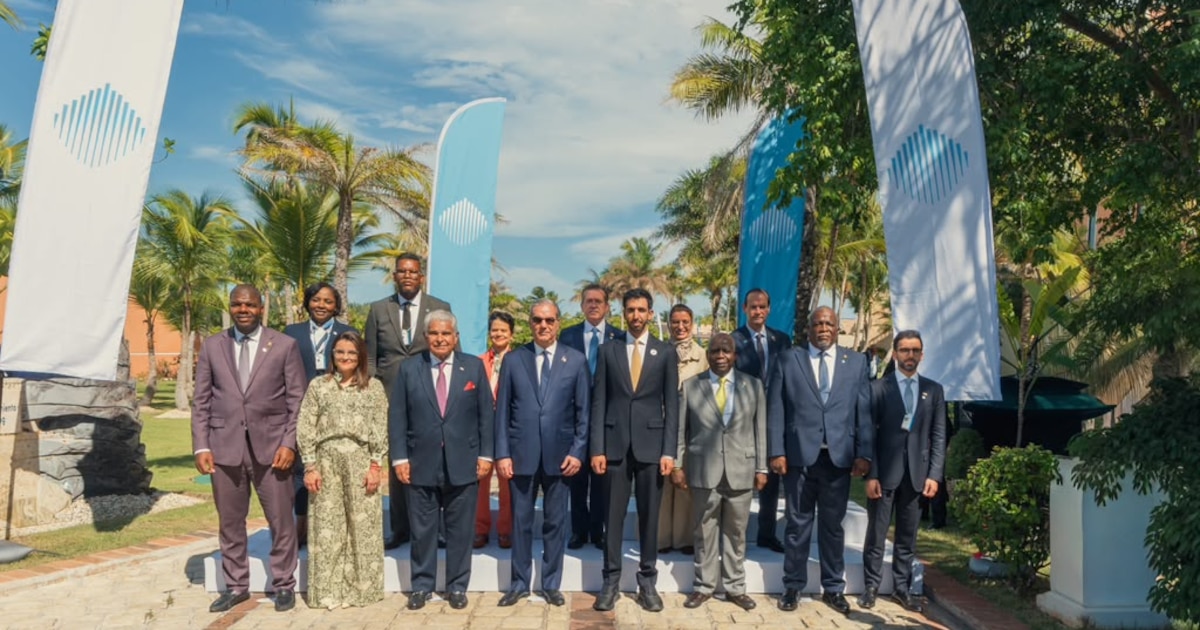
La semana pasada tuve la oportunidad de participar en el Diálogo Regional Latinoamericano y Caribeño del World Governments Summit (WGS), una iniciativa impulsada por los Emiratos Árabes Unidos que reunió a líderes de ambas regiones en Cap Cana, República Dominicana. La elección de esta sede no es casual y dice mucho sobre el lugar que el país ha conseguido ocupar en el escenario internacional.
La relación entre los países del Golfo y América Latina y el Caribe tiene un potencial enorme. Hace algunos años, el Banco Interamericano de Desarrollo estimó que el comercio entre ambas regiones podría aumentar en unos USD 9.800 millones anuales mediante acuerdos comerciales y otros USD 3.300 millones simplemente ampliando la presencia diplomática y las oficinas de promoción comercial. Son cifras que permiten dimensionar cuánto espacio existe todavía para construir nuevas relaciones económicas.
Durante dos días, el encuentro reunió a jefes de Estado y de Gobierno y líderes de los sectores público y privado del más alto nivel para discutir el futuro al que deben prepararse nuestros países. Es un ejercicio desafiante y necesario. Las conversaciones abordaron desde el impacto de la inteligencia artificial en el trabajo, la gestión pública y las relaciones humanas hasta el desarrollo de destinos turísticos y la conectividad aérea entre regiones. Temas distintos, pero atravesados por una misma pregunta: ¿Cómo pueden los gobiernos anticiparse a los cambios y aprovechar las oportunidades que estos generan?
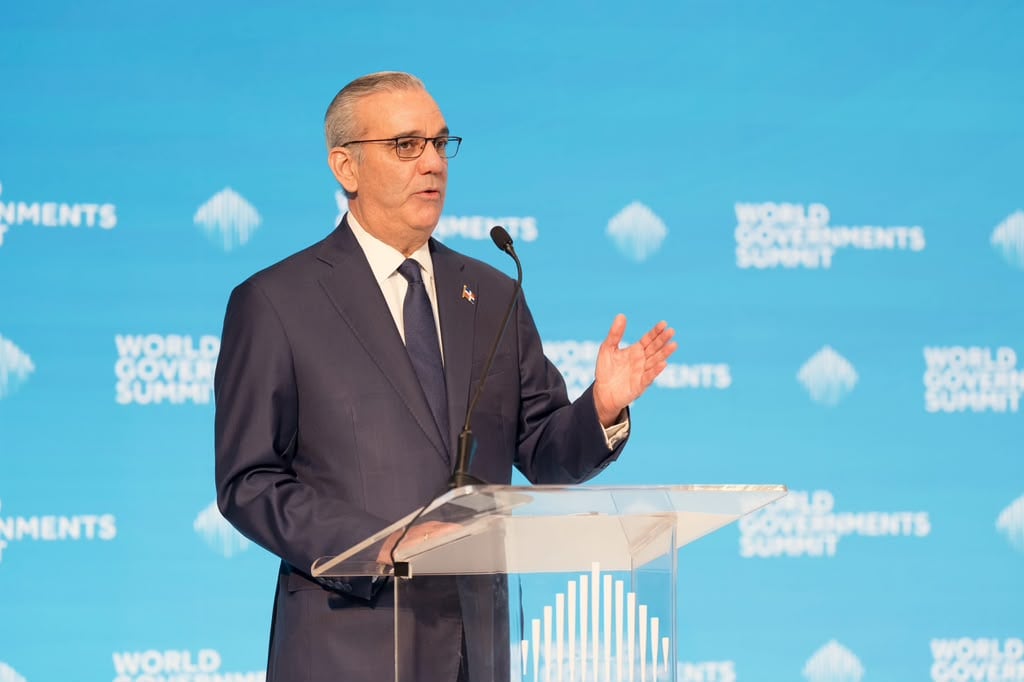
En una de las conversaciones que resumió el objetivo principal del encuentro, titulada La geografía de la oportunidad, los presidentes Luis Abinader y José Raúl Mulino abordaron el papel de los gobiernos en la construcción de nuevos corredores económicos. La innovación tecnológica, la apertura comercial y la atracción de inversiones fueron parte de una discusión sobre cómo acercar mercados, conectar regiones y fortalecer la competitividad de nuestros países en el largo plazo.
Construir esos puentes requiere algo más que identificar oportunidades. Hace falta generar confianza. En un mundo en el que el capital, el talento y las inversiones pueden escoger entre múltiples destinos, la estabilidad, la seguridad, la apertura y la credibilidad de las instituciones se convierten en ventajas competitivas. Los gobiernos no pueden decretar la confianza ni improvisar una reputación internacional. Deben construirlas con decisiones consistentes y demostrar que sus países son socios serios, capaces de sostener compromisos y ofrecer oportunidades.
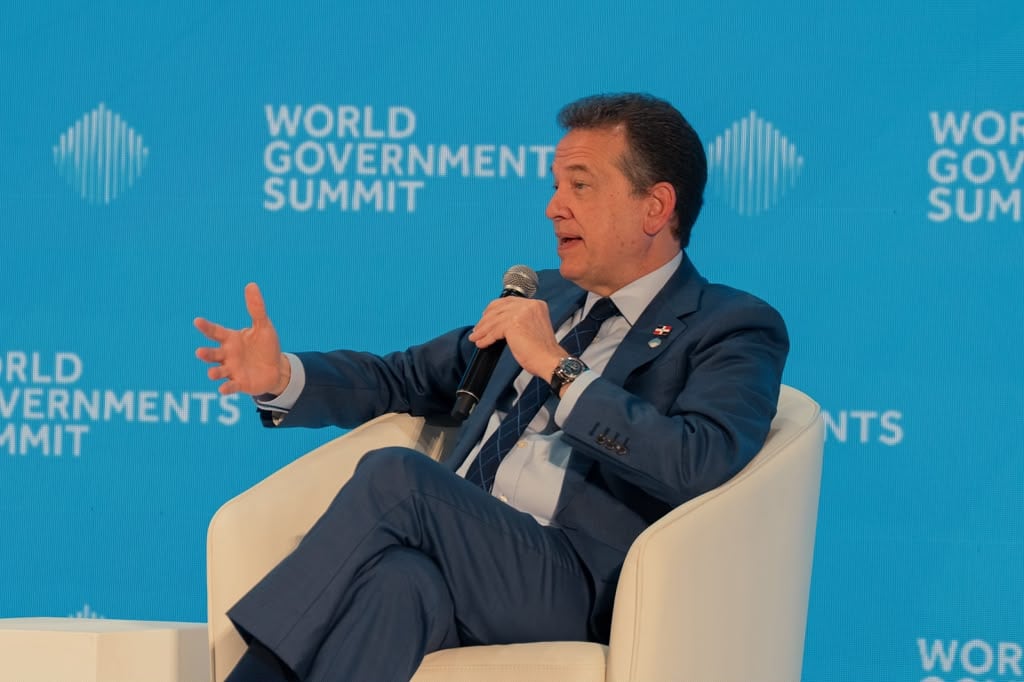
Identificar la construcción de puentes como una prioridad no es difícil; lo complejo es convertir esa intención en resultados. Y esta reunión es una muestra de que República Dominicana está avanzando en la dirección correcta. Me atrevo a decir que si una de las mayores economías del mundo árabe escoge a esta isla caribeña como plataforma para acercarse a nuestra región, buena parte de la explicación tiene nombre y apellido: Victor -Ito- Bisonó. El canciller dominicano es un líder que inspira confianza y que ha sabido transmitir al mundo un mensaje de apertura y seriedad que ha puesto a su país en el radar de las principales economías internacionales. Para el Adam Smith Center for Economic Freedom es un honor contar con él como profesor en nuestras aulas.
La trayectoria de esta iniciativa refleja también su compromiso personal. Ito era ministro de Industria, Comercio y Mipymes cuando propició los acercamientos con los Emiratos Árabes Unidos y se organizó, con el apoyo de su Centro de Análisis para Políticas Públicas (CAPP), la primera edición del encuentro en República Dominicana. Posteriormente, como ministro de Vivienda, Hábitat y Edificaciones, participó en la firma del memorando que dio continuidad al diálogo regional. Hoy, desde la cancillería, ha acompañado la realización de su segunda edición. Tres responsabilidades distintas, pero una misma visión de país. Su talento, experiencia y capacidad para construir relaciones han sido fundamentales para el éxito de esta iniciativa. Son precisamente estos vínculos, construidos con paciencia, dedicación y confianza, los que permiten transformar las oportunidades en resultados.
El concepto que inspira estos encuentros, la calidad de las discusiones y la apuesta por República Dominicana generan grandes expectativas sobre lo que viene. Más allá de las oportunidades comerciales y de inversión que puedan concretarse, hay un logro que merece destacarse: República Dominicana está demostrando que el tamaño de un país no determina necesariamente su capacidad de influencia. El liderazgo, la confianza y una visión clara de su lugar en el mundo pueden llevarlo mucho más lejos.
* El autor es empresario, estratega político y de políticas públicas y ex alto funcionario gubernamental de los Estados Unidos. Es el Director Fundador del Adam Smith Center for Economic Freedom de la Florida International University.
República Dominicana,Dubái,diplomacia,relaciones bilaterales
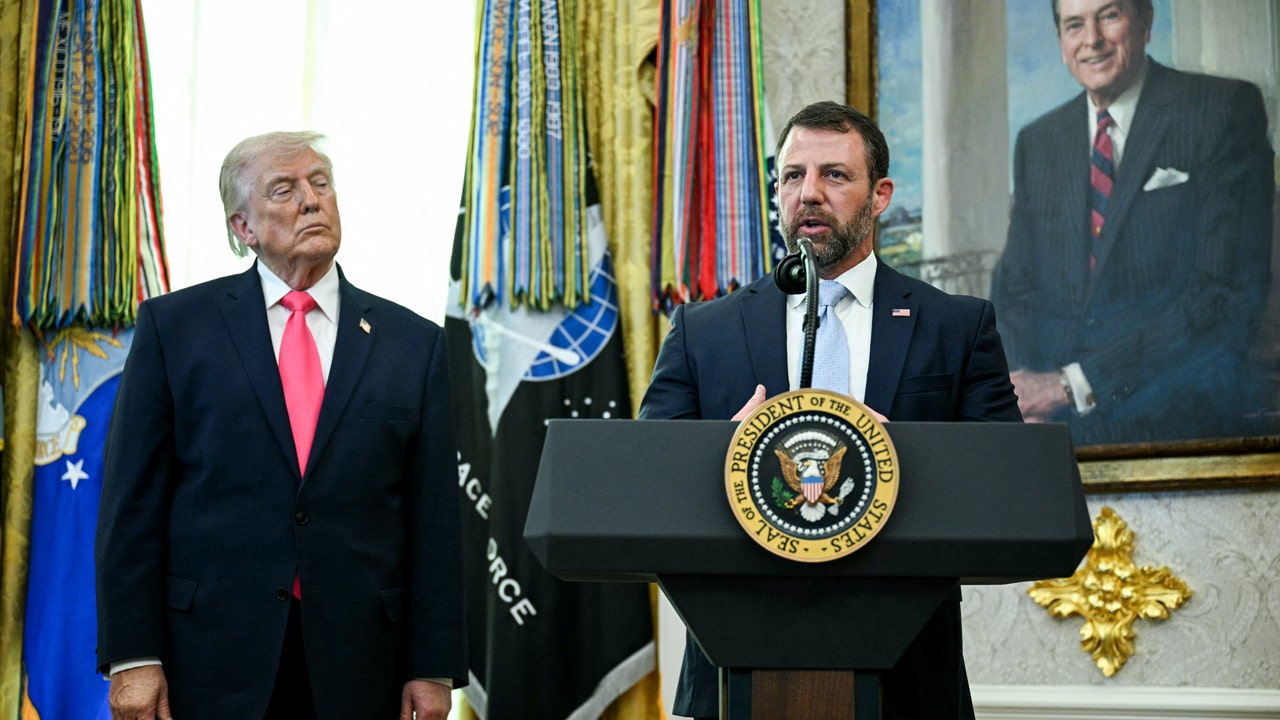
Massachusetts officials sued the Trump administration on Monday to block Immigration and Customs Enforcement (ICE) agents from carrying out civil arrests in the state’s courthouses, arguing that such arrests without judicial warrants are illegal under state law.
The lawsuit filed by Massachusetts Attorney General Andrea Joy Campbell challenges a 2025 ICE directive that authorizes agents to conduct civil arrests in or near state courthouses without judicial warrants, which she says violates the PROTECT Act, a new state law passed by the Democratic-led legislature that prohibits civil immigration arrests in state courthouses without judicial warrants. The courthouse protections took effect Nov. 3.
Campbell said the ICE directive interferes with the state’s authority to operate its judicial system, disrupts court proceedings, undermines constitutional principles and public safety and spreads fear, chaos and confusion.
«The Massachusetts PROTECT Act makes it illegal for ICE to conduct civil arrests in our courthouses without a judicial warrant. ICE’s intentional violation of state law has created unnecessary fear, made it more difficult to operate our courts and hold defendants accountable,» Campbell said in a statement.
DOJ SUES TO STOP OHIO COURT BLOCKING COURTHOUSE ARRESTS
«ICE is misleading the public by suggesting that these arrests make us safer when, in fact, ICE’s actions are preventing criminal cases from moving forward, denying a victim’s ability to obtain accountability, violating a defendant’s due process, and leaving open the possibility that someone facing serious criminal charges could ultimately be released from ICE custody without their criminal case ever being resolved,» she continued.
The attorney general said more than 1,110 people have been arrested at her state’s courthouses since President Donald Trump returned to the White House in January 2025, including more than 600 people in 2025 and more than 500 during the first 10 months of 2026.
Campbell said ICE has ignored the new state law and arrested at least 38 people in Massachusetts courthouses without judicial warrants in the two and a half weeks since the courthouse protections went into effect.
«I, along with our district attorneys, share the goal of holding defendants accountable for crimes, yet ICE’s unlawful tactics to arrest someone for a civil immigration violation is not the same as holding them accountable for a crime,» Campbell said.
FEDERAL JUDGE IN NEW YORK TIES TRUMP ADMIN HANDS ON ARRESTS AT IMMIGRATION COURTS
Campbell said that ICE’s courthouse arrests have continued in Massachusetts despite a federal ruling handed down in June by U.S. District Judge P. Casey Pitts in California that vacated the Trump administration’s courthouse arrest policy in a separate class action lawsuit.
In Monday’s lawsuit, Campbell argues the ICE policy violates the Administrative Procedure Act since it was adopted without taking into account the impact it would have on states and because the Immigration and Nationality Act does not explicitly authorize courthouse arrests.
The lawsuit also alleges that the policy violates the U.S. Constitution’s Tenth Amendment, which protects states’ rights to maintain authority over their own judicial systems.
«The Trump Administration’s ICE arrests at Massachusetts courthouses are interfering with our justice system and undermining public safety. When people are afraid to go to court, victims are less likely to report crimes, survivors are less likely to seek protection, and our communities are less safe,» Massachusetts Gov. Maura Healey said in a statement. «We expect ICE and all federal agents to follow Massachusetts law.»
Digital reached out to the Department of Homeland Security for comment.
In a statement to Reuters, a DHS spokesperson argued that making immigration arrests at courthouses «conserves valuable law enforcement resources because they already know where a target will be,» adding that «the ability of law enforcement to make arrests of criminal illegal aliens in courthouses is common sense.»
A similar lawsuit against ICE arrests at state courthouses was filed in October by California Attorney General Rob Bonta.
immigration, massachusetts, politics, homeland security, us, donald trump, immigrant rights
NEWYou can now listen to Fox News articles!
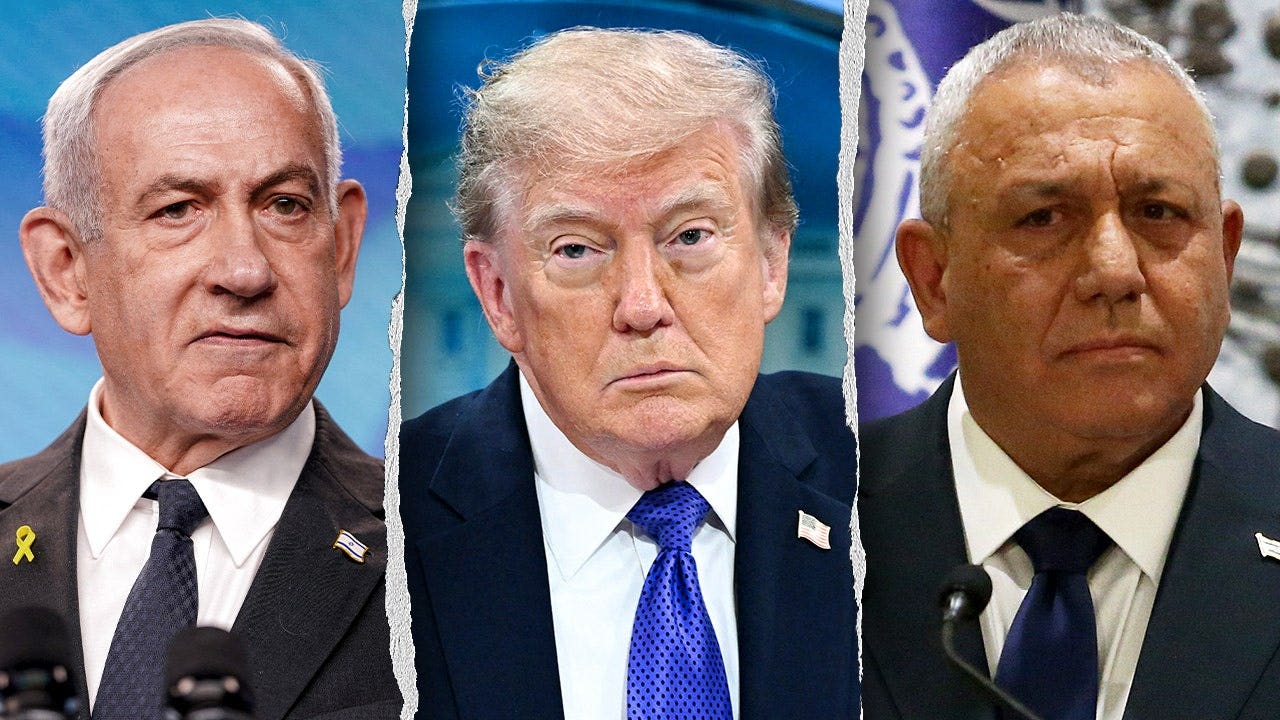
The politician tasked by Israel’s president to form a new government, Gadi Eisenkot, said Monday that Iran poses no immediate threat requiring military action before a new government is formed, drawing a sharp response from Prime Minister Benjamin Netanyahu as President Donald Trump considers renewed strikes against Tehran.
The dispute comes amid a political power struggle following last month’s Israeli election. Netanyahu remains caretaker prime minister, but Eisenkot’s allies now control the leadership of the Knesset and key parliamentary committees as negotiations over a new government continue.
«Today I see no direct and immediate threat to Israel that requires action before a government is formed,» Eisenkot, who previously served as the IDF chief of staff, told his party’s Knesset faction, according to an English translation of his Hebrew remarks provided to Fox News Digital.
ISRAEL’S POLITICAL SHAKE-UP ENTERS NEW PHASE AS FORMER PM PLAYS KINGMAKER — AND DEADLINE LOOMS
Gadi Eisenkot speaks during an event presenting his party’s full candidate list ahead of October’s general election on Sept. 7, 2026, in Rosh HaAyin, Israel. (Erik Marmor/Getty Images)
He stressed that Iran remains Israel’s gravest security threat, particularly its nuclear program.
«In my view, the gravest threat from Iran is its stockpile of 440 kilograms of uranium enriched to 60%,» Eisenkot said. «It has yet to be destroyed or removed.»
He called for the material at a minimum to be placed under strict monitoring.
Netanyahu pushed back hours later, accusing political rivals of downplaying the Iranian threat for political reasons.
NETANYAHU’S BLOC FALLS SHORT AS LONGTIME ALLIES REPORTEDLY WEIGH MOVE THAT COULD END HIS RULE
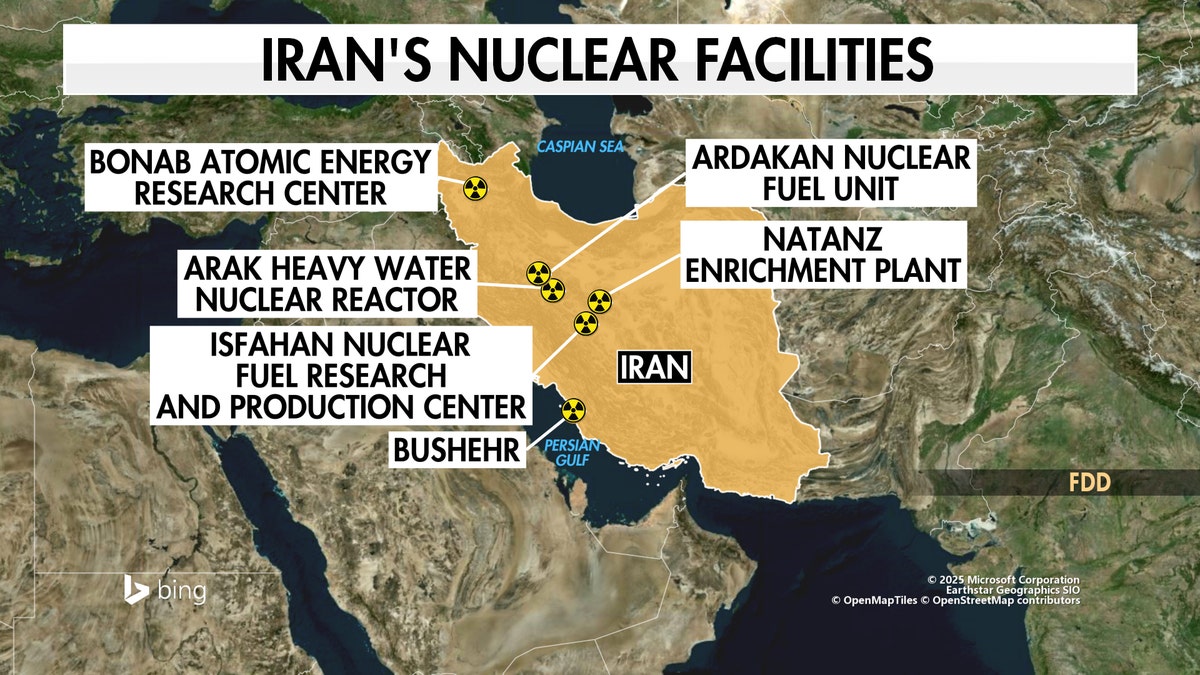
An illustration showing a list of Iran’s nuclear facilities, including Arak’s heavy water nuclear reactor and the Natanz enrichment plant. (FDD/Fox News)
«The Iranian threats are real,» he said before a Likud faction meeting, according to TPS-IL. He renewed his call for a national unity government, signaling room for compromise on ultra-Orthodox military conscription while rejecting a coalition dependent on Arab-led parties.
The status of Iran’s uranium remains uncertain. The International Atomic Energy Agency last verified approximately 440.9 kilograms enriched to 60% before attacks on Iranian nuclear facilities in June 2025, but inspectors have since lost continuity of knowledge about the material. The U.S., Britain, France and Germany highlighted that verification gap in a Nov. 19 statement.
Adding another perspective Monday, former Mossad director David Barnea urged military action against Iran «as soon as all conditions allow.»
Speaking at The European Leadership Network Jerusalem conference, Barnea warned that «a diplomatic agreement with the Ayatollah regime will never succeed,» according to The Times of Israel, although he also acknowledged the option of giving sanctions more time.
TRUMP WARNS OF NEW STRIKES AGAINST IRAN AFTER NEW YEAR, CALLS NEGOTIATORS ‘PROFESSIONAL TAP DANCERS’

David Barnea, the head of the Israeli Mossad. (Amir Cohen/Reuters)
The competing assessments followed Trump’s comments Sunday to Fox News chief foreign correspondent Trey Yingst that he was inclined to resume strikes against Iran after the new year if talks failed.
Trump called Iranian negotiators «professional tap dancers» and warned that ships challenging the U.S. naval blockade could be sunk.
In a response to Fox News Digital, a U.S. official said the administration believes its economic pressure campaign has been effective enough that major military operations are not currently necessary, while emphasizing that Trump retains all options. «As President Trump and Secretary Rubio have stated, our economic pressure campaign is devastating Iran to such an extent that the president does not have any need to conduct major combat operations,» the official said on background.
«However, President Trump has all options at his disposal to ensure that Iran can never have a nuclear weapon. President Trump holds all the cards and will do whatever is best for the United States.»
An Israeli source familiar with discussions within the opposition told Fox News Digital that there are assessments that anti-government demonstrations in Iran could intensify as the blockade adds to economic pressure.
According to the source, those assessments are contributing to an argument for waiting before launching another major military operation. The forecast has not been independently verified.
IRAN VOWS ‘ASTONISHING’ STRIKES AND LIFTS MISSILE-RANGE LIMIT AS US TARGETS LAND ROUTES
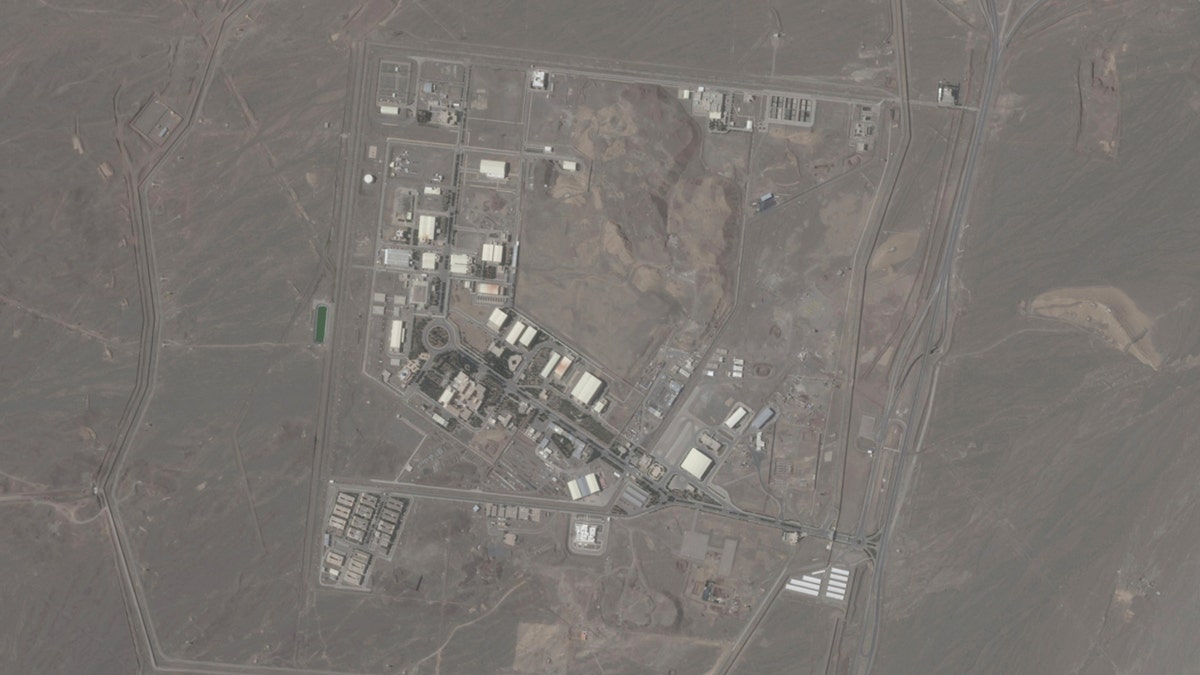
This satellite photo from Planet Labs PBC shows the Natanz nuclear facility in Iran on May 20, 2025. (Planet Labs PBC via AP, File)
The blockade has already significantly curtailed Iranian oil exports. Reuters reported Monday that visible Iranian crude exports had dropped to near zero in recent months.
Iranian Foreign Ministry spokesman Esmaeil Baghaei said Tehran would use all available means to oppose the restrictions, calling them military aggression, according to Reuters.
A new balance of power in the Knesset
The disagreement over Iran is unfolding as Eisenkot attempts to turn an electoral advantage into a governing coalition.
Israel’s Oct. 27 election left no bloc with a governing majority. Eisenkot’s four-party alliance won 48 seats in the 120-member Knesset, while Netanyahu’s traditional right-wing and religious allies secured 53, including 13 held by the ultra-Orthodox parties. But those alliances have since shifted. United Torah Judaism, which holds seven seats, declined to endorse Netanyahu and has entered coalition negotiations with Eisenkot, leaving the prime minister with just 46 lawmakers formally backing his bid to remain in office.
Eisenkot, meanwhile, received the support of 67 lawmakers, including 19 from Arab-led parties, although significant disagreements remain over the composition of a future government.
Unlike Congress, Israel has a single-chamber parliament. Although Netanyahu remains in charge of the caretaker government, the new parliamentary majority can advance legislation and exercise oversight without first forming a government.
Eisenkot ally Matan Kahana is now Knesset speaker. Former Defense Minister Avigdor Liberman heads the Foreign Affairs and Defense Committee, Liran Avisar Ben Horin chairs the provisional Finance Committee, and Yashar lawmaker Roy Folkman leads the Arrangements Committee, which helps organize parliamentary business.
IRAN NUCLEAR DEAL HINGES ON IAEA ACCESS TO LONG-BLOCKED ATOMIC WEAPON SITES, EXPERTS SAY

Former military chief Gadi Eisenkot, Israeli Prime Minister Benjamin Netanyahu, Israeli President Isaac Herzog and other Israeli officials pose on the day of the inauguration of Israel’s 26th parliament, at the Knesset in Jerusalem, Nov. 10, 2026. (Ronen Zvulun/Reuters)
Those appointments have practical consequences.
At a Nov. 17 Finance Committee meeting, officials said approximately 1.5 billion shekels in coalition funds remained unallocated. Avisar Ben Horin instructed the Finance Ministry to submit requests involving those funds separately so lawmakers could scrutinize them, according to an official Knesset announcement.
The new majority is also advancing legislation to reverse changes to judicial appointments and other measures adopted under Netanyahu, though the bills have not become law.
The Israeli source said opposition leaders view control of the committees as an opportunity to restore parliamentary oversight after years in which Netanyahu’s coalition dominated the legislative agenda.
The source said they also hope to put Eisenkot in a stronger position should Israel return to the polls.
Eisenkot said any coalition must respect his core principles, including establishing a state commission of inquiry into the Oct. 7 attacks and expanding mandatory military service.
«There will be no compromise on establishing a state commission of inquiry,» he said. «There will be no compromise on mandatory service for all.»
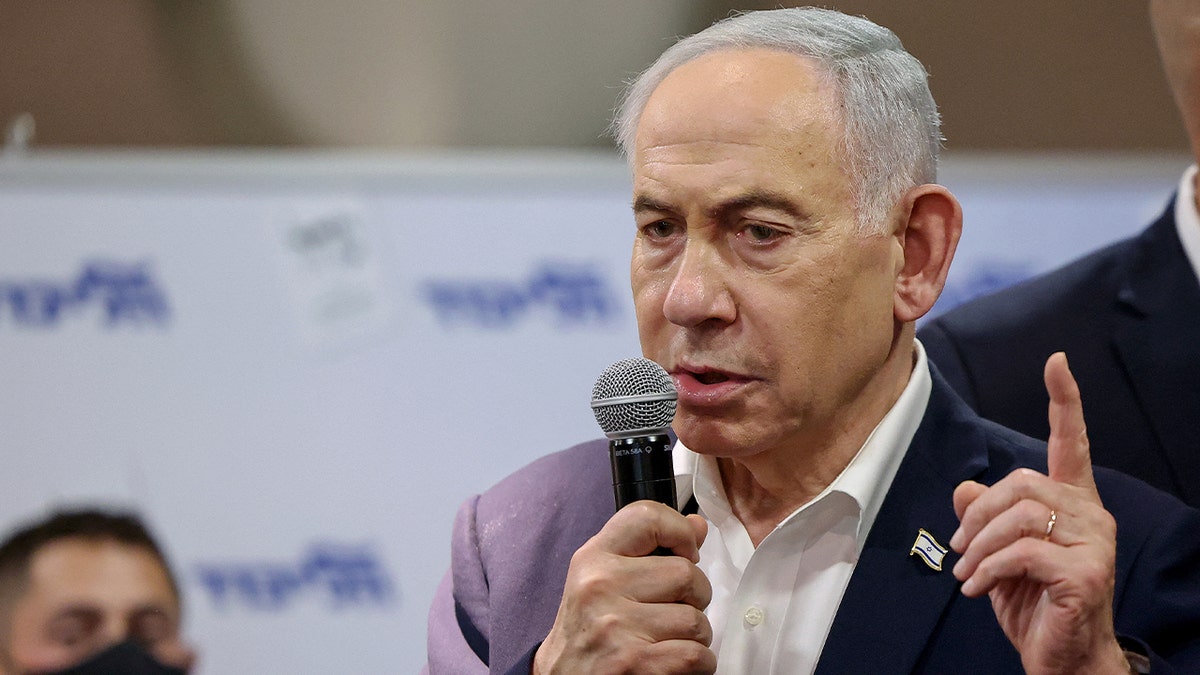
Prime Minister Benjamin Netanyahu speaks to his supporters during a Likud Party event at King Solomon Hotel in Netanya on Oct. 22, 2026. (Jack Guez/AFP via Getty Images)
The debate over when to act against Iran now unfolds alongside another unresolved question in Jerusalem: who will lead Israel when that decision is made.
Reuters contributed to this report.
war with iran, israel, national security, world, benjamin netanyahu

Dems brush off Elon Musk’s anti-MAGA pivot, warn DOGE probe still coming

¿Vuelve Villa a la selección de Colombia? Su nivel en Boca reinstaló el debate

El Gobierno pidió suspender el acto en homenaje a Santucho en la UBA

Escándalo en la salida de los famosos de MasterChef Celebrity: el conflicto que se desató en la casa de Luck Ra

Arnold Schwarzenegger elige su película de ciencia ficción con robots favorita, y no es Terminator: "No será la más conocida, pero su impacto fue profundo en mí"

Con un escenario incierto, Kicillof buscará avanzar en extraordinarias con las reelecciones indefinidas

Javier Milei destacó el desembarco de Tesla en el país y aseguró: “Esto también es devolverle la libertad a los argentinos”

Financial Times duda de la economía argentina: riesgo país, financiamiento e imagen Milei

Agustín “Rada” Aristarán se despide de Chanta: “Con esta obra dejé de ser un impostor”

NYC college put on notice after Jewish campus group shunned by student government: ‘rude awakening’

 ECONOMIA1 día ago
Financial Times duda de la economía argentina: riesgo país, financiamiento e imagen Milei
- CHIMENTOS2 días ago
Agustín “Rada” Aristarán se despide de Chanta: “Con esta obra dejé de ser un impostor”
- INTERNACIONAL2 días ago
NYC college put on notice after Jewish campus group shunned by student government: ‘rude awakening’