INTERNACIONAL
“Desde hoy son parte del Cártel del Golfo”: el viaje que convirtió a migrantes nicaragüenses en reclutas del narco

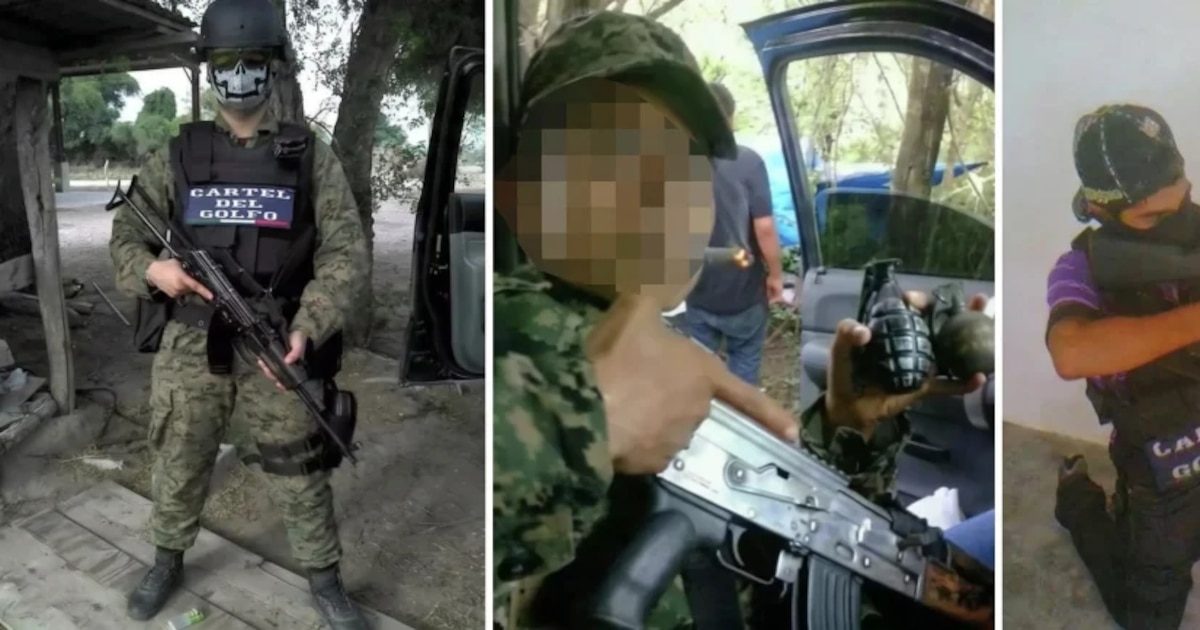
Un campesino de Quilalí murió en una emboscada en México después de salir de Nicaragua con la promesa de un empleo en Estados Unidos. Su hermano menor volvió con vida, pero pasó cerca de siete años en una cárcel mexicana antes de regresar a su país.
Los dos habían aceptado ofertas que prometían trabajo en ranchos ganaderos, traslado financiado y pagos posteriores. El destino real era Tamaulipas, donde el Cártel del Golfo necesitaba hombres para una guerra contra otras organizaciones criminales.
Entre 2008 y 2011, redes de reclutamiento captaron nicaragüenses en antiguas zonas de guerra del norte del país. Los intermediarios buscaban excombatientes, campesinos y jóvenes que querían migrar, y los trasladaban bajo engaño hasta México para incorporarlos a grupos armados.
El hermano mayor de Manuel, nombre ficticio utilizado por seguridad, salió de Nicaragua en 2009. El menor emprendió el viaje al año siguiente. Los dos terminaron vinculados con el Cártel del Golfo.
“Yo perdí un hermano allá”, contó Manuel a Diario La Prensa. El mayor murió mientras protegía a integrantes de mayor jerarquía de la organización. Su familia logró recuperar el cadáver.
El hermano menor sobrevivió. Tras pasar cerca de siete años detenido en México, volvió a Nicaragua, donde enfrentó otra acusación judicial.
La promesa empezaba en las comunidades del norte de Nicaragua
La historia de los hermanos no fue aislada. El reclutamiento se concentró en comunidades de Quilalí, San Rafael del Norte, Yalí, Pantasma y otras localidades de Jinotega, Matagalpa y Nueva Segovia.
En esos territorios habían combatido, durante la década de 1980, el Ejército Popular Sandinista y la Resistencia Nicaragüense. Años después, allí seguían viviendo hombres con experiencia en armas, emboscadas y desplazamientos por zonas rurales.
Roberto Orozco, exinvestigador del Instituto de Estudios Estratégicos y Políticas Públicas (IEEPP), sostuvo que el reclutamiento se dirigió sobre todo a antiguos miembros de la Contra.
“Lo que se dio en aquel momento fue un reclutamiento de personas que habían pertenecido a la Contra, fundamentalmente excombatientes de la contrarrevolución”, explicó Orozco.
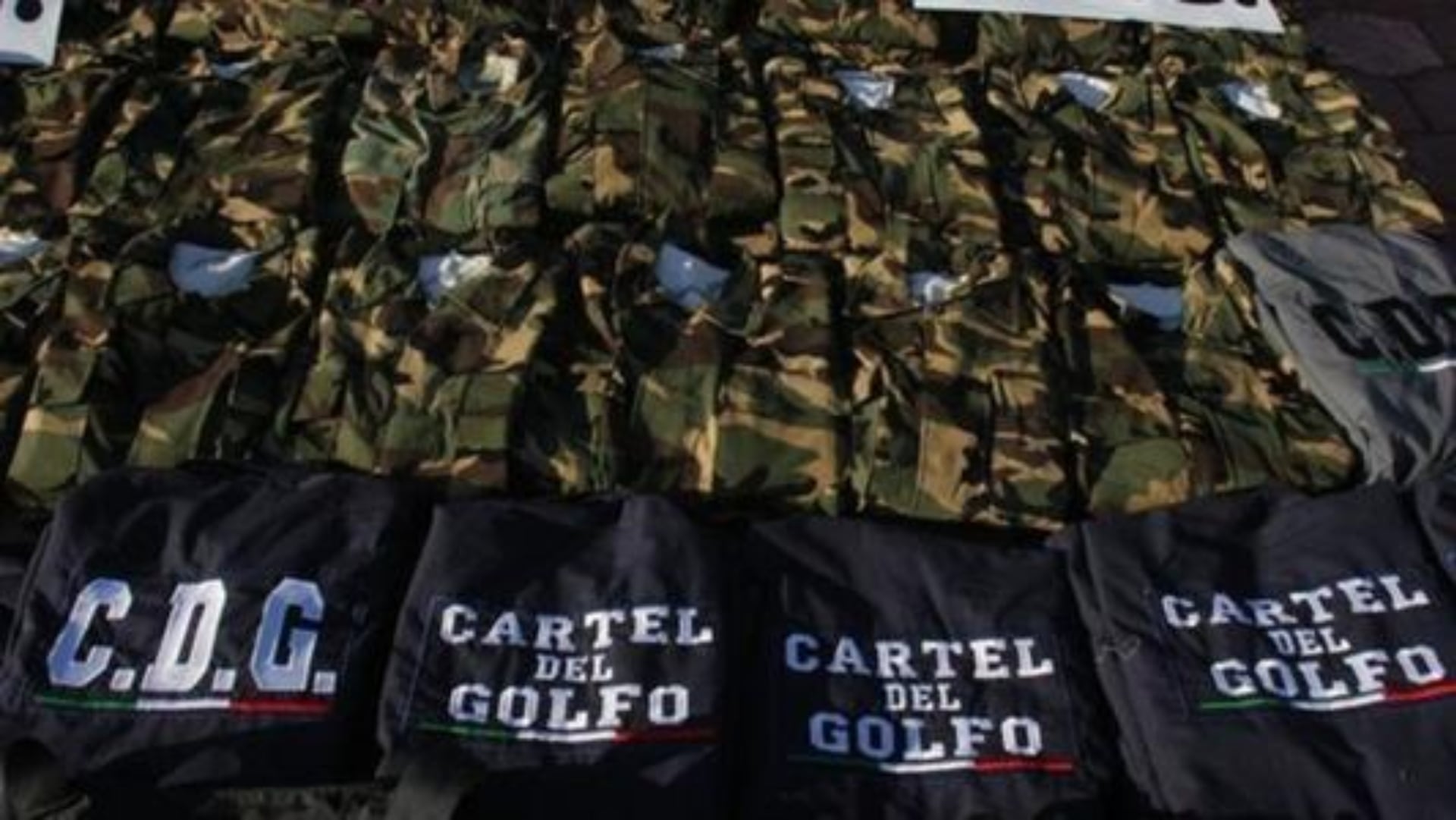
Las redes no se limitaron a esos veteranos. También captaron a campesinos sin entrenamiento militar y a jóvenes que creyeron que encontrarían una salida económica para sus familias fuera de Nicaragua.
Manuel recordó la llegada de una mujer que ofrecía viajes a Estados Unidos. Les decía a los interesados que podrían trabajar en ranchos y pagar los gastos del traslado una vez que comenzaran a cobrar.
La propuesta no exigía dinero inmediato. Esa condición resultaba decisiva en comunidades donde muchos hombres no contaban con recursos para costear una ruta migratoria.
“Varios cayeron en la trampa. Pero cuando ya iban en el camino, la cosa cambió. Los entregaban a un cártel de México”, relató Manuel.
Según su testimonio, la mujer procedía de Yalí, en Jinotega. Él recordó parcialmente su nombre: Norma Elena.
La investigación judicial desarrollada años después en Ocotal incluyó a una acusada identificada como Norma Elena Rivera Cruz. La Fiscalía la señaló como parte de una estructura dedicada a captar campesinos para trasladarlos a México.
Los viajeros cruzaban la frontera sin conocer el destino final
Los reclutadores reunían a los hombres y organizaban su salida de Nicaragua. La promesa era trabajar en ranchos del sur de Estados Unidos, con supuestos salarios de entre USD 1,200 y USD 1,500.
Un antiguo jefe de la Resistencia Nicaragüense afirmó que un hombre conocido como Marlon inició la captación de excombatientes. Según ese relato, Marlon había intentado llegar sin documentos a Estados Unidos, pero fue interceptado en México.
Allí, sostuvo el exjefe contra, le habrían ofrecido trabajar para una organización criminal o enfrentar la muerte. Marlon comenzó luego a buscar antiguos combatientes en Yalí, Pantasma, Quilalí y comunidades cercanas.
Marlon habría reclutado a un excombatiente conocido como Cascabel, quien había sido policía en Quilalí. Dentro del cártel, lo habrían llamado Pepe.
Según el mismo testimonio, ambos ascendieron dentro de la organización y se convirtieron en hombres de confianza de Osiel Cárdenas Guillén, alias el Mata Amigos, entonces jefe del Cártel del Golfo.
El traslado de los nicaragüenses se realizaba por etapas. Una persona los llevaba hasta la frontera y los entregaba a otros intermediarios que ya conocían el punto de destino.
“La mujer los llevaba hasta la frontera. Allí los entregaba a otros coyotes, y esos coyotes ya sabían adónde tenían que llevarlos”, dijo Manuel.
El antiguo jefe de la Resistencia calculó que desde Quilalí pudieron salir entre 25 y 30 hombres. Para el corredor de Yalí y Pantasma, estimó una cifra cercana a cien.
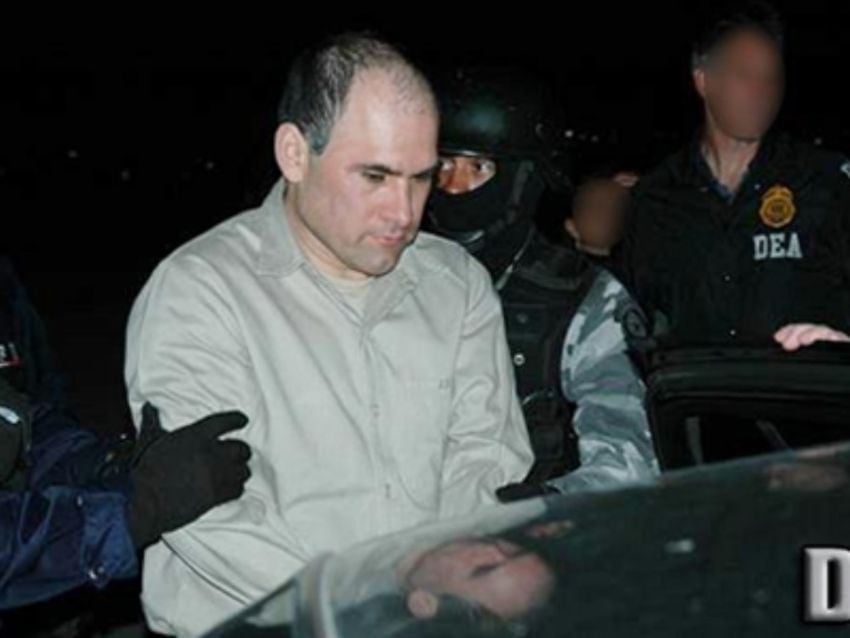
Una bienvenida confirmó que el empleo era una mentira
Óscar Israel Rivera Flores salió de Nicaragua en mayo de 2009. Había aceptado una oferta de Jhony José Valladares Mejía para trabajar en una caballeriza.
En Estelí, los organizadores alojaron a los viajeros y les entregaron boletos de autobús hacia Guatemala. El grupo continuó el trayecto hasta territorio mexicano.
Al llegar, Rivera Flores comprendió que el empleo prometido no existía. Los pusieron en fila y les anunciaron: “Bienvenidos muchachos, ustedes son ahora parte del Cártel del Golfo de México”.
Su declaración en un juicio realizado en Ocotal en noviembre de 2011 permitió reconstruir parte de la operación. Rivera Flores aseguró que no sabía manejar armas y que no quería utilizarlas.
Los integrantes del grupo criminal lo abandonaron. El 21 de junio de 2009, Migración lo detuvo y lo deportó a Nicaragua por El Guasaule.
Esa detención interrumpió el recorrido que había comenzado con una oferta laboral. Para Rivera Flores, significó salir con vida de un grupo al que no había elegido integrar.
Denis Rivera Betanco, campesino de Los Manchones, Quilalí, relató un caso similar. A él le ofrecieron cerca de USD 1,000 mensuales por tareas ganaderas.
Viajó con hombres de Las Flores, Las Naranjas, El Olingo y Zúngano. Cuando llegó al destino, la primera pregunta fue si sabía manejar armas.
Rivera Betanco recibió entrenamiento militar y participó en patrullajes organizados en escuadras. El trabajo de campo había sido reemplazado por funciones armadas.
Ismael González Rugama salió de Quilalí a mediados de 2011 para buscar empleo. Según el relato de su padre, incorporado al expediente judicial, en México le entregaron armas y lo enviaron a asaltos y enfrentamientos con grupos rivales.
El joven consiguió escapar y permaneció en Honduras. Temía que integrantes de la organización lo localizaran y lo asesinaran si regresaba a Nicaragua.
Tamaulipas era escenario de una guerra entre cárteles
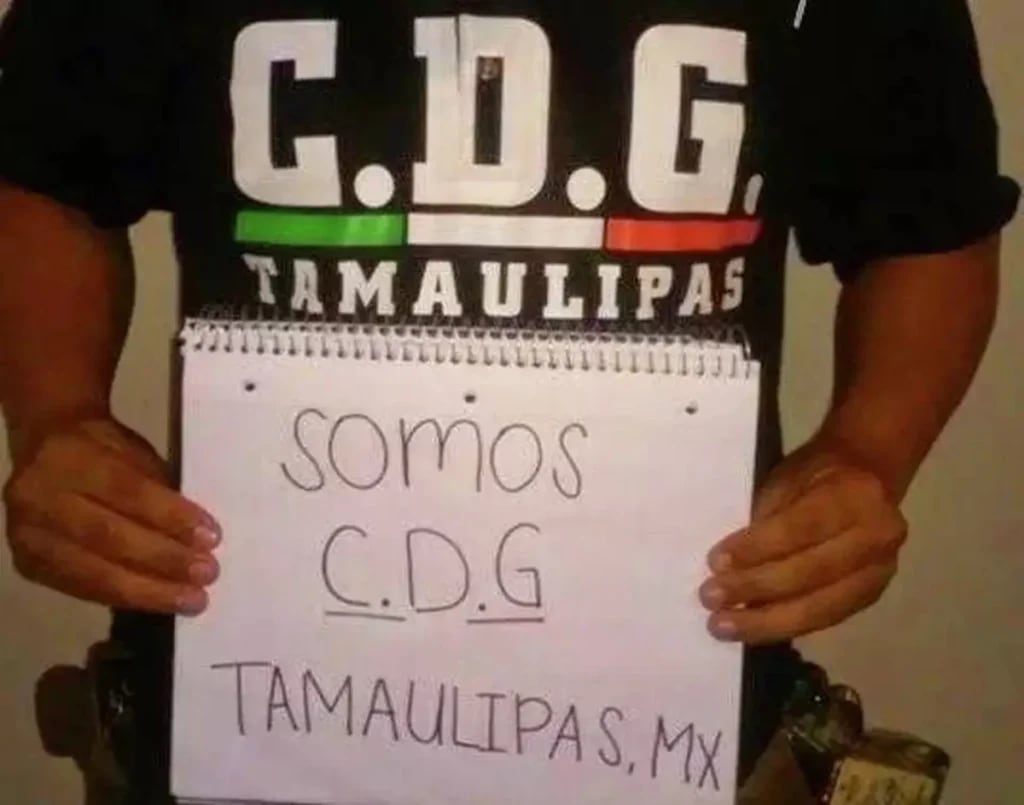
Los nicaragüenses fueron trasladados hacia Tamaulipas en un periodo de violencia creciente en México. El Cártel del Golfo y Los Zetas rompieron su alianza en 2010 y comenzaron una disputa abierta por el control de territorios del noreste.
Reynosa, Matamoros y Nuevo Laredo quedaron entre las ciudades atravesadas por los enfrentamientos. El control de esas plazas permitía dominar rutas de droga hacia Estados Unidos, extorsiones y otros delitos.
México registró 8,867 homicidios en 2007 y 27,199 en 2011, según el Instituto Nacional de Estadística y Geografía (Inegi). En esos cinco años, el país acumuló 95,632 homicidios.
Tamaulipas registró 288 homicidios en 2009. La cifra subió a 721 en 2010, a 855 en 2011 y a 1,016 en 2012, de acuerdo con un estudio citado en el Atlas de la Seguridad y la Defensa de México 2016.
Orozco explicó que los cárteles requerían hombres con experiencia militar para esas disputas. “Lo que estaban formando eran verdaderos ejércitos de sicarios”, afirmó.
La permanencia en el grupo criminal no dependía de la voluntad de los reclutados. Manuel sostuvo que quienes llegaban a México debían obedecer, generar confianza y adaptarse a las órdenes de sus superiores.
“Ya estando allí, usted tenía que jinetear el macho. Tenía que montarse en el caballo y agarrarse duro”, explicó.
Según su relato, algunos escaparon de forma clandestina. Otros recibieron permiso para regresar temporalmente a Nicaragua después de demostrar lealtad dentro de la estructura.
El reclutamiento llegó a los tribunales de Ocotal
La investigación policial tomó forma en abril de 2012, cuando la inteligencia de la Policía de Nueva Segovia recibió información sobre una red que ofrecía empleos en ranchos mexicanos.
La Fiscalía afirmó que los hombres eran llevados bajo engaño y luego entregados a células criminales que los utilizaban en asaltos, extorsiones, secuestros y asesinatos. En algunos casos, las amenazas impedían que abandonaran a la organización.
El proceso judicial más documentado comenzó en Ocotal. Roberto Antonio Monterrey Vílchez, originario de Los Manchones, Quilalí, fue acusado de participar en la estructura.
También fueron señalados Jhony José Valladares Mejía, Norma Elena Rivera Cruz y Moisés Aguirre Escorcia. Monterrey fue el único de los cuatro que compareció detenido en Nicaragua durante aquel juicio.
El 15 de noviembre de 2013, Monterrey fue declarado culpable. La fiscal Melisa Marena sostuvo que el proceso había demostrado la existencia de una organización criminal dedicada al reclutamiento.

La causa incluyó nueve víctimas, aunque la Fiscalía sospechaba que más de 30 personas podían haber sido afectadas. La Policía señaló que la red había operado en Quilalí desde 2009.
El Juzgado Penal de Juicio de Ocotal condenó a Monterrey el 22 de noviembre de 2013 a 12 años de prisión: siete por trata de personas con fines de esclavitud y cinco por crimen organizado.
El Tribunal de Apelaciones de Estelí confirmó la sentencia el 23 de abril de 2014. Monterrey pidió después la nulidad del juicio o un cambio de medida por problemas de salud y negó las acusaciones.
El 5 de agosto de 2020, el Juzgado de Ejecución de Sentencia y Vigilancia Penitenciaria de Las Segovias declaró cumplida la pena. El expediente continuó abierto respecto de los otros acusados.
El 17 de mayo de 2024, la Oficina de Archivo de Asuntos en Trámite del Complejo Judicial de Ocotal emitió actuaciones para mantener vigente una orden de captura contra los procesados que no habían sido detenidos.
Los muertos volvieron en cajas y otros nunca regresaron
Las investigaciones reconstruyeron el destino de ocho campesinos enviados a Tamaulipas en 2011. Tres lograron escapar y volver a Nicaragua, tres fueron detenidos por las autoridades mexicanas y dos murieron.
Los fallecidos fueron Wilfredo Varela Vindell y José Odimildo Valladares Mejía. Sus restos regresaron incinerados a Quilalí, dentro de pequeñas cajas de madera.
La Asociación Nicaragüense Pro Derechos Humanos (ANPDH) contabilizó la repatriación de los restos de cinco nicaragüenses relacionados con estas redes entre 2010 y 2013, según informó Diario La Prensa.
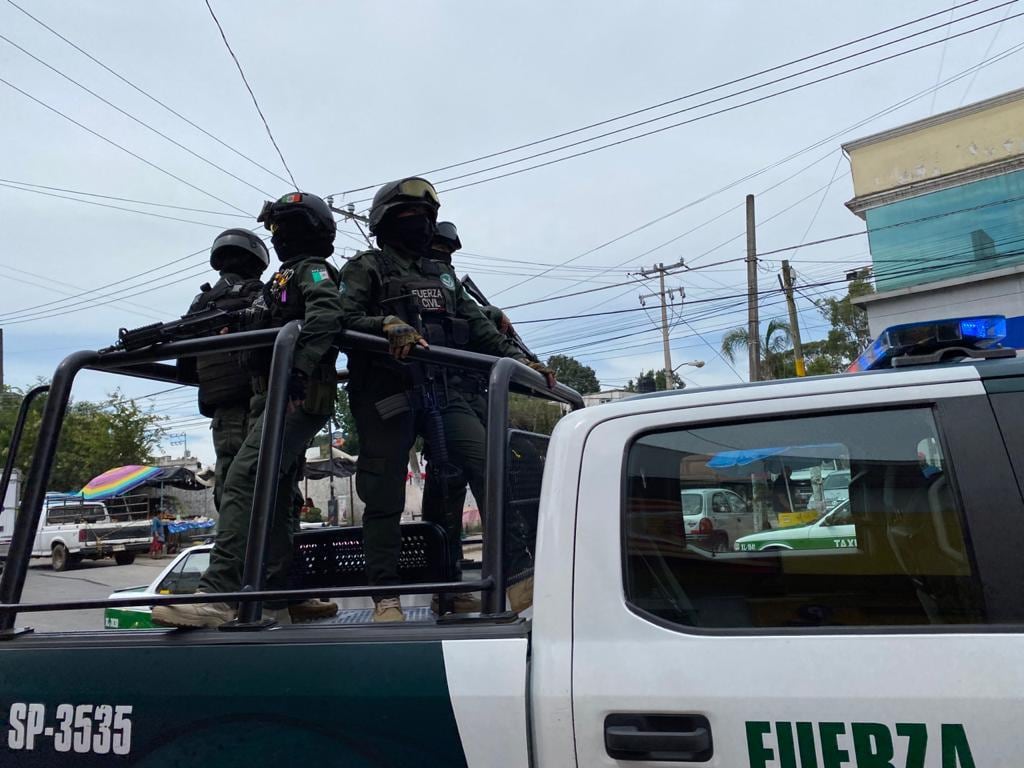
Manuel aseguró que el cártel cubría, en algunos casos, los gastos para enviar los cuerpos a Nicaragua. La organización consideraba a los hombres que trabajaban para ella como miembros de su propia estructura.
El hermano de Manuel que murió en la emboscada había pasado alrededor de dos años dentro del Cártel del Golfo. Su hermano menor logró volver, pero la familia quedó marcada por una ruta que comenzó con una oferta de empleo.
El reclutamiento también alcanzó a Los Zetas. En marzo de 2012 comenzó en Somoto un juicio contra Julio César Leiva Dávila y Walter José Morales García, acusados de integrar una estructura que captaba personas para esa organización.
La Fiscalía sostuvo que ofrecían empleos como guardas de seguridad en México, con salarios de USD 2,000 mensuales. Las investigaciones incluyeron a 20 personas presuntamente reclutadas entre 2010 y 2011.
Con el tiempo, el reclutamiento internacional de antiguos combatientes perdió intensidad. Orozco señaló que las organizaciones mexicanas modificaron sus operaciones y comenzaron a depender más de células locales para tareas logísticas, de seguridad y transporte.
Marlon murió en un enfrentamiento en México. Cascabel, llamado Pepe dentro del cártel, habría terminado detenido en una prisión de máxima seguridad.
Algunos nicaragüenses volvieron a sus comunidades. Otros quedaron presos, murieron en combates o desaparecieron sin que sus familias conocieran qué ocurrió con ellos.

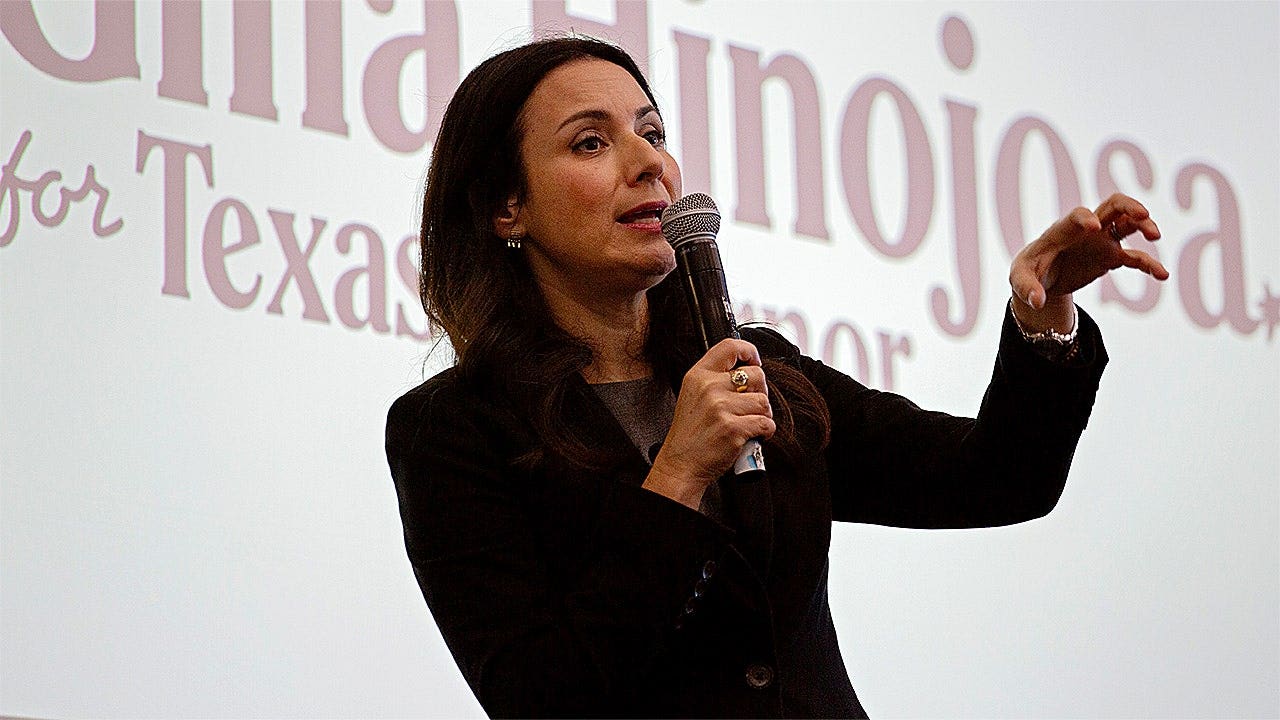
A GOP lawmaker in Texas is seeking to limit some of the incoming governor’s powers after Democrats flipped the state blue in Tuesday’s election.
Republican Texas state Rep. Brian Harrison on Wednesday publicly urged outgoing Gov. Greg Abbott to convene a special session to «rein in» the governor’s executive emergency powers before Democratic Gov.-elect Gina Hinojosa takes office.
«Republicans lost last night, but Democrats were not sworn in,» Harrison wrote in a lengthy statement posted on X. «We still have total power in Texas, and we must act like it by using the remaining ten weeks to restore separation of powers and limit the emergency powers that Governor-Elect Hinojosa is set to inherit, that would allow her to destroy liberty in Texas by executive fiat.»
Harrison also emphasized in the post that he believes Texas governors should not have «unchecked» emergency powers, regardless of their party affiliation.
TED CRUZ SAYS ‘BLUE TSUNAMI’ TOOK OVER TEXAS AFTER DEMOCRATS SWEPT STATEWIDE RACES
«Texas should have reined in executive emergency powers when I first demanded it in 2022,» Harrison told Digital on Thursday. «If these are not revoked, Gina Hinojosa will assume not just the powers our state constitution bestows upon a Governor, but will, in effect, inherit nearly all the powers of a dictator. Most people are shocked to learn Texas governors can write, edit, or change any statute on a whim if they just declare an ‘emergency,’ and this is unconstitutional.»
Under Section 433.002 of the Texas Government Code, the governor may issue emergency directives and «amend, modify, or rescind» those directives during a declared state of emergency, subject to the requirements outlined in the law.
«These powers have been abused in the past, and Governor-Elect Hinojosa has pledged to use them on day one,» the Texas Republican added. «Republicans are still in control for ten weeks, we need to start acting like it.»
Harrison also said in the X post that the Texas Legislature should «immediately pass» legislation such as HB911, which he filed in December 2022 to restrict the governor’s «never ending emergency powers.»
His comments come after Hinojosa defeated Abbott in Texas’ 2026 gubernatorial race on Tuesday, becoming the state’s first-ever Latina governor.
While on the campaign trail, Hinojosa pledged that she would declare «a high-cost emergency» in Texas and introduce executive orders to halt the state’s gas and diesel taxes and to freeze residential electricity rates, the Texas Tribune reported Wednesday.
Abbott’s office and Hinojosa’s campaign did not respond to Digital’s request for comment.
In a Thursday X post, Harrison claimed that his demand to curb the Texas governor’s emergency powers «has REALLY triggered low-IQ leftists across America,» adding that he did not «recall them cussing and calling me every name in the book when I filed the same legislation 4 years ago… right after ABBOTT was re-elected!!»
The governor of Texas possesses the ability to sign or veto bills passed by the state’s Legislature, serve as commander-in-chief of the state’s military forces and convene special legislative sessions «for specific purposes,» according to Abbott’s office.
Under the Texas Disaster Act of 1975, the governor can declare a state of disaster and exercise certain emergency powers, including suspending specific regulatory requirements, but disaster declarations must be renewed after 30 days and can be terminated by the Legislature at any time.
AMERICA SAW THE BLUE WAVE COMING — BUT DRASTICALLY UNDERESTIMATED THE EXTENT OF THE DEM TSUNAMI
Hinojosa vowed in a Wednesday X post that her administration will «lead with a politics of courage, not convenience.»
The Democratic Party notched another key victory in the Lone Star State on Tuesday after James Talarico toppled Republican Attorney General Ken Paxton in the U.S. Senate race.
Ahead of Hinojosa taking office next year, some Republican Texas state senators have pledged to «hold the line» against Democrat-led policy goals in the state, The Houston Chronicle reported Wednesday.
President Donald Trump on Tuesday blasted Abbott in a Truth Social post, claiming the governor lost his re-election bid because he is a «RINO,» an acronym that stands for «Republican in name only.»
«If Greg Abbott, the Governor of Texas, hadn’t become a RINO in the last six months of his Political Life, he wouldn’t have lost,» Trump wrote in the social media post. «He went back to his original formula, and it wasn’t pretty!»
After conceding the race, Abbott told supporters on Tuesday that he had informed Hinojosa that he «would assist her and her team in a period of transition,» The Hill reported.
«For weeks, I had been publicly warning on this podcast that we were in very real danger of losing everything in Texas,» Republican Texas Sen. Ted Cruz said Wednesday in an X post. «Far too few believed that was possible. I am very, very sorry that it came to pass. Texas has not had a Democrat governor since 1994.»
«We haven’t had a Democrat senator since 1993,» Cruz added. «Now we’ll have both.»
Hinojosa is set to officially take office in January 2027.
texas, politics, gubernatorial, greg abbott, state and local
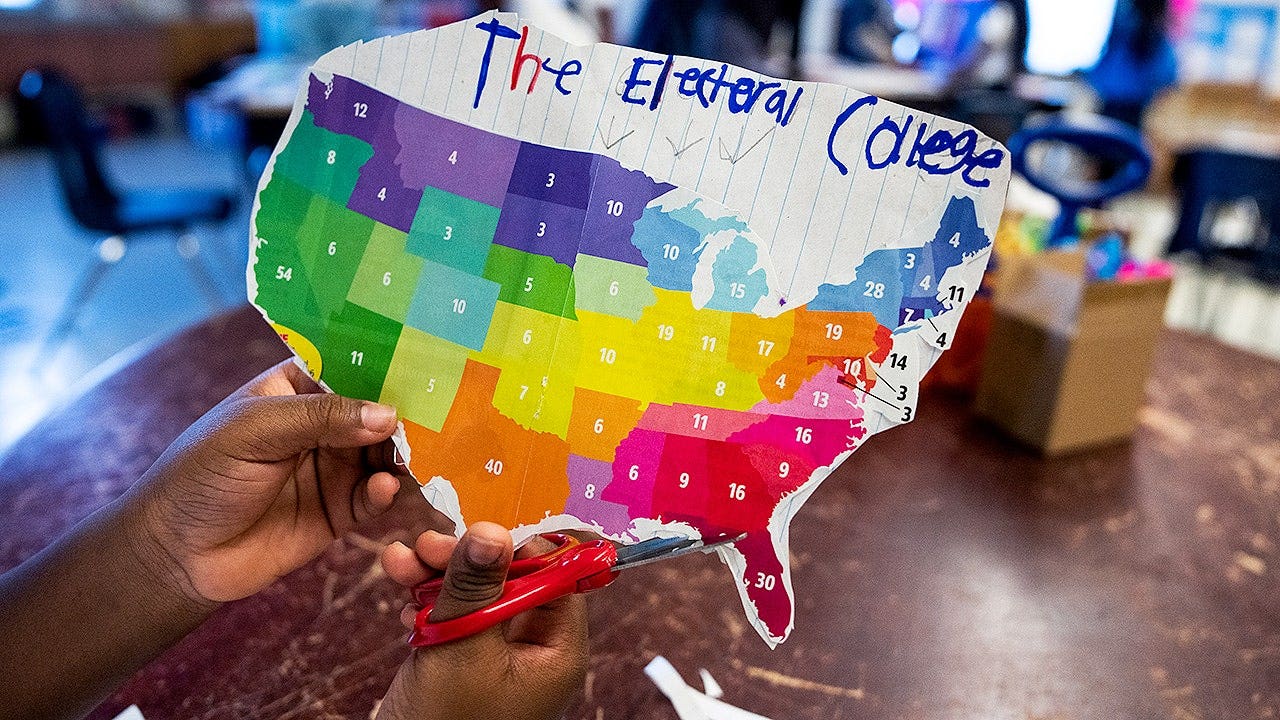
Democrats’ midterm gains have opened a new front in the fight over how America chooses its president — one that could reshape the 2028 race for the White House.
Democrats now control the governor’s office and both chambers of the state legislature in Michigan, Pennsylvania, Wisconsin and Nevada. The National Popular Vote Interstate Compact, already enacted by 18 states and Washington, D.C., has 222 electoral votes pledged to it — 48 short of the 270 needed to take effect. If the four states join, their combined 50 electoral votes would push the compact to 272 and activate it. Arizona could push the total to 283 if Democrats ultimately gain control of both chambers there.
National Popular Vote (NPV), the nonprofit organization that authored the compact and is campaigning to enact it state by state, says it has identified multiple legislative sponsors in each of the five states whose combined electoral votes could push the compact over the 270-vote threshold. It expects bills to be pre-filed before, or introduced early, in the 2027 legislative sessions.
«I am confident we have multiple paths to secure the 48 electoral votes required to deliver what 63-percent of Americans want,» Patrick Rosenstiel, a senior consultant for NPV, told Digital.
VANCE, CRUZ AND DESANTIS DIAGNOSE GOP’S MIDTERM DISASTER AS BATTLE OVER PARTY’S FUTURE BEGINS
Under the current electoral system, every state except Maine and Nebraska awards its electoral votes to the candidate who wins the statewide vote. If the compact takes effect, participating states would instead award their electors to the candidate who wins the most votes nationwide, leaving the Electoral College formally in place but making the national tally decisive.
Supporters argue the compact would give every vote equal weight by counting ballots toward a single national total. The Electoral College, by contrast, was structured to give both populous and smaller states a meaningful role in choosing the president.
«They can’t use a compact to, in essence, change the Electoral College,» Hans von Spakovsky, an election law expert with the conservative group Advancing American Freedom, told Digital when asked about the potential activation of the compact before the 2028 election.
«This is unprecedented,» von Spakovsky, a former commissioner on the Federal Election Commission (FEC), continued. «In the past, the only kind of compacts that have been agreed on between states have been things like water sharing — when rivers run between states, they enter into compacts to agree on that. But a compact that changes a fundamental structural given in the Constitution, I think the Supreme Court would say you can’t do that.»
HILLARY CLINTON STILL FUMING OVER ELECTORAL COLLEGE, CALLS IT AN ‘ABOMINATION’ IN NEW NETFLIX SERIES
Rosenstiel rejected the argument that the compact would improperly alter the Constitution, saying NPV believes Article II, Section 1 gives states the authority to determine how their presidential electors are appointed.
«Any clean read of Article II, Section 1 makes it clear that states have the exclusive power to award electors,» Rosenstiel said. «The only credible legal question is whether this compact requires congressional consent.»
Von Spakovsky argued that because the NPV compact is an agreement between states, Congress would have to approve it under the Constitution’s Compact Clause in Article I. He noted Congress could approve the compact with simple majorities in the House and Senate and that the Constitution does not explicitly require the president’s signature — meaning a presidential veto might not stop it.
However, von Spakovsky added that states choosing not to participate in the National Popular Vote Interstate Compact would have a strong basis for litigation.
«Given that the NPV is entirely a creation of Democrats and only supported by Democrats, the new Congress will no doubt easily pass this compact,» he told Digital. «However, I believe the non-participating states would have a good basis for litigation, which would end up in the Supreme Court, arguing that the compact is unconstitutional because it changes a fundamental structural part of the Constitution without going through the constitutional amendment process. The argument would be that states cannot make agreements among themselves that damage the federal system provided by the Constitution.»
National Popular Vote’s campaign has identified sponsors in all five potential additions following the midterms that could help push the compact over its 270-vote threshold and plans to begin pushing bills before or early in the 2027 legislative sessions, according to Rosenstiel.
Rosenstiel said the compact would apply to the 2028 election only if states representing at least 270 electoral votes join before July 20 of that year. That gives state lawmakers, Congress — if approval is required — and the courts less than two years to resolve the political and constitutional questions.
SIGN UP TO GET THE POLITICS NEWSLETTER
Until then, the Electoral College remains unchanged.
«I’m increasingly confident we can achieve that goal and we will have a national popular vote for president in 2028. I would certainly prepare for it,» he said.
the electoral college, elections, politics, elections state and local, states rights, congress, reform
INTERNACIONAL
From ‘Red Sprouts’ to school board races, DSA’s years-long effort to reach children gains momentum
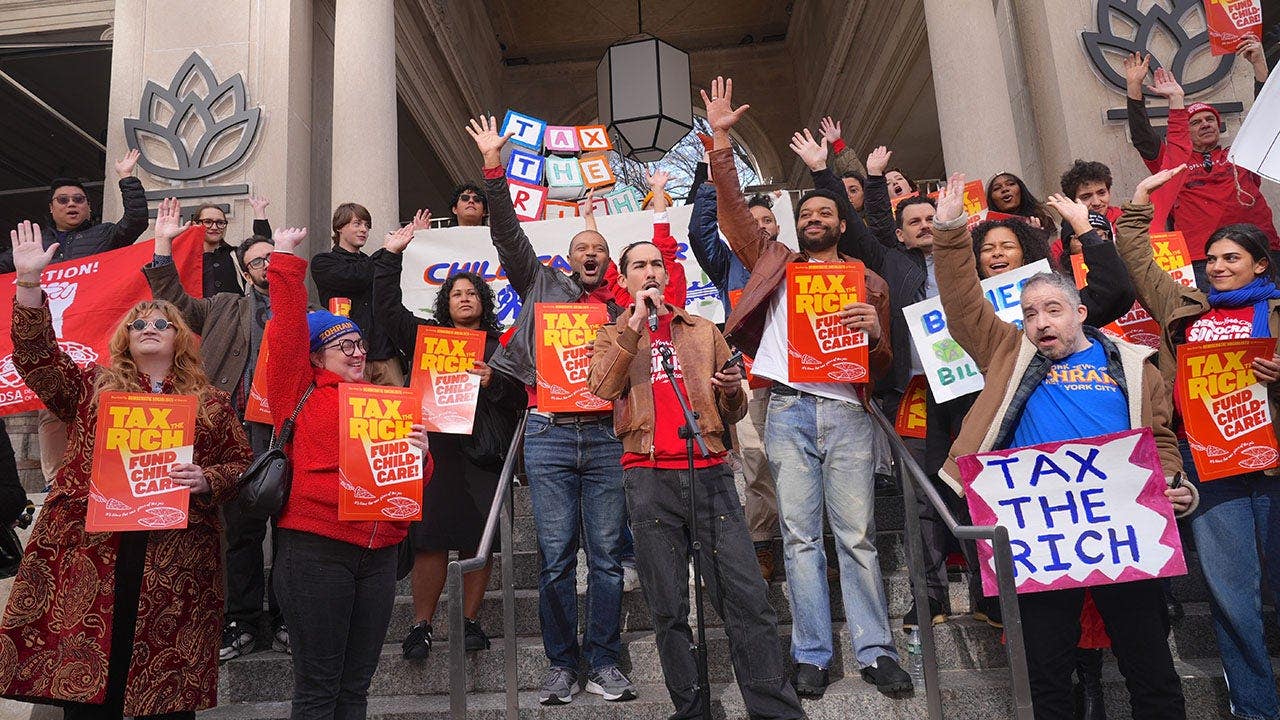
The Democratic Socialists of America (DSA) is taking its message into classrooms, child-care programs and school boards, urging organizers to approach child care «from a socialist perspective» through initiatives such as Socialist Sprouts, and its been an initiative for years, a parental-rights watchdog warns.
In New York City, the DSA’s «Red Sprouts» program held a training session in October 2026 to equip organizers to provide «resistance-driven childcare» at demonstrations, meetings and community events.
The training encouraged participants to incorporate political themes into childcare through «radical storytelling», «cooperative games» and age-appropriate discussions.
«There’s been a real influx in enthusiasm and their ability and desire to recruit and grow their movement,» American Parents Coalition leader Alleigh Marré told Digital. «What’s particularly concerning and insidious, is their direct efforts to apply that to not just adults, but to youth.»
Marré said the American Parents Coalition is working to equip parents with resources to identify and question political activism in schools, including through its «Lookout» initiative.
PARENTS SHOULDN’T NEED THE HELP OF CONGRESS TO SEE THEIR CHILDREN’S SCHOOL CURRICULUM
The New York City DSA chapter also established Comrades With Kids, a family-focused organizing group that seeks to be a «political and social home base for working-class families.» The group posted photos of DSA-themed coloring pages for children provided at a Zohran for Parents event in September 2025.
The New York initiatives are part of a larger effort by the DSA to incorporate childcare and political education into its organizing activities.
For years, the DSA’s National Political Education Committee has offered training on approaching childcare for activists «from a socialist perspective», including activities for children at organizing events. In 2025, the committee outlined plans to develop a «Socialist Sprouts» curriculum geared for children, parents and caregivers involved in the movement.
The organization’s efforts to introduce socialist ideas to children date back at least a decade.
In 2016, New York City DSA members launched a Socialist Sunday School for children ages 2 to 6. The program used political songs such as «Union Maid» and «Solidarity Forever,» alongside children’s books, including «The Lorax,» to introduce discussions about corporate greed, environmentalism and organizing against unfairness.
In Ohio, the Cleveland DSA chapter created a children’s coloring book to «help kids learn what we work on at DSA.» Its illustrations include a version of «The Three Little Pigs» tied to the chapter’s housing agenda.
POLITICAL ACTIVISM, ANTISEMITISM ALLEGATIONS PUT PUBLIC SCHOOLS UNDER THE MICROSCOPE
The DSA’s online store has also sold children’s clothing promoting a «Green New Deal for Public Schools.»
The DSA describes much of its childcare programming as a way to make political organizing more accessible to working-class families. Marré, however, argued that introducing socialist ideas to young children raises concerns about political indoctrination.
«The DSA really understands and values that if you can indoctrinate and teach these kids really young, their perceived value of, of socialism, that that’s going to stick with kids for a lifetime,» Marre said. «It’s much easier to teach a child an idea or ideal in their infancy, and when they’re very young and they’re forming their worldview, and we have seen many efforts to try and capitalize on that.»
«There’s this really concerted effort to instill an ideology in really, really young children, rather than teaching kids how to think and introducing a breadth of ideologies of religious interests, etc.,» Marré said. «It’s really focused on socialist and communist aligned ideas.»
Beyond its childcare programs, the DSA has also pursued a strategy to expand its influence over public education through local school board elections.
At its 2023 national convention, the DSA adopted an amendment prioritizing the recruitment and support of socialist school board candidates. Rose DuBois, one of the amendment’s authors, argued that school board elections could help the organization reach «new kinds of voters, such as parents,» while building the infrastructure needed to win higher-profile races.
MAMDANI-BACKED SOCIALIST WINS NYC HOUSE SEAT AS DSA EXPANDS ITS REACH IN CONGRESS
The Los Angeles chapter of the DSA established its own Public Education Committee, with priorities that include expanding the organization’s influence on school boards, recruiting school board candidates, working with teachers unions and promoting policies such as the Green New Deal.
Those longstanding efforts come as the DSA gains political ground following the 2026 midterm elections, with DSA-backed candidates winning congressional, state legislative and local school board races.
DSA-backed positions prevailed on 23 ballot measures, including a measure in Washington where voters rejected a proposal to restore expanded parental rights in public schools.
The election results highlight the growing political reach of an organization whose members advocate shifting economic power away from private corporations and expanding government-funded programs, including universal healthcare and childcare.
The 2025 victory of New York City Mayor Zohran Mamdani, a card-carrying member of the DSA, heightened awareness of the movement’s growing influence, particularly among young people. Following the 2026 midterms, three card-carrying DSA members — Rep. Alexandria Ocasio-Cortez, D-N.Y., and Reps.-elect Claire Valdez and Darializa Avila Chevalier, both New York Democrats — are set to represent parts of New York City in Congress.
Marré said the American Parents Coalition is working to equip parents with resources to identify and question political activism in schools, including through its «Lookout» initiative.
She warned that the impact could become more visible as newly elected DSA-backed officials take office.
«We’re gonna see a lot more of the firsthand resources and the effects of this brand new class of DSA members being folded into their communities,» Marré said.
rise of socialism, parents, culture opinion, zohran mamdani, alexandria ocasio cortez, democratic party, social policy, woke, politics

Luciana Salazar celebró sus 46 años con una cena íntima junto a amigos: las fotos

Elecciones desdobladas y lejos de las nacionales: la estrategia de los gobernadores patagónicos en 2027

Cuándo volverá a correr Franco Colapinto en la Fórmula 1 tras su participación en el GP de Brasil

En qué provincias y sectores la industria del juicio golpea más fuerte: las causas y las consecuencias del ranking de conflictividad

El presidente del Atlético de Madrid y un picante pedido para Julián Álvarez en la previa del partido ante el Barcelona: «El mejor perdón es un gol, no, dos, y ganar» :: Olé

El embajador de EE.UU. en Argentina respaldó a Milei ante los mercados: “¡Vamos adelante, nunca para atrás!”

El embajador de EEUU ratificó el apoyo de Trump a la Argentina tras la derrota republicana: “Nuestro compromiso es firme”

Santiago Peña renunció a la Presidencia de Paraguay por el escándalo del Ueno Bank

Intendentes reclaman al Gobierno una mejor distribución de los subsidios al transporte y amenazan con ir a la Corte Suprema

Una estrella mundial sorprendió al revelar su fanatismo extremo por Boca: el increíble pedido que le hizo su hijo al cumplir 18 años

 POLITICA2 días ago
El Ministerio de Economía pasó a disponibilidad a más de diez empleados de planta permanente
- INTERNACIONAL2 días ago
Artemis IV: los detalles de cómo será la misión de la NASA que busca llevar astronautas a la superficie lunar en 2028
- POLITICA3 días ago
Pedro Sánchez le respondió a Milei: “El insulto no forma parte de mi forma de entender la política. Ahí lo dejo”