ECONOMIA
Caputo festeja que le dan dólares pero la tasa sigue elevada: ¿señal de que los inversores ven una suba del tipo de cambio?


Tanto la obtención del préstamo «repo» por u$s2.000 millones como la emisión de Bonos del Tesoro por u$s500 dejaron en evidencia uno de los mayores temores del mercado: que la estrategia de Luis Toto Caputo para reforzar las reservas podría costar más cara de lo previsto.
En el primer caso, el préstamo se toma y se devuelve en dólares. En el caso del Bonte, el inversor entrega dólares pero recibirá pesos. Y en ambos casos sorprendió el alto nivel de la tasa de interés que el gobierno debió aceptar para reforzar la caja del Banco Central.
La tasa que exigen los inversores conlleva implícito su expectativa sobre la evolución del riesgo país, sobre la estabilidad cambiaria y sobre la capacidad de acumulación de reservas que aseguren el repago.
Ya había sido motivo de controversia el debut de los Bontes, que en su primera licitación estuvo dirigido exclusivamente a los inversores externos. En ese momento, había sorprendido la tasa de 29,5% en pesos que debió suscribir el gobierno, muy por encima del 25% que habían pronosticado los analistas
Los propios funcionarios admitieron que esa tasa está suponiendo que los inversores piden una cobertura alta para los fundamentos actuales de la economía. Pero reconocen que está en línea con el tipo de cambio histórico del período 1997-2025.
En todo caso, el mensaje que llevaba implícita esa tasa era la expectativa de una devaluación anual de 19% anual. No necesariamente es lo que los inversores creen que vaya a ocurrir, pero es de lo que se están cubriendo con la tasa.
En aquel momento, los funcionarios dejaron traslucir su optimismo sobre una caída de la tasa en las futuras licitaciones, cuando el bono debutara en el mercado secundario y los inversores locales pudieran incluirlos en sus portafolios.
Riesgo país: duro de bajar
Luego vino la concreción del «repo», celebrada por Caputo como una señal de confianza por parte de los grandes actores del mercado internacional de crédito. Fue la extensión del acuerdo al que se había llegado en enero, por el cual en aquel momento entraron u$s1.000 millones a una tasa en dólares de 8,8%.
Seis meses más tarde, se concretó el segundo tramo por u$s2.000 millones, a una tasa de 8,25%. Aunque la tasa tuvo un recorte, los analistas del mercado no ocultaron su decepción.
Después de todo, entre los dos eventos ocurrió la firma del acuerdo con el Fondo Monetario Internacional, el levantamiento del cepo cambiario sin una devaluación traumática y una marcada baja en la inflación.
En teoría, esa mejora en el panorama macroeconómico -y tras el ingreso de u$s12.000 millones del FMI más u$s2.000 millones de organismos internacionales- debería haber permitido un recorte mayor en el costo financiero.
Sin embargo no ocurrió así, y ahí fue cuando las miradas se posaron sobre el índice de riesgo país, que tercamente se resiste a bajar y a desconocer el discurso optimista del gobierno. El nivel de ese riesgo crediticio se ubica hoy en torno de 660 puntos básicos, todavía por encima de los 610 que se registraba en enero, cuando se acordó el primer «repo».
Luz amarilla por las reservas
Fue en ese marco que recrudecieron las dudas sobre la sostenibilidad del programa económico. Primero, por las señales en el sentido de que no se comprarían dólares mientras no llegaran al piso de la banda de flotación -algo que los economistas creen que podría no ocurrir nunca-.
Luego, por las manifestaciones del presidente Javier Milei que minimizaron la gravedad del déficit de la cuenta corriente, que algunas proyecciones ya ubican en u$s8.000 millones para este año.
Milei argumentó que, al haber superávit fiscal, no puede equipararse la situación actual con la de otros momentos en que el rojo de la cuenta corriente fue el preámbulo de una crisis devaluatoria. Y, además, dijo que el ingreso de capitales al país iba a compensar el déficit por los bienes y servicios.
Pero ni siquiera el paquete de medidas que habilitó la compra de dólares por parte del Tesoro parece haber cambiado esa percepción. De hecho, economistas muy influyentes en el mercado, como Ricardo Arriazu y Domingo Cavallo -a quienes nadie puede acusar de ser opositores a Milei- advirtieron que no es lo mismo acumular reservas con endeudamiento que hacerlo con divisas provenientes del superávit comercial.
¿Se paga caro por los Bontes?
Entonces llegó otra instancia que abonó las dudas del mercado: se licitó el nuevo Bonte, pero esta vez se le permitía ofertar a los inversores locales, y a los extranjeros se les eliminó el «parking» obligatorio de seis meses -esta última es una medida controversial que según el gobierno ya no se aplica en los principales mercados, pero que los economistas ven como una fuente de volatilidad-.
La licitación asigno bonos del Tesoro por el equivalente a u$s500 millones. La tasa fue de 28,46%.
Teniendo en cuenta que el Treasury bond estadounidense a cinco años rinde un 4% y el riesgo país argentino se ubica en torno a 660 puntos, el premio esperado por los inversores no puede ser menor a un 11% real -es decir, medido en dólares-. El diferencial está explicado por la necesidad de cubrirse de una eventual devaluación.
Cuando el primer Bonte empezó a cotizar en el mercado secundario, hubo una caída de la tasa -es decir, subió el precio del título por la alta demanda- de manera que ahora el rendimiento es de 28%. Para algunos analistas, la diferencia respecto de la tasa que se pagó en la emisión primaria es la mayor percepción de riesgo por parte de los inversores extranjeros en comparación con los del mercado local.
Por qué celebra el gobierno
El gobierno celebró la tasa de la última licitación, por el recorte respecto del 29,5% que se había registrado en mayo, pero en el mercado se la sigue considerando demasiado elevada para un contexto en el que el gobierno quiere reforzar la sensación de estabilidad cambiaria.
Federico Furiase, el ideólogo de la política monetaria del gobierno -el «plan de las tres anclas»- destacó que la licitación fue positiva porque se extendió la «duration» de la deuda en pesos al mismo tiempo que bajaron las tasas.
Y volvió sobre el argumento preferido del gobierno: que esta acumulación de reservas se realiza sin que haya una expansión de dinero no demandado por el mercado -algo que no ocurriría si el comprador fuera el BCRA-. De hecho, Furiase destacó como una situación positiva la contracción monetaria generada por el «rolleo» de 152% sobre los vencimientos.
Hablando en plata, se retiraron del mercado $1,9 billones, con los cuales se recomprarán bonos de deuda soberana hoy en cartera del Banco Central.
Esta evaluación oficial parece confirmar que sigue en pie el plan para obtener dólares por parte del Tesoro, lo que implica la emisión de u$s6.500 millones adicionales hasta fin de año. La lupa estará puesta en la tasa. Si el análisis oficial fuera correcto, entonces, el costo financiero por tomar esa deuda debería ser caer sucesivamente en cada salida del Tesoro.
De todas maneras, el mercado está lejos de concitar unanimidad. Los más escépticos argumentan el riesgo mayor es que el mantenimiento de la «no emisión» actual esconda la posibilidad de una mayor emisión futura -o más presión impositiva- por el pago de intereses en el mediano plazo.
iprofesional, diario, noticias, periodismo, argentina, buenos aires, economía, finanzas,
impuestos, legales, negocios, tecnología, comex, management, marketing, empleos, autos, vinos, life and style,
campus, real estate, newspaper, news, breaking, argentine, politics, economy, finance, taxation, legal, business,
technology, ads, media,dólar,bonos,tasa,interés,banco central,mercado,inversiones,devaluación,toto caputo,crédito











ECONOMIA
Industria en apuros: cinco sectores empezaron el año con más de la mitad de sus máquinas apagadas

La utilización de la capacidad instalada en la industria argentina registró en enero de 2026 un nivel general del 53,6%, el porcentaje más bajo desde marzo de 2024. Según los datos publicados por el Instituto Nacional de Estadística y Censos (Indec), esta cifra representa una caída frente al mismo mes del año anterior, cuando el indicador se había ubicado en el 55 por ciento. De esta manera, el informe revela que el sector manufacturero inició el año operando con niveles de ociosidad significativos, acentuando la tendencia contractiva observada al cierre del 2025.
La situación es tan crítica, que no existen registros de un inicio de año tan malo. El Indec publica el informe de “capacidad instalada de la industria” desde el 2016. Analizando la serie completa, se observa que el peor mes de enero de toda la década fue el enero de este año, con el mencionado 53,6%. En el otro extremo, el mejor comienzo se dio en 2016, cuando la industria empezó el año con usando el 62,9% de su capacidad.
La dinámica industrial del primer mes del 2026 muestra una realidad muy diferente para cada actividad, pero con un dato muy preocupante: cinco sectores operan hoy con más de la mitad de su capacidad productiva ociosa. Esto implica que, en estas actividades, más del 50% de las máquinas y equipos disponibles en las plantas se encuentran fuera de funcionamiento por falta de demanda o paradas de producción.
El bloque con el desempeño más bajo en enero de 2026 es el de productos textiles, que alcanzó apenas un 23,7% de utilización. Este valor es sustancialmente inferior al 33,9% registrado en enero de 2025. De acuerdo con el organismo oficial, este retroceso se explica por menores niveles de producción de tejidos y de hilados de algodón.
En este punto, es oportuno recordar que en 2025 ingresaron desde el exterior casi 400 mil toneladas de ropa y productos textiles, un 71% más que el año anterior. La “oleada” de importaciones generó fuertes críticas por parte de los fabricantes locales, quienes aseguran que no pueden competir con los precios de los productos de otros países. De hecho, afirman que “los impuestos nacionales y provinciales pueden elevar los precios finales locales hasta en un 50% respecto de un producto importado similar”.
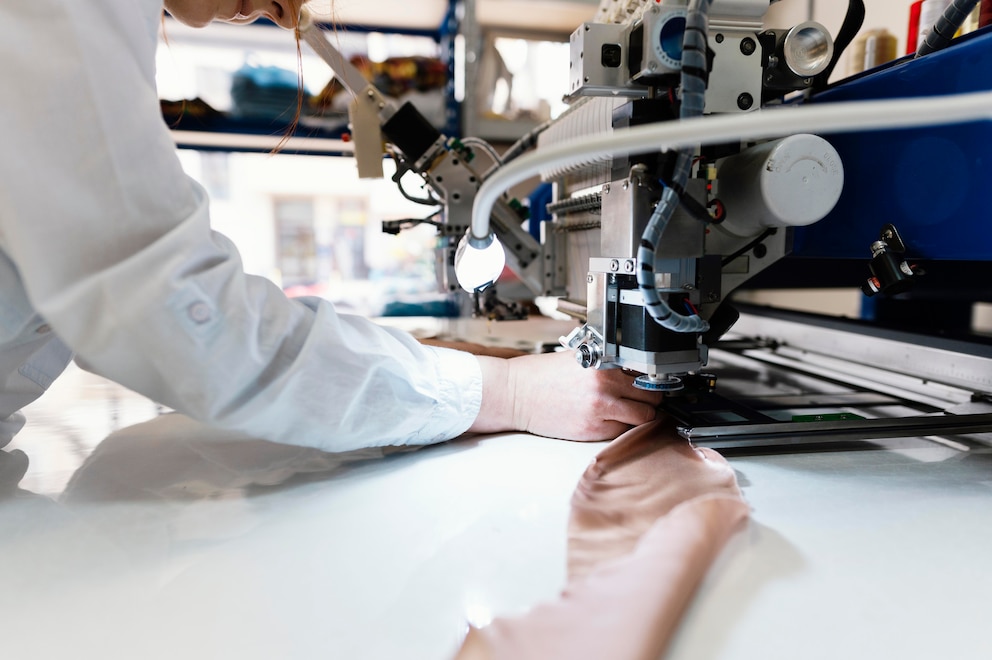
En una situación similar se encuentra la industria automotriz, que en enero operó al 24,0% de su capacidad instalada. La cifra muestra una caída de casi 11 puntos porcentuales respecto al 34,8% del mismo mes del año previo. El Indec vincula este comportamiento directamente con la menor cantidad de unidades fabricadas por las terminales locales. Al respecto, la producción de vehículos automotores reflejó una disminución del 30,4% en la comparación interanual.
El tercer sector que trabaja con más de la mitad de sus máquinas apagadas es la metalmecánica excluida la industria automotriz, que registró un uso del 31,4 por ciento. En enero de 2025, este bloque operaba al 38,1%. Esta caída es, según el informe, la de mayor incidencia negativa en el nivel general de la industria. El retroceso está ligado a la baja producción de maquinaria agropecuaria, que cayó 32,1%, y de aparatos de uso doméstico, con una baja del 35,8%.
Por su parte, el bloque de productos de caucho y plástico utilizó el 36,1% de su estructura productiva en enero, frente al 39,6% de un año atrás. La menor fabricación de manufacturas de plástico (con una caída del 6,2%) y, especialmente, de neumáticos (que se contrajo 29,7%), explican el menor uso de las plantas fabriles.
Finalmente, el grupo de productos minerales no metálicos completa la lista de los cinco sectores por debajo del umbral del 50%, al registrar un nivel de utilización del 45,5%. Aunque el informe no detalla la caída de este mes específico, los cuadros estadísticos muestran un retroceso respecto al 51,1% con el que había cerrado diciembre de 2025.
A pesar de la caída global, otros seis sectores industriales lograron mantenerse por encima del promedio general del 53,6%. El sector de refinación del petróleo sigue liderando la actividad con un 86,8% de uso de su capacidad instalada. Este nivel es superior al registrado en enero de 2025 (84,6%) y se mantiene como el principal sostén del indicador agregado.

Las industrias metálicas básicas se ubicaron como el segundo bloque con mayor actividad, alcanzando el 67,6%. En este caso, se observó una incidencia positiva relevante, ya que superó el 59,3% de enero del año pasado. Este crecimiento está respaldado por los datos de la Cámara Argentina del Acero, que informaron un aumento interanual del 17,2% en la producción de acero crudo.
El bloque de sustancias y productos químicos operó al 64,8%. Si bien está por encima del nivel general, mostró un ligero retroceso frente al 66,0% registrado en enero de 2025. Cabe destacar que para este cálculo no se considera la utilización de la industria farmacéutica.
Por debajo se ubicaron papel y cartón, con un 61,7% (frente al 67,3% previo) , y productos alimenticios y bebidas, que registró un 60,2%. En este último caso, la utilización fue menor al 61,0% de enero de 2025. Para este segmento, el Indec aclara que no se incluye la actividad vitivinícola ni la de los ingenios azucareros.
Por último, el sector de edición e impresión se posicionó apenas por encima del nivel general con un 54,0%. Este resultado representó una mejora respecto al 52,1% de enero de 2025. El único sector que operó por debajo del nivel general pero por encima del 50% fue el de productos del tabaco, que alcanzó el 50,9%, mejorando considerablemente el 40,8% del año anterior.
Pymes,industria,trabajador,planta industrial,maquinaria,producción,metal,empleo,fábrica,herramientas
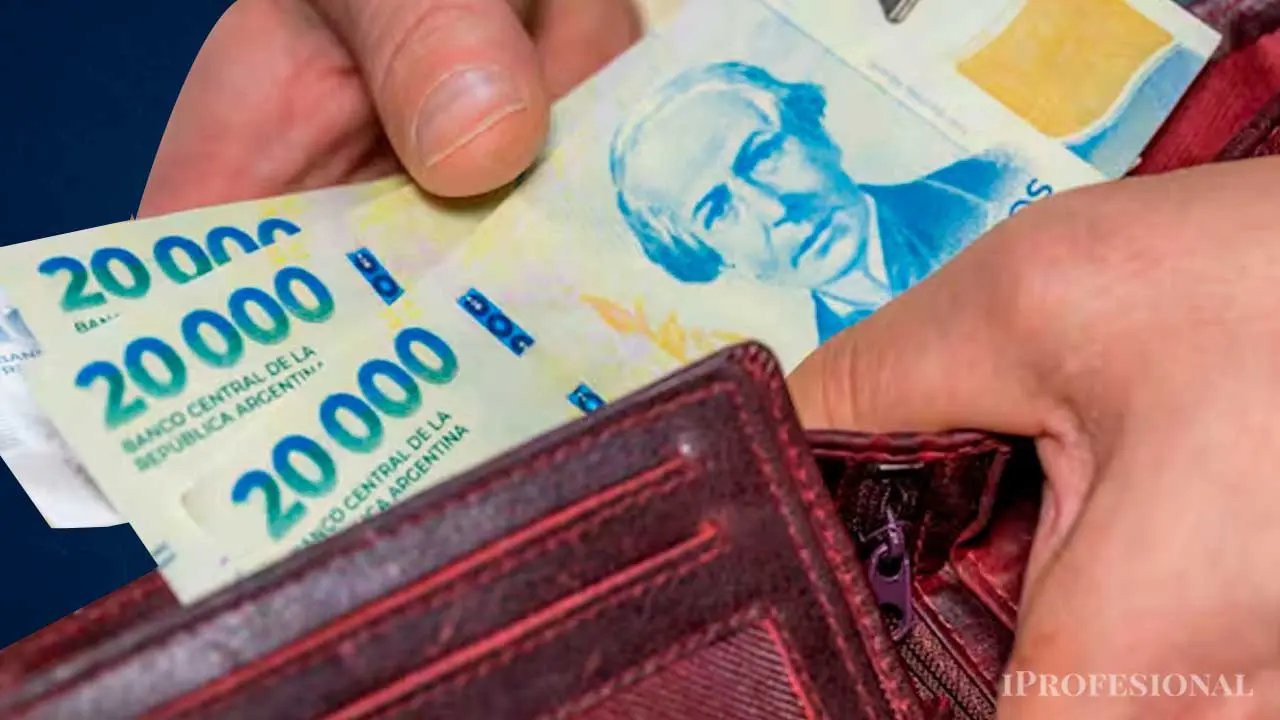
El Salario Mínimo Vital y Móvil llegó a $352.400 en marzo, pero esa cifra apenas raspa la superficie de lo que un joven necesita para vivir solo en Argentina. Según un informe de Focus Market, ese ingreso representa apenas el 10% del valor estimado de una Canasta Joven Completa.
La matemática es brutal: se necesitan casi diez salarios mínimos para cubrir el costo total de vida independiente. Un número que explica por qué la independencia económica se volvió un objetivo cada vez más lejano para miles de jóvenes argentinos.
La combinación de ingresos inestables, altos costos de vivienda y requisitos formales de acceso al alquiler configura un escenario hostil. Incluso quienes trabajan encuentran dificultades concretas para sostener un proyecto de vida autónomo en las condiciones actuales del mercado.
El estudio de Focus Market elaboró una «Canasta Joven» que estima cuánto debería destinar por mes una persona de entre 20 y 30 años para independizarse. El ejercicio divide los gastos en dos grandes grupos: consumos imprescindibles y consumos variables u opcionales.
La primera categoría reúne los gastos mínimos necesarios. Vivienda, alimentos, salud básica, transporte, educación pública, conectividad y actividad física conforman el piso de supervivencia.
Cuánto cuesta alquilar y por qué muchos jóvenes no pueden acceder
La vivienda representa el golpe más duro al bolsillo. Alquilar un departamento de dos ambientes de aproximadamente 35 m² en un barrio como Belgrano requiere alrededor de $550.000 mensuales solo en concepto de alquiler.
A ese monto se suman $212.000 de expensas, que incluyen servicios como SUM, ascensor y portería. También hay que considerar el depósito equivalente a un mes de alquiler.
Para el cálculo mensual, ese pago inicial único se prorrateó en 12 meses, lo que representa $45.833 mensuales. Los servicios públicos básicos como agua, luz y gas registran un promedio conjunto de $104.205 mensuales, según las boletas promedio de febrero.
De esta manera, el costo mensual total de la categoría vivienda asciende a $912.038. Una cifra que multiplica por 2,5 el valor del salario mínimo completo.
Pero hay una barrera previa al costo: la informalidad laboral. Con niveles de informalidad que alcanzan al 36% de los jóvenes, muchos no pueden cumplir con los requisitos habituales para firmar un contrato: recibos de sueldo y garantía propietaria.
Qué incluye el gasto mensual en alimentos, productos básicos y salud
La segunda categoría contempla alimentos, bebidas, higiene y limpieza. El gasto habitual de supermercado, pero adaptado a los hábitos reales de consumo de un joven urbano, como por ejemplo consumo fuera del hogar. Bajo estos supuestos, el gasto mensual en alimentos y bebidas alcanza los $423.908. Como referencia, la Canasta Básica Alimentaria para un adulto equivalente se ubicó en enero de 2026 en $201.939.
En cuanto a productos de higiene personal y limpieza del hogar, se tomaron como referencia las encuestas de gastos de los hogares. Ese rubro representa entre el 5% y el 10% del gasto mensual en supermercado.
Aplicando ese criterio, el gasto estimado asciende a $42.391 mensuales. En conjunto, la categoría alimentos, bebidas, higiene y limpieza alcanza los $466.299 mensuales.
Quienes no cuentan con empleo formal no acceden automáticamente a una obra social. La alternativa es atenderse exclusivamente en el sistema público o contratar un plan privado.
En este cálculo se eligió un plan individual básico de medicina prepaga para una persona de entre 25 y 35 años. El valor promedio: $238.377 mensuales, sin incluir copagos por prácticas específicas. Una cifra que representa el 67% del salario mínimo completo, solo en cobertura de salud básica.
Transporte público y servicios: cuánto se gasta en movilidad mensual
La tercera categoría es la del transporte para los desplazamientos diarios. Dado que una parte significativa de los jóvenes no logra independizarse, se asume que tampoco cuentan con capacidad económica para adquirir y mantener un vehículo propio.
La movilidad se resuelve mediante transporte público y, en menor medida, a través de servicios particulares como Uber o taxi.
Para esta estimación se tomaron 96 viajes mensuales en colectivo y/o subte y 12 viajes en servicios particulares. Con las tarifas vigentes desde marzo, el boleto de colectivo en CABA para tramos de entre 3 y 6 kilómetros cuesta $757,64 con tarjeta SUBE registrada.
El viaje en subte, una vez superados los 40 viajes mensuales, tiene un valor de $792 por tramo. Bajo estos supuestos, el gasto mensual en transporte público se ubica en aproximadamente $74.383.
En cuanto al transporte particular, se estimó un gasto mensual de $68.740 contemplando viajes promedio de 15 kilómetros en horario pico. De esta manera, el costo total de movilidad asciende a $143.123 mensuales.
Respecto a la educación, se consideró el escenario de cursar en la Universidad de Buenos Aires (UBA). No cuenta con arancel mensual pero sí implica gastos asociados a útiles y materiales básicos que, prorrateados anualmente, representan $5.417 por mes.
En servicios de conectividad indispensables se incluyen internet ($90.880), telefonía móvil ($77.320) y cable ($34.400). En deportes, se incorporó únicamente la cuota de un gimnasio como actividad básica ($68.000).
Así, el costo mensual de los gastos mínimos y necesarios para independizarse asciende a $2.085.853. Una cifra que representa casi seis salarios mínimos completos, solo para cubrir lo básico.
Qué gastos opcionales elevan la canasta a más de tres millones de pesos
A partir de ese piso, la canasta incorpora un segundo grupo de consumos. Si bien no son estrictamente indispensables para la supervivencia, forman parte de la vida social, educativa y cultural de muchos jóvenes.
En salud aparece el acompañamiento terapéutico, una práctica cada vez más presente. Se incluyeron dos sesiones mensuales de terapia psicológica, con un valor promedio de $40.000 cada una, lo que representa $80.000 mensuales.
En educación se consideró estudiar en una universidad privada. Los aranceles varían según institución, carrera y prestigio académico. Se calculó un promedio entre siete universidades privadas, lo que arroja un costo mensual de $1.101.206. A esto puede sumarse la realización de cursos extracurriculares con certificación, estimados en $27.200 mensuales.
Como gran parte del consumo cultural y de entretenimiento se canaliza a través de plataformas digitales, se adicionan los gastos en streaming. Incluyen servicios de películas, música y packs deportivos, con un costo estimado en $56.505 mensuales.
También se contemplaron suscripciones a herramientas de inteligencia artificial y ampliación de almacenamiento en la nube. Utilizadas cada vez con mayor frecuencia en ámbitos laborales o educativos, con un gasto estimado de $39.945.
Respecto al apartado de deporte, ocio y bienestar pueden incorporarse la cuota de un club deportivo ($70.000), salidas recreativas económicas como el cine ($12.500), y la asistencia a recitales o conciertos. Su valor anual se prorrateó en $30.000 mensuales.
También se contempló el gasto anual de vacaciones de una semana en la Costa Atlántica, incluyendo alojamiento, comidas y traslados, prorrateado en $40.417 por mes.
En conjunto, este grupo de consumos variables y opcionales suma $1.457.773 mensuales. Junto con los imprescindibles, elevan la Canasta Joven Completa a $3.543.626 mensuales.
Una cifra que explica por qué la independización dejó de ser una meta alcanzable para miles de jóvenes argentinos. Y por qué el salario mínimo actual apenas representa el 10% de lo que se necesita para vivir solo en el país.
iprofesional, diario, noticias, periodismo, argentina, buenos aires, economía, finanzas,
impuestos, legales, negocios, tecnología, comex, management, marketing, empleos, autos, vinos, life and style,
campus, real estate, newspaper, news, breaking, argentine, politics, economy, finance, taxation, legal, business,
technology, ads, media,sueldo,salario,gastos
ECONOMIA
Por la crisis en Medio Oriente, subirán las retenciones a las exportaciones argentinas de petróleo convencional
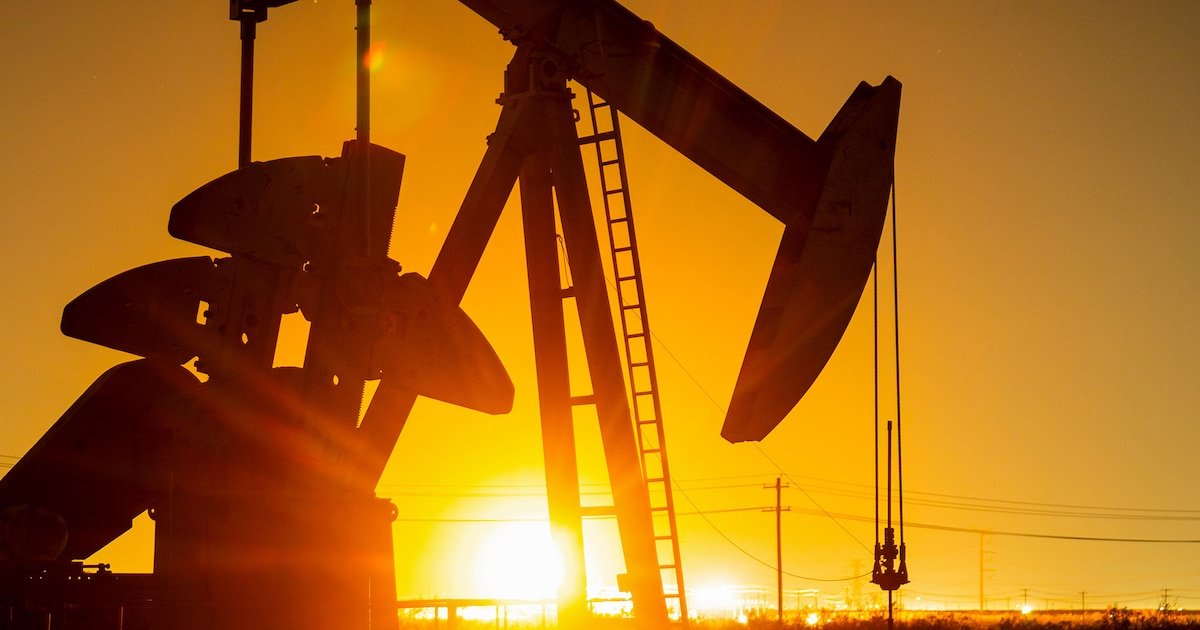
El reciente aumento del precio internacional del crudo Brent, que superó los USD 100 por barril debido a la escalada del conflicto en Medio Oriente, activó automáticamente la aplicación de la alícuota del 8% en las retenciones para las exportaciones argentinas de petróleo convencional, según confirmaron fuentes oficiales a Infobae. Bajo la normativa vigente, cuando la cotización internacional del barril supera los USD 80, se restablece el mencionado porcentaje sobre las ventas externas.
“Se va a aplicar porque es automático y está establecido por decreto”, ratificaron a este medio desde la Secretaría de Energía de la Nación, en referencia al Decreto 59/2026 publicado en el Boletín Oficial a finales de enero de 2026. Desde la cartera energética aseguraron que la carga podría empezar a aplicarse desde la semana que viene y recalcaron que “esto no es una decisión nuestra arbitraria, sino que es cumplir con la normativa que se estableció en su momento”.
A través de su cuenta oficial en la red social X, Felipe Núñez, pieza clave del equipo económico de Luis Caputo y director del Banco de Inversión y Comercio Exterior (BICE), aclaró que en enero «se subió el precio mínimo del barril para cobrarlas [retenciones] para que las empresas pudieran ser competitivas».
En tal sentido, Núñez remarcó que “el precio del barril se voló y por ende se volvieron a cobrar retenciones pero nadie subió ni creó nuevas retenciones” y subrayó que el esquema vigente “ya reinaba y nosotros lo que hicimos fue subir el precio mínimo que virtualmente eliminaba las retenciones; después hubo un shock externo por la guerra”.

Este viernes, el Brent —petróleo de referencia para el mercado argentino— finalizó la jornada por encima de los 103 dólares, alcanzando su mayor valor de liquidación desde 2022. En la semana, el avance acumulado fue cercano al 12%, mientras que el incremento mensual se ubica en 53 por ciento.
La incertidumbre en torno al tiempo que permanecerá bloqueado el estrecho de Ormuz, un canal marítimo de apenas 3 kilómetros por el que circula más del 20% del suministro global de petróleo y gas, continúa generando preocupación en los mercados. La interrupción del tránsito en esa zona llevó al barril a rozar los 119 dólares en los momentos de mayor volatilidad.
Mediante el mencionado decreto, el Gobierno había modificado el esquema de cobro de retenciones para la exportación de petróleo crudo extraído de yacimientos convencionales al vincularlo a ciertas condiciones ligadas a los precios internacionales. La medida respondió a un acuerdo alcanzado previamente con mandatarios de la Patagonia.
Hasta la modificación actual, el tributo aplicable era del 8% en todos los casos. Con la nueva disposición, se implementa un esquema variable según la cotización internacional del crudo Brent. Las exportaciones quedarán exentas siempre que el barril se mantenga en 65 dólares o menos, tal como estipula la nueva regulación.
En situaciones donde el barril de Brent supere los USD 80, se aplicará una tasa fija del 8 por ciento. Para valores intermedios, es decir, cuando la cotización internacional fluctúe entre USD 65 y USD 80, se implementa una fórmula que ajusta el derecho de exportación en función de la evolución del precio.

En los fundamentos del decreto, la administración libertaria argumentó que “la producción de hidrocarburos en el país, proveniente de yacimientos convencionales, atraviesa una situación compleja, producto del natural grado de agotamiento de los yacimientos, el incremento de los costos operativos y el impacto de las condiciones macroeconómicas internacionales”.
“Las provincias han focalizado sus esfuerzos en sostener y estimular la actividad en los yacimientos convencionales, mediante la adopción de medidas tales como la reducción de regalías y/o canon en áreas maduras, la reconversión de concesiones de exploración, y/o acuerdos de alivio fiscal, evidenciando el esfuerzo provincial por preservar el empleo y promover las inversiones en áreas maduras”, señaló el texto.
Además, la norma resaltó que “los esfuerzos provinciales y empresariales requieren de un acompañamiento del Estado Nacional mediante la adecuación de los instrumentos fiscales vigentes, de modo tal de propender a mejorar la competitividad del sector”.
En un escenario marcado por la incertidumbre internacional, Argentina logró el primer mes del año un hito en materia energética: alcanzó el mayor nivel de producción de petróleo desde que existen registros oficiales.
De acuerdo con datos de la Secretaría de Energía, durante enero se extrajeron 4.262.675 metros cúbicos de crudo, cifra que supera el máximo anterior registrado en diciembre de 2025, cuando se alcanzaron 4.245.403 metros cúbicos.

El crecimiento reciente resulta significativo. Al comparar los datos de enero con los del mismo mes de 2025, se observa un aumento de 15,7 por ciento. La diferencia frente a años previos es aún más notoria: entre 2010 y 2022, la producción mensual de enero nunca llegó a los tres millones de metros cúbicos, lo que refleja un salto considerable en el ritmo de extracción.
Neuquén, que concentra la mayor parte de Vaca Muerta, registró un incremento de producción del 32,37% y marcó un récord histórico mensual con 2.971.259 metros cúbicos de crudo, lo que representó el 69,7% de la producción nacional. Este desempeño contrasta con la situación de otras provincias petroleras, como Chubut, que produjo 587.163 metros cúbicos y registró su peor enero en 25 años, con una caída interanual del 6,51%. Santa Cruz también exhibió un retroceso, con una producción de 255.014 metros cúbicos, lo que implicó una baja del 21,5% respecto al año anterior.
En Mendoza, la tendencia descendente se acentuó: en enero, la provincia produjo 240.586 metros cúbicos de petróleo, una disminución del 10,63% comparado con igual mes de 2025, y muy por debajo de los niveles de comienzos de siglo. Por su parte, Río Negro mostró señales positivas al alcanzar los 114.849 metros cúbicos, cifra que representa apenas el 2,69% del total nacional, pero que implica un crecimiento del 6,97% frente al mismo período del año anterior. A pesar de la mejora, la provincia aún se mantiene lejos de los valores máximos alcanzados a principios de los 2000.
american,americas,best photo,best photos,business news,drilling,energy, natural resources,fossil fuels,fuels,gasoline, petroleum,industries,nodding donkey,north american,oil and gas fields,oil, gas,permian,permian basin,pump jack,pumpjack,silhouette,sunset,texas,u.s.,u.s.a.,united states of america,us,usa

Cómo es la isla de Kharg, la joya petrolera de Irán que Estados Unidos atacó en «uno de los bombardeos más poderosos de la historia»

Detuvieron a un policía por matar a un joven y herir a otro cuando iban a jugar al fútbol: denunció un intento de robo, pero no le creen

Alfredo Cornejo: “La economía y el humor popular van a crujir este año”

Causa Polo Obrero: volvieron a rechazar la millonaria oferta de un imputado para quedar fuera de la investigación

Industria en apuros: cinco sectores empezaron el año con más de la mitad de sus máquinas apagadas

Memo Ochoa se apunta para jugar su sexto mundial… ¡a los 40 años!

Muni Seligmann respondió las críticas tras el accidente de su bebé y su viaje a Miami: “Hay que contarlo y naturalizarlo”

El ex novio de Luana de Gran Hermano reveló información sensible sobre su relación: “El bolso tenía plata”

Juan Carlos Schmid deja la conducción de Dragado y Balizamiento después de 33 años

Sorpresa en Gran Hermano tras la expulsión de Carmiña: la reacción de la producción y las dudas sobre su reemplazo

 CHIMENTOS1 día ago
El ex novio de Luana de Gran Hermano reveló información sensible sobre su relación: “El bolso tenía plata”
- CHIMENTOS2 días ago
Sorpresa en Gran Hermano tras la expulsión de Carmiña: la reacción de la producción y las dudas sobre su reemplazo
- CHIMENTOS1 día ago
Emanuel Noir, de Ke Personajes, anunció que dejará las redes sociales: “Una búsqueda mayor a la que creí, apareció”