INTERNACIONAL
El Canal de la Muerte: el vertedero de cadáveres que refleja la violencia en Ecuador



INTERNACIONAL
“El Niño” se fortalece y amenaza con marcar un récord: NOAA anticipa cambios de lluvia y temperatura
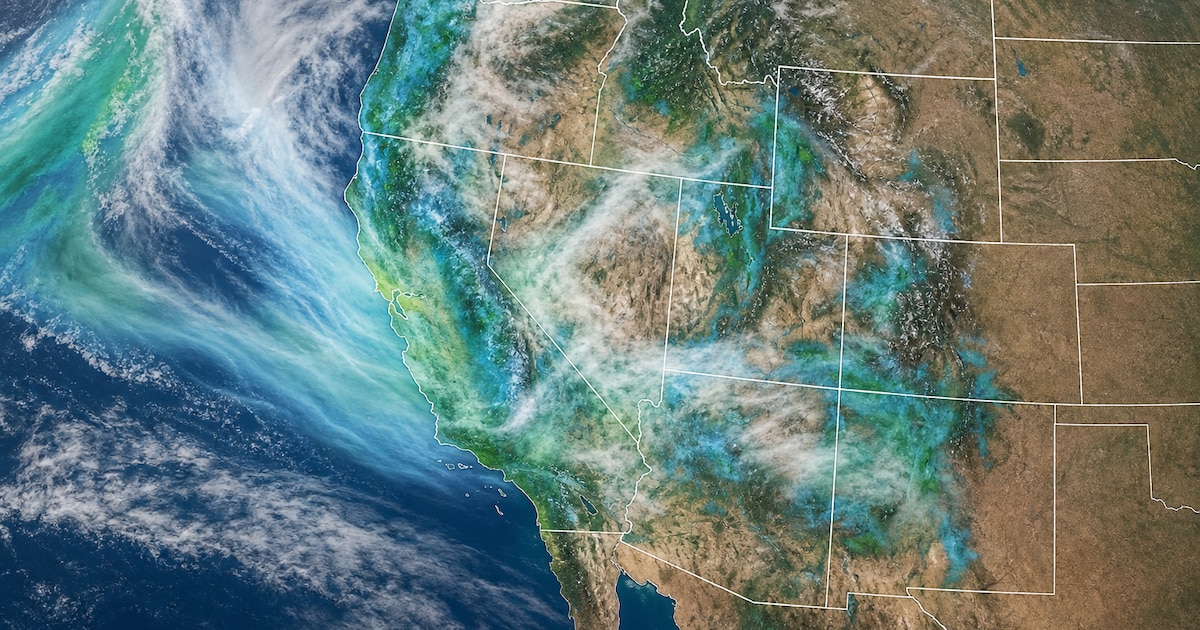
La Administración Nacional Oceánica y Atmosférica de Estados Unidos prevé que el actual El Niño se fortalezca durante los próximos meses y mantenga una alta probabilidad de alcanzar una intensidad muy fuerte en el otoño y el invierno boreales de 2026-27. El escenario puede modificar los patrones estacionales de lluvia y temperatura en Estados Unidos, con señales que incluyen más precipitaciones en sectores del sur y el oeste, y menores acumulados en partes del norte.
Según el Centro de Predicción Climática de la NOAA, existe una probabilidad superior al 90% de que El Niño sea muy fuerte durante el otoño y el invierno del hemisferio norte. El organismo también calcula un 69% de probabilidad de que el evento supere en intensidad a los registrados desde 1950, bajo un criterio técnico que considera un valor trimestral del Índice Oceánico Relativo de El Niño, conocido como RONI, igual o superior a +2,5 ℃ entre octubre y diciembre de 2026.
La previsión adquiere relevancia por el alcance climático del fenómeno, que influye sobre la circulación atmosférica del Pacífico y puede afectar el régimen de lluvias de Estados Unidos, América Latina, Asia y Oceanía. La Organización Meteorológica Mundial informó el 3 de septiembre que El Niño ya está establecido y que podría persistir hasta febrero de 2027 con una probabilidad cercana al 100%, aunque señaló que otros factores oceánicos y atmosféricos pueden modificar los efectos regionales.
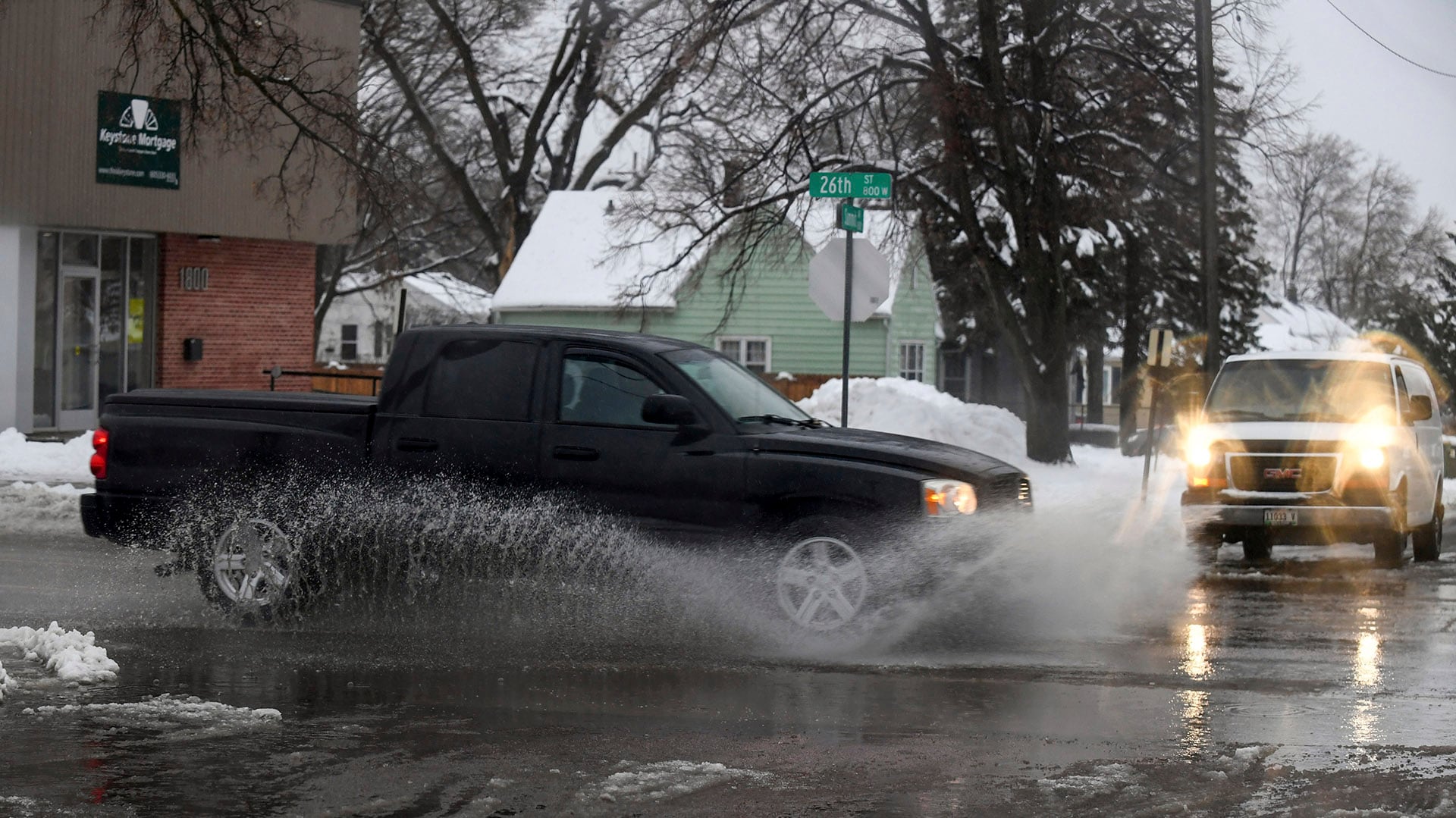
Qué prevé la NOAA sobre El Niño para el invierno 2026-27
El Centro de Predicción Climática informó que el calentamiento de las aguas superficiales del Pacífico ecuatorial se intensificó durante julio. Las anomalías superaron los +2 ℃ en el Pacífico oriental, mientras que el índice Niño-3.4 alcanzó +1,4 ℃ y el índice Niño-1+2 llegó a +2,9 ℃. De acuerdo con el informe, la atmósfera respondió con patrones compatibles con el fenómeno, entre ellos anomalías de vientos del oeste en niveles bajos y un aumento de las lluvias en áreas del Pacífico central y oriental.
La NOAA clasifica El Niño a partir de observaciones oceánicas y atmosféricas. El fenómeno requiere temperaturas de la superficie marina superiores a los valores normales en una parte del Pacífico ecuatorial central y oriental, junto con cambios persistentes en los vientos alisios, las precipitaciones y la presión atmosférica. Según NOAA Climate.gov, El Niño y La Niña son las fases cálida y fría, respectivamente, de un patrón climático natural denominado El Niño-Oscilación del Sur.
La entidad estadounidense indicó que los modelos climáticos disponibles anticipan una continuidad del fortalecimiento hasta el final de 2026. La posibilidad de un episodio de intensidad histórica se refiere exclusivamente a las temperaturas oceánicas y a los indicadores climáticos utilizados para comparar eventos desde 1950. Esa proyección no implica que Estados Unidos vaya a experimentar condiciones meteorológicas sin precedentes ni permite anticipar el impacto de cada sistema de tormentas.
La Organización Meteorológica Mundial coincidió en que las condiciones del Pacífico tropical respaldan una intensificación adicional durante los próximos meses. Según la OMM, un evento muy fuerte puede alterar los patrones de lluvia, temperatura y circulación atmosférica en amplias zonas del planeta, con riesgos asociados de inundaciones, sequías y calor extremo. El organismo también precisó que esos efectos dependen de las características de cada región y de la interacción con otros fenómenos climáticos.
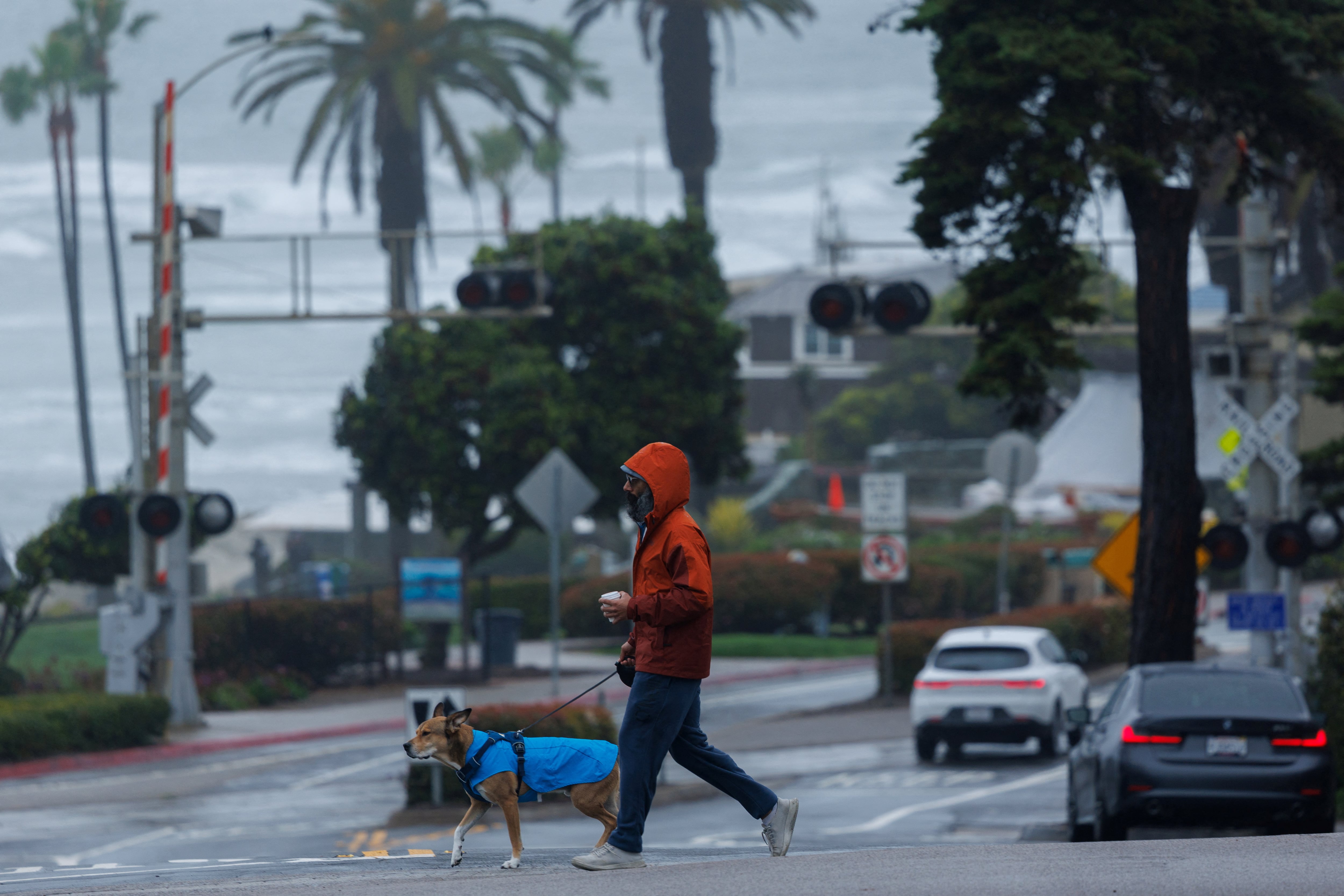
Qué estados de Estados Unidos podrían recibir más lluvia
Los mapas de perspectivas estacionales del Centro de Predicción Climática para septiembre, octubre y noviembre favorecen precipitaciones superiores a los valores normales en partes del suroeste de Estados Unidos, las Grandes Llanuras centrales y meridionales, y sectores costeros del sureste. Las probabilidades más altas, por encima del 40%, se concentran en áreas del suroeste, la Gran Cuenca y las Montañas Rocosas centrales y meridionales, de acuerdo con el Centro de Predicción Climática.
California está incluida entre las áreas donde un El Niño intenso puede aumentar las probabilidades de una temporada más húmeda. Sin embargo, la NOAA advierte que el patrón no se repite de la misma manera en todos los episodios. Los análisis históricos muestran que varios eventos fuertes coincidieron con más precipitaciones en partes de la costa oeste, aunque también existieron inviernos con resultados distintos en sectores del estado.
El comportamiento de las lluvias está ligado al desplazamiento de las corrientes en chorro, bandas de vientos intensos en altura que dirigen sistemas de baja presión y masas de aire. Según NOAA Climate.gov, El Niño puede favorecer una corriente en chorro más meridional sobre Estados Unidos durante el invierno, lo cual incrementa las posibilidades de precipitaciones en la franja sur del país. Esa señal es más visible durante diciembre, enero y febrero, aunque puede extenderse al inicio de la primavera.
El sureste, la costa del Golfo y partes de las llanuras del sur también figuran entre las zonas con mayor probabilidad de recibir más lluvia durante un episodio de El Niño. El Servicio Nacional Oceánico de la NOAA señala que el fenómeno suele favorecer condiciones más húmedas en el golfo de México y el sureste estadounidense. La formulación oficial se refiere a promedios estacionales y no supone que todas las áreas de esos territorios registren lluvias por encima de lo normal.
Newsweek citó a Tony Fracasso, meteorólogo del Centro de Predicción Meteorológica de la NOAA, quien dijo que California y el sureste podrían concentrar algunos de los principales efectos. La declaración coincide con los patrones históricos descritos por los organismos estadounidenses, aunque el funcionario habló con el medio y no en un comunicado institucional sobre un pronóstico específico para cada estado.
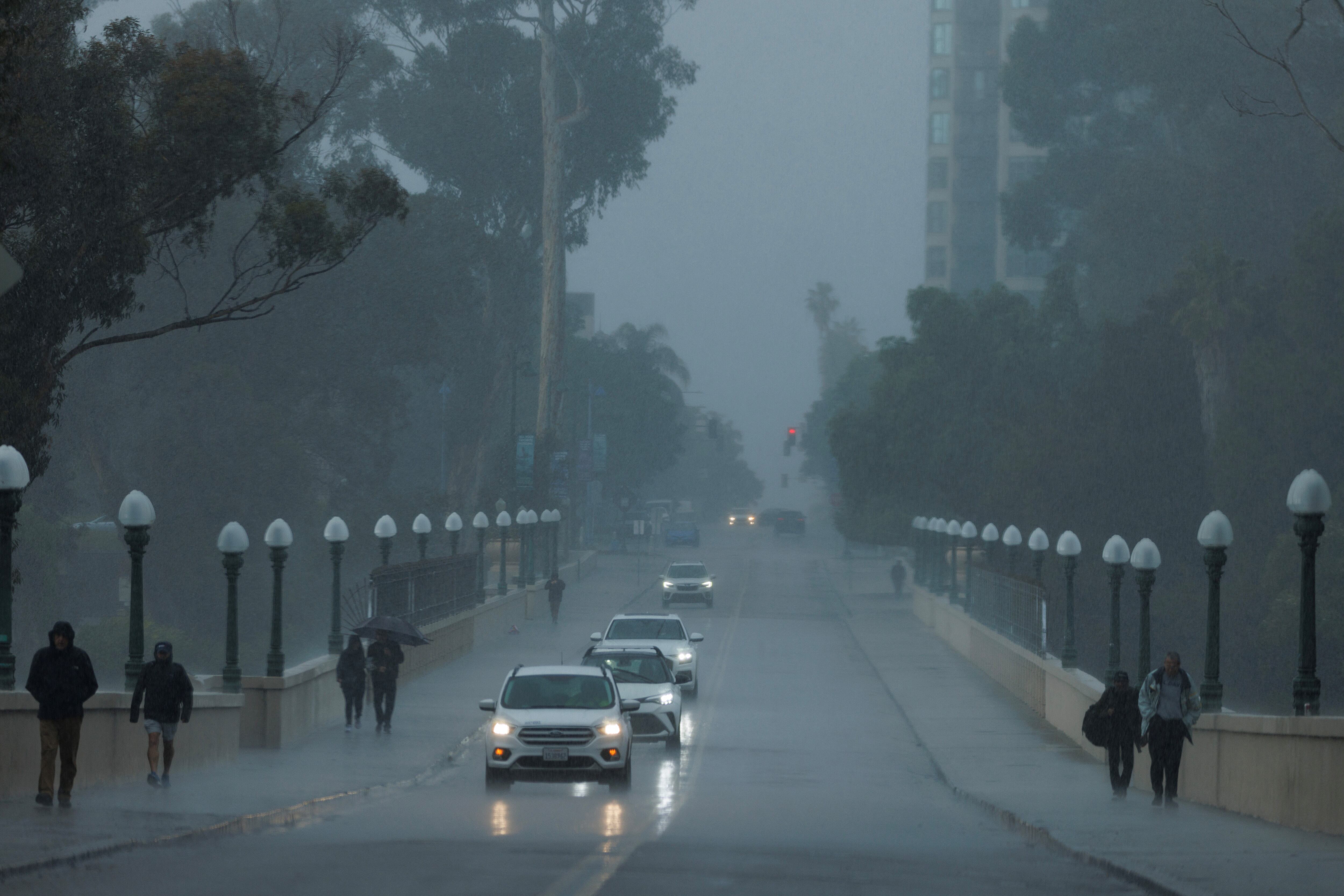
Dónde aumentan las probabilidades de condiciones más secas
El mapa estacional de la NOAA señala una leve inclinación hacia precipitaciones por debajo de los valores normales en buena parte de la región de los Grandes Lagos, el noreste y algunos sectores de Washington, Idaho y Montana. El organismo utiliza esa categoría cuando los modelos detectan una probabilidad algo mayor de lluvias inferiores al promedio, pero sin una señal suficiente para establecer una previsión concluyente.
Los antecedentes climáticos muestran que El Niño puede favorecer condiciones más cálidas y secas en áreas del norte de Estados Unidos y Canadá. Según el Servicio Nacional Oceánico de la NOAA, el desplazamiento hacia el sur de la corriente en chorro del Pacífico deja a algunas regiones septentrionales con menos influencia de los sistemas de tormentas invernales. Aun así, el organismo advierte que la distribución de las precipitaciones puede variar dentro de cada estado.
Para septiembre-noviembre, el Centro de Predicción Climática favorece temperaturas por encima de lo normal en gran parte del oeste y el centro de Estados Unidos, los Grandes Lagos, el noreste, Florida y áreas costeras del sureste y del golfo de México. El pronóstico no significa que todas las jornadas serán más cálidas ni descarta irrupciones de aire frío, heladas o episodios de nieve durante el invierno.
La NOAA tampoco elabora a esta distancia pronósticos de acumulación de nieve por estado. Las perspectivas estacionales calculan probabilidades sobre precipitación acumulada y temperatura media, mientras que la nieve depende de factores de corto plazo, como la temperatura local, la altura y la trayectoria precisa de cada tormenta. Por ese motivo, no hay respaldo oficial para afirmar desde ahora que California, Nevada, Utah, Colorado, Nuevo México o Arizona recibirán una cantidad determinada de nieve.
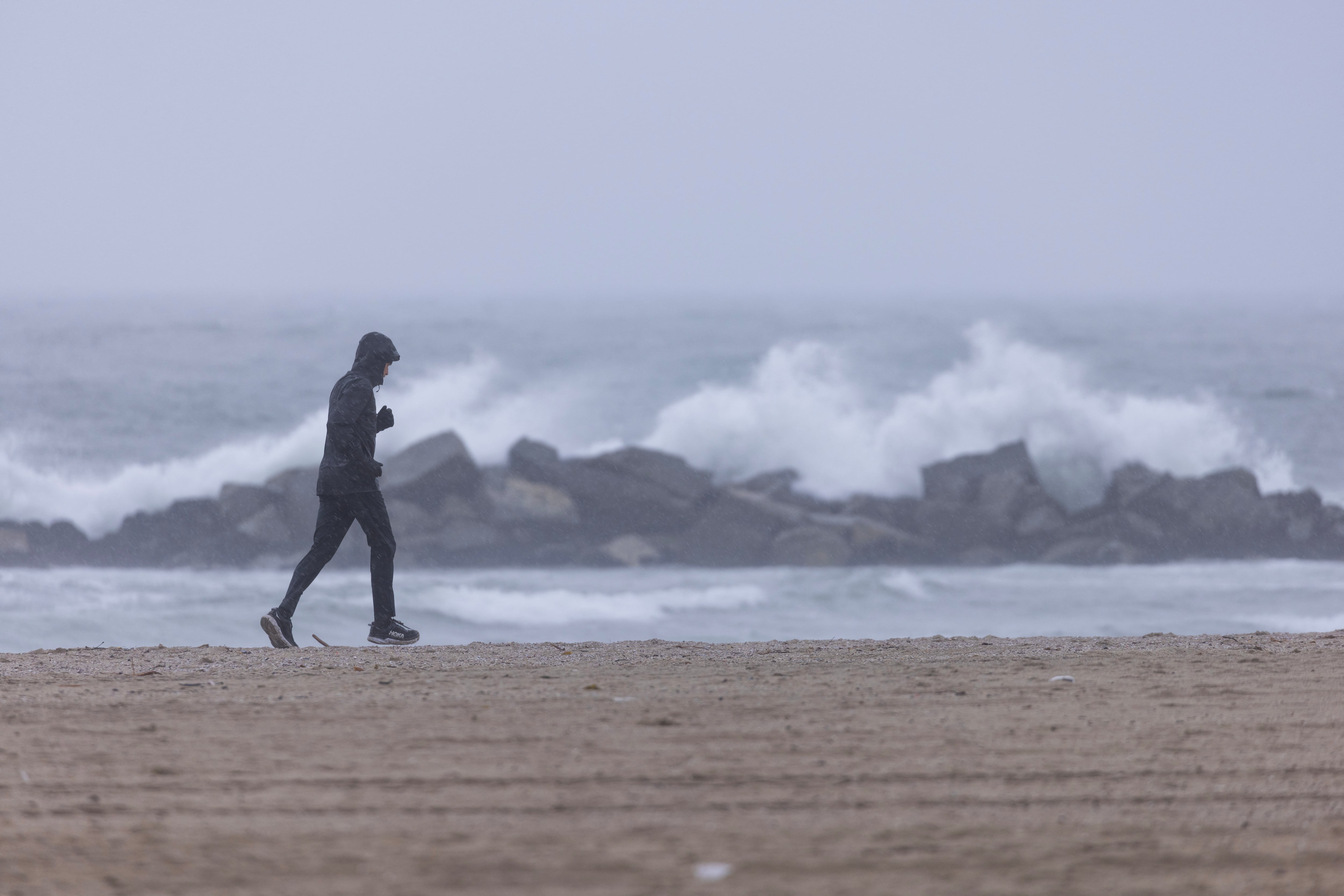
Los antecedentes de 1997-98 y 2015-16 no definen el próximo invierno
Los episodios de 1997-98 y 2015-16 suelen utilizarse como referencias por su intensidad. Según el Centro de Predicción Climática, el ciclo de 1997-98 estuvo entre los más fuertes del registro histórico y coincidió con un invierno húmedo y tormentoso en California y el sur de Estados Unidos. Los informes de la NOAA documentaron inundaciones en California y el sureste, además de lluvias extremas y deslizamientos en Perú.
El Niño de 2015-16 también alcanzó valores elevados en varios indicadores oceánicos. De acuerdo con el Laboratorio Marino y Meteorológico del Pacífico de la NOAA, ese evento fue comparable con 1997-98 en algunas mediciones de temperatura del Pacífico ecuatorial. Sin embargo, los efectos observados en cada región no fueron idénticos, una diferencia que ilustra los límites de las comparaciones entre un episodio y otro.
La próxima discusión diagnóstica sobre ENSO está prevista para el 10 de septiembre. Hasta esa actualización, los pronósticos oficiales ofrecen una guía sobre probabilidades regionales para la temporada, mientras que los avisos meteorológicos de corto plazo determinarán los riesgos concretos de lluvias intensas, viento, inundaciones, heladas o nevadas. Según la NOAA, la población y las autoridades locales deberán seguir esas previsiones diarias y semanales para conocer posibles impactos en sus zonas.
El Niño,precipitaciones,Estados Unidos,meteorología,océano Pacífico
INTERNACIONAL
State of play: Retiring Dem senator’s daughter holds slight lead in closely watched race
NEWYou can now listen to Fox News articles!
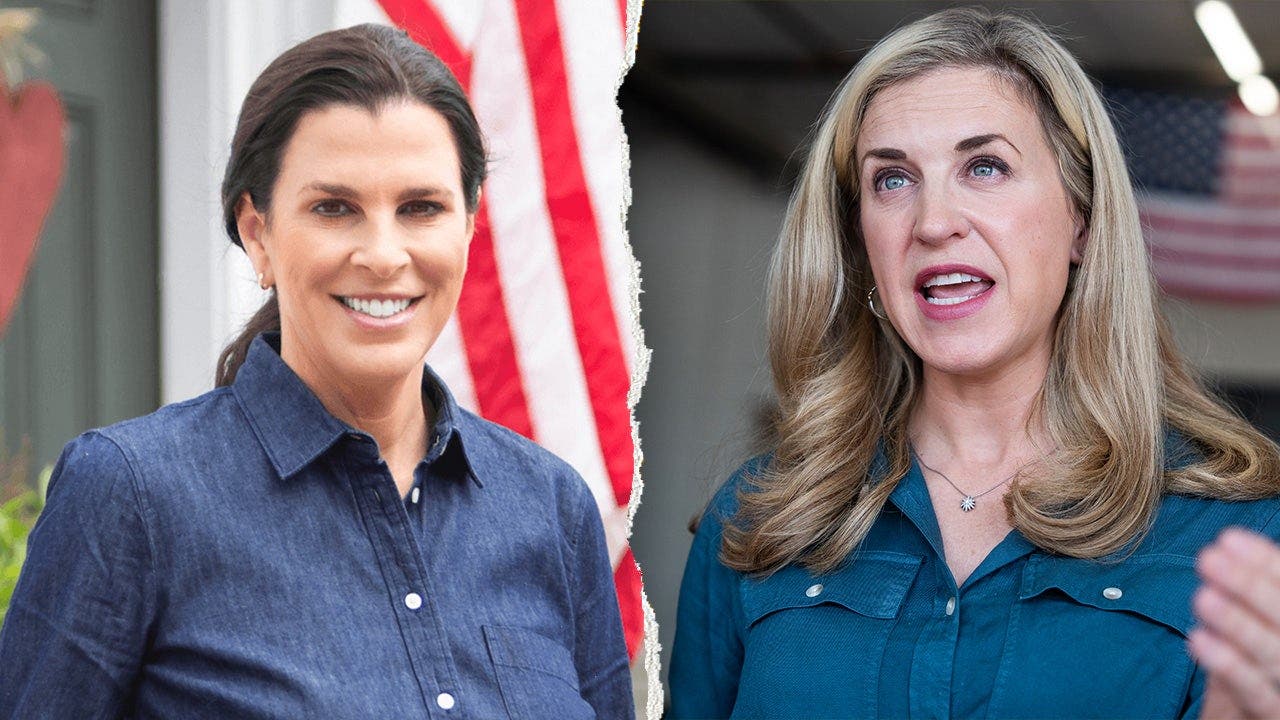
Two candidates — Stefany Shaheen, the daughter of retiring Sen. Jeanne Shaheen, D-N.H., and Maura Sullivan, an Obama-era official — remained locked in a Democratic primary race early Wednesday morning in New Hampshire’s 1st Congressional District.
The contested race remains too close to call as both Shaheen and Sullivan, the two frontrunners, vie for a chance to keep the district under Democratic control as its incumbent, Rep. Chris Pappas, D-N.H., pursues higher office.
Pappas, who has represented the district since 2019, announced a bid for the U.S. Senate last year.
EX-GOP SENATOR CLEARS HURDLE IN CRUCIAL COMEBACK BID AS REPUBLICANS TRY TO FLIP KEY SENATE SEAT
Democratic congressional candidate Maura Sullivan campaigns in Durham, New Hampshire on May 4, 2025 (Sullivan congressional campaign)
«I’m honored that the people of New Hampshire have entrusted me to fight for them; I’m proud of what we have accomplished together and I’m going to continue this fight in the U.S. Senate,» Pappas said in a press release.
Incumbents often present their party’s best chance to win in competitive districts. Pappas last won reelection in a 54.0% to 45.9% victory over Republican challenger Russell Prescott, a local legislator.
The race attracted a crowd of Democratic challengers hoping to fill the open seat. In addition to Sullivan and Shaheen, eight contenders jumped into the race for the open seat, including Carleigh Beriont, a state legislator. Beriont ended the night almost ten points behind Shaheen and Sullivan but still managed to capture roughly 20% of the vote.
Although Sullivan raised more financial support, it was Shaheen who led the race for much of the night, closing out Tuesday evening with a roughly 2% lead.
STATE OF PLAY: DEMS BATTLE FOR SHOT AT CRUCIAL ARIZONA HOUSE SEAT AMID GOP’S RAZOR-THIN MAJORITY
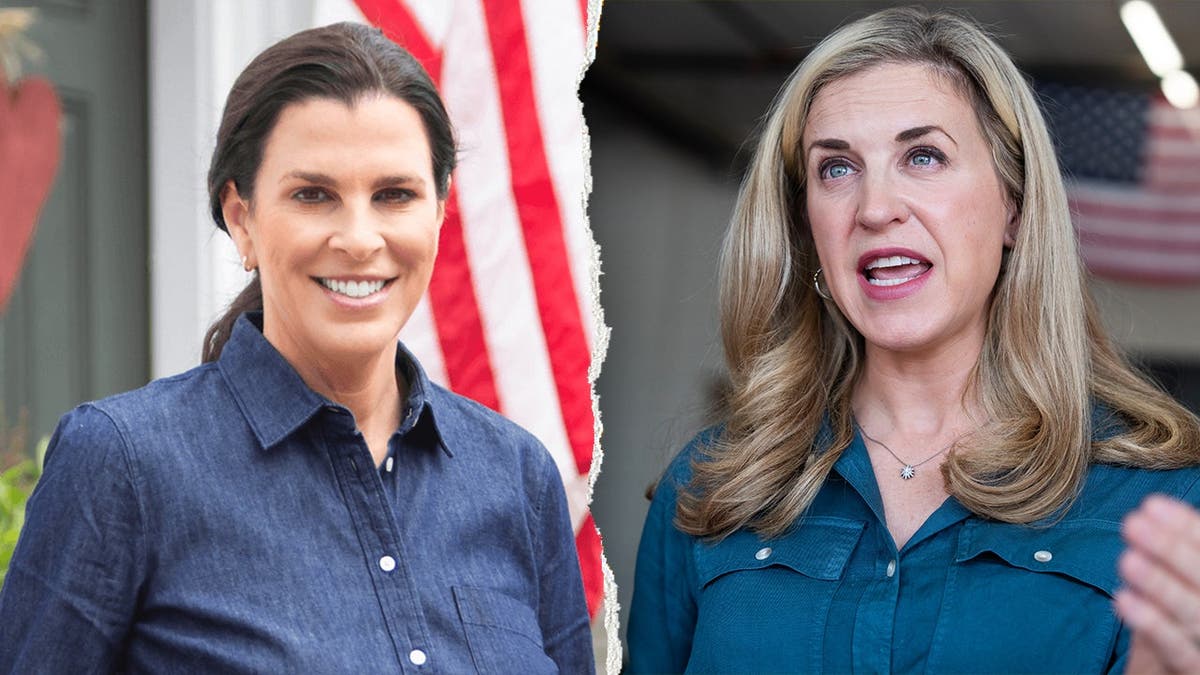
Stefany Shaheen, left, pictured alongside Maura Sullivan, right. (Steffany Shaheen for Congress; Tom Williams/CQ-Roll Call, Inc via Getty Images)
Sullivan accumulated $3.6 million in campaign contributions, outstripping Shaheen’s $2.4 million, according to records from the FEC.
But Shaheen also enjoyed the backing of her mother, who endorsed her last year.
«I’m so proud that Stefany is answering the call to serve the district she was born and raised in, where she has started a business, worked on the Portsmouth City Council and advocated for affordable health care and clean water,» Sen. Jeanne Shaheen said in a statement.
«She’s working hard to earn voters’ support in her own right and on her own merits — and I couldn’t be prouder to support her candidacy.»
Shaheen emphasized priorities like Medicare for All, expanding tax breaks for first-time homebuyers and overhauling Immigration and Customs Enforcement (ICE).
Sullivan, for her own part, pitched herself as an experienced veteran. On her campaign website, she highlighted her military service in the Marines, her work with the Obama administration in 2014 as an assistant secretary at the Department of Veterans Affairs (VA) and her leadership as a private sector health technology executive.
«I joined the Obama administration. I was proud to work on matters of national security, healthcare and reform to help fellow military families like mine,» Sullivan said in a campaign video.
THE MEDICARE FOR ALL TRADE-OFFS SOCIALISTS AREN’T TALKING ABOUT, ACCORDING TO EXPERTS
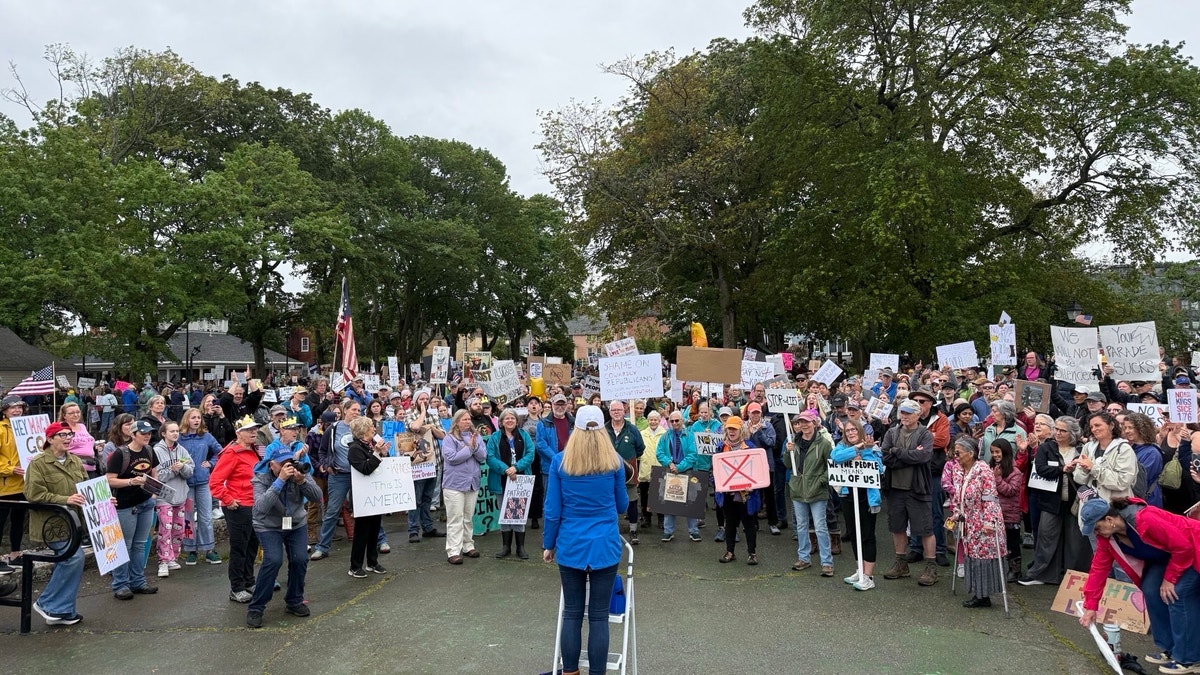
Democratic congressional candidate Maura Sullivan speaks at a «No Kings» rally in Portsmouth, New Hampshire on June 14, 2025 (Maura Sullivan campaign)
Sullivan’s platform includes cracking down on what she described as price gouging, bolstering the VA, opposing Trump’s tariffs and increasing federal investments in housing development.
In remarks late on Tuesday, Sullivan told her supporters the campaign was far from over.
«I feel incredibly proud of the campaign that we ran — which is far from over, by the way. There are still a lot of results to come in,»Sullivan said.
Upon securing the nomination, either Shaheen or Sullivan will advance to the general election on Nov. 3.
new hampshire, barack obama, house of representatives politics
INTERNACIONAL
Dustin Hoffman recuerda cómo pasó de tener “pocas posibilidades” a convertirse en una estrella de Hollywood aunque nadie apostaba por él
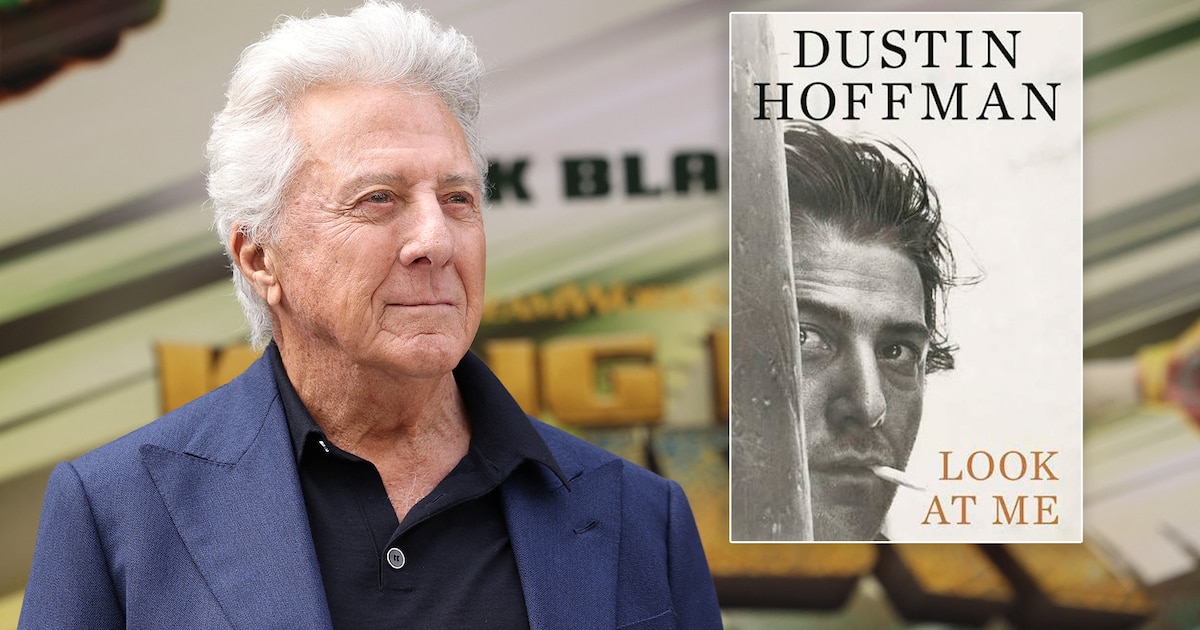
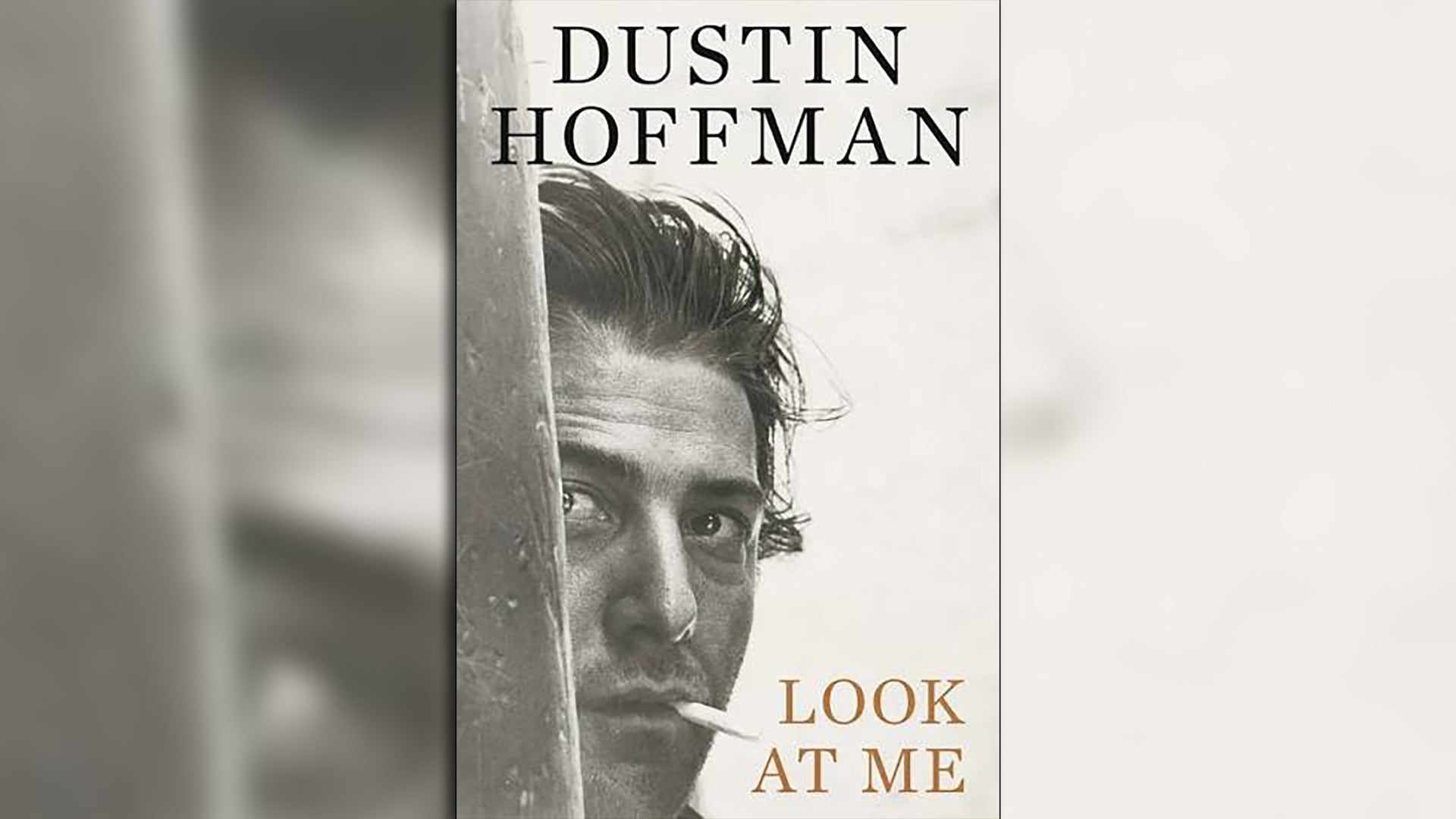
A los 89 años, Dustin Hoffman publicará en Estados Unidos sus memorias, Look at Me, el 11 de noviembre, un libro en el que revisa seis décadas de carrera y fija una idea que atraviesa su balance personal: después de una vida marcada por el reconocimiento, “el éxito es más fácil” que la felicidad.
En 2027 se cumplirán 60 años del estreno de El graduado, la película de Mike Nichols que convirtió al actor en una estrella cuando tenía 30. En los siguientes 20 años, encadenó títulos como Cowboy de medianoche, Perros de paja, Todos los hombres del presidente, Kramer contra Kramer, Tootsie y Rainman, recibió seis nominaciones al Óscar y ganó dos.
Según The New York Times, Hoffman asegura que mirar hoy su trabajo le produjo una sorpresa poco habitual en un actor conocido por su autoexigencia. “Siempre tuve dudas sobre algunas de mis interpretaciones, pero al volver a ver las películas, pensé: ‘Está bastante bien. Si lo viera en otra persona, lo pensaría’”, dijo al diario.
El actor también describió ese reencuentro con su pasado como una experiencia de extrañamiento. “Recordar versiones más jóvenes de mí mismo es como ver a otra persona en ese momento de mi vida”, afirmó.
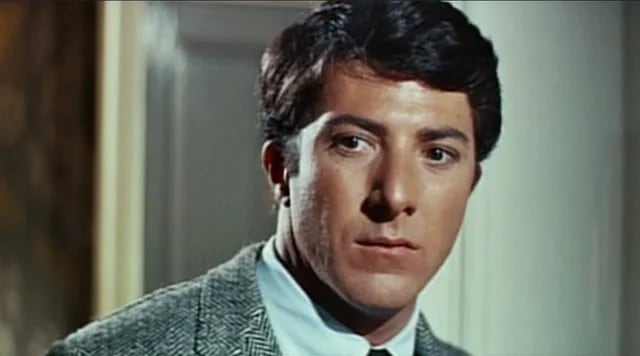
Al comienzo, casi nadie apostaba por él. Cuando comunicó a su familia que quería ser actor, una tía le dijo que no era lo bastante guapo, una objeción que también remitía a su físico en una época en la que figuras como Warren Beatty o Sidney Poitier respondían al molde dominante del galán alto y seguro.
Hoffman, con 1,65 metros de altura, terminó quebrando ese patrón. Su Benjamin Braddock en El graduado encarnó un tipo de protagonista vulnerable, inseguro y contradictorio que conectó con una generación de espectadores y acompañó la transformación del cine de Estados Unidos desde 1967.
Esa mutación fue también industrial. Los grandes estudios perdían millones con musicales tradicionales y estrellas envejecidas, mientras una nueva camada de directores influida por el cine de autor europeo, entre ellos Francis Ford Coppola, Steven Spielberg, George Lucas, Martin Scorsese y Nichols, desplazaba el centro de gravedad de Hollywood.
Antes de ese salto, Hoffman era un actor casi desconocido que había trabajado sobre todo en Broadway. Durante la prueba de cámara de El graduado estaba tan nervioso que olvidó sus líneas.
La elección resultó decisiva. A partir de allí, consolidó una galería de antihéroes neuróticos, hombres corrientes o personajes de clase trabajadora que se alejaban de la imagen perfecta de las décadas anteriores y ayudaron a redefinir qué podía ser una estrella de cine.
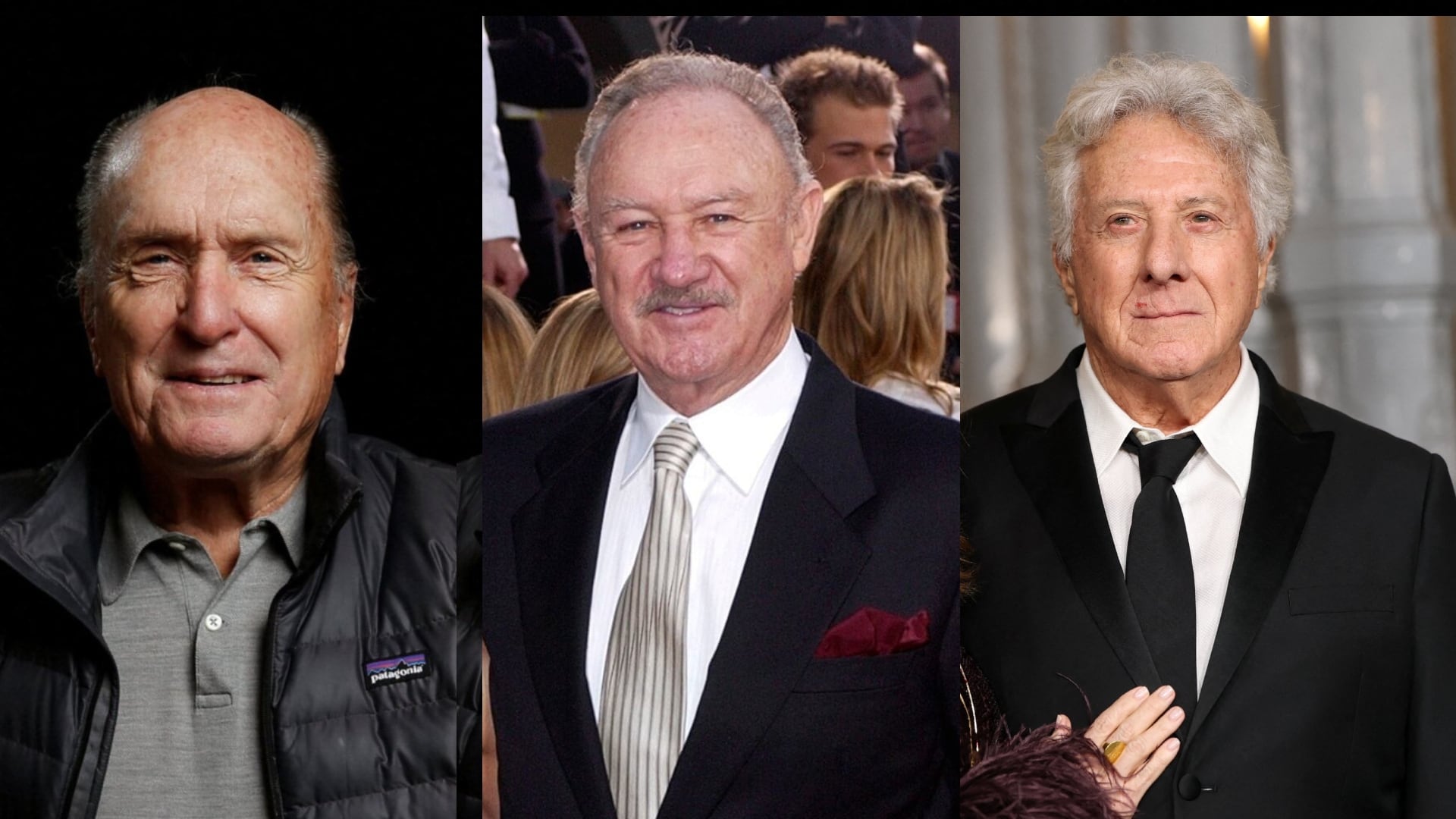
El libro no fue un ejercicio aislado de archivo personal. Mientras escribía, murieron algunos de sus amigos más cercanos, entre ellos Robert Redford, con quien compartió Todos los hombres del presidente, y también Gene Hackman y Robert Duvall, compañeros de una juventud precaria en Nueva York.
“Su muerte fue un golpe”, recordó sobre Redford. “Mientras escribía el libro también fallecieron otros dos viejos amigos, Gene Hackman y Robert Duvall, con quienes viví en Nueva York cuando teníamos veintitantos y empezábamos nuestras carreras como actores. Es extraño ser el último de los tres que queda con vida”.
Su historia con Hackman venía de mucho antes de la fama. Ambos nacieron en California y estudiaron en la misma escuela de interpretación en Pasadena; Hackman tenía 26 años y Hoffman, 19, y una anécdota repetida los une desde entonces: sus compañeros los votaron como “los dos estudiantes con menos posibilidades de triunfar”.
Hackman fue expulsado de la academia tras obtener las peores calificaciones registradas allí y se mudó primero a Nueva York para probar suerte. Dos años después lo siguió Hoffman, que se instaló en su pequeño apartamento hasta que la convivencia se volvió imposible y terminó viviendo con Robert Duvall, otro actor principiante.
Hoffman construyó su reputación sobre una preparación minuciosa, preguntas constantes y una inmersión emocional poco frecuente en sus personajes. El director Sydney Pollack, que lo dirigió en Tootsie, resumió ese método con una frase que se volvió célebre: “Dustin hacía cien preguntas. Noventa y nueve de ellas eran geniales”.
Ese mismo impulso modeló el libro. Hoffman explicó que sus memorias están organizadas por temas y no por cronología porque así funciona ahora su recuerdo: “Cuando llegas a los ochenta y tantos, tus recuerdos dejan de ser una progresión lineal. Todas las personas que has sido y todo el trabajo que has hecho se convierten en un mosaico en tu mente”.
Para escribirlas, volvió a ver toda su filmografía. “Sinceramente, me sorprendió lo buenas que son muchas de ellas”, dijo, y puso como ejemplo La cortina de humo, de 1997, y Todos los hombres del presidente, de la que sostuvo que sigue “llena de suspense”.
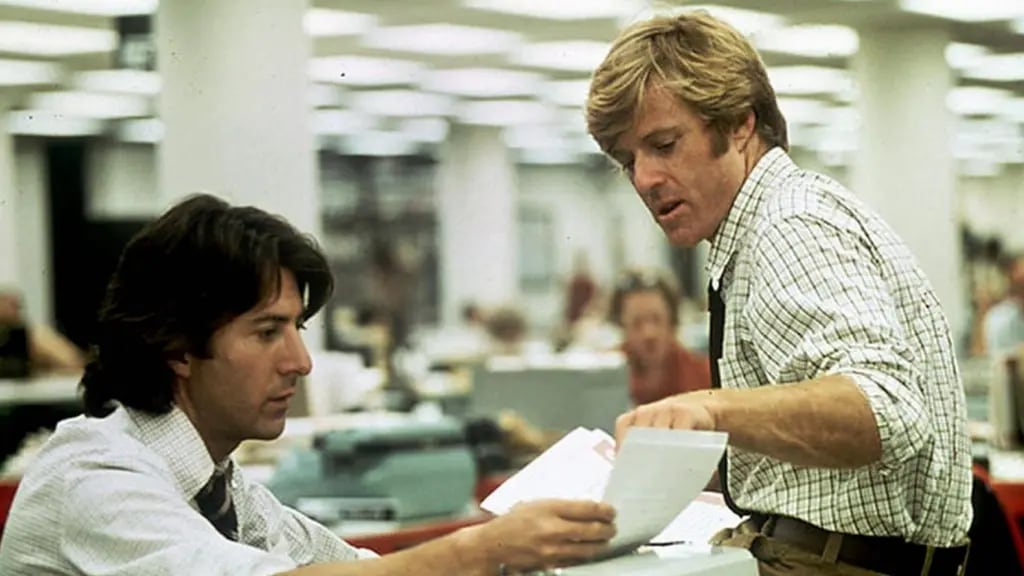
Sobre esta última evocó un método de trabajo propuesto por Redford cuando interpretaban a Woodward y Bernstein, los periodistas que destaparon el caso Watergate en The Washington Post. “Robert Redford tuvo una gran idea para esa película: que ambos nos aprendiéramos los diálogos del otro, además de los nuestros. Así podíamos hablar a la vez, decir lo mismo, sorprendernos mutuamente y a los demás actores de la película, sin preocuparnos por quién había dicho qué”.
El actor extendió esa reflexión al modo en que las imágenes fijan una vida. Sostuvo que, durante la mayor parte de la historia humana, nadie podía revivir su pasado a través de fotografías ni, mucho menos, de películas; hoy, en cambio, casi cualquier persona crea un archivo visual de sí misma con teléfonos inteligentes y redes sociales.
En su caso, ese archivo produjo distancia. “Mientras veía todas las películas pensaba: ‘¿Pero quién hizo esto?’”, bromeó. “En las que estuve bien, no sé qué hice ni cómo lo hice. Siento como si en la pantalla hubiera una persona completamente distinta”.
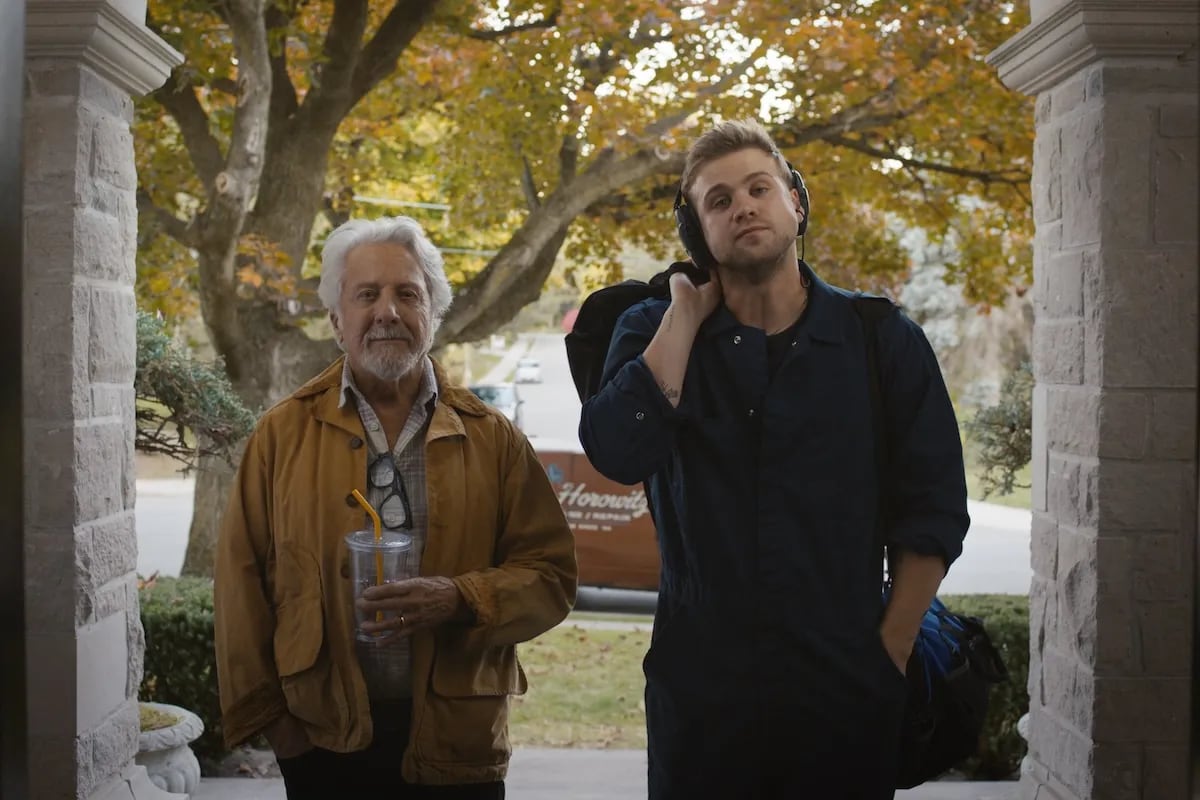
Desde aquellos rodajes, su vida cambió de escala y de forma: estuvo casado dos veces, tuvo seis hijos, dirigió en 2012 El cuarteto y este año protagonizó Tuner, un thriller de atracos de Daniel Roher en el que interpretó a Harry Horowitz, un afinador de pianos anciano y figura paterna de un joven pianista con hiperacusia.
Al explicar cómo encara cada papel, volvió a una definición que también ilumina el libro. “Siempre empiezo intentando buscar puntos en común entre ‘mi personaje’ y yo. Subrayo las comillas porque intento encontrar en quien interpreto una versión o un resquicio de mí mismo. Así no pienso tanto en el resultado, sino en estar presente y ser auténtico”.
La escritura de esas memorias contó con la colaboración de Ariel Levy, redactora de The New Yorker, que editó y coescribió el volumen. El libro entra en asuntos personales, entre ellos la relación entre éxito y felicidad, una cuestión sobre la que Hoffman, después de 89 años, respondió sin vacilar: “El éxito es más fácil”.
Dustin Hoffman,Mike Nichols,Look at Me,cine,fotografía

Quién es quién en el juicio por el asesinato del ex Puma Federico Martín Aramburu: el inquietante perfil de los cuatro acusados

Murió un hombre en un geriátrico de Mar del Plata: tenía múltiples hematomas y hay un detenido por agredir a los policías

Los sectores “perdedores” del modelo no encuentran un piso y se complica la reactivación de la economía

Supermiércoles en el Senado: Banco Central, Inocencia Fiscal II, inversiones y obra pública

Javier Milei y sus medidas, en vivo: el Presidente apuntó contra una periodista: “Obvio que odia a nuestro gobierno”

“El Niño” se fortalece y amenaza con marcar un récord: NOAA anticipa cambios de lluvia y temperatura

Arizona voter-law fight reaches SCOTUS as election groups warn ‘absurd’ consequence could ensue

Franco Colapinto elogió la pole de Gasly en Monza y explicó cuál fue la diferencia de rendimiento con su compañero de Alpine

Final Fantasy VII Revelation confirma nuevos detalles: Cambio de personaje, pistola de agarre y más – Nintenderos

El Gobierno nacional y la Conferencia Episcopal anunciaron avances en la planificación de la visita de León XIV

 POLITICA3 días ago
1000 días de Milei: los logros, las crisis que lo marcaron y los déficits de su gestión
- POLITICA3 días ago
Martín Menem dijo que Milei será el primer no peronista en ser reelecto y llamó a invertir más
- DEPORTE3 días ago
Franco Colapinto largará en el puesto 7 con su Alpine el Gran Premio de Italia de la Fórmula 1: hora, TV y todo lo que hay que saber