INTERNACIONAL
Entregarán restos cremados a familiares de personas cuyos cadáveres se salieron de sus tumbas en el sismo de Panamá

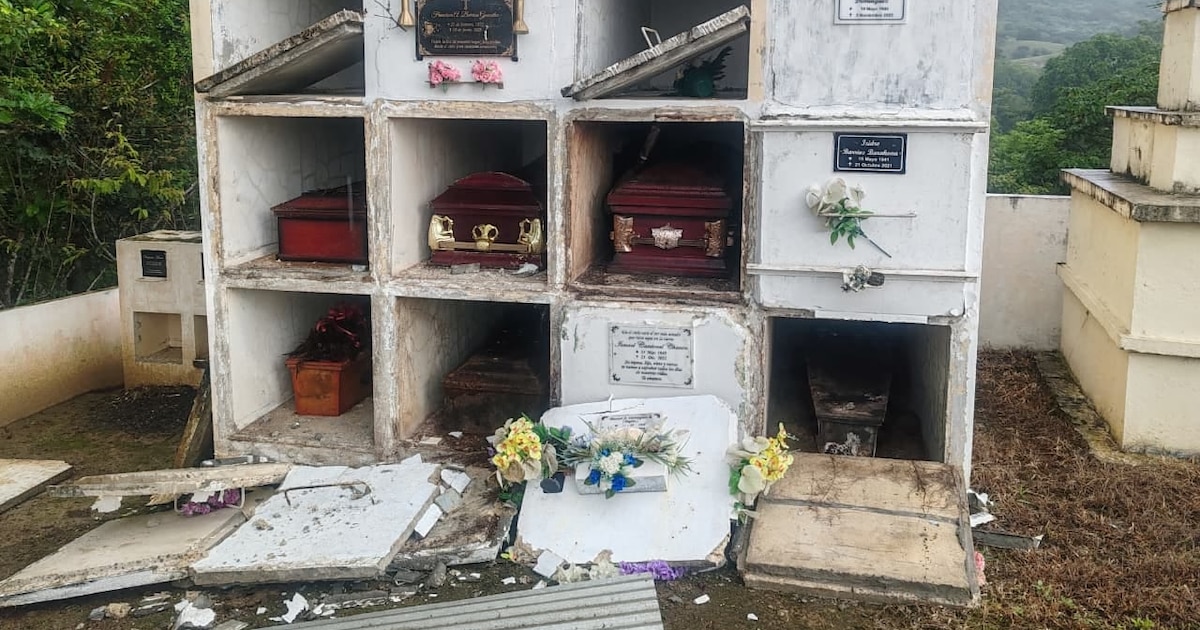
Luego de que un terremoto de 7.5 grados sacudiera el territorio panameño el 9 de octubre y varios cadáveres se salieran de sus tumbas en dos cementerios de la provincia de Veraguas, el Ministerio de Salud entregará los restos cremados de los fallecidos a sus respectivos familiares.
Los cadáveres estaban sepultados en el Cementerio Municipal de Soná y en el Cementerio de Hicaco, y tras el violento movimiento de tierra fueron expulsados de sus féretros.
Expuestos, los restos fueron recogidos por funcionarios del Ministerio de Salud para su posterior cremación, debido a que representaban un peligro para la salud pública.
Cerca de los cementerios hay residencias cuyos habitantes no soportaban los malos olores que empezaban a inundar su entorno.
La entrega de los restos cremados se hará el sábado en un acto solemne.

Esto forma parte de las acciones sanitarias implementadas a consecuencia de las afectaciones ocasionadas por el reciente movimiento sísmico, informó una nota de prensa del ministerio.
El plan de la entidad contemplaba contactar a los familiares para informarles sobre el procedimiento recomendado, que incluía la cremación y la posterior colocación de los restos en criptas que serían construidas en el cementerio.
Antes de avanzar con estas medidas, las autoridades manifestaron que debían completar las labores de saneamiento y desinfección, además de evaluar las estructuras afectadas y determinar cuáles deberán demolerse.
El Ministerio de Salud indicó que el procedimiento no sería de inmediato y que se preparaba una cronología para organizar las distintas etapas.
Hoy día la entidad también intensifica el combate al dengue en Veraguas tras el reciente sismo que afectó al país.
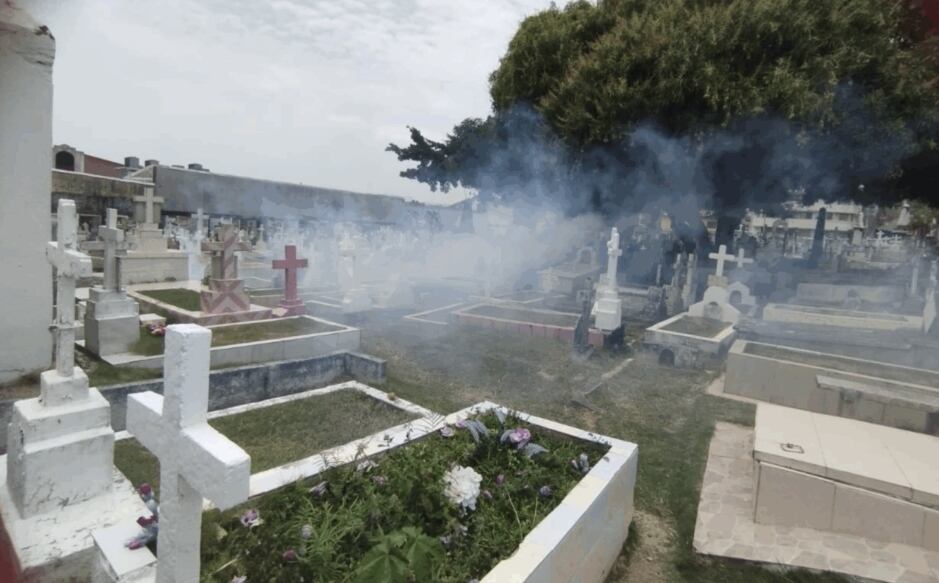
La cartera sanitaria entregó más de 1,496 mosquiteros en las zonas más golpeadas por el movimiento telúrico. El reparto se concentró en tres puntos: el sur de Soná, la cabecera del mismo distrito y Mariato, donde los equipos de control de vectores combinan la entrega de mosquiteros con jornadas de nebulización e inspecciones casa por casa.
La provincia suma 234 casos de dengue, según el informe epidemiológico del Minsa. De ese total, 204 no presentan signos de alarma, 27 sí los registran y tres son calificados como graves.
La cifra de hospitalizaciones asciende a 29 pacientes. El desglose por gravedad permite al ministerio priorizar la respuesta médica en los casos que requieren mayor atención.
Santiago encabeza la lista de distritos con más contagios, con 74 casos. Le siguen Las Palmas, con 47; Soná, con 18; La Mesa, con 11, y Calobre, con 10.
Mientras avanza el reparto de mosquiteros, el Minsa sostiene un esquema paralelo de vigilancia en los albergues y las comunidades afectadas por el sismo. El objetivo es detectar a tiempo cualquier brote entre la población desplazada.
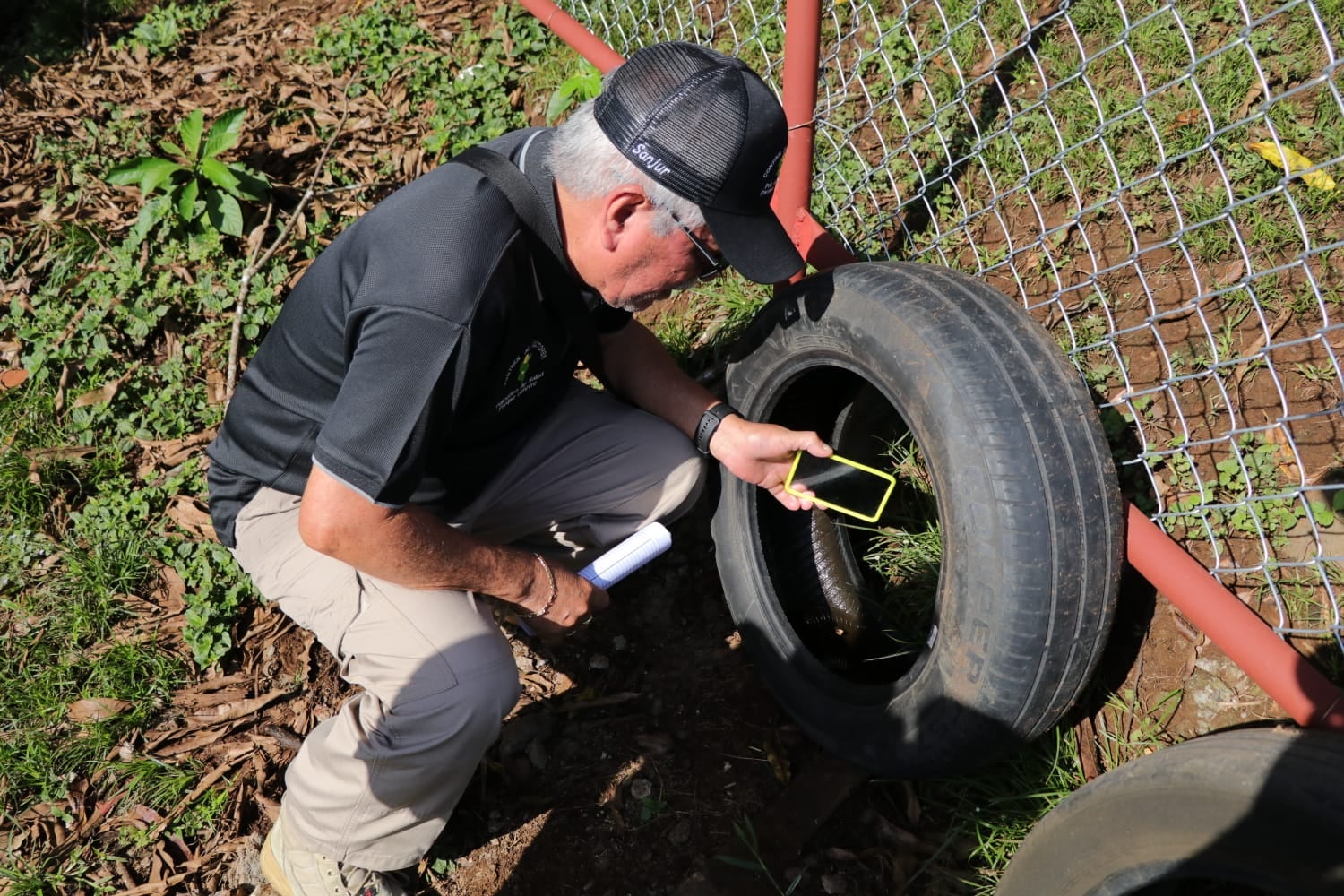
El personal de salud también realiza pruebas a los pacientes que presentan síntomas febriles. Con esos estudios, el ministerio busca descartar tanto dengue como malaria en quienes permanecen en los refugios.
Hasta el momento, ninguna de las evaluaciones realizadas en los albergues arrojó resultado positivo. La ausencia de casos confirmados en ese universo de pacientes es, por ahora, el dato más alentador del operativo sanitario en la zona del sismo.
Las autoridades sanitarias reiteraron un pedido directo a la población de Veraguas: eliminar los criaderos de mosquitos y mantener limpios los alrededores de las viviendas. Esas dos acciones figuran como la primera línea de defensa contra la propagación del vector.
El ministerio también solicitó atención a los síntomas que pueden anticipar un cuadro de dengue. Fiebre, dolor de cabeza y dolor muscular aparecen como las señales que ameritan una consulta médica inmediata.
Las autoridades insistieron en un punto adicional: evitar la automedicación. La recomendación apunta a que los pacientes con síntomas febriles acudan sin demora a las instalaciones de salud, en lugar de tratar el cuadro por cuenta propia.
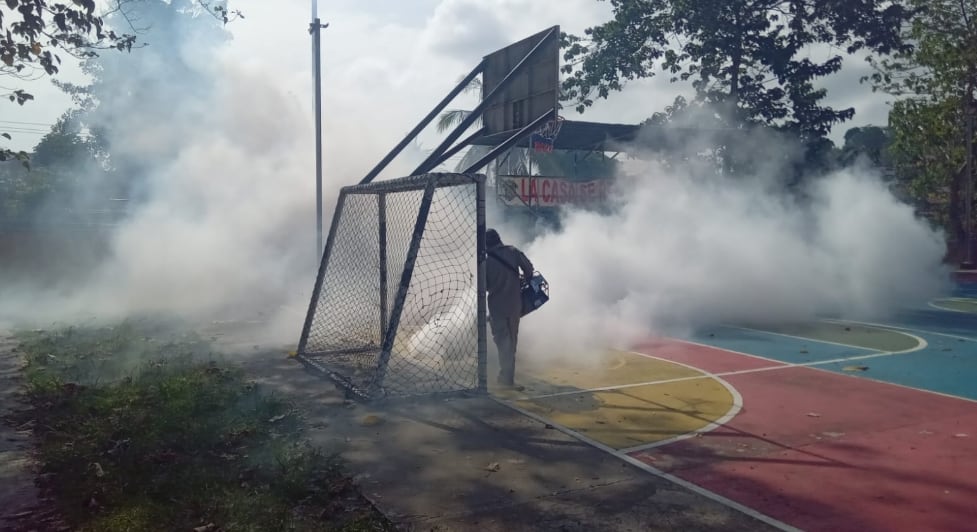
La combinación de nebulización, inspecciones y entrega de mosquiteros conforma la estrategia con la que el ministerio busca contener la transmisión en los distritos más golpeados por el sismo. La vigilancia en albergues, señala la entidad, continúa activa mientras se procesan nuevas pruebas a pacientes con síntomas compatibles con la enfermedad.
urna funeraria,cremación,cenizas,duelo,vela








INTERNACIONAL
DOJ fires back at Dem AG over Election Day guidance telling officials when to call cops on federal agents
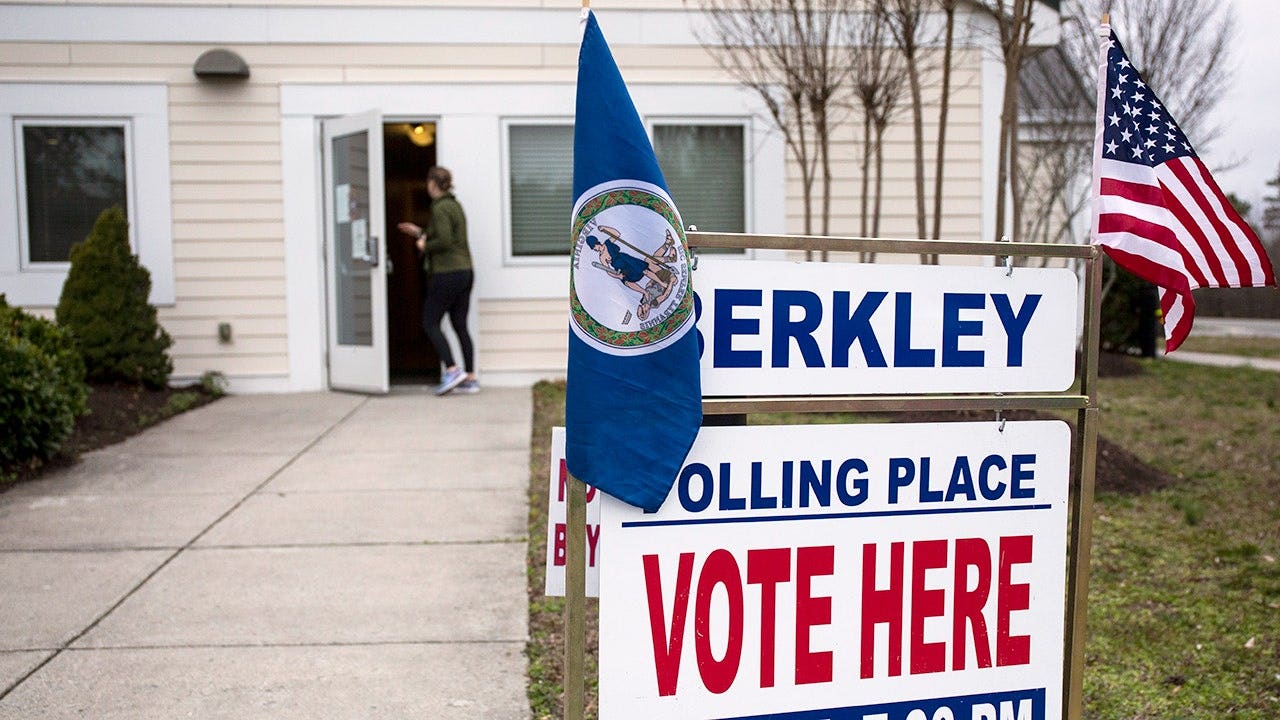
The Justice Department blasted Virginia Democratic Attorney General Jay Jones’ Election Day guidance as «bluster and political posturing,» pushing back against his 10-page directive advising local election officials to call police when federal agents approach polling places and to document their activities.
The Oct. 15 bulletin, jointly issued by Jones’ office and the Virginia Department of Elections, outlines how officials should respond to federal agents, scrutinize requests from DOJ election monitors and prepare for potential federal demands for ballots and voting equipment.
The dispute comes as conservative litigation firm America First Legal pursues records concerning the state’s warnings about potential federal election interference, which Digital has learned.
«The Virginia Attorney General’s performative actions attack a strawman,» a DOJ spokesperson told Digital. «DOJ’s election monitors will be engaging in the same routine monitoring we’ve done for decades.»
SPANBERGER AG DRAWS FIRE OVER TWO-FRONT FIGHT AGAINST TRUMP ENFORCEMENT AGENDA
«We’re hopeful local election officials in Virginia continue their longstanding practice of allowing DOJ election monitors into polling places to evaluate for compliance with federal law,» the spokesperson continued. «The Virginia AG’s statement reads as nothing more than bluster and political posturing for his own self-interested purposes.»
DOJ has already announced it plans to send election monitors to Democratic-heavy Fairfax and Prince William Counties.
Del. Wren Williams, R-Stuart, an attorney who battled Jones over Democrats’ failed redistricting-related litigation, said Jones has his election-security priorities backward.
«Jay Jones wants poll workers collecting ICE agents’ badge numbers, but God forbid they verify a voter’s ID,» Williams said. «Plus, I thought Democrats said illegals weren’t voting, so who exactly is Jones trying to protect?»
MAP IT: DOJ ILLEGAL VOTING CRACKDOWN SWEEPS 17 STATES AS RAZOR-THIN ELECTIONS FACE SCRUTINY
Virginia still requires voters to present identification or sign an identity confirmation statement, although legislation enacted this year eliminated Election Day challenges to individual voters’ qualifications at polling places.
The blueprint noted that ELECT — the Virginia elections agency — received multiple inquiries about how to respond to federal representatives showing up at polls.
It instructed election officials to consult with lawyers and establish communications with local prosecutors and police:
«Having these discussions prior to Election Day ensures that election officials can provide their perspective to local law enforcement about what counts as intimidation and interference during elections, including issues related to the presence of unauthorized individuals.»
«If, for example, an armed individual attempts to gain access to a polling location, officials should call local law enforcement immediately,» it added in a section addressing unauthorized individuals and prohibited conduct.
The bulletin separately advises officials to consider contacting police and counsel if federal agents approach or enter polls, while cautioning against physically obstructing them.
Virginia State Sen. Danny Diggs, R-Poquoson — the former sheriff of York County — told Digital that in his 45 years in law enforcement he never saw an officer or official observer «make a polling place less safe.»
«I routinely visited every polling place, inside and outside, while armed and in uniform and was always welcomed by election officials and voters. The Attorney General apparently thinks otherwise,» Diggs said. He also called it «reckless» for the attorney general’s game plan to urge election officials to confront federal observers.
On Page 4, the plan says ordinary DOJ monitors must obtain local authorization to enter polling locations, under rules similar to those for neutral observers.
If a DOJ monitor requests access, the plan prescribes that local registrars discuss the scope of the monitoring with the agency before consenting, and «consider asking whether DOJ is assessing compliance with civil or criminal federal laws.»
The bulletin also advises election officials to consult attorneys and prepare to respond to federal subpoenas seeking ballots or voting equipment.
Digital reached out to Jones and ELECT for comment and a response to critics.
Jones, however, spoke out days earlier after launching a related new Voter Protection Section within his office.
«I was raised by people who understood that the right to vote was never simply given. Generations of Americans had to sacrifice, organize, and show extraordinary courage to claim that right,» Jones said in a statement obtained by Digital. «That history is personal to me, and it reminds us that the work of civil rights and voting rights is never finished.
«That is why we created a dedicated Voter Protection Section within the Office of the Attorney General. This work now has a permanent home, and a team focused every day on defending voting rights and enforcing Virginia law. Virginia votes every year, and protecting the franchise must be a year-round responsibility. In Virginia, the right to vote will be defended.»
Virginia Beach attorney Tim Anderson also analyzed Jones’ gameplan, calling it a «remarkable directive to election officials.»
«While all this is happening, Virginia has eliminated the ability to challenge a voter’s qualifications at the polling place,» Anderson said.
«Think about what we’re witnessing: The attorney general is preparing election officials to scrutinize federal law enforcement while Virginia has eliminated a longstanding Election Day safeguard for questioning voter eligibility,» he said in a statement. «The bulletin identifies no specific planned unlawful federal operation in Virginia.»
SIGN UP TO GET THE POLITICS NEWSLETTER
America First Legal (AFL) exclusively told Digital on Tuesday it filed a public-records request Monday seeking legal analyses and communications behind the bulletin, records concerning Jones’ newly launched Voter Protection Section and inquiries about federal election monitoring.
The dispute now turns on what evidence, if any, prompted Jones’ office to prepare for potential federal interference at Virginia polling places, and whether the records sought by America First Legal will shed light on the attorney general’s concerns ahead of Election Day.
elections disputes, elections state and local, elections, state and local, virginia, politics, justice department, voting
INTERNACIONAL
Quejas de los consumidores panameños suman más de USD 26.6 millones entre enero y septiembre de este año
Un total de USD 26.6 millones concentran las quejas presentadas por consumidores panameños entre enero y septiembre de este año ante la Autoridad de Protección al Consumidor y Defensa de la Competencia (Acodeco).
El dato más llamativo no es la suma general, sino una desproporción puntual, toda vez que los 74 casos por vicios ocultos movieron USD 3.954.861,78, una cifra superior a la que generaron las 130 reclamaciones por cláusulas abusivas juntas.
Esa diferencia confirma que el tamaño del reclamo no siempre corresponde a la cantidad de denuncias.
Algunas categorías con pocos casos concentran montos más altos que otras con volúmenes mayores de quejas.
El incumplimiento de garantías encabeza la lista en las dos variables: 1.008 casos, por un total de USD 9.029.278,49.

Entre enero y septiembre, los panameños presentaron 2.562 reclamaciones que suman USD 26.631.922,30, principalmente por incumplimiento de garantías, devolución de dinero y falta de información, según Autoridad de Protección al Consumidor y Defensa de la Competencia.
Después del incumplimiento de garantías aparecen las reclamaciones por devolución de dinero, con 229 casos por USD 3.656.844,49, y la falta de información, con 482 quejas que suman USD 3.478.272,12.
El incumplimiento de contrato sumó 65 reclamaciones por USD 2.476.435,85.
Inmobiliarias, almacenes y agencias de autos concentran la mayoría de las denuncias
Al revisar las quejas por rubro comercial, se tiene en efecto que las inmobiliarias ocuparon el primer lugar con 321 casos.

Los almacenes por departamentos siguieron con 288 reclamaciones, y las agencias de autos cerraron el podio con 254.
El informe de la entidad gubernamental también revela que los comercios de electrodomésticos y equipos electrónicos sumaron 228 quejas.
En tanto, la venta de autos usados acumuló 124 casos, mientras que los establecimientos de venta de celulares registraron 102.
También figuran 101 quejas vinculadas a televisión por cable, 95 por hoteles o planes vacacionales y 92 por talleres de reparación de autos.
Los repuestos para vehículos y los servicios de telefonía registraron 53 casos cada uno.
El resto de las actividades señaladas, siempre de acuerdo a un informe de la Autoridad de Protección al Consumidor y Defensa de la Competencia, incluye bancos (49 casos), actividades recreativas (48), funerarias (45) y servicios profesionales (43).
Las mueblerías y los talleres de reparación no automotrices sumaron 40 quejas cada uno.
Completan el listado las agencias de motos (32 casos), las universidades (31), los cursos de inglés (28), las joyerías y relojerías (28) y las ópticas (26).
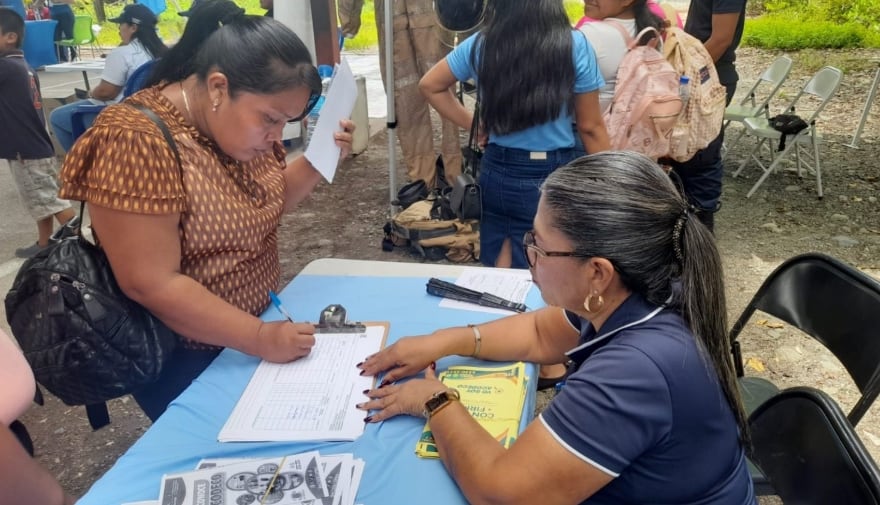
La entidad de protección al consumidor recordó a los consumidores la importancia de conocer sus derechos antes de contratar un servicio o adquirir un producto. El organismo recomienda revisar las condiciones de cada operación de forma previa.
La institución gubernamental también insistió en conservar facturas, contratos, garantías y comprobantes de pago.
Esos documentos, afirma, respaldan cualquier reclamación posterior que tengan los consumidores ante irregularidades que estime se le presenten.
Cuando un consumidor considera que sus derechos fueron vulnerados, puede presentar la queja correspondiente ante la entidad y aportar la documentación que sustente su caso.
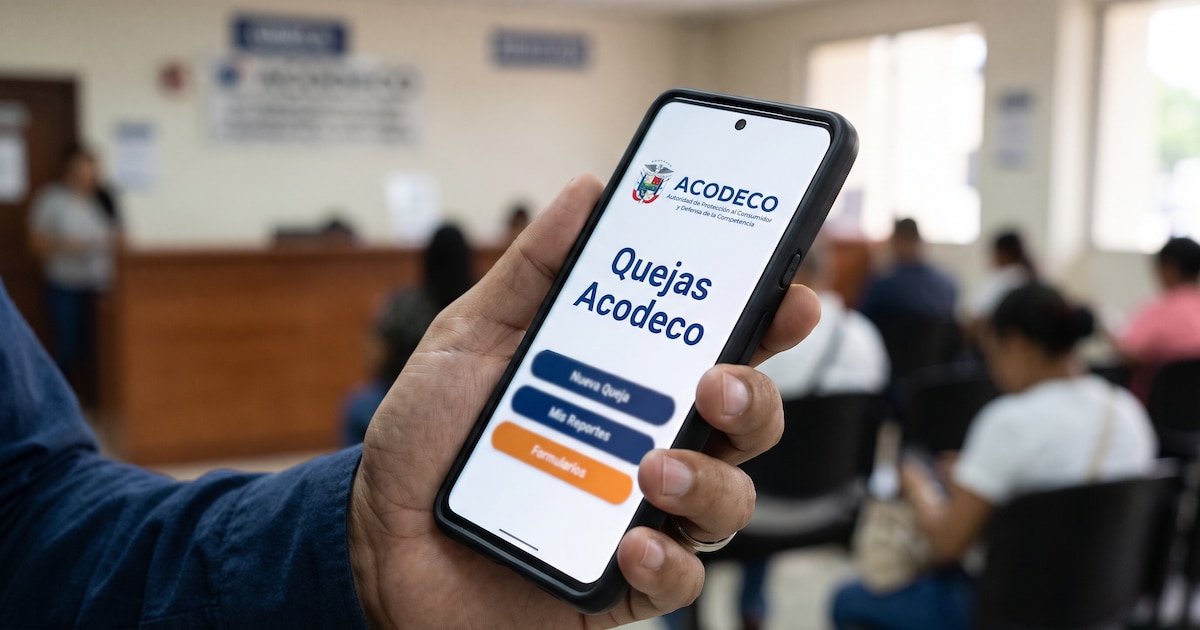
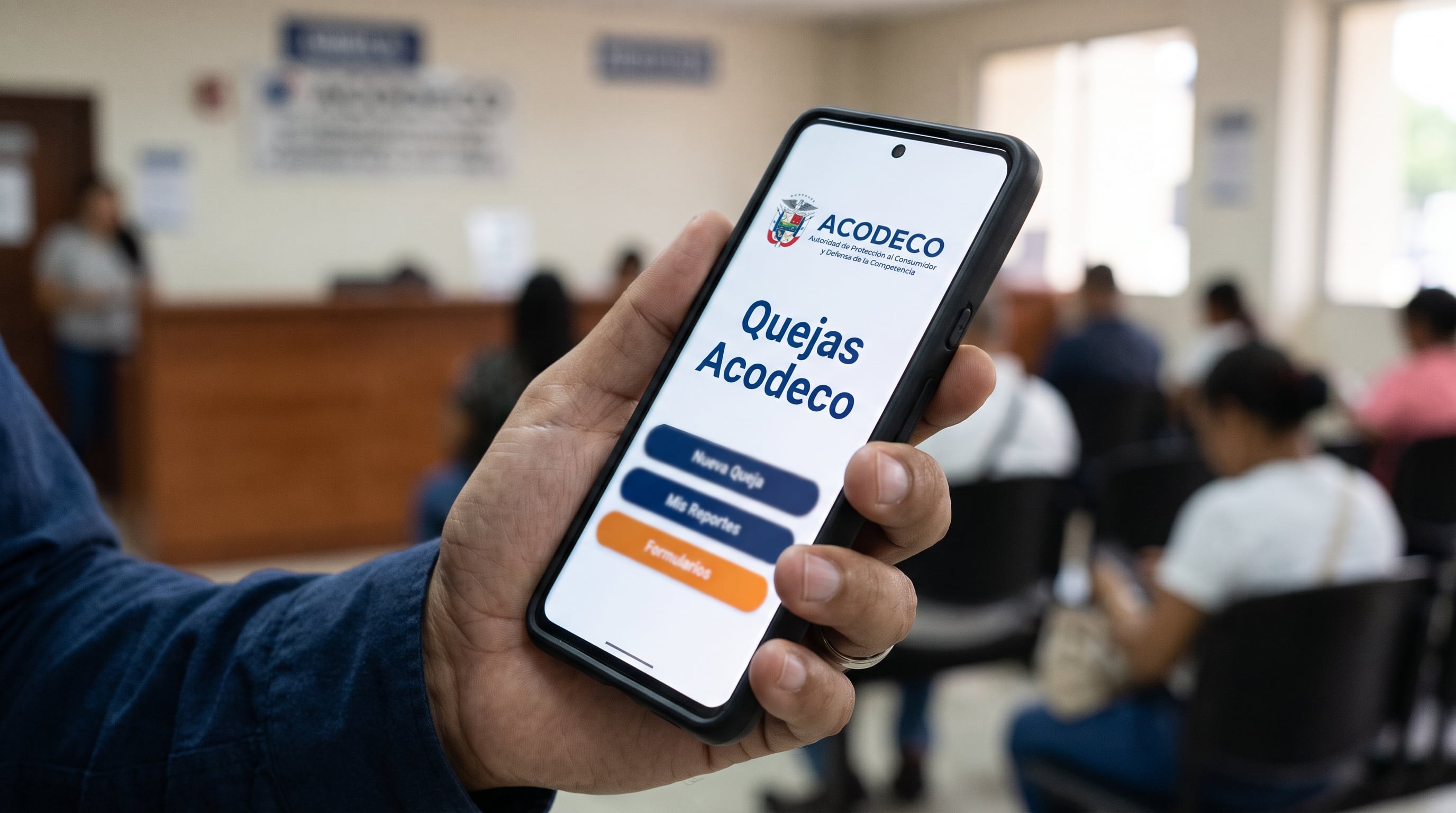
La Acodeco también informó que prepara el lanzamiento de una aplicación móvil que permitirá presentar quejas y denuncias desde el teléfono celular. Se indicó que la herramienta se encuentra actualmente en fase de pruebas y revisión.
El desarrollo forma parte de los preparativos previos al lanzamiento oficial de la plataforma, de acuerdo a la información oficial. Con ella, los consumidores podrán registrar sus casos de manera más sencilla y dar seguimiento a sus trámites.
La institución busca que el acceso a sus servicios se agilice mediante herramientas digitales. El objetivo es que la atención de las reclamaciones gane rapidez frente al volumen actual de denuncias.
factura,documento comercial,pago
INTERNACIONAL
Peltola campaign’s alleged Dan Sullivan spoiler plot takes new turn as DOJ faces major legal hurdle
The Department of Justice faces an uphill legal battle in Alaska, where it is trying to convince a federal court that confusion between two Senate candidates with nearly identical names could be enough to delay certification of the election results.
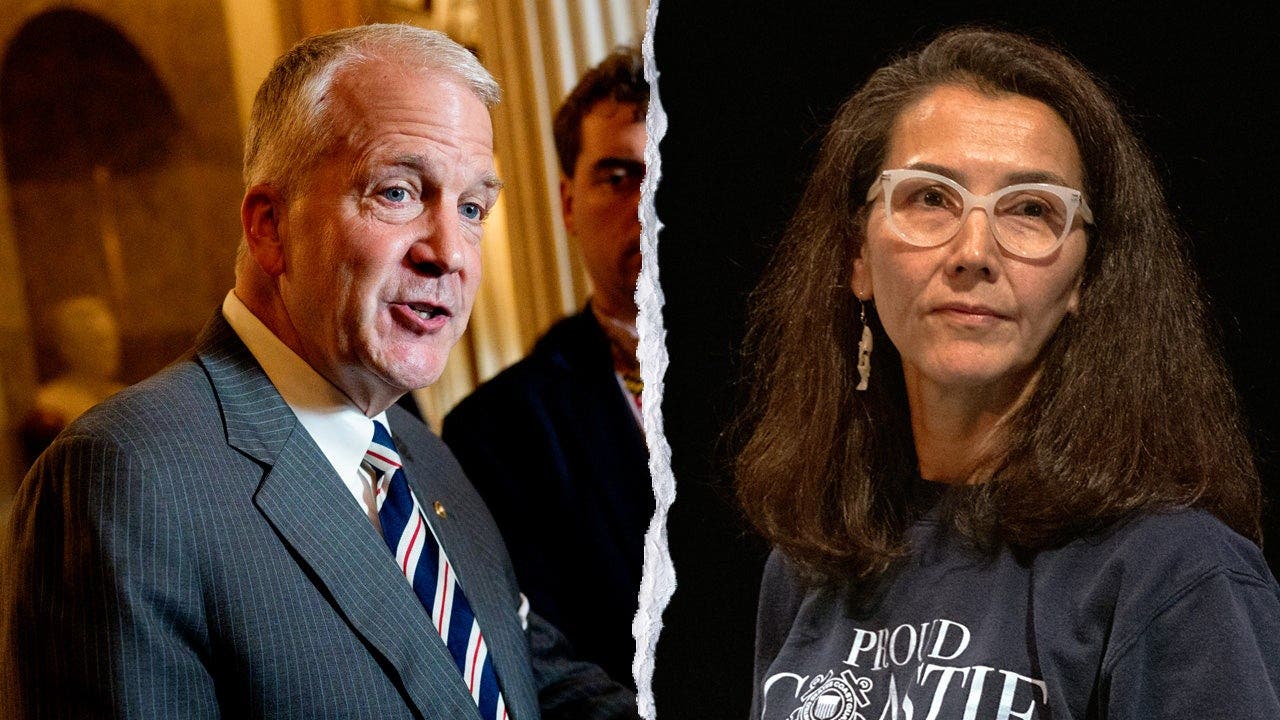
Roughly two weeks before Election Day on Oct. 22, the DOJ filed a federal lawsuit seeking to delay certification if Sen. Dan Sullivan loses and votes cast for another candidate named Daniel J. Sullivan could have changed the result, pending an investigation into whether voters mistakenly selected the wrong candidate.
The DOJ’s complaint stems from a controversy in Alaska where two individuals by the name of Dan Sullivan, one a retired schoolteacher and the other the state’s incumbent senator, appear alongside each other on the state’s ballots. Although Alaska has traditionally been a Republican stronghold in Senate elections, the state’s race could carry greater national significance this year as Republicans seek to defend their narrow Senate majority.
The New York Times reported Wednesday that the campaign of Mary Peltola, the Democrat running for Senate in Alaska, reportedly worked with operatives to recruit another Dan Sullivan to run for Alaska’s Senate seat, hoping voter confusion would draw support from the incumbent Republican senator. Citing interviews, text messages and documents prepared for a potential lawsuit, the Times reported that the effort also targeted other potential spoiler candidates, despite the Peltola campaign’s repeated denials of involvement in the second Sullivan’s candidacy.
TODD BLANCHE CHALLENGES DANA BASH FOR ONLY CITING PART OF CONSTITUTION DURING HEATED ELECTION CLASH
learned Wednesday that federal prosecutors are conducting an «aggressive criminal investigation» into how the second Sullivan secured a spot on Alaska’s ballot, according to two sources familiar with the probe. Investigators are preparing grand jury subpoenas and examining potential violations of voters’ rights, with the investigation expected to continue beyond Election Day. The DOJ declined to comment.
On Sunday, Peltola’s campaign and the Democratic Senatorial Campaign Committee filed a proposed motion to dismiss the Justice Department’s lawsuit, arguing that the federal law cited by the DOJ governs voter registration, not candidate eligibility or ballot design. They also urged the court to resolve the case before Election Day.
Conservatives have argued that two similar names on the same ballot could possibly lead to voters who would prefer to reelect the state’s Republican senator accidentally voting for the retired school teacher. Opponents of the effort to remove Daniel J. Sullivan from the ballot argue that sharing a name with an incumbent is not grounds for disqualification and that Alaska’s ranked-choice voting system allows voters to rank both candidates, potentially limiting the effects of mistaken selections.
Alaska’s Division of Elections initially sided with conservatives, disqualifying Sullivan the schoolteacher by finding that his candidacy was not a genuine, good-faith bid for office but instead was designed to confuse voters into mistaking him for the senator. Alaska Superior Court Judge Thomas Matthews overturned the decision in June, holding that the Division of Elections had no authority to void a candidacy on that basis.
Alaska’s general election ballot identifies the incumbent as «Sullivan, Dan S.,» with Republican and incumbent designations, while listing the other candidate as «Sullivan, Daniel J. Jr.,» without a party affiliation, a measure some argue is enough to clear up potential confusion. Lawyers at the Justice Department, however, remain unconvinced.
Although Attorney General Todd Blanche has suggested that officials could examine ranked-choice ballot patterns for signs of confusion, the Justice Department has not explained how those patterns could establish that individual voters mistakenly selected the wrong candidate. Voter privacy protections pose a major obstacle to a potential federal case, as it would be nigh impossible to tie specific voters to specific ballots to serve as evidence of confusion.
ALASKA HAS A VOTING SYSTEM LIKE NO OTHER STATE; REPUBLICANS WORRY IT COULD COST THEM IN NOVEMBER
«This is just the stuff that is just impossible to measure after the fact,» Notre Dame law professor Derek Muller said of the DOJ’s plan to infer voter intentions from anonymous ballots.
Blanche, in interviews with the press, has provided some insight into how he would like the DOJ to go about solving this problem.
«So, because of rank-based voting, voters… they write not just one, not just two, but multiple names on the ballot. And so there are a number of scenarios where it could be obvious that a voter was confused by the way they wrote down candidates,» Blanche told CNN’s Dana Bash.
Blanche’s comments suggest that the Justice Department could examine ranked-choice ballot patterns for potential signs of confusion, although such patterns alone would not establish whether voters intended to support a different candidate.
«It will be obvious from the results and from the ballots that voters were confused, and that could be obvious from the way that they rank the Dan Sullivans or not including a Dan Sullivan on the ballot,» he said in a later interview with CBS.
ALASKA REPUBLICANS SCRAMBLE TO EDUCATE VOTERS ON SUSPECTED DEM PLANT AS ‘BALLOT FATIGUE’ THREATENS RACE
Don Palmer, senior legal fellow for election integrity at the right-of-center Heritage Foundation, told Digital that he feels the Justice Department might have a case if the agency’s lawyers construct it properly. Statistical analysis of ballots alone, he maintains, will likely not be sufficient to convince a judge of the administration’s position.
«You’ll have the opportunity to interview witnesses, do some statistical analysis, and make a decision whether or not the campaign wants to contest the results of the election,» Palmer said. «So it’s actually quite a high standard where you have to bring in witnesses. You can’t generally just prove it with some statistical analysis… the campaign would have to show to the court through statistical and expert testimony, plus witness testimony, plus affidavits, that enough voters were confused, that they made inaccurate choices on what they intended to do. Then and only then could the court determine whether the race should be overturned.»
«If voters voted for the non-Republican Dan Sullivan as their first choice, but voted down ballot for Republicans as their first choice otherwise, that could indicate patterns of confusion whereby voters were looking to vote straight Republican as their first choice and were prevented from doing so because the inclusion of Daniel J. Sullivan on the ballot confused matters,» a spokesman for the America First Policy Institute told Digital.
Ben Hovland, a senior fellow at the left-of-center Center for American Progress and an expert on elections, was more bearish on the DOJ’s prospects.
SEEING DOUBLE: SECOND DAN SULLIVAN ADVANCES, SETTING UP BIZARRE ALASKA SENATE BALLOT
«You’ve never seen a claim like this made under the National Voter Registration Act,» he told Digital. «This is not a matter of federal law. This is a state ballot qualification issue and the Alaska Supreme Court addressed this issue months ago. For the Department of Justice to step in at this point and sort of make this claim, you know, doesn’t appear to be about winning in a lawsuit because it doesn’t seem like there’s any scenario where [they win], this is clearly about trying to sow confusion or sow doubt or set the stage to undermine the results of the election if the administration doesn’t like what the voters will have to say.»
Walter Olson, a senior legal fellow at the libertarian Cato Institute, also isn’t convinced that the Justice Department will be able to get its case off the ground.
«I wouldn’t expect Blanche’s local allies to get very far in this effort unless a federal court rules in favor of his theory that Alaska violated federal (as opposed to state) law by letting the schoolteacher stay on the ballot,» Olson told Digital. «I think the state is likely to beat Blanche in federal court on that point, and that should end the case.»
Alaska has already moved to have the DOJ’s case dismissed.
The DOJ did not respond to a request for comment when reached by Digital on Tuesday.
politics, elections disputes, justice department, voting, elections, midterm elections

El Senado intentará aprobar mañana la reforma de la ley de salud mental y el RIIR

Sin paros generales y con un acto en una cancha: la nueva estrategia de la CGT que pone en la mira tanto al Gobierno como al PJ

Femicidio de Nancy Godoy: el macabro hallazgo que complicó al principal acusado y las sospechas sobre los otros cuatro detenidos

Ganó la Sudamericana con River y ahora cree que Boca será el campeón: «Sin dudas…» :: Olé

Ironías, posteos enigmáticos y críticas a la prensa: los mensajes de Santiago Caputo durante el escape de Bolsonaro

El dólar subió y alcanzó un nuevo máximo, con la influencia de la devaluación del real

Medios brasileños afirman que Flávio Bolsonaro escapó del país y está en vuelo a Estados Unidos

CFK, Axel Kicillof, Sergio Massa y otros referentes del PJ celebraron el triunfo electoral de Lula da Silva

Edgerunners 2 ha vuelto a poner a David Martinez en el centro de la conversación. Su showrunner tiene algo que aclarar sobre su destino

El boom de Vaca Muerta no para: aporta más del 70% del crudo y empuja a la Argentina hacia el millón de barriles diarios

 INTERNACIONAL1 día ago
Medios brasileños afirman que Flávio Bolsonaro escapó del país y está en vuelo a Estados Unidos
- DEPORTE3 días ago
Jugó un Mundial con la Selección, el Dibu le regaló sus guantes y apunta a enfrentar a Messi
- POLITICA3 días ago
El acusado de amenazar a Waldo Wolff reconoció el delito, pidió disculpas en un video y visitará dos museos