INTERNACIONAL
Erika Kirk channels Charlie with blunt message to conservatives after GOP midterm losses

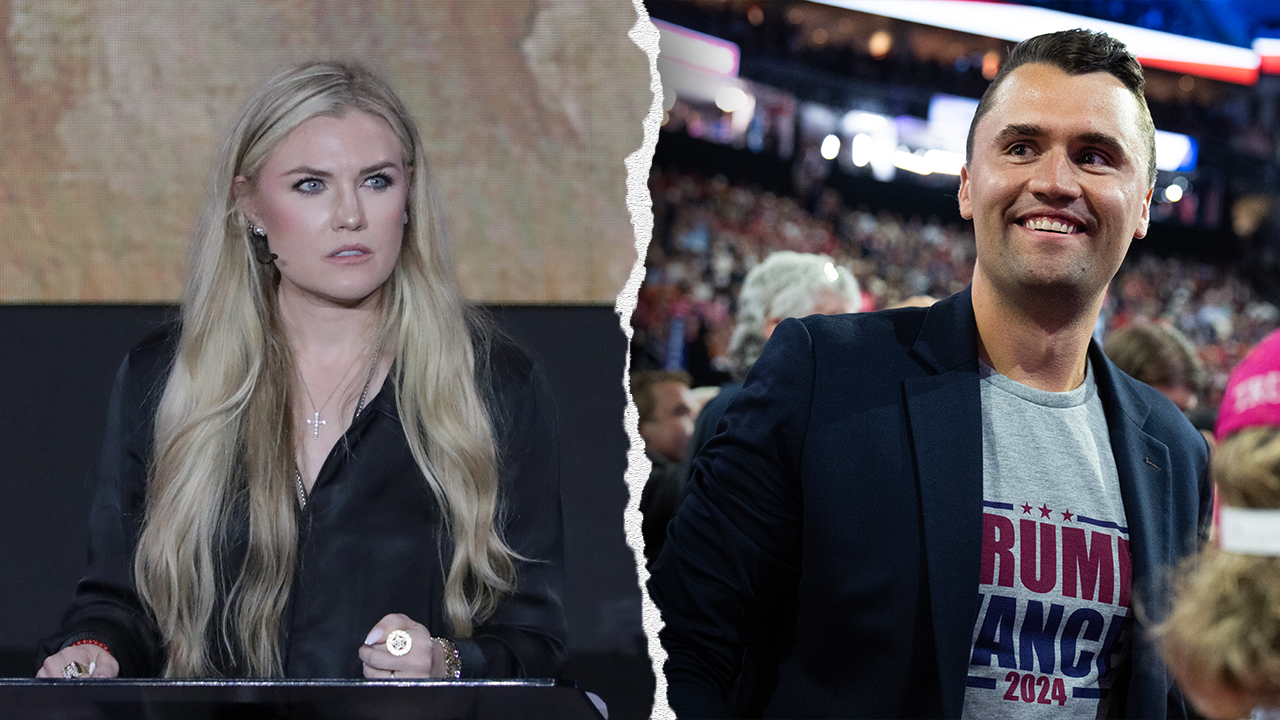
Erika Kirk had a message for conservatives reeling from Republican election setbacks, and she turned to her late husband Charlie’s words to deliver it.
«I miss Charlie so much every single day, but especially on a day like today,» she wrote.
«He always said that when things are going well, we need to stay humble. And when things aren’t going the way we want, we need to stay positive, keep our faith, and get back to work.»
ERIKA KIRK URGES CONSERVATIVE STUDENTS NOT TO BACK DOWN IN FIRST SCHOOL YEAR SINCE CHARLIE’S ASSASSINATION
The widow of Turning Point USA CEO and founder Charlie Kirk said her husband had built a political operation meant to endure both victories and defeats.
«Charlie’s vision for Turning Point Action was always bigger than one election,» she wrote. «He wanted a permanent, year-round operation with the people, relationships, and resources to compete in every cycle.»
INSIDE CHARLIE KIRK’S EFFORT TO DEVELOP THE NEXT GENERATION OF CONSERVATIVE VOICES
«He knew there would be victories and setbacks because he had experienced both and that’s why he built for both.»
Kirk also thanked the staff, students, volunteers and ballot chasers who worked during the election cycle.
ERIKA KIRK SAYS PRESIDENTIAL LIBRARY-STYLE TRIBUTE TO CHARLIE KIRK IS ‘IN THE WORKS’ AS TPUSA EXPANDS
«I know Charlie would be unbelievably proud of each and every one of you, and I am, too,» she wrote.
In a lengthy post on X, Erika Kirk said Republicans saw once comfortable races tighten or flip as candidates she described as democratic socialists campaigned on the cost of gas, groceries and housing.
FLORIDA CONGRESSMAN DIAGNOSES GOP’S BLUE TSUNAMI LOSSES: ‘WE FAILED TO MAKE THEM THINK WE CARED ABOUT THEM’
«A rising stock market doesn’t mean much when nearly half of Americans don’t have a 401K and just want to put gas in their trucks, put food on the table, and provide a good life for their families,» she wrote.
Erika Kirk paired her warning with a defense of free enterprise, arguing conservatives must understand why voters looked elsewhere without embracing the policies their opponents offered.
CALLING DEMOCRATS ‘COMMUNISTS’ WON’T WIN GEN Z — REPUBLICANS NEED A BETTER OFFER
«We can disagree with the solutions voters were offered while still recognizing why they were looking elsewhere for answers,» she wrote.
Erika Kirk warned conservatives against turning on one another as she urged them to take voters’ frustrations seriously.
JASON CHAFFETZ: FIVE TIMELESS POLITICAL LESSONS THAT GOT LOST IN 2026
«The biggest mistake conservatives can make right now would be to allow this moment to become another exercise in finger-pointing, in-fighting, or trying to secure their own political preservation,» she wrote. «That does not solve the problems the American people are demanding be solved.»
Erika Kirk said exit polls showed voters were concerned about the economy and the war in Iran.
VOTER POLL: 2026 MIDTERM ELECTIONS USHER IN A BLUE WAVE AS DEMOCRATS WIN CONTROL OF CONGRESS
She said those concerns echoed what Turning Point had been hearing from students around the country for months.
«This isn’t a surprise to us because we’ve heard the same concerns from our students around the country for months and we’ve been concerned about it too,» she wrote.
JONATHAN TURLEY: SOCIALISM IS BACK IN STYLE AND DEMOCRATS ARE BUYING THE PITCH
Erika Kirk rejected socialism as an answer, arguing it places economic power in government hands rather than allowing individuals and families to build prosperity.
She said that approach conflicts with the free enterprise, individual liberty and opportunity at the heart of the country.
But she also warned that Americans will not simply stick with a party out of habit.
«Americans are not looking for labels and don’t subscribe to unquestioned party loyalty anymore either,» she wrote. «They will support the candidates who can both speak to their concerns and deliver on what THEY need and dream about for their families.»
She identified affordable homes, safe communities and greater opportunity for the next generation as the promises voters want fulfilled.
Erika Kirk said the organization would study the results, listen to voters and spend the next two years making the case that conservative policies and free markets can address the problems Americans face.
She pledged to continue building relationships in communities across the country and preparing for «2028 and beyond.»
«Our principles haven’t changed and neither has our mission,» she wrote.
«Onward.»
turning point usa, politics, erika kirk, republicans elections, rise of socialism, campaigning










INTERNACIONAL
Texas governor-elect’s plan to freeze electricity prices raises questions over legal authority

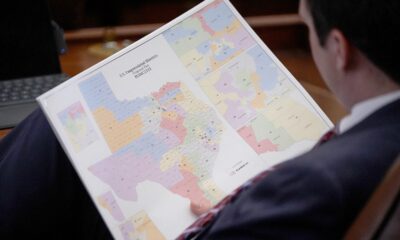
On her first day in office, Texas Democratic Gov.-elect Gina Hinojosa plans to freeze residential electricity rates in response to what she described as an affordability crisis.
«On Day One as governor, I’ll freeze residential electricity rates and make corporations finally pay their fair share,» Hinojosa said in an interview with a local energy data group. She reiterated the plan in an interview with the Texas Tribune, stating, «Within an hour of taking the oath of office, I will declare a high-cost emergency in the state of Texas and issue an emergency executive order to … freeze electricity rates.»
The plan is raising concerns that such a freeze will clash with Texas’ uniquely competitive energy sector, which relies heavily on free-market choice, and that it could inadvertently create energy shortages as suppliers are prevented from adjusting their prices.
DEMOCRAT GINA HINOJOSA STUNS ABBOTT, MAKES HISTORY AS FIRST LATINA TEXAS GOVERNOR
That’s the concern of Nick Loris, the president of C3 Solutions, a conservative coalition for climate solutions that focuses on energy, environment and agriculture policy.
He expects the emergency declaration will face legal challenges almost immediately from energy providers. In particular, he cast doubt on the scope of the emergency declaration.
«The Texas Disaster Act lets the governor declare disasters and suspend the regulatory laws and statutes that are in existence. But I think there is a high degree of skepticism, both from courts but also from state policymakers, that this warrants such a claim — and that it is such a disaster,» Loris told Digital.
«I would imagine if there were legal challenges, it would come from those affected parties,» he added.
Loris explained that Texas has fostered one of the most competitive energy environments in the country.
In 1999, the state passed Senate Bill 7 — a piece of legislation that opened most of the state to retail choice, allowing customer to pick their preferred retail electric providers (REPs), beginning in 2002.
«The legislature finds that the production and sale of electricity is not a monopoly warranting regulation of rates, operations, and services and that the public interest in competitive electric markets requires that, except for transmission and distribution services and for the recovery of stranded costs, electric services and their prices should be determined by customer choices and the normal forces of competition,» the Texas Legislature wrote in the law.
TEXAS GOV. GREG ABBOTT EFFECTIVELY PAUSES NEW DATA CENTER PROJECTS PENDING STATEWIDE GRID AUDIT
As a result of the law, Texas largely operates its own independent energy grid and runs an energy-only wholesale market in which generators are paid primarily for the electricity they produce rather than for standing capacity.
Texas has over 100 REPs that energy consumers can pick from, each competing for consumers’ business.
To Loris, the range of choices provides a remarkable amount of flexibility for consumers.
«It’s like shopping at a grocery store for cereal for your retail electricity. There’s so much choice that you can enter into. Short-term contracts, long-term contracts, use different fuel sources,» Loris said.
However, he warned that a utilitiesrfreeze undermines that competitive environment, causing providers to shoulder the burden of fluctuating supply.
«If the electricity suppliers are not covering the costs that they incur, that’s going to leave them worse off and make it more vulnerable for them to adequately provide that power,» Loris said.
AI’S MASSIVE APPETITE FOR POWER, WATER IGNITES FIGHT IN HIGH-STAKES TEXAS SENATE RACE
«Price signals really kind of act like a traffic light. They tell people when to speed up, when to slow down, or when to come to a full stop,» he added.
Having won her Nov. 3 gubernatorial race, Hinojosa will be sworn in on Jan. 19, 2027.
Her office did not immediately respond to requests for comment on what her response would be if the rate freezes resulted in an energy shortage.
politics, texas, gubernatorial, governors, energy
INTERNACIONAL
La pelea que vio en un bar, tres días y medio de escritura frenética y el estudio que casi deja pasar otra obra maestra: así nació ‘Rocky’

Yo soy Rocky, el relato cómico y diseñado para complacer al público de Peter Farrelly sobre la realización de “Rocky”, podría parecer un doble golpe de nostalgia pura. Se cumplen casi exactamente 50 años desde que el clásico de boxeo que lanzó a Sylvester Stallone llegó por primera vez a los cines. Bastan unos escalones de Filadelfia o un grito de “¡Adrian!” para evocar una presencia cultural que sigue siendo omnipresente.
Sin embargo, aunque Yo soy Rocky no escatima sentimentalismo, apunta más al presente de lo que aparenta. La industria cinematográfica actual es tan corporativa y reacia al riesgo que la recuperación de “Rocky” a cargo de Farrelly resulta más disfrutable como recordatorio de que el cine es una empresa quijotesca, incluso disparatada. Algunas de sus mejores películas parten de ideas inherentemente malas.
El milagro de “Rocky” reside, en realidad, en que alguien aceptó hacerla. Stallone, con poco más de 20 años, apenas tenía en su haber algunas películas pornográficas de bajo presupuesto. Había pocos indicios de que el público reclamara un drama de boxeo. Y, sin embargo, Stallone, pese a su modesta posición en Hollywood y a su particular forma de hablar, no quería limitarse a vender el guion: insistía en protagonizarlo.
Por eso, aunque la convincente interpretación de Anthony Ippolito como Stallone está en el centro de Yo soy Rocky, la película pertenece a sus escépticos productores y a sus ejecutivos indignados. Tracy Letts interpreta a Sandy Maddox, el jefe de United Artists, un personaje compuesto. Los productores de “Rocky”, Irwin Winkler y Robert Chartoff, son encarnados por P. J. Byrne y Toby Kebbell, respectivamente. Todos quedan atónitos cuando Stallone, que había estado recientemente sin hogar, rechaza una suma que hoy equivaldría a millones, firme en su exigencia: “Yo interpreto a Rocky”.
Esta es la propia historia de superación de Stallone, una que refleja con precisión el improbable ascenso de Rocky Balboa. Pero la convicción de la película de que el cine desafía los algoritmos es lo que convierte a Yo soy Rocky en un entretenimiento divertido, aunque ligero.
Farrelly, que pasó su carrera haciendo comedias como “Dumb and Dumber” y “There’s Something About Mary” antes de pasar a filmes más dramáticos como la ganadora del Óscar a mejor película “Green Book”, realiza Yo soy Rocky con parte de ese mismo espíritu. Encadena escenas ágiles, casi improvisadas, y renuncia al preciosismo en favor de un ritmo de comedia disparatada. Según sugiere Yo soy Rocky, el cine debería ser una aventura.

El obstinado ascenso de Stallone, convertido ya en un mito, se condensa con ligereza en el guion de Peter Gamble. La historia comienza en Nueva York, donde Sylvester aún es Mike Stallone y avanza poco en las escasas audiciones que consigue. Pero sus sueños de triunfar en el espectáculo son sinceros. Esa sinceridad probablemente explica que Sasha, una empleada de taquilla interpretada por AnnaSophia Robb, acepte salir con él. Ella se convierte en la primera esposa de Stallone y, cuando ambos se mudan a Los Ángeles, en la mecanógrafa de sus guiones.
Y hay muchos guiones. Stallone escribió más de una docena antes de “Rocky”. El éxito no llegó de la noche a la mañana, y esa perseverancia vuelve entrañable su historia. ¿Cuántos aspirantes a protagonista musculoso en Hollywood, entonces o ahora, han trabajado tanto?
La base real de los hechos beneficia a “I Play Rocky”, que a veces se inclina hacia el cuento de hadas. Ippolito, conocido antes sobre todo por interpretar a Al Pacino en “The Offer”, reproduce los gestos y la voz de Stallone sin caer en la caricatura, una proeza si se considera la cantidad de imitaciones de Stallone que han surgido y desaparecido durante 50 años. Pero la interpretación resulta demasiado dulce y angelical. Stallone debió de ser algo más que un ingenuo dotado para lograr lo que consiguió. Ippolito interpreta a Rocky, no a Stallone.

Después de ver en un bar la pelea a 15 asaltos entre Muhammad Ali y Chuck Wepner, Stallone vuelve tambaleándose a casa y, en solo tres días y medio, “Rocky” brota de él. “Ese soy yo en la página”, dice agotado.
“I Play Rocky” finalmente llega al rodaje de la película, pero para entonces empieza a perder impulso. El eje del filme es la negociación por el guion, con Winkler y Chartoff como intermediarios que trasladan ofertas de un lado a otro. Stallone trabaja estacionando autos cuando rechaza USD 360.000, una cifra cuatro veces mayor que la oferta inicial, para ceder una opción sobre el guion sin que él fuera elegido para el papel.
Byrne y Kebbell son notables como dos productores veteranos y astutos que apenas pueden creer en el proyecto al que han apostado, aunque mantienen la fe. El jefe del estudio interpretado por Letts, todavía resentido por haber dejado pasar “The Godfather”, otro éxito de los años 70 que al principio parecía un fracaso anunciado, atraviesa sus escenas con una furia memorable.

Finalmente acuerdan una cifra mucho menor y un presupuesto muy reducido, de USD 1 millón, para “Rocky”. Eso implica una producción austera que se traslada a Filadelfia para evitar a los sindicatos de Nueva York. El célebremente eficiente John G. Avildsen, interpretado por Jay Duplass, es convocado para dirigir.
Una vez que las cámaras empiezan a rodar, incluido, como reconoce la película, uno de los primeros usos de la Steadicam, “I Play Rocky” se orienta más hacia la recreación nostálgica. Pero aún se percibe el afecto de Farrelly por un cine guiado por el instinto. En ese sentido, “I Play Rocky” no es tan distinta de otro drama sobre la realización de una película: Nouvelle Vague, de Richard Linklater, sobre el iconoclasta francés Jean-Luc Godard y Breathless, de 1960.
Un chiste recurrente consiste en que los actores exageran sus capacidades para conseguir un papel. Cuando Carl Weathers, interpretado por Stephan James, llega para hacer de Apollo Creed, termina por admitir que no sabe boxear, una confesión que también debe hacer Stallone. Que aquello se convierta en la película más taquillera del año hace de “I Play Rocky” una afectuosa referencia a la frase, citada con frecuencia y olvidada a menudo, de William Goldman: “En el cine, nadie sabe nada”.
Fuente: AP
Arts,Culture,Entertainment,Arts / Culture / Entertainment,North America

FIRST ON FOX: A new analysis from a conservative AI safety group found that deep-red counties with large data centers or proposed projects shifted further toward Democrats in last week’s midterm elections than comparable counties without such projects.
Humans First’s analysis, obtained by Digital, examined public election returns and data-center project records in 1,540 counties across 16 states. The memo used several comparisons to measure what the group describes as a «data center penalty.» Across all counties examined, those hosting large data centers shifted an additional 2.2 percentage points toward Democrats compared with non-host counties in the same states. The pattern appeared in 14 of the 16 states and 25 of the 27 governor and Senate races examined.
Restricting the analysis to deep-red counties — those President Donald Trump won by at least 20 points in 2024 — produced a 2.1-point raw gap between counties hosting large data centers and comparable counties without projects.
Among deep-red counties with projects still in the proposal stage, the gap was 1.1 percentage points after accounting for past voting patterns, rural or urban status, population size, racial and ethnic makeup and recent voting trends.
TEA PARTY FOUNDER LAUNCHES NATIONWIDE ‘DATA CENTER REVOLT’ AGAINST AI DATA CENTER EXPANSION
The group identified 114 proposed large data center projects across 92 deep-red counties, potentially setting up more local fights.
The memo found that Republican vote totals fell an additional 1.1% in deep-red host counties compared with comparable counties without large data centers, while Democratic vote totals showed no significant change.
The memo cautioned that its findings show an association rather than proof that data centers caused voters to change their behavior. County-level results also cannot determine whether Republicans switched their votes or simply stayed home.
«Our analysis looked at how counties with data centers voted and how those counties moved to the left,» Humans First Chairwoman Amy Kremer told Digital.
«I think this happened for the reason I’ve been warning conservatives and Republicans about for some time: People engage politically when issues affect them personally. There’s nothing more personal than your pocketbook, your health care, your kids and family, your home and your community. A data center involves all of those things, which is why I believe these counties moved away from Republicans,» she continued.
Humans First’s September «Data Center Revolt» bus tour made 35 stops in 27 states, including 14 stops in the states covered by the analysis. Nine of those stops were in deep-red counties, all of which hosted a large data center project. Those nine counties shifted 2.2 points further toward Democrats after the analysis accounted for its controls, compared with a 0.75-point shift among deep-red host counties overall. The group said those same nine counties showed no comparable gap from 2020 to 2024.
The findings do not establish whether the group’s visits influenced voting behavior or whether those counties already had stronger opposition to data center development.
Separately, voters favored restrictions on data center development or rejected measures supporting such projects in 46 of 47 local data center ballot measures in 2026, according to Ballotpedia. The measures included different types of proposals, including restrictions on development and advisory questions.
Kremer said this is a local control issue, stressing that Republicans should focus on protecting property rights and ensuring people have control over how things affect their lives.
«Whether you’re talking about AI technology or the infrastructure needed to build AI data centers, the American people have not had a seat at the table,» Kremer said. «They haven’t had a say in how the technology affects them or how the data center buildout affects their communities. In many places across the country, developers and companies have gone in and cut deals behind closed doors, under a cloak of darkness, using nondisclosure agreements and shell companies. By the time people in the community find out about the project, it’s too late to stop it.»
«These projects affect the quality of life and how much money people have. They can increase the cost of electricity and water, while tax abatements are given to trillion-dollar companies — some of the wealthiest companies in the world. That is money coming out of the pockets of the American people,» she continued.
Kremer added, «When you talk about Iran and gas prices, tariffs and now the AI data center buildout, all of these costs are coming out of people’s pockets. That’s when people engage politically, and I think that’s what we saw last Tuesday.»
The concerns come amid a broader debate over how data centers should pay for the electricity and grid infrastructure they require. The Energy Department estimates data centers used 4.7% of U.S. electricity in 2024 and, in its reference case, could account for 11.8% by 2030. The Federal Energy Regulatory Commission has directed regional grid operators to address safeguards against shifting the costs of serving large electricity users onto other customers. Those developments do not establish that data centers caused higher household rates in the counties examined by Humans First.
Tax incentives also vary by state. The National Conference of State Legislatures reported that at least 38 states offer incentives specifically for data centers, including equipment-tax exemptions and, in some states, exemptions involving electricity or property taxes. The Data Center Coalition, an industry trade group, says such incentives are similar to those offered to other capital-intensive industries and argues that data centers generate jobs, investment and tax revenue.
Humans First does not support a nationwide or statewide moratorium on data centers, but Kremer said individual communities should be free to approve or reject projects.
DATA CENTERS FORGOT THE CONSUMER — AND THAT COULD COST AMERICA THE AI RACE
«If a community comes together and votes for a moratorium, that is its prerogative. If a community wants a data center, that is its prerogative as well. It is all about local control,» she said.
Kremer said she learned that people engage more when it comes to issues that affect them personally, noting that data centers «encompass all of those issues.»
«Whether you’re talking about pocketbook issues, health care, kids and family, or your home and community, the data center battle is a physical manifestation of all those concerns,» she said. «When it comes to the economic impact on their communities, I think data centers absolutely played a role in the election.»
«I hope we can get on the right page and give local control back to communities. People should have a say in how they live and what goes into their communities. That is very personal, and I hope we can move in that direction,» Kremer added.
artificial intelligence, elections, politics, technology, midterm elections, republicans elections, voting

Texas governor-elect’s plan to freeze electricity prices raises questions over legal authority

Presupuesto 2027: la oposición toma el mensaje del papa León XIV para reclamar más fondos para discapacidad y universidades

Vojvoda rechazó regresar al Fortaleza por tres partidos

Detuvieron en Chaco a un hombre acusado de abusar de una nena de 12 años

“Es indudable”: Chicho Serna enumeró los puntos de comparación entre Arruabarrena y Carlos Bianchi tras el título de Boca

La pelea que vio en un bar, tres días y medio de escritura frenética y el estudio que casi deja pasar otra obra maestra: así nació ‘Rocky’

Así fue el saludo entre Javier Milei y el papa León XIV en Aeroparque tras la llegada a la Argentina

Artemis IV: los detalles de cómo será la misión de la NASA que busca llevar astronautas a la superficie lunar en 2028

Racing sigue en la busqueda de un nuevo entrenador para el 2027 y hay tres nombres apuntados

Canales para ver el Tigre vs. Sarmiento por el Torneo Clausura

 POLITICA2 días ago
Así fue el saludo entre Javier Milei y el papa León XIV en Aeroparque tras la llegada a la Argentina
- DEPORTE3 días ago
Gimnasia de Mendoza vs Independiente Rivadavia: formaciones, hora y dónde ver por tv
- DEPORTE3 días ago
Franco Colapinto le hizo probar mate a Lewis Hamilton en un evento durante el GP de Brasil: la reacción del piloto de Ferrari