INTERNACIONAL
Finland’s Stubb credits Trump for pushing Ukraine peace talks while dismissing Russian invasion fears

NEWYou can now listen to Fox News articles!
UNITED NATIONS — As Ukrainian President Volodymyr Zelenskyy warns that Russia could take its war beyond Ukraine, Finnish President Alexander Stubb is striking a markedly calmer tone — saying Finland is prepared for Moscow and crediting President Donald Trump with pushing harder for a negotiated end to the war.
«I think we’re certainly in a better place than we were before President Trump started,» Stubb told Fox News Digital in an on-camera interview on the sidelines of the U.N. General Assembly in New York. «He’s doubled down in the past year and a half to try to find a solution for peace with negotiators such as Steve Witkoff, Jared Kushner and many others.»
Stubb, who has been closely involved in the diplomatic effort, said he and Norway’s prime minister have worked largely «in the back office,» relaying information among Ukraine, the United States and European governments.
KUSHNER, WITKOFF SET FOR KYIV TALKS AFTER PUTIN MEETING IN US PUSH FOR PEACE
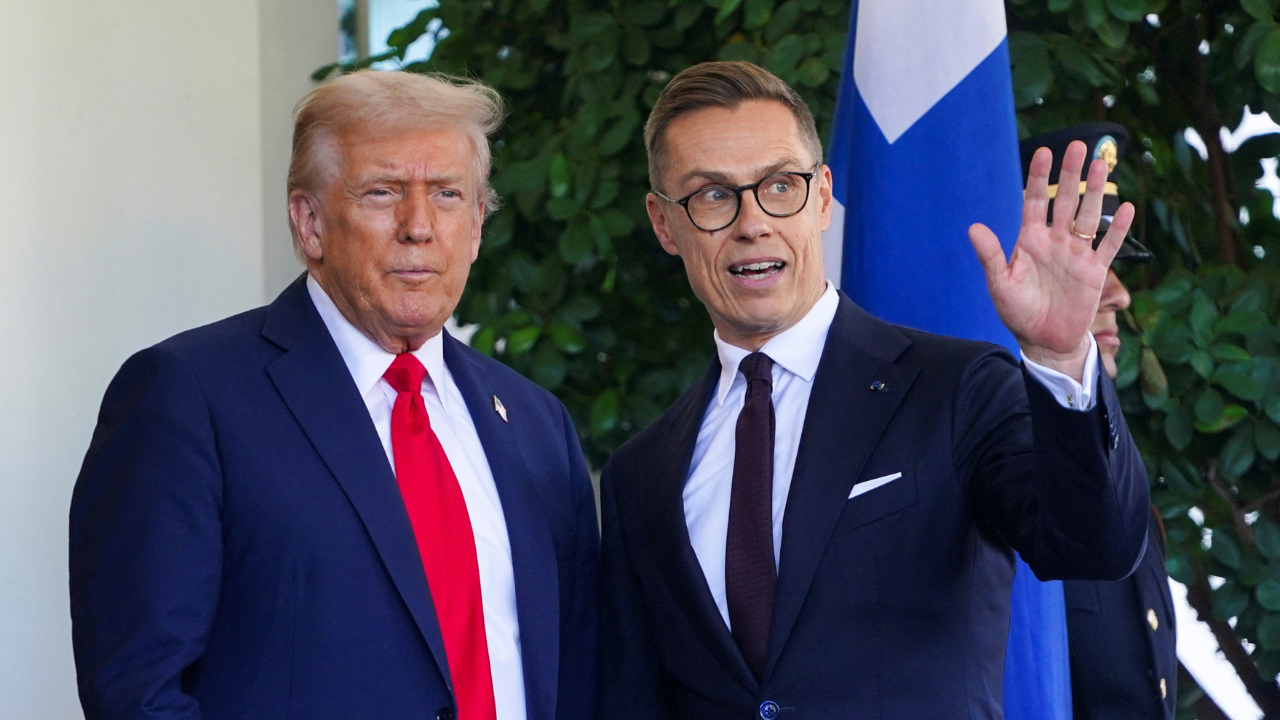
US President Donald Trump meets with Finnish President Alexander Stubb in the Oval Office of the White House in Washington, DC, on October 9, 2025. (Photo by Jim WATSON / AFP) (Photo by JIM WATSON/AFP via Getty Images) (Jim Watson/AFP via Getty Images)
«I think he’s really working hard and hopefully we’ll get a solution,» Stubb said.
The interview came during an intense diplomatic week in New York focused heavily on the wars in Ukraine and the Middle East.
Trump and Ukrainian President Volodymyr Zelenskyy met in New York during UNGA week as Washington continued its effort to revive negotiations with Moscow. Zelenskyy said peace remained Ukraine’s priority and thanked Trump for sending the two envoys to Kyiv after they had also held talks in Moscow.
Zelenskyy was asked by Fox News Digital after the meeting about the possibility that Russia could invade or attack another European country in the near future.
BATTLE-TESTED ZELENSKYY SOUNDS CHILLING ALARM ON WHERE PUTIN’S WAR COULD HEAD NEXT
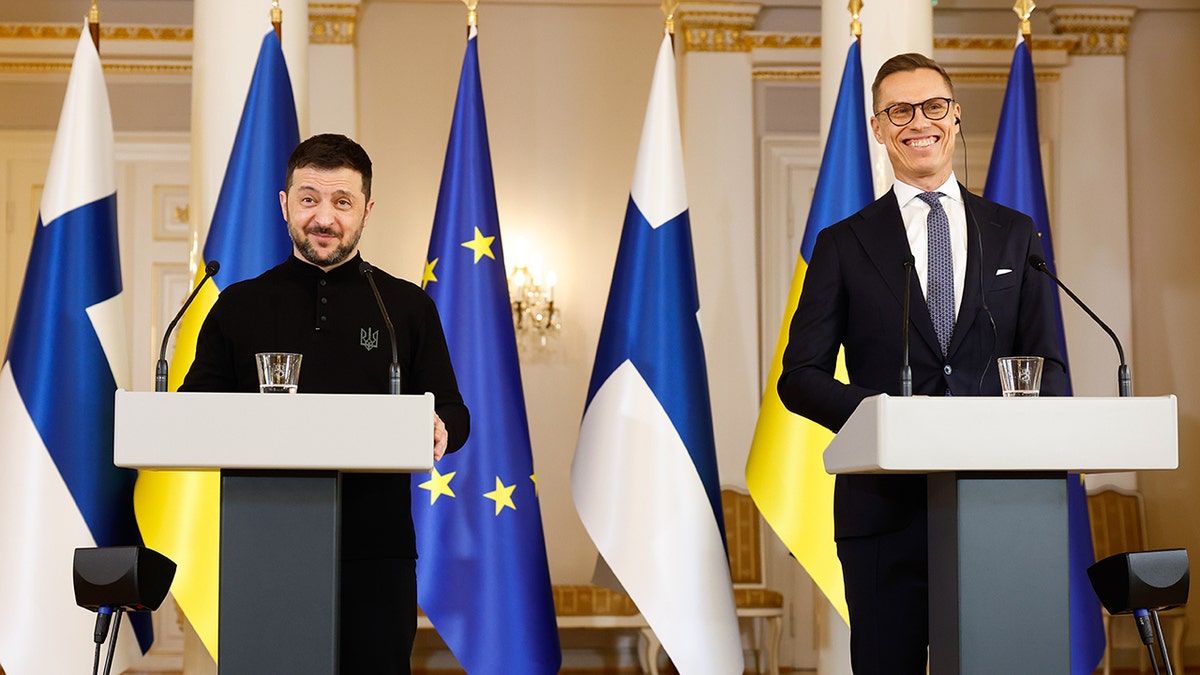
Volodymyr Zelenskyy, Ukraine’s president, left, and Alexander Stubb, Finland’s president, right, during a news conference in Helsinki, Finland, on Wednesday, March 19, 2025. (Roni Rekomaa/Bloomberg via Getty Images)
«That’s why the risk of offensive by drones, missiles or land operation is very high against other countries who are bordering Russia or Belarus,» Zelenskyy said.
The Ukrainian leader argued that Russian President Vladimir Putin, unable to achieve his military objectives in Ukraine, could seek to create instability elsewhere in Europe to pressure Western governments into reducing their support for Kyiv. He pointed to drone incursions and disruptions affecting several European countries, arguing that Moscow is already attempting to intimidate European societies and test their response.
Asked by Fox News Digital what European countries should do in response to the growing threat, Zelenskyy offered a direct answer.
«Respond. Always respond. It’s not about the war. If you don’t respond, Russians, they will go further,» he said.
But Stubb struck a notably calmer tone when asked about Zelenskyy’s warnings that Russia could eventually attack other European countries, including Finland, which shares the longest border with Russia.
«As commander-in-chief in Finland, I sit on all the relevant information and I just don’t see a factual basis for it,» Stubb said.
RUSSIA’S SHADOW WAR IS PUTTING EUROPE ON EDGE AS GERMANY CONFRONTS A GROWING THREAT
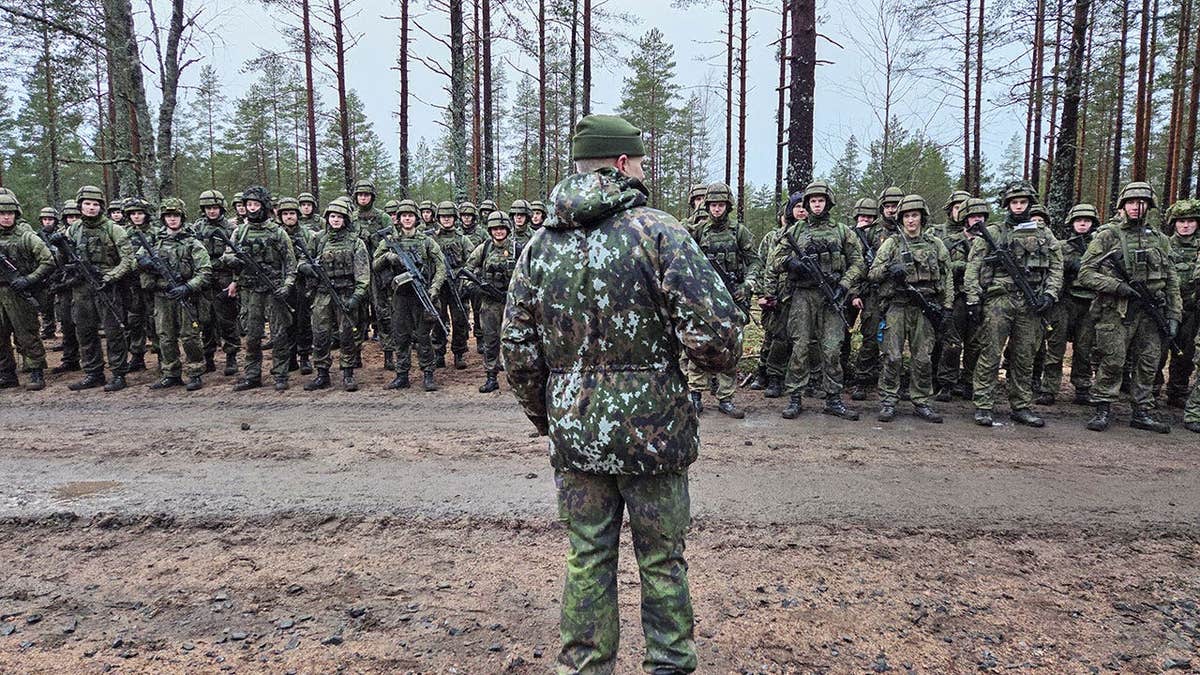
Commander of the Finnish Army Lieutenant General Pasi Valimaki addresses Finnish conscript soldiers after a military exercise at Pori Brigade in Niinisalo, Finland, Dec. 9, 2025. (Anne Kauranen/Reuters)
That does not mean, he stressed, that Moscow has stopped targeting Europe.
Stubb distinguished between the «kinetic» war Russia is fighting in Ukraine and what he described as a broader «hybrid» campaign in Europe, pointing to cyberattacks, sabotage and damage to undersea cables in the Baltic Sea.
«We have to see this as a campaign,» he said. «Russia tries to intimidate Europe, scare us and get into our heads.»
His prescription was characteristically Finnish: «cool, calm and collected, take a sauna and a nice bath and deal with it.»
Stubb said Finland, a country with a population of 5.6 million, can afford that attitude precisely because it has spent decades preparing for a potential threat from its eastern neighbor.
«We are calm because we are prepared,» he said.
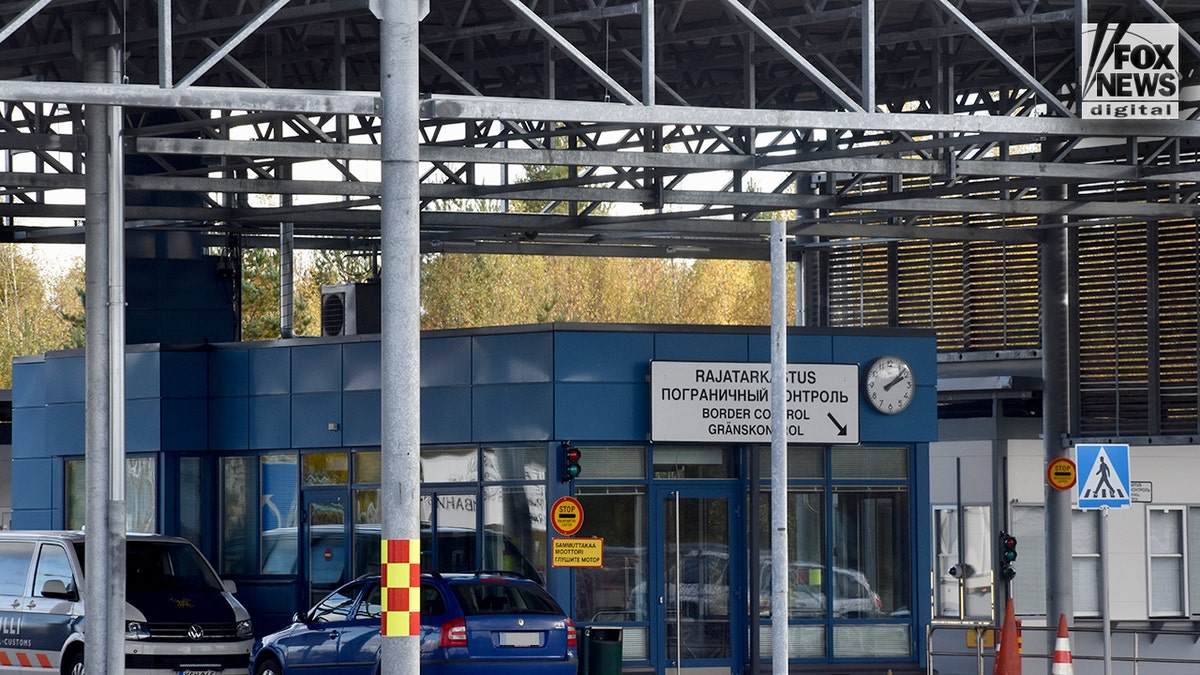
The Niirala border crossing point is seen along Finland’s eastern border with Russia in Oct. 2022 after the Finnish government announced tightening of several border crossings amid concerns over migrant crossings. (Brooke Curto/Fox News Digital) (Brooke Curto/Fox News Digital)
He pointed to Finland’s mandatory military service, reserve force, artillery, long-range capabilities and extensive network of civilian shelters. The Finnish Defence Forces puts Finland’s wartime military strength at 280,000 personnel, with additional reservists available if needed.
That deterrent received another boost just days before Stubb traveled to New York. Finland is acquiring 64 F-35A fighter jets to replace its F/A-18 Hornet fleet under a procurement decision announced by the Finnish government.
The first two F-35s intended for operations inside Finland arrived at the Lapland Air Wing in Rovaniemi on Sept. 18, according to a Finnish Defence Forces press release.
«We have obligatory military service. I did mine, my son did his. We have women who do it voluntarily. We have over 60 F-18s. We just bought 64 F-35s, the two first of which arrived. We have long-range missiles, air, land and sea. We have the capability to mobilize 280,000 troops within days in a conflictual situation. On top of that, we have land mines. And we have the biggest artillery in Europe together with Poland… On top of that, we have civilian shelters for over 4.4 million people out of 5.6.»
FINLAND’S PARLIAMENT VOTES TO LIFT DECADES-OLD BAN ON NUCLEAR WEAPONS IN HISTORIC NATO DEFENSE SHIFT
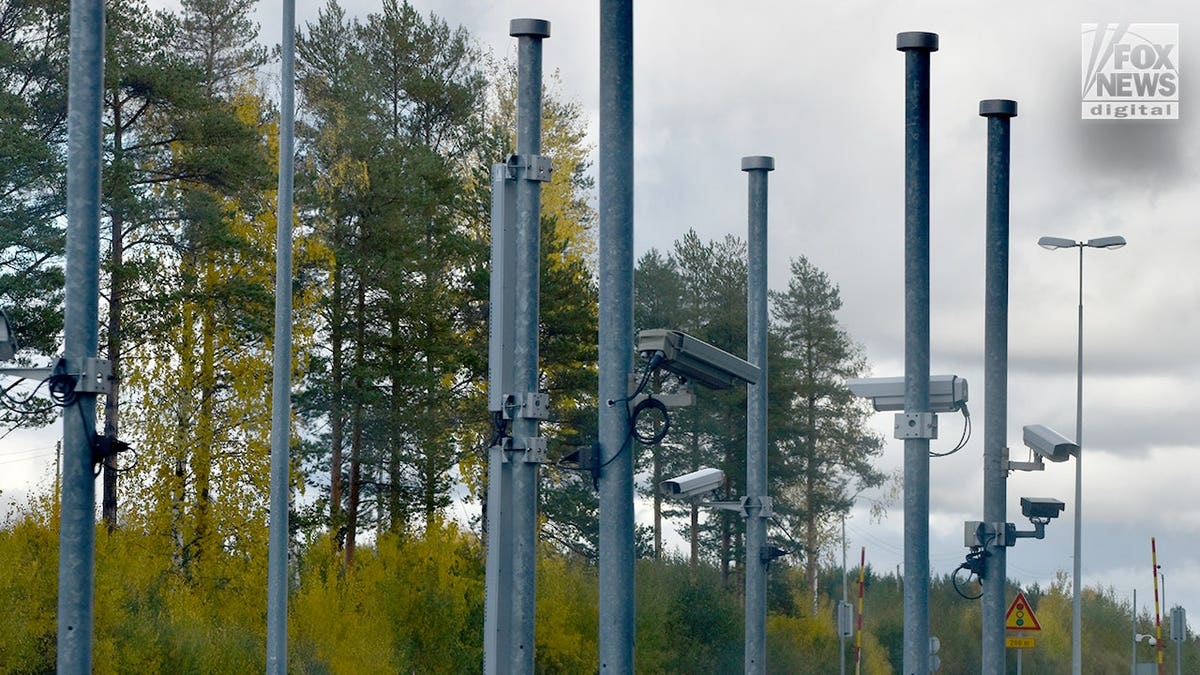
Security cameras overlook the Niirala Border Crossing Station along Finland’s eastern border with Russia in Nov. 2023 after Finland closed the checkpoint amid heightened border security concerns. (Brooke Curto/Fox News Digital)
«We don’t have them because we’re worried about Sweden,» Stubb joked of Finland’s military capabilities. «We have them because we see a security threat coming from Russia.»
He said that level of preparedness, combined with Finland’s NATO membership, makes a direct Russian attack unlikely. Finland became NATO’s 31st member on April 4, 2023, after abandoning its longstanding military non-alignment following Russia’s full-scale invasion of Ukraine.
«We feel that we’re very prepared, and that gives us a strong enough … deterrent that we don’t believe that Russia is going to test a country like Finland,» Stubb said. «And of course the icing on the cake is that we are now security providers in the Alliance NATO.»
Stubb also used his Sept. 22 address to the U.N. General Assembly to advocate for continued support for Kyiv, calling the «Coalition of the Willing» supporting Ukraine «particularly close to my heart.» He said the coalition was working toward a «just and lasting peace in Ukraine in accordance with the U.N. Charter.»
Stubb made additional news on Ukraine during UNGA week, when he urged SpaceX owner Elon Musk to extend Starlink coverage so Ukrainian forces could use the satellite network in areas containing Russian ballistic missile launchers, including inside Russia. He argued that doing so could help Ukraine target launchers firing missiles at Ukrainian cities.
Yet Ukraine was only one piece of what Stubb described as an increasingly interconnected global security crisis.
WORLD LEADERS DESCEND ON NEW YORK FOR UNGA — BUT WHO REALLY HAS AMERICA’S EAR?
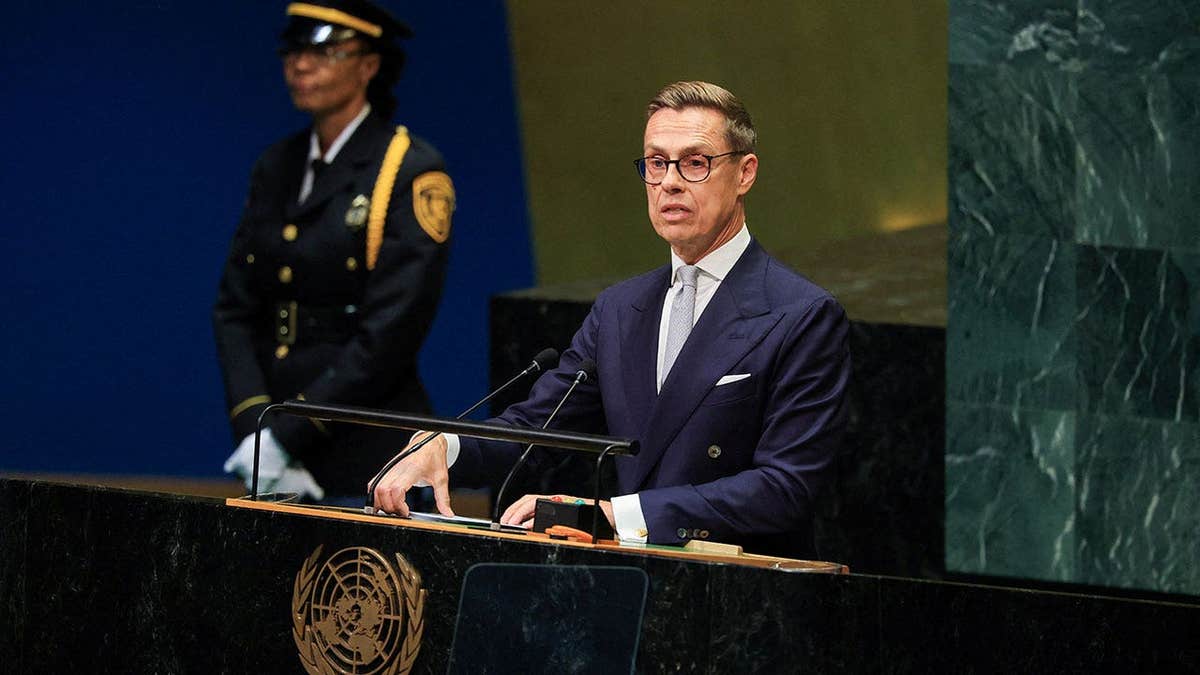
Finland’s President Alexander Stubb addresses the 81st United Nations General Assembly at UN headquarters in New York City, US, September 22, 2026. (Brendan McDermid/Reuters)
Asked about Trump’s call at the U.N. for countries to support efforts to prevent Iran from obtaining a nuclear weapon, Stubb was unequivocal.
«I agree, Iran should not obtain nuclear weapons,» he told Fox News Digital, adding that Tehran should not use proxies or be able to produce missiles.
Stubb also argued that the conflicts involving Russia and Iran can no longer be viewed in isolation, alleging that Moscow is providing intelligence to Tehran that Iran has used against U.S. military bases in the Gulf, while Iranian weapons have been supplied to Russia for use against Ukraine.
«We’re going in this merry-go-round where every bit of the conflict is linked to another,» Stubb said. «The sooner we can end both, the better.»
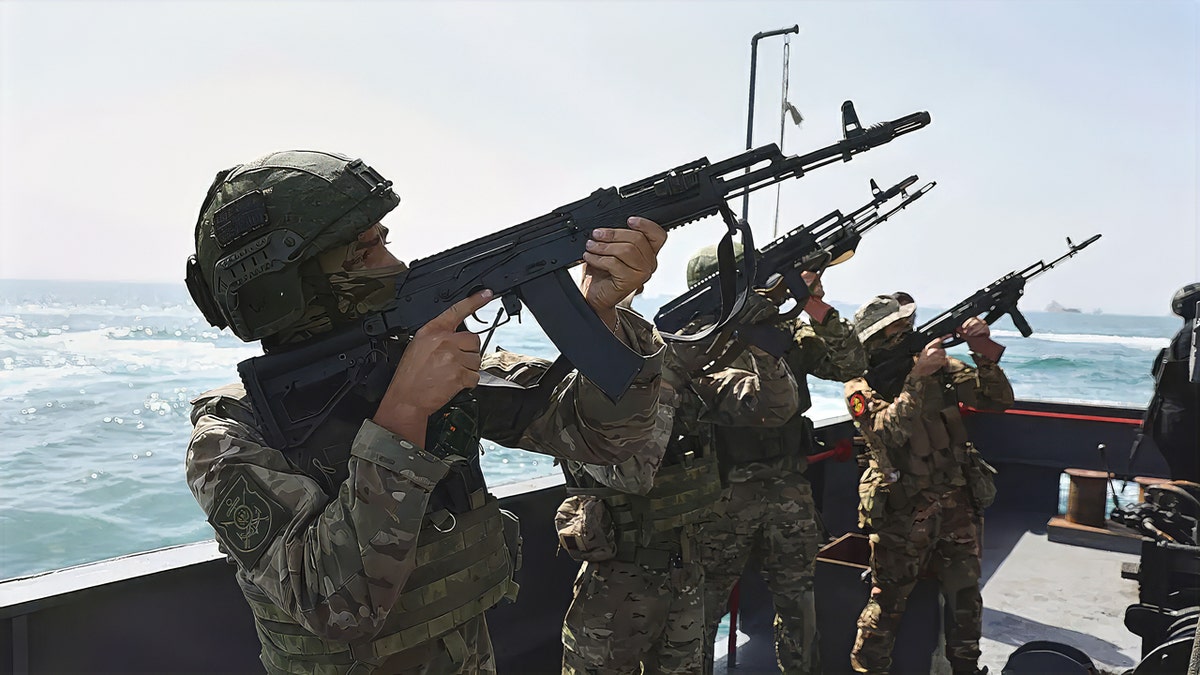
Iran conducts joint military exercises with Russia in the Strait of Hormuz after the U.S. deployed surveillance drones. (Iranian Army/Handout/Anadolu via Getty Images)
Trump used his Sept. 22 U.N. General Assembly address to call for Iran’s economic isolation and reiterate that Tehran should not obtain a nuclear weapon, while warning of further US military action if a peace agreement is not reached, according to Reuters.
For Stubb, the proliferation of conflicts — from Ukraine and Iran to Gaza, Yemen and Sudan — is testing a diplomatic system already struggling to keep pace.
«It’s not a zero-sum game,» he said. «We have to deal with a multiplicity of conflicts right now, unfortunately.»
And for Trump, he added, that means «working around the clock.»
nato, russia, ukraine, donald trump, world, united nations







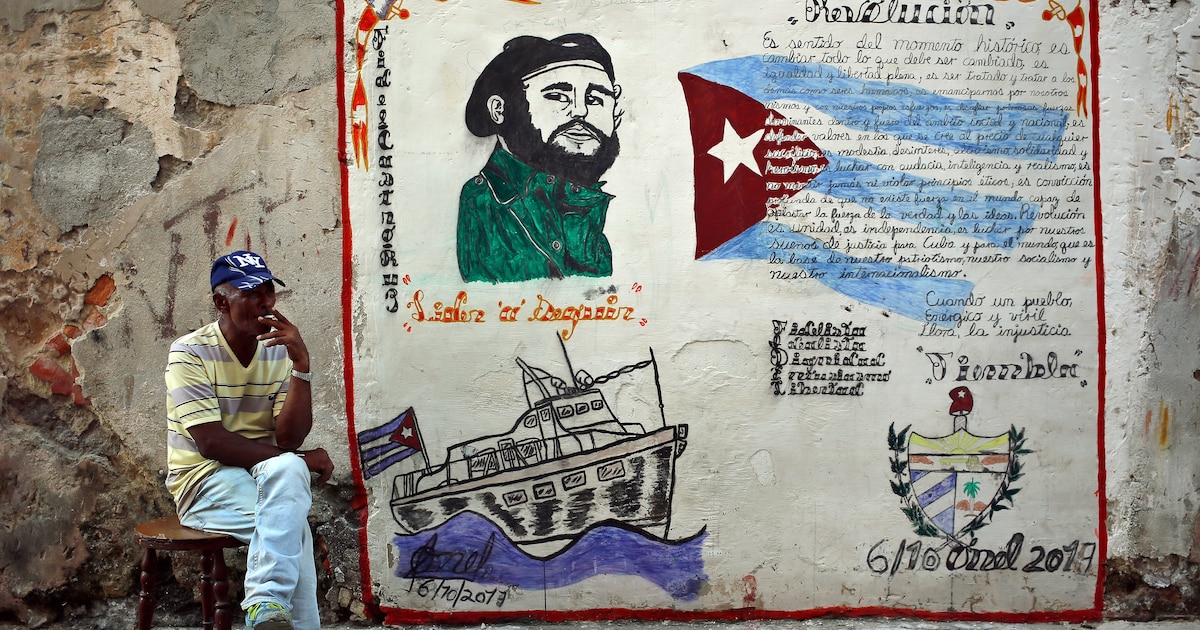
En la región latinoamericana, el término “integración” ha sido prácticamente sinónimo de proyectos inviables, o incluso de verdaderos fracasos. Estos fracasos, a veces difíciles de explicar, tienen su origen en una razón fundamental: es imposible alcanzar un nivel de integración adecuado sin contar, previamente, con un nivel de desarrollo suficiente. La estructura sistémica que debería derivarse de la integración exige niveles de industrialización y de desarrollo científico y tecnológico que los países latinoamericanos aún no han logrado alcanzar. Las dificultades radican en problemas de diferenciación: para que la complementariedad necesaria en todo proceso de integración funcione correctamente, los países deben integrar capacidades en diversos ámbitos. A falta de capacidades diversificadas acompañadas de niveles tecnológicos elevados, las dinámicas de integración no pueden operar; del mismo modo, tampoco pueden funcionar en un contexto donde las realidades nacionales se limitan a niveles elementales. Este carácter elemental genera una precariedad que impide a los países alcanzar los grados de diferenciación requeridos para una integración sistémica, la cual exige, por definición, niveles de especialización distintos.
Por otra parte, la convergencia y la armonización de los intereses nacionales dependen del nivel de conocimientos compartidos. La insuficiencia de capacidades científicas y tecnológicas provoca una desintegración en ámbitos donde, en realidad, los niveles de conocimiento podrían reforzarse mutuamente. Lamentablemente, nuestra región adolece de graves carencias a este respecto: registra, a escala mundial, una de las cifras más bajas de patentes presentadas y uno de los índices más reducidos en materia de propiedad intelectual dentro del sector científico y tecnológico.
Un tercer aspecto fundamental reside en el hecho de que nuestras democracias no han logrado superar sus carencias ni su funcionamiento irregular. Se han visto constantemente afectadas por su propia ineficacia, por la corrupción y por excesos burocráticos que han golpeado duramente los procesos en curso, debilitando las instituciones hasta el punto de que su disfunción se ha convertido, en sí misma, en un problema mayor. En nuestra región, cuanto mejor funciona la democracia, mejores son las condiciones de acceso a los derechos y a la equidad, la seguridad y el desarrollo de los países. Existen, por supuesto, formas extremas de ausencia de democracia, como las dictaduras en Cuba, Nicaragua y Venezuela; estas constituyen los ejemplos más profundos y graves de disfunciones sistémicas. Encarnan a la perfección el fracaso de la gobernanza, traduciéndose en las crisis humanitarias, migratorias y de derechos humanos más graves que ha conocido la región —tal como ocurrió, en el pasado, con los regímenes autoritarios del Cono Sur.
Por otra parte, existe un grave error conceptual, derivado de diversas ideologías, que reduce la libertad a un bien puramente individual. Sin embargo, la libertad es, por esencia, un bien colectivo que nos permite a todos actuar de manera concertada en el seno de la sociedad, e interactuar como individuos y grupos humanos. Constituye un bien colectivo indispensable para el buen funcionamiento sistémico, y no una herramienta sujeta a una lógica puramente individual y privativa, en la que las decisiones y acciones carecerían de cualquier objetivo común. La democracia es el sistema que mejor permite el ejercicio de las libertades fundamentales; a cambio, exige condiciones propicias para la plena realización de los derechos humanos.
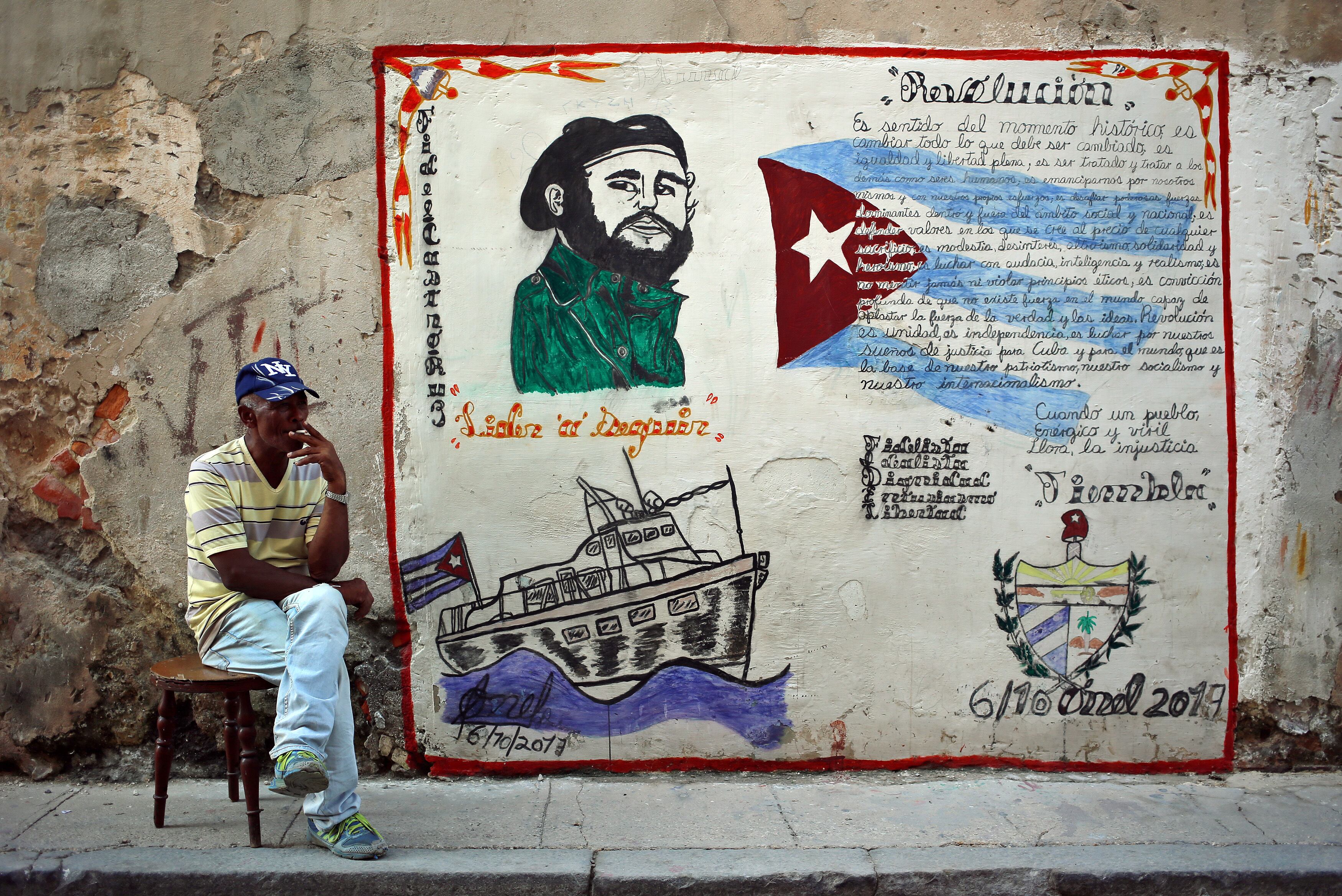
En este sentido, nuestros países siguen presentando carencias en materia de derechos humanos. Las formas de discriminación —basadas en el género, la raza, la orientación sexual o la religión— persisten; las sociedades latinoamericanas parecen, de manera recurrente, propensas a la discriminación. En realidad, para que un sistema funcione, debe ser capaz de garantizar el ejercicio sistémico de los derechos humanos, favoreciendo así el desarrollo y los logros de los individuos y los grupos. El fracaso del sistema cubano es un ejemplo elocuente de ello: hoy en día, cerca del 98% de la población de Cuba vive en la pobreza extrema, careciendo de agua potable, energía y una alimentación suficiente; en resumen, privada del disfrute de los derechos humanos más elementales. La gente se pregunta por qué el sistema no funciona en el plano económico, por qué el país no es productivo; esto se debe, fundamentalmente, a que cuando los individuos no tienen la posibilidad de ejercer plenamente sus derechos económicos, es imposible que un sistema económico prospere.
Cabe preguntarse por qué el sistema no funciona en el plano económico; el hecho de que el país no sea productivo tiene mucho que ver con ello. Cuando los individuos no pueden ejercer plenamente sus derechos económicos, es imposible que un sistema económico prospere. Del mismo modo, si la población no puede ejercer plenamente sus derechos sociales, el sistema social no puede ser eficaz ni generar resultados positivos. Cuba ha convertido lo que no es más que un “medio problema” —el embargo— en una realidad arraigada en esta lógica, y lo ha hecho mediante sus propias acciones: persecución política, menoscabo de la soberanía popular, violación de las libertades fundamentales, crímenes de lesa humanidad y violaciones sistemáticas de los derechos humanos. Todos estos elementos constituyen, en sí mismos, los cimientos de su fracaso. Se habla de “medio problema” porque, dado que la economía estadounidense representa solo el 25% de la economía mundial, debería ser sencillo integrarse en el 75% restante; eso sí, siempre y cuando se produzcan bienes o servicios que resulten de interés para el mercado global.
En cuanto a los sistemas democráticos de la región —ya sean relativamente funcionales o, por el contrario, altamente disfuncionales—, todos tienen dificultades para articular políticas de derechos humanos adecuadas que sean transversales a todas las dinámicas sociales, económicas y políticas. Cuanto mejor sea la situación de los derechos humanos en un país, mejores serán las condiciones en los ámbitos de la educación, la salud, la producción económica, la seguridad y el funcionamiento del sistema político.
Por regla general, los países de la región cuentan con instituciones frágiles; intentar integrarlas con otras instituciones igualmente frágiles no hace más que perpetuar dichas debilidades. El día en que las instituciones de los países latinoamericanos sean capaces de resolver los problemas propios de su región, su integración mutua permitirá multiplicar los resultados concretos y las soluciones.
Las polarizaciones ideológicas, la transformación del adversario político en enemigo, así como las oscilaciones pendulares que caracterizan la vida política regional, constituyen también un obstáculo importante para la integración. Lamentablemente, en la actualidad no es posible una alternancia normal en el poder; por el contrario, asistimos a una sucesión permanente de procesos “fundacionales” acompañados de retrocesos institucionales duraderos. Las instituciones supranacionales han sufrido especialmente por ello.
Uno de los problemas fundamentales que enfrenta la integración reside en las desigualdades estructurales —y socialmente violentas— que afectan a nuestros países. La integración regional es imposible entre países que están, a su vez, desintegrados y caracterizados por modelos sistémicos fragmentados. No ha sido posible constituir una inteligencia colectiva, ya que las inteligencias individuales —que, sin duda, existen en la región— no logran integrarse lo suficiente como para permitir un funcionamiento sistémico adecuado. La culpa de los fracasos de la integración están más en los países que en los procesos en sí mismos, más que en el Mercosur o en el SICA o en la Comunidad Andina.
La región cuenta con diversos mecanismos subregionales que pueden servir como catalizadores técnicos para la gobernanza y fortalecer las capacidades de elaboración de estrategias. Compartimos un idioma (el español y el portugués son lo suficientemente cercanos como para funcionar, a escala regional, como un conjunto único), así como un profundo legado social e histórico común; sin embargo, nada de esto dará frutos si no resolvemos los problemas mencionados anteriormente.
Luis Almagro / Instituto CASLA
ambiente,aniversarios,arte urbano,exterior,fumando,gente,grafiti,hombre,homenaje,human interest,memorial,muerte,paisaje urbano,pintadas,pintura mural,politics,sentado,society,viejo
INTERNACIONAL
Ilhan Omar’s turbulent week explained: The dueling probes that threw the Somali-born progressive into chaos
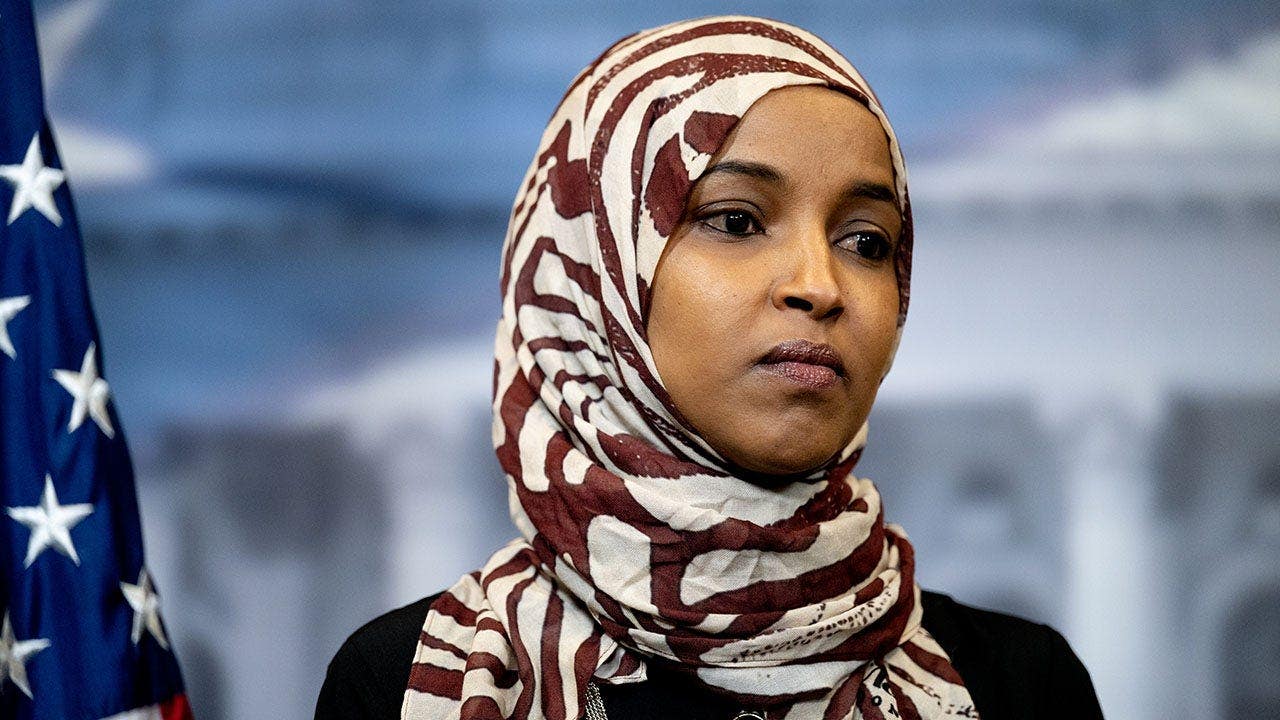
It was a week of legal turmoil for one of America’s most recognizable members of Congress.
Early Monday morning, federal agents with Homeland Security Investigations (HSI), the chief investigative arm of the Department of Homeland Security (DHS), executed a search warrant on Washington, D.C. home of Rep. Ilhan Omar, D-Minn.
The raid was part of an ongoing criminal probe into Omar’s immigration status, with sources telling Digital that authorities are scrutinizing whether she or her father committed fraud when filling out paperwork for her to become a U.S. citizen.
A day later, U.S. Attorney for the District of Washington, D.C., Jeannine Pirro, announced her office was investigating Omar’s financial disclosures, which had previously been subject to public scrutiny and congressional oversight, but never by authorities.
FEDERAL AGENTS RAID ILHAN OMAR’S DC HOME AMID IMMIGRATION FRAUD INVESTIGATION
Digital breaks down what we know so far about each investigation:
In May 2025, Omar filed financial disclosure forms for the year 2024, a required for every member of Congress to complete every year. I showed that she had between $6 million and $30 million in assets connected to two businesses run by her husband, Tim Mynett. One was was a venture capital firm, and the other a California winery.
Her financial disclosures from the year prior, covering 2023, said those assets were only valued at between $15,000 and $51,000 total.
The now-defunct winery, eStCru LLC, saw its reported valuation jump from between $15,000 and $50,000 in 2023 to between $1 million and $5 million in 2024. Rose Lake Capital LLC showed an even sharper increase, rising from a reported value of between $1 and $1,000 in 2023 to between $5 million and $25 million the following year.
The massive reported spike in net worth over the one-year span raised eyebrows, leading a watchdog group called the National Legal and Policy Center to file a complaint with the Office of Congressional Conduct in February of this year.
‘SQUAD’ DEM DISMISSES FRAUD PROBE SPECULATION AFTER $29M NET-WORTH DROP
Less than a month after the complaint was filed, Omar amended her 2025 disclosure form. The new filing reduced the couple’s combined reported assets to between $18,004 and $95,000, and said the businesses had zero value after accounting for liabilities.
ILHAN OMAR’S OFFICE SAYS SHE’S ‘NOT A MILLIONAIRE’ AFTER $30M FILING REVISED DOWN TO UNDER $100K: REPORT
Omar blamed an accounting error, and has since repeatedly insisted that she is not a millionaire.
In September, the Office of Congressional Conduct voted 5-1 to recommend that the House Ethics Committee dismiss misconduct allegations stemming from the financial disclosures.
But the hubbub caught the eye of Pirro, who confirmed on Fox News’ «America Reports» Tuesday that her office is investigating the discrepancies.
Further details about the investigation have not yet been released.
Monday’s judicially authorized raid of Omar’s Washington, D.C. home sent shockwaves through the political world, with many critics calling it politically motivated because it occurred three weeks before November’s general elections.
The Trump administration has denied those accusations.
DEMOCRATS’ FURY OVER ILHAN OMAR RAID DRAWS STINGING GOP REMINDER ABOUT RAID FROM THE PAST: ‘SET THE PRECEDENT’
HSI agents spent several hours at Omar’s home, and the Wall Street Journal reported that the lawmaker’s personal cell phone, computers and passport were seized during the search. She has not been seen publicly since before the raid.
Sources told Digital that investigators are scrutinizing whether Omar or her father fraudulently filled out immigration paperwork when Omar was become a U.S. citizen decades ago. The Journal also reported that the goal of the probe is to strip Omar of her citizenship.
A dozen people, including family members, were subpoenaed in relation to the investigation.
FEDERAL AGENTS SEIZE PHONE OF REP ILHAN OMAR IN RAID TIED TO IMMIGRATION FRAUD PROBE
«Well, I understand they’re looking at her very carefully,» President Donald Trump said Monday of the raid. «I’ve always found her to be totally crooked, personally, but that has nothing to do with me.»
«I think she’s a terrible person. Just a complainer. She comes from a country that is … a non-country, and then she comes over here and she complains about our Constitution,» he continued. «I think she’s a terrible person, but that’s really up to the DOJ. I have nothing to do with it.»
On Tuesday in an exclusive interview with Digital after rallying for Republican U.S. Senate candidate Ken Paxton in Tyler, Texas, Vice President JD Vance echoed a similar sentiment.
«We don’t want to be like the Biden administration. We never want to be like that — where they would allow the law to go after their political opponents,» Vance said. «We really want to let the law, the facts drive this. And if justice requires something else be done, then, of course, we’ll take a step when we have to.»
ILHAN OMAR’S EMBATTLED HUSBAND APPEARS AT SCENE OF HSI RAID IN MIDST OF CRIMINAL FRAUD INVESTIGATION
Vance made it clear taking that unprecedented step of denaturalizing a sitting member of Congress is possible, but only if the law requires it based on the facts of the case.
«And to the question of it being unprecedented, I mean, what I’d say is that Ilhan Omar herself is a very unprecedented person,» Vance said.
«We have very rarely had a person in Congress who seems to have such disdain and such rage at the country that gave her a better life,» Vance said. «Now, that’s not a crime.»
«But we’re going to see whether she did commit a crime. And if she did, we’re obviously going to follow the law.»
A spokesperson for Omar did not return multiple requests for comment throughout the week.
However, Omar has responded on social media.
«This raid by Trump’s DHS is an outrageous abuse of power and an unprecedented escalation in the weaponization of federal law enforcement to target political enemies,» she said.
«For a decade, Donald Trump has relentlessly targeted Congresswoman Ilhan Omar with inflammatory rhetoric, repeatedly putting a target on her back. Now, those attacks have escalated to a pointless federal raid. The Congresswoman has done nothing wrong. No president should be able to use the power of the federal government to intimidate his political enemies.»
politics, ilhan omar, homeland security, justice department, investigations, congress

NEWYou can now listen to Fox News articles!
The founder of Christian human rights organization ChinaAid is raising concerns over the health of an imprisoned Chinese pastor who may be suffering from advanced liver cancer, as his family continues to face restrictions on visitation adn access to medical information.
Rev. Dr. Bob Fu, founder and president of ChinaAid, told Fox News in an interview that reports concerning Pastor Wang Yi’s health are «very worrying,» citing information received from multiple sources inside China.
Wang, the founding pastor of Early Rain Covenant Church in Chengdu, has been imprisoned since December 2018 and is serving a nine-year sentence on charges of inciting subversion of state power and illegal business operations.
Although Fu believes that reports of advanced liver cancer are credible, he acknowledged that his organization has not been able to independently confirm the diagnosis.
REPORT DETAILS RISING PRESSURE ON UNDERGROUND CATHOLICS AS CHINA DENIES CRACKDOWN
ChinaAid President Bob Fu urged the Trump administration to press Chinese officials for answers about imprisoned pastor Wang Yi’s health and restricted family visits. (ChinaAid)
Fu said ChinaAid was «not able to really independently verify» the reports, citing restrictions on access to Wang and the absence of an independent medical examination.
The organization first publicly raised concerns about Wang’s condition on Sept. 28, calling on Chinese authorities to provide his family with access to him and disclose information about his medical treatment.
During the interview, Fu revealed that authorities reportedly provided information by telephone about medical examination they claimed had been conducted on Oct. 1.
According to Fu, prison officials cited medical information indicating Wang was in good health. However, his family has not been permitted a new in-person visit to independently assess his condition.
Fu said that despite repeated letters from Wang’s wife and relatives requesting access, «no meeting had been granted at all,» since the latest health concerns emerged.
The pastor’s church has also expressed uncertainty about his condition.
TRUMP SHOULD PRESS XI ON CHINA’S PERSECUTION OF BELIEVERS AT HOME AND ABROAD
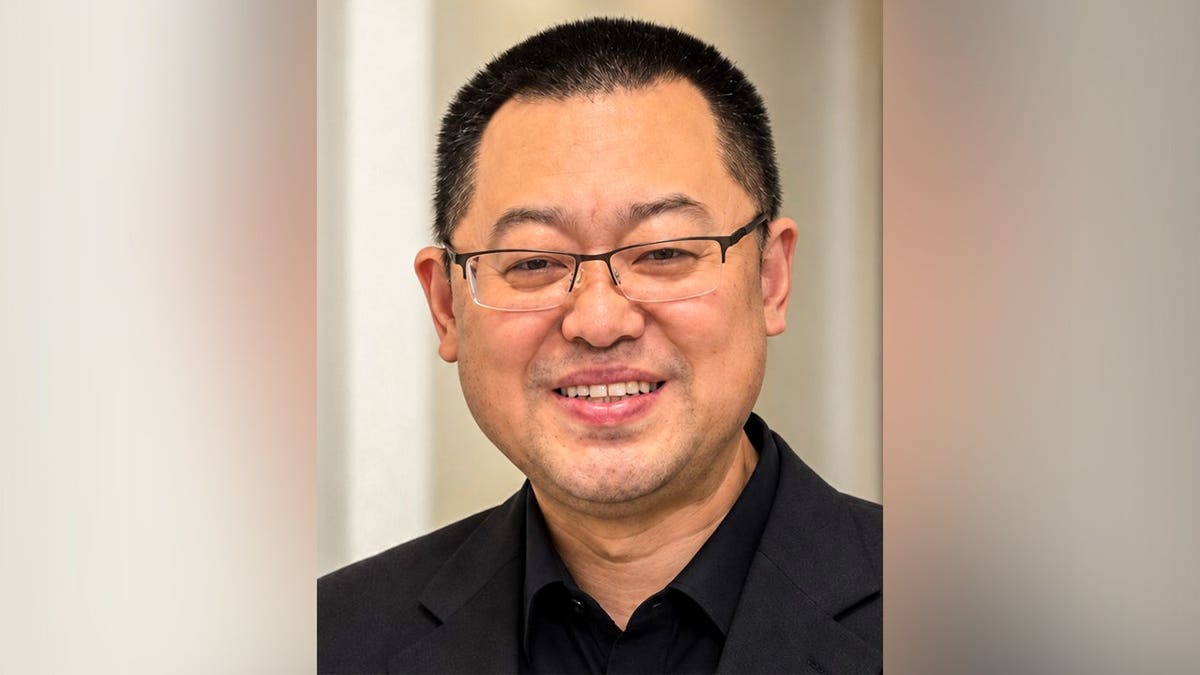
Pastor Wang Yi’s family has been denied a new prison visit following reports of a possible cancer diagnosis, according to ChinaAid President Bob Fu. (ERCC/Facebook)
In an Oct. 3 open letter, Early Rain Covenant Church acknowledged the reports but said it could not determine whether Wang had fallen ill. The church called on prison authorities to permit regular family visits, correspondence and telephone calls, as well as provide information about any necessary medical care.
According to the church, Wang’s family has been permitted fewer than five visits during nearly eight years of imprisonment.
Fu likewise described severely restricted visitation, saying meetings have been brief and closely monitored by authorities. He alleged that discussions concerning Wang’s health or religious beliefs have resulted in visits being abruptly terminated.
«Two years, not a single letter for his wife,» Fu said, describing the restrictions on communication.
«That’s not acceptable. That’s even a violation of its own law.»
Wang was arrested on Dec. 9, 2018, during a crackdown on Early Rain Covenant Church, an independent Protestant congregation operating outside China’s state-regulated religious systems.
In December 2019, a Chinese court sentenced him to nine years in prison. The U.S. State Department condemned the conviction at the time, describing the prosecution as connected to Wang’s peaceful advocacy for religious freedom and calling for his release.
The U.S. Commission on International Religious Freedom currently lists Wang as a religious prisoner of conscience and has documented reports of medical neglect.
Fu also raised concerns about the treatment of Wang’s wife Jiang Rong, who was detained during the initial crackdown.
He said Jiang had previously been subjected to residential surveillance at a police-arranged location, rather than being allowed to remain in her own home, and described the lasting emotional consequences of her treatment.
Fu said he believes the severity of the reports warrants immediate action, particularly given the limited access to Wang.
He called on the Chinese authorities to permit Wang’s wife, son and elderly parents to meet with him privately, allow an independent medical examination in the presence of legal counsel, and release his medical records, including information concerning medications administered during his imprisonment.
Fu also expressed concern about reports of mistreatment of other prisoners of conscience, including allegations of forced medication and serious physical and psychological harm. Those allegations were discussed as part of his broader concerns about the treatment of detainees in China, rather than as established evidence of what has happened to Wang.
PENCE COMMENDS TRUMP FOR WINNING FREEDOM OF BEIJING’S ZION CHURCH PASTOR EZRA JIN FROM CHINESE DETENTION
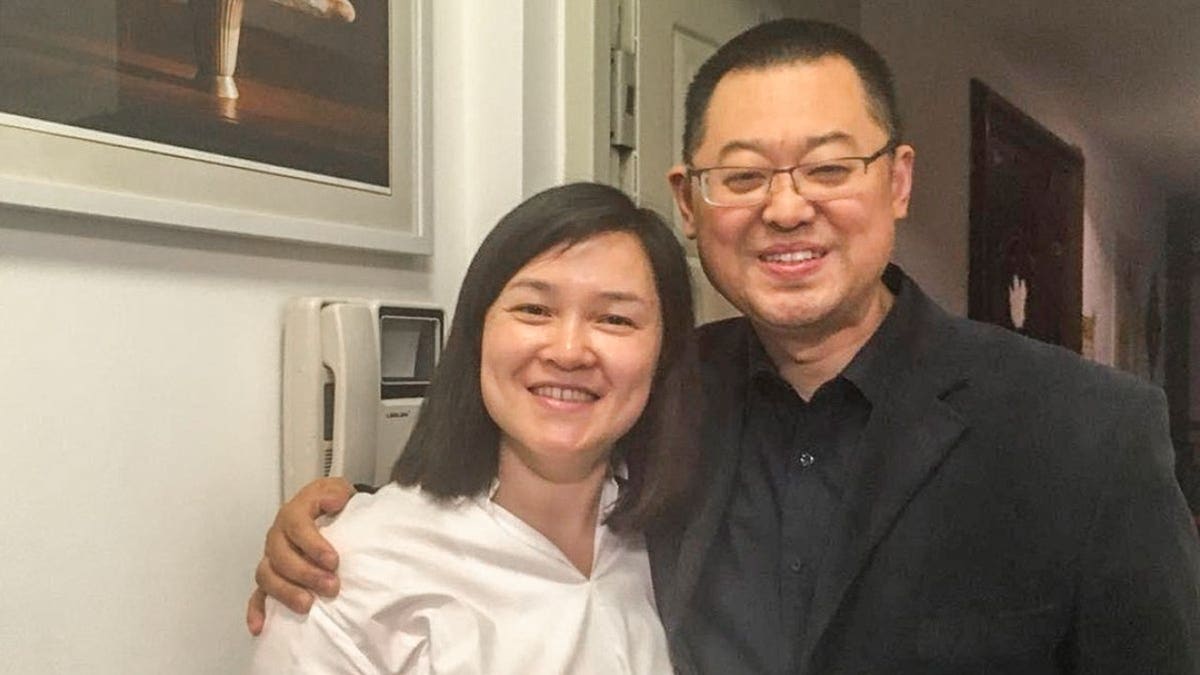
Chinese pastor Wang Yi has been imprisoned since December 2018, when authorities arrested him during a crackdown on his independent Protestant church in Chengdu. (ERCC/Facebook)
The ChinaAid president urged the Trump administration to raise Wang’s case directly with Chinese officials during upcoming diplomatic engagements.
«I really want to see the Trump administration to continue to speak up forcefully,» Fu told Fox News, calling for the names of individual prisoners of conscience to be included in high-level discussions.
He pointed to the July release of Pastor Ezra Jin Mingri, who was reunited with his family after President Donald Trump raised his case with Chinese President Xi Jinping during a May visit to Beijing.
Fu believes that example demonstrates the potential importance of direct diplomatic intervention, although the circumstances of Jin’s release do not establish that such pressure would produce the same result in Wang’s case.
Trump and Xi are expected to attend upcoming international summits, including the Asia-Pacific Economic Cooperation leader’s meeting in Shenzhen, China, in November and the G-20 summit in Miami in December.
Fu urged U.S. leaders not to allow trade and security negotiations to overshadow concerns about religious freedom, human rights and the treatment of prisoners.
«I think it’s time to hold them accountable,» Fu said.
In a statement to Fox News, Chinese Embassy spokesperson Liu Chang said the embassy had no information to provide regarding Wang’s specific case.
The spokesperson defended China’s religious policies, saying the government protects freedom of religious belief under Chinese law and does not interfere in religious groups’ internal affairs.
Liu added that China prohibits illegal activities carried out under the guise of religion and opposes foreign interference in its domestic affairs.
The embassy did not directly address questions about Wang’s reported medical condition, family visitation or the possibility of an independent medical examination.
The U.S. State Department did not respond to Fox News Digital’s request for comment by publication time.
christianity religion, persecutions, faith, personal freedoms, china, xi jinping, human rights, faith values

El comentario fuera de lugar de un conductor de ESPN sobre Morena Beltrán y la intimidad con su novio futbolista: «Lo que debe ser…»

Más lío en el caso JJ Gabriel: ‘Me parece ridículo que el United considere emprender acciones legales’

El riesgoso camino de un Gobierno que encuentra sostén en el desorden opositor y se recuesta en los aliados

Una región desintegrada de países desintegrados

El calvario de una estrella del atletismo que debió retirarse por una enfermedad: “Se siente como si estuvieras a pocos días de la muerte”

Diputados: la oposición no consiguió quórum y se cayó la sesión en la que buscaba rechazar el DNU de Milei sobre desregulación económica

Más de 2.000 islas sin hospitales: así funciona la red de clínicas flotantes de India

La angelita de LAM que reveló la peor infidelidad que sufrió en un matrimonio: «Encontré mensajes con otras mujeres y…»

Autos chinos en Argentina: el caso de Noruega reaviva las alertas por espionaje y riesgos para la seguridad nacional

El Índice de Incertidumbre Económica de septiembre alcanzó el nivel más alto de 2026, según la UCA

 POLITICA3 días ago
Autos chinos en Argentina: el caso de Noruega reaviva las alertas por espionaje y riesgos para la seguridad nacional
- ECONOMIA3 días ago
El Índice de Incertidumbre Económica de septiembre alcanzó el nivel más alto de 2026, según la UCA
- POLITICA3 días ago
Milei tildó a Lula de comunista, ratificó su alineamiento con Trump y pidió “defender el legado de occidente”