INTERNACIONAL
FIRST ON FOX: Supreme Court justices confront what it will take to keep America’s founding freedoms alive


FIRST ON FOX: As America celebrates 250 years of independence this year, three conservative Supreme Court justices are warning that preserving the nation’s founding freedoms for future generations depends on Americans understanding their history, embracing civic education and actively participating in their system of government.
Justices Brett Kavanaugh, Neil Gorsuch and Amy Coney Barrett each implored Americans to familiarize themselves with their system of government and the history behind it to ensure that the nation’s legacy is preserved.
Though the three conservative justices were united in their call for civic education, they each approached the topic differently in a series of interviews filmed by the Federalist Society and obtained by Digital. The videos come ahead of the Federalist Society’s 2026 National Lawyers Convention this week, which spotlights «250 Years of American Exceptionalism.»
Gorsuch, for instance, struck a distinctly religious tone.
GORSUCH HIGHLIGHTS STAGGERING DECLINE IN CIVIC LITERACY THAT PROMPTED HIM TO AUTHOR NEW BOOK
«I think it’s very easy to take the rights granted in our Constitution and the ideals expressed in the Declaration for granted,» he said. «They are, for us, a little bit like the air we breathe and the water a fish might swim in. They seem natural to us, but they weren’t in 1776. The ideas in the Declaration of Independence that all of us are created equal, that every one of us has God-given rights — they don’t come from government, they come from God.»
Gorsuch, who was appointed to the court by President Donald Trump in 2017 following the death of Justice Antonin Scalia, went on to describe the importance of historical study to the preservation of the American way of life.
THE UNWINNABLE WAR AMERICA’S FOUNDING FATHERS FOUGHT AND WON CHANGED HUMAN HISTORY FOREVER
«Our country is a blessing from God, and that we owe great thanks for it, and we have great responsibility for it,» he went on. «The reason why our Constitution and Declaration have survived is because people choose it anew in every generation. You need to know its history. You need to know what you’re preserving. Daniel Webster said it took 6,000 years for us to generate a system of government like this. Don’t expect that to happen easily or again.»
Kavanaugh, similarly, emphasized the importance of education.
«I think our education system is absolutely fundamental to ensuring that in the next 250 years, we preserve this republic and improve upon this republic. So, teaching American history, teaching the values of this country, the history of this country, why this country exists, how this country has been preserved, how this country has been improved over time, for example, by our constitutional amendment process and otherwise,» the justice, appointed to the bench following a tumultuous confirmation process in 2018, said.
«And I think all of us should be constantly striving to ensure civics education, not only for our youth, but for all of us, and that we constantly are learning and participating in our system of government,» he continued.
SPEAKER JOHNSON WARNS STUDENTS ARE ‘INDOCTRINATED’ TO SEE US THROUGH ‘WRONG LENSES’ AS NATION CELEBRATES 250TH
The Federalist Society filmed its interviews ahead of its National Lawyers Convention, which will bring together minds from across the conservative legal movement to discuss matters deemed pressing.
While not interviewed by the Federalist Society, Justice Sonia Sotomayor shared her thoughts on America’s 250th anniversary during an event at Mount Vernon’s Washington Library, taking a slightly darker tone than her conservative colleagues.
During her talk, which centered primarily on civic engagement, Sotomayor argued that the United States is in a rough place at the moment and that it would take «some hard work» for it to get back on an «even keel.»
«There are some norms we may have lost forever,» she said. «But I don’t think that we will fail as a democracy. But I think we’re going to have a hard patch figuring out what that means.»
Barrett, meanwhile, focused on the Declaration of Independence and how she believes it should inspire civic participation today.
«We’re not passive observers in the American project. We’re participants in it. It is our project,» she said. «I might suggest that people look at the last line of the Declaration of Independence. It ends with a mutual pledge in which the signatories to the document mutually pledge their lives, their fortunes and their sacred honor to the success of the American project. And they made good on that promise. Some lost their fortune, lost their property to loyalists … and they pledged with their honor not to deviate from the commitments that they had made in signing the Declaration of Independence.»
«Surely that’s the kind of commitment that it takes to have it keep going forward,» said Barrett.
politics, supreme court, american stories, education, history, constitution












INTERNACIONAL
Dos hermanos de 8 y 11 años llevan casi dos semanas desaparecidos en la Amazonía de Ecuador

La desaparición de dos hermanos de 8 y 11 años en la provincia amazónica de Napo, en Ecuador, mantiene movilizadas a las autoridades y a sus familiares desde hace casi dos semanas. Flor Aracely Andi Alvarado y Leodan Bolívar Andi Alvarado fueron vistos por última vez el 30 de octubre, cuando regresaban de su establecimiento educativo. La Policía Nacional ha ejecutado dos allanamientos y busca a una persona presuntamente vinculada con el caso, mientras continúa sin conocerse el paradero de los menores.
Los hermanos estudiaban en la Unidad Educativa Elicio Olalla, ubicada en el sector de Santa Rosa, en el cantón Tena. Aquel viernes terminaron sus actividades escolares aproximadamente a las 10:30 y emprendieron el recorrido habitual hacia su vivienda, situada en la comunidad de Vista Anzu. Sin embargo, nunca llegaron a su domicilio, lo que llevó a sus familiares a iniciar una búsqueda que posteriormente derivó en la intervención de las autoridades.
Según la información publicada por Primicias, los niños acostumbraban a utilizar transporte público para desplazarse entre la escuela y su comunidad. El trayecto incluía un recorrido en autobús y otro en camioneta, por lo que el desplazamiento completo podía tomar alrededor de una hora. La desaparición ocurrió durante ese recorrido, en circunstancias que todavía no han sido esclarecidas por los investigadores.

Una de las principales pistas procede de grabaciones de cámaras de seguridad revisadas por la familia. Sisa Alvarado, madre de los menores, relató que las imágenes muestran a sus hijos descendiendo de un autobús en Puerto Napo y posteriormente subiendo a una motocicleta. De acuerdo con su testimonio, un hombre habría permanecido en las inmediaciones antes de acercarse a los hermanos.
La mujer también señaló que la motocicleta habría tomado una dirección que podría conducir hacia Puyo, capital de la provincia de Pastaza. No obstante, esa posible ruta no ha sido confirmada oficialmente por la Policía, que mantiene bajo reserva los detalles de las diligencias destinadas a reconstruir los últimos movimientos de los niños.
El caso motivó la activación de la Alerta Emilia el 1 de noviembre, mecanismo ecuatoriano destinado a facilitar la localización de niños y adolescentes desaparecidos cuando existen circunstancias que pueden comprometer su integridad. La difusión de las fotografías y características físicas de los hermanos busca ampliar las posibilidades de obtener información sobre su ubicación.
Flor Aracely tiene 11 años y mide aproximadamente 1,50 metros, mientras que Leodan Bolívar tiene 8 años y una estatura cercana a 1,30 metros. Ambos tienen cabello y ojos negros. Según las fichas de búsqueda difundidas por las autoridades, al momento de su desaparición vestían prendas correspondientes a su uniforme escolar.

La investigación registró nuevos movimientos durante los días siguientes. Según informó Ecuavisa el 10 de noviembre, el jefe del Distrito Tena de la Policía Nacional, Cristian Cuñas, confirmó que agentes de la Dirección Nacional de Investigación de Delitos contra la Vida, Muertes Violentas, Desapariciones, Extorsión y Secuestros (Dinased) realizaron dos allanamientos como parte de las diligencias.
El oficial también informó sobre la existencia de una boleta emitida dentro de la investigación y la búsqueda de una persona relacionada con el caso. Sin embargo, las autoridades no han divulgado su identidad ni han precisado públicamente la naturaleza de esa disposición judicial. Tampoco se han comunicado detenciones o resultados concluyentes derivados de los procedimientos ejecutados.
La reserva sobre estos elementos impide establecer, por el momento, si la persona buscada corresponde al conductor de la motocicleta que aparece en el relato de la madre. Asimismo, no existe una confirmación oficial de que los menores hayan sido víctimas de un secuestro, aunque las circunstancias de su desaparición son objeto de investigación.
Mientras avanzan las diligencias, la familia ha solicitado que se amplíe la revisión de los registros de videovigilancia disponibles en terminales, paradas de transporte y carreteras. La intención es identificar otros posibles desplazamientos de los niños después de abandonar el autobús y establecer si existen imágenes adicionales que permitan reconstruir su recorrido.

De acuerdo con información recogida por Diario Extra, los investigadores también acudieron al lugar de residencia del padre de los menores, de quien la madre se encuentra separada desde hace más de dos años. Los niños no fueron localizados en ese sitio. No se ha informado de elementos que permitan atribuir responsabilidad al progenitor por la desaparición.
El caso ha generado preocupación entre los habitantes de Napo y motivado expresiones públicas de solidaridad con la familia. Allegados y ciudadanos han participado en movilizaciones para solicitar que se mantengan las operaciones de búsqueda y se esclarezcan las circunstancias en las que desaparecieron los hermanos.
La provincia de Napo forma parte de la Amazonía ecuatoriana, una región caracterizada por extensas zonas rurales, comunidades dispersas y vías de comunicación que conectan poblaciones ubicadas a considerables distancias. En este contexto, la reconstrucción de los desplazamientos de los menores y la identificación de los vehículos utilizados constituyen aspectos relevantes de la investigación.
Hasta el 11 de noviembre de 2026, han transcurrido 12 días desde que Flor Aracely y Leodan Bolívar desaparecieron. La información pública más reciente sobre las actuaciones policiales corresponde a los allanamientos y las diligencias reportadas el día anterior, sin que se haya anunciado oficialmente su localización.
Las autoridades ecuatorianas mantienen el llamado a la ciudadanía para que cualquier persona que disponga de información verificable sobre el paradero de los hermanos se comunique con el ECU 911 o con la línea 1800 DELITO (335486). La familia continúa esperando noticias mientras la investigación busca determinar qué ocurrió después de que ambos niños abandonaron su recorrido habitual de regreso a casa.
corresponsal:Desde Quito
INTERNACIONAL
Quién es Leonardo Bertulazzi, el integrante de las Brigadas Rojas italianas que se fugó en San Telmo
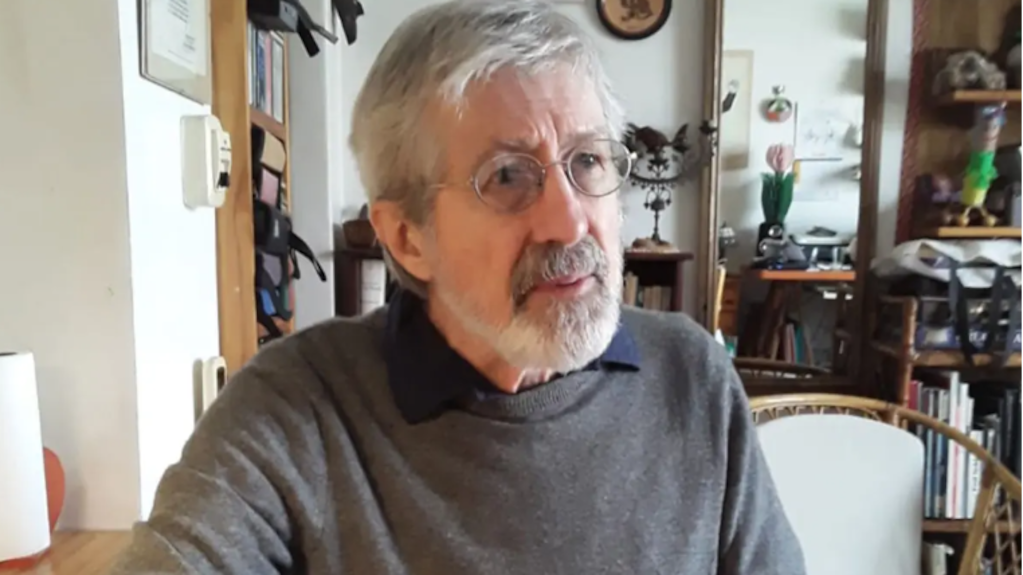
Leonardo Bertulazzi tiene 74 años, es italiano y formó parte de las Brigadas Rojas, una organización armada de extrema izquierda que protagonizó una serie de secuestros, atentados y asesinatos durante las décadas de 1970 y 1980. Este martes, su nombre volvió a quedar en el centro de la escena después de que escapara del arresto domiciliario que cumplía en un departamento del barrio porteño de San Telmo, mientras esperaba ser extraditado a su país.
El exintegrante de la organización tenía una condena de 27 años de prisión dictada por la Justicia italiana. Uno de los principales hechos por los que fue sentenciado fue el secuestro del ingeniero naval Pietro Costa, ocurrido en enero de 1977.
Además, las investigaciones lo vincularon con tareas logísticas relacionadas con el secuestro del ex primer ministro italiano Aldo Moro, uno de los episodios más resonantes de la historia política de Italia.
Su participación en las Brigadas Rojas
Bertulazzi integró la columna de Génova de las Brigadas Rojas, una de las estructuras territoriales de la organización. El grupo armado desarrolló buena parte de su actividad durante los llamados años de plomo, un período marcado por la violencia política, los atentados y los enfrentamientos entre organizaciones extremistas en Italia.
El 12 de enero de 1977, el ingeniero naval Pietro Costa fue secuestrado por integrantes de la organización. Costa pertenecía a una familia vinculada con la industria de los astilleros y permaneció cautivo hasta fines de marzo de ese año, cuando fue liberado después del pago de un rescate.
Por ese episodio y su pertenencia a la organización armada, Bertulazzi recibió una condena de 27 años de prisión. La sentencia quedó firme en Italia. Su nombre también apareció relacionado con el secuestro de Aldo Moro, quien había sido primer ministro italiano y era una de las figuras más importantes de la Democracia Cristiana.
El secuestro y asesinato de Aldo Moro
El 16 de marzo de 1978, un comando de las Brigadas Rojas interceptó el vehículo en el que viajaba Moro, asesinó a sus cinco custodios y secuestró al dirigente político en Roma.
El ex primer ministro permaneció cautivo durante 55 días. Finalmente, el 9 de mayo de ese año, su cuerpo fue encontrado dentro de un automóvil abandonado en el centro de la capital italiana.
Bertulazzi fue señalado por su participación en tareas logísticas de la organización durante ese período. Si bien su condena de 27 años estuvo vinculada principalmente con el secuestro de Pietro Costa, su trayectoria dentro de las Brigadas Rojas también quedó asociada a uno de los crímenes más impactantes de la historia contemporánea italiana.
Sus primeros años prófugo y su llegada a la Argentina
Bertulazzi permaneció prófugo durante décadas. Llegó a la Argentina en 2002 y ese mismo año fue detenido por primera vez, aunque recuperó la libertad meses después.
En 2004 obtuvo el reconocimiento como refugiado político, una condición que impidió que avanzara su extradición a Italia. De esa manera, pudo permanecer en el país durante años pese a los requerimientos de la Justicia italiana.
La situación cambió en agosto de 2024, cuando el Gobierno argentino le retiró esa condición y volvió a detenerlo en Buenos Aires, después de un operativo de inteligencia en el que participaron distintas áreas del Estado.
Desde entonces, permanecía bajo arresto domiciliario mientras se resolvía el proceso de extradición. La Corte Suprema de Justicia había declarado procedente el pedido de Italia, aunque todavía quedaban cuestiones judiciales pendientes vinculadas con su anterior condición de refugiado.
Tras la fuga, el Gobierno nacional oficializó una recompensa de $20 millones para quienes aporten información que permita localizar y detener a Bertulazzi.
La medida quedó establecida mediante la Resolución 1168/2026, publicada en el Boletín Oficial, en el marco del Programa Nacional de Recompensas. Quienes tengan información sobre su paradero pueden comunicarse de manera gratuita con la línea 134.
Italia, Terrorismo, secuestro
INTERNACIONAL
Dakota Meyer survived a battle he thought would kill him. 15 years after leaving the Marines, he went back
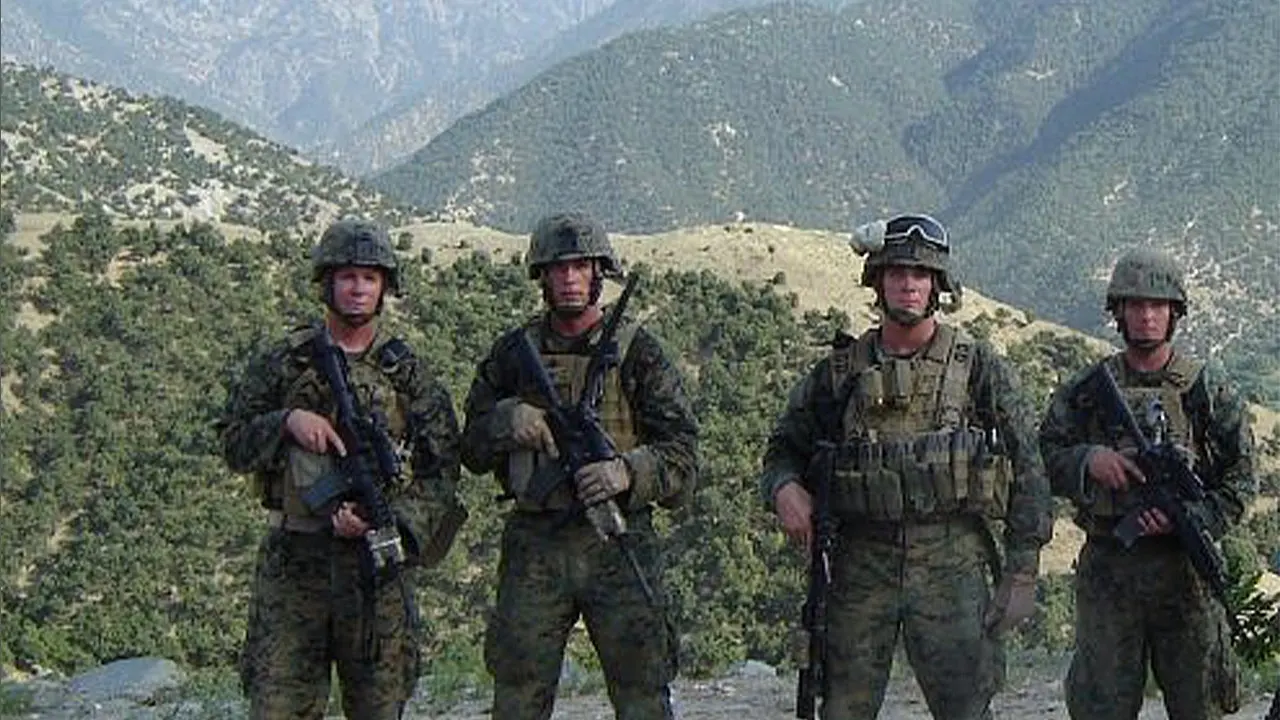
Fifteen years after Dakota Meyer left the Marine Corps, the Medal of Honor recipient decided to put the uniform back on — becoming the first with the award to ever reenlist.
Meyer was 36. He had fought in Afghanistan, struggled with the transition home from war and spent years building a life outside the military. But he said the desire to serve never went away.
«Every day after I took that uniform off, that desire to serve didn’t just end because my commitment to the country did,» Meyer told Digital in an interview ahead of Veterans Day.
AMERICAN WAR HERO DETAILS DIRE LIVING CONDITIONS US TROOPS FACE AS HEGSETH TAPS HIM TO ‘FIX’ IT
Meyer rejects the idea that receiving the Medal of Honor meant he had already done enough.
«I think sometimes it’s looked at as you’ve done your part, and I am wholeheartedly against that,» he said. «I believe that the only time you’ve done your part is when you’ve done all that you can.»
For Meyer, Veterans Day is a reminder that service does not necessarily end when someone leaves the military.
«Sometimes we look at the veteran title as it is something that represents something we’ve done,» Meyer said. «And it’s not. It’s something that we are doing, and it is something that we can continue to do.»
Meyer re-enlisted in 2025 and later entered the training pipeline to become a reconnaissance Marine, completing the grueling course in his late 30s.
«To be able to do that at 38, it was definitely one of the — hands down — probably the hardest thing that I’ve ever had to do,» Meyer said.
His first stint in the Marines had taken him to Afghanistan, where at 21 he fought in the 2009 Battle of Ganjgal in Kunar Province.
Meyer had been assigned to remain with the vehicles at a rally point while other members of his team accompanied Afghan troops toward the village roughly a mile away. The patrol was ambushed by more than 50 insurgents firing from fortified positions on the surrounding slopes.
MEDAL OF HONOR RECIPIENT JAMES CAPERS JR. SAYS RECOGNITION IS BITTERSWEET AFTER LOSING ‘SO MUCH’
Meyer and Staff Sgt. Juan Rodriguez-Chavez could hear the battle unfolding over the radio. Four members of Meyer’s team were trapped inside the ambush.
After repeatedly asking for permission to go in, Meyer and Rodriguez-Chavez drove toward the fighting, with Meyer manning the gun turret.
«I think often we try to make these decisions as if it’s some heroic decision, and it’s really not,» Meyer said. «It’s just about following through on what my promise that I had made to them.»
The pair made repeated trips into the ambush, helping evacuate wounded troops as Meyer continued searching for his teammates.
«I think it was at that point that I did realize that I just accepted that I was going to die,» Meyer recalled. «But I was gonna make sure that I would do everything I could up until that last breath.»
His four teammates were ultimately found dead. Meyer would receive the Medal of Honor for his actions that day.
Leaving the Marines the following year brought a different battle.
«I struggled. I mean, I struggled,» Meyer said. «The horrors of war definitely haunted me when I got out.»
Meyer said one of the hardest parts of returning to civilian life was figuring out what could replace the sense of purpose he had found in the military.
«The hardest part was finding purpose,» he said. «It wasn’t about being successful in anything.»
Eventually, he said, he realized that neither money nor professional success was what he was looking for. He wanted to feel that his work had an impact.
Years later, while speaking to a group of Marines at Camp Pendleton, that question of purpose came back to him in a different way.
A Marine attending a leadership course told Meyer he was deciding whether to reenlist. He had a family and could make more money outside the military, but he loved serving.
«Do you think it’s still worth serving?» he asked.
Meyer said yes, but the answer bothered him.
«I felt it was one of the most unbecoming things that I had ever said back to that crowd,» Meyer said, explaining that he was telling someone else to accept the sacrifices of continued service while he was free to return to civilian life.
«I told them that I would walk out of there and I would go about reenlisting or I would never say that to anybody again.»
It ultimately took Meyer about two years to return to the Marines.
Once back, he pursued a goal he had held since first seeing a Recon Marine poster in a recruiting office as a young man.
«They were the people that we were all trying to be inside of the Marine Corps,» Meyer said.
At 37 and 38, keeping up physically wasn’t necessarily the problem, but recovering felt different.
«What got me was the cumulative fatigue at my age,» Meyer said. «These kids can recover like nothing else.»
The experience also gave Meyer a close look at a generation of Marines nearly two decades younger than the one he had served alongside in Afghanistan.
He came away impressed.
«When we talk about service members or this next generation being weaker, it’s absolutely not the case,» Meyer said. «These kids are hands down, they will rise to the level of expectation that is set for them.»
Meyer said the Marine Corps itself has changed since he left in 2010, but he viewed much of that change as necessary. He recalled younger Marines giving him an hour-long lesson on their «new language» during a break in training and said he often found himself learning from them.
«They do things a lot smarter,» Meyer said. «I found myself learning a lot more from them than I did them probably learning from me.»
He said today’s young service members don’t have a «generational problem,» and said they still want the challenge, purpose and sense of belonging that drew those to serve before them.
politics, veterans, us marines, military, heroism, pentagon

Inesperado reclamo de un ex entrenador de Boca Juniors: “Lo tendrían que haber descalificado de la Copa Argentina”

José Luis Pontón, ingeniero informático: “Una IA que entiende el movimiento humano puede aprender a imitar a una persona y suplantarla”

¡Conmoción total! Pía Shaw quedó completamente en shock al ver de cerca al Papa León XIV en Luján: “¡No puedo hablar!”

Suenan las alarmas en Estudiantes de La Plata con la lesión de Joaquín Correa

La guerra con Irán costará a los países del Golfo casi un billón de dólares en daños y pérdidas hasta 2030

La plana mayor del peronismo converge en Luján para la misa que oficia el papa León XIV

La queja de Yanina Latorre tras asistir al VIP de la misa del papa León XIV: “Estuve al rayo del sol haciendo nada y…”

Así fue el saludo entre Javier Milei y el papa León XIV en Aeroparque tras la llegada a la Argentina

Gimnasia de Mendoza vs Independiente Rivadavia: formaciones, hora y dónde ver por tv

Franco Colapinto le hizo probar mate a Lewis Hamilton en un evento durante el GP de Brasil: la reacción del piloto de Ferrari

 CHIMENTOS2 días ago
La queja de Yanina Latorre tras asistir al VIP de la misa del papa León XIV: “Estuve al rayo del sol haciendo nada y…”
- POLITICA3 días ago
Así fue el saludo entre Javier Milei y el papa León XIV en Aeroparque tras la llegada a la Argentina
- POLITICA3 días ago
Elecciones desdobladas y lejos de las nacionales: la estrategia de los gobernadores patagónicos en 2027