INTERNACIONAL
Haley Stevens’ fiance hammers El-Sayed, says he’ll vote for Rogers


The fiance of Rep. Haley Stevens, D-Mich. has come out and said he cannot vote for Democratic Michigan Senate candidate Abdul El-Sayed, believing he is an antisemite.
Stevens, though, remains undaunted, backing the candidate for Senate. Jason Turkish, a Jewish registered Democrat, told The Detroit News he will be voting for Republican Senate nominee Mike Rogers, appearing at a Rogers event sponsored by the Republican Jewish Coalition on Wednesday night at the Townsend Hotel in Birmingham, Michigan.
«I waited, and I watched and I listened for Abdul to moderate – but he didn’t moderate, he escalated,» Turkish, a Michigan lawyer himself, told reporters on the sidelines of that event in a video published by The Detroit News.
FORMER RIVAL DODGES FULL-THROATED EL-SAYED ENDORSEMENT AFTER BITTER SENATE PRIMARY
«He’s gotten worse, and worse and worse as this general election campaign has gone on. Rather than bringing people together, he’s just driven them further and further apart.»
Despite Turkish’s concerns, Stevens has not backed down from her support for the Democrat who defeated her in a closely fought primary this summer.
HALEY STEVENS RIPPED BY FELLOW DEMS FOR REFUSING TO EXPLICITLY BACK EL-SAYED: ‘STAY THE F— OFF TELEVISION’
«Like a lot of households across America, we’re a house divided,» Stevens told CNN.
«I still very much want our Democratic nominee, his name is Abdul, to win this race,» she said. «There’s so much on the line.»
BLACK VOTERS, JEWISH DEMOCRATS IN MICHIGAN WARY OF VOTING FOR EL-SAYED, SAY ‘HE’S TAKING ADVANTAGE’
Turkish says El-Sayed’s anti-Israel rhetoric makes his community «less safe,» fearing his party will bend to radicals claiming that there is a «genocide» in Gaza.
«When he says genocide over and over again, when he refuses to condemn an ad that says Jews are to blame for the price of bananas, he makes my community less safe,» Turkish said. «He makes a lot of communities less safe.»
WEAPONIZING THE CHARGE OF GENOCIDE FUELS AN INCREASINGLY DANGEROUS ANTISEMITISM
El-Sayed is a longtime critic of Israel, calling the war in Gaza a «genocide.» Israel argues that it is fighting terrorists that are using Gaza civilians as human shields, taking efforts to avoid civilian casualties, such as notifying people and telling them to evacuate buildings before conducting strikes.
«Every time he talks about genocide, Jews get death threats,» Turkish added. «We have never seen a candidate for U.S. Senate act so recklessly toward the safety of Jews in the community as we have seen from Abdul.»
EL-SAYED TRIES TO MAKE PEACE WITH JEWISH DEMOCRATS BUT DRAWS LINE AT DUMPING HASAN PIKER
Turkish rebuked the candidate’s ties to California streamer Hasan Piker, and El-Sayed’s refusal to distance himself from someone he had said America deserved 9/11.
«I watch him in recent weeks as he has become verbally combative with any reporter who has the gall, as he sees it, the gall to ask him about Hasan,» Turkish said.
MICHIGAN SENATE RIVALS CLASH OVER MUSLIM BROTHERHOOD ALLEGATIONS AS ROGERS DOUBLES DOWN ON EL-SAYED
«Everything we hear from Abdul El-Sayed includes equivocation, and it includes equivocations to try to explain away hate, and there is no explaining away hate. And I predict to you that Michigan will reject this.»
Turkish, a Democratic donor who has also given to some Republicans, described his decision as «putting country before party.»
EL-SAYED, ROGERS CLASH OVER MUSLIM BROTHERHOOD, TRUMP AND GUNS: 5 FIERY DEBATE MOMENTS
«This is not someone we can let into the United States Senate,» Rogers said of El-Sayed at his Wednesday night campaign event, making no mention of Turkish’s vote in his stump remarks. «If you don’t know Iran is our enemy and you can’t condemn a Hezbollah-inspired attack, you have no business being in the United States Senate.»
Turkish is the second major figure from Stevens’ orbit to back Rogers in recent days. Her former campaign chair, attorney David Kramer, said Tuesday he also plans to vote for Rogers. Stevens endorsed El-Sayed after the primary but has not campaigned or appeared with him publicly since a unity breakfast shortly afterward.
abdul el sayed, midterm elections, democrats elections, politics








.il-chart{box-sizing:border-box;max-width:720px;margin:24px auto;padding:20px 18px 16px;background:#fff;border:1px solid #d9dce1;border-radius:8px;font-family:system-ui,-apple-system,»Segoe UI»,Roboto,Arial,sans-serif;color:#1a1a1a;line-height:1.35}
.il-chart *{box-sizing:border-box}
.il-chart .il-title{margin:0 0 4px;font-size:20px;font-weight:700;line-height:1.25}
.il-chart .il-sub{margin:0 0 30px;font-size:14px;color:#4a4f57}
.il-chart .il-wrap{position:relative;padding-top:22px}
.il-chart .il-mark{position:absolute;left:50.83%;top:0;bottom:0;width:0;border-left:2px dashed #111;z-index:2}
.il-chart .il-mark span{position:absolute;top:-2px;left:6px;white-space:nowrap;font-size:12px;font-weight:700;background:#fff;padding:0 4px}
.il-chart .il-row{margin-bottom:16px}
.il-chart .il-row:last-child{margin-bottom:0}
.il-chart .il-lab{display:flex;justify-content:space-between;align-items:baseline;margin-bottom:4px;font-size:14px;font-weight:700}
.il-chart .il-lab b{font-size:17px}
.il-chart .il-bar{display:flex;width:100%;height:40px}
.il-chart .il-seg{display:flex;align-items:center;justify-content:center;font-size:12px;font-weight:700;color:#fff;min-width:0;overflow:hidden;border-right:1px solid #fff}
.il-chart .il-seg:last-child{border-right:0}
.il-chart .il-rest{flex:1;background:repeating-linear-gradient(135deg,#f1f2f4,#f1f2f4 6px,#fff 6px,#fff 12px)}
.il-chart .n1{background:#3d4249}.il-chart .n2{background:#575d66}.il-chart .n3{background:#6f7680}.il-chart .n4{background:#878e98}.il-chart .n5{background:#9ea4ad}
.il-chart .o1{background:#1f4e8c}.il-chart .o2{background:#3b73b9}.il-chart .o3{background:#5f8fcb}.il-chart .o4{background:#7da4d8;color:#0f1f33}
.il-chart .a1{background:#14705e}.il-chart .a2{background:#2a9179}
.il-chart .il-list{list-style:none;margin:18px 0 0;padding:14px 0 0;border-top:1px solid #e4e6ea;display:grid;grid-template-columns:repeat(auto-fit,minmax(300px,1fr));gap:6px 18px;font-size:13px}
.il-chart .il-list li{display:flex;align-items:flex-start;gap:8px}
.il-chart .il-dot{flex:0 0 12px;height:12px;margin-top:3px;border-radius:2px}
.il-chart .il-n{margin-left:auto;font-weight:700;padding-left:8px}
.il-chart .il-note{margin:14px 0 0;padding-top:10px;border-top:1px solid #e4e6ea;font-size:12px;color:#5a6069}
@media (max-width:480px){.il-chart .il-title{font-size:18px}.il-chart .il-seg{font-size:10px}.il-chart .il-list{grid-template-columns:1fr}}
Ningún bloque alcanza los 61 escaños para la mayoría en la Knesset
Resultados provisionales de las elecciones del 27 de octubre, sobre un total de 120 escaños
- Likud (Netanyahu)26
- Poder Judío (Ben Gvir), ultraderecha7
- Judaísmo Unido de la Torá, ultraortodoxo7
- Shas, ultraortodoxo7
- Sionismo Religioso (Smotrich), ultraderecha6
- Yashar (Eisenkot)21
- Juntos (Bennett y Lapid)12
- Los Demócratas (Golan), izquierda8
- Yisrael Beytenu (Liberman)7
- Lista Conjunta12
- Raam7
Resultados provisionales, con todas las urnas contadas: faltan los votos en sobre doble (soldados, diplomáticos y otros). Para entrar en la Knesset, los partidos deben obtener al menos 3,25% de los votos. Fuente: Comité Central de Elecciones de Israel, vía The Times of Israel.
Las elecciones parlamentarias de alto riesgo celebradas el martes en Israel no arrojaron un ganador claro tras el recuento de la mayoría de los votos.
Eso en sí mismo no fue inesperado, pero, no obstante, hubo algunas sorpresas.
El partido populista de derecha de Netanyahu, el Likud, superó las previsiones de muchas encuestas preelectorales y se convirtió en el partido más grande del Parlamento, según muestran los resultados preliminares. Sin embargo, obtuvo menos escaños que en 2022, cuando se celebraron las últimas elecciones nacionales.
Más notable fue la participación de los simpatizantes de los partidos árabes de Israel, que cerraron la jornada electoral con un impulso histórico.
El sistema parlamentario de Israel, por regla general, exige que los partidos encuentren suficientes puntos en común para formar un bloque mayoritario de 61 escaños en el Parlamento israelí, que cuenta con 120 escaños. A lo largo de los años, esto ha dado lugar a algunas alianzas inverosímiles, pero también a gobiernos inestables y de corta duración.
En menos de cuatro años, de 2019 a 2022, los israelíes fueron llamados a las urnas cinco veces, ya que los partidos no lograron mantener una mayoría conjunta ni formarla en primer lugar.
En los próximos días, los líderes de los partidos volverán a la carga. Dado que los resultados electorales provisionales no muestran ningún bloque con un camino claro hacia una coalición, esto podría significar negociaciones difíciles —o un estancamiento, con la posibilidad muy real de que haya nuevas elecciones.
A continuación te explicamos cómo podrían alinearse los partidos para que los israelíes tengan un gobierno y eviten volver a las urnas.
Escenario 1: una alianza histórica entre judíos y árabes
.il-chart{box-sizing:border-box;max-width:720px;margin:24px auto;padding:20px 18px 16px;background:#fff;border:1px solid #d9dce1;border-radius:8px;font-family:system-ui,-apple-system,»Segoe UI»,Roboto,Arial,sans-serif;color:#1a1a1a;line-height:1.35}
.il-chart *{box-sizing:border-box}
.il-chart .il-title{margin:0 0 4px;font-size:20px;font-weight:700;line-height:1.25}
.il-chart .il-sub{margin:0 0 30px;font-size:14px;color:#4a4f57}
.il-chart .il-wrap{position:relative;padding-top:22px}
.il-chart .il-bar{display:flex;width:100%;height:46px;border-radius:4px;overflow:hidden}
.il-chart .il-seg{display:flex;align-items:center;justify-content:center;font-size:13px;font-weight:700;color:#fff;min-width:0}
.il-chart .il-c1{background:#1f4e8c}
.il-chart .il-c2{background:#3b73b9}
.il-chart .il-c3{background:#5f8fcb}
.il-chart .il-c4{background:#7da4d8;color:#0f1f33}
.il-chart .il-c5{background:#14705e}
.il-chart .il-c6{background:#2a9179}
.il-chart .il-c7{background:#6b717a}
.il-chart .il-mark{position:absolute;left:50.83%;top:0;bottom:-6px;width:0;border-left:2px dashed #111}
.il-chart .il-mark span{position:absolute;top:-2px;left:6px;white-space:nowrap;font-size:12px;font-weight:700;background:#fff;padding:0 4px}
.il-chart .il-group{display:flex;margin-top:6px;font-size:12px;font-weight:700;color:#333}
.il-chart .il-group div{padding-top:4px;border-top:3px solid;overflow:hidden;white-space:nowrap}
.il-chart .il-g1{width:40%;border-color:#1f4e8c}
.il-chart .il-g2{width:15.83%;border-color:#14705e}
.il-chart .il-g3{width:44.17%;border-color:#6b717a}
.il-chart .il-total{margin:16px 0 10px;font-size:15px}
.il-chart .il-total b{font-size:17px}
.il-chart .il-list{list-style:none;margin:0;padding:0;display:grid;grid-template-columns:repeat(auto-fit,minmax(210px,1fr));gap:6px 18px;font-size:14px}
.il-chart .il-list li{display:flex;align-items:center;gap:8px}
.il-chart .il-dot{flex:0 0 12px;height:12px;border-radius:2px}
.il-chart .il-n{margin-left:auto;font-weight:700}
.il-chart .il-note{margin:14px 0 0;padding-top:10px;border-top:1px solid #e4e6ea;font-size:12px;color:#5a6069}
@media (max-width:480px){.il-chart .il-title{font-size:18px}.il-chart .il-seg{font-size:11px}.il-chart .il-group{font-size:10px}}
Una coalición de la oposición con los partidos árabes sumaría 67 escaños
Se necesitan 61 de los 120 escaños de la Knesset para tener mayoría
Oposición judía + partidos árabes: 67 escaños, 6 más que la mayoría
- Yashar (Eisenkot)21
- Juntos (Bennett y Lapid)12
- Los Demócratas (Golan)8
- Yisrael Beytenu (Liberman)7
- Lista Conjunta12
- Raam7
- Likud, Shas, Judaísmo Unido de la Torá, Poder Judío y Sionismo Religioso53
Resultados provisionales, con todas las urnas contadas: faltan los votos en sobre doble (soldados, diplomáticos y otros). Liberman dijo que no integrará un gobierno con Netanyahu ni con la Lista Conjunta. Fuente: Comité Central de Elecciones de Israel, vía The Times of Israel.
Para los opositores de Netanyahu, asegurar una mayoría parece depender cada vez más del apoyo de al menos algunos legisladores árabes.
Si la coalición del líder de la oposición, Gadi Eisenkot, incluyera a ambos partidos árabes —la Lista Conjunta, una alianza ideológicamente diversa, y Raam, un partido islamista pragmático—, contaría con una mayoría significativa en el Parlamento.
Una coalición de este tipo conllevaría riesgos políticos.
Eisenkot ha rechazado alianzas con partidos que no apoyen el carácter judío de Israel o la derrota del grupo militante Hamas en la Franja de Gaza. Muchos de sus votantes podrían ver una alianza con partidos árabes como una promesa de campaña incumplida, lo que representaría un lastre para Eisenkot en un panorama político en el que podrían ser inminentes nuevas elecciones.
Otra posibilidad para el bloque de Eisenkot es dejar fuera de la coalición a los legisladores árabes, pero asegurarse de su acuerdo para apoyar un gobierno de minoría. Dicho gobierno puede asumir el poder siempre y cuando voten a favor más legisladores que en contra, incluso si los partidos que lo integran cuentan con menos de 61 escaños.
Para el bloque judío anti-Netanyahu, según los resultados provisionales, eso significaría el apoyo de al menos seis legisladores de los partidos árabes en la votación inicial de confianza. Pero no está claro si esos partidos aceptarían apoyar un gobierno del que quedarían excluidos, ni cuán sostenible sería tal acuerdo.
Escenario 2: Un gobierno de unidad
.il-chart{box-sizing:border-box;max-width:720px;margin:24px auto;padding:20px 18px 16px;background:#fff;border:1px solid #d9dce1;border-radius:8px;font-family:system-ui,-apple-system,»Segoe UI»,Roboto,Arial,sans-serif;color:#1a1a1a;line-height:1.35}
.il-chart *{box-sizing:border-box}
.il-chart .il-title{margin:0 0 4px;font-size:20px;font-weight:700;line-height:1.25}
.il-chart .il-sub{margin:0 0 30px;font-size:14px;color:#4a4f57}
.il-chart .il-wrap{position:relative;padding-top:22px}
.il-chart .il-bar{display:flex;width:100%;height:46px;border-radius:4px;overflow:hidden}
.il-chart .il-seg{display:flex;align-items:center;justify-content:center;font-size:13px;font-weight:700;color:#fff;min-width:0}
.il-chart .il-c1{background:#0b3c7a}
.il-chart .il-c2{background:#1f4e8c}
.il-chart .il-c3{background:#3b73b9}
.il-chart .il-c4{background:#7da4d8;color:#0f1f33}
.il-chart .il-c5{background:#d5d8dd;color:#333}
.il-chart .il-mark{position:absolute;left:50.83%;top:0;bottom:-6px;width:0;border-left:2px dashed #111}
.il-chart .il-mark span{position:absolute;top:-2px;left:6px;white-space:nowrap;font-size:12px;font-weight:700;background:#fff;padding:0 4px}
.il-chart .il-group{display:flex;margin-top:6px;font-size:12px;font-weight:700;color:#333}
.il-chart .il-group div{padding-top:4px;border-top:3px solid;overflow:hidden;white-space:nowrap}
.il-chart .il-g1{width:55%;border-color:#1f4e8c}
.il-chart .il-g2{width:45%;border-color:#b5bac2;color:#5a6069}
.il-chart .il-total{margin:16px 0 10px;font-size:15px}
.il-chart .il-total b{font-size:17px}
.il-chart .il-list{list-style:none;margin:0;padding:0;display:grid;grid-template-columns:repeat(auto-fit,minmax(210px,1fr));gap:6px 18px;font-size:14px}
.il-chart .il-list li{display:flex;align-items:center;gap:8px}
.il-chart .il-dot{flex:0 0 12px;height:12px;border-radius:2px}
.il-chart .il-n{margin-left:auto;font-weight:700}
.il-chart .il-note{margin:14px 0 0;padding-top:10px;border-top:1px solid #e4e6ea;font-size:12px;color:#5a6069}
@media (max-width:480px){.il-chart .il-title{font-size:18px}.il-chart .il-seg{font-size:11px}.il-chart .il-group{font-size:10px}}
Un gobierno de unidad entre los dos partidos más votados y otros sumaría 66 escaños
Se necesitan 61 de los 120 escaños de la Knesset para tener mayoría
Likud + Yashar + Juntos + Yisrael Beytenu: 66 escaños, 5 más que la mayoría. Sin Yisrael Beytenu serían 59.
- Likud (Netanyahu)26
- Yashar (Eisenkot)21
- Juntos (Bennett y Lapid)12
- Yisrael Beytenu (Liberman)7
- Resto: aliados religiosos y ultraderechistas de Netanyahu (27), Demócratas (8) y partidos árabes (19)54
Escenario hipotético, con resultados provisionales y todas las urnas contadas: faltan los votos en sobre doble (soldados, diplomáticos y otros). Liberman dijo que no integrará un gobierno con Netanyahu. Fuente: Comité Central de Elecciones de Israel, vía The Times of Israel.
Un gobierno de unidad liderado por Netanyahu y Eisenkot podría ofrecer un camino diferente hacia una mayoría clara.
Pero tal alianza podría resultar incómoda para ambos líderes.
Toda la campaña de Eisenkot se centró en la urgente necesidad de destituir a Netanyahu, a quien calificó de no apto para ocupar el cargo de primer ministro. Es posible que Netanyahu no esté dispuesto a compartir el poder, ni a delegar autoridad significativa, con sus acérrimos rivales, lo que podría ir en detrimento de sus aliados de larga data.
Un posible gobierno de unidad podría reunir al partido Likud de Netanyahu; al partido Yashar de Eisenkot; a “Juntos”, una alianza entre el derechista Naftali Bennett y el centrista Yair Lapid; y a Yisrael Beiteinu, un partido de derecha cuyo líder, Avigdor Liberman, rompió con Netanyahu y ha sido durante mucho tiempo su rival en la derecha.
Los resultados preliminares otorgan a dicho bloque 66 escaños, una clara mayoría de gobierno, aunque inestable.
Escenario: deserciones
Las próximas semanas de disputas políticas podrían abrir otras vías para formar un gobierno. Las deserciones —algo habitual en la política israelí— podrían permitir que un bloque prevalezca a costa del otro, un riesgo que existe en ambos bandos políticos.
Los partidos que se aliaron con Eisenkot durante la campaña, o incluso legisladores individuales, podrían ser convencidos para que apoyen un gobierno liderado por Netanyahu.
Por su parte, Eisenkot podría buscar el apoyo de los dos partidos ultraortodoxos, que son aliados de larga data del Netanyahu, aunque no sin quejas en su contra. Eso podría resultar difícil, dado que la oposición se ha opuesto durante mucho tiempo a las exenciones del servicio militar obligatorio para los hombres ultraortodoxos.
Solo una cosa parece clara: por mucho que los israelíes hayan considerado estas elecciones como un punto de inflexión para su país, ni Netanyahu ni su principal rival obtuvieron el mandato que buscaban.
Copyright 2026 – The New York Times
INTERNACIONAL
Netanyahu falls short of majority as Israel faces three possible paths to a new government
NEWYou can now listen to Fox News articles!
TEL AVIV, Israel – Israeli Prime Minister Benjamin Netanyahu’s governing coalition remained well short of a parliamentary majority Thursday as newly counted ballots showed a dramatic surge in support for Arab parties, potentially giving the opposition enough votes to challenge his control of parliament.
With 93.8% of ballots counted as of 4 a.m. ET Thursday (10 a.m. local time in Israel), including votes from the double-envelope count, Netanyahu’s right-wing and religious bloc was projected to win 53 seats in Israel’s 120-member Knesset, compared with 48 for the opposition bloc led by former military chief Gadi Eisenkot. The two predominantly Arab parties were projected to secure a combined 19 seats, bringing the potential anti-Netanyahu parliamentary majority to 67.
The updated figures showed Netanyahu’s Likud remaining the largest individual party with 26 seats, followed by Eisenkot’s Yashar party with 21 and former Prime Minister Naftali Bennett’s Beyachad party with 12. The figures remain preliminary.
NETANYAHU DEFIES EXIT POLLS AS VOTE SHIFTS IN HIS FAVOR, BUT MAJORITY REMAINS ELUSIVE
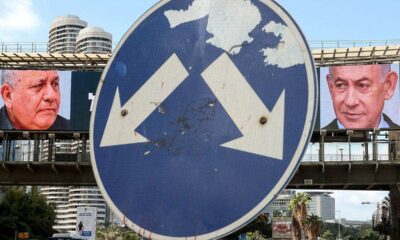
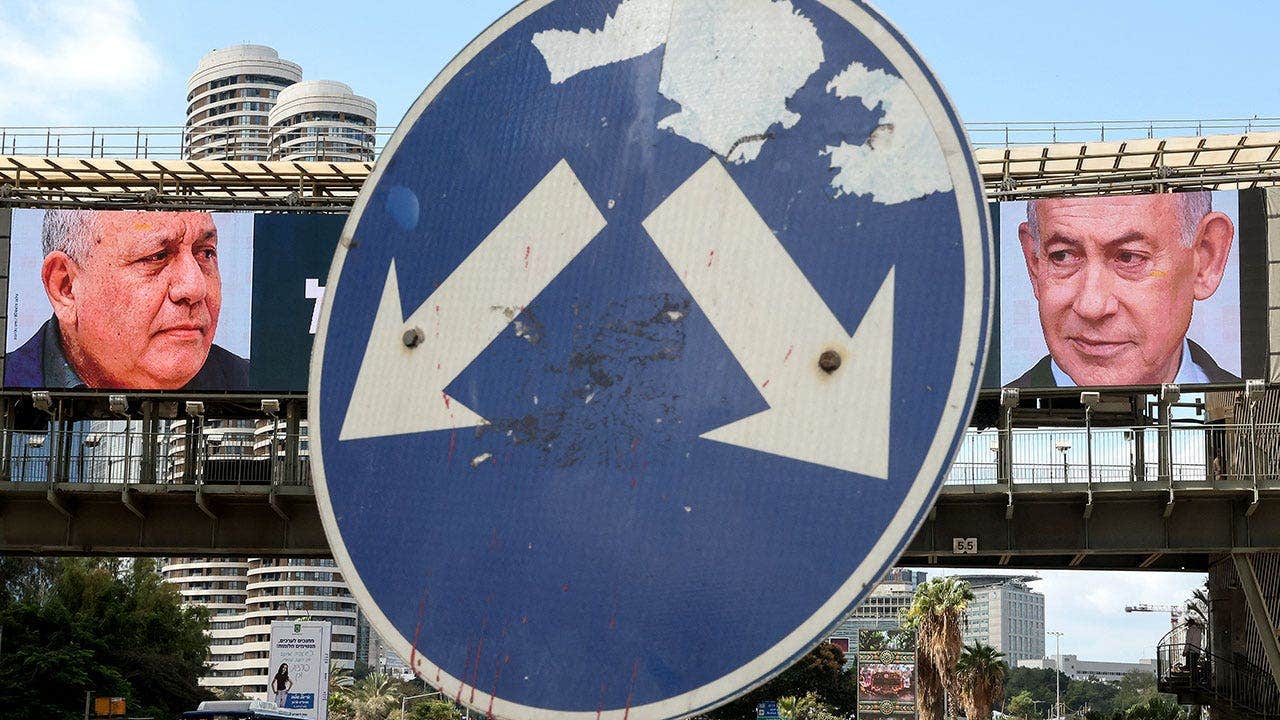
A road sign stands in front of a large billboard featuring Prime Minister Benjamin Netanyahu and Yashar party leader Gadi Eisenkot, in Ramat Gan on Oct. 20, 2026. (Jack Guez/AFP via Getty Images)
The results leave neither Netanyahu nor Eisenkot with the 61 seats required to form a government independently, raising the prospect of difficult coalition negotiations or another election.
The biggest shift came from Israel’s Arab voters, whose turnout surged compared with previous elections, potentially reshaping the country’s political balance.
Arab voter participation reached approximately 80%, compared with 53.2% in the 2022 election, according to the Israel Democracy Institute. The 2026 figure remains preliminary.
The Joint List was projected to win 11 seats, while Ra’am was projected to secure eight. Together, their 19 seats would nearly double the Arab parties’ representation from the 10 seats they won in 2022.
Overall voter turnout reached 77.7% by the official 10 p.m. closing time on election night, the highest level at that hour since 1999, according to Israel’s Central Elections Committee.
The increased Arab participation could prove decisive in determining the next government’s composition. Although Eisenkot and several other opposition leaders ruled out including Arab parties in their governing coalition during the campaign, their parliamentary support could allow the opposition to replace Knesset Speaker Amir Ohana, a Netanyahu ally, and gain greater control over the legislative agenda even before a new government is formed.
IRAN IS TRYING TO ‘CREATE A ROT FROM WITHIN’ THROUGH ‘INFORMATION WARFARE,’ ANALYST WARNS
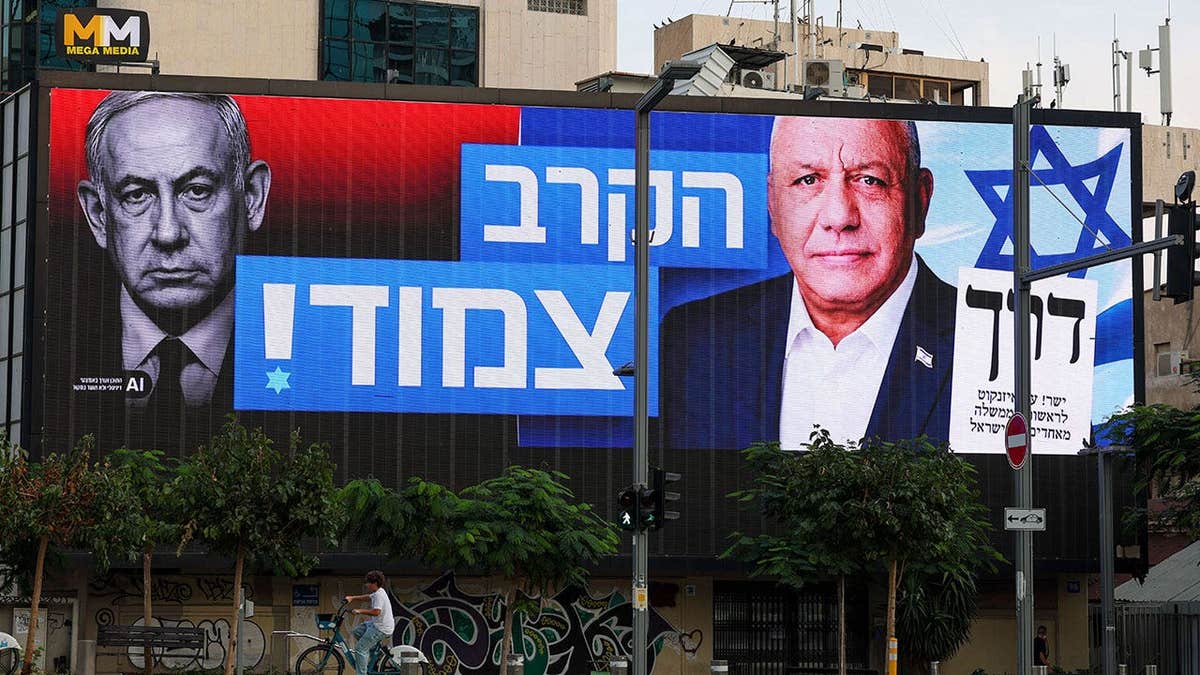
Posters of Gadi Eisenkot and Benjamin Netanyahu are displayed on billboards ahead of the Knesset elections, in Tel Aviv, Israel, on Oct. 25, 2026. (Nir Keidar/Anadolu via Getty Images)
Qatar allegations intensify political battle
The political stakes intensified Thursday following a Channel 12 report alleging that substantial sums originating in Qatar may have been transferred to influence voter participation in Arab communities.
According to N12, some of the funds allegedly traveled through financial channels previously used to transfer money to terrorist organizations, including currency exchanges.
The allegations have not been independently substantiated, and investigators have yet to establish whether foreign financing occurred or whether election-related crimes were committed.
Channel 12 reported that Shin Bet Director David Zini presented intelligence concerning suspected foreign interference to Central Elections Committee Chairman Justice Noam Sohlberg, prompting the judge to order an investigation.
In a letter published by N12, Sohlberg instructed the domestic security agency to investigate the allegations and identify evidence that could either substantiate or disprove them. He requested findings within one week, citing the limited time available during the election count.
The judge’s letter did not publicly identify Qatar as the suspected foreign actor. That identification came from N12’s reporting.
Qatar strongly denied the allegations Thursday, accusing Israeli politicians of attempting to drag the Gulf nation into Israel’s domestic political disputes following the election.
«We categorically deny allegations that Qatar has interfered in Israeli elections or funded any activities intended to influence their outcome,» Qatari Foreign Ministry spokesperson Dr. Majed Al-Ansari wrote on X.
Al-Ansari accused Israeli politicians and their allies in the media of launching a «disinformation campaign,» saying Qatar had been accused of financing Netanyahu, the Israeli left and now Arab voters.
«If these claims were to be believed, Qatar would apparently own all of Israel,» he wrote. «Qatar should not be used as a scapegoat for the political failures of certain Israeli politicians,» Al-Ansari added, insisting that Qatar had no involvement in Israel’s electoral process and would continue its diplomatic and humanitarian efforts in the region.
Acting Central Elections Committee director general Dean Livne also rejected the allegations in a letter to Yesh Atid MK Vladimir Beliak, who sits on the committee. «The Knesset elections were conducted lawfully. The integrity of the elections at polling stations was rigorously safeguarded, and to the best of our knowledge, there is no basis for allegations of systematic violations of election integrity.»
But the allegations quickly became part of the political confrontation over whether opposition parties should cooperate with Arab lawmakers.
ISRAEL HEADS INTO DEEPLY DIVIDED ELECTION AS OCT. 7 RECKONING LOOMS: WHAT TO KNOW
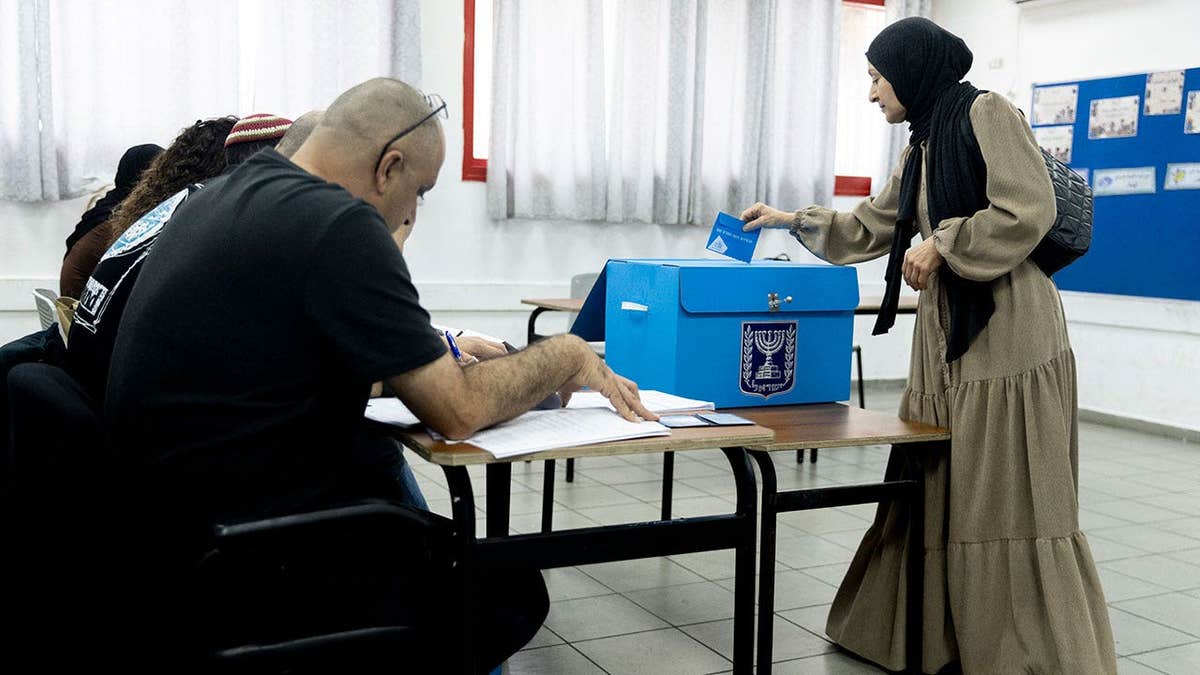
An Arab-Israeli woman casts her ballot during Israel’s general elections on Oct. 27, 2026, in Umm El Fahem, Israel. (Amir Levy/Getty Images)
Netanyahu and Likud had already challenged the legitimacy of the Arab parties’ electoral gains. On Wednesday, before the latest Qatari allegations emerged, Likud accused Arab parties of stealing the election through alleged voter fraud, accusations that had not been substantiated.
In a statement Thursday, Likud argued that the suspected foreign interference made cooperation with the Arab parties unacceptable.
«After it became clear that foreign actors attempted to take control of the Knesset, it is obvious that no Zionist party must cooperate with Ra’am and the Joint List, replace the Knesset speaker using votes bought with cash, or establish a government dangerous to Israel,» the party said.
The assertion that parliamentary seats were obtained through purchased votes has not been established by the investigation.
Hauser Tov, a political reporter for Israel’s Haaretz newspaper, argued on X that the statement revealed Likud’s immediate political objective: preventing the opposition from using its potential parliamentary majority to replace the Knesset speaker.
Israeli journalist Amir Tibon wrote on X, «The main reason they want to prevent this is so that the Knesset won’t vote to establish a state commission of inquiry into October 7.» He argued that such an investigation could examine Qatari involvement in Gaza and Israel.
Eisenkot responded to the allegations Thursday, after meeting with Israel Security Agency (Shin Bet) Director David Zini. «Foreign involvement in Israel is unacceptable and profoundly serious, particularly when it involves a country that funds and supports Hamas,» Eisenkot said. «It is serious when it occurs in the Prime Minister’s Office, and it is serious if it occurs in the electoral process.»
He called on the Shin Bet to investigate the allegations thoroughly and take the strongest possible action against anyone found to have attempted to compromise the election’s integrity.
Eisenkot also accused Netanyahu and his allies of conducting «an illegitimate influence operation targeting the Israeli public,» claiming its purpose was to delay the publication of the results and undermine the legitimacy of the newly elected Knesset.
Israeli political commentator Amit Segal also cautioned against assuming the allegations would lead to the cancellation of election results.
«The likelihood of the entire election being invalidated is extremely slim, given the time constraints,» Segal wrote on X. He suggested the developments could instead intensify discussions about a unity government or another election.
Meanwhile, Democrats party leader Yair Golan urged opposition leaders to move quickly toward forming a new government.
«The people have spoken. Sixty-seven seats demanded change,» Golan wrote Thursday on X, adding that he intended to spend the day meeting with political partners and coalition negotiators. «I intend to leave no stone unturned, act in every possible way and do everything necessary to fulfill the voters’ will,» he added.
The comments underscored the central question emerging from the election: whether parties united in their opposition to Netanyahu can overcome their differences, particularly over cooperation with Arab lawmakers.
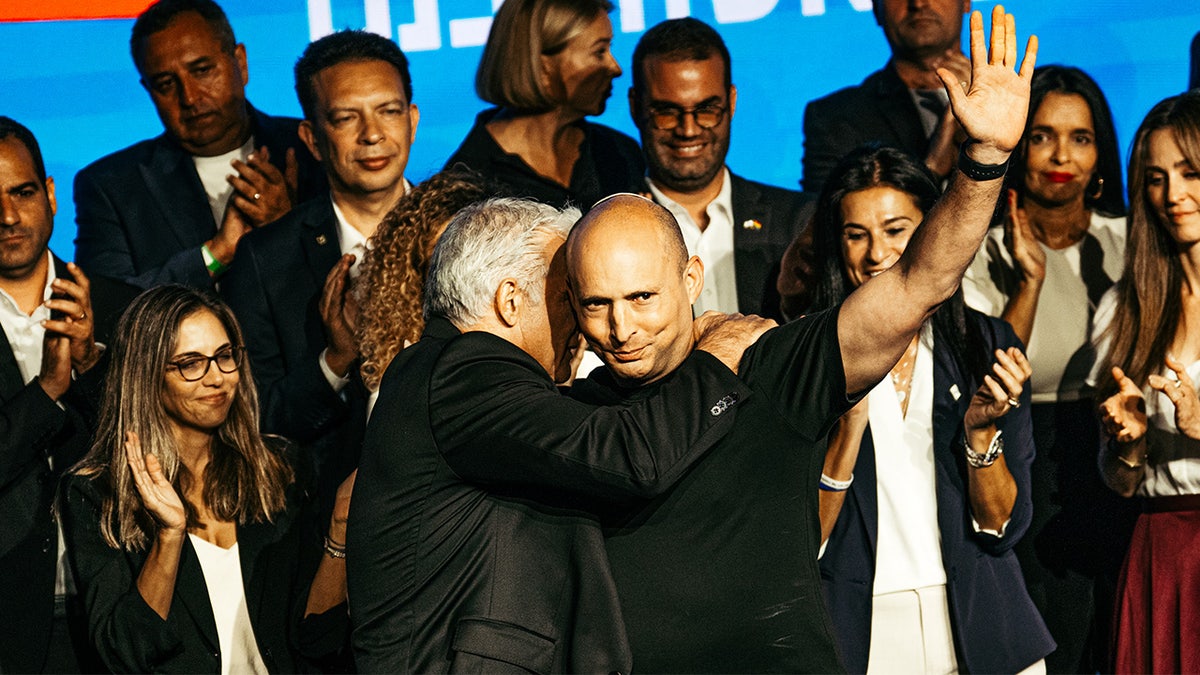
Could Trump help broker a unity government?
Another possibility is a national unity coalition involving Netanyahu’s Likud and Eisenkot’s Yashar party, potentially excluding the Arab parties and Netanyahu’s far-right allies.
Such an arrangement could also align with the preferences of figures close to President Donald Trump, who publicly endorsed Netanyahu ahead of the election.
According to Ynet diplomatic correspondent Itamar Eichner, sources close to Trump said the president wants to ensure that far-right National Security Minister Itamar Ben-Gvir is excluded from the next Israeli government, with Finance Minister Bezalel Smotrich potentially excluded as well.
A separate Ynet report said Trump associates had contacted Israeli political figures to assess the prospects for a unity government and expressed a preference for a stable coalition without Ben-Gvir.
Trump himself has not publicly endorsed a specific unity arrangement.
Asked Wednesday by Axios whether he would become involved in efforts to establish a Netanyahu-led unity government, Trump said, «I will take a look.»
A unity government involving Netanyahu and Eisenkot would face substantial obstacles. Eisenkot repeatedly pledged during the campaign not to join a Netanyahu-led government, while Netanyahu’s far-right partners have warned against efforts to exclude them.
The ultra-Orthodox parties present another potential route to a parliamentary majority. Netanyahu’s projected 53 seats include 14 held by Shas and United Torah Judaism, which have traditionally aligned with him.
Those 14 seats, combined with Eisenkot’s projected 48-seat opposition bloc, would mathematically produce a 62-seat majority. But such an arrangement would face major disagreements over military conscription, as Eisenkot has pledged to expand mandatory service to ultra-Orthodox men, while the religious parties have sought to preserve exemptions for yeshiva students.
Political divisions within Eisenkot’s own bloc would present additional obstacles to such a coalition.
For now, the foreign interference allegations remain under investigation, while the election results continue to show Netanyahu’s existing coalition without the parliamentary majority required to govern on its own.
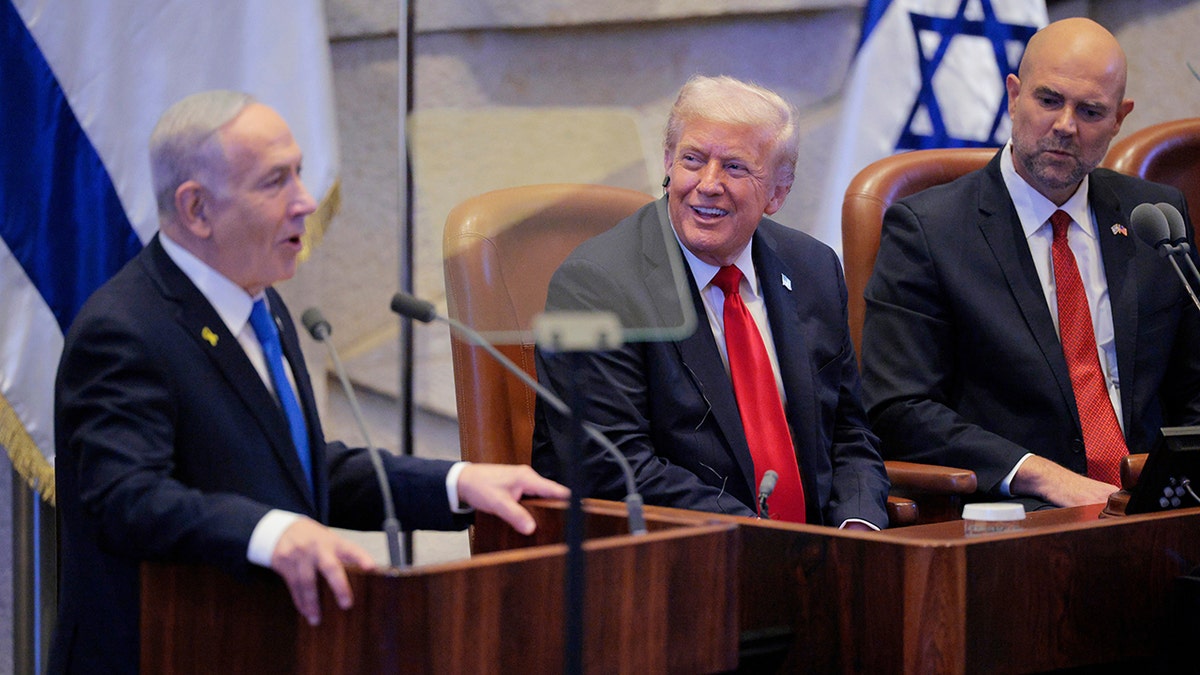
Israeli Prime Minister Benjamin Netanyahu addresses the Knesset as President Donald Trump and Amir Ohana, speaker of the Knesset, listen, Oct. 13, 2025, in Jerusalem. (Chip Somodevilla/Pool via AP)
Netanyahu will remain caretaker prime minister until a new government is formed, a process that could take weeks or longer.
israel, elections, politics, world, benjamin netanyahu
INTERNACIONAL
¡El 12.5% del país! La alarmante cifra del territorio nicaragüense en manos de mineras chinas

La Fundación del Río afirmó el 27 de octubre de 2026 que 23 empresas vinculadas con China controlan 93 concesiones mineras en Nicaragua, una cifra que contradice la versión de las embajadas chinas en Nicaragua y Costa Rica sobre una presencia limitada de ese capital y la inexistencia de operaciones cerca de la frontera costarricense.
Las concesiones abarcan 1,554,332.02 hectáreas, equivalentes al 12.5% del territorio nicaragüense. La organización ambientalista elaboró ese registro a partir de publicaciones de La Gaceta entre 2021 y 2026, según informó 100% Noticias.
Las representaciones diplomáticas chinas habían respondido el 24 de octubre a señalamientos de la Embajada de Estados Unidos en Costa Rica sobre la actividad minera china en Nicaragua. Sostuvieron que la mayor parte de las compañías del sector corresponde a capitales norteamericanos y latinoamericanos, y que las firmas chinas autorizadas son pocas y manejan superficies reducidas.
Fundación del Río señaló que las compañías relacionadas con China concentran, en cambio, la mayor cantidad de empresas, lotes y hectáreas concesionadas entre los capitales extranjeros presentes en la minería nicaragüense.
Las 93 concesiones y la disputa en la frontera costarricense
La actividad en las zonas limítrofes con Costa Rica se convirtió en uno de los principales puntos de desacuerdo. La Embajada de China en Nicaragua aseguró que sus empresas no desarrollan trabajos mineros en la frontera ni en áreas cercanas.
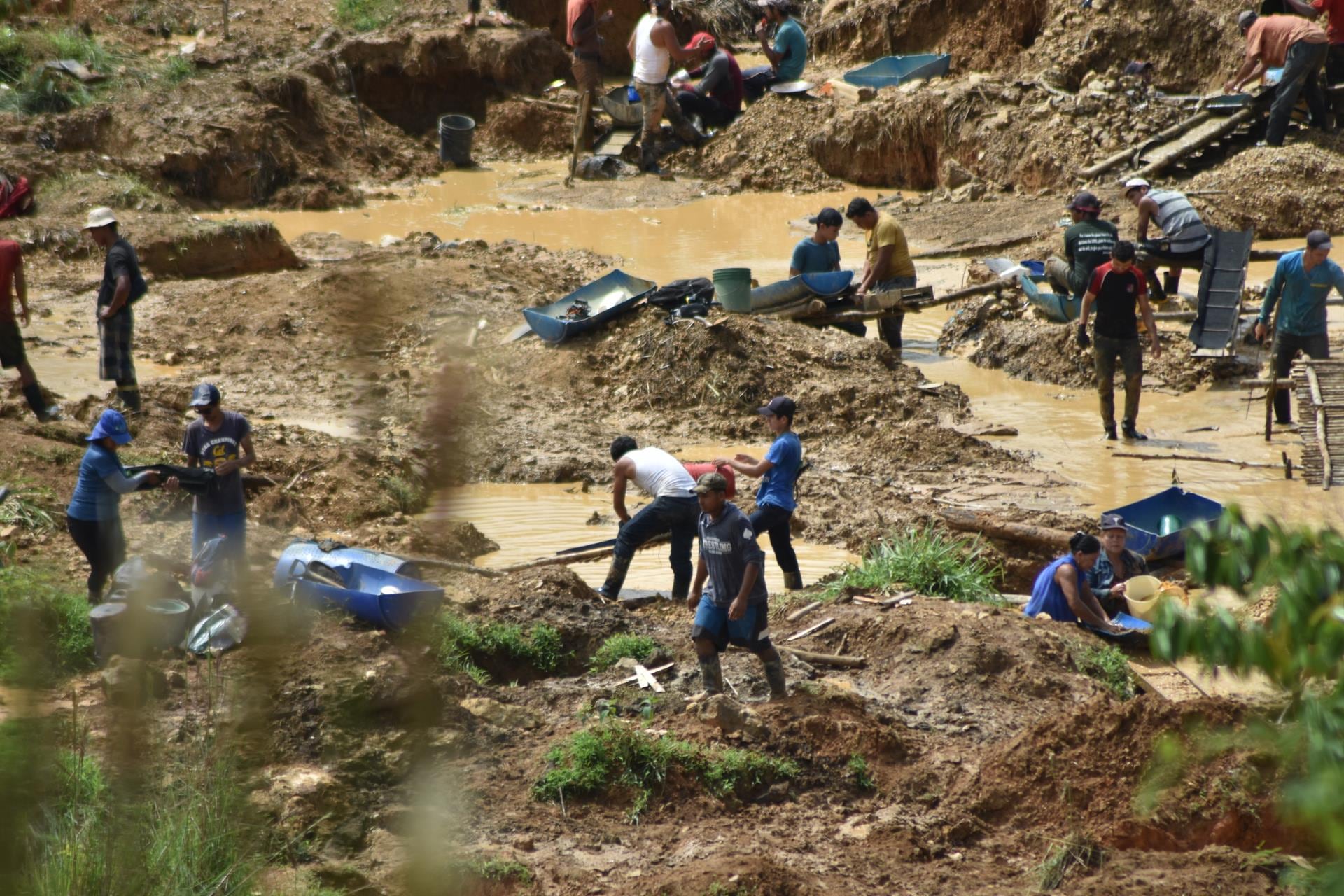
La organización identificó concesiones otorgadas a Brother Metal S.A. y Thomas Metal S.A., ambas vinculadas con el grupo Continental International Resources (HK) Limited. Las dos compañías controlan 31 lotes, incluidos La Guinea, El Castillo y La Mónica, ubicados en zonas fronterizas con Costa Rica.
En La Guinea, Fundación del Río reportó actividad minera ilegal a unos tres kilómetros de la frontera costarricense. El área fue entregada a Thomas Metal S.A. mediante el Acuerdo Ministerial No. 039-SBT-M-037-2025 y tiene una extensión de 21,882.30 hectáreas.
La entidad ambientalista sostuvo que la concesionaria tiene responsabilidad legal sobre las actividades extractivas realizadas dentro del territorio que recibió. Thomas Metal S.A. efectuó además 88 importaciones desde China durante 2026 por un valor aproximado de USD 1,17 millones.
Entre sus proveedores figuran Continental International Resources (HK) Limited, Guangzhou Huakai Trading Co., Ltd. y Foton International Trade Co., Ltd. Fundación del Río describió a Continental International Resources como un grupo minero transnacional con operaciones en Nicaragua, la República Democrática del Congo y Zimbabue.
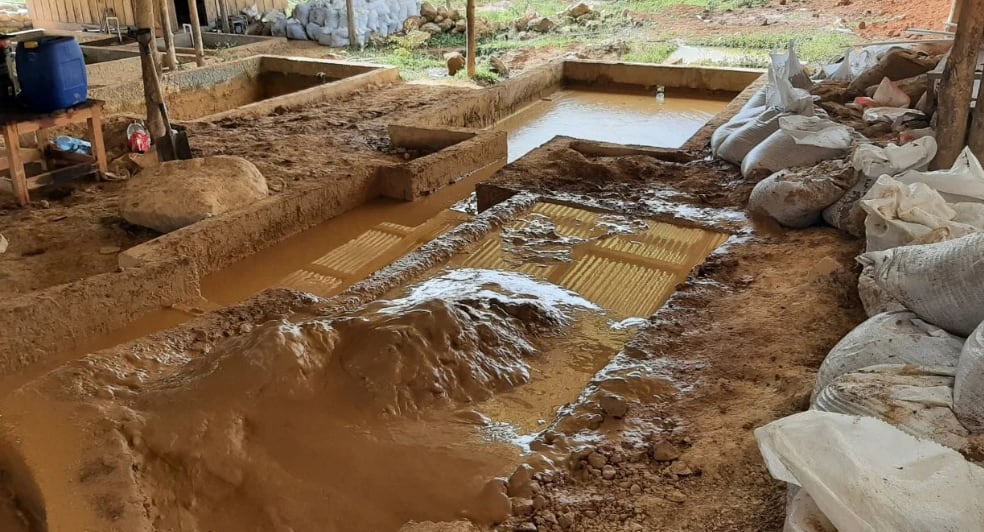
La presencia de Nicaragua Xinxin Linze Minería Group S.A. también fue incluida en la documentación. La empresa posee 12 lotes mineros, de los cuales al menos cuatro están situados en el sureste nicaragüense.
Según la organización, Guocheng Holding Group Co., Ltd., un grupo empresarial chino relacionado con el empresario Wu Cheng, adquirió acciones de Xinxin Linze Minería Group S.A. Wu Cheng declaró haber mantenido reuniones con Laureano Ortega Murillo, hijo de Daniel Ortega y Rosario Murillo, durante 2025 para tratar oportunidades de cooperación económica.
El empresario expresó: “En 2025, mantuve varios intercambios en profundidad con el Sr. Laureano Ortega Murillo, Asesor del Presidente de la República de Nicaragua, desde Beijing hasta Shanghái”.
También confirmó que su grupo había completado la adquisición de acciones de Xinxin Linze Mining Group de Nicaragua dentro de una estrategia internacional orientada a asegurar recursos minerales. La información presentada por Fundación del Río documentó contactos entre Laureano Ortega Murillo y representantes de ese grupo empresarial.
Denuncias por el río Baka y el caño Santa Rita
Las comunidades de Mulukukú y Rosita, en la Región Autónoma de la Costa Caribe Norte, denunciaron posibles daños ambientales asociados a operaciones de compañías mineras chinas. En Paraska, Los Baldes y Lisawe, habitantes documentaron trabajos de Zhong Fu Development S.A., titular del lote minero Mulukukú, informó 100% Noticias.
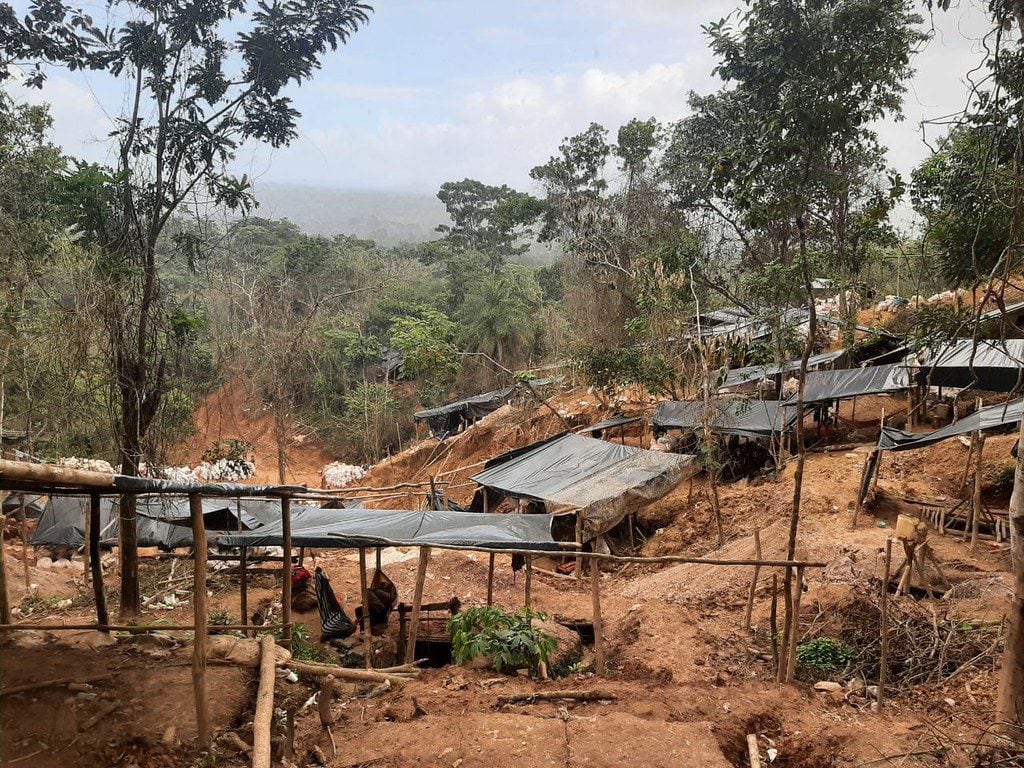
La organización indicó que esas operaciones generan impactos sobre el río Baka y el cerro Paraska. Unas 300 familias dependen del río, por lo que el deterioro de sus recursos naturales podría afectar sus medios de vida.
100% Noticias también reporta que en Rosita, la preocupación se concentra en el drenaje de una laguna artificial dentro del lote Rosita D, concesionado a Santa Rita Mining. Las descargas llegan al caño Santa Rita y luego al río Bambana, y podrían contener contaminantes asociados con antiguas actividades extractivas.
Fundación del Río afirmó que no se conocen públicamente estudios de impacto ambiental de las operaciones de Zhong Fu Development y Santa Rita Mining. La situación contrasta con la posición expresada por la representación diplomática china en Costa Rica, que sostuvo que su Gobierno exige a sus empresas en el exterior cumplir las leyes locales y asumir responsabilidades ambientales y sociales.
La organización envió el 8 de enero de 2026 consultas a las embajadas chinas en Nicaragua y Costa Rica sobre concesiones mineras, eventuales incumplimientos ambientales, operaciones fronterizas y actividades en territorios indígenas y afrodescendientes. La embajadora china en Costa Rica, Wang Xiaoyao, respondió el 17 de marzo sin abordar las cinco preguntas y remitió la comunicación a la representación en Nicaragua.
El entonces embajador chino en Managua, Qu Yuhui, no respondió a las consultas, de acuerdo con Fundación del Río. La entidad anunció que continuará documentando la actividad minera y solicitando explicaciones a las autoridades diplomáticas chinas, mientras llamó a las comunidades a vigilar el avance de las concesiones y sus posibles consecuencias ambientales y sociales.

Uno por uno, los 19 amistosos de las selecciones Conmebol en la fecha FIFA de noviembre

Habló uno de los hermanos Passaglia tras lanzar su candidatura y descartó alianzas con dirigentes que “fracasaron”

Murió Juan Marcelo, ícono de los 70 y voz del recordado dúo Juan y Juan

La psicología es tajante: cuando un chico miente no lo hace por falta de educación sino como parte de una estrategia

La Fiscalía pidió informes a Migraciones para investigar si el Gobierno encubrió la fuga de Flávio Bolsonaro

Proveedora de Toyota, Ford y Volkswagen suspende a decenas de operarios y ofrece retiros

Medios brasileños afirman que Flávio Bolsonaro escapó del país y está en vuelo a Estados Unidos

CFK, Axel Kicillof, Sergio Massa y otros referentes del PJ celebraron el triunfo electoral de Lula da Silva

Edgerunners 2 ha vuelto a poner a David Martinez en el centro de la conversación. Su showrunner tiene algo que aclarar sobre su destino

El boom de Vaca Muerta no para: aporta más del 70% del crudo y empuja a la Argentina hacia el millón de barriles diarios

 INTERNACIONAL2 días ago
Medios brasileños afirman que Flávio Bolsonaro escapó del país y está en vuelo a Estados Unidos
- POLITICA2 días ago
De Bullrich a Lula da Silva: a Milei se le abrieron dos frentes de conflicto con resolución incierta
- DEPORTE3 días ago
Facundo Bagnis vuelve al tenis tras un año de suspensión por doping: “Dejó una cicatriz enorme en mí”