INTERNACIONAL
House Republicans aim to turn Democratic civil war into midterm weapon


NEWYou can now listen to Fox News articles!
NEW CITY, N.Y. – The battle for the House majority will be won or lost in congressional districts like New York-17, NY-3, and NY-4, three crucial swing seats in suburban New York City.
And as Republicans work to hold onto their razor-thin House majority in this autumn’s midterm elections, they view the ongoing battle between the left-wing and the center-left establishment for the future of the Democratic Party as political ammunition as they portray Democrats as radicals.
«Democrats have gone further and further and further to the left with no end in sight,» Republican Rep. Mike Lawler argued in a Fox News Digital interview.
Lawler, a two-term lawmaker who represents NY-17, which covers much of New York City’s northern suburbs, spoke soon after three far-left Democrats backed by socialist New York City Mayor Zohran Mamdani defeated more moderate, establishment-backed rivals in showdowns that drew outsized national attention.
MEET THE FAR-LEFT INSURGENTS WAGING WAR ON THE DEMOCRATIC PARTY
Congressional candidate Claire Valdez, Congressional candidate Brad Lander, Mayor Zohran Mamdani, and Congressional candidate Darializa Avila Chevalier raise their hands during a Get Out the Vote (GOTV) rally at King’s Theater on June 18, 2026, in New York City. (Michael M. Santiago/Getty Images)
Two of primary winners were aligned with the Democratic Socialists of America (DSA) and two of the defeated candidates were congressional incumbents.
«My district is impacted significantly by what happens in New York City. Many of my constituents work in the city, they’re cops, firefighters, nurses, teachers,» Lawler said.
He charged that «these radical socialists are taking over the Democratic Party, not just for Congress, but the state legislature. And as I said last year, Zohran Mamdani would become the face of the Democratic Party and its leader, and that is precisely what he is doing.»
Lawler’s Democratic challenger in the midterms is not backed by either the DSA or two other far-left groups, the Justice Democrats and the Working Families Party.
DEMOCRATIC PARTY CIVIL WAR HITS DEBATE STAGE IN CRUCIAL PRIMARY SHOWDOWN
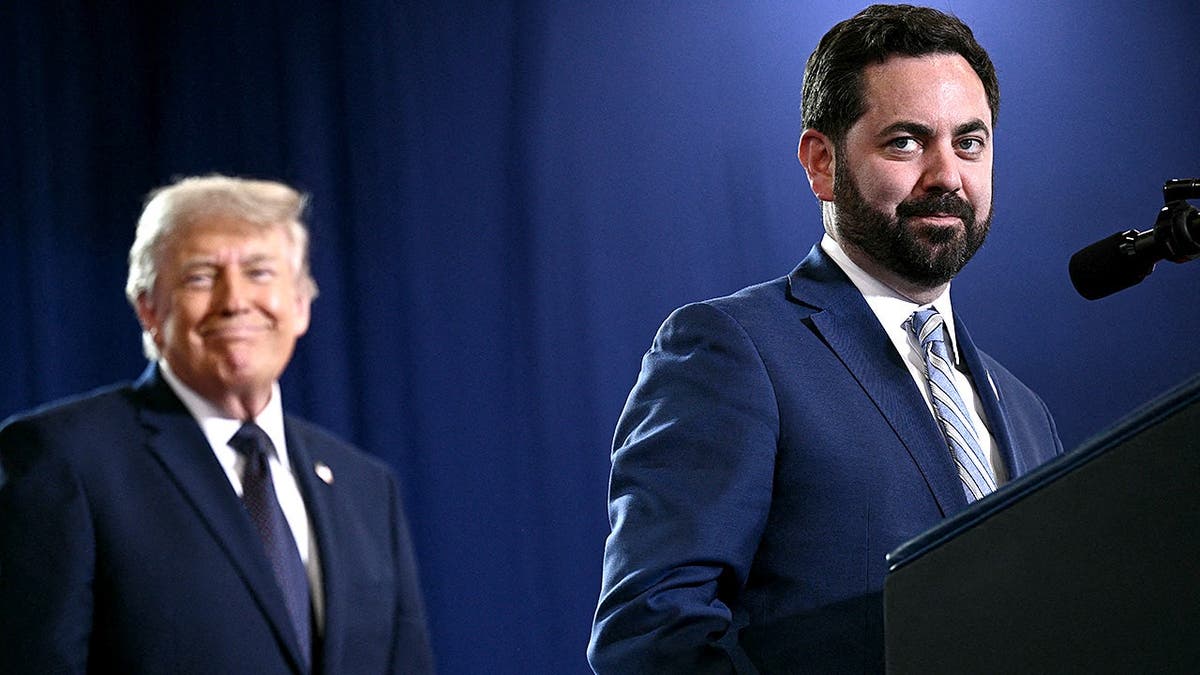
Rep. Mike Lawler, R-N.Y., spoke as President Donald Trump looked on during an event focused on the economy at Rockland Community College Fieldhouse on May 22, 2026, in Suffern, New York. (Brendan Smialowski/AFP via Getty Images)
But Lawler, pointing to Democratic nominee Cait Conley’s stance on key issues, argued, «The fact is that she agrees with them from a policy standpoint, even if she doesn’t couch herself in the same title of socialist.»
«My opponent would be a rubber stamp for the radical socialists who are coming, and she wouldn’t have the ability to stand up to these people and push back, and the fact is the Democrats have gone further and further and further to the left with no end in sight,» he charged.
But Rep. Suzan DelBene, chair of the Democratic Congressional Campaign Committee, said that any GOP push to paint Democrats as far left radicals are «desperate attacks.»
«The midterms will ultimately be a referendum on who is going to lower costs and help improve the lives of everyday Americans – which House Republicans have failed spectacularly to do. In the purple, majority making districts, » DelBene argued in a statement to Fox News Digital.
She charged that «Republicans already know they’ve lost the American people, and that’s why they are resorting to desperate attacks that aren’t actually about the pocketbook issues, but just baseless spin that falls flat with voters who are eager to reject Republicans.»
Conley, a West Point graduate and military combat veteran who was awarded three Bronze Stars during six deployments to the wars in Afghanistan and Iraq, pushed back on Lawler’s criticism.
DEMOCRACY ’26: STAY UP TO DATE WITH THE FOX NEWS ELECTION HUB
«Voters are sick of political insiders, politicians, political operatives who care more about their next reelection than they do solving the actual problems with the time they are given to represent their people,» Conley told Fox News Digital, indicating Lawler, a political strategist before serving as a state lawmaker and then winning election to Congress.
Conley emphasized that «we need new leaders, not people who are part of the political insider network.»
The race in NY-17 is among two to three dozen across the country that will determine if the GOP holds its razor-thin House majority.
So are the showdowns in NY-3 and NY-4, which are located in New York City’s eastern suburbs on Long Island.
«I think it will definitely affect us in Nassau County since we’re a border county,» Jeanine Driscoll, the GOP nominee in NY-4 told Fox News Digital, as she referred to the far-left Democratic victories in neighboring New York City. «Bringing in three ultra left wing people who are proclaiming themselves to be socialists, really communists, is going to wake people up.»
SIGN UP TO GET THE POLITICS NEWSLETTER
Driscoll, the receiver of taxes in the town of Hempstead, America’s largest township by population, is challenging Democratic Rep. Laura Gillen, who flipped the district two years ago.
Just to the north, in NY-3, Republican nominee Mike LePetri is facing off against veteran Democratic Rep. Tom Suozzi, who narrowly topped LePetri in 2024.
«Frankly, the people of Long Island and northeast Queens are scared. They’re concerned about the future of America if you have the Democrat Party take over the House of Representatives,» LePetri told Fox News Digital.
Gillen and Suozzi are among a group of moderate House Democrats who earlier this year launched the «Promise to America,» a centrist political pledge that rejects socialism, supports secure borders, and promotes fiscal responsibility and economic growth.
«I call myself a new kind of old-fashioned Democrat. Someone who believes in the traditional values,» Suozzi said in a recent «Fox and Friends» interview.
Suozzi emphasized, «We’re for capitalism, not socialism. We’re for safety, not lawlessness. We’re proud of America. Not ashamed of America. And we need to be promoting those things.»
«There are people in the Democratic Party that are left of center that don’t agree with the far left. And we just need to do a better job organizing because you’ll see big rallies for people who are extremists, far right, far left, but if I show up and say ‘hey lets work together to solve the problems that we face in our country,’ you’re not going to get a big rally for that,» Suozzi said.
But LePetri charged that Suozzi «is two faced. He says one thing, but votes exactly with his conference.»
And Driscoll, speaking of Gillam, argued, «they claim they’re moderate. If you look at her voting record, her voting record is not moderate.»
Top Republicans are using the recent victories by the far-left as a cudgel to bash Democrats in competitive races.
CLICK HERE TO DOWNLOAD THE FOX NEWS APP
President Donald Trump has repeatedly warned of a «communist» threat.
Vice President JD Vance argued recently on Fox News’ «The Ingraham Angle» that Democrats have «a view that the United States is an evil country that must be dismantled from the ground and then built back up. That’s communism at its core, and you see more and more momentum in that direction from the Democrat Party.»
But CJ Warnke, communications director at the Democrat-aligned House Majority PAC, told of Fox News Digital that «Republicans are grasping for straws because they have no record of success to run on. They’ve spent the last year supporting tariffs, health care cuts, and the Iran War — all of which have caused prices to skyrocket. Their poll numbers are sinking and this is a desperate ploy to save their campaigns — and it will fail.»
midterm elections, zohran mamdani, democrats elections, house of representatives, new york, elections, politics













INTERNACIONAL
Los rusos pierden la paciencia con Vladimir Putin: la falta de combustible derrumba por la guerra la imagen del líder del Kremlin

NEWYou can now listen to Fox News articles!
Tehran has spent decades preparing for — and welcoming — a U.S. ground invasion, a senior Iranian official has claimed, as fresh explosions rocked the region on the eighth day of renewed U.S.-Iran strikes.
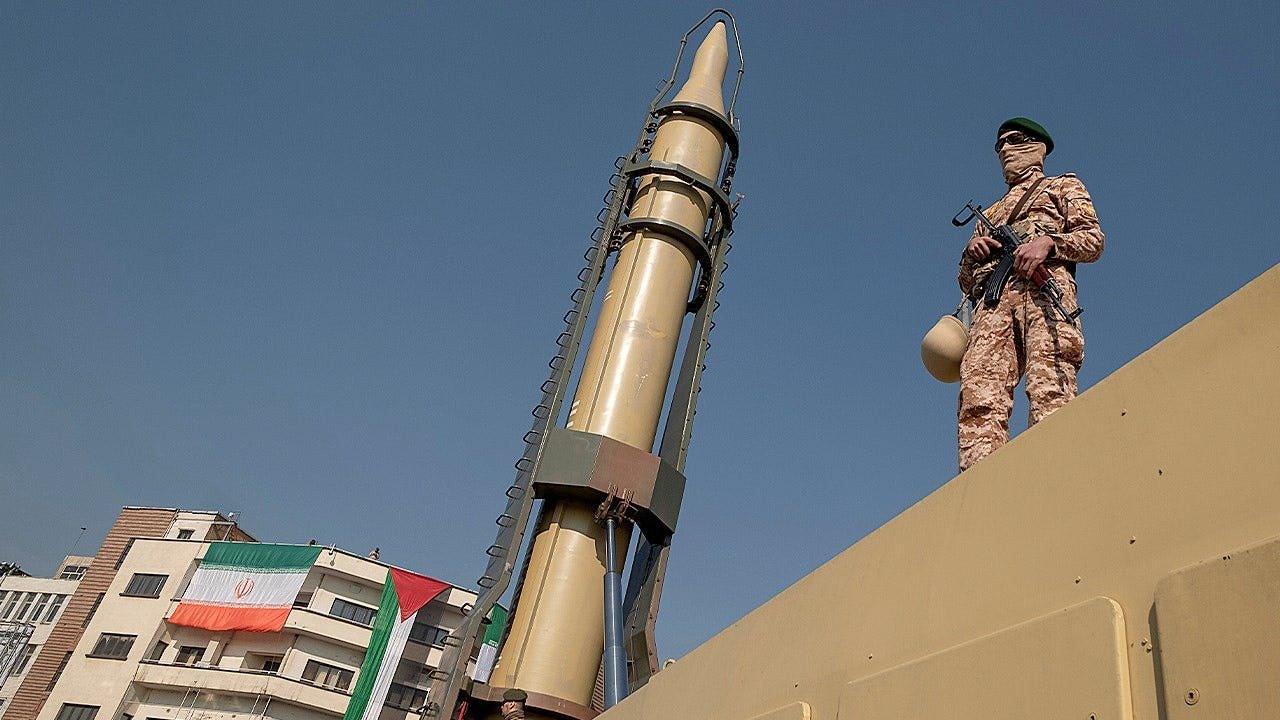
Seyed Mohammad Marandi, an Iranian American academic identified as a regime «mouthpiece,» also boasted that Tehran had just launched a «new missile» while decentralizing and burying its arsenal deep underground to withstand sustained American air campaigns.
«The Americans are planning an invasion. I’m not saying it will necessarily happen. I’m not saying it will necessarily happen in the next few days. But they have plans for an invasion,» Marandi, a former advisor to Iran’s nuclear negotiation team, said in an interview with political analyst Glenn Diesen.
I’VE STUDIED MILITARY STRATEGY. TRUMP NOW FACES IRAN’S OLDEST BATTLEFIELD TRICK
Seyed Mohammad Marandi, an Iranian American academic frequently identified as a regime «mouthpiece,» said Tehran had recently launched a new missile. (Akila Jayawardena/NurPhoto via Getty Images)
«Whether they carry them out or not, we’ll see. But the Iranians, as you pointed out, the focus of Iranian strikes is on Bahrain and Kuwait, and that’s because that’s where most American assets have been placed for a ground invasion,» Diesen said.
Marandi’s comments came as the conflict expanded across western and southern Iran in the run-up to Saturday.
Iran also launched missile and drone salvos targeting U.S.-linked facilities in Jordan, Kuwait and Bahrain.
Jordanian officials confirmed they intercepted 10 missiles early Saturday, while authorities in Kuwait reported casualties and severe damage to a domestic power and desalination plant.
In response, U.S. airstrikes struck bridges, a key road tunnel, surveillance outposts and reinforced underground weapons storage facilities.
Multiple explosions also rocked the city of Khorramabad in Iran’s Lorestan province. Iranian state media claimed the blasts were caused by U.S. missiles launched from regional bases in Kuwait, according to reports.
TRUMP SAYS IRAN’S MISSILES ‘AREN’T THE PROBLEM’ AFTER WHITE HOUSE MADE THEM CENTRAL TO WAR RATIONALE
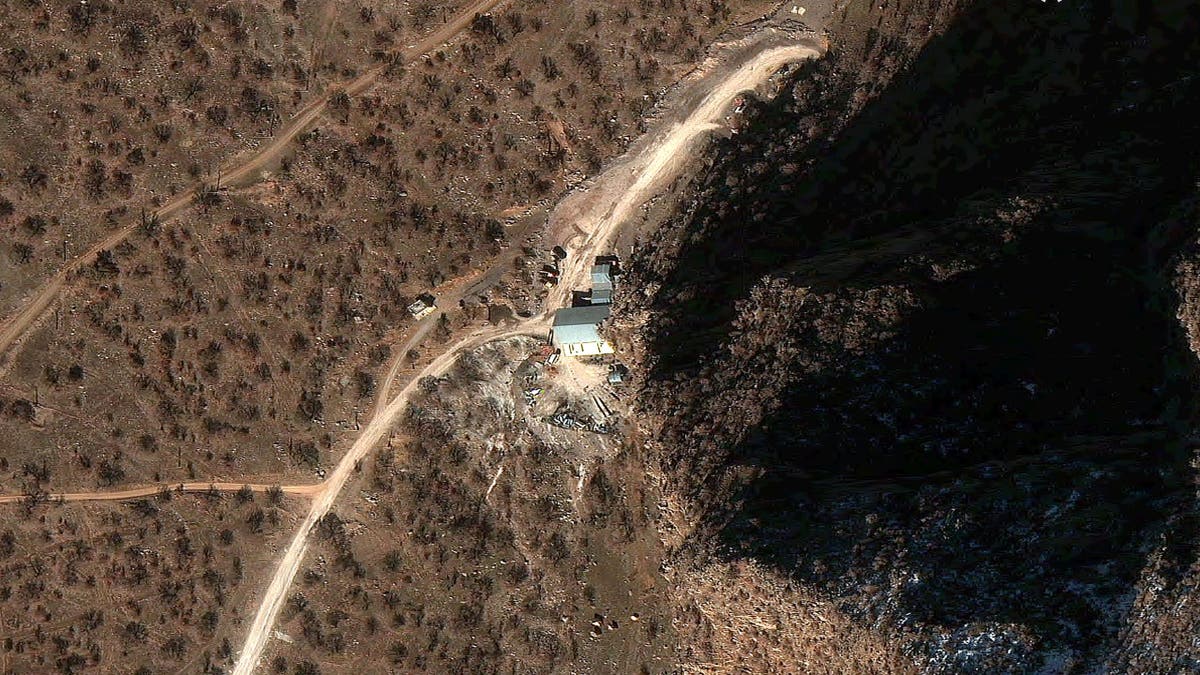
Satellite image shows the second tunnel entrance and support buildings at the Khorramabad missile complex in Lorestan province, Iran, before March airstrikes. (Vantor/Unknown)
Khorramabad houses the Imam Ali Missile Base, one of Tehran’s primary underground silo facilities engineered to store and deploy liquid-fueled Shahab-3 medium-range ballistic missiles, according to Washington’s Nuclear Threat Initiative.
The complex was damaged by Israeli airstrikes during the 2025 campaign targeting Tehran’s military and nuclear infrastructure.
Marandi also detailed what he described as a resilient, subterranean network central to Tehran’s military strategy.
«When Iran wants to fire missiles or drones, they don’t put them inside buildings or in piles somewhere. They take out whatever they need,» Marandi said. «They fire them, and then they go back to their bases, or they take out different missiles and drones, spread them out in different areas, put them apart from one another so that the Americans cannot bomb them in large numbers.»
He added: «Everything has been spread out in Iran and placed underground.»
The latest escalation between the U.S. and Iran ended a recently signed memorandum of understanding (MOU) to establish a 60-day ceasefire and facilitate nuclear talks.
The key issue has centered on control of the Strait of Hormuz, with the strategic waterway turning into the conflict’s main battleground.
TRUMP’S 60-DAY IRAN DEAL REACHES HALFWAY MARK AS CEASEFIRE COLLAPSES INTO ESCALATING WAR
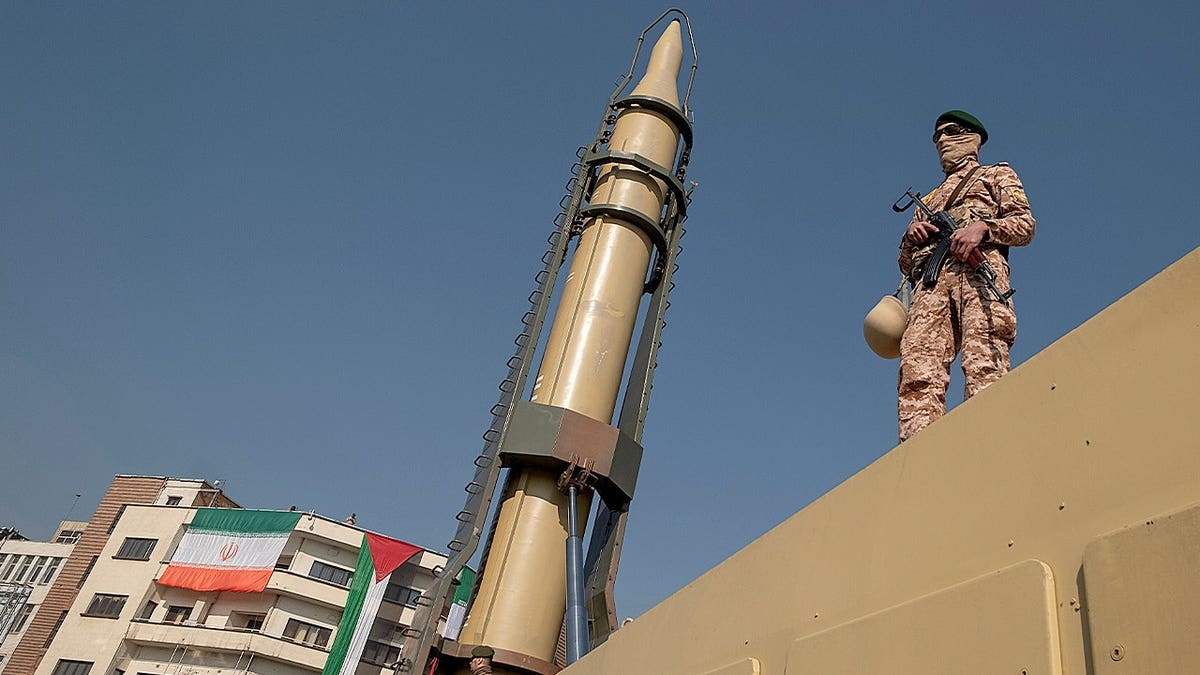
Marandi claimed that the IRCG introduced a new missile to the war. (Morteza Nikoubazl/NurPhoto via Getty Images)
President Donald Trump ordered renewed airstrikes within weeks of the truce, or MOU, being implemented, and on July 14, he floated the possibility of launching a ground campaign.
According to Marandi, Iran’s military command is actively counting on a ground scenario and has since introduced a new weapon to the theater.
«Iran has that advantage, and of course, it has been accumulating missiles and drones for decades now, and it is doing so even now,» Marandi claimed.
«They, I think, last night introduced a new missile to the war,» he said of the Islamic Revolutionary Guard Corps (IRCG).
«The Iranians are hitting very hard, and they are prepared for a land war. They’ve been preparing for decades.»
CLICK HERE TO DOWNLOAD THE FOX NEWS APP
Marandi concluded by claiming that Tehran views a U.S. ground operation as the most direct path to ending the conflict on its own terms.
«The Iranians — we discussed this during the 40-day war before on your show — when I said that the Iranians actually want the Americans to carry out a land invasion, and the same is true now, because they felt that if there was a land invasion, they would win,» he told Diesen.
donald trump, war with iran, iran
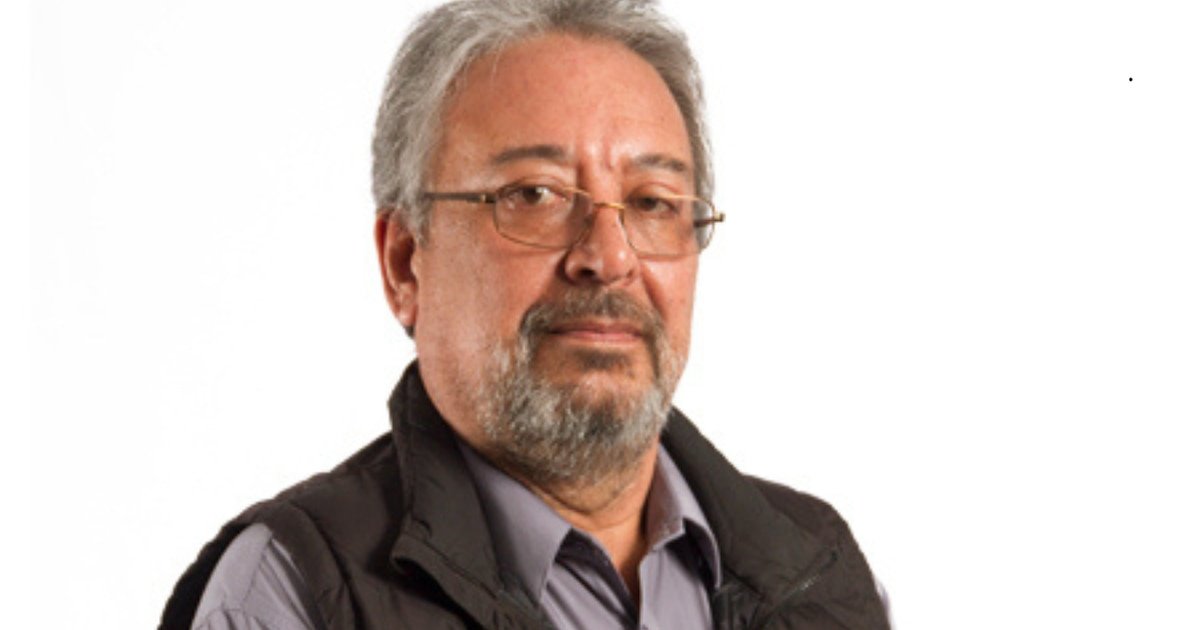
Jorge David Calvo Drago, exviceministro del Ministerio de Energía y Minas de Guatemala, fue hallado muerto en su residencia de la zona 16 de la Ciudad de Guatemala. La Policía Nacional Civil detuvo a Camilo Roberto Calvo Leiva, hijo de la víctima, como principal sospechoso del crimen e investiga un caso de parricidio. (PNC)
La madrugada del sábado 18 de julio de 2026, Guatemala fue escenario de una tragedia que sacudió a los sectores político, académico y social del país. Jorge David Calvo Drago, reconocido académico y exviceministro de Desarrollo Sostenible del Ministerio de Energía y Minas (MEM), fue hallado muerto en el interior de su residencia, ubicada en el Condominio Bosques de Alcala I Kanajuyú ll, de la zona 16, de la Ciudad de Guatemala.
El principal sospechoso y único detenido es su propio hijo, quien permanece bajo custodia policial y confesó el crimen al momento de su detención.
De acuerdo con los primeros reportes de la Policía Nacional Civil (PNC), la noche del viernes y las primeras horas del sábado, Calvo Drago y su hijo, identificado como Camilo Roberto Calvo Leiva, de 26 años, compartieron bebidas alcohólicas en la vivienda familiar.
No obstante, una discusión violenta interrumpió la madrugada al extremo que despertó a los vecinos, quienes, al escuchar gritos de auxilio y ruido extremo se acercaron a la residencia del académico, pero nadie les respondió, por lo que optaron por llamar de inmediato a la policía.
Los agentes llegaron después de varias llamadas de alarma. Encontraron frente a la residencia a un aglomerado de personas. Sin embargo, el, ahora detenido, trataba de eludir a los oficiales asegurando que todo estaba en orden y que su papá, estaba descansando; pero no logró su cometido.
Finalmente los policías ingresaron a la residencia se encontraron con una escena de horror. Las manchas de sangre eran evidentes, motivándolos a una inspección exhaustiva del inmueble.
Al revisar una de las habitaciones que funcionaba como comedor, los oficiales encontraron evidencia de violencia y localizaron el cuerpo sin vida de Calvo Drago. Junto al cadáver se hallaba el cuchillo utilizado en el ataque, mismo que servirá como principal prueba material por el Ministerio Público (MP).
Tras verse acorralado con las evidencias, Calvo Leiva decidió confesar. “Manifestó que en horas de la madrugada se encontraba ingiriendo bebidas alcohólicas con su progenitor en el interior del domicilio pero por el calor de los tragos dio lugar a una discusión, posteriormente se agredieron (fisicamente) y terminó hiriéndolo con arma blanca (cuchillo)“, se lee en el parte policial al que Infobae tuvo acceso.

Calvo Leiva es hijo de la víctima. Hasta el momento se desconoce qué motivo la discusión que terminó en la trágica muerte del exfuncionario guatemalteco.
Las autoridades trasladaron a Camilo Roberto Calvo Leiva bajo estricta vigilancia a la Torre de Tribunales, donde inicia el proceso judicial por parricidio.
Actualmente el caso permanece en investigación por parte del Ministerio Público (MP) para esclarecer la raíz de la discusión y determinar si existían antecedentes de violencia intrafamiliar o factores desencadenantes asociados al entorno familiar.

La muerte de Jorge David Calvo Drago deja un profundo vacío en ámbitos profesionales y académicos de Guatemala. Además de su paso por la administración pública, Calvo Drago era consultor internacional, docente universitario e investigador asociado de la Facultad Latinoamericana de Ciencias Sociales (FLACSO) y fungió como Viceministro durante la administración de transición de Alejandro Maldonado Aguirre en 2015.
Era catedrático de la Facultad de Ciencias Políticas de la Universidad de San Carlos de Guatemala (USAC). Su fallecimiento causó conmoción, por lo que la unidad académica decidió “guardar una semana de duelo”.

Su trayectoria estuvo marcada por una historia de persecución política: en 1984, durante el conflicto armado interno, fue capturado y desaparecido por fuerzas de seguridad clandestinas. Permaneció 49 días en cautiverio junto a su padre, Jorge Roberto Calvo Barajas, quien también fue secuestrado durante la búsqueda de su hijo.
Ambos sobrevivieron al cautiverio inicial y, tras su liberación en abril de 1984, debieron solicitar asilo en la Embajada de Venezuela en Guatemala antes de exiliarse en Honduras. Posteriormente, el Ejército Secreto Anticomunista (ESA) —vinculado a la inteligencia militar— continuó el hostigamiento contra la familia durante su exilio.
La historia de los Calvo Drago representa uno de los episodios más documentados de represión estatal durante la década de 1980. El nombre de Jorge David Calvo Drago aparece en el infame “Diario Militar”, un archivo secreto de inteligencia militar que registró los secuestros, torturas y desapariciones de opositores políticos.

La familia fue obligada al exilio tras sobrevivir a la represión, pero el retorno de la democracia permitió a Calvo Drago reintegrarse al país y desempeñarse en cargos técnicos y viceministeriales.
El caso del “Diario Militar” sigue abierto en la justicia guatemalteca y constituye uno de los principales expedientes sobre delitos contra los deberes de humanidad y desaparición forzada.
Guatemala,Parricidio,Exviceministro de Desarrollo Sostenible,Camilo Roberto Calvo Leiva,Jorge David Calvo Drago

Rodri se llevó el Balon de Oro luego de la victoria de España en la final frente a Argentina

Mataron de un disparo a una joven de 19 años en Rosario: hay un sospechoso prófugo

El mensaje de Javier Milei para la Selección argentina tras la caída ante España: “Hasta el final con las botas puestas”

De las más de 15 horas que atajó el Dibu Martínez al ranking que encabezó Lionel Messi: datos de cancha del Mundial más medido de la historia

El uno por uno de España en la final del Mundial contra Argentina

Los mensajes de los famosos tras la derrota de Argentina contra España en la final del Mundial

El machete del arquero inglés en una botella que sorprendió a Messi tras el triunfo: el dardo de un ayudante de Scaloni a Inglaterra

El fuerte cruce público entre Victoria Villarruel y Patricia Bullrich tras los chats filtrados antes de la sesión del Senado

Adrián Ravier, vocero de Milei: “No coincidimos en el Gobierno con esto de que la gente no llega a fin de mes”

Rubio’s call to combat global funders of far-left terrorism could put Singham in crosshairs

 INTERNACIONAL2 días ago
Rubio’s call to combat global funders of far-left terrorism could put Singham in crosshairs
- INTERNACIONAL2 días ago
Sismo de 7.4 sacude a Guatemala: Autoridades declaran alerta anaranjada por daños y descartan tsunami
- DEPORTE2 días ago
Canales para ver EN VIVO el San Lorenzo vs. Deportivo Riestra por la Copa Argentina