INTERNACIONAL
How an Uzbek truck driver’s fatal crash exposed troubling fraud trend in Middle America: ‘Chameleon carriers’

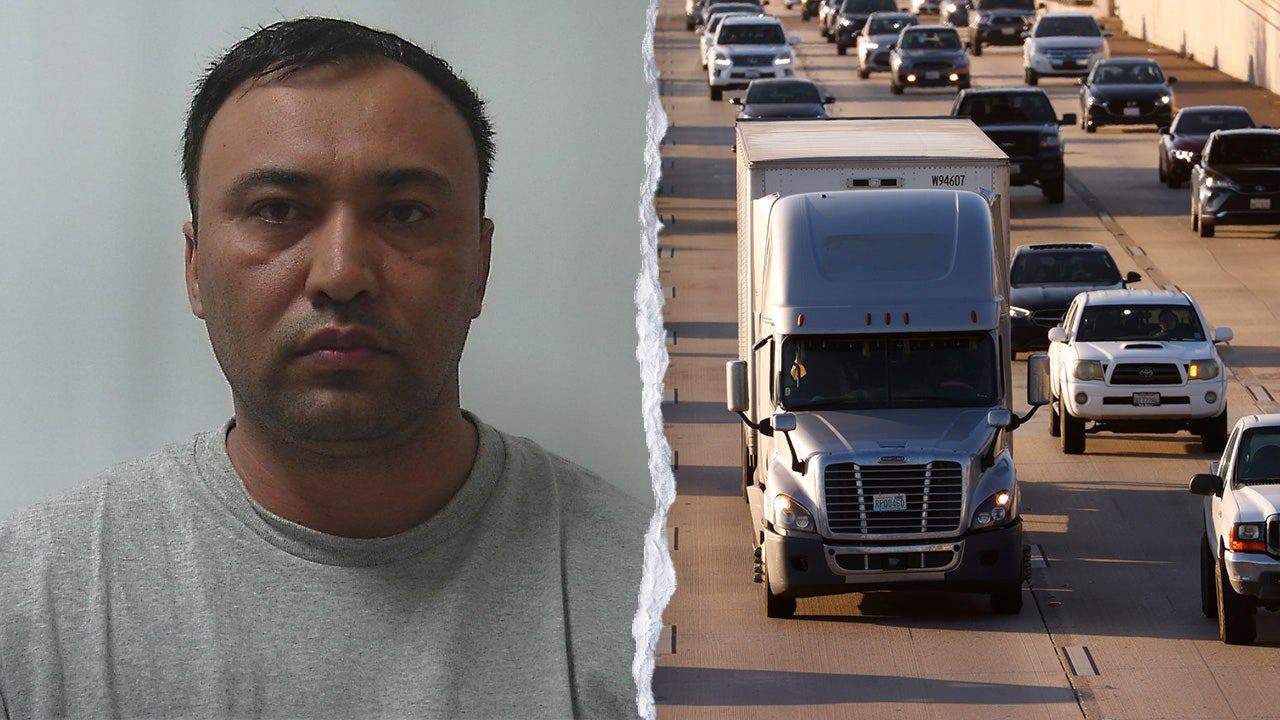
CINCINNATI, OH – A young man killed by an Uzbek truck driver earlier this year in Ohio, along with several instances of illegal immigrant truck drivers involved in fatal crashes, has sparked a larger conversation in southwest Ohio about fraud, crime, immigration and how gaps in trucking industry oversight are putting Americans at risk.
Tobias «Toby» Forsythe, a 21-year-old goalkeeper from Ohio on the University of Massachusetts Lowell men’s soccer team, was killed July 5 when authorities say a semi-truck driven by 42-year-old Uzbek national Bekhzod Asrarov, who entered the country under the Biden administration’s diversity visa lottery program, rear-ended Forsythe’s Honda Accord on Interstate 71 in Madison County, Ohio.
It was later determined, according to court documents, that Asrarov could not speak or understand English well enough to communicate with responding state troopers without the use of Google Translate, despite holding an Ohio commercial driver’s license, and that he allegedly removed a dashboard camera from his truck after the fatal crash in an effort to conceal or destroy evidence.
«We cannot let truckers like Asrarov, who can’t read our road signs or speak to law enforcement, drive 80,000-pound rigs on America’s highways,» Transportation Secretary Sean posted on X after the crash.
IMMIGRANT TRUCK DRIVER ADMITTED TO US UNDER BIDEN ALLEGEDLY KILLS UMASS SOCCER STAR, SPOKE NO ENGLISH
In southwest Ohio, a researcher known as Nodawolf has been sounding the alarm to his growing follower count about a vast network of trucking companies, many of them owned or operated by Uzbek nationals, that have popped up in communities like Loveland, Middletown, and Maineville, where Asrarov resides, in recent years and could be contributing to the unsafe practices that took the life of Forsythe, and many others across the country.
Nodawolf, who Digital granted anonymity due to the death threats he’s received from his online reporting, said his research has focused on what he describes as an interconnected network of Uzbek-linked trucking companies in southwest Ohio, including companies that have donated money toward construction of a local Islamic center, according to the center’s own website.
«All of them have English violations and have manipulated ELDs,» Nodawolf said, referring to electronic logging devices that track a trucker’s driving hours and are intended to enforce federal limits on how long drivers can stay behind the wheel.
The Islamic Center, located in Maineville, told Digital that a «charitable contribution or participation in a community fundraising activity, by itself, should not be interpreted as evidence of an ownership, employment, contractual, commercial, or other business relationship with the Islamic Center or its leadership.»
A Digital review identified hundreds of trucking companies and other trucking entities registered in Maineville and surrounding southwest Ohio communities, including dozens that were registered in recent years. A separate review of companies identified as connected to the local Uzbek community found serious FMCSA safety violations, including drivers cited for failing English-proficiency requirements and other federal trucking violations.
TRUMP ADMIN TRUCKING CRACKDOWN LANDS 51 IMMIGRATION DETENTIONS, 36 ENGLISH LANGUAGE PROFICIENCY VIOLATIONS
«This really concerns me, you know, as a father,» Nodawolf told Digital. «I mean, it’s clearly obvious that they either don’t understand our laws, they don’t care about our laws, or they know our laws and they’re taking advantage of it.»
Nodawolf has reported on Uzbek trucking networks communicating on the social media platform Telegram. One of those Telegram channels, named «UzbegimAmerica,» has routinely mentioned the Uzbek community in Maineville. Court documents show the owner of that channel, Farkhod Faiziev, is a suspected illegal immigrant from Uzbekistan.
The Trump administration has made significant progress on the issue of removing foreign truck drivers who pose a danger being removed from the road – including a recent multi-agency operation in Arizona’s Yuma Sector, which led to the arrest of 95 illegal alien truck drivers earlier this month – striking at the heart of human and drug smuggling operations at the U.S. southern border.
The Departments of Homeland Security, Transportation and Justice recently announced a coordinated crackdown on trucking and CDL fraud targeting fraudulent licensing, unauthorized employment, identity-document fraud, shell companies and other criminal activity. The effort includes inspections at more than 200 driving schools across 23 states, investigations based on more than 1,000 leads, enforcement operations targeting illegal immigrants with commercial licenses and a new multi-state DOJ task force focused on trucking-related fraud and roadway safety.
A trucking-industry veteran with decades of experience who spoke to Digital under the condition of anonymity for his safety described a developing fraud scheme popular with immigrant communities known as «chameleon carriers», a network of trucking companies that appear separate on paper but, he said, share the same drivers, trucks and operations. The arrangement starts when operators establish one company that is «quote-unquote legitimate,» he said, then create additional carriers and authorities while using the same underlying assets across them.
ILLEGAL TRUCKER CASES FUEL GOP PUSH TO CRACK DOWN ON CDL MILLS AS DEMS LARGELY SILENT
The point, the industry expert said, is to «spread out their safety liability across multiple companies.» Rather than allowing inspections and violations to pile up under one carrier, he said, the operation can distribute them among multiple motor-carrier authorities.
«If they have 10 inspections and 10 violations across 10 different companies, that doesn’t hurt the safety rating as much,» he said. «But if it was one company that had 10 inspections and 10 violations, that one company is going to get hammered.»
The separate companies can also serve as a contingency plan, he said. If one carrier is shut down, loses insurance or becomes too damaged by safety problems, «they’re able to immediately move all of the equipment and drivers and everything under one of the different companies,» the industry veteran said. «Their operation never stops. There’s no way to shut them down.»
He further alleged the structure can facilitate cargo theft, with a company disappearing after obtaining a high-value shipment while the broader network continues operating through its remaining entities. «They lost one of their shell companies, basically, but they just got $5 million in iPads,» he said.
The industry expert said the model can be particularly dangerous, in his view, because it allows companies to keep operating despite safety problems while allegedly using drivers who may not be legally authorized to work in the United States. He said operators can make that harder to detect by classifying drivers as independent contractors rather than employees, potentially avoiding the ordinary employee I-9 verification process.
«If you’re using a bunch of people from a third-world country that just showed up in the United States as drivers, whether they’re here legally or not, how well do you think they’re going to maintain their equipment and be able to follow the laws?» he said.
Seven of the trucking schools targeted by the Department of Transportation last month are located in Ohio, DOT told last month.
A Notice of Proposed Removal was recently issued by the Federal Motor Carrier Safety Administration for Turan CDL School, a Middletown-based company that has advertised CDL training to Uzbek speakers, including advertisements suggesting students could obtain a CDL without first learning English, as well as Google reviews from customers claiming they earned their licenses in as little as one week.
ILLEGAL ALIEN’S ‘INEXCUSABLE’ CRIME SPARKS INTERSTATE CLASH BETWEEN GOP SEN, DEM GOV: ‘YOU SHOULD BE ASHAMED’
«There’s ‘what do the rules say’ and then ‘what’s happening on the ground,» Andrew Poliakoff, vice president of the Commercial Vehicle Training Association, told Fox 28 Columbus shortly after the crash that killed Forsythe. «We’re seeing now is that there are a lot of people committing fraud, and engaging in a variety of bad actions issuing commercial driver’s licenses.»
Victor Louis, whose Cincinnati based company Load Secure verifies the identities of drivers entering its network, told Digital that he has seen local advertisements promising prospective truckers a CDL in as little as a week immediately raise red flags.
«Trucking is such an inherently dangerous activity. Essentially, you’re driving a 40-ton missile down the road,» Louis said. «To think that someone is going to be certified to do that within a week, that may or may not speak English, like that doesn’t make any sense.»
Louis said his company is also seeing a significant number of non-domiciled drivers, foreign drivers who hold commercial licenses issued by a U.S. state despite not having their permanent residence in that state. He said roughly 15% to 20% of drivers entering Load Secure’s network fall into that category and estimated the figure could be around 20% among long-haul truckers nationwide.
«Whether they’re here legally or not, I don’t know, but they are essentially foreign nationals,» Louis said. He argued that long-haul trucking can be particularly attractive to migrants because drivers can spend weeks at a time living on the road rather than maintaining a permanent home near their workplace.
Louis said cargo theft and the security of the broader supply chain are among his biggest concerns.
«What we see with that market of non-domiciled drivers is a high propensity of cargo theft, an extremely high propensity,» he said. «It’s wreaking havoc on our supply chain. Number one, it’s extremely dangerous and number two, it is very unsecure. We don’t know if things are being tampered with. This exposes our supply chains.»
The Ohio Bureau of Motor Vehicles told Digital that it is reviewing the state’s nondomiciled commercial driver’s license holders in coordination with the Federal Motor Carrier Safety Administration. Of the roughly 5,000 nondomiciled credentials originally issued, about 3,500 remain active, meaning approximately 1,500 are no longer active as the review continues.
On Sept. 16, reported that ICE arrested two Uzbek illegal alien truck drivers in New Jersey as part of nationwide crackdown on fraudulent CDLs.
«We are starting to go into those thousand leads of fraud, waste and abuse into our trucking industry,» Mullin said in a press conference last month. «We’re going to prioritize going after employees that are suspected of accepting payments to help illegals bypass driver’s license and CDL requirements.»
In Brown County, Ohio, on Sept. 2, an Indian national with a CDL out of California crashed his semi-truck head-on into the car of 50-year-old Brenda Watson, who died at the scene. The driver, Manjit Singh , was later determined to be an illegal immigrant and ICE announced in a press release that a detainer was placed along with a charge of aggravated vehicular homicide.
«One state’s regulatory failure becomes every state’s highway threat,» Ohio attorney Mehek Cooke told News Digital. «Republican governors cannot assume their states were insulated from Biden’s border crisis simply because they opposed his policies.»
Digital reached out to Ohio Governor Mike DeWine’s office for comment.
Last month, ICE launched a tip-line for reporting fraudulent CDL licenses.
«Too many American lives have been lost or permanently changed because illegal aliens who have no business being on our roads have been granted CDLs,» Mullin said in a press release. «ICE and our federal partners, including the Department of Transportation, will be cracking down on CDL fraud so that not one more American life is lost to a reckless illegal alien behind the wheel of a semi-truck.»
politics, migrant crime, illegal immigrants, ohio, trucks, fox news investigates, investigations, enforcement







INTERNACIONAL
Minnesota candidate ‘stress tests’ state’s new fraud law — what she found raised major red flags
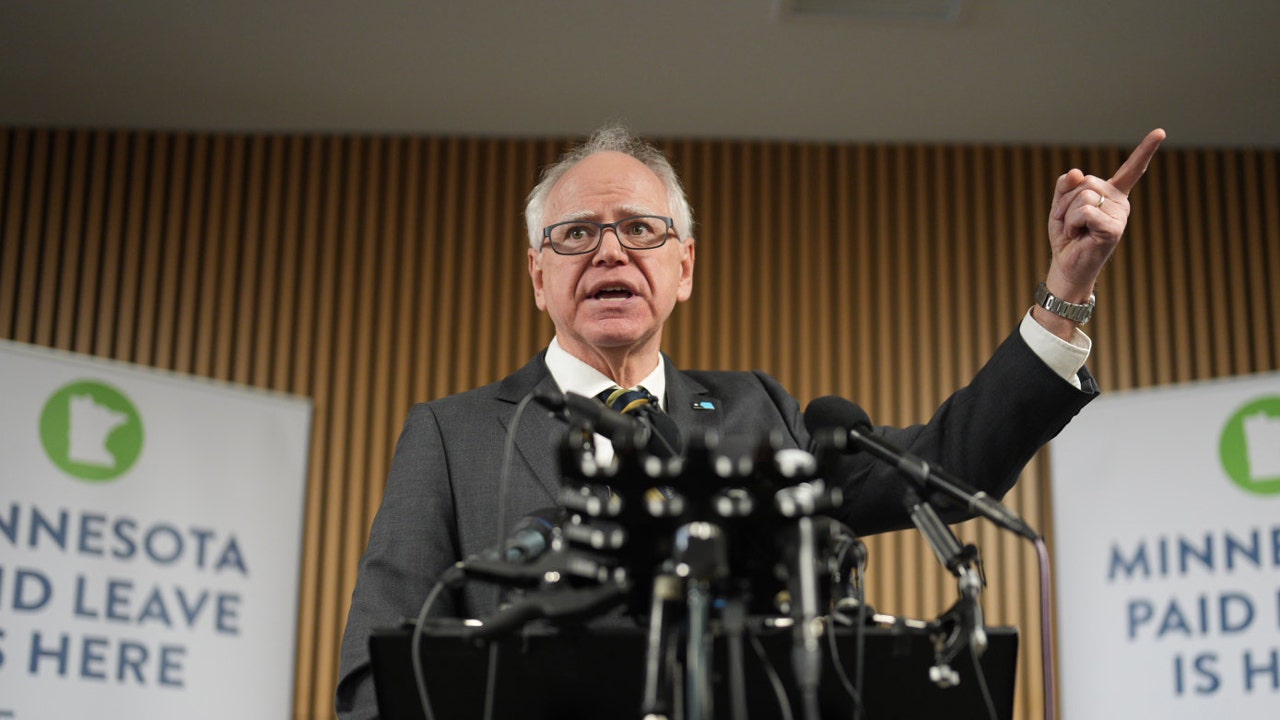
A Minnesota state Senate candidate revealed she found several vulnerabilities in a fraud prevention law signed by Gov. Tim Walz after testing it against the state’s previous fraud scandals to see whether it could have caught them sooner.
The measure in question, the Office of the Inspector General law, creates an independent statewide watchdog that oversees inspectors general, investigates alleged fraud across state programs, establishes fraud prevention standards, and improves coordination and data sharing.
However, Heidi Heino, the Republican candidate for Minnesota’s 36th Senate District, told Digital her test against the Feeding Our Future scheme and other past fraud cases found the law lacks extra safeguards when potential risks emerge.
«When I stress tested against Feeding Our Future and some of the other fraud schemes that we had in Minnesota, it would have found the fraud eventually, but it’s way after the money was already gone and we would still be stuck trying to claw it back,» Heino said.
MINNESOTA MAN CAPTURED IN SOMALIA AFTER ALLEGEDLY HELPING ORCHESTRATE $250M CHILD NUTRITION FRAUD SCHEME
The law was passed as Minnesota faces the fallout from massive fraud schemes involving childcare, autism, housing and disability services. Republicans have blamed leadership and oversight failures, while the Trump administration launched a federal anti-fraud task force led by Vice President JD Vance.
Working as a corporate leader whose day job involves underwriting, Heino said she used similar review and auditing practices to test where Minnesota’s fraud safeguards fell short.
«Business does a lot with a little,» she said. «Government does the opposite. They do a little with a lot of resources.»
Heino said she used a 2,800% increase in payments to Feeding Our Future from 2020 to 2021 in her test, a jump that should have automatically raised alarm bells and led to further review. The scheme alone allegedly stole $250 million from a federally funded child nutrition program during the COVID-19 pandemic.
FRAUD EXPERT EXPOSES HOW HIDDEN NETWORKS DROVE MINNESOTA FRAUD, OTHER MAJOR SCAMS: ‘CRIMINAL ENTERPRISE’
«You don’t have to be a detective to see that there’s some issue there and so to investigate that and check and see if those claims are legitimate, and if they were legitimate, have someone actually sign off on it,» she said, adding that filling out extra paperwork may be frustrating but can help prevent fraud in the long run.
Heino also argued Feeding Our Future should not have been allowed to address complaints against itself.
«We had 30 complaints to the Minnesota Department of Education regarding the fraud and they are mostly overlooked or Feeding Our Future had to go correct itself and that was a huge gap there,» she said.
She proposed immediately freezing payments, conducting a full review, and triggering an outside audit.
«The OIG has good bones, but it needs teeth,» she said.
Without independent audits, Heino said Minnesota will not be able to uncover fraud-related gaps, saying the additional oversight would save more money than it costs.
GOP ACCUSES WALZ ALLIES OF BURYING $52M MEDICAID FRAUD REPORT BEFORE ELECTION
«We get a lot of pushback saying this is going to be expensive, but is it?» she said. «It will be less expensive to have an independent audit than it is going to be to have all the fraud and lose taxpayer dollars to fraudulent activities.»
Those same issues apply to current state programs like Minnesota’s Paid Leave program, according to Heino.
«However, we need to rein it in and have more investigation before we start sending out the checks, especially with paid family leave,» she said. «They pay out before they have the doctor’s note certifying that this is actually true and they have verified it.»
She acknowledged that the law is a «great first step» toward addressing the problem but said it does not go far enough to protect taxpayers and prevent future fraud.
As a mother, grandmother and taxpayer, Heino said she is fed up with how leaders in her home state have handled fraud, adding the problem has gotten so bad that Minnesota has become the «laughing stock of the nation» and people no longer want to say they are from the state anymore.
«We need to funnel those resources to the people that actually need them and keep people committing fraud from taking our money and running away with it, buying luxury condos or homes, and then funneling it out of the country,» she said.
Digital reached out to Walz’s office and the Minnesota Department of Education for comment.
«We have not slowed down, there is no sense in which the fraud has been stopped in Minnesota,» Bill Glahn, a policy fellow at the Center of the American Experiment, told Digital in August, making the case that the fraud situation in the state has not been properly addressed.
politics, minnesota fraud exposed, tim walz, minnesota, financial regulation, donald trump
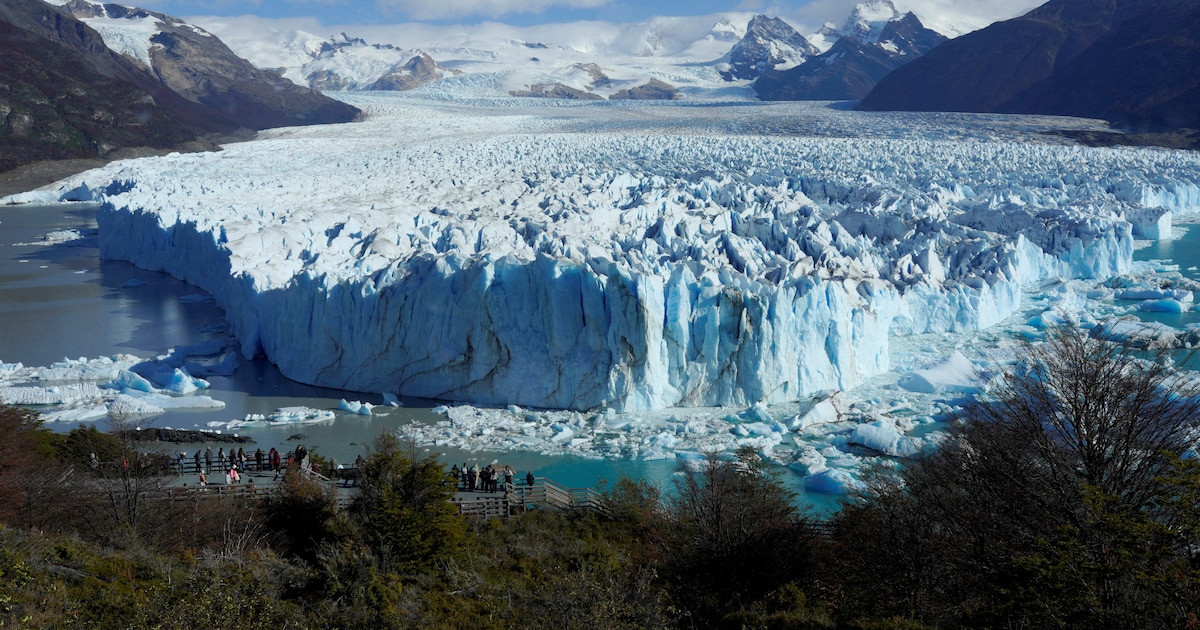
Apenas el 3,2% de los glaciares del planeta —aquellos que desembocan en lagos, océanos o plataformas de hielo— fue responsable de más de la mitad de toda la masa glaciar perdida entre 2000 y 2019, con una tasa de 134.000 millones de toneladas métricas anuales. La cifra, publicada en la revista Nature Communications, proviene de la clasificación global de glaciares más completa realizada hasta la fecha, elaborada por científicos de la Universidad de Birmingham y la Universidad de Leeds, en Reino Unido.
El equipo examinó los 216.502 glaciares inventariados en el Randolph Glacier Inventory (RGI), sin contar las capas de hielo de Groenlandia y la Antártida, y determinó en qué tipo de entorno termina cada uno: tierra firme, lago, océano o plataforma de hielo. La conclusión más llamativa apunta a los glaciares lacustres, que perdieron hielo un 57% más rápido en proporción a su superficie que los que terminan en tierra.
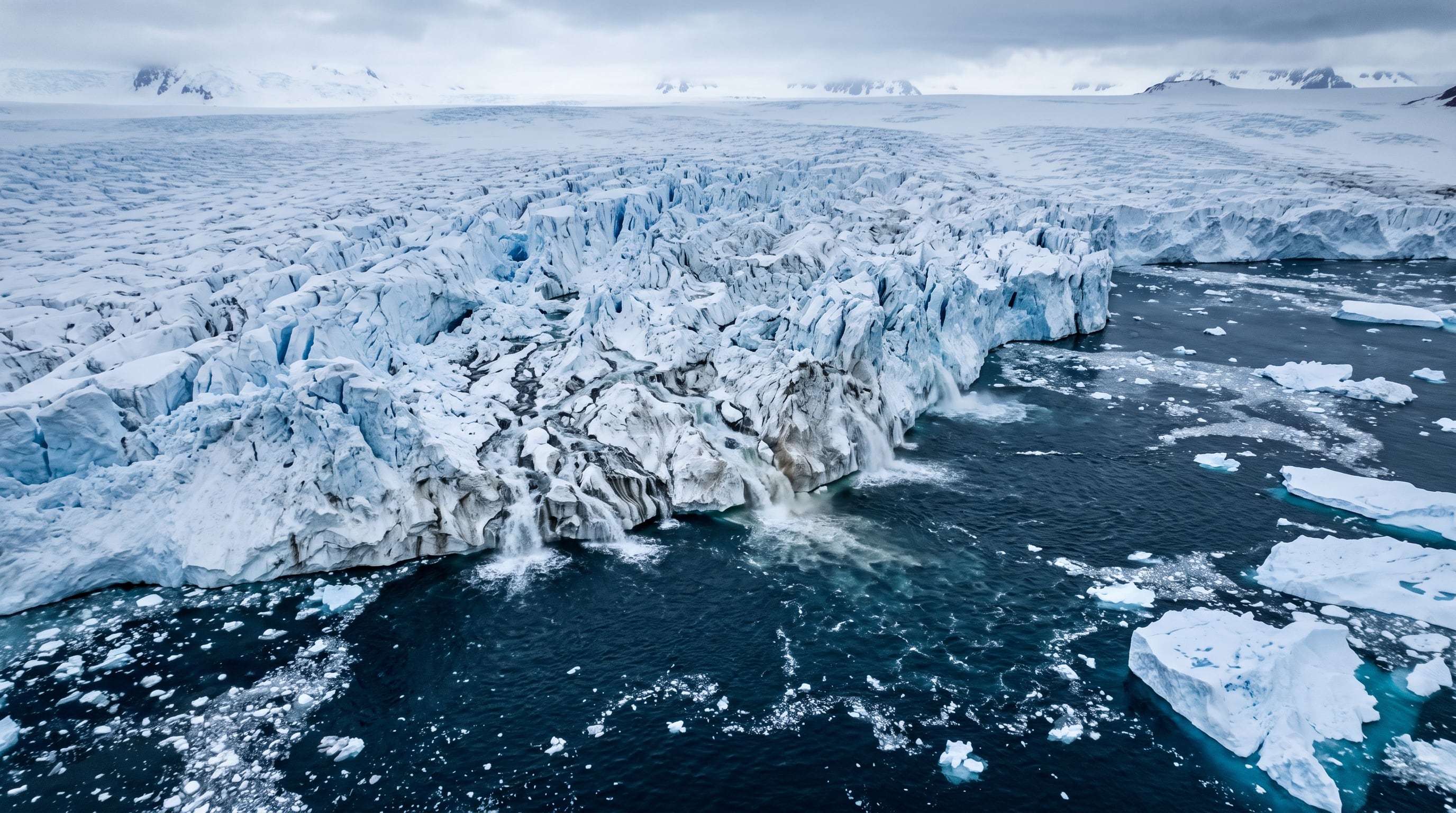
Los glaciares lacustres pierden hielo a un ritmo desproporcionado
Aunque los glaciares que no terminan en tierra firme representan una fracción mínima del total (1,6% en lagos, 1,5% en océanos y 0,1% en plataformas), cubren en conjunto más de la mitad de la superficie glaciar mundial. Esa desproporción se acentúa al medir las pérdidas de masa: los glaciares lacustres concentraron el 24% del hielo perdido a escala global, y los marinos otro 22,8%, mientras que los terrestres —el 96,8% del total— aportaron el 49,4% restante.
Para aislar el efecto del entorno de desembocadura, los investigadores aplicaron modelos estadísticos que controlaron variables como el clima, la elevación, el espesor del hielo y la pendiente. Los resultados revelaron que los glaciares que terminan en lagos fluyen en promedio un 10% más rápido que los terrestres, y los marinos un 44% más rápido. Pero la diferencia más marcada apareció en la pérdida de masa normalizada por superficie: los lacustres superaron a los terrestres en un 57%.
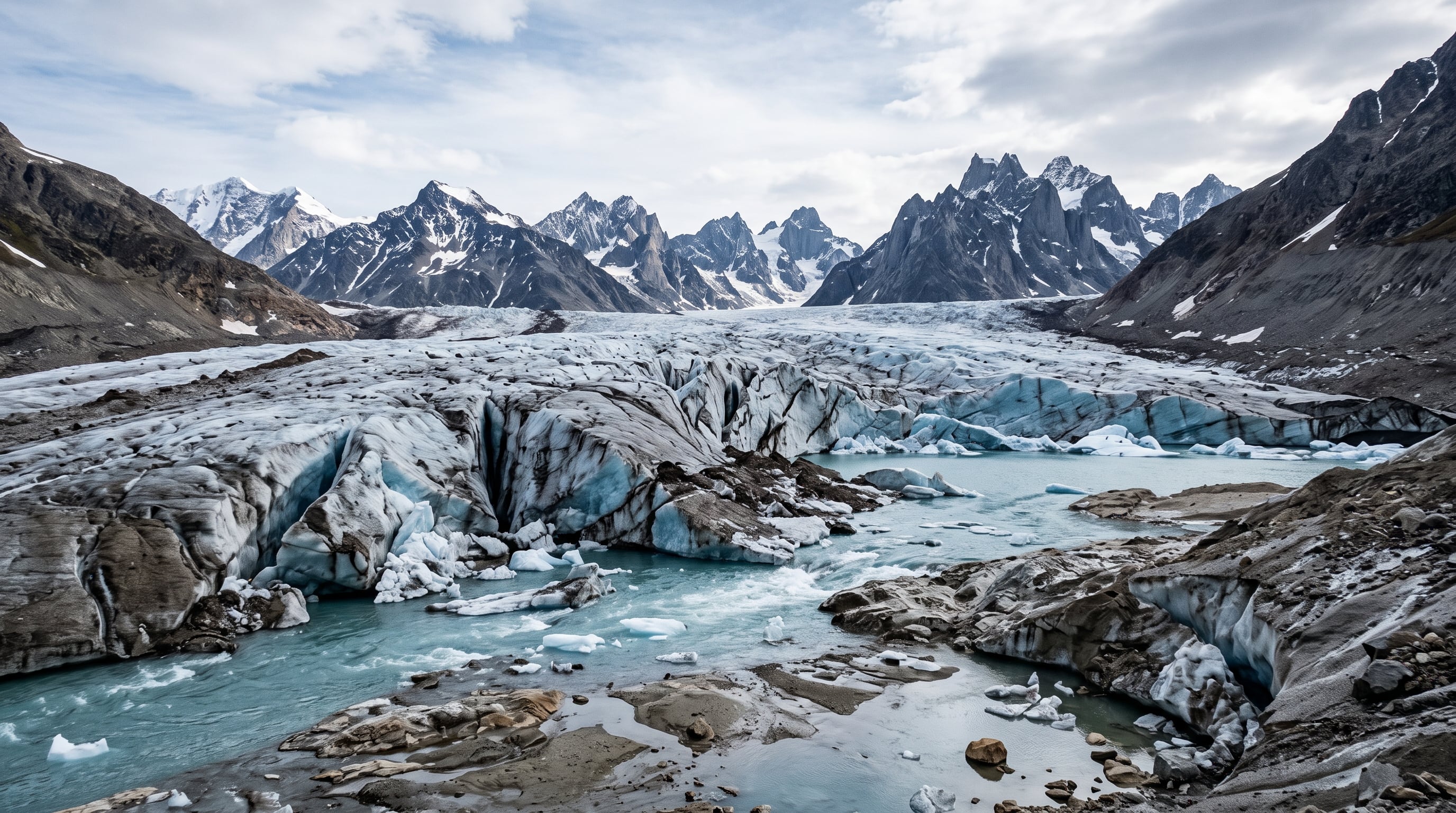
El agua de los lagos puede acelerar el desprendimiento del hielo
Los lagos interactúan con los glaciares de formas que pueden intensificar su deterioro. El agua lacustre derrite el hielo por debajo de la línea de flotación y facilita el desprendimiento de grandes bloques desde el frente glaciar, un proceso conocido como calving. Además, la presión que ejercen sobre la base del glaciar puede reducir la fricción y favorecer un deslizamiento más rápido.
“Los glaciares que terminan en lagos realmente se destacan: están perdiendo hielo de manera particularmente rápida. Todavía no sabemos exactamente por qué. Podría ser por los propios lagos, por el tamaño y la forma de los glaciares, o una combinación de ambos”, explicó Joe Mallalieu, quien realizó la investigación en la Universidad de Birmingham y actualmente trabaja en la Universidad de Leeds.
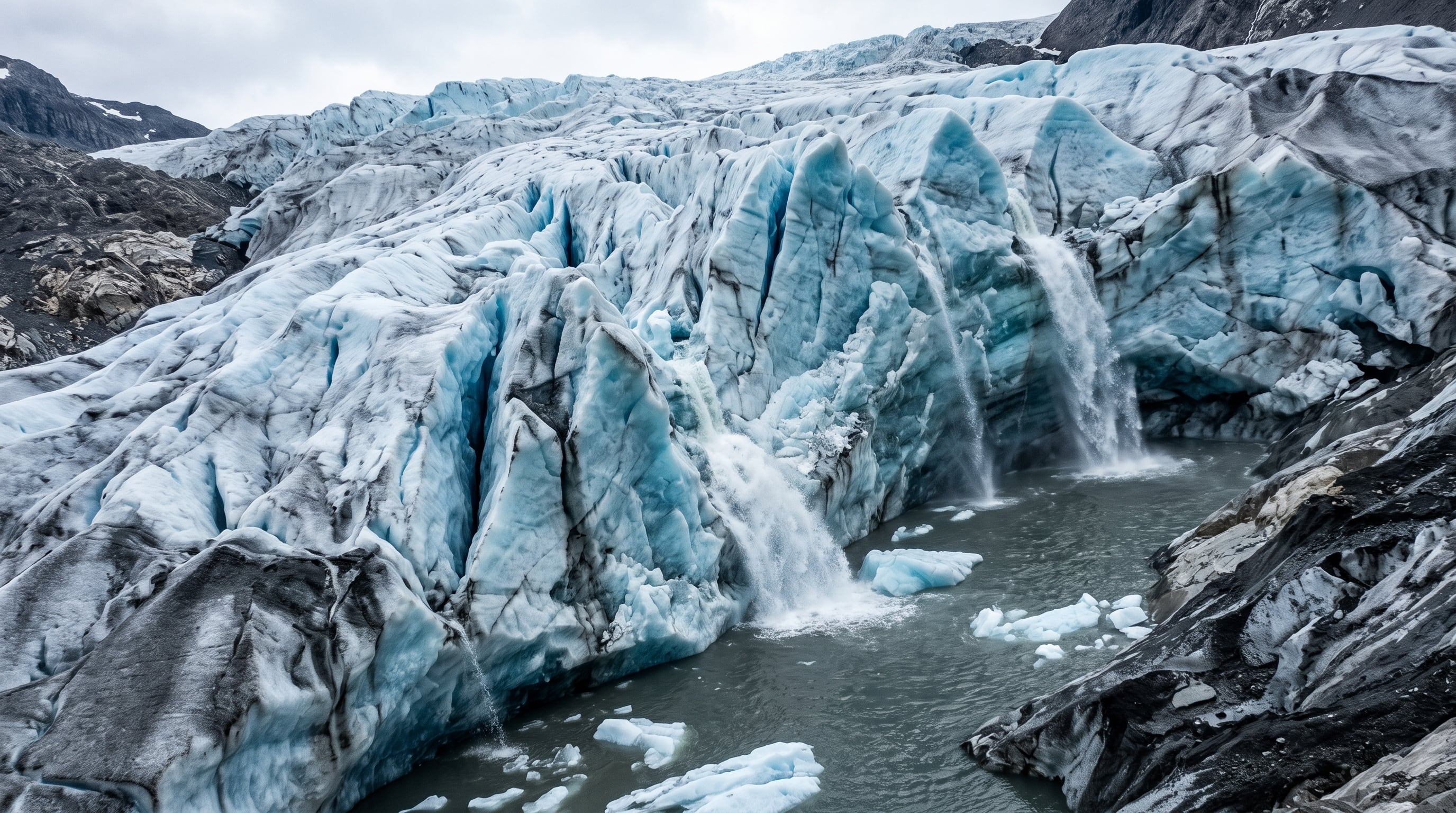
A diferencia de los glaciares marinos, donde las corrientes oceánicas y mareas generan una ablación frontal más eficiente, los lagos proglaciales tienen volúmenes reducidos e intercambio limitado de agua, lo que podría permitirles almacenar calor estacional con mayor facilidad y transferirlo directamente a la masa de hielo.
El cambio climático está transformando los glaciares de un tipo a otro
Un hallazgo adicional del estudio es que el calentamiento global está provocando transiciones entre categorías de glaciares. En el Ártico, algunos glaciares marinos retroceden hasta apoyarse sobre tierra firme, lo que según los datos debería desacelerar su pérdida de masa. En dirección opuesta, la proliferación de lagos glaciares en todo el mundo convierte glaciares terrestres en lacustres, con la consecuencia potencial de que aceleren su deterioro.
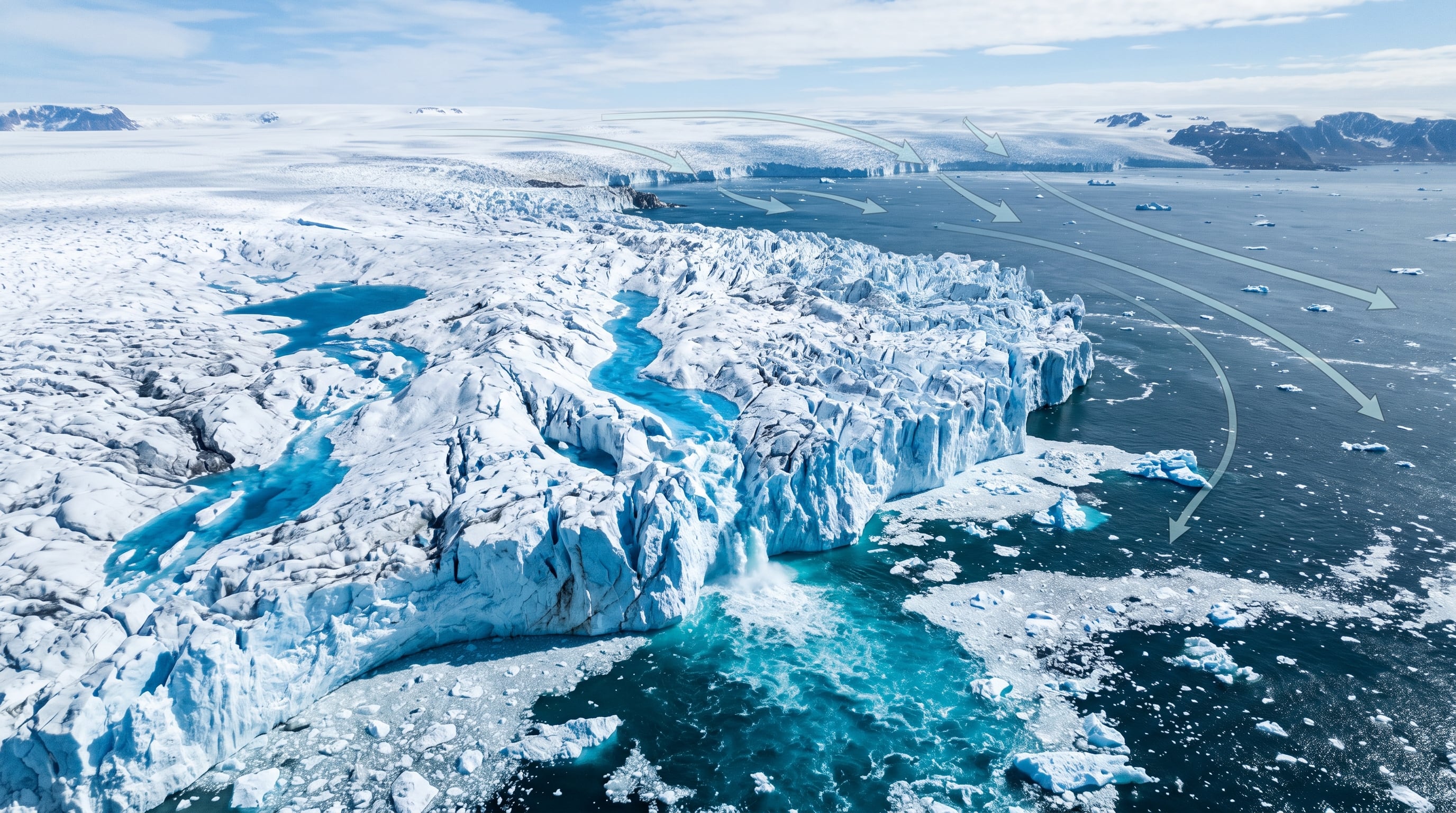
“La última década ha traído un enorme aumento en los datos globales sobre glaciares y clima disponibles para los investigadores. Unir estos conjuntos de datos nos permite comparar cómo se comportan los glaciares en distintos entornos. A medida que más glaciares pasen de un entorno a otro, comprender esas diferencias será cada vez más importante”, señaló Nicholas Barrand, de la Universidad de Birmingham.
Los modelos actuales no representan bien los glaciares lacustres
Gran parte de los modelos utilizados para proyectar la evolución de los glaciares y el aumento del nivel del mar aún no incorporan de forma adecuada la dinámica de los glaciares que terminan en lagos. El inventario presentado por el equipo podría contribuir a corregir esa carencia, al ofrecer una base de datos global y pública —disponible en Zenodo— que permite distinguir entre los cuatro tipos de entorno terminal.
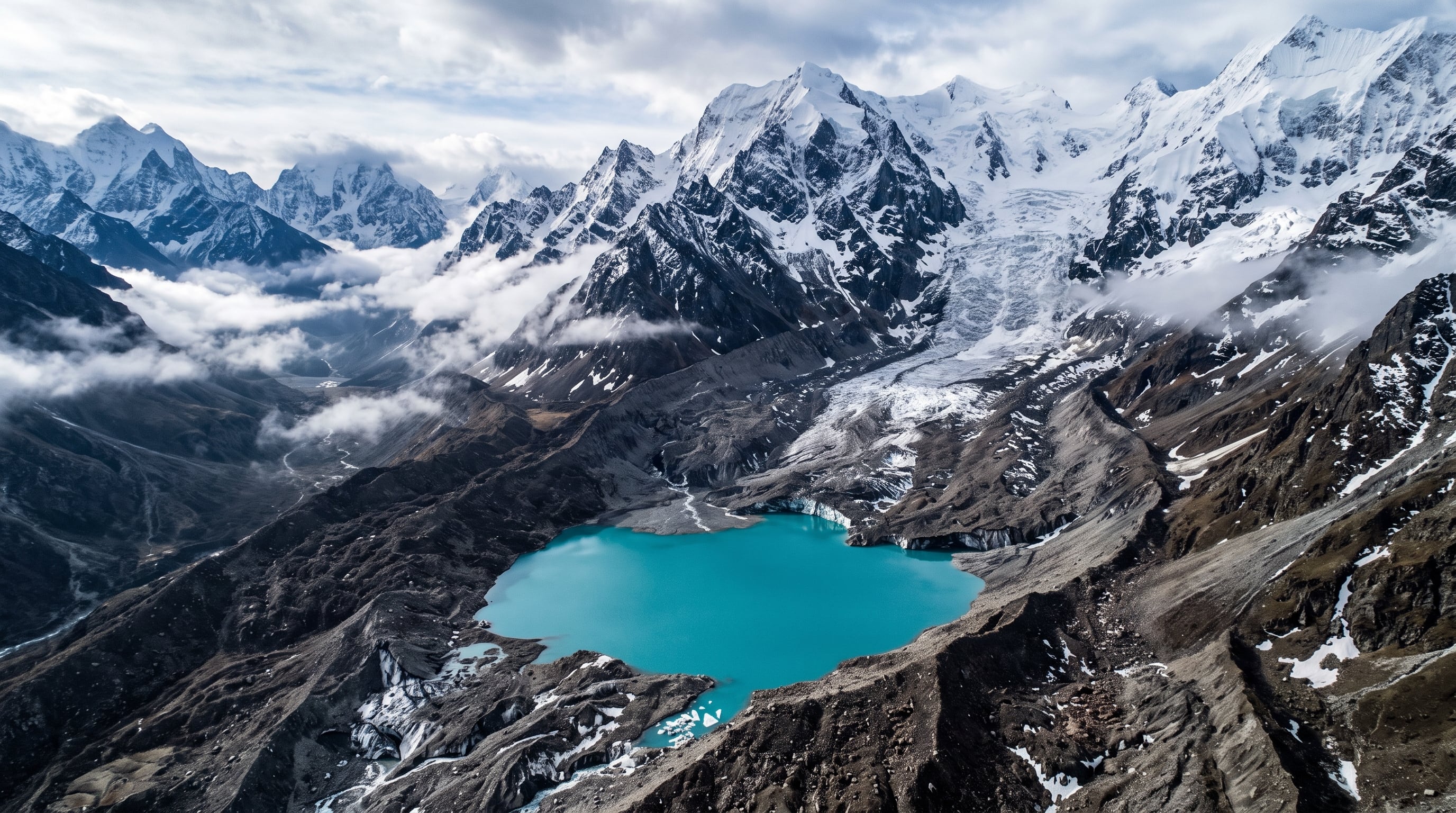
Un estudio complementario publicado este año en Communications Earth & Environment ya había demostrado que los lagos proglaciales del margen de la capa de hielo de Groenlandia aceleran la velocidad de los glaciares circundantes en un 231% en la zona del frente, con efectos detectables hasta 3,5 kilómetros tierra adentro. Otra investigación reciente, del Journal of Glaciology, confirmó que los glaciares que terminan en agua —ya sea marina o lacustre— son sistemáticamente más gruesos que los terrestres, lo que equivale a cerca del 20% del volumen glaciar mundial fuera de las capas de hielo.
La clasificación elaborada por Mallalieu y sus colegas abarcó datos de velocidad de flujo del hielo (2017-2018), registros de cambio de masa (2000-2019) e inventarios de lagos glaciares que cubren el período 2000-2018. Entre las regiones con mayor concentración de glaciares lacustres figuran la periferia de Groenlandia, el oeste de Canadá y Estados Unidos, el sur del Ártico canadiense, Asia Central y los Andes del Sur, donde el glaciar Perito Moreno en Argentina constituye uno de los ejemplos más conocidos de interacción entre hielo y lago.
South America / Central America
INTERNACIONAL
Protestas en Europa: por qué la Generación Z sale a las calles y cuáles son los reclamos que amenazan la estabilidad de la región
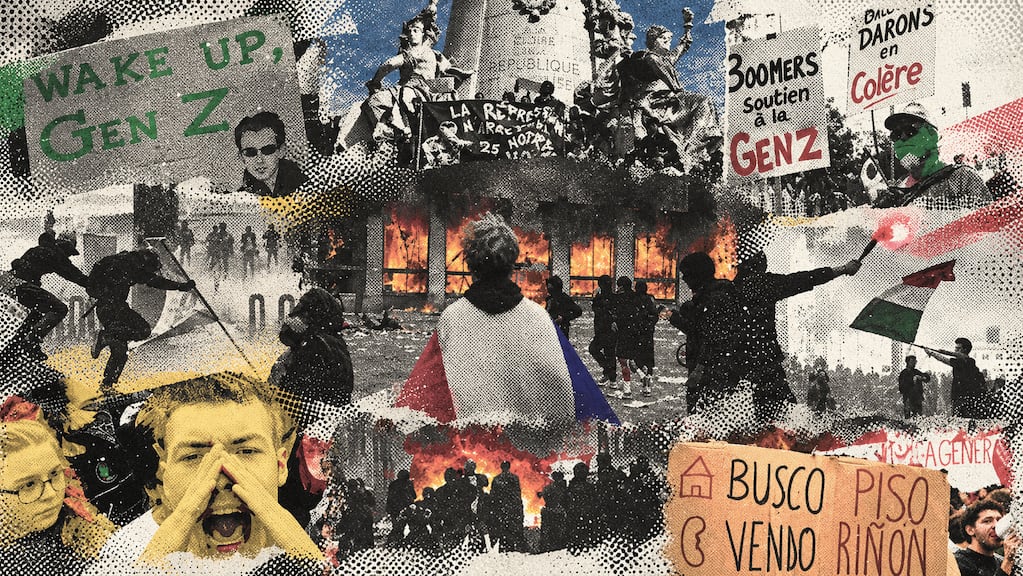
El mapa de las protestas se expande por Europa. Con distintos niveles de violencia pero con un mismo denominador común, la oleada de movilizaciones es motorizada principalmente por adolescentes y jóvenes de la llamada Generación Z en Francia, Italia, Albania, Bélgica, Grecia, Portugal, España, Austria y Serbia.
La violencia tomó por sorpresa a las autoridades francesas e italianas, que se vieron desbordadas por saqueos y enfrentamientos callejeros. Las imágenes del caos en París, Marsella, Lyon, Niza y Milán dieron la vuelta al mundo.
Pero, ¿cuál es la causa de tanta violencia?
Los reclamos tuvieron distinto origen. En España y Portugal, los manifestantes salieron a las calles en forma pacífica por la crisis de vivienda. En Francia, los estudiantes fueron los primeros en reclamar mejoras educativas.
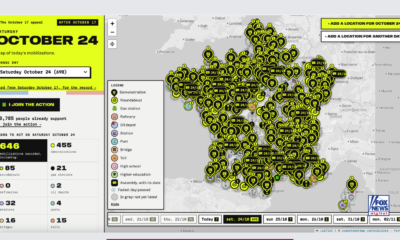
La mecha se encendió y ahora se expande en un reguero de pólvora bajo un enorme signo de interrogación sobre el futuro del viejo continente. Este sábado están previstas nuevas movilizaciones en Francia. Nadie sabe hoy cuándo va a terminar esta emergencia.
“La crisis fiscal y la insatisfacción social van a empeorar mientras las sociedades envejezcan y el petróleo aumente”, resumió a TN el analista Andrés Malamud.
No es la primera vez que la Generación Z sale a las calles en el mundo. A fines de 2025, hubo protestas masivas de jóvenes que abandonaron sus refugios digitales en Perú, Paraguay, Madagascar, Marruecos, Indonesia y Nepal, donde derrocaron al gobierno.
Ahora es el turno de Europa. Varios países están siendo hoy sacudidos por olas de protestas. El mapa es cada vez más grande y abarca ya a nueve países.
Francia: una protesta que empezaron los estudiantes se convirtió en una movilización nacional contra el alza del costo de vida
París y otras ciudades francesas se convirtieron en el principal foco del caos. Entre escenas de guerrilla urbana, hubo más de 3000 comercios afectados, unas 2500 personas arrestadas y 600 policías heridos. El 86% de los detenidos son menores de edad, según el Ministerio de Justicia. Solo los toques de queda nocturnos, extendidos hasta el lunes próximo, mantuvieron la calma.
La crisis comenzó cuando los estudiantes salieron a reclamar mejoras en la educación.
Pero lo que comenzó como una protesta de alumnos de escuelas secundarias se transformó en una movilización nacional contra el alza del costo de vida, en un país que afrontará unas cruciales elecciones presidenciales en seis meses bajo el avance irrefrenable de la ultraderecha.
Europa

Banfield vs Lanús: formaciones, hora y dónde ver por tv

Antes de la clasificación, Franco Colapinto afrontará la última práctica libre en el Gran Premio de Estados Unidos: hora y TV

Una interna inviable y el futuro incierto de un acuerdo electoral: conclusiones y desafíos de otra cumbre del PJ

La especial dedicatoria de Tiago Palacios a un ex compañero tras clasificar a la final de la Libertadores: «Estamos acá gracias a vos» :: Olé

Apareció la famosa que confirmó los cuernos de Emanuel Ortega a Julieta Prandi y la revelación es devastadora: “Con la que le fue infiel fue con Lynch”

Minnesota candidate ‘stress tests’ state’s new fraud law — what she found raised major red flags

Javier Milei y sus medidas, en vivo: el mandatario dijo que piensa un proyecto a “100 años” para la Argentina

Mariano Navone venció a Juan Manuel Cerúndolo en el duelo argentino y avanzó en el ATP de Bruselas

Cuáles son las condiciones que enfrentan las pymes para financiarse en el mercado de capitales

Escándalo con Sancor Salud: Cuotas millonarias por un servicio nefasto que abandona a los pacientes en urgencias

 POLITICA1 día ago
Javier Milei y sus medidas, en vivo: el mandatario dijo que piensa un proyecto a “100 años” para la Argentina
- ECONOMIA3 días ago
Cuáles son las condiciones que enfrentan las pymes para financiarse en el mercado de capitales
- SOCIEDAD20 horas ago
Escándalo con Sancor Salud: Cuotas millonarias por un servicio nefasto que abandona a los pacientes en urgencias