INTERNACIONAL
From Democratic insider to party exile: Lindy Li isn’t ruling out another run for Congress

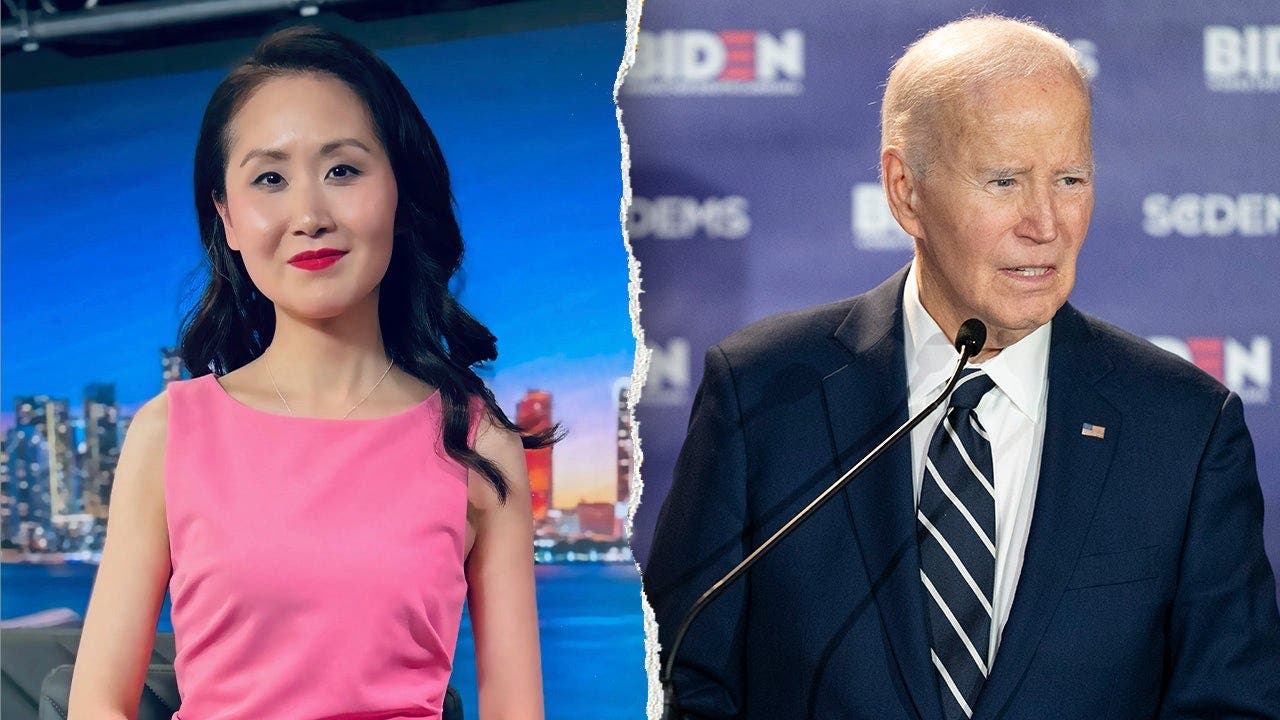
Before raising millions of campaign dollars for Joe Biden and Kamala Harris or breaking ranks with the Democratic Party to publish a tell-all political memoir, Lindy Li was trying to build a political career from the candidate’s podium.
«I just knew,» Li said.
«I knew that I was supposed to run for Congress. But I didn’t know I was supposed to do it at twenty-four years old.»
In the lead-up to the 2024 election, that ambition crashed headlong into lifelong convictions about loyalty and stretched them to a breaking point. Li’s status as a top Democratic fundraiser would soon crumble as she switched her party affiliation over unheeded warning signs about President Joe Biden’s decline in the 2024 election.
That break has left her uncertain about her future but hasn’t stopped her from thinking about what could come next.
EX-DEM INSIDER REVEALS SHE WILL EXPOSE DEMOCRATS WHO COVERED UP BIDEN’S COGNITIVE DECLINE IN NEW BOOK.
«President Rubio calls me in two years, four years, then there’s an open seat in Pennsylvania for whatever reason,» Li said, ruminating about her future.
«You know, I could solidify my hand on a hundred million dollars. I think few people could do a better job, and I’m sorry if that sounds conceited. And I’m not saying I want it; I’m just saying if it falls into my lap, then sure, but who knows?»
Li’s family initially came to the United States from China, fleeing persecution from the Chinese Communist Party (CCP), which Li said had killed her great-grandfather. After growing up briefly in Sheffield, England, Li joined her parents in New England at the age of 5.
She recounted how her family moved from Boston to New Haven to Pennsylvania as her father worked as a doctor.
From her parents, Li said, she inherited a sense of work ethic that enabled her to fuel her sense of political destiny. At Princeton, Li used that work ethic to become the only female class president to hold the office for four consecutive years.
«I used to go around with candy and just be like, ‘Can you please vote for me? This is what I intend to do. I want to expand late meals and offer sushi,’ whatever the platform was. I was tenacious; nobody could outwork me,» Li said.
EX-DEM INSIDER BLOWS LID OFF FUNDRAISING ‘GIMMICKS’ DURING 2024 ELECTION: ‘PYRAMID SCHEME’
The «plan,» Li said, was to become a senator.
But that wasn’t supposed to happen for another ten years when, in 2012, a school shooter attacked Sandy Hook Elementary School, killing 20 children. Li recalled how the attack accelerated her convictions to enter public life and prompted her to leave a budding career in finance.
«I just felt it in my heart that I was supposed to help do whatever I could to save those kids,» Li said.
Despite conservative leanings, Li ran twice as a Democrat, never advancing past the primary stage. But her fundraising caught the attention of Democratic strategists. In 2016, she raised nearly $515,000 and in 2018 another $168,000.
«I didn’t intend to become a fundraiser,» Li recalled. «It’s a lot of salesmanship, and I hated it. I hate it. And I also know I’m very good at it. This is not me bragging; I just know.
«They came to my home. I remember. The executive director showed up to my home to recruit me for this. It was like Scientology. He noticed — I mean, everybody noticed that as a kid I basically raised $700,000. I just caught the eye of party leadership.»
Alongside her aspirations, Li said she also cultivated a sense of loyalty, a quality she said has been a key part of her character since she can remember.
«Like if somebody’s kind to me, I will go to the ends of the earth for them. And it always surprises me and I shouldn’t be surprised when someone doesn’t reciprocate because that’s just how I operate. You have to give me a reason to walk away from you. If you have my loyalty, there’s very little I wouldn’t do for you,» Li said.
That loyalty, combined with her fundraising prowess, led Li to climb swiftly, rubbing shoulders with some of the party’s top operatives. During the Biden and Harris campaigns, Li communicated with figures like Pennsylvania Gov. Josh Shapiro and Sen. Tammy Duckworth, D-Ill., many of whom she built personal relationships with.
But that loyalty reached a tipping point in 2024 when, as a fundraiser, Li saw the party selling donors and voters on the idea that President Joe Biden could serve effectively as president for another four years despite mounting concerns about his cognitive abilities.
In recent months, Li has published a book, «Unburdened,» documenting the party’s internal deliberations about Biden’s age and how, according to her, many of them knowingly understood the political liabilities that came with his age.
EX-DEM INSIDER REVEALS WHY BIDEN’S DAUGHTER THREATENED TO SUE HER: ‘BORDERED ON PARODY’
That book and the warpath to writing it have severed virtually all of her relationships from when she was a Democrat. As she documented in her book, it even cost her a personal romantic relationship of eight years.
To an extent, Li understood the price tag that came with her decision to go public with her insider knowledge.
She suspects some of the people she left behind understand that price, too.
«If Josh Shapiro ever walks into the room, I know we’re gonna understand each other, I know. Like despite everything that’s happened. I think he’s going to understand. I understand why he needed to throw me, you know, to the wolves.
«I never would have done that to him, though.»
Li still holds fast to the idea of loyalty as a matter of personal conviction. But regardless of where her ambitions take her next, she believes she will have to temper them with honesty that makes few allowances for party narratives.
«I think I would describe my worldview as realpolitik with Lindy characteristics,» Li said.
«I’m no longer going to half-heartedly support anybody. I learned my lesson about Biden and Harris. So I’m just waiting.»
kamala harris, joe biden, democratic party











INTERNACIONAL
Trump officials warn decades-long decline among American men could carry national security consequences
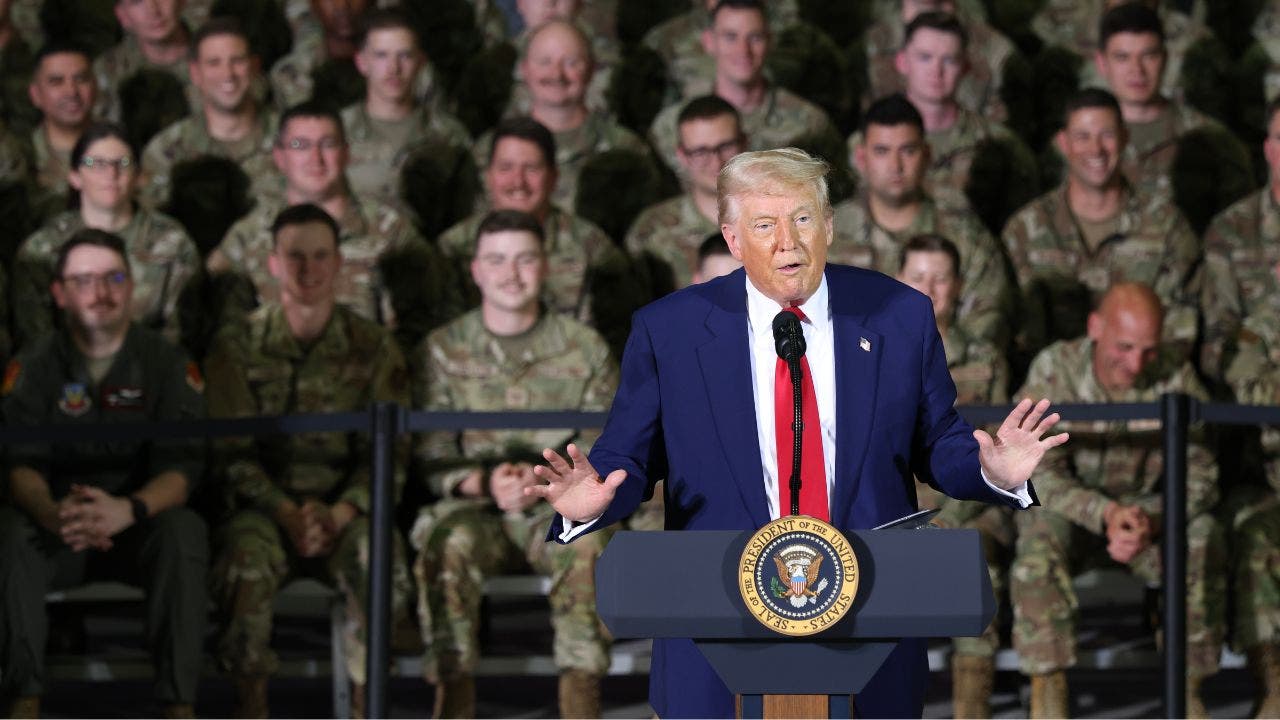
The Trump administration is targeting testosterone deficiency as a potential threat to military readiness, rolling out new screening guidelines for male service members amid growing concerns about the health of American men and the shrinking pool of young people qualified to serve.
«There is absolutely a national defense readiness ramifications for [low testosterone],» Adm. Brian Christine, a senior Department of Health and Human Services official, told Digital in an interview.
Christine also pointed to broader health challenges facing the military’s recruiting pool, warning that 77% of Americans ages 17 to 24 do not qualify for service without a waiver, with obesity, chronic disease and other barriers contributing to the problem. Among young men, he said, more than 70% are ineligible, while only about 3% of young Americans express interest in serving.
The warning comes as the Trump administration places a renewed emphasis on military readiness, with Christine helping shape an initiative that led the Pentagon to issue testosterone deficiency screening guidelines for male service members ages 30 and older in September.
THE REAL REASON BEHIND HEGSETH’S VIRAL MILITARY TESTOSTERONE SCREENING ORDER
Trump entered his second term with an aggressive approach to rebuilding the American military, tightening fitness requirements, axing DEI policies, overhauling weapons acquisition, building up recruitment and refocusing the force on combat readiness and lethality.
Christine, a urologist who spent more than 35 years specializing in men’s health, said testosterone levels have been declining for decades, raising concerns about the long-term health of American men and the physical demands placed on those serving in uniform.
«I think it’s incredibly important, incredibly timely,» Christine said of the screening guidance.
Under the Pentagon’s guidelines, male service members ages 30 and older undergo mandatory screening for testosterone deficiency, beginning with an assessment of symptoms and risk factors, with further testing and potential treatment available when medically appropriate.
‘WOKE’ MILITARY ACADEMIES TARGETED IN NEW BLUEPRINT FOR SWEEPING WARFIGHTING OVERHAUL
«We’re not forcing testosterone on anybody,» Christine said. «But what we are doing is screening, taking those men who are symptomatic and have low numbers and offering them a pathway forward.»
The HHS official pointed to obesity and chronic disease as established factors associated with low testosterone, while raising concerns that environmental exposures, including microplastics and other toxins, could also be contributing to the decline — a possibility researchers are still investigating.
«In the mid-1970s, the average testosterone level for men in this country… was well over 650. Now it’s approaching 350,» Christine said.
POPULAR WEIGHT-LOSS DRUGS LINKED TO UNEXPECTED MALE FERTILITY BENEFIT
National Institutes of Health Director Dr. Jay Bhattacharya echoed those concerns in a separate interview with Digital, warning that some testosterone deficiency may be going undiagnosed even as medical guidelines stress that a diagnosis requires both symptoms and consistently low hormone levels.
«It’s interesting because if you look at the epidemiological trends, testosterone levels in the American male population have been declining over the last decades. And again, we don’t know why. We don’t have an answer,» Bhattacharya said.
Bhattacharya said researchers must determine not only why testosterone levels are declining, but also what medical guidance should follow for men diagnosed with a deficiency. «There are under-diagnosed testosterone deficiencies.»
«The question of what to do about it, how to prevent it, that’s at the top of my mind,» he added.
LONGER LIVES, WORSE HEALTH? SCIENTISTS UNCOVER TROUBLING TREND ACROSS GENERATIONS
The NIH director also pointed to declining sperm counts as another area requiring further scientific investigation, suggesting that environmental exposures could be contributing to broader reproductive health concerns.
«But even more importantly, what are the factors, probably environmental factors, that have led to the decline in sperm counts, for instance? We need an answer to those questions,» Bhattacharya said.
Bhattacharya said the NIH is investing in research to better understand the potential causes of those trends and determine how doctors should advise American men.
Christine said that testosterone is about more than muscle growth or physical appearance, arguing that hormone levels play an important role in men’s overall health.
DEMS ROASTED FOR COMPARING HEGSETH’S TESTOSTERONE INITIATIVE TO ‘GENDER-AFFIRMING CARE’
«Testosterone levels in men are absolutely related to their overall well-being, to their lifespan, to their health span, and to their wellness,» Christine said.
He also noted that men with low testosterone tend to experience higher rates of anxiety and depression.
The administration is also developing separate hormonal health guidance for female service members, which the Defense Health Agency said would follow the September guidelines issued for male troops, with women’s health specialists contributing to the recommendations, Christine said.
Christine said that the goal is ensuring that service members are equipped to perform their duties while addressing broader health challenges affecting American men.
«If we truly want our men who are in uniform to be at their best,» Christine said, the focus must be on their ability to function and perform their jobs.
defense, donald trump, pete hegseth, military, mens health, medical research, health
INTERNACIONAL
Minnesota candidate ‘stress tests’ state’s new fraud law — what she found raised major red flags
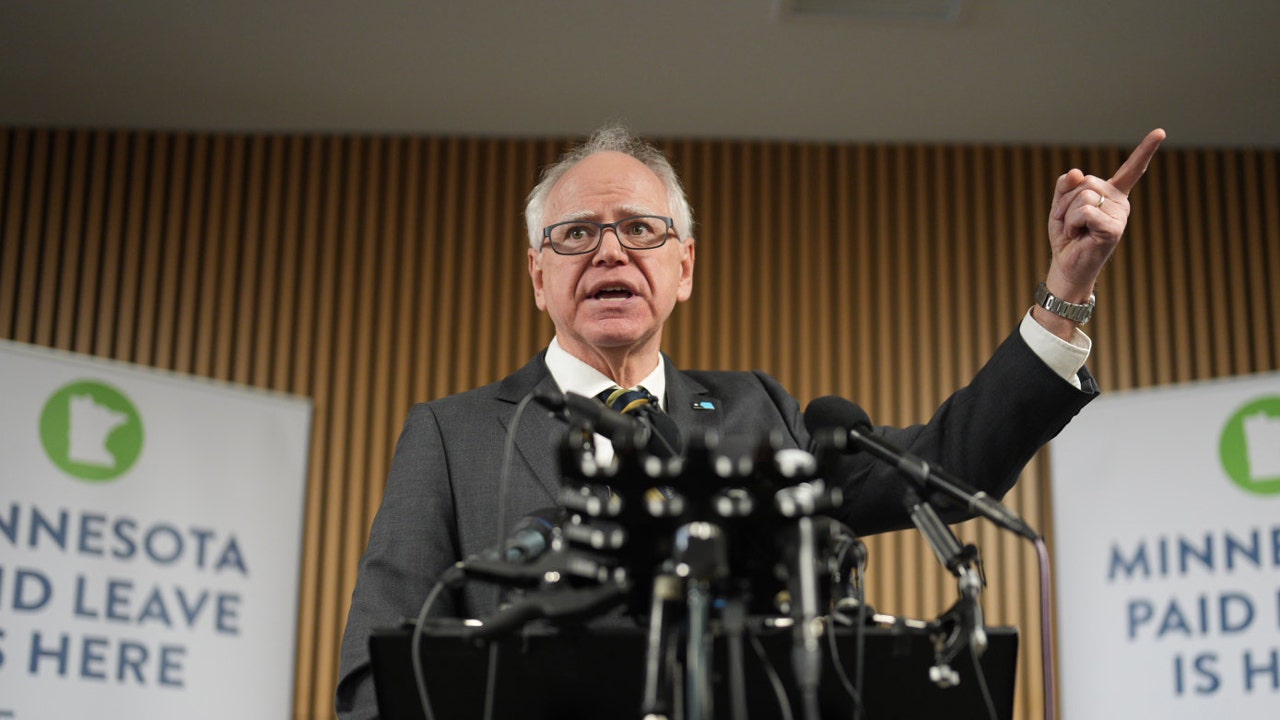
A Minnesota state Senate candidate revealed she found several vulnerabilities in a fraud prevention law signed by Gov. Tim Walz after testing it against the state’s previous fraud scandals to see whether it could have caught them sooner.
The measure in question, the Office of the Inspector General law, creates an independent statewide watchdog that oversees inspectors general, investigates alleged fraud across state programs, establishes fraud prevention standards, and improves coordination and data sharing.
However, Heidi Heino, the Republican candidate for Minnesota’s 36th Senate District, told Digital her test against the Feeding Our Future scheme and other past fraud cases found the law lacks extra safeguards when potential risks emerge.
«When I stress tested against Feeding Our Future and some of the other fraud schemes that we had in Minnesota, it would have found the fraud eventually, but it’s way after the money was already gone and we would still be stuck trying to claw it back,» Heino said.
MINNESOTA MAN CAPTURED IN SOMALIA AFTER ALLEGEDLY HELPING ORCHESTRATE $250M CHILD NUTRITION FRAUD SCHEME
The law was passed as Minnesota faces the fallout from massive fraud schemes involving childcare, autism, housing and disability services. Republicans have blamed leadership and oversight failures, while the Trump administration launched a federal anti-fraud task force led by Vice President JD Vance.
Working as a corporate leader whose day job involves underwriting, Heino said she used similar review and auditing practices to test where Minnesota’s fraud safeguards fell short.
«Business does a lot with a little,» she said. «Government does the opposite. They do a little with a lot of resources.»
Heino said she used a 2,800% increase in payments to Feeding Our Future from 2020 to 2021 in her test, a jump that should have automatically raised alarm bells and led to further review. The scheme alone allegedly stole $250 million from a federally funded child nutrition program during the COVID-19 pandemic.
FRAUD EXPERT EXPOSES HOW HIDDEN NETWORKS DROVE MINNESOTA FRAUD, OTHER MAJOR SCAMS: ‘CRIMINAL ENTERPRISE’
«You don’t have to be a detective to see that there’s some issue there and so to investigate that and check and see if those claims are legitimate, and if they were legitimate, have someone actually sign off on it,» she said, adding that filling out extra paperwork may be frustrating but can help prevent fraud in the long run.
Heino also argued Feeding Our Future should not have been allowed to address complaints against itself.
«We had 30 complaints to the Minnesota Department of Education regarding the fraud and they are mostly overlooked or Feeding Our Future had to go correct itself and that was a huge gap there,» she said.
She proposed immediately freezing payments, conducting a full review, and triggering an outside audit.
«The OIG has good bones, but it needs teeth,» she said.
Without independent audits, Heino said Minnesota will not be able to uncover fraud-related gaps, saying the additional oversight would save more money than it costs.
GOP ACCUSES WALZ ALLIES OF BURYING $52M MEDICAID FRAUD REPORT BEFORE ELECTION
«We get a lot of pushback saying this is going to be expensive, but is it?» she said. «It will be less expensive to have an independent audit than it is going to be to have all the fraud and lose taxpayer dollars to fraudulent activities.»
Those same issues apply to current state programs like Minnesota’s Paid Leave program, according to Heino.
«However, we need to rein it in and have more investigation before we start sending out the checks, especially with paid family leave,» she said. «They pay out before they have the doctor’s note certifying that this is actually true and they have verified it.»
She acknowledged that the law is a «great first step» toward addressing the problem but said it does not go far enough to protect taxpayers and prevent future fraud.
As a mother, grandmother and taxpayer, Heino said she is fed up with how leaders in her home state have handled fraud, adding the problem has gotten so bad that Minnesota has become the «laughing stock of the nation» and people no longer want to say they are from the state anymore.
«We need to funnel those resources to the people that actually need them and keep people committing fraud from taking our money and running away with it, buying luxury condos or homes, and then funneling it out of the country,» she said.
Digital reached out to Walz’s office and the Minnesota Department of Education for comment.
«We have not slowed down, there is no sense in which the fraud has been stopped in Minnesota,» Bill Glahn, a policy fellow at the Center of the American Experiment, told Digital in August, making the case that the fraud situation in the state has not been properly addressed.
politics, minnesota fraud exposed, tim walz, minnesota, financial regulation, donald trump
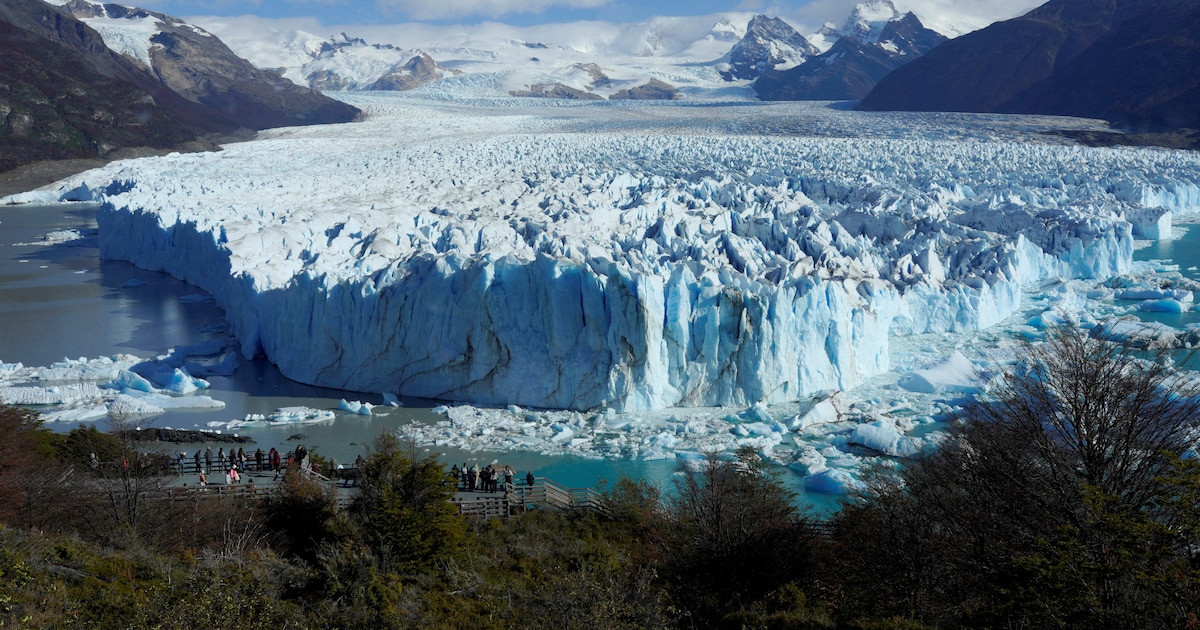
Apenas el 3,2% de los glaciares del planeta —aquellos que desembocan en lagos, océanos o plataformas de hielo— fue responsable de más de la mitad de toda la masa glaciar perdida entre 2000 y 2019, con una tasa de 134.000 millones de toneladas métricas anuales. La cifra, publicada en la revista Nature Communications, proviene de la clasificación global de glaciares más completa realizada hasta la fecha, elaborada por científicos de la Universidad de Birmingham y la Universidad de Leeds, en Reino Unido.
El equipo examinó los 216.502 glaciares inventariados en el Randolph Glacier Inventory (RGI), sin contar las capas de hielo de Groenlandia y la Antártida, y determinó en qué tipo de entorno termina cada uno: tierra firme, lago, océano o plataforma de hielo. La conclusión más llamativa apunta a los glaciares lacustres, que perdieron hielo un 57% más rápido en proporción a su superficie que los que terminan en tierra.
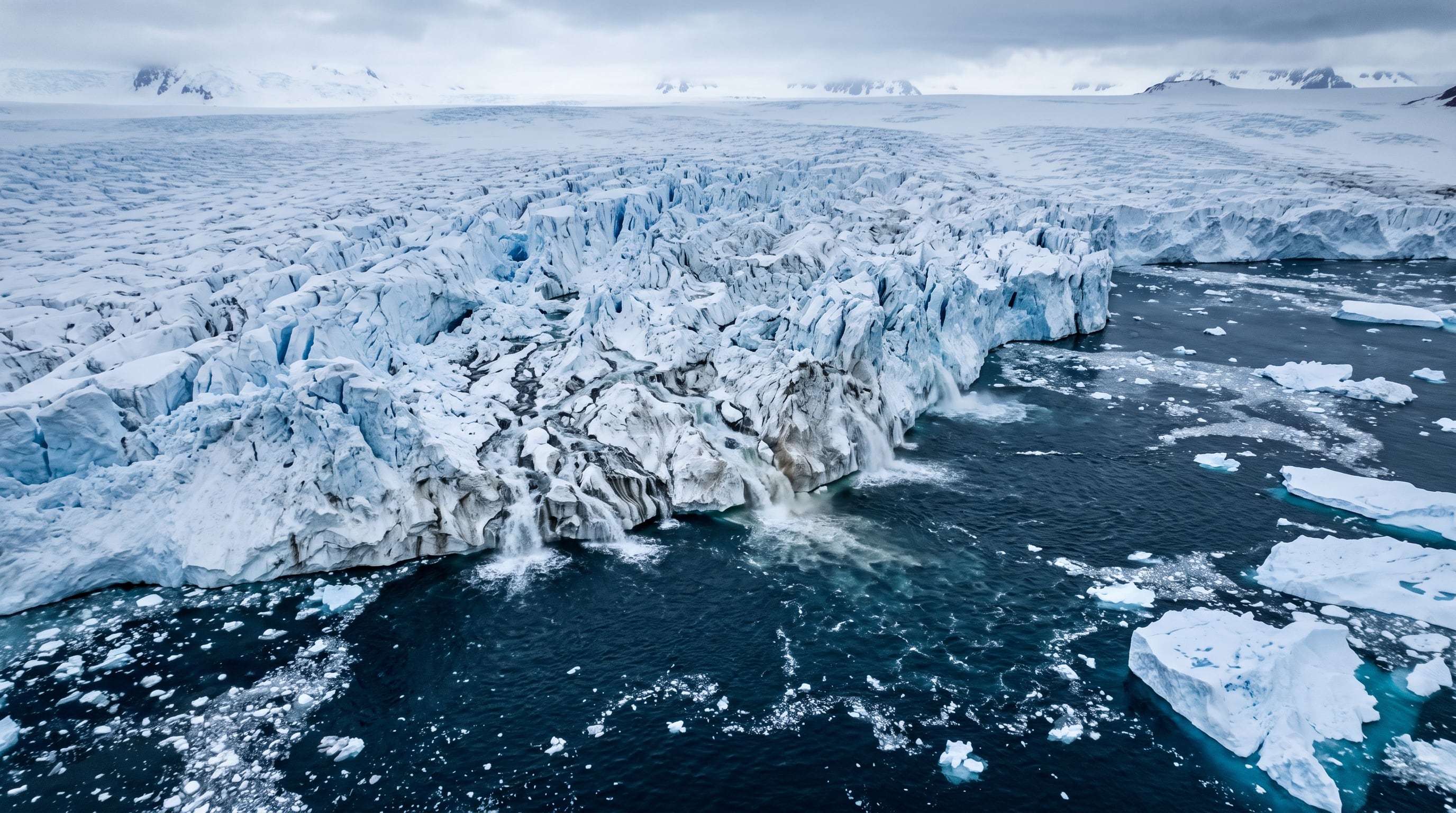
Los glaciares lacustres pierden hielo a un ritmo desproporcionado
Aunque los glaciares que no terminan en tierra firme representan una fracción mínima del total (1,6% en lagos, 1,5% en océanos y 0,1% en plataformas), cubren en conjunto más de la mitad de la superficie glaciar mundial. Esa desproporción se acentúa al medir las pérdidas de masa: los glaciares lacustres concentraron el 24% del hielo perdido a escala global, y los marinos otro 22,8%, mientras que los terrestres —el 96,8% del total— aportaron el 49,4% restante.
Para aislar el efecto del entorno de desembocadura, los investigadores aplicaron modelos estadísticos que controlaron variables como el clima, la elevación, el espesor del hielo y la pendiente. Los resultados revelaron que los glaciares que terminan en lagos fluyen en promedio un 10% más rápido que los terrestres, y los marinos un 44% más rápido. Pero la diferencia más marcada apareció en la pérdida de masa normalizada por superficie: los lacustres superaron a los terrestres en un 57%.
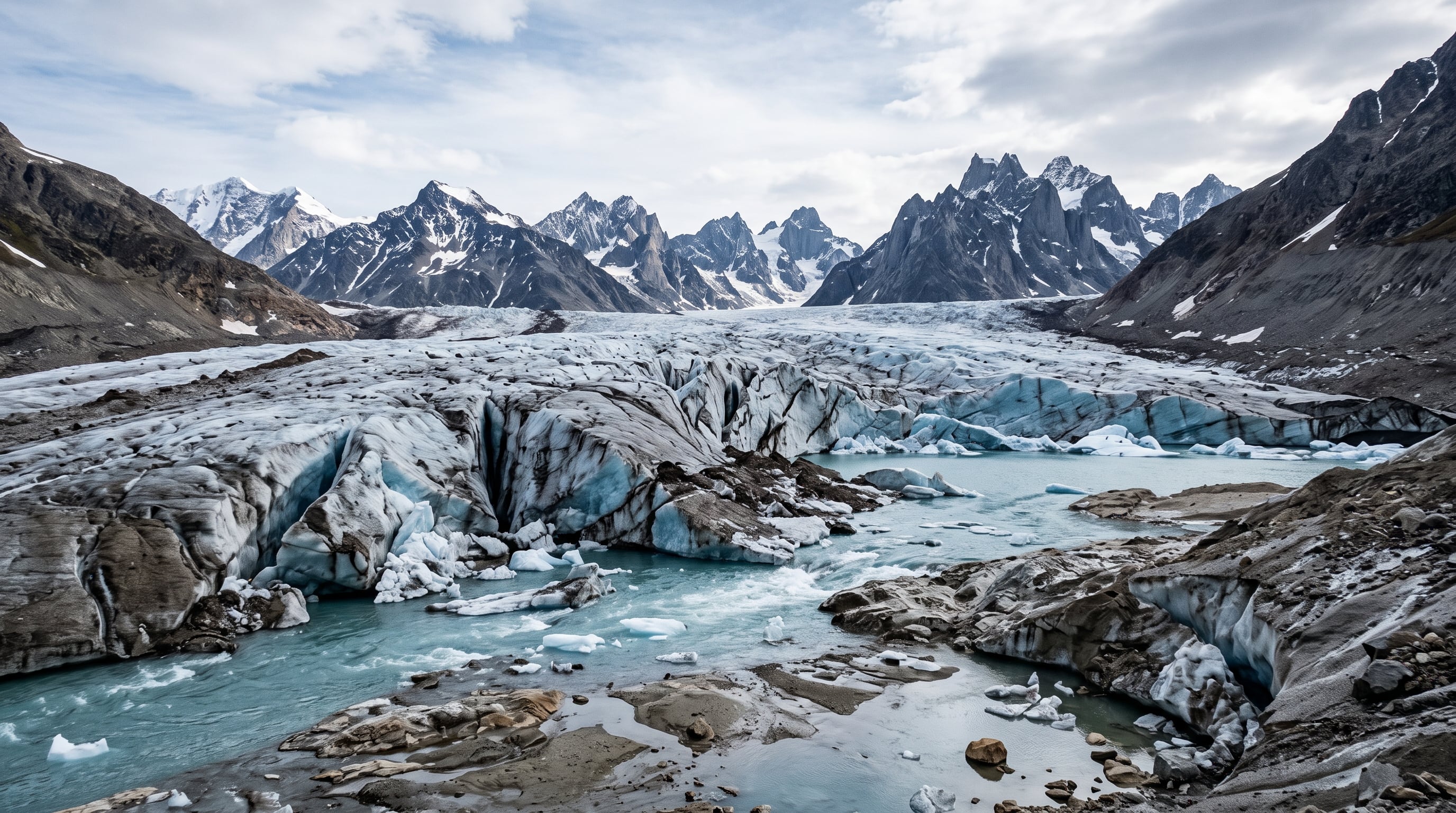
El agua de los lagos puede acelerar el desprendimiento del hielo
Los lagos interactúan con los glaciares de formas que pueden intensificar su deterioro. El agua lacustre derrite el hielo por debajo de la línea de flotación y facilita el desprendimiento de grandes bloques desde el frente glaciar, un proceso conocido como calving. Además, la presión que ejercen sobre la base del glaciar puede reducir la fricción y favorecer un deslizamiento más rápido.
“Los glaciares que terminan en lagos realmente se destacan: están perdiendo hielo de manera particularmente rápida. Todavía no sabemos exactamente por qué. Podría ser por los propios lagos, por el tamaño y la forma de los glaciares, o una combinación de ambos”, explicó Joe Mallalieu, quien realizó la investigación en la Universidad de Birmingham y actualmente trabaja en la Universidad de Leeds.
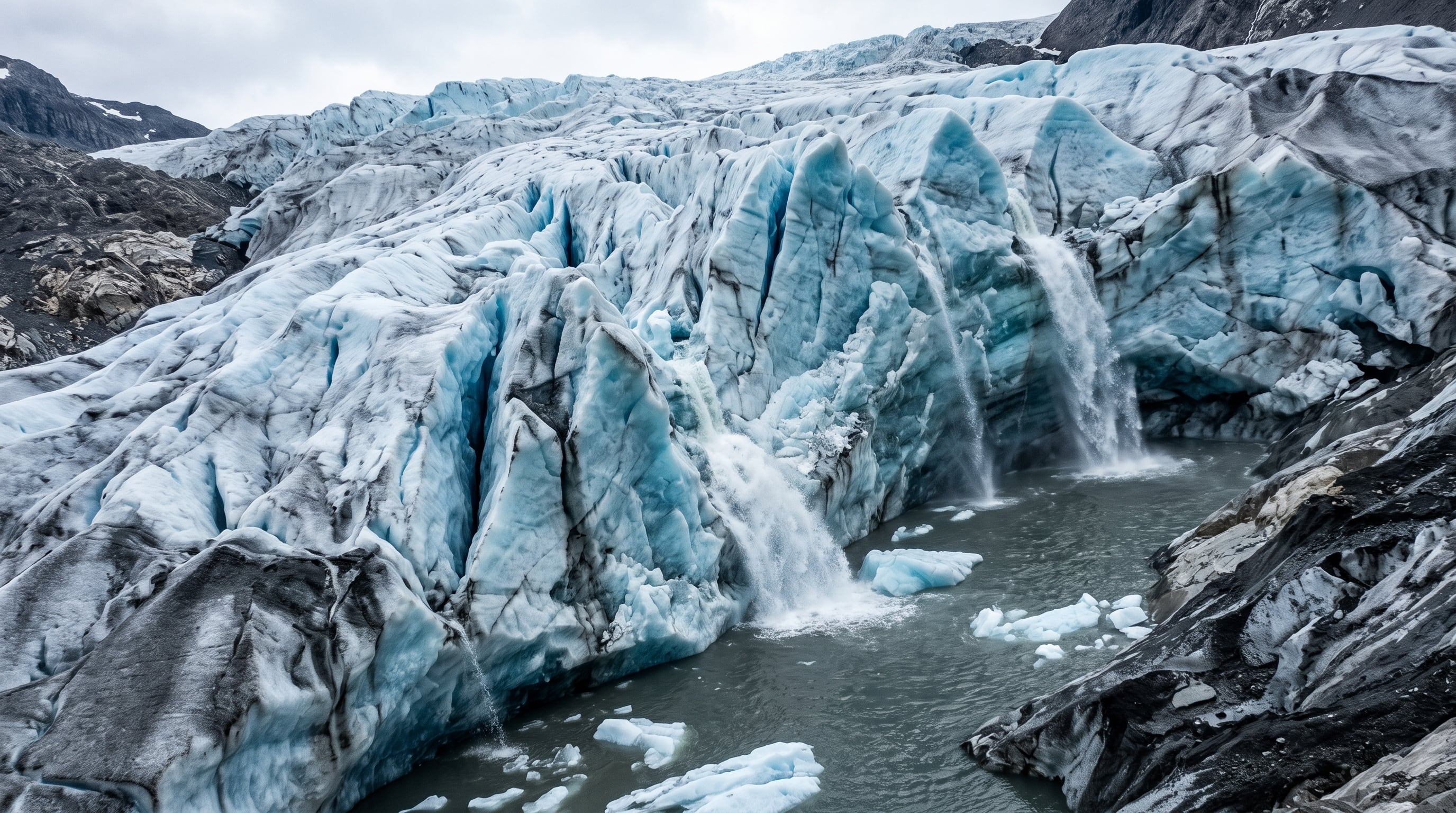
A diferencia de los glaciares marinos, donde las corrientes oceánicas y mareas generan una ablación frontal más eficiente, los lagos proglaciales tienen volúmenes reducidos e intercambio limitado de agua, lo que podría permitirles almacenar calor estacional con mayor facilidad y transferirlo directamente a la masa de hielo.
El cambio climático está transformando los glaciares de un tipo a otro
Un hallazgo adicional del estudio es que el calentamiento global está provocando transiciones entre categorías de glaciares. En el Ártico, algunos glaciares marinos retroceden hasta apoyarse sobre tierra firme, lo que según los datos debería desacelerar su pérdida de masa. En dirección opuesta, la proliferación de lagos glaciares en todo el mundo convierte glaciares terrestres en lacustres, con la consecuencia potencial de que aceleren su deterioro.
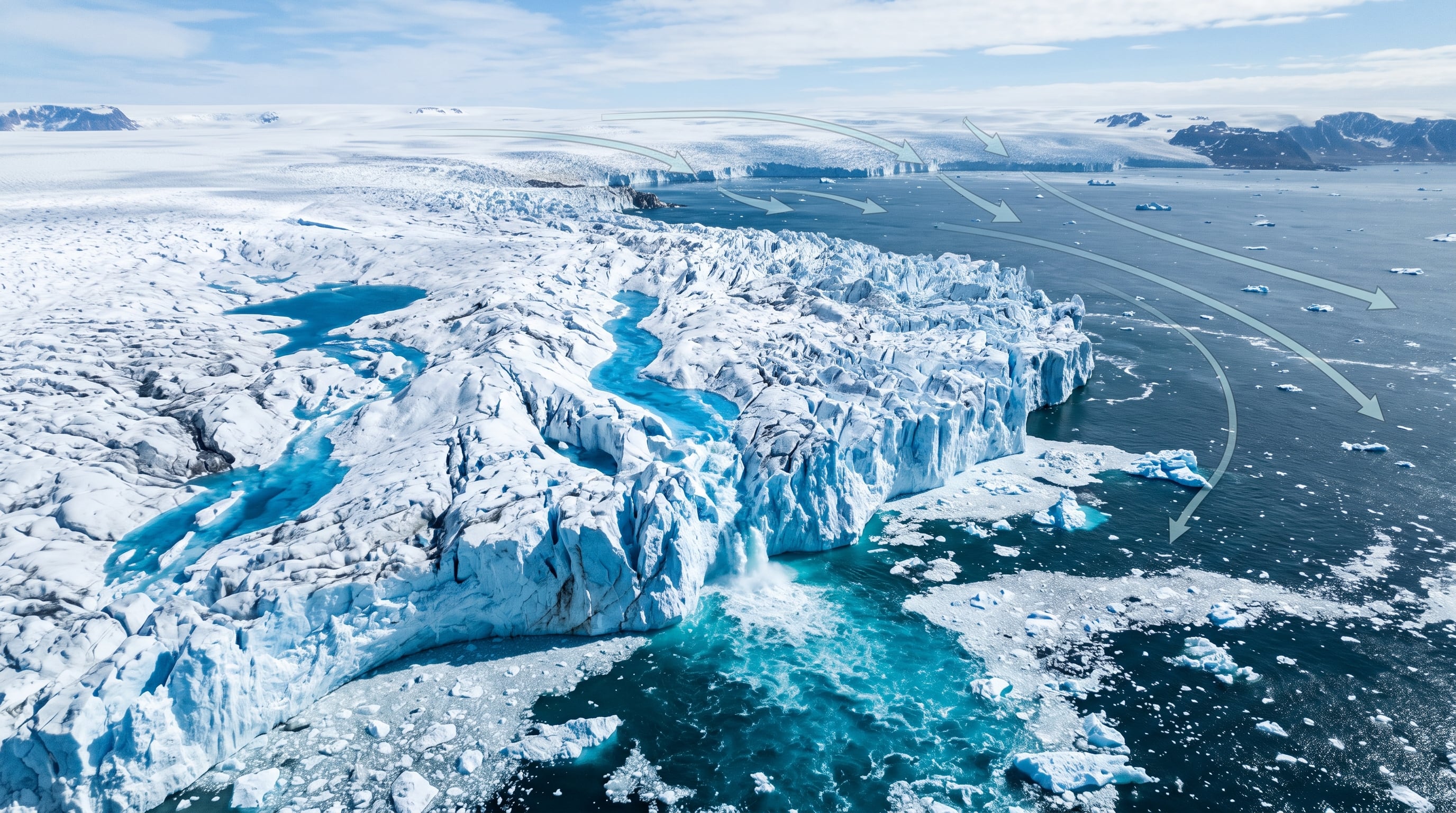
“La última década ha traído un enorme aumento en los datos globales sobre glaciares y clima disponibles para los investigadores. Unir estos conjuntos de datos nos permite comparar cómo se comportan los glaciares en distintos entornos. A medida que más glaciares pasen de un entorno a otro, comprender esas diferencias será cada vez más importante”, señaló Nicholas Barrand, de la Universidad de Birmingham.
Los modelos actuales no representan bien los glaciares lacustres
Gran parte de los modelos utilizados para proyectar la evolución de los glaciares y el aumento del nivel del mar aún no incorporan de forma adecuada la dinámica de los glaciares que terminan en lagos. El inventario presentado por el equipo podría contribuir a corregir esa carencia, al ofrecer una base de datos global y pública —disponible en Zenodo— que permite distinguir entre los cuatro tipos de entorno terminal.
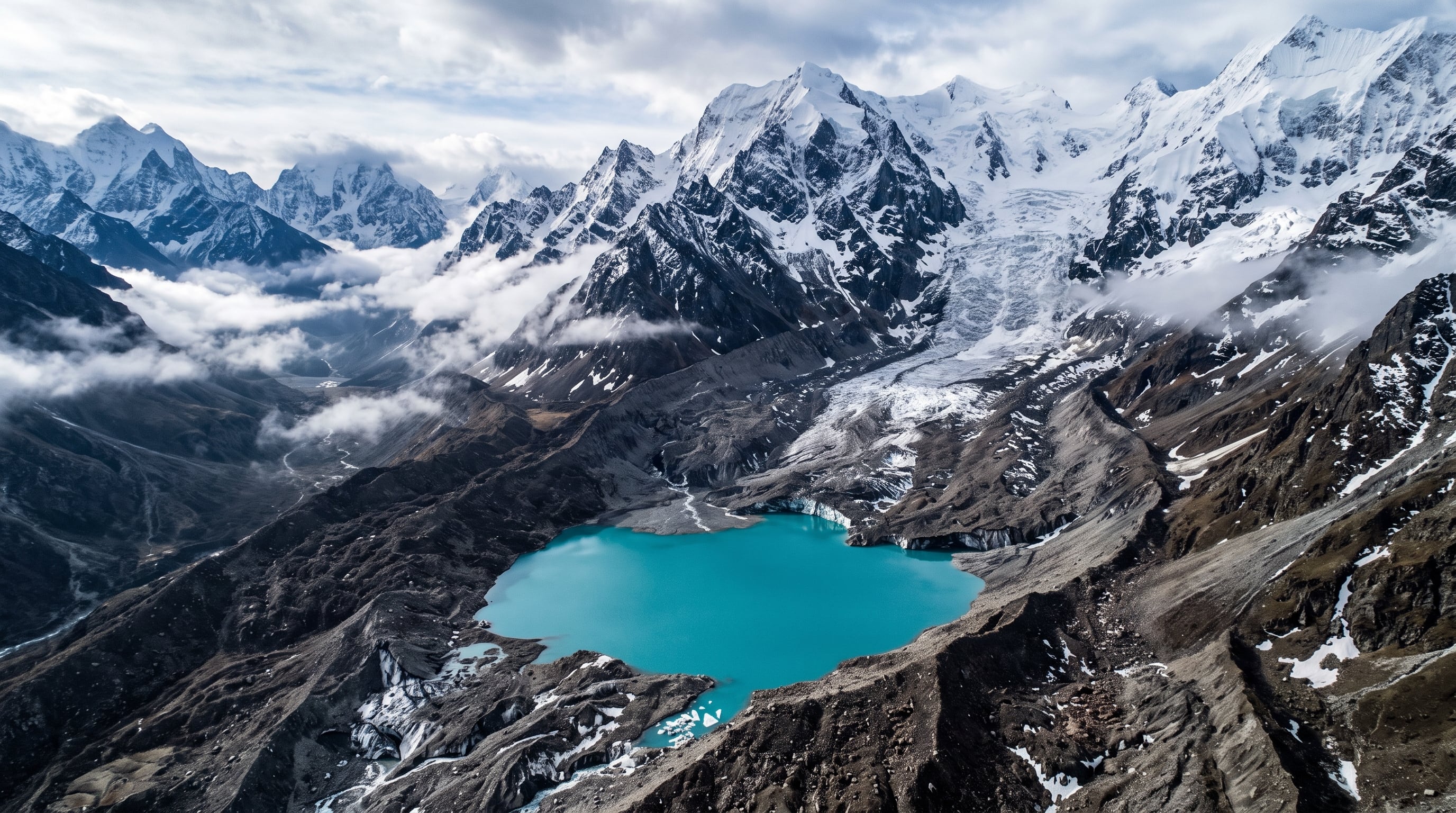
Un estudio complementario publicado este año en Communications Earth & Environment ya había demostrado que los lagos proglaciales del margen de la capa de hielo de Groenlandia aceleran la velocidad de los glaciares circundantes en un 231% en la zona del frente, con efectos detectables hasta 3,5 kilómetros tierra adentro. Otra investigación reciente, del Journal of Glaciology, confirmó que los glaciares que terminan en agua —ya sea marina o lacustre— son sistemáticamente más gruesos que los terrestres, lo que equivale a cerca del 20% del volumen glaciar mundial fuera de las capas de hielo.
La clasificación elaborada por Mallalieu y sus colegas abarcó datos de velocidad de flujo del hielo (2017-2018), registros de cambio de masa (2000-2019) e inventarios de lagos glaciares que cubren el período 2000-2018. Entre las regiones con mayor concentración de glaciares lacustres figuran la periferia de Groenlandia, el oeste de Canadá y Estados Unidos, el sur del Ártico canadiense, Asia Central y los Andes del Sur, donde el glaciar Perito Moreno en Argentina constituye uno de los ejemplos más conocidos de interacción entre hielo y lago.
South America / Central America

Trump officials warn decades-long decline among American men could carry national security consequences

Bariloche: denunciaron a un candidato constituyente por mensajes que reivindican a Videla y al terrorismo de Estado

Luis Enrique no ve necesario fichar en invierno: ‘No tiene por qué; contra el Barça jugamos igual con Dembélé y Kvara que sin ellos’

Cuánto gana una empleada doméstica por 4 horas semanales en noviembre 2026

Banfield recibirá a Lanús en una nueva edición del Clásico del Sur: hora, TV y formaciones

Los expertos en limpieza aseguran: “Si hay agua debajo del cajón de verduras de tu heladera, tenés que limpiar este orificio”

Javier Milei y sus medidas, en vivo: el mandatario dijo que piensa un proyecto a “100 años” para la Argentina

Mariano Navone venció a Juan Manuel Cerúndolo en el duelo argentino y avanzó en el ATP de Bruselas

Cuáles son las condiciones que enfrentan las pymes para financiarse en el mercado de capitales

Escándalo con Sancor Salud: Cuotas millonarias por un servicio nefasto que abandona a los pacientes en urgencias

 POLITICA1 día ago
Javier Milei y sus medidas, en vivo: el mandatario dijo que piensa un proyecto a “100 años” para la Argentina
- ECONOMIA3 días ago
Cuáles son las condiciones que enfrentan las pymes para financiarse en el mercado de capitales
- SOCIEDAD21 horas ago
Escándalo con Sancor Salud: Cuotas millonarias por un servicio nefasto que abandona a los pacientes en urgencias