
INTERNACIONAL
Bolivia repite el guion del terrorismo de Estado electoral visto en Nicaragua y Venezuela


Acusaciones trucadas con pruebas falsificadas, fiscales y jueces sicarios en procesos judiciales manipulados para perseguir, apresar, exiliar o eliminar, son algunos de los medios de terrorismo de Estado que las dictaduras del socialismo del siglo 21 o castrochavismo usan para inhabilitar a opositores reales. Lo hicieron en Nicaragua 2021, en Venezuela 2024, y ahora repiten el terrorismo de Estado electoral en Bolivia para las elecciones generales del 17 de agosto de 2025.
Las dictaduras del socialismo del siglo 21 en Cuba, Venezuela, Nicaragua y Bolivia hacen elecciones periódicas que no son libres, no son justas, no están basadas en el sufragio universal y secreto, y no están destinadas a expresar la soberanía popular, sino a perpetuar el régimen con apariencia de democracia. Violan todos los elementos esenciales de la democracia del artículo 3 de la Carta Democrática Interamericana y los derechos humanos establecidos en los artículos 1,3,4,5,7,8,9,11,13,15,15,20,23,24 y 25 de la Convención Americana sobre Derechos Humanos.
Por eso, Cuba, Venezuela, Nicaragua y Bolivia son “dictaduras electoralistas en las que el pueblo vota, pero no elige”, porque realizan elecciones sin libertad, sin Estado de derecho, sin separación ni independencia de poderes, sin libre organización política, con perseguidos, presos y exiliados políticos. En estos países sin democracia nada garantiza ni la libertad ni los derechos humanos.
Además, construyen y sostienen la “oposición funcional”, formada por políticos, agrupaciones y partidos que simulan ser contrarios al régimen y que actúan para dar apariencia de democracia. La oposición funcional es parte de la dictadura porque participa de la corrupción y de la impunidad, simula legalidad en órganos legislativos títeres, avala la violación de derechos humanos, la existencia de presos y exiliados y más.
A cuatro meses de las elecciones generales 2025 en Bolivia, el sistema de dictadura electoralista está en plena ejecución: 1.—El padrón electoral es el mismo demostrado como adulterado por el fraude del año 2019 y anteriores, y por Rosario Baptista que renunció “denunciando que no es posible continuar en un Órgano Electoral que no es independiente ni imparcial”, agregando que “más allá de las elecciones de 2019, en el proceso electoral de 2020 se ignoraron los verdaderos resultados y principios obligados de respeto a los derechos humanos, sometiendo a la ciudadanía a la voluntad del partido político (El MAS del régimen), que bajo las condiciones actuales nunca perderá una elección”; 2.— En Bolivia hay 303 presos políticos certificados por Global Human Rights League (www.ghrl.org) y la misma entidad prueba que “10.255 ciudadanos bolivianos han presentado solicitudes de asilo político en 29 países”. Entre los presos políticos están la ex presidenta Jeanine Añez y varios miembros de su gobierno, el Gobernador de Santa Cruz, Luis F. Camacho, el cívico potosino Marco Antonio Pumari, el activista de derechos humanos Fernando Hamdan y más; 3.— Fiscales y jueces son instrumentos del régimen que aplican la metodología usada en Cuba, Venezuela y Nicaragua de procesar, encarcelar y sentenciar a inocentes, forzándolos en muchos casos a admitir delitos que no han cometido para obtener “procesos abreviados con sentencias leves”. La justicia es el instrumento represivo de las dictaduras del socialismo del siglo 21 y cada expediente de los presos y perseguidos políticos así lo prueba.
Por el supuesto, en el golpe de Estado escenificado el 26 de junio de 2024, Bolivia tuvo más presos y perseguidos políticos, pero ahora en proceso electoral se vuelve a utilizar el caso con un video documental del régimen para inculpar más gente, entre la que destacan analistas políticos y el candidato independiente a la presidencia Jaime Dunn. Han puesto en marcha la persecución e inhabilitación de quien creen puede ser un opositor real.
Para las elecciones del 7 de noviembre de 2021 en Nicaragua, el régimen apresó por lo menos 7 candidatos presidenciales de oposición, a decenas de candidatos al legislativo, varios fueron inhabilitados y otros salieron al exilio. Puro terrorismo de Estado. Ejecutado el fraude, la dictadura exilió y desnacionalizó a 222 presos políticos y sigue detentando el poder.
Para las elecciones del 28 de julio de 2024 en Venezuela, el régimen inhabilitó a la candidata María Corina Machado que había ganado la primaria opositora con el 92,35% de votos, luego inhabilitó a Corina Yoris a quien Machado presentó como su reemplazante y finalmente Machado hizo su candidato a Edmundo Gonzales Urrutia y ganaron la elección con más del 67% de votos. La dictadura aplicó terrorismo de Estado de principio a fin y sigue usurpando el poder con un grupo criminal/militar de ocupación.
Bolivia, bajo terrorismo de Estado electoral —con crisis social, económica y energética que la lleva a la situación de miseria de Cuba y Venezuela— aún sigue exhibiendo su dictadura/narcoestado como una democracia que tendrá elecciones.
*Abogado y Politólogo. Director del Interamerican Institute for Democracy
aranceles,economía,gobierno,jefaturas de estado/ monarquía,macroeconomía,negocios y finanzas,política











NEWYou can now listen to Fox News articles!
A miner in Mexico was saved in an «astonishing rescue» after spending nearly two weeks trapped underground, officials said.
A dam breach caused by a structural failure flooded the El Rosario mine in the northern Mexican state of Sinaloa on March 25, trapping Francisco Zapata Nájera and three co-workers. Zapata Nájera was located on Tuesday by divers, but the rescue teams were unable to reach him through heavily flooded areas until 21 hours later.
«The exceptional members of the Mexican Army’s Emergency Response Battalion, along with the faith and resilience of a miner, made this astonishing rescue possible after 13 days,» Mexican President Claudia Sheinbaum wrote on X. «I’m certain that all Mexicans, every one of us, hold you in our hearts.»
Of the 25 miners present during the accident, 21 escaped immediately. Five days later, rescuers pulled one survivor from a depth of 985 feet.
AMERICAN SKIERS RESCUED AFTER GETTING LOST NEAR OLYMPIC VENUE IN THE ITALIAN ALPS
Rescue teams transport miner Francisco Zapata Najera after rescuing him during a search for four miners following a collapse at a mine in El Rosario, Sinaloa, Mexico, on April 8, 2026. (Stringer/Reuters)
Sheinbaum confirmed that another miner has been found dead and one more is still missing.
In a video released Wednesday, clapping could be heard from a crowd that gathered as Zapata Nájera was removed from the mine, seeing daylight for the first time this month.
CREWS RESCUE TEEN FROM 50-FOOT DEEP CALIFORNIA MINESHAFT
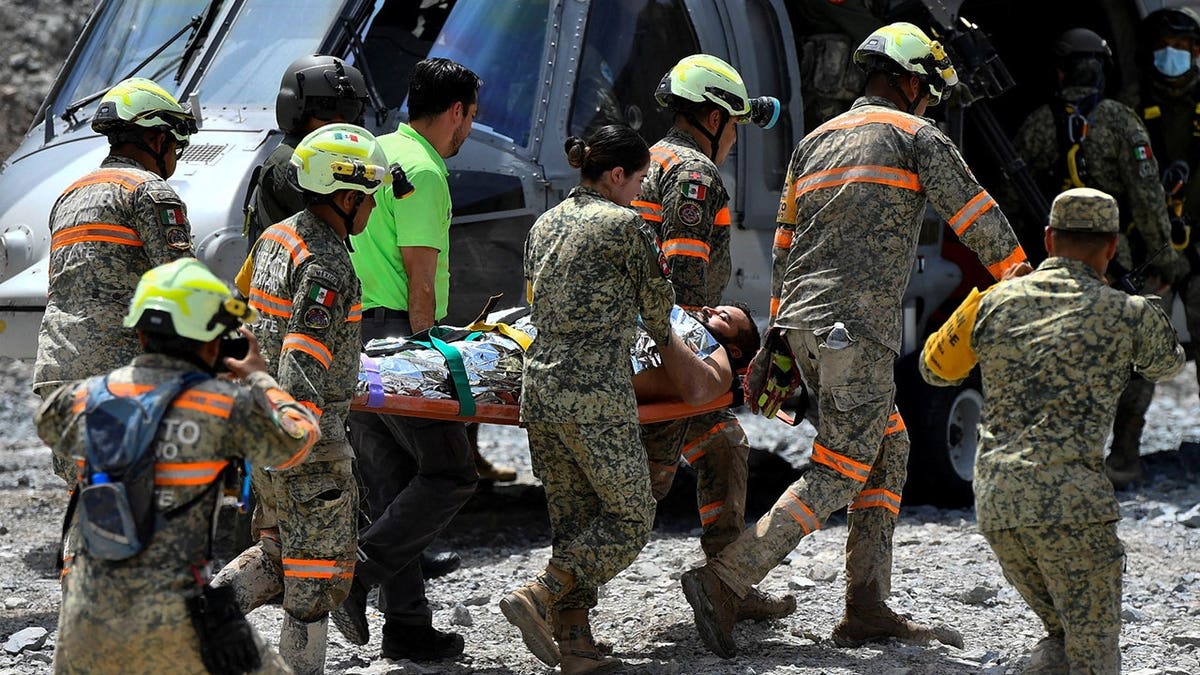
Rescue teams transport miner Francisco Zapata Najera on a stretcher following his rescue on April 8, 2026. (Stringer/Reuters)
His condition was stabilized and he was sent in a Mexican Air Force helicopter to a hospital in Mazatlán, where he will be treated by specialists, officials said.
Mexico’s deadliest mining accident took place in February 2006 at the Pasta de Conchos mine in Coahuila, where an explosion killed 65 workers.
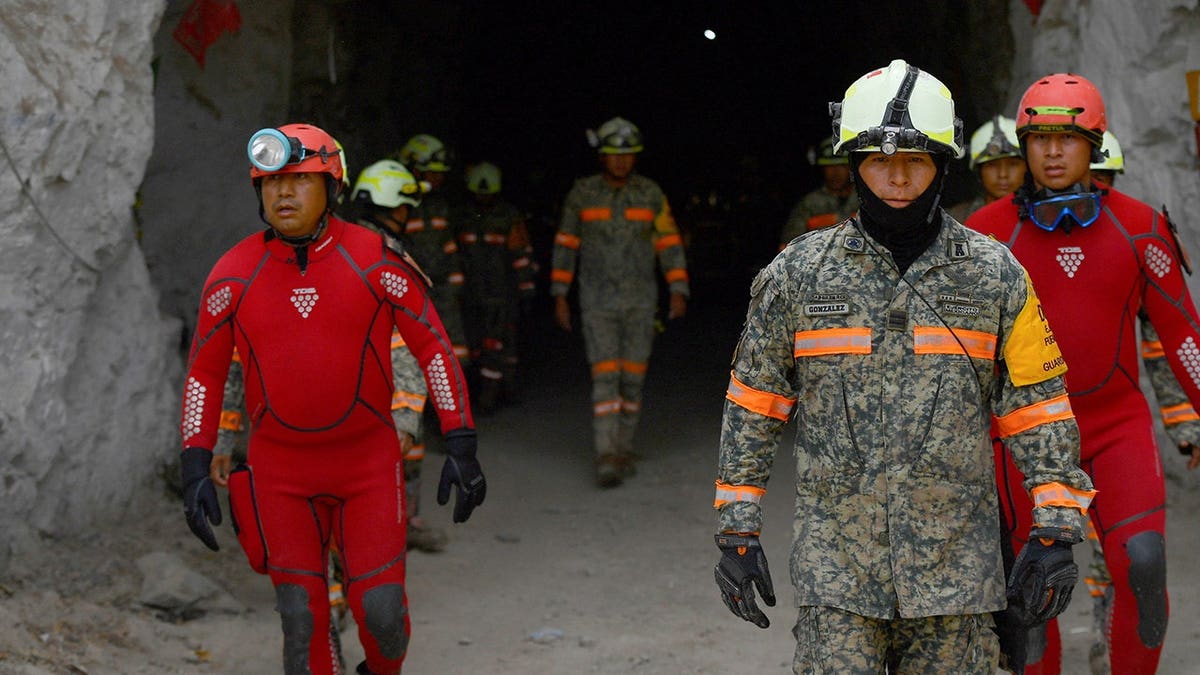
Rescue teams are seen leaving the El Rosario mine on Wednesday, April 8, 2026. (Stringer/Reuters)
CLICK HERE TO DOWNLOAD THE FOX NEWS APP
In August 2022, 10 miners died when the El Pinabete coal mine in Coahuila flooded.
The Associated Press contributed to this report.
heroism, location mexico, national guard, mexico, floods disasters
INTERNACIONAL
Unearthed clip exposes shocking claim by Newsom’s wife about inmates at violent California prison

NEWYou can now listen to Fox News articles!
California Governor Gavin Newsom’s wife, Jennifer Siebel Newsom, is getting raked over the coals for comments she made several years ago, suggesting criminals housed in a notorious California prison, which was known for housing violent criminals and death row prisoners, got there by «accident.»
Siebel Newsom’s comments came as she was discussing a tragedy in her younger life at an event in 2016. A few days before her seventh birthday, Siebel Newsom was involved in a fatal golf cart accident that ultimately killed her sister.
«I had to be very raw when we interviewed the young men who were juvenile offenders at San Quentin. I told them about my own loss, where I lost my older sister a few days before my seventh birthday and I blame myself for her death and I share that because they ultimately were accused of committing these violent crimes and sentenced for life, and I think it shocked them that this blonde lady, who was interviewing them, had a similar story – was perhaps in the wrong place at the wrong time – but wasn’t punished the way they were because clearly it was an accident, but theirs was probably an accident too,» Siebel Newsom said when discussing ways to connect with others.
NEWSOM’S WIFE SLAMS TRUMP FIRINGS OF BONDI, NOEM, SPARKING PANEL DEBATE
Democrat California Gov. Gavin Newsom stands with wife Jennifer at a Sacramento voting center. (AP Photo/Rich Pedroncelli)
«Anyways, I share that – I guess – I quite enjoy spending time with people and being real and unmasking and showing them that it’s safe to unmask themselves.»
A spokesperson for Governor Newsom’s wife clarified that the remarks in the 2016 interview with the first partner, were referring to incarcerated individuals for her 2015 documentary «The Mask You Live In.»
The spokesperson did not provide an on-the-record statement but did point Fox News Digital to a social media post from Gov. Newsom’s press office calling out the media for being «focused on running nonstop hit pieces on California’s First Partner,» while the president is «threatening to obliterate a civilization tonight.»
On Tuesday, the same day the clip began going viral on social media, President Donald Trump issued an ominous message on his social media platform Truth Social, indicating «a whole civilization will die tonight,» amid his threat of a looming U.S. attack against Iranian bridges and power plants.
«This is the MAGA distraction machine — in full force,» concluded the social media post, which included news segments criticizing Siebel Newsom on Tuesday.
GAVIN NEWSOM’S WIFE SAYS SHE GAVE HER BOYS DOLLS TO PLAY WITH IN RESURFACED CLIP

Jennifer Siebel Newsom speaks at Planned Parenthood funding bill signing ceremony (Screenshot/Gavin Newsom’s YouTube Page)
However, Siebel Newsom’s resurfaced comments still garnered attention on Tuesday from conservative critics who called the California governor’s spouse out for virtue signaling.
In direct response to Siebel Newsom’s claims that San Quentin inmates got in their position by «accident,» Rep. Tim Burchett, R-Tenn., shot back sarcastically: «Yeah, like the time that guy accidentally stabbed that dude 27 times.»
«What the…» commented Assistant Attorney General for Civil Rights at the U.S. Department of Justice, Harmeet Dhillon, in a social media post responding to the 2016 remarks.

California Gov. Gavin Newsom and first partner Jennifer Siebel-Newsom embrace during a campaign event in support of Proposition 50 in San Francisco, Monday, Nov. 3, 2025. (Gabrielle Lurie/San Francisco Chronicle via Getty Images)
CLICK HERE TO DOWNLOAD THE FOX NEWS APP
«She represents everything that is wrong with California,» comedian Adam Carolla added.
«Newsom’s wife’s latest virtue signal is telling San Quentin lifers that she faced zero consequences when her sister was killed because it was an accident, then telling them their life sentences are probably for ‘accidents’ too,» wrote conservative women’s sports activist Riley Gaines. «Peak elite tone-deafness.»
gavin newsom, california, crime world, blue city crime, assassinations murders, politics
INTERNACIONAL
EN VIVO | Pakistán blindó Islamabad con cientos de efectivos policiales y militares ante las próximas negociaciones de paz
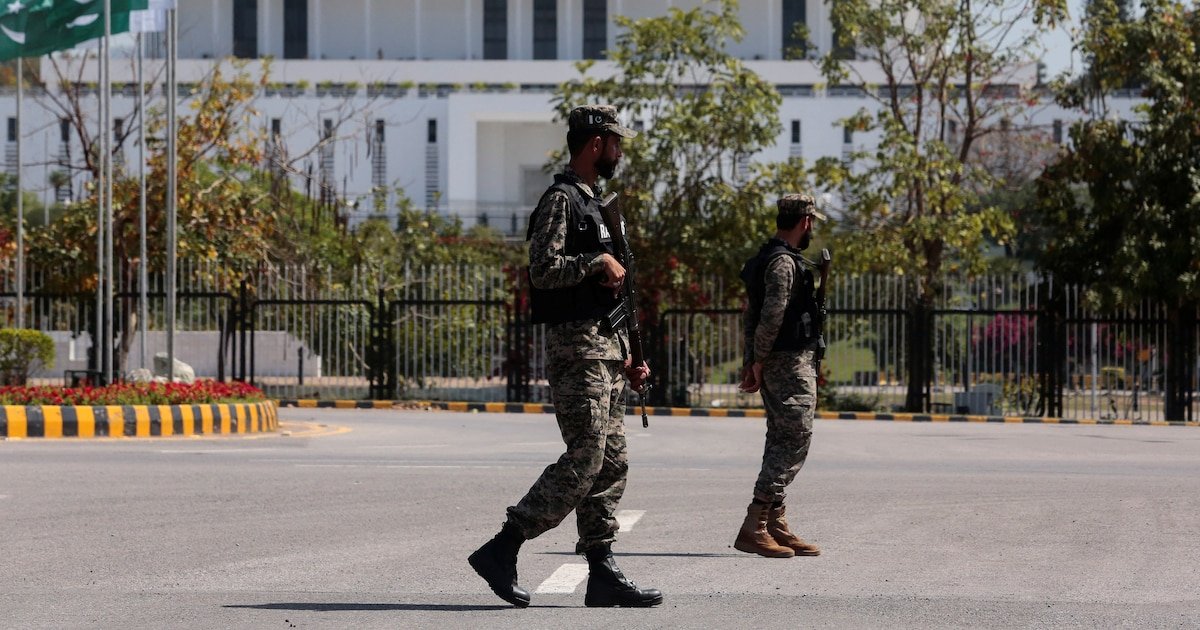
El Ejército pakistaní fue desplegado y se cerraron los accesos clave a la “Zona Roja” de la capital, enclave donde se ubican los principales edificios gubernamentales y diplomáticos
A un día del inicio de las negociaciones entre Estados Unidos e Irán con mediación de Pakistán, el presidente estadounidense, Donald Trump, expresó su “gran optimismo” sobre la posibilidad de alcanzar un acuerdo de paz y afirmó que el régimen iraní no debería cobrar aranceles a los petroleros que transitan por el estrecho de Ormuz. “Más les vale no hacerlo y, si lo hacen, más les vale dejar de hacerlo ahora mismo”, advirtió.
Por su parte, el líder supremo iraní, Mojtaba Khamenei, sostuvo que la República Islámica no tiene intención de mantener un conflicto armado, aunque remarcó que no cederá en sus intereses. “No renunciaremos a nuestros derechos legítimos bajo ninguna circunstancia y, en este sentido, consideramos el frente de resistencia en su conjunto”, señaló.
Durante la madrugada, Kuwait acusó al régimen iraní de atacar instalaciones “vitales” en su territorio y reclamó el cese “inmediato” de las hostilidades. “El Ministerio de Exteriores expresa la condena y más enérgico repudio de Kuwait a los ataques criminales perpetrados por la República Islámica de Irán y sus agentes, incluidas las facciones, milicias y grupos armados leales a ella”, indicó el comunicado oficial.
A continuación, la cobertura minuto a minuto:
Eyal Harel asumirá el cargo de jefe de la Armada israelí la próxima semana
El vicealmirante Eyal Harel asumirá el cargo de jefe de la Armada israelí la próxima semana, después de que la fecha inicial de traspaso se retrasara debido a la guerra en Irán.
Harel sustituirá al vicealmirante David Saar Salama, quien fue jefe de la Armada durante más de cuatro años.
La fecha inicial de entrega estaba prevista para finales de marzo. Ahora tendrá lugar el jueves, según informaron los militares.
El canciller español instó a su homólogo iraní a entablar negociaciones “de buena fe”
El ministro de Asuntos Exteriores español afirmó haber conversado con su homólogo iraní y haberle instado a negociar de buena fe durante las conversaciones con Estados Unidos en Islamabad.
“Animo a Irán —esto es lo que le transmití al ministro de Asuntos Exteriores iraní— a participar en esas negociaciones y a hacerlo de buena fe”, declaró José Manuel Albares a la prensa, añadiendo que había hablado con su homólogo iraní, Abbas Araghchi, “anteayer” y que también le había pedido que detuviera “todos los lanzamientos de misiles y drones”.
Albares volvió a criticar duramente a Israel por continuar sus ataques contra el Líbano, donde ha estado luchando contra el grupo terrorista Hezbollah, respaldado por Irán.
“El Líbano es una vergüenza para la conciencia de la humanidad. El nivel de violencia, la violación del derecho internacional y del derecho internacional humanitario por parte de Israel es inaceptable”, afirmó Albares.

Israel informó que esta semana eliminó a más de 40 terroristas de Hezbollah en Líbano
Las Fuerzas de Defensa de Israel (FDI) informaron que eliminaron a más de 40 de terroristas de Hezbollah en la última semana.
“Anteayer, las fuerzas del equipo de combate de la Brigada 769 identificaron una célula terrorista cerca de las fuerzas operando en el área. Uno de los terroristas fue identificado escondiéndose en los arbustos. Inmediatamente después de la identificación, el terrorista fue eliminado por la Fuerza Aérea, bajo la guía de las fuerzas de la división», informó en un comunicado.
Y siguió: “Durante la eliminación, se identificó y atacó un vehículo que huía del complejo con el resto de la célula terrorista. La Fuerza Aérea continúa asistiendo a las fuerzas de la división en la actividad terrestre y atacó, bajo su guía, un almacén de medios de combate y más infraestructuras terroristas de Hezbollah».
“Solo en la última semana se eliminaron más de 40 terroristas y se destruyeron más de 50 infraestructuras terroristas bajo la guía de la división», concluyó.
Estados Unidos e Irán desembarcan en Pakistán para protagonizar una compleja negociación que permita sellar la paz en Medio Oriente
El vicepresidente de EEUU, JD Vance, y el titular del Parlamento iraní, Mohammad Bagher Ghalibaf, se encuentran mañana para avanzar en un proceso de acuerdo que será escarpado por las profundas diferencias que existen entre Washington y Teherán
Seguir en

(Desde Washington, Estados Unidos) Los negociadores de Estados Unidos e Irán se encontrarán mañana en Pakistán para iniciar un proceso de negociación que permita terminar la actual guerra en Medio Oriente.
Israel advirtió que Hezbollah utiliza ambulancias con fines militares en medio de la guerra en Medio Oriente
El portavoz militar israelí, Avichay Adraee, acusó a Hezbollah de hacer un “uso militar extensivo” de ambulancias.
En una publicación en X, afirmó: “Israel actuará de conformidad con el derecho internacional contra cualquier actividad militar llevada a cabo por Hezbolla, incluido el uso de instalaciones médicas y ambulancias”.
Murió Kamal Kharrazi, ex canciller iraní y asesor del ex líder supremo Ali Khamenei
El funcionario del régimen falleció el jueves en Teherán a los 81 años como consecuencia de las heridas sufridas en un bombardeo atribuido a Estados Unidos e Israel el 1 de abril
El ex canciller iraní Kamal Kharrazi murió el jueves en Teherán a los 81 años como consecuencia de las heridas sufridas en un bombardeo atribuido a Estados Unidos e Israel el 1 de abril, según autoridades iraníes citadas por las agencias Mehr e ISNA. En el mismo ataque murió su esposa. La muerte también fue confirmada por familiares a la agencia IRNA, que precisaron que ocurrió “unas horas antes de medianoche”.
Zelensky reveló que Ucrania derribó drones iraníes en varios estados de Medio Oriente
El presidente ucraniano afirmó que expertos militares de Ucrania derribaron drones iraníes en varios países de la región. Kiev envió decenas de efectivos antidrones a al menos cuatro naciones de la región tras la ola de ataques de represalia con drones provocada por los operativos estadounidenses e israelíes contra Irán.
“Les mostramos a algunos países cómo trabajar con interceptores. ¿Los destruimos? Sí, lo hicimos. ¿Lo hicimos en un solo país? No, en varios”, declaró Volodimir Zelensky a periodistas. El mandatario explicó que no se trató de una misión de entrenamiento ni de ejercicios, sino de un apoyo directo para la construcción de sistemas de defensa aérea efectivos. “Sí, estaban derribando drones Shahed”, puntualizó, en referencia a los drones iraníes.
Zelenski indicó que las unidades ucranianas permanecerán en la región aun después del acuerdo de alto el fuego de dos semanas alcanzado entre Estados Unidos e Irán. “A cambio de nuestro apoyo y experiencia, recibiremos diversas cosas. En algunos casos, se trata de interceptores para proteger nuestra infraestructura energética; en otros, hay acuerdos financieros”, afirmó, y añadió que Ucrania también podría recibir suministros de petróleo.

El Banco Asiático de Desarrollo prevé una desaceleración del crecimiento regional por el conflicto en Medio Oriente
La entidad internacional calculó una baja en el ritmo de expansión en Asia, alertando sobre riesgos adicionales si la crisis se prolonga y las perturbaciones que afectarán a sectores clave del comercio y la energía

El Banco Asiático de Desarrollo (BAD) advirtió que la guerra en Medio Oriente afectará negativamente a las economías asiáticas este año y el próximo. El organismo pronosticó una desaceleración del crecimiento regional hasta el 5,1%, aunque advirtió que la cifra podría ser menor si el conflicto se prolonga y las perturbaciones persisten.
El jefe del Estado Mayor de las FDI aseguró que ahora Líbano es el principal campo de batalla
El jefe del Estado Mayor de las Fuerzas de Defensa de Israel (FDI), teniente general Eyal Zamir, declaró que Líbano se ha convertido en el principal campo de batalla y confirmó que las operaciones continúan en ese frente. “Las FDI están en estado de guerra, no estamos en un alto el fuego. Continuamos luchando aquí en este sector, esta es nuestra zona de combate principal”, afirmó.
Zamir añadió: “En Irán, estamos en un alto el fuego, y podemos volver a luchar allí en cualquier momento, y de una manera muy poderosa”.

Israel reportó que más de 7.500 personas fueron hospitalizadas desde el inicio de la guerra con Irán
Más de 7.500 personas fueron hospitalizadas con heridas relacionadas con la guerra desde el inicio de los combates entre Israel e Irán el 28 de febrero, según datos del Ministerio de Salud de Israel.
En total, 7.527 personas han sido ingresadas; de ellas, 108 permanecen hospitalizadas, dos en estado crítico y 13 en estado grave.
Las cifras incluyen tanto a soldados como a civiles, e incorporan casos de lesiones indirectas, como aquellas sufridas al intentar llegar a refugios.

International,Relations,Asia / Pacific,Diplomacy / Foreign Policy

TRAICIÓN Y ÉXODO: La promesa rota de Monteoliva que desató una ola masiva de bajas en la Policía Federal

Miner rescued alive after spending nearly 2 weeks trapped underground in flooded area

Unearthed clip exposes shocking claim by Newsom’s wife about inmates at violent California prison

Sin lluvias y con temperaturas templadas: así estará el tiempo en el AMBA el fin de semana
UBS destaca líderes europeos: mejores valores en temas de crecimiento clave Por Investing.com

El plan del Atlético de Madrid para retener a Julián Álvarez ante el interés del Barcelona

Mario Kart Tour avanza su siguiente temporada de primavera con ciudades europeas – Nintenderos

Melania Trump’s forceful Epstein denial draws bipartisan support from lawmakers

Un gobernador presentó un amparo contra la reforma de la Ley de Glaciares y pidió suspender su aplicación

Trump blasts Biden admin for releasing illegal immigrant now charged in fatal hammer attack on Florida mother
-
 SOCIEDAD5 horas ago
Mario Kart Tour avanza su siguiente temporada de primavera con ciudades europeas – Nintenderos
-
 INTERNACIONAL4 horas ago
Melania Trump’s forceful Epstein denial draws bipartisan support from lawmakers
-
 POLITICA4 horas ago
Un gobernador presentó un amparo contra la reforma de la Ley de Glaciares y pidió suspender su aplicación