INTERNACIONAL
Iran ‘miscalculating’ by betting on midterms after 3-hour talks, Trump officials warn

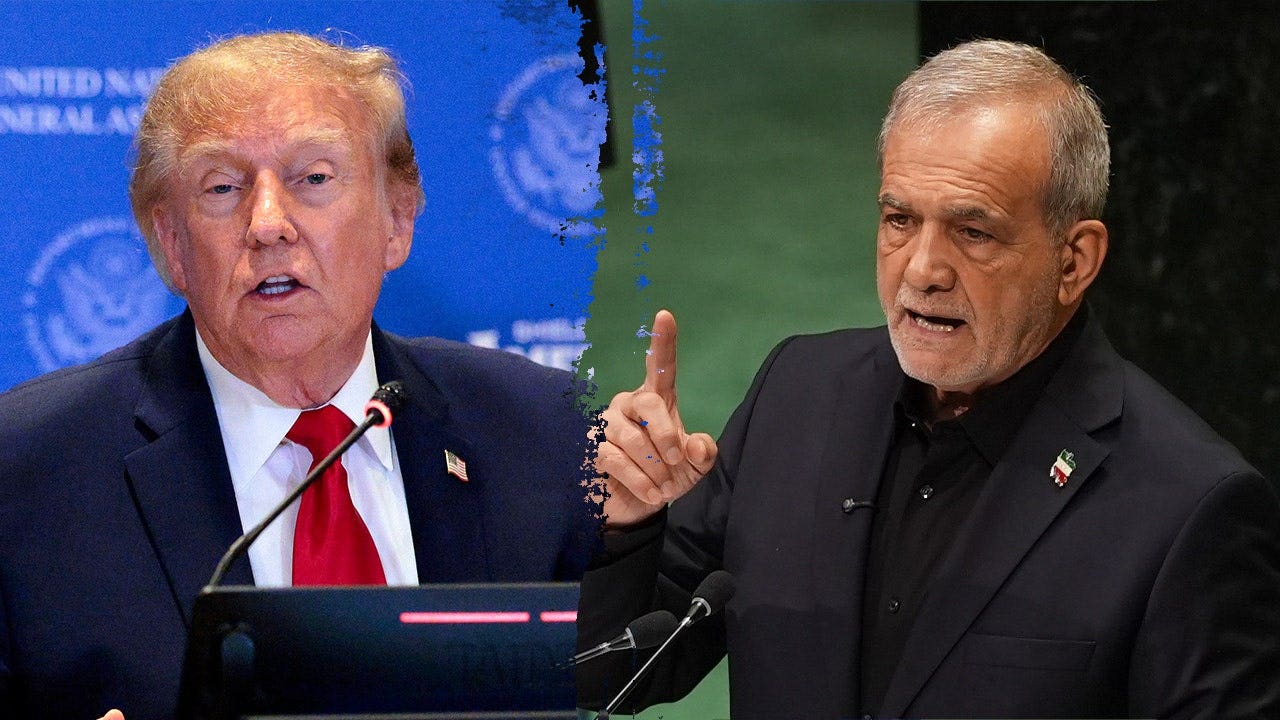
NEW YORK — Trump officials say Iran is miscalculating if it believes rising prices and the midterm elections will weaken President Donald Trump’s hand in negotiations to end the nearly seven-month conflict.
The administration is projecting confidence that mounting economic pressure will push Tehran toward a deal, even after three hours of talks this week ended without an announced breakthrough.
«The president holds all of the cards here,» State Department principal deputy spokesperson Tommy Pigott told Digital in an on-camera interview on the sidelines of the U.N. General Assembly.
Americans, meanwhile, are facing a mounting cost at home. The national average for regular gasoline reached $4.49 per gallon Friday, according to AAA, up from $3.16 a year ago. AAA said volatility in the Strait of Hormuz and high crude oil prices have driven the national average to its highest level ever recorded for this time of year.
Secretary of State Marco Rubio acknowledged those costs Wednesday while arguing that allowing Iran to eventually obtain a nuclear weapon would carry a far greater price.
THE TOP MOMENTS FROM IRAN PRESIDENT’S TENSE VISIT TO US SOIL AS WAR RAGES
«It comes at a price and at a cost, there’s no doubt about it,» Rubio told reporters. «But the cost of not doing something about it is substantially higher, especially for future generations.»
Trump himself laid out the stakes in stark terms during his address to the U.N. General Assembly Tuesday, presenting Tehran with a choice between reaching a deal that would allow Iran to rebuild or facing potentially devastating further U.S. action.
«Or do I annihilate the Islamic Republic and do it quickly, never giving them a chance to kill and destroy people and countries again?» Trump said. «Do I drive them into hell with no chance of survival and no hope of future greatness or generations?»
But Trump predicted Tehran would ultimately choose a deal, arguing that Iranian leaders are waiting to see whether the November midterm elections weaken his position.
«They’re waiting to see how I do in the midterm election,» Trump said. «What they don’t realize is that I’m not running.»
«I gave absolutely no credence and will not give credence to the election when it comes to Iran,» Trump added. «It doesn’t even enter my mind.»
A U.S. official told Digital Friday that discussions through mediators remained «positive and constructive,» but said the administration was in no hurry to reach an agreement.
«The United States is in a very strong position with control of the Strait of Hormuz, so we are not in a rush,» the official said, adding that nearly 40 million barrels of oil had transited the strait over the previous 48 hours. The official predicted oil and gas prices would fall back to pre-conflict levels as the U.S. continues to maintain control of the strait.
Trump said U.S. officials held a «very good» three-hour meeting with Iranian officials Tuesday as part of a renewed diplomatic push to end the conflict. But Rubio cautioned Wednesday against characterizing the talks as a «major breakthrough,» saying they were largely a continuation of previous conversations.
«I think it was significant that at least there was a conversation,» Rubio said.
Rubio also said the administration would make public any «good outcomes or things to announce jointly» stemming from its diplomatic engagements. No such announcement immediately followed the Iran meeting.
Iran has since put forward a proposal of its own. Iranian Foreign Minister Abbas Araghchi said Tehran presented U.S. mediators with a seven-day plan this week that would restore passage through the Strait of Hormuz at the end of the seven days if certain conditions are met, followed by renewed negotiations toward a broader agreement.
The proposal draws from the memorandum of understanding Trump and Iran reached in June. A mediator told CBS News the latest discussions were positive but remained in their early stages.
The stakes in Hormuz remain high. Commercial traffic through the critical oil chokepoint has been sharply disrupted during the conflict, although U.S. officials say the amount of oil moving through the strait is increasing.
TRUMP BETS ECONOMIC PRESSURE CAN SQUEEZE IRAN AS REGIME’S OWN FAILURES DEEPEN THE PAIN
«The diplomatic door is always open. The president is a deal maker,» Pigott said. «But he’s going to see the fundamental principle that they cannot have a nuclear weapon accomplished one way or another.»
Pigott pointed to growing oil flows through the Strait of Hormuz and the economic pressure Washington has imposed on Tehran as evidence that the balance remains in Trump’s favor.
«We are seeing oil move [through] the Strait of Hormuz, increasing every single day,» Pigott said. «We’re seeing the devastating effects on the Iranian regime from economic [actions]. Hundreds of millions of dollars are being denied to the regime through this blockade that we’re seeing.»
Rubio offered a similar assessment Wednesday when asked about Trump’s assertion that Iran may be waiting for the outcome of the midterm elections before making a deal.
«I think the Iranians misread our system,» Rubio said. «I think the Iranians are under this illusion that Democrats are going to win in November, and the president will no longer be able to do things against them.»
Rubio said Congress remains an important branch of government but argued Tehran misunderstands the limits of congressional power over sanctions and military action.
«The president has extraordinary powers. Every president does,» Rubio said. «He’s the commander in chief, both constitutional and otherwise, to be able to carry out those functions.»
«So I think that the Iranians are fundamentally misreading our political system,» Rubio continued.
The administration is also confronting threats to energy infrastructure elsewhere in the region. Iran-backed Houthi rebels have targeted Saudi Arabia as the conflict has expanded, adding another source of uncertainty for global energy markets.
Rubio said Wednesday that the restart of a Saudi pipeline following attacks was «critical for their economy» and «critical for the global economy.» He said energy infrastructure had been targeted by the Houthis as well as Shiite militias in Iraq that the U.S. says are backed by Iran.
«Every time you guys ask me a question about the Middle East, it goes back to someone who’s supported by Iran,» Rubio said.
Rubio said the U.S. would continue honoring its defense commitments to Saudi Arabia while declining to discuss what additional military options Trump could consider.
«They are a strategic defense partner,» Rubio said. «The U.S. made commitments to them. We will live up to those commitments. We are living up to those commitments now.»
war with iran, donald trump, middle east, national security, iran, politics










INTERNACIONAL
Las víctimas más jóvenes del feminicidio en Cuba: dos niñas y tres adolescentes registradas este año
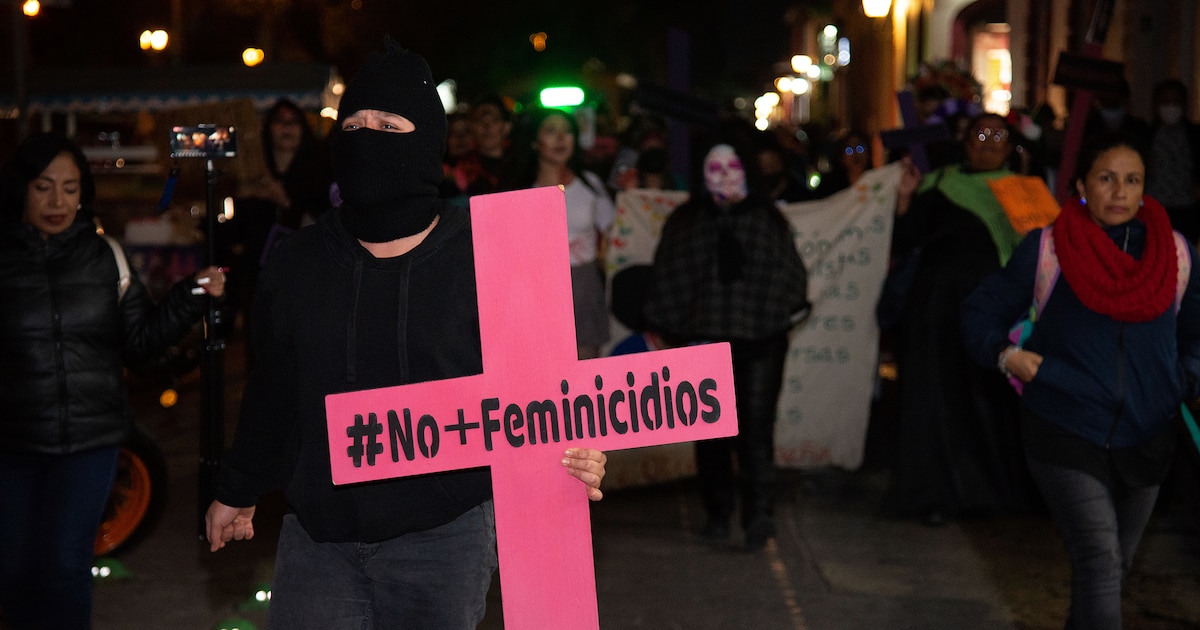
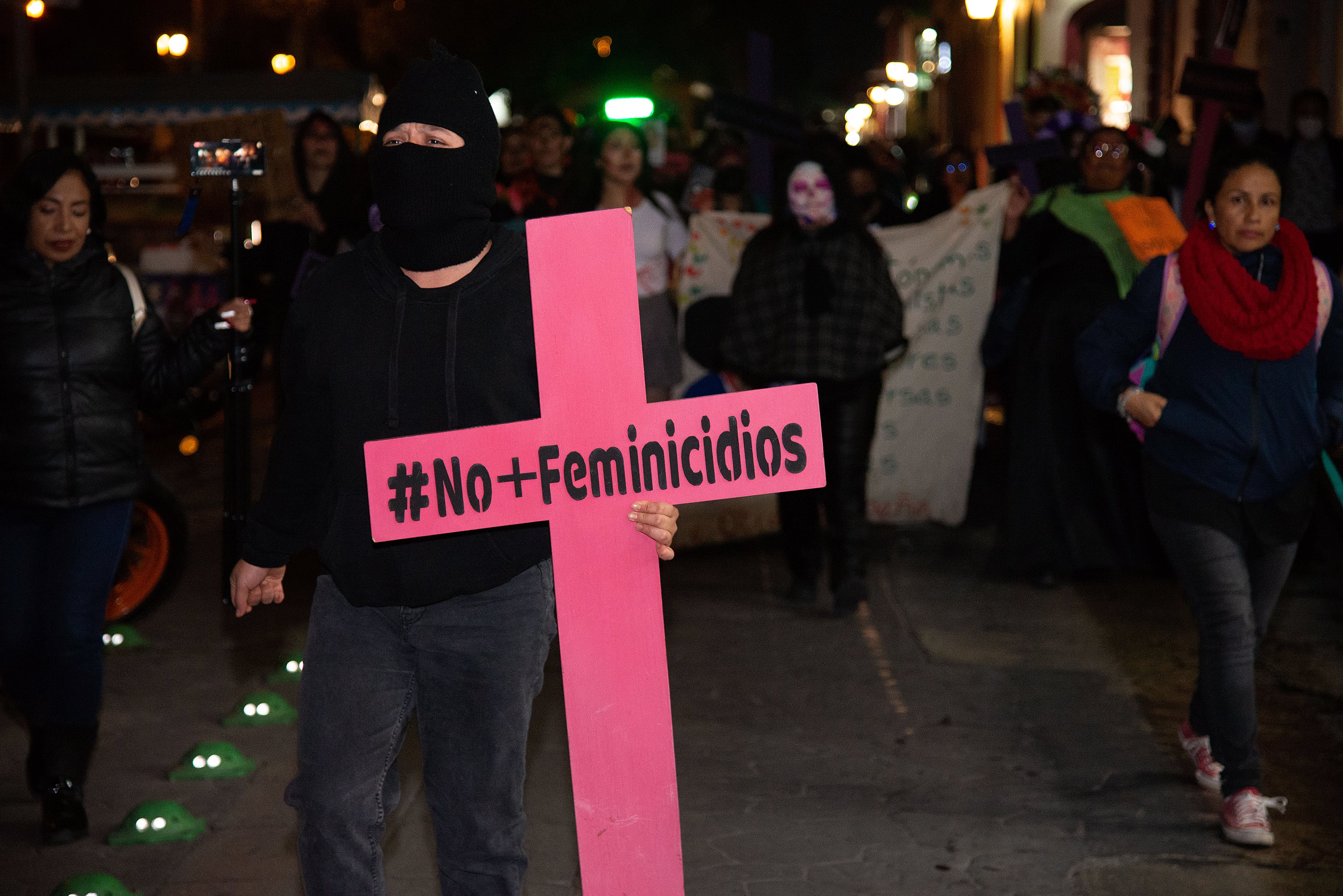
Cinco menores de edad figuran entre las víctimas de feminicidios registrados durante 2026 en Cuba por el Observatorio de Alas Tensas (OGAT).
Sus nombres abren una lista de 57 mujeres y niñas documentadas entre enero y octubre. Gabriela tenía siete años; Camila A. 12; Katherine, 14; Merlin y Camila tenían 17.
Gabriela fue asesinada el 21 de marzo. Algunas fuentes ubicaron el hecho en el Reparto Guiteras, en La Habana del Este, y otras en Guanabacoa. El agresor señalado fue un vecino.
Camila A. murió el 22 de abril en Pedroso, Batabanó, Mayabeque, junto a su madre, Rosalí Peña Hernández. La pareja de la mujer fue identificada como agresor de ambas.
Katherine murió el 14 de marzo en el barrio La Caldosa, en El Cornito, Las Tunas. El ataque fue atribuido a su expadrastro.
Merlin falleció a comienzos de julio en un hospital, después de permanecer internada por un ataque ocurrido en Yerba de Guinea, Songo La Maya, Santiago de Cuba. El registro atribuyó la agresión a su padrastro.
Camila fue asesinada el 21 de junio en la vivienda de su pareja, en La Palma, Arroyo Naranjo, La Habana.
La lista reúne a víctimas de entre siete y 81 años
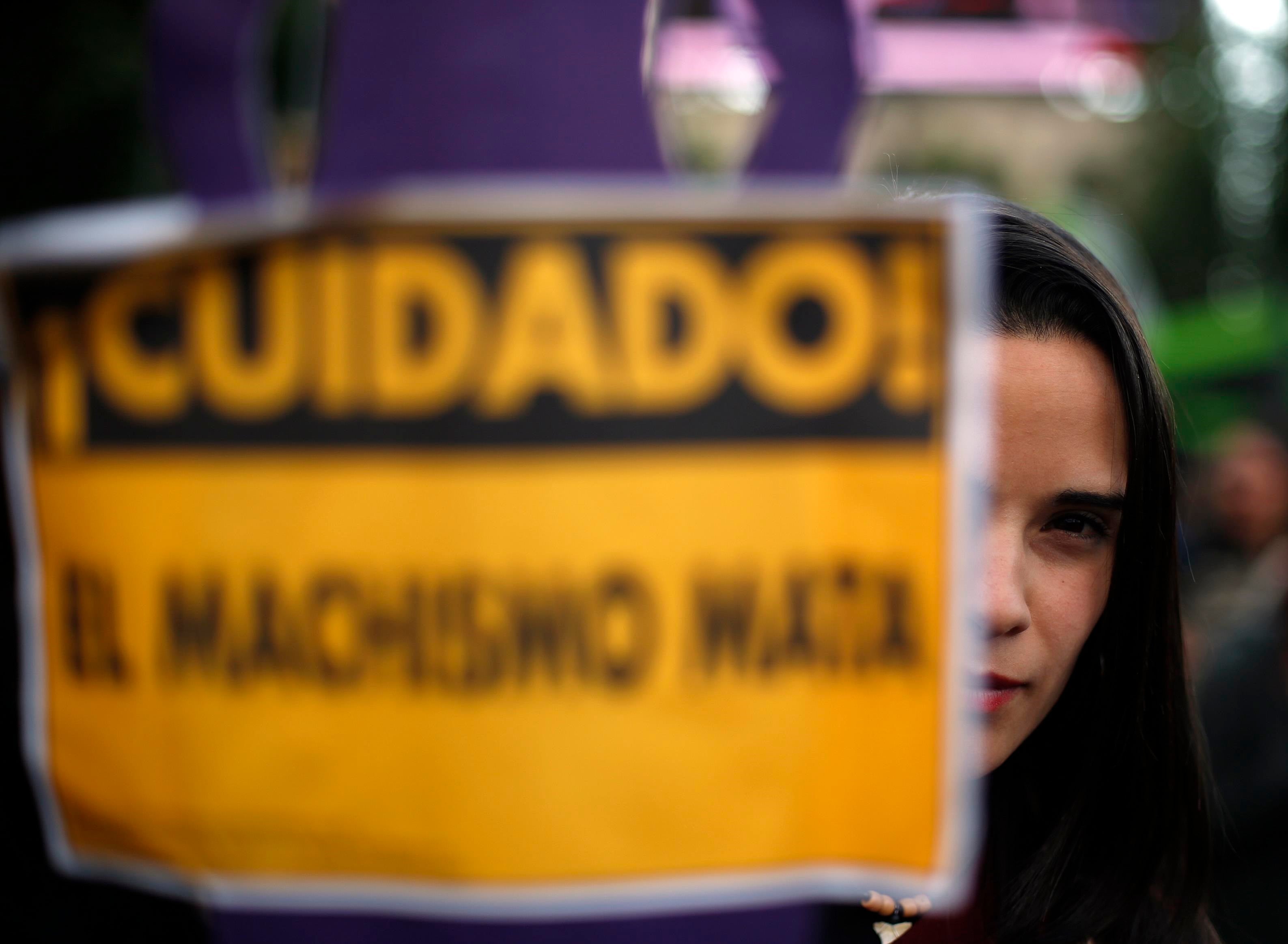
El OGAT realiza el monitoreo desde 2019 mediante una red de observadoras dentro de la isla, fuentes comunitarias, medios de prensa y alianzas con plataformas independientes de mujeres.
El registro reúne asesinatos, desapariciones y agresiones que, según la organización, permanecen sin respuesta institucional. En numerosos casos, los agresores señalados eran parejas o exparejas de las víctimas.
La mujer de mayor edad incluida en el listado fue Lenia Valdés Amador, de 81 años. La atacaron el 23 de agosto en su casa de Güines, Mayabeque, y murió después en el hospital, donde fue operada.
En esa agresión también murió su hija, Yanelkys Alonso Valdés, de 55 años. El hecho fue atribuido a la expareja de Yanelkys.
Olimpia Pérez tenía 79 años cuando fue asesinada el 2 de marzo en su vivienda de Mendoza, Tapaste, Mayabeque. El observatorio indicó que el agresor no había sido identificado.
Los últimos nombres del registro corresponden a Matanzas, Camagüey y Artemisa
Nilda Díaz Santana, de 58 años, murió el 2 de octubre en su vivienda del barrio rural Merceditas, en Cárdenas, Matanzas. La expareja de su hija fue señalada como agresor.
Durante septiembre fueron registradas Rachel García González, de 27 años, asesinada en su hogar del barrio La Iglesia, en Los Ángeles, Vertientes, Camagüey; Didianny Barreto Palmero, de 34 años, hallada en un descampado de Ceballos, Ciego de Ávila; e Idania Castillo Sacre, de 58 años, asesinada en Taco Taco, San Cristóbal, Artemisa.
El registro atribuyó los tres casos a exparejas. También incluyó a Yusinay Capetillo Martínez, conocida como Yusy, de 41 años.
Yusy fue atacada durante un apagón en su vivienda del barrio Santos Suárez, en Diez de Octubre, La Habana. El observatorio señaló a su exyerno como agresor.
Yadelaine Roque Torres, llamada Yade, tenía 25 años cuando murió en Sabana, La Caoba, cerca de El Cobre, Santiago de Cuba. Su expareja fue señalada como responsable.
En agosto, Bertha Veitia López, de 64 años, fue asesinada en Nuevitas, Camagüey, por un conocido. Noemí Pérez López, de 38 años, murió en la comunidad rural Paso Pata, en Jesús Menéndez, Las Tunas, en un crimen atribuido a su expareja.
En julio se acumularon casos de mujeres atacadas en sus casas o cerca de ellas
Adis Glennis Rodríguez Mulet, conocida como Adita, tenía 34 años. Murió en un hospital de Bayamo, Granma, tras una agresión atribuida a su pareja.
Juana María Baños González, llamada La China, de 57 años, fue asesinada en Paso Real de San Diego, Pinar del Río. El agresor identificado fue su expareja.
Kirenia López Mendoza, de 43 años, murió en su vivienda del barrio Pueblo Nuevo, en Nueva Gerona, Isla de la Juventud. El OGAT indicó que varios hombres pudieron haber participado en el crimen, entre ellos su pareja.
Frente a su casa del barrio La Fabela, en Las Tunas, fue asesinada Yeni María Peñas Leyva, de 23 años. El registro atribuyó el ataque a su expareja.

Yesneidy López Hernández, de 39 años, fue atacada en la vía pública de Güines, Mayabeque. El agresor señalado también fue su expareja.
Yunierkis Gómez Lozano, conocida como Yunita, de 43 años, fue asesinada en Cumanayagua, Cienfuegos, por su pareja, quien luego se suicidó.
Yolexis Virgen Arias Oroceno, de 54 años, murió tras ser atacada en la vivienda que compartía con su pareja, en el Reparto Modelo de Camagüey.
Dayana Borges tenía 26 años. Fue asesinada en Centro Habana, en la casa que compartía con su pareja.
Junio dejó víctimas en La Habana, Mayabeque y Santiago de Cuba
Zarahelga Pardo López, conocida como Sarita, de 29 años, murió en el Reparto Carlos Roloff de Sancti Spíritus. Su expareja fue señalada como responsable.
Lidianni Luis González fue asesinada cerca de La Trinchera. Maribel Pérez Linares, de 33 años, murió en el batey La Lima, Nueva Paz, Mayabeque. Ambos hechos fueron atribuidos a exparejas.
Rosaidis Donatien, conocida como Rosy, de 23 años, murió en su hogar del reparto Nito Ortega, en Palma Soriano, Santiago de Cuba. Su pareja fue identificada como agresor.
Arnelys Nancy Vega González, llamada Tita, de 25 años, fue asesinada en su casa del barrio Colón, en Centro Habana. El registro señaló a su pareja como agresor.

Yohanka Acosta Rodríguez fue encontrada sin vida en un parque de la esquina de 23 y Paseo, en Plaza de la Revolución, La Habana. Su expareja fue señalada como responsable.
En Camagüey, Lisney Cárdenas Bruzón, de 26 años, murió en la comunidad rural La Tomatera, municipio Florida. El crimen fue atribuido a su expareja.
Adrianelys Nieves Castillo, de 24 años, fue asesinada durante un apagón en su vivienda de Camagüey. Estefany García, conocida como Tita, de 29 años, murió ese día en San Miguel del Padrón, La Habana. Los dos hechos fueron atribuidos a exparejas.
Algunas víctimas habían desaparecido antes de ser encontradas sin vida
Yanet Sánchez Espino, de 48 años, fue encontrada sin vida en la playa de Guanabo, La Habana del Este. El agresor identificado fue un conocido.
Yarenia García Mariné, de 36 años, desapareció antes de ser hallada sin vida en Palancón, Las Tunas. El registro señaló a un conocido como agresor.
Daisi María Isaac Brito, de 56 años, desapareció en San Francisco de Paula, San Miguel del Padrón, y fue encontrada sin vida al día siguiente. El agresor señalado fue un vecino.
Osleidys Bonaga Corella, de 41 años, murió en Floro Pérez, Gibara, Holguín, por una agresión atribuida a su expareja. En el mismo municipio, Yadira González Gámez, de 41 años, fue asesinada en el barrio rural Cañada de Melones por un conocido.
Kirenia Casi Ávila, de 32 años y madre de un bebé de cinco meses, murió en la vía pública del barrio Párraga, en Arroyo Naranjo. El ataque fue atribuido a su expareja.

Yurelis Puente Naranjo, de 44 años, fue asesinada en su hogar de Juraguá, Abreus, Cienfuegos. Gloria Almanza Céspedes, de 52 años, murió en su vivienda del barrio Los Mangos, en San Miguel del Padrón. Las exparejas de ambas fueron identificadas como agresores.
La lista también incluye a madres, hijas y mujeres asesinadas por familiares
Mariolis López Silio, de 37 años, fue asesinada en Güines, Mayabeque. Yunia Lisset Bizet Sánchez, de 52 años, murió en la vía pública del reparto Rosa La Bayamesa, en Bayamo, Granma. Los casos fueron atribuidos a exparejas.
Marina Pino Martínez, conocida como Marian, de 23 años, fue asesinada en su casa de San Bernardo, Jagüey Grande, Matanzas. El agresor señalado fue su expareja.
Yarisleidis Saavedra Hernández, de 26 años, murió en su vivienda de Las Maravillas, San Juan y Martínez, Pinar del Río. El ataque fue atribuido a su padre.
Maylén Fernández Soriano, también de 26 años, fue asesinada en su hogar de San Juan, Jesús Menéndez, Las Tunas. El registro identificó a su pareja como agresor.
Maribel Batista Rodríguez, de 54 años, murió en el barrio Moscú de Manzanillo, Granma, tras un ataque atribuido a su expareja. Santa Durán Hurtado, de 62 años, murió en Cruces, Cienfuegos, en un crimen atribuido a su nieto.
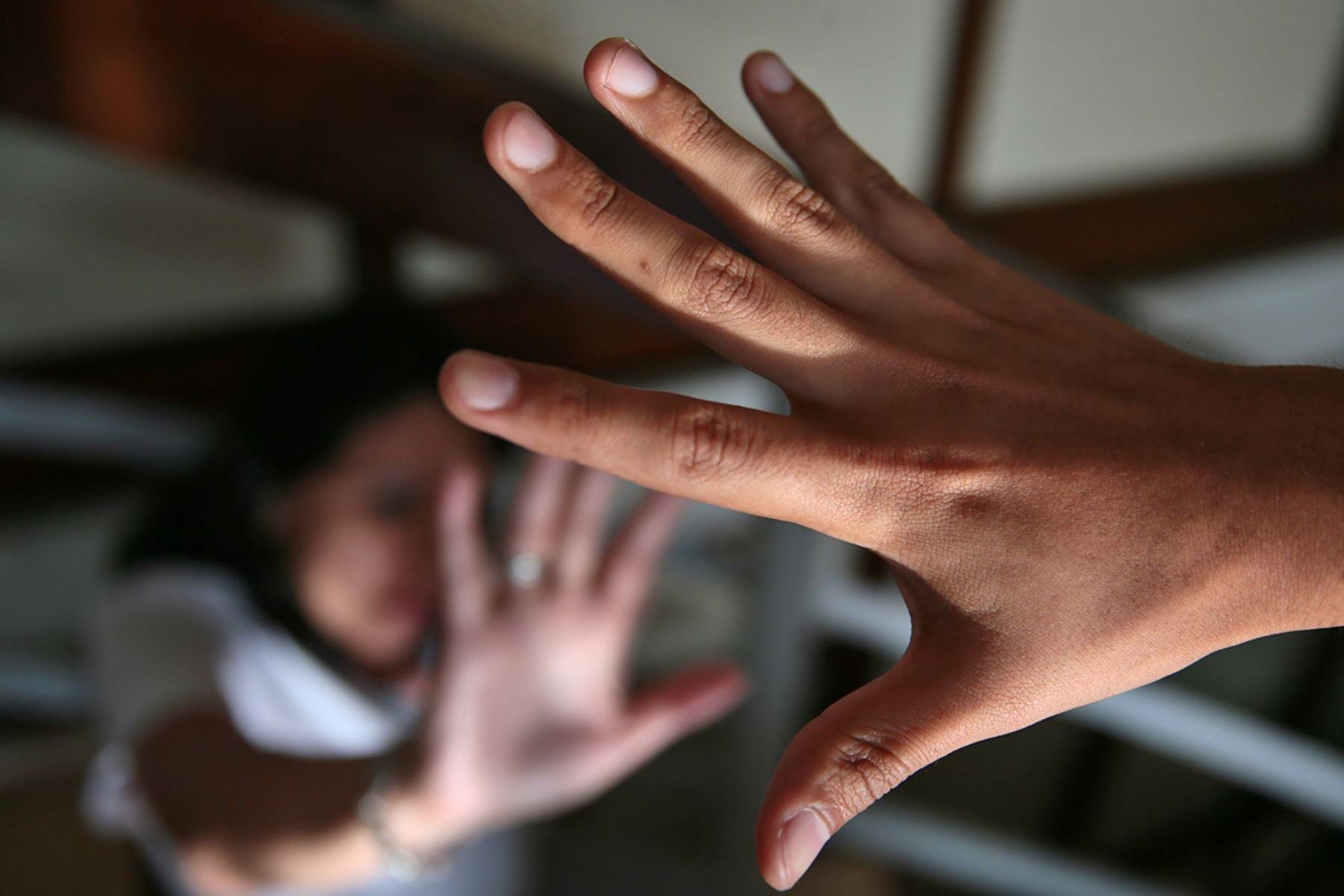
Ana Yancy Guillot fue atacada en la vía pública de Pinar del Río por su pareja. Yaimée Carrazana Herrera, de 32 años, murió tras una agresión en la vía pública de Santa Clara, Villa Clara, atribuida a su expareja.
Los primeros casos del año quedaron registrados en seis provincias
Yaneisi Quiala Miranda, de 38 años, fue asesinada en Santa Catalina, Manuel Tames, Guantánamo. El crimen fue atribuido a su pareja.
Yaniuska Barrero Machado, de 38 años, se dirigía a trabajar cuando fue atacada en Alto del Moro, Las Mercedes, Bartolomé Masó, Granma. Su pareja fue identificada como agresor.
Mileidis Dueñas Pérez, conocida como La Jimagua, de 46 años, murió en el barrio Obeso de San Juan y Martínez, Pinar del Río. El caso fue atribuido a su expareja.
Claudia Surely Varela Toledano, de 26 años, fue asesinada en la casa de un familiar del reparto Sánchez Soto, Camagüey. El observatorio señaló a su expareja como agresor.
Darmis Ismarai Figueredo Rodríguez, conocida como Gulli, de 38 años, murió en su hogar de Gua, Cienaguilla, Granma. La agresión fue atribuida a su expareja.
Magaly Aragón Aragón, de 59 años, trabajaba en el campamento penitenciario Las Mulas, en Jatibonico, Sancti Spíritus. Murió en un cañaveral y el agresor señalado fue un conocido.
cruz,defensa derechos humanos.,disftaz,exterior,feminicidio,manifestación de apoyo,muerte,mujer,noche,pancarta,protesta,violencia machista/de género,víctima
INTERNACIONAL
Laura Fernández anuncia en El Salvador una estrategia de “mano dura” inspirada en el modelo de Bukele
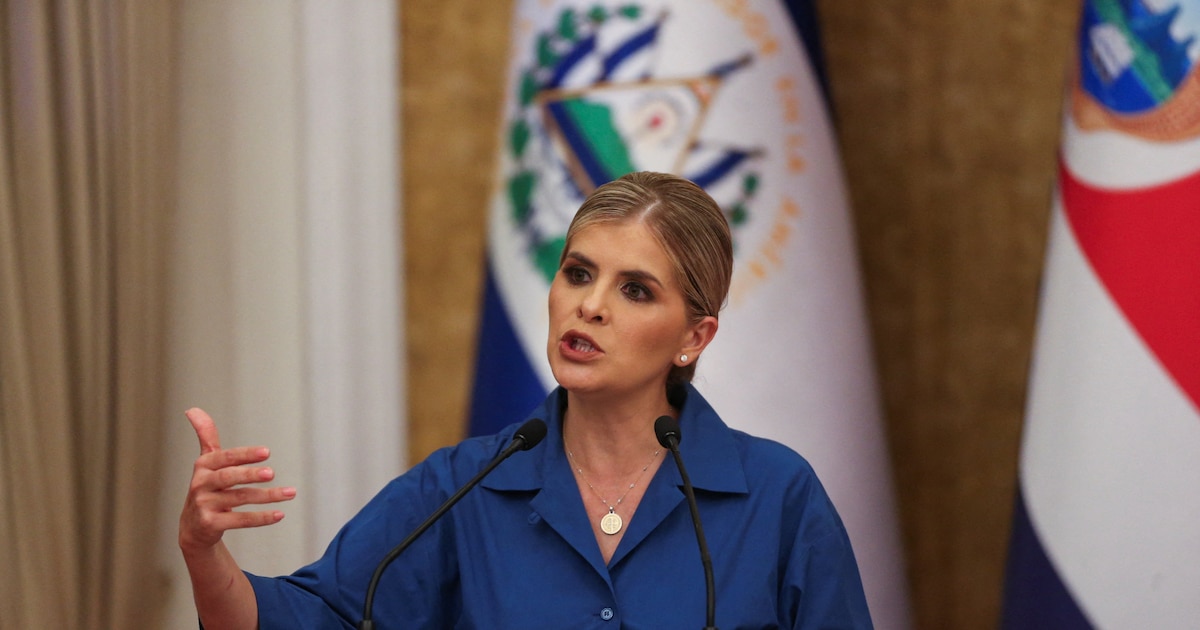
En el marco de un encuentro bilateral de trascendencia regional, la presidente de Costa Rica, Laura Virginia Fernández Delgado, sostuvo una reunión oficial con el mandatario salvadoreño, Nayib Bukele.
Durante el encuentro, que culminó con la firma de nuevos acuerdos en materia de combate al crimen organizado, la gobernante costarricense detalló los pilares fundamentales de la estrategia de “mano dura” que implementará en su país, tomando como referente directo las políticas penitenciarias y de seguridad del modelo salvadoreño.
Infobae estuvo presente en la conferencia de prensa en la que ambos líderes ratificaron su compromiso de cooperar de forma transnacional contra el narcoterrorismo.
Fernández Delgado explicó abiertamente los motivos que la llevaron a trasladarse a suelo salvadoreño y recorrer las instalaciones del Centro de Confinamiento del Terrorismo (CECOT), una de las obras insignes del plan de seguridad de Bukele. Para la mandataria costarricense, el intercambio institucional resulta imprescindible para contener la escalada delictiva que amenaza a la región.
En la rueda de prensa presenciada por Infobae, la presidente detalló de forma minuciosa en qué consiste la doctrina de “mano dura” que abandera su administración, partiendo de dos premisas doctrinales y sociopolíticas clave para el diagnóstico de la crisis actual.
“Partimos de dos premisas. Primero, que un Estado que pierde el control de su territorio y que se lo cede a las pandillas o a los delincuentes, donde la gente buena es la que está tras las rejas de su propia casa, es un Estado fallido”, argumentó con vehemencia la presidenta.
Como segunda premisa, Fernández situó el valor supremo de la vida humana y la reparación moral a las familias golpeadas por el sicariato y el narcotráfico:
“A un hijo asesinado nadie lo reinstala a la sociedad, a una viuda nadie le devuelve al marido, a un huérfano nadie le devuelve a su padre o a su madre. Así que por esa razón, desde mi gobierno estamos impulsando cambios en las políticas públicas en Costa Rica y sí, cambios de mano dura”.
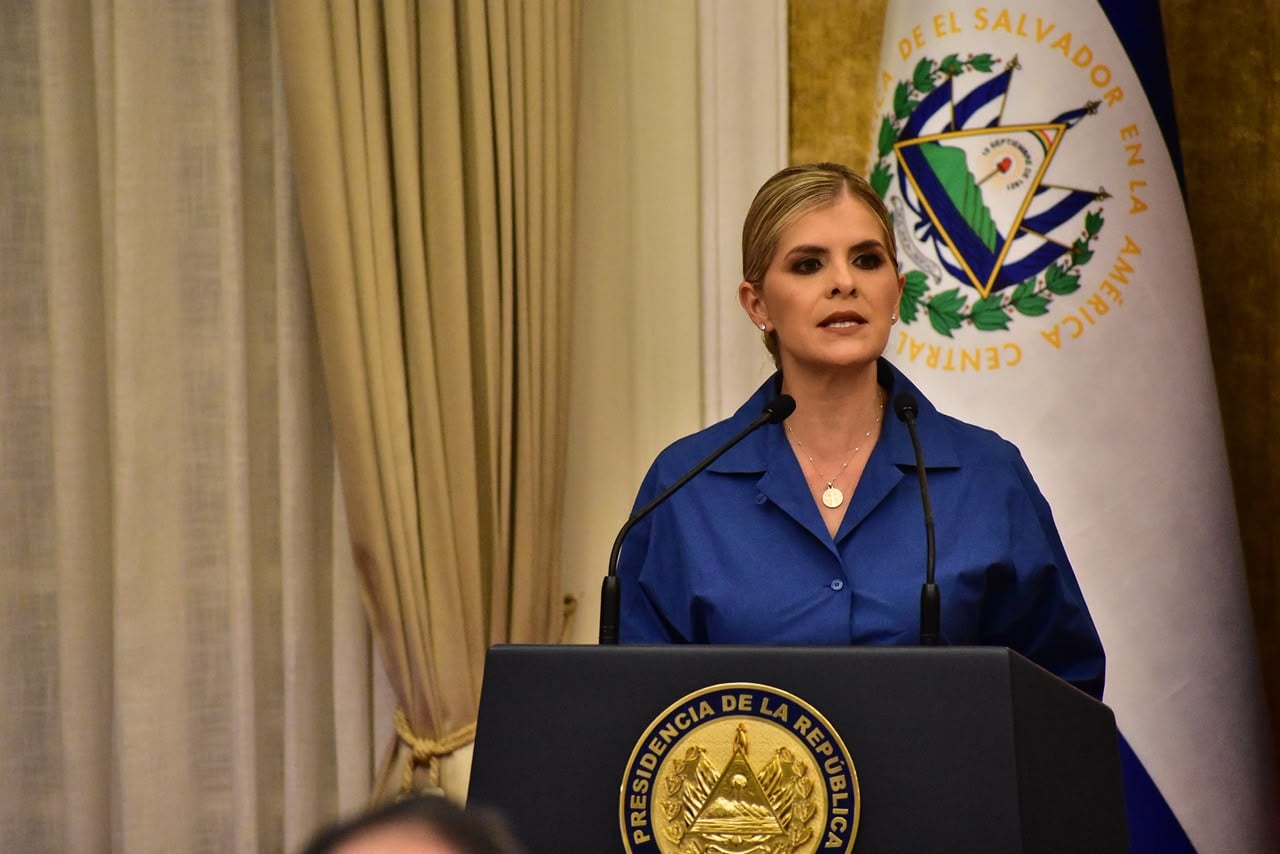
La mandataria precisó que esta política no implica vulnerar las garantías fundamentales, sino priorizar a las víctimas sobre los delincuentes. “No se trata de renunciar a los derechos humanos que nuestro país históricamente ha defendido… Se trata de proteger también con una pasión y un compromiso aún mayor el derecho de las familias honestas a vivir sin miedo”, añadió.
Reformas legales y críticas al sistema judicial costarricense
Uno de los puntos más álgidos abordados por Fernández fue la necesidad urgente de modernizar el marco jurídico de su país, el cual calificó de obsoleto frente al accionar de estructuras delictivas transnacionales que emplean herramientas avanzadas como la inteligencia artificial y complejas redes de lavado de dinero.
Fernández cuestionó severamente las decisiones del Poder Judicial en Costa Rica, acusando a ciertos sectores procesales de propiciar un ambiente de impunidad mediante la liberación reiterada de delincuentes peligrosos. Para ilustrar la gravedad de la situación, citó el trágico homicidio del oficial de policía Gerson Rosales, abatido por un sicario que sumaba múltiples detenciones previas sin condena efectiva.
“¿Quién fue verdaderamente el responsable de que Gerson Rosales fuera asesinado? ¿El gatillero o las autoridades que permitieron que ese gatillero anduviera suelto y jalara ese gatillo?”, cuestionó la gobernante.
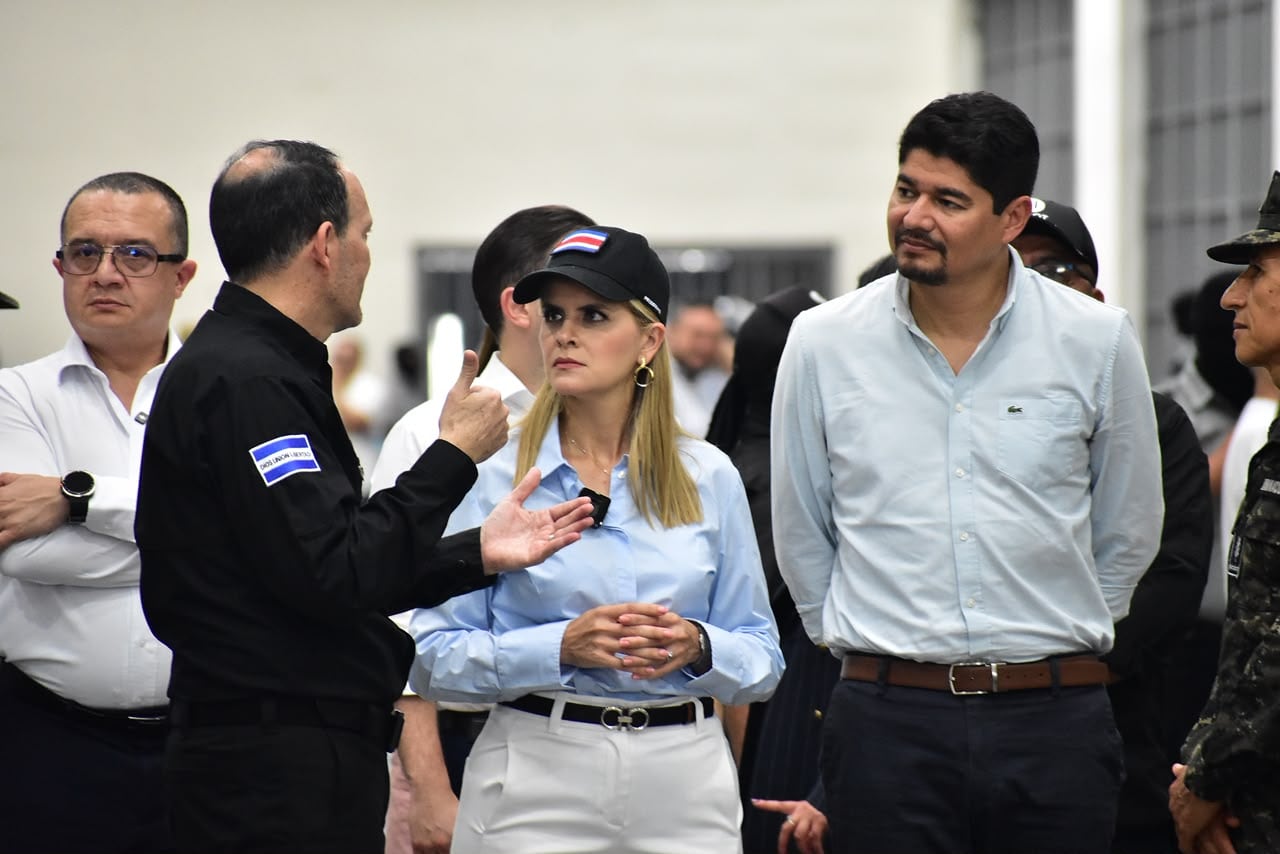
Ante este contexto, la mandataria anunció que impulsará reformas legislativas inspiradas en las leyes salvadoreñas de sanción a la pertenencia a organizaciones criminales. Asimismo, prometió que los criminales de alta peligrosidad, especialmente quienes atenten contra la vida de los miembros de las fuerzas policiales, purgarán penas severas y sin privilegios en el nuevo presidio CACCO.
Cero tolerancia a la corrupción y aplicación del modelo “Cero Ocio”
El plan integral de mano dura anunciado por la administración costarricense contempla también un esquema de “cero tolerancia” a la corrupción dentro de los cuerpos policiales y en los órganos de administración de justicia, remarcando que señalar estas irregularidades no constituye una injerencia en la división de poderes, sino un acto de responsabilidad gubernamental.
En el ámbito penitenciario, Fernández confirmó la adopción del programa salvadoreño “Cero Ocio”, diseñado para eliminar las granjerías e incentivos dentro de las carcelerías que históricamente permitían la transformación de los centros penales en sedes operativas de extorsión y ejecución de delitos.
“Este es el mensaje contundente que le doy a los narcoterroristas: no encontrarán en nuestras naciones gobiernos dispuestos a rendirse ni pueblos dispuestos a vivir de rodillas frente al crimen. En Costa Rica no aflojamos ni un milímetro”, sentenció la mandataria al cierre de la conferencia de prensa.
Con la ratificación de esta alianza entre San José y San Salvador, ambos países trazan una hoja de ruta conjunta enfocada en el rigor penal, el fortalecimiento de las fronteras y la persecución internacional del crimen organizado en la región.
International,Relations,Diplomacy / Foreign Policy,South America / Central America
INTERNACIONAL
Your bumper sticker could help Flock cameras track where you go — new bill aims to stop it
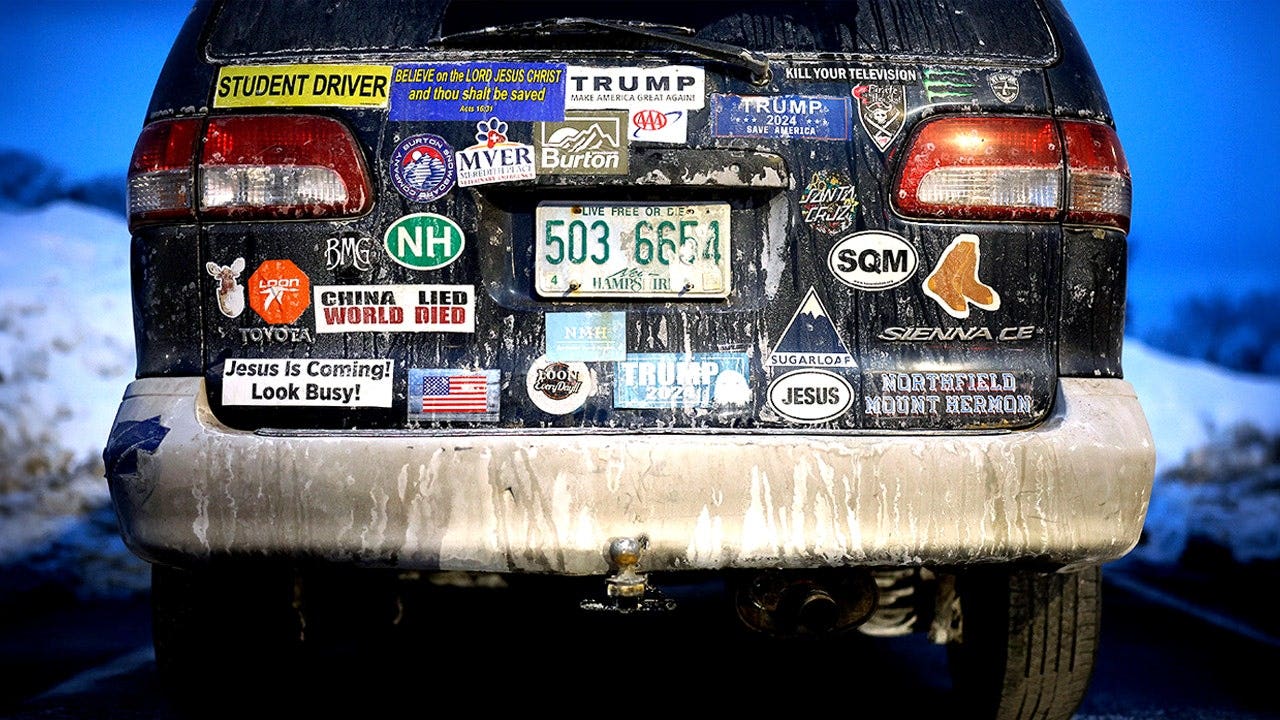
FIRST ON FOX: Americans are sounding the alarm over privacy concerns surrounding Flock cameras and other automated license plate readers (ALPRs) that can snap photos of cars and track locations, and one GOP lawmaker is moving to close the gaps.
Rep. Pat Harrigan, R-N.C., introduced a bill Thursday that would ban ALPR searches targeting political or religious messages on vehicles, require warrants for most searches, mandate that records be deleted within 24 hours and prohibit vendors from selling or sharing location data.
«When you consider that these systems track everything that you do, where you work, where your kids go to school, where you even go to church, I think it’s pretty easy to understand why people are concerned,» Harrigan told Digital. «So that’s an extraordinary amount of information about somebody that the government has that has never committed a crime.»
POWERFUL CRIME-FIGHTING SURVEILLANCE GROWTH SPURS LAWMAKERS TO ISSUE WARNING: ‘ORWELLIAN’
Flock cameras and other ALPRs have drawn widespread debate. Law enforcement uses them in criminal investigations to collect searchable license plate, location and other vehicle data that allow officers to search by location and identify vehicles matching a suspect’s vehicle description.
Critics believe they raise constitutional concerns by tracking drivers without consent, while supporters say they are needed for crime prevention. President Donald Trump has voiced support for Flock cameras, telling reporters on Sept. 13 that he «sort of» likes them because of their use by law enforcement despite some people calling them «an infringement.»
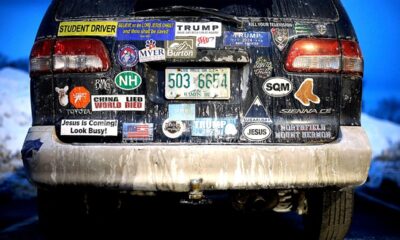
Harrigan’s bill would impose restrictions on all ALPR systems, including prohibiting government agencies from categorizing vehicles by «expressive attributes» like political or religious bumper stickers, flags or decals.
HAWLEY RIPS FLOCK’S SPRAWLING SURVEILLANCE WEB AS TEXAS CITIES CUT CAMERAS OVER PRIVACY AND DATA FEARS
«At the end of the day, they have nothing to do with whether you committed a crime or not,» Harrigan said. «As all of this data comes in and is vacuumed in by the government, it becomes searchable, particularly with the new technologies that we have surrounding artificial intelligence.»
That means messages ranging from «Back the Blue» to «Jesus Saves» or «Black Lives Matter» could not be turned into searchable data. The bill would also block ALPR searches targeting political or religious activity, civil immigration violations, parking or non-moving traffic violations, debts and other civil penalties.
As ALPR technology expands, Flock Safety says its systems can detect bumper stickers but cannot identify their type, «like a political party or a house of worship.»
However, its AI-powered FreeForm search allows users to search vehicle characteristics «in plain terms,» raising questions about how bumper stickers and other markings could be used to identify vehicles. The company said safeguards are designed to block searches for vehicles based on political or religious bumper stickers and symbols.
The bill would require law enforcement to have a probable cause warrant in most searches, with exceptions for immediate threats to someone’s life or safety. Records would have to be deleted within 24 hours, with exceptions for warrants, emergencies and court orders.
It would also require agencies to log ALPR searches, publish annual reports and undergo audits. States without qualifying protections could lose 10% of certain federal criminal justice funding. Additionally, vendors would be prohibited from selling ALPR data or using it to train artificial intelligence (AI) models.
And for Americans worried about their Fourth Amendment rights, the bill would offer legal protections, allowing people to sue over illegal searches for at least $1,000 per violation and keep illegally obtained evidence out of court.
TEXAS GOV. GREG ABBOTT MOVES TO CUT STATE FUNDING FOR AI-POWERED FLOCK CAMERAS AMID PRIVACY CONCERNS
In August, The Washington Post found that at least 50 officers had been accused or charged with misusing license plate readers. Some reportedly used them to spy on romantic partners, exes or other women, with Flock’s system used in 46 cases.
Harrigan said the bill would not stop the technology from being used as an investigative tool and would instead place limits on how far law enforcement can go.
«Simultaneously, when we have technology that can benefit humanity and our experience here as Americans and make America safer, we should leverage that. But we have to strike the right balance,» he said.
He said he believes lawmakers can get behind the bill «regardless of your political philosophy.»
«Protecting Americans from criminals and protecting their constitutional rights, to me, those are two core responsibilities of government,» he said. «And I think that that’s something that members on both sides of the aisle can get behind.»
Digital reached out to Flock Safety for comment but did not hear back before publication.
politics, privacy, police and law enforcement, donald trump, house of representatives politics

Las víctimas más jóvenes del feminicidio en Cuba: dos niñas y tres adolescentes registradas este año

Daniela Celis salió a buscar novio, contó sus condiciones innegociables y recibió duras críticas: “Querete un poco, flaca”

Tras la marcha universitaria, Yacobitti afirmó: “El Gobierno tiene que cumplir una ley que ya votó el Congreso en dos instancias”

El entrenador del Chelsea confirmó que Emiliano Dibu Martínez fue trasladado al hospital tras chocar la cabeza con un rival

Tristán Suárez vs Patronato: formaciones, hora y dónde ver por tv

Scott Bessent, Japón y la Argentina: ¿cuánto puede aportar Estados Unidos a la “bazuca” de dólares del gobierno de Milei?

Más de 2.000 islas sin hospitales: así funciona la red de clínicas flotantes de India

Autos chinos en Argentina: el caso de Noruega reaviva las alertas por espionaje y riesgos para la seguridad nacional

La angelita de LAM que reveló la peor infidelidad que sufrió en un matrimonio: «Encontré mensajes con otras mujeres y…»

El Índice de Incertidumbre Económica de septiembre alcanzó el nivel más alto de 2026, según la UCA

 POLITICA3 días ago
Autos chinos en Argentina: el caso de Noruega reaviva las alertas por espionaje y riesgos para la seguridad nacional
- ECONOMIA3 días ago
El Índice de Incertidumbre Económica de septiembre alcanzó el nivel más alto de 2026, según la UCA
- DEPORTE3 días ago
La FIFA busca justificar el indulto a Balogun tras la llamada de Trump