INTERNACIONAL
Iranian ‘ghost fleet’ filmed evading US blockade en route to China, UANI says

NEWYou can now listen to Fox News articles!
Small Iranian «ghost fleet» tankers are slipping past the U.S. naval blockade and smuggling sanctioned liquefied petroleum gas (LPG) to China through a shadowy maritime hub off Malaysia, according to U.S. investigators who covertly filmed one of the vessels en route in September.
United Against Nuclear Iran (UANI), which conducted the months-long probe, said at least nine similar tankers carrying Iranian oil or LPG have also evaded U.S. restrictions in the Strait of Hormuz since Washington reinstated the Iranian port blockade in July.
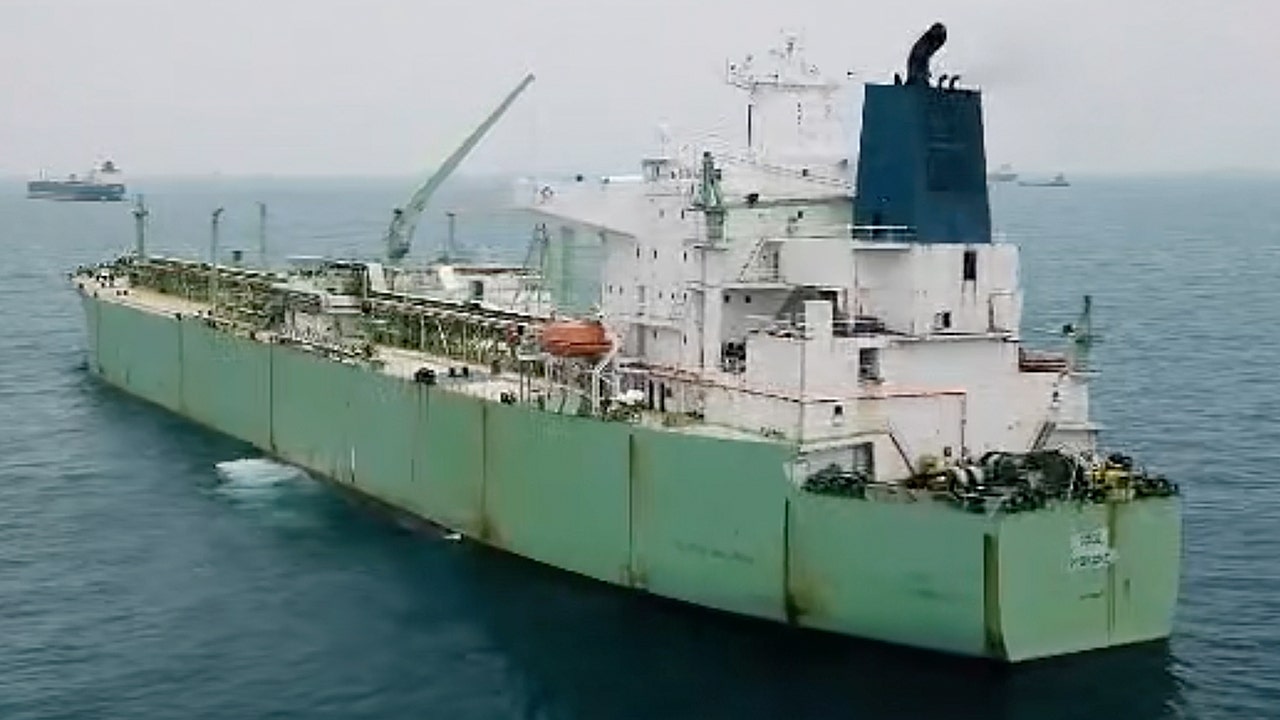
UANI identified one of the sanctioned tankers as the SOGL. It allegedly escaped the blockade on Sept. 1 carrying approximately 500,000 barrels of Iranian LPG after collecting it at an Iranian port in August.
The vessel then traveled thousands of miles to a Malaysian offshore anchorage, where UANI filmed the vessel receiving fuel and other services offshore. The ship then traveled on to China, where the organization said it discharged its Iranian cargo.
IRAN’S $800M OIL SMUGGLING SCHEME USES TANKERS POSING AS IRAQI SHIPS TO DODGE BLOCKADE
U.S. Marines aboard USS New Orleans (LPD 18) stand watch in the Arabian Sea during naval blockade operations against Iran. (U.S. Central Command)
«This tanker had loaded its Iranian LPG from Assaluyeh Port, Iran, in late August. It then breached the U.S. blockade and made its way to a Malaysian anchorage,» Jemima Shelley, a senior analyst at UANI, explained.
«What this shows us is that some vessels are managing to breach the U.S. maritime blockade,» Shelley said of the footage shared exclusively with Fox News Digital.
«Most vessels aren’t, but since the reinstatement in mid-July, we have seen only nine small tankers being successful in their breach of the U.S. blockade and departing the Gulf of Oman laden with oil or LPG.»
At the center of the operation is the Malaysian Eastern Outer Port Limits Anchorage, known as the EOPL, an offshore shipping area approximately 70 kilometers from Malaysia’s coastline.
The anchorage has become a critical staging ground for Iran’s sanctioned energy trade with China, Shelley said.
The area allows vessels to wait offshore, receive supplies and transfer cargo between tankers, providing a logistical lifeline for Iranian energy exports as American naval forces patrol waters closer to Iran.
UANI had been monitoring the SOGL before its arrival in Malaysian waters, Shelley explained.
US TARGETS CHINESE REFINERY IN SWEEPING IRAN OIL CRACKDOWN, SANCTIONS ‘SHADOW FLEET’ TANKERS
«On September 16th, United Against Nuclear Iran chartered a supply vessel and transited 100 nautical miles into the Malaysian Eastern Outer Port Limits Anchorage,» Shelley said.
«Here we witnessed firsthand the illicit activities of ghost fleet tankers, as well as some Iran-flagged cargo ships that were located in this anchorage, one of them being the SOGL.»
She described the SOGL as «a Handymax small tanker that was laden with 500,000 barrels of Iranian LPG.»
The U.S. maritime blockade was first imposed April 13, temporarily lifted in mid-June and reinstated July 14 after diplomatic negotiations collapsed. The operation has largely stopped Iran from exporting crude oil, depriving Tehran of a major source of revenue as the country faces intense economic pressure.
«The U.S. blockade is an overwhelming success at preventing vessels laden with Iranian oil and petrochemicals from leaving the Gulf of Oman,» Shelley said.
She added that since the blockade was reinstated, «no Iranian crude oil has managed to depart and be a successful export for Iran, which is a huge economic pressure for the Iranian regime.»
«It’s just that there are some opportunistic small tankers that are just managing to breach the blockade.»
The United States, she said, is primarily prioritizing Iranian crude and very large tankers, which often carry «two million barrels of Iranian crude.»
MORNING GLORY: PRESIDENT TRUMP AND THE AMERICAN MILITARY HAVE BEATEN IRAN
Malaysia is roughly a 10-day-to-two-week journey from Iran. (AFP/AFP via Getty Images)
LPG is a flammable mixture of hydrocarbons, primarily propane and butane, used for heating, cooking, transportation and industrial production.
«LPG carries a lot of risks,» Shelley said. «The U.S. blockade’s first course of action is to try to attempt to turn around these vessels, which is their main technique for enforcing the U.S. blockade.»
«However, sometimes they do have to use military force and this would be incredibly high risk on far more volatile cargo such as LPG.»
According to Shelley, the smaller vessels exploit those challenges while using tactics commonly associated with Iran’s ghost fleet.
«So what they’ll do is they will turn off their AIS. They will often fly a false flag so they’re completely stateless vessels,» she added.
Automatic Identification System, or AIS, transponders broadcast a vessel’s identity, position and movements to other ships and maritime authorities. Switching them off can make a vessel more difficult to track.
«Often they will load, and then they will transit the Persian Gulf, the Strait of Hormuz, and then in the Gulf of Oman, they will conduct a ship-to-ship transfer there,» Shelley said, describing it as a «very high-risk ship-to-ship transfer because it’s LPG, not crude oil.»
«And then the other tanker that’s receiving the LPG will then transit and attempt to breach the blockade.»
The overall scale remains relatively small compared with Iran’s historical energy exports.
US ECONOMIC CHOKEHOLD ON IRAN REACHES PEAK LEVERAGE AS COLLAPSE RISKS EMERGE
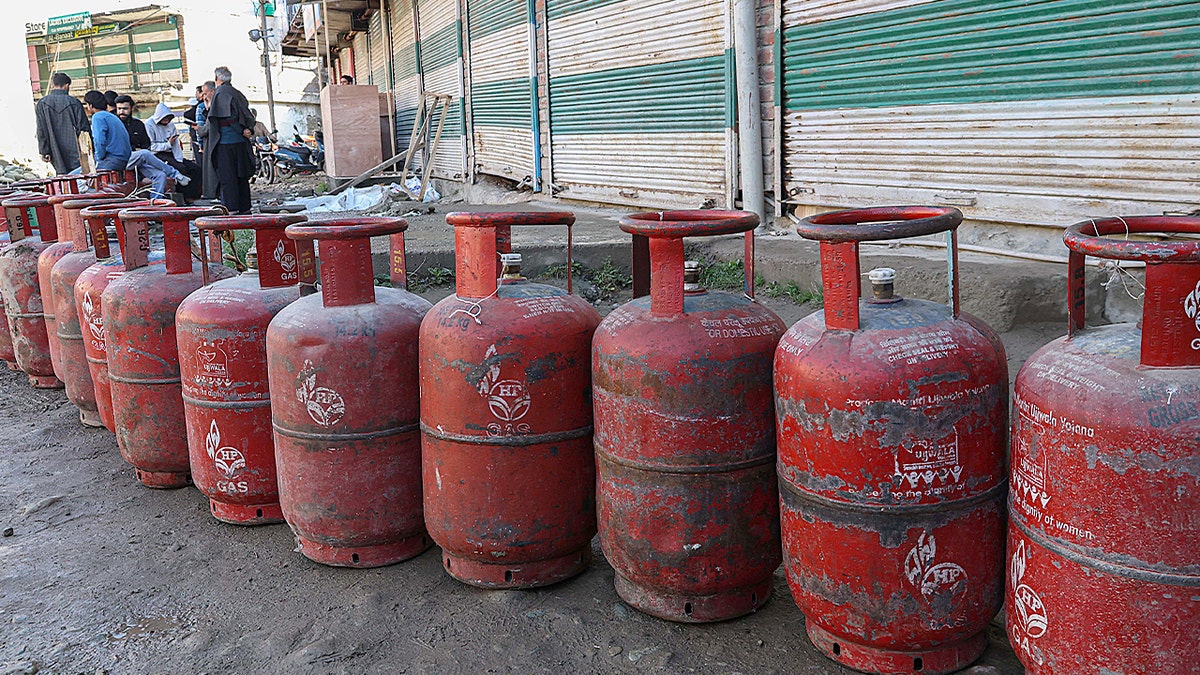
Liquefied petroleum gas, or LPG, is a flammable mixture of hydrocarbons, primarily propane and butane, used for heating, cooking, transportation and industrial production and carries risk when shipped. (Firdous Nazir/NurPhoto via Getty Images)
The SOGL, identified by IMO number 9208227, was added to the U.S. Treasury Department’s Office of Foreign Assets Control sanctions list Oct. 8 over its alleged involvement in transporting Iranian petroleum products since 2025.
The vessel has operated under multiple flags, including the Comoros and Zimbabwe, and has been linked in sanctions records to Gravion Maritime Co.
«Most of these tankers are very emblematic of what ghost fleet tankers do and so are flying false flags, which means they’re completely stateless and will have very complicated front companies running them,» Shelley said.
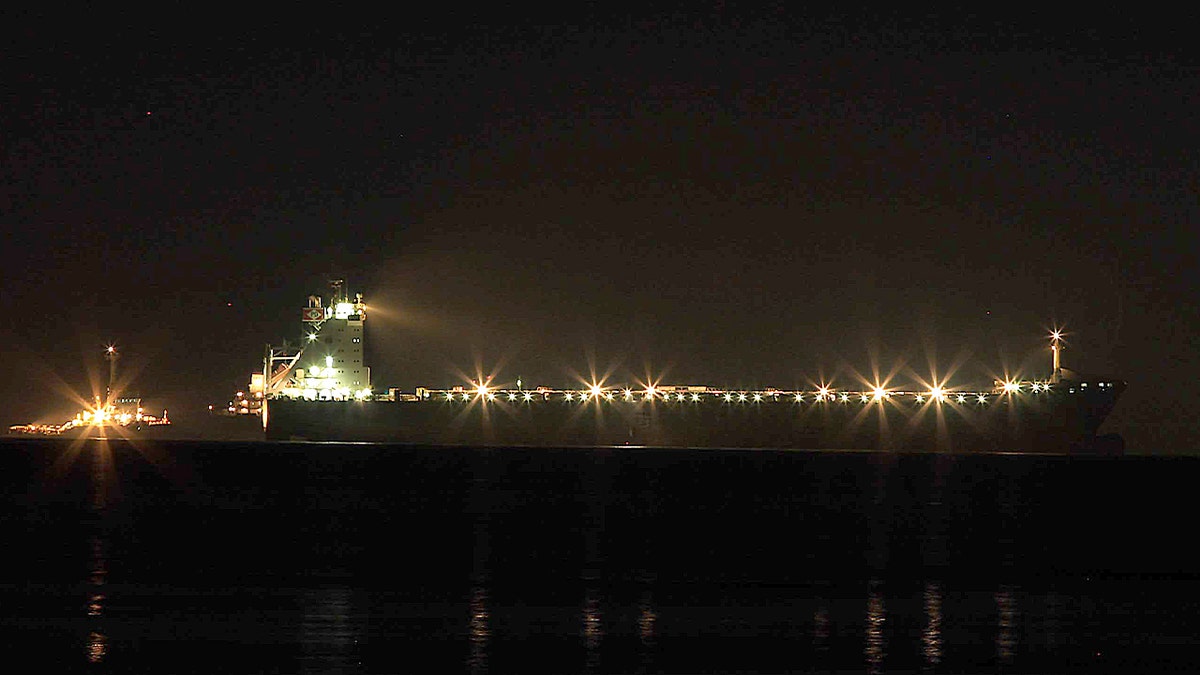
Meanwhile, the EOPL anchorage in Malaysia — roughly a 10-day-to-two-week journey from Iran — has become an important logistical center for Iranian vessels traveling toward Chinese buyers and a «key node in Iran’s oil trade to China,» Shelley said.
«It is used by ghost fleet tankers, Iran-flagged tankers that will load Iranian crude and then transit eastwards from Iran all the way to this anchorage where they will often conduct ship-to-ship transfers with the final tanker bound for China.»
«Often this anchorage is also used for floating storage, which is how Iran managed to survive for so long with the U.S. blockade being reinstated in July,» Shelley said.
She also clarified that since the blockade has been enforced, Iranian floating storage has fallen to «zero to seven million barrels.»
«So you can see how they have survived from having this offshore anchorage where illicit ghost fleet tankers have been able to wait laden with Iranian products.»
IRAN’S OIL LIFELINE IS DRYING UP. THE BIGGEST PAIN MAY FALL ON ORDINARY CITIZENS
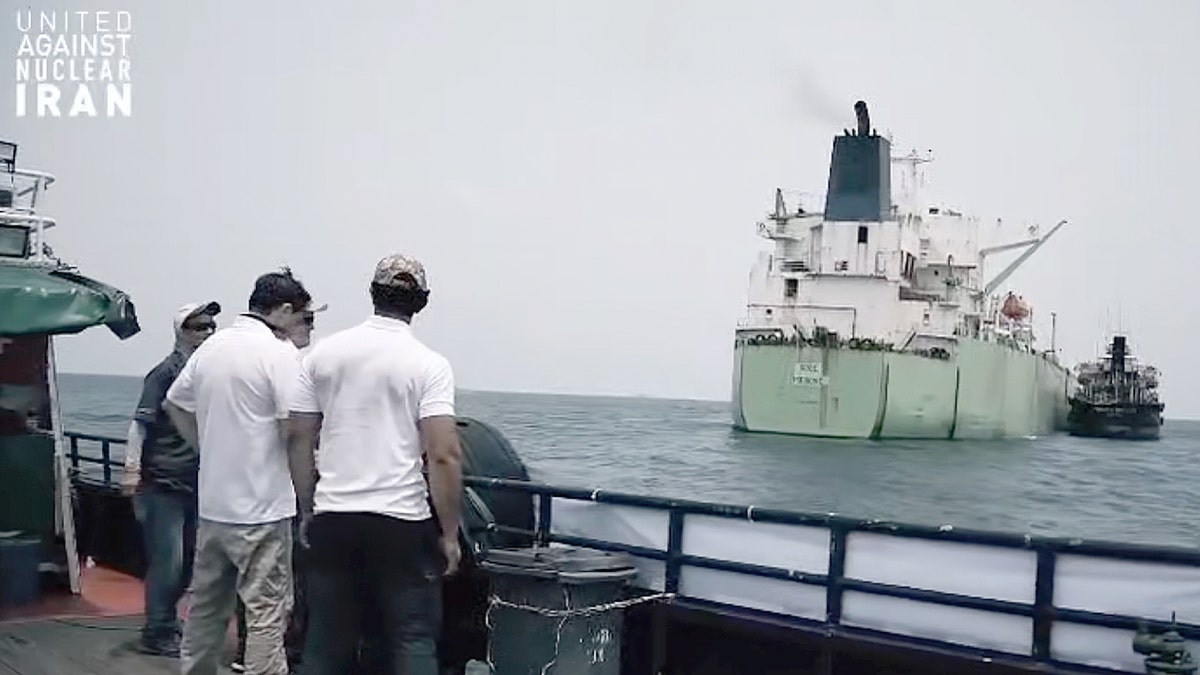
United Against Nuclear Iran (UANI) filmed the sanctioned tanker offshore. (UANI)
UANI’s video also shows the SOGL sitting low in the water and receiving bunkering services from a smaller tanker off Malaysia, where Shelley said authorities appear to be «looking the other way.»
«This is a common thing that you will see in this anchorage, because not only is this anchorage used for ship-to-ship transfers, but also these ghost fleet tankers, as well as some cargo ships in this anchorage, require various services, whether that is food, logistics or bunker fuel.»
China is the dominant destination for Iranian oil and LPG, providing Tehran with a critical economic outlet despite U.S. sanctions and the naval blockade.
«For years, China has made up 80% of Iran’s liquid cargo exports, and we have seen that only grow since the beginning of the Iran War. Now China is importing almost 100% of Iran’s oil and LPG exports.»
«It has created a system and trade that has allowed Iran to avoid sanctions, U.S. and OPEC sanctions, whilst China is able to buy highly discounted Iranian oil and LPG.»
IRAN SEIZES SHIPS IN HORMUZ AS US TALKS FALTER AFTER CEASEFIRE EXTENSION
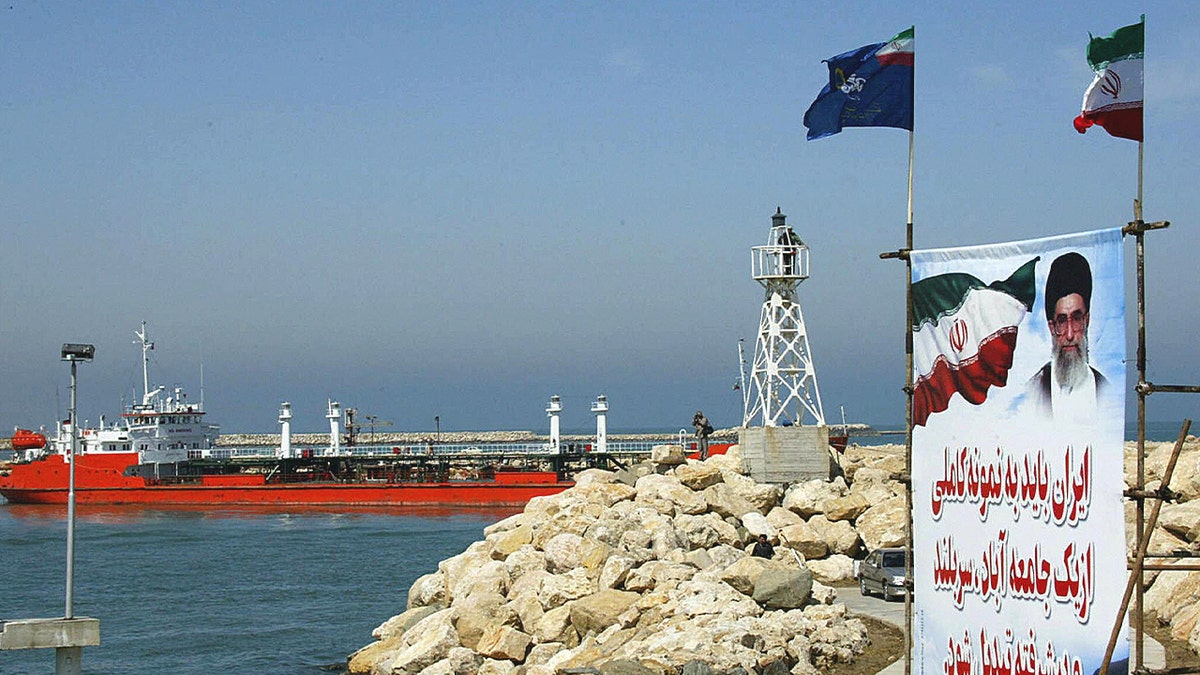
An Iranian oil tanker is seen floating in the Caspian Sea. (HENGHAMEH FAHIMI/AFP via Getty Images)
«After United Against Nuclear Iran’s trip to the EOPL, interestingly, this small LPG tanker SOGL did not conduct a ship-to-ship transfer,» Shelley said.
«Instead, it transited northbound into the South China Sea, where it finally discharged its Iranian LPG at Xinzhou Port in China.»
The G Summer, a U.S.-sanctioned LPG carrier with a capacity of approximately 7,000 cubic meters, was also separately tracked transmitting signals from the Arabian Sea beyond the American blockade line in April, according to Bloomberg.
The vessel broadcast a message indicating it had an «all Chinese crew» aboard, while shipping analytics identified Iran as its last cargo country and Galle, Sri Lanka, as its reported destination.
Fox News Digital has reached out to CENTCOM for comment.
world, iran, us navy, sanctions, national security, middle east







INTERNACIONAL
Russian warship sinks off Libya as suspected Ukrainian strikes take war beyond Black Sea
Ukraine launches record drone attack on Russia, hits Crimea Bridge
Russia faces a record Ukraine drone attack as more than 1,400 drones strike overnight, damaging the prized Crimean Bridge. Host Harris Faulkner covers the escalating war before analyzing the arrival of the USS Theodore Roosevelt in the Middle East. Retired Blackhawk helicopter pilot Lt. Col. Darin Gaub joins ‘The Focus’ to discuss these rising global conflicts and U.S. military positioning.
NEWYou can now listen to Fox News articles!
A Russian warship capsized and sank Sunday after suspected Ukrainian sea drones struck a naval base in eastern Libya, triggering an explosion and fire, according to Libyan officials.
Hours later, a second drone attack also hit a commercial ship off the coast of Benghazi, Reuters reported.
The first ship, the Russian navy corvette Merkury, was docked at Benghazi Naval Base when two explosive-laden sea drones struck the vessel, according to Libyan military officials who spoke to The Associated Press.
UKRAINE POUNDS BLACK SEA FLEET’S ‘LAST MAJOR STRONGHOLD’ WHILE PUTIN FLEXES NAVAL POWER IN PACIFIC
Fire burns after an explosion aboard a Russian ship docked at Benghazi port in Libya. (Reuters)
At least four other drones were intercepted and destroyed, the officials said.
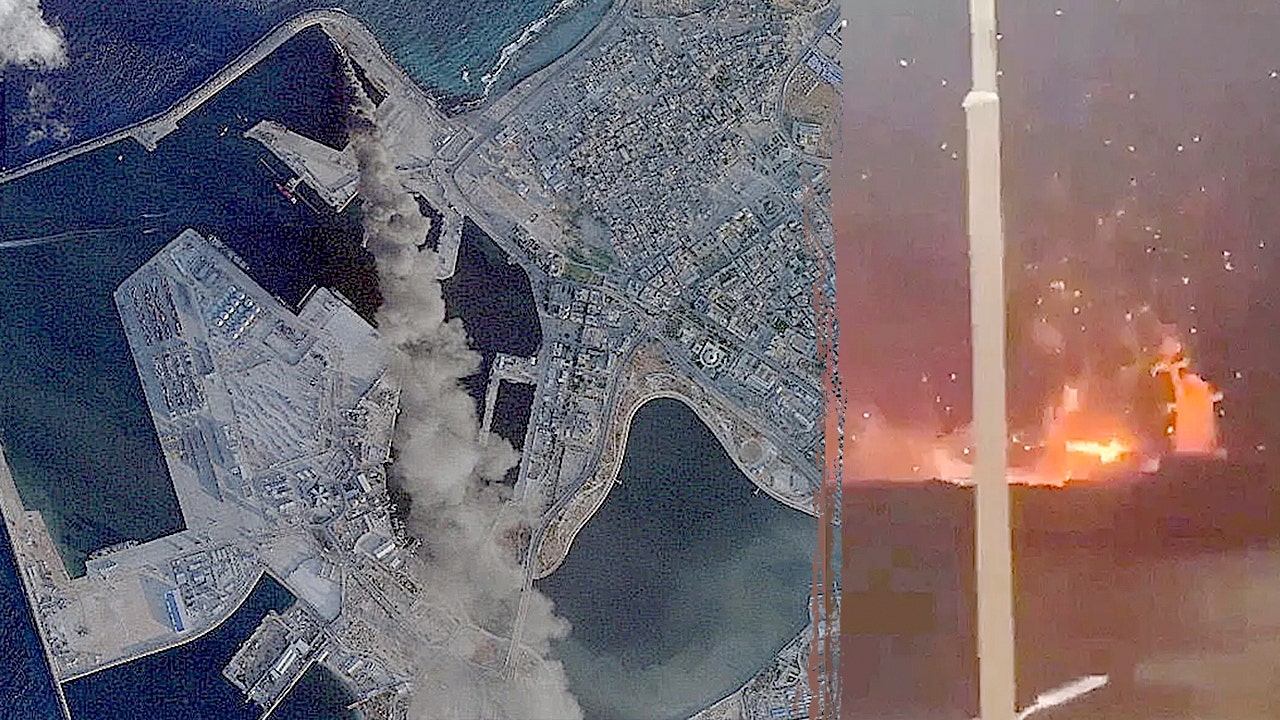
Satellite images showed most of the warship capsized and submerged, with only its bow remaining above water. Smoke could be seen rising from the ship’s superstructure, and debris was scattered along the pier.
Ten people, including Russian and Libyan nationals, suffered minor injuries in the attack and were receiving treatment in Benghazi, medical sources told Reuters.
The warship had stopped at the port to refuel and resupply while returning to Russia under a maritime cooperation agreement with Libya’s eastern-based government, officials said in a statement.
Libyan military officials said an initial investigation indicated that Ukrainian sea drones had been launched from a base in western Libya, according to The AP.
UKRAINE STRIKES DEEP INTO RUSSIA’S ARCTIC GAS HEARTLAND AS TRUMP PUSHES PUTIN TOWARD PEACE

The port of Benghazi after an explosion aboard a Russian ship docked at the Benghazi naval base. (Vantor/Handout via REUTERS)
Hours after the warship was struck, a Maltese-flagged commercial ship was also hit by a sea drone off Benghazi, two Libyan military sources told Reuters.
Libyan naval forces rescued the commercial ship’s crew, while health officials reported that some crew members sustained minor injuries and were in stable condition.
Libyan naval and air forces also intercepted more than 20 drone boats off Benghazi on Sunday evening, the military sources told Reuters.
The attacks prompted Libya’s eastern-based government to seek an international investigation.
Prime Minister Osama Hamad said his government had submitted a formal request to the United Nations General Assembly and Security Council to investigate the attacks, including suspicions that the drones were launched from western Libya.
RUSSIA DEPLOYS NORTH KOREAN MISSILE UNIT TO UKRAINE; MOSCOW-PYONGYANG AXIS DEEPENS: REPORT

A Russian corvette before and after the explosion in Benghazi, with Libya’s eastern-based government saying the explosion was caused by a suspected drone attack. (VANTOR/ Reuters)
Hamad also called for an investigation into the possible presence of Ukrainian military experts in Libya and requested an explanation from Kyiv about their activities.
The eastern government insisted that Libya was not a party to the war between Russia and Ukraine and condemned attempts to use its territory to settle foreign conflicts.
«The Libyan government will not allow Libyan ports, territory or territorial waters to be turned into an arena for settling scores or exporting international conflicts,» the government said.
Benghazi is controlled by forces loyal to Gen. Khalifa Haftar, whose self-styled Libyan National Army dominates eastern and southern Libya and maintains close ties with Russia.
Libya has been divided since the 2011 NATO-backed uprising that toppled longtime dictator Moammar Gadhafi.
UKRAINE UNLEASHES MORE THAN 400 DRONES NEAR MOSCOW IN ONE OF WAR’S BIGGEST ATTACKS
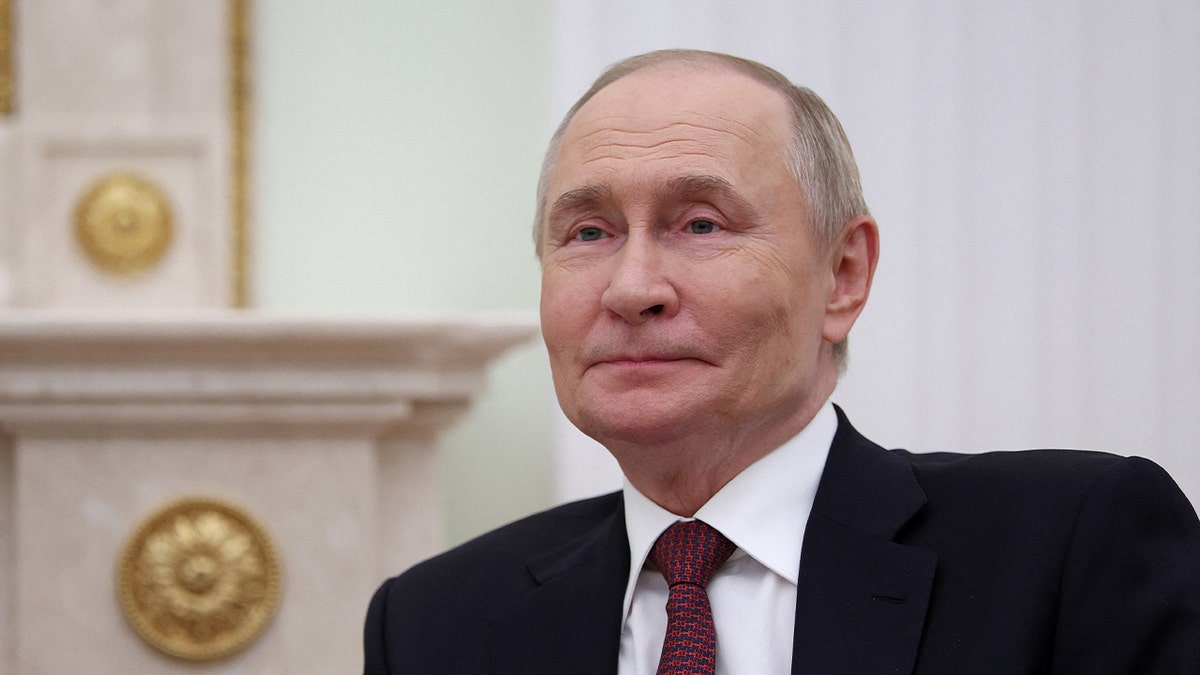
Putin is testing the boundaries of NATO with aircraft incursions, allied states say. (Ramil Sitdikov/Pool/Reuters)
A U. N. recognized government operates from Tripoli, while a rival administration controls much of the east.
The suspected attacks also come as Ukraine has expanded its campaign against Russian naval assets beyond the Black Sea. In December 2025, Ukraine said it struck a Russian-linked oil tanker with aerial drones in the Mediterranean Sea.
In March 2026, Russia accused Ukraine of attacking a Russian liquefied natural gas tanker with naval drones launched from the Libyan coast.
Libyan officials previously told the AP that Ukrainian drone specialists had been operating from military facilities in western Libya, including an air base in Misrata and sites in Tripoli and Zawiya.
Since Russia launched its full-scale invasion of Ukraine in 2022, Ukrainian forces have used explosive-laden sea drones and missiles to strike Russian warships and naval installations, primarily in the Black Sea.
world, navy, military, geopolitics, foreign affairs, russia, ukraine, foreign
INTERNACIONAL
Guatemala lanza nuevo proyecto de conservación forestal en la región Trifinio con financiamiento internacional

El Ministerio de Ambiente y Recursos Naturales de Guatemala encabezó el lanzamiento de un proyecto para conservar bosques y restaurar ecosistemas en la Reserva de Biosfera Trifinio Fraternidad, compartida con El Salvador y Honduras, durante los próximos cinco años. La iniciativa busca vincular la protección ambiental con el bienestar de las comunidades locales e indígenas que dependen de los recursos del territorio.
El programa regional prevé mejorar la gestión de más de 5 millones de hectáreas de áreas protegidas, restaurar 61 mil hectáreas prioritarias para conectar bosques primarios y beneficiar de forma directa a 176.500 personas. De ese total, 79.500 son mujeres.
La propuesta se denomina “Biomas forestales críticos de Guatemala: Garantizar beneficios para el bienestar de las comunidades locales y los ecosistemas de la Selva Maya y el Trifinio”. Integra el Programa de Biomas Forestales Críticos de Mesoamérica, financiado por el Fondo para el Medio Ambiente Mundial, conocido como GEF, e implementado por la Unión Internacional para la Conservación de la Naturaleza.
Dos territorios guatemaltecos dentro de una estrategia regional
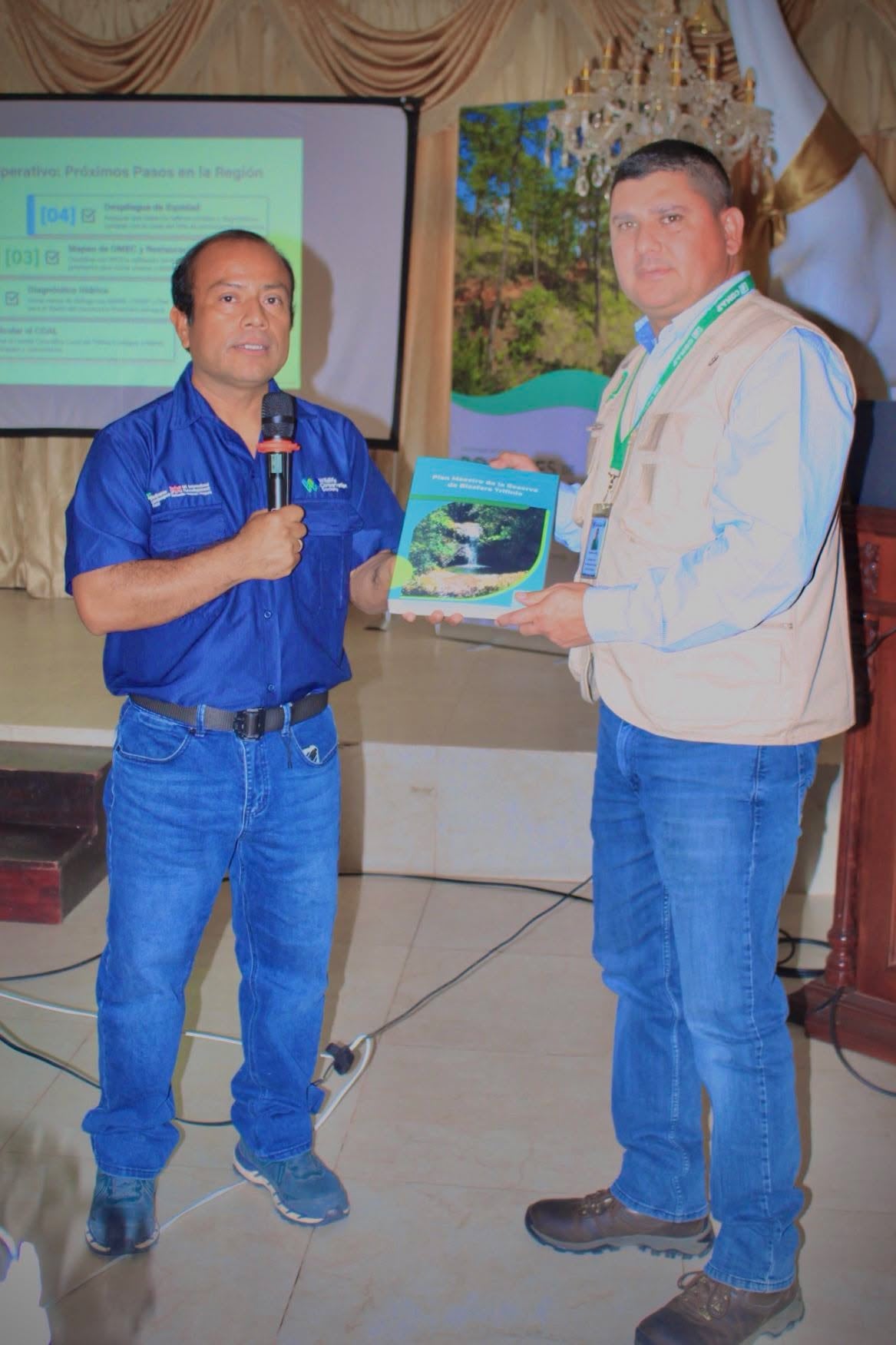
Guatemala desarrollará el programa en la Selva Maya, ubicada en Petén, y en el territorio de Trifinio Guatemala. The Nature Conservancy estará a cargo de la ejecución en la Selva Maya, mientras que Wildlife Conservation Society asumirá el componente en Trifinio.
El área de intervención en Trifinio incluye el Parque Nacional Montecristo y zonas de influencia de los municipios de Esquipulas y Concepción Las Minas. Ambos se encuentran dentro de la Reserva de Biosfera Trifinio Fraternidad, la primera reserva transfronteriza de Centroamérica.
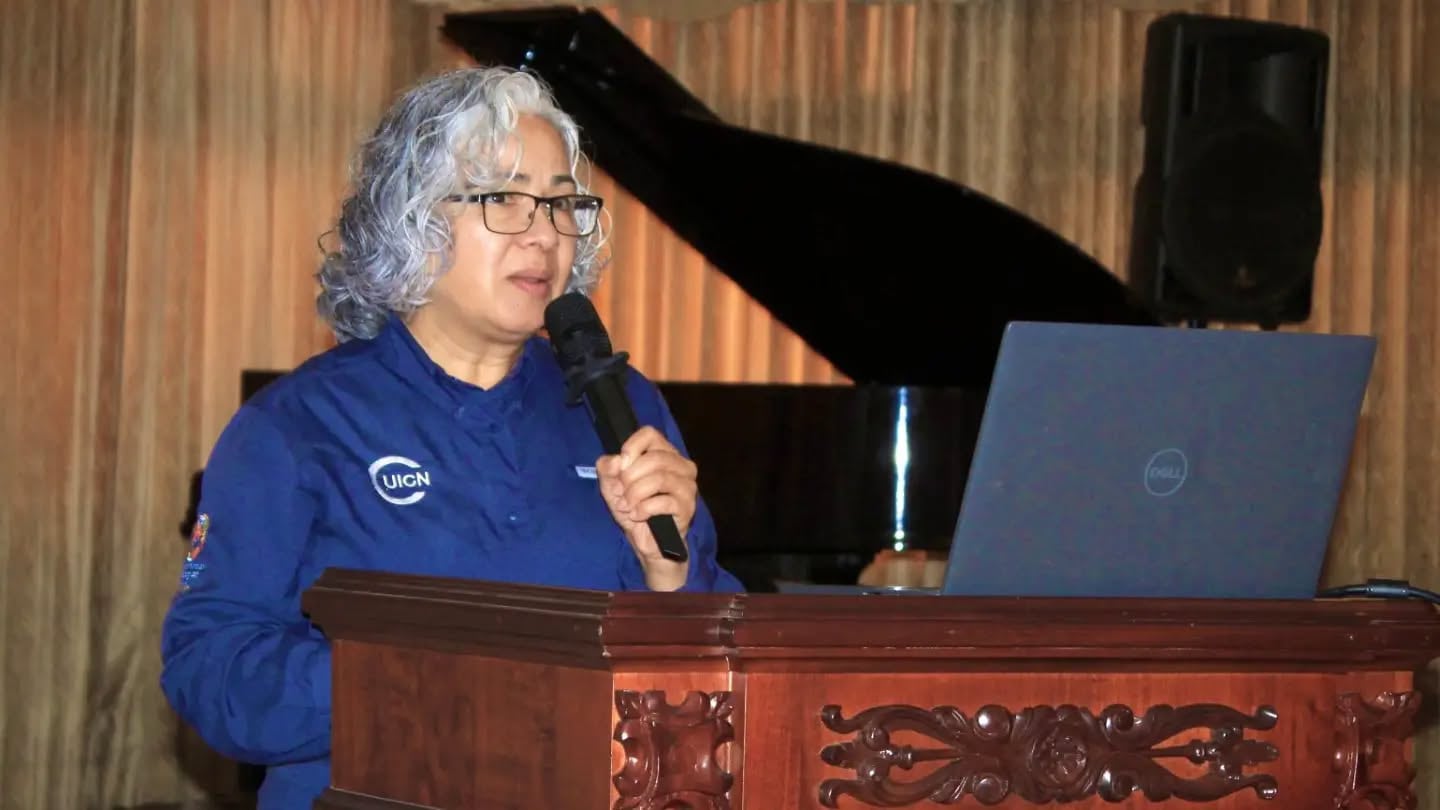
El taller de arranque reunió a representantes del Consejo Nacional de Áreas Protegidas, la Municipalidad de Esquipulas, organizaciones locales y delegados del Ministerio de Ambiente y Recursos Naturales, que funciona como punto focal nacional. Un Comité Directivo presidido por esa cartera coordinará la ejecución en el país.
La reserva concentra fuentes hídricas, bosques nublados y hábitats de especies como el quetzal y la guacamaya. El proyecto contempla la protección y restauración de esos ecosistemas, además del fortalecimiento de la gobernanza local y de la gestión de áreas protegidas.
El Consejo Nacional de Áreas Protegidas recibirá capacitaciones técnicas para su personal y sus guardarrecursos. La formación integra las medidas previstas para elevar la efectividad de manejo y ampliar las capacidades institucionales en el territorio.
USD 65 millones para la conservación mesoamericana
El programa regional cuenta con una donación de más de USD 65 millones del GEF y con USD 270 millones de cofinanciamiento. Participan los ministerios de Ambiente de Belice, El Salvador, Guatemala, Honduras y Panamá, junto con la Comisión Centroamericana de Ambiente y Desarrollo, el Consejo Agropecuario Centroamericano y la Comisión Trinacional del Plan Trifinio.
La estrategia está compuesta por seis proyectos nacionales y una iniciativa regional de gestión de conocimiento. También apunta a mejorar el manejo paisajístico de 1,3 millones de hectáreas y a movilizar instrumentos financieros para actividades compatibles con la conservación forestal.
Las comunidades y los pueblos indígenas tendrán participación en la implementación, incluido el pueblo Chortí. El plan prevé consolidar mecanismos locales de conservación y la posible expansión de corredores bioculturales hacia otros municipios de la región.
La conservación de los bosques estará acompañada por acciones destinadas a promover inversiones y medios de vida vinculados con el uso sostenible de los recursos. Los delegados del Plan Trifinio plantearon la necesidad de que la protección de los ecosistemas se articule con el desarrollo social y económico de las poblaciones locales.
El lanzamiento sucede después de un proyecto de conectividad ecológica impulsado por la Organización de las Naciones Unidas para la Educación, la Ciencia y la Cultura entre 2025 y 2026 en la misma reserva. Esa iniciativa contó con financiamiento del Fondo de Biodiversidad de Kunming y de la Agencia Española de Parques Nacionales.
Los talleres realizados en Esquipulas, Ocotepeque y Metapán incluyeron la participación del pueblo Chortí. El trabajo permitió elaborar un mapa de uso del suelo de alta resolución y modelos de conectividad que identificaron corredores prioritarios en una reserva integrada por 32 municipios de los tres países y habitada por más de 500 mil personas.
conferencia,oratoria,Reserva de Biosfera Trifinio Fraternidad,Bosques de Mesoamérica,gestión ambiental
NEWYou can now listen to Fox News articles!
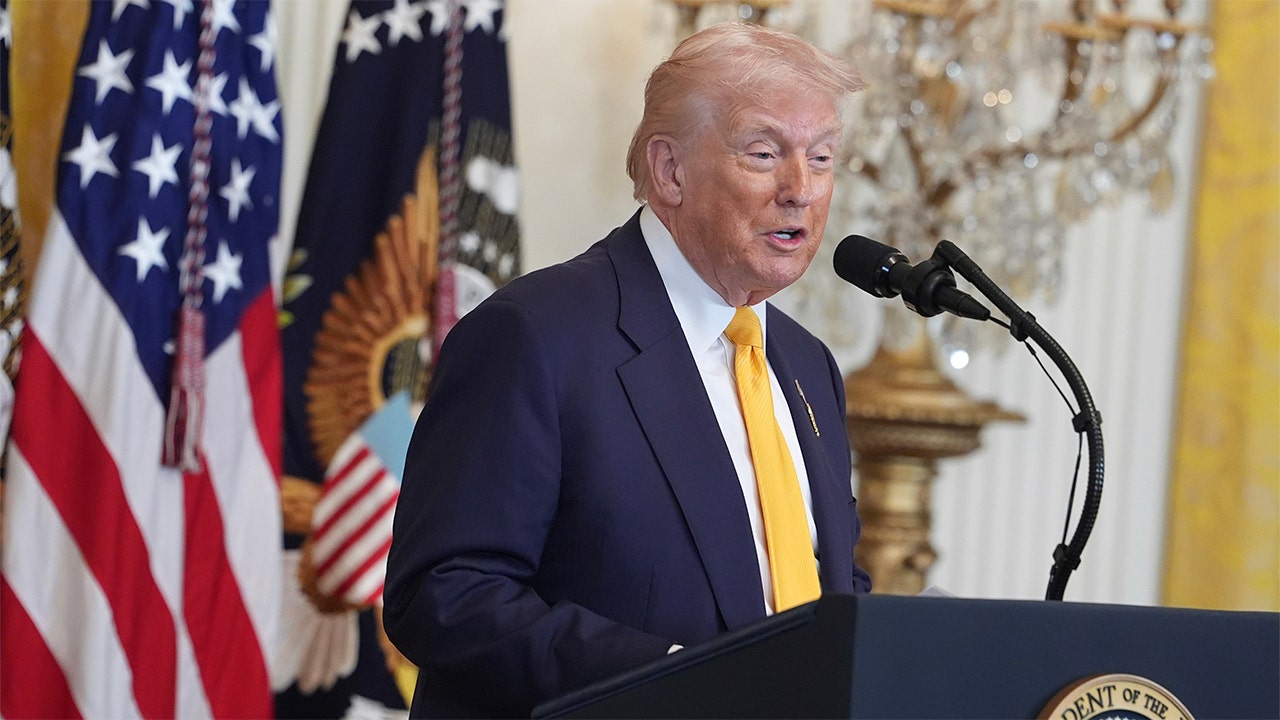
President Donald Trump said Sunday that Iran has launched more missiles and drones over the past week than at any point in more than a year, adding that U. S. forces shot them down without any damage and as tensions escalate following the U.S. midterm elections.
In a post on Truth Social, Trump also tied the surge in Iranian attacks to the Nov. 3 midterm elections, when Democrats won control of both chambers of Congress amid voter frustration over the war with Iran and rising fuel costs.
«As everyone remembers, I predicted two things concerning the November 3rd Midterm Elections,» Trump wrote on Truth Social.
TRUMP RESPONDS AFTER VANCE BLAMES IRAN WAR FOR MIDTERM LOSSES, VP SAYS HIS JOB IS TO SUPPORT PRESIDENT
President Donald Trump said Iran has launched more missiles and drones over the past week than at any point in more than a year, claiming U.S. forces intercepted them all without damage. (Michael M. Santiago/Getty Images)
«One, that if the Democrats win, the Stock Markets would go down, substantially, which they have, and two, that the Islamic Republic of Iran, which has killed 81,000 protestors as of today, will grow more aggressive in their attacks, which has also occurred. «
Trump also said that Iran launched «more drones and missiles over the past week than at any time for over a year,» though he said U.S. defenses neutralized the threat.
«Don’t worry, they’ve all been knocked down, and done no damage,» Trump said.
«Iranian leaders consider the Democrats weak, ineffective, and Country destroying, but I won’t let that happen!» he added.
The remarks also came days after the Senate rejected a war powers resolution in a 48-51 vote on Nov. 19, leaving Trump’s military authority intact.
TRUMP WARNS OF NEW STRIKES AGAINST IRAN AFTER NEW YEAR, CALLS NEGOTIATORS ‘PROFESSIONAL TAP DANCERS’
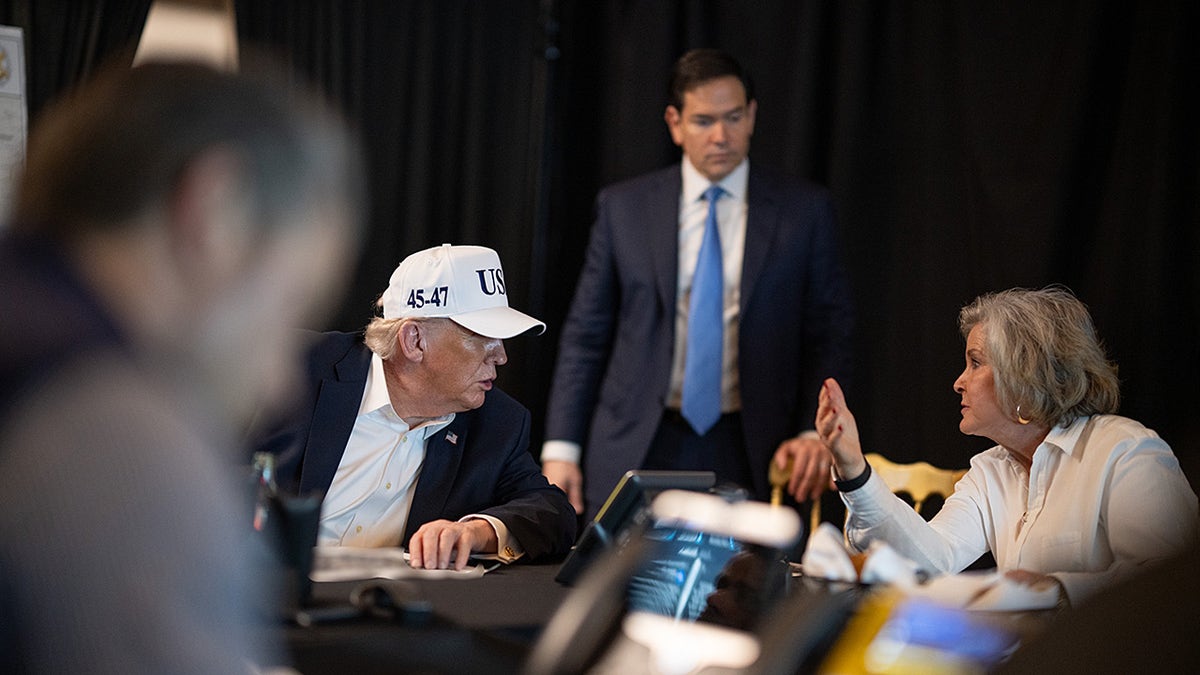
President Donald Trump monitors U.S. military operations in Iran following an Israeli strike in Tehran on Saturday, Feb. 28, 2026. (@WhiteHouse/X)
Speaking to Fox News earlier Sunday, Trump said he is inclined to resume strikes on Iran after the new year if diplomatic talks fail to produce a deal, warning that Iranian vessels testing the U.S. naval blockade would end up «at the bottom of the sea like the rest of the navy.»
In his social media post Sunday, Trump accused both Democrats and Iran of trying to keep fuel prices high ahead of the midterm elections and separately questioned the integrity of the vote without providing evidence.
«Both the Dems and Iran fought like hell to keep the Oil price up as long as possible and, since the Election, the Oil price has dropped by a record level,» Trump wrote, adding that it was too bad voters «didn’t understand this before they pulled the trigger.»
«The whole Election was very ‘strange,’» he said. «In the end, America will win! «
world, donald trump, iran, war with iran, politics, geopolitics, news events, middle east foreign policy

Olimpia campeón con Vitamina Sánchez

Hellraiser: Revival supera a Resident Evil Requiem y se convierte en el Juego del Año de los Horror Game Awards 2026 – Nintenderos

Russian warship sinks off Libya as suspected Ukrainian strikes take war beyond Black Sea

Tras escrachar a un empleado, Robertito Funes Ugarte se defendió de las críticas e hizo un furioso descargo: «¡Maleducado y xenófobo!»

El peronismo sinceró su armado a dos bandas: el plan de fondo que ve Kicillof y la centralidad de Massa

“Tuve días difíciles”: el desahogo de Thiago Almada tras sus dos goles en el triunfo de River Plate y cómo lo ayudó Scaloni a resurgir

Javier Milei y sus medidas, en vivo: “Hoy discutimos si crecemos un punto más o menos”, dijo el Presidente

Javier Milei destacó el desembarco de Tesla en el país y aseguró: “Esto también es devolverle la libertad a los argentinos”

El brote de ébola está fuera de control en la República Democrática del Congo y crece el temor a una epidemia continental

El burbujeante ping pong de Colapinto con un actor argentino: de la puja entre Senna y Riquelme a la comida que le falta a la Fórmula 1

 POLITICA2 días ago
Javier Milei destacó el desembarco de Tesla en el país y aseguró: “Esto también es devolverle la libertad a los argentinos”
- CHIMENTOS15 horas ago
Agustín “Rada” Aristarán se despide de Chanta: “Con esta obra dejé de ser un impostor”
- INTERNACIONAL15 horas ago
NYC college put on notice after Jewish campus group shunned by student government: ‘rude awakening’