INTERNACIONAL
La agenda de una mujer muerta desata preguntas sobre la fe y el misticismo en pleno Constitución

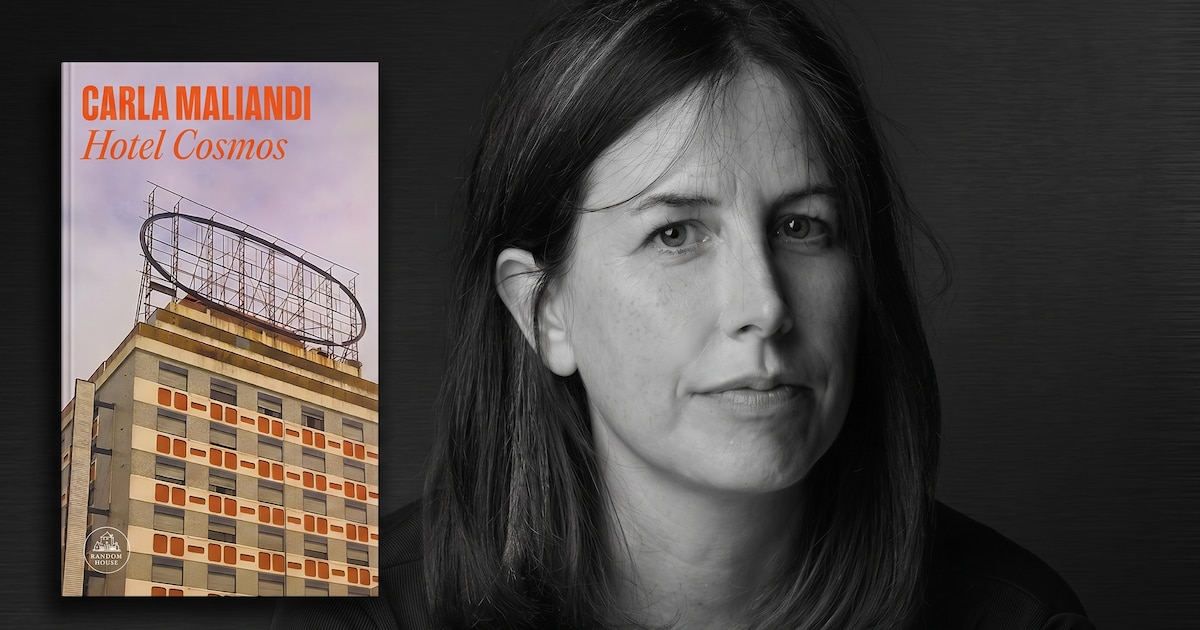
Carla Maliandi sitúa Hotel Cosmos en Constitución, donde un hombre encuentra la agenda de su esposa muerta poco antes y se enfrenta a una serie de citas ambiguas. El cuaderno abre preguntas sobre la fe, el misticismo y una posible revelación.
Maliandi nació en 1976 y es dramaturga, escritora, directora teatral y docente. Estudió en la Universidad Nacional de las Artes, donde actualmente dicta clases en la licenciatura en Artes de la Escritura.
La novela retoma la incertidumbre sobre el lugar que cada persona ocupa en el universo y la dificultad de conocer a los demás. Es el tercer libro de la autora, después de La habitación alemana, publicada en 2017, y La Estirpe, de 2021. La primera fue traducida al inglés, alemán, francés y portugués; la segunda integró el Mapa de las Lenguas, fue traducida al portugués y será publicada por New Directions de Nueva York.

Infobae Cultura publica un fragmento:
I
Desde mi ventana del hotel se ve el techo de la estación. Más atrás, muchas calles y edificios más atrás, existe una terraza en la que una mañana de diciembre regué unos ficus, corté un salamín antes de almorzar y dije a mi esposa: este es el día más feliz de mi vida. ¿Lo dije o lo pensé? Lo dije, y un instante después sentí vergüenza. Ella no me escuchó o fingió no escucharme. En todo caso no respondió nada. El clima de esa mañana cambió de pronto. Mi ánimo se nubló como el cielo. Ella propuso que mejor entráramos, que estaba por largarse a llover. Levantamos los vasos, la botella de vino, la panera, los platos, los cubiertos. Armamos la mesa adentro y mientras terminábamos el almuerzo recordó que había quedado ropa colgada en la terraza.
Siempre pensé que a nosotros nos pasaban cosas que a los otros no. Buenas y malas.
Esa vez fue mala.
Mi esposa me dejó hablando solo en la mesa, volvió a la terraza en medio de la lluvia y mientras descolgaba una de sus camisas preferidas, un rayo le cayó encima y la mató.
Pasaron varios meses desde ese día y pasaron muchas cosas en todas partes, pero en mi vida todo se detuvo. Cambiará el universo pero yo no, escribí una tarde en una libretita que había sido de ella. Arranqué la hoja y la pegué con un imán a la heladera. Volví a fumar, después de diez años de haber dejado. Conseguí una licencia por duelo y casi no me moví más de casa, salvo por las salidas al kiosco a comprar cigarrillos. Ya nada me importaba nada. Excepto una cosa que me taladraba el cerebro y a la que no podía ser indiferente por más que quisiera. En el lapso de esos meses, frente a mi departamento, abrieron un Supermercado Express, uno de esos mercaditos de cadena europea, que mantenía andando sus heladeras a fuerza de un generador eléctrico encendido las veinticuatro horas. Una especie de turbina de avión que me trepidaba los nervios de día y de noche.
Es el estado de duelo que empeora todo, no puede ser tan terrible, date tiempo. Algo así me decían cuando me quejaba del problema con algunos pocos amigos. Los días eran malos y las noches eran peores. Buscaba a mi esposa en su lado del colchón, la buscaba sabiendo que no estaba, la buscaba para acurrucarme en el vacío y llorar hasta dormirme. Pero el zumbido del mercado me descomponía, me distanciaba de la melancolía, del llanto y del sueño.
Cuanto más esfuerzo se hace por dormir peor es. En esas noches de insomnio habría que renunciar al descanso; simplemente levantarse, preparar el desayuno, aunque afuera esté oscuro, y pensar lo que se va a hacer en el día. Yo solo deambulaba sin rumbo dentro de casa. Me llevaba por delante los muebles y sus cosas desparramadas por todas partes. Durante su vida, mi esposa juntó una cantidad enorme de papeles, libros y objetos. Y guardó papeles, libros y objetos de los muertos de su familia. Restos de otras casas en mi casa. Cosas, más perdurables que sus dueños, con las que yo ahora tropezaba. Objetos que solo conseguían recordarme, sin maldad, que de las maneras más obvias o menos pensadas todos vamos a morir. Cajas sin abrir con pertenencias de sus padres y sus abuelos, infinidad de cuadernos, infinidad de libros, también en inglés, en alemán, en italiano, cassettes de audio, discos, cuadros con firmas indescifrables, partituras, fotos de todas las épocas, un baúl, otro baúl, un cofrecito con anillos, collares enredados, pulseras y una crucecita suelta. Una crucecita de plata que supuse habría sido de mi esposa, tal vez de su primera comunión, y que su madre atesoraba. Lo supuse porque tenía su nombre en el centro: FRANCA. La imaginé a sus diez años agarrando esa cruz con sus manos chiquitas y húmedas. Me quedé mirando las letras grabadas en el metal, leyendo y repitiendo su nombre en voz alta. Franca…, mi amor. Franca… perdida para siempre.
Casi nunca nos llamábamos por nuestros nombres, excepto las pocas veces que estuvimos enojados. Franca es un nombre con una carga enorme. Podía haberse llamado Mariana, Paula, Valeria o alguno de esos nombres de su generación que no pretenden nada. Al llamarla así, la obligaron para siempre a la sinceridad. No sé si por su nombre o por cómo era nuestra vida juntos, no podía tolerar que Franca me ocultara algo o me mintiera. Hablamos de eso alguna vez. O más de una vez. No mientas, Franca. Lo dije, por ejemplo, una noche bajo la niebla. Uno de los momentos más incomprensibles de nuestra vida juntos, y que ahora vuelve a mi memoria todo el tiempo. La había llamado toda la tarde sin respuesta y cuando por fin, ya casi de noche atendió, parecía agotada. Le pregunté dónde estaba y si estaba bien. Sentada, me dijo, descansando.
¿Dónde?, volví a preguntar.
En el banco de una plaza.
¿Qué plaza?
La Plaza España.
Le pedí que me esperara y fui a buscarla. Yo sabía que esa plaza había sido uno de los territorios de su infancia. Me había contado esas escenas de su pasado cientos de veces: los mediodías volviendo del colegio, las tardes aprendiendo a andar en bicicleta mientras su padre leía abstraído, sentado en alguno de esos bancos. Esa plaza era el epicentro de una geografía poblada por talleres mecánicos, fábricas abandonadas, antiguas mansiones en ruinas, prostíbulos y manicomios. Tomé el subte hasta Constitución y caminé por las calles desiertas que hay al costado de la estación. El sol iba desapareciendo atrás de los árboles y las cúpulas oxidadas de los edificios. Entré a la plaza por un camino de asfalto bordeado de jacarandás y lapachos enormes. Solo se escuchaban mis pasos y lejos, la bocina de un tren. Una estatua interrumpía el camino: un hombre desnudo, tendido, con un escudo entre las manos, un gladiador de piedra que yacía herido junto a su espada. Unos metros atrás, en uno de los bancos, estaba Franca. Sus ojos me miraron sin terminar de enfocar. Le pregunté qué estaba haciendo ahí y por qué no me había atendido el teléfono.
Estaba caminando.
¿Cómo caminando?, ¿por acá?
Sí.
El día se había apagado y la noche empezaba a cubrir los árboles, el pasto, las estatuas y a nosotros mismos con una bruma densa. Yo repetía las preguntas como si al repetirlas pudiera evitar el espanto que me iba creciendo adentro.
¿Por acá?, ¿toda la tarde?
Sí.
No mientas, Franca.
La escena era tétrica. Ella tenía un vestido negro que no le había visto nunca, demasiado liviano para el frío que hacía. Su cara estaba rara, maquillada, parecía otra persona, murmuraba palabras como si pensara en voz alta.
Esto es una cosa de locos, entendí que dijo.
¿Qué cosa?
Este mundo.
Después se quedó callada mirando el cielo y me preguntó muy seria si yo alguna vez había intentado dimensionar el tamaño del cosmos.
¿Cuál cosmos?
El cosmos, dijo, el espacio allá arriba, todo lo que nos rodea.
Miré ese cielo plomizo, grisáceo. No sé, infinito, contesté y volví a preguntarle qué le pasaba, qué había estado haciendo toda la tarde.
Estuve pensando en eso, en todo eso… Me contestó con los ojos llorosos.
Su expresión me descolocó, me dio un poco de risa, quizás por nervios. Le pregunté qué cosa quería decir con eso, si era un chiste, pero ella estaba más seria que nunca. Y entonces me dio miedo. Bajé la cabeza y después volví a mirarla. No era tristeza lo que veía en ella, sino una especie de lucidez demasiado grande para caber en su cara. Una lucidez para la que no estaba preparada. También pensé que podía estar pasada de agotamiento o peor: que algo dentro de ella había cedido. Que los duelos, las pérdidas y todos los golpes de los últimos años, a los que siempre había respondido con un humor improbable habían terminado por quebrarla.
Tal vez yo tenía que abrazarla o decirle algo que la animara, pero cualquier palabra me parecía ridícula ante la magnitud invisible de lo que estaba pasando. Insistí con las preguntas, quería sacar algo en limpio y quedarme tranquilo. Ella seguía absorta en sus pensamientos, posaba su mirada en la espalda desnuda del gladiador, en sus piernas talladas, su espada, en las sandalias romanas esculpidas sobre los pies de piedra. Mis palabras rebotaban en su ensimismamiento. Después de un rato sin saber qué hacer, resolví que lo mejor era buscar un taxi, volvernos a casa y cambiar de tema.
De pronto, solo y atontado por el insomnio, recordé ese momento que había decidido borrar de mi memoria. Deambulé por la casa con la crucecita en la mano, nervioso, como si todavía pudiese interrogarla y entender qué le estaba pasando.
El ruido del motor me desconcentró y mis ideas volvieron a desordenarse. Salí al balcón y parado frente al mercado grité algún insulto. Un perro en un balcón cercano salió a ladrar más fuerte que yo y después se puso a aullar. Me callé. Quedé quieto y agotado. Proyecté algo que nunca me animaría a hacer: armar una molotov, lanzarla de madrugada y volar ese motor con todo lo que lo rodeaba. Motor, mercado, vecinos, perros. Con el puño cerrado estiré el brazo calculando mi puntería, detenido un instante en ese gesto. Estar despierto a esa hora, solo, planeando un atentado, parecía la vida de otro, una película o una alucinación. Salí de ahí, cerré el balcón y de nuevo adentro busqué algún reservorio de calor en la cama. Puse la crucecita de plata en la almohada vacía y esperé a que el sueño me venciera.
¿Cómo podían los vecinos dormir con ese ruido? ¿Ya lo habían aceptado, se habían rendido antes de ni siquiera quejarse? Sin salir de casa y hundido por el sueño, hice por teléfono todas las denuncias posibles a todas las instituciones, entidades y oficinas que pudieran responsabilizarse. Pero no tenía esperanzas de que el asunto se resolviera y cada día se arrastraba detrás del otro sin novedades.
Los pensamientos del insomnio no se parecen a los de la vigilia ni a los del sueño. Se amontonan sin dirección ni gracia. Los minutos hacen presión sobre los ojos abiertos, se van acumulando uno más pesado que el otro. En la oscuridad de la habitación la mirada no apunta a ningún lado, se clava en un rincón del techo y se vuelve hacia adentro. Y el adentro, en el insomnio, suele ser un lugar pantanoso de pensamientos sin forma sobre deudas, culpas, arrepentimientos. Una enumeración de pérdidas y de sentimientos contradictorios que flotaban en el ruido.
Las noches más lúcidas repasaba nuestro último día juntos. Nuestras conversaciones, todos nuestros gestos. Arrancaba y volvía a empezar. Tenía que haber algo. Algo atrás de los movimientos y de los gestos, algo atrás de las palabras y de la fachada de las cosas, algo que expusiera cómo es todo realmente, cómo es el mundo: una cosa de locos, como había dicho Franca. Una cosa sin sentido, como pensaba ahora yo.
Esa mañana en la terraza, cuando dije este es el día más feliz de mi vida, en realidad quise decirle que la amaba. Quise decirle que cuando la miraba podía ver en su cara todas las edades que había tenido y todas las que todavía estaban muy lejanas en el futuro. Y que todas me gustaban. Después, en el almuerzo, hablé mucho para llenar el silencio. Conté anécdotas que ella ya conocía, expliqué por qué el vino que estábamos tomando era igual de bueno que otro de la misma bodega que costaba la mitad, y seguí mi discurso, un monólogo apenas interrumpido por ella para asentir cada tanto a mis afirmaciones, a las razones, muchas y contundentes, por las que yo encontraba que era fatídico el rumbo que llevaba la economía en nuestro país y las diversas maneras en que nos arrastraría a la ruina. A veces pienso que cuando le hablaba lo que en realidad hacía era sostenerme en su mirada para pensar, para escucharme a mí mismo, para clasificar mis ideas, confrontar mis lecturas y enriquecer mis recuerdos. ¿Cuánto le importaba a ella realmente lo que le decía? Yo sabía que detrás de su expresión atenta muchas veces su pensamiento vagaba por lugares remotos hasta perderse.
Carla Maliandi,escritora,dramaturga,retrato









NEWYou can now listen to Fox News articles!
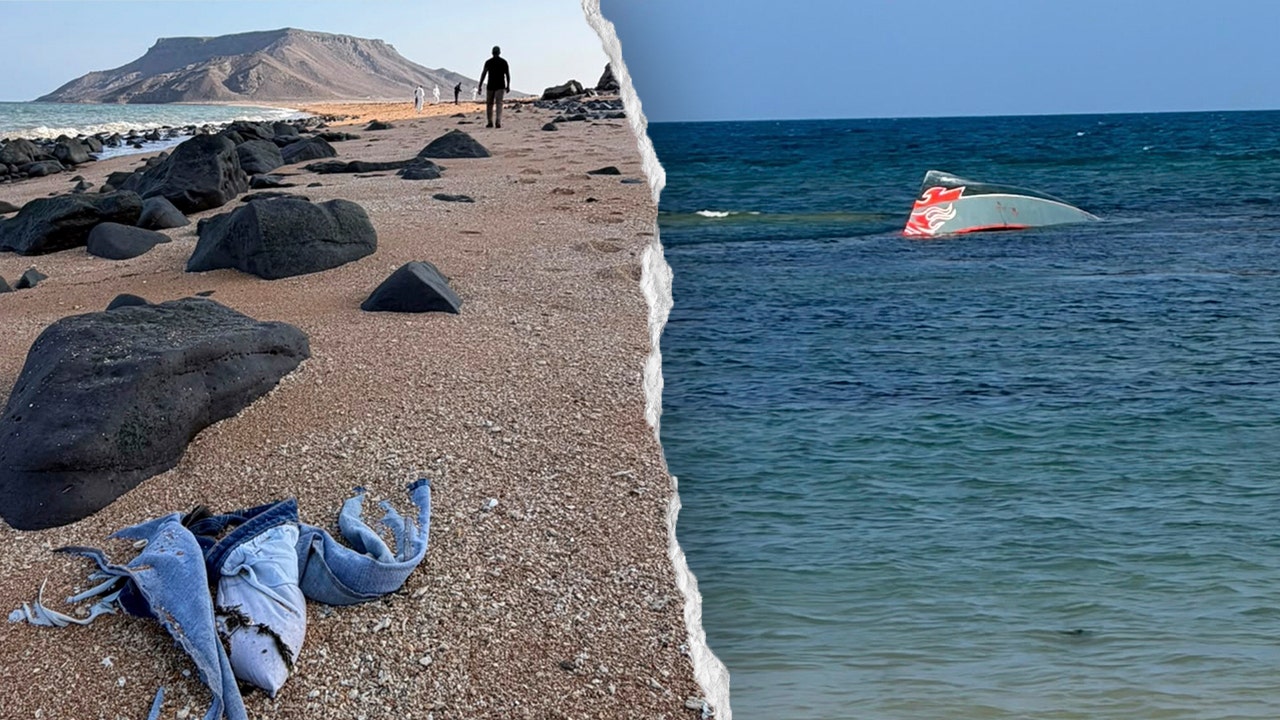
At least 139 migrants, including 15 children, died when a boat carrying more than 300 people capsized off the coast of Djibouti, according to the United Nations’ migration agency.
The vessel was carrying 305 people from Djibouti toward Yemen when it capsized Thursday night or early Friday near Guhere, north of Obock, the International Organization for Migration (IOM) said Sunday.
At least 84 people remained missing as of Sunday, while more than 80 survived. All of the survivors were Ethiopian nationals, according to the agency.
«No one gets into a boat like that unless they believe there is no other safe way,» IOM Director General Amy Pope said in a statement.
DRAMATIC FOOTAGE SHOWS ALLEGED NARCO BOAT ERUPT IN FIREBALL DURING US MILITARY STRIKE
At least 139 migrants, including 15 children, died when a boat carrying more than 300 people capsized off the coast of Djibouti. (Alexandre Coissac/IOM via AP)
«We cannot keep treating these deaths as normal. Safe and legal pathways save lives. I am asking governments and donors to act before the next boat goes down,» Pope added.
The confirmed death toll includes only victims buried by authorities in Djibouti and could rise as additional bodies are verified, IOM Chief of Mission in Djibouti Alexandre Coissac told The Associated Press.
Some victims were buried by fellow migrants but will not be added to the official count until authorities can verify the bodies, the outlet reported.
BOATER WAS DRUNK, DANCING BEFORE BOSTON HARBOR CRASH THAT KILLED 24-YEAR-OLD FORMER SOCCER PLAYER, DA SAYS

At least 84 people remained missing as of Sunday, while more than 80 survived. (Alexandre Coissac/IOM via AP)
«What is terrible is that they were buried with no names, in a common grave, like in a war situation,» Coissac said. «They all have a mother, a father, and we may never learn what happened.»
Coissac said the boat sank shortly after departing on the evening of Oct. 8, «mainly because it was overcrowded.»
Survivors were taken to an IOM rescue center in Obock, where they were receiving medical treatment after swallowing seawater as well as psychological support, according to The Associated Press.
FEDERAL AGENTS INTERCEPT BOAT CARRYING 14 ILLEGAL ALIENS BEFORE UNLOADING IN WEALTHY COASTAL ENCLAVE

The crossing from the Horn of Africa to the Arabian Peninsula is a common but dangerous route for migrants seeking work in Gulf countries. (Alexandre Coissac/IOM via AP)
«They’re all in a state of shock,» Coissac said.
The crossing from the Horn of Africa to the Arabian Peninsula is a common but dangerous route for migrants seeking work in Gulf countries.
More than 900 migrants died or went missing along the route last year, according to the IOM.
The Associated Press contributed to this report.
world, africa, disasters, united nations
INTERNACIONAL
Houthis kill 14 at Saudi airport as expert warns of ‘rapid targets’ amid Middle East war
NEWYou can now listen to Fox News articles!
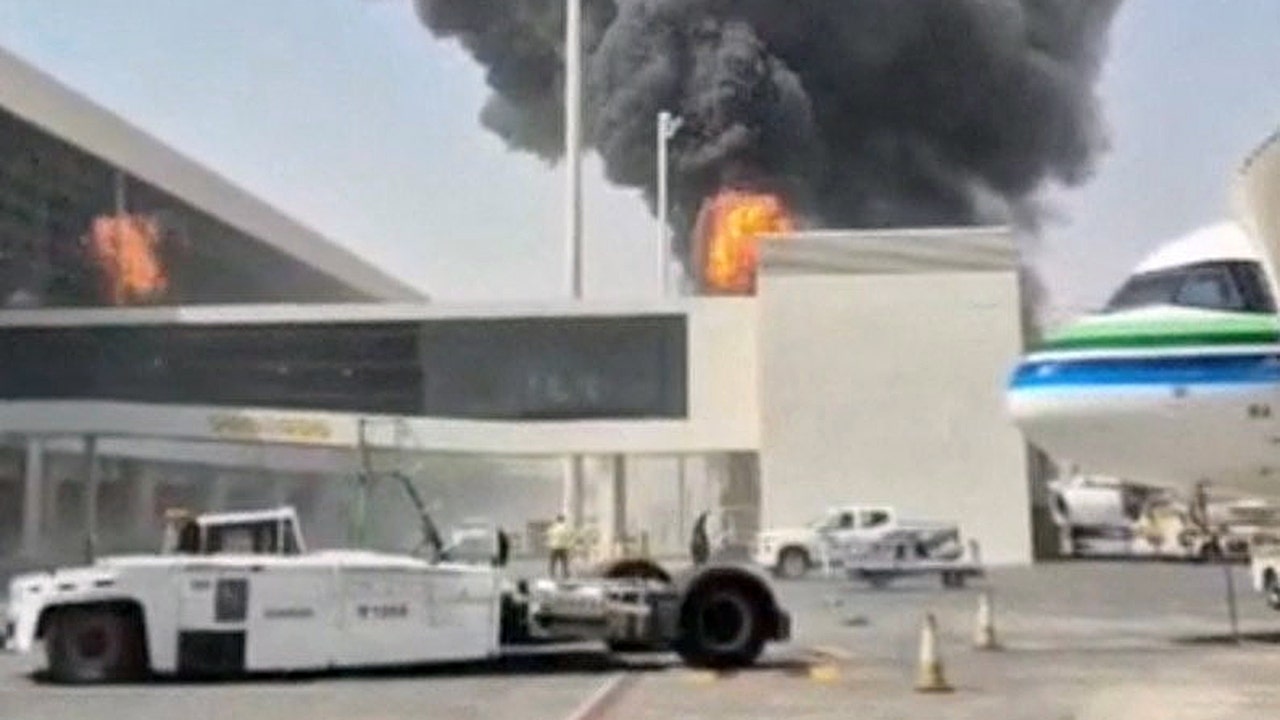
Iran-backed Houthis launched a series of attacks on Saudi Arabian airports through Sunday, reportedly killing at least 14 people, including an American, and injuring more than 300 others, according to reports.
The attacks heightened fears of a wider Middle East war as regional experts warned of «cross-domain escalation» amid heightened tensions over Washington’s September actions against Iran’s aviation sector.
The Houthis claimed responsibility for earlier attacks on King Khalid International Airport in Riyadh, while U.S. officials blamed the Iran-backed group for Saturday’s strike, which reportedly killed 13 people and injured more than 300.
SAUDI FOREIGN MINISTER WARNS HOUTHI THREAT GOES GLOBAL AS TRUMP HOLDS FIRE
Smoke and flames rise from King Khalid International Airport after Yemen’s Iran-backed Houthis said they attacked the airport, in Riyadh, Saudi Arabia, on Oct. 8, 2026. (Reuters)
Saudi Arabia’s civil aviation authority said another attack on Sunday killed a Pakistani resident and injured 11 others. Meanwhile, an airport in Dammam, in the kingdom’s Eastern Province, was also reportedly targeted by the Houthis.
«Cross-domain escalation by Iran and its proxies will continue to be a primary strategy,» Behnam Ben Taleblu, senior director of the Iran Program and a senior fellow at the Foundation for Defense of Democracies, told Fox News Digital on Sunday.
«The emphasis on aviation targets connects directly to the closing of Iran’s aviation sector and sanctions imposed on its commercial airlines under the U.S. maximum pressure campaign,» he warned.
RUBIO ACCUSES IRAN OF FLYING IRGC PERSONNEL INTO YEMEN AS HOUTHI THREAT ESCALATES
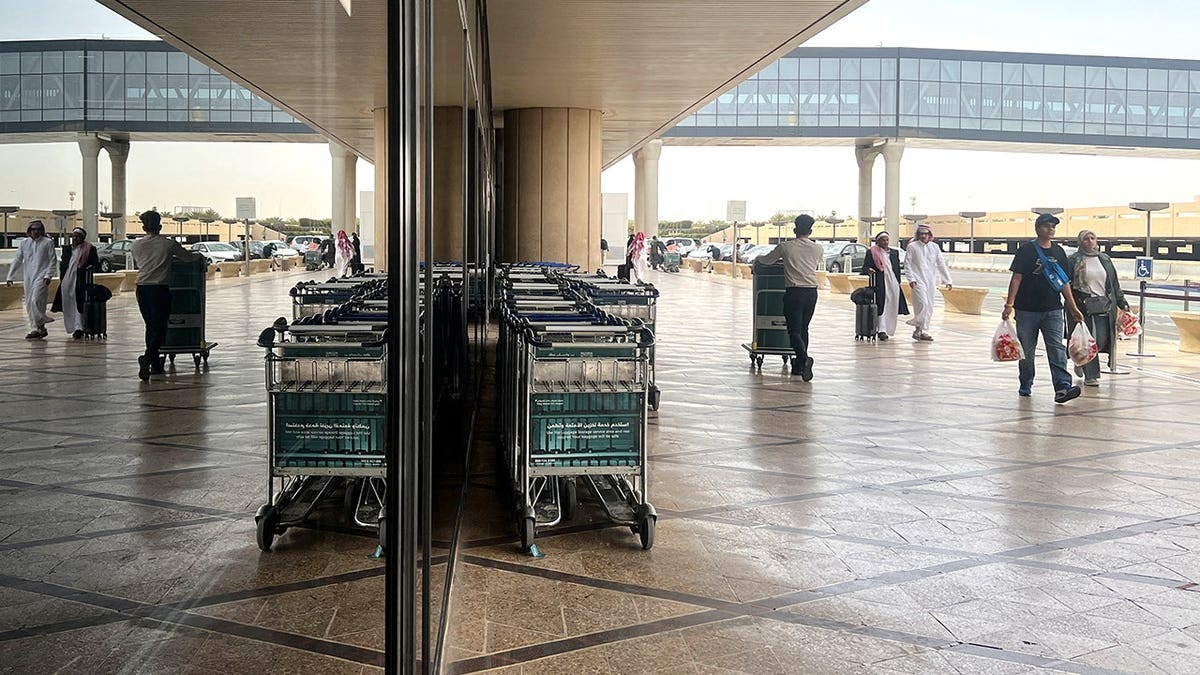
Smoke was reported near King Khalid International Airport, seen above, as regional tensions and Houthi attacks heightened security concerns in Saudi Arabia. (AFP via Getty Images)
The Houthis also renewed warnings Sunday, urging airlines, airport workers and travelers to avoid Saudi airports as Saudi Arabia vowed to retaliate for the deadly attacks.
Secretary of State Marco Rubio condemned Saturday’s attack, confirming that an American was among those killed and calling for an immediate end to the violence.
President Donald Trump, meanwhile, left open the possibility of U.S. involvement in Saudi Arabia’s military campaign against the Houthis, saying, «We may. We’re gonna look at it. We move very quickly.»
The escalation comes nearly three weeks after a senior Iranian official threatened to paralyze neighboring countries’ airports if they cooperated with U.S. efforts to restrict Iranian flights.
THE HOUTHIS AREN’T SOMEBODY ELSE’S PROBLEM. AMERICA CAN’T AFFORD TO LOOK AWAY
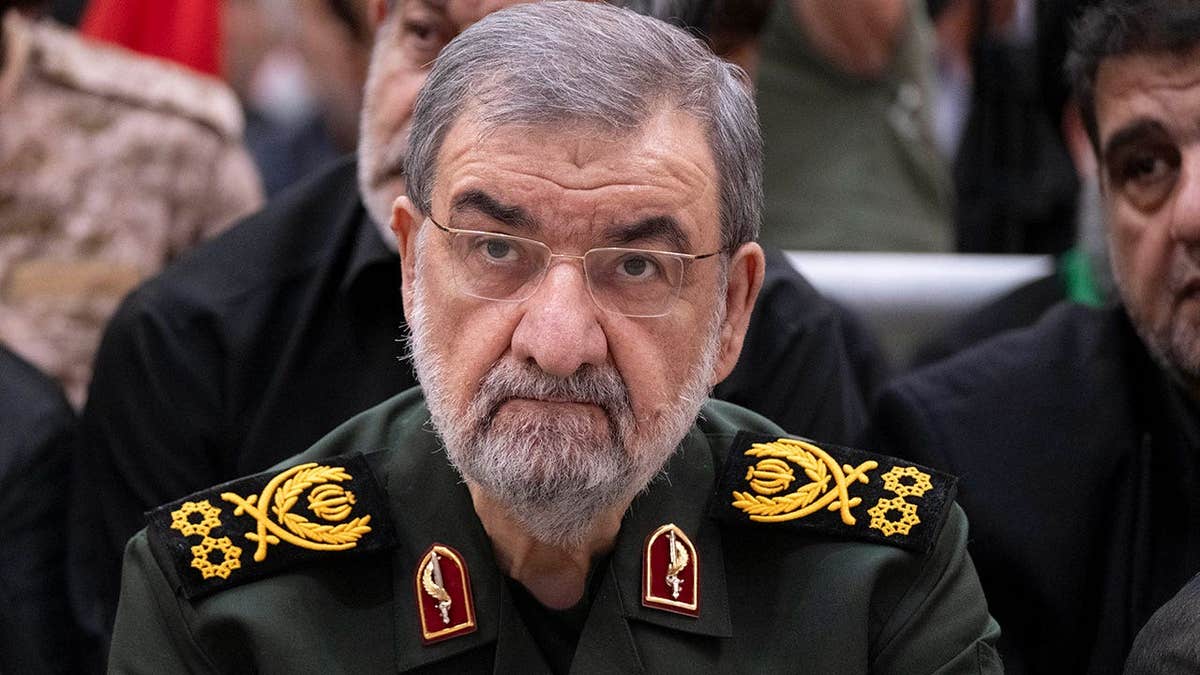
Mohsen Rezaei was named secretary of the Supreme National Security Council. A former Islamic Revolutionary Guard Corps general and member of the Expediency Discernment Council, as well as the secretary of the Supreme Council for Economic Coordination and the Iranian government’s Economic Committee, attends a ceremony at Ayatollah Ruhollah Khomeini’s shrine in southern Tehran, Iran, on June 4, 2026. (Morteza Nikoubazl/NurPhoto)
Mohsen Rezaei, secretary of Iran’s Supreme National Security Council, warned Sept. 23 that Iran would prevent neighboring countries’ airports from operating if they cooperated with Washington’s efforts to restrict Iranian flights, according to Reuters.
«This rapid targeting reflects earlier threats made by Iranian officials, including a veiled threat from the Secretary of Iran’s Supreme National Security Council, warning that U.S. sanctions on Iran’s aviation sector would lead to retaliatory threats against neighboring aviation infrastructure,» Taleblu said.
Iran has long supported the Houthis, but the extent of Tehran’s involvement in the latest airport attacks has not been independently established.
The escalation has also renewed scrutiny of reports that Russia has provided intelligence and technical assistance to the Houthis.
FOILED TERROR PLOT AT BOMBER BASE SIGNALS WIDER THREAT TO US MILITARY INSTALLATIONS: EXPERT
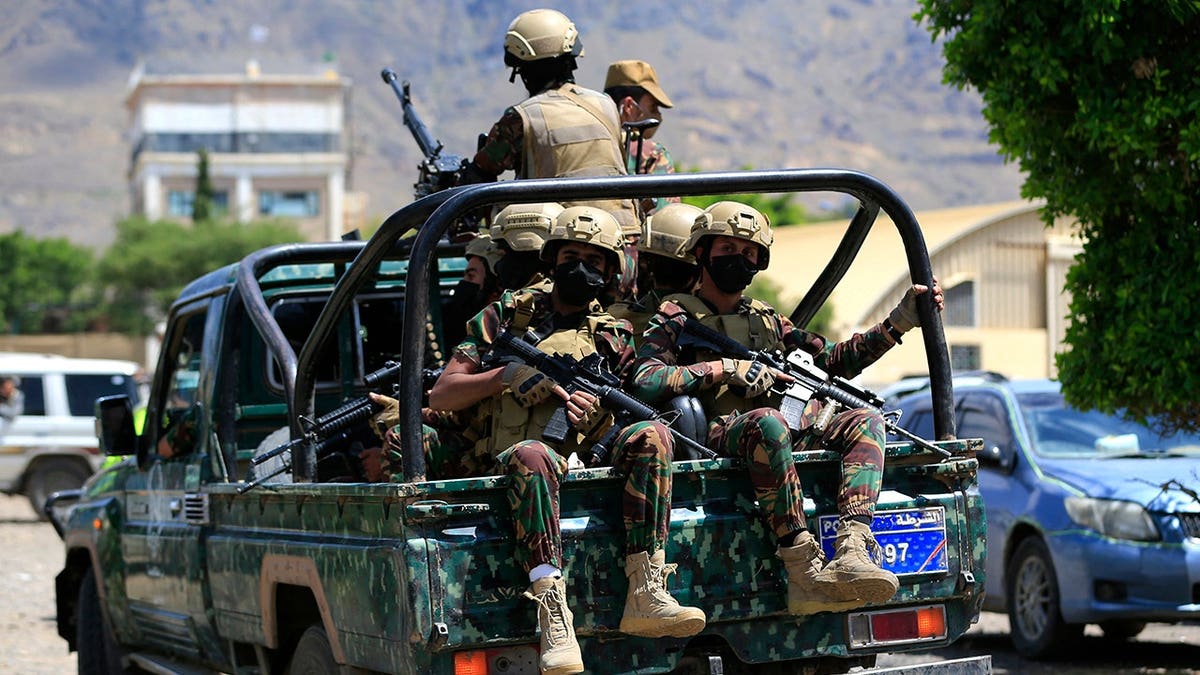
Yemen’s Houthi armed forces patrol as Yemeni prisoners loyal to the Houthis arrive in the capital of Sanaa on Sept. 12, 2026, after being released on the west coast where they had been held by Yemen’s Saudi-backed government forces. (AFP via Getty Images)
At a Sept. 1 House Foreign Affairs subcommittee hearing , lawmakers pressed experts on allegations that Russia is providing intelligence and technical support to the Houthis.
«Beyond offering diplomatic cover, there are persistent reports of Russian satellite collaboration, advisory support, and intelligence targeting assistance, as well as unproven allegations regarding select anti-ship systems.»
HOUTHIS ENTER US ‘KILL BOX’ AFTER SEIZING RED SEA ‘CORK,’ FORMER PENTAGON OFFICIAL WARNS
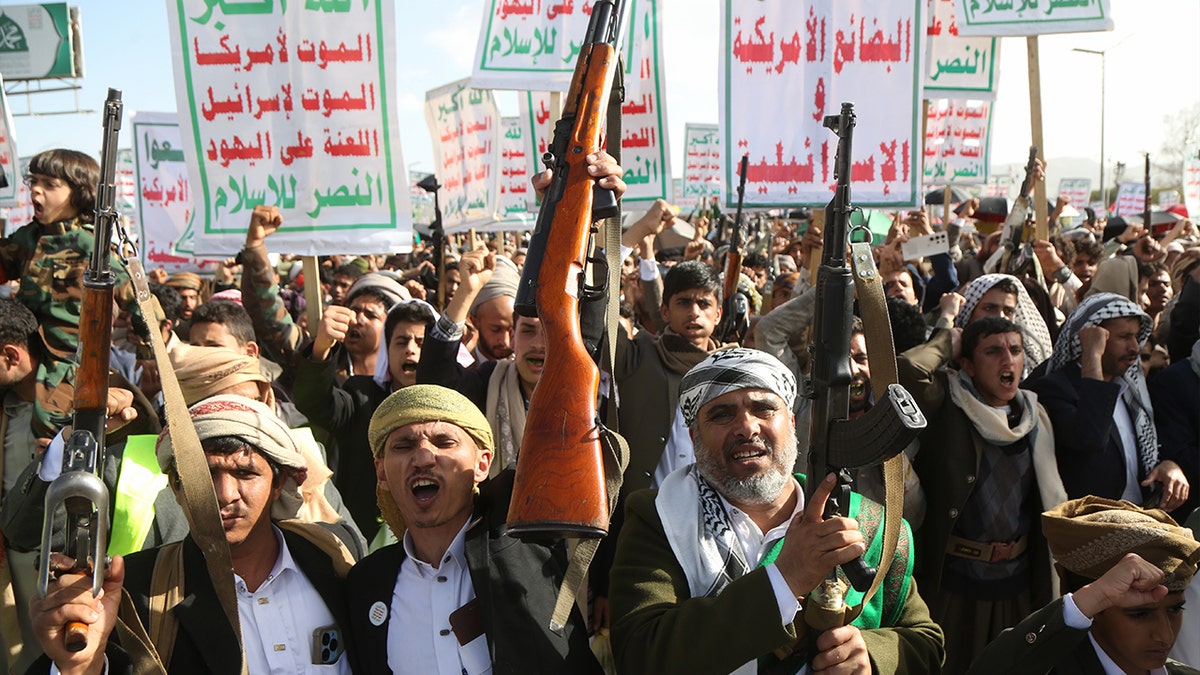
Yemen’s Iran-backed armed Houthi group has warned they will move to shutter the Bab Al-Mandeb Strait through missile-drone attacks if Gulf nations join the US-Israel war on Iran. (Mohammed Hamoud/Getty Images)
But he also linked the latest attacks to a broader military escalation as the Houthis expand their territorial control in Yemen.
«This surge did not occur in a vacuum,» Taleblu said. «Since April, the Houthis have made territorial gains and pushed back against Saudi forces despite a period of diplomatic lull.»
«Airport attacks allow Iran and its regional proxies to inflict pain on Arab states, Israel, and remaining U.S. forces,» Taleblu said.
world, saudi arabia, iran, terrorism, middle east, national security, foreign policy, bombings
INTERNACIONAL
California faces unlikely tax revolt amid billions in illegal immigrant healthcare costs

As California grapples with soaring Medi-Cal costs — including billions spent on healthcare for immigrants without legal status — Gov. Gavin Newsom and Democratic lawmakers have backed a revised health-plan tax in response to new federal restrictions, a move critics warn could shift more costs onto privately insured Californians.
The tax has united an unlikely coalition of doctors and health insurers against him, with critics warning it could make California even more expensive.
To preserve billions in Medi-Cal financing after Washington tightened the rules governing health-plan taxes used to draw federal matching funds, Newsom backed a redesigned tax that would raise the levy on private health plans beginning in 2027 if federally approved, potentially increasing premiums for their customers. Providing healthcare to illegal immigrants cost California an estimated $12.4 billion in 2025, the Associated Press reported.
When asked if expanding coverage to illegal immigrants created a need for California to raise taxes, Brian Blase, president of the right-of-center Paragon Health Institute, answered with a strong «yes.»
DR. OZ UNVEILS MEDICAID OVERHAUL, CLAMPS DOWN ON $2B FOR ILLEGAL IMMIGRANTS AND MANDATES WORK FOR ABLE-BODIED
«The One Big Beautiful Bill Act limited California’s ability to target the tax just on Medicaid insurers, so California is proposing to raise the health insurance tax on people that have private coverage … the estimates are that would increase insurance for families by $400 a year,» he told Digital. «That is just because California doesn’t want to deal with its unsustainable spending … there are many people on the program who are not eligible for the program, and that is not even accounting for the fact that California has expanded Medicaid to all unauthorized immigrants in the state.»
California’s attempt to shore up Medi-Cal’s bottom line follows federal changes that will prevent the state from continuing its existing health-plan tax structure after 2026, forcing a redesign of a financing mechanism that has generated billions of dollars for the program.
The California Medical Association and California Association of Health Plans are suing to block the tax increase, not on the grounds that it benefits illegal immigrants, but over allegations that the measure violates voter-approved limits on health-plan taxes and restrictions on how the resulting revenue can be spent. The duo uniting to challenge the tax is notable because doctors and insurance companies often find themselves on opposite sides of healthcare debates.
Proposition 35, the initiative in question, limits how much California can tax commercial health-plan enrollment, constraining the state’s options as it tries to comply with new federal rules governing the much higher tax previously imposed on Medi-Cal enrollment. The proposition was passed with overwhelming support from Californian voters.
NEWSOM BEGS CALIFORNIANS TO VOTE ‘NO’ ON BILLIONAIRE’S TAX IN FACE OF MASS EXODUS, PITCHES NATIONWIDE TAX HIKE
«California voters passed Proposition 35 and made it law. The state does not get to ignore that law simply because following the law is inconvenient,» California Medical Association CEO Dustin Corcoran said in a statement.
Health insurers warn the cost of the revised tax could be passed directly on to consumers through higher premiums, estimating an increase of about $100 per person per year. A family of four, for example, could face an additional $400 annually on top of normal rate increases.
Newsom spokeswoman Tara Gallegos said that the governor maintains that his tax increase is not rendered illegal by the proposition.
«The state disagrees with their claims, and we believe the courts will too,» she told Digital of the lawsuit.
H.D. Palmer, deputy director for external affairs at the California Department of Finance, explained to Digital that the new tax measure was designed to comply with the One Big Beautiful Bill Act. According to Palmer, the state’s current health tax regime may conflict with the bill and that the state is submitting a proposal with two tracks — one that is similar to the current taxing scheme but might run afoul of federal law and another that conforms to the One Big Beautiful Bill Act by shifting costs toward private plans.
CALIFORNIANS FLEEING TO RED STATES ARE DRIVING UP HOME PRICES AND RENTS IN THEIR NEW CITIES, DATA SHOWS
«If the federal government declines to approve the tax that is structured similar to the existing [health plan tax], Proposition 35 may then sunset per current law,» he added.
California has faced a mass exodus of people and businesses over the past decade, with the cost of living being one of the chief reasons individuals cite for leaving the Golden State. One analysis found that almost 10 million people moved from California to other states between 2010 and 2024, while just over 7 million moved to California from elsewhere in the country during the same period.
The state’s exodus has raised concerns about its financial outlook, with the departure of higher-income residents potentially reducing tax revenue for a state heavily dependent on income taxes.
california, politics, gavin newsom, health care healthy living, taxes

La insólita frase de Gaspart sobre Lionel Messi: «¿Quién se ha creído?» :: Olé

“Le voy a patear el trasero”: el feroz desafío de Mike Tyson a Floyd Mayweather y su confesión sobre la derrota ante Jake Paul

Con apoyo de EE.UU., el Gobierno impulsa el proyecto del tren a Vaca Muerta para potenciar inversiones energéticas

Según un reconocido consultor, la potencial corrida cambiaria es mayor y la “bazuca” de dólares para afrontarla menor de lo que dice el gobierno

El horóscopo de hoy: lunes 12 de octubre

La abismal diferencia entre Messi y Cristiano, del homenaje a la polémica: ‘Y por eso siempre estará por encima’

El presidente de Burkina Faso, duro tras el amistoso con la Selección: «Nuestro fútbol está enfermo» :: Olé

Tobey Maguire se quedaba ciego con el traje de Spider-Man y casi se desmaya durante una prueba: fabricar su disfraz fue una pesadilla

100-shot Somali gang gun battle rocks Minnesota as sheriff warns ‘we’re in trouble’

GOP accuses Walz allies of burying $52M Medicaid fraud report before election

 DEPORTE2 días ago
Regresos importantes y una duda clave: Arruabarrena definió el equipo de Boca Juniors para visitar a Instituto
- INTERNACIONAL2 días ago
Conciliaciones entre comercios y consumidores resuelven reclamos por más de $12.5 millones en Panamá
- ECONOMIA2 días ago
El nuevo mapa del mercado automotor: qué marcas ganaron y cuáles perdieron con la apertura de las importaciones