INTERNACIONAL
“La minería y el medio ambiente pueden coexistir”: universidad peruana debate los desafíos de la minería sostenible

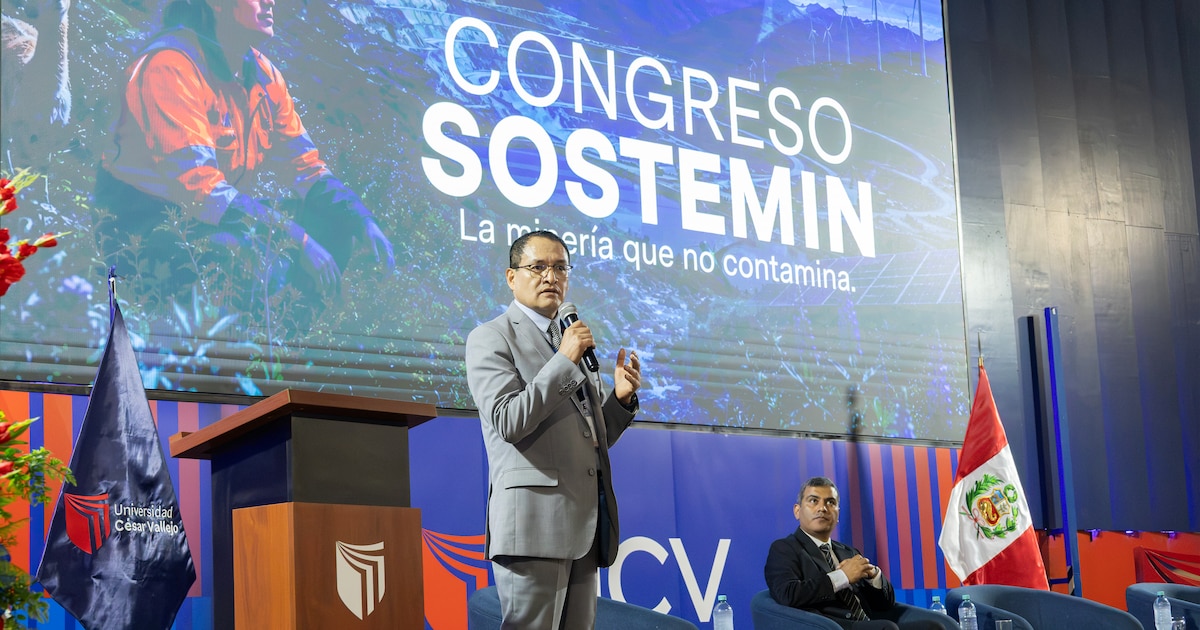
La Universidad César Vallejo (UCV) planteó fortalecer la articulación entre la academia, el Estado y las empresas frente a los desafíos vinculados con la actividad minera, durante SOSTEMIN 2026 – Encuentro de Minería Sostenible, realizado este 30 de septiembre en su campus Ate.
Nelson Zarzosa, decano de la Facultad de Ingeniería y Arquitectura de la UCV, reconoció que todavía existe una brecha entre estos sectores y sostuvo que la universidad busca asumir un papel activo para acercarlos.
“Sí, falta ese engranaje, falta el engranaje público, privado y desde la academia queremos tomar la batuta”, afirmó.
El encuentro reunió a representantes del Ministerio de Energía y Minas (MINEM), especialistas nacionales e internacionales y estudiantes para abordar temas como desarrollo sostenible de la actividad minera, normativa ambiental, biodiversidad, recuperación de ecosistemas, licencia social, diálogo preventivo, conservación de suelos y adaptación al cambio climático.
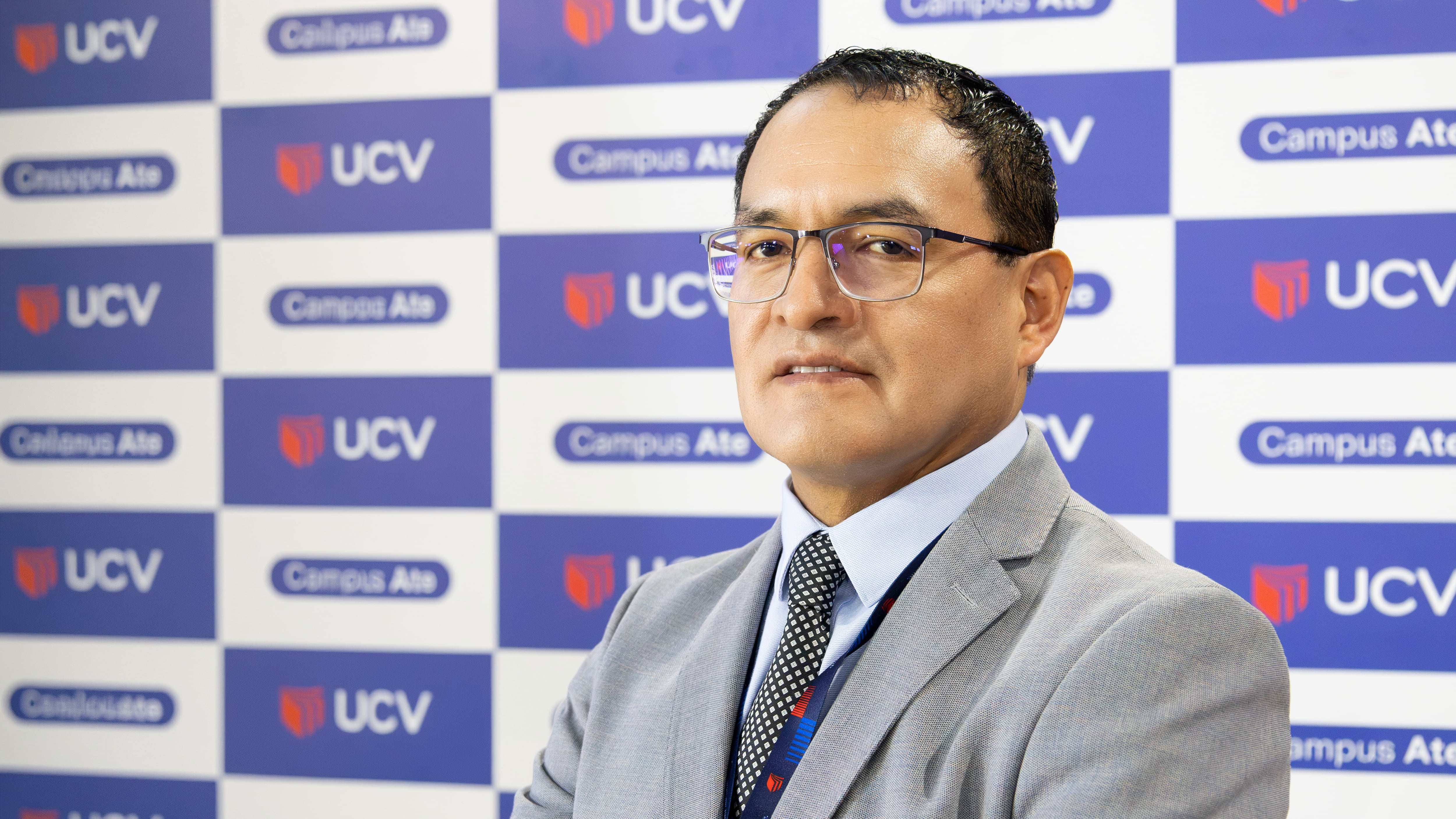
SOSTEMIN incorporó además un Reto Universitario. La iniciativa convocó a equipos de entre dos y cinco estudiantes para trabajar propuestas relacionadas con desarrollo sostenible, normativa ambiental minera y la relación entre minería y biodiversidad.
Zarzosa explicó que el encuentro surgió meses atrás después de coincidir con representantes del MINEM en una actividad similar. Según señaló, uno de sus objetivos es proporcionar información sobre la actividad minera y abordar su relación con el ambiente.
Minería, biodiversidad y recuperación de ecosistemas
Uno de los principales ejes del encuentro fue la posibilidad de compatibilizar el aprovechamiento de los recursos minerales con la protección ambiental. Zarzosa sostuvo que ese es también uno de los mensajes que la universidad busca transmitir a sus estudiantes.
“Sobre todo y principalmente, nosotros queremos que nuestros estudiantes sean totalmente conscientes de que la minería y el medio ambiente pueden coexistir”, señaló.
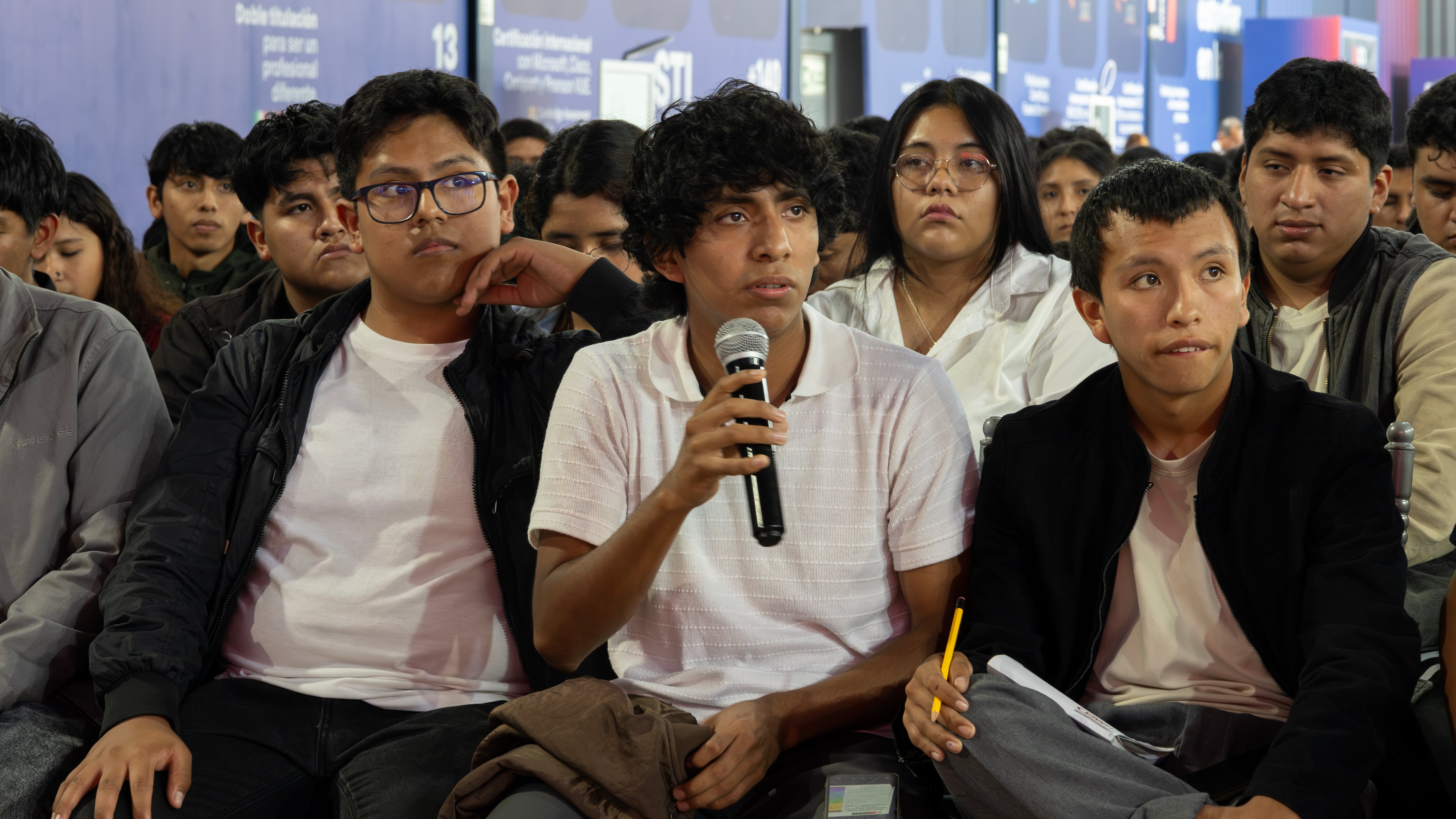
El decano diferenció en ese contexto la minería formal de las actividades informales e ilegales. Sostuvo que los proyectos que considera responsables pueden generar efectos positivos sobre el ambiente y atribuyó a la minería informal parte de los impactos negativos asociados con la actividad. También señaló que la formación universitaria debe procurar que los futuros profesionales no se vinculen con este tipo de operaciones.
La discusión incorporó la perspectiva de Eric van den Berghe, ecólogo e investigador internacional especializado en biodiversidad y conservación de la Universidad Zamorano, en Honduras, quien planteó que el uso productivo de los recursos naturales y la protección de la biodiversidad no necesariamente deben entenderse como objetivos contrapuestos.
Para el especialista, una actividad sostenible debe considerar no solo el beneficio inmediato, sino también las condiciones que recibirán las siguientes generaciones. Bajo esa perspectiva, sostuvo que la recuperación de las áreas intervenidas debería avanzar junto con el aprovechamiento de los recursos.
El investigador mencionó además tecnologías emergentes que, según indicó, permiten enfrentar algunos efectos de antiguas prácticas mineras, entre ellas el empleo de bacterias para tratar aguas contaminadas y procesos biológicos aplicados a la extracción de metales como el cobre.
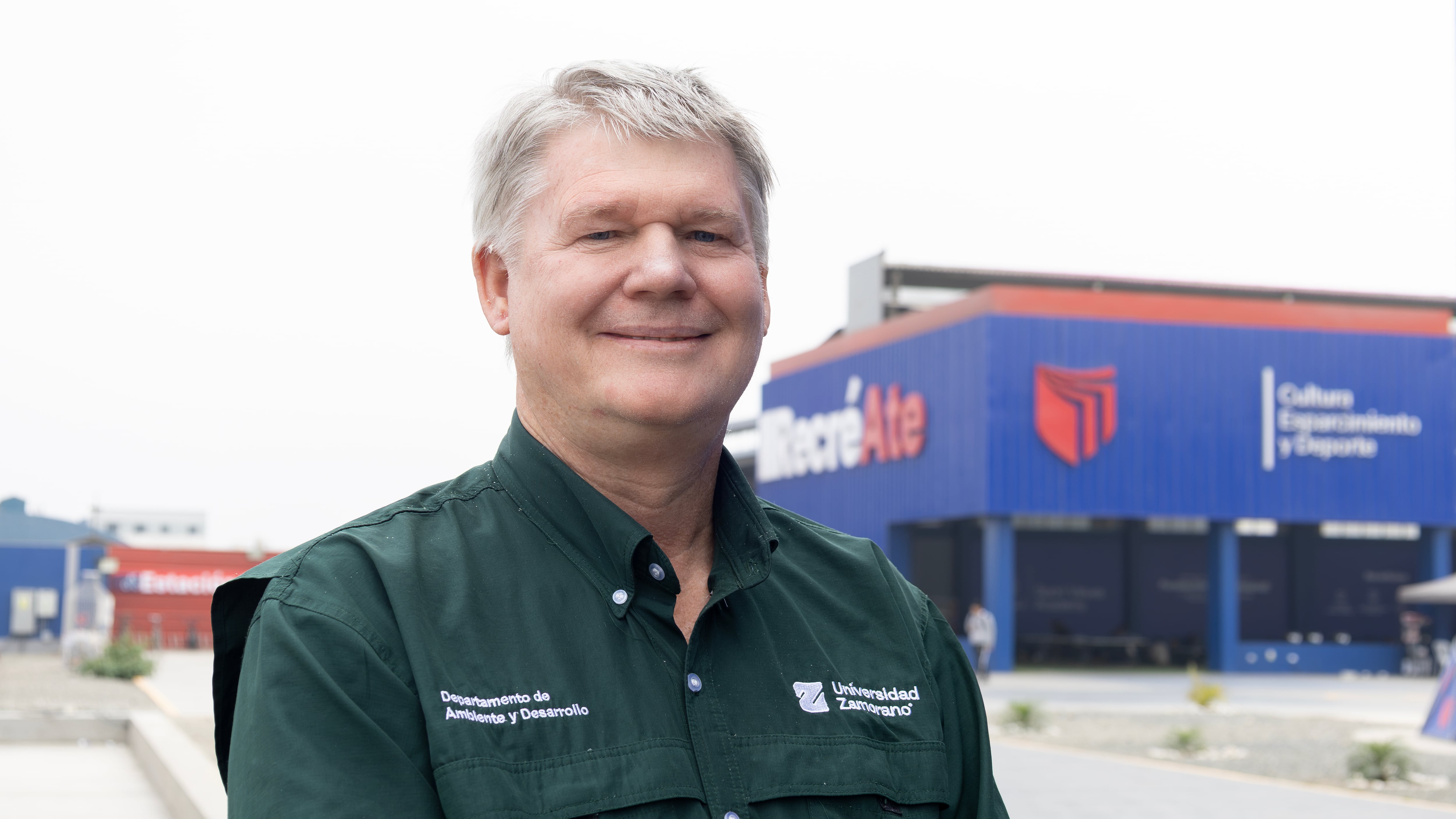
“Hay muchas cosas que en el pasado eran muy dañinas, que ahora podemos revertir y mejorar. Y esas son tecnologías todavía emergentes”, afirmó.
Van den Berghe consideró también “crítico” que estos enfoques formen parte de la preparación de los jóvenes. Señaló que históricamente existieron prácticas mineras dañinas y no sostenibles, mientras que actualmente existen otros estándares, tecnologías y formas de abordar la explotación de los recursos.
El papel del Estado y la academia
La minería informal e ilegal también formó parte de las declaraciones recogidas durante el encuentro. Zarzosa reconoció que la capacidad de actuación de las universidades frente a este fenómeno es limitada, aunque sostuvo que pueden contribuir mediante la formación de profesionales y la generación de conocimiento.
El decano atribuyó al Estado la responsabilidad principal de enfrentar las actividades ilegales y mencionó específicamente a la Policía y al Ejército peruano. Durante su intervención utilizó los conceptos de minería informal e ilegal al referirse a estas actividades y sostuvo que desde la universidad se busca evitar que los estudiantes se vinculen profesionalmente con ellas.
Van den Berghe también identificó las explotaciones clandestinas y no autorizadas de pequeña escala como un problema ambiental y social. Según explicó, estas operaciones pueden desarrollarse sin planes posteriores de recuperación y, al mismo tiempo, exponer a quienes trabajan en ellas a condiciones sin mecanismos adecuados de protección.
“Tanto producen los impactos, pero también son víctimas”, sostuvo el investigador.
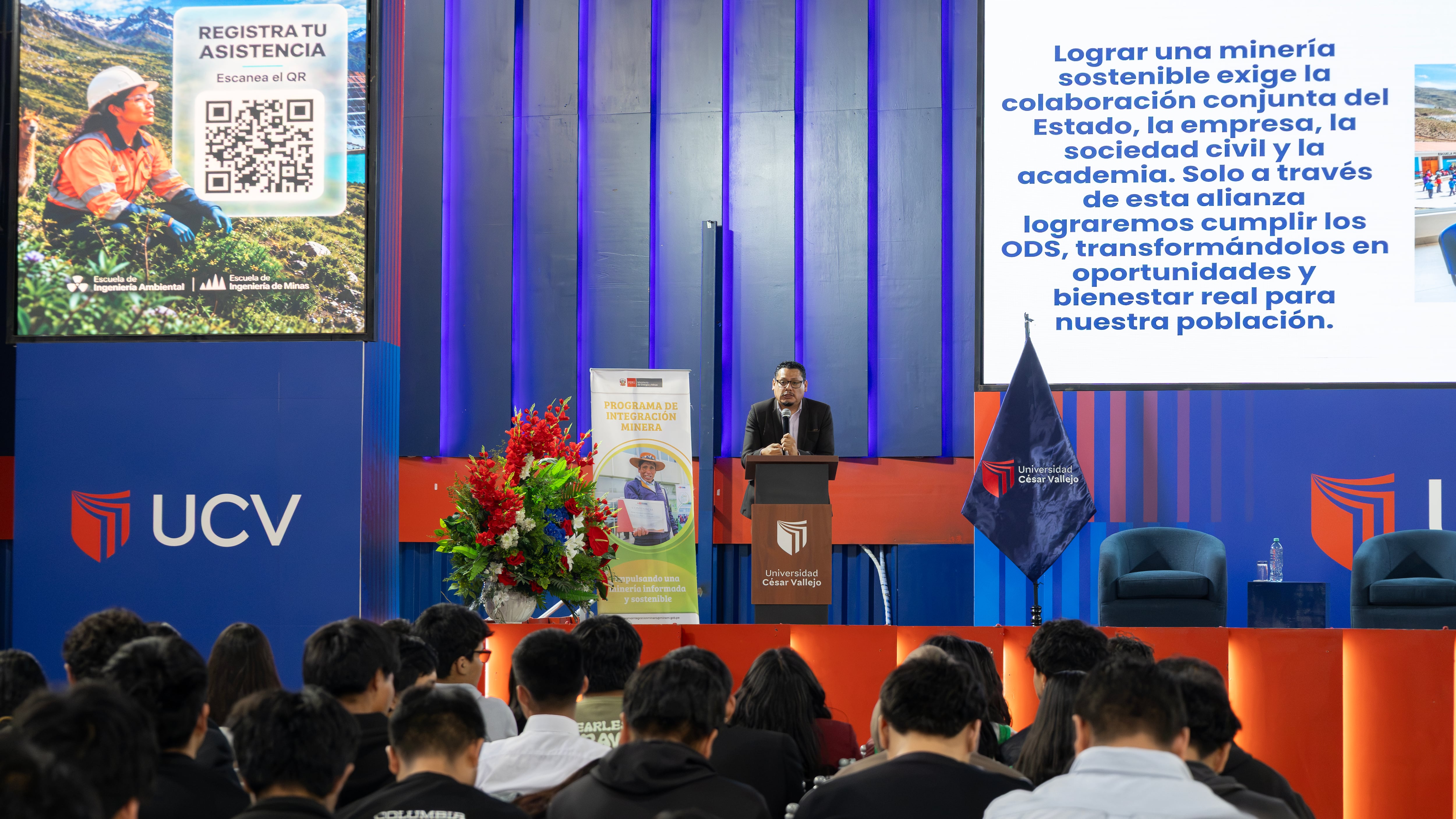
Frente a este escenario, Zarzosa señaló que encuentros como SOSTEMIN buscan generar mayores vínculos entre el sector público, el privado y la academia. La programación reflejó ese propósito mediante un bloque académico del MINEM, conferencias de especialistas y espacios de participación universitaria.
El decano anunció finalmente que la universidad pretende mantener este tipo de encuentros sobre minería, sostenibilidad y medio ambiente.
“Este es el primero, pero no es el único. Todos los años se van a organizar eventos similares”, afirmó.

INTERNACIONAL
Habló el padre que enfrentó al atacante en el tiroteo escolar de Oregón: “Escuché a chicos rogar por sus vidas ”
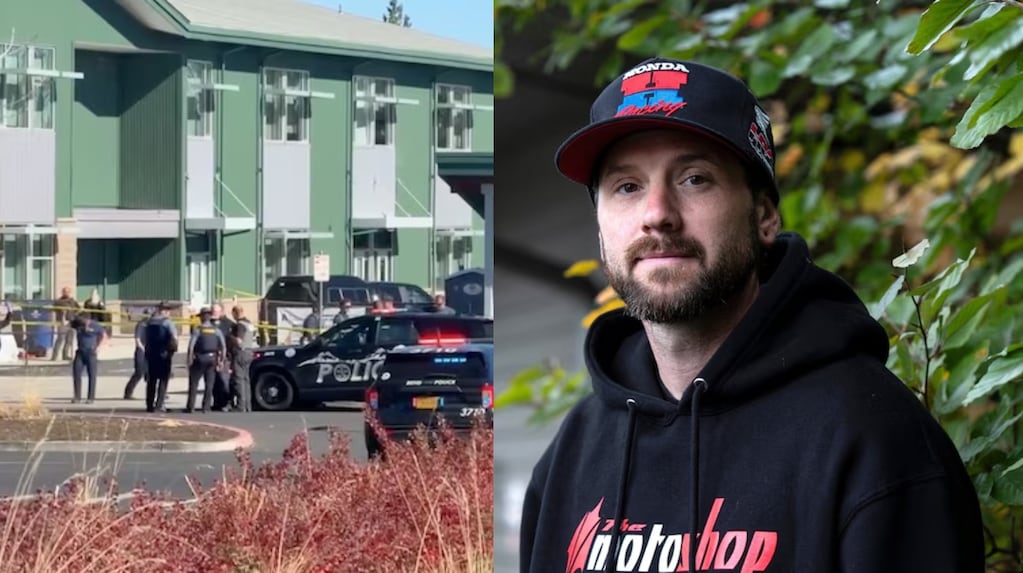
El 15 de octubre, la ciudad de Oregón, Estados Unidos, fue escenario de un tiroteo escolar en el que fueron asesinados tres niños de 5, 8 y 11 años y una maestra de 54. El agresor, Griffin J. John II, de 16 años, murió tras ser abatido por Kaylub Giamanco, un padre de la escuela que pasaba por el lugar.
Giamanco, un carpintero de 36 años, habló sobre el momento crítico en el que decidió intervenir y pidió perdón a las familias de las víctimas por no haber podido impedir su muerte.
El relato del padre que enfrentó al atacante
Giamanco contó que esa mañana había dejado a sus hijas en la escuela y, al regresar para almorzar, vio a una persona vestida de negro y que portaba un arma larga cerca del colegio.
“El pánico se apoderó de mí”, comentó en una entrevista con el canal público de Oregón OPB. Sin dudarlo, tomó su pistola calibre 40 de su camioneta y llamó a la policía mientras se acercaba al edificio.
“Le dije a la operadora: ‘Lo siento, tengo que entrar. Va a morir gente’”, recordó.
Al aproximarse, se tiró al suelo y avanzó apoyándose en los codos. “Empecé a escuchar a niños rogar por sus vidas, luego disparos y comencé a arrastrarme como un soldado cada vez más rápido, y me dije a mí mismo que probablemente esto sería lo último que haría en mi vida”, comentó sobre la traumática escena
Giamanco entró por una ventana rota y, al asomarse a un aula, vio a una profesora forcejeando con el atacante. Aprovechó la oportunidad y disparó, sintiendo que era “la última línea de defensa entre él y el resto de los niños”.
Cómo fue el enfrentamiento dentro de la escuela
El padre abrió la puerta del aula y disparó contra el agresor. Según la policía, otra maestra arrojó su teléfono al atacante y forcejeó con él antes de que Giamanco interviniera. La docente logró salir corriendo mientras el joven buscaba su escopeta.
“Estaba buscando a tientas su arma”, relató Giamanco. “Lo miré y le disparé dos veces más para asegurarme de que no pudiera moverse, porque tenía miedo de que disparara a alguien más”, explicó.
Las autoridades confirmaron que Giamanco portaba su arma de manera legal y destacaron que, junto al profesor desarmado que enfrentó al atacante, logró salvar varias vidas. El adolescente disparó 15 veces y aún tenía 44 municiones, informó la policía. En el ataque también resultaron heridos un nene de 7 años y un profesor de 54.
Después de que llegara la policía, Giamanco descargó su arma, la dejó en el suelo y llamó a su esposa “para decirle que no volvería a casa para comer tacos”.
Le pidió que fuera a la escuela de inmediato porque acababa de matar a tiros a alguien.
Después llamó a su madre y, entre lágrimas, le dijo: “Mamá. Tuvo que matar a un adolescente porque entró a la escuela de mi hija con un arma”.
“Cálmate, mi amor. Hiciste lo correcto. Sos un héroe. Salvaste vidas”, le dijo ella. “No salvé a todo el mundo. No pude salvarlos a todos”, le contestó, aún conmocionado.
El reconocimiento y el pesar tras el tiroteo
Un día después del ataque, el presidente Donald Trump calificó a Giamanco como un “gran héroe” que “cumplió con su deber”.
Sin embargo, el propio Giamanco expresó su dolor por lo ocurrido: “No puedo describir lo que se siente al quitar una vida… pero sí puedo decirles que siento sinceramente que debía estar allí”.

“Si no hubiera estado allí, simplemente no sé qué habría pasado”, afirmó. También dejó en claro el peso emocional que le dejó el episodio: “Revivo la escena, veo rostros, oigo voces, oigo gritos”.
En la entrevista, Giamanco dijo que deseaba disculparse con las familias de las víctimas por “no haber salvado a sus bebés”.
La familia de Megan Lambert, de 25 años, una de las víctimas fatales del tiroteo, expresó su agradecimiento a Giamanco y lo calificó de héroe: “Te pusiste en riesgo desinteresadamente por los demás”.
Giamanco por su parte elogió a la maestra que forcejéo con el atacante e intentó quitarle el arma. “Me encantaría darle un abrazo porque es una verdadera heroína”, declaró a OPB.
Estados Unidos, Tiroteo, Escuela
INTERNACIONAL
Trump officials warn decades-long decline among American men could carry national security consequences
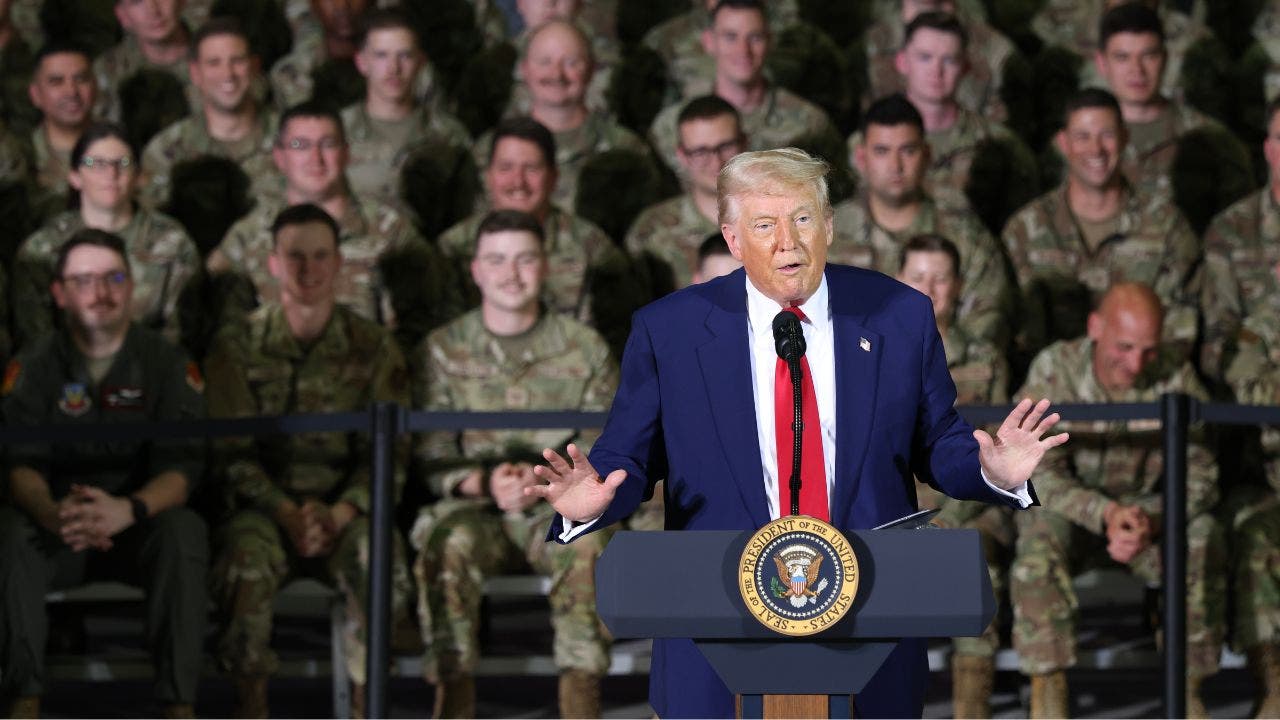
The Trump administration is targeting testosterone deficiency as a potential threat to military readiness, rolling out new screening guidelines for male service members amid growing concerns about the health of American men and the shrinking pool of young people qualified to serve.
«There is absolutely a national defense readiness ramifications for [low testosterone],» Adm. Brian Christine, a senior Department of Health and Human Services official, told Digital in an interview.
Christine also pointed to broader health challenges facing the military’s recruiting pool, warning that 77% of Americans ages 17 to 24 do not qualify for service without a waiver, with obesity, chronic disease and other barriers contributing to the problem. Among young men, he said, more than 70% are ineligible, while only about 3% of young Americans express interest in serving.
The warning comes as the Trump administration places a renewed emphasis on military readiness, with Christine helping shape an initiative that led the Pentagon to issue testosterone deficiency screening guidelines for male service members ages 30 and older in September.
THE REAL REASON BEHIND HEGSETH’S VIRAL MILITARY TESTOSTERONE SCREENING ORDER
Trump entered his second term with an aggressive approach to rebuilding the American military, tightening fitness requirements, axing DEI policies, overhauling weapons acquisition, building up recruitment and refocusing the force on combat readiness and lethality.
Christine, a urologist who spent more than 35 years specializing in men’s health, said testosterone levels have been declining for decades, raising concerns about the long-term health of American men and the physical demands placed on those serving in uniform.
«I think it’s incredibly important, incredibly timely,» Christine said of the screening guidance.
Under the Pentagon’s guidelines, male service members ages 30 and older undergo mandatory screening for testosterone deficiency, beginning with an assessment of symptoms and risk factors, with further testing and potential treatment available when medically appropriate.
‘WOKE’ MILITARY ACADEMIES TARGETED IN NEW BLUEPRINT FOR SWEEPING WARFIGHTING OVERHAUL
«We’re not forcing testosterone on anybody,» Christine said. «But what we are doing is screening, taking those men who are symptomatic and have low numbers and offering them a pathway forward.»
The HHS official pointed to obesity and chronic disease as established factors associated with low testosterone, while raising concerns that environmental exposures, including microplastics and other toxins, could also be contributing to the decline — a possibility researchers are still investigating.
«In the mid-1970s, the average testosterone level for men in this country… was well over 650. Now it’s approaching 350,» Christine said.
POPULAR WEIGHT-LOSS DRUGS LINKED TO UNEXPECTED MALE FERTILITY BENEFIT
National Institutes of Health Director Dr. Jay Bhattacharya echoed those concerns in a separate interview with Digital, warning that some testosterone deficiency may be going undiagnosed even as medical guidelines stress that a diagnosis requires both symptoms and consistently low hormone levels.
«It’s interesting because if you look at the epidemiological trends, testosterone levels in the American male population have been declining over the last decades. And again, we don’t know why. We don’t have an answer,» Bhattacharya said.
Bhattacharya said researchers must determine not only why testosterone levels are declining, but also what medical guidance should follow for men diagnosed with a deficiency. «There are under-diagnosed testosterone deficiencies.»
«The question of what to do about it, how to prevent it, that’s at the top of my mind,» he added.
LONGER LIVES, WORSE HEALTH? SCIENTISTS UNCOVER TROUBLING TREND ACROSS GENERATIONS
The NIH director also pointed to declining sperm counts as another area requiring further scientific investigation, suggesting that environmental exposures could be contributing to broader reproductive health concerns.
«But even more importantly, what are the factors, probably environmental factors, that have led to the decline in sperm counts, for instance? We need an answer to those questions,» Bhattacharya said.
Bhattacharya said the NIH is investing in research to better understand the potential causes of those trends and determine how doctors should advise American men.
Christine said that testosterone is about more than muscle growth or physical appearance, arguing that hormone levels play an important role in men’s overall health.
DEMS ROASTED FOR COMPARING HEGSETH’S TESTOSTERONE INITIATIVE TO ‘GENDER-AFFIRMING CARE’
«Testosterone levels in men are absolutely related to their overall well-being, to their lifespan, to their health span, and to their wellness,» Christine said.
He also noted that men with low testosterone tend to experience higher rates of anxiety and depression.
The administration is also developing separate hormonal health guidance for female service members, which the Defense Health Agency said would follow the September guidelines issued for male troops, with women’s health specialists contributing to the recommendations, Christine said.
Christine said that the goal is ensuring that service members are equipped to perform their duties while addressing broader health challenges affecting American men.
«If we truly want our men who are in uniform to be at their best,» Christine said, the focus must be on their ability to function and perform their jobs.
defense, donald trump, pete hegseth, military, mens health, medical research, health
INTERNACIONAL
Minnesota candidate ‘stress tests’ state’s new fraud law — what she found raised major red flags
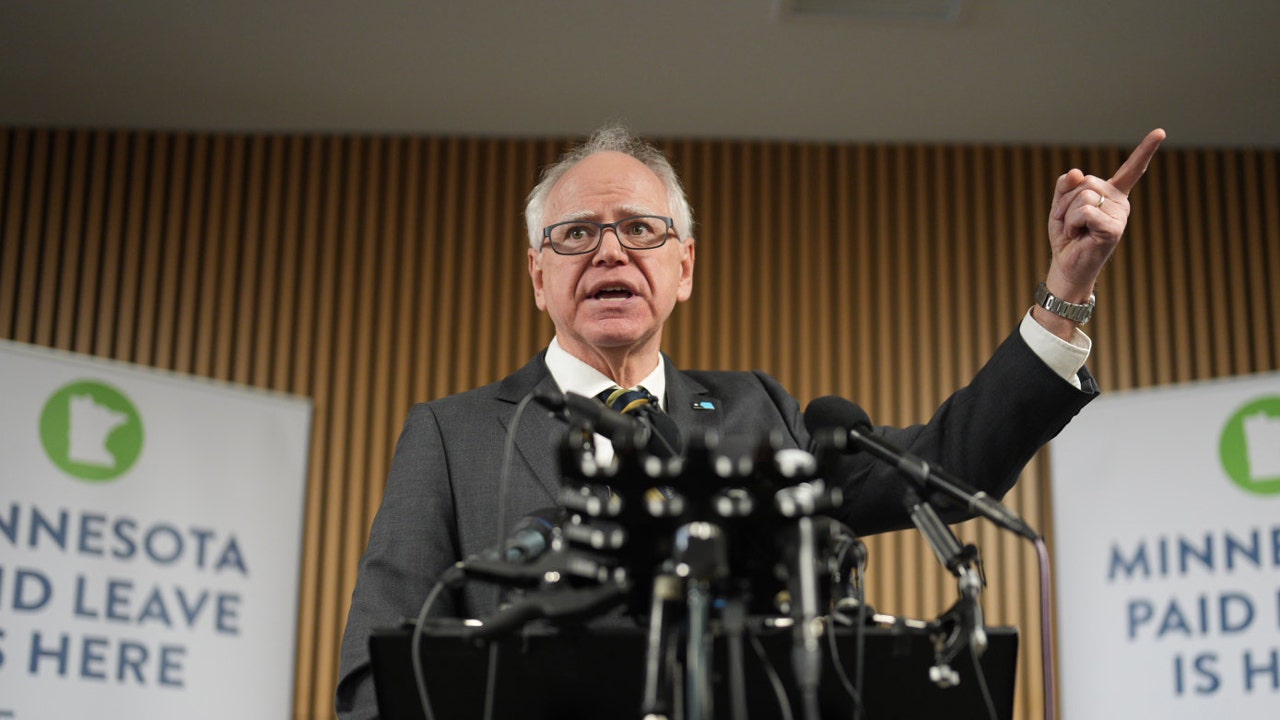
A Minnesota state Senate candidate revealed she found several vulnerabilities in a fraud prevention law signed by Gov. Tim Walz after testing it against the state’s previous fraud scandals to see whether it could have caught them sooner.
The measure in question, the Office of the Inspector General law, creates an independent statewide watchdog that oversees inspectors general, investigates alleged fraud across state programs, establishes fraud prevention standards, and improves coordination and data sharing.
However, Heidi Heino, the Republican candidate for Minnesota’s 36th Senate District, told Digital her test against the Feeding Our Future scheme and other past fraud cases found the law lacks extra safeguards when potential risks emerge.
«When I stress tested against Feeding Our Future and some of the other fraud schemes that we had in Minnesota, it would have found the fraud eventually, but it’s way after the money was already gone and we would still be stuck trying to claw it back,» Heino said.
MINNESOTA MAN CAPTURED IN SOMALIA AFTER ALLEGEDLY HELPING ORCHESTRATE $250M CHILD NUTRITION FRAUD SCHEME
The law was passed as Minnesota faces the fallout from massive fraud schemes involving childcare, autism, housing and disability services. Republicans have blamed leadership and oversight failures, while the Trump administration launched a federal anti-fraud task force led by Vice President JD Vance.
Working as a corporate leader whose day job involves underwriting, Heino said she used similar review and auditing practices to test where Minnesota’s fraud safeguards fell short.
«Business does a lot with a little,» she said. «Government does the opposite. They do a little with a lot of resources.»
Heino said she used a 2,800% increase in payments to Feeding Our Future from 2020 to 2021 in her test, a jump that should have automatically raised alarm bells and led to further review. The scheme alone allegedly stole $250 million from a federally funded child nutrition program during the COVID-19 pandemic.
FRAUD EXPERT EXPOSES HOW HIDDEN NETWORKS DROVE MINNESOTA FRAUD, OTHER MAJOR SCAMS: ‘CRIMINAL ENTERPRISE’
«You don’t have to be a detective to see that there’s some issue there and so to investigate that and check and see if those claims are legitimate, and if they were legitimate, have someone actually sign off on it,» she said, adding that filling out extra paperwork may be frustrating but can help prevent fraud in the long run.
Heino also argued Feeding Our Future should not have been allowed to address complaints against itself.
«We had 30 complaints to the Minnesota Department of Education regarding the fraud and they are mostly overlooked or Feeding Our Future had to go correct itself and that was a huge gap there,» she said.
She proposed immediately freezing payments, conducting a full review, and triggering an outside audit.
«The OIG has good bones, but it needs teeth,» she said.
Without independent audits, Heino said Minnesota will not be able to uncover fraud-related gaps, saying the additional oversight would save more money than it costs.
GOP ACCUSES WALZ ALLIES OF BURYING $52M MEDICAID FRAUD REPORT BEFORE ELECTION
«We get a lot of pushback saying this is going to be expensive, but is it?» she said. «It will be less expensive to have an independent audit than it is going to be to have all the fraud and lose taxpayer dollars to fraudulent activities.»
Those same issues apply to current state programs like Minnesota’s Paid Leave program, according to Heino.
«However, we need to rein it in and have more investigation before we start sending out the checks, especially with paid family leave,» she said. «They pay out before they have the doctor’s note certifying that this is actually true and they have verified it.»
She acknowledged that the law is a «great first step» toward addressing the problem but said it does not go far enough to protect taxpayers and prevent future fraud.
As a mother, grandmother and taxpayer, Heino said she is fed up with how leaders in her home state have handled fraud, adding the problem has gotten so bad that Minnesota has become the «laughing stock of the nation» and people no longer want to say they are from the state anymore.
«We need to funnel those resources to the people that actually need them and keep people committing fraud from taking our money and running away with it, buying luxury condos or homes, and then funneling it out of the country,» she said.
Digital reached out to Walz’s office and the Minnesota Department of Education for comment.
«We have not slowed down, there is no sense in which the fraud has been stopped in Minnesota,» Bill Glahn, a policy fellow at the Center of the American Experiment, told Digital in August, making the case that the fraud situation in the state has not been properly addressed.
politics, minnesota fraud exposed, tim walz, minnesota, financial regulation, donald trump

El antecedente que involucra a un ex River en el que se ampara Flamengo para pedir la clasificación ante Estudiantes

Causa Libra: la Justicia sobreseyó a Javier Milei y a su hermana Karina

Habló el padre que enfrentó al atacante en el tiroteo escolar de Oregón: “Escuché a chicos rogar por sus vidas ”

Se filtraron los chats hots de un famoso que juega a dos puntas: “Me encantaría despatarrarte en la cama”

Trump officials warn decades-long decline among American men could carry national security consequences

Bariloche: denunciaron a un candidato constituyente por mensajes que reivindican a Videla y al terrorismo de Estado

Javier Milei y sus medidas, en vivo: el mandatario dijo que piensa un proyecto a “100 años” para la Argentina

Mariano Navone venció a Juan Manuel Cerúndolo en el duelo argentino y avanzó en el ATP de Bruselas

Cuáles son las condiciones que enfrentan las pymes para financiarse en el mercado de capitales

Escándalo con Sancor Salud: Cuotas millonarias por un servicio nefasto que abandona a los pacientes en urgencias

 POLITICA1 día ago
Javier Milei y sus medidas, en vivo: el mandatario dijo que piensa un proyecto a “100 años” para la Argentina
- ECONOMIA3 días ago
Cuáles son las condiciones que enfrentan las pymes para financiarse en el mercado de capitales
- SOCIEDAD21 horas ago
Escándalo con Sancor Salud: Cuotas millonarias por un servicio nefasto que abandona a los pacientes en urgencias