INTERNACIONAL
Letitia James’ ‘fair’ Cornell rape probe vow collides with accused aide’s ‘quiet’ exit

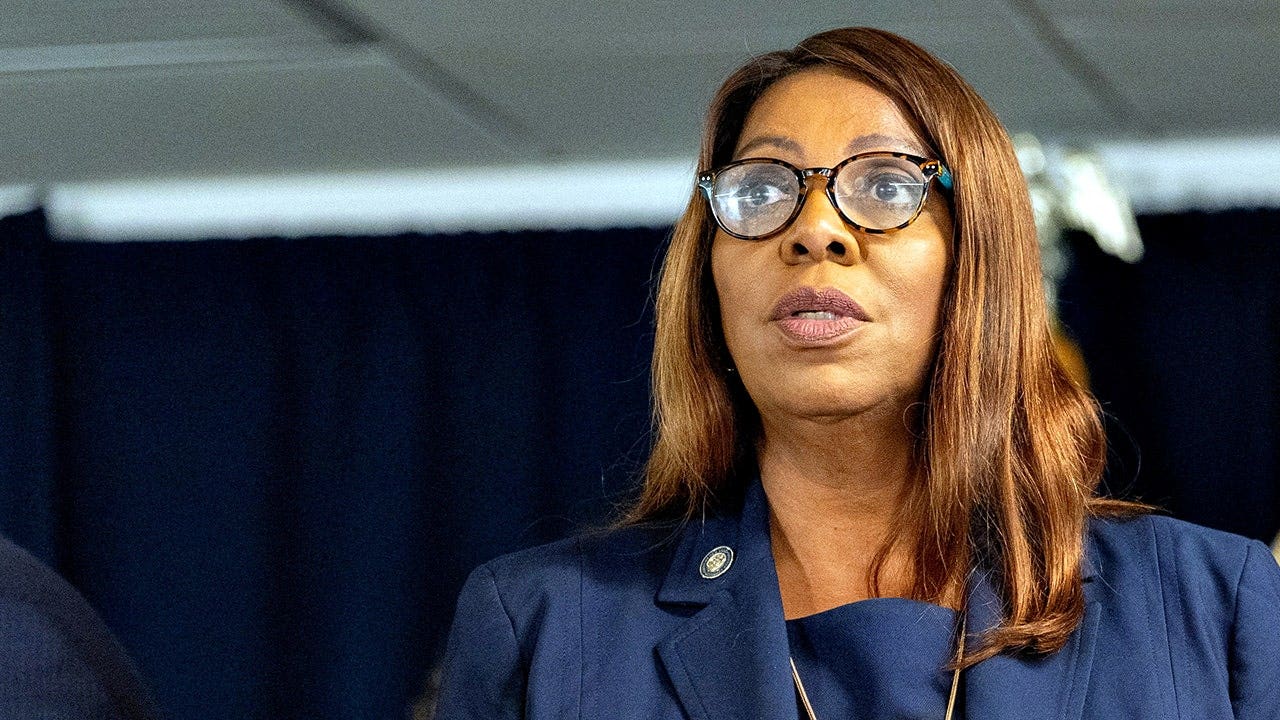
New York Attorney General Letitia James has pledged a full and fair investigation into the Cornell 7 gang rape allegations, years after she faced accusations that she ignored warnings of sexual misconduct against her former chief of staff and allowed him to «quietly resign» while allegedly keeping his accuser in the dark.
The claims stemmed from a 2022 lawsuit filed by James’ former deputy press secretary, Sofia Quintanar. A New York judge dismissed the claims against James personally and the Attorney General’s Office in February 2025. The decision was upheld by an appellate court in May 2026.
Those allegations against James have received new attention after New York Democratic Gov. Kathy Hochul appointed James as special prosecutor to investigate an alleged gang rape at a fraternity house associated with Cornell University in October 2024.
«Kathy Hochul lost faith in the local DA’s handling of the Cornell sexual assault case. So she picked Letitia James. Did you read Sofia Quintanar’s lawsuit, Governor?» Sam Antar, a fraud investigator based in New York wrote on X.
CORNELL SEXUAL ASSAULT CASE REVIVES SCRUTINY OF A LITTLE-KNOWN NEW YORK LAW ON INTOXICATED VICTIMS
«You’re entitled to question the DA’s handling of Cornell,» Antar continued. «We’re entitled to question James’s handling of her own aide and your choice of James to restore public confidence.»
James is already facing calls to recuse herself from the case after an attorney for one of the defendants pointed to social media posts she made days before her appointment that appeared to take the alleged victim’s side.
«What this young woman has been forced to endure is horrific and unacceptable,» James posted on X on Sept. 28. «I’m holding her in my heart and in my prayers. To her, and to all survivors: you’re not alone. We stand with you.»
Andrew Miltenberg, an attorney representing accused student Gillio Lopes, filed a court petition on Oct. 7 requesting James to be removed from the case. Miltenberg argued that James’ remarks raised concerns about whether she could independently evaluate the evidence and determine whether criminal charges were warranted.
«New York Attorney General Letitia James has always taken these matters seriously and followed the facts and the law,» a spokesperson for James told Digital.
Former federal prosecutor Neama Rahmani told Digital that James’ public comments could complicate her investigation.
«It is problematic for a prosecutor like Tish James to be commenting on a case publicly before the investigation is concluded,» Rahmani said.
«And the problem is, if you file criminal charges, whether it’s through a complaint or a grand jury indictment, that may taint the potential jury pool in a criminal case,» he added.
Rahmani acknowledged that James likely did not anticipate being appointed when she made the remarks but said defense attorneys could still raise concerns about her involvement.
Hochul has defended her decision to appoint James.
«I have every confidence in our Attorney General to do what she has always done: look at the facts, examine the record and draw the proper conclusions,» Hochul said during an Oct. 2 news conference. «That’s exactly what’s going to happen in this case.»
James also pledged in an Oct. 1 statement that her office would be «guided by the facts and the law.»
«The Governor has entrusted my office with this investigation, and we do not take that responsibility lightly,» James said.
But others, in addition to Antar, say New Yorkers shouldn’t move on from the previous allegations raised against James by her former employee.
«What about justice for former staffer Sofia Quintanar?» Lattina Brown posted on X. «She spoke out about sexual harassment and NY AG Letitia James had this woman blacklisted in the entire state of NY. The Dems turned their backs on this poor woman. Where is the support for the Hispanic woman?»
The litigation centered on James’ handling of misconduct allegations involving her longtime chief of staff, Ibrahim Khan, whom Quintanar accused of forcibly kissing her at a Brooklyn political fundraiser in November 2021.
INSIDE EXPLOSIVE CORNELL RAPE ALLEGATIONS: 7 MEN ACCUSED, CONFLICTING ACCOUNTS AND A POLITICAL FIRESTORM
In her lawsuit, Quintanar accused James of overlooking warning signs about Khan’s conduct and protecting him from the fallout after the accusations surfaced.
Her lawsuit claimed Khan was allowed to omit his «unlawful conduct» from his resignation statement and accused James of making «misleading statements» to the press about his whereabouts during the investigation. Quintanar also alleged she was not kept updated on the investigation.
The complaint pointed to earlier accusations involving Angel Dubose, a former employee who claimed she was drugged and sexually assaulted at a 2014 holiday party while James served as New York City’s public advocate.
The lawsuit referenced a 2017 New York Post article linking Khan to the alleged assault. However, the newspaper later removed the report after learning that Dubose could not recall who attacked her and had never identified Khan as the perpetrator, The New York Times reported.
James said she referred Dubose’s allegations to law enforcement and other agencies after learning of them in 2017. The Manhattan district attorney’s office and New York City’s Department of Investigation later closed their investigations without filing charges.
James described those allegations as «unsubstantiated» in a December 2022 NY1 interview.
James’ office said it first learned of Quintanar’s allegations against Khan on Oct. 2, 2022, directed him to work remotely the following day and hired an outside law firm to investigate on Oct. 4.
However, the lawsuit was not dismissed entirely. The appellate court allowed a federal civil rights claim against Khan to proceed and revived retaliation claims against Khan and James’ re-election campaign.
The investigation substantiated the allegations against Khan, who resigned in November 2022.
Those claims centered on allegations that Khan blocked Quintanar from obtaining a campaign job after she rejected his sexual advances.
In May 2026, an appellate court upheld the dismissal of Quintanar’s claims against James and the Attorney General’s Office, finding that the lawsuit failed to sufficiently show James knew about Khan’s alleged misconduct.
SIGN UP TO GET THE POLITICS NEWSLETTER
Digital reached out to attorneys for Khan and Quintanar for comment.
politics, controversies state and local, kathy hochul, college, new york, state and local










INTERNACIONAL
Marco Rubio’s 2028 stock surges among House Republicans as Trump insiders split on Vance
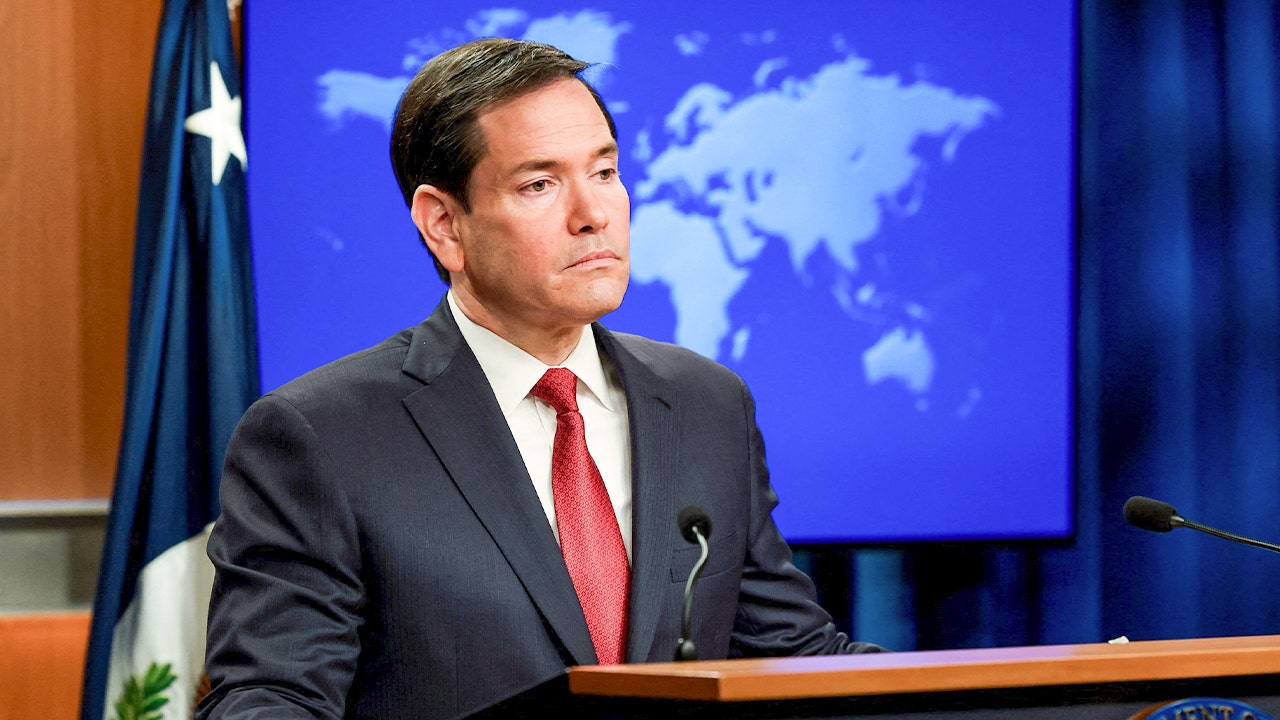
As Republicans continue to pick up the pieces from their 2026 midterm losses, one Trump administration official is catching some GOP lawmakers’ eyes as the party’s next great hope.
«[Secretary of State Marco Rubio] is the whole package. He’s intelligent, charismatic, level-headed, cool-tempered, and very knowledgeable about the issues and eloquent in explaining them,» Rep. Nicole Malliotakis, R-N.Y., told Digital. «I think there is a lot of interest from Republicans in seeing him explore a run.»
Indeed, multiple House Republicans who spoke with Digital said they and their colleagues are pushing Rubio to run for president in 2028. The Cabinet official himself has publicly dismissed any talk about his future political plans, but his name is on the rise among Republicans who have said the party needs to pivot from the issues that cost them votes in November.
HOUSE CONSERVATIVE EMERGES WITH 2028 PRESIDENTIAL PICK AFTER GOP’S MIDTERM MASSACRE: ‘I AM ALL IN’
«Now that we lost majorities, we can’t push policy, so we will have to do better at communicating,» Rep. Marlin Stutzman, R-Ind., told Digital on election night. «I am all in for Marco. He can be a unifier.»
They’re notable comments coming from the Indiana Republican, who was among the founding members of the conservative House Freedom Caucus.
MAGA VOTERS REVEAL WHO THEY WANT TO SEE LEAD GOP IN 2028
Rubio has long been held up as a potential 2028 contender, despite a previous unsuccessful White House bid in 2016.
He and Vice President JD Vance have been regarded as the top contenders for the GOP nomination, but it’s Rubio’s name that has come up in conversations among House Republicans, Digital was told.
GOP MIDTERM BLOODBATH EXPOSES CRACKS IN VANCE’S 2028 WHITE HOUSE AMBITIONS
«A number of my colleagues, unsolicited by me — they come up with me, knowing that I’m on board, [from] Miami, et cetera — and said that they’d want to support him, that they would support him if he ran,» Rep. Carlos Gimenez, R-Fla., told Digital. « And it’s not just a few. There’s a number, a pretty good number, that have told me that.»
Gimenez said he supported Rubio even before the election. The same goes for Rep. Mike Haridopolos, R-Fla., who told Digital he’s been openly backing his fellow Florida Republican for two months.
«And I think the affirmation that I’m getting from talking to people is overwhelming,» Haridopolos said.
«He is not only understanding what’s happening today, but our place in history. And I think his inspirational story, his parents coming from Cuba and living the opportunity that is America, and inspiring people that anything is possible, is the uplifting message we need.»
SEC MARCO RUBIO: THE WEST FORGOT WHAT MADE IT GREAT. WE MUST REDISCOVER OUR ROOTS BEFORE WE LOSE THEM
Both Haridopolos and Malliotakis pointed to Rubio’s recent speech in Greece calling for the renewal of Western civilization as an example of his presidential possibility. Those remarks, set in Athens, were widely lauded for their scenic backdrop of the Acropolis at sunset.
And Malliotakis, who is half Cuban herself, said Rubio could «reach» Hispanic voters who largely turned away from the GOP in November.
LATINO VOTERS SWING BACK TO DEMOCRATS AHEAD OF MIDTERM ELECTIONS: POLL
«The potential for him to be the first Hispanic president is huge for our party and the country,» she said.
But within the administration itself, it appears no clear successor has emerged.
One source familiar with talks told Digital that Trump administration staffers were «about 50/50» when asked if they favored Vance or Rubio.
«I think it’s pretty split,» one administration official said. «I don’t think the president really knows. I think if you asked him today, he’d say Rubio.»
«50/50 feels right to me,» a second administration official said.
White House spokeswoman Anna Kelly referred Digital to Trump’s previous comments on the matter.
Over the weekend, Trump told Fox News’ «Saturday in America» that Vance and Rubio are «doing fantastically» and are «both very, very popular» when asked who he would like to see run on the Republican and Democratic tickets ahead of the 2028 presidential election.
Digital reached out to the State Department for comment but did not hear back by press time.
politics, marco rubio, donald trump, elections
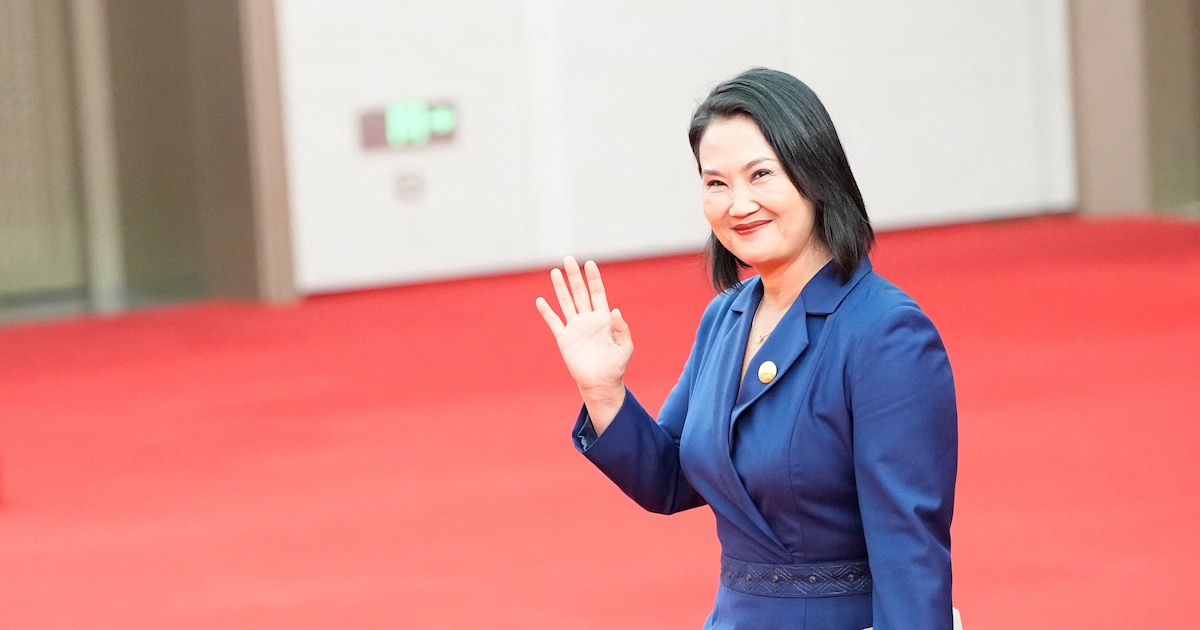
Hace unos días me reuní con los jefes de Estado y de Gobierno que representan a más de 3.000 millones de personas, el 36 por ciento de la población global, y el 62 por ciento de la economía mundial. En cada reunión, en cada entrevista, tanto en los encuentros oficiales como en los informales, insistí en el mismo objetivo nacional: el Perú está listo para convertirse en la puerta de entrada de la inversión global a Sudamérica. Este es mi mensaje para Estados Unidos, para China y para todo el mundo.
El Foro de Cooperación Económica Asia-Pacífico (APEC) era el mejor lugar para transmitir este objetivo. No sólo porque allí participaron los líderes políticos de los 21 países que concentran más del 50 por ciento de las exportaciones y casi el 49 por ciento de las importaciones de todo el planeta; si no porque los compromisos políticos de esta envergadura, que colocarían al Perú en el centro de la economía global, se proponen, discuten y cimentan a nivel presidencial.
Fue un viaje intenso, pero productivo. Compartimos reuniones bilaterales con diversos líderes globales, entre ellos el presidente de China, el presidente de Vietnam, el sultan de Brunei, el presidente de Chile, el primer ministro de Singapur, el primer ministro de Tailandia, el presidente de Filipinas, la primera ministra y el emperador de Japón y otros líderes políticos, empresariales y representantes de organizaciones multilaterales, como la directora gerente del Fondo Monetario Internacional. En estas reuniones oficiales, y en otros encuentros informales, compartí mi visión del Perú en el mundo y las grandes oportunidades que ofrece nuestro país como destino de inversión.
En Shenzhen transmitimos las razones por las que el Perú puede ser la conexión comercial entre Sudamérica y el mundo. Mostramos la capacidad, constante expansión y privilegiada ubicación geográfica de nuestra infraestructura portuaria y logística. Aprobamos un marco de digitalización del comercio cuya implementación simplificará trámites aduaneros, impulsará el comercio electrónico y facilitará el flujo de datos. También acordamos proteger las cadenas de suministro, manteniendo abiertos los corredores comerciales.
También tuve la oportunidad de reunirme con líderes de algunos de los grupos empresariales más importantes de China (actualmente nuestro mayor sociocomercial) y de Estados Unidos. Les agradecí la confianza que han depositado en el Perú y les transmití nuestra voluntad de seguir construyendo oportunidades de inversión y negocios.

La participación en la APEC sirvió además para expandir nuestra apertura comercial con la firma del Tratado de Libre Comercio con Tailandia, después de diez años de negociaciones. Pasamos de una cobertura del 66% al 94% de nuestros productos en un mercado de más de 70 millones de personas. El acuerdo va más allá del comercio de mercancías. Incorpora servicios, movilidad de profesionales y flujo de capital. Es, además, una oportunidad para ampliar nuestra presencia en el Sudeste Asiático.
La visita oficiala Japón merecetambién una menciónespecial. La nuestraes una de las más antiguas y profundas relaciones entre Sudamérica y Asia. El primer Tratado de Amistad, Comercio y Navegación se remonta a 1873 hasta llegar al Acuerdo de Asociación Económica, vigentedesde el 2012. En mi visita añadimos nueve instrumentos adicionales de cooperación a esta larga historia.
Escuchar al emperador Naruhito darme la bienvenida en español, oír nuestro himnonacional durante la ceremonia encabezada por la primera ministra Sanae Takaichi y, días antes, escuchar en China los acordes de El Cóndor Pasa fueron experiencias profundamente emotivas. Nos confirma que representar al Perú es mucho más que una responsabilidad institucional; es llevar nuestra identidad, historia y el orgullo de millones de peruanos.

Quiero terminar estas líneas compartiendo un sentimiento que acompañó todas mis reuniones. Cada diálogoy cada acuerdo adoptado es una nuevapuerta que abrimosal mundo y que nos permite lo verdaderamente importante: convertir estos foros internacionales en progreso, empleo y nuevas oportunidades para más peruanos.
Business,Diplomacy,International Relations,Politics,Asia / Pacific,Corporate Events,Diplomacy / Foreign Policy
INTERNACIONAL
¿Souvenirs prehistóricos? Un estudio aseguró que los primeros humanos ya guardaban recuerdos hace 500 mil años

Alzar una piedra de colores del suelo, guardar una herramienta vieja que ya no sirve o conservar un fósil incrustado en un trozo de sílex, una roca dura que los primeros humanos usaban para fabricar utensilios, son conductas que hoy parecen caprichosas o sentimentales, pero que podrían tener raíces mucho más profundas de lo que cualquiera supondría.
Un equipo de investigadores de la Universidad de Tel Aviv propone que los homínidos que habitaron el Levante hace medio millón de años ya recolectaban objetos sin valor utilitario aparente y los conservaban como recordatorios de lugares visitados y experiencias vividas.
La pregunta que impulsó el trabajo parece simple, aunque muestra su complejidad cuando se intenta responder: ¿cuándo y por qué los humanos comenzaron a atribuirle significado personal a los objetos materiales? Un estudio publicado en la revista Evolutionary Anthropology, de la editorial Wiley, combina hallazgos arqueológicos con perspectivas de la teoría evolutiva, la psicología y la neurociencia para proponer una respuesta.
El trabajo fue liderado por investigadores de las áreas de zoología, arqueología y ciencias psicológicas de la Universidad de Tel Aviv, en colaboración con el Dr. Bar Efrati, de la Universidad de Oxford, según el comunicado institucional.
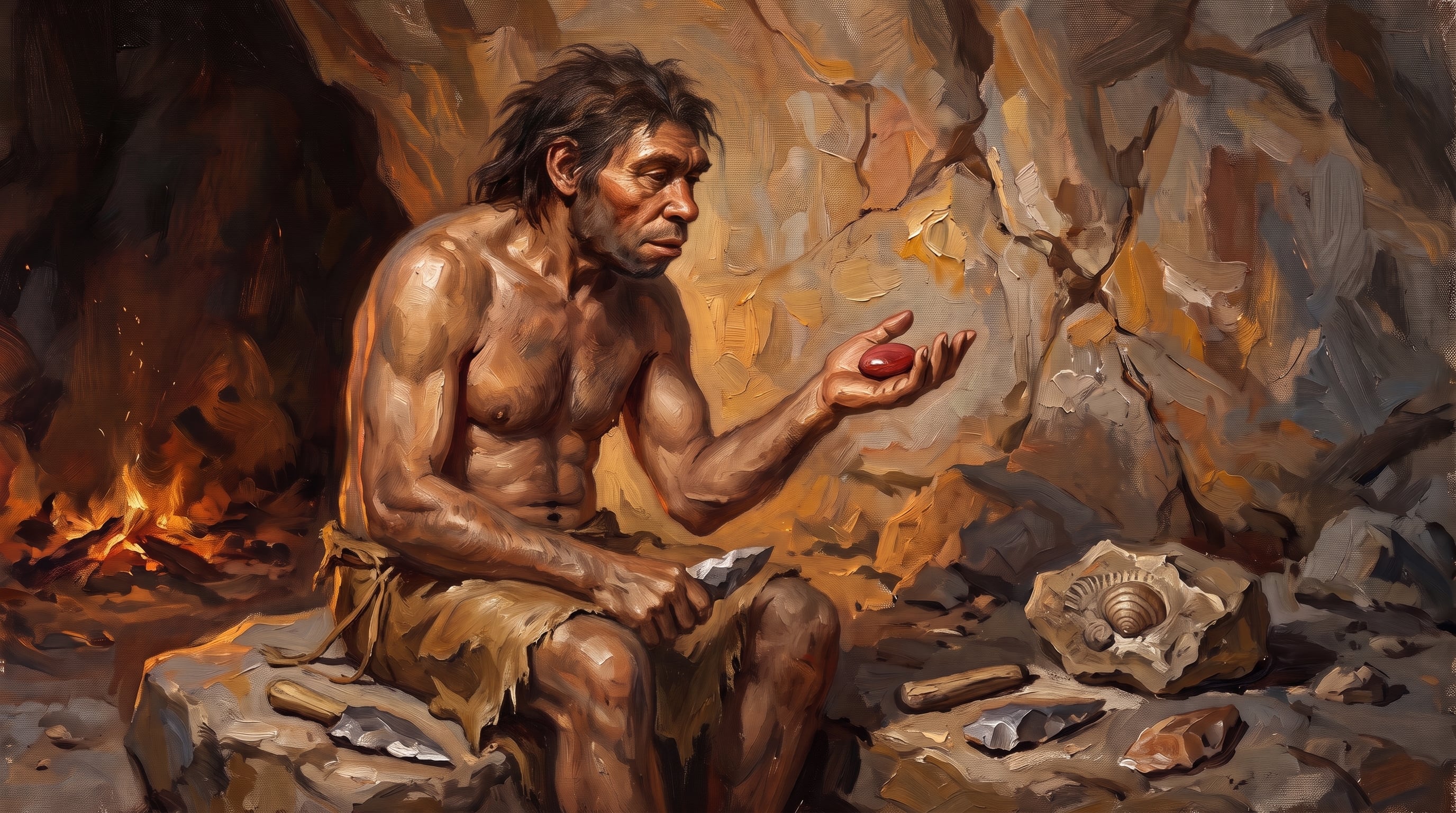
Los objetos no tenían uso práctico identificable
Las pruebas materiales que sostienen la hipótesis provienen de varios yacimientos en Israel. En la Cueva de Qesem se hallaron pequeños guijarros de colores traídos desde distintos puntos del territorio, sin uso funcional identificado.
En el Valle de Sakhnin aparecieron hachas de mano talladas sobre bloques de roca con fósiles o formaciones geológicas poco comunes, preservadas deliberadamente en el centro de la pieza, donde podían verse y tocarse.
En Revadim y Jaljulia, además de en el mismo yacimiento de Qesem, se recuperaron herramientas antiguas cuyas superficies originales se mantenían en gran parte intactas pese al paso del tiempo.
Según el comunicado institucional de la Universidad de Tel Aviv, los investigadores sugieren que el aspecto envejecido de esas herramientas pudo haber tenido valor en sí mismo, pues el objeto contaba su propia historia. La lógica que proponen es que una pieza traída de un lugar determinado podía activar el recuerdo de una experiencia personal y ayudar a su portador a distinguir entre algo que había vivido directamente y algo que le habían contado o imaginado.
Guardar objetos con carga afectiva habría fortalecido la memoria y la cohesión social
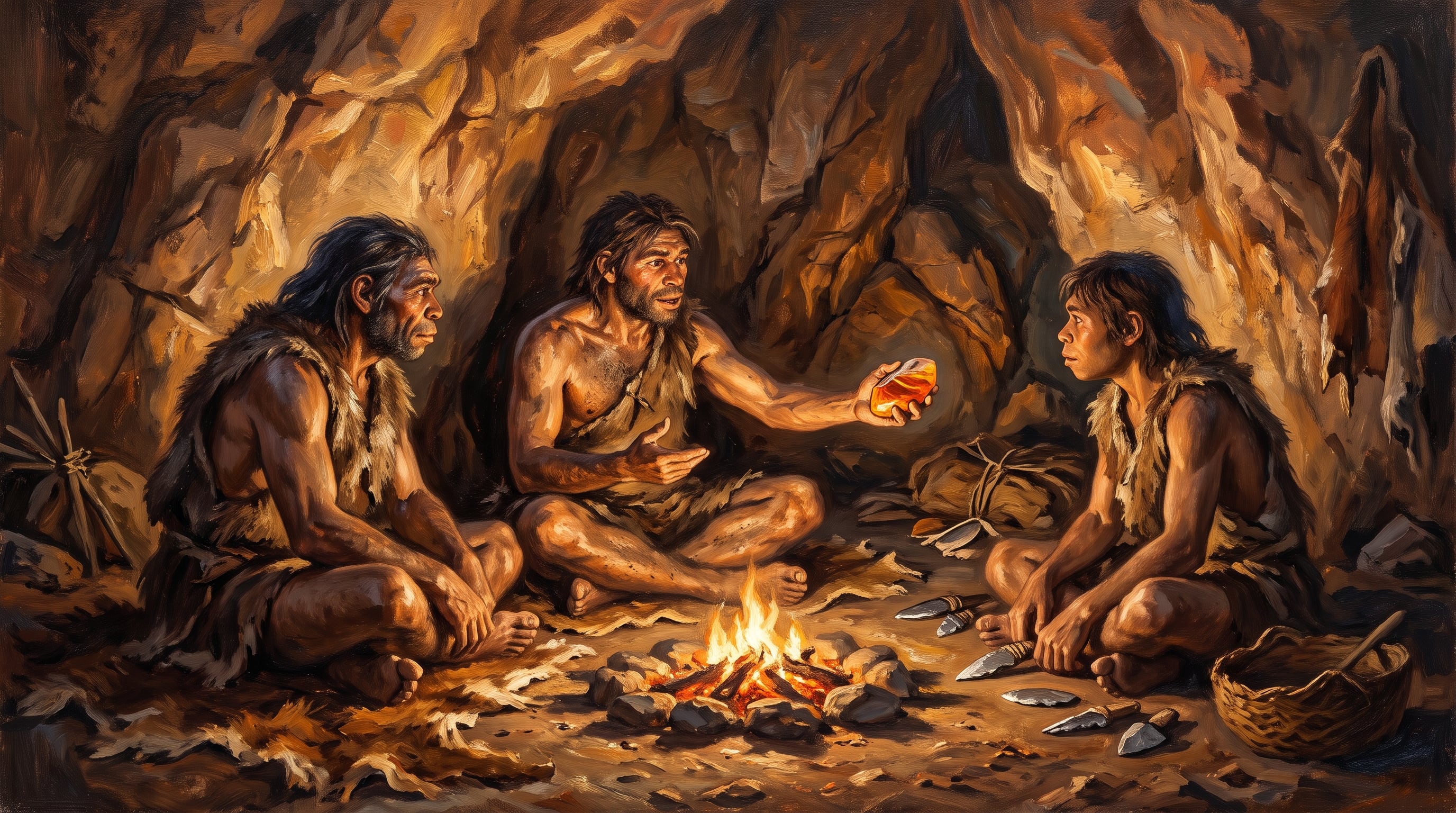
La hipótesis articula dos planos: el individual y el colectivo. A nivel personal, un objeto portátil y visible podía funcionar como un dispositivo de memoria externo que reforzaba la capacidad de organizar experiencias propias en una secuencia coherente. Esa capacidad es lo que se conoce como memoria autobiográfica, la habilidad de estructurar vivencias pasadas en una historia de vida continua que sustenta la identidad personal.
A nivel social, el beneficio era igualmente concreto. Un objeto personal podía trasladarse, mostrarse y usarse para corroborar un relato ante otros, lo que otorgaba credibilidad a quien lo portaba.
En grupos donde recordar alianzas, intercambios y derechos sobre territorios de caza resultaba decisivo, una memoria personal confiable facilitaba la cooperación y el mantenimiento de vínculos. Esa presión acumulada a lo largo de generaciones habría favorecido el desarrollo de los mecanismos cerebrales que evalúan el origen y la fiabilidad de los recuerdos.
El Prof. Ran Barkai señala una posible razón para que esta práctica haya surgido en ese período: “La desaparición de animales de gran tamaño, en particular los elefantes, obligó a los primeros humanos a desarrollar nuevos métodos de caza y a familiarizarse con territorios habitados por ciervos y bovinos salvajes. Los objetos tomados de esos lugares pueden haberlos ayudado a mantener una conexión personal con los sitios que a partir de entonces les proveían el sustento”, afirmó el arqueólogo, según el comunicado de prensa de la Universidad de Tel Aviv.
Una hipótesis y un patrón que persistió medio millón de años
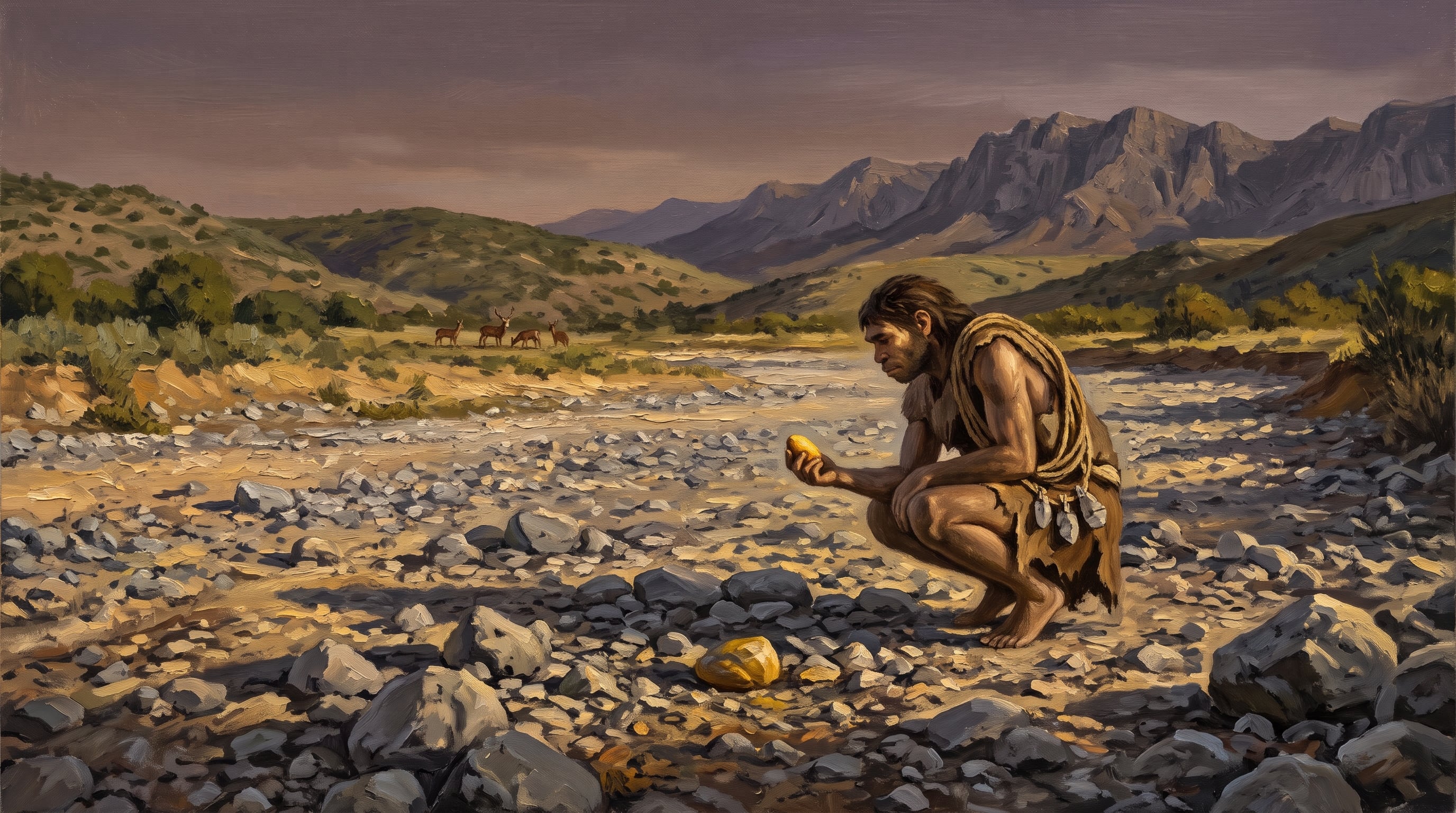
Los autores son explícitos en cuanto a los alcances de su propuesta: se trata de una hipótesis, no de una prueba de que cada piedra llamativa fuera un recuerdo intencional.
Sin embargo, el registro arqueológico muestra una continuidad notable desde hace 500.000 años hasta hoy, lo que hace razonable atribuirle un peso evolutivo a esa conducta.
El Dr. Yoav Ram lo resume así: “Cuando los primeros humanos llevaban una piedra de colores o una herramienta vieja de regreso a su cueva, ese objeto pudo haberlos ayudado a recordar un evento significativo por el resto de sus vidas”.
“De esa manera, los recuerdos tangibles pueden haberse convertido en una suerte de memoria externa que favoreció la evolución de los mecanismos cerebrales responsables de la memoria autobiográfica, tan característica de nosotros como especie”, concluyó el investigador de la Escuela de Zoología, según el comunicado institucional.
bifaz,ammonite,sílex,paleolítico,homínidos

El Inter de Lautaro Martínez y el Atlético de Madrid de Julián Álvarez salen a la cancha por la fecha 5 de la Champions League: la agenda de la jornada

Boca Juniors vs. Independiente Rivadavia: cómo está el historial entre ambos

Subsidio para garrafas: cómo inscribirse, qué requisitos hay que cumplir y con qué billeteras cobrar el reintegro

Marco Rubio’s 2028 stock surges among House Republicans as Trump insiders split on Vance

Queremos ser la puerta de entrada de la inversión a Sudamérica

Qué dijo el dirigente de Grabois que fue el único en votar en contra de la suspensión del homenaje a Santucho en la UBA

Financial Times duda de la economía argentina: riesgo país, financiamiento e imagen Milei

Agustín “Rada” Aristarán se despide de Chanta: “Con esta obra dejé de ser un impostor”

El economista Luis Secco cuestionó el programa económico de Milei: “Estamos estancados desde fines del primer trimestre de 2025″

NYC college put on notice after Jewish campus group shunned by student government: ‘rude awakening’

 ECONOMIA2 días ago
Financial Times duda de la economía argentina: riesgo país, financiamiento e imagen Milei
- CHIMENTOS3 días ago
Agustín “Rada” Aristarán se despide de Chanta: “Con esta obra dejé de ser un impostor”
- ECONOMIA12 horas ago
El economista Luis Secco cuestionó el programa económico de Milei: “Estamos estancados desde fines del primer trimestre de 2025″