INTERNACIONAL
Obama judge’s Omar warrant unsealing directly contradicts his own decision in Trump case


Government lawyers argue unsealing documents related to the warrant used to search the Washington, D.C., home of Rep. Ilhan Omar, D-Minn., is at odds with a ruling made by the same Obama-appointed federal judge in a high-profile case against President Donald Trump.
Lawyers for the Justice Department pleaded in the filings with Judge James Boasberg, who has frequently found himself at odds with the Trump administration, not to unseal search warrant materials in the Omar case due to the ongoing nature of the investigation,.
The DOJ also argued it has not yet finished executing that search warrant.
Still, Boasberg ordered last week the redacted documents to be released. The DOJ submitted their redacted and the materials were made public Monday night. The only document Boasberg ordered to remain sealed was the government’s affidavit presented to a magistrate court judge in order to secure the search warrant.
‘RADICAL LEFT LUNATIC’ JUDGE TRUMP WANTED IMPEACHED TAKES UP ILHAN OMAR WARRANT FIGHT
«Just a few years ago, Chief Judge Boasberg ruled that search warrant proceedings and related documents should not be made open to the public while an investigation is ongoing,» the DOJ said in an emergency ex parte brief in opposition to the unsealing.
«The Chief Judge was merely echoing many other courts—like the D.C. Circuit, the Ninth Circuit, the Fourth Circuit, and others when he said that,» the brief continued.
The case to which the DOJ referred — where Boasberg ruled that search warrant documents should remain under seal during active investigations — was none other than Special Counsel Jack Smith’s probe into Trump for alleged election interference after his 2020 presidential loss, and for the alleged retention of classified documents.
Trump was indicted in both of those investigations. All the charges were eventually dropped.
ILHAN OMAR RECORDS SHOW JUDGE, DOJ OFFICIALS DEBATING BEFORE RAID OF HOME
In that case, like the Omar case, media organizations sought to unseal a warrant related to the search. Specifically, the press wanted to view a warrant obtained by Smith related to Twitter’s records associated with Trump’s account, @realDonaldTrump.
Boasberg’s tune was much different in that case, when, like in the Omar case, the government asked him to keep the warrant under seal due to the ongoing nature of the case.
Notably, Trump had already been indicted when Boasberg ruled that the records needed to remain sealed while Omar has not been indicted.
«Ultimately, the undeniable need to protect an ongoing criminal investigation tips the balance toward the Government’s request to continue sealing,» Boasberg wrote in his Nov. 29, 2023 ruling.
The White House did not immediately respond to Digital’s request for comment on the apparent u-turn from the judge.
In the Omar case, government lawyers said they weren’t opposed to releasing the documents at an appropriate future date, but did not want them unsealed while the case is ongoing. Boasberg didn’t find that argument compelling.
But in the case against Trump, he did.
«There may yet come a time when press access becomes appropriate, but at present the Application is a premature bid for sensitive information pertaining to an active investigation,» he wrote in 2023.
Throughout his 2023 ruling in favor of the government’s bid to keep the warrant in the Trump case sealed, Boasberg continually noted the government’s ability to keep warrants under seal.
ILHAN OMAR HUDDLES WITH HER DC-BASED LAWYERS DURING HER FIRST DAY BACK ON CAPITOL HILL AMID FEDERAL PROBES
He said in a second instance: «When it comes to an active investigation, the Government ‘has always been able to restrict access to warrant materials by requesting a sealing order, which courts have granted freely upon a showing that a given criminal investigation requires secrecy,’» Boasberg’s ruling said.
In response to the media’s claim that the First Amendment should be a deciding factor in unsealing the Trump warrant, Boasberg disagreed.
The historical practice is somewhat muddled, but it suggests that the First Amendment does not open search warrants and related documents to public examination when an investigation is ongoing. Search-warrant applications traditionally have been filed ex parte and thus out of the public’s view.»
The DOJ confirmed in a brief statement to Digital on Tuesday that the characterization that Boasberg contradicted himself in unsealing the Omar documents «is accurate and a point we have made in our court filings.»
The District Court for the District of Columbia declined to comment. The U.S. Attorney’s Office for the District of Columbia did not return a request for comment.
Omar’s home was raided in the early morning hours of Oct. 12, 2026. Digital confirmed that the investigators are probing whether Omar or her father fraudulently filled out her citizenship paperwork, though the full scope of the investigation remains under wraps.
The unsealing of last night’s documents revealed that investigators are seeking evidence dating back as far as 1980, and that investigators believe Omar committed «crimes over decades— beginning long before she was ever in Congress.»
ilhan omar, politics, justice department, federal courts, judiciary, first amendment










INTERNACIONAL
Israel raises prospect of preemptive strike over emerging Iranian chemical weapons threat
NEWYou can now listen to Fox News articles!
Israel accused Iran of developing chemical weapons Tuesday and raised the possibility of a preemptive strike to prevent Tehran from using them, warning that the regime seeks a strategic advantage after major setbacks in its war with Israel and the United States.
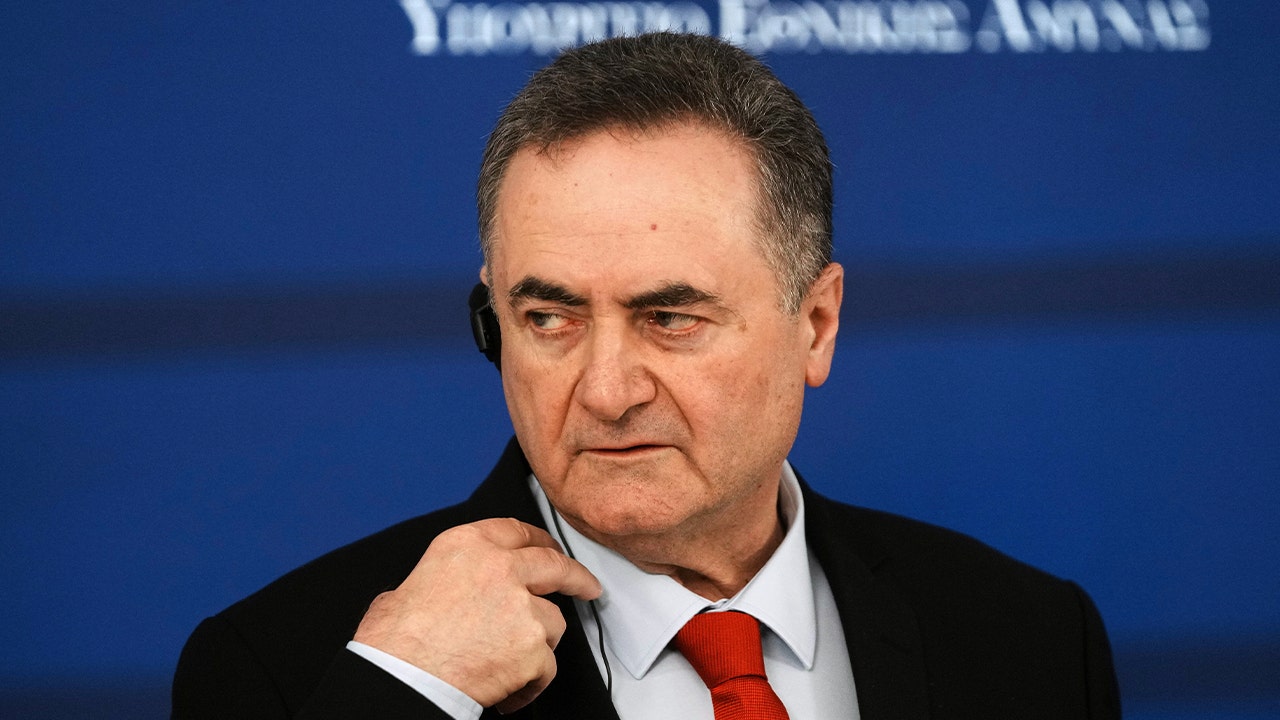
Israeli Defense Minister Israel Katz told reporters in Tel Aviv that Israel and the U.S. have intelligence indicating Iran began developing chemical weapons after their joint military campaign launched Feb. 28.
Katz declined to disclose how far the program has progressed or where the weapons are being developed, though he noted Israeli intelligence has monitored Iran’s effort for months and said that operational plans are in place.
BLINKEN WARNS US GROUND INVASION OF IRAN WOULD BE ‘ABSOLUTE DISASTER’ AS TEHRAN ESCALATES ATTACKS
Joint press statements by the Greek Minister of National Defense, Nikos Dendias, and the Israeli Minister of Defense, Israel Katz, at the Ministry of National Defense, Athens, January 20, 2026. (Nick Paleologos / SOOC / AFP via Getty Images)
«Iran is in the process of developing chemical weapons,» Katz said, according to Israel’s i24NEWS.
«This intelligence information reached both the United States and Israel,» he said.
«Israel is determined not to allow Iran to acquire this kind of chemical weapons capability that would threaten the country and the entire region,» he added.
Katz described the program as a potentially game-changing threat to Israel and the broader Middle East, warning that the weapons could give Tehran leverage to rebuild its depleted military infrastructure, including its nuclear program.
LIVE WWII-ERA GRENADES TURN UP IN UNLIKELY PLACE; BOMB SQUAD WARNS OF DANGER
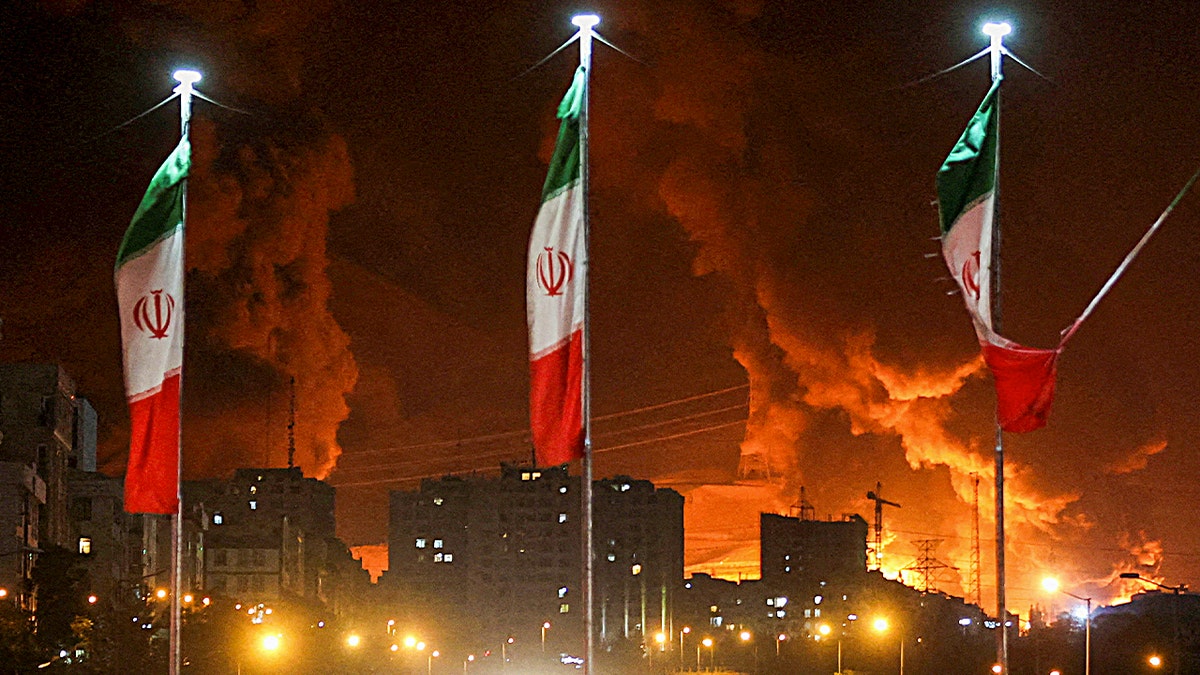
Iranian flags fly as fire and smoke from an Israeli attack on Sharan Oil depot rise, following Israeli strikes on Iran, in Tehran, Iran, June 15, 2025. (Majid Asgaripour/WANA (West Asia News Agency) via Reuters)
«They came out of the tunnels and saw what happened to them,» Katz said of Iranian forces following the April ceasefire, according to comments reported by The Times of Israel.
«They are looking for a weapon that gives them some balance against us. This process in Iran is new and comes in the wake of the damage they suffered. True, it is not nuclear, but it is still unconventional weapons.»
«If we thought this was already an unfolding event, we would act,» Katz said.
Katz also said that Israel must maintain the ability to act preemptively if intelligence shows an Iranian attack is imminent.
«If the Iranians attack us first, it will be a failure,» Katz said, according to Israel’s Ynet news outlet.
ISRAEL’S LEADING CONTENDER FOR PRIME MINISTER CLASHES WITH NETANYAHU OVER IRAN STRIKES
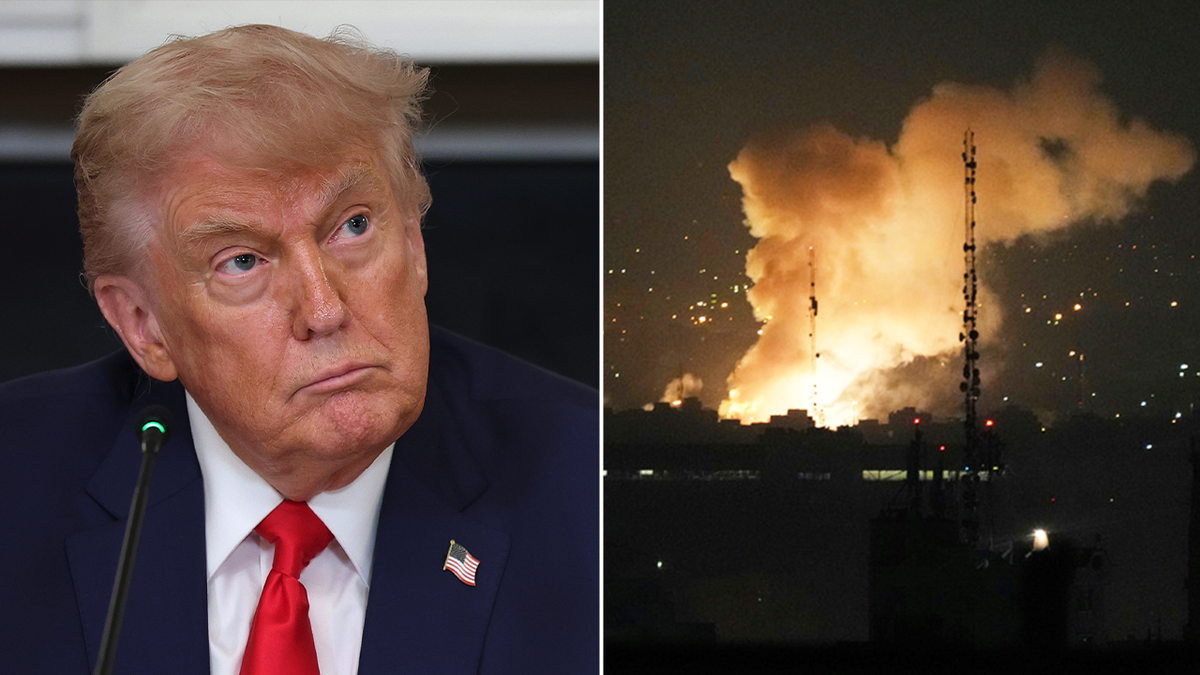
President Donald Trump and an image of an Israeli strike on Iran. Trump said he believes Israel and Iran can strike a deal to halt the fighting between both nations. (Getty Images/AP)
The allegations come amid heightened U. S. intelligence concerns over Iranian threats against the American homeland.
CNN reported Nov. 16, citing seven U. S. officials, that American intelligence indicated Iran was developing plans to potentially target senior Trump administration officials in Washington with a radiological «dirty bomb» or chemical weapon.
Sources familiar with the intelligence described the planning as an effort to preserve potential retaliatory options rather than evidence of an imminent strike.
The White House said at the time that it was monitoring potential threats but had identified no credible threats to the U.S. homeland.
President Donald Trump subsequently warned that Iran would face severe consequences if it carried out such an attack.
Iranian Foreign Minister Abbas Araghchi dismissed the reporting as «Iraq War-style propaganda» with «Israeli fingerprints all over it.»
«Nobody is buying it,» Araghchi wrote on X.
world, war with iran, israel, iran, national security, middle east, middle east foreign policy, foreign policy, foreign affairs
INTERNACIONAL
Sequía retrasa la cosecha de café 2026-2027 en Nicaragua y reduce la demanda de cortadores
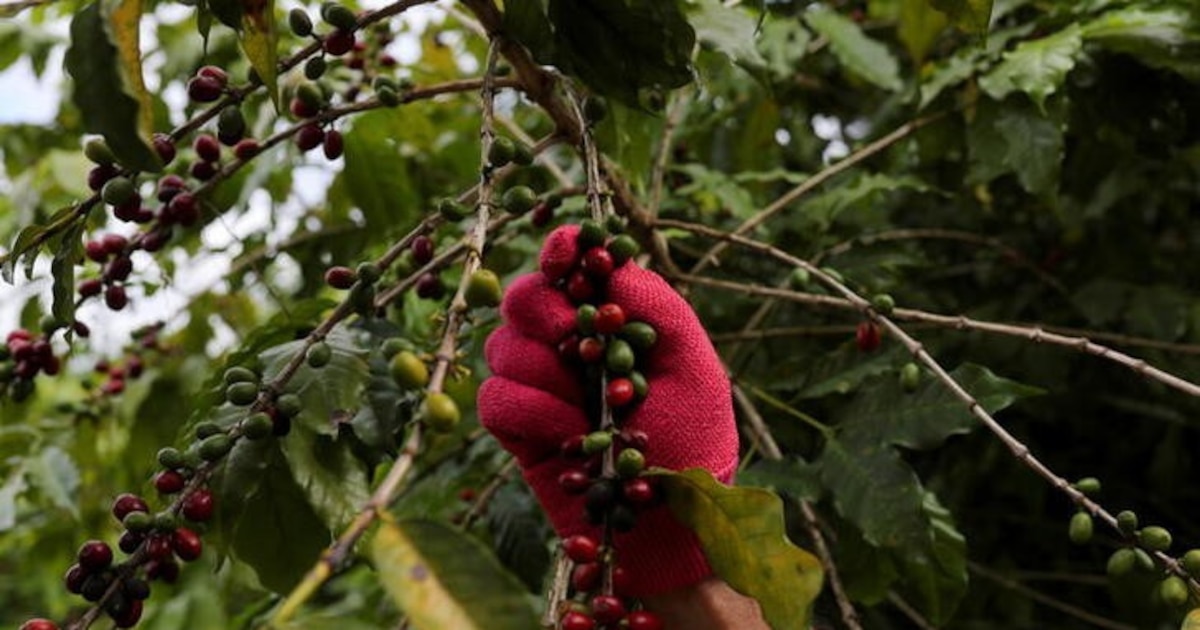
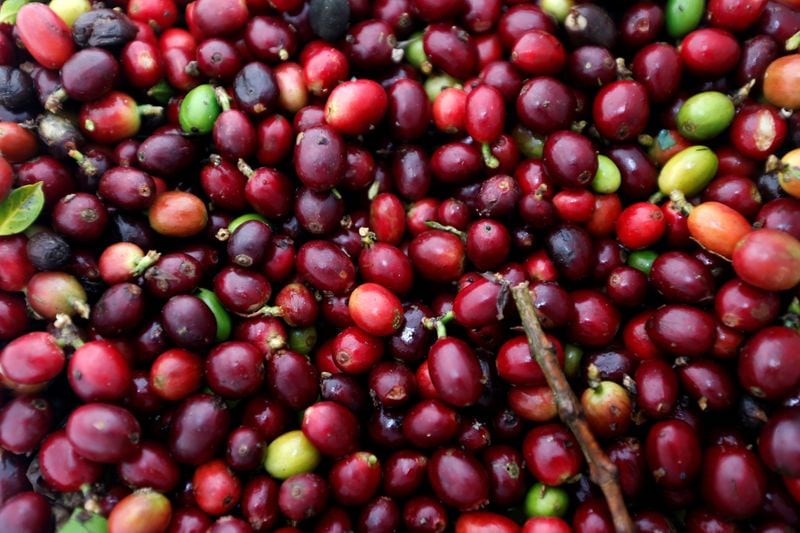
La sequía retrasa la cosecha de café 2026-2027 en Nicaragua, donde productores de distintas zonas reportan una maduración más lenta del grano por la escasez de lluvias. El fenómeno también genera preocupación por la posible aparición de antracnosis y otras plagas, mientras el precio promedio de exportación comenzó a bajar.
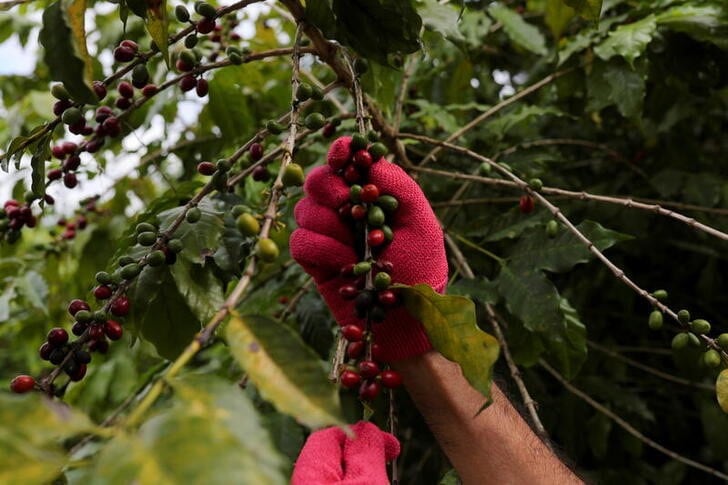
Según Diario La Prensa, el inicio de la recolección avanza con menor ritmo en varias áreas cafetaleras. La situación, por ahora, redujo la demanda de cortadores, aunque los productores advierten que el retraso puede afectar el desarrollo de la temporada si persisten las condiciones secas.
La falta de lluvias demoró la maduración del café y postergó el corte pleno en zonas productoras de Nicaragua. Los caficultores consultados señalaron que el menor volumen de grano maduro redujo temporalmente la necesidad de trabajadores, pero expresaron inquietud por la incidencia de enfermedades y por la evolución de los precios internacionales.
Los productores reportan una maduración lenta en varias regiones
Representantes del sector cafetalero de Las Segovias y del norte del país indicaron que la escasez de precipitaciones afectó la maduración del grano. De acuerdo con sus testimonios, muchas fincas todavía atravesaban la fase de granito y esperaban una mayor maduración durante las primeras semanas de diciembre.
“Vamos bien retrasados”, afirmó uno de los productores consultados por Diario La Prensa. El caficultor sostuvo que la recolección podría ganar ritmo si las condiciones permiten que los frutos maduren de forma más acelerada.
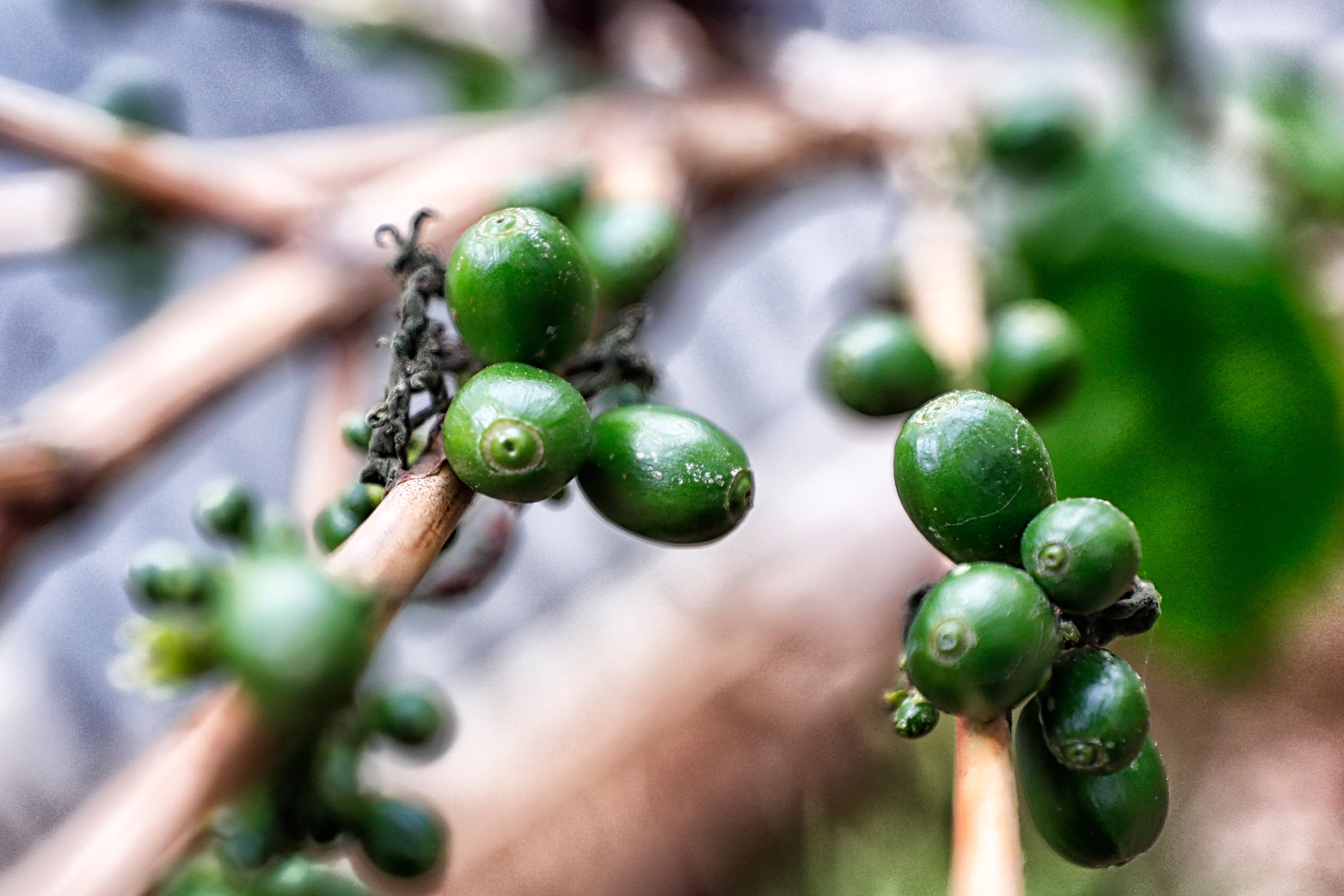
Un productor de Matagalpa describió un escenario de poca lluvia durante octubre y noviembre. También indicó que hubo precipitaciones en los últimos días, aunque consideró que no fueron suficientes para impulsar una maduración adecuada.
El productor añadió que la demora se percibía en las distintas zonas cafetaleras. Desde Jinotega, otro representante del sector coincidió en que el ritmo lento de la cosecha evitó, hasta el momento, una mayor presión por la contratación de mano de obra.
La escasez de cortadores es una dificultad que, según los productores, aumenta cada año durante la recolección. En esta etapa, la menor disponibilidad de café maduro permitió cubrir la demanda existente con los trabajadores disponibles.
Los caficultores señalaron que el pago a los cortadores se ubicaba entre 100 y 120 córdobas (USD 2.70 a USD 3.24) por lata, además de la alimentación. Ese valor correspondía a una etapa en la que el corte todavía no alcanzaba su máxima intensidad.
La antracnosis y otras plagas preocupan al sector cafetalero
La sequía también genera inquietud por sus posibles consecuencias sanitarias en las plantaciones. Los productores consideran que la falta de humedad puede favorecer el desarrollo de antracnosis y otras plagas que afectan al café.
Un caficultor de Nueva Segovia explicó que el manejo aplicado a las plantaciones durante el año, junto con los precios favorables del ciclo anterior, había generado expectativas de una cosecha normal. La persistencia de condiciones secas introdujo una variable adicional para el sector.
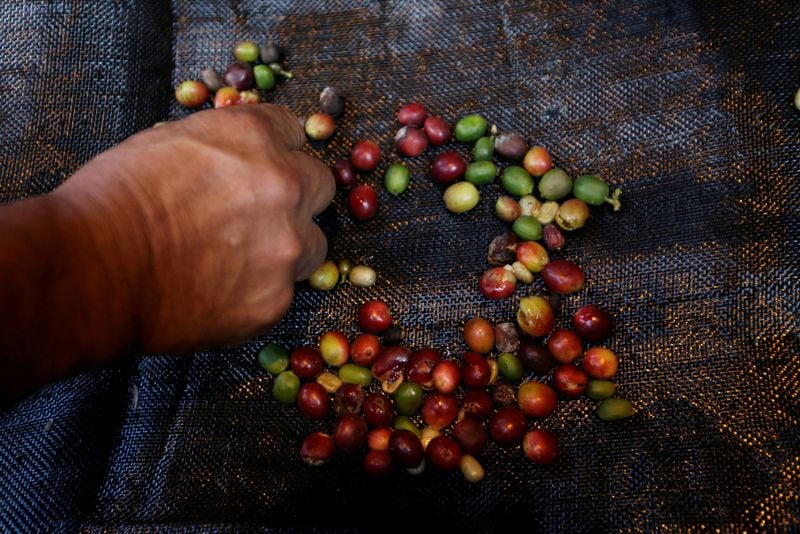
El productor señaló que, cuando la antracnosis afecta una planta, la poda puede convertirse en la alternativa disponible. Esa situación puede incidir en el rendimiento de los cafetales, según explicó a la publicación.
Los productores consultados también volvieron a plantear la necesidad de contar con un laboratorio nacional del café. La propuesta busca desarrollar variedades más resistentes y prácticas productivas adaptadas a las nuevas condiciones climáticas.
El sector cuestiona que los aportes realizados al fondo administrado por la Comisión Nacional para la Transformación y Desarrollo de la Caficultura (Conatradec) no hayan permitido concretar ese proyecto. Según los caficultores, durante más de una década aportaron entre uno y cuatro dólares por cada quintal exportado.
Los representantes del sector consideran que la creación de un laboratorio podría ofrecer herramientas para enfrentar los desafíos climáticos y sanitarios que afectan a la actividad. También cuestionaron que los recursos se hayan destinado a ferias y concursos, en lugar de priorizar esa iniciativa.
El precio promedio de exportación bajó desde julio
La evolución del mercado internacional constituye otro elemento seguido por los productores. El precio promedio de exportación del café nicaragüense entre enero y septiembre fue de USD 285.60 por quintal.
Durante enero y febrero, el precio medio superó los USD 300 por quintal. Entre marzo y junio se mantuvo cerca de ese nivel, aunque la tendencia cambió en julio, cuando descendió a USD 220.70.
En septiembre, el promedio se redujo a USD 169.10 por quintal. Los reportes del Banco Central de Nicaragua reflejaron ese retroceso, después de una etapa de precios más altos para el grano.
En 2025, el precio promedio recibido por el café nicaragüense fue de USD 272.50 por quintal. Esa cifra representó un aumento de USD 78.90 respecto de 2024.
Entre enero y septiembre de 2026, el valor medio registró una mejora adicional de USD 13.10 por quintal frente al promedio anterior. Pese a ese resultado acumulado, las proyecciones mencionadas en el informe anticipan que la etapa de precios altos podría perder fuerza antes de finalizar el año y extender la baja durante 2027.
Los productores que no exportan directamente señalaron que, hasta el momento, el descenso internacional no se había trasladado a los precios que reciben de los acopiadores. El pago se ubicaba entre 4,500 y 5,000 córdobas (USD 121.50 a USD 135.00) por quintal pergamino.
Para obtener un quintal de café oro, destinado a la exportación, se requieren unas 230 libras de café pergamino. Esa cantidad equivale a casi dos quintales y medio del producto sin procesar.
Autoridades exportaciones similares a las de 2025
Las autoridades mantienen una previsión de producción favorable para el ciclo 2026-2027. El Régimen calcula una recolección de 66 millones de latas de café uva, que una vez procesadas equivaldrían a unos tres millones de quintales de café oro.
El presidente del Banco Central de Nicaragua, Ovidio Reyes, presentó esa estimación durante el Plan de Protección y Seguridad de la Cosecha Cafetalera. La proyección oficial plantea que las exportaciones podrían generar ingresos similares a los alcanzados en 2025.
“El café sigue siendo uno de los principales productos de nuestras exportaciones”, dijo Reyes a fines de octubre durante la presentación del plan. El titular del Banco Central señaló que la actividad abarca más de 252,000 manzanas cultivadas y está vinculada con más de 55,000 familias.
El funcionario agregó que las zonas cafetaleras generan más de 500,000 empleos directos e indirectos. También afirmó que las exportaciones acumuladas hasta septiembre sumaban USD 691 millones.
Según Reyes, esa cifra permite prever que el resultado anual superaría el registro de 2025. En ese año, Nicaragua exportó 3.37 millones de quintales de café oro y obtuvo ingresos por USD 918.4 millones.
Las previsiones oficiales conviven con las advertencias de productores sobre la evolución de las lluvias, la maduración del grano, el riesgo de plagas, la disponibilidad de trabajadores y el comportamiento de los precios internacionales.
INTERNACIONAL
NATO fighter jet cleared to shoot down Russian missile over Poland as Warsaw pushes for US troops
NEWYou can now listen to Fox News articles!
Poland announced Tuesday it had renewed its push for a permanent U.S. military presence in the country following two Russian airspace incursions in four days, including one in which a Swedish fighter jet under NATO command was cleared to shoot down a Russian cruise missile but held its fire.
The latest incursion came overnight Nov. 24, when a Russian drone briefly entered Polish airspace during attacks on Ukraine, four days after three Russian Kh-101 cruise missiles had crossed into Poland, prompting NATO to scramble fighter jets and bolster air defenses along its eastern flank.
Poland’s chargé d’affaires in Washington, Bogdan Klich, said Tuesday that he briefed the White House National Security Council on the violations and renewed Warsaw’s call to permanently station American troops in the NATO member country.
US URGES AMERICANS IN HISTORIC REGION TO STAY ALERT AFTER ‘DANGEROUS’ AIRSPACE INCIDENT
«Yesterday, I briefed the U.S. National Security Council on the violation of Polish airspace by Russian Kh-101 missiles and once again discussed the issue of the permanent deployment of U.S. troops in Poland,» Klich wrote on X.
The new diplomatic push follows the incidents involving Russian assets and heightened concerns that Moscow’s war in Ukraine will spill into NATO territory.
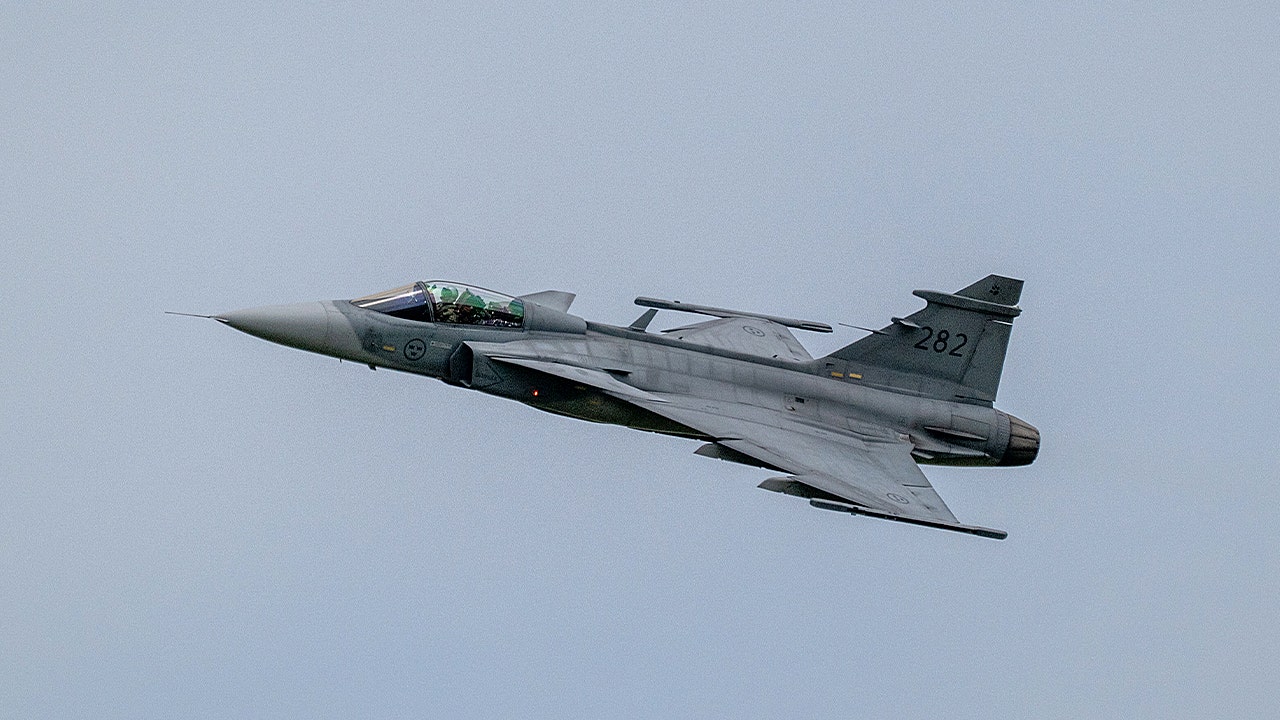
The Nov. 20 incursion involved a Swedish JAS 39 Gripen pilot operating under NATO command who was authorized to engage a Russian Kh-101 cruise missile, according to Lt. Gen. Ireneusz Nowak, commander of Poland’s Armed Forces Operational Command, as reported by The Kyiv Independent.
NATO’s Combined Air Operations Centre in Uedem, Germany, issued conditional authorization to fire, but the pilot could not positively identify the object visually or through the aircraft’s onboard electro-optical systems because of severe weather, Nowak said. No weapons were fired.
SUPERSONIC RUSSIAN JETS TRIGGER JOINT SCRAMBLE BY NATO ALLIES AMID PUTIN ‘CLOWNS’ JAB
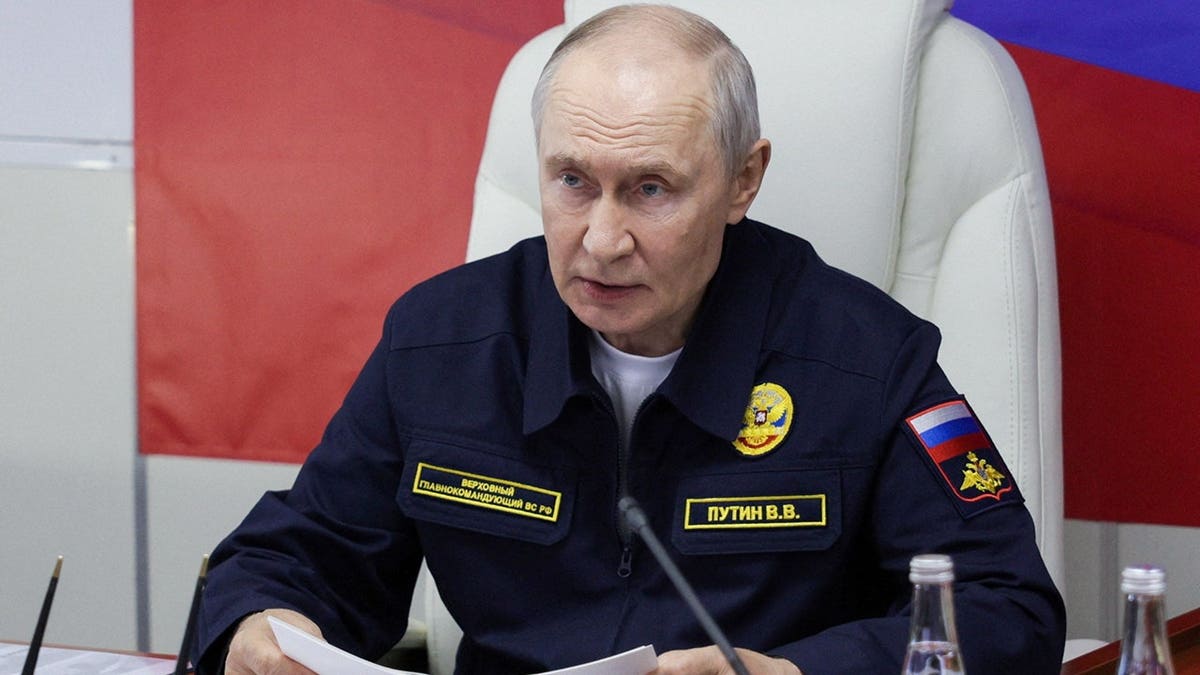
FILE – Russian President Vladimir Putin chairs a meeting aboard the missile cruiser Varyag in Russia’s far eastern Sakhalin region on Wednesday, Aug. 12, 2026. Putin previously said Russia is not waging a sabotage campaign against Europe. (Reuters)
Polish authorities monitored 11 potentially threatening aerial objects during the attack, three of which entered the country’s airspace, according to Nowak.
The Swedish Armed Forces said its jets had tracked several unidentified objects over Poland during the mission, which lasted several hours under difficult weather conditions.
Polish F-16 fighter jets, a Swedish Saab 340 early warning aircraft, a Dutch aerial refueling aircraft and ground-based air defense systems were also supporting the operation.
Polish prosecutors confirmed Sunday that debris recovered at three locations belonged to Russian Kh-101 cruise missiles, revising an initial military assessment that one of the objects might have been a drone, according to reports.
RUSSIA PREPARING HYBRID ATTACKS ON NATO’S EASTERN FLANK, INTELLIGENCE WARNS
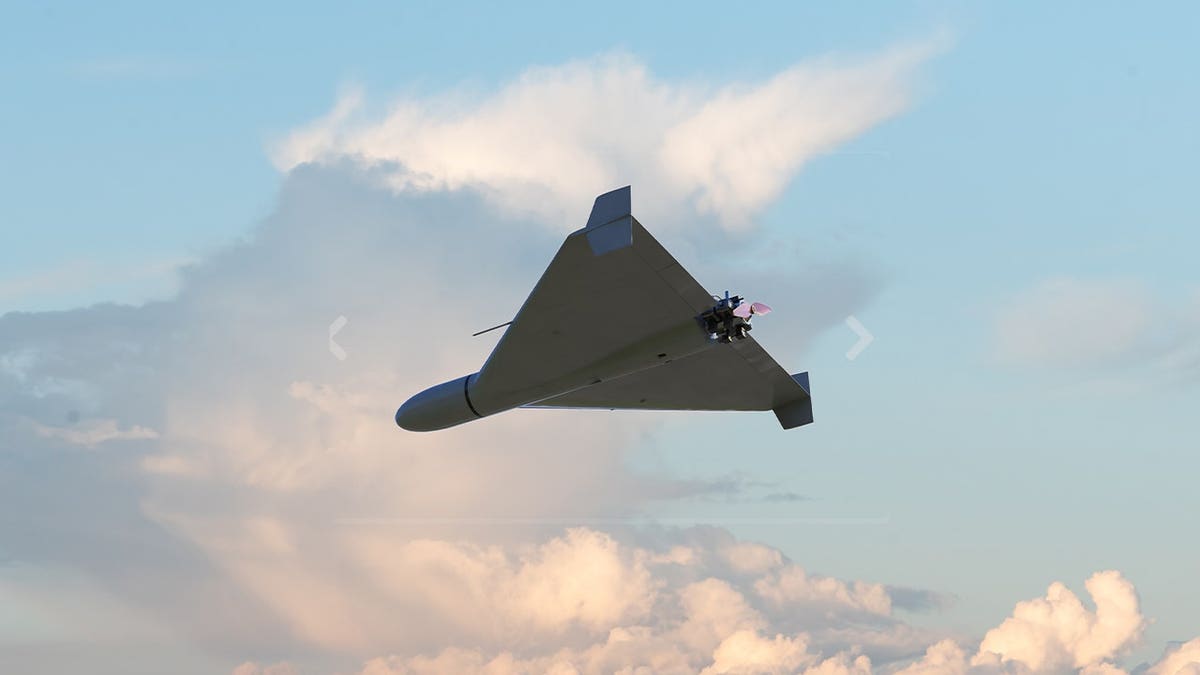
His warning comes as NATO confronts a series of airspace violations, drone incidents and hybrid activity along its eastern flank. NATO’s military leadership said Friday that Russia’s actions continue to «test Allied resolve.» (Olena Bartienieva/Getty Images)
Preliminary findings indicated the missiles were manufactured in October or November 2026 at a facility in Dubna, in Russia’s Moscow region, prosecutors said.
The second incursion happened overnight into Nov. 24, when a Russian drone entered Polish airspace from Ukraine during another wave of Russian strikes on Ukraine.
Polish forces tracked the unmanned aircraft and received authorization to shoot it down but did not fire after it changed course and headed east, citing potential risks to civilians and property on the ground.
Deputy Defense Minister Paweł Zalewski said Polish authorities believed the violation was deliberate.
«It’s hard to imagine this being a coincidence, so we assume it was an intentional act,» Zalewski told RMF FM, according to Reuters.
Following an emergency meeting of the North Atlantic Council on Monday, Nov. 23, NATO’s supreme allied commander Europe, went on to authorize the forward deployment of an Airborne Warning and Control System, or AWACS, aircraft to Poland.
NATO WARNS PUTIN COULD STRIKE BEFORE EUROPEAN ARMY RESPONDS, POINTS TO US AS MILITARY MODEL
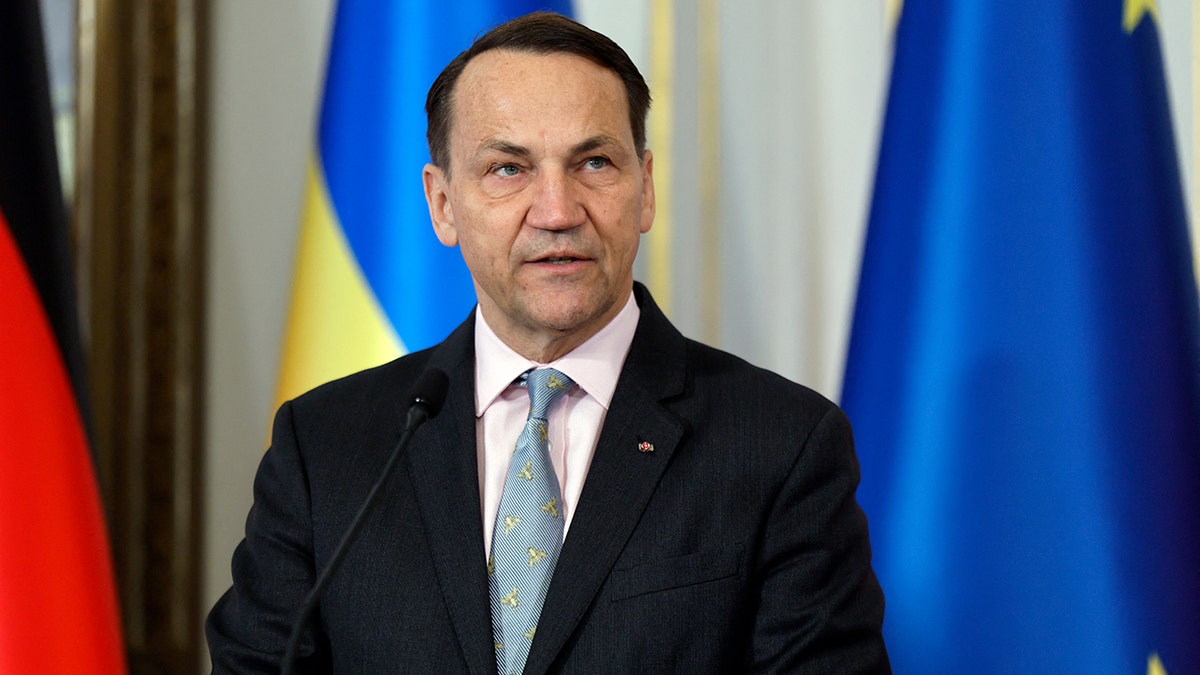
Polish Foreign Minister Radoslaw Sikorski addresses a joint press conference on a meeting of the foreign ministers of the so-called Weimar Triangle of France, Germany and Poland with Ukraine’s foreign minister in Warsaw, on September 29, 2025 (WOJTEK RADWANSKI/AFP via Getty Images)
«All Allies stand in full solidarity with Poland. NATO remains united, ready, and committed to defending against any threat,» NATO spokesperson Allison Hart said on X and as Warsaw summoned Russia’s ambassador, according to Reuters.
In September, Polish Foreign Minister Radosław Sikorski said U.S. and Polish officials were working toward an agreement that could accommodate up to 10,000 American troops.
Roughly 7,000 U.S. troops were stationed in Poland on a rotational basis at the time while a permanent installation would expand Washington’s military commitment along NATO’s eastern flank.
«We want the kind of U.S. presence that would reassure us, but not be threatening to Russia,» Sikorski said during a Council on Foreign Relations event in New York, Bloomberg reported.
President Donald Trump has previously voiced his support for a permanent U.S. military base in Poland, although Washington has also reviewed American troop deployments across Europe.
world, nato, military, europe, foreign affairs, ukraine, armed forces

Diputados convocó a una sesión especial para el jueves y el Presupuesto 2027 será uno de los temas centrales

Israel raises prospect of preemptive strike over emerging Iranian chemical weapons threat

Obama judge’s Omar warrant unsealing directly contradicts his own decision in Trump case

Pokémon GO detalla su Pase de GO de diciembre de 2026 – Nintenderos

Nueva manera para cobrar el reintegro en la compra de gas en garrafa

La sucesión en Mendoza: otro “delfín” de Cornejo lanzó su candidatura y se calienta la puja para obturar a Petri

Javier Milei destacó el desembarco de Tesla en el país y aseguró: “Esto también es devolverle la libertad a los argentinos”

Financial Times duda de la economía argentina: riesgo país, financiamiento e imagen Milei

Agustín “Rada” Aristarán se despide de Chanta: “Con esta obra dejé de ser un impostor”

NYC college put on notice after Jewish campus group shunned by student government: ‘rude awakening’

 ECONOMIA2 días ago
Financial Times duda de la economía argentina: riesgo país, financiamiento e imagen Milei
- CHIMENTOS2 días ago
Agustín “Rada” Aristarán se despide de Chanta: “Con esta obra dejé de ser un impostor”
- INTERNACIONAL2 días ago
NYC college put on notice after Jewish campus group shunned by student government: ‘rude awakening’