INTERNACIONAL
Lluvias dejan tres muertos y mantienen en alerta a varias zonas de Honduras


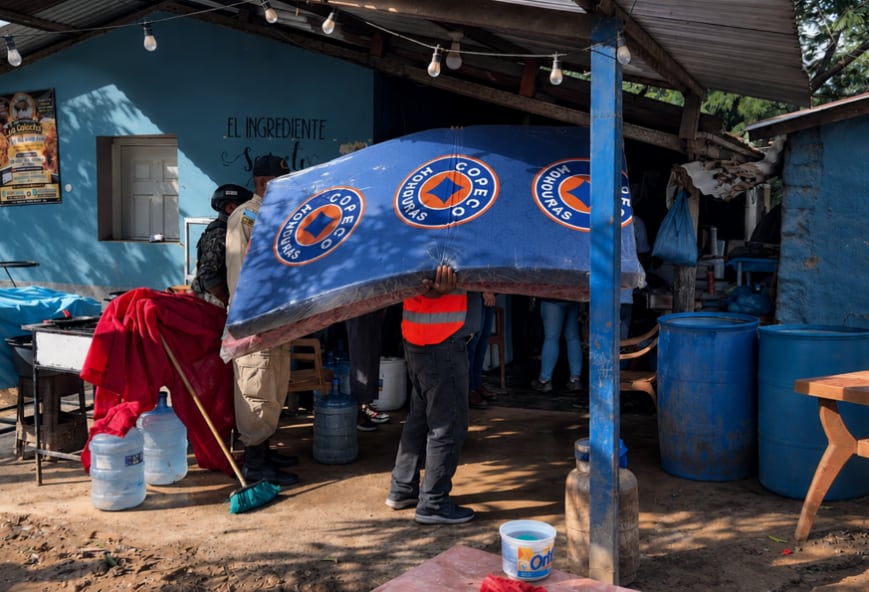
Las lluvias que afectan a Honduras desde el 19 de septiembre ya dejan tres personas fallecidas, además de múltiples emergencias relacionadas con inundaciones, deslizamientos, caída de árboles y daños en infraestructura, informó este viernes el mayor del Cuerpo de Bomberos, Sergio Madrid.
Las tres víctimas mortales se registraron en el sector de Meámbar, Siguatepeque, luego de que una corriente de agua arrastrara el vehículo en el que se transportaban.
Los cuerpos de socorro continúan desplegados en diferentes puntos del territorio nacional ante las nuevas incidencias provocadas por las precipitaciones.
Uno de los casos que mantiene activa la búsqueda se registra en San Luis, Comayagua, donde un conductor intentó cruzar el río Vallecillo y fue arrastrado por la corriente junto con su vehículo. Hasta este viernes, la persona no había sido localizada.
Madrid informó que el Cuerpo de Bomberos enviaría un contingente desde Tegucigalpa para reforzar las labores de búsqueda en la zona, con el objetivo de localizar al conductor o recuperar su cuerpo.
Entre las emergencias atendidas en el Distrito Central figura un socavón de aproximadamente cinco metros de profundidad, detectado en el bloque 28 de la colonia Kennedy.
De acuerdo con el reporte de Bomberos, el hundimiento se encuentra debajo de dos viviendas y representa una amenaza para alrededor de 14 casas del sector, por lo que las autoridades mantienen vigilancia en el área.
Personal de la UMAPS y de la Alcaldía Municipal realiza inspecciones y evaluaciones con especialistas para determinar el origen del socavón. Entre las hipótesis se analiza una posible ruptura de tubería o el desgaste provocado durante años por la circulación de aguas subterráneas.
Los cuerpos de emergencia también mantienen vigilancia en las colonias Venezuela, Brasilia, La Ulloa, Villanueva sector 7A y Los Pinos, así como en el barrio Cabañas, donde una escorrentía provocó un pequeño derrumbe en las inmediaciones del lugar donde anteriormente funcionó la iglesia San Cayetano.
Bomberos mantiene monitoreo sobre ríos, quebradas y riachuelos de la capital debido al riesgo de crecidas repentinas, algunas de las cuales ya han provocado afectaciones en importantes bulevares y en el Anillo Periférico.
La situación permanece bajo vigilancia debido a que las precipitaciones pueden generar nuevas corrientes de agua y aumentar el riesgo en sectores vulnerables.
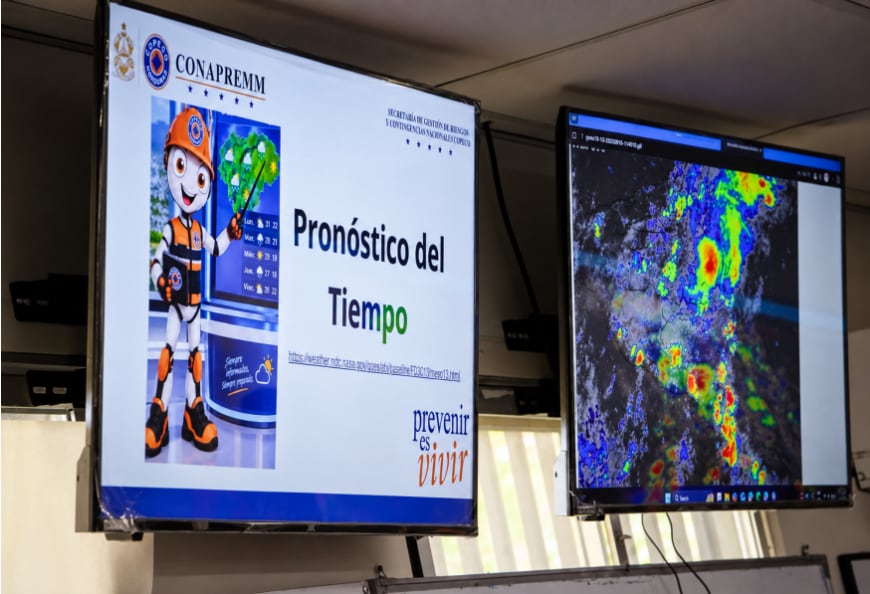
Según el reporte de las autoridades de emergencia, el sistema de alertas mantiene a 12 departamentos en Alerta Verde, mientras que los municipios de Quimistán, Santa Bárbara, y Santa Cruz de Yojoa, Cortés, permanecen bajo Alerta Amarilla.
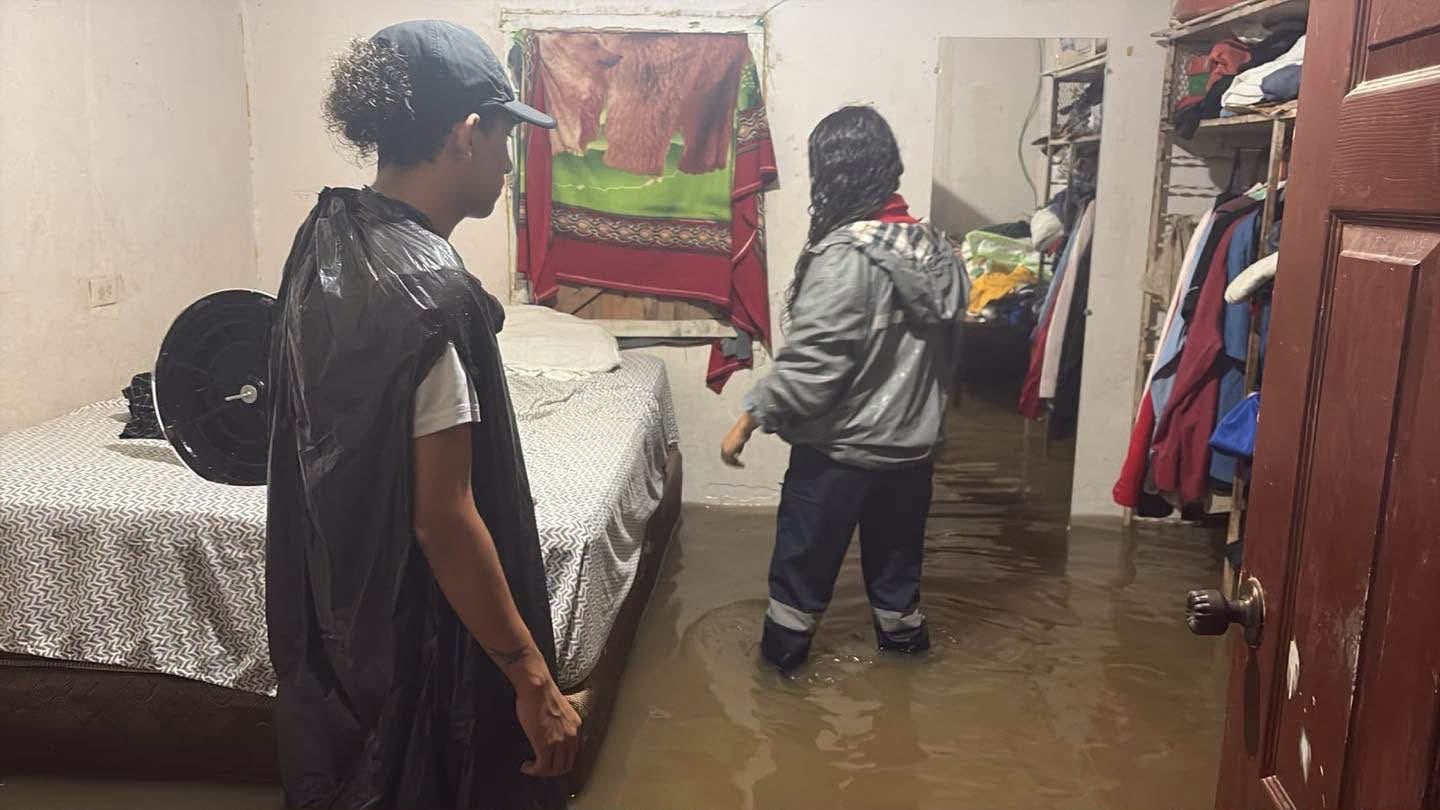
Las lluvias registradas durante la noche también ocasionaron desbordamientos, inundaciones y deslizamientos, con afectaciones reportadas para más de 30 familias en distintos sectores de Santa Bárbara y Yoro.
En Quimistán, el desbordamiento de una quebrada afectó a unas 18 familias. Mientras tanto, en la zona urbana de Pinalejo, las aguas lluvias inundaron alrededor de 10 barrios y provocaron daños en al menos 15 viviendas.
Las autoridades mantienen activados los equipos de respuesta y continúan evaluando las condiciones en las zonas afectadas, mientras persiste el riesgo de nuevas emergencias asociadas a las lluvias.
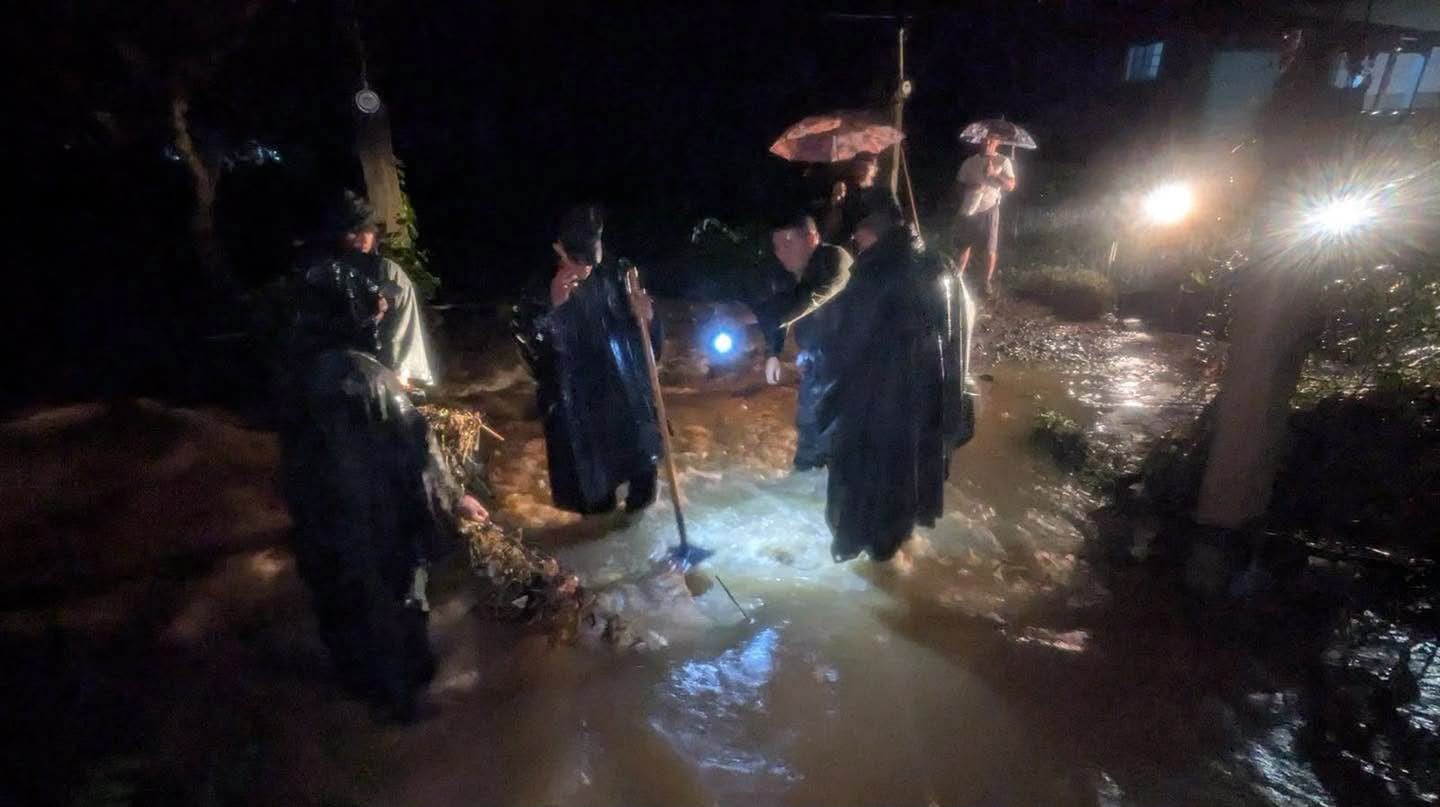
Las autoridades de emergencia mantienen especial atención en las zonas donde se han registrado crecidas de ríos y quebradas, debido a que la saturación de los suelos podría favorecer nuevos deslizamientos y desprendimientos de tierra.
Los equipos de respuesta permanecen preparados para atender posibles llamados de auxilio y realizar evacuaciones preventivas en los sectores donde aumente el nivel de riesgo.
Ante este panorama, se recomienda a la población mantenerse atenta a los comunicados oficiales, evitar cruzar ríos, quebradas o zonas inundadas y reportar cualquier situación que represente peligro.
Las autoridades continuarán con el monitoreo de las condiciones climáticas y de los sectores que han presentado afectaciones durante las últimas horas.
corresponsal:Desde Tegucigalpa, Honduras







INTERNACIONAL
ASRA NOMANI: El-Sayed glides into role as rock star of the hard left’s red-green alliance
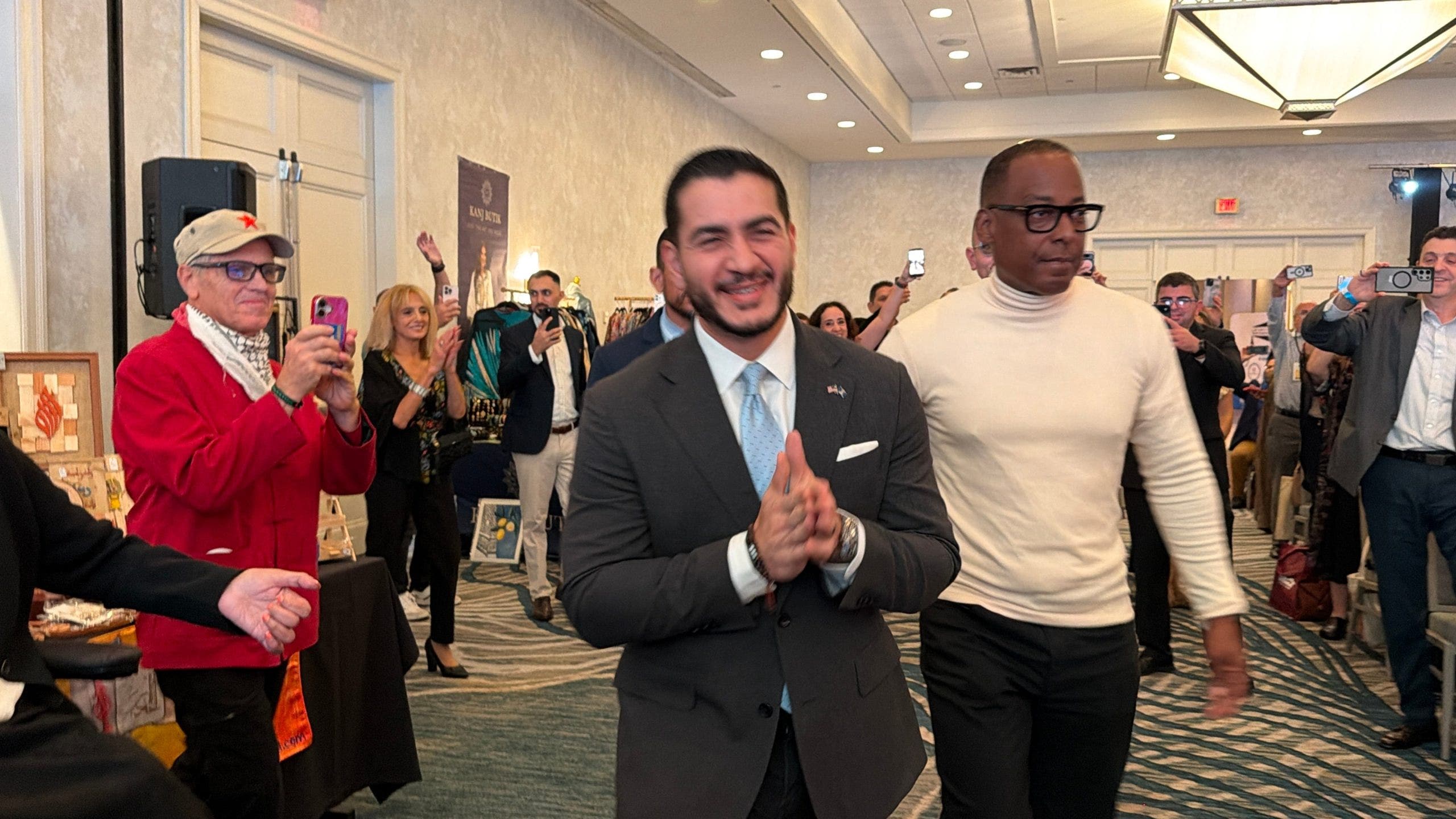
CHANTILLY, Va. — Three days after Abdul El-Sayed won a historic election as America’s first Muslim senator, a driver navigating a black luxury GMC Yukon Denali SUV pulled into a parking space beside a side security entrance of an upscale Marriott conference center here in this suburb of Washington, D.C., at 7:39 p.m. on Friday.
A man jumped out of the front passenger seat and opened the rear door, from which El-Sayed emerged for an appearance at the Arab America Foundation’s «CONNECT Empowerment Summit,» hosted by the 501(c)(3) nonprofit whose leaders had supported his election.
As the man extended an arm to shield El-Sayed, the senator-elect dipped out of the SUV, slipping on a jacket as he climbed the steps toward the entrance. The Democratic Party’s newly minted rock star had arrived, in more ways than one.
ABDUL EL-SAYED DELIVERS MAJOR BLOW TO GOP IN MICHIGAN AFTER BRUISING SENATE RACE
The ensuing 45 minutes offered a window into some of the activists, organizations, political rhetoric and cultural forces surrounding the El-Sayed’s dramatic rise, buoyed by an increasingly powerful coalition that includes many disaffected Democrats, but also outright Islamists and communists in an unlikely alliance.
Inside, Medea Benjamin, co-founder of CodePink, a far-left nonprofit, paced in the hallway in a fuchsia tunic over leggings and white boots.
CodePink is a pro-communist, pro-China nonprofit funded by Neville Roy Singham, an American-born, Shanghai-based tycoon whose financing of left-wing nonprofits has drawn congressional and prosecutorial scrutiny. CodePink’s other co-founder, Jodie Evans, is married to Singham.
Nearby, Benjamin’s husband and fellow CodePink activist, Tighe Barry, wore a traditional Chinese jacket under a khaki Mao-style cap emblazoned with a five-point star associated with communist iconography. He carried a backpack patterned with a keffiyeh pattern and watermelons, symbols adopted by pro-Palestinian activists.
Benjamin and Barry weren’t political outliers in El-Sayed’s orbit.
His political rise has been supported by prominent anti-Israel activists including Linda Sarsour and left-wing streamer Hasan Piker, who has called Hamas «1,000 times better» than Israel, a remark he later described as intentionally provocative.
Friday night provided a firsthand view of another part of that coalition.
They were among activists and representatives of organizations from different ideological traditions that have converged around El-Sayed — part of what Digital has examined as a «red-green» network linking elements of the socialist and communist hard-left with Muslim and Arab advocacy organizations.
The gathering itself didn’t fit neatly into a fundamentalist religious mold, amid questions about Islamism, or political Islam, and the Muslim Brotherhood that have followed El-Sayed. He has denied being a member of the Muslim Brotherhood, although his family reportedly has ties to the organization and he himself has written favorably about the organization’s leaders.
Women danced and sang with bare shoulders and flowing hair, underscoring the secular and openly cultural character of much of the celebration. A table for Jinba Village and School outside Hebron in the West Bank displayed a flyer reading, «End Settler Outposts: Make Palestinian Villages Safe. Email Congress.»
Another table offered keffiyehs with designs replacing the traditional fishbone pattern with the outlines of Palestinian territory.
Along the far corner of the ballroom, a collection of gifts for a fundraiser included a handcrafted wooden «silhouette of Palestine, painted in the iconic colors of the Palestinian flag» by artist Hasan Munem.
Opening bid: $100.
ABDUL EL-SAYED’S ALLEGED FAMILY TIES TO MUSLIM BROTHERHOOD SURFACE AFTER DENYING ANY LINK DURING NBC INTERVIEW
Benjamin eventually took a seat beside Hazami Barmada, a prominent Syrian American anti-Israel activist who has deployed political theater and demonstrations across Virginia, Maryland and Washington, D.C., storming the offices of Palantir Technologies, Lockheed-Martin and PETA, the animal rights advocates, and confronting Biden and Trump administration officials to cut ties with Israel.
Barmada wore a keffiyeh over her hair like a turban.
Benjamin, Barry and Barmada declined to answer questions from Digital.
Their presence put figures from different wings of the political coalition around El-Sayed in the same room: activists from the socialist, pro-communist Left alongside Arab, Muslim and pro-Palestinian activists and organizations that supported his candidacy.
Digital has tracked the intersection of those movements as a «red-green» network — the «red» referring to socialist and communist organizations and «green» to Muslim and Arab political organizations. The groups don’t share a single ideology or formal organizational structure but have converged around causes including opposition to Israel and U.S. foreign policy.
Friday night, those relationships weren’t nodes on an organizational chart.
They were in the room.
Co-founders Warren David and Dr. Amal David started the Arab America Foundation as an educational and cultural organization dedicated to promoting Arab heritage and connecting and empowering Arab Americans nationwide.
Now they were waiting to greet the country’s first Muslim senator.
The foundation describes itself as nonpartisan, but political participation features prominently in its programming.
The next morning, the summit’s «Leading from the Front,» included Abbas Alawieh and Layla Elabed, co-chairs of the Uncommitted National Movement, which organized Democratic voters in 2024 to cast «uncommitted» ballots in protest of the Biden administration’s policies toward Israel and the war in Gaza. El-Sayed supported the Uncommitted effort.
Also on the roster was Anas Shallal, CEO of the Washington, D.C., restaurant and bookstore, Bus Boys and Poets, which has hosted events involving left-wing organizations, including groups in the Singham network such as CodePink, on issues ranging from Israel and the Trump administration and Israel to Immigration and Customs Enforcement.
The summit also included Arab American Institute founder James Zogby among dozens of artists, musicians and business, government and community leaders.
But Friday night, El-Sayed was the celebrity guest.
‘DESTROYING THE AMERICAN WAY OF LIFE’: EL-SAYED’S POLITICAL ORBIT COMPLICATES EFFORT TO MODERATE HIS IMAGE
Benjamin, Barry and Barmada rushed into one hallway before being directed back toward another as organizers and supporters tried to determine where El-Sayed would enter.
Supporters eventually gathered near a doorway beside displays depicting Israel and the Palestinian territories as a single state of Palestine.
At 7:51 p.m., El-Sayed finally appeared through a side door, beaming.
The ballroom erupted in zaghrouta, high-pitched celebratory ululations traditionally heard at Arab weddings.
In his khaki Mao-style cap, Barry filmed the arriving senator-elect on his phone, as El-Sayed passed Benjamin and Barmada, then then swung his camera toward Benjamin, who pumped her hands near her shoulders in celebration.
Supporters cheered as El-Sayed made his way onto the stage.
Before the senator-elect even began his remarks, another office entered the conversation: the presidency.
Emcee Ameera David, a journalist and daughter of the co-founders, told the audience that her seven-year-old Egyptian American son had awakened Wednesday morning after El-Sayed’s victory and asked her, «Mom, can he run for president?»
«Yeah!» someone shouted as the room exploded in cheers and applause.
«To which I happily replied, ‘Yes he can,’» David continued. «And you can, too.»
El-Sayed smiled.
REAGAN-ERA OFFICIAL WARNS ‘RED-GREEN ALLIANCE’ HAS SHARED GOAL OF ‘DESTROYING’ AMERICA
The presidential talk came just hours after El-Sayed had registered Habibi PAC with the Federal Election Commission, according to records, defining it as a leadership PAC separate from his principal campaign committee.
The committee gives the incoming senator a vehicle to raise money and make contributions to other candidates and political committees. The timing put the new committee into the backdrop of a celebration where some supporters were already discussing El-Sayed’s political future beyond the Senate.
The PAC’s name borrowed the Arabic term of endearment that El-Sayed had propelled into national political conversation during his election-night victory speech.
With a wry smile, El-Sayed addressed Vice President JD Vance as «JD, habibi,» noting that Vance would be called upon to swear him into the Senate in January.
In just three days, «Habibi» had gone from an election-night line to the name of a federal political committee.
Then came a more explicit description of the political «movement» surrounding El-Sayed from the chairman of the organization hosting him.
At 7:53 p.m., Arab America Foundation Chair Issam Andoni, a local tech entrepreneur whom the emcee had introduced as a «long time supporter of El-Sayed, stepped forward with a scarf over his shoulders designed with the keffiyeh fishbone pattern and the word «PALESTINE.»
Andoni denounced Trump and Republicans and lauded El-Sayed’s success over what he called the «Democrat Zionist.»
«But Habibi Abdul,» he said, to laughter and applause, «you destroyed them all.»
El-Sayed smiled quietly.
«You destroyed AIPAC twice,» Andoni continued, referring to the primary and the general election.
«He showed them a steel backbone,» he told the audience. «That steel backbone they never saw before. And that steel backbone is what created a movement behind him.»
Andoni predicted, «And I’m sure that movement, it’s going to grow and grow and grow. And it’s going to connect with other movements.»
«And with the sumud,» the Arabic word for «steadfastness,» «of our people in Gaza, West Bank and Lebanon, I’m sure we’ll see a free Palestine from the river to the sea.»
QUIET PART OUT LOUD: ANTI-ISRAEL MOBS WANT ONE STATE CALLED ‘PALESTINE,’ ERASING ISRAEL
«Palestine will be free,» a woman shouted.
Al-Sayed listened quietly, his hands clasped in front of him.
As the crowd erupted in applause and cheers, Andoni continued, «A free Palestine, free Palestine from the river to the sea. Free from occupation. Free from Zionists. And free from corruption. And free from apartheid.»
The phrase «from the river to the sea» is fiercely contested. Supporters describe it as a call for Palestinian «freedom,» while critics, including many Jewish organizations, interpret it as an anti-Semitic call for the elimination of Israel as a Jewish state from the Jordan River and Mediterranean Sea.
The implications became less theoretical when Digital later asked people at the gathering what Palestinian freedom meant to them.
Abdullah Abualrub, Virginia state organizer for the Council on American-Islamic Relations, or CAIR, was manning the organization’s table at the summit.
Speaking explicitly in his personal capacity, Abualrub told Digital he supported a Palestinian right of return.
«I believe that all Palestinians should have a right to return to their country,» he said, describing his own family as part of the Palestinian diaspora.
Asked about Palestinians returning to territory within modern-day Israel and receiving equal political rights, Abualrub said the «dream is that everyone lives in peace» and that Jewish people «who are following the law» should be «free to live wherever they want.»
Experts told Digital that, under the rubric of a core set of principles, called «thawabet,» adopted by the Palestinian national movement decades ago, a broader political program includes a one-state solution «free from Zionists,» and the right of return to modern-day Israel for Palestinians displaced during the creation of the state of Israel and their descendants.
El-Sayed’s spokeswoman didn’t respond to a request for comment on his position on a one-state solution with a «right of return» for Palestinians to Israel.
A short embrace followed Andoni’s introduction, and then El-Sayed stepped to the microphone.
«My name is Abdul-Rehman Mohammed El-Sayed,» he said to applause and laughter. «And I’m honored to be the next United States senator from the great state of Michigan,» the «capital of Arab America.»
He walked through stories that have become part of his public narrative: how his name contains sounds Americans struggle to pronounce, how his grandmother once told him each of his cousins possessed some quality superior to his and how he shortened Abdul-Rahman to Abdul at a time when singer Paula Abdul and basketball legend Kareem Abdul-Jabbar made the name familiar to Americans.
Six minutes later, at 7:59 p.m., a woman, Rima Ayyash, rose from the front row and let out the high-pitched celebratory ululations called zaghrouta.
El-Sayed paused as the room reacted.
«I don’t know how one follows that up,» he said.
El-Sayed then moved from identity and domestic policy into foreign policy and Israel.
As he spoke about creating a society supportive of all, some of his backers began corralling a Digital reporter, blocking footage and repeatedly demanding that the credentialed reporter move away from the stage, where the other media was freely gathered.
One of them, Omar Kurdi, a featured speaker at the summit, had just whispered in the ear of Barmada, the anti-Israel activist wearing the kefiyyeh turban.
Kurdi, a singer and rehabilitation nonprofit executive from Cincinnati, Kurdi published a song, «I am Palestinian,» last October, accompanied by a music video incorporating anti-Israel protest footage and repeatedly using the refrain, «From the river to the sea, liberation is all I see.»
Andoni arrived and questioned why Digital was reporting on a «cultural» event that wasn’t «political.»
Finally, the foundation’s co-founders intervened and told them to stop harassing the Digital reporter.
JEWISH LEADERS IN MICHIGAN PREPARE TO WORK WITH ABDUL EL-SAYED DESPITE LINGERING CONCERNS
At the microphone, El-Sayed invoked «self-determination» and developed an argument about America’s role in the international system created after World War II.
«The beauty of this country is our ideals,» El-Sayed said.
«We led the effort in this country to build a rules-based international order,» he continued. «We built the United Nations and the World Health Organization and the International Court of Justice and the International Criminal Court so that we could uphold the ideals of democracy. We did that. And then we proceeded to be the chief violator of exactly those same ideals. To call our country to those ideals became an open question, how could you?»
El-Sayed’s attack on the «rules-based international order» echoed language used late last year by Singham, whose financial network has supported CodePink and other left-wing organizations.
Singham argued that the existing order was built on a false narrative of World War II and called for a «new world order» based on multilateralism advanced by Chinese President Xi Jinping and the Communist Party of China.
«The international rules-based order was created by another lie,» Singham said.
«If we want to therefore have a new world order that is based on the multilateralism that President Xi and CPC and China have proposed, we have to undo the ideological damage that has been done by the narrative of World War II,» Singham had said.
El-Sayed turned specifically to Palestinians.
«I don’t know why we cannot call for equal rights to peace, dignity, and self-determination,» he said. «I don’t know why can’t we call for the idea that a Palestinian child should be able to grow up in the land of their forefathers without having to worry about a bomb paid for by our tax dollars dropping on them.»
«We don’t want our tax dollars spent abroad to do genocide, apartheid, and war,» El-Sayed said, repeating a talking point of protesters from the red-green alliance, like Benjamin, Barry and Barbada. «We believe in equal rights to peace, dignity and self-determination.»
Andoni made his own priorities explicit in an interview with Digital after the speech.
Asked what he wanted El-Sayed to tackle first in the Senate, the foundation chairman didn’t hesitate.
«Cutting aid to Israel,» Andoni said. «Military aid especially.»
«That is from our perspective as a community probably number one,» he said.
Andoni acknowledged that El-Sayed himself had emphasized issues including «Medicare for all.»
«If it’s up to me,» Andoni said, cutting military aid to Israel «is what I will advise him.»
No mention was made of the fact that Prtesident Trump last week announced an end to the $4 billion in aid the U.S. currently provides to Israel.
Andoni also embraced the presidential speculation.
«I would love for that,» he told Digital, before questioning whether America was ready for an El-Sayed presidency.
‘TROJAN HORSES’ IN AMERICA: CONGRESS PROBES INFLUENCE NETWORKS TIED TO CHINA, IRAN AND CUBA
The CAIR presence offered another window into the political infrastructure around El-Sayed.
Abualrub’s table was filled with pocket-sized trifold guides explaining what to do if «Law Enforcement Approaches You.»
The first tip: «You have the right to remain silent.»
CAIR itself is a 501(c)(3) and does not endorse political candidates, a distinction Abualrub emphasized to Digital. But CAIR’s separate political advocacy arm, CAIR Action, endorsed El-Sayed, while its affiliated Unity and Justice Fund super PAC independently spent more than $445,000 supporting his Senate candidacy, according to federal campaign-finance records.
A Digital review separately found more than $100,000 in contributions to El-Sayed from current or former CAIR employees or leaders.
Asked what aligned CAIR with El-Sayed’s message, Abualrub said the organization wanted «more aid for the Palestinians.»
Speaking personally, he added that he wanted «an end to the genocide and our tax dollars going to funding the genocide.»
But not everyone at the summit viewed El-Sayed primarily through foreign policy.
Will Langhorne, a Washington resident and former professional race car driver, said there was «a lot of excitement» around El-Sayed but called presidential speculation premature.
Langhorne said El-Sayed’s message was about «inclusiveness and his care for Michigan and Michiganders» and issues such as health care and affordability.
«A lot of people want to point to foreign policy issues,» Langhorne said, «but that’s not really what was important to him and his message in connecting with the state of Michigan.»
Mohammed Al-Bidawi, an Egyptian American attendee, saw something different in the presidential speculation: representation.
«It’s interesting to see someone, his name is Abd al-Rahman, and people ask him to run for president in United States,» Al-Bidawi told Digital.
Even if El-Sayed never succeeded in such a campaign, he said, a Muslim and Arab American running for president would demonstrate that «we are equal.»
Another attendee, Hisham, who said he was from Palestine, urged patience.
«I think he should focus on being a senator for now,» he said. «Let him prove himself as a senator. And then he can go for a bigger» office.
The political rhetoric was repeatedly interspersed with cultural celebration.
In the front row, a few seat away from Benjamin and Barmada, popular Jordanian singer Hussam Allabad stood up with a wide smile and interrupted El-Sayed, recording himself in a selfie video as he led the crowd in a traditional Jordanian ahāzīj, rhythmic Arab folk chants built around call-and-response singing and synchronized clapping, a tradition commonly performed at weddings and other celebrations.
El-Sayed eventually brought his remarks back to the significance of his election and the conflict with Israel.
«Michigan proved that Arab America is America, too,» he said.
«We want an America where we stand with democracy against genocide,» El-Sayed continued. «We want an America where we uphold international law.»
«We want an America where our tax dollars are spent to invest in our fellow Americans rather than to buy bombs and tanks for other people’s countries.»
The Arab America Foundation then honored El-Sayed with its first «Pathbreaker Award.»
Then, about 40 minutes after his SUV first pulled up to the Marriott, the night’s themes converged in one final exchange.
At 8:20 p.m., as foundation board members took their final photographs with him, a supporter handed El-Sayed a baseball cap.
El-Sayed studied the words across its front and smiled widely.
«JD HABIBI.»
The phrase from his election-night victory speech had become political merchandise.
With the «JD HABIBI» cap on, El-Sayed walked off the stage and back through the side door, passing through a security chute created by volunteers to hold back the crowd.
Outside at the security entrance, Digital asked asked El-Sayed why he had created Habibi PAC and whether he was seeking higher office.
This time, he paused.
El-Sayed stared toward the camera and pointed to the «JD HABIBI» hat.
And that’s, when asked if he’s seeking higher office as president, he responded, «Nope, I want to serve my state as U.S. senator.»
Then he ducked into the waiting GMC Yukon Denali SUV.
His security detail paused long enough for him to complete the thought before shutting the door.
At 8:24 p.m., 45 minutes after arriving, the Yukon pulled away with El-Sayed inside.
Back in the ballroom, CodePink’s Benjamin danced to a live performance by Franco-Algerian singer Nadir Benmansour, weaving between dancers with her arms overhead.
Former Al Jazeera bureau chief Abderrahim Foukara posted a video of Benjamin dancing.
His headline captured the dual character of the evening: «Of protest and celebration.»
The political activism continued after the celebration ended.
Saturday night, the anti-Israel activist Barmada caused a disturbance with other activists at a Washington Capitals ice hockey game, unfurling an Israeli flag smeared with red paint resembling blood and the words: «ISRAEL KILLS.» She later posted a celebratory video of their antics.
«Get out of here!» hockey fans yelled.
And Sunday evening, Benjamin posted a carefully curated video on Instagram, headlined «A NEW DAWN IN CONGRESS» and featuring highlights from Friday night, including Barry’s footage of her hands raised in triumph as El-Sayed took the stage.
«There is hope,» she exclaimed, over the live music from the summit’s ballroom.
INTERNACIONAL
Evangélicos ganan terreno en Guatemala y desplazan al catolicismo, según un estudio de Latinobarómetro
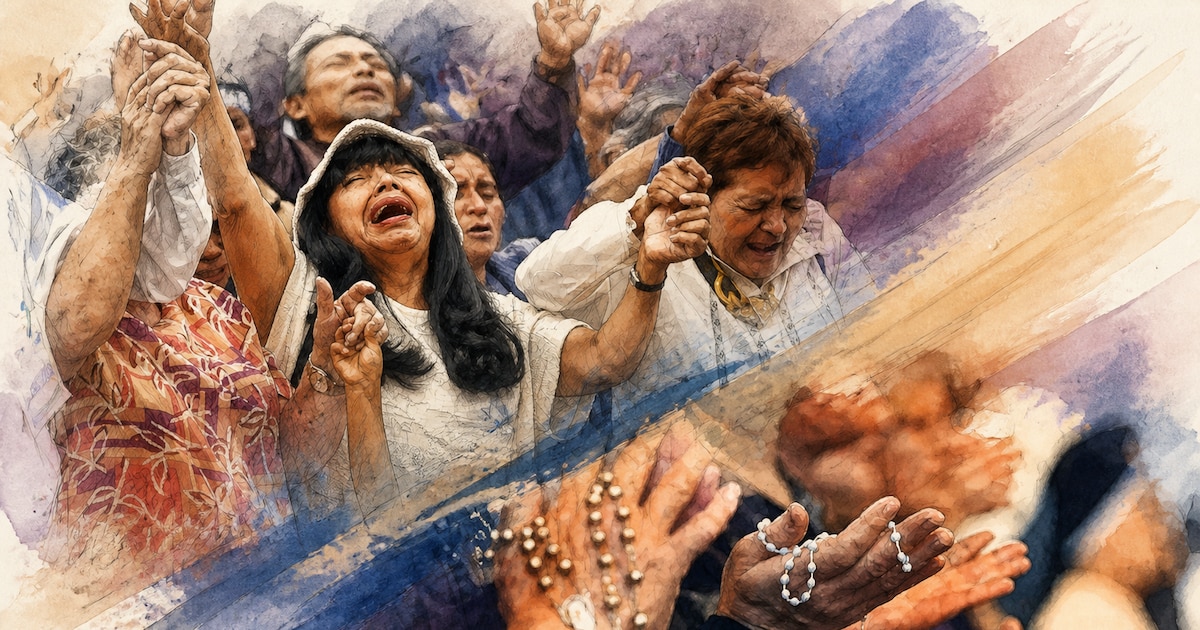
Pese a que gran parte de sus tradiciones tienen orígenes católicos, Guatemala se convirtió en uno de los países de América Latina donde el catolicismo dejó de ser la religión mayoritaria, según un análisis del centro de opinión Latinobarómetro divulgado de cara a la gira del papa León XIV por la región.
El estudio, basado en encuestas realizadas a lo largo de tres décadas en 17 países, ubica a las iglesias evangélicas como el grupo religioso más numeroso del país centroamericano, con el 43% de la población, por encima del 41% que todavía se identifica como católica.
El reporte fue elaborado en el marco del viaje del pontífice por Uruguay, Argentina y Perú, iniciado el 6 de noviembre, y busca dimensionar la transformación religiosa de la región en momentos en que la Iglesia católica concentra su atención pastoral en Sudamérica.
Según la organización, que lleva 30 años formulando la misma pregunta sobre identidad religiosa a decenas de miles de entrevistados, el fenómeno de desplazamiento católico no se limita a Guatemala, sino que atraviesa a casi todo el continente.
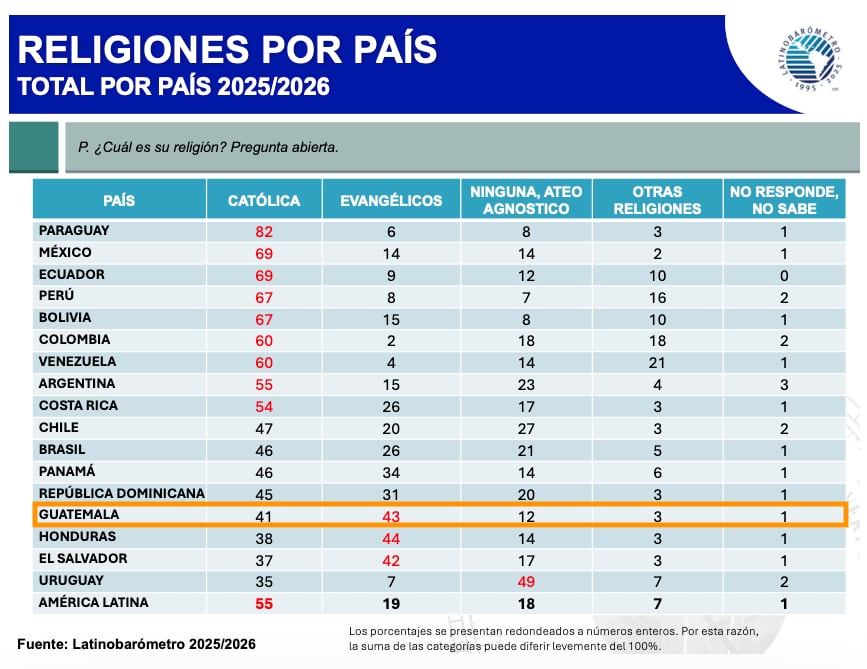
Un retroceso de 25 puntos en toda la región
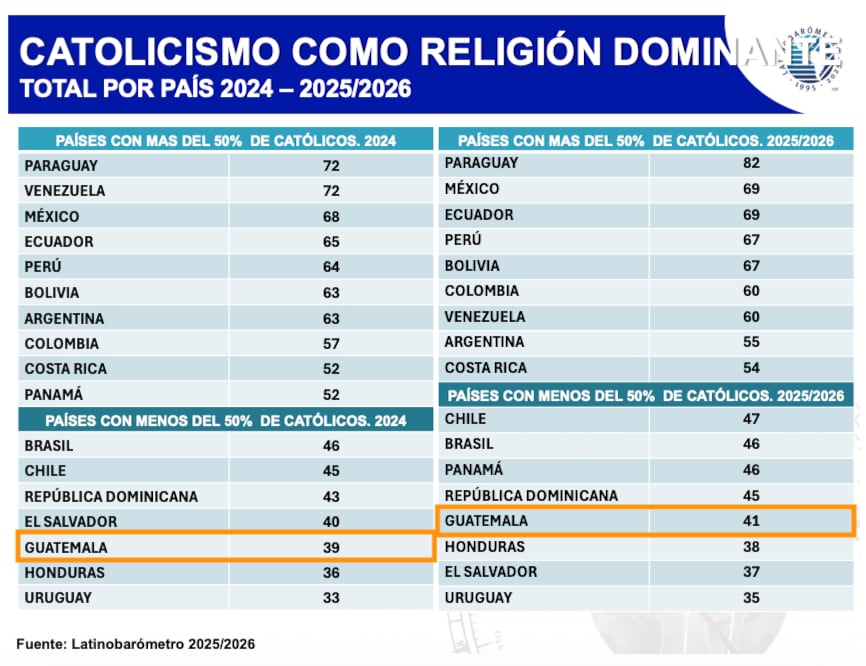
Latinobarómetro documentó que el porcentaje de latinoamericanos que se declara católico cayó del 80% en 1995 al 55% en 2025/2026, una reducción de 25 puntos porcentuales en tres décadas. El catolicismo todavía supera el 50% de la población en nueve de los 17 países analizados, pero su hegemonía se erosionó de manera desigual según el país.
En Guatemala, la caída fue de 13 puntos: de 54% de identificación católica en 1995 a 41% en la medición actual. Se trata de una disminución menor que la registrada en Panamá, donde el derrumbe fue el más pronunciado de la región, de 89% a 46%, o en Honduras, donde el catolicismo pasó de 76% a 38%.
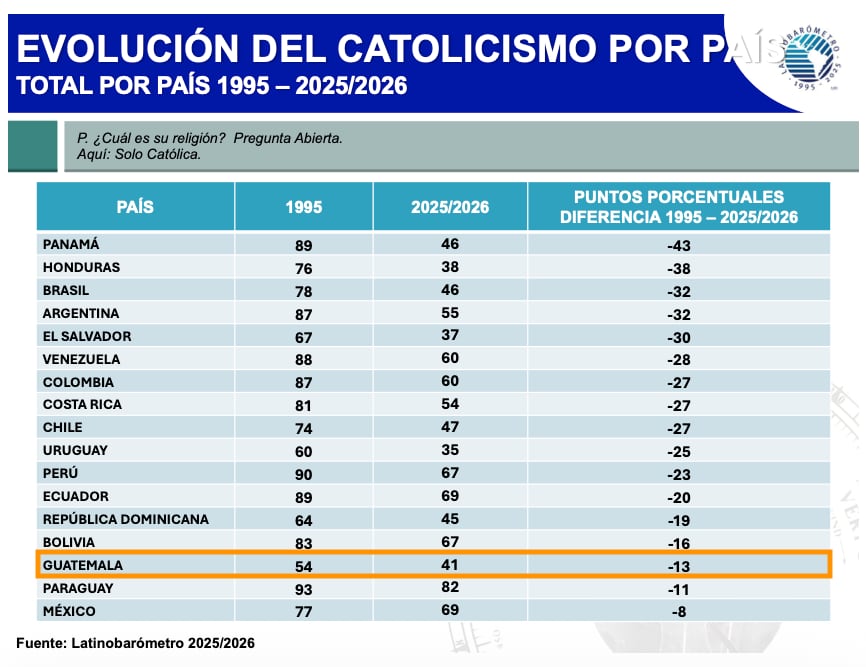
México, en contraste, exhibe la caída más baja del continente, de apenas ocho puntos, y se mantiene como uno de los países con mayor proporción de fieles católicos, junto a Paraguay y Perú.
El avance evangélico, más intenso en Centroamérica
Mientras el catolicismo retrocedía, las iglesias evangélicas multiplicaron su presencia: pasaron de representar el 6% de la población latinoamericana en 1995 al 19% en la actualidad.
Ese crecimiento no se distribuyó de manera uniforme. Honduras encabeza la lista regional con 44% de población evangélica, seguido de cerca por Guatemala, con 43%, y El Salvador, con 42%. Los tres países conforman el núcleo centroamericano de mayor expansión evangélica del continente.
“Se mantiene el cristianismo y la creencia en Dios en toda la región, pero ahora lo que se observa es el paso de católico a no creer en nada, de evangélico a nada”, explicó el teólogo y sociólogo peruano José Luis Pérez Guadalupe, en declaraciones recogidas por El País.
El sociólogo Ariel Goldstein, autor del libro Poder evangélico, atribuyó parte de ese crecimiento a la capacidad de adaptación de las iglesias protestantes: “Se aleja de la rigidez de la Iglesia, la jerarquía vaticana. Se adapta mejor a entornos diversos; los pastores usan las redes sociales y conectan con la idea de la prosperidad”, señaló al mismo diario.
Guatemala conserva una religiosidad activa
A diferencia de otros países donde el repliegue católico coincidió con un aumento de la población sin religión, en Guatemala ese fenómeno es limitado: apenas el 12% se declara ateo, agnóstico o sin afiliación religiosa, por debajo del promedio regional de 18% y muy lejos de Uruguay, donde ese grupo alcanza el 49%, el nivel de secularización más alto de la región, seguido por Chile, con 27%.
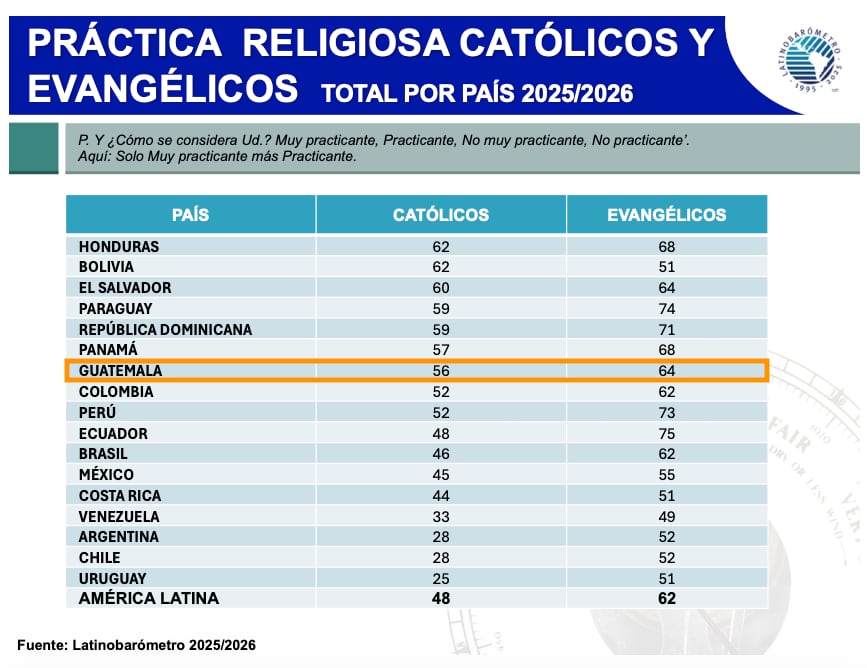
El informe de Latinobarómetro también midió el nivel de práctica religiosa. En Guatemala, el 64% de los evangélicos se considera practicante o muy practicante, frente al 56% de los católicos, una brecha que replica el patrón regional: 62% de los evangélicos latinoamericanos se declara practicante, contra 48% de los católicos.
La confianza en las iglesias como institución, pese a la caída de la afiliación católica, se mantuvo relativamente alta en toda la región: pasó de 72% en 1995 a 63% en la medición actual, el mayor nivel de confianza entre todas las instituciones evaluadas por Latinobarómetro.
El estudio se realizó en base a encuestas de opinión que representa a la población de 18 años o más de 17 países de América Latina, con una muestra de 1.200 casos entrevistados cara a cara en Sudamérica y México y mil encuestas en Centroamérica, con un margen de error entre el 2,8% y el 3%, según el estudio.
evangélicos,católicos,oración,rosario,Guatemala,Latinobarómetro
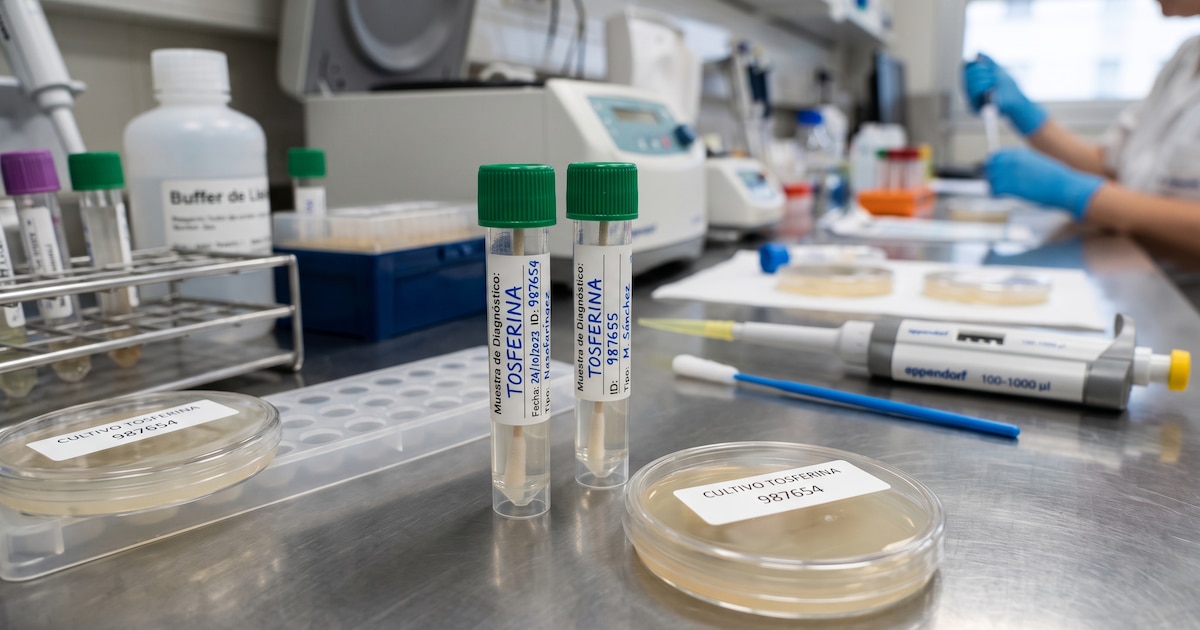
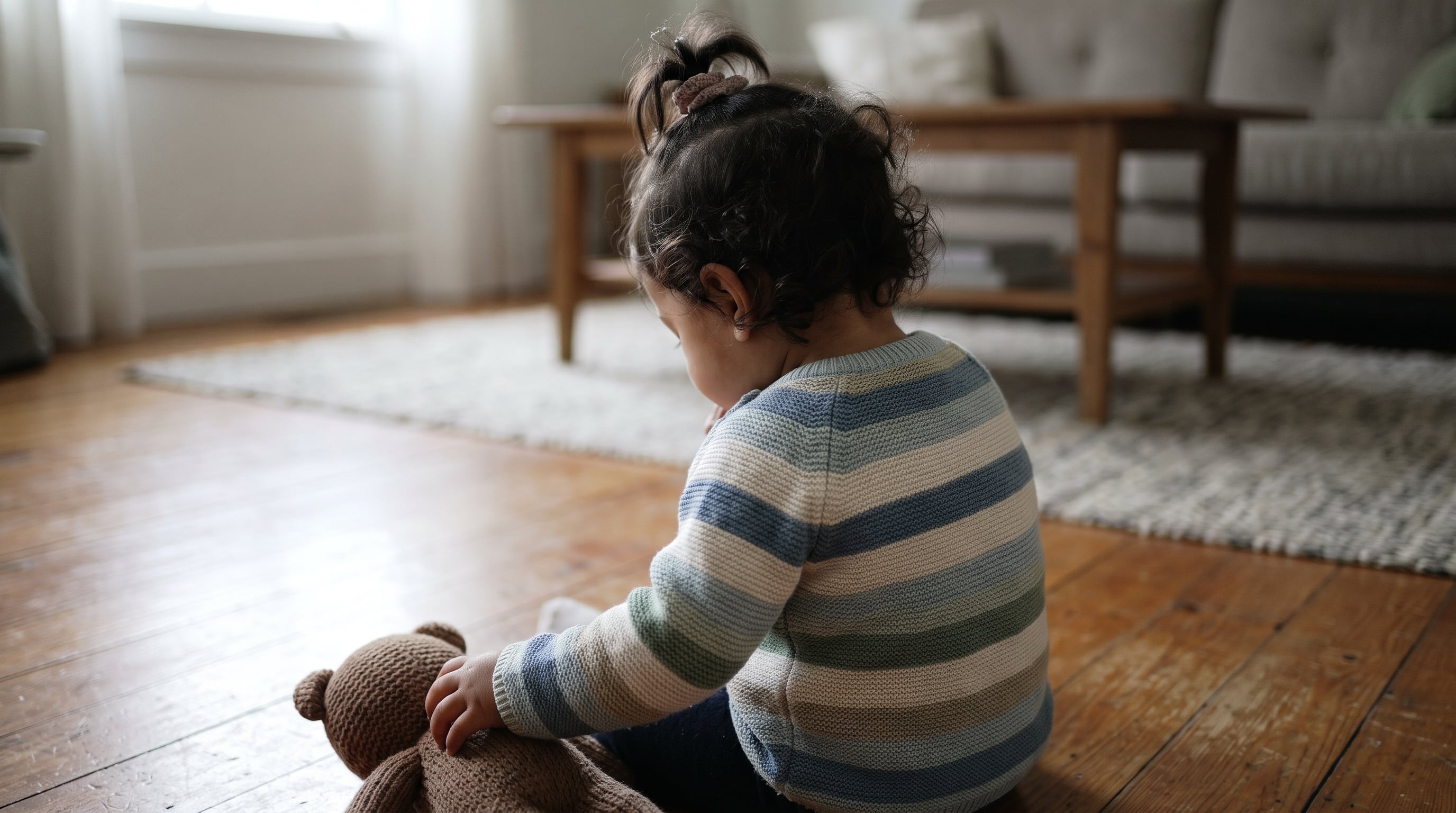
El Ministerio de Salud (Minsa) confirmó la muerte de una niña de un año y cuatro meses por tosferina en Platanares, distrito de Santa Fe, provincia de Darién, fronteriza con Colombia.
La menor no tenía antecedentes de vacunación contra la enfermedad, según informó la directora general de Salud Pública del Minsa Yelkys Gill.
El deceso ocurrió en medio de un reporte de cuatro casos de tosferina detectados esta semana, dos en menores de edad y dos en adultos.
Ninguno de los cuatro pacientes había recibido el esquema de inmunización correspondiente.
Además de la niña fallecida, otra menor de ocho meses, también residente en Platanares, permanece estable y recibe tratamiento médico.
Los otros dos casos corresponden a un adulto de 43 años en Tonosí, provincia de Los Santos, y otro de 46 años procedente de la provincia de Herrera.
Gill explicó que los análisis de laboratorio practicados a la niña fallecida detectaron además otros agentes virales, como rinovirus, adenovirus y enterovirus.
La funcionaria agregó que una condición nutricional complicó el cuadro de la menor.
La tosferina es una enfermedad respiratoria contagiosa que se reconoce por tos persistente e intensa, tos seca y repetitiva, fiebre y, en los niños, ataques de tos que pueden derivar en vómitos y dificultad para recuperarse entre episodios.
El Minsa recomienda verificar que los menores tengan completo su esquema de vacunación y no demorar la consulta médica ante síntomas respiratorios.
Como respuesta, el ministerio desarrolla jornadas de vacunación de barrido dirigidas a las personas que tuvieron contacto con los casos identificados. El objetivo es ampliar la protección y evitar nuevas transmisiones.
Gill reiteró que la vacunación es la principal herramienta para prevenir la enfermedad y reducir complicaciones, en especial en los niños pequeños. El Minsa también pide evitar el contacto de los bebés con personas que presenten síntomas respiratorios.
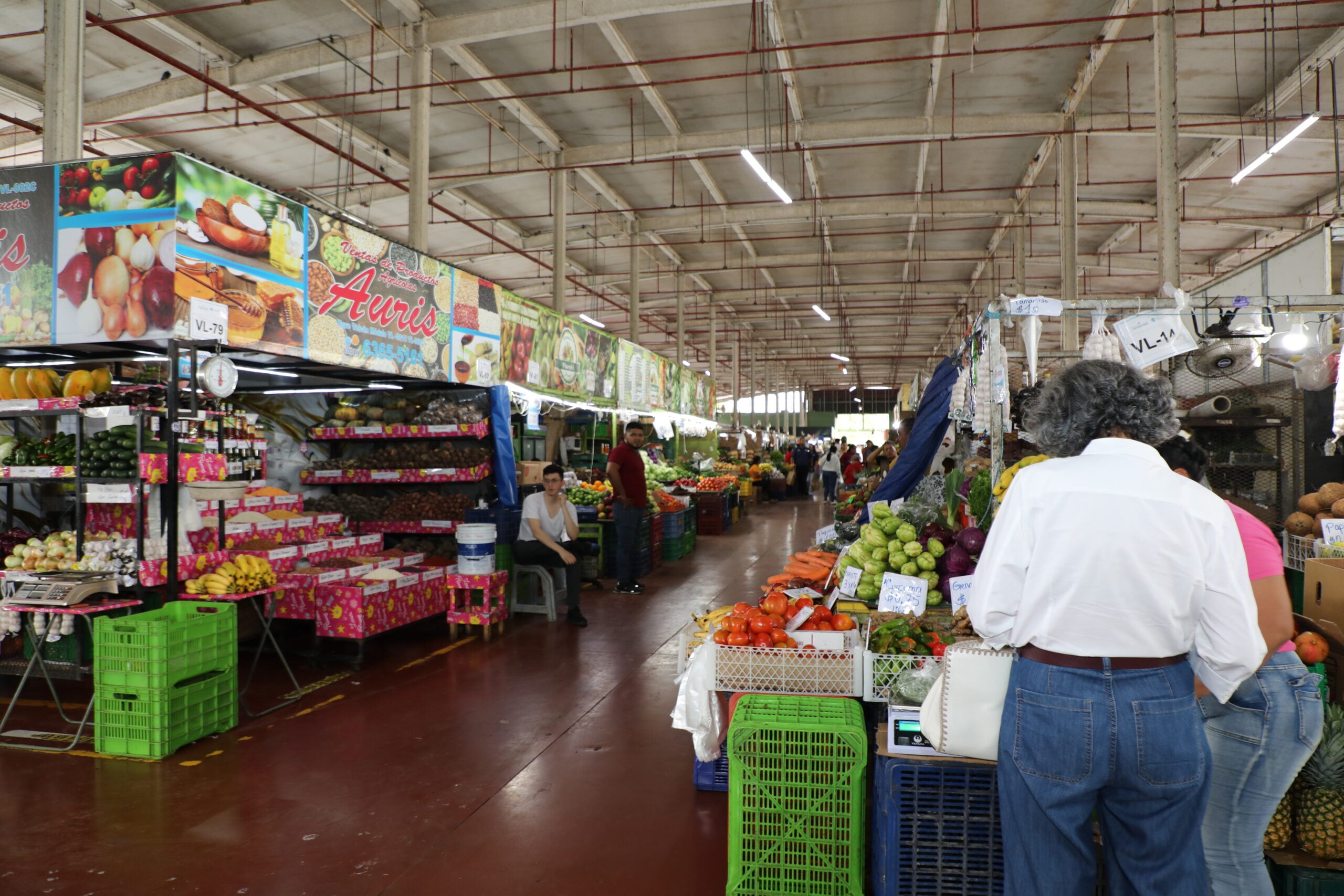
En paralelo, el ministerio intensifica la vigilancia epidemiológica y el control de vectores en los alrededores de Merca Panamá, donde se registraron 124 casos de malaria.
De ese total, 59 personas completaron el tratamiento, 50 se encuentran en proceso de la medicación y 15 lo abandonaron.
Las autoridades realizan gestiones para localizar a quienes dejaron el tratamiento y garantizar que retomen el esquema indicado.
La malaria se transmite exclusivamente por la picadura de un mosquito infectado, no pasa de persona a persona, ni por alimentos, agua o contacto físico como un saludo de mano.
El vector tiene hábitos principalmente nocturnos, por lo que la vigilancia se refuerza durante la noche y la madrugada.
Gill explicó que cerca del 75% de los afectados son trabajadores informales, principalmente carretilleros que desarrollan sus labores en Merca Panamá.
La funcionaria señaló que esa situación exige un abordaje integral entre el sector salud y otras instituciones.
El Minsa, Mi Ambiente, el Instituto de Acueductos y Alcantarillados Nacionales (Idaan), el Municipio, el Ministerio de Obras Públicas (MOP) y la Policía Nacional participarán de una jornada de limpieza en las áreas perimetrales de Merca Panamá.

“No basta con realizar fumigaciones”, planteó Gill, quien remarcó que es necesario intervenir los ambientes donde se reproduce el mosquito transmisor mediante la limpieza de áreas verdes, drenajes y espacios con acumulación de agua.
También se instalará un punto de control en los accesos a Merca Panamá para identificar a personas con síntomas febriles y facilitar su evaluación médica.
El ministerio mantiene un puesto de salud activo las 24 horas y personal de control de vectores trabaja desde la 1:00 a. m., durante el horario de mayor actividad del mosquito.
Entre los síntomas que la población debe vigilar figuran fiebre intermitente, escalofríos, dolor de cabeza, dolor muscular y episodios recurrentes de fiebre, incluso con intervalos de varios días.
Gill recomendó que toda persona con estos síntomas, en especial si estuvo expuesta a áreas con presencia de mosquitos o vegetación, acuda de inmediato a una instalación de salud para su evaluación.
tosferina,diagnóstico microbiológico,cultivo bacteriano,laboratorio clínico,muestras biológicas

ASRA NOMANI: El-Sayed glides into role as rock star of the hard left’s red-green alliance

Evangélicos ganan terreno en Guatemala y desplazan al catolicismo, según un estudio de Latinobarómetro

Cómo interpretar cada mensaje del Papa en un día cargado de discursos

Jose Florentín será baja en Independiente Rivadavia ante Boca Juniors por los octavos del Torneo Clausura

El papa León XIV llamó a “construir una Argentina unida frente a la polarización” en la UCA

Tomás Etcheverry superó un duro debut en el ATP de Estocolmo y habrá duelo argentino ante Thiago Tirante

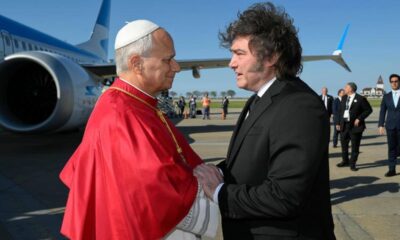
Así fue el saludo entre Javier Milei y el papa León XIV en Aeroparque tras la llegada a la Argentina

Artemis IV: los detalles de cómo será la misión de la NASA que busca llevar astronautas a la superficie lunar en 2028

Casi un cuarto de millón de dólares costarían nueve altares navideños en Nicaragua

Pedro Sánchez le respondió a Milei: “El insulto no forma parte de mi forma de entender la política. Ahí lo dejo”

 POLITICA24 horas ago
Así fue el saludo entre Javier Milei y el papa León XIV en Aeroparque tras la llegada a la Argentina
- DEPORTE3 días ago
Canales para ver el Tigre vs. Sarmiento por el Torneo Clausura
- DEPORTE2 días ago
Gimnasia de Mendoza vs Independiente Rivadavia: formaciones, hora y dónde ver por tv