INTERNACIONAL
De Rusia a Honduras: el encuentro que les devolvió la esperanza y la fé de una madre que temió perder a sus hijos en la guerra

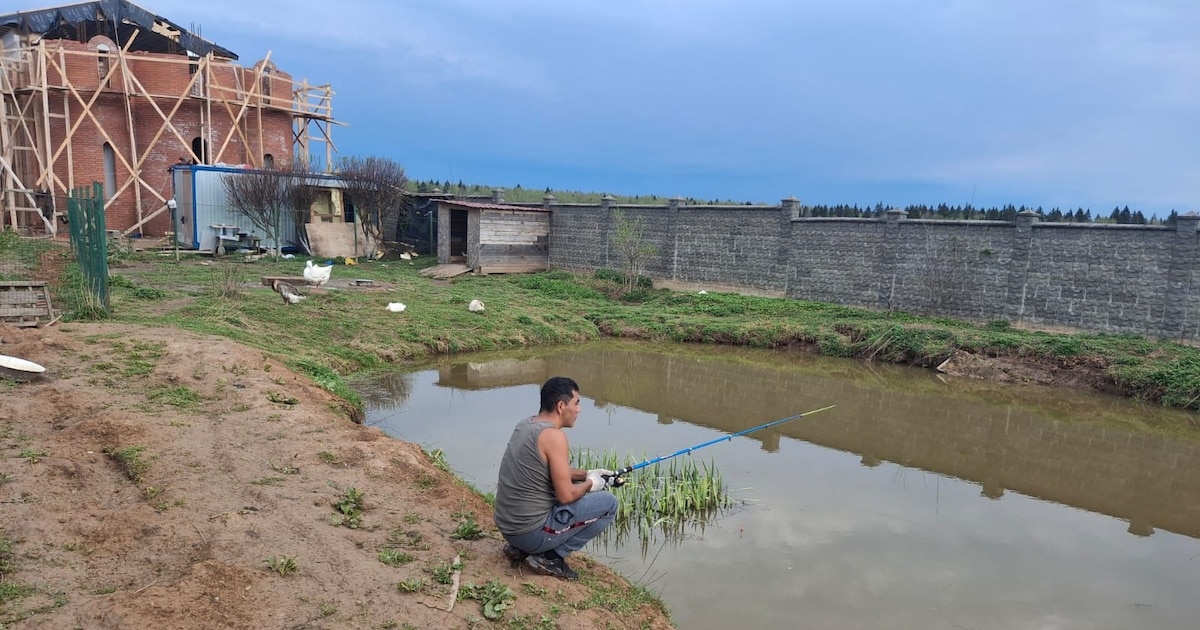
«Hola, chicos, ¿español?».
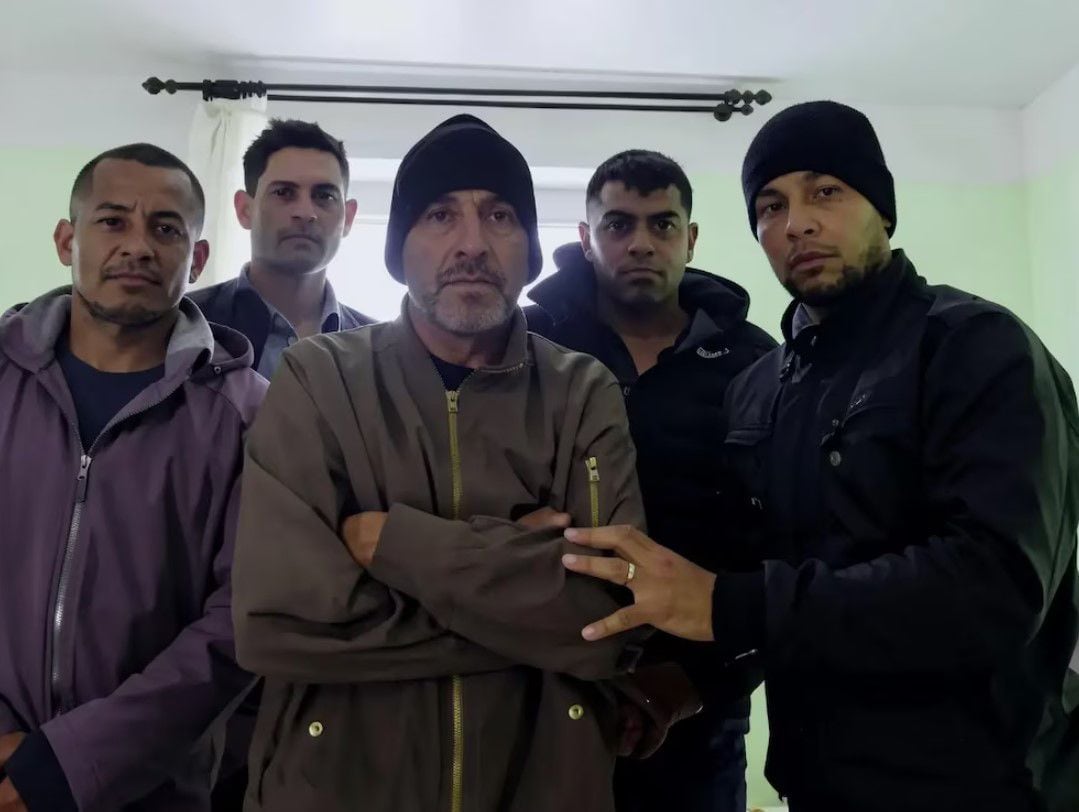
Aquella pregunta llegó en un momento en que Olvin David Banegas y sus compañeros buscaban desesperadamente una representación diplomática que pudiera ayudarlos a salir de la situación en la que se encontraban en Moscú.
Después de escapar, los hondureños intentaban localizar el consulado de su país, pero no conseguían encontrarlo. En medio de esa búsqueda estuvieron a punto de ingresar a la sede diplomática del Congo, que consideraban una posible alternativa de escapar a dicho país.
Olvin recuerda que volvió inmediatamente la mirada, después de los momentos difíciles que habían atravesado, encontrar a alguien que hablara su idioma representaba una oportunidad de recibir ayuda.
La mujer se identificó como Julia. Les preguntó de dónde eran y, al saber que se trataba de hondureños, les contó que anteriormente había trabajado en el consulado de Honduras junto al entonces cónsul y que posteriormente había pasado a trabajar en el consulado de El Salvador.
Pero Julia tenía algo que podía resultar determinante: el número telefónico del actual cónsul hondureño, Freddy Zelaya.
Se comunicó con el diplomático y le explicó que tenía frente a ella a cinco compatriotas que buscaban desesperadamente la representación de su país y necesitaban ayuda para salir de la situación en la que se encontraban.
Sin embargo, encontrar ayuda diplomática no significaba que pudieran regresar inmediatamente a Honduras. Todavía tenían que superar uno de los principales obstáculos: habían escapado sin sus pasaportes.
Tres meses de espera antes del regreso
Después de establecer contacto con la representación hondureña, comenzó otra etapa de incertidumbre. Los compatriotas necesitaban resolver su situación documental y conseguir un documento que les permitiera abandonar Rusia.

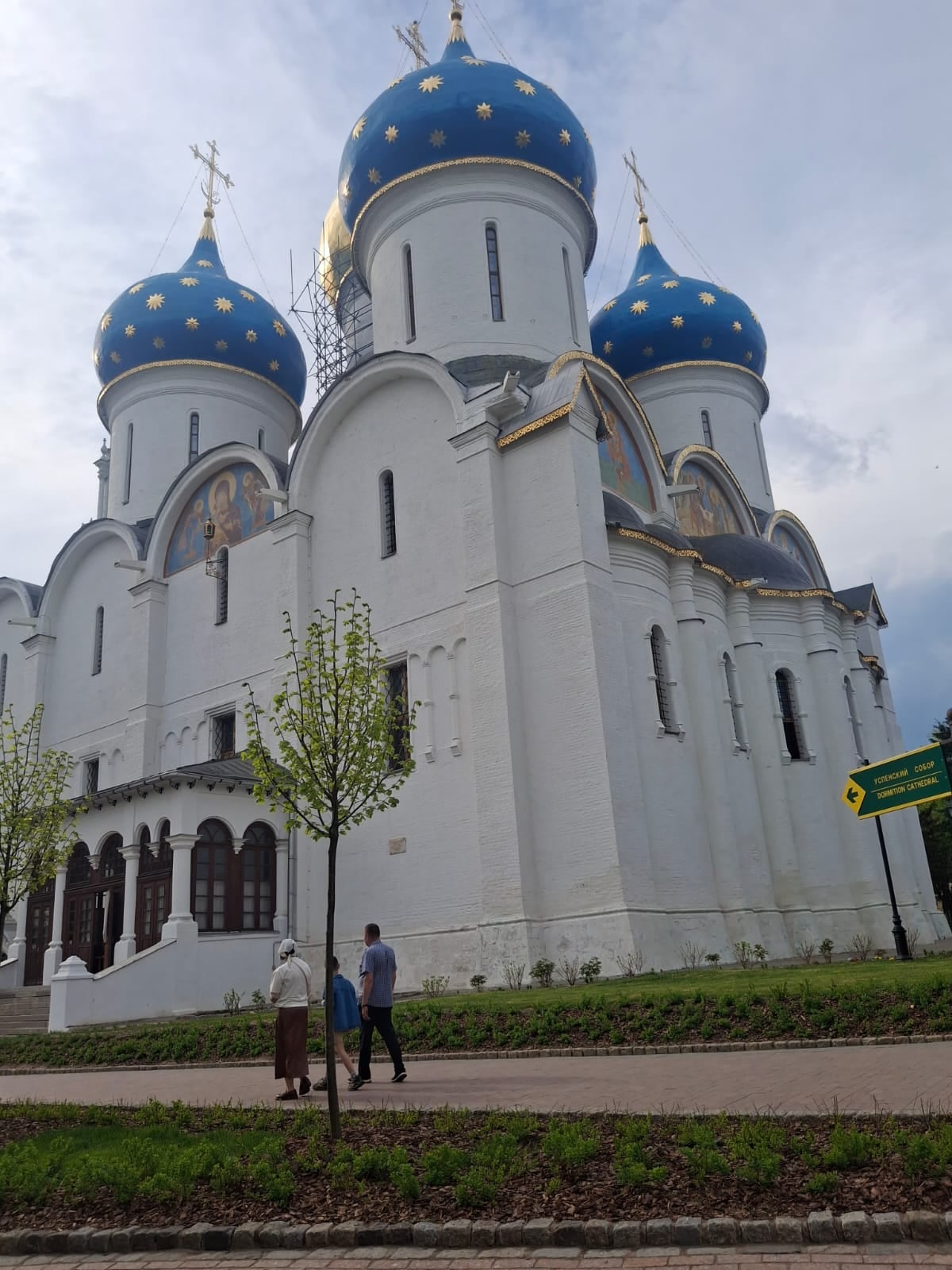
Durante aproximadamente tres meses permanecieron en una iglesia ortodoxa, donde encontraron un lugar para resguardarse mientras avanzaban las gestiones para su retorno.
En ese período realizaron trabajos de campo y mantuvieron comunicación constante con el cónsul, quien daba seguimiento a su situación y buscaba alternativas para facilitar su salida del país.
La ausencia de sus pasaportes representaba uno de los principales impedimentos. Por esa razón, entre las gestiones consulares se incluyó la tramitación de un salvoconducto, documento de viaje que permite acreditar la identidad y nacionalidad de una persona y facilitar su retorno cuando no dispone de pasaporte.
La espera se prolongó mucho más de lo que probablemente imaginaron cuando consiguieron escapar. Después de abandonar el lugar donde temían ser trasladados a una base militar, permanecieron tres meses en territorio ruso antes de emprender el camino de regreso.
Olvin reconoce que el acompañamiento del cónsul Freddy Zelaya fue fundamental durante ese tiempo. La comunicación constante y el seguimiento de su caso les permitieron conservar la esperanza de volver a Honduras y reencontrarse con sus familias.
El clamor de una madre
Mientras los hondureños permanecían en Rusia, una madre de dos de ellos, vivía sus propios meses de angustia. Durante aproximadamente tres meses no tuvo certeza de lo que ocurría con ellos. Recibía fotografías en las que aparecían junto a otros compatriotas, pero algo en aquellas imágenes le hacía sospechar que no estaban bien.
«La madre siempre tiene un presentimiento», expresó al recordar aquellos días.

La mujer observaba las fotografías y les preguntaba por qué aparecían tristes. Insistía en saber si algo estaba pasando, pero sus hijos respondían que todo estaba bien.
La realidad era diferente. Dos de los hondureños, hermanos, habían decidido ocultarle que estaban huyendo porque conocían sus problemas de salud y temían que contarle lo que vivían agravara su preocupación.
«No le quisimos decir por no preocuparla, porque usted vive enferma», fue la explicación que recibió posteriormente. Para aquella madre, las fotografías no eran suficientes. Necesitaba saber que sus hijos estaban a salvo y que existía la posibilidad de volver a abrazarlos.
La advertencia que no fue escuchada
La preocupación de la mujer no comenzó cuando perdió la comunicación con sus hijos. Desde antes de que emprendieran el viaje, había intentado convencerlos de que no aceptaran aquella oferta laboral.
Les advertía que no confiaba en lo que les estaban ofreciendo y que viajar a un país involucrado en una guerra implicaba riesgos que no debían ignorar.
Recordó las conversaciones en las que les pedía que desistieran de la idea y les expresaba su temor de que terminaran atrapados en medio del conflicto armado.
Ella no comprendía cómo una oferta económica podía parecer más importante que los peligros de aquella decisión. “No, mucho dinero, le dije yo, mucho dinero para una oportunidad de esas”, recordó.
Con el paso del tiempo, sus temores terminaron teniendo fundamento. Ante la falta de respuestas y el temor de recibir noticias devastadoras, la mujer encontró en su fe una manera de sobrellevar la angustia.
Contó que acudía a los cultos de madrugada, ayunaba y oraba por sus hijos, pero también por los demás hondureños que habían viajado con ellos. Pedía protección para todos, incluso para aquellos compatriotas a quienes no conocía personalmente.
Durante aquellos meses, la oración se convirtió en una forma de mantener viva la esperanza de volver a ver a sus hijos. Su preocupación no terminaba con las noticias que recibía de ellos: también pensaba en los otros hondureños que permanecían lejos de sus familias.
El regreso y las consecuencias de lo vivido
Después de volver a Honduras, Olvin tuvo que enfrentarse a una realidad económica y emocional distinta. La experiencia había cambiado sus condiciones de vida y todavía debía responder por sus responsabilidades familiares.
Hoy se describe como un hondureño desempleado que continúa buscando la manera de salir adelante.
Durante la entrevista explicó que esperaba recibir visitas y acompañamiento de representantes de gobierno, para gestionar posibles ayudas. También manifestó preocupación por el estado de su madre, a quien describió como una mujer emocional y psicológicamente afectada por todo lo sucedido.
Su regreso había puesto fin a meses de incertidumbre para su familia, pero las secuelas de aquella experiencia seguían presentes.
Y mientras Olvin intentaba reconstruir su vida, en Honduras había una mujer que todavía recordaba cada uno de los días en que temió no volver a ver a sus dos hijos.
Volver a casa sin recuperar la vida que dejaron
El reencuentro con su madre puso fin a una de las etapas más angustiosas para la familia, pero no borró las consecuencias de lo vivido.
Olvin enfrenta nuevamente las dificultades económicas que tenía antes de viajar, además de las secuelas emocionales de una experiencia que cambió su vida.
«Si yo tuviera dinero de ese viaje, le puedo asegurar que yo no estuviera en esta situación», manifestó.
Su testimonio también deja una advertencia para quienes reciben propuestas laborales con salarios elevados y condiciones que parecen difíciles de rechazar: detrás de algunas ofertas puede existir una realidad muy distinta de la prometida.
Los dos hondureños que no regresaron con el grupo siguen sin aparecer y sus familias continúan esperando respuestas. Olvin y su hermano pudieron reencontrarse con su madre, aquella mujer que durante meses les pidió que no se fueran y que nunca dejó de orar por su regreso.
Para ella, volver a verlos fue recuperar la posibilidad de abrazar a sus hijos. Para las familias de los otros dos, esa esperanza todavía no se ha convertido en realidad.
Corresponsal:Desde Tegucigalpa, Honduras











INTERNACIONAL
La fotografía que rompió con la pintura en los años 20: cámaras Leica, desnudos en revistas y la nueva mujer que los nazis borraron
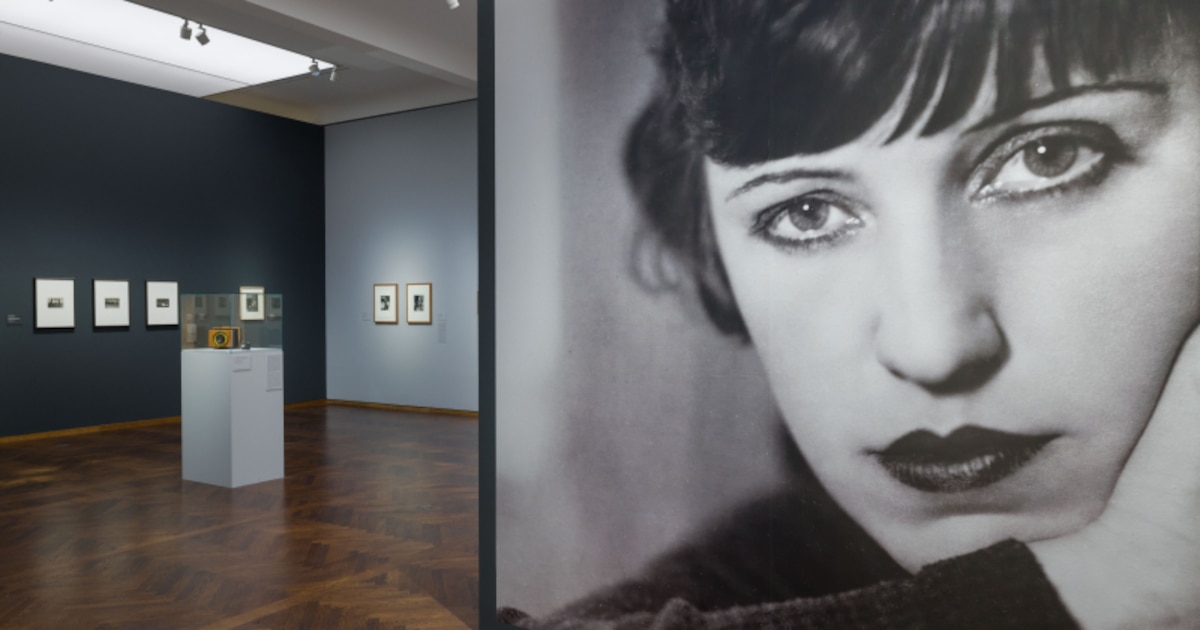
Europa Central, año 1920. La nueva sociedad que va surgiendo de las ruinas de la I Guerra Mundial necesita también una forma diferente de captar y contar el mundo: una fotografía que se independiza definitivamente de la pintura y se vuelve rápida, precisa y objetiva.
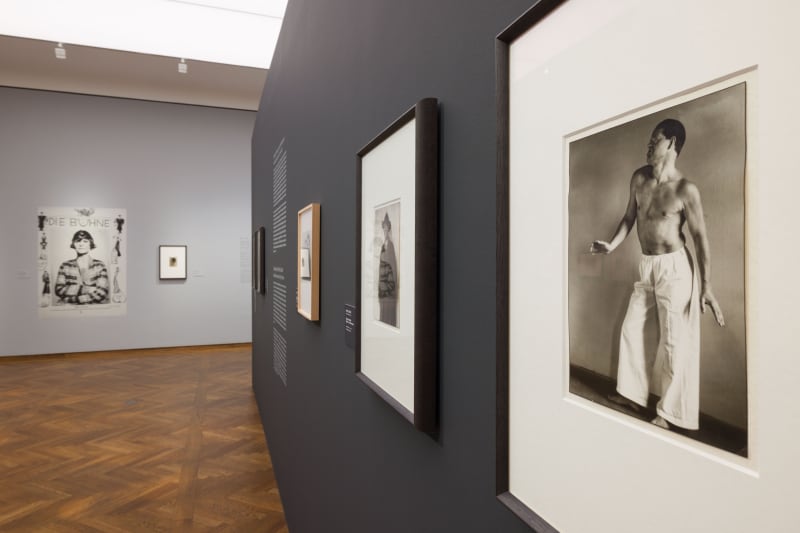
Los cambios técnicos y estéticos que la fotografía experimentó en las décadas de 1920 y 1930 en Alemania y Austria son el motivo de la exposición Nueva Objetiva, en la que el Museo Leopold de Viena reúne hasta finales de febrero más de 200 piezas que relatan cómo se hace ubicua en la arquitectura, el periodismo, la moda o la publicidad.
“La fotografía se hace adulta, definitivamente. Se convierte en un medio de masas. Se utiliza en todas estas revistas; el auge publicitario que tiene lugar en la década de 1920 incorpora la fotografía… Así que es omnipresente”, resume para esta agencia una de las comisarias de la muestra, Aline Marion Steinwender.
En ese proceso jugó un papel esencial la aparición de las cámaras de la empresa Leica, compactas y portátiles, que permitieron el acceso del público general a la fotografía: entre 1925 y 1931 se vendieron casi 60.000 unidades.

Una fotografía autónoma
La exposición del Leopold muestra cómo esta nueva concepción corta todo lazo no solo con la pintura, sino también con la anterior fotografía pictorialista, llena de desenfoques, alegorías, filtros y claroscuros.
Ahora, la fotografía “se basta a sí misma”, como definió Albert Renger-Patzsch, uno de los referentes de esta nueva corriente, en la que destacaron también August Sander, Aenne Biermann, Edith Tudor-Hart o Trude Fleischmann.
“La fotografía se emancipa e intenta postular como un valor igualmente válido lo que la hace verdaderamente autónoma: su pretensión de realidad y su fidelidad al detalle”, señala Dominik Papst, otro de los comisarios de la exposición.
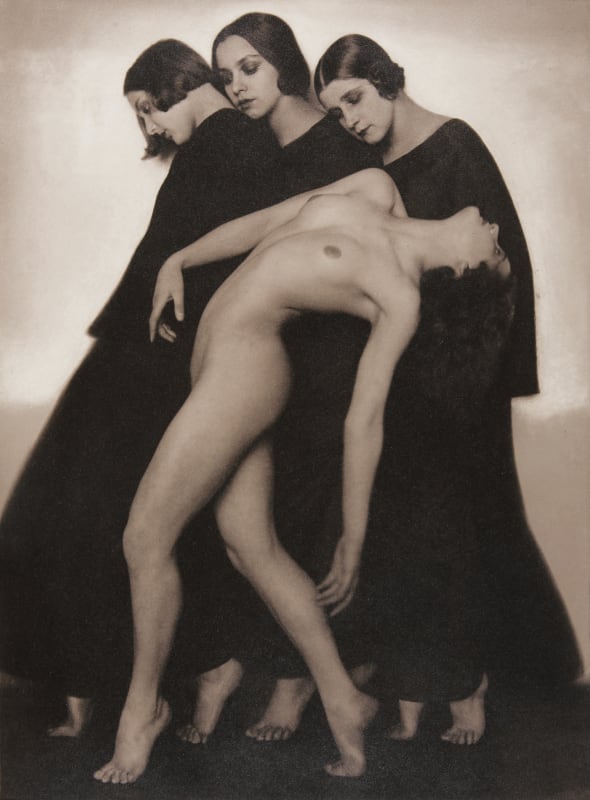
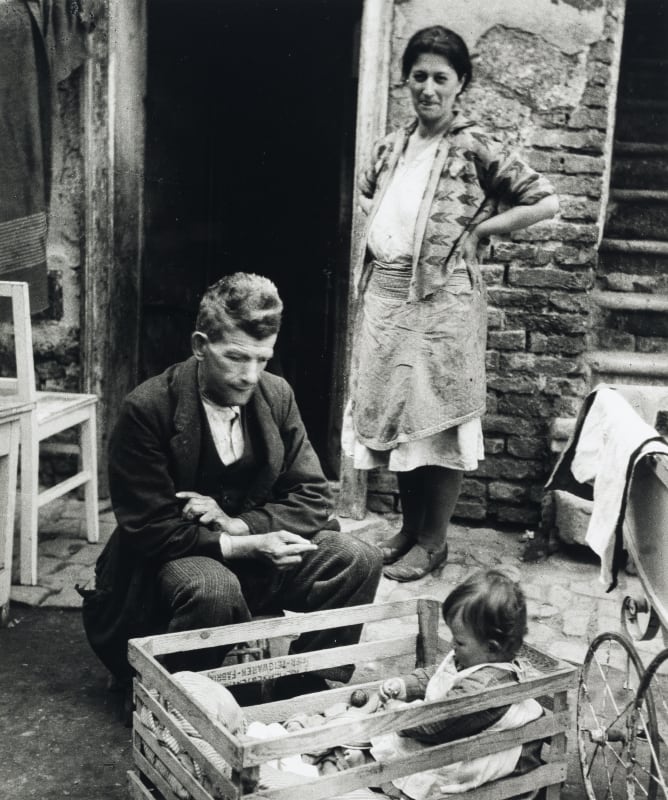
El nuevo fotoperiodismo muestra la realidad de forma cruda y directa, como las imágenes del desempleo y la pobreza por la crisis económica de 1929 que tomaron Walter Ballhause en Hanóver o Edith Tudor-Hart en Viena.
“Debemos ser capaces de soportar ver la verdad”, resumió en 1927 August Sander sobre esa tarea del fotógrafo.
La propia naturaleza no es ya captada como el habitual paisaje idílico, sino que la cámara es ahora un testigo fiable de las formas y la arquitectura natural, como hizo el berlinés Karl Blossfeldt en sus imágenes ultradetallistas de plantas.
La foto deja de ser un elemento secundario en libros y revistas, sino que surgen publicaciones en las que es la protagonista, como Die Welt ist schön (El mundo es hermoso), editado en 1928 por Albert Renger-Patzsch, o Antlitz der Zeit (El rostro del tiempo), por August Sander en 1929.
Estos libros de fotografías ya no son una mera sucesión de láminas con reproducciones: las fotos se crean y seleccionan pensando en el libro del que formarán parte.
Antes del crack del 29, la recuperación económica que siguió a la I Guerra Mundial, ayudada por la inflación, favoreció un boom del consumo y de la asociada a él, en la que la fotografía tuvo un papel esencial.
La foto en los anuncios se asocia con la modernidad y la autenticidad del producto, como en las famosas campañas de la marca de café Hag, o de las galletas Leibniz.
La proliferación de fotógrafas que abren sus propios estudios y tienen mucho éxito profesional es una señal más del proceso de emancipación tras la I Guerra Mundial.
La nueva mujer
Hay muchas mujeres tras las cámaras, pero también delante de ellas: la nueva mujer, con pelo corto, siempre a la moda, con un cigarrillo en la mano y mirando a la cámara con seguridad y desafío es uno de los motivos que más se reproducen.
La foto que Sander hizo de Anneli Strohal, una secretaria en la radio pública WDR, o el retrato de la actriz Lotte Lenya que hizo Lotte Jacobi, son ejemplos de esa estética y esa ética que quedó arrasada cuando los nazis llegan al poder en Alemania (1933) y Austria (1938) y condenan de nuevo a la mujer a la marginación frente a los hombres.
También proliferaron los desnudos, incluso a través de revistas de amplia tirada, que se mueven entre la moda del erotismo que llega de Estados Unidos y los estudios del movimiento y el dinamismo que permite la técnica fotográfica.
Aunque esta evolución de la fotografía se dio en muchos lugares del mundo en esa época, en Alemania fue muy especial por el maridaje con los nuevos conceptos sobre arquitectura y diseño de la Bauhaus y con la fascinación por lo funcional y lo práctico, además de que Berlín era en aquel momento una de las capitales mundiales de la modernidad.
Lo cierto es que hay un antes y después de 1920 en la historia de la fotografía, y que esa década y la de 1930 marcaron lo que vino luego.
Fuente: EFE.
Foto: EFE/ Antonio Sánchez Solís.
‘Nueva. Objetiva’,Museo Leopold de Viena,fotografía
INTERNACIONAL
What the US gets from Israel alliance as support for aid to the Jewish State erodes on left and right: report
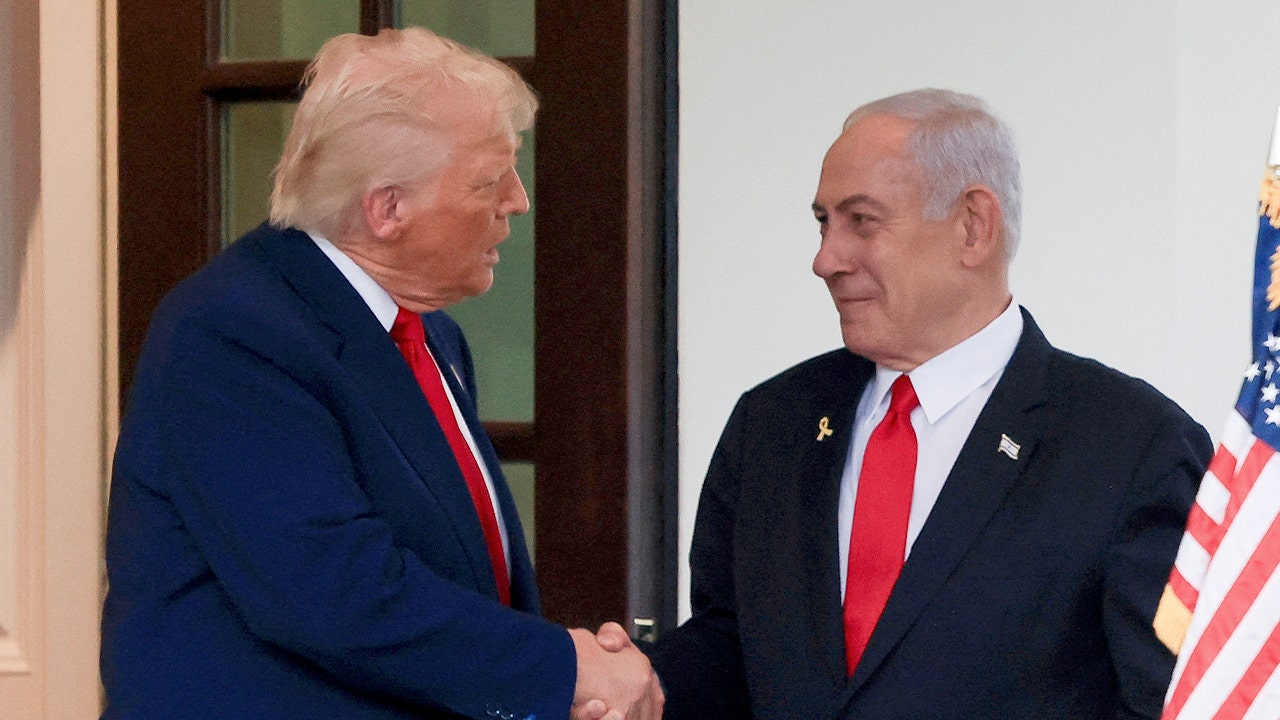
The U.S.-Israel alliance was tested when Washington and Jerusalem found common cause against Iran — and when defending Israel drew heavily on American weapons stocks. Meanwhile, that ongoing conflict has now sharpened a question for Washington: what does the alliance deliver, and what does it demand in return?
A new report from Advancing American Freedom (AAF) and the Zionist Organization of America (ZOA) argues that Israel’s military reach and regional role make the alliance a strategic asset for Washington.
Its authors call Israel «the largest U.S. aircraft carrier» in the Middle East. But this is in direct opposition of critics who say that the alliance costs the U.S. a lot and delivers very little in return.
The report, dated Oct. 26, 2026, arrives as public support for Israel continues to fall across the political spectrum — even among Republicans and MAGA supporters.
FROM INTELLIGENCE SHARING TO MISSILE DEFENSE, HOW ISRAEL’S PARTNERSHIP PROTECTS AMERICAN SECURITY
President Donald Trump and Israeli Prime Minister Benjamin Netanyahu have discussed ending direct U.S. military aid, but the U.S. leader has also called Israel «a great ally, much more reliable than most» and said Washington would help if Israel needed it.
The report specifically points to intelligence sharing, joint weapons development and military cooperation as returns on what the U.S. gets for providing support to Israel.
One of the clearest examples is missile defense. The U.S. and Israel develop systems including David’s Sling and Arrow, while American companies manufacture components for several programs. More than 100 companies across 34 states participate in missile-defense co-production, according to the Congressional Research Service. In August, a Raytheon-Rafael facility in Arkansas delivered the first Iron Dome Tamir interceptor built entirely in the U.S.
Those programs support U.S. manufacturers and give the Pentagon a role in developing missile-defense systems. During the Iran conflict, however, U.S. forces also expended large numbers of interceptors — costly weapons that can take years to replace.
US REBUILDING WEAPONS STOCKPILE COULD DELAY ORDERS FROM ALLIES
In September, the Congressional Budget Office (CBO) estimated that the U.S. had probably used between half and two-thirds of its combined inventory of Patriot, THAAD, SM-3 and SM-6 interceptors since June 2025.
The estimate includes weapons used during the earlier 12-day war with Iran and is based on publicly reported expenditures compared with the number of those interceptors the War Department has purchased. CBO said rebuilding stocks could take at least five years, even if production increased.
Intelligence sharing is another return cited by supporters of the alliance. Former CIA Director John Brennan said Israeli intelligence was among the «thousands of bits» considered during the years-long effort to find Usama bin Laden. He did not specify what Israel provided or how much it contributed to the operation.
A more recent exchange shows how Israeli reporting can prompt U.S. action even when its accuracy is uncertain. Israeli officials warned the U.S. of a possible Iranian plot to kill Trump during a trip to Turkey. The Secret Service took precautions, including moving him to another aircraft. U.S. intelligence agencies could not independently verify the threat, however, and the CIA assessed some of the Israeli reporting with «low confidence,» according to Reuters and The Washington Post.
NETANYAHU REVEALS HE WANTS AMERICAN FINANCIAL SUPPORT FOR ISRAEL TO ‘DRAW DOWN TO ZERO’
The financial relationship has also become part of the debate. Under the current agreement, the U.S. provides Israel with $3.3 billion annually in Foreign Military Financing and $500 million for joint missile-defense programs. Most of the military aid pays for weapons and services from U.S. contractors, according to CRS. Israel’s ability to spend a portion of the funding on domestic purchases is scheduled to phase out by 2028.
The report’s authors call the $3.8 billion in annual U.S. military aid «one of the highest returns on investment of any U.S. foreign assistance.»
Trump has said he wants to end annual aid, while Netanyahu has also publicly called for phasing it out over time. U.S. and Israeli officials have been negotiating a new agreement that could wind down direct assistance while expanding joint defense projects and weapons production. The current agreement runs through 2028, Congress controls appropriations, and no successor deal has been reached.
TRUMP WANTS LARGEST-EVER ISRAELI HEAVY BOMB TRANSFER — BUT PROPOSAL HAS CONGRESS PREPARING FOR $2.8B FIGHT
The debate is also becoming more politically consequential as Americans question the relationship’s terms.
A 2026 Chicago Council survey found that 56% favored reducing or ending U.S. military aid to Israel. Republicans remain more supportive than Democrats and independents, but the right is divided: Joe Kent blamed Israeli pressure for the Iran war, Rep. Thomas Massie has pushed to cut aid, and Vice President JD Vance has called for changing the relationship while continuing to describe Israel as a strategic ally.
The two countries have cooperated against Iran and developed defenses against missile attacks, but their goals have not always matched during the war. A Stimson Center analysis says Israel sought to broaden the conflict beyond what Washington preferred. That does not establish that Israel drew the United States into a war it opposed. It does show how cooperation can leave Washington managing military costs even when its preferred limits differ from Israel’s.
The next agreement will help determine whether the alliance continues to rely on direct grants or shifts toward joint weapons development and production. Either way, the military and intelligence cooperation described in the report comes with commitments of U.S. money and weapons — and leaves Washington weighing those costs against the advantages it expects the alliance to deliver.
foreign policy, israel, defense, war with iran, benjamin netanyahu, politics, national security, spending
INTERNACIONAL
Iran flogs female singer 74 times for performing without hijab in viral YouTube concert

29-year-old Iranian singer sentenced to 74 lashes for concert with no hijab
Iranian singer Parastoo Ahmadi faces 74 lashes and a travel ban for performing without a hijab, sparking international outrage. Zineb Riboua joins Fox News to discuss the regime’s brutal crackdown on dissidents, attributing it to the Islamic Republic’s growing weakness amid internal protests and external pressures. She emphasizes the need for international pressure on the Iranian regime.
NEWYou can now listen to Fox News articles!
Iranian authorities subjected a female singer and four members of her concert team to 74 lashes each Monday after she defied the Islamic Republic’s restrictions on women by performing without a hijab in a viral YouTube concert, their lawyers said.
Parastoo Ahmadi, 29, and her four male co-defendants were flogged in the Iranian city of Qom, defense attorney Mostafa Nili told Iranian news outlet Emtedad, according to Reuters.
The five were also banned from traveling abroad and engaging in artistic and musical activities for two years.
IRAN’S REGIME CAME FOR TEENAGE TWINS. THEIR FATE OFFERS A GLIMPSE OF TEHRAN’S WIDENING DEATH CAMPAIGN
Parastoo Ahmadi sings in a live performance filmed near Qom, Iran, in Dec. 2024. (Parastoo Ahmadi/YouTube)
One of the defendants’ lawyers told the BBC Monday that efforts to overturn the ruling, reduce the punishment or suspend its enforcement had failed. Defense attorneys also sought to postpone the flogging, but authorities insisted on carrying out the sentence immediately.
The punishment sparked outrage among Iranian artists and human rights advocates, who condemned the regime’s restrictions on women and artistic expression.
Bahar Ghandehari, director of advocacy at the U.S.-based Center for Human Rights in Iran (CHRI), told the BBC that Ahmadi’s flogging was «a flagrant violation of her fundamental rights» and demonstrated the authorities’ determination to suppress women’s freedoms and punish those who challenge discriminatory laws.
Those flogged alongside Ahmadi were musicians Soheil Faghih-Nasiri, Amin Taheri and Amirali Pirnia and producer Mohsen Lashkari.
IRAN REGIME’S EXECUTION SPREE CONTINUES AS TWINS FACE DEATH PENALTY, DECADES IN PRISON AFTER ALLEGED TORTURE

Iranian singer Parastoo Ahmadi performs alongside her band without a hijab during a concert released on YouTube on Dec. 11, 2024. Iranian authorities subjected Ahmadi and four members of her concert team to 74 lashes each on Nov. 23, 2026, according to their lawyers. (Parastoo Ahmadi/Youtube)
The case stems from a Dec. 11, 2024, performance in which Ahmadi appeared in a sleeveless black dress with her hair uncovered, accompanied by male musicians at the historic Deir Gachin Caravanserai in Qom province.
With no audience physically present, Ahmadi shared the performance, known as the «Imaginary Concert,» on her YouTube channel.
The video of the concert has garnered over 3 million views on YouTube.
Iran’s judiciary swiftly opened a criminal case over the performance, and Ahmadi was arrested three days later. Two musicians involved in the concert were also arrested. All three were subsequently released on bail, according to the Norway-based Hengaw Organization for Human Rights.
In June 2026, a criminal court in Qom sentenced Ahmadi and eight others involved in the production to 74 lashes each on charges of «offending public decency by producing and publishing obscene and immoral content online,» according to Hengaw.
The defendants denied the charges. An appeals court upheld the flogging sentences in September, clearing the way for their enforcement, Iran International reported Sept. 25.
IRAN JAILS PSYCHOLOGIST OVER TRUMP PLEA AS REGIME DEMANDS HE MAKE AMERICANS ‘LOOK STUPID’: FAMILY
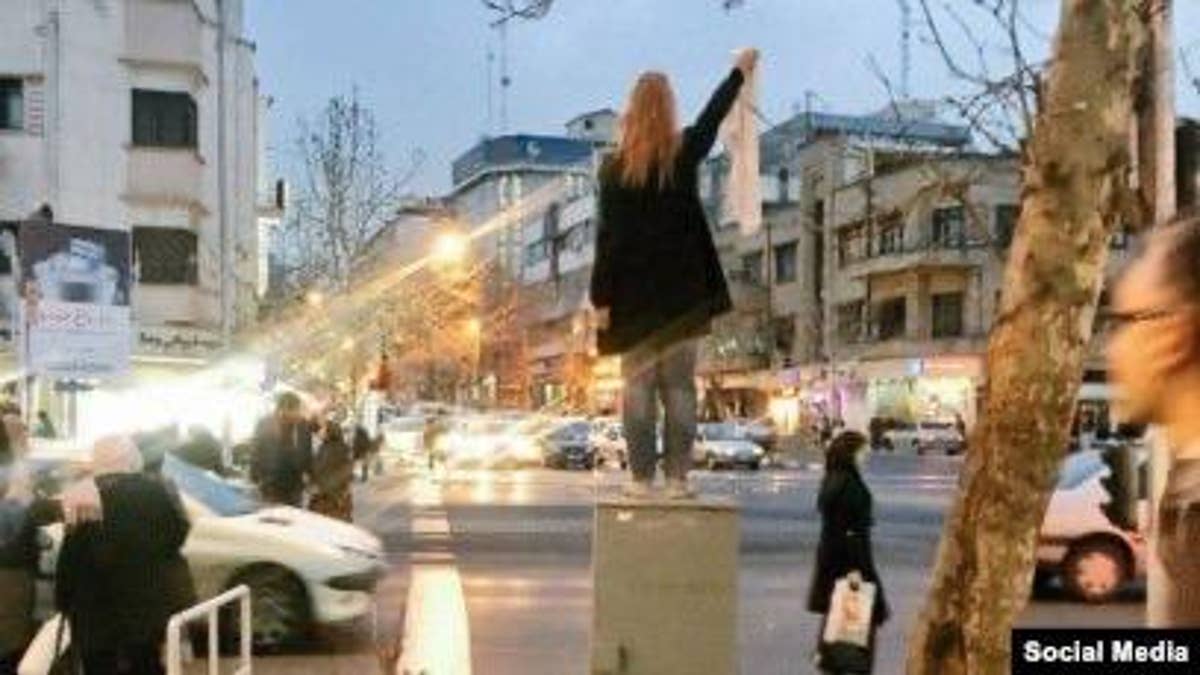
Maryam Shariatmadari was detained by Iranian security forces after removing her hijab in protest against mandatory veiling laws during the «Girls of Revolution Street» demonstrations in Tehran. Shariatmadari was later sentenced to one year in prison for what authorities described as «encouraging corruption by removing her hijab.» (Fox News)
Amnesty International urged Iranian authorities in October to abandon plans to carry out the sentences, arguing that judicial flogging amounts to torture and violates international human rights protections.
Ahmadi, a native of Nowshahr in northern Iran who studied film directing at Soore University, had previously faced restrictions from Iranian security authorities over her performances of protest songs and regional folk music during the Woman, Life, Freedom movement, according to Hengaw.
The movement erupted in Sept. 2022 following the death in custody of Mahsa Amini, a 22-year-old Iranian Kurdish woman detained by the country’s morality police for allegedly violating mandatory hijab rules.
Many Iranian women have since openly defied the compulsory dress code, despite periodic arrests, warnings and other enforcement measures.
Of the nine people originally sentenced over Ahmadi’s concert, five were reported to have been flogged Monday. The status of the remaining defendants’ punishments remains unclear.

A protestors holds a photo of Kurdish Iranian woman Mahsa Amini as another waves Iran’s former flag during a demonstration against the Iranian regime and in support of Iranian women, after Amini died after being arrested in Tehran by the Islamic Republic’s morality police, in Istanbul on October 2, 2022. (BULENT KILIC/AFP via Getty Images)
Ahmadi’s punishment comes amid a broader human rights crackdown in Iran that has intensified since nationwide anti-regime protests erupted in January. In addition to years of restrictions on women, artists, journalists and political dissidents, Iranian authorities have increasingly resorted to mass arrests, torture in detention and executions to suppress opposition, as previously reported by Fox News Digital .
Human Rights Watch reported in February that Iran’s executions in 2025 had reached levels unseen since the late 1980s, while rights groups have documented a further escalation in political repression throughout 2026.
Earlier this month, the Norway-based Iran Human Rights organization reported that at least 121 people arrested in connection with January’s protests had been sentenced to death, including at least 30 whose sentences had been upheld by Iran’s Supreme Court.

Women members of the Basij paramilitary, affiliated with Iran’s Revolutionary Guard, hold weapons during a parade of pro-government Iranian women. Tehran, Iran April 17, 2026. (Sobhan Farajvan/Pacific Press/LightRocket via Getty Images)
Iranian authorities did not immediately respond to Fox News Digital’s request for comment.
Reuters contributed to this report.
war with iran, human rights, iran, world

La Facultad de Ciencias Sociales de la UBA convocó a una reunión extraordinaria por el homenaje a Santucho

El dólar minorista superó por primera vez los $1.600 y el financiero traspasó los $1.800

Video: erró un penal y sus hinchas festejaron porque su clásico rival podía ser campeón

La fotografía que rompió con la pintura en los años 20: cámaras Leica, desnudos en revistas y la nueva mujer que los nazis borraron

“Su mejor actuación de la temporada”: las repercusiones en los medios del mundo tras la tarea de Franco Colapinto en el GP de Las Vegas

Ampliaron la denuncia contra Federico Beligoy por presunto lavado tras conocerse que tiene una casa en un country

Javier Milei destacó el desembarco de Tesla en el país y aseguró: “Esto también es devolverle la libertad a los argentinos”

Financial Times duda de la economía argentina: riesgo país, financiamiento e imagen Milei

Agustín “Rada” Aristarán se despide de Chanta: “Con esta obra dejé de ser un impostor”

NYC college put on notice after Jewish campus group shunned by student government: ‘rude awakening’

 ECONOMIA2 días ago
Financial Times duda de la economía argentina: riesgo país, financiamiento e imagen Milei
- CHIMENTOS2 días ago
Agustín “Rada” Aristarán se despide de Chanta: “Con esta obra dejé de ser un impostor”
- INTERNACIONAL2 días ago
NYC college put on notice after Jewish campus group shunned by student government: ‘rude awakening’