INTERNACIONAL
Quiso contratar a un sicario para matar a su esposa y cobrar un seguro de US$700.000: el plan falló y la asesinó de un disparo en la cabeza

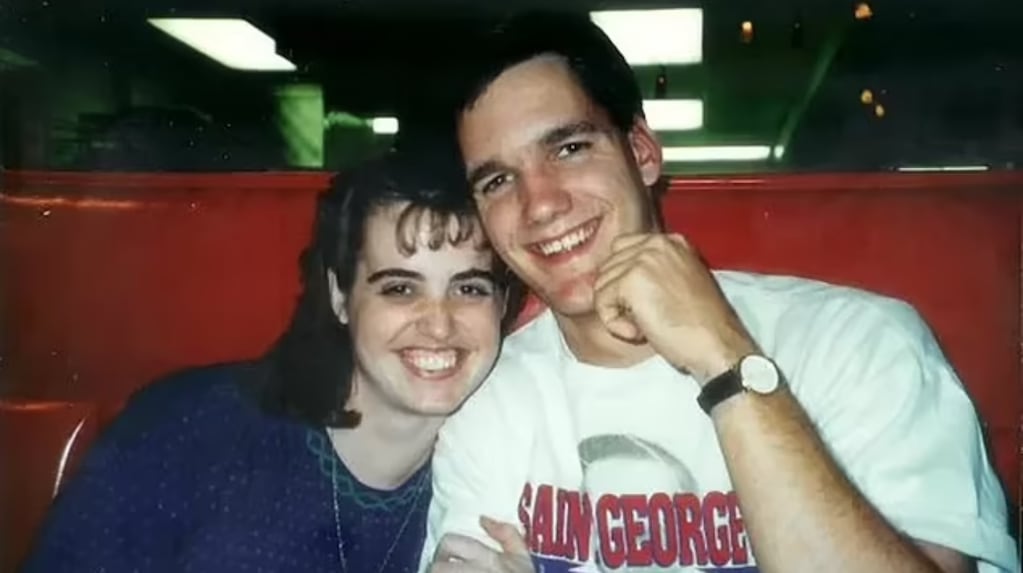
En febrero de 2016, un hombre comenzó a buscar en la dark web a alguien que pudiera matar a su esposa. Le dio al supuesto sicario información sobre sus movimientos, una foto y hasta la dirección del hotel donde se alojaría durante un viaje de negocios. También le transfirió miles de dólares en bitcoins para concretar el encargo.
Sin embargo, el asesinato nunca se llevó a cabo: el sitio al que había recurrido era una estafa. Nueve meses después, Stephen Allwine terminó matando a Amy con sus propias manos e intentó hacer pasar el crimen por un suicidio.
El hombre, que vivía en Cottage Grove, Minnesota, Estados Unidos, era un referente de la Iglesia de Dios Unida y estaba casado con Amy desde 1998. Juntos tenían un hijo y llevaban una vida que, a simple vista, no despertaba sospechas.
A pesar de ello, Stephen tenía varias amantes y había comenzado a planear cómo deshacerse de su esposa.
Para eso recurrió a “Besa Mafia”, una página de la dark web que ofrecía supuestos servicios de sicarios. Bajo el nombre de usuario “dogdayGod”, se comunicó con un administrador identificado como Yura y le pidió que mataran a Amy durante un viaje a Moline, Illinois. Para ello, le dio una descripción física de ella, una foto y datos sobre su vehículo.
Allwine llegó a gastar al menos US$12.000 en bitcoins para concretar el asesinato. La fiscalía sostuvo que uno de sus principales objetivos era cobrar un seguro de vida de US$700.000 del que él era beneficiario. Cuando el primer intento no funcionó, el hombre insistió y hasta consultó otras opciones para concretar el crimen.
Pero el plan tuvo un giro inesperado. En abril de 2016, Besa Mafia fue hackeada y los mensajes intercambiados entre sus administradores y los clientes quedaron expuestos en internet. La información llegó al FBI, que comenzó a contactar a las personas que figuraban como posibles víctimas de los encargos.
En mayo de ese año, un agente federal y un detective de la policía local fueron hasta la casa de los Allwine para advertirle a Amy que alguien había intentado contratar a un sicario para matarla. La mujer recibió la advertencia, aunque todavía no sabía quién estaba detrás de la amenaza.
Femicidio








INTERNACIONAL
Libyans pledge to retaliate after Ukraine strikes Russian warship near Benghazi, killing 2 soldiers

NEWYou can now listen to Fox News articles!
The Libyan National Army (LNA) has vowed to retaliate after a Ukrainian drone attack on a Russian warship moored at a Benghazi port killed two Libyan soldiers.
«With deep sadness and sorrow, and with hearts believing in the decree and destiny of Allah, the General Command of the Libyan Arab Armed Forces mourns two of its heroic sons belonging to the Naval Forces General Staff,» the LNA wrote in a Facebook post on Tuesday.
Calling the Ukrainian attack «sinful aggression,» the LNA also quoted the Quran, writing, «And those who have wronged are going to know to what [kind of] return they will be returned.»
RUSSIA WARNS OF ‘PREVENTIVE NUCLEAR ATTACK’ AS MEDVEDEV CLAIMS UKRAINE, NATO CROSSED LINE
The LNA said the soldiers, identified as Al-Taher Abdullah al-Sadiq and Lieutenant Ali Mohammed al-Said, died Tuesday from injuries sustained during the Sunday attack.
A satellite image shows a capsized and burning Russian naval ship and the northern port area after an explosion aboard a Russian ship docked at the Benghazi naval base, which Libya’s eastern-based government said was caused by a suspected drone attack, in Benghazi, Libya, November 22, 2026. (Vantor/Handout via REUTERS)
Libya’s eastern government, the Government of National Stability, was joined by the country’s U.N.-recognized western government, the Government of National Unity, based in the capital, Tripoli, in criticizing the attack.
US CALLS TURKEY-LIBYA MARITIME DEAL ‘UNHELPFUL AND PROVOCATIVE’ AMID REGIONAL BACKLASH
«The Ministry of Foreign Affairs and International Cooperation of the Government of National Unity has expressed its condemnation and denunciation of statements made by the Ukrainian President regarding the execution of military operations targeting Russian naval vessels in the vicinity of the city of Benghazi,» the Ministry wrote in a statement.
The Tripoli-based government also denied accusations that the Ukrainian attack was launched from Libyan territorial waters.
FRENCH TROOPS SECRETLY DEPLOYED INSIDE UKRAINE AS EX-NATO CHIEF PRAISES MACRON’S ‘GUTS’
«The Ministry categorically rejects the conduct of any foreign military operations within Libyan territory or its territorial waters,» it added.
Despite the denial, Libya’s eastern government requested an investigation into the possibility that the drone strike was launched from Western Libya, citing information that Ukrainian military could be present in «areas around Misrata, Zawiya and other potential locations,» according to news outlet Al Arabiya.
NATO FIGHTER JET CLEARED TO SHOOT DOWN RUSSIAN MISSILE OVER POLAND AS WARSAW PUSHES FOR US TROOPS
Western Libya’s government criticized the Benghazi-based eastern government for hosting Russian ships in the first place.
«Hosting illicit foreign forces and granting them access to national facilities invites the spillover of external conflicts into the country,» Tripoli said, according to Al Arabiya.

A satellite image shows a capsized and burning Russian naval ship and the northern port area after an explosion aboard a Russian ship docked at the Benghazi naval base, which Libya’s eastern-based government said was caused by a suspected drone attack, in Benghazi, Libya, November 22, 2026. (Vantor/Handout via REUTERS)
The Benghazi-based LNA is the military arm of Libya’s eastern government, one half of the ruling party in the North African nation. Following the fall of former Libyan dictator Muammar Qadaffi, rivaling power factions made claims on ruling the nation.
The United Nations-backed western government counts the U.S. and European Union among its supporters. The eastern government is broadly aligned with Russia and is not formally recognized by the U.N.
Russia supported Libya’s vow for revenge.
«Well, certainly, no state will leave an attempt on the lives of its servicemen unpunished,» Kremlin spokesman Dmitry Peskov said in a video.

Kremlin Spokesman Dmitry Peskov moderates Russian President Vladimir Putin’s annual special televised question-and-answer session and year-end news conference, held at the Gostiny Dvor trade and exhibition center in Moscow, Russia, on December 19, 2025. (Sefa Karacan/Anadolu via Getty Images)
Ukraine, while confirming the strike, claimed it was self-defense.
«Ukraine respects the sovereignty and territorial integrity of Libya. We emphasize that Ukraine’s actions are aimed at countering Russian armed aggression and are not intended to harm Libya or its people,» Ukrainian Foreign Minister Andrii Sybiha said in a message posted to Telegram.
Sybiha also said that the ships it attacked — Russian naval vessels and cargo ships transporting military equipment — were valid military targets as defined by the United Nations Charter’s Article 51.
«Ukraine is not ‘dragging’ anyone into the war or ‘transferring’ the war anywhere,» Sybiha added.
Ukrainian President Volodymyr Zelenskyy also confirmed a separate drone strike on a Russian ship in the Gulf of Finland on Saturday.
Reuters contributed to this report.
military, world, armed forces, ukraine, foreign policy, geopolitics, middle east, news events
INTERNACIONAL
Federal grand jury hears evidence in Ilhan Omar investigation, as court records use 3 versions of her name
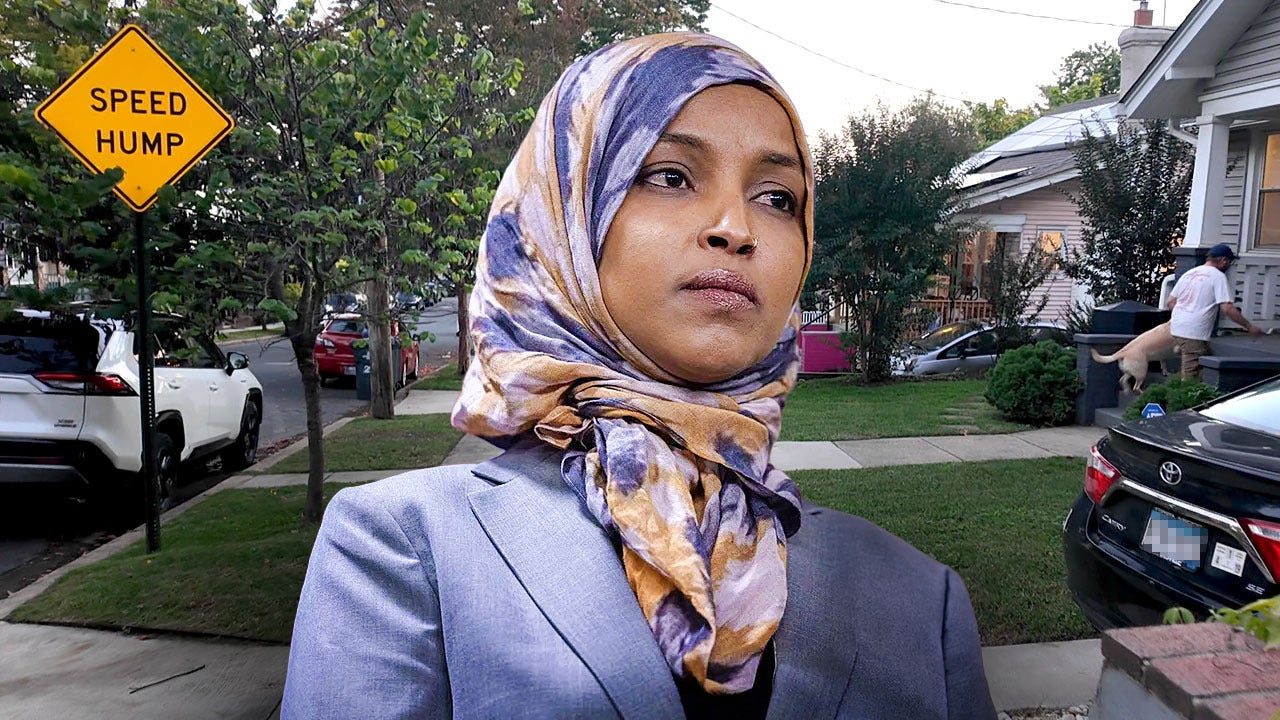
A federal grand jury in Minnesota is hearing evidence in the investigation into Rep. Ilhan Omar, D-Minn., sources told Fox News.
Federal prosecutors described the case in newly unsealed court records as a «pre-indictment investigation.» It remains unclear what evidence the panel has heard or whether it will return charges.
There are at least two active investigations underway, according to sources: One into allegations of immigration fraud and another into Omar’s finances.
ILHAN OMAR APPEARS CLUELESS ON BASIS FOR FEDERAL PROBES: ‘YOU PROBABLY HAVE MORE DETAILS ON THAT’
Omar has repeatedly denied wrongdoing to Digital in connection with the investigations, but the investigations remain ongoing, and no official charges have been filed to date. The immigration investigation reportedly originated under then-President Barack Obama, while former President Joe Biden’s administration opened the investigation into her finances.
In a detail sources say is relevant to the immigration probe, court records use three versions of Omar’s name. Investigators are examining whether she used a false name or birthdate to obtain U.S. citizenship.
FEDERAL AGENTS SEIZE PHONE OF REP ILHAN OMAR IN RAID TIED TO IMMIGRATION FRAUD PROBE
The Justice Department’s Oct. 7 brief identifies her as Ilhan Nur Said Elmi, also known as Ilhan Abdullahi Omar. Both names appear together twice in the unredacted portions of the recently released documents.
Separately, the warrant return filed by agents stated that a copy of the search warrant was left with Ilhan Nur Said Elmi Mohamed. The records do not explain the differences.
The partial unsealing of materials related to the search of Omar’s Washington, D.C., residence stems from an order by Chief Judge James E. Boasberg of the U.S. District Court for the District of Columbia after news organizations sought access. The government had initially secured the sealing of the warrant and related documents in October, arguing that disclosure could lead to subjects fleeing, destruction of evidence or witness intimidation. A magistrate judge agreed there were reasonable grounds for those concerns.
FEDERAL AGENTS RAID ILHAN OMAR’S DC HOME AMID IMMIGRATION FRAUD INVESTIGATION
Prosecutors described the matter as seeking evidence of violations occurring between 1980 and the present. That timeframe extends well before Omar entered Congress and aligns with public reporting on her arrival in the United States in the mid-1990s, sources and court filings indicate.
Omar claims she was born Oct. 4, 1982, in Mogadishu, Somalia. That birthdate allowed her to obtain derivative citizenship through her father’s naturalization, because she was still a minor. Omar has said her father naturalized in 2000.
ILHAN OMAR’S TURBULENT WEEK EXPLAINED: THE DUELING PROBES THAT THREW THE SOMALI-BORN PROGRESSIVE INTO CHAOS
A 1981 birth year would have made her 18 by then, while a 1982 birth year would have made her 17.
This 1982 birthdate is now listed in her official congressional biography, the Biographical Directory of the U.S. Congress, House History, Art & Archives, and major reference sources.
Before May 2019, numerous sources — including the Minnesota Legislative Reference Library, Wikipedia, the BBC and other media profiles — listed her birthdate as Oct. 4, 1981.
In May 2019, after she entered Congress, Omar’s staff contacted the Minnesota Legislative Reference Library and other outlets to correct the year to 1982, stating the earlier date was inaccurate, describing it as a correction of an error rather than an intentional alteration.
OBAMA-APPOINTED JUDGE PAVES WAY TO UNSEAL ILHAN OMAR SEARCH WARRANT IN BLOW TO TRUMP’S DOJ
Originally nominated by Obama, Boasberg’s release of redacted documents into the ongoing investigation has come under fire.
A central dispute in the unsealed materials involves the Speech or Debate Clause and how the search of Omar’s home was conducted. The magistrate judge required safeguards, allowing Omar at the outset of the search to identify and assert privilege over protected legislative materials before agents reviewed them.
ILHAN OMAR RECORDS SHOW JUDGE, DOJ OFFICIALS DEBATING BEFORE RAID OF HOME
The Justice Department agreed to that protocol but later pushed back, arguing that the court had applied a different standard in another recent search warrant approved by the same judge involving an unnamed individual who appears similarly situated. In that case, according to DOJ filings, agents searched the person’s devices and two D.C. residences without requiring comparable additional steps.
Prosecutors also contended that releasing the judge’s account of the dispute while the underlying records remained sealed would present an incomplete picture, since the government is restricted from discussing what it has uncovered.
In an interview with the Rundown podcast that aired Friday, Rep. Tom Emmer, R-Minn., said where there’s «smoke» then «there may be fire,» particularly if you read between the redacted lines.
«The Biden administration started this investigation; the fact that a judge appointed by Barack Obama literally scrutinized the reasons that law enforcement was saying we need to have a look at what is on her phone, what is in her residence,» Emmer said. «You can’t just say, I wanna go search their house. You have to say we have probable cause to believe that a crime has been committed and this is the substance of what we believe and what we think we may find.
«And a judge has to scrutinize that and say, ‘Well, oh, okay, I agree in this case. There is enough here. There’s enough smoke here that there may be fire. And you have the court’s permission to do the investigation that you need to do.’»
congress, fox news investigates, immigration, minnesota fraud exposed, democrats
INTERNACIONAL
¿Qué factores se relacionan con el consumo de sustancias en personas jóvenes de Costa Rica?

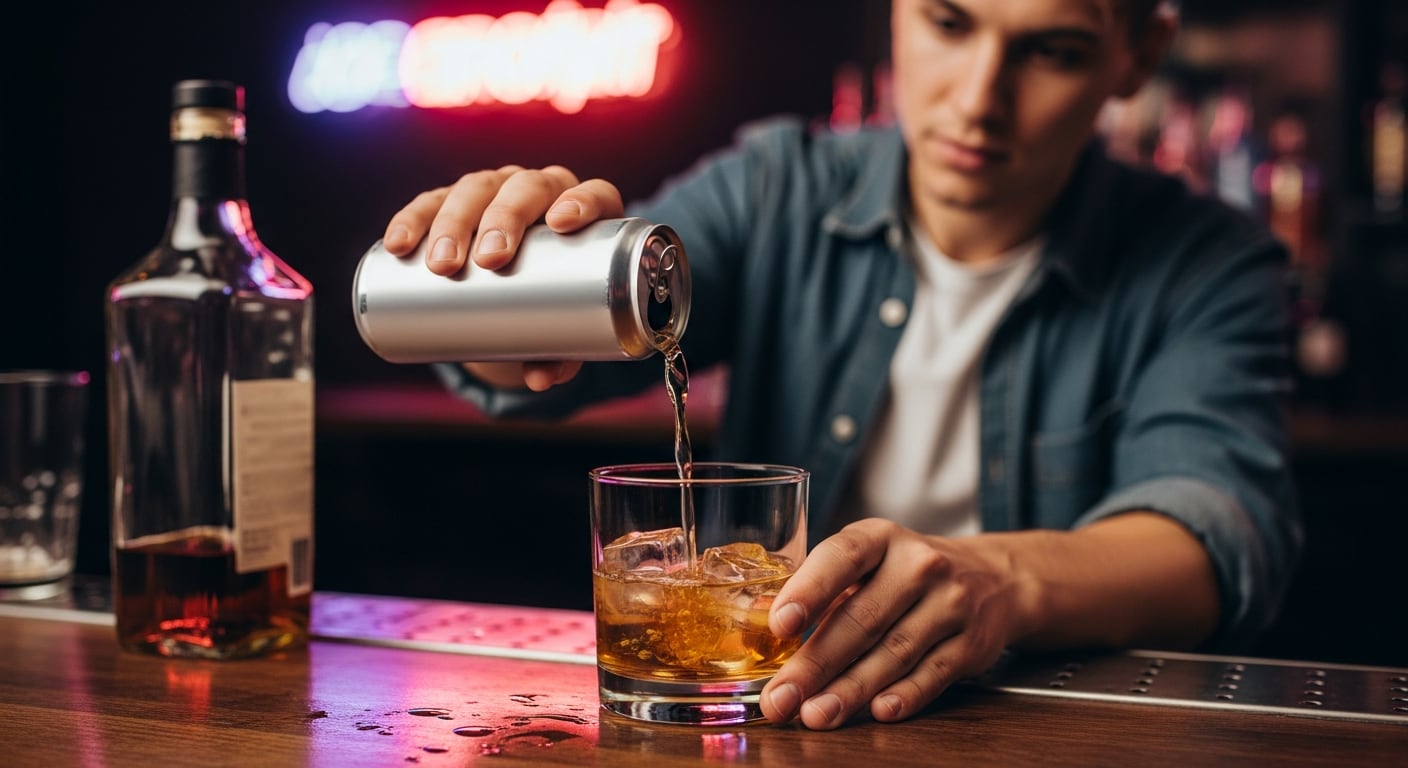
El perfil “Socializador Impulsivo” describe experiencias de consumo frecuente de alcohol entre personas adultas jóvenes que lo vinculan con fiestas, bares, reuniones y encuentros con amistades.
Según la investigación del Instituto sobre Alcoholismo y Farmacodependencia (IAFA), este patrón apareció principalmente entre hombres de 20 a 33 años, con estudios secundarios completos o en curso, empleos informales o inestables y condiciones socioeconómicas medias o medio-bajas.
En los relatos, el alcohol se asocia con la relajación, la desinhibición, la conversación y la integración a un grupo. El consumo puede concentrarse durante los fines de semana, aunque algunas personas indicaron que beben varias veces por semana.
El informe señala que algunas personas consideran que mantienen el control mientras conservan sus responsabilidades. Expresiones como “yo sé cuándo parar” o “yo lo manejo” pueden reducir la percepción de posibles efectos sobre la salud, el trabajo, los estudios o los vínculos personales.
El cannabis aparece en rutinas privadas ligadas al descanso
El segundo perfil, denominado “Solitario Funcional”, se relaciona con el consumo frecuente de cannabis. Incluye principalmente a hombres de 25 a 35 años, aunque también contempla a mujeres jóvenes.
En varios casos, las personas mantenían estudios superiores completos o en curso y cierta estabilidad laboral o académica. El uso suele describirse como individual, privado y organizado dentro de una rutina.
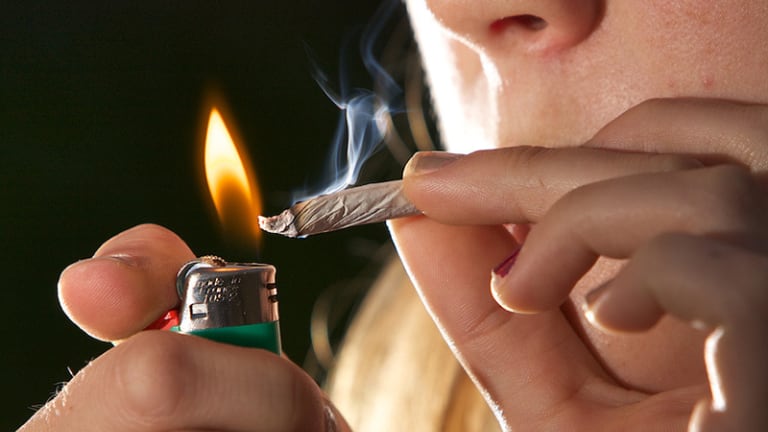
El cannabis puede consumirse en el hogar, al finalizar la jornada o durante momentos de descanso. Las personas participantes lo asociaron con dormir, reducir la ansiedad, manejar el estrés o desconectarse de preocupaciones.
El estudio plantea que la percepción del cannabis como una sustancia natural, terapéutica o de bajo riesgo puede disminuir la preocupación frente a un uso reiterado. Esa idea puede coexistir con una dependencia emocional, cuando la persona siente que necesita consumir para relajarse, descansar o cumplir con su rutina.
Entre los riesgos mencionados aparecen el aislamiento, una menor motivación y la reducción de redes sociales significativas. El documento recomienda apoyo psicológico confidencial y centrado en el bienestar emocional.
Otras sustancias se relacionan con la experimentación y el escape
El tercer arquetipo, llamado “Buscador de Escape”, agrupa experiencias vinculadas con cocaína, éxtasis, LSD, ketamina, hongos, poppers y pastillas sintéticas.
Este perfil incluye a hombres y mujeres de 25 a 39 años. Algunos relatos mencionaron inestabilidad laboral, conflictos familiares, vínculos afectivos deteriorados o sentimientos de soledad.
La curiosidad, la experimentación, la búsqueda de sensaciones intensas y el deseo de aliviar temporalmente la ansiedad, el vacío, la tristeza o la frustración figuran entre las motivaciones recogidas.
El consumo de estas sustancias se situó en fiestas electrónicas, conciertos, bares y reuniones privadas. También se registraron combinaciones de alcohol con pastillas, cannabis con LSD y cocaína con alcohol.
La mezcla de sustancias puede aumentar los riesgos de intoxicaciones, accidentes, reacciones adversas, problemas de salud mental y pérdida de control. El informe añade que la falta de certeza sobre la composición de algunas drogas puede ampliar esas situaciones.

La edad modifica las circunstancias vinculadas al consumo
Entre las personas de 20 a 26 años, el estudio identificó con mayor frecuencia la curiosidad, la búsqueda de identidad, la influencia de amistades y la necesidad de aceptación.
En este grupo, la percepción de invulnerabilidad y las dificultades para regular emociones pueden limitar el reconocimiento de consecuencias. También aparecen el estrés académico, laboral o familiar.
Para quienes tienen de 27 a 33 años, los relatos dan mayor peso a las exigencias laborales, la presión económica y la acumulación de responsabilidades. El consumo puede incorporarse a las rutinas, incluso cuando la persona reconoce algunas consecuencias negativas.
En el rango de 34 a 39 años, la investigación describe hábitos que pueden estar más establecidos. Las experiencias incluyen desánimo, aislamiento, tensiones familiares y dificultades para sostener cambios.
¿Cómo pueden influir las relaciones familiares y las redes sociales en el consumo?
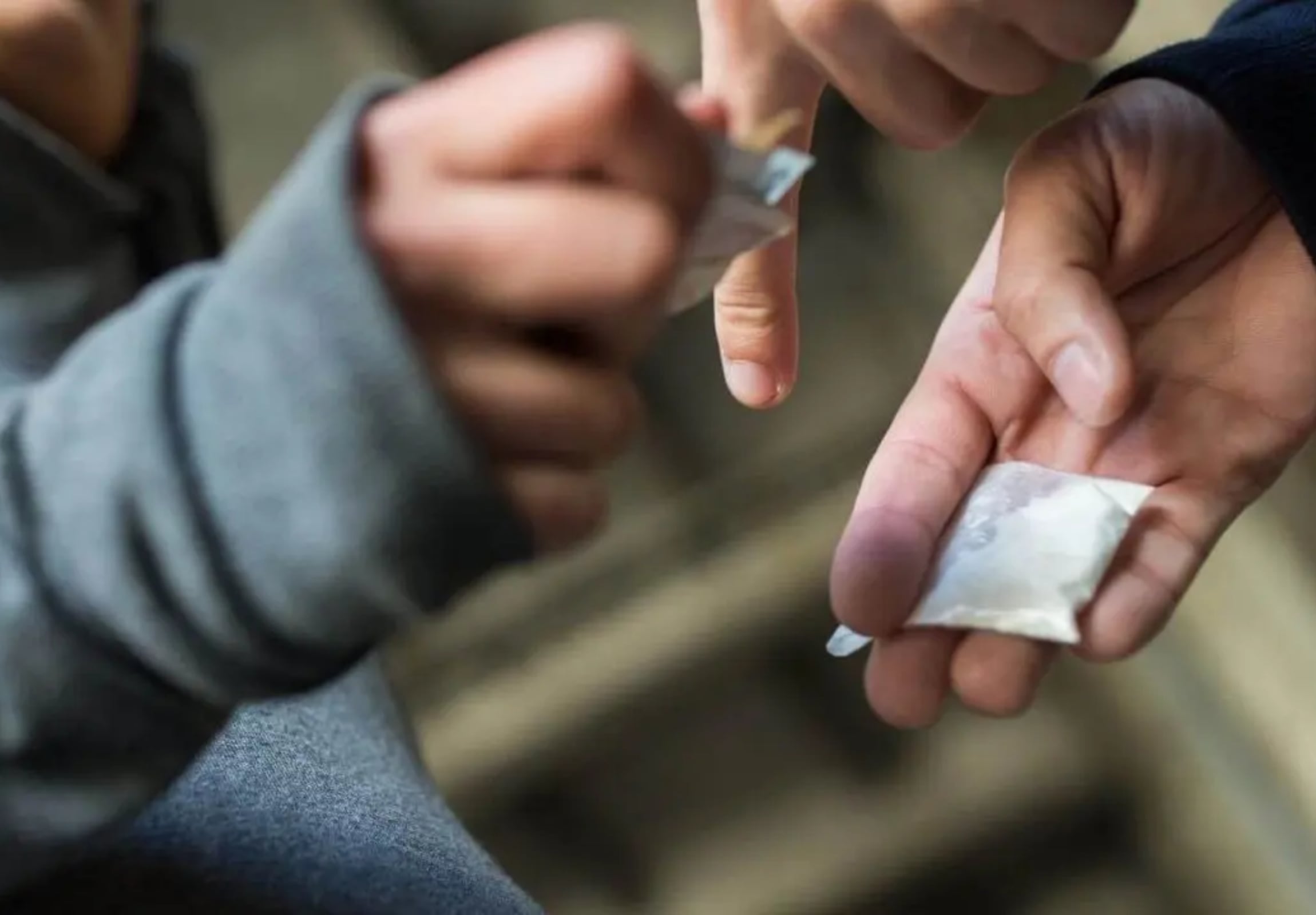
El informe identifica los conflictos familiares, la falta de comunicación, la violencia, la negligencia y la ausencia de apoyo emocional como factores que pueden aumentar la vulnerabilidad. El consumo dentro del hogar y la supervisión limitada también forman parte de los elementos considerados.
En sentido contrario, las normas claras, el acompañamiento afectivo y la comunicación abierta se describen como factores protectores. Las relaciones de pareja, amistad o familia basadas en el respeto y la confianza también pueden facilitar cambios.
El grupo de amistades puede elevar el riesgo cuando normaliza el consumo o lo presenta como una condición para pertenecer. Una red que respeta límites personales y promueve actividades alejadas del uso de sustancias puede funcionar como apoyo.
En los hombres, el consumo aparece ligado a expectativas de resistencia y fortaleza en espacios laborales, deportivos o de amistad. En las mujeres, los relatos mencionan con mayor frecuencia ansiedad, tristeza, sobrecarga de responsabilidades y experiencias de violencia de pareja.
El acceso a salud mental y alternativas comunitarias forma parte de las recomendaciones
La precariedad laboral, el desempleo y la falta de oportunidades educativas, culturales, deportivas o recreativas figuran entre las condiciones sociales analizadas. Estas circunstancias pueden aumentar el estrés y limitar alternativas durante el tiempo libre.
Las zonas rurales y alejadas pueden enfrentar mayores barreras para acceder a atención en salud mental y servicios especializados. Las distancias, la falta de profesionales, la escasez de programas y el temor al estigma pueden afectar la continuidad de los tratamientos.
El IAFA propone estrategias de prevención que incluyan herramientas para regular emociones, tomar decisiones y afrontar problemas. También recomienda ampliar los servicios psicológicos y desarrollar campañas que comuniquen riesgos sin criminalizar ni avergonzar a las personas consumidoras.
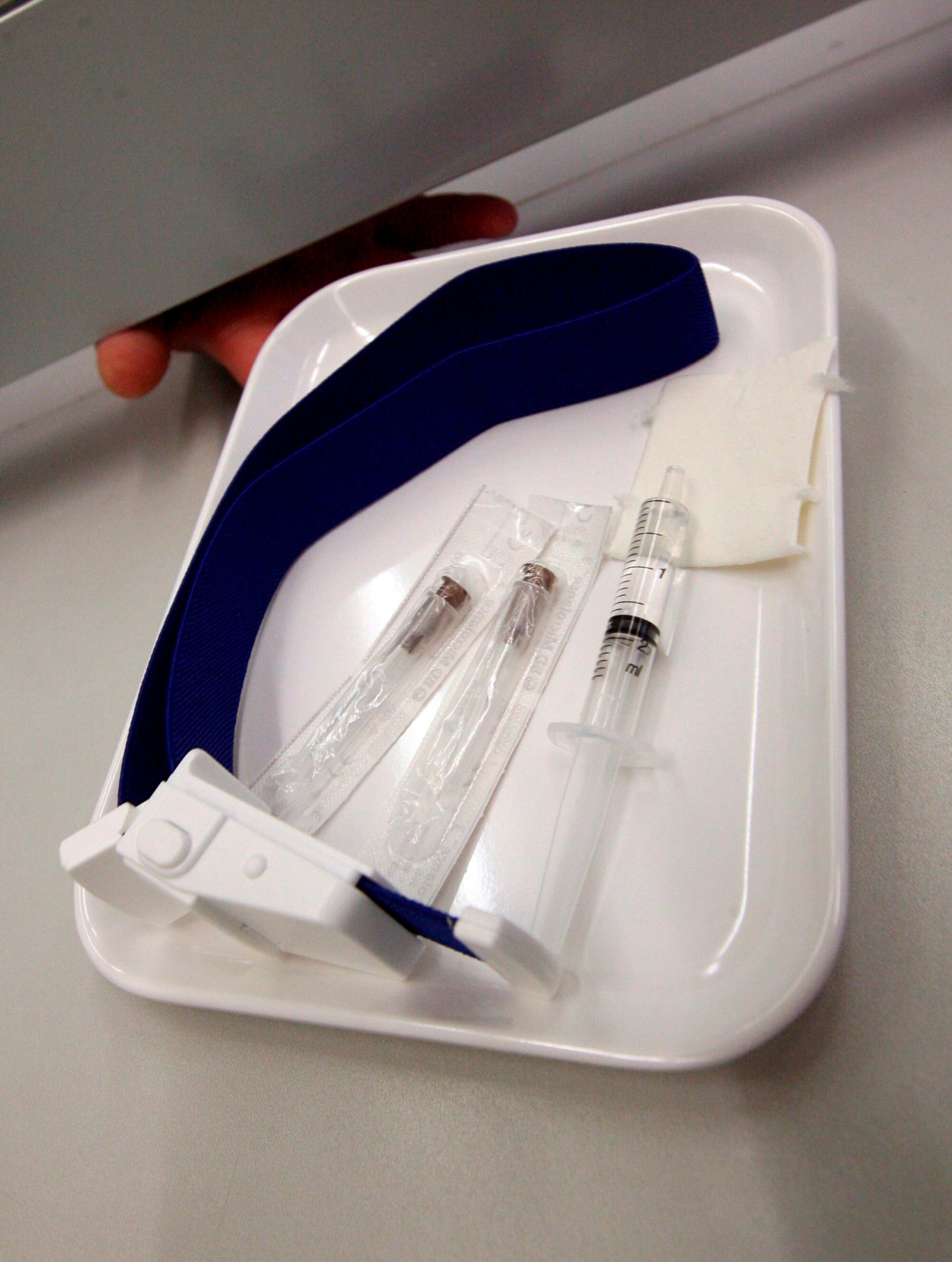
Para quienes tienen dificultades para abandonar el consumo de inmediato, el documento menciona enfoques de reducción de daños. Estas medidas buscan ofrecer información, acompañamiento profesional y recursos para disminuir riesgos.
El estudio analizó experiencias de 216 personas en Costa Rica
La investigación fue desarrollada por el IAFA durante 2025 y examinó factores psicosociales asociados al consumo de sustancias psicoactivas entre personas de 20 a 39 años.
El trabajo tuvo un enfoque cualitativo y exploratorio. Su propósito fue conocer experiencias, motivaciones y percepciones, no estimar la magnitud del consumo en el conjunto de la población costarricense.
La muestra reunió a 216 personas en 36 grupos focales realizados en las regiones Central, Chorotega, Pacífico Central, Brunca, Huetar Atlántica y Huetar Norte.
La participación incluyó hombres y mujeres de tres grupos de edad. Todas las personas debían haber consumido al menos tres sustancias psicoactivas en algún momento de su vida.
alcohol,bebida energética,mezcla,riesgo,salud,noche,cóctel,joven,bar,consumo

La sinceridad de Nico Paz sobre cómo convive con las comparaciones con Lionel Messi: «Cuando juego me olvido de las cosas de afuera, sólo intento disfrutar» :: Olé

La Justicia endureció las condiciones que Chiqui Tapia debe cumplir para salir del país

La Cámara Federal reabrió una causa contra dos hermanos del ministro Caputo por el financiamiento de un violento grupo antikirchnerista

El próximo exclusivo de PS5 en consolas es del padre de Left 4 Dead, y pronto podrás probarlo gratis si tienes suerte

Marcelo Tinelli contó por qué blanquearon la relación con Ágata Lescano y reveló la broma que le hicieron sus hijas

Se confirmó la sede, hora y fecha de la final de la Copa Argentina entre Boca Juniors y Platense: cuántos millones recibirá el campeón

Financial Times duda de la economía argentina: riesgo país, financiamiento e imagen Milei

El economista Luis Secco cuestionó el programa económico de Milei: “Estamos estancados desde fines del primer trimestre de 2025″

Agustín “Rada” Aristarán se despide de Chanta: “Con esta obra dejé de ser un impostor”

NYC college put on notice after Jewish campus group shunned by student government: ‘rude awakening’

 ECONOMIA3 días ago
Financial Times duda de la economía argentina: riesgo país, financiamiento e imagen Milei
- ECONOMIA18 horas ago
El economista Luis Secco cuestionó el programa económico de Milei: “Estamos estancados desde fines del primer trimestre de 2025″
- POLITICA4 horas ago
“Estoy preparada para ser presidenta”: fuerte desafío de Patricia Bullrich a Javier Milei