INTERNACIONAL
Los diminutos insectos en Panamá cuyas hembras “suenan” como ballenas


En los bosques tropicales de Panamá viven insectos de menos de un centímetro que mantienen conversaciones sorprendentemente complejas sin emitir sonidos como los percibimos los humanos.
Son los membrácidos, pequeños animales reconocibles por una llamativa estructura semejante a un casco sobre su cuerpo, pero capaces de pasar inadvertidos entre tallos y hojas pese a su peculiar apariencia.
Su secreto está en las plantas. Según una investigación divulgada por el Instituto Smithsonian de Investigaciones Tropicales (STRI), los membrácidos se comunican mediante vibraciones que transmiten por los tallos.
Sujetan sus patas a la planta y sacuden o hacen rebotar rápidamente el abdomen, generando señales que viajan por el tejido vegetal hasta ser detectadas por otros individuos a través de sus patas.
Para una persona que observa la escena, aparentemente no está ocurriendo nada, porque los humanos no pueden escuchar ni sentir directamente esas señales. Pero cuando los científicos registran las vibraciones y las convierten en sonidos audibles, aparece una comunicación inesperadamente elaborada.

Algunas señales cambian de tono, incorporan pulsos y pueden prolongarse durante el intercambio entre dos ejemplares.
La investigadora postdoctoral de NOMIS-STRI Judith AH Smit estudia precisamente ese lenguaje oculto. Al escuchar las grabaciones obtenidas durante sus experimentos, encontró una comparación difícil de imaginar para animales tan pequeños: las señales producidas por las hembras pueden recordar al canto de las ballenas, con respuestas prolongadas cuyo tono disminuye gradualmente.
Los membrácidos, conocidos en inglés como treehoppers, pertenecen a un grupo extraordinariamente diverso, con más de 3,000 especies conocidas alrededor del mundo.
Panamá ofrece un escenario privilegiado para investigarlos: existen alrededor de 300 especies descritas en el país, y Guayaquila gracilicornis, utilizada por Smit en sus estudios, resulta particularmente abundante en Gamboa.
Una de sus características más reconocibles es el pronoto desarrollado que forma estructuras parecidas a cascos, espinas o extensiones sobre el cuerpo. A pesar de ese aspecto extravagante, su reducido tamaño facilita que permanezcan escondidos.

Para Smit, encontrarlos resulta relativamente sencillo una vez que se aprende dónde y cómo buscarlos entre la vegetación tropical.
Pero la parte más fascinante aparece cuando buscan pareja. El cortejo funciona como un auténtico dúo entre macho y hembra, en el que cada uno produce su propia señal vibratoria. Smit lo compara con el conocido juego infantil de “Marco Polo”: uno llama, el otro responde y ese intercambio proporciona información que permite localizar al compañero sobre la planta.
El macho de Guayaquila gracilicornis produce una vibración compleja que puede pasar de tonos bajos a altos e incorporar pulsos, mientras una hembra receptiva responde con otra señal. A medida que intercambian mensajes, ambos pueden modificar su comportamiento durante la búsqueda, hasta reducir la distancia que los separa y finalmente encontrarse sobre el tallo.
Este comportamiento también cuestiona una visión tradicional de la comunicación animal centrada principalmente en machos que cantan, bailan o realizan exhibiciones para atraer pareja.
Las observaciones del Smithsonian muestran que las hembras de estos membrácidos desempeñan un papel activo, responden a las llamadas y pueden influir en la manera en que el macho se comporta durante el cortejo.
Durante el cortejo, el macho de Guayaquila gracilicornis produce una compleja señal vibratoria con cambios de tono y pulsos, mientras espera la respuesta de una hembra receptiva.

Para descubrir cómo funciona esa conversación, Smit trabajó junto con Maria Paz Rueda Rodríguez y Omar Morosse, quienes recolectaron ejemplares y sus plantas hospedantes para estudiarlos en los laboratorios del STRI en Gamboa.
Allí, machos y hembras preparados para aparearse fueron colocados juntos en recintos instalados en ambientes tranquilos para registrar sus interacciones.
Captar algo que una persona no puede percibir exige instrumentos especialmente sensibles. Los investigadores utilizaron acelerómetros capaces de amplificar las vibraciones y un vibrómetro láser Doppler, que mide el tiempo empleado por un rayo láser para viajar hasta la planta y regresar.
Así pueden detectar movimientos diminutos y transformar esas señales físicas en sonidos que los científicos sí pueden escuchar y analizar.
El equipo fue todavía más lejos y reprodujo artificialmente las “conversaciones” para observar cómo reaccionaban los insectos. Mediante un dispositivo similar al mecanismo que hace vibrar un teléfono celular, transmitieron señales por las plantas.
Los investigadores pudieron alargarlas, modificar su tono y cambiar determinadas características, comprobando después si los membrácidos respondían o alteraban su comportamiento.

El experimento busca responder una pregunta mayor: hasta qué punto estos pequeños animales pueden modificar su comunicación dependiendo de quién está al otro lado.
Comprender esa flexibilidad permitiría conocer mejor cómo seleccionan pareja y cómo ajustan su comportamiento durante las interacciones sociales, un terreno mucho menos estudiado que la comunicación mediante sonidos.
Las vibraciones, además, no constituyen una rareza exclusiva de los membrácidos. Otros animales utilizan movimientos transmitidos por superficies para comunicarse; investigadores del STRI han estudiado, por ejemplo, arañas lobo cuyos machos vibran el abdomen y golpean sus patas durante el cortejo, mostrando que existe todo un universo de señales fuera del rango sensorial humano.
El trabajo también abre interrogantes sobre cómo estas formas de comunicación responden a un ambiente transformado por las actividades humanas.
Smit está interesada en conocer qué ocurre ante factores como contaminación lumínica, ruido o calentamiento global y si los animales pueden modificar sus señales y conductas para adaptarse a condiciones diferentes de aquellas en las que evolucionaron.
Para la investigadora, estudiar animales tan pequeños obliga finalmente a salir de la “burbuja sensorial” desde la que los humanos interpretamos la naturaleza. Mientras prepara junto con sus estudiantes la publicación de los resultados, los membrácidos de Panamá revelan un mundo de duetos, llamadas y respuestas que siempre estuvo allí, viajando silenciosamente por los tallos sin que pudiéramos escucharlo.
corresponsal:Desde Panamá











INTERNACIONAL
Former Israeli PM emerges as wild card in high-stakes election with Middle East’s future at stake
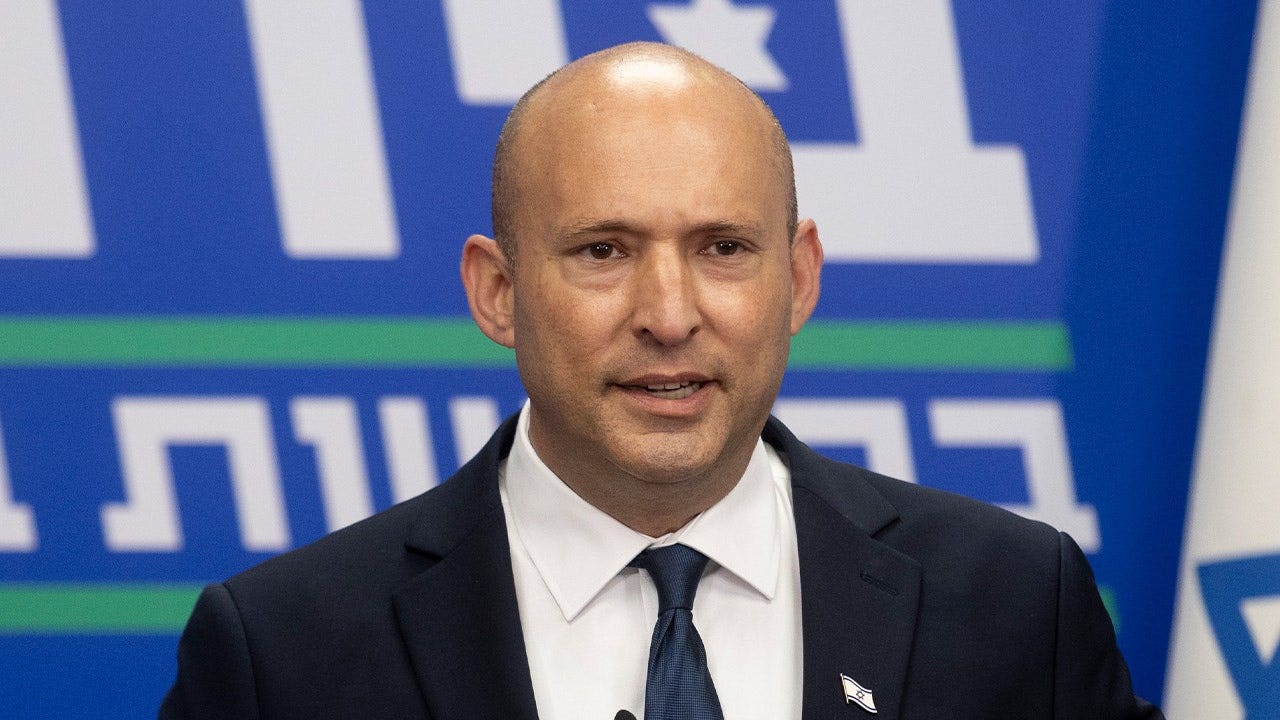
Former Israeli PM Naftali Bennett thanks Saudi authorities
A mid-air pilot stabbing causes a flight to Israel to nosedive before passengers intervene. Former Israeli Prime Minister Naftali Bennett joins Harris Faulkner to analyze the investigation. Witnesses recount the terrifying moment the co-pilot attacked the pilot, attempting to crash the plane before being neutralized by travelers.
NEWYou can now listen to Fox News articles!
Former Israeli Prime Minister Naftali Bennett is seeking a political comeback with an ambitious vision for the Middle East: expanding the Abraham Accords, building economic partnerships with Arab nations and rebuilding Israel’s strained international relationships, particularly with the United States.
For Bennett, whose American parents moved to Israel from San Francisco, the U.S. connection is both personal and political. The 54-year-old former technology entrepreneur, a familiar face on American television, believes his business background could help him work with President Donald Trump to advance regional diplomacy.
«He was a businessman, not a career politician, same as me,» Bennett told The Times of Israel in June, referring to Trump. «His worldview is, let’s get stuff done. Let’s look at results, not process. And that’s precisely my view.»
TRUMP CALLS ON ARAB NATIONS TO SIGN ABRAHAM ACCORDS
Naftali Bennett, former prime minister and head of newly merged Together party, speaks at a press conference at the Israeli parliament on May 20, 2026, in Jerusalem. (Amir Levy/Getty Images)
Bennett said he would aggressively pursue regional agreements through economic cooperation, seeking to build on the U.S.-brokered Abraham Accords. But while his ambitions overlap with Trump’s regional agenda, the president endorsed Prime Minister Benjamin Netanyahu for re-election on Oct. 18.
Bennett also faces an unusual political challenge at home. His joint Beyachad, or Together, party with former Prime Minister Yair Lapid is polling behind both Netanyahu’s Likud and former military chief Gadi Eisenkot’s Yashar party.
A Channel 12 poll published Oct. 23 projected 23 Knesset seats for Eisenkot, 21 for Netanyahu and 15 for Bennett and Lapid.
Yet Bennett knows better than most Israeli politicians that leading the largest party is not necessary to become prime minister. In 2021, he took office despite his Yamina party winning just seven of the Knesset’s 120 seats, demonstrating the power of coalition negotiations in Israel’s parliamentary system.
FORMER ISRAELI ARMY CHIEF GADI EISENKOT EMERGES AS NETANYAHU’S LEADING ELECTION CHALLENGER

FILE – Israeli Prime Minister Naftali Bennett, right, and Foreign Minister Yair Lapid attend a cabinet meeting at the Prime Minister’s office in Jerusalem, June 19, 2022. Bennett’s office announced Monday, June 20, 2022, that his weakened coalition will be disbanded and the country will head to new elections. Bennett and his main coalition partner, Yair Lapid, decided to present a vote to dissolve parliament in the coming days, Bennett’s office said. Lapid is then to serve as caretaker prime minister. The election, expected in the fall, would be Israel’s fifth in three years. (Abir Sultan/Pool Photo via AP, File)
How a seven-seat leader became prime minister
Born in Haifa to American immigrants, Bennett served in Israel’s elite Sayeret Matkal and Maglan military units before co-founding cybersecurity company Cyota, which was sold for $145 million in 2005.
He entered politics as Netanyahu’s chief of staff, later led the Yesha Council representing West Bank settlements and served as economy, education and defense minister.
A religious Zionist and longtime opponent of Palestinian statehood, Bennett stunned Israel’s political establishment in 2021 when he formed a coalition spanning right-wing, centrist, left-wing and Arab parties, ending Netanyahu’s 12 consecutive years in power.
The coalition collapsed in 2022, leaving many former supporters accusing him of betraying his electoral promises.
WHO IS ITAMAR BEN-GVIR, THE ISRAELI FIREBRAND RISING WITH THE POPULIST RIGHT ACROSS THE GLOBE?

Israeli Prime Minister Benjamin Netanyahu waves from the stage next to his wife Sara during a Jewish New Year greetings event attended by Likud party members in Tel Aviv on Sept. 17, 2026. Israel heads to the polls on Oct. 27 in its first election since the Oct. 7, 2023 Hamas attack, in what is seen as a referendum on the prime minister. (Jack Guez/AFP via Getty Images)
Einat Halevy Levin, a strategic advisor who has known Bennett for years, described a politician who has spent his time outside office preparing for a second opportunity.
«In 2021, he wasn’t prepared. He hadn’t built a governing party; he had built another election campaign,» Halevy Levin told Fox News Digital.
She said she met Bennett at his home in November 2023, following the Oct. 7 Hamas attack, when he had decided to return to politics.
This time, according to Halevy Levin, Bennett spent years building a political organization, carefully screening candidates and developing the infrastructure needed to govern.
«I’ve known him since he was economy minister. He was always daring and full of creative ideas, but was more inclined to stick to his own views,» she said. «He has undergone a transformation.»
IS ISRAEL REALLY ISOLATED? POLLS AND DIPLOMACY POINT IN OPPOSITE DIRECTIONS
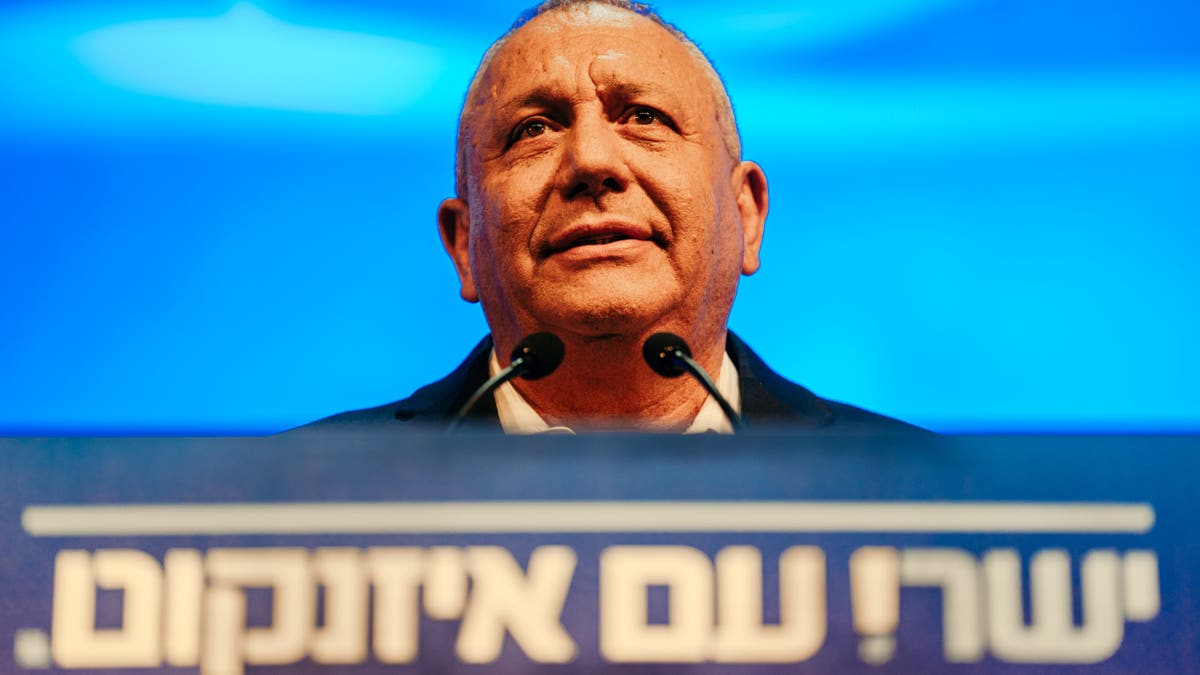
Gadi Eisenkot, leader of the Yashar party, speaks during an event presenting the party’s full candidate list ahead of October’s general election on Sept. 7, 2026 in Rosh HaAyin, Israel. Eisenkot, a retired chief of the Israel Defense Forces, has emerged as the foremost challenger to Prime Minister Benjamin Netanyahu. (Erik Marmor/Getty Images)
A new Middle East vision meets old divisions
Bennett’s regional ambitions reflect an approach to diplomacy shaped by his business experience, according to Halevy Levin.
She recalled attending a meeting with a senior official from a neighboring country who appeared astonished by Bennett’s detailed knowledge of its economy and priorities.
«He wasn’t looking at the country through a military lens,» she said, describing Bennett’s focus on identifying shared economic interests rather than approaching every regional relationship primarily as a security challenge.
In an interview with Israel’s Channel 13 on Sunday, two days before the election, Bennett pointed to his meetings as prime minister with Egyptian President Abdel Fattah el-Sisi, Jordan’s King Abdullah II and UAE President Mohammed bin Zayed as examples of the diplomacy he hopes to revive.
He argued that Israel needs to present a new vision of a Middle Eastern renaissance and identified extremist settler violence in the West Bank as a major source of damage to its international standing.
«We need to eliminate Jewish terrorism in Judea and Samaria, and I say this precisely as a supporter of the settlement movement,» Bennett said. «They do not represent the overwhelming majority of settlers, but right now this is the problem causing us the greatest damage internationally.»
Bennett said he would direct Israel’s senior police, military and intelligence officials to produce a plan within three days to crack down on extremist violence.

Israeli settlers run from an Israeli military vehicle around Palestinian houses in the village of Qusra, south of Nablus, in the occupied West Bank, on Aug. 13, 2026. (Zain Jaafar/AFP via Getty Images)
His foreign policy, however, remains firmly on the Israeli right.
On Iran, Bennett has promoted his «Octopus Doctrine,» advocating direct action against Tehran rather than focusing exclusively on Iranian-backed groups.
«If Hezbollah fires at us, we strike Iran,» he declared at an Aug. 19 policy conference.
On Gaza, Bennett opposes Palestinian statehood and supports maintaining Israeli security control until Hamas is disarmed. He has also proposed excluding Qatar and Turkey from Gaza’s future arrangements while involving Egypt.
TRUMP SAYS NETANYAHU NEEDS TO BE RE-ELECTED, OR ELSE US WILL HAVE TO ‘FINISH THE JOB’ AGAINST IRAN ALONE
Those positions raise questions about how significantly his government would depart from Netanyahu’s policies.
Danny Citrinowicz, a senior researcher at Israel’s Institute for National Security Studies and former head of the Iran branch in Israeli military intelligence, argued that restoring Israel’s diplomatic standing requires more than a change in leadership.

The West Bank, also known as Judea and Samaria, is home to some 500,000 Israelis. (Mahmoud Illean/AP)
«If Bennett thinks he can support annexing E1 (an area east of Jerusalem where planned Israeli settlement construction could further fragment the West Bank), oppose a Palestinian state, continue the occupation of Gaza and simultaneously meet with Sisi and Abdullah and attract investment to Israel, he simply doesn’t understand the depth of the international crisis,» Citrinowicz said.
Citrinowicz argued that without a fundamental change in Israeli policy toward the Palestinians, replacing Netanyahu would not be sufficient to restore the country’s international standing.
His warning comes amid changing American public attitudes toward Israel. A February 2026 Gallup survey found 36% of Americans sympathized more with Israelis, compared with 41% who sympathized more with Palestinians, a statistically insignificant five-point difference but a significant shift from the long-standing pro-Israel advantage.

Election banners with images of Israel’s National Security Minister Itamar Ben-Gvir, leader of Jewish Power (Otzma Yehudit) party, and Prime Minister Benjamin Netanyahu, leader of Likud party, in Sderot, near Israel’s border with Gaza, in southern Israel, Oct.18, 2026. (Reuters/Amir Cohen)
A comeback built on lessons from 2021
Beyond foreign policy, Bennett is promising a sweeping domestic overhaul.
In an Oct. 25 manifesto, he pledged to redirect 30 billion shekels in government benefits toward families who work and serve in the military, reduce food prices by 30%, establish a state commission of inquiry into Oct. 7 and introduce an eight-year term limit for prime ministers.
His alliance with Lapid gives him an established political organization, but he faces competition from Eisenkot and continuing attacks from Netanyahu, who has warned that a future opposition coalition could depend on left-wing and Arab parties.
With Israel’s fragmented parliamentary system requiring at least 61 seats to govern, coalition negotiations could prove as consequential as the election results themselves.
Bennett has already demonstrated that political reality once.

President Donald Trump shakes hands with Israeli opposition leader Yair Lapid at the Knesset, Israel’s parliament, on Oct. 13, 2025, in Jerusalem. (Evelyn Hockstein/Pool/Getty Images)
Now, four years after his first government collapsed, he is seeking to convince Israelis that the unconventional politician who became prime minister with seven seats has returned better prepared — and with a vision that could reshape Israel’s place in the Middle East.
world elections, israel, politics, world, donald trump, iran
INTERNACIONAL
Major school district’s pledge with teachers’ union sparks racial discrimination complaint

FIRST ON FOX: One of Colorado’s largest school districts is facing a new federal civil rights complaint over a pledge it made with its teachers’ union to recruit, retain and advance educators of color.
Defending Education filed a federal civil rights complaint Monday, which was first obtained by Digital, with the U.S. Department of Education alleging that CCSD is discriminating on the basis of race in employment. CCSD is notably Colorado’s fourth-largest school district, and serves 52,000 students and more than 300,000 residents in the southeast Denver metropolitan area, according to the district’s website.
At the heart of the complaint is the district’s June 2023 «Educators of Color Declaration,» which commits Cherry Creek School District and its teacher’s union to recruiting, retaining and advancing educators of color, even as a separate provision in the same agreement calls for recruitment, hiring and advancement to be based on qualifications without regard to race.
«Cherry Creek Schools has written racial preferences directly into its teachers’ contract. The district’s ‘Educators of Color Declaration’ commits it to recruiting, retaining, and promoting teachers based on the color of their skin — which means other equally qualified teachers are passed over for the same reason,» Sarah Parshall Perry, Vice President and Senior Legal Fellow at Defending Education, told Digital.
«That’s not diversity; it’s discrimination, and it is precisely what Title VI and the Fourteenth Amendment forbid. The Supreme Court could not have been clearer in Students for Fair Admissions: the law is colorblind, and a school district cannot cure a race-based hiring policy with generic ‘equal opportunity’ language.»
Title VI prohibits race discrimination in federally funded programs under specified conditions, while Title VII more directly governs employment discrimination, leaving the legality of Cherry Creek’s teacher recruitment and advancement commitments dependent on how those policies are implemented.
OBAMA-APPOINTED JUDGE CLEARS WAY FOR WHITE EMPLOYEE TO CHALLENGE SEATTLE’S DEI POLICIES
The «Educators of Color Declaration» also commits the district and its teachers’ union to intentionally recruiting highly qualified educators of color while making a concerted effort to retain those already employed by the district and help them advance into leadership positions, according to the district’s negotiated agreement.
JUSTICE DEPARTMENT LAUNCHES TITLE VI INVESTIGATION INTO DEI PROGRAMS AT ARIZONA STATE UNIVERSITY
Additionally, the policy says that «to fulfill these goals, all policies in this agreement shall reflect Cherry Creek School District core values by grounding the work of negotiations in diversity, equity, and inclusion (DEI),» according to the school district’s 2026-2027 Negotiated Agreement.
FLORIDA STATE UNIVERSITY HIT WITH FEDERAL CIVIL RIGHTS INVESTIGATION OVER RACE, SEX-BASED SCHOLARSHIP PROGRAMS
«Cherry Creek is under no obligation to accept federal funding, but because it has, it cannot run a racial balancing scheme for its own workforce and still adhere to federal law,» Perry continued. «We are asking the Office for Civil Rights to open an investigation and put an end to it.»
Defending Education’s latest complaint comes after the Department of Education announced a separate investigation on June 8, into allegations that Cherry Creek School District sponsored racially discriminatory programs involving students, teachers and parents.
«These allegations of racially discriminatory conduct in this District seem to permeate almost every aspect of the school community, affecting students, teachers, and parents alike,» Assistant Secretary for Civil Rights Kimberly Richey said in a statement at the time. «Federal law prohibits racial discrimination, which means that race cannot be a factor in how the school educates its students or trains its teachers.»
The Trump administration has been cracking down on DEI efforts across the nation’s education system, including proposing new regulations in September that would revoke the tax-exempt status of private schools and colleges that consider race in admissions, scholarships or other school-administered programs.
CCSD did not immediately respond to request for comment on Monday.
When reached for comment, a Department of Education spokesperson told Digital that «the Department does not confirm complaints.»
politics, dei, dept of education, education, state and local, colorado
INTERNACIONAL
Más de 23.600 objetos fueron retirados de los géiseres de Yellowstone en un año récord de basura: desde patitos de goma hasta AirPods

Cada temporada, el equipo de geología del Parque Nacional Yellowstone se adentra en géiseres, aguas termales, fumarolas y pozos de lodo para retirar todo aquello que no pertenece al sistema de fuentes termales más grande del planeta.
En 2026, lo que encontraron superó cualquier registro previo: retenedores dentales, monedas de cinco países, una copia diminuta de The Vampire Diaries y hasta un juguete de McDonald’s de 2010 terminaron incrustados en formaciones que tardaron miles de años en desarrollarse.
Los números del informe publicado por el Observatorio Volcánico de Yellowstone (OVY) dimensionan el problema. Hacia mediados de septiembre de 2025, el equipo había extraído unas 13.000 piezas de basura, 4.000 rocas y palos y 300 gorras, de acuerdo con Outside. Un año después, con la temporada 2026 todavía en curso, esas cifras ya se habían disparado un 50 %.
La técnica en ciencias físicas Margery Price, autora del informe, matizó que el récord podría obedecer, al menos en parte, a métodos de recolección más eficientes, según indicó a National Geographic.

Dónde se acumula la mayor cantidad de residuos
La explicación detrás de estas cifras tiene un correlato directo con el volumen de visitantes. Yellowstone recibe más de 4,5 millones de personas por año, según datos del Servicio de Parques Nacionales (NPS) de Estados Unidos.
Las áreas de mayor tráfico, como Old Faithful y la cuenca de Midway Geyser Basin —donde se encuentra la Grand Prismatic Spring—, son las que concentran el grueso de los desechos.
“Cuanto más tránsito peatonal recibe un área, más basura habrá, pero esto es especialmente cierto en las cuencas abiertas de géiseres con pasarelas estrechas”, explicó Price a Outside. “Midway Geyser Basin es, en particular, nuestro mayor recolector de gorras”, completó.
Parte de los desechos —envoltorios de alimentos, folletos y mapas— podría haber llegado a las fuentes termales de forma involuntaria, arrastrada por los fuertes vientos que caracterizan al parque.
“Creemos que la mayoría de esos objetos son accidentales”, afirmó Price a National Geographic.

Qué encontraron y cómo lo retiran
Además de los residuos plásticos y de papel, los técnicos del Programa de Geología de Yellowstone extrajeron aproximadamente 10.700 rocas y palos, 369 gorras, 54 tapas de lentes de cámara, 47 elásticos para el cabello y 17 chupetes, según el informe del OVY.
También se encontraron 20 tarjetas de hotel, 42 lápices, 36 pares de gafas de sol, ocho autos de juguete, cuatro cartas y figuras de Pokémon y seis retenedores Invisalign.
El equipo opera con pértigas extensibles de hasta 4,8 metros (16 pies), coladores, rastrillos manuales y palas, pero no logra recuperar todos los elementos. “Algunas áreas son poco profundas y podemos ver la mayoría de lo que hay en ellas. En otras, simplemente no es posible recuperar lo que está demasiado profundo, en un ángulo complicado o demasiado lejos del borde”, detalló Price a Outside.
“La mayoría de las cosas se hunden con el tiempo, especialmente una vez que se saturan de minerales”, añadió.
El parque también recolectó USD 18 en monedas y billetes de distintas denominaciones —pesos, yenes, euros, dólares canadienses y moneda estadounidense— arrojados al interior de las fuentes termales. El informe del observatorio fue categórico: “Contrariamente a lo que (al parecer) se cree, las aguas termales no son pozos de los deseos”.

El impacto sobre cada formación del parque
Cualquier tipo de material ajeno puede perjudicar una estructura hidrotermal, ya sea al taponar el suministro de agua, contaminar su composición o desviar los canales de desagüe, de acuerdo con el OVY. Incluso elementos naturales como rocas y ramas deben ser extraídos porque interfieren en la red de conductos subterráneos que alimenta cada fuente.
Las monedas representan un caso particular: al depositarse sobre las ventilaciones, dañan las colonias de bacterias y algas que habitan en las piscinas, con efectos que tardan meses o años en revertirse, indicó el informe.
Los microplásticos, por su parte, liberan sustancias químicas al degradarse que alteran a esos mismos organismos, responsables de los tonos vibrantes que distinguen a las fuentes de Yellowstone.

El caso que marcó un antes y un después en el parque
El caso más emblemático de este deterioro es el de Morning Glory Pool, una piscina que debe su nombre a la flor homónima de tonalidad azul.
A lo largo del siglo XX, los visitantes del parque arrojaron basura y objetos diversos en su interior con tal frecuencia que, a partir de la década de 1950, el personal comenzó a referirse a la piscina como “el basurero”, según consta en los registros del observatorio.
Los desechos acumulados enfriaron la temperatura del agua y permitieron la proliferación de bacterias de tonos anaranjados y amarillos, lo que alteró la apariencia azul cristalina que caracterizaba a la fuente, según describió National Geographic.
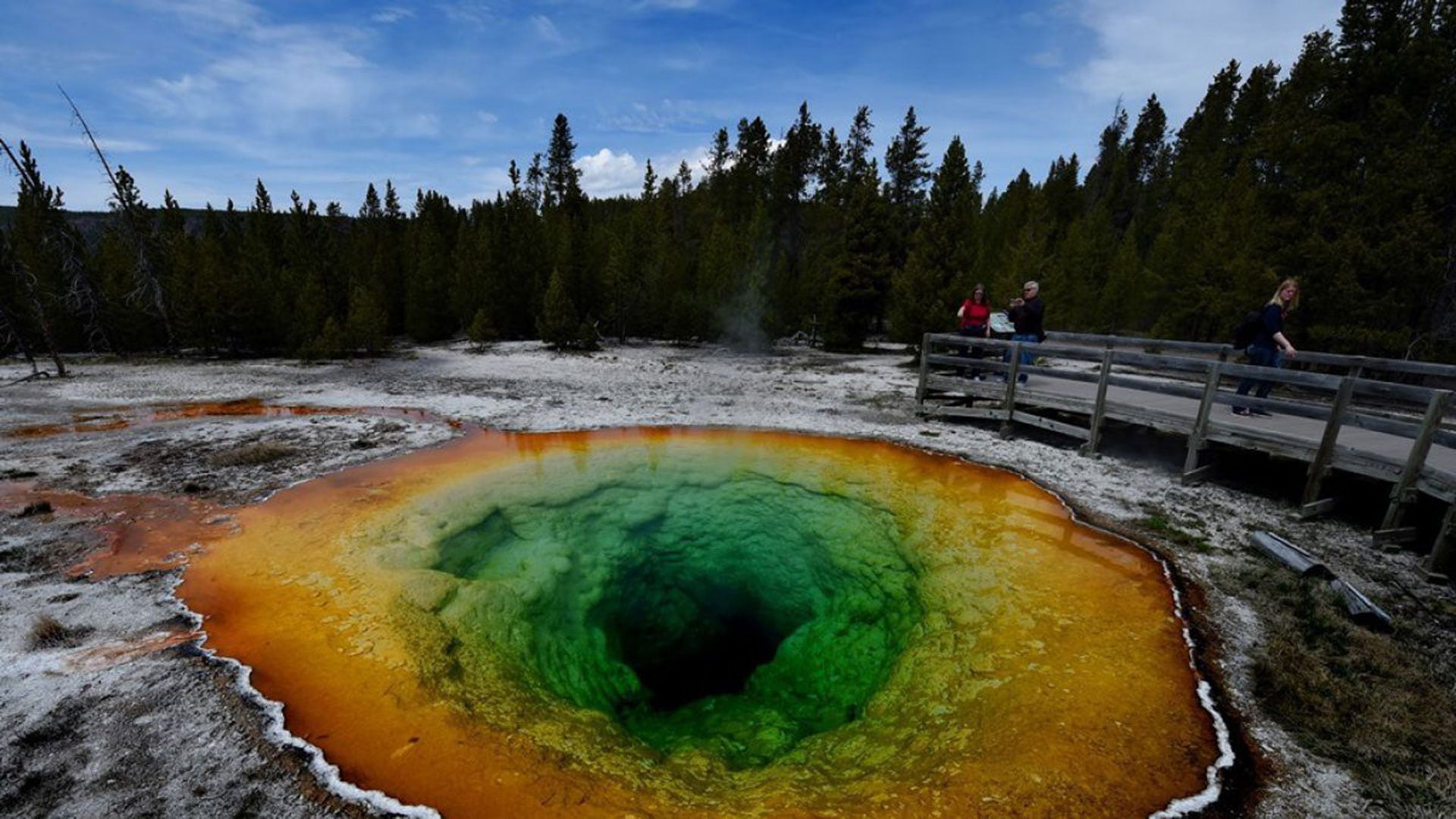
En la década de 1970, los guardaparques tomaron la decisión de drenar parcialmente Morning Glory para extraer los residuos depositados durante años.
El esfuerzo resultó insuficiente. El color azul original de la piscina nunca se recuperó por completo.
Tras la temporada 2026, las gorras que todavía estén en condiciones de uso serán lavadas y donadas a organizaciones locales cercanas al parque, que se extiende por Wyoming (96 %), Montana (3 %) e Idaho (1 %), confirmó el NPS.
Corporate Events,Environment,North America,Yellowstone National Park

Former Israeli PM emerges as wild card in high-stakes election with Middle East’s future at stake

Major school district’s pledge with teachers’ union sparks racial discrimination complaint

Los principales candidatos para sustituir a Carrick

Las claves de la victoria de Lula en Brasil: la estrategia en redes y los errores que debilitaron a Flávio Bolsonaro

Inquietud por la presencia de Milei entre los organizadores de la Cumbre Iberoamericana

Las lágrimas de La Joaqui al descubrir la fiesta sorpresa de Halloween que le organizó Tiago PZK por su cumpleaños

Javier Milei y sus medidas, en vivo: el mandatario dijo que piensa un proyecto a “100 años” para la Argentina

Escándalo con Sancor Salud: Cuotas millonarias por un servicio nefasto que abandona a los pacientes en urgencias

CFK, Axel Kicillof, Sergio Massa y otros referentes del PJ celebraron el triunfo electoral de Lula da Silva

“Cualquier negociación sólo puede ocurrir después de liberar a los presos políticos”: la petición de 140 expresos cubanos al régimen

 SOCIEDAD3 días ago
Escándalo con Sancor Salud: Cuotas millonarias por un servicio nefasto que abandona a los pacientes en urgencias
- POLITICA15 horas ago
CFK, Axel Kicillof, Sergio Massa y otros referentes del PJ celebraron el triunfo electoral de Lula da Silva
- ECONOMIA2 días ago
El riesgo país volvió a superar los 700 puntos y la volatilidad internacional golpeó a los bonos argentinos