INTERNACIONAL
Mamdani praised over move to dismantle controversial NYC industry — but insiders say there’s more to the story

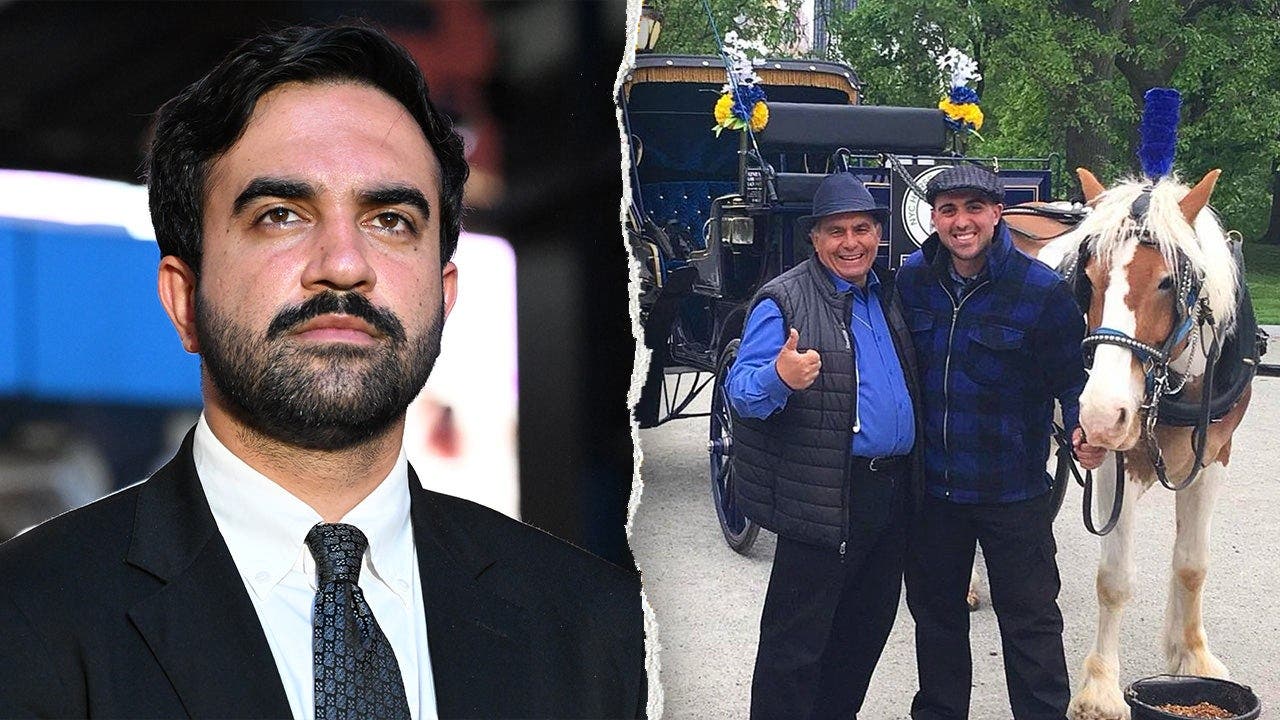
A century-old tradition is on the line in New York City, and horse carriage drivers are speaking out about who will ultimately pay the price if Mayor Zohran Mamdani succeeds in ending the iconic industry.
Mamdani and City Council Speaker Julie Menin announced Tuesday that they had reached a deal to phase out horse-drawn carriages in the Big Apple, with a vote expected next week on a bill that would ban carriage operations beginning in June 2028.
A longtime source of controversy, the horse-drawn carriages lined up at Central Park to take families and tourists for rides are at the center of a public safety debate after 18-year-old Romanch Mahajan was killed from a fall in June. The bill was later renamed «Romanch’s Law.»
Animal rights activists have targeted the industry, accusing carriage drivers of mistreating horses and even heckling some on the streets over concerns about proper care, food and water. Viral videos of horses collapsing and escaping into traffic have prompted calls to terminate the industry for good.
MAN KILLED AFTER HORSE-DRAWN CARRIAGE BOLTS AND FLIPS NEAR POPULAR NEW YORK CITY TOURIST DESTINATION
But Digital spoke to leaders in the industry who pushed back on the criticisms and argued that the New York City tradition is being unfairly maligned, and that livelihoods will be destroyed thanks to Mamdani’s efforts.
«You have pedicabs flying around, so why are they permitted to have a business?» Frank Riccobono, owner and manager of NYC Horse Carriage Rides, told Digital. «And now a 168-year-old tradition, attraction is being forced to surrender, which is very taboo. I want my investment to stay there for the next 20 years, 50 years, 100.»
Riccobono, who owns 12 horses and three carriages, said raising horses is like raising a child, and that «non-horse people» will never understand that bond.
«I had horses give birth in front of me,» he said. «I’ve owned their mom and I have their baby and it’s like taking a child away from me.»
The bill would not take the horses away from their owners. Owners could keep, sell or transfer them as long as they are not sent to slaughter, another carriage business or an «inhumane purposes,» but Riccobono could no longer use his horses for carriage rides in the city.
He called the criticism «brainwashing,» adding his horses receive «the most perfect lifestyle» and regularly see certified veterinarians.
«That’s what this bill shows,» he said. «It shows they’re trying to criminalize us because a horse is working.»
Riccobono said he will also lose a huge investment after purchasing a medallion for nearly $400,000. Medallions are licenses that allow horse carriage drivers to legally operate in New York City.
«I am going to take a very, very big loss here and there’s no reimbursement in this bill,» he said.
MAMDANI, CITY COUNCIL MOVE TO END ICONIC NYC HORSE-DRAWN CARRIAGE INDUSTRY AS WORKERS FACE UNCERTAIN FUTURE
The ban means much more than just losing a business, according to Riccobono, who said it threatens a family legacy with horses spanning generations. Riccobono has spent more than two decades driving horse-drawn carriages after falling in love with the career through his father, who spent 47 years in the business.
«I have a father that has medical conditions,» he said. «I have colleagues that are on dialysis. These people rely on these medallions for income, for retirement. But they’re trying to strip this away from us and they don’t even know how much they’re gonna give us.»
Riccobono’s wife, Natalie, said that without her husband’s income, the family will not be able to «sustain what we have right now.»
«By taking away these businesses from us, they are literally taking food off of our table and possibly a shelter from over our heads,» she said.
However, what comes next remains up in the air to drivers who say their voices have been left unheard. Mamdani, who has made waves with his socialist agenda, and Menin have vowed to help the city’s roughly 200 carriage drivers transition into new jobs.
MAMDANI’S LATEST FREEBIE SETS OFF ONLINE FURY AS CRITICS RIP CITY PRIORITIES: ‘OPERA SOCIALISM’
«I think that we have a civic responsibility to ensure that we are not leaving anybody out to dry,» Mamdani told reporters Wednesday. «They should not be ones that are simply left as an afterthought of what comes after this.»
Christina Hansen, a veteran New York City horse carriage driver and Transport Workers Union (TWU) Local 100 shop steward, told Digital drivers have yet to hear directly from Mamdani and are being treated «as if we don’t matter, as if we don’t count.»
«The only cruelty in the New York City carriage industry has always been the way that the people in it, the way the carriage drivers and carriage owners and stable owners are treated,» she said.
In a statement to Digital, a spokesperson for Menin said she will remain involved in the transition that «must include meaningful protections for the workers» and said she invited TWU and the administration to join a new working group.
«Through thoughtful conversations with labor and other stakeholders, the Council developed a framework to ensure better economic opportunities for these New Yorkers,» she said.
With the city anticipating the horses will go to rescues or sanctuaries, Hansen warned those facilities already struggle to care for the horses they have because of declining donations and a lack of resources.
Once the national attention fades, Hansen worries the horses could be left behind.
«There’s no funding from the city or anything like that to say, we’re going to make sure that, you know, the city pays for the horse’s retirement,» she said.
MAMDANI PLEDGES MILLIONS TO COMBAT ANTISEMITISM WHILE LEAVING KEY QUESTION UNRESOLVED
This isn’t the first time carriage drivers have feared the industry could disappear. Former New York City Mayor Bill de Blasio pledged to ban horse-drawn carriages after taking office in 2014 and backed vintage-style electric cars as an alternative. The effort, like others over the years, failed.
Hansen encouraged Mamdani to sit down for lunch with the drivers or meet their horses to get a different perspective.
«He hasn’t and he probably won’t, because he’d get so much blowback on social media or whatever,» Hansen said.
Riccobono said the fight doesn’t end here and he will continue pushing back on the «unconstitutional» bill.
«We’re gonna fight for our rights, number one, we’re gonna fight for our horses, and we’re gonna fight for fairness and justice,» he said.
Digital reached out to Mamdani’s offices for comment.
politics, new york city, zohran mamdani, local, transportation, controversies state and local








Un Súper El Niño ya alcanzó su máxima categoría y amenaza con convertirse en el más intenso desde que existen registros, en 1950. El Centro de Predicciones Climáticas (CPC) de la Administración Nacional Oceánica y Atmosférica de Estados Unidos (NOAA) confirmó el fenómeno el jueves.
El organismo fijó en más del 79% la probabilidad de que el evento se mantenga en categoría fuerte a muy fuerte hasta el trimestre de enero a marzo de 2027.
Las temperaturas del Pacífico marcan récords
Los datos técnicos del CPC confirman que las anomalías térmicas superaron los 4 °C y se expandieron hacia el oeste del Pacífico ecuatorial. Cada zona de monitoreo arrojó cifras que superan ampliamente los promedios históricos.

La región Niño-3.4, el punto de referencia principal para clasificar el fenómeno, subió a +2,5 °C. El sector Niño-3 llegó a +3,6 °C y el área costera Niño-1+2 marcó un extremo de +4,4 °C.
La NOAA sostiene que el fenómeno seguirá fortaleciéndose antes de iniciar un declive paulatino a comienzos de 2027. La probabilidad de que supere en magnitud a todos los eventos registrados desde 1950 se ubica en 60% para los trimestres de octubre a diciembre de 2026 y de noviembre de 2026 a enero de 2027.
Bajo la superficie del océano, el calentamiento también se intensifica. Las anomalías subsuperficiales superan los +10 °C en las profundidades del Pacífico, dato que sostiene una termoclina considerablemente más profunda de lo habitual y refuerza los vientos del oeste en los niveles bajos de la atmósfera.
El Salvador cerró el invierno con casi tres semanas de anticipación
El fortalecimiento del fenómeno llegó en simultáneo con el fin de la temporada lluviosa en territorio salvadoreño. El Ministerio de Medio Ambiente y Recursos Naturales (MARN) informó esta semana que el país ingresó oficialmente a la época seca el lunes 9 de noviembre.
La cartera ambiental constató una disminución sostenida de las precipitaciones que comenzó a manifestarse desde el 18 de octubre. Durante la nueva temporada predominarán jornadas con menor nubosidad, lluvias más escasas y mayor presencia de vientos nortes, con temperaturas frescas en las madrugadas.
El MARN aclaró que no se descartan precipitaciones aisladas si se acercan frentes fríos a la región centroamericana.
El inicio de la época seca se adelantó respecto de lo proyectado apenas semanas antes. La Subunidad Ambiental de la Universidad de El Salvador (UES) había fijado el arranque de la estación para el 14 de noviembre, en un informe sustentado en los 27 modelos internacionales del Instituto de Investigaciones del Clima y la Sociedad (IRI) de la Universidad de Columbia. La totalidad de esos modelos coincide en calificar al fenómeno como “extraordinariamente intenso”.
Pérdidas millonarias en granos básicos
El meteorólogo Danilo Ramírez, coordinador de la Subunidad Ambiental de la UES, advirtió a medios locales que la persistencia de El Niño hasta abril dificultará la transición estacional y anticipó un establecimiento irregular del invierno de 2027 como consecuencia directa del fenómeno.
La Dirección General de Protección Civil ubicó la fase crítica de mayor impacto en el llamado “segundo año de incidencia” del evento, concentrado entre enero y abril de 2027.
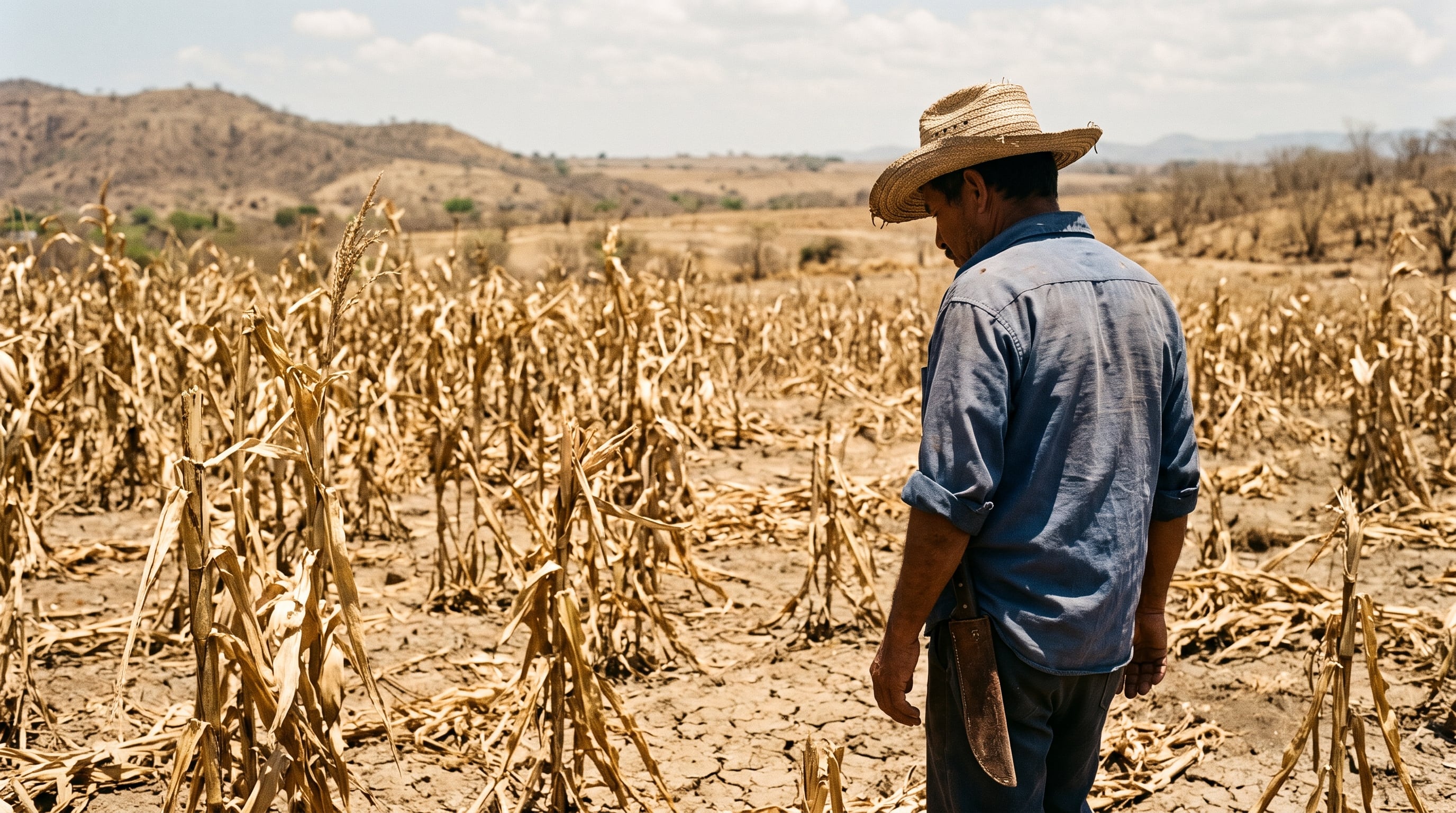
El país permanece bajo alerta roja por sequía, decretada a finales de agosto. La medida responde al riesgo que representa el déficit de lluvias para la producción de aproximadamente 6.9 millones de quintales de granos básicos en las cosechas nacionales.
El impacto ya golpea a las familias agricultoras del Corredor Seco
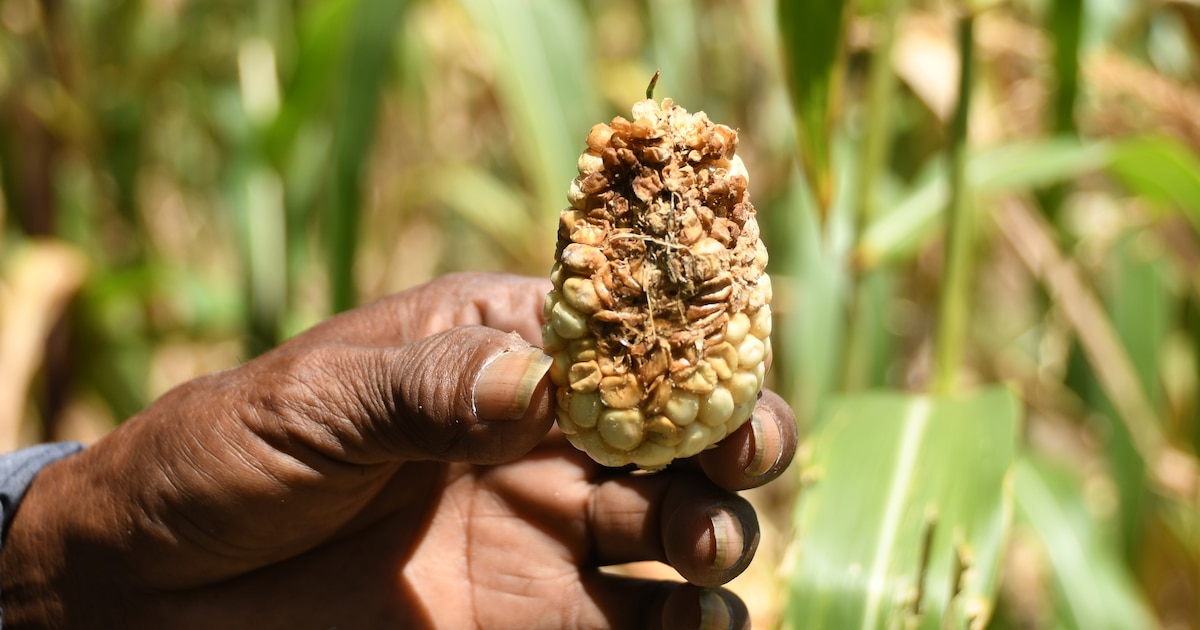
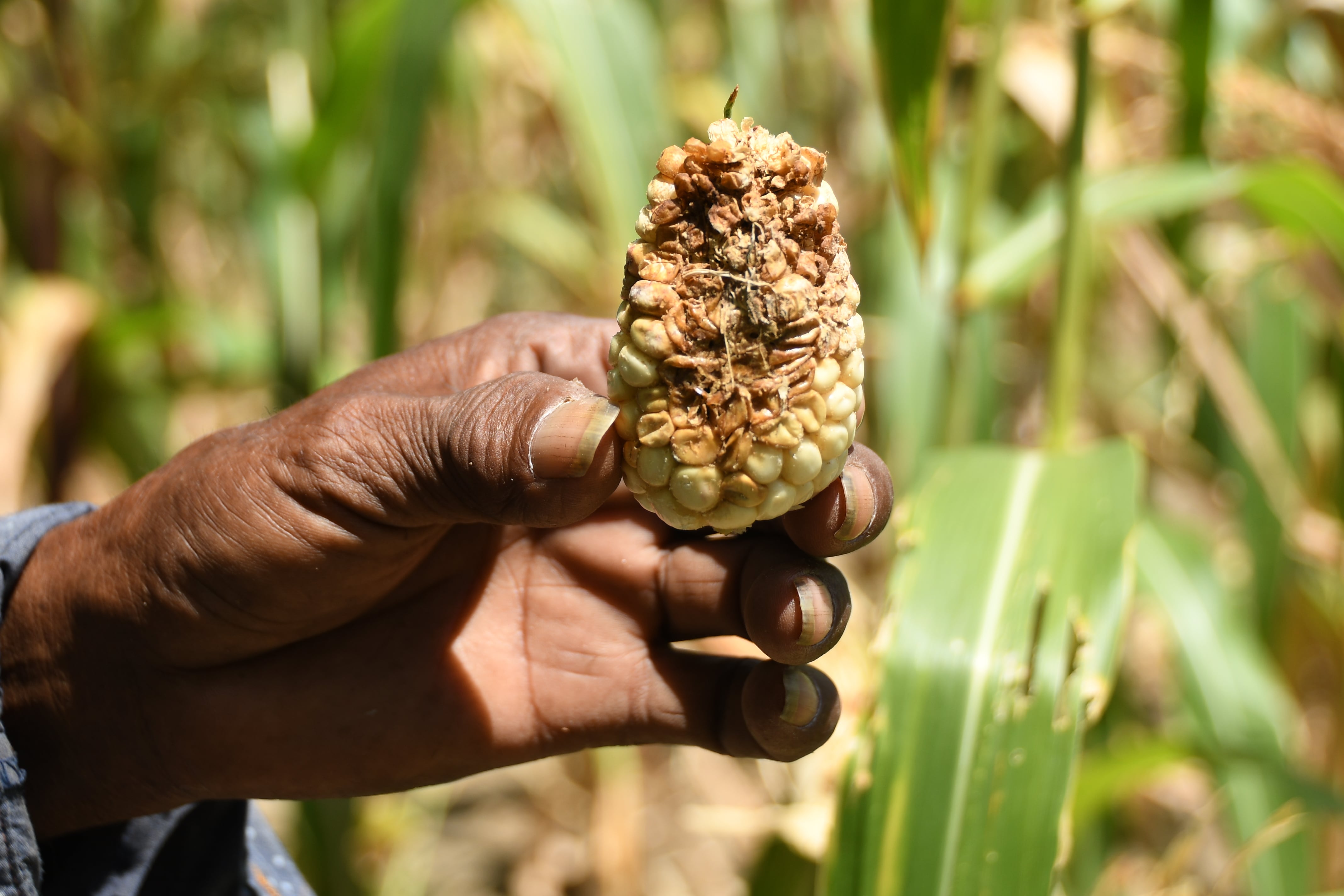
El fenómeno no es una amenaza futura: ya devastó parte de la cosecha de primera en 2026. Según informó Focos TV, canal salvadoreño, la Cámara Salvadoreña de Pequeños y Medianos Productores Agropecuarios (CAMPO) reportó la pérdida de 2,394,000 quintales de maíz y 78,000 quintales de frijol a nivel nacional en esa siembra.
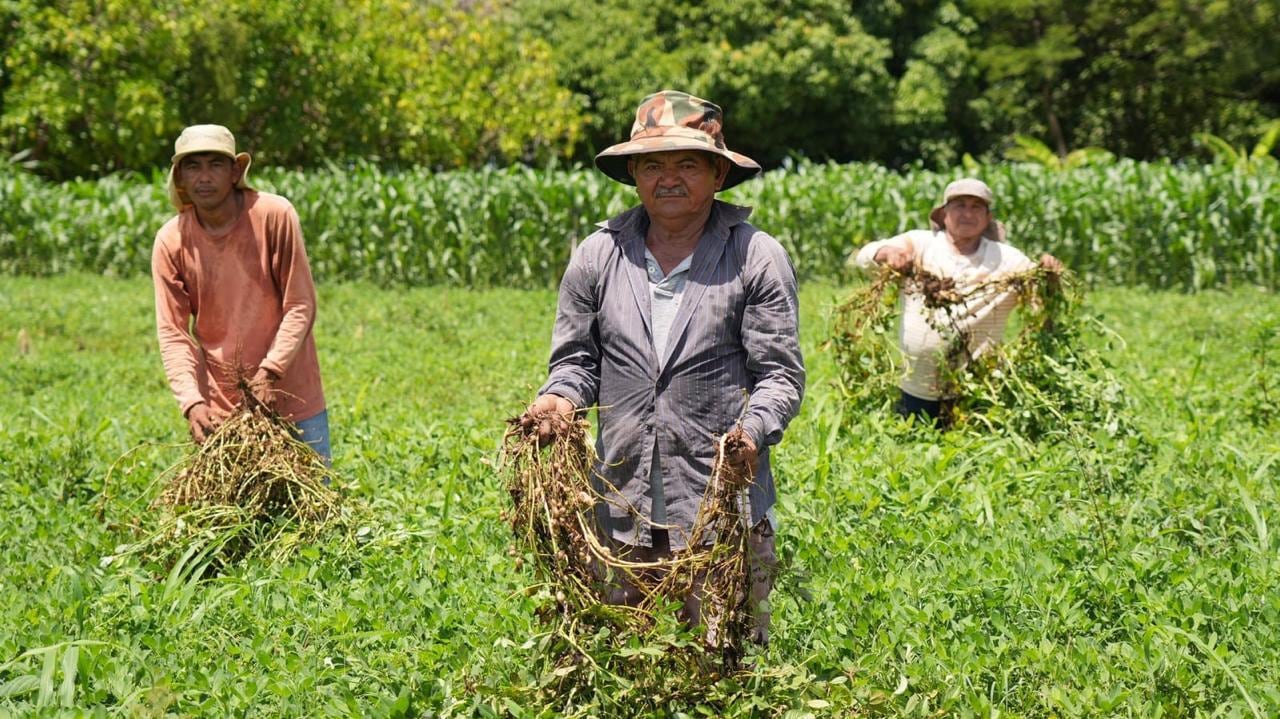
El presidente de CAMPO advirtió sobre la cosecha de postrera, sembrada entre agosto y septiembre: “Esa parte que se sembró, toditita, el 100% está en riesgo”, afirmó al canal.
El Comité Internacional de Rescate (IRC) alertó en septiembre que Centroamérica enfrenta un “Súper El Niño” que alcanzará su punto más crítico entre noviembre de 2026 y enero de 2027. Según las proyecciones del organismo, las lluvias insuficientes podrían empujar a 700 mil personas más al hambre solo en el oriente salvadoreño.
Un relevamiento de Oxfam, organización humanitaria internacional, entre 354 comunidades del Corredor Seco centroamericano, realizado entre julio y agosto, encontró que el 89% señaló a la sequía como causa principal de la pérdida de la cosecha de maíz. El Salvador cuenta con 114 distritos dentro de ese corredor, una de las zonas más afectadas de la región por el fenómeno climático.
sequia,guatemala,campesinos
INTERNACIONAL
Hallaron muertos a dos hermanos desaparecidos en la Amazonía ecuatoriana y su padre se entregó a la Policía

La desaparición de dos hermanos que regresaban de la escuela en la Amazonía ecuatoriana terminó con el hallazgo de sus cuerpos enterrados en una zona rural de la provincia de Napo. Flor Aracely Andi Alvarado, de 11 años, y Leodan Bolívar Andi Alvarado, de 8, fueron encontrados sin vida el jueves 12 de noviembre, después de permanecer casi dos semanas desaparecidos. Horas después, su padre se entregó voluntariamente a la Policía, mientras las autoridades avanzaban en una investigación que también involucra a su actual conviviente y a un hombre detenido por su presunta participación en el crimen.
Los menores habían desaparecido el 30 de octubre, cuando regresaban de la Unidad Educativa Elicio Olalla, ubicada en el sector Santa Rosa, de la parroquia Puerto Napo, en el cantón Tena. Según la información difundida por medios locales, ambos salieron de su jornada escolar alrededor de las 10:30 y emprendieron el trayecto habitual hacia su vivienda, situada en la comunidad Vista Anzu. Sin embargo, nunca llegaron a su destino.
Las primeras investigaciones permitieron establecer que los hermanos utilizaron un autobús como parte de su recorrido y posteriormente subieron a una motocicleta conducida por un hombre. Ese desplazamiento quedó registrado en cámaras de seguridad, cuyas imágenes se convirtieron en uno de los principales elementos para reconstruir sus últimos movimientos conocidos.
Ante la ausencia de noticias sobre su paradero, la Fiscalía General del Estado activó el 1 de noviembre la Alerta Emilia, un mecanismo de búsqueda urgente destinado a localizar a niños y adolescentes desaparecidos en circunstancias de alto riesgo. Durante los días siguientes, agentes policiales, familiares y habitantes de las comunidades cercanas participaron en las labores de búsqueda, mientras los investigadores recopilaban testimonios y analizaban los registros de videovigilancia.

El caso tuvo un giro decisivo durante la madrugada del jueves 12 de noviembre, cuando la Policía detuvo a Jerson Damián Perugachi Grefa, identificado como uno de los principales sospechosos. De acuerdo con declaraciones del comandante policial Juan Carlos Mafla, el hombre presentaba características físicas similares a las de la persona registrada en las imágenes de seguridad mientras transportaba a los menores en una motocicleta.
Horas después, las autoridades localizaron los cuerpos en el sector de Shalkana, en Puerto Napo, aproximadamente a 300 metros de la vía que conduce hacia Ahuano. Los restos se encontraban enterrados en una zona rural. En el procedimiento participaron unidades de la Dirección Nacional de Investigación de Delitos contra la Vida, Muertes Violentas, Desapariciones, Extorsión y Secuestros (Dinased), personal de Criminalística y equipos especializados en búsqueda.
La Fiscalía confirmó el hallazgo y dispuso las diligencias correspondientes para establecer las circunstancias de las muertes. Entre las actuaciones previstas constaban el levantamiento de los cuerpos, las pericias forenses y la recepción de versiones de personas que pudieran aportar información sobre lo ocurrido.

Según la información recogida por la agencia EFE, el ministro del Interior, John Reimberg, aseguró que el sospechoso detenido había confesado el asesinato de los hermanos. El funcionario también señaló que las investigaciones continuarían para determinar si otras personas participaron en los hechos. Esa declaración constituye una versión atribuida a las autoridades y deberá ser examinada dentro del proceso judicial.
Reimberg descartó preliminarmente que el caso estuviera relacionado con actividades de minería ilegal, una de las problemáticas que afectan a distintas zonas de la Amazonía ecuatoriana. Asimismo, anunció la intención de trasladar al detenido a un establecimiento penitenciario fuera de Napo, una vez cumplidas las diligencias judiciales correspondientes.
Sin embargo, la investigación adquirió una nueva dimensión cuando se conoció que el padre de los menores se presentó voluntariamente ante la Policía durante la tarde del 12 de noviembre. Según la información publicada por Diario Extra y El Diario este viernes 13 de noviembre, el progenitor figura entre las personas investigadas por las autoridades, junto con su actual conviviente y el sospechoso detenido inicialmente.

Los reportes periodísticos también señalan que el padre registraba antecedentes relacionados con violencia intrafamiliar y que existía una boleta de alejamiento vinculada con un episodio anterior. No obstante, hasta el momento no se ha establecido públicamente qué participación habría tenido en la desaparición o muerte de sus hijos, ni si esos antecedentes guardan relación con los hechos investigados.
La entrega voluntaria del progenitor tampoco constituye, por sí misma, una admisión de responsabilidad penal. Las autoridades deberán determinar su situación procesal a partir de los elementos recopilados durante las investigaciones y de las decisiones adoptadas por las instancias judiciales competentes.
De acuerdo con Diario Extra, una audiencia de formulación de cargos comenzó después de las 23:00 del jueves en una unidad judicial de Napo. Hasta la información disponible al cierre de esta investigación, no se había confirmado una resolución definitiva de esa diligencia ni las medidas judiciales adoptadas respecto de todas las personas investigadas.
corresponsal:Desde Quito
INTERNACIONAL
Democrats seize on midterm wins to push massive minimum wage hikes, but economists see trouble ahead
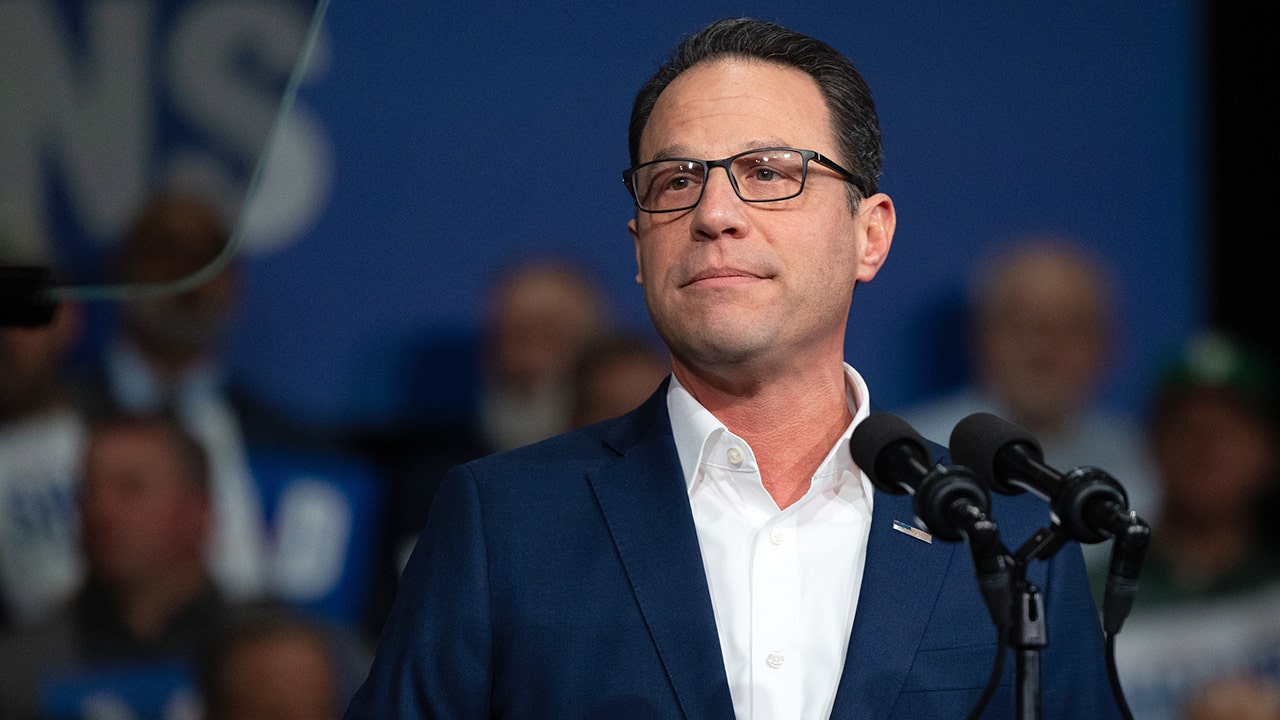
Democrats are pushing major minimum-wage increases after their midterm victories, but economists warn the proposals could come with unintended consequences for small businesses and inexperienced workers.
Pennsylvania Gov. Josh Shapiro is pledging to more than double his state’s $7.25 minimum wage, while Illinois Gov. JB Pritzker is calling for a federal increase as Democrats make affordability a central part of their governing agenda.
The renewed push comes as Seattle, which has one of the nation’s highest minimum wages, faces concerns about rising business costs and employment opportunities — raising questions about the tradeoffs of higher wage mandates.
«We’re going to more than double Pennsylvania‘s minimum wage,» Shapiro wrote in an X post this month. «Codify abortion rights into our state Constitution. Fund mass transit. Build more housing. These are the commonsense things that Pennsylvanians want done.»
AMERICA SAW THE BLUE WAVE COMING — BUT DRASTICALLY UNDERESTIMATED THE EXTENT OF THE DEM TSUNAMI
«And with a Democratic trifecta, we will deliver on all of them,» he continued.
Shapiro’s proposal would raise Pennsylvania’s minimum wage from $7.25 to $15 an hour, an increase of roughly 107%, prompting questions about how small businesses would absorb the additional labor costs.
Tom Savidge, an economist with the American Institute for Economic Research, warned in an interview with Digital that steep wage increases could force small businesses to raise prices, reduce workers’ hours or cut back on hiring.
«A federal minimum wage hike will worsen the affordability crisis,» Savidge told Digital. «A one-size-fits-all mandate ignores regional differences in wages and business costs. It risks higher prices, fewer hours, and fewer jobs, especially for inexperienced workers. Politicians can mandate higher wages, but they cannot mandate that businesses can afford to pay them.»
«Small businesses employing minimum-wage workers cannot absorb such a sharp increase without adjusting elsewhere,» he added. «Some may raise prices, cut hours, or stop hiring. A higher minimum wage means little to workers who cannot find a job.»
The debate comes as Democrats seek to deliver on campaign promises to make life more affordable, even as businesses in cities with higher minimum wages report growing financial pressures.
Seattle, where the minimum wage is currently $21.30 an hour and will rise to $22.14 in January, offers one example of the economic questions surrounding such policies. While proponents have asserted that minimum wage increases will be a boon to employees, some Seattle business owners have previously raised concerns about facing additional cost burdens, KOMO News reported in December 2025.
Rising labor costs have been among the financial pressures cited by Seattle restaurant owners who have closed locations, alongside higher food prices, declining customer demand and other operating expenses, Digital previously reported.
A January survey by The Intentionalist found that 67% of 136 independent small businesses surveyed in Seattle and surrounding Washington communities reported greater financial strain than during the pandemic, with respondents pointing to rising labor costs, rent, insurance and weaker customer demand.
A 2022 study published in the American Economic Journal: Economic Policy found that Seattle’s 2015 and 2016 minimum-wage increases boosted pay for longer-tenured workers but reduced hours worked, particularly among less-experienced employees, and limited opportunities for people entering low-wage jobs.
However, a separate 2017 study by University of California, Berkeley researchers found that Seattle’s earlier minimum-wage increases raised wages in the food-service industry without a statistically significant decline in restaurant employment.
Savidge went on to say that steep minimum wage increases often benefit major corporations over Main Street businesses.
«Higher minimum wages can favor big corporations over small businesses,» he explained. «Large corporations can spread higher labor costs across more sales, invest in automation, or relocate operations. Small businesses have fewer options.»
VOTER POLL: HOW DEMOCRATS TOOK CONTROL OF THE SENATE
Despite concerns about the potential economic consequences, Shapiro has made raising Pennsylvania’s minimum wage one of his first priorities after Democrats won control of both chambers of the state legislature.
«Half a million workers in Pennsylvania still make less than $15 an hour — you can’t live off of that in 2026,» Shapiro said. «Now, we’re finally able to change that. The very first bill that I will sign into law with our new Democratic majority this January will be to raise our minimum wage — and make sure every Pennsylvania worker has a livable wage. It’s long overdue.»
His comments come after Democrats secured a trifecta in Harrisburg in the 2026 midterms after flipping the Pennsylvania state Senate.
$25 AN HOUR? MAJOR CITIES EYE MASSIVE WAGE HIKES AS LABOR ACTIVISTS SEEK FEDERAL MANDATE
When reached for comment, Shapiro’s office referred Digital to the governor’s comments on raising the minimum wage during an interview with former CNN host Don Lemon released on Sunday.
«Some of your some of your viewers and listeners are going to think it’s crazy, but job number one is going to be raise the minimum wage to 15 bucks an hour, and now your listeners like, ‘What do you mean 15 bucks an hour?’» Shapiro said during the interview. «Everybody’s at 15 bucks an hour. Well, we’re not in Pennsylvania. We’ve been stuck at $7.25 an hour for decades, right? Because the Republicans in the state senate, every time we’ve sent a bill over there, have blocked it.»
The minimum-wage push is also gaining traction beyond Pennsylvania.
Illinois Gov. JB Pritzker, who signed legislation in 2019 gradually raising his state’s minimum wage to $15 an hour, is now calling on Congress to increase the federal minimum wage as part of his post-election economic agenda.
«Americans made their voices heard and this is an opportunity for Congress to immediately address the challenges of working people – higher wages, lower costs, rooting out corruption,» Pritzker said in a statement. «The people of Illinois cannot afford to wait.»
AOC-BACKED $25 MINIMUM WAGE PLAN SOUNDS GREAT — BUT AT WHAT COST?
Savidge told Digital that Pritzker and Shapiro’s minimum wage proposals «risk giving large corporations a competitive advantage while squeezing out smaller competitors.»
Critics question whether higher wage mandates translate into better overall economic outcomes, particularly for workers with little job experience.
Adam Gorcyca, a policy researcher at the Illinois Policy Institute, warned that employers may respond to higher labor costs by reducing hours, limiting hiring or raising prices.
«Mandating higher wages doesn’t immediately guarantee workers will take home more money,» Gorcyca added. «Employers often respond to these policies by cutting back hours, slowing hiring or raising prices. It can help select workers, while also making it harder for entry-level or younger workers.»
Gorcyca also questioned whether Illinois’ minimum-wage increases had delivered broader employment gains, pointing to the state’s slow pandemic recovery as evidence of its economic struggles.
«In Illinois, Gov. J.B. Pritzker passed a minimum wage hike in 2019, slowly increasing the state’s minimum wage to $15 an hour by 2025,» he said. «While he has campaigned that it was the ‘right thing to do,’ the state doesn’t have a stronger labor market for workers. In fact, Illinois was one of the slowest to recover from the pandemic.»
Pritzker’s office did not respond to Digital’s request for comment on Tuesday.
The push is also emerging as a priority for congressional Democrats.
House Minority Leader Hakeem Jeffries, D-N.Y., said Monday that the federal minimum wage needs to be raised and that he plans to discuss the issue with members of both chambers of Congress.
«It’s a conversation that I look forward to having with not simply the members of the House Democratic caucus, but with the Senate as well, to see what is possible,» Jeffries said. «It certainly needs to be increased. It’s a disgrace that the minimum wage hasn’t been raised in 20 years and is currently $7.25 per hour.»
politics, jb pritzker, state and local, democrats elections, economy

Los bonos en dólares prometen rentabilidad de más del 40% medidos en pesos

Gimnasia de Jujuy vs Almirante Brown: formaciones, hora y dónde ver por tv

El trasfondo de la fuerte discusión entre Pettovello y Barrionuevo antes del discurso del Papa en la UCA

Grego Rossello entre el humor, la televisión y el desafío de MasterChef: “Es difícil no estar enamorado de Wanda”

La sequía pone en riesgo 6.9 millones de quintales de granos básicos en El Salvador

Mientras negocia una posible alianza con LLA, el PRO acelera su armado bonaerense y busca fortalecer a sus candidatos

PILIPOM: UNA NUEVA HERRAMIENTA EDUCATIVA PARA QUE LOS MÁS CHICOS APRENDAN JUGANDO

El Gobierno toma distancia de los mensajes del papa León XIV, mientras el peronismo intenta capitalizarlos

Es millonario, tiene apenas 22 años, heredó una fortuna enorme, se quedó afuera del VIP del Papa León XIV y la gente ovacionó su actitud

Harry Kane, el gran olvidado

 DEPORTE3 días ago
La dolorosa despedida al aire de Horacio Pagani a su amigo Carlos Babington: “Fue una noticia fulminante que la recibí en el auto”
- INTERNACIONAL3 días ago
La plataforma Doctor SV triplicó su red médica y acumuló 5.4 millones de consultas en su primer año en El Salvador
- DEPORTE3 días ago
Fútbol sudamericano: por qué es importante seguir el calendario de partidos