INTERNACIONAL
Nueve presos salen por día de la cárcel en Uruguay sin un lugar adonde ir: el círculo que los expone a volver al penal


Un tercio de los presos que son liberados por día en Uruguay son parte de un círculo que parece nunca romperse: como no tienen un lugar al que ir, terminan viviendo en la calle, expuestos a delinquir de nuevo y volver a prisión. Cada día salen, en promedio, 33 presos de los penales y nueve de ellos no tienen un domicilio registrado. En muchos casos, tampoco tienen un familiar que se haga cargo.
Esta realidad fue expuesta por la directora del Instituto Nacional de Rehabilitación (INR), Ana Juanche, al exponer en la Comisión de Derechos Humanos de la Cámara de Diputados. Este instituto es el encargado de gestionar las cárceles en el país. En ese ámbito se debate un proyecto de ley llamado Liberación de personas privadas de libertad en la ciudad del último domicilio conocido.
La cantidad de presos liberados en Uruguay no tiene grandes diferencias según los meses. Solo hay dos excepciones: en diciembre, en la previa de la feria judicial, aumentan las libertades; en enero, se reducen porque la Justicia está en su receso. Son 886, en promedio, las excarcelaciones mensuales en el país, según cifras presentadas por Juanche.

El 60% de las liberaciones se produce en el área metropolitana y el restante 40% en el interior del país.
La falta de arraigo
Unas 4.500 personas fueron liberadas entre enero de 2025 y junio de 2026 de las cárceles uruguayas y dijeron no tener un domicilio registrado. Representan un 28% del total. El restante 72%, la gran mayoría, sí supieron establecer una dirección.
¿Qué significa que estos presos no tengan domicilio? Juanche los describió: “Son personas que transitan por distintos arreglos habitacionales, muchas en situación de calle, muchas cambian de domicilio frecuentemente, característica bastante connotada de los perfiles criminológicos de nuestro país”.

En otras palabras, continuó, andan como “a salto de mata”: viven huyendo, sin tener un plan fijo, improvisando y aprovechando cualquier casualidad.
“Esto también va aparejado con la ruptura de las redes socioafectivas y de los vínculos familiares y explica que un gran porcentaje, casi el 30 %, no tenga el arraigo”, describió Juanche.
Estas personas quedan viviendo en la calle, deambulando y “proclives a cometer nuevos delitos fuera de sus ciudades”.
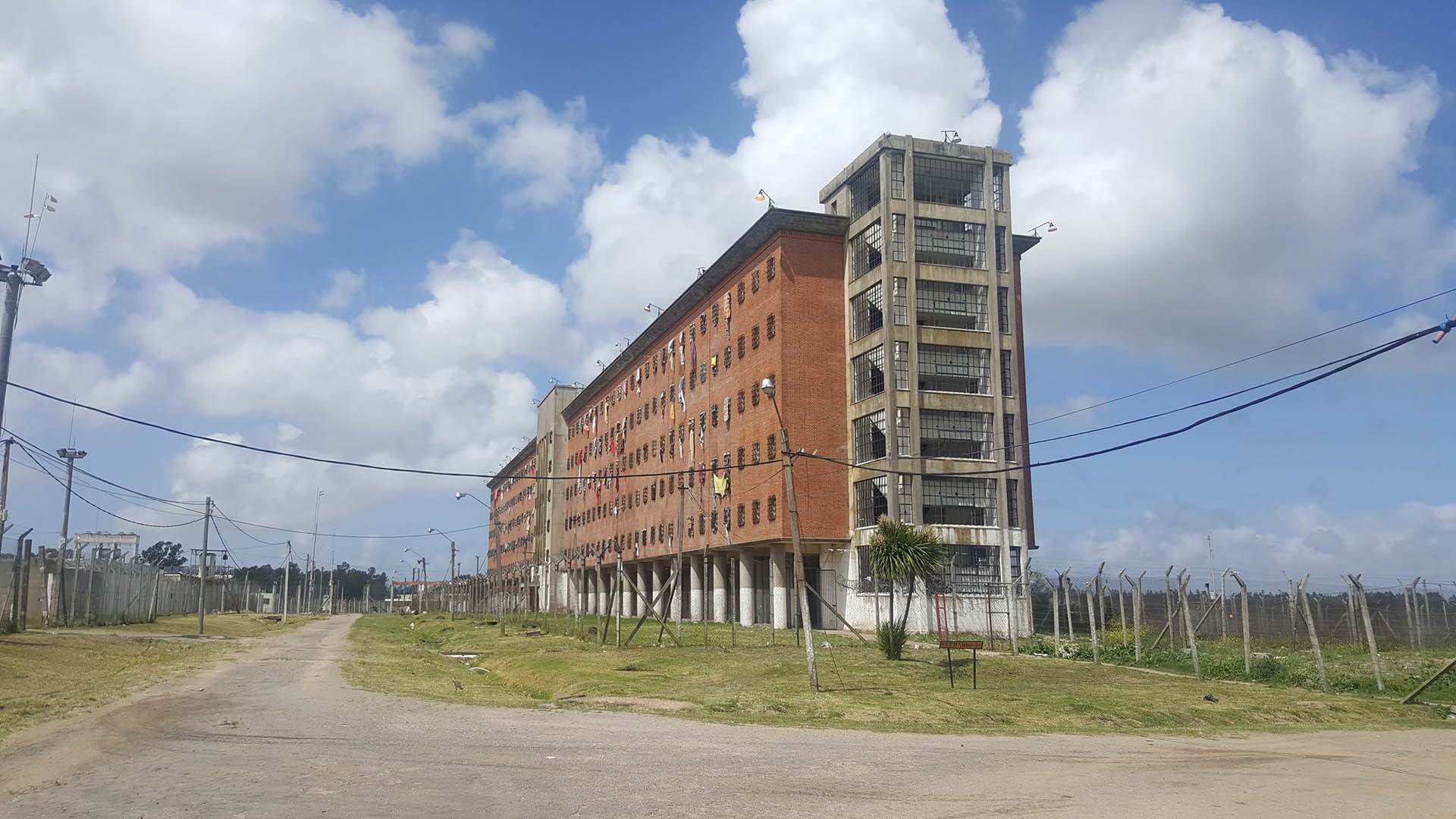
A veces ocurre que ni los propios familiares se quieren hacer cargo. A las autoridades de las cárceles muchas veces les pasa que, cuando se contactan con un pariente del preso, la respuesta del otro lado es: “No, acá no me lo mandes porque yo no me voy a hacer cargo de él”.
Presos sin documentos
Pero más allá de la cantidad de presos que no tiene dirección, hay un porcentaje aun mayor que no tiene un documento de identidad: ocho de cada 10 presos tienen su cédula (como se le llama en Uruguay a esta identificación) vencidas o directamente no tienen cédula.
Las autoridades se han encontrado con presos que tienen todavía el documento de identidad con la foto de cuando eran niños, graficó el secretario del INR, Fabián Rosano.

El gobierno uruguayo se puso como meta que el 35% de los presos tengan su cédula de identidad vigente.
Un alto porcentaje de los privados de libertad en Uruguay tampoco tiene credencial cívica, el documento requerido para las elecciones. Esto quiere decir que todavía no han votado.
Más del 40% de la población privada de libertad es menor de 30 años y tiene, en palabras de Juanche, “trayectorias bastante robustas de exclusión”. “Es altamente probable que haya un enorme porcentaje que nunca votó y que ni siquiera nunca tramitó la credencial cívica. Esto es altamente probable”, comentó ante legisladores.

Más cárceles en Montevideo
La mayor cantidad de cárceles de Uruguay se encuentra en Montevideo y sus alrededores. Esto responde a un fenómeno histórico que muestra que en el interior del país los delitos son menos “menos severos” –como los llamó Juanche– respecto a la capital del país. Sin embargo, en algunas zonas del interior los niveles de violencia también se han agudizado.
Además, en general, las cárceles de Montevideo reciben los traslados de los criminales con perfiles más complejos. Son aquellos que están vinculados al crimen organizado, que cometen los delitos más graves o que son responsables de casos que generaron una importante conmoción en sociedades locales.
De todas las personas que son imputadas en Uruguay, casi la mitad (el 52%) lo es en Montevideo y se queda en la capital; en tanto, un 34 % es imputada en el interior y es liberada también en el interior. Las personas que son formalizadas en el interior y van a una cárcel en Montevideo representan al 10%. El restante 4% es de delincuentes imputados en el área metropolitana y liberados en el interior.

INTERNACIONAL
Mamdani praised over move to dismantle controversial NYC industry — but insiders say there’s more to the story
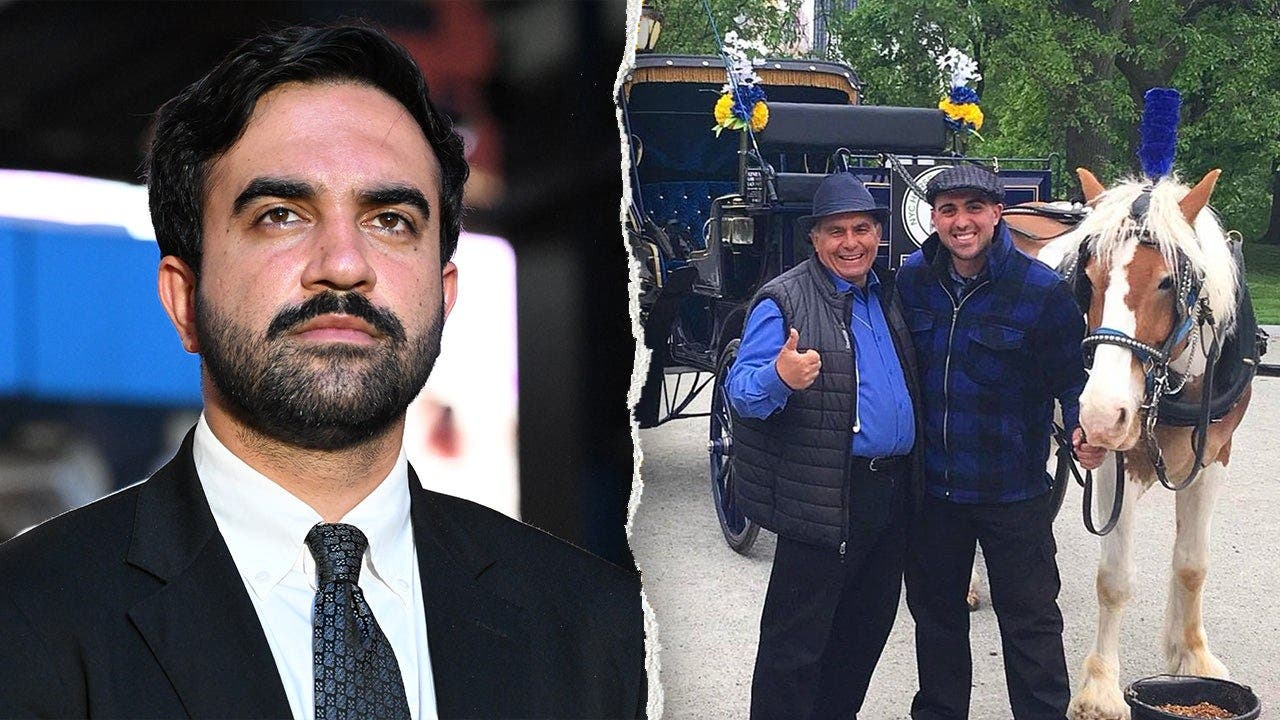
A century-old tradition is on the line in New York City, and horse carriage drivers are speaking out about who will ultimately pay the price if Mayor Zohran Mamdani succeeds in ending the iconic industry.
Mamdani and City Council Speaker Julie Menin announced Tuesday that they had reached a deal to phase out horse-drawn carriages in the Big Apple, with a vote expected next week on a bill that would ban carriage operations beginning in June 2028.
A longtime source of controversy, the horse-drawn carriages lined up at Central Park to take families and tourists for rides are at the center of a public safety debate after 18-year-old Romanch Mahajan was killed from a fall in June. The bill was later renamed «Romanch’s Law.»
Animal rights activists have targeted the industry, accusing carriage drivers of mistreating horses and even heckling some on the streets over concerns about proper care, food and water. Viral videos of horses collapsing and escaping into traffic have prompted calls to terminate the industry for good.
MAN KILLED AFTER HORSE-DRAWN CARRIAGE BOLTS AND FLIPS NEAR POPULAR NEW YORK CITY TOURIST DESTINATION
But Digital spoke to leaders in the industry who pushed back on the criticisms and argued that the New York City tradition is being unfairly maligned, and that livelihoods will be destroyed thanks to Mamdani’s efforts.
«You have pedicabs flying around, so why are they permitted to have a business?» Frank Riccobono, owner and manager of NYC Horse Carriage Rides, told Digital. «And now a 168-year-old tradition, attraction is being forced to surrender, which is very taboo. I want my investment to stay there for the next 20 years, 50 years, 100.»
Riccobono, who owns 12 horses and three carriages, said raising horses is like raising a child, and that «non-horse people» will never understand that bond.
«I had horses give birth in front of me,» he said. «I’ve owned their mom and I have their baby and it’s like taking a child away from me.»
The bill would not take the horses away from their owners. Owners could keep, sell or transfer them as long as they are not sent to slaughter, another carriage business or an «inhumane purposes,» but Riccobono could no longer use his horses for carriage rides in the city.
He called the criticism «brainwashing,» adding his horses receive «the most perfect lifestyle» and regularly see certified veterinarians.
«That’s what this bill shows,» he said. «It shows they’re trying to criminalize us because a horse is working.»
Riccobono said he will also lose a huge investment after purchasing a medallion for nearly $400,000. Medallions are licenses that allow horse carriage drivers to legally operate in New York City.
«I am going to take a very, very big loss here and there’s no reimbursement in this bill,» he said.
MAMDANI, CITY COUNCIL MOVE TO END ICONIC NYC HORSE-DRAWN CARRIAGE INDUSTRY AS WORKERS FACE UNCERTAIN FUTURE
The ban means much more than just losing a business, according to Riccobono, who said it threatens a family legacy with horses spanning generations. Riccobono has spent more than two decades driving horse-drawn carriages after falling in love with the career through his father, who spent 47 years in the business.
«I have a father that has medical conditions,» he said. «I have colleagues that are on dialysis. These people rely on these medallions for income, for retirement. But they’re trying to strip this away from us and they don’t even know how much they’re gonna give us.»
Riccobono’s wife, Natalie, said that without her husband’s income, the family will not be able to «sustain what we have right now.»
«By taking away these businesses from us, they are literally taking food off of our table and possibly a shelter from over our heads,» she said.
However, what comes next remains up in the air to drivers who say their voices have been left unheard. Mamdani, who has made waves with his socialist agenda, and Menin have vowed to help the city’s roughly 200 carriage drivers transition into new jobs.
MAMDANI’S LATEST FREEBIE SETS OFF ONLINE FURY AS CRITICS RIP CITY PRIORITIES: ‘OPERA SOCIALISM’
«I think that we have a civic responsibility to ensure that we are not leaving anybody out to dry,» Mamdani told reporters Wednesday. «They should not be ones that are simply left as an afterthought of what comes after this.»
Christina Hansen, a veteran New York City horse carriage driver and Transport Workers Union (TWU) Local 100 shop steward, told Digital drivers have yet to hear directly from Mamdani and are being treated «as if we don’t matter, as if we don’t count.»
«The only cruelty in the New York City carriage industry has always been the way that the people in it, the way the carriage drivers and carriage owners and stable owners are treated,» she said.
In a statement to Digital, a spokesperson for Menin said she will remain involved in the transition that «must include meaningful protections for the workers» and said she invited TWU and the administration to join a new working group.
«Through thoughtful conversations with labor and other stakeholders, the Council developed a framework to ensure better economic opportunities for these New Yorkers,» she said.
With the city anticipating the horses will go to rescues or sanctuaries, Hansen warned those facilities already struggle to care for the horses they have because of declining donations and a lack of resources.
Once the national attention fades, Hansen worries the horses could be left behind.
«There’s no funding from the city or anything like that to say, we’re going to make sure that, you know, the city pays for the horse’s retirement,» she said.
MAMDANI PLEDGES MILLIONS TO COMBAT ANTISEMITISM WHILE LEAVING KEY QUESTION UNRESOLVED
This isn’t the first time carriage drivers have feared the industry could disappear. Former New York City Mayor Bill de Blasio pledged to ban horse-drawn carriages after taking office in 2014 and backed vintage-style electric cars as an alternative. The effort, like others over the years, failed.
Hansen encouraged Mamdani to sit down for lunch with the drivers or meet their horses to get a different perspective.
«He hasn’t and he probably won’t, because he’d get so much blowback on social media or whatever,» Hansen said.
Riccobono said the fight doesn’t end here and he will continue pushing back on the «unconstitutional» bill.
«We’re gonna fight for our rights, number one, we’re gonna fight for our horses, and we’re gonna fight for fairness and justice,» he said.
Digital reached out to Mamdani’s offices for comment.
politics, new york city, zohran mamdani, local, transportation, controversies state and local
INTERNACIONAL
Michelle Bachelet vuelve a la política chilena: busca unir a la oposición a José Antonio Kast y ya piensa en su candidatura para 2029
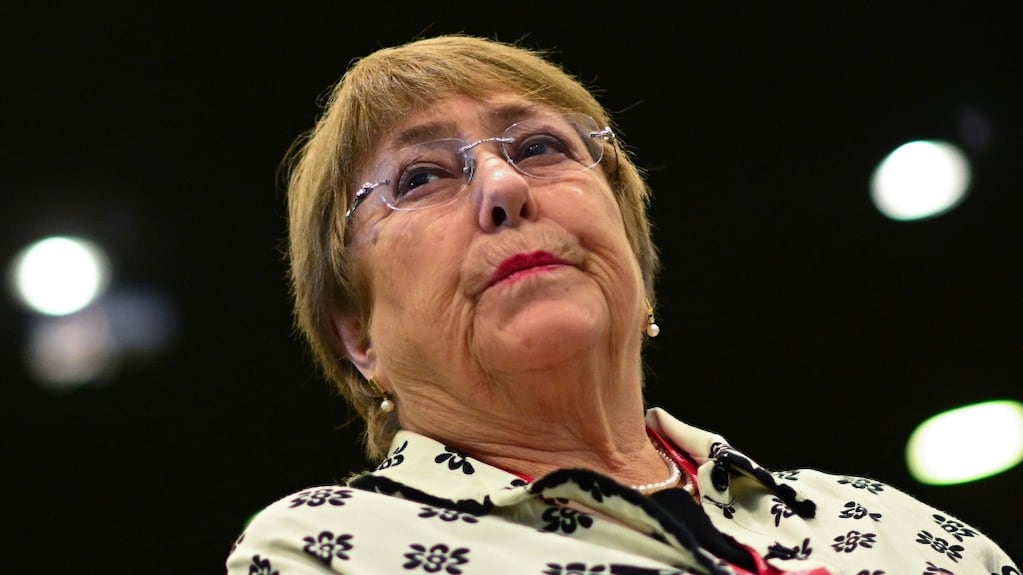
A los 75 años, Michelle Bachelet está de vuelta. Después de su fallida postulación a la Secretaría General de las Naciones Unidas, la expresidenta socialista de Chile busca no solo liderar a la oposición al gobierno derechista de José Antonio Kast, sino también volver al poder.
Si bien faltan más de tres años para las próximas elecciones presidenciales, Bachelet dejó sentado que piensa competir por un tercer mandato después de sus dos anteriores de 2006-2010 y 2014-2018.
“¿No hay segunda sin tercera?”, le preguntó un periodista de TVU de la Universidad de Concepción. Bachelet respondió: “Yo creo que sí. Yo creo que sí”.
Primer paso: liderar la oposición
Su fracaso diplomático le hizo cambiar de planes. Por su experiencia previa como directora ejecutiva de ONU Mujeres y como Alta comisionada para los Derechos Humanos, pensaba convertirse en la primera mujer en dirigir las Naciones Unidas. Pero fracasó en el intento.
“A quienes pensaban que después de esto me iba a ir para la casa, les tengo una mala noticia. Esto no va a pasar. Voy a seguir aquí, aportando, trabajando y apoyando a Chile como lo he hecho siempre”, dijo en un acto reciente en Santiago.
Como primera medida, convocó a los líderes de seis partidos de la oposición para iniciar un proceso de articulación y coordinación de las fuerzas progresistas de Chile.
La iniciativa incluyó al Partido Socialista (PS), el Partido por la Democracia (PPD), el Partido Liberal, el Frente Amplio del expresidente Gabriel Boric, el Partido Comunista (PC) y la Democracia Cristiana (DC).
Un sondeo de la consultora Criteria reveló que el 44% de los consultados votaría hoy por Bachelet, aunque el 52% del electorado rechaza su figura.
Otra encuesta, realizada por Cadem, señaló que el 41% de los chilenos considera a Bachelet como la mejor candidata de la izquierda, seguida de lejos por Boric con un 24%.
Bachelet
INTERNACIONAL
Dem congressional candidate’s police employment record reveals suspensions over stolen gun, insubordination
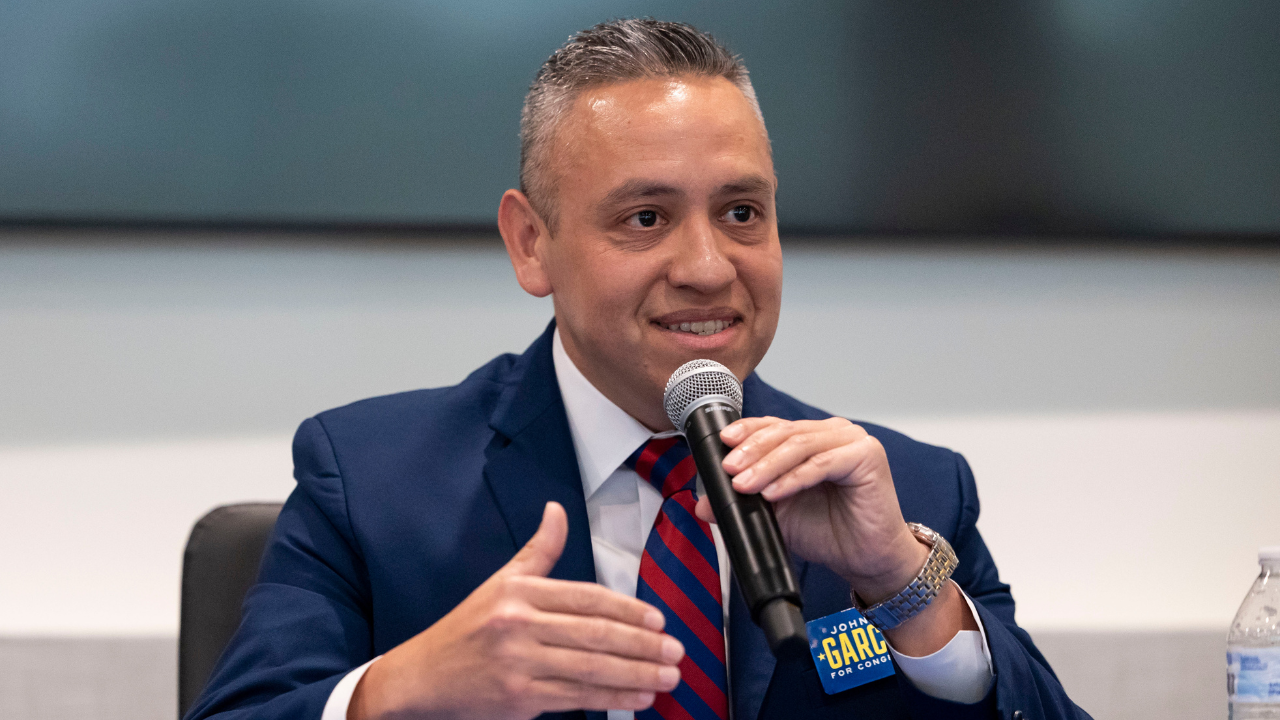
Johnny Garcia, a candidate for Congress in Texas’ newly redrawn 35th District, faced a pair of suspensions for «job performance,» «insubordination» and «conduct or action that would seriously impair job effectiveness» during his time with the Bexar County Sheriff’s Office, records show.
In the first suspension in 2009, Garcia brought a cellular device into a secure area against repeated instruction. The second, in 2020, arose when Garcia left a gun in an unsecured location, where it was later stolen.
In both cases, Garcia was suspended without pay.
The suspensions, discovered through a public records request, put new scrutiny on a law enforcement career that Garcia has made a central part of his campaign as he wages a race against Republican candidate Carlos De La Cruz, an Air Force veteran.
The race to fill the seat being vacated by Rep. Greg Casar, D-Texas, is expected to be significantly more competitive in the upcoming midterms than in years past.
POLL: IT’S A LONE STAR SENATE SHOWDOWN BETWEEN TALARICO AND PAXTON
The first suspension came in 2009 when Garcia carried his cellphone into a secured jail area, something he had been told repeatedly not to do.
«You have been instructed multiple times not to bring cellular phones or electronic equipment into the secured area and that doing so is a violation of policy. You stated you had been informed several times during Roll Call that cellular phones are not permitted in the secured area,» a notice of suspension reads.
«You are hereby notified that the Bexar County Sheriff’s Department is suspending you without pay for a total of three days … for insubordination [and] conduct or action that would seriously impair job effectiveness.»
The second suspension, according to the disciplinary record, came in 2020, when Garcia left his Glock firearm, four magazines and his badge — items that were later stolen — in his car.
«Your equipment was not properly secured and was kept temporarily in your vehicle against Bexar County Sheriff’s policy. This negligent behavior has seriously impaired your job effectiveness and is a clear violation of the policies and procedures of the Bexar County Sheriff’s Office,» a report read.
Garcia received a five-day suspension without pay for «job performance,» according to the county’s records. The firearm was eventually recovered after Garcia reported it was missing.
The sheriff’s office did not address questions about additional context on the suspensions, how frequently such suspensions are imposed and what other kinds of discipline the office would consider ahead of a suspension. Instead, it confirmed that Garcia had not faced any other forms of discipline as a result of the two incidents.
TRUMP-BACKED AIR FORCE VETERAN WINS GOP RUNOFF IN NEWLY-REDISTRICTED HOUSE DISTRICT
«The Bexar County Sheriff’s Office handles all policy violations in strict accordance with Civil Service Commission guidelines. Deputy Johnny Garcia served a 3-day unpaid suspension for bringing an electronic device into a secure facility and a 5-day unpaid suspension for failing to properly secure county issued equipment. The disciplinary actions were the agency’s final decision of the incidents,» Deputy Noel Diaz said in a statement to Digital.
«All deputies are required to maintain complete knowledge of the Civil Service Commission policies. Disciplinary actions are handled independently on single incidents.»
Garcia, who has not held elected office before, faces considerably steeper election odds than other Democrats who have run in Texas’ 35th District.
Casar, a progressive, last won re-election in the old district with a 67.4% to 32.6% victory in 2024. But Republicans targeted that electoral advantage through redistricting changes passed last year, prompting Casar to seek re-election in the state’s neighboring 37th district.
«Trump and Abbott just rammed through maps designed to kick people like me out of office. They don’t want me in Congress because they don’t want us to be heard. But we’re not going anywhere,» Casar said in a post explaining his move.
To overcome that shift in political advantage, Garcia has brought a centrist message to voters, highlighting his service with the Bexar County Sheriff’s Office, a post he joined at the age of 21. He would go on to work with the county jail and then as a hostage negotiator.
On his website, Garcia lists border security as a top priority in addition to issues like affordability and protecting government programs like Social Security. He said he had faced border weakness firsthand, stating that he had seen «how Biden failed us on the border.»
«An old school Democrat … he believes true public safety means more than tough talk,» his website states.
SUPREME COURT HANDS GOP A REDISTRICTING WIN BY STRIKING DOWN LOWER COURT BLOCK ON TEXAS MAP
When asked about the two suspensions, Garcia’s campaign pointed back at his record of safety as a law enforcement officer.
«As a sheriff’s deputy, I’ve spent nearly two decades putting my own safety on the line to protect my community to keep violent criminals off our streets. These politicized claims are Republicans’ desperate attempts to distract from the fact that tariffs and his war in Iran have made everything more expensive for working families,» Garcia said in a statement to Digital.
Having cleared his party’s primary in May, Garcia heads to the state’s general election on Nov. 3.
politics, texas, house of representatives, midterm elections

Le prestó el auto a su hijo, discutieron y denunció un robo: lo investigarán por falsa denuncia y estafa

Atento, Boca: Vasco da Gama, con mayoría de titulares, perdió ante San Pablo

La mirada de Washington sobre la Argentina: la ley de Milei que preocupa, la definición sobre Malvinas y tres escenarios para 2027

Zorrito Quintiero y Fernando Samalea celebran el MTV Unplugged de Charly García: “Detrás de ese genio hay una persona cariñosa”

Mamdani praised over move to dismantle controversial NYC industry — but insiders say there’s more to the story

Nueve presos salen por día de la cárcel en Uruguay sin un lugar adonde ir: el círculo que los expone a volver al penal

Autos chinos en Argentina: el caso de Noruega reaviva las alertas por espionaje y riesgos para la seguridad nacional

El Índice de Incertidumbre Económica de septiembre alcanzó el nivel más alto de 2026, según la UCA

La FIFA busca justificar el indulto a Balogun tras la llamada de Trump